1
Paulo José Soares Castro
Palatability of the Asian clam
Corbicula
fluminea
(Müller 1774) in an invaded
system
Master Thesis in Ecology
Work made under the orientation of
Martina Ilarri, PhD
Ronaldo Sousa, PhD
ii
DECLARAÇÃO
Nome: Paulo José Soares Castro
Endereço electrónico: [email protected] Telefone: 919134079 Número do Bilhete de Identidade: 14140721
Título dissertação: Palatability of the Asian clam Corbicula fluminea (Müller 1774) in an invaded system
Orientador(es): Martina Ilarri, PhD; Ronaldo Sousa, PhD Ano de conclusão: 2015
Designação do Mestrado: Ecologia
É AUTORIZADA A REPRODUÇÃO INTEGRAL DESTA TESE/TRABALHO APENAS PARA EFEITOS DE INVESTIGAÇÃO, MEDIANTE DECLARAÇÃO ESCRITA DO INTERESSADO, QUE A TAL SE COMPROMETE;
Universidade do Minho, 30/10/2015
Assinatura: ________________________________________________
iii
Acknowledgments
To both my supervisors Martina Ilarri and Ronaldo Sousa, for giving me the opportunity to work with them, for all the guidance and support throughout the year, for all the effort to teach me the best they could, since they are the people that I admire the most.
To Vanessa for all the help and guidance throughout the project, for the great companionship and support, for the endless good times spent at work making it easy.
To Allan for all the advices, for being always ready to help and for the availability. Indeed, many thanks for this team that made every work day a joy.
To all my Shark friends for all the friendship, all the trust, all the spontaneous coffees, for being there every time I needed, and for the best moments.
To Amorim for the help, the friendship, the trust and the laughs that only you can give.
A special thanks to Abel Sousa, Julio André and Luis Campos, for always being present, even though in the last couple of years we could not spend too much time together, for their faithful friendship, I wish you guys the best!
To my brother Pedro, that has proudly become one of the best scientist I will ever know, thank you for all the advices, all the guidance, for following my course and watching over me, thank you for being my brother.
To my parents that have supporting me and are always present. At the end of the day, everything that I became and achieved, I owe it to them. I am lucky to have you as my parents.
Finally, to Vera, that has been the major support for me, for making me focus all the time, helping me achieve my goals, for all the love and care, for all the patience, for the happiness that follows you, I really cannot say enough. Thank you!
iv
Abstract
The successful introduction of non-indigenous invasive species (NIS) is one of the main concerns in ecology and conservation research. NIS can cause serious impacts to the biodiversity, including on ecosystem processes and functions. The Asian clam Corbicula fluminea is recognized as one of the most problematic aquatic NIS. Its high abundance, dispersion, assimilation rates and fecundity are some of the traits that explain its invasive success. There are severe economic and ecologic impacts associated to C. fluminea. Massive die-offs events of C. fluminea have been reported, in which high accumulation of organic matter, can serve as a supplemental food to predators. Until now, most of the invasion studies have focused on the impacts of predator species, instead of prey species. In fact, native predators can provide biotic resistance helping to control invasive species and in this way preventing or at least mitigating its long-term impacts. However, it is also important to take into consideration both direct and indirect effects of invasive preys in a highly invaded system. Minho River is a highly invaded area, where C. fluminea represents more than 90% of the benthic biomass. Indeed, there are many studies that have been performed in the Minho River regarding C. fluminea, but, so far no study have addressed the possible importance of predation on its invasive success. In this context, this study aims to test if C. fluminea is appealing as a food resource to the native and invasive predators that inhabit the Minho River, also assessing daily (i.e day and night) and seasonal variations. For this, field and laboratory assays were performed using food pellets made of C. fluminea’s soft tissues collected in the Minho River, tuna, a commercial sea clam, and C. fluminea shell powder (i.e. shells). Additionally, possible variations in the species palatability due to different biotic and abiotic conditions were also tested and for this specimens of C. fluminea from the River Lima were also used. In laboratory assays we used four potential predator species that occur in the Minho River namely Anguilla anguilla, Cyprinus carpio, Lepomis gibbosus and Procambarus clarkii. In field assays the predators showed preference for Tuna and Corbicula Lima treatments. Furthermore, the consumption was fairly similar throughout the year, except in the winter where the consumption was lower. Also, Corbicula Lima’s consumption was significantly higher than Corbicula Minho. In laboratory assays a similar pattern was observed, with the species showing a preference for the treatment Tuna (in the day period), and for the treatment Corbicula Lima (in the night period).The results of the present study suggests that C. fluminea is not a profitable food resource, and that a biotic resistance from the predators is still highly unlikely to occur in the Minho River.
v
Resumo
A introdução de espécies invasoras é uma das maiores preocupações em ecologia e conservação. Estas espécies são conhecidas por causarem graves impactos na biodiversidade, incluindo nos processos e funções dos ecossistemas. A Amêijoa asiática Corbicula fluminea (Müller, 1774) é reconhecida como uma das espécies invasoras mais problemáticas em sistemas aquáticos. Elevada abundância, dispersão, taxa de assimilação e fecundidade são algumas das características que explicam o seu alto potencial invasor. Esta espécie está associada a graves impactos ecológicos e económicos. Há registos de mortalidades em massa de C. fluminea que resultam em uma grande acumulação de matéria orgânica, que serve de suplemento alimentar a predadores. Até agora, a maioria dos estudos sobre invasões biológicas focam-se nos impactos de espécies predadoras. De facto, predadores nativos podem fornecer resistência biológica e ajudar a controlar as populações de espécies invasoras e prevenir os seus impactos a longo termo. Contudo, também é importante ter em consideração os efeitos diretos e indiretos de espécies de presas invasoras em sistema altamente invadidos. No Rio Minho 90% da biomassa bentónica pertence à espécie C. fluminea. Vários estudos têm sido feitos no Rio Minho relacionados com C. fluminea mas nenhum abordou a possível importância da predação no sucesso da sua invasão. O objetivo deste estudo foi testar se C. fluminea é um recurso alimentar apelativo para os predadores que habitam o Rio Minho, testando igualmente possíveis variações diárias (dia e noite) e sazonais. Para isto foram realizadas experiências de campo e de laboratório, onde se usaram iscos feitos do tecido mole de C. fluminea recolhidos no Rio Minho, atum, amêijoa comercial, e pó de concha de C. fluminea. Foram também testadas possíveis variações na palatabilidade desta espécie devido a condições bióticas e abióticas diferentes, e para isto, foram usados espécimes de C. fluminea do Rio Lima. Na experiência laboratorial foram usadas quatro espécies potencialmente predadoras que ocorrem no Rio Minho nomeadamente Anguilla anguilla, Cyprinus carpio, Lepomis gibbosus e Procambarus clarkii. Na experiência de campo, os predadores mostraram preferência pelos tratamentos Atum e Corbicula Lima. Além disso, durante o ano o consumo manteve-se similar exceto no Inverno onde foi mais reduzido e o consumo de Corbicula Lima foi significativamente maior que o de Corbicula Minho. Em laboratório, foram observados padrões semelhantes, onde as espécies demonstram uma preferência pelo tratamento Atum (Dia), e pelo tratamento Corbicula Lima (Noite). Este estudo sugere que a espécie C. fluminea não é um alimento preferencial dos potenciais predadores, e que é pouco provável que os predadores forneçam resistência biológica a esta espécie invasora no Rio Minho.
6 Table of contents Acknowledgments ... iii Abstract ... iv Resumo ... v 1. Introduction ... 9
1.1 Non-indigenous species: ecological importance ... 9
1.2. The Asian clam Corbicula fluminea: life cycle, general ecology and main impacts ... 11
1.3. The importance of predation on non-indigenous species ... 15
1.4. General context and main objectives of the study ... 18
2. Methods ... 20 Study Area ... 20 Field assays ... 21 Laboratory assays ... 23 Data analysis... 24 3. Results ... 25 Field Assays ... 25 Laboratory Assays ... 27 4. Discussion ... 31
5. Conclusion and future directions ... 35
7
List of Figures and Tables
Fig. 1. Representation of the stages of the Corbicula fluminea life cycle: a) Adult individual; b)
Branchial water tubes with larvae incubating; c) Juvenile released with approximately 250um, well-formed foot and D-shape configuration; d) Young adult specimen with recent sexual maturation. Adapted from Sousa et al., 2008b. ... 12
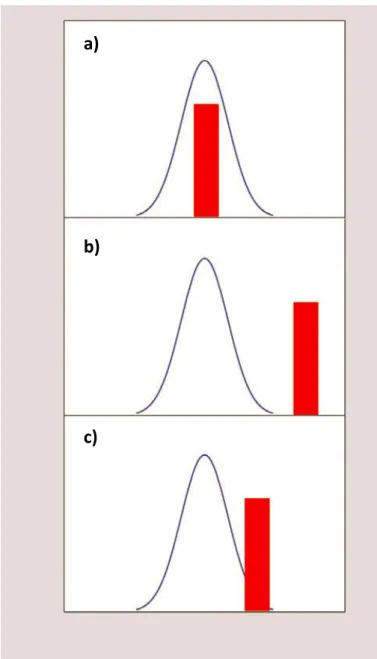
Fig. 2. Illustration of the different responses of a predator to an invasive prey. Blue line represents
predator’s range of feeding capabilities, red column represents how prey’s characteristics fit on predator’s capabilities of feeding. a) the prey is easily apart of the predator’s prey base; b) the predator does not show capability of feeding on non-native species; c) some individuals of the predator’s population stand out, and show traits with more adaptability to the prey’s characteristics, giving room for adaptation. Adapted from Carlsson et al., 2009. ... 17
Fig. 3. Map of the Minho River showing the study area (arrow); Adapted from Mota el al., 2014.
... 21
Fig. 4. Individuals of Corbicula fluminea from the Lima River (left) and from the Minho River (right)
(A). Food pellets treatments ordered: Clam, Tuna, Shell powder, Corbicula Minho and Corbicula Lima (left to right) (B)... 22
Fig. 5. Food pellets attached (equally spaced and organized) to a ten meter string during a field
assay. ... 23
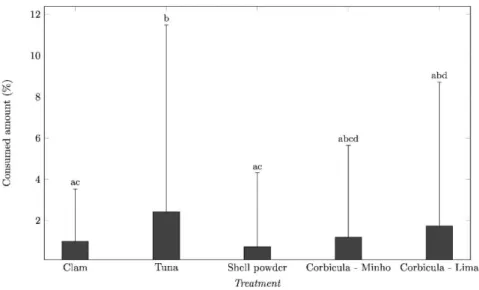
Fig. 6. Overall consumption of the five different food pellet treatments (Clam, Tuna, Shell powder,
Corbicula Minho and Corbicula Lima) in the field assays. Different letters indicate significant differences between them (three-way PERMANOVA pairwise tests; P < 0.05). ... 25
Fig. 7. Seasonal consumption of the five different food pellet treatments in the field assays
performed in the Minho River, during the day (gray colour) and night (black colour) periods. The overall food pellets mean consumption is represented by the dotted horizontal line. ... 26
Fig. 8. Overall consumption of the food pellet treatments in the laboratory assays performed during
the day period. Different letters indicate significant differences between them (one-way PERMANOVA pairwise tests; P < 0.05). ... 27
8
Fig. 9. Overall consumption of the food pellet treatments in the laboratory assays performed during
the night period. Different letters indicate significant differences between them (one-way PERMANOVA pairwise tests; P < 0.05). ... 28
Fig. 10. Mean consumption of Cyprinus carpio during the day (gray colour) and night (black
colour) periods. The overall food pellets mean consumption is represented by the dotted horizontal line. ... 28
Fig. 11. Mean consumption of Lepomis gibbosus during the day (gray colour) and night (black
colour) periods. The overall food pellets mean consumption is represented by the dotted horizontal line ... 29
Fig. 12. Mean consumption of Procambarus clarkii during the day (gray colour) and night (black
colour) periods. The overall food pellets mean consumption is represented by the dotted horizontal line. ... 29
Fig. 13. Mean consumption of Anguilla anguilla during the day (gray colour) and night (black
colour) periods. The overall food pellets mean consumption is represented by the dotted horizontal line. ... 30
Table 1. Mean (+ SD) overall consumption of the food pellet treatments per season in the assays
9
1. Introduction
1.1 Non-indigenous species: ecological importance
Distribution of species has always been a dynamic and natural process with high spatial and temporal variability; however, in the last decades many species have been dispersing outside their native range at unprecedented rates and usually associated to human activities (Simberloff et al., 2013). These species usually called exotic, alien, non-native or non-indigenous species (NIS) can generate serious impacts to biodiversity and to many processes and functions in terrestrial and aquatic ecosystems (Lodge et al., 1998; Caffrey et al., 2011; Bódis et al., 2013). As a result, the successful introduction of NIS has become one of the main topics of research in ecology and conservation (Simberloff et al., 2013). It is extremely important to predict potential establishment, further dispersal and ultimately the main impacts mediated by NIS in order to prevent or mitigate future ecological and economic losses. Most of the excessive rates of introduction, establishment and dispersal are related to human-mediated activities such as agriculture, forestry, aquaculture, exotic animal market, transportation, fisheries, tourism, among others (Sousa et al., 2008b). Despite being difficult to determine which are the evolutionary and ecological processes behind the success of NIS in new environments, scientists believe that these species share some important characteristics for their invasive success. Characteristics such as a wide geographical distribution and the capacity to potentially colonize new habitats, genetic variability, rapid growth and rapid sexual maturity, short generation time, physiologic tolerance to abiotic changes and interaction with human activities that can promote their dispersal are usually described (Darrigran, 2002; Sousa et al., 2008b). In addition, propagule pressure and intrinsic characteristics of the invaded habitat and community are believed to play a fundamental role in the success of establishment and further dispersal (Ricciardi, 2007; Simberloff, 2009). However, many exception exist to these usually described features and biological invasion still lack a strong theoretical and empirical background that may increase their predictability (Simberloff et al., 2013).
Indeed, understanding what predisposes a species to be an invader and a community to be invaded, has been the main focus of scientists interested in the study of biological invasions. Thus, is important to understand that bioinvasions are generally caused by a mix of traits related to the species and to the respective community invaded, which allows a successful and efficient invasion.
10
Facon et al. (2006) discussed three theoretical scenarios of invasion based on migration, ecological and evolutionary changes that can lead to the dominance of the invaded species in the new environments. In the first scenario a change in the migration pattern occurs. The invader is completely absent from the novel community due to its inability to get there, although it has natural pre adaptation to adjust and exploit this community. A change in the migration pattern, most likely related to human activities, can trigger the invasion process. This scenario usually involves low mobility species and isolated or unsaturated communities, lacking specialized enemies (e.g. predators, parasites and competitors) (Keane & Crawley, 2002). The second scenario happens with an environmental change. In this case, the invasive species is not adapted to the new environment preventing its invasion. After a biotic or abiotic change (e.g. climate change, pollution or other kind of disturbances) in the environmental condition that fitted the niche requirement of the NIS, this species could potentially disperse and invade. The range expansions of a variety of species after Pleistocene glaciations from southern refugia towards north, and the recent expansion and dispersal of species in response to climate change are examples of this scenario. Also, disturbances caused by man, or by present invasive species can cause rapid changes in the ecosystem leading to favourable conditions to other invasions (O’Dowd, et al., 2003; Simberloff, 2006). In the third scenario an evolutionary change occurs. While the invasive species has already been introduced on the new community, its invasion only succeeds after a genetic change, resulting from a combination of evolutionary forces. High propagule pressure might have a key role in this scenario, given the fact that these populations will have a greater genetic diversity which may enhance their evolutionary potential (Bossdorf et al., 2005).
Theoretically, NIS with great density and biomass, or that can stablish novel interactions in the invaded ecosystem are the ones that can generate bigger changes/impacts (Ricciardi, 2003; Sousa et al., 2005, 2011; Bódis et al., 2013). Bivalve invaders can reach great densities and have meaningful impacts on the primary and secondary production. Their role as ecosystem engineers can affect the structure of the invaded community, leading to changes in the functions and services of the invaded ecosystem (Crooks, 2002; Sousa et al., 2009; Bódis et al., 2013).
11
1.2. The Asian clam Corbicula fluminea: life cycle, general ecology
and main impacts
The Asian clam, Corbicula fluminea (Müller, 1774), is recognised as one of the most problematic NIS in aquatic ecosystems due to its wide geographical dispersion and great abundance and biomass (Crespo et al., 2015). Several biological traits contribute for its successful establishment and dispersal. C. fluminea shows earlier sexual maturity and rapid growth, high fecundity and great association with man’s activities (Sousa et al., 2008b). However, this species shows lower tolerance to abiotic factors, when compared to other freshwater bivalve species, such as low dissolved oxygen, high temperatures, low pH and low calcium concentrations (Sousa et al., 2008b; McMahon, 2002). Even recognising its lower resistance to variation in several abiotic factors the species usually recover rapidly when compared to native bivalve species due to a much higher growth and fecundity. Therefore, in natural or anthropogenically disturbed habitats the resilience of C. fluminea is much higher than sympatric native bivalve species (McMahon, 2002; Ilarri et al., 2011; Sousa et al., 2012; Bódis et al., 2013).
Corbicula fluminea (Figure 1a) is a hermaphroditic self-fertilizing clam, which means that the introduction of a single individual would be enough to generate a population. The maximum life span ranges from 1 to 5 years. This species shows low juveniles survivorship and a high mortality rate throughout life span, leading sometimes to populations dominated by high density of juveniles (Modesto et al., 2013). Corbicula fluminea has an early sexual maturation, starting to reproduce at a shell size between 6 and 10mm, aging 3 to 6 months (Figure 1d). The number of annual reproduction events can range between 1 and 3, depending on the conditions of the ecosystem. Indeed, the number of reproductive events is usually related to the water temperature and the availability of food resources (Crespo et al., 2015). This species normally have 2 annual reproductive cycles, the first occurring through the spring and early summer, and the second initiates in the late summer and ends on the early fall (McMahon, 1999). This makes possible to individuals participate in one to seven reproductive cycles within its life span. In average, an adult is able to produce 68 678 juveniles per year, due to the high assimilation rate and efficiency of this species, being most of their energy used to reproduction efforts (McMahon, 2002). The fertilization occurs inside the paleal cavity and larvae are kept in the branchial water tubes for hatchery (Figure 1b). When juveniles reach a shell length of approximately 250um, they are released with a well-formed shell, adductor muscles, foot, statocysts, gills and digestive system and have a D-shaped
12
configuration (Figure 1c) (McMahon, 2002). After they have been released to the water column juveniles can anchor to vegetation, sediments or hard surfaces with a mucilaginous byssal thread, or they can disperse through the water column due to turbulent flows. This feature is also described in the dispersion of juveniles by animal vectors increasing the dispersal rates by settling on the feet or feathers of birds, or in algae that birds have attached to, enabling transport through water regions isolated from each other (McMahon, 1999; Figuerola & Green, 2002).
Fig. 1. Representation of the stages of the Corbicula fluminea life cycle: a) Adult individual; b) Branchial water tubes with larvae incubating; c) Juvenile released with approximately 250um, well-formed foot and D-shape configuration; d) Young adult specimen with recent sexual maturation. Adapted from Sousa et al., 2008b.
Originally, C. fluminea distribution was restricted to Asia; although some doubts persist about the filiation of Corbicula in Africa and Australia that may (or not) belong to C. fluminea. More studies regarding genetics and morphometry are needed to clarify this situation. In the last century, C. fluminea has dispersed worldwide. Their first documented presence outside its native range refers to an empty shell found in North America at Vancouver Island, British Colombia in the 1924 (Counts, 1981). During the first half of the twentieth century the species has dispersed across the Pacific coast of the USA and reached the Atlantic coast through the southern states in the 1950s. This dispersion pattern is probably related to the Rocky Mountains distribution, in which cross the
13
continent from north to south, acting as a barrier for invasions from the west to the east areas (Crespo at al., 2015). Corbicula fluminea was first documented in South America around the 1970s, in Rio de la Plata estuary (Ituarte, 1994), and after forty years has invaded the Northeast of Brazil (Crespo et al., 2015). In 1980, C. fluminea was first recorded in the Tagus estuary in Portugal and Garrone estuary in France (Mouthon, 1981), and in 1985 it was recorded in the River Rhine, near Rotterdam, in Holland. Almost all rivers and oligohaline estuarine areas in Portugal have been invaded by this species (Crespo et al., 2015). More recently, the presence of C. fluminea has been described in Central America (1998) (Williams et al., 2001), and Canada in 2006, despite the fact that it has already appeared in Vancouver in 1924 (Simard et al., 2012). In Africa the species was first recorded in Morocco, in 2008 (Clavero et al., 2012). In Europe recent invasions have been recorded in Ireland (Caffrey et al., 2011), some central European systems (Schmidlin et al., 2012) and in an Italian lake on the Alps (Kamburska et al., 2013).
The rapid dispersion of the species was most likely due to human activities, such as the use of specimens as a food resource, juvenile’s transportation through boats, aquarium releases, and utilization of individuals as fish bait (McMahon, 2002; Ilarri & Sousa, 2012). In addition, natural dispersion by animal vectors such as birds, mammals and fish can be responsible for secondary introductions (McMahon, 2002; Green & Figuerola, 2005; Sousa et al., 2008b).
In addition to the species great dispersal in a restricted time period, C. fluminea introduction can also significantly alter the invaded system causing important economic and ecological impacts (Sousa et al., 2005, 2008a). Indeed, when this species attain high density and biomass it can be responsible for high economic losses. For example, C. fluminea is responsible for a serious biofouling problems, for instances, pipe obstruction and filter occlusion in power plants and agriculture irrigation systems. These can result in system shutdowns, reduction of water quality by filter damage in water treatment plants, pipe replacement and also chemical or mechanical cleaning (frequent dredging of irrigation canals) (Darrigran, 2002; Cooper et al., 2005; Caffrey et al., 2011). Some of these solutions may even result in environmental impacts, such as organic pollution and heavy metal pollution. In addition, the huge accumulation of shells can be responsible for damage in fishing and tourism (closing of fluvial beaches) activities, which can result in loss of economic income.
Many of the ecological impacts of C. fluminea are related to its trophic interactions (being a filter feeder) and ecosystem engineer activities in the invaded systems (Crooks, 2002; Gutiérrez et al., 2003; Sousa et al., 2009). This species can influence the biogeochemical cycles and
14
consequently the benthic-pelagic coupling processes in invaded areas. It excretes a great amount of inorganic nutrients, mainly nitrogen, and organic matter (from faeces and pseudofaeces), which stimulates primary production, and can alter the benthic environment. Sediment disturbances from pedal movements can also change the abiotic conditions (e.g. oxygen, redox potential, particle size). Additionally, this species has great influence on the phytoplankton and zooplankton communities. Corbicula fluminea high filtration rates can influence the flow of organic matter (phyto and zooplankton, particulate organic matter), increasing the water clarity, which can further promote the submerged vegetation growth (Sousa et al., 2008b, 2009; Caffrey et al., 2011; Ilarri et al., 2012). Also, there are studies that have shown a clear positive relationship between C. fluminea density and the macrozoobenthos density, biomass and diversity (Ilarri et al., 2012). It is assumed that this correlation is related to the biodeposits and the increase of habitat structures (shell production) provided by the species (Novais et al., 2015a). The presence of C. fluminea shells constitute a more heterogeneous habitat and some macroinvertebrate species use their shells as a structural substrate for attachment, for refuge from predators and competitors, and also to reduce water flow and/or physiological stress (Ilarri & Sousa, 2012; Ilarri et al., 2012).
Previous studies have also demonstrated that C. fluminea can dominate the benthic biomass in invaded systems. Corbicula fluminea dominance influences the abundance, biomass and distribution of native bivalves, which significantly decline after its invasion (Sousa et al., 2007; Sousa et al., 2008c, 2008d). The mechanism behind this is believed to be associated with its higher filtration and assimilation rates that make it an overall superior competitor, limiting the food/energy resources to the native bivalve species (Sousa el al., 2008b; Ilarri and Sousa, 2012). In addition, notable ingestion of native mussel’s sperm (or even glochidia) and newly metamorphosed juveniles by C. fluminea has been described. The extremely high density can be also a problem for the native mussels, resulting in the displacement and creation of unsuitable abiotic conditions for juveniles’ recruitment. Beyond that, this species can be a vector for the introduction of new diseases and parasites (Darrigran, 2002; Sousa et al., 2008b; Ilarri & Sousa, 2012). However, many of these ecological impacts, mainly those related with the disappearance of native bivalve species, remain highly speculative and further studies are needed.
There have been reports of massive die-offs events of C. fluminea, caused by extreme changes in abiotic conditions such as temperature, dissolved oxygen (DO) and water flow. These massive die-offs result in massive releases of organic matter that may change biogeochemical cycles, and lower the water quality. The high concentration of organic matter reduce the
15
concentration of dissolved oxygen, and significantly increase the decomposition rates, which can lead to further increases of nutrient concentrations (ammonia) that are above the physiological tolerance of native unionid mussels (Cherry et al., 2005). This chain of events can cause massive mortalities in all the benthic fauna. Detritivores and scavengers can be highly subsidized as a result from these massive die-offs (Novais et al., 2015b). Besides the fact that can act in favour of C. fluminea due to its faster capacity of recover as stated before, which can also trigger the extirpation of some native species (Cooper et al., 2005; Ilarri et al., 2011; Ilarri and Sousa, 2012)
Corbicula fluminea by feeding on primary producers in the invaded systems occupies a central position in the food web, being capable of control the primary and secondary production and influence the lower and higher trophic levels. In some systems, C. fluminea dominate food web, in some particular cases contributing with more than 90% of the total benthic biomass (Sousa et al., 2005; Sousa et al., 2008a; Ilarri & Sousa, 2012). As a potential dominant prey species of invaded systems, C. fluminea is expected to become one of the main food sources of fishes, birds, and mammals. For example, studies have shown that in South America the diet of some fish species such as Pterodoras granulosus is almost exclusively based on C. fluminea (Darrigran, 2002). Indeed, silurid fish species have also been benefited by the huge amount of Asian clams available during die-offs events (Mouthon, 2001).
1.3. The importance of predation on non-indigenous species
It is known that the lack of coevolving predators in new ecosystems is one of the mechanisms that most contributes to a hyper-successful invasion (Colautti et al., 2004). Most studies on biological invasions address the impacts of predator species, rather than prey species. In fact, little is known about how non-indigenous preys affect native predators (Pintor & Byers, 2015). Some scientists believe that the impacts in the food web and responses of the native species, in these cases, can be equally or even more important. Native predators can have a crucial role in controlling the establishment, dispersal and long-term dynamics of NIS, acting as one of the main biotic resistance factors. Some studies even suggest that the overexploitation of native predators by human activities may leave the ecosystem vulnerable to invasions (Carlsson et al., 2009). Indeed, Gruner (2005) observed that in the Hawaiian Islands, the non-indigenous spider Achaearanea riparia showed an increase of 80-fold in abundance after native birds were excluded
16
from the area, suggesting that the native birds were able to regulate and prevent the invasion of A. riparia.
Pintor & Byers (2015) in a recent meta-analysis on the benefits of NIS on native predators observed that on average, native predators abundance increase after the invasion of a prey species. However, they also observed that the invasive species can be less profitable as a food resource due to their lower value (i.e. quality) when compared to the native prey. This suggests that the native predators in an optimal foraging condition, on average, prefer and choose the native over the non-native prey (Krebs & Davies, 1993). This could be the reason why, in many cases, there is an incomplete switch from predators in consuming invasive prey instead of native prey, with a fail to limit the success of the invasion (Pintor & Byers, 2015).This also suggests that the increase in abundance of native predators can be related to the fact that the populations of native prey has not suffered dramatic declines from the invasion. The study by Pintor & Byers (2015) also suggests that invasive species could serve as a supplemental resource to predators when native prey are less abundant. In these occasions the diet of native predators consist mostly of invasive species. This is the case of the Eurasian round goby Neogobius melanostomus in the Great Lakes that composes over 90% of the diet of the water snake Nerodia Sipedon insularum in Lake Erie (King et al., 2006).
In dramatic cases, invasive species may displace native prey species, altering the availability of food resources to the higher trophic levels. There are three general possible responses of predators to the invasion of a prey species. In the first scenario, the predator is easily capable of feeding on the NIS (Figure 2a). This means that if the predator is dominant in the system and shows high consumption of the NIS, then they could provide sufficient biotic resistance to the invasion. This situation may prevent the invasion success in novel environments and has been speculated as the main mechanism explaining why habitats in the equator are less invaded than more temperate latitudes, due to the fact that equator regions showed a much higher diversity of predators. In the second scenario, the NIS is far from the feeding capabilities of the native predator, and thus evolutionary limitations favor the NIS invasion success (Figure 2b). In this scenario, the NIS can have dramatic impacts in the native prey base, and lead to the decline of the predators population and consequently the decrease in the transference of energy to higher trophic levels (Carlsson et al., 2009). For example, the freshwater zebra mussel (Dreissena polymorpha) can greatly impact the food base of invaded systems, with the zebra mussel competing for substrate and food resources with the native mussels (Strayer & Smith, 2001). The changes mediated by
17
the zebra mussels in the benthic community can lead to declines in the reproduction, growth rates and health conditions of several species of native fishes, including species of commercial value, such as the whitefish (Coregonus clupeaformis), that is the most important commercial fish in the Laurentian Great Lakes (Pothoven et al., 2001). Finally, in the third scenario, in which the NIS does not belong to the prey base of the general native predators population, but there is a margin for adaptive changes, since some individuals show larger feeding capabilities (Figure 2c). In some cases, after a lag period of recognition and adaptation from the predator, the NIS starts to decline as it becomes part of the predators diet (Carlsson et al., 2009).
Fig. 2. Illustration of the different responses of a predator to an invasive prey. Blue line represents predator’s range of feeding capabilities, red column represents how prey’s characteristics fit on predator’s capabilities of feeding. a) the prey is easily apart of the predator’s prey base; b) the predator does not show capability of feeding on non-native species; c) some individuals of the predator’s population stand out, and show traits with more adaptability to the prey’s characteristics, giving room for adaptation. Adapted from Carlsson et al., 2009.
a)
b)
18
Given the three above mentioned scenarios, it is well established that predators can adapt to prey species through multiple different mechanisms. Predators can learn to adapt their behaviour from previous experiences. For example, wasps have learned to overcome the shelter defences of their larval prey (Weiss et al., 2004) and the European green crabs have learned new handling skills from previous prey encounters (Hughes and O’Brien, 2001), in which include adult predators teaching juveniles previous knowledge through social transmission. Besides, predators morphological changes can also occur, allowing them to be more efficient at consuming abundant preys. For instance, many fishes (Mittlebach et al., 1999) and snakes (Aubret et al., 2004), during ontogeny, change their their mouth morphology or develop their gape size, given the size of their main preys. These types of adaptations are usually considered to be related to phenotypic plasticity of species. Other mechanism is related to evolutionary adaptation through natural selection. When the genetic pool’s variability of the predator population is large enough, the selective pressure resulting from the NIS, should favour predator individuals with better adaptive traits (Carlsson et al., 2009). For example, in response to the invasion of the poisonous cane toad (Bufo marinus), the red-belied blacksnake (Pseudechis porphyriacus) and the green tree snake (Dendrelaphis punctulatus), developed a smaller head to impede ingesting high doses of toxin, and a larger body to dilute the toxins (Philips & Shine, 2004). Whereas, populations with low genetic variability should suffer decline on predator fitness, which may result from the absence of possible adaptations due to evolutionary constrains (Strauss et al., 2006; Carlsson et al., 2009). These adaptations make invasive species more profitable to the native predator, which can trigger the switch to consumption of the non-native prey leading to its population control.
1.4. General context and main objectives of the study
As above mentioned, native predators can structure and regulate communities, and can be strong viable biotic resistance to invasive species, either from being able to add the invader to their diet, or to adapt after a period of time. Building on this premise, we believe that strategies for monitoring invasive species impacts on food webs and the interaction between native predator and NIS are crucial to fully manage and understand the long-term community-level impacts of invasions (Pintor & Byers, 2015).
Corbicula fluminea was first reported in Minho estuary in 1989 (Araujo et al., 1993). Currently the species contributes with more than 90% of the benthic biomass, being the major component
19
of the benthic fauna in the tidal freshwater compartments of the estuary and further upstream. Although many studies have been conducted of the C. fluminea population present in the Minho River, any study, so far, addressed the possible importance of predation on their successful invasion. Indeed, is generally believed that possible fish predators lack morphological adaptations, such as pharyngeal tooth structures to crush the shells, and in this way overcome C. fluminea defences (hard shells). Furthermore, very few (or no) signs exist about the possible consumption of the massive proportions of organic matter that are released when die-offs of C. fluminea happen. As already mentioned before, these die-offs can influence the biogeochemical cycling and consequently the benthic-pelagic coupling processes of invaded systems (Ilarri et al., 2011). In addition, these massive die-offs can be seen as a trophic subsidy to adjacent downstream areas with important ecological implications.
In this context, this study aims to determine if the Asian clam C. fluminea, an abundant and well established non-native prey, is appealing as a food resource to the native and invasive predators that inhabit the Minho River. For this, field and laboratory assays were performed in order to determine i) if C. fluminea soft tissues are attractive as a food item to the predator species present in the Minho River; ii) if there is any variation in the predators preference for C. fluminea soft tissues in a daily basis (day and night); iii) if there is any seasonal variation in the predators preference for C. fluminea soft tissues during an annual cycle. For this, food pellets made of C. fluminea soft tissues, shells, fish tuna and a commercial sea clam were used. Also, C. fluminea individuals of an adjacent aquatic system (i.e. Lima River) were used in order to test if the palatability of the species changes under different biotic and abiotic conditions.
20
2. Methods
Study Area
The Minho River (NW of the Iberian Peninsula) originates in Serra de Meira, in the province of Lugo, Spain, and flows NNE-SSW into the Atlantic Ocean. The hydrological basin is 95% located in Spain and 5% in Portugal, with a total area of about 17080 km2. This river extends for 310 km,
with 70 km comprising the natural border between Portugal and Spain in the Northwest, and has a maximum width of 2 km near the mouth. The influence of spring tides extends approximately 40 km upstream, with the estuary covering a total area of about 23 km2. The water of the Minho River
estuary is partially mixed, but during high floods it tends to salt wedge conditions (Sousa et al., 2005, 2008e; Ilarri et al., 2012).
The field experiment was conducted near the Praia da Lenta, a semi-enclosed area located 14 km upstream the river mouth. This site was chosen due to its biotic and abiotic conditions that are well known (Mota et al., 2014), and by the fact that C. fluminea occurs under high densities (Sousa et al., 2008a). The study area comprises sandy and muddy habitats heavily covered by submerged vegetation that is composed mainly by the invasive species Egeria densa. In the last 8 years fyke nets have been deployed in this area in order to characterize the fish and crustacean fauna (for details see Sousa et al., 2013 and Mota et al., 2014).
21
Field assays
In order to investigate C. fluminea palatability, when under different biotic and abiotic conditions, distinct food pellets were prepared in laboratory and deployed in the field. Five different treatments were used: (1) prepared with the Venus clam (Paphia undulata)that was used as a control of C. fluminea (hereafter, Clam treatment); (2) prepared with Tuna that was used as a feeding stimulant control in order to observe if the predators in the area responded to the available food pellets (hereafter, Tuna treatment); (3) prepared with C. fluminea shells powder in order to assess if C. fluminea hardness represent an obstacle to the predators (hereafter, Shells powder). This was achieved by adding shell crushed, at the same percentage of shell and body weight as this clams have in the wild. The percentage of shell used in the treatment was calculated by the mean ratio of the body and shell weight of C. fluminea specimens. The shells were crushed with the Mixter Mill MM 200 Retsch; (4) prepared with C. fluminea soft tissues collected in the Minho River in which the available data (Ilarri et al., 2014) suggest that there is no predators for the species (hereafter, Corbicula Minho), (5) prepared with C. fluminea soft tissues collected in the Lima River in which the available data (Sousa et al., 2006) describe the presence of predators of the species (hereafter, Corbicula Lima) (Figure 4).
22
The food pellets were prepared in a matrix of carrageenan. This matrix was made mixing 3.5g of carrageenan with 60ml of distilled water and 25ml of a semi-liquid mass of treatment material (i.e. Clam, Tuna, Shell powder, C. fluminea soft tissues collected in Minho or Lima Rivers). This resulted on a mixture that was heated to boiling on a microwave with full power for approximately one minute. The melted mixture was poured to a mold and then cooled till solid, resulting in a gelled texture. The mold was cut in ten equally sized (5x1x1 cm) strips with a scalpel, in which each strip had a cotton string attached to it (following Pawlik & Fenical, 1992).Ten replicates of each treatment (Clam, Tuna, Shell powder, Corbicula Minho and Corbicula Lima) were used in the field assays. The replicates of each treatment were attached to a string of ten meter length that was divided in ten (in each one meter). In each meter the five treatments were tied equally spaced and organized following always the same order (Clam, Tuna, Shell powder, Corbicula Minho and Corbicula Lima) (Figure 5). The string was placed submerged at the sampling site during two hours. After removing the samples, the evaluation of the consumption was recorded as percentage of food pellets eaten.
Fig. 4. Individuals of Corbicula fluminea from the Lima River (left) and from the Minho River (right) (A). Food pellets treatments ordered: Clam, Tuna, Shell powder, Corbicula Minho and Corbicula Lima (left to right) (B).
23
The experiment was conducted twice in all seasons during one year. Also, in order to investigate possible differences in the period of activity of possible predators the study was performed in two different periods, day and night time. Furthermore, to maximize standardization, the field tests were carried out on the same tide stages.
Laboratory assays
In the laboratory, assays were performed using one native species Anguilla anguilla (Linnaeus, 1758) (ranging from 23 to 40 cm) and 3 NIS, Cyprinus carpio (Linnaeus, 1758) (ranging from 8 to 12 cm), Lepomis gibbosus (Linnaeus, 1758) (ranging from 8 to 12 cm) and Procambarus clarkii (Girard, 1852) (ranging from 9 to 11 cm). These species were specifically chosen due to their high occurrence in the selected area and potential capacity to consume C. fluminea. In each assay one individual of each species was exposed to the five different treatments (we adopted the same procedure as in the field study) during two hours. Six replicates per species were considered per period of the day (i.e. day time and night time). Aquariums of 23.3x27x30 cm in dimension were used in the experiences. Previous to each assay the individuals were kept under starvation for a 6 day period. Furthermore, the individuals were always acclimatized for three days in the aquariums in which an in-doors period of presence/absence of light were always used.
24
Data analysis
To assess possible differences in the consumption of the different treatments Permutational Multivariate Analysis of Variance (PERMANOVA) were used. This method analyzes the variance of multivariate data explained by a set of explanatory factors, on the basis of any chosen measure of distance or dissimilarity, thereby allowing for a wide range of empirical data distributions (Anderson, 2001). Before conducting statistical tests, all variables were always normalised without data transformation and a resemble matrix based on the Euclidean distances was calculated. For the field experiment, the overall consumption of food pellets treatments were statistically tested with a three-way PERMANOVA (type-III), with treatment (five levels: “Clam”, “Tuna”, “Shell powder”, “Corbicula Minho” and “Corbicula Lima”), season (four levels: “Autumn”, “Winter”, “Spring”, “Summer”) and day period (two levels: “Day”, “Night”) as fixed factors. For the laboratory experiment, one-way PERMANOVA (type-III) were performed to test the overall consumption of food pellets treatments during the day and night time independently. For these PERMANOVA tests, treatment was used as a fixed factor (five levels: “Clam”, “Tuna”, “Shell powder”, “Corbicula Minho” and “Corbicula Lima”).
In all PERMANOVA tests, the statistical significance of variance (α = 0.05) was tested using 9999 permutations of residuals within a reduced model. Also, pairwise comparisons were performed in all the results with statistically significant differences, within PERMANOVA tests.
For all the statistical tests we used PRIMER analytical software (vers. 6.1.6, PRIMER-E Ltd, Plymouth, U.K.) with PERMANOVA + 1.0.1 add-on (Anderson et al., 2008).
25
3. Results
Field Assays
Overall, significant differences in consumption between treatments were found (Pseudo-F=2.61, p<0.05). The treatment with Tuna exhibit the highest percentage mean value of consumption (2.42+9.07), followed by Corbicula Lima (1.74+6.98), Corbicula Minho (1.19+4.36), Clam (0.99+2.54) and Shell powder (0.71+3.59). Pairwise tests indicated that the treatment Shell powder was significantly different from the treatments Tuna and Corbicula Lima (Figure 6).
Significant statistical differences in consumption were also found throughout the seasons (Pseudo-F=3.84, p<0.01). Winter had the lowest mean percentage of consumption (0.23+0.72) and the summer registered the highest value (1.96+7.41). Pairwise tests showed that the significant differences were mainly due to the fact that winter was very different compared to the other seasons. The consumption was approximately the same in spring, summer and autumn (Figure 7). Concerning the treatments, overall consumption was similar throughout the year, except during the summer where the treatment Corbicula Lima exhibited the highest values (Table 1).
Significant statistical differences in consumption were found between the periods of the day (Pseudo-F=13.31, p<0.01). Night was the period that showed the highest consumption rates (2.19+7.37) (Figure 7).
Fig. 6. Overall consumption of the five different food pellet treatments (Clam, Tuna, Shell powder, Corbicula Minho and Corbicula Lima) in the field assays. Different letters indicate significant differences between them (three-way PERMANOVA pairwise tests; P < 0.05)
26
Fig. 7. Seasonal consumption of the five different food pellet treatments in the field assays performed in the Minho River, during the day (gray colour) and night (black colour) periods. The overall food pellets mean consumption is represented by the dotted horizontal line.
Fig. 8. Overall consumption of the food pellets treatments in the laboratory assays performed during the day period. Different letters indicate significant differences between them (one-way PERMANOVA pairwise tests; P < 0.05).Fig. 7. Seasonal consumption of the five different food pellets treatments in the field assays performed in the Minho River, during the day (grey colour) and night (black colour) periods. The overall food pellets mean consumption is represented by the dotted horizontal line.
27
Laboratory Assays
Overall, the percentage of treatment consumed was significantly different for the day (Pseudo-F=2.60, p<0.001) and night assays (Pseudo-F=2.75, p<0.001). The preferred treatments during the period of the day were Tuna (7.17+19.94) and Clam (6.25+7.25), followed by Corbicula Lima (4.17+8.03), Corbicula Minho (2.04+2.05) and Shell powder (1.17+1.79) (Figure 8). Whereas, during the period of the night Corbicula Lima was the preferred treatment (5.25+9.32). The pairwise tests indicated that this treatment was significantly different from the others (Figure 9).
Treatments Seasons
Autumn Winter Spring Summer
Clam Tuna Shell powder Corbicula Minho Corbicula Lima 1.01+3.58 3.68+11.64 0.63+2.58 1.71+5.26 1.80+4.73 0.18+0.68 0.56+1.17 0+0 0.28+0.72 0.13+0.34 0.88+1.59 3.34+11.65 1.56+5.91 0.86+2.25 1.40+2.19 1.88+3.17 1.83+6.40 0.45+1.84 1.95+6.75 3.68+13.21
Table 1. Mean (+ SD) overall consumption of the food pellets treatments per season in the assays performed in field.
Fig. 8. Overall consumption of the food pellet treatments in the laboratory assays performed during the day period. Different letters indicate significant differences between them (one-way PERMANOVA pairwise tests; P < 0.05).
Fig. 9. Overall consumption of the food pellets treatments in the laboratory assays performed during the night period. Different letters indicate significant differences between them (one-way PERMANOVA pairwise tests; P < 0.05).Fig. 8. Overall consumption of the food pellets treatments in the laboratory assays performed during the day period. Different letters indicate significant differences between them (one-way PERMANOVA pairwise tests; P < 0.05).
28
Cyprinus carpio consumption was significantly different during the day (Pseudo-F=12.58, p<0.001). Pairwise tests indicated that the differences were mainly associated to the higher consumption of the treatments Clam and Tuna. During the night the pattern was different with the treatment Corbicula Lima being the most consumed (8.33+17.99), but no significant differences were observed in the comparison with the other treatments (Figure 10).
Fig. 9. Overall consumption of the food pellet treatments in the laboratory assays performed during the night period. Different letters indicate significant differences between them (one-way PERMANOVA pairwise tests; P < 0.05).
Fig. 10 Mean consumption of Cyprinus carpio during the day (grey colour) and night (black colour) periods. The overall food pellets mean consumption is represented by the dotted horizontal line.Fig. 9. Overall consumption of the food pellets treatments in the laboratory assays performed during the night period. Different letters indicate significant differences between them (one-way PERMANOVA pairwise tests; P < 0.05).
Fig. 10 Mean consumption of Cyprinus carpio during the day (gray colour) and night (black colour) periods. The overall food pellets mean consumption is represented by the dotted horizontal line.
Fig. 11. Mean consumption of Lepomis gibbosus during the day (grey colour) and night (black colour) periods. The overall food pellets mean consumption is represented by the dotted horizontal lineFig. 10 Mean consumption of Cyprinus carpio during the day (grey colour) and night (black colour) periods. The overall food pellets mean consumption is represented by the dotted horizontal line.
29
Lepomis gibbosus consumption was significantly different during the day (Pseudo-F=2.66, p<0.05). Clam (4.67+4.37) was the treatment most consumed, followed by Tuna (3.17+2.48), Corbicula Minho (2.50+1.05), Corbicula Lima (1.67+0.82) and Shell powder (0.50+0.84). During the night the consumption preference was similar to the observed during the day; however, no significant differences were observed (Figure 11).
Procambarus clarkii consumed mostly the Tuna treatment during the day (18.67+39.95) and also night (6.83+2.71). Nonetheless, no significant differences were observed comparing the amount consumed between treatments for both periods. Furthermore, the greatest consumption was observed in the assays performed with P. clarkii (Figure 12).
Fig. 11. Mean consumption of Lepomis gibbosus during the day (gray colour) and night (black colour) periods. The overall food pellets mean consumption is represented by the dotted horizontal line
Fig. 12. Mean consumption of Procambarus clarkii during the day (grey colour) and night (black colour) periods. The overall food pellets mean consumption is represented by the dotted horizontal line.Fig. 11. Mean consumption of Lepomis gibbosus during the day (grey colour) and night (black colour) periods. The overall food pellets mean consumption is represented by the dotted horizontal line.
Fig. 12. Mean consumption of Procambarus clarkii during the day (gray colour) and night (black colour) periods. The overall food pellets mean consumption is represented by the dotted horizontal line.
Fig. 13. Mean consumption of Anguilla anguilla during the day (grey colour) and night (black colour) periods The overall food pellets mean consumption is represented by the dotted horizontal line.Fig. 12. Mean consumption of Procambarus clarkii during the day (grey colour) and night (black colour) periods. The overall food pellets mean consumption is represented by the dotted horizontal line.
30
During the day A. anguilla consumed mostly Tuna (1.50+1.05); however, no significant differences were observed in their preference. Nonetheless, during the night Corbicula Lima (9.67+2.25) was the treatment most consumed and significant differences were observed in the comparison of the treatments. Pairwise tests showed that the treatment Corbicula Lima was significantly different from the other treatments. High values of consumption were also observed for Corbicula Minho (2.33+2.07), Tuna (1.67+0.52), Clam (0.83+1.17) and Shell powder (0.33+0.52) (Figure 13).
The total mean consumption was higher during the day (20.79+26.29) than when compared to the night (13.38+10.66).
Fig. 13. Mean consumption of Anguilla anguilla during the day (gray colour) and night (black colour) periods. The overall food pellets mean consumption is represented by the dotted horizontal line.
Fig. 13. Mean consumption of Anguilla anguilla during the day (grey colour) and night (black colour) periods The overall food pellets mean consumption is represented by the dotted horizontal line.
31
4. Discussion
Overall, the treatments containing C. fluminea showed low values of consumption, especially on the assays performed in field. Also, in field the period of the night was the one that the predators showed the highest values of consumption. This was already expected given the fact that some of the major potential consumers are more active during twilight (e.g. A. anguilla and P. clarkii). In contrast, in the laboratory assays, a higher consumption was recorded during the period of the day. This is probably due to the fact that the conditions in laboratory do not simulate exactly the natural field conditions (the specimens were restricted to small aquariums), associated to the fact that the species in laboratory are always under some stress.
The results obtained in the present study suggest that the invasive species C. fluminea is not a preferential food for the potential predator species that occur in the Minho River. This result corroborates with the results described by Carlsson et al. (2009) for the scenario 3, in which the authors suggest that after the invasion, due to the lack of co-evolve history, there are invasive species that are not recognized as a preferential food resource to the local species. In fact, C. fluminea have invaded the Minho River in 1989 (Araujo et al., 1993), and even after more than 20 years of invasion the local predator species do not seem to recognize the species as a valuable food resource. According to Pintor & Byers (2013), many invasive species tend to be not profitable, as a resource, due to the fact that native predators have skills and physiology that make them better consumers of the native preys, not to mention that invasive species are normally associated to a low energy value as food (although many exceptions to this can be found in the literature; see for example Tablado et al., 2010). Additionally, there is a lag period that the predator usually takes to learn the non-native preys behaviour and recognize it as a potential food resource. The Minho River predators are probably better adapted to consume the native preys instead of the invasive C. fluminea. In fact, most of the native predators of the Minho River are not fully adapted for crushing mollusc shells. Normally, only species with morphological pre-adaptations such as strong molariform teeth on its pharyngeal bones, mouths adapted to suction and/or equipped with strong maxilla to break the valves of bivalves are capable to crush the bivalve shells (Prejs et al., 1990) and be considered potential predators (Oliveira et al., 2010). In the Minho River there are potential species capable to predate C. fluminea such as, A. anguilla., L. gibbosus, C. carpio and salmonid species (especially Salmo trutta fario and Salmo truta trutta). Despite A. anguilla lack of the pharyngeal teeth, it is known to prey molluscs, due to the fact that they possess strong jaws capable
32
of crushing the shells (French, 1993; Molloy et al., 1997). Lepomis gibbosus have cadiform pharyngeal teeth, which are not suitable for crushing shells, and because of this it swallows bivalves as a whole, choosing to prey on mollusc only if their preferred prey become scarce (French, 1993; Molloy et al., 1997). Cyprinus carpio have a molariform pharyngeal teeth adapted to crush and chew bivalve shells with effectiveness (Tucker et al., 1996). Salmonid species also lack the structural pharyngeal teeth; however, are characterized by a large opening of the oral cavity, which allows them to be able to fit bivalves, power jaws and by a highly complex dentition, the vomerine teeth that may serve to grip preys and in some cases are capable to crush shelled preys (Cawdery & Ferguson, 1988; Norton et al., 1988).
Despite the fact that there are potential predators of C. fluminea in the Minho River, until now almost no record on C. fluminea consumption by these species were observed (Ilarri et al., 2014). The unique exception were some C. fluminea juveniles (whole individuals) found in the gut contents of a few Salmo truta fario specimens (Ilarri et al., 2014). Beyond the fact that C. fluminea present the shells as a physical defence, it is important to state also that their shells are harder when compared to other bivalve species present in Minho River with the exception of Potomida littoralis (Ilarri et al., 2015). This situation may be the main reason for the avoidance of this species as a prey. In fact, some studies have indicated that the common carp prefer thin-shelled molluscs than mollusc of hard shells, preying only on mollusc of harder shells if its preferred food become scarce (Stein et al., 1975).
The impact of an invasion can be a dynamic process and so it can vary through time. For example, Solenopsis invicta, also known as red fire ants, had important negative impacts on abundance and species richness of native ants and other arthropods, soon after establishment, in Texas (USA). However, a decade later, studies showed that the biodiversity of native ants and arthropods had recovered to pre-invasion levels, and the population of red fire ants had declined (Morrison, 2002). Other example, is the blue crab (Callinectes sapidus) predation on zebra mussels (Dreissena polymorpha), in the Hudson River (USA). This omnivorous blue crab species migrate to freshwater portion of estuaries during summer, and start to feed on zebra mussel. Studies have shown that zebra mussel survival rate have declined over time since the introduction, allowing parts of the ecosystem to recover. Nonetheless, there was no indication of blue crab population growth in numbers, which suggests that this species is consuming more zebra mussel per capita, meaning that blue crabs have adapted to feed more efficiently. However, overharvest of blue crabs reduced their population, and resulted in the reduction of zebra mussel predation, which potentially
33
enhanced their impacts (Carlsson et al., 2011). These examples show clearly that the variation of the impacts of invasions and that the evolution of invasions is not a linear process. This justifies why it is so important to study and collect data over time, given that biological invasions are a dynamic process influenced by many interactions in the ecosystem, and that incomplete data can lead to misunderstandings in how it functions.
Corbicula fluminea can reach high densities in the Minho River (e.g. maximum of 4185ind./m2; Sousa et al., 2008a). Given that, it is theoretically possible, as a result of a long-term
exposure, that in the future predators can start to target the species as a prey. In fact, this was the case of the Musk Turtles, Sternotherus odoratus in the Gin Creek, USA, in which 40 year after the introduction of C. fluminea started to eat the Asian clam. These turtles shift toward a molluscivory diet, with C. fluminea representing 72% of their diet (Wilhelm & Plummer, 2012). In Fairfield Reservoir (North Texas, USA) predators (fish species) contributed to a 29 fold reduction of C. fluminea abundance after 20 years of invasion, which prevent this NIS reaching high densities (Robinson & Wellborn, 1988). Given the previous examples it is possible to consider that after some decades the native predators could co-evolve, as they become aware and more efficient, to potentially use C. fluminea as a supplemental resource.
As expected winter was the season where the consumption was lower. This is possibly explained by the lower temperature and consequently lower metabolic rates of the possible predators present in the studied area, with the species becoming less active and ingesting reduced amounts of food resources. Spring and summer did not showed differences in consumption compared to the autumn, differently to what was expected. This could be due to the massive proliferation of the Brazilian Waterweed E. densa in the studied area. This species, when present in high densities, could decrease the predation capacity, reducing predators’ efficiency. Ferrari et al. (2013) in a recent study in which the influence of E. densa in the predation of the introduced largemouth bass (Micropterus salmoides) was tested, observed that with the increase in density of E. densa there was a decline in the predation activity of the largemouth, reducing the overall prey consumption. In the present study it was not possible to exclude E. densa from the study area due to its massive accumulation and it is possible that this situation could have influenced the overall consumption rates; however, this have not influenced the selectivity of the treatments that was the main goal of the study.
Overall, there was a preference in consumption for the treatments Corbicula Lima compared to the treatments Corbicula Minho. It is possible that the species present a different
34
palatability when collected in a different location, with the different biotic and abiotic conditions influencing the quality of the species and resulting in an intraspecific variability that should be further investigated in the future. The Lima River has higher anthropogenic influence compared to the Minho River (Sousa et al., 2006). Furthermore, there are differences in the nutrient availability and salinity influence between the two estuarine systems, with the River Lima estuary presenting a higher nutrient concentration and a higher influence of salinity compared to the Minho River estuary (Sousa et al., 2006). Also, Lima River shows lower densities of C. fluminea compared to the Minho River, which results in a possible higher intra-specific competition, and consequently can lead to a lower size of the individuals present in the Minho River. It is possible that the different biotic and abiotic conditions could influence the nutritional quality of the species. In fact, a recent study showed that specimens from Lima River showed higher nutritional levels when compared to individuals collected in the Minho River (Rainha, 2015); however, future detailed studies regarding the nutritional quality of the species should be performed in order to better understand the patterns observed.
The results of the present study suggest that C. fluminea is not a profitable food resource; however, according to the local fishermen, during massive mortalities events the species seem to act as a food supplement to the local predators and even for opportunistic estuarine/marine species such as sea bass (Dicentrarchus labrax). Anyway, low consumption was observed in our experiments, suggesting that predators still do not recognize the species as an appealing food resource. The presence of a molariform pharyngeal teeth is a key feature for the predator species adapt a malacophagous diet, even though some predators are capable of preying on bivalves with its absence. Despite the fact that some species that occur in the Minho River contain the morphological structure necessary to overcome the species hard shell structure, it seems that the predator species still prefer the native prey species. Also, our results suggest that biotic and abiotic factors may also influence the palatability of the species, suggesting the existence of intraspecific differences. However, more detailed studies are necessary in order to better understand the patterns observed.
35
5. Conclusion and future directions
Part of the invasive success of C. fluminea in the Minho River seem to be related to the enemy release hypothesis. This theory state that the invasive species have an advantage when leave their native range and invade other ecosystems, due to the lack of specialized enemies (e.g. predators, competitors and parasites) in the novel community (Keane & Crawley, 2002; Torchin et al., 2003). Additionally, tropical habitats (close to the equator) have higher biological resistance to invasions probably due to the higher biodiversity and concomitant higher predation pressure, higher competition for resources, higher diversity of diseases and parasites, which ultimately difficult the establishment of a NIS in these hyperdiverse locations (Stachowicz & Byrnes, 2006). In fact, the invasion of C. fluminea in Central America is less noticeable with only a few sites being inhabited by this NIS (Crespo et al., 2015).
Anyway, in several temperate ecosystems and given the high densities and fecundity of C. fluminea, it is highly unlikely that biological resistance by predators will be able to limit its population density and therefore have a big influence in its impacts. Collectively, this study supports this premise as the consumption levels were very low even in in the absence of C. fluminea shells. Nevertheless, even though predation on adult bivalves is not a common process, in the future, predators can have an impact, at least on juveniles, and contribute to diminish its impacts. Finally, higher densities of C. fluminea could not mean higher rates of predation by native fish species (Molloy et al., 1997) because some studies suggested that single mussels were easier to remove from substrates by fish than when they were in high-density clumps (Egereva,1971).
The methology we used is rather uncommon in predation studies and they are particular rare among freshwater species. Similar designs were used previously to investigate the palatability of marine invertebrates and macroalgae (Pawlik & Fenical, 1992), but as far as we know, the application of this type of experimental design on freshwater and invasive species is novel. Several future studies are in mind to complement the results achieved. Future studies should assess the consumption of juvenile C. fluminea specimens by predators. Other possible study could be to evaluate if the densities of this invasive species in the Minho River have influence on the fish handling capacity. To support the results in this study would be wise to include other species that inhabit the Minho River and also other invaded rivers. For example, crustaceans such as the crab species Carcinus maenas and freshwater turtle species such as Mauremys leprosa could be good candidates. Additionally, it would be important to test if C. fluminea shows different behaviours in
36
the presence and absence of predators, as well as testing if specimens, from different invaded rivers, that were never exposed to certain predators show a naive behaviour. Finally, it will be helpful to test if E. densa has a pronounced effect on the predation of this NIS.