Vol.56, n.6: pp. 895-903, November-December 2013
ISSN 1516-8913 Printed in Brazil BRAZILIAN ARCHIVES OF BIOLOGY AND TECHNOLOGY
A N I N T E R N A T I O N A L J O U R N A L
Cloning of
Ammopiptanthus mongolicus C-repeat-binding
factor
Gene and Its Cold-induced Tolerance in Transgenic
Tobacco
Lijiang Gu, Han Zhang, Huiming Guo and Hongmei Cheng
*Biotechnology Research Institute; Chinese Academy of Agricultural Sciences; Beij; PR China
ABSTRACT
C-repeat-binding factors (CBFs) are a type of important regulon in stress-related signal transduction pathways that control plant tolerance of abiotic stress. Ammopiptanthus mongolicus is the only evergreen broadleaf shrub in the northwest desert of China. The species shows strong resistance to environmental stress, especially to cold stress. An A. mongolicus CBF1 gene (AmCBF1) was cloned and transformed into tobacco. Expression of AmCBF1 could be detected in A. mongolicus shortly after exposure to low temperature of 4°C. Analysis on ratio of electrolytic leakage, soluble sugar content, free proline content, malondialdehyde (MDA) content and peroxidase (POD) activity before and after cold treatment (4°C) for 24 h indicated AmCBF1 conferred higher cold tolerance to AmCBF1 transgenic tobacco compared with the wild type and empty vector transformed tobacco.
Key words: Ammopiptanthus mongolicus, C-repeat-binding factor, Gene transformation, Physiological index detection
*Author for correspondence: [email protected]
INTRODUCTION
After a period of low-temperature exposure, plants are better able to tolerate freezing temperatures (Hughes and Dunn 1996). This phenomenon is referred to as cold acclimation (Thomashow 1998). Exposure to low temperature triggers a highly complex regulatory program that results in extensive reorganization of the transcriptome. These changes include up- and down-regulation of hundreds of genes when plants are incubated at low temperature (Kilian et al. 2007, Robinson and Parkin 2008). The best-characterized genetic control of the cold acclimation process is executed by the C-repeat-binding factor/dehydration-responsive element binding factor (CBF/DREB1) cold-response pathway in Arabidopsis
(Thomashow 2001, Shinozaki et al. 2006). CBF
genes are widespread in higher plants, but their expression patterns vary among different species. Cold acclimation in Arabidopsis involves the action of the CBF cold-response pathway. In
Arabidopsis, three cold-inducible CBF genes,
CBF1, CBF2, and CBF3, also referred to as
DREB1b, DREB1c, and DREB1a, respectively, are
encoded (Liu et al. 1998). These transcription factors bind the cold- and dehydration-responsive DNA regulatory element (CRT/DRE) present in the promoters of cold-inducible genes, including
COR15a and COR78/RD29a (Stockinger et al.
1997), and stimulate their transcription.
Cheng f. shows strong resistance to drought, cold, heat, solar radiation stress and sterile soil (Wei et al. 2011) and can survive winter temperatures even less than −30°C. Previous studies on A.
mongolicus have focused mainly on antifreeze
proteins, genetic diversity, spatial heterogeneity of soil, and the cold-induced AmCIP gene (Ge 2005; Jia 2006; Liu 2006).
Freezing temperatures create adverse environmental conditions that limit the geographical distribution of plants and account for significant reductions in the yields of important crops. Consequently, considerable efforts have been directed at determining the nature of freezing injury and the protection mechanisms of plants to increase tolerance of environmental stresses. In the present study, a CBF1 gene designated AmCBF1
from A. mongolicus was cloned and the gene was transferred to tobacco via an Agrobacterium -mediated method. The effect of AmCBF1 on the cold tolerance of transgenic tobacco plants was evaluated.
MATERIALS AND METHODS
Plant Material
Nicotiana tabacum L. cv. NC89 was maintained in
the laboratory. A. mongolicus seeds were collected from a wild population in Gansu province, China. Seeds of A. mongolicus were sown in the pots in greenhouse in a 16 h/8 h day/night cycle. After more than a month, true leaves of seedlings were harvested for immediate genomic DNA and RNA extraction.
Extraction of Genomic DNA and Total RNA of A. mongolicus and Reverse Transcription of Total RNA
Genomic DNA of A. mongolicus was extracted using the method of Zur et al. (1999), and a buffer that comprised 3% cetyl trimethyl ammonium bromide (CTAB), 1.4 M NaCl, 20 mm EDTA, 100 mm Tris–HCl pH 8.0, and 0.2% 2-mercaptoethanol. Total RNA was isolated by an improved method based on the phenol extraction method of Huang (2007). First-strand cDNA synthesis was conducted using the ReverTra
Ace-α-® kit (Toyobo). The quality and quantity of RNA and DNA were assessed by agarose gel electrophoresis and ultraviolet spectroscopy.
Amplification of AmCBF1 Core Sequence The degenerate primers AmjbL and AmjbR (Table 1) were designed according to conserved regions of several known CBF1 mRNA core sequences. The polymerase chain reaction (PCR) amplification protocol was as follows: 94°C for 5 min; 30 cycles of 94°C for 1 min, 57°C for 1 min, and 72°C for 1 min; and 72°C for 10 min. The PCR products were inserted in the pMD18-T vector (TaKaRa) for sequencing.
Rapid Amplification of 3’/ 5’ cDNA Ends (3’- and 5’-RACE)
Specific primers for 3’-/5’-RACE were designed according to the core sequence of AmCBF1. The primers used were as follows: 3’-AmOP was used as the 3’-RACE outer primer, and 3’-AmIP was used as the 3’-RACE inner primer; 5’-AmOP was used as the 5’-RACE outer primer, and 5’-AmIP was used as the 5’-RACE inner primer (Table 1). 3’- and 5’-RACE were carried out using the GeneRacer RLM-RACE Kit (Invitrogen, USA). The pMD18-T vector (TaKaRa) was used for sequencing.
Expression of AmCBF1 Induced by Cold Semi-quantitative reverse transcription-PCR (RT-PCR) and Real-Time PCR were carried out to detect the cold induced expression of AmCBF1 in the leaves of A. mongolicus. Leaf RNA was extracted by cold treatment of 0, 15 and 30 min, 1, 2, 4, 8, 16 and 24 h. The leaf RNA was reverse transcripted into first strand cDNA, which was used as template for semi-quantitative RT-PCR and Real-Time PCR (FastStart Universal SYBR Green Master (ROX), Roche). For semi-quantitative RT-PCR, primers of AmCBF1-R and
AmCBF1-F were used to amplify part of AmCBF1;
primers of β-actin-F and β-actin-R were used for part of β-actin to homogenize the sample volume.
The PCR amplification protocol for both pairs of primers was as follows: 94°C for 5 min; 30 cycles of 94°C for 1 min, 57°C for 1 min, and 72°C for 40 s; and 72°C for 10 min. For Real-Time PCR, primers of RealL and RealR were used for part of
AmCBF1; primers of β-actin-F and β-actin-R were
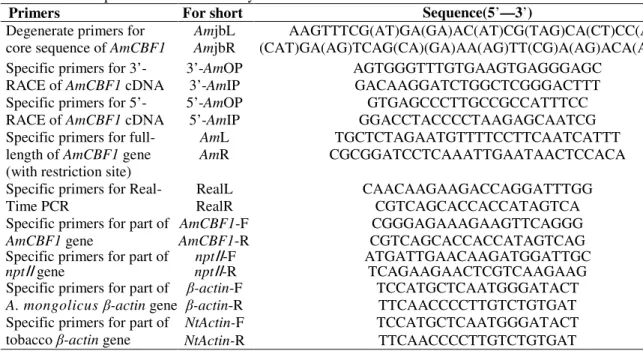
Table 1 - List of primers used in the study.
Primers For short Sequence(5’—3’)
Degenerate primers for core sequence of AmCBF1
AmjbL AAGTTTCG(AT)GA(GA)AC(AT)CG(TAG)CA(CT)CC(AG)
AmjbR (CAT)GA(AG)TCAG(CA)(GA)AA(AG)TT(CG)A(AG)ACA(AGT)GC Specific primers for
3’-RACEof AmCBF1 cDNA
3’-AmOP AGTGGGTTTGTGAAGTGAGGGAGC
3’-AmIP GACAAGGATCTGGCTCGGGACTTT
Specific primers for 5’-RACEof AmCBF1 cDNA
5’-AmOP GTGAGCCCTTGCCGCCATTTCC
5’-AmIP GGACCTACCCCTAAGAGCAATCG
Specific primers for full-length of AmCBF1 gene (with restriction site)
AmL TGCTCTAGAATGTTTTCCTTCAATCATTT
AmR CGCGGATCCTCAAATTGAATAACTCCACA
Specific primers for Real-Time PCR
RealL CAACAAGAAGACCAGGATTTGG
RealR CGTCAGCACCACCATAGTCA
Specific primers for part of
AmCBF1 gene
AmCBF1-F CGGGAGAAAGAAGTTCAGGG
AmCBF1-R CGTCAGCACCACCATAGTCAG
Specific primers for part of
nptⅡgene
nptⅡ-F ATGATTGAACAAGATGGATTGC
nptⅡ-R TCAGAAGAACTCGTCAAGAAG
Specific primers for part of
A. mongolicus β-actin gene
β-actin-F TCCATGCTCAATGGGATACT
β-actin-R TTCAACCCCTTGTCTGTGAT
Specific primers for part of tobaccoβ-actin gene
NtActin-F TCCATGCTCAATGGGATACT
NtActin-R TTCAACCCCTTGTCTGTGAT
Construction of Plant Expression Vector
The full-length of AmCBF1 gene was amplified using the cDNA and genomic DNA as template. Restriction sites of XbaI and BamHI were incorporated in the specific primers of AmL and
AmR (Table 1). The PCR amplification protocol was as follows: 94°C for 5 min; 28 cycles of 94°C for 30 s, 61°C for 1 min, and 72°C for 1 min; and 72°C for 10 min. The pMD18-T vector (TaKaRa) was used for sequencing. The full-length of
AmCBF1 gene was linked to the Cauliflower
mosaic virus (CaMV) 35S strong promoter and
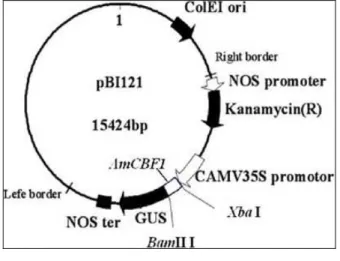
was constructed in the pBI121 vector (designated pBI121-AmCBF1) with the screenable marker gene nptII (Fig. 1). The construct was transferred into Agrobacterium tumefaciens strain LBA4404 (designated LBA4404-AmCBF1) for
Agrobacterium-mediated transformation.
Agrobacterium-Mediated Transformation of Tobacco
LBA4404-AmCBF1 was used for Agrobacterium -mediated transformation to transfer the AmCBF1
gene into tobacco NC89. Axenic leaves of tobacco were immersed in the bacterial suspension for 10– 15 min. For co-cultivation, Murashige and Skoog (MS) solid medium was supplemented with 0.2 mg/L and 2 mg/L 6-BA, incubated at 25 ± 1°C for three days in the dark. For selective cultivation, MS medium was supplemented with 0.2 mg/L, 2 mg/L, 100 mg/L Kanamycin (Kan) and 500 mg/L Carbenicillin (Carb) and incubated under a 16 h/8
h day/night cycle. After 2–3 weeks, the resistant shoots were transferred to MS medium with 100 mg/L Kan and 500 mg/L Carb to induce root development.
Detection of PCR and GUS Staining to Identify Transgenic Tobacco
PCR reaction of genome was used to detect
AmCBF1 in T0 and Tn transgenic tobacco. For
AmCBF1 transgenic tobacco (designated
Trans-AmCBF1), the specific primers of AmCBF1-F and
AmCBF1-R (Table 1) were used to amplify the
part of AmCBF1. The empty pBI121 vector was transferred into LBA4404 (designated LBA4404-CK) previously, which was transferred to NC89
via Agrobacterium-mediated transformation. The
transgenic strains were designated as Trans-control. Seeds of Trans-control were conserved in the laboratory and the specific primers nptII-F and nptII-R (Table 1) were used to amplify the part of nptII. Trans-control was used to assess the effect caused by insertion of alien gene. GUS staining was also conducted for T0 transgenic tobacco. Tissues were lysed in a staining solution that contained 75% 0.1 M NaH2PO4 pH 7.0, 1% 5 mm K3[Fe(CN)6], 1% 5 mm K4[Fe(CN)6] 3H2O, 2% 0.5 mm EDTA, 20% methanol, 0.1% Triton X-100, and 1% 0.1mg/µL -Gluc. After staining in 28~37°C overnight, tissues were rinsed in 70% ethanol for 5 min twice. After several generations of selection, the pure strains of Trans-AmCBF1
Cultivation of Transgenic Tobacco and Its Identification by PCR and Semi-Quantitative RT-PCR
Seeds of NC98 and Tn transgenic tobacco were cultivated on MS medium. For transgenic tobacco, MS was supplemented with 100 mg/L Kan. After growth for three or more weeks, seedlings were transplanted in the pots for growth in the greenhouse and were watered every three days. PCR amplification of genomic DNA and semi-quantitative RT-PCR of mRNA were applied to transgenic tobaccos for identification. For PCR amplification, primers of AmCBF1-F and
AmCBF1-R were used for primary detection of the
AmCBF1 transgenic lines. For semi-quantitative
RT-PCR, primers of AmCBF1-F and AmCBF1-R were used for part of AmCBF1; primers of
NtActin-F and NtActin-R were used for part of β
-actin to homogenize the sample volume. The PCR
amplification protocol was similar to the protocol in the method of expression of AmCBF1 induced by cold. Primers used here are listed in Table 1.
Physiological Analysis of Tobaccos Exposed to Cold Stress
Physiological analysis was performed when tobacco strains of NC89, Trans-AmCBF1 and Trans-control were about 25 cm tall. For cold treatment, all the plants were exposed to 4°C for 24 h. Electrolytic leakage, free proline content, soluble sugar content, malondialdehyde (MDA) content, and peroxidase (POD) activity were analyzed for each plant before and after the cold treatment. Plants of the same growth stage were selected and 18 individuals were taken at each strain, considering each strain as an individual group. Samples of leaf discs were collected by hole puncher from the leaves of each plant at the same part. Three replicates were taken for all the cases, representing mean values were used for statistical analysis by SAS GLM procedure using the T-Test (SAS Institute, Inc., Cary, NC, USA). Membrane leakage was determined by the measurement of electrolyte leaked from leaves. Five leaf discs were immersed in 5.0 mL high purity water at room temperature with gentle shaking for 3 h, and the solution was measured for conductivity by a conductivity meter (DDS-11A, Shanghai, China). The total conductivity was determined after boiling the sample for 10 min. The ratio of electrolytic leakage is expressed as the percentage of the initial conductivity over the total conductivity (Nanjo et al. 1999).
For free proline determination, fresh samples were extracted with 3% sulfosalicyclic acid, placed in a boiling water bath for 10 min and centrifuged at 10,000×g for 15 min at 4°C. Two milliliter of the extract was added to 6.0 mL (final volume) assay medium containing 2.0 mL acld-ninhdrin (1.25 g ninhydrin in 30 mL glacial acetic acid and 20 mL 6 M phosphoric acid) and 2.0 mL glacial acetic acid and incubated for 30 min at 100°C, and then cooled on ice. The colored product was extracted with 4.0 mL toluene by shaking and the absorbance of resultant organic layer was measured at 520 nm using toluene for a blank. The free proline concentration was determined from a standard curve (Bates et al. 1973).
Soluble sugar content was determined by the anthrone method using sucrose as the standard. Fresh samples were placed in distilled water and boiled for 30 min. Reaction mixture of 7.5 mL contained 2.0 mL extracts, 0.5 mL mixed reagent (1.0 g anthrone in 50 mL ethyl acetate) and 5.0 mL H2SO4 (98%). The mixture was boiled for 1 min and absorbance was read at 630 nm.
For MDA content, fresh tissue was ground in 10% TCA and centrifuged at 10,000 × g for 10 min at 4°C. Two milliliter TBA was added to 2.0 mL supernatant and the mixture was heated at 100°C for 15 min and then quickly cooled on ice. The absorbance of the supernatant at 600, 532 and 450 nm was read.
POD was extracted from 0.1 g fresh leaves with 0.1 M phosphate buffer (pH 6.0). The extract was centrifuged at 10,000 × g for 15 min at 4°C, and the supernatant was used to determine the activity of POD. The reaction was initiated by the addition of enzyme extract in reaction mixture (70 µL guaiacol and 19 µL of 30% H2O2 in 50 mL phosphate buffer). The absorbance was read at 470 nm at 0.5 min, 1 min, 1.5 min, 2.0 min 2.5 min and 3.0 min.
RESULTS
Cloning and Sequence Analysis of AmCBF1 Full-Length
core sequence to obtain the full-length of AmCBF1
sequence. Analysis by DNAMAN software showed the longest open reading frame of
AmCBF1 mRNA (GenBank accession No.
EU840990.1) was 666 bp with an initiation codon of ATG and a stop codon of TGA and encoded a protein of 221 amino acids. AmCBF1 protein contained a specific CBF protein signature of PKK/RPAGRxKFxETRHP and DSAWR (Fig. 2).
Figure 1 - Plant expression vector of
pBI121-AmCBF1.
Figure 2 - Comparison of identity between CBF conserved protein sequences. Dots indicate the CBF conserved protein sequence; lines indicate the AP2 domain.
This result indicated that AmCBF1 belonged to the
CBF family of A. mongolicus. The full-length of
AmCBF1 was amplified with cDNA and genomic
DNA as two different templates. Both the cDNA and genomic DNA yielded the same sequencing result, i.e., AmCBF1 did not contain an intron.
AmCBF1’s Cold Induced Expression in Leaves Expression of AmCBF1 gene was detected after 1 h of 4 °C and reached a peak at 2 h, then declined at 4 h till to a low level at 24 h (Fig. 3).
Figure 3 - AmCBF1’s cold induced expression in leaves. A: Real-Time PCR result; B: semi-quantitative RT-PCR result.
Identification of Transgenic Tobacco
PCR analysis and GUS staining showed the presence of four positive Trans-AmCBF1 tobacco strains. PCR analysis of T0 AmCBF1-transgenic tobacco amplified a 470 bp fragment which was part of the AmCBF1 sequence, except for the wild type and water control, and the Trans-control only carried nptII (data not shown). Analysis of the GUS staining showed that the tissues of 4 T0 Trans-AmCBF1 tobacco strains had been dyed blue and the wild type was white (Fig. 4). This confirmed that the alien genes had been integrated into the genome of four tobacco plants. PCR and semi-quantitative RT-PCR results further demonstrated that the Tn progeny inherited and transcribed the AmCBF1 gene (Figs. 5 and 6).
Physiological Analysis of Tobaccos Exposed to Cold Stress
Before the cold treatment, there was no significant difference in the ratio of electrolytic leakage between the wild type and two transgenic tobacco groups of Trans-control and Trans-AmCBF1. After the cold treatment for 24 h, each group showed significantly increased ratio of electrolyte leakage compared with the pretreatment level, the wild type and Trans-control were both significantly higher (1.2-fold, p <0.0001 for both) than
Trans-AmCBF1, whereas little difference was observed
Figure 4 - GUS assay. 1 to 4: T0 transgenic plants of AmCBF1; 5: wild type tobacco plant of NC89 as
negative control.
Figure 5 - PCR analysis of genome. Lane 1: wild type tobacco plant of NC89; lanes 2–16: Tn
transgenic plants of AmCBF1.
Figure 6 - Part result of semi-quantitative RT-PCR analysis of total RNA. Lane 1: wild type tobacco plant of NC89; Lane 2-7: Tn transgenic plants of AmCBF1.
Figure 7 - Ratio of electrolytic leakage in leaves of NC89, Trans-control and Trans-AmCBF1
tobacco.
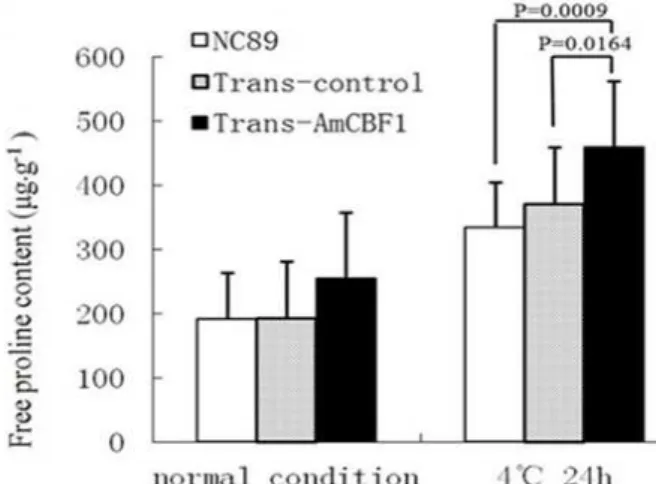
The free proline content of Trans-AmCBF1 was 1.33-fold of the wild type and Trans-control before the cold treatment, but the difference among the three groups was not significant. After the cold
treatment, the proline content increased significantly in each group, and Trans-AmCBF1
was significantly higher than the wild type and Trans-control (1.38-fold and p = 0.0009, 1.24-fold and p = 0.0164; Fig. 8), the wild type and Trans-control did not differ significantly.
The soluble sugar content of Trans-AmCBF1 was 1.44-fold of the wild type (p = 0.0003) and 1.42-fold of Trans-control (p = 0.0004) before the cold treatment. After the treatment, the soluble sugar content of each group increased significantly and Trans-AmCBF1 was 1.46-fold of the wild type (p < 0.0001) and 1.44-fold of Trans-control (p < 0.0001; Fig. 9). Trans-AmCBF1 was significantly higher than the wild type and Trans-control both before and after the cold treatment, whereas the wild type and Trans-control did not differ significantly.
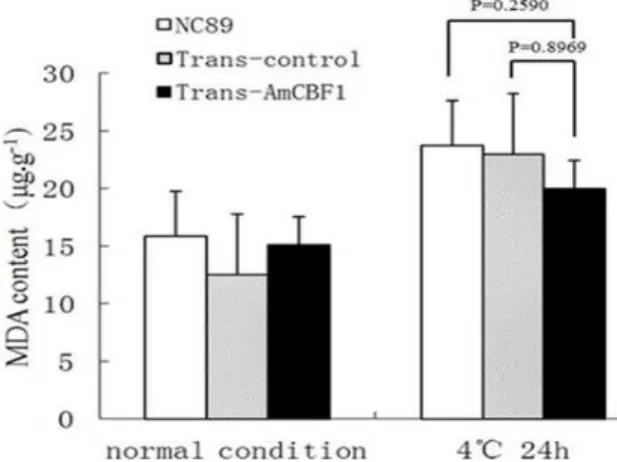
Although each group showed significantly increased MDA contents in response to cold exposure (Fig. 10), no significant differences among the three groups either before, or after the cold treatment were observed.
Figure 9 - Soluble sugar content in leaves of NC89, Trans-control and Trans-AmCBF1 tobacco.
Figure 10 - MDA content in leaves of NC89, Trans-control and Trans-AmCBF1 tobacco.
Before the cold treatment, POD activity of Trans
-AmCBF1 was 1.92-fold of the wild type and
1.62-fold of Trans-control (p < 0.0001 for both), and in both comparisons, the differences were significant. After the cold treatment, POD activity in each group was reduced significantly, but
Trans-AmCBF1 was still significantly higher in the other
two groups (1.93-fold of the wild type and p <0.0001, 1.53-fold of Trans-control and p= 0.0023; Fig. 11). No significant differences in POD activity between the wild type and Trans-control were observed before, or after the cold treatment.
Figure 11 - POD activity in leaves of NC89, Trans-control and Trans-AmCBF1 tobacco.
DISCUSSION
CBFs are EREBP transcription factors and belong to the AP2/EREBP family. CBFs contain the AP2/EREBP domain and can bind the core sequence of DRE elements, which leads to a regulatory role in resistance to low temperature, drought and other stresses. CBF transcription factors are proven to significantly improve plants’ resistance to drought, low temperature, salinity and other abiotic stresses. Many CBF genes are known in the plants; for example, six CBF genes are present in Arabidopsis (Sakuma 2002), three in tomato (Zhang 2004), three in soy (Chen 2007), and more than 10 are known in barley (Dubcovsky 2001). The genes of CBF1, CBF2, and CBF3 in
Arabidopsis are strongly expressed after exposure
to 4°C for 15 min, and expression of LeCBF1 in tomato is detectable after 15 min of cold treatment (Liu et al. 1998). In perennial ryegrass, expression
of LpCBF1 was detected after 1 h of low
KFxETRHP and DSAWR and belonged to the
CBF family of A. mongolicus. Thus, AmCBF1
might take part in the cold signal transduction pathways of A. mongolicus.
Previous studies have shown that electrolytic leakage rate, free proline content, soluble sugar content, MDA content and POD activity could be used as markers to measure plant stress resistance (Si et al. 2009; zhao et al. 2011). Electrolytic leakage rate and MDA level are negatively correlated with the stress resistance of the plants. Free proline content, soluble sugar content, and POD activity were positively correlated. In
CBF-transgenic Arabidopsis, over-expression of alien
CBF leads to many physiological and biochemical changes, including generation of LEA (late embryogenesis abundant) proteins, or hydrophilic peptides, and accumulation of free proline and a variety of soluble sugars, which have been proved to play an important role in plants’ stress tolerance (Zhang et al. 2009). Hsieh et al. (2002) demonstrated when the CBF1 gene was linked to the CaMV 35S promoter and NOS terminator in transgenic tomato, the cold and drought tolerance of the transgenic T1 and T2 generations was improved compared with the wild type. Ito et al. (2006) transferred OsCBF into rice and contents of free proline and soluble sugar indicated that the tolerance to cold, drought and salt of transgenic rice were greatly improved. The response reaction of the plant in abiotic stress is a complex network of signal transduction pathways, which are relatively independent and share some crossover nods among themselves. So the CBFs usually can be induced by several different abiotic stresses. Likewise, AmCBF1 may probably be induced by not only cold, but also by salt and drought, and even some other plant hormones such as ethylene and abscisic acid (ABA). In the present study we cloned AmCBF1 and introduced the gene into tobacco to make it express constitutively. Analysis of electrolytic leakage, contents of soluble sugar and free proline, and POD activity indicated
AmCBF1 endowed tobacco with an enhanced level
of cold tolerance. Expression of AmCBF1 gene was detected shortly after 1 h of 4 °C. Therefore, apparently AmCBF1 played a very important role in the development of cold tolerance in tobacco. Results proved the cold tolerance of AmCBF1 and apparently AmCBF1 could also be induced by some other, or plant hormones, which, however, would require further studies.
CONCLUSIONS
Genetic engineering is an important focus of crop genetic transformation to improve the crop stress tolerance. Discovery and application of CBF genes provide an effective means to improve the stress resistance of crop plants. In this study, AmCBF1
was cloned, characterized and introduced into tobacco, and physiological analyses markers of stress resistance indicated the cold tolerance of transgenic tobacco was improved. This study laid the foundation for further investigation of the physiological function of CBF genes. Successful introduction of CBF genes into tobacco would be helpful for its development of enhanced levels of stress tolerance.
ACKNOWLEDGMENTS
This study was supported by the National Natural Science Foundation of China (no. 31171905) and a 973 projects grant (no. 2009CB119201-4) from the Ministry of Science and Technology of China.
REFERENCES
Bates LS, Waldren RP, Teare ID. Rapid determination of free proline for water-stress studies. Plant Soil. 1973; 39(1): 205-207.
Chen M, Wang QY, Cheng XG, Xu ZS, Li LC, Ye XG, et al. CmDREB2, a soybean DRE-binding transcription factor conferred drought and high-salt tolerance in transgenic plants. Biochem Biophys Res Commun. 2007; 353(2): 299-305.
Dubcovsky J, Ramakrishna W, SanMiguel PJ, Busso CS, Yan L, Shiloff BA, et al. Comparative sequence analysis of colinear barley and rice bacterial artificial chromosomes. Plant Physiol. 2001; 125(3): 1342-1353.
Ge XJ, Yu Y, Yuan YM, Huang HW, Yan C. Genetic diversity andgeographic differentiation in endangered
Ammopiptanthus (Leguminosae) populations in desert regions of northwest China as revealed by ISSR analysis. Ann Botany.2005; 95(5): 843-851.
Huang WK, Cheng HM, Guo JY, Gao BD, Wan FH. Method of RNA extraction from different tissues of invasive alien weed Eupatorium adenophorum.
Biotechnol Bull. 2007; 2: 147-150.
Hsieh TH, Lee JT, Charng YY, Chan MT. Tomato plants ectopically expressing Arabidopsis CBF1 show enhanced resistance to water deficit stress. Plant Physiol. 2002(2); 130: 618-626.
Ito Y, Katsura K, Maruyama K, Taji T, Kobayashi M, Seki M, et al. Functional analysis of rice DREB1/CBF2 type transcription factors involved in cold-responsive gene expression in transgenic rice.
Plant Cell Physiol. 2006; 47(1): 141-153.
Jia XH, Li XR, Zhang JG, Zhang ZS, Wang XP, Tan HJ, et al. Spatial heterogeneity analysis of fractaldimension of soil particle for Ammopiptanhus mongolicus shrub. Acta Ecol Sin. 2006; 26(9): 2827-2833.
Kilian J, Whitehead D, Horak J, Wanke D, Weinl S, Batistic O, et al. The AtGenExpress global stress expression data set: protocols, evaluation and model data analysis of UV-B light, drought and cold stress responses. Plant J. 2007; 50(2): 347-363.
Liu Q, Kasuga M, Sakuma Y, Abe H, Miura S, Yamaguchi-Shinozaki K, et al. Two transcription factors, DREB1 and DREB2, with an EREBP/AP2 DNA binding domain separate two cellular signal transduction pathways in drought- and low-temperature-responsive gene expression, respectively, in Arabidopsis. Plant Cell. 1998; 10(8): 1391-1406. Liu MQ, Lu CF, Shen X, Yin WL. Characterization and
function analysis of a cold-induced AmCIP gene encoding a dehydrin-like protein in Ammopiptanthus mongolicus. DNA Seq. 2006; 17(5): 342-349.
Nanjo T, Kobayashi M, Yoshiba Y, Kakubari Y, Yamaguchi-Shinozaki K, Shinozaki K. Antisense suppression of proline degradation improves tolerance to freezing and salinity in Arabidopsis thaliana. FEBS Lett. 1999; 461(3): 205-210.
Robinson SJ, Parkin IAP. Differential SAGE analysis in
Arabidopsis uncovers increased transcriptome complexity in response to low temperature. BMC Genom. 2008; 9: 434.
Sakuma Y, Liu Q, Dubouzet JG, Abe H, Shinozaki K, Yamaguchi-Shinozaki K. DNA binding specificity of the ERF/AP2 domain of Arabidopsis DREBs, transcription factors involved in dehydration and cold inducible gene expression. Biochem Biophys Res Comm. 2002; 290(3): 998-1009.
Shinozaki KY, Shinozaki K. Transcriptional regulatory networks in cellular responses and tolerance to dehydration and cold stresses. Annu Rev Plant Biol.
2006; 57: 781-803.
Si J, Wang JH, Zhang LJ, Zhang H, Liu YJ, An LZ.
CbCOR15, A Cold-Regulated Gene from Alpine
Chorispora bungeana, Confers Cold Tolerance in Transgenic Tobacco. J Plant Biol. 2009; 52(6): 593-601.
Stockinger EJ, Gilmour SJ, Thomashow MF.
Arabidopsis thaliana CBF1 encodes an AP2 domain-containing transcriptional activator thatbinds to the C-repeat/DRE, a cis-acting DNA regulatory element thatstimulates transcription in response to low temperature and water deficit. PNAS. 1997; 94: 1035-1040.
Thomashow MF. Role of Cold-Responsive Genes in Plant Freezing Tolerance. Plant Physiol. 1998; 118(1): 1-8.
Thomashow MF. So what’s new in the field of plant cold acclimation? Lots! Plant Physiol. 2001; 125(1): 89-93.
Xiong YW, Fei SZ. Functional and phylogenetic analysis of a DREB/CBF-like gene in perennial ryegrass (Lolium perenne L.). Planta. 2006; 224(4): 878-888.
Wei Q, Guo YJ, Cao HM, Kuai BK. Cloning and characterization of an AtNHX2-like Na+/H+ antiporter gene from Ammopiptanthus mongolicus
(Leguminosae) and its ectopic expression enhanced drought and salt tolerance in Arabidopsis thaliana.
Plant cell tiss org. 2011; 105(3): 309-316.
Zhao X, Zhan LP, Zou XZ. Improvement of cold tolerance of the half-high bush Northland blueberry by transformation with the LEA gene from Tamarix androssowii. Plant Growth Regul. 2011; 63(1): 13-22.
Zhang X, Fowler SG, Cheng HM, Lou YG, Rhee SY, Stockinger EJ, et al. Freezing-sensitive tomato has a functional CBF cold response pathway, but a CBF regulon that differs from that of freezing-tolerant
Arabidopsis. Plant J. 2004; 39(6): 905-919.
Zhang G, Chen M, Li L, Xu Z, Chen X, Guo J, et al. Overexpression of the soybean GmERF3 gene, an AP2/ERF type transcription factor for increased tolerances to salt, drought, and diseases in transgenic tobacco. J Exp Bot. 2009; 60(13): 3781-3796
Zur NT, Abbo S, Mylaboski D, Mizrahi Y. Modified CTAB procedure for DNA isolation from epiphytic cacti of the Genera Hylocereus and Selenicereus
(Cacataceae). Plant Mol Biol Rep. 1999; 17(3): 249-254.