©Revista Brasileira de Fisioterapia
O
RIGINALA
RTICLEKnee extensor torque of men with early
degrees of osteoarthritis is associated
with pain, stiffness and function
Homens com graus iniciais de osteoartrite apresentam correlação entre torque
extensor do joelho e dor, rigidez e função
Paula R. M. S. Serrão, Karina Gramani-Say, Giovanna C. Lessi, Stela M. Mattiello
Abstract
Background: Osteoarthritis (OA) is a chronic-degenerative disease. The knee is the most commonly affected joint and the symptoms are generally attributed to quadriceps muscle weakness. However, few studies have evaluated this relationship in a population with early stages of knee OA. Objective: To investigate whether a correlation among the knee extensor torque and the three subscales of the WOMAC questionnaire in men with early stages of knee OA exists. Method: Twenty-one men with knee OA grades I or II (according to Kellgren and Lawrence* criteria) participated in this study. The concentric and eccentric knee extensor torque were assessed using a Biodex System 3 Pro® isokinetic
dynamometer, at a speed of 90°/s. Self-reported symptoms and disability were assessed using the WOMAC questionnaire. Spearman’s correlation coefficient was used to test the relationship between the dependent variables (three subscales of WOMAC questionnaire) and the independent variables (average knee extensor peak torque). Results: We found a strong negative correlation between the concentric extensor torque and pain (r=-0.7, p<0.001) and a moderate and negative correlation among the concentric extensor torque and stiffness (r=-0.62, p=0.002) and physical function (r=-0.54, p=0.011). Eccentric extensor torque presented a moderate and negative correlation with the three subscales of the WOMAC (r=-0.40 to 0.69, p<0.05). Conclusions: The concentric and eccentric knee extensor torque is significantly correlated with self-report symptoms of patients in initial stages of knee OA. Therefore, the strengthening of the quadriceps muscles, through concentric and eccentric exercise is indicated for these patients in order to minimize these symptoms.
Trial registration: number RBR-8q4zfh.
Keywords: physical therapy; knee osteoarthritis; WOMAC; muscle strength.
Resumo
Contextualização: A osteoartrite (OA) é uma doença crônico-degenerativa. O joelho é a articulação mais afetada, e os sintomas geralmente são atribuídos à fraqueza do músculo quadríceps. Entretanto, poucos estudos têm avaliado essa relação em indivíduos com graus iniciais de OA. Objetivo: Verificar se existe correlação entre o torque extensor do joelho e as seções dor, rigidez e função física do questionário WOMAC de homens com OA de joelho nos graus iniciais. Método: Participaram deste estudo 21 homens com OA de joelho graus I ou II (segundo critérios de Kelgren e Lawrence*). Foi avaliado o torque extensor concêntrico e o excêntrico do joelho por meio do dinamômetro isocinético (Biodex System 3 Pro®), na velocidade de 90º/s. O autorrelato de sintomas e incapacidades foi avaliado por meio do questionário WOMAC. O Coeficiente de Correlação de Spearman foi utilizado para detectar a relação entre as variáveis dependentes (três seções do questionário WOMAC) e as variáveis independentes (média dos picos de torque). Resultados: Encontrou-se correlação forte e negativa do torque extensor concêntrico com a seção dor (r=-0,7, p<0,001) e moderada e negativa com as seções rigidez (r=-0,62, p=0,002) e função física (r=-0,54, p=0,011). O torque extensor excêntrico correlacionou-se moderada e negativamente com as três seções do questionário (r=-0,40 a -0,69, p<0,05). Conclusões: Os torques extensores concêntrico e excêntrico correlacionaram-se com os sintomas autorrelatados pelos indivíduos com graus iniciais de OA de joelho. Assim, o fortalecimento do músculo quadríceps, por meio de exercícios concêntricos e excêntricos, é indicado para esses pacientes para minimizar tais sintomas.
Registro Ensaios Clínicos sob o número RBR-8q4zfh.
Palavras-chave: fisioterapia; osteoartrite de joelho; WOMAC; força muscular.
*Kellgren JH, Lawrence JS. Radiological assessment of osteo-arthrosis. Ann Rheum Dis. 1957;16(4):494-502.
Received: 10/04/2011 – Revised: 02/23/2012 – Accepted: 03/20/2012
Physical TherapyDepartment, Universidade Federal de São Carlos (UFSCar), São Carlos, SP, Brazil
Introduction
Osteoarthritis (OA) is the most common musculoskeletal disease worldwide and is associated with signiicant societal and health costs1,2 with considerable impact on quality of life3,4. Individuals with knee OA experience joint stifness, pain and physical dysfunction5-7.
Although the symptoms of knee OA are attributed to mus-cle weakness8, especially of the quadriceps muscle, there is no consensus in the literature regarding the relationship between the strength of this muscle and the symptoms experienced by individuals with knee OA9. While Slemenda et al.10 found that quadriceps muscle weakness was a strong predictor of knee pain and physical dysfunction, Steultjens et al.11 found that re-duced muscle strength was associated with increased disabil-ity, but no relationship could be established between muscle weakness and pain. Controversy found between these studies may be due to the diferences regarding muscle contraction type used for the quadriceps muscle strength assessment (con-centric in the study by Slemenda et al.10 and isometric in the study by Steultjens et al.11), the way pain was evaluated (by the WOMAC in the study by Slemenda et al.10 and by the visual analogue scale - VAS - in the study by Steultjens et al.11), as well as due to the diferent OA degrees the evaluated subjects pre-sented (OA degree equal 2 or higher in the study by Slemenda et al.10 and all OA degrees in the study by Steultjens et al.11).
Few studies have evaluated this relationship in a popula-tion with early stages of knee OA11. Generally, studies have evaluated patients with advanced OA12,13 or have included pa-tients with mild, moderate and severe OA in the same study group14,15, making it impossible to extrapolate the results to populations in the early stages of OA. hus, a study evaluating the relationship between the strength of the quadriceps muscle and the symptoms experienced by individuals with early stages of knee OA is relevant, especially with regards to the design of rehabilitation programs. If correlations between the quadriceps muscle strength and symptoms were detected, it is expected that a muscle-strengthening protocol would be able to reduce the symptoms of patients with early stages of knee OA.
he strength of the quadriceps muscle in patients with knee OA has been measured isometrically in most studies8,16-18. However, it is possible that changes in the ability to generate force at entire range of motion are not detected in isometric assessments. hus, because the evaluation of concentric and eccentric contractions allows quantiication of the capacity to generate torque for the entire range of motion, it is possible that this assessment technique is more sensitive and thus better able to detect decreases in muscle strength in individuals with knee OA. It is worth noting that precise coordination of quadriceps
muscle activity and knee joint movement is essential to miti-gate force and control joint load during locomotion. his co-ordination is required because knee movement control occurs when weight is transferred to the support limb, a process that acts to dissipate the load. his process requires eccentric action of the quadriceps muscle1. he decrease in eccentric strength of the quadriceps muscle is particularly important in the patho-genesis and progression of knee OA, which makes the study of eccentric strength even more relevant in the population with early stages of this disease.
For a clinical proile, the Western Ontario McMaster Univer-sities Osteoarthritis Index (WOMAC questionnaire) is one the most widely used self-report outcome measure of lower-extrem-ity symptoms and function2. here are no studies in the reviewed literature that have correlated the concentric and eccentric strengths of the quadriceps muscle with the three WOMAC ques-tionnaire subscales. he studies that have evaluated these muscle actions correlated the concentric and/or eccentric strengths with the time needed to perform some functional tasks19,20. However, these functional tests may not be directly related to the performance of individuals in their habitual activities. hus, the individuals’ perceptions of their physical function, such as that evaluated by the WOMAC questionnaire, may be relevant.
herefore the objectives of this study were to determine whether correlations among concentric and eccentric knee extensor torque and the pain, stifness and physical function subscales of the WOMAC questionnaire in men with Grade I or II knee OA exist. Although the volunteers were in the initial stages of OA, we hypothesized that the lower knee extensor torque in these individuals would already be associated with greater pain, stifness and functional disability.
Method
Participants
Standing axial, antero-posterior and lateral radiographs of both knees from each of the subjects were obtained to conirm that the subjects presented signs of OA, such as the presence of minimal osteophytes (grade I) or small but deinite osteophytes (grade II) in at least one of the compartments of the knee joint (tibiofemoral or patellofemoral)23. Severity of OA was graded by a radiologist according the Kellgren and Lawrence22 criteria.
he exclusion criteria were: physical therapy treatment over the last 12 months; knee or hip surgery; history of lower limb trauma; corticosteroid iniltration of the knee (previous 6 months)1; medical conditions afecting the cardiovascular, respiratory, neurological and/or musculoskeletal systems15. he study was approved by the Ethics Committee on Human Research at the UFSCar (nº. 143/2007), and all participants provided written informed consent.
Instruments and procedures
he afected or more severe limb (in cases of bilateral OA) was assessed1. Weight and height were obtained from the par-ticipants and the body mass index was calculated.
Isokinetic evaluation
he muscle strength was assessed using an isokinetic dyna-mometer (Biodex Multi-Joint System 3, Biodex Medical Inc., NY, USA). he order of testing was randomly determined, through a drawing. Prior to the evaluation, the isokinetic dynamometer was calibrated according to the manual provided by the equip-ment manufacturer.
Before the evaluation, the subject performed a warm up on a stationary bike for ive minutes at a workload of 75W and a speed of 20 km/h, and performed self-stretching exercises for the lower limb muscles.
We evaluated the concentric and eccentric extensor torques of the knee at a speed of 90°/s. he evaluations were conducted with the volunteer seated on the device chair, stabilized by a belt that ran across the trunk and the pelvic girdle and with the knee lexed at 90 degrees. he rotational axis of the dynamom-eter was aligned with the lateral epicondyle of the femur; the resistance was applied at 5 cm above the medial malleolus.
he subjects were instructed to keep their arms crossed in front of their trunk during the test to avoid compensation. Af-ter receiving the test instructions, the subjects performed ive maximal concentric and eccentric isokinetic contractions with a range of motion from 20° to 90° (being 0 degrees meaning full knee extension). he rest between each type of contraction was of 5 minutes duration12.Prior to each assessment, the subjects
performed three submaximal contractions to familiarize them-selves with the procedure. We used verbal commands to en-courage the patients to produce maximum torque during the contractions15.
During the strength assessment, volunteers should not present pain. However, two of them reported pain on the test day; thus, the test was cancelled and rescheduled. herefore, no volunteer presented pain during the tests.
he torque data, measured in Nm, were normalized by body weight (in kg) using the following formula: (Nm torque /kg body weight) X 10024. For statistical analysis we used the mean of peak torque of ive maximal contractions.
WOMAC questionnaire
he Western Ontario McMaster Universities Osteoarthri-tis Index (WOMAC) is a self-report questionnaire, designed to assess the problems experienced by individuals with lower limb OA. his questionnaire was translated and validated for
Characteristics Subjects (n=21)
Age (y) 51.80±6.23
Height (m) 1.71±0.06
Weight (kg) 86.66±10.82
BMI (kg/m2) 29.62±4.22
Radiologic evidence of OA (%)
K/L degree I * 45.5
K/L degree II * 54.5
Table 1. Characteristics of patients with knee OA.
Values are mean±SD; *values are the number of participants (percentage). BMI=Body mass index; K/ L=Kellgren and Lawrence score.
WOMAC Median (max–min)(%)
Pain 15 (70–0)
Stifness 0 (62.5–0)
Physical function 11.76 (54.41–0)
Table 3. WOMAC pain, stiffness and physical function scores of OA subjects.
Knee extensor torque
(Nm/kg x 100) Median (max–min) (%)
Concentric 141.34 (198.80–54.14)
Eccentric 179.04 (272.20–92.88)
Table 2. Descriptive data of knee extensor torque (BW) of OA participants.
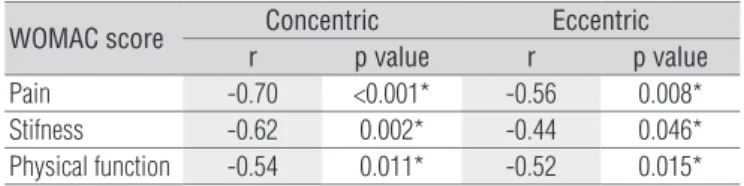
Table 4. Spearman product-moment correlation coefficients between
concentric and eccentric knee extensor torque and the WOMAC’s sections in men with OA degrees I or II.
*P<0.05 = significant relationship.
WOMAC score Concentric Eccentric r p value r p value
Pain -0.70 <0.001* -0.56 0.008*
Stifness -0.62 0.002* -0.44 0.046*
Brazilian-Portuguese language3. Each item corresponds to a particular dimension (pain, stifness and physical function). he scores for the items are expressed using a Likert scale where none = 0, low = 25, moderate = 50, severe = 75 and very severe = 10025. he maximum score in each section is expressed as a percentage, with higher scores indicating greater pain, stifness and physical dysfunction.
Statistical analysis
Data were analyzed using the Statistica® software (version 7,
StatSoft, Inc., Tulsa, USA). Initially, descriptive values (mean, standard deviation, median, maximum and minimum) were ob-tained for all data. hen, the normality of data was checked using the Shapiro-Wilk test. None of the study variables were normally distributed. We used the Spearman’s r correlation coeicients
to analyze the relationship between the dependent variables (WOMAC subscales for pain, stifness and physical function) and the independent variables (the normalized mean peak knee concentric and eccentric extensor torques). he r values were
in-terpreted using the following categories: 0.00 to 0.19 = none/mild; 0.20 to 0.39 = low; 0.40 to 0.69 = moderate; 0.70 to 0.89 = strong; and 0.9 to 1.00 = very strong26.For all the statistical tests, the signii-cance level was set at p<0.05. Power analysis was performed using SigmaPlot (11.0, Systat Software, Inc), considering the correlation between concentric extensor torque and pain and the correlation between eccentric extensor torque and pain. According to our data (correlation coeicients = 0.7 and 0.56 for two correlations, respectively; n=21 subjects, and an alpha level set at 0.05), the sta-tistical power were 0.95 or 95%.
Results
he demographic characteristics of the study participants are described in Table 1. Grade I OA was found in 45.5% of the subjects and Grade II in 54.5%.
he knee compartment afected by OA was identiied through radiological examination. One subject presented OA only in the patellofemoral (PF) compartment, three in the me-dial tibiofemoral (MTF) compartment, and one in the lateral tibiofemoral (LTF) compartment. Combined afected com-partments were found in sixteen subjects: PF plus MTF was found in 5 subjects, PF plus LTF in three subject, and PF plus MTF and LTF in 8 subjects.
Tables 2 and 3, respectively, present the descriptive val-ues for knee extensor torque and the three subscales of the WOMAC questionnaire (pain, stifness and physical function).
Signiicant correlations were found between knee exten-sor torque and the three WOMAC questionnaire subscales. he concentric extensor torque presented a strong and nega-tive correlation with the pain subscale (r=-0.7, p<0.001) and a
moderate and negative correlation with the stifness (r=-0.62,
p=0.002) and physical function subscales (r=-0.54, p=0.011).
Eccentric extensor torque presented a moderate and negative correlation with the three questionnaire subscales (Table 4). hese negative correlations indicate that the higher the knee extensor torque (both concentric and eccentric), the less pain and stifness and the lower the level of physical dysfunction.
Discussion
It is well documented in the literature that individuals with knee OA present a deicit in quadriceps muscle strength com-pared to healthy individuals of similar ages16,27,28.However, we found no studies in the reviewed literature that assessed the re-lationships among concentric and eccentric quadriceps muscle strength and the self-reported symptoms of patients with early stages of knee OA. Given that WOMAC is an outcome measure with three established subscales, all analysis were performed for each subscale2. hus, this study aimed to evaluate the correla-tions among the knee extensor torque and pain, stifness and functional impairment in men with Grades I and II of knee OA.
In accordance with our hypothesis, the data analysis re-vealed a strong negative correlation between the concentric knee extensor torque and the responses to the pain section of the WOMAC questionnaire and a moderate negative correla-tion between the extensor eccentric torque and these same responses for men with early stages of knee OA. hese results indicate that the greater knee extensor torque is, the lower the level of pain that is self-reported by these individuals.
It is reported in the literature that the quadriceps muscle is an important structure in the absorption of impacts experienced by the knee joint, especially through the eccentric action of this mus-cle29. herefore, the strength deicits in this muscle can compromise its role in absorbing loads1,12. Considering that individuals with knee OA usually present weakness of the quadriceps muscle, we suggest that these patients experience increased joint loading, which could contribute to increased pain. his partially explains the relationship between knee extensor torque and pain found in this study.
by the evaluator. hus, our evaluation may have been more sensitive because the knee extensor torque was evaluated over a greater range of motion, from 90° to 20° of knee lexion (0º corresponds to full knee extension). It should be emphasized that peak torque represents the maximal torque achieved at a single angle in the range of motion evaluated. Nonetheless, that difers from evaluating the isometric strength at a single angle. First, when the isometric strength is evalu-ated, angles used might not correspond to the ones in which the maximal torque is produced. Second, for one angle, it is possible that the torque produced during a dynamic action be diferent from the torque produced during a static action (isometric action), due to the strength-velocity relationship30. his may explain the fact that our study showed correlations between symptoms and knee extensor torque, and the study by Steultjens et al.11 did not.
Zacaron et al.7 found no correlation between the total work of the quadriceps muscle, during concentric contraction, and pain in individuals with knee OA. It should be noted, however, that these authors assessed pain using a visual analogical scale, which also may not represent the perception of pain of these individuals in their usual activities. Moreover, Vasconcelos, Dias and Dias31 found correlation between the pain section of the WOMAC ques-tionnaire and functional capacity. hese indings emphasize the importance of pain assessment using this questionnaire.
Although the volunteers who participated in this study had de-gree I or II knee OA, our results indicate that correlations between the concentric and eccentric knee extensor torque and physical func-tion are already present. hese results also indicate that the lower the muscle strength, the greater the functional deicit. Although they evaluated subjects with various stages of knee OA, some stud-ies also found a correlation between quadriceps muscle weakness and functional disability19,32,33, in agreement with our results.
Gür et al.19 found weak to moderate correlations between knee lexor and extensor torque and the time to perform some tasks (walking and ascending and descending stairs) and between these torques and pain in patients with OA grade II or III. Hortobágyi et al.12 found a moderate negative correlation between quadriceps muscle strength (expressed as the sum of the maximum isometric, concentric and eccentric forces) and the time spent by patients with knee OA, grade II or greater, to perform functional tasks. It should be emphasized that the physical function section of the WOMAC questionnaire covers several functional activities that require concentric and eccentric contractions of the quadriceps muscle. his could be a possible explanation for the negative correlation between the concentric and eccentric knee extensor torques and the responses for this section of the WOMAC ques-tionnaire that was found in the present study.
Joint stifness is a clinical symptom extensively studied in reference to knee OA. In this study, the stifness subscale was also negatively correlated with the quadriceps muscle strength, indicating that the lower the strength of the muscle is, the
greater the stifness reported by the patients. An epidemiologic study10 of joint damage in an osteoarthritis community popu-lation concluded that quadriceps weakness might precede radiologic joint damage, and Sanghi et al.2 found that in linear regression models the articular incongruences as a signiicant predictor of stifness. Because the degree of congruity between the loading surfaces of the condyle varies depending on con-dylar position, if there is no lateral subluxation or tilt the knee joint is congruent. In knee OA, diferential degeneration of car-tilage creates incongruities between loadings due to the shift in the mechanical axis of weight bearing. Such a change in joint kinematics persisting over time may cause abnormal stresses that result in gradual cartilage fatigue, which can progress to changes leading to stifness in OA2. his can explain the cor-relation between quadriceps weakness and stifness in these patients. However, no studies have been found that have ex-amined this correlation in early stages of knee OA, and for this reason a comparison with other studies was not possible.
It is important to highlight that our study sample was carefully selected; we assessed only males, of whom 45.5% had Grade I knee OA and 54.5% had Grade II OA. Only men were included to avoid the confounding hormonal efects of estro-gen levels in women. Because estroestro-gen is chondroprotective and because its level declines after menopause, the incidence of OA in women in this age group (40-65 years) may vary ac-cording to the levels of hormones present34.Moreover, because the present study assessed only men, and given that there may be diferences between genders, the exclusion of women can be considered a limitation of this study. hus, future studies on the relationship of self-reported symptoms and muscle weakness should be performed in women with early stages of knee OA.
Another limitation to this study must be considered. he fact that this study used a transversal design does not allow causal inferences to be made regarding the relationships among the variables studied.
To conclude, in the early stages of knee OA, concentric and eccentric knee extensor torque are already negatively correlated with patient self-reports of pain, stifness and physical dysfunc-tion. hus, rehabilitation programs that include strengthening of the quadriceps muscle, through concentric and eccentric exer-cise, is indicated for these patients, in order to improve muscle strength and to reduce pain and improve to function.
Acknowledgments
References
1. Hinman RS, Bennell KL, Metcalf BR, Crossley KM. Delayed onset of quadriceps activity and altered knee joint kinematics during stair stepping in individuals with knee osteoarthritis. Arch Phys Med Rehabil. 2002;83(8):1080-6.
2. Sanghi D, Avasthi S, Mishra A, Singh A, Agarwal S, Srivastava RN. Is radiology a determinant of pain, stiffness an functional disability in knee osteoarthritis? A cross-sectional study. J Orthop Sci. 2011;16(6):719-25.
3. Santos ML, Gomes WF, Pereira DS, Oliveira DMG, Dias JMD, Ferrioli E, et al. Muscle strength, muscle balance, physical function and plasma interleukin-6 (IL-6) levels in elderly women with knee osteoarthritis (OA). Arch Gerontol Geriatr. 2011;52(3):322-6.
4. Muraki S, Akune T, Oka H, En-yo Y, Yoshida M, Saika A, et al. Association of radiographic and symptomatic knee osteoarthritis with health-related quality of life in a population-based cohort study in Japan: the ROAD study. Osteoarthritis Cartilage. 2010;18(9):1227-39.
5. Dieppe PA, Lohmander LS. Pathogenesis and management of pain in osteoarthritis. Lancet. 2005;365(9463):965-73.
6. Zhang Y, Jordan JM. Epidemiology of osteoarthritis. Clin Geriatr Med. 2010;26(3):355-69.
7. Zacaron KAM, Dias JMD, Abreu NS, Dias RC. Nível de atividade física, dor e edema e suas relações com a disfunção muscular do joelho de idosos com osteoartrite. Rev Bras Fisioter. 2006;10(3):279-84.
8. Palmieri-Smith RM, Thomas AC, Karvonen-Gutierrez C, Sowers MF. Isometric quadriceps strength in women with mild, moderate, and severe knee osteoarthritis. Am J Phys Med Rehabil. 2010;89(7):541-8.
9. Bennell KL, Hunt MA, Wrigley TV, Lim BW, Hinman RS. Role of muscle in the genesis and management of knee osteoarthritis. Rheum Dis Clin North Am. 2008;34(3):731-54.
10. Slemenda C, Brandt KD, Heilman DK, Mazzuca S, Braunstein EM, Katz BP, et al. Quadriceps weakness and osteoarthritis of the knee. Ann Intern Med. 1997;127(2):97-104.
11. Steultjens MPM, Dekker J, van Baar ME, Oostendorp RAB, Bijlsma JWJ. Muscle strength, pain and disability in patients with osteoarthritis. Clin Rehabil. 2001;15(3):331-41.
12. Hortobágyi T, Garry J, Holbert D, Devita P. Aberrations in the control of quadriceps muscle force in patients with knee osteoarthritis. Arthritis Rheum. 2004;51(4):562-9.
13. Røgind H, Bibow-Nielsen B, Jensen B, Møller HC, Frimodt-Møller H, Bliddal H. The effects of a physical training program on patients with osteoarthritis of the knees. Arch Phys Med Rehabil. 1998;79(11):1421-7.
14. Bennell KL, Hinman RS, Metcalf BR, Crossley KM, Buchbinder R, Smith M, et al Relationship of knee joint proprioception to pain and disability in individuals with knee osteoarthritis. J Orth Research. 2003;21(5):792-7.
15. Hassan BS, Mockett S, Doherty M. Static postural sway, proprioception, and maximal voluntary quadriceps contraction in patients with knee osteoarthritis and normal control subjects. Ann Rheum Dis. 2001;60(6):612-8.
16. O’Reilly SC, Jones A, Muir KR, Doherty M. Quadriceps weakness in knee osteoarthritis: the effect on pain and disability. Ann Rheum Dis. 1998;57(10):588-94.
17. van der Esch M, Steultjens M, Harlaar J, Knol D, Lems W, Dekker J. Joint proprioception, muscle strength, and functional ability in patients with osteoarthritis of the knee. Arthritis Rheum. 2007;57(5):787-93.
18. Hurley MV, Scott DL, Rees J, Newham DJ. Sensorimotor changes and functional performance in patients with knee osteoarthritis. Ann Rheum Dis. 1997;56(11):641-8.
19. Gür H, Cakin N, Akova B, Okay E, Küçükoglu S. Concentric versus combined concentric-eccentric isokinetic training: effects on functional capacity and symptoms in patients with osteoarthrosis of the knee. Arch Phys Med Rehabil. 2003;83:308-16.
20. Bennell KL, Hinman RS, Metcalf BR. Association of sensorimotor function with knee joint kinematics during locomotion in knee osteoarthritis. Am J Phys Med Rehabil. 2004;83(6):455-63.
21. Recommendations for the medical management of osteoarthritis of the hip and knee: 2000 update. American College of Rheumatology Subcommittee on Osteoarthritis Guidelines. Arthritis Rheum. 2000;43(9):1905-15.
22. Kellgren JH, Lawrence JS. Radiological assessment of osteo-arthrosis. Ann Rheum Dis. 1957;16(4):494-502.
23. Lessi GC, Serrão PRMS, Gimenez ACF, Gramani-Say K, Oliveira AB, Mattiello SM. Male subjects with early-stage knee osteoarthritis do not present biomechanical alterations in the sagital plane during stair descent. Knee. 2011;doi:10.106/j.knee.2011.07.001.
24. Robinson RL, Nee RJ. Analysis of hip strength in females seeking physical therapy treatment for unilateral patellofemoral pain syndrome. J Orthop Sports Phys Ther. 2007;37(5):232-8.
25. Kirkwood RN, Resende RA, Magalhães CMB, Gomes HA, Mingoti SA, Sampaio RF. Application of principal component analysis on gait kinematics in elderly women with knee osteoarthritis. Rev Bras Fisioter. 2011;15(1):52-8.
26. Weber JC, Lamb DR. Statistics and Research in Physical Education. Saint Luis: C.V: Mosby Company; 1970.
27. Stevens JE, Mizner RL, Snyder-Mackler L. Quadriceps strength and volitional activation before and after total knee arthroplasty for osteoarthritis. J Orthop Res. 2003;21(5):775-9.
28. Thomas MJ, Wood L, Selfe J, Peat G. Anterior knee pain in younger adults as a precursor to subsequent patellofemoral osteoarthritis: a systematic review. BMC Musculoskelet Disord. 2010;11:201.
29. LaStayo PC, Woolf JM, Lewek MD, Snyder-Mackler L, Reich T, Lindstedt SL. Eccentric muscle contractions: their contribution to injury, prevention, rehabilitation, and sport. J Orthop Sports Phys Ther. 2003;33(10):557-71.
30. Westing SH, Seger JY, Thorstensson A. Effects of electrical stimulation on eccentric and concentric torque-velocity relationships during knee extension in man. Acta Physiol Scand. 1990;140(1):17-22.
31. Vasconcelos KSS, Dias JMD, Dias RC. Relação entre intensidade de dor e capacidade funcional em indivíduos obesos com osteoartrite de joelho. Rev Bras Fisioter. 2006;10(2):213-8.
32. Slemenda C, Heilman DK, Brandt KD, Katz BP, Mazzuca SA, Braunstein EM, et al. Reduced quadriceps strength relative to body weight: a risk factor for knee osteoarthritis in women? Arthritis Rheum. 1998;41(11):1951-9.
33. Hurley MV, Newham DJ. The influence of arthrogenous muscle inhibition on quadriceps rehabilitation of patients with early, unilateral osteoarthritic knees. Br J Rheumatol. 1993;32(2):127-31.