The theoretical framework includes an explanation of the relationship between the environment, sustainability and food, as well as food waste and sustainable food. The methods used to explain and reinforce sustainable food habits in children included participation, reading and games. Although policy at national and international level is required for a sustainable food consumption program, a commitment of individuals is also needed to overcome the challenge, so that our present and future generations can live a quality life.
Aims and objectives
Working life partner
Alberga, is the unit located in Leppävaara, Espoo, and the only preschool group of Albatross Daycare. This premises is a branch with 22 children and 3 teachers and there also one small group of 5 children of 5 years old with one teacher.
Functional thesis
Collecting feedback
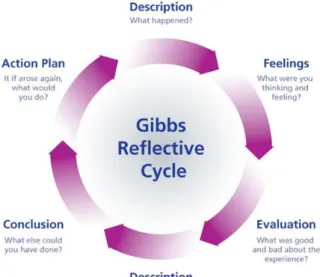
The first step of the cycle is the description of the experience which is a factual account of what happened, followed by the exploration of feelings or thoughts during the activity. Finally, feedback will be gathered from teachers as they have considerable experience with children and their third-person observations will give me a difference. Feedback from the children would be collected on feedback forms and their verbal responses after each activity.
Relation between environment, sustainability and food
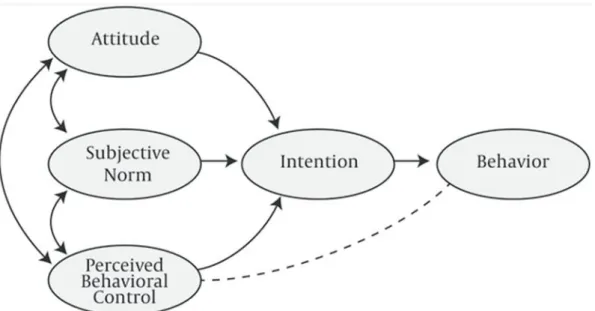
This section will discuss the relationship between the environment, sustainability and food, food waste and environmental food consumption. Good habits and behaviors related to sustainable food consumption, which include reducing food waste, can be introduced in early childhood to make future active and responsible citizens. The theory of planned behavior (TPB) is used to understand how behavior can be changed for a sustainable way of living.
Environmentally sustainable food consumption (ESCFC)
Food waste
Food waste has been recognized as one of the biggest contributors to global warming and climate change. Food waste on the other hand refers to food that is removed from the supply chain during distribution to stores, restaurants and households. Therefore, minimizing global food waste can be recognized as one of the most powerful ways to combat climate change.
Reducing food waste in ECEC
Some food waste is unavoidable, or it is inedible due to aging or spoilage due to heat, etc. Some of this food waste is naturally and anaerobically broken down into biogas, composted or used for animal feed, some of it still ends up in landfills, where it is burned to give rise to harmful gases. Behavior can be changed or developed by informing the children about good and bad aspects of food waste.
Theory of Planned Behaviour (TPB)
It is therefore necessary for the individual to understand the outcome of the behavior only if he knows that it is related to him. According to Bauer et al (2018), to maintain our current living standards for present and future generations, it is vital that our actions stay within the regenerative capacities of the earth. It is essential to try to help them understand and take responsibility for their consumption behavior.
Early Childhood Education and Care in Finland
Quality is seen through different factors: factors in infrastructure, i.e. physical, human and material resources. One of the aims of ECEC is to help children learn social skills and artistic thinking in order to help them live healthier and happier lives. It is a realistic way for students to learn about natural principles using all their senses.
Guidelines for quality education in Finland
While the emphasis on the quality of early childhood education is mainly based on the infrastructure of the day care system, another aspect is the presence and the interaction with the peer group. Children get the opportunity to observe and explore nature; learn about its plants and animals, and practice new ways of acting conscientiously by reducing the amount of waste, repairing and reusing things. Its aim is to understand ecological sustainability as a condition for social sustainability and human rights realization.
The position of environmental education in ECEC is to improve children's relationship with nature, to teach them to behave safely in nature and to guide them towards a more sustainable lifestyle. Learning in the environment, learning about the environment and acting on the environment are the three pillars of environmental education, which ensure that the local natural and constructed environments are both teaching aids and learning environments. Environmental education encourages the creation of skills that will allow people to live in a more sustainable way.
Recycling, minimizing and replacing products, conserving resources and water, not wasting food and not littering the environment are examples of practical skills.
The pedagogical goals and documentation of ECEC in Finland
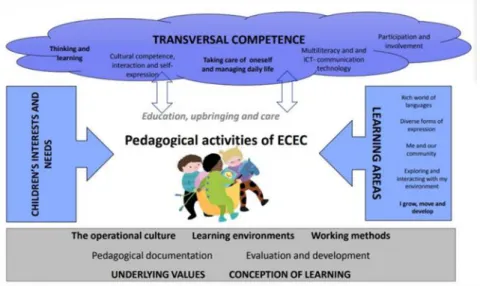
Transversal competences are a combination of knowledge, skills, values, attitudes and will (Helsinki's curriculum for early childhood education and care 2019). The aim of OOKK is to support the children's abilities that are developed in different environments while interacting with others. The right amount of daily physical activity supports the children's thinking and learning (Helsinki Curriculum for Early Childhood Education and Care 2019).
Since it is very important that children learn through play and get those positive and challenging experiences in a safe and encouraging environment, one of my goals was to design activities where children can safely discover things about sustainability and more specifically about food sustainability and through those activities make them question the ways we are treating our planet and the ways we can better protect it. It is important to teach children how to take care of themselves, their health and safety. The aim of ECEC is also to help children make choices that embrace sustainable lifestyles.
This includes a wide selection of different types of activities located inside, outside or in nature (Helsinki curriculum for pre-school education and care 2019). I chose to insert the activities that take place indoors and outdoors in my guidebook, and therefore offer the children practical activities in the environment that is best suited for this type of task – the surrounding nature. Through educational documentation, the children's previous experiences and abilities as well as their interests and needs are made visible and used as a basis for planning the activities (Education Agency 2019).
The goals defined in the Early Childhood Education Act, as well as the responsibility to take the child's best interests into account in planning and implementation, are the foundation of all activities.
The role of Early childhood Education in food sustainability
It's more than just day care; is a goal-oriented and planned activity that encourages children's growth and learning and is evaluated and developed on a daily basis (Opetushallitus 2021). The activities are age appropriate and will help children think, analyze and apply what they have learned in their everyday lives.
Participation
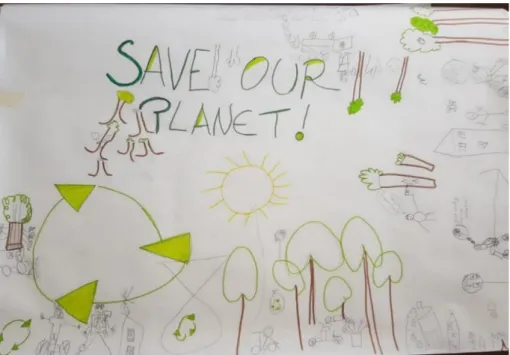
The children are involved in conversations about food and its waste, what it means for them and the shelter and how it is reduced. Their observations and unanimous decisions can positively influence food waste and their ideas about food consumption. Their joint actions can contribute to reducing food waste and cultivating a sustainable eating culture in childcare.
Reading
Play
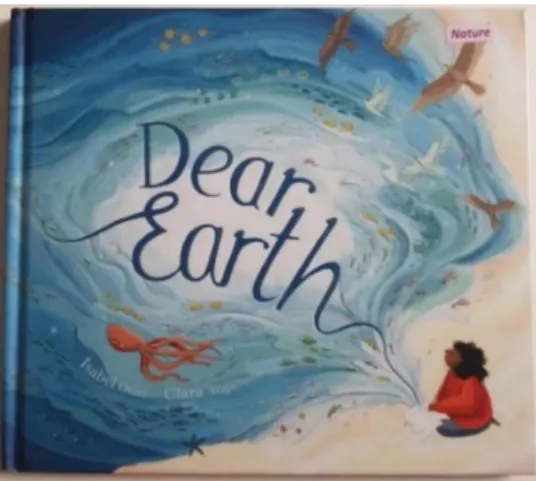
The play has a balanced structure and the teacher sets the goals based on the learning needs and interests of the children. In a morning circle of children, I read a book called "The Tale of a Toothbrush" (see Figure 8 below), which shows children what happens to their plastic toothbrushes after they are thrown away. The activity complements the previous activity to enable children to dig deeper into the subject and understand that there are major environmental impacts in the food processing industry (Selly 2012).
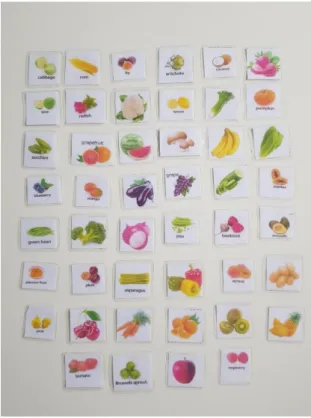
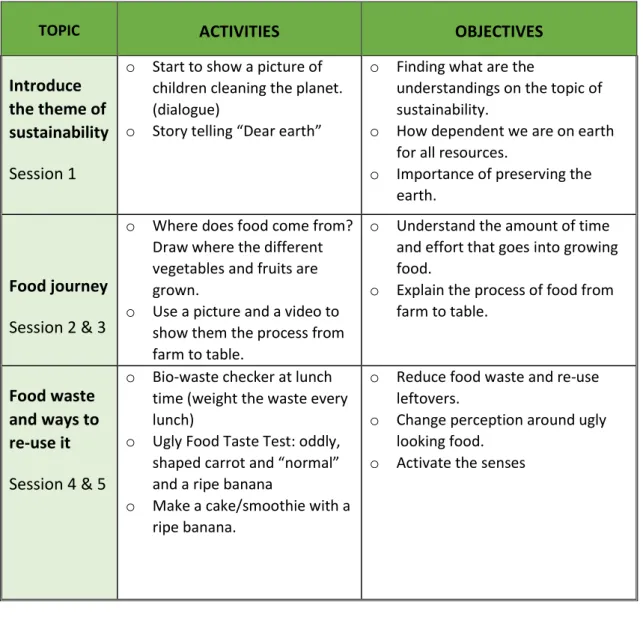
First, they watched on an iPad a YouTube video called "Why Don't We Waste Food for Kids," a video showing the amount of time, land, water and energy it takes to grow food and get it to our plates. One by one they put the power card under the process card they thought was right. The task of the bio-waste controller is to weigh the amount of food that the children consume at lunchtime with a small kitchen scale.
They said that the shape of the carrot is different, but the smell is the same. Some others said they don't want to eat the darker part of a ripe banana. In this section, I will evaluate the activities of the guide that are carried out in the day care.
Follow each and every step of the activity or follow the rhythm of the group of children. IT FELT A LITTLE BORING "Waiting for my turn (playing the game/being biowaste control), "The story was too long at the end and I was hungry", "I was sleepy and tired", "Sitting down" is boring", "I was hungry", "I don't know". MIND BLOWING "The Dump Truck With Garbage", "I Was Surprised By The Things You Told Us", "Drawing", "Everything".
Ethical considerations
The subject is necessary and important in education for sustainable development, because food is one of the elements of the environment in which children can directly express their preferences and have the opportunity to make sustainable choices when given the opportunity. To become active and responsible citizens of the future, children must develop habits and behaviors that are friendly to the earth and reinforce sustainability in all spheres of life, food is an important factor, because without it we cannot we survive. They should also understand that growth and development should not be at the cost of the environment and we are totally dependent on it for our survival.
They may know more about managing tablets and computers, but connecting with nature is very important for a sustainable future. Background report prepared for the OECD Thematic Review of Early Childhood Education and Care Policy. Effects of story telling and reading on young children's oral language complexity and story comprehension.