The findings (section 3), conclusions (section 4) and recommendations (section 5) of the final evaluation are summarized on the following pages. The implementation of the program therefore concentrated on the procurement of technical services and contractors.
Introduction
- Purpose of the Evaluation
- Programme Background
- Institutional and Legal Frameworks
- Equitization and the Sale of Public Assets
- MFA Development Policy Framework
- Programme Governance and Management Arrangement
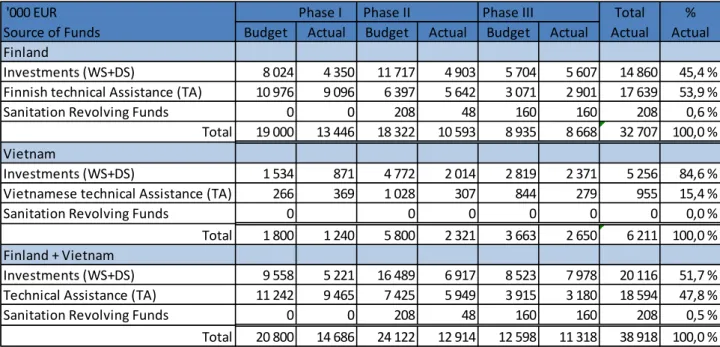
- Programme Financial Framework
- Programme Budgets and Expenditure During Phases I, II and III
- Programme Stakeholders
In terms of institutional reforms, this new policy is nothing short of revolutionary: selling off the entirety of a country's water supply infrastructure to the private sector has only ever been done in England and Chile. This contradiction in the role of the TA has never been formally resolved between the government and the MFA.

Summary of the Evaluation Methodology and Questions
- Introduction
- Scoring
- Data collection
- Theory of Change
- Limitations of the study
To what extent the separate drains were relevant to the mandated operator of the DS schemes. The implementation of the SHA scheme achieved satisfactory quality, as explained in the relevant section of the evaluation report.

Findings
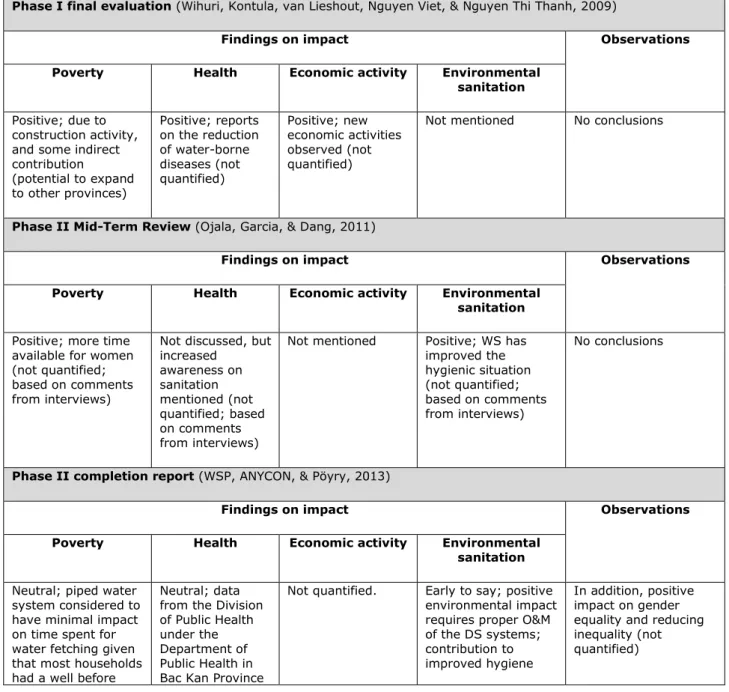
Impact
During the fieldwork, the evaluation obtained anecdotal evidence of the positive effects of WS schemes on the health of the target population and the economic activity of the cities. Has the income of the final beneficiaries increased as a result of the program, in the final report III. phase is not indicated because there are no corresponding indicators.
Relevance
Effectiveness
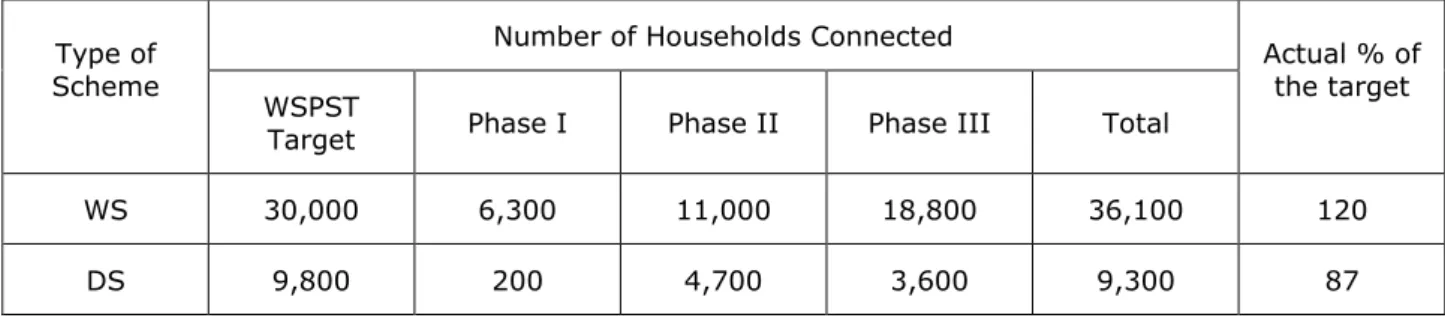
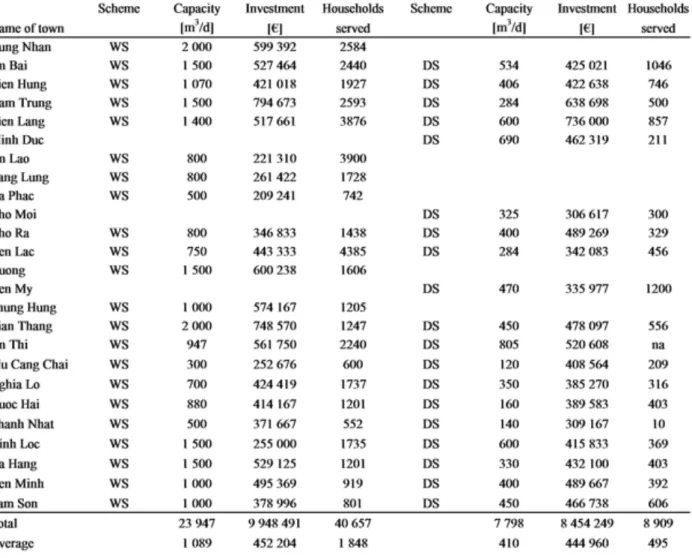
Much of the service expansion (beyond the initial design) occurred during Phase III. The service area of the DS covers some of the households connected to the WS scheme.
Efficiency
Using figures from the phase III completion report (table 3.2), the price per house connection for WS EUR 245 (or USD 281 at the current exchange rate of 1.15). The laboratory equipment is one of the pending issues to be resolved before the closure of WSPST.
Sustainability
The O&M costs of the WSPST DS schemes (promotion of separate sewers and sewage treatment plants on a pilot basis) could never be recovered under the existing sewage charges legislation. The evaluation team's findings suggest that WSPST paid insufficient attention to DS sustainability before moving on to building DS schemes. The affordability of the DS service is obviously rather a subjective matter”, concludes the DS benchmarking report (Keski-Saari 2016a & 2016b).
Cross Cutting Themes
However, full privatization of water services is a major risk to the sustainability of the water industry. The program did not conduct a gender analysis to understand how program outcomes affect men and women (as well as boys and girls) differently. The Phase III Completion Report also acknowledges that “In most WSPST towns, the most vulnerable groups do not live within the service areas of the DS schemes.
Aid Effectiveness
Coordination with other donors also took place in the process of promoting the merger of FRWF with NRWF (the end of phase I and the beginning of phase II). Overall, the program occupied a specific niche in the water and sanitation architecture in Vietnam (by focusing on Level V cities and separate sewers as a technical solution for wastewater management). The WSPST used Vietnamese procedures for the procurement of infrastructure investments, as defined in the WSPST Management Manual (WSPST, 2005).
Programme Design, Steering and Monitoring
From the project documentation, the use of the design-build-contract modality meant that the design was awarded to contractors who in turn would then identify and subcontract the design engineers. Design engineers must work on behalf of the project owner (and not the contractor) and the same design engineers must be responsible for the construction supervision on behalf of the project owner. Previously, the Program's accounting was kept in monthly Excel spreadsheets, which are not a reliable and transparent tool for accounting and reporting practices.
Support to Institutional Strengthening and Capacity Development
The assessment report of Phase I (WaterPro Ltd, 2003) identified that water utilities are likely to follow the corporatization model of the energy sector in Vietnam in the near future. A review of the SC minutes of Phases I, II and III shows that this was not the case. Finally, the contribution of the Finnish TA located in MOC throughout Phases I, II and III should be mentioned.
Conclusions
- Impact
- Relevance
- Effectiveness
- Efficiency
- Sustainability
- Cross Cutting Themes
- Aid Effectiveness
- Programme Design, Steering and Monitoring
- Support to Institutional Strengthening and Capacity Development
Had the project placed WSCs – the future owners and operators of the schemes – at the center of the project, it is possible that they would have used WSPST funds more efficiently to develop their businesses. Pricing wastewater services at 5 to 10% of the water bill makes it impossible for DS to be sustainable. At a minimum, WSPST could have conducted a baseline assessment of HIV/AIDS-related risks and mitigation measures to ensure that the intervention does not worsen the spread of the disease in the program area.
Recommendations
This situation in turn increased the risk of lower ownership of the assets on behalf of the ultimate operator (Ownership). Steering groups should include formal observers, where relevant, to strengthen the transparency and inclusiveness of the interventions. The expected impact of the program must be crystal clear and supported by analysis of the Theory of Change, the impact process or a similar instrument.
Lessons Learned
Small Town Water and Sanitation Program Audit Report (WSPST) Phase III. Human Rights Based Approach to Small Town Water and Sanitation Project (WSPST) Training Report Phase III. Financial Management of Investment Funds of Water and Sanitation Program for Small Towns in Vietnam (WSPST).
Terms of Reference
In the commencement report, the evaluation team will present a plan of which of the 41 schemes will be selected. Presentation of the evaluation report, meeting with the MFA and embassy in Helsinki (via video conference) by December 7. Draft final report of the evaluation will be submitted to the MFA three weeks after the fieldwork.
Constructed Theory of Change for WSPST
The long-term result is that the Revolving Fund enables the model to be replicated in new cities. These topics are also discussed in more detail in the main part of the report. For this reason, we have used dashed lines between the fields at this level in the body of the content.
WSPST Logical Frameworks Phases I, II and III
Provision of safe potable water supply and hygienic environment to meet the needs of urban population and economic activities in the Program towns. Safe potable water supply and waste water services to meet the needs of urban population and economic activities in Program towns. Water supply schemes in Program towns provide reliable 24h/d water supply that meets Vietnamese drinking water quality standards.
Scoring WSPST Based on OECD DAC and Additional Criteria
1= Serious deficiencies in design and/or construction lead to many dysfunctional DS schemes. Efficiency To what extent were the activities. Ownership To what extent infrastructure projects were carried out using the country's existing systems (and avoiding the creation of parallel structures). Efficiency To what extent was the Embassy of Finland [Water Advisor, Head of Cooperation and Ambassador].
Map of Evaluation Questions and Priority Assessments
1. Level of technical operation of WS and DS schemes with emphasis on DS schemes. Level of customer satisfaction with WS and DS schemes built over the life of the programme. Performance of technical assistance advisors in managing and monitoring assessment of program priorities [framework].
Fieldwork Schedule
List of Persons Consulted
Dinh Tien Dung Head of Planning and Engineering Department Male Tuyen Quang Hoang Kim Huong Technical staff in charge of WSPST Female Tuyen Quang. Tran Thi Hoan Head of WU Female Ha Giang Nguyen Thi Luyen Sanitation Accountant Revolving Fund Female Haiphong Nguyen Phuong Nhung Department of Family and Social Affairs Staff Female Hanoi Nguyen Tuyet Mai Head of Department of Family and Social Affairs Hanoi Female Pham Thi Thom Chairperson, VWU Toan Thang Municipality Female Hung Yen Truong Hong Anh VWU District President Kim Dong Female Hung Yen. Pham Huu Sang Representative of Hoang Long Village, Minh Duc Male Haiphong Town Nguyen Ngoc Thu Head of Quyet Thanh Village, Minh Duc Male Haiphong Town Pham Van Duong Deputy Head of Quyet Thanh Village, Minh Duc Male Haiphong Town Nguyen Duc Hieu Household in Bach Dang Village, Town Minh Duc Male Haiphong.
Evaluation Approach and Design
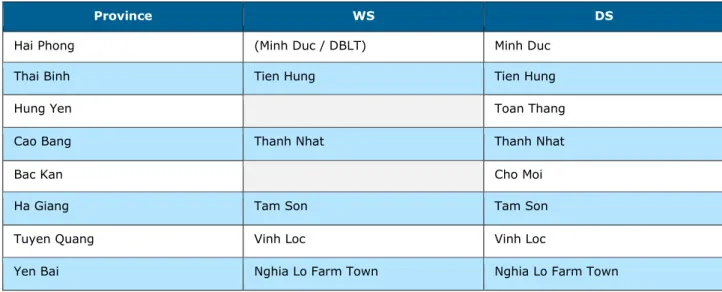
Table A8.3 contains a sample of the schemes visited during the implementation phase of the evaluation. MFA Evaluation Manual, together with the TOR, formed the main reference document for QA during the course of the evaluation. The evaluation team emphasized the confidential nature of the interviews and organized more informal interview sessions where possible.

DS Schemes | Timeline for Decision Making
August 2009 Phase I Completion Report 07 DS Schemes Under Construction in 'Old' Provinces 23 Investment Reports, Base Plans (including 12 DS Projects) and Tender Documents for Phase II completed Concerns about quality of local planning consultants Concerns about future O&M for DS Proposes more toilets on site and raises concerns about future connections and willingness to pay for Phase II. Apr 2010 Annual Report 2009 None of the 7 DS schemes that began construction in Phase I were completed by the end of 2009. 03/12/2012 TA proposal for Phase II DS MFA requests TA for more information and rationale for Option 3 to could the SC make an informed decision on the 12 projects II. DS phases.
Investments Costs Made by Finland and PPCs
DS Schemes | Impact and Status
Rapid Transparency Assessment
Question Points In practice, can members of the public receive relevant and timely information on WSPST policies, procedures, activities, results and decisions during the project cycle. Question Points Are there effective policies and procedures to penalize corruption and fraud? RESULT It was not possible to fully verify the existence of effective policies and procedures to penalize corruption and fraud in all aspects of the program.
Gender Mainstreaming Analysis Tool
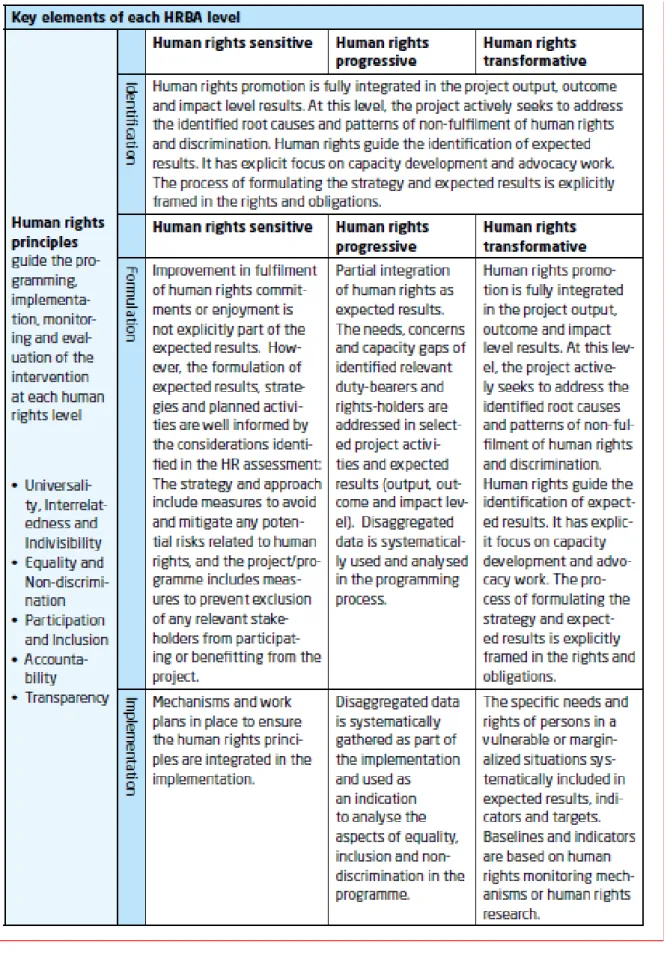
Tool for Assessing Inclusion of HRBA
This avoids unintended negative effects on the enjoyment of human rights and ensures that intervention does not contribute to discriminatory structures, norms and practices. The intervention has no explicit commitment to human rights in terms of expected results. Development intervention is linked to strategic political dialogue on specific human rights issues relevant to the intervention.
Documents Reviewed
Milestones in the Finnish Water Revolving Fund
The financial mechanism of the lent water supply funds was channeled through the Vietnam Development Bank (VDB) and the sanitation through state and provincial treasuries (ST). As a temporary solution, it is recommended to reach an agreement on the future use of the Finnish fund allocated to the VDB. Upon the establishment of the NRWF (as may be possible in the future), the FRWF will be integrated into the NRWF.
Steering Committee Deliberations on Water Laboratory