Analysis of five complete genome
sequences for members of the class
Peribacteria in the recently recognized
Peregrinibacteria bacterial phylum
Karthik Anantharaman1, Christopher T. Brown2, David Burstein1,
Cindy J. Castelle1, Alexander J. Probst1, Brian C. Thomas1,
Kenneth H. Williams3and Jillian F. Banfield1,3
1Department of Earth and Planetary Sciences, University of California, Berkeley, California, United States
2Department of Plant and Microbial Biology, University of California, Berkeley, California, United States
3Earth Sciences Division, Lawrence Berkeley National Laboratory, Berkeley, California, United States
ABSTRACT
Five closely related populations of bacteria from the Candidate Phylum (CP) Peregrinibacteria, part of the bacterial Candidate Phyla Radiation (CPR), were sampled from filtered groundwater obtained from an aquifer adjacent to the Colorado River near the town of Rifle, CO, USA. Here, we present the first complete genome sequences for organisms from this phylum. These bacteria have small genomes and, unlike most organisms from other lineages in the CPR, have the capacity for nucleotide synthesis. They invest significantly in biosynthesis of cell wall and cell envelope components, including peptidoglycan, isoprenoids via the mevalonate pathway, and a variety of amino sugars including perosamine and rhamnose. The genomes encode an intriguing set of large extracellular proteins, some of which are very cysteine-rich and may function in attachment, possibly to other cells. Strain variation in these proteins is an important source of genotypic variety. Overall, the cell envelope features, combined with the lack of biosynthesis capacities for many required cofactors, fatty acids, and most amino acids point to a symbiotic lifestyle. Phylogenetic analyses indicate that these bacteria likely represent a new class within the Peregrinibacteria phylum, although they ultimately may be recognized as members of a separate phylum. We propose the provisional taxonomic assignment as ‘CandidatusPeribacter riflensis’, Genus Peribacter, Family Peribacteraceae, Order Peribacterales, Class Peribacteria in the phylum
Peregrinibacteria.
Subjects Bioinformatics, Environmental sciences, Genomics, Microbiology
Keywords Peregrinibacteria, Candidate phyla radiation, Metagenomics, Complete genomes, Strain variation
INTRODUCTION
Metagenomic analyses of microbial communities in natural environments have revealed numerous previously unrecognized microorganisms, including those now described to be
Submitted19 October 2015
Accepted28 December 2015
Published28 January 2016
Corresponding author
Jillian F. Banfield, [email protected]
Academic editor
David Baltrus
Additional Information and Declarations can be found on page 11
DOI10.7717/peerj.1607
Copyright
2016 Anantharaman et al.
Distributed under
part of the phylum Peregrinibacteria. The Peregrinibacteria are a lineage within the bacterial CPR (Wrighton et al., 2012;Brown et al., 2015), a monophyletic radiation primarily of candidate phyla. Members of the Peregrinibacteria phylum have been genomically sampled from a contaminated sediment-hosted aquifer (Wrighton et al., 2012;
Brown et al., 2015) and a deep subsurface high CO2environment (Emerson et al., 2015). However, ribosomal proteins and 16S rRNA gene sequences from this group have been detected in a variety of environments, including sediments and soil (Hug et al., 2015). Presently, there are only 18 partial genomes from this phylum. Prior analyses
(Wrighton et al., 2012) predicted the lack of a complete respiratory chain and most TCA cycle components, consistent with a fermentation-based lifestyle. However, lack of complete, closed genomes from this phylum have limited confidence about predicted metabolic potential and genome size.
Here, we report the first complete genomes from the Peregrinibacteria bacterial phylum. These genomes represent five very closely related strains of a single species.
MATERIALS AND METHODS
Sampling
Groundwater from an alluvial aquifer near the town of Rifle, Colorado (Latitude 39.52927920, Longitude−107.77162320, altitude 1618 m above sea level (Williams et al.,
2011)) was pumped from a depth of 5 m below ground surface. Samples were collected prior to injection of oxygen-saturated water up gradient from the sampling wells (August 2, 2012) and on three dates after the injection (September 12, 2012, October 24, 2012 and December 12, 2012) and filtered through sequential 1.2mm, 0.2mm and 0.1mm filters.
DNA sequencing, assembly, binning and annotation
DNA was extracted from the filters, as described previously (Brown et al., 2015), and paired-end libraries with a read length of 150 bp were sequenced using Illumina HiSeq 2000 at the Joint Genome Institute. Sequence data were processed using the Illumina CASAVA pipeline (version 1.8). Reads were trimmed using Sickle (https://github.com/
najoshi/sickle) and assembled using IDBA-UD (-step 20, -maxk 100, -mink 40)
(Peng et al., 2012). All samples were assembled separately (Supplementary Table S1). Binning of assembled scaffolds was performed on the basis of GC content and differential read coverage with ABAWACA (Brown et al., 2015), and tetranucleotide composition with Emergent Self-Organizing Maps (ESOM) (Dick et al., 2009). The five genomes described in this study were recovered from five separate samples (A2, B2, C2, D1, D2) across all four sampling time points (A, B, C, D) (Table 1).
cases, from a different sample. Protein-coding genes were predicted using Prodigal (Hyatt et al., 2010), and rRNA genes using Rfam (Nawrocki et al., 2015). The genomes were annotated by searching the predicted proteins against Uniref90 (Suzek et al., 2007), KEGG (Kanehisa & Goto, 2000) and a custom in-house database (Brown et al., 2015) using Usearch (-ublast) (Edgar, 2010). Functional predictions for proteins of interest were further analyzed using Interpro (Jones et al., 2014), psortb (Yu et al., 2010), phylogenetic analysis and HMM models constructed from KEGG proteins assigned the same KO annotation (9), which were further sub-clustered using MCL (I = 1.1) (Van Dongen, 2008) based on full-length identity percent.
Analysis of Single-Copy Genes (SCG) was performed using 43 universal marker genes (Raes et al., 2007;Brown et al., 2015).
Phylogenetic analysis
Phylogenetic analysis for validating the taxonomy of the 5 Peregrinibacteria strains was performed with the 16S ribosomal RNA (SSU) gene as well as a set of 16 syntenic universal Ribosomal Proteins (RP) (L2, L3, L4, L5, L6, L14, L15, L16, L18, L22, L24 and S3, S8, S10, S17, S19).
For SSU analysis, 69 SSU genes from the phylum Peregrinibacteria were aligned with MUSCLE (Edgar, 2004) with default parameters. All introns in 16S rRNA genes were removed as described previously (Brown et al., 2015). Sequences from the phylum Berkelbacteria were used as an outgroup. All columns with >97% gaps were removed and the final alignment spanned 1,649 nucleotides. Phylogenetic analysis of SSU genes was inferred by RAxML using the GTRGAMMA algorithm with 1000 bootstrapped replicates (Stamatakis, 2014).
RAxML was called as follows: raxmlHPC-PTHREADS -# 1000 -s input -n output -m GAMMAGTR -p 777 -x 3333 -f a.
For the RP analysis, each ribosomal protein was aligned individually along with reference sequences using MUSCLE (Edgar, 2004) with default parameters. The Reference sequence database comprised proteins from 11 previously identified Peregrinibacteria, and Berkelbacteria (Wrighton et al., 2012;Brown et al., 2015) that served as an outgroup. Individual ribosomal protein alignments were concatenated in Geneious version 7 (Kearse et al., 2012). All columns with >97% gaps were removed prior to further analyses. In total, the alignment spanned 3085 columns. Phylogenetic analysis of RP was inferred by
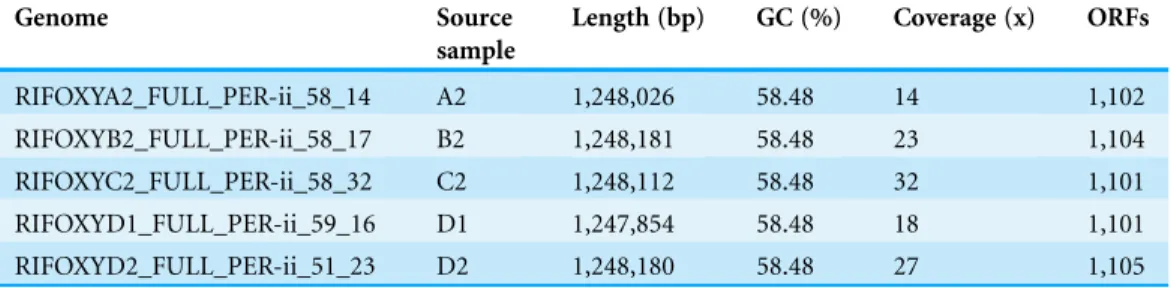
Table 1 Summary of the fiveCa.P. riflensis genomes.
Genome Source sample
Length (bp) GC (%) Coverage (x) ORFs
RIFOXYA2_FULL_PER-ii_58_14 A2 1,248,026 58.48 14 1,102
RIFOXYB2_FULL_PER-ii_58_17 B2 1,248,181 58.48 23 1,104
RIFOXYC2_FULL_PER-ii_58_32 C2 1,248,112 58.48 32 1,101
RIFOXYD1_FULL_PER-ii_59_16 D1 1,247,854 58.48 18 1,101
RAxML using the PROTGAMMAGTR algorithm with 100 bootstrapped replicates (Stamatakis, 2014). RAxML was called as follows: raxmlHPC-PTHREADS -# 100 -s input -n output -m PROTGAMMAGTR -p 777 -x 777 -f a.
Phylogenetic trees were visualized with Figtree v1.2.2 (http://tree.bio.ed.ac.uk/software/ figtree/).
RESULTS AND DISCUSSION
Three complete, circularized genomes were reconstructed from samples D2, B2 and C2. For two other genomes (from samples A2 and D1), very small gaps were filled using mapped reads from other samples. All genomes contain one direct repeat region of a length similar to that of the read insert size. The correct assembly path was chosen because the alternative would have excluded an∼3 kbp sequence that must be part of the genome
because paired reads placed there.
The average length of the complete genomes was 1,248,071 ± 217 bp, a result that confirms the previous prediction of small genome size that was made based on genome completeness estimates and draft genome lengths (Wrighton et al., 2012). The average GC content was 58.5% and average read coverage varied from 14to 32
(Table 1). A plot of GC skew across the genome has the expected form, providing
confidence in the accuracy of the assembly and an indication of the locations of the origin and terminus of replication (which are not otherwise apparent from the gene predictions). We predicted between 1,101 and 1,105 coding sequences. 52% of the genes had confident functional assignments, based on HMM analysis (Supplementary
Table S2), 29% additional proteins had weak similarity to the HMM database (below
predetermined noise cutoff), and the others had no detectable similarity to any HMM (19% of all genes in the genome). Notably, 29% of the genes had no significant BLAST hit against NCBI’s nr database (E-value <10−5, percent identity >20%). We
identified 46 tRNA genes, single copies of each of the 5S rRNA, 16S rRNA and 23S rRNA genes, and all 43 universal SCG in the five genomes. No insertion sequences, such as reported in many CPR bacteria, were identified in the 16S rRNA genes (Brown et al., 2015). The 16S rRNA gene sequences of all five genomes are identical, suggesting they derive from strain variants of a single species. The 16S rRNA gene sequence is only 89% similar to that of the closest genomically-sampled relative, Peregrinibacteria bacterium GW2011_GWC2_54_8 (LCRS00000000) (Supplementary Table S3) (Brown et al., 2015). The sequences from the genomes reported here, those of GWC2_PER_54_8 and a highly similar genotype GWB1_PER_54_8, and clone
A
uncultured Peregrinibacteria_Rile_GW2011-PER_GWC2_39_14 (LBWI00000000)
Uncultured bacterium clone T60-An-20C-16 (JX105602) Uncultured candidate division OP11 bacterium clone 110 (FM 207940)
Uncultured bacterium clone GN01-8.049 (DQ154851)
Uncultured organism clone MAT-CR-P5-C04(EU246208)
Uncultured candidate division OP11 bacterium clone MVP-37 (DQ676445) Uncultured bacterium clone CK_1C2_58 16S (EU487961)
Uncultured bacterium clone 656058 (DQ404613)
Uncultured deep-sea bacterium clone Ucc1610 (AM997921) Uncultured bacterium clone Sc-NB07 (AB193923)
Uncultured candidate division OP11 bacterium clone MSB-3D2 (DQ811939) Candidatus Peribacter riflensis strain. RIFOXYA2_FULL_Per-ii_58_14
Uncultured sediment bacterium clone 257-61 (FN553976)
Uncultured candidate division OP11 bacterium clone D15_42 (EU266879) Uncultured bacterium clone SSB0402-03 (JN397991)
Uncultured organism clone MARS-A01 (EU246328) Uncultured bacterium clone KZNMV-10-B32 (FJ712516)
uncultured Peregrinibacteria_Rile_GW2011-PER_GWF2_39_17 (LBWM00000000)
Candidatus Peribacter riflensis strain. RIFOXYD2_FULL_Per-ii_51_23
uncultured Peregrinibacteria_Rile_GW2011-PER_GWF2_33_10 (LBOP00000000) Uncultured bacterium clone UA_80 (JX120450)
Uncultured bacterium clone DS076 (DQ234160)
Uncultured bacterium clone sf-100 (JQ278991) Uncultured bacterium clone S1-72 (FJ545498)
Uncultured bacterium clone NBBME0409_54 (JQ072304)
uncultured Peregrinibacteria_Rile_GW2011-PER_GWF2_38_29 (LBUS00000000)
Uncultured organism clone SBZA_2463 (JN501418) Uncultured bacterium clone P22 (HE648194) Uncultured bacterium clone F9P26500_S_M09 (HQ672998)
Uncultured bacterium clone jc-16 (JQ278764)
Uncultured bacterium clone BB34 (AM167971)
Uncultured sludge bacterium clone ASB23 (FJ947129) Uncultured organism clone SBYS_6266 (JN476628)
Uncultured organism clone SBYC_4877 (JN447158)
Uncultured bacterium clone T0-An-20C-64 (JX105538) Uncultured bacterium clone GoM161_Bac40 (AM745145)
Uncultured marine bacterium clone BM1-F-100 (FJ826198) Uncultured bacterium clone Ld1-25 (GQ246420)
Uncultured bacterium clone HWB1012-2-92 (HM243797) Uncultured bacterium clone STU15 (EU700157)
Uncultured bacterium clone SHFG522 (FJ203121)
Uncultured organism clone MAT-CR-P2-H05 (EU246075)
Uncultured organism clone MAT-CR-P1-F01 (EU246018)
uncultured Peregrinibacteria_Rile_GW2011-PER_GWF2_43_17 (LCFW00000000)
Uncultured bacterium clone FGL7S_B141 (FJ437967) Uncultured bacterium clone KZNMV-10-B12 (FJ712504) Uncultured bacterium clone 3M33_057 (JQ287266)
Uncultured organism clone SBZO_3312 (JN531773)
uncultured Peregrinibacteria_Rile_GW2011-GWA2_PER_33_10 (LBOO00000000) Uncultured organism clone MAT-CR-H1-F02 (EU245079)
uncultured Peregrinibacteria_Rile_GW2011-GWC2_PER_54_8 (LCRS00000000) Candidatus Peribacter riflensis strain. RIFOXYD1_FULL_Per-ii_59_16
Uncultured bacterium clone M6A-215 (AM991203) Uncultured bacterium clone RS06101_B60 (EU101254)
Uncultured bacterium clone Nit5A0650_591 (FJ628290) Uncultured deep-sea bacterium clone Ucp1484 (AM997669) Uncultured organism clone MAT-CR-H6-F04 (EU245360)
Candidatus Peribacter riflensis strain. RIFOXYB2_FULL_Per-ii_54_17
Uncultured candidate division OP11 bacterium clone 77D24 (GQ274174) Uncultured bacterium clone MBAE49 (AJ567599)
Uncultured bacterium clone GN01-8.059 (DQ154824) Uncultured bacterium clone MPB2-265 (AB630941)
Uncultured bacterium clone PRD01b011B (AF289171)
uncultured Peregrinibacteria_Rile_GW2011-GWA2_PER_44_7 (LCJI00000000)
Uncultured epsilon proteobacterium clone 3CN (GQ274284)
CandidatusPeribacter riflensis strain. RIFOXYC2_FULL_Per-ii_58_32
Uncultured bacterium clone lp187 (KC331405) Uncultured organism clone SBZC_3307 (JN507275)
Uncultured bacterium clone 3418 (FM209335)
uncultured Peregrinibacteria_Rile_GW2011-GWB1_PER_54_5 (LCRQ00000000) Uncultured bacterium clone ULoh_84 (JF320769)
Uncultured bacterium clone a-27 (JX040367) Uncultured organism clone MAT-CR-P3-B04 (EU246089)
uncultured Peregrinibacteria_Rile_GW2011-GWC2_PER_33_13 (LBOR00000000)
9 8
6 9
6 3 1 0 0 1 0 0
1 0 0
9 8 9 0
1 0 0 6 4
9 6
1 0 0 6 4
9 2
1 0 0 8 1
9 9 6 9
7 7 1 0 0 6 2
7 8
9 5
7 4 1 0 0
6 5 1 0 0
8 8
9 9
6 9
1 0 0 1 0 0
1 0 0 8 1
1 0 0
1 0 0 6 0
1 0 0 1 0 0
1 0 0 1 0 0
1 0 0
0.09 Class P E R I B A C T E R I A To Other CPR Bacteria
B
Class P E R I B A C T E R I A0 . 2
Peregrinibacteria bacterium GW2011_GWF2_38_29 (LBUS00000000)
Peregrinibacteria bacterium GW2011_GWF2_33_10 (LBOP00000000)
Bacteria_CPR_Peregrinibacteria_ACD28
Candidatus Peribacter riflensis strain. RIFOXYC2_FULL_Per-ii_58_32
Peregrinibacteria bacterium GW2011_GWA2_43_8 (GCA_000999965)
Candidatus Peribacter riflensis strain. RIFOXYD1_FULL_Per-ii_59_16
Peregrinibacteria bacterium GW2011_GWF2_39_17 (LBWM00000000)
Candidatus Peribacter riflensis strain. RIFOXYA2_FULL_Per-ii_58_14
Peregrinibacteria bacterium GW2011_GWB1_54_5 (LCRQ00000000) Peregrinibacteria bacterium GW2011_GWF2_43_17 (GCA_000999315)
Peregrinibacteria bacterium GW2011_GWC2_54_8 (LCRS00000000) Candidatus Peribacter riflensis strain. RIFOXYD2_FULL_Per-ii_51_23
Peregrinibacteria bacterium GW2011_GWC2_39_14 (LBWI00000000)
Peregrinibacteria bacterium GW2011_GWA2_44_7 (LCJI00000000)
Candidatus Peribacter riflensis strain. RIFOXYB2_FULL_Per-ii_54_17
Peregrinibacteria bacterium GW2011_GWA2_33_10 (LBOO00000000)
5 9
1 0 0 5 6
1 0 0 1 0 0
6 2 9 8
1 0 0 1 0 0
1 0 0 1 0 0
To Other CPR Bacteria
Variation among the fiveCa.P. riflensis genomes primarily involves insertions and deletions (tens of bps) in twelve proteins (Fig. 2). Of these, seven proteins were very large (between 1,219 and 3,861 amino acids) and several were predicted to have an extracellular localization.
A metabolic reconstruction for theCa.P. riflensis species was established based on analysis of annotated genes (Fig. 3). Examination of the genomes revealed few glycosyl hydrolases that would support growth by utilization of externally derived sugar polymers, a lifestyle suggested for many other CPR bacteria (Wrighton et al., 2012;Kantor et al., 2013). We identified pathways for both formation and utilization of glycogen/starch and dextrin. Externally-derived glycogen/starch and dextrin-like compounds may be broken down using these enzymes to provide inputs to glycolysis. In addition, the genomes encodes seven enzymes lacking confident functional predictions, but with weak similarity to dextrinases involved in the hydrolysis of starch-derived dextrin. The genomes also encode for synthesis of the compatible solute trehalose.
The genomes lack genes encoding for a complete TCA cycle and most components of respiratory chains, although those for the subunits of the ATP synthase complex were identified, along with an inorganic pyrophosphatase, providing a route to make ATP. The genomes encodes a protein annotated as cytochrome oxidase subunit II, as do those of many other CPR (Brown et al., 2015), but the catalytic subunit I that is critical for O2 utilization is not present. Thus, the ability to metabolize O2is not supported.
We predict that the conversion of alpha-D-glucose to pyruvate occurs via the upper and lower glycolytic pathway, with the lack of 6-phosphofructokinase compensated for by enzymes of the Pentose Phosphate Pathway (PPP). This workaround is a common strategy in many members of the CPR that lack 6-phosphofructokinase (Wrighton et al., 2012). Lacking are genes required for gluconeogenesis (fructose-1,6-bisphosphatase, pyruvate carboxylase and PEP carboxykinase were not identified). Pyruvate can be converted to oxaloacetate (via phosphoenolpyruvate carboxylase) and to acetyl-CoA (via the two subunit Pyruvate:Ferredoxin Oxidoreductase Complex (PFOR)). The genes for ferredoxin and Fe-S cluster biosynthesis are encoded, as is a gene involved in synthesis of flavodoxin. The redox recycling of ferredoxin is unclear, but one subunit of a Fe-hydrogenase (ferredoxin hydrogenase large subunit) may be involved (however other subunits were not identified). A pathway involving electron bifurcation may be required for production of reduced ferredoxin, possibly involving an electron transferring flavoprotein, but candidate mechanisms are not apparent. One potential mechanism may involve the oxidation of alanine through a Stickland reaction, which could result in oxidative phosphorylation to form ATP and NADH. In turn, the generated NADH could serve as the substrate for electron bifurcation to produce reduced ferredoxin.
riboflavin and its conversion to FMN and possibly to FAD. Genes for biotin and thiamine biosynthesis were not identified, and are probably not needed due to the absence of pathways in which these enzymes are required (e.g., fatty acid biosynthesis and pyruvate carboxylase of the gluconeogenesis pathway). The source of NAD, a cofactor in several proteins in these genomes (e.g., NAD+-dependent epimerase), is unclear. However, NAD+ kinase for interconverting NAD+and NADP+and ADP-dependent NAD(P)H-hydrate dehydratase for dehydration of NADHX and NADPHX were identified.
Genes of the PPP also encode enzymes to form D-ribose 5-phosphate and 5-phospho-alpha-D-ribose 1-diphosphate that are required for synthesis of nucleotides for use as energy carriers and for production of purine, pyrimidine and RNA. In fact, essentially complete pathways for nucleotide synthesis are encoded in theCa. P. riflensis genomes. This capacity distinguishes these organisms from most other CPR bacteria, but it may be a shared feature of some Peregrinibacteria. Genes for homologous recombination (Holliday junction Ruv pathway) andrecAwere also identified, as were genes for cell division and DNA repair. The origin and terminus of replication were identified using a GC skew plot Consensus
Identity
A AGCAAA TCTTCG AGTAAA TCTTCCA GCAAGT CCTCTT CCTCCT CTGCTT CAA---- --- --- --- --- --- --- --- --- --- --- ---GCA AGT CTA CAGGCCC GTCTTC TGCCTC CTCTTC CTCCAG CAAATCT TCCTCA TCCTCC TCTGCT T C
527,340 527,360 527,380 527,400 527,420 527,440 527,460 527,480 527,500 527,520
RIFOXYA2_FULL_PER-ii_58_14
RIFOXYB2_FULL_PER-ii_58_17 RIFOXYC2_FULL_PER-ii_58_32 RIFOXYD1_FULL_PER-ii_59_16 RIFOXYD2_FULL_PER-ii_51_23
A AGCAAA TCTTCG AGTAAA TCTTCCA GCAAGT CCTCTT CCTCCT CTGCTT CAA---- --- --- --- --- --- --- --- --- --- --- ---GCA AGTCTA CAGGCCC GTCTTC TGCCTC CTCTTC CTCCAG CAAATCT TCCTCA TCCTCC TCTGCT T C
A AGCAAA TCTTCG AGTAAA TCTTCCA GCAAGT CCTCTT CCTCCT CTGCTT CAAGCAA GTCTAC AGGCCC GTCTTC TGCCTCC TCTTCC TCCAGC AAATCT TCCTCA TCCTCCT CTGCTT CAAGCA AGTCTA CAGGCCC GTCTTC TGCCTC CTCTTC CTCCAG CAAATCT TCCTCA TCCTCC TCTGCT T C A AGCAAA TCTTCG AGTAAA TCTTCCA GCAAGT CCTCTT CCTCCT CTGCTT CAA---- --- --- --- --- --- --- --- --- --- --- ---GCA AGTCTA CAGGCCC GTCTTC TGCCTC CTCTTC CTCCAG CAAATCT TCCTCA TCCTCC TCTGCT T C A AGCAAA TCTTCG AGTAAA TCTTCCA GCAAGT CCTCTT CCTCCT CTGCTT CAA---- --- --- --- --- --- --- --- --- --- --- ---GCA AGTCTA CAGGCCC GTCTTC TGCCTC CTCTTC CTCCAG CAAATCT TCCTCA TCCTCC TCTGCT T C A AGCAAA TCTTCG AGTAAA TCTTCCA GCAAGT CCTCTT CCTCCT CTGCTT CAAGCAA GTCTAC AGGCCC GTCTTC TGCCTCC TCTTCC TCCAGC AAATCT TCCTCA TCCTCCT CTGCTT CAAGCA AGTCTA CAGGCCC GTCTTC TGCCTC CTCTTC CTCCAG CAAATCT TCCTCA TCCTCC TCTGCT T C
hypothetical protein CDS
Gene number: RIFOXYC2_FULL_PER-ii_58_32_482 Gene: hypothetical protein Gene Length: 1752 aa SP:No Cys-Rich: No Extracellular: unknown
Consensus Identity
579,420 579,440 579,460 579,480 579,500 579,520 579,540 579,560 579,580 579,600 579,620
RIFOXYA2_FULL_PER-ii_58_14
RIFOXYB2_FULL_PER-ii_58_17 RIFOXYC2_FULL_PER-ii_58_32 RIFOXYD1_FULL_PER-ii_59_16 RIFOXYD2_FULL_PER-ii_51_23
lipoprotein CDS
Gene number: RIFOXYC2_FULL_PER-ii_58_32_522 Gene: lipoprotein Gene Length: 2227 aa SP:No Cys-Rich: No Extracellular:yes
Consensus Identity
G C A G G C T A C G T A T G C G A T C A T G C A T G C C G C T G T G T G C C C G C A G G C A G C T C C G C C T C T G C C T T C T T C G C G T C G T C C T C T T C T G C A C T G A T T C A G G C T T C C T C C T C C T C T G C C T T C T T C G C G T C G T C C T C T T C T G C A C T G A T T C A G G C T T C C T C C T C C G C T
1,203,400 1,203,420 1,203,440 1,203,460 1,203,480 1,203,500 1,203,520 1,203,540
RIFOXYA2_FULL_PER-ii_58_14
RIFOXYB2_FULL_PER-ii_58_17 RIFOXYC2_FULL_PER-ii_58_32 RIFOXYD1_FULL_PER-ii_59_16 RIFOXYD2_FULL_PER-ii_51_23
G C A G G C T A C G T A T G C G A T C A T G C A T G C C G C T G T G T G C C C G C A G G C A G C T C C G C C T C T G C C T T C T T C G C G T C G T C C T C T T C T G C A C T G A T T C A G G C T T C C T C C T C C T C T G C C T T C T T C G C G T C G T C C T C T T C T G C A C T G A T T C A G G C T T C C T C C T C C G C T
G C A G G C T A C G T A T G C G A T C A T G C A T G C C G C T G T G T G C C C G C A G G C A G C T C C G C C T C T G C C T T C T T C G C G T C G T C C T C T T C T G C A C T G A T T C A G G C T T C C T C C T C C T C T G C C T T C T T C G C G T C G T C C T C T T C T G C A C T G A T T C A G G C T T C C T C C T C C G C T G C A G G C T A C G T A T G C G A T C A T G C A T G C C G C T G T G T G C C C G C A G G C A G C T C C G C C T C T G C C T T C T T C G C G T C G T C C T C T T C T G C A C T G A T T C A G G C T T C C T C C T C C T C T G C C T T C T T C G C G T C G T C C T C T T C T G C A C T G A T T C A G G C T T C C T C C T C C G C T G C A G G C T A C G T A T G C G A T C A T G C A T G C C G C T G T G T G C C C G C A G G C A G C T C C G- - - -C C T C T G C C T T C T T C G C G T C G T C C T C T T C T G C A C T G A T T C A G G C T T C C T C C T C C G C T G C A G G C T A C G T A T G C G A T C A T G C A T G C C G C T G T G T G C C C G C A G G C A G C T C C G C C T C T G C C T T C T T C G C G T C G T C C T C T T C T G C A C T G A T T C A G G C T T C C T C C T C C T C T G C C T T C T T C G C G T C G T C C T C T T C T G C A C T G A T T C A G G C T T C C T C C T C C G C T
hypothetical protein CDS
Gene number: RIFOXYC2_FULL_PER-ii_58_32_1089 Gene: hypothetical protein Gene Length: 1969 aa SP:No Cys-Rich: yes Extracellular: yes
Consensus Identity
1,213,900 1,213,950 1,214,000 1,214,050 1,214,100 1,214,150 1,214,200 1,214,250 1,214,300 1,214,350
RIFOXYA2_FULL_PER-ii_58_14
RIFOXYB2_FULL_PER-ii_58_17 RIFOXYC2_FULL_PER-ii_58_32 RIFOXYD1_FULL_PER-ii_59_16 RIFOXYD2_FULL_PER-ii_51_23
Gene number: RIFOXYC2_FULL_PER-ii_58_32_1091 Gene: hypothetical protein Gene Length: 1339 aa SP:No Cys-Rich: yes Extracellular: unknown
Consensus Identity
1,214,500 1,214,550 1,214,600 1,214,650 1,214,700 1,214,750 1,214,800 1,214,850 1,214,900 1,214,95
RIFOXYA2_FULL_PER-ii_58_14
RIFOXYB2_FULL_PER-ii_58_17 RIFOXYC2_FULL_PER-ii_58_32 RIFOXYD1_FULL_PER-ii_59_16 RIFOXYD2_FULL_PER-ii_51_23
Gene number: RIFOXYC2_FULL_PER-ii_58_32_1091 Gene: hypothetical protein Gene Length: 1339 aa SP:No Cys-Rich: yes Extracellular: unknown
hypothetical protein CDS
hypothetical protein CDS 0%
100%
0% 100%
0% 100%
0% 100%
0% 100%
(Fig. 4A), which shows the form expected for a correctly assembled genome. Short repeats were localized close to the replication origin, and DNaA box-like sequences were present in the vicinity (Fig. 4B).
Unlike some other Peregrinibacteria,Ca.P. riflensis lack form II/III RuBisCO, which has been implicated in CO2incorporation using a nucleotide salvage pathway (Wrighton et al., 2012). Also lacking are hydrogenases (other than the above mentioned single subunit) and CRISPR-Cas phage defense.
peptide/Ni H+ Glycolysis Pentose Phosphate Pathway Catabolic Functions:
α-amylase, glucoamylase dextranase Defense mechanisms: Superoxide dismutase Beta lactamase Trehalose synthesis Homologous recombination (ruv) DNA repair Cl
S-layer surface proteins
Cofactors: ribolavin, FMN,FAD? NADPHX
THF Acetyl-CoA
ADP + P ATP H-transporting ATP synthase H+ + Mn
Type II Secretion
t flavodoxin
ferredoxin
Cyt c oxidase Subunit II only
Nucleotide metabolism:
Purine biosynthesis Pyrimidine biosynthesis tRNAs
Amino sugar biosynthesis:
UDP sugar precursors
Sialic acid, Perosamine, Rhamnose
Peptidoglycan metabolism: Peptidoglycan biosynthesis Peptidoglycan modification Bactoprenol ? Carbon storage: Glycogen/Starch Dextrin Mevalonate Dimethylallyl-PP Isopenenyl-PP Prolyl-tRNA, Zeatin Acetate Lipoproteins Surface attachment proteins Cell Divison: Cell cycle Na+ Mg++ macrolide Glycoprotein Sortase A basic amino acid/
polyamine antiporter
ABC transporter
Type IV pili
Twitching motility Large
cysteine-rich proteins
Hemolysin III
Co,Zn,Cd
PPi -> Pi ADP
PFOR
Fe hydrogenase subunit ?
Peptidases Nucleotide sugars ? Rhamnose Perosamine Sialic acid ?
Beta propeller domain with S-layer domains
Amino acid biosynthesis:
Serine, Alanine, Glycine PEP pyruvate TCA cycle
Electron transport chain Fatty acid biosynthesis Most amino acid biosynthesis Folate biosynthesis NAD biosynthesis Acetoacyl-CoA Acetyl-P Oxaloacetate ? Peptidases Ribosome: Ribosomal proteins Voltage gated K+ channel Lacking: H+ Ca++ DNA polymerase RNA polymerase tRNAs Mevalonate pathway: Polysaccharide
There are only few genes predicted to be involved in amino acid biosynthesis. Synthesis of alanine, serine and glycine is possible. The genomes encode a wide variety of peptidases (including methionyl aminopeptidase, carboxyl-terminal processing protease, Xaa-Pro dipeptidase, ATP-dependent Clp protease). Thus, we infer that these bacteria obtain amino acids via degradation of externally-derived proteins. We identified relatively few genes for degradation of amino acids (e.g., serine hydroxymethyl transferase,
L-asparaginase and aspartate amino transferase) to ammonia, oxaloactetate or pyruvate. Thus, we conclude that externally derived amino acids (rather than their breakdown products) are key to protein biosynthesis.
We did not identify a gene for production of acetate from acetyl-CoA. This function is often encoded in CPR genomes as a way to dispose of acetyl-CoA and to produce ATP via the mechanism of substrate-level phosphorylation as part of a fermentation-based metabolism. Acetate production may occur via a pathway involving a protein identified as
0 200000 400000 600000 800000 1000000 1200000 Position on Genome (bp)
−0.3 −0.2 −0.1 0.0 0.1 0.2 0.3
GC Skew
GC Skew Origin Terminus
−500 0 500 1000 1500 2000
Cum
ul
a
ti
ve GC Skew
(window = 1000, slide = 10) Cumulative GC Skew
A
B
E. Coli DNaA box
1,062,895 1,062,953
having a domain that has been implicated in conversion of acetyl-CoA to acetyl-Pi(an acetyltransferase), and a confidently identified enzyme identified to convert acetyl-Pito acetate (with production of ATP).
Conversion of acetyl-CoA to acetoacyl-CoA is possible. This is likely used in isoprenoid biosynthesis as the genes of the mevalonate pathway, including those that form mevalonate and mevalonate-5P and those to convert mevalonate-5PP to isopentenyl-PP and
dimethylallyl-PP were identified. This pathway is relatively rare in bacteria (Lombard & Moreira, 2010) outside of the CPR. The purpose for isoprenoids formed by this pathway is uncertain. Intriguingly, however, one gene encoding for an enzyme required to convert dimethylallyl-PP to a zeatin (a plant hormone) precursor was identified (tRNA
dimethylallyltransferase).
The source of bacterial fatty acids required for construction of the cytoplasmic membrane is also unclear, as onlyb-ketoacyl-Acyl Carrier Protein (ACP) reductase (fabG) was identified. The many genes for biosynthesis of isoprenoid-based compounds suggest the importance of these molecules in the cell envelope, although there is no indication that they are the predominant structural constituents (Luef et al., 2015).
All genes for biosynthesis and modification of peptidoglycan were identified, including genes for production of the amino sugar precursors. Genes for synthesis of cell surface-associated sugar-containing molecules including polysaccharides and a variety of amino sugars were identified, including those for production of sialic acid. In addition, we identified genes encoding for aquaporin Z. The presence of hydrophilic polymers and aquaporin may be important for life in groundwater, where these cells are
disproportionately highly abundant (relative to sediment) (Hug et al., 2015). Also present are genes for production of rhamnose (dTDP-l-rhamnose synthase is encoded by
rfbABCD) and perosamine, a mannose-derived 4-aminodeoxysugar. Notably, the genomes encode three copies of perosamine synthetase (rfbE) and two copies of glucose-1-phosphate thymidylyltransferase (rfbA) suggesting the importance of cell surface polymers to these bacteria. Also present in at least four copies is phosphatidylglycerol: prolipoprotein diacylglycerol transferase. The function of these enzymes inCa.P. riflensis is unclear, but they may be involved in modification of surface proteins, including lipoproteins. Also identified in multiple copies (possibly 8) are proteins with the annotation of dichol-phosphate mannosyltransferase. These may be involved in sugar modification of polyprenols (possibly formed by the mevalonate pathway).
An interesting feature of the Peribacteria genomes is the relatively high cysteine content (1.67%) of the predicted proteins. This value is significantly larger than those reported for bacteria from aquatic and terrestrial environments (average values of 0.05% and 0.15%, although these previously published data indicate substantial within-environment variation) (Moura, Savageau & Alves, 2013). Notably, 19% of these cysteines are
the remainder lack functional predictions, but several show very weak similarity to
Myxococcuscysteine-rich repeat proteins (and to pappalysin-1). One protein for disulfide bond formation was present. The very high cysteine content may contribute to protein rigidity and/or to surface attachment (Nakayama, Kurokawa & Lee, 2012). Genes for production of S-layer proteins were also identified. Other predicted exported proteins include some with lipoprotein annotations (e.g.,NlpD), and a sortase A. Sortases occur in Gram-positive bacteria, where they function in export and attachment of surface proteins to the cell wall (Mazmanian, Ton-That & Schneewind, 2001). Also encoded are genes for twitching motility, genes involved in sensing and response (chemotaxis), a Type II secretion system and genes for biosynthesis of type IV pili, possibly involved in inter-organism interactions (Luef et al., 2015).
In summary, these genomes are notable because of the high incidence of genes that encode large exported and often cysteine-rich proteins, substantial investment in production of amino sugar-based polymers, a near-complete mevalonate pathway for production of isoprenoids, and multi-copy genes possibly involved in modification of exported proteins with lipids and sugars. These features point to a prioritization towards synthesis of cell surface-associated compounds by these bacteria. The metabolic
predictions are consistent with, at best, a semi-independent lifestyle. Degradation pathways funnel carbon into acetyl-CoA, oxaloacetate, and possibly acetate. Given scant opportunities for use of oxaloacetate by these bacteria, it is possible that this important carbon currency is exported for use by host bacteria. IfCa.P. riflensis are symbionts, the localization of sequence variation in large exported proteins may reflect adaption of the different strains to distinct host species.
ACKNOWLEDGEMENTS
DNA sequencing was conducted at the DOE Joint Genome Institute, a DOE Office of Science User Facility, via the Community Science Program.
ADDITIONAL INFORMATION AND DECLARATIONS
Funding
This work was supported by Lawrence Berkeley National Laboratory’s Sustainable Systems Scientific Focus Area funded by the U.S. Department of Energy, Office of Science, Office of Biological and Environmental Research under contract DE-AC02-05CH11231. DB was supported by a long-term EMBO fellowship. DNA sequencing was conducted at the DOE Joint Genome Institute, a DOE Office of Science User Facility, via the Community Science Program. The funders had no role in study design, data collection and analysis, decision to publish, or preparation of the manuscript.
Grant Disclosures
The following grant information was disclosed by the authors:
Competing Interests
The authors declare no conflict of interest.
Author Contributions
Karthik Anantharaman conceived and designed the experiments, performed the experiments, analyzed the data, contributed reagents/materials/analysis tools, wrote the paper, prepared figures and/or tables, reviewed drafts of the paper.
Christopher T. Brown performed the experiments, analyzed the data, contributed reagents/materials/analysis tools, reviewed drafts of the paper.
David Burstein analyzed the data, contributed reagents/materials/analysis tools, prepared figures and/or tables, reviewed drafts of the paper.
Cindy J. Castelle reviewed drafts of the paper.
Alexander J. Probst reviewed drafts of the paper.
Brian C. Thomas contributed reagents/materials/analysis tools, reviewed drafts of the
paper.
Kenneth H. Williams reviewed drafts of the paper.
Jillian F. Banfield conceived and designed the experiments, performed the experiments, analyzed the data, contributed reagents/materials/analysis tools, wrote the paper, prepared figures and/or tables, reviewed drafts of the paper.
DNA Deposition
The following information was supplied regarding the deposition of DNA sequences: The five Peregrinibacteria genome sequences have been deposited at
DDBJ/EMBL/GenBank under the accession numbersCP013062–CP013066.
Data Deposition
The following information was supplied regarding data availability: NCBI Sequence Read Accession (SRA).
SRX1085362 SRX1085365 SRX1085368 SRX1085370 SRX1085371
Supplemental Information
Supplemental information for this article can be found online athttp://dx.doi.org/
10.7717/peerj.1607#supplemental-information.
REFERENCES
Brown CT, Hug LA, Thomas BC, Sharon I, Castelle CJ, Singh A, Wilkins MJ, Wrighton KC, Williams KH, Banfield JF. 2015.Unusual biology across a group comprising more than 15% of
domain bacteria.Nature523:208–211DOI 10.1038/nature14486.
Dick GJ, Andersson AF, Baker BJ, Simmons SL, Thomas BC, Yelton AP, Banfield JF. 2009.
Community-wide analysis of microbial genome sequence signatures.Genome Biology10(8):R85
Edgar RC. 2004.MUSCLE: multiple sequence alignment with high accuracy and high throughput.
Nucleic Acids Research32(5):1792–1797DOI 10.1093/nar/gkh340.
Edgar RC. 2010.Search and clustering orders of magnitude faster than BLAST.Bioinformatics
26(19):2460–2461DOI 10.1093/bioinformatics/btq461.
Emerson JB, Thomas BC, Alvarez W, Banfield JF. 2015.Metagenomic analysis of a high carbon dioxide subsurface microbial community populated by chemolithoautotrophs
and bacteria and archaea from candidate phyla.Environmental MicrobiologyEpub ahead of
print 8 April 2015DOI 10.1111/1462-2920.12817.
Graber JR, Breznak JA. 2005.Folate cross-feeding supports symbiotic homoacetogenic
spirochetes.Applied and Environmental Microbiology71(4):1883–1889
DOI 10.1128/AEM.71.4.1883-1889.2005.
Hug LA, Thomas BC, Brown CT, Frischkorn KR, Williams KH, Tringe SG, Banfield JF. 2015.
Aquifer environment selects for microbial species cohorts in sediment and groundwater.
ISME Journal9:1846–1856DOI 10.1038/ismej.2015.2.
Hyatt D, Chen G-L, Locascio PF, Land ML, Larimer FW, Hauser LJ. 2010.Prodigal: prokaryotic
gene recognition and translation initiation site identification.BMC Bioinformatics11:119
DOI 10.1186/1471-2105-11-119.
Jones P, Binns D, Chang H-Y, Fraser M, Li W, McAnulla C, McWilliam H, Maslen J, Mitchell A, Nuka G, Pesseat S, Quinn AF, Sangrador-Vegas A, Scheremetjew M, Yong S-Y, Lopez R, Hunter S. 2014.InterProScan 5: genome-scale protein function classification.Bioinformatics
30(9):1236–1240DOI 10.1093/bioinformatics/btu031.
Kanehisa M, Goto S. 2000.KEGG: kyoto encyclopedia of genes and genomes.Nucleic Acids Research28(1):27–30DOI 10.1093/nar/28.1.27.
Kantor RS, Wrighton KC, Handley KM, Sharon I, Hug LA, Castelle CJ, Thomas BC, Banfield JF. 2013.Small genomes and sparse metabolisms of sediment-associated bacteria from four
candidate phyla.mBio4(5):e00708–e00713DOI 10.1128/mBio.00708-13.
Kearse M, Moir R, Wilson A, Stones-Havas S, Cheung M, Sturrock S, Buxton S, Cooper A, Markowitz S, Duran C, Thierer T, Ashton B, Meintjes P, Drummond A. 2012.Geneious basic: an integrated and extendable desktop software platform for the organization and analysis of
sequence data.Bioinformatics28(12):1647–1649DOI 10.1093/bioinformatics/bts199.
Langmead B, Salzberg SL. 2012.Fast gapped-read alignment with Bowtie 2.Nature Methods
9:357–359DOI 10.1038/nmeth.1923.
Lombard J, Moreira D. 2010.Origins and early evolution of the mevalonate pathway of isoprenoid
biosynthesis in the three domains of life.Molecular Biology and Evolution28(1):87–99
DOI 10.1093/molbev/msq177.
Luef B, Frischkorn KR, Wrighton KC, Holman H-YN, Birarda G, Thomas BC, Singh A, Williams KH, Siegerist CE, Tringe SG, Downing KH, Comolli LR, Banfield JF. 2015.
Diverse uncultivated ultra-small bacterial cells in groundwater.Nature Communications6:6372
DOI 10.1038/ncomms7372.
Mazmanian SK, Ton-That H, Schneewind O. 2001.Sortase-catalysed anchoring of surface
proteins to the cell wall of Staphylococcus aureus.Molecular Microbiology40(5):1049–1057
DOI 10.1046/j.1365-2958.2001.02411.x.
Moura A, Savageau MA, Alves R. 2013.Relative amino acid composition signatures of organisms
and environments.PLoS ONE8(10):e77319DOI 10.1371/journal.pone.0077319.
Nakayama H, Kurokawa K, Lee BL. 2012.Lipoproteins in bacteria: structures and biosynthetic
Nawrocki EP, Burge SW, Bateman A, Daub J, Eberhardt RY, Eddy SR, Floden EW, Gardner PP, Jones TA, Tate J, Finn RD. 2015.Rfam 12.0: updates to the RNA families database.Nucleic Acids Research43(D1):D130–D137DOI 10.1093/nar/gku1063.
Peng Y, Leung HCM, Yiu SM, Chin FYL. 2012.IDBA-UD: a de novo assembler for single-cell and
metagenomic sequencing data with highly uneven depth.Bioinformatics28(11):1420–1428
DOI 10.1093/bioinformatics/bts174.
Pruesse E, Quast C, Knittel K, Fuchs BM, Ludwig W, Peplies J, Glo¨ckner FO. 2007.SILVA: a comprehensive online resource for quality checked and aligned ribosomal RNA sequence data
compatible with ARB.Nucleic Acids Research35(21):7188–7196DOI 10.1093/nar/gkm864.
Raes J, Korbel JO, Lercher MJ, von Mering C, Bork P. 2007.Prediction of effective genome size in
metagenomic samples.Genome Biology8(1):R10DOI 10.1186/gb-2007-8-1-r10.
Stamatakis A. 2014.RAxML version 8: a tool for phylogenetic analysis and post-analysis of large
phylogenies.Bioinformatics30(9):1312–1313DOI 10.1093/bioinformatics/btu033.
Suzek BE, Huang H, McGarvey P, Mazumder R, Wu CH. 2007.UniRef: comprehensive and
non-redundant UniProt reference clusters.Bioinformatics23(10):1282–1288
DOI 10.1093/bioinformatics/btm098.
Van Dongen S. 2008.Graph clustering via a discrete uncoupling process.SIAM Journal on Matrix Analysis and Applications30(1):121–141DOI 10.1137/040608635.
Williams KH, Long PE, Davis JA, Wilkins MJ, N’Guessan AL, Steefel CI, Yang L, Newcomer D, Spane FA, Kerkhof LJ, McGuinness L, Dayvault R, Lovley DR. 2011.Acetate availability and its influence on sustainable bioremediation of uranium-contaminated groundwater.
Geomicrobiology Journal28(5–6):519–539DOI 10.1080/01490451.2010.520074.
Wrighton KC, Thomas BC, Sharon I, Miller CS, Castelle CJ, VerBerkmoes NC, Wilkins MJ, Hettich RL, Lipton MS, Williams KH, Long PE, Banfield JF. 2012.Fermentation, hydrogen,
and sulfur metabolism in multiple uncultivated bacterial phyla.Science337(6102):1661–1665
DOI 10.1126/science.1224041.
Yu NY, Wagner JR, Laird MR, Melli G, Rey S, Lo R, Dao P, Sahinalp SC, Ester M, Foster LJ, Brinkman FSL. 2010.PSORTb 3.0: improved protein subcellular localization prediction with
refined localization subcategories and predictive capabilities for all prokaryotes.Bioinformatics
26(13):1608–1615DOI 10.1093/bioinformatics/btq249.
Zerbino DR. 2010.Using the velvet de novo assembler for short-read sequencing technologies.