Review Open Access
Flavocoxid (Limbrel
) manages osteoarthritis through modification of
multiple inflammatory pathways: a review
Bruce P. Burnett* and Robert M. Levy
Primus Pharmaceuticals, Inc., 4725 N. Scottsdale Road, Suite 200, Scottsdale, AZ 85251
*Corresponding Author: Bruce P. Burnett, PhD, Primus Pharmaceuticals, Inc., 4725 N. Scottsdale Road, Suite 200, Scottsdale, AZ 85251, USA
Submission date: September 16, 2012, Acceptance date: November 1, 2012; Publication date: November 3, 2012
ABSTRACT:
Limbrel (flavocoxid) is marketed as an FDA-regulated medical food for the clinical dietary management of osteoarthritis (OA) to be used under physician supervision. Flavocoxid is composed of a >90% mixture of baicalin and catechin and represents a non-targeted anti-inflammatory which works differently than non-steroidal anti-anti-inflammatory drugs (NSAIDs) that bind to and only inhibit the cyclooxygenase moieties of COX-1 and COX-2. Flavocoxid binds to and weakly modulates the peroxidase activity of the COX enzymes permitting low level expression of prostaglandins (PGs), prostacyclin (PGI2) and thromboxane (TxA2). In addition, flavocoxid weakly inhibits phospholipase A2 (PLA2) and 5-lipoxygenase (5-LOX) as well as increases IBα and prevents nuclear factor kappa B (NFB) activation/induction of inflammatory genes such as tumor necrosis factor-alpha (TNFα), interleukin-1β (IL-1 β), IL-6, COX-2, inducible nitric oxide synthase (iNOS) and 5-LOX. In clinical studies, flavocoxid shows equivalent efficacy to naproxen with statistically fewer renal (edema) and upper gastrointestinal (GI) side effects, does not affect platelet function and bleeding times, does not change international normalized ratio (INR) in warfarinized patients, is well-tolerated in patients with previous NSAID-induced GI side effects, and decreases or eliminates the use of gastroprotective medications in patients who previously required them to tolerate NSAIDs. With its broad, non-targeted and multiple weak activities which result in fewer side effects compared to NSAIDs, flavocoxid represents a different way managing OA by working on the underlying and multiple causes of cartilage degradation as well as joint inflammation.
Keywords:Flavocoxid, Limbrel, osteoarthritis, inflammatory pathways, and medical foods
REVIEW:
manage OA, including physical therapy, analgesics, intra-articular injections of corticosteroids or hyaluronate preparations and surgical interventions, NSAIDs remain the mainstay of most chemical therapeutic regimens. While effective for relieving pain, these drugs often lead to GI, renal, hepatic, blood clotting and cardiovascular toxicities. Most of these adverse effects are caused by imbalances in arachidonic acid (AA) metabolism due to specific inhibition of COX-1, COX-2 and 5-LOX changing the eicosanoid generation profile which serve important physiologic functions both within and beyond articular structures [2, 3]. Even with multiple NSAIDs and modalities for treatment of OA, this chronic and debilitating disease remains a serious problem affecting 25-40 million people in the United States [4-6] with similar data reported in other countries [7]. Epidemiological studies show that Asian and Mediterranean countries have a substantially lower incidence of knee OA, suggesting a role for nutrition in the etiology of the disease [8]. For example, Asian and Mediterranean countries consume an equal proportion of inflammatory 6 (precursors to AA production) to anti-inflammatory omega-3 fatty acids compared to Americans who consume about a 20-omega-30:1 ratio of these molecules [9]. Another way to manage the effects of imbalances in nutrition which result in chronic diseases is through the administration of medical foods.
The Medical Foods Category. Medical foods, a therapeutic category unique to the US, are ideally positioned to provide the clinical dietary management of chronic diseases like OA. Unlike drugs, medical foods are not FDA approved, but are subject to a set of governing statutes and regulations specific to this class of therapeutics. In addition, despite a similar name to dietary supplements, medical foods have strict requirements for safety, labeling and use (see below). Medical foods are required to support all claims with good laboratory and clinical science. The category of medical foods was created in an addendum to the Orphan Drug Act of 1988 [10]. Prior to this law, these products were regulated as drugs. The definition of a medical food was
restated in the FDA’s Final Rule on Mandatory Nutritional Labeling, 1993 [11]. Specifically, a product classified as a medical food must meet the following requirements, among others:
It is composed of specially formulated and processed nutrients (as opposed to naturally occurring foodstuffs used in their natural state or extractions of plants) at concentrations which cannot be attained by dietary modification. These nutrients must provide for a distinct nutritional requirement for disease management.
It must be consumed or administered enterally, either by ingestion or intragastric tube.
It provides nutritional support specifically modified for the management of the unique nutrient needs that are associated with the specific disease or condition, as determined by medical evaluation.
It is intended to be used under medical supervision (i.e., by prescription, provided from a
physician’s office or in a clinical setting such as a hospital).
It is intended only for a subject receiving active and ongoing medical supervision wherein the subject requires medical care on a recurring basis for a chronic condition(s) or disease(s).
but also an agreement of that safety after extensive peer review by an independent panel of experts in the field.
It is based on recognized scientific principles (i.e., preclinical and clinical science).
It must list its molecular ingredients in descending order on the label and provide clear directions to assure their safe use under physician supervision.
Based on this strict definition and regulatory structure, medical foods represent an option which physicians may choose for their patients to provide dietary management of a chronic condition or disease under physician supervision.
Distinct Nutritional Requirements in Osteoarthritis.
The prerequisite that there be a “distinct nutritional requirement” to manage OA with a medical food has evolved over many years as scientists and clinicians understand more about nutrition and joint damage. The role of nutrition in joint disease is complex and may be linked to nutritional deficiencies early as well as later in life [12]. The excess intake of inflammatory omega-6 fatty acids and the lack of natural anti-inflammatory compounds in the diet to mitigate this consumption in the US diet, for example, is part of the etiology of the growing incidence of OA. This is commensurate with a concept known as dietary-genetic discordance [13]. Briefly, this refers to the fact that our genetic makeup has not changed significantly in the 50,000 years, or so, since the days of early hominids. Genetically, our metabolic pathways are programmed to account for diets that consisted primarily of fruits, berries, vegetables, fish and lean meat which have high levels of anti-inflammatory and antioxidant molecules such as flavonoids and other polyphenols and an omega-6/omega-3 ratio of approximately 2:1. With the advent of agriculture and animal husbandry 10,000 years ago our diets started to become discordant with our metabolic genetic constitution and this discordance was further and dramatically altered with the advent of highly processed foods around the beginning of the twentieth century. The net result is that we now consume a diet low in natural antioxidants such as flavonoids and high in omega-6 fatty acids for which we do not possess appropriate metabolic pathways.
tested thus far tend to contain mixtures of omega-3 fatty acids with other compounds [22, 23]. Therefore, it is not known if AA presence in OA joints can be decreased by dietary intervention with omega-3 administration. It is clear, however, that other dietary molecules which are lacking in the US diet can be supplied at high levels to manage the metabolism of AA overabundance associated with OA.
Dietary flavonoid intake has been shown to mitigate the occurrence and severity of many chronic diseases, especially those with inflammation as part of their etiology [24-26]. Americans and Northern Europeans consume fewer natural anti-inflammatory and antioxidant molecules compared to Asian and Mediterranean countries [24, 27-31]. These differences appear to be largely due to food processing differences which destroy flavonoid compounds and to food preferences [28, 32]. In addition, there is an inverse relationship between socioeconomic level and flavonoid as well as antioxidant intake in the US [33, 34].
Recent experiments in preclinical transgenic male mice which can express human C-reactive protein (CRP) show that a high-fat diet significantly induces higher OA grades in comparison to mice on normal chow [35]. There was no correlation between the severity of OA observed and body weight suggesting that a low-grade metabolically-based inflammatory state and not obesity or mechanical load leads to OA severity. In humans, flavonoid intake has also been shown to be inversely related to CRP levels suggestive of systemic inflammation in males and females of all ages [36-39]. Flavonoids have been shown to affect arthritis in both animals and humans.
Numerous models of experimental arthritis which induce high levels of reactive oxygen species (ROS) have shown that flavonoids from a variety of sources slow the progression and mitigate the effects of inflammation in rheumatoid arthritis (RA) [40-42]. Flavonoids like nobiletin from citrus, for example, decrease the production of aggrecanases which directly degrade cartilage in collagen-induced arthritis (CIA) models [43]. It has also been shown that initial joint injury which is associated with eventual joint degradation in OA is related to increases in ROS. When articular cartilage chondrocytes were taken from young adults and exposed to mechanical and oxidative stress, there was increased release of ROS and induction of chondrocyte senescence [44]. Animal models have also shown that compression injury increases ROS levels which induce apoptosis and maturation of chondrocytes [45]. Finally, in experimental models of articular cartilage stress, addition of antioxidants mitigated chondrocyte death [46, 47]. These observations suggest that joint injury increases ROS production, chondrocyte senescence and death and that these effects are mitigated by the addition of antioxidants. Similar findings have also been demonstrated in a number of human studies. It is clear that initial traumatic injury is associated with a change in joint tissue and an increased generation of ROS which eventually leads to OA.
293 healthy patients without knee pain or injury were assessed for intake of antioxidant vitamins and food sources including those containing carotenoids by a food frequency questionnaire at baseline and 10 years later and compared with measurements of bone area, cartilage defects and bone marrow lesions assessed by MRI [50]. High vitamin C intake was associated with a reduced risk of bone marrow lesions and reduced tibial plateau bone area. There was also an inverse association between fruit intake and bone area as well as bone marrow lesions. It was also found that intake of the carotenoids lutein and zeaxanthin reduced cartilage defects while β -cryptoxanthin was inversely associated with reduction of tibial plateau bone area. These results suggest the need for antioxidants to modulate joint damage. Indeed, multiple investigators suggest that OA can be managed by the addition of flavonoids and antioxidants to treatment regimens [51-54]. The accumulated evidence of all of these studies strongly supports the
“distinct dietary requirement” of antioxidants in the form of vitamins and polyphenolic
compounds such as flavonoids and carotenoids for the management of OA. With this in mind, flavocoxid was specially formulated to provide for these distinct dietary requirements.
Characterization of Flavocoxid’s Mechanism of Action:
Baicalin and catechin, the constituents of flavocoxid, were isolated by high throughput cyclooxygenase (using COX-1 and COX-2 peroxidase inhibition screening) and 5-LOX inhibition screening of over 5000 plant extracts [55]. As a medical food, flavocoxid is required by FDA regulations to be produced under food good manufacturing practices (GMPs). Flavocoxid, however, is manufactured using pharmaceutical standards which involves setting specific ingredient ranges for each active entity, testing and setting stability for shelf-life of the product as well as testing for contaminating molecules such as pesticide [56] and liver damaging aflatoxins [57] which may be present due to growing conditions. This review represents a current
summary of flavocoxid’s mechanism of action, preclinical and clinical safety and efficacy data, and compares the clinical research of other nutritional molecules for the management of OA.
Flavocoxid Arachidonic Acid Mechanism. Arachidonic acid is derived from both PLA2 conversion of cell membrane phospholipids and dietary consumption of omega-6 fatty acids [58]. This fatty acid is a necessary substrate for a variety of physiological processes, including those involving cell membrane composition, platelet function, inflammation and tissue function and repair. In OA and many other diseases, COX-1, COX-2 and 5-LOX enzymes produce effectors of pain and inflammation which are derived from AA. All three enzymes play a key role in the metabolism of AA to inflammatory fatty acids (eicosanoids) which contribute to the deterioration of cartilage (Figure 1).
During the metabolism of AA by the COX enzymes, two oxygen molecules are added by a
cyclooyxgenase activity to AA to yield prostaglandin G2 (PGG2) [59] (Figure 2). The transient, short-lived PGG2 intermediate is then converted to prostaglandin H2 (PGH2) by a peroxidase activity via a reduction reaction. A variety of cellular and tissue specific isomerases and
synthases then convert PGH2 to various PGs, PGI2 and TxA2 (Figure 2).
membranes [60]. The cyclooxygenase activity of COX-2 requires ~10-fold less hydroperoxide for activation compared to COX-1 and metabolizes AA at a greater rate [61]. Both COX-1 and COX-2 produce maintenance levels of the vasodilator PGI2 from human endothelial cells [62].
Figure 1. Pathways of origin and processing of arachidonic acid (AA) to eicosanoid fatty acid metabolites through the COX-1/-2 cyclooxygenase and peroxidase activities to prostaglandin E2 (PGE2), prostacyclin (PGI2) and thromboxane (TxA2), through the 5-LOX enzyme to the leukotrienes LTB4, LTC4 and LTD4 and the chemical change of AA to oxidized lipids by ROS.
Figure 2. Processing of arachidonic acid (AA) by the COX enzyme activities of cyclooxygenase
to prostaglandin G2 (PGG2) and peroxidase to prostaglandin H2 (PGH2) to eicosanoid metabolites of thromboxane (TxA2) as well as prostaglandin E2 (PGE2) and prostacyclin (PGI2)
Prostacyclin is, however, produced at a faster rate by COX-2 compared to COX-1 [63]. In addition, each isozyme is coupled to specific synthases and/or isomerases for the final conversion of the PGH2 intermediate from each COX enzyme in many cell types and platelets
COX-1/-2 cyclooxygenase
PGE2 PGI2 TXA2
LTB4 LTC4 LTD4
5-LOX
AA PLA2
Phospholipids Diet
COX-1/-2 peroxidase
Oxidized Lipids ROS
AA PGH2
PGG2
peroxidase
cyclooxygenase
[58]. For example, PGI2 is specifically produced in the cardiovascular system through coupling of COX-2 with PGI2synthase, while TxA2 production is coupled in platelets to COX-1 and TxA2
synthase.
The initial testing of the mechanism of action (MOA) for flavocoxid focused on the effect of the baicalin and catechin mixture on inhibition of COX-1 and COX-2 peroxidase activities and the 5-LOX enzyme [64]. The initial analysis showed a balanced, weak inhibition of the
peroxidase activities in the COX enzymes (15 µg/ml) and of 5-LOX (29 µg/ml). Flavocoxid also reduced PGE2 in cultures of HOSC cells, a human osteosarcoma cell line expressing COX-2, and leukotriene (LTB4) production in cultures of THP-1 cells, a monocyte cell line that expresses COX-1, COX-2, and 5-LOX.
In a recently published paper, oxygen sensing assays for the cyclooxygenase activity and
peroxidase inhibition were used to separate the two activities of the COX enzymes comparing indomethacin (a strong COX-1 cyclooxygenase inhibitor) and NS-398 (a strong COX-2
cyclooxygenase inhibitor) to flavocoxid [65]. The assays revealed a relatively balanced
anti-peroxidase activity of flavocoxid on COX-1 (IC50=12.3 μg/ml) and COX-2 (IC50= 11.3 μg/ml) and only a weak COX-1 cyclooxygenase activity (IC50=25 µg/ml). Flavocoxid gave no detectable COX-2 cyclooxygenase inhibition in this oxygen sensing assay. Indomethacin yielded a IC50 of 0.012 µg/ml, 2000-fold stronger than flavocoxid, and NS-398 gave an IC50 of 0.095 µg/ml in the oxygen sensing assay. Flavocoxid was the only inhibitor of 5-LOX enzyme (IC50=110 µg/ml) compared to rofecoxib, valdecoxib, celecoxib, meloxicam, diclofenac, ibuprofen, naproxen and aspirin, all of which showed no inhibitory activity.
Though NSAIDs bind only to the cyclooxygenase site in the COX enzymes preventing the conversion of AA to PGG2 thus stopping the process of eicosanoid generation, it is hypothesized that redundant cellular peroxidase activities can convert PGG2 to PGH2 to eicosanoid products
via alternate pathways in target organs. This hypothesis is supported in humans administered 500 mg flavocoxid BID for 2 weeks in a platelet function study in which TxA2 production was unaffected [66]. Traditional NSAIDs are known to decrease the production of TxA2 from the COX-1 enzyme [67]. The anti-5-LOX activity of flavocoxid may also prevent a putative shunt of AA metabolism toward leukotriene (LT) production which NSAIDs (including selective COX-2 inhibitors) have been shown to promote based on both preclinical and clinical results [68]. Finally, flavocoxid demonstrated a weak anti-PLA2 activity (IC50=60 µg/ml) in macrophage cultures. By broadly modulating the production of AA from phospholipids and its metabolism by COX in a manner different from NSAIDs and preventing a 5-LOX shunt of AA metabolism to produce LTs which contribute to NSAID-induced side effects, flavocoxid may allow for preservation of eicosanoid production in extra-articular locations to minimize AEs of the gut, kidneys and cardiovascular system.
[71]. These oxidative AA conversion products are elevated in the synovial fluid, synoviocytes and serum of OA patients when compared to healthy control subjects and have been shown to stimulate the production of cartilage-degrading matrix metalloproteinases [72, 73]. In addition to the chemical effects of ROS on AA oxidative products, ROS and cytokines induce transcriptional activation of NFB (Figure 3).
Figure 3. Reactive oxygen species (ROS) and cytokine activation of nuclear factor kappa B (NFB) pathway of inflammatory gene induction.
Although NFB is essential in normal physiology, inappropriate induction of NFB is part of the pathogenesis of arthritis [74, 75]. Radical oxygen species play a major role in signaling the production of inflammatory gene expression by activating the nuclear transcription factor NFB in joint tissue in both RA and OA [76-78]. Nitric oxide (NO) in particular induces proinflammatory cytokines (i.e., IL-1β, TNFα, IL-6) through NFB activation [79, 80]. NFB heterodimers are normally present in the cytoplasm bound by IBα [81]. Reactive oxygen species and a variety of inflammatory signals bind to integral membrane receptors triggering IB kinase which phosphorylates IκBα causing it to dissociate from NFB heterodimer (Figure 3). The controlling factor IBα is fated for digestion by the proteosome. Activated NFB translocates to the nucleus and binds to specific promoter sequences ahead of inflammatory genes called response elements recruiting coactivator proteins and RNA polymerase to transcribe the gene into mRNA. The mRNA coding sequence for the inflammatory gene is then translated into proteins, such as cytokines, COX-2, 5-LOX and iNOS [82, 83] (Figure 3). Flavonoid molecules have the ability to not only act as antioxidants, but also to directly down-regulate NFB activity affecting inflammatory gene and protein expression in joints.
ROS, Cytokines
IB Kinase Cytoplasm
Nucleus
NFB
IBα
NFB
NFB
IBα
Cytokines, COX-2, 5-LOX, iNOS Generation
Activation
Using a variety of in vitro measures, flavocoxid was shown to have a broad and strong antioxidant profile. ORAC analysis provided a measure of the scavenging capacity of antioxidants against the peroxyl radical, which is one of the most common ROS found in the body [84]. The ferric reducing/antioxidant power (FRAP) assay was performed as previously described [85]. A validated assay for hydroxyl radical absorbance capacity (HORAC) was also performed according described methods [86]. The peroxynitrite radical averting capacity assay (NORAC) and superoxide radical averting capacity (SORAC) assays were performed as described previously [87]. Other antioxidant capacity assays used in the analysis of flavocoxid’s antioxidant capacity include TEAC (trolox equivalent antioxidant capacity), a method developed by Rice-Evans’ group and broadly applied in analyzing food samples [88] and DPPH [2,2-di(4-tert-octylphenyl)-1-picrylhydroxyl], an easy and accurate method frequently used to measure the antioxidant capacity of fruit and vegetable juices and extracts [89]. Based on these analyses, flavocoxid neutralized a broad spectrum of oxidative species such as hydroxyl radicals and ions, peroxynitrite, nitric oxide and peroxyl radicals (Table 1).
This broad antioxidant effect may help to explain the fact that flavocoxid significantly down-regulated COX-2 gene expression in isolated human peripheral blood monocytes from OA patients whereas celecoxib, ibuprofen, and to a minor extent, acetaminophen, augmented COX-2 gene expression (Figure 4) [From 65].
Figure 4. Effect of flavocoxid versus celecoxib, ibuprofen, and acetominophen on LPS-induced COX-1 (gray) and COX-2 (black) gene expression. Human peripheral blood mononuclear cells were isolated and co-cultured with lipopolysaccharide (LPS) at 10 ng/mL and 3 μg/mL in separate wells of flavocoxid, celecoxib, ibuprofen, or acetaminophen. Total RNAs were prepared and cDNAs synthesized. Quantitative PCR assays were run in duplicate primer and probe sets for COX-1 and COX-2 genes. Cyclophilin A was used as the reference transcript for the relative
quantification of RNA levels to normalize gene expression [From 65].
found in patients who experience ulcerations in which COX-2 gene expression is up-regulated [90]. While this may be advantageous in maintaining prostaglandin E2 (PGE2) production in the upper GI tract to mitigate ulcer formation, COX-2 gene induction could result in greater protein production generating elevated PG production associated with increased pain and inflammation. More complete gene expression analyses have also been performed with flavocoxid.
Table 1. Antioxidant profile of flavocoxid
ORAChydro=Oxygen Radical Absorbance Capacity reflects water-soluble antioxidant capacity; ORAClipo=Oxygen
Radical Absorbance Capacity lipid-soluble antioxidant capacity; ORACtotal=Combined ORAChydro and ORAClipo;
HORAC=hydroxyl radical absorbance capacity; NORAC= peroxynitrite radical averting capacity; SORAC=superoxide radical averting capacity; FRAP=ferric reducing/antioxidant power; TEAC=trolox equivalent antioxidant capacity; DPPH=2,2-di(4-tert-octylphenyl)-1-picrylhydroxyl assay; TE=trolox equivalents; CAE=caffeic acid equivalents; SODeq=superoxide dismutase equivalents [From 65].
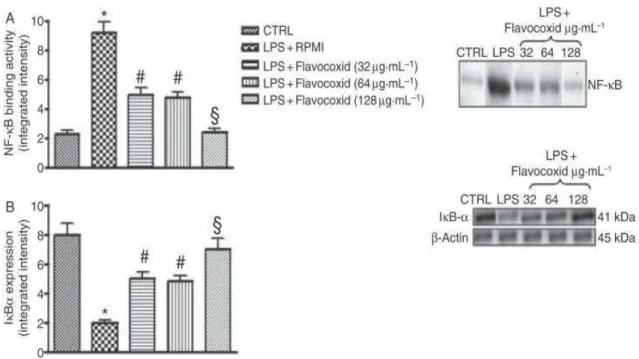
Quantitative PCR (qPCR), microarray analysis and ELISA were used to analyze flavocoxid’s effect on inflammatory gene and protein expression [91, 92]. Whether analyzed by qPCR or DNA microarray, flavocoxid reduced lipopolysaccharide (LPS)-induced inflammatory gene expression including NFB, IL-1β, TNFα, IL-6 and COX-2 while normalizing gene expression for a variety of genes in immortalized human monocytes as well as monocytes isolated from OA patients. The induced inflammatory protein levels, as assessed by ELISA, corresponded to the effects seen in gene expression assays. In another set of experiments, flavocoxid was shown to decrease malondialdehyde, a peroxyl radical product of AA oxidation, in macrophage cultures [93]. In the same study, NFB activation and binding to a model promoter sequence was prevented and IBα levels increased suggesting a restoration of NFB regulation (Figure 5). This study also showed that flavocoxid-induced down-regulation of mRNA and protein levels of
TNFα and iNOS as well as decreased protein levels of COX-2 and 5-LOX without effecting COX-1 protein expression. As a consequence of decreased COX-2, 5-LOX and iNOS proteins, there were decreased levels PGE2, LTB4 and NO (as the stable nitrite marker), respectively [93].
This MOA data was further demonstrated by Messina et al [94] in a Duchene muscular dystrophy (DMD) animal model. Part of the etiology of DMD is induction of inflammatory pathways through an oxidative mechanism. Currently, corticosteroids are the only treatment option for DMD patients. In this animal model, flavocoxid: 1) increased forelimb strength; 2) normalized strength to weight and decreased fatigue; 3) reduced serum creatine-kinase levels; 4) limited the protein expression of oxidative stress markers and of inflammatory mediators COX-2, 5-LOX and TNFα; 5) inhibited NFB and mitogen-activated protein kinases (MAPKs) signal pathways p38 and JunK; 6) reduced muscle necrosis and enhanced regeneration equivalent to methylprednisolone. These results suggest that flavocoxid could be used as a therapy in DMD to possibly avoid the toxic, long-term side-effects of steroid treatment. A proof-of-principle safety
ORAC hydro
(μmolTE/g) (μmolTE/g)ORAClipo (μmolTE/g)ORACtotal HORAC (μmol
CAE/g)
NORAC
(μmol
TE/g)
SORAC (kunit SODeq/g)
FRAP
(μmol
TE/g)
TEAC
(μmol
TE/g)
DPPH
(μmol
TE/g)
trial is currently underway in Duchene children [95]. Preclinical work has also been performed in other disease models on the effect of flavocoxid on oxidatively induced inflammation.
Figure 5. Electrophoretic mobility shift assay (EMSA) of NFB binding activity in the nucleus (A) and Western blot analysis of IBα proteins levels (B) in the cytoplasm of macrophages stimulated for 1 h with 1 µg/mL of LPS or its vehicle (1 mL of RPMI). Lipopolysaccharide (LPS)-stimulated macrophages were co-incubated with flavocoxid (32, 64 and 128 µg/mL) or RPMI alone. Bars represent the mean ±SD of seven experiments. *P < 0.05 versus control, #P < 0.01 versus LPS + RPMI, ##P < 0.005 versus LPS + RPMI, §P < 0.001 versus LPS + RPMI [From 93].
In acute pancreatitis, inflammation triggers the expression of pancreatic enzymes which
“autocatalytically” digest the pancreas [96]. This is followed by massive infiltration of leukocytes which causes local and systemic inflammatory responses often having fatal consequences. All of these reactions are triggered by ROS damage and induction of inflammatory pathways. In an experimental model of acute pancreatitis, Sprague-Dawley rats were administered flavocoxid 30 min after injection of caerulein [97]. Flavocoxid acted as a rescue therapy inhibiting COX-2 and TNF gene expression as well as 5-LOX activation. In addition, flavocoxid reduced induced levels of PGE2 and LTB4, decreased serum lipase and amylase levels and protected against the histological damage in terms of cellular vacuolization and leukocyte infiltration.
PGE2 and LTB4 generation, enhanced pro-apoptotic Bax and caspase-9 levels and decreased anti-apoptotic Bcl-2 mRNA [100]. Flavocoxid also reduced epidermal growth factor and vascular endothelial growth factor expression. In human prostate carcinoma PC3 cells, flavocoxid-stimulated apoptosis and inhibited growth factor expression. These data suggest a role for flavocoxid-mediated apoptosis during prostatic growth.
Work has also been performed in a preclinical model of sepsis. In a cecal ligation and puncture (CLP) model performed in C57BL/6J mice, intraperitoneal injection of flavocoxid improved survival, reduced the protein expression of NFB, COX-2, 5-LOX, TNFα and IL-6 and increased IL-10 production [101]. Moreover, flavocoxid inhibited the mitogen-activated
protein kinases (MAPKs) pathway, preserved β-arrestin2 expression, significantly reduced blood LTB4, PGE2, TNFα and IL-6, and significantly increased anti-inflammatory IL-10 and lipoxin A4 serum levels compared to vehicle. Finally, flavocoxid protected against CLP-induced histological damage and reduced the myeloperoxidase activity in lung and liver tissue. These data suggest that flavocoxid protects mice from the inflammatory consequences of sepsis and may represent a promising option for therapy in the future.
The importance of this antioxidant mechanism cannot be underestimated, especially for the management of chronic discomfort which occurs in OA. All the molecules produced from the COX-2, 5-LOX and iNOS pathways (e.g., PGs, LTs, and NO) bind to and activate pain receptors to cause nociceptive signals that are transmitted to the brain. In addition, cytokines also bind these receptors as do a myriad of ROS. Flavocoxid functions to modulate all these pathways to affect inflammation and pain perception involved in OA. The overall cellular mechanism is represented in Figure 7A showing that flavocoxid acts broadly at many points in the inflammatory cycle as opposed to NSAIDs which principally act by decreasing eicosanoid production (Figure 7B).
Flavocoxid Preclinical Safety and Efficacy:
adverse-effect-level) in this study. Studies were also performed in animal models to assess the effect of flavocoxid in inflammatory models.
A
B
Figure 7. Broad mechanism of action of flavocoxid (A) versus NSAIDs (B). Flavocoxid acts to up-regulate ( + ) elements which damp NFB activation thereby decreasing the expression of inducible inflammatory factors such as NFB itself, cytokines, COX-2, 5-LOX and iNOS ( / ). Flavocoxid down-regulates or modulates ( - ) specific pathways of inflammation modifying the production and conversion of AA to eicosanoids and NO produced by inducible nitric oxide synthase (iNOS). Prostaglandin H2 (PGH2), the precursor to prostaglandin E2 (PGE2), prostacylin (PGI2) and thromboxane (TxA2), is produced through an alternate pathway ( + ). NSAIDs work primarily at one point in the COX enzymes, the cyclooxygenase site, inhibiting
AA ER PGG2 PL PLA2 PGH2 IB NFB Dietary Omega-6 LA 5-LOX PGE2 PGI2 TxA2 (platelets) LT Nucleus Cytokines LT Cytokines PGE2 PGI2 TxA2 ROS (+) (-) (-) ROS Oxidized Lipids Cytokines (+) iNOS NO (-) (-) COX-1/-2 (-) (-) AA ER PGG2 COX-1/-2 PL PLA2 PGH2
IB
NFB
Dietary Omega-6 LA 5-LOX PGE2 PGI2 TxA2 (platelets) LT Nucleus Cytokines LT Cytokines ROS ROS Oxidized Lipids Cytokines iNOS NO PGE2
the production of prostaglandin G2 (PGG2) which results in decreased PGH2 generation ( / ) and a consequent reduction in PGE2, PGI2 and TxA2 formation ( / ).
Reductions in ear and ankle swelling induced by AA in animal models were initially used
to show flavocoxid’s efficacy in vivo [64]. To determine if flavocoxid had an effect on inflammation in vivo, a validated mouse ear swelling assay with topically applied AA was utilized [104]. Twelve hours before applying AA to the back of one ear using the other as an internal control, ICR mice were gavaged with either flavocoxid or indomethacin. Microcaliper measurements demonstrated that flavocoxid showed an equivalent response in mitigating AA-induced ear swelling. After confirming the effects of flavocoxid on AA-AA-induced ear swelling, AA was injected into the ankle joint of mice previously administered flavocoxid. Flavocoxid ameliorated ankle swelling compared to the non-treated animals. In addition, the decrease in swelling in ankle joints correlated with improved performance in a walking model on a rotating rod [64].
A head-to-head trial of a flavocoxid formulation for animals against a chondroitin sulfate/glucosamine hydrochloride/manganese ascorbate formulation (Cosequin©DS) in canines with OA [105] confirmed the superiority of flavocoxid with comparable safety. In this multi-site, double-blind, randomized, direct-comparator trial in dogs weighing at least 15 lbs (n=33), flavocoxid showed statistically significant improvement in pain scores, almost twice the rate of the chondroitin sulfate/glucosamine hydrochloride/manganese ascorbate (n=36) formulation using veterinarian and owner visual analog scale (VAS) assessments over a 2-month period. The incidence of AEs was low and generally mild in both groups [105].
Lastly, flavocoxid has been tested in a model of collagen induced arthritis (CIA) for RA. When mice were injected with collagen for 21 days when and administered flavocoxid intraperitoneally for 7 days beginning on day 21 after collagen injections, there was a significant reduction of serum PGE2 and LTB4 levels as well as systemic and synovial fluid levels of
ΤΝFα, high mobility group box (HMGB)-1 and IL-6, while increasing IL-10 in the joint space [106]. Flavocoxid also prevented histological bone erosion in the CIA model decreasing the receptor activator of nuclear factor-B ligand (RANKL) and increasing osteoprotegerin (OPG), reducing NFB expression and preventing the loss of the inhibitor of NFB, IBα in the joint.
These results suggest that flavocoxid is able to modulate the inflammatory aspects of joint disease in preclinical models. Though preclinical, animal studies can provide directional guidance for development of a product for OA and other disease states, human clinical trials are necessary to determine the therapeutic safety and efficacy.
Flavocoxid Clinical Safety and Efficacy:
humans, with levels still detectable 120 h later, probably due to reabsorption and enterohepatic circulation [109].
The mechanism of flavocoxid modulation of peroxidase activity of the COX enzymes would suggest that this agent would not interfere with platelet function. When healthy, human volunteers (n=10) took flavocoxid (500 mg BID) for 14 days, there was no significant change in either AA-induced or spontaneous platelet aggregation or bleed times compared to baseline [66]. Serum concentrations of TxA2 were unaffected correlating with the platelet function study. These results suggest that flavocoxid does not change TxA2-induced platelet aggregation although it inhibits COX-1 peroxidase activity in vitro. Finally, flavocoxid did not inhibit or potentiate the anti-coagulant effect of warfarin, as measured by INR, in previously warfarinized OA patients at either 250 or 500 mg BID after 14 days of dosing (n=59) [66]. In the same manuscript, a preclinical model of aspirin-induced bleeding showed that flavocoxid neither augmented or inhibited bleed times in combination with aspirin or alone. Additional safety and efficacy studies in OA subjects have also recently been performed.
In an 8-week randomized, placebo-controlled human clinical trial (n=80), flavocoxid administered to healthy volunteers at 250 mg QD demonstrated an equivalent, mild adverse event (AE) profile to placebo, with no changes in serology or blood chemistry in healthy individuals [102]. Morgan et al [110] enrolled subjects (n=59) with moderate to severe OA [Kellgren-Lawrence (K-L) 2-3 scores] and “below average” to “moderately above average
cardiovascular risk” subjects as judged by Framingham Criteria to examine the effects of 250 mg
BID of flavocoxid in a randomized, placebo-controlled single-site study for 12 weeks. After 12 weeks, there were no changes in blood chemistries, but flavocoxid showed a significantly reduced number of upper respiratory AEs (p<0.0003) compared to placebo suggesting and anti-infective and anti-leukotriene effect. Both baicalin and catechin have anti-viral and antibacterial activities against a variety of pathogens and are used for this purpose as approved drugs in Asia [111-115]. The significant reduction in upper respiratory AEs may also suggest a beneficial role for 5-LOX inhibition in modulating vasoconstrictive LTs in the upper airways. There were also no differing anxiolytic effects in the two groups in the study. After showing an acceptable safety profile in both animals and humans at lower doses, flavocoxid was then tested for safety and efficacy at 500 mg BID.
Levy et al [116] showed that when flavocoxid was administered at 500 mg BID versus 500 mg BID naproxen during a 4-week, double-blind prospective short-term acute therapy study (n=103) in moderate to severe OA subjects (K-L 2-3 scores), it showed equivalent efficacy to naproxen as measured by the short Western Ontario and McMaster Osteoarthritis Index (WOMAC) as well as by patient and physician visual analogue scale (VAS) scores (Table 2) [From 116]. Adverse events were mild and roughly equivalent in both arms of this short-term efficacy study. The trial was not powered sufficiently to judge safety. Therefore, a longer and larger trial was performed in patients with OA of the knee using validated measures to assess long-term safety and efficacy.
and subject measures for disease activity, global response to therapy assessed by investigator and subject and subject VASs for discomfort, overall disease activity and index joint tenderness and mobility. More than 90% of the subjects in both groups noted significant reduction in the signs and symptoms of knee OA with no statistically significant differences in efficacy between the flavocoxid and naproxen groups when the entire intent to treat population was analyzed for any parameter (Table 3). Trends toward significance were noted in 6 out of 7 efficacy measures for flavocoxid over naproxen between 6 and 12 weeks, with subject global response to therapy (SGRT) being the only exception.
Table 2. Improvement in Western Ontario and McMaster University Index (WOMAC) and visual analogue scale (VAS)
Western Ontario and McMaster University Osteoarthritis Index (WOMAC), Physician Global Assessment of Disease Visual Analogue Scale (PGAD), Subject Global Assessment of Disease Visual Analogue Scale (SGAD), Subject Global Assessment of Discomfort Visual Analogue Scale (SGADc) [From 116].
Trends for efficacy observed in the formal, long-term safety and efficacy trial [117] between 6 and 12 weeks initiated further investigation into the subpopulation effects of flavocoxid. When the subjects below the mean for the investigator global assessment of disease (IGAD <8) were analyzed for the WOMAC composite index and its subscales, flavocoxid showed statistically better scores at 6 and 12 weeks for the WOMAC index and the subscales of pain and physical function suggesting moderate OA subjects respond better to flavocoxid than to naproxen [118]. Further subanalysis of subjects with walking times less than 14 seconds showed that flavocoxid seemed to become more efficacious compared to naproxen with p values improving between 6 and 12 weeks. The reason for the longer onset of action and continued improvement may be due to the pharmacodynamics of flavonoid binding to and absorption into red blood cells which requires saturation before full efficacy may be attained [119].
groups were within 1.5-3 times upper limit of normal for the reference laboratory and none exceeded 5-times the upper limit of normal [117]. Because of the fluctuating numbers of minor transaminase abnormalities, it is unclear if these data are related to study products or due to environmental or cultural phenomena.
Table 3. Summary of efficacy parameters outcomes for flavocoxid and naproxen at 6 and 12 weeks [From 117]
Post-marketing surveillance tracked for more than 8 years of marketing Limbrel (flavocoxid) in the US and Puerto Rico has found a low incidence of reported elevated liver function tests (LFT) (40 events out of almost 325,000 patients or 0.012%) [120]. Most of these LFTs were 1-3x’s the upper limit of normal, but a few notable cases were severe hepatic reactions accompanied by jaundice, some with eosinophilia suggesting an allergic basis. All abnormal LFT appeared in the first three months of flavocoxid administration and all resolved without residua after discontinuing flavocoxid. By comparison, the incidence of post-marketing reports of LFTs for NSAIDS is between 2.7% and 3% worldwide [121].
flavocoxid use with one patient possibly linked to use of the product [122]. Abnormal LFT appeared 1 to 3 months after beginning flavocoxid therapy in the individuals which were identified. After discontinuing flavocoxid, all patients fully recovered without residua unlike other anti-inflammatory agents which have been shown to cause liver failure, in some cases requiring liver transplantation [123, 124]. As shown above in a head-to-head clinical trial, flavocoxid had the same incidence of LFT as naproxen. All LFTs appear to be idiosyncratic with no known causality. Therefore, it is recommended that liver function be tested two months after initiating therapy on flavocoxid and then thereafter as per usual practice of the physician.
Hypersensitivity pneumonitis is the only other serious AE that has been reported in post-marketing surveillance for flavocoxid. To date, there have been 12 confirmed and 5 unconfirmed cases of this event in post-marketing surveillance [120]. These have occurred in patients with no prior history of allergic or pulmonary disease or other predictive factors and appear to be entirely idiosyncratic. Youssef and Tomic [125] noted a single case of“bibasilar infiltrates and CT chest
confirmed bilateral lower lobe consolidation” in a 64-year old female patient. The pneumonitis resolved with oxygen administration, corticosteroids and discontinuation of flavocoxid without residua. These serious AEs have been reported to the US Food and Drug Administration MedWatch [126].
It is always helpful to assess safety and efficacy in a real world clinical setting. A post-marketing, phase IV-like study of flavocoxid at 500 mg BID (n=1067) conducted in 41 rheumatology practices across the U.S. over a 2-month period was performed in moderate to severe OA patients (K-L 2-3 scores) [127]. There was significant improvement in 66% of patients using physician administered VAS pain scales. The strongest efficacy was noted in those patients with moderate to severe OA (Figure 6A), in those patients who were non-responders to previous NSAIDs for OA (Figure 6B) and in males.
Out of 1067 individuals initially enrolled in the study, 1005 persons completed all scheduled visits. Six dropped out because of an AE [bladder burning (1), sour stomach (1), increased pain (1), severe diarrhea (1), and unspecified (2)] while 56 individuals were lost to follow-up. Drop-out rates were much lower (0.6%) compared to a similar post-marketing studies of diclofenac (18%) and celecoxib (13% total withdrawals with 4% withdrawing due to GI AEs) [128, 129]. A low incidence of AEs (~10%) and good overall tolerability of patients to flavocoxid was noted in this tightly monitored study. The use of flavocoxid also improved upper GI tolerability in almost 50% of previous NSAID-intolerant users and reduced therapy interruption in 90% of participants with a history of NSAID-induced, GI-related therapy interruptions. Importantly, the use of proton pump inhibitors (PPIs) or histamine-2 receptor blockers (H2s) decreased or ceased by over 30% in patients who previously required them in order to tolerate their prior NSAID therapy.
The clinical trials and phase-IV study cited above, in addition to national rheumatologist opinion, and literature comparisons were utilized to perform a pharmacoeconomic analysis. This
analysis demonstrated that the cost of care, using a “one year window of treatment” decision
including hospitalizations for upper GI events are taken into account, flavocoxid is the safer and less expensive option.
A
B
Figure 6. Percent improvement in Physician Global Assessment of Disease (PGAD) visual analog scales (VAS)-stratified by baseline OA severity in patients administered 500 mg BID Limbrel for 8 weeks. All between-group differences and each group’s improvement over baseline was significant, p<0.001 (A). Percent improvement in PGAD VAS-based on baseline NSAID use and response to this prior use in patients administered 500 mg BID Limbrel for 8 weeks. All groups also reported a significant improvement over baseline, p<0.001 (B) [From 127].
symptoms and edema improved over the three months of therapy suggesting the utility of flavocoxid in this fragile patient type.
Other Nutritional Molecules/Formulations:
Nutritional intervention in the form of medical foods, functional foods and dietary supplements is more commonplace due to patient perception and reported side effects of current NSAIDs. A number of nutritional molecules have been tested in clinical trials for OA. Pycnogenol is a mixture of procyanidins, flavonoids and organic acids extracted from French maritime pine bark [132]. Curcumin has been complexed with soy derived phosphatidylcholine (Meriva) to create a more bioavailable form of the molecule [133]. Another bioavailable form of curcumin, BCM-95® CG (Biocurcumax™), contains curcumoids as well as tumerone oil co-purified from
Curcuma longa [134]. Three different forms of boswellic acid exist from Boswellia serrata, BosPure a 10% or more purity 3-O-acetyl-keto-11-beta-boswellic acid (AKBA) and very low
β-boswellic acid (<5%) extract, 5-Loxin, a 30% AKBA containing extract [135] and Aflapin a 30% AKBA containing extract with B. serrata non-volatile oils [144]. Sterol-rich fractions of avocado soybean unsaponifiables (ASU) have been isolated as early has the 1970’s for use in clinical medicine [136]. A comparison of different nutritional molecules used in safety and efficacy OA trials are listed in Table 4.
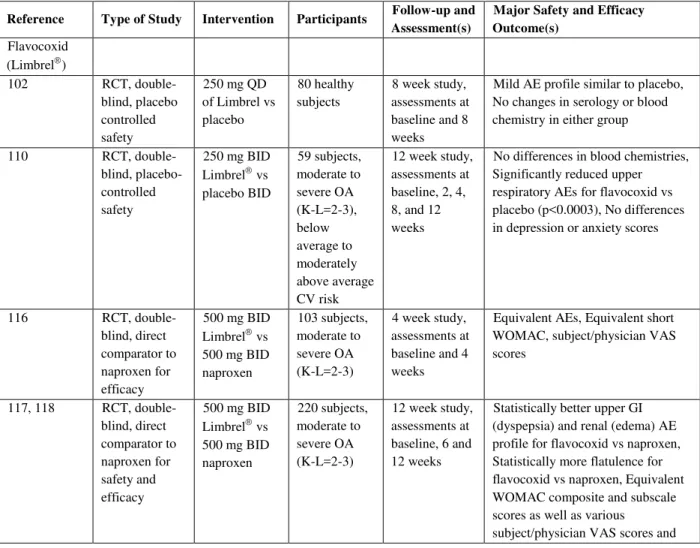
Table 4. Clinical studies of nutritional molecules in osteoarthritis
Reference Type of Study Intervention Participants Follow-up and Assessment(s)
Major Safety and Efficacy Outcome(s)
Flavocoxid (Limbrel)
102 RCT,
double-blind, placebo controlled safety
250 mg QD of Limbrel vs placebo
80 healthy subjects
8 week study, assessments at baseline and 8 weeks
Mild AE profile similar to placebo, No changes in serology or blood chemistry in either group
110 RCT,
double-blind, placebo-controlled safety
250 mg BID Limbrel vs placebo BID 59 subjects, moderate to severe OA (K-L=2-3), below average to moderately above average CV risk
12 week study, assessments at baseline, 2, 4, 8, and 12 weeks
No differences in blood chemistries, Significantly reduced upper respiratory AEs for flavocoxid vs placebo (p<0.0003), No differences in depression or anxiety scores
116 RCT,
double-blind, direct comparator to naproxen for efficacy
500 mg BID Limbrel vs 500 mg BID naproxen
103 subjects, moderate to severe OA (K-L=2-3)
4 week study, assessments at baseline and 4 weeks
Equivalent AEs, Equivalent short WOMAC, subject/physician VAS scores
117, 118 RCT,
double-blind, direct comparator to naproxen for safety and efficacy
500 mg BID Limbrel vs 500 mg BID naproxen
220 subjects, moderate to severe OA (K-L=2-3)
12 week study, assessments at baseline, 6 and 12 weeks
Statistically better upper GI (dyspepsia) and renal (edema) AE profile for flavocoxid vs naproxen, Statistically more flatulence for flavocoxid vs naproxen, Equivalent WOMAC composite and subscale scores as well as various
timed walk in the entire intent to treat population, Statistically better WOMAC composite, pain and physical function subscales as well as various subject/physician VAS scores and timed walk of flavocoxid vs naproxen in moderate OA subjects
127 Open-Label,
Phase IV Post-marketing, safety with physician judged efficacy
500 mg BID
Limbrel
1067 patients with moderate to severe OA (K-L=2-3)
8 week study, assessments at baseline and 8 weeks
~10% AE rate, 31% reduction in gastroprotective use, 48% greater GI tolerance in patients previously with GI problems with NSAIDs, Statistically better pain response rates in patients who had no previously responded to NSAID therapy and in patients with the highest baseline VAS scores
131 Open-Label,
Case Study, safety with physician and patient judged efficacy
500 mg BID
Limbrel
1 patient with severe OA, congestive heart failure, mild hypertension, type 2 diabetes mellitus, mild renal insufficiency, and a previous GI ulcers on NSAIDs 3 month follow-up by physician
The patient showed a drop in blood pressure toward normal, improved edema and returned to her exercise routine. There were no other complaints while on Limbrel.
Pycnogenol
137 RCT,
double-blind, placebo-controlled safety and efficacy
150 mg QD Pycnogenol
100 subjects with mild to moderate OA (K-L=1-2)
3 month study, assessments at clinic at baseline, 4, 8 and 12 weeks of therapy with a 4 week post-intervention assessment, weekly VAS pain scale and biweekly WOMAC composite index and subscales by subjects Statistically significant improvement for WOMAC
composite index and its subscales by
8 weeks for Pycnogenol vs
placebo, No statistical difference in VAS scores or AEs, Trend for decreased rescue analgesic use in the
Pycnogenol vs placebo group
138 RCT,
double-blind, placebo-controlled safety and efficacy
100 mg QD 145 subjects
with mild to moderate OA (K-L=1-2)
3 month study, assessments at baseline and 3 months
Statistically significant improvement for WOMAC
composite index for Pycnogenol
rescue analgesic use in the for
Pycnogenol vs placebo group
Curcumin (Meriva)
139 Open-label,
placebo comparison recruited from registry of patients with vascular disease for efficacy
1 g QD Meriva (200 mg curcumin)
50 patients with mild to moderate OA (K-L=1-2)
3 month study, assessments at baseline, 2 and 3 months
Statistically significant improvement of WOMAC composite index for Meriva plus standard of care vs standard of care alone at 3 months, Significantly better physical performance in walking on treadmill at 2 and 3 months for Meriva plus standard of care vs standard of care alone, Significant reduction in CRP in Meriva plus standard of care vs standard of care alone at 2 months, Decreased cost of treatment (rescue analgesics, treatment,
hospitalization) in Meriva plus standard of care vs standard of care alone, No difference between Meriva plus standard of care vs standard of care alone in social or emotional function scores
140 Open-label,
placebo comparison recruited from registry of patients with vascular disease for efficacy
500 mg BID Meriva (200 mg curcumin)
100 patients with mild to moderate OA (K-L=1-2)
8 month study, assessments at baseline and 8 months
Statistically significant improvement for WOMAC composite index and subscales of pain, stiffness and physical function for Meriva plus standard of care vs standard of care alone, Significant improvement in social and
emotional function for Meriva plus standard of care vs standard of care alone, Significantly better physical performance in walking on treadmill for Meriva plus standard of care vs standard of care alone, Significantly improved levels of the markers sCD40L, IL-1b, IL-6, sVCAM-1, and ESR for Meriva plus standard of care vs standard of care
BCM-95
141 RCT,
double-blind, direct comparator to celecoxib for safety and efficacy
500 mg BID
BCM-95
with
BosPure
(Rhulief™) vs 100 mg BID celecoxib
30 subjects diagnosed with OA of the knee, unknown severity
12 week study, assessments at baseline and 12 weeks
Equivalent pain scores, walking distance and range of motion between groups, Both groups showed statistical improvement over baseline, Equivalent AEs
5-Loxin
142 RCT,
double-blind, placebo-controlled safety and efficacy
100 mg QD and 250 mg
QD 5-Loxin
vs placebo
75 subjects with mild to moderate OA (According to baseline VAS scoring)
90 day study, assessments at baseline, 7, 30, 60 and 90 days
Both doses of 5-Loxinshowed
statistically significant
Lequesne’s Functional Index [143]
vs placebo starting at 7 days for the high dose, the 5-Loxin also showed statistically decreased levels of metalloproteinase-3 (MMP-3) from synovial fluid compared to placebo, AEs were comparable in all groups
144 RCT,
double-blind, comparator, placebo-controlled safety and efficacy
100 mg QD 5-Loxin vs 100 mg QD Aflapin vs placebo 60 subjects with mild to moderate OA (According to baseline VAS scoring)
90 day study, assessments at baseline, 7, 30, 60 and 90 days
Both 5-Loxin and Aflapin showed statistically significant improvements in VAS, WOMAC composite index and subscale scores for pain, stiffness and physical function as well as scores for the
Lequesne’s Functional Index [143]
vs placebo, Onset of action was quicker for Aflapin, AEs were comparable in all groups
Avocado/Soy bean Unsaponifi-ables (ASU)
145 RCT,
double-blind, placebo-controlled safety and efficacy, added on to NSAID therapy
300 mg QD ASU vs placebo
164 subjects with mild to moderate OA (K-L=1-3), using NSAIDs
3 month study, assessments at baseline, 45 and 90 days, NSAID co-administered for first 45 days, reduction in NSAID use measured thereafter
Statistical reduction in NSAID use in ASU group vs placebo, Global quality of life scores statistically better in ASU vs placebo, No difference in pain scores, Comparable AEs in both groups
146 RCT,
double-blind, placebo-controlled safety and efficacy, added on to NSAID therapy
300 mg and 600 mg QD ASU vs placebo
260 subjects with mild to moderate OA (K-L=1-3), using NSAIDs
3 month study, assessments at baseline, 30, 60 and 90 days, NSAID co-administered for first 30 days, reduction in NSAID use measured thereafter
Statistical reduction in NSAID in ASU group vs placebo, Significantly better Lequesne’s Functional Index [143] and pain scores in ASU groups vs placebo, Global quality of life scores statistically better in ASU groups vs placebo, Comparable AEs in all groups
147 RCT,
double-blind, placebo-controlled safety and efficacy, added on to NSAID therapy
300 mg QD ASU vs placebo
164 subjects with mild to moderate OA (K-L=1-3), using NSAIDs
8 month study with a 2 month follow up, NSAIDs withdrawn 15 days prior to start of trial and then allowed as rescue medication
Statistical improvement Lequesne’s Functional Index [143] and pain scores in ASU group vs placebo, Significantly better functional ability and global quality of life scores in ASU vs placebo, Non-statistical reduction in NSAID use in ASU group vs placebo,
Randomized Controlled Trial (RCT), Western Ontario and McMaster University Osteoarthritis Index (WOMAC), Twice daily (BID), Osteoarthritis (OA), Adverse Events (AEs), Gastrointestinal (GI), Kellgren-Lawrence (K-L), Nonsteroidal Anti-inflammatory Drugs (NSAIDs), Visual Analogue Scale (VAS), Soluble CD40 ligand (sCD40L), Interleukin 1beta (IL-1β), Interleukin 6 ( IL-6), Soluble vascular cell adhesion molecule-1 (VCAM-1), Erythrocyte Sedimentation Rate (ESR), Avocado Soybean Unsaponifiables (ASU)
Lastly, the intake of glucosamine and chondroitin is controversial and beyond the scope of this review. Some clinical studies [148-150] and meta-analyses [151] suggest effectiveness in OA while other meta-analyses contradict these data [152, 153].
CONCLUSION:
Flavocoxid is arguably one of the better studied nutritional therapies for OA with a history of use in the US since 2004. Though reasonable and promising data exist for other nutritional interventions, consistency of formulation and mixtures with other agents make their choice difficult to recommend by physicians and confusing to consumers. Since medical foods are assessed for GRAS by expert panel review of animal and human toxicology, have known and FDA-auditable quantities of specific nutrients as well as a requirement they be produced under GMPs, have clear instructions of use in the form of package inserts which must document their claims of safety and efficacy and are required to be dosed and monitored by physicians to assure their safe use, flavocoxid represents a safe and reasonable option for patients with OA who have shown toxicities to NSAIDs or have co-morbidities which require polypharmacy. Additional studies in special populations such as renal insufficient individuals and patients with a history of
GI ulceration are needed to verify flavocoxid’s safety profile. In addition, larger, future studies in
OA of the knee, hip and hand will further expand the knowledge and use of flavocoxid in patients with chronic joint disease.
List of Abbreviations:
Global Assessment of Disease Visual Analogue Scale, SGADc-Subject Global Assessment of Discomfort Visual Analogue Scale, SGRT-Subject Global Response to Therapy, sVCAM-1-soluble vascular cell adhesion molecule, SORAC-superoxide radical averting capacity, TEAC-trolox equivalent antioxidant capacity, TNFα-Tumor necrosis factor-alpha, TxA2-Thromboxane, VAS-visual analogue scale, WOMAC-Western Ontario and McMaster Osteoarthritis Index, RCT-randomized, placebo-controlled trial
Competing interests: Dr. Burnett and Dr. Levy are both employees of Primus Pharmaceuticals, Inc. which markets Limbrel (flavocoxid).
Authors' contributions: Each author contributed equally to writing of this article.
Acknowledgements and Funding: None
REFERENCES:
1. Sanchez-Borges M, Caballero-Fonseca F, Capriles-Hulett A, Gonzalez-Aveledo L: Hypersensitivity reactions to nonsteroidal anti-inflammatory drugs: an update. Pharmaceuticals2010, 3:10-18.
2. Martel-Pelletier J, Mineau F, Fahmi H, Laufer S, Reboul P, Boileau C, Lavigne M, Pelletier JP: Regulation of the expression of 5-lipoxygenase-activating protein/5-lipoxygenase and the synthesis of leukotriene B(4) in osteoarthritic chondrocytes: role of transforming growth factor beta and eicosanoids. Arthritis and Rheumatism 2004, 50(12):3925-33.
3. Burnett BP, Levy R, Cole BJ: Metabolic mechanisms in the pathogenesis of osteoarthritis. A review. J Knee Surg 2006, 19(3):191-7.
4. Lawrence RC, Felson DT, Helmick CG, Arnold LM, Choi H, Deyo RA, Gabriel S, Hirsch R, Hochberg MC, Hunder GG, Jordan JM, Katz JN, Kremers HM, Wolfe F; National Arthritis Data Workgroup: Estimates of the prevalence of arthritis and other rheumatic conditions in the United States. Part II. Arthritis Rheum 2008, 58(1):26-35. 5. Andersen RE, Crespo CJ, Ling SM, Bathon JM, Bartlett SJ: Prevalence of significant
knee pain among older Americans: results from the Third National Health and Nutrition Examination Survey. J Am Geriatr Soc 1999, 47(12):1435-8.
6. Dillon CF, Rasch EK, Gu Q, Hirsch R: Prevalence of knee osteoarthritis in the United States: arthritis data from the Third National Health and Nutrition Examination Survey 1991-94. J Rheumatol 2006, 3(11):2271-9.
7. Grotle M, Hagen KB, Natvig B, Dahl FA, Kvien TK: Prevalence and burden of osteoarthritis: results from a population survey in Norway. J Rheumatol 2008, 35(4):677-84.
8. Woolf AD, Pfleger B: Burden of major musculoskeletal conditions. Bull World Health Organ 2003, 81(9):646-56.
10. Update to Orphan Drug Act of 1988, 21 USC Section 360ee(b)(3).
11. Nutritional Labeling and Education Act of 1993, 21 CFR Section 101.9(j)(8).
12. Peterson RO, Vucetich JA, Fenton G, Drummer TD, Larsen CS: Ecology of arthritis. Ecol Lett 2010, 13(9):1124-8.
13. Cordain L, Eaton SB, Sebastian A, Mann N, Lindeberg S, Watkins BA, O'Keefe JH, Brand-Miller J: Origins and evolution of the Western diet: health implications for the 21st century. Am J Clin Nutr 2005, 81(2):341-54
14. Sprecher HW, Baykousheva SP, Luthria DL, Mohammed BS: Differences in the regulation of biosynthesis of 20- versus 22-carbon polyunsaturated fatty acids. Prostaglandins Leukot Essent Fatty Acids 1995, 52(2-3):99-101.
15. Lippiello L: Lipid and cell metabolic changes associated with essential fatty acid enrichment of articular chondrocytes. Proc Soc Exp Biol Med 1990, 195(2):282-227. 16. Lippiello L, Walsh T, Fienhold M: The association of lipid abnormalities with tissue
pathology in human osteoarthritic articular cartilage. Metabolism 1991, 40(6):571-576. 17. Plumb MS, Aspden RM: High levels of fat and omega-6 fatty acids in cancellous bone in
osteoarthritis. Lipids Health Dis 2004, 3:12.
18. Wang Y, Wluka AE, Hodge AM, English DR, Giles GG, O'Sullivan R, Cicuttini FM: Effect of fatty acids on bone marrow lesions and knee cartilage in healthy, middle-aged subjects without clinical knee osteoarthritis. Osteoarthritis Cartilage 2008, 16(5):579-83. 19. Xu H, Watkins BA, Adkisson HD: Dietary lipids modify the fatty acid composition of
cartilage, isolated chondrocytes and matrix vesicles. Lipids Health Dis 1994, 29:619-625. 20. Hart DJ, Doyle DV, Spector TD: Association between metabolic factors and knee
osteoarthritis in women: the Chingford Study. J Rheumatol 1995, 22(6):1118-1123. 21. Baker KR, Matthan NR, Lichtenstein AH, Niu J, Guermazi A, Roemer F, Grainger A,
Nevitt MC, Clancy M, Lewis CE, Torner JC, Felson DT: Association of plasma n-6 and n-3 polyunsaturated fatty acids with synovitis in the knee: the MOST study. Osteoarthritis Cartilage 2012, 20(5):382-7.
22. Gruenwald J, Petzold E, Busch R, Petzold HP, Graubaum HJ: Effect of glucosamine sulfate with or without omega-3 fatty acids in patients with osteoarthritis. Adv Ther 2009, 26(9):858-71.
23. Jacquet A, Girodet PO, Pariente A, Forest K, Mallet L, Moore N: Phytalgic©, a food supplement, vs placebo in patients with osteoarthritis of the knee or hip: a randomized double-blind placebo-controlled clinical trial.Arthritis Res Ther 2009, 11(6): R192. 24. Middleton E Jr, Kandaswami C, Theoharides TC: The effects of plant flavonoids on
mammalian cells: implications for inflammation, heart disease, and cancer. Pharmacol Rev 2000, 52(4):673-751.
25. Knekt P, Kumpulainen J, Järvinen R, Rissanen H, Heliövaara M, Reunanen A, Hakulinen T, Aromaa A: Flavonoid intake and risk of chronic diseases. Am J Clin Nutr 2002, 76(3):560-8.
26. Yoon JH, Baek SJ: Molecular targets of dietary polyphenols with anti-inflammatory properties. Yonsei Med J 2005, 46(5):585-96.
coronary heart disease and cancer in the seven countries study. Arch Intern Med 1995, 155(4):381-6.
28. Beecher GR: Overview of Dietary Flavonoids: Nomenclature, Occurrence and Intake. J Nutr 2003, 133:3248S-3254S.
29. Sanchez-Moreno C, Cano MP, de Ancos B, Plaza L, Olmedilla B, Granado F, Martín A: Consumption of high-pressurized vegetable soup increases plasma vitamin C and decreases oxidative stress and inflammatory biomarkers in healthy humans. J Nutr 2004, 134:3021-3025.
30. Chun OK, Chung SJ, Song WO: Estimated dietary flavonoid intake and major food sources of US adults. J Nutr 2007, 137:1244-1252.
31. Zamora-Ros R, Andres-Lacueva C, Lamuela-Raventós RM, Berenguer T, Jakszyn P, Barricarte A, Ardanaz E, Amiano P, Dorronsoro M, Larrañaga N, Martínez C, Sánchez MJ, Navarro C, Chirlaque MD, Tormo MJ, Quirós JR, González CA: Estimation of dietary sources and flavonoid intake in a Spanish adult population (EPIC-Spain). J Am Diet Assoc 2010, 110(3):390-8.
32. Chang AS, Yee Yeong BY, Koh WP: Symposium on Plant Polyphenols: Nutrition, Health and Innovations, June 2009. Nutr Rev 2010, 68(4):246-252.
33. Pomerleau J, Lock K, McKee M, Altmann DR: The challenge of measuring global fruit and vegetable intake. J Nutr 2004, 134:1175-80.
34. Wang Y, Chung SJ, Song WO, Chun OK: Estimation of daily proanthocyanidin intake and major food sources in the U.S. diet. J Nutr 2011, 141(3):447-52.
35. Gierman LM, van der Ham F, Koudijs A, Wielinga PY, Kleemann R, Kooistra T, Stoop R, Kloppenburg M, van Osch GJ, Stojanovic-Susulic V, Huizinga TW, Zuurmond AM: Metabolic stress-induced inflammation plays a major role in the development of osteoarthritis in mice. Arthritis Rheum 2012, 64(4):1172-81.
36. Chun OK, Chung SJ, Claycombe KJ, Song WO: Serum C-reactive protein concentrations are inversely associated with dietary flavonoid intake in U.S. adults. J Nutr 2008, 138(4):753-60.
37. di Giuseppe R, Di Castelnuovo A, Centritto F, Zito F, De Curtis A, Costanzo S, Vohnout B, Sieri S, Krogh V, Donati MB, de Gaetano G, Iacoviello L: Regular consumption of dark chocolate is associated with low serum concentrations of C-reactive protein in a healthy Italian population. J Nutr 2008, 138(10):1939-45.
38. Holt EM, Steffen LM, Moran A, Basu S, Steinberger J, Ross JA, Hong CP, Sinaiko AR: Fruit and vegetable consumption and its relation to markers of inflammation and oxidative stress in adolescents. J Am Diet Assoc 2009, 109(3):414-21.
39. Landberg R, Sun Q, Rimm EB, Cassidy A, Scalbert A, Mantzoros CS, Hu FB, van Dam RM: Selected dietary flavonoids are associated with markers of inflammation and endothelial dysfunction in U.S. women. J Nutr 2011, 141(4):618-25.
40. Ahmed S: Green tea polyphenol epigallocatechin 3-gallate in arthritis: progress and promise. Res Ther 2010, 12(2):208.




![Table 3. Summary of efficacy parameters outcomes for flavocoxid and naproxen at 6 and 12 weeks [From 117]](https://thumb-eu.123doks.com/thumbv2/123dok_br/16341669.188944/17.918.108.822.265.782/table-summary-efficacy-parameters-outcomes-flavocoxid-naproxen-weeks.webp)