FATIGUE AND FAULTY POSTURE CONNECTION AMONG CHILDREN, DIAGNOSED WITH DYSARTHRIA
Andrejeva Julija1, Mockiene Asta2, Zukauskiene Milda3 1Klaipeda University, Lithuania
2Vytautas Magnus University, Lithuania 3University of Applied Sciences, Lithuania
Abstract. Purpose: To analyze spastic dysarthria form in children population dependency of fatigue and faulty posture relationship. Methods: Research performed with the permission of the bioethics committee (RE-BK-063). The Dutch Fatigue Scale (DUFS). Posture in standing was assessed by Hoeger and Kendall. Research subjects n40. n20 children diagnosed with spastic dysarthria and n20 of children without dysarthria. Their age was 10±2.1years. Boys were n20 and girls - n20.Results were statistically significant at p<0.05. Microsoft Office 2013, Excel package were used to count a research results. Results: For children with dysarthria fatigue level is more significant that for children without dysarthria; results were statistically significant, p<0.05. Posture disorder for children with dysarthria was statistically significant higher than among children without dysarthria, p<0.05. Conclusions: For children with dysarthria fatigue level is higher than for healthy children, thus for the girls fatigue level is higher than for the boys. Spastic form dysarthria has an impact to a child posture, by creating a direct dependency between posture deformation and skeletal muscle system disease, which decreases muscle power and increasing fatigue for a child. To correct faulty posture thus to decrease fatigue the tight collaboration needed between rehabilitation team members.
Keywords: spastic dysarthria, children, posture, fatigue assessment.
Introduction1
Dysarthria - is insufficient verbal articulation resulted from speech function’s disability, which appeared as a consequence of central nerve and peripheral nerve systems’ damage. Clinical neurology (2009) states that dysarthria is inability to perform a clear speech because of articulate function dysfunction. Non-congenital dysarthria can be classified as progressive (during degenerative diseases such as Parkinson, Multiple Sclerosis, motoneuron dysfunctions, Huntington disease, and non-progressive (during stroke or during traumatic brain injury), Dysarthria can be characterized according to a special type (Darley & Aronson, 1975; Duffy, 2005), or/and according dysarthria level (light, moderate, heavy (Yorkston et al., 1999). Dysarthrya pathology: let’s imagine our speech as certain cortical process. BROKA centre is human brain cortical centre, which is responsible for speech development and its control. VERNIKE centre – human brain cortical part, which is responsible for person’s speech recognition. Concerning ASSOCIATIVE centre - its localization isn‘t known. But it is responsible for phrases and sentences and there settlement.It is responsible for „what“ Broka centre will „spell“ and what „hear“ VERNIKE centre. So cortical centre brain damage appears as coordination disorder and spasticity, peripheral centres damage determines muscle atrophy (Selivestrov, 1997).
might interact with the aging process. In addition to the effects of activation, contractile function, and metabolism on muscle performance, the degree of fatigue that develops during exercise may be affected by muscle size and, consequently, vascular constriction during contraction. The impact of larger muscle mass, greater strength, and higher target tensions during exercise in men compared with women has been addressed in several studies. In the adductor pollicis, a gender-based difference in endurance time during a sub-maximal contraction persisted despite matching subjects to similar strengths (Fulco et al., 1999). More recently, Hunter & Enoka (2001) showed a gender difference in endurance (time to failure to maintain target tension) of the elbow flexor muscles during a contraction sustained at 20% maximal voluntary contraction (MVC) force but similar fatigue (fall in MVC) in men and women at the end of this exercise. Notably, the gender difference in endurance was negated by accounting for pre-exercise differences in muscle strength. These and other (Ditor & Hicks, 2000) results suggest that the relationship between muscle strength and fatigue should be examined in studies of the effects of age or gender on fatigue.
Fatigue – is very acute and important problem in a modern community. Economic split and development, for rapid speed of life, forces person to hurry. During such speed of life person spends much less time by taking care of his health state. Fatigue can appear form a heavy mental and physical work, big media amount emotional stress, strong emotional stressor. Fatigue is multidimensional factor, which appears as person’s systematic disorder. It can be defined with subjective and objective specifications. Subjective specifications: physical complains increment, emotional liability, feeling of being sleepy or apathy, awareness in appearance, introspection, bigger sensation of rest necessarily, inability to gain strength after sleep. Objective features: permanent and irresistable lack of energy inability to maintain the previous level of physical activity. The thoughts, that to maintain and perform ordinary task on the everyday level becomes challenging, sense of guilty because of expectations failure (Stankus, 2013).
Physical fatigue is mainly resulting from three reasons: magnitude of the external load, duration and frequency of the external load, and vibration. It was proved in (Chen, 2000) that the movement strategy in industrial activities involving combined manual handling jobs, such as a lifting job, depends on the fatigue state of muscle, and it is obvious that the change of the movement strategy in the activities directly impacts the motion of the operation and then results in different loads in muscles and joints. If it goes worse, once the desired exertion is over the physical capacity, cumulative fatigue or injury might appear in the tissues as potential risks for musculoskeletal disorders (Ma et al., 2009).
Methods of the research: our research performed with the permission of bioethics committee (RE-BK-063) The Dutch Fatigue Scale (DUFS). It can assess common fatigue aspect, which defined as irresistible, long-term sense of exhaustion and decreased ability to maintain appropriate level of mental and physical fitness (Tiesinga Lucas J., Dassen Theo W.N., Halfens Rund J.G., 1998). Scale consists of 9 divisions with 5 choices to answer in each section, from 0=no and 4=yes. Time limit 3-5 days. Cronbach alfa ≥ 0.80 were kept statistically significant (Nunnally & Bernstein, 1994).
Posture in standing was assessed by (Hoeger, 1988) and (Kendall et al., 2005): normal, lordotic-kifotic, straight, humped. Normal – slightly waved back, risen chest, straight abdomen. Straight – straight spine, almost its curvature’s absence. Humped – middle part of the trunk if flexed forward direction. Lordotic - a big angle lordotic curvature, week abdomen muscles, weak upper trunk muscles. Kifotic – strong lumbar and neck lordosis, most noticeable spine kifosis, very noticeable hump back. During posture assessment researches was assessing head, neck, upper trunk position, shoulders, pelvis and lower part of the body, hips, knees, ankle and foot joints position were also assessed. Research subject posture is assessing from back, left, right sides. Assessing from the side, the standard point of beginning is vertical line which is equilibrated to line of gravity in a frontal plane. This plane is dividing trunk to anterior and posterior parts. Those parts are nor symmetrical. During assessment head position, cervical spine, scapular position, thoracic, lumbar position, pelvis, hips, knees and ankles are also evaluated. Assessing from the back, standard point of beginning is accounted from line of gravitation in a sagittal plane. The line begins between the heels, rises up between the legs, through pelvic centre, spine, thorax and skull. Right and left sides are symmetrical and in balance. During assessment head position, cervical spine position, shoulders, scapulars, thoracic and lumbar spine, pelvis, hip joints, legs and ankles are evaluated.
Research subjects were n40; n20of children diagnosed with spastic dysarthria and n20 of children without dysarthria. Their age was 10±2,1year. Boys were n20 and girls - n20.
Results of the research
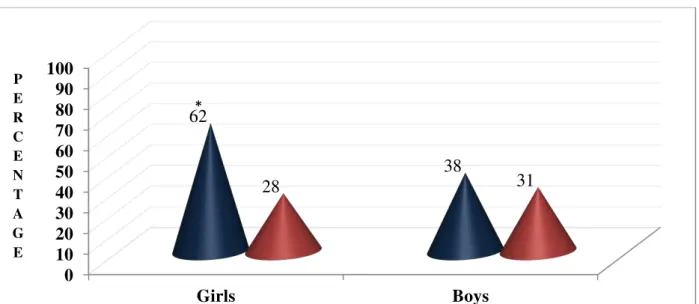
Fig. 1. DUFS (fatigue assessment scale).
During fatigue assessment with DUFS scale, research results showed that fatigue level for children diagnosed with dysarthria was statistically significantly higher than for children without dysarthria p<0.05. For the girls fatigue level was higher than for the boys, and respectively (62 ± 2.4) and (28 ± 3.3) for the girls and 38 ± 4.1) thus (31 ± 5.6) percent’s for the boys. For the girls fatigue level was statistically significantly higher, compared to the boys, p<0.05. For children without dysarthria, fatigue level was statistically not significantly higher, thus for boys higher than for the girls, p>0.05.
0
10
20
30
40
50
60
70
80
90
100
Girls
Boys
62
38
28
31
CHILDREN DIAGNOSED WITH DYSARTHRIA CHILDREN WITHOUT DYSARTHRIA
*
P E R C E N T A G E
1
4
2
3
4
2
3
1
3
2
3
2
2
2
2
4
0
1
2
3
4
5
6
7
8
9
10
11
12
CHILDREN
DIAGNOSED
WITH
DYSARTHRIA
CHILDREN
WITHOUT
DYSARTHRIA
Rounded spine
Flat concave spine
Flat spine
Kifotic concave spine
Girls
Boys
Girls
Boys
Num
b
e
r
of
c
ase
s
*
*
number of cases was in rounded posture form, and accordingly (1±0. 4) for the girls, and (4±1.7) for the boys number of cases, p<0.05.
For the children without dysarthria the biggest number of faulty posture was kifotic concave form and for the girls (2±0.9) and for the boys (4±1.6) number of cases, results were statistically significant, p<0.05. Flat spine form in both groups were in the same number of cases and the difference didn‘t show statistical significance, p>0.05.
Discussion
Analysing DUFS fatigue scale research results showed that, fatigue level for children diagnosed with spastic form of dysarthria was statistically significantly higher than for children without dysarthria, p<0.05 for the girls fatigue level was statistically significantly higher compared to the boys, p<0.05. For children without dysarthria fatigue level was statistically insignificantly higher for the boys compared to the girls, p>0.05. Speech fatigue reviews in a literature several prosodia components, which are changing the function together with an increase of level of fatigue, including variations in a voice tone height, speech frequency and spectral energy. Intonations also specifically changes (monotonic or flat voice) (Harrison and Horne, 1997).
Fatigue level for children diagnosed with spastic form of dysarthria was statistically significantly higher than for children without dysarthria, p<0.05. acoustical properties of the voice gives a reliable information about CNS damage, as often changes during different types of damages including neuromuscular degenerative diseases (Josephset al., 2006; Folkeret al., 2010) thus brain lesions (Ziegleret et al., 1993). In recent years, a growing number of studies have reported increased postural sway during quiet standing with muscle fatigue localized at the lower back (Davidson et al. 2004; Madigan et al. 2006; Pline et al. 2006; Vuillerme et al. 2007). Although the exact mechanism inducing these postural impairments is rather difficult to be determined, it is likely that an alteration of the functionality of the sensory proprioreceptive and motor systems caused by trunk muscles fatiguing exercise explained these observations. Indeed previous studies have reported that trunk muscles fatigue altered proprioreceptive acuity at the ankle (Pline et al. 2005) and the torso (Taimela et al. 1999), delayed the reaction time of the muscles in response to a sudden load (Wilder et al. 1996), reduced the force-generating capacity (Ng et al. 2003; Potvin & O’Brien 2002) and increased its variability (Ng et al. 2003; Potvin & O’Brien 2002).
For children diagnosed with dysarthria research results showed, that the biggest number of faulty posture made flat concave spine cases, for the girls the number of cases was statistically significantly higher than for the boys. Thus the highest amount of faulty posture among children diagnosed with dysarthria showed rounded type of faulty posture, for the boys the number of cases was statistically significantly higher than for the girls. Even among healthy subjects have an acoustical voice properties changes as a respond to environmental (Liebermanet al., 2005), physical (Patil & Hansen, 2008) and pharmacological (Thompson, 1995; Hollienet al., 2001) impact. It is well known, that voice does changes when a healthy subject is affected by the physical fatigue (Whitmore and Fisher, 1996) including performed research of the fatigue level changes in terms of time (Bardet al., 1996) and voice tone (height) (Harrison and Horne, 1997).
For children without dysarthria the biggest number of cases concerning faulty posture was in rounded concave type, among girls the number of cases was statistically significant less than for the boys. Flat type spine in both groups had the same number of cases and they were not statistically significant. The research performed by other scientists, showed, that stressful posture can decrease ability to tolerate physical work load and it can lead to a fatigue level increase, which in turn determines every day activities and tasks performance diminution. Specific tasks, during which stressful posture can appear, should be noticed and directed by physiotherapists to the specific correction and stress decrease methods, for everyday activities and performance improvement (Seidel D., 2011).
For children without dysarthria fatigue level was statistically insignificantly higher among the boys then for the girls p>0,05, children have less muscle mass then adult, thus are able to generate less absolute power during high intensity work load performance. Several scientists have noticed that, children have much better oxidative and glycolytic peculiarities during physical workload, besides children’s ability to activate slower II type muscle fibres, can explain children’s feature to resist to a fatigue during long-term maximal voluntary contractions (Ratel, 2006). By making decision from a clinical profile, fatigue profiles have differences among healthy children and children diagnosed with a muscle and metabolic diseases. Performing research on a dystrophic muscles for children it had been noticed, that contradictive changes appeared in muscle contractile features thus in muscle fatigue ability. Several performed research on boys atrophic muscles diagnosed with a Duchene syndrome, showed there less fatigue ability then the healthy boys, but other research showed that fatigue among Duchene syndrome children and healthy subjects was equal. Children with glycogenesis V and VII type and dermatomiositis and children with obesity who are havening workload every week have showed early fatigue signs (Ratel, 2006). Physical therapy intervention for faulty posture correction and to reduce fatigue may include, but not limited to: thorough assessment of overall posture and thorough examination of the structures involved [muscles, ligaments, and joints] as well as to soft tissue mobilization of tight or shortened myofascial structures. Manual therapy was used to mobilize joint structures. Therapeutic exercises to strengthen weak muscles, to stretch out tight structures, and to correct posture. Functional training was applied for proper posture learning (Grimmer, 1997).
Considering the important role of foot and ankle somatic-sensory inputs in the regulation of postural sway during quiet standing (Kavounoudias et al. 2001; Meyer et al. 2004).The recovery process after fatigue procedures is often considered as a limitation for all fatigue experiments (Vuillerme and Pinsault, 2007). The effects of trunk extensor muscles fatigue during quiet standing depended on the availability, accuracy and/or reliability of somatic-sensory inputs from the foot and the ankle (Vuillerme and Pinsault, 2007). This result suggests that the CNS was able to integrate the afferent input from cutaneous mechanoreceptors in the foot and shank (stimulated by the pressure and traction of the material on the skin) to limit the postural destabilization induced by trunk extensor muscles fatigue (Vuillerme and Pinsault, 2007). Central nervous system dynamically and selectively adjusts relative contributions of sensory inputs (i.e. sensory weights) in order to maintain upright stance, depending not only on the sensory environment but also on the neuromuscular constraints acting on the subject (Vuillerme and Pinsault, 2007).
Conclusions
For children with dysarthria fatigue level is higher than for healthy children, thus for the girls fatigue level is higher than for the boys. Spastic form dysarthria has an impact to a child posture, by creating a direct dependency between posture deformation and skeletal muscle system disease, which decreases muscle power and increasing fatigue for a child. To correct faulty posture thus to decrease fatigue the tight collaboration needed between rehabilitation team members.
Conflict of interests
Authors declare that there is no conflict of interests. References
Bard EG, Sotillo C, Anderson AH, Thompson HS, and Taylor MM. The DCIEM Map Task Corpus: Spontaneous dialogue under sleep deprivation and drug treatment. Speech Communication 1996;20:71–84.
Budrys V. Clinical Neurology. Compiler and scientific editor: Phramaceutical Information; 2009.
Chen Y-L. Changes in lifting dynamics after localized arm fatigue. International Journal of Industrial Ergonomics 2000,25(6):611-619.
Davidson BS, Madigan ML, Nussbaum MA. Effects of lumbar extensor fatigue and fatigue rate on postural sway. European Journal of Applied Physiology and Occupational Physiology 2004;93:183–189.
Delbono O, O'Rourke KS, Ettinger WH. Excitation-calcium release uncoupling in aged single human skeletal muscle fibers. Journal of Membrane Biology 1995;148:211–222.
Ditor DS, Hicks AL. The effect of age and gender on the relative fatigability of the human adductor pollicis muscle.
Canadian Journal of Physiology and Pharmacology 2000;78:781–790.
DiSimoni FG, Keith RL, Holt DL, Darley FL. Practicality of shortening the Porch Index of Communicative Ability. Journal of Speech and Hearing Research 1975;18(3):491-497.
Edwards RH. Human muscle function and fatigue. Ciba Foundation Symposium 1981;82:1–18.
Folker JE, Murdoch BE, Cahill LM, Delatycki MB, Corben LA, and Vogel AP. Dysarthria in Friedreich’s ataxia: A perceptual analysis. Folia Phoniatrica Logopaedica 2010;62: 97–103.
Friedl KE, Grate SJ, Proctor SP, Ness JW, Lukey BJ, and Kane RL. Army research needs for automated neuropsychological tests: Monitoring soldier health and performance status. Archives of Clinical Neuropsychology 2007;22(1):S7–S14.
Fulco CS, Rock PB, Muza SR, Lammi E, Cymerman A, Butterfield G, Moore LG, Braun B, Lewis SF. Slower fatigue and faster recovery of the adductor pollicis muscle in women matched for strength with men. Acta Physiologica
Scandinavica 1999;167:233–239.
GrimmerKaren An investigation of poor cervical resting posture.Australian Journal of Physiotherapy 1997;43(1):7–16. Harrison Y, and Horne JA. Sleep deprivation affects speech. Sleep 1997;20:871–877.
Hicks AL, McCartney N. Gender differences in isometric contractile properties and fatigability in elderly human muscle.
Canadian Journal of Applied Physiology 1996;21:441–454.
Hoeger WWK. Principles and Laboratories for Physical Fitness and Wellness. Englewood, Colorado: Morton Publishing Company; 1988.
Hollien H, De Jong G, Martin CA, Schwartz R, and Liljegren K. Effects of ethanol intoxication on speech suprasegmentals. The Journal of the Acoustical Society of America 2001;110:3198–3206.
Hunter SK, Enoka RM. Sex differences in the fatigability of arm muscles depends on absolute force during isometric contractions. Journal of Applied Physiology 2001;91:2686–2694.
Josephs KA, Duffy JR, Strand EA, Whitwell JL, Layton KF, Parisi JE, Hauser MF, Witte RJ, Boeve BF, Knopman DS, Dickson DW, Jack CR, Jr, and Petersen RC. Clinico pathological and imaging correlates of progressive aphasia and apraxia of speech. Brain 2006;129:1385–1398.
Lennmarken C, Bergman T, Larsson J, Larsson LE. Skeletal muscle function in man: force, relaxation rate, endurance and contraction time-dependence on sex and age. Clinical Physiology 1985;5:243–255.
Lexell J. Human aging, muscle mass, and fiber type composition. Journal of Gerontology A: Biological Science and
Medical Science 1995;50:11–16.
Lieberman P, Morey A, Hochstadt J, Larson M, and Mather S. Mount Everest: A space-analog for speech monitoring of cognitive deficits and stress. Aviation, Space and Environmental. Medicine 2005;76:198–207.
Ma L, Zhang W, Bennis F, Chablat D, Guillaume F. Multi-Objective Optimisation Method for Posture Prediction and Analysis with Consideration of Fatigue Effect and its Application Case. Computers & Industrial Engineering 2009;57(4):1235-1246.
Madigan ML, Davidson BS, Nussbaum MA. Postural sway and joint kinematics during quiet standing are affected by lumbar extensor fatigue. Human Movement Science 2006;25:788–799.
Meyer PF, Oddsson LIE, De Luca CJ. The role of plantar cutaneous sensation in unperturbed stance. Experimental Brain Research 2004;156:505–512.
McCully KK, Fielding RA, Evans WJ, Leigh JSJ, Posner JD. Relationships between in vivo and in vitro measurements of metabolism in young and old human calf muscles. Journal of Applied Physiology 1993;75:813–819.
Ng JKF, Parnianpour M, Richardson CA, Kippers V. Effect of fatigue on torque output and electromyographic measures of trunk muscles during isometric axial rotation. Archives of Physical Medicine and Rehabilitation 2003;84:374– 381.
Mannheimer JS, and Rosenthal RM. Acute and chronic postural abnormalities as related to craniofacial pain and temporomandibular disorders. Dental Clinics of North America 1991;35:185-208.
Nunnally JC, & Bernstein IH. Psychometric Theory, 3rd edn. NewYork: McGraw-Hill; 1994.
Paslawski T, Duffy JR, Vernino S. Speech and language findings associated with paraneoplastic cerebellar degeneration. American Journal of Speech-Language Pathology 2005;14(3):200-207.
Patil SA, and Hansen JH. Detection of speech under physical stress: Model development, sensor selection, and feature fusion. Brisbane, Australia; 2008.
Pline KM, Madigan ML, Nussbaum MA, Grange RW. Lumbar extensor fatigue and circumferential ankle pressure impair ankle joint motion sense. Neuroscience Letters 2005;390:9–14.
Pline KM, Madigan ML, Nussbaum MA. Influence of fatigue time and level on increases in postural sway. Ergonomics 2006;49:1639–1648.
Potvin JR, O’Brien PR. Trunk muscle co-contraction increases during fatiguing, isometric, lateral bend exertions. Possible implications for spine stability. Spine 2002;23:774– 780.
Raine S, Twomey L. Posture of the head, shoulders and thoracic spine in comfortable erect standing. Australian Journal of Physiotherapy 1994;40:25-32.
Seidel D, Jalmarson J, Freitag S, Larsson TJ, Brayne C, Clarkson PJ. Measurement of stressful postures during daily activities: An observational study with older people. Gait Posture 2011;34(3):397-401.
Stankus A. Recommendations for fatigue diagnosis and it correction. Accessed 2013.12.21d. http://www.pri.kmu.lt/Rekomendacijos_nuovargio_1.pdf. (in Lithuanian).
Stackhouse SK, Stevens JE, Lee SC, Pearce KM, Snyder-Mackler L, Binder-Macleod SA. Maximum voluntary activation in non fatigued and fatigued muscle of young and elderly individuals. Physical Therapy 2001;81:1102–1109. Taimela S, Kankaanpaa M, Luoto S. The effect of lumbar fatigue on the ability to sense a change in lumbar position. A
controlled study. Spine 1999;24:1322–1327.
Thompson AR. Pharmacological agents with effects on voice, American. Journal of Otolaryngology 1995;16:12–18. Tiesinga LJ, Dassen TWN, Halfens RJG. DUFS and DEFS: development, reliability and validity of the Dutch Fatigue
Scale and the Dutch Exertion Fatigue Scale. International Journal of Nursing Studies1998;35(1–2):115–123. Vuillerme N, Demetz S. Do ankle foot orthoses modify postural control during bipedal quiet standing following a
localized fatigue at the ankle muscles? International Journal of Sports Medicine 2007;28:243–246.
Vuillerme N, Pinsault N. Re-weighting of somatosensory inputs from the foot and the ankle for controlling posture during quiet standing following trunk extensor muscles fatigue. Experimental Brain Research 2007;183:323–327. Wilder DG, Aleksiev AR, Magnusson ML, Pope MH, Spratt K, Goel VK. Muscular response to sudden load—a tool to
evaluate fatigue and rehabilitation. Spine 1996;21:2628– 2639.
Whitmore J, and Fisher SE. Speech during sustained operations, Speech Communication 1996;20:55–70.
Yorkston KM, Beukelman DR, Strand EA, Bell KR. Management of Motor Speech Disorders in Children and Adults. Austin: Pro-Ed; 1999.
Ziegler W, Hartmann E, and Hoole P. Syllabic timing in dysarthria. Journal of Speech and Hearing Research 1993;36:683–693.
Information about the authors:
Andrejeva J.: http://orcid.org/0000-0001-6604-8742; [email protected]; Klaipeda University; Herkaus Manto st. 84. Klaipeda. LT – 92294 Lithuania.
Mockiene A.: http://orcid.org/0000-0002-1428-7212;
[email protected]; Vytautas Magnus University; K. Donelaicio st. 58, Kaunas LT-44248 Lithuania.
Zukauskiene M.: http://orcid.org/0000-0003-4267-8277;
[email protected]; University of Applied Sciences. Faculty of Health Care; Didlaukio g. 45, Vilnius 08303,
Lithuania.
Cite this article as: Andrejeva Julija, Mockiene Asta, Zukauskiene Milda. Fatigue and faulty posture connection among children, diagnosed with dysarthria. Pedagogics, psychology, medical-biological problems of physical training
and sports, 2015;8:75-81.
http://dx.doi.org/10.15561/18189172.2015.0810
The electronic version of this article is the complete one and can be found online at: http://www.sportpedagogy.org.ua/html/arhive-e.html
This is an Open Access article distributed under the terms of the Creative Commons Attribution License, which permits unrestricted use, distribution, and reproduction in any medium, provided the
original work is properly cited
(http://creativecommons.org/licenses/by/3.0/deed.en).
Received: 08.06.2015