
Methods for determination of in vitro antioxidant activity for extracts and organic compounds.
Texto
Imagem


Documentos relacionados
6.4.2.2.2 Structure Elucidation of Individual Antioxidant Compounds Since natural matrices are very complex, there are a lot of unknown com- pounds present in each plant, vegetable
The treatments were aqueous extract at concentrations of 5 and 15% of clove, cinnamon and ginger, 1 and 3% chitosan, the fungicide Prochloraz at 100 μ g.mL -1 , and a control
Our results showed that the inhibitory effect of Sema3C on microcapillary formation by human umbilical vein endothelial cells could be abrogated upon mutation at the Sema3C basic
Antioxidant activity of different sulfate content derivatives of polysaccharide extracted from Ulva pertusa (Chlorophyta) in vitro. Potential antioxidant activities in vitro
For gene transfer, it was established that dioleylphos- phatidylethanolamine (DOPE) is by far the most efficient lipid for in vitro gene transfec- tion for pH-sensitive liposomes
Methicil- lin-resistant Staphylococcus aureus (MRSA) strains were also inhibited by some naphtho- quinones tested, whereas they were resistant to all the comercially
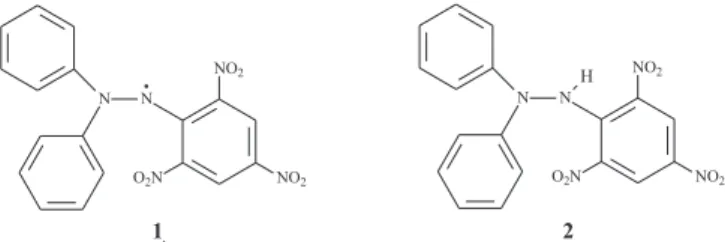
Ethanolic extracts of ten species were evaluated through three antioxidant assays, in vitro , including 2,2-diphenyl-1-picrylhydrazyl (DPPH), total antioxidant activity and
In our present work, we have noted that the PLA2 isolated and purified from the venom of Crotalus durissus terrificus (Cdt) was able to inhibit the prolif- eration of Leishmania
