NEW TRENDS IN STORE ATMOSPHERE:
AN APPLICATION TO THE BANKING SECTOR
Mafalda dos Santos Simões
Dissertation submitted as partial requirement for the conferral of
Master in Marketing
Supervisor:
Prof. Doutor José Pedro da Cunha Catalão Dionisio, ISCTE Business School, Department of Marketing, Operations and General Management
Co-supervisor:
Profª. Doutora Hélia Gonçalves Pereira, ISCTE Business School, Department of Marketing, Operations and General Management
Acknowledgements
The realisation of this thesis represents an accomplishment of a life goal, an achieved step, and the end of a long and rewarding academic journey. Given its importance, I am aware that I could not have gotten this far without the unstoppable support of the people around me. To these essential people, who always supported and motivated me, I want to show my sincere gratitude!
First, I would like to thank my research supervisors, because without them this thesis would not have been possible. To Professor Hélia Pereira I want to thank for her availability to review my thesis and correct even the smallest details, always giving valuable suggestions for improvement and words of encouragement. To Professor Pedro Dionísio I wanted to thank for his active monitoring along all the stages of the thesis. I am also grateful for all the advice given, even those that were “harder to hear”, and, above all, for making me understand that in life nothing is impossible because it all comes down to the way we face and respond to situations (in particular, the more demanding ones).
In addition, I would like to thank my parents for all the sacrifices they made in order to give me the best education possible, for all their constant support, understanding and advice. They were always by my side and believed in me in every step of the way. I owe them much of the person I am today. So, from the bottom of my heart, thank you mum and dad!
I am also grateful to all my friends and boyfriend who closely followed the development of this thesis. It was their kind words of support and motivation that gave me strength in the most difficult moments.
Finally, I would like to acknowledge the ISCTE Architecture students for their contribution to the virtual reality scenario used during the empirical research, and also to all participants of the study for their valuable contributions.
Agradecimentos
A realização desta tese constituiu para mim a concretização de um objetivo de vida, uma etapa superada, e o fim de um longo e gratificante percurso académico. Dada a sua importância, tenho noção que não conseguiria ter chegado tão longe sem o apoio incansável das pessoas que me rodeiam. A essas pessoas fundamentais, que me souberam sempre apoiar e motivar, quero deixar um grande e sentido agradecimento!
Em primeiro lugar, gostaria de agradecer aos meus orientadores pelo acompanhamento dado, pois sem eles esta tese não teria sido possível. À Professora Hélia Pereira agradeço pelo tempo disponibilizado para reler a tese e corrigir até os mais pequenos detalhes, dando sempre preciosas sugestões de melhoria e palavras de encorajamento. Ao Professor Pedro Dionísio queria agradecer pelo seu incansável acompanhamento da tese ao longo de todas as suas etapas. Obrigada ainda por todos os conselhos que deu, até mesmo aqueles que custavam a ouvir, e, acima de tudo, por me fazer entender que na vida nada é impossível - tudo depende da forma como encaramos e respondemos às situações (em particular, as mais difíceis).
Quero também agradecer aos meus pais, por todos os sacrifícios que tiveram de fazer de forma a darem-me a melhor educação possível, por todo o seu constante apoio, compreensão, conselhos. Por terem sempre acreditado em mim durante todos os momentos e em todas as decisões que tomei. Grande parte da pessoa que hoje sou, a eles o devo. Por isso, do fundo do meu coração: obrigada mãe e pai!
Agradeço ainda a todos os meus amigos e ao meu namorado que acompanharam de perto o desenvolvimento desta tese, pois foram as suas palavras de apoio e motivação que me deram força nos momentos mais complicados.
Por fim, gostaria de deixar o meu agradecimento aos alunos de Arquitetura do ISCTE que contribuíram para a realização do cenário em realidade virtual usado durante o estudo empírico, e também a todos os participantes do estudo pelas suas preciosas contribuições.
Abstract
In the context of intense competition in the current marketplace, the enhancement of store atmosphere appeared as a strategy that could provide differentiation to retailers and, at the same time, stimulate the interest and satisfaction of consumers.
Considering this, the main purpose of this dissertation is to investigate the application of new store atmosphere trends in the Portuguese banking sector as a way to improve the in-store customer experience. The trends under study are the introduction of interactive screens, the digitalisation of customer-employee interaction, the development of co-creation platforms and the implementation of store mood zones inside the banking facility. The research purpose was accomplished through a comprehensive study of relevant literature followed by an empirical research with a qualitative and exploratory methodological approach.
Findings provided evidence that most of the suggested store atmosphere trends would improve the pleasantness of the banking spaces, and therefore, should be implemented. However, changes in store atmosphere should not be done abruptly (e.g. implement all the trends in one establishment), to avoid dramatic variations in customers’ perception of these financial spaces. Therefore, the study proposes the development of a sustained balance between a banking atmosphere which is able to transmit rigour and seriousness, and, at the same time, a feeling of relaxation and comfort to customers.
Subsequently, in order to thrive, Marketing researchers and banking managers should have this information in mind and act accordingly to it. Ultimately, they should understand the importance of store atmosphere and how it affects the overall customer experience.
Keywords
: Store Atmosphere, Future Trends, Banking, Customer Experience JEL – Classification SystemResumo
Dado o contexto atual de intensa competição no mercado, a melhoria do ambiente de loja apareceu como uma estratégia que poderia oferecer diferenciação aos retalhistas e, ao mesmo tempo, estimular o interesse e a satisfação dos consumidores.
Neste seguimento, o principal objetivo desta dissertação é investigar a implementação de novas tendências de atmosfera de loja no sector bancário Português de forma a melhorar a experiência do cliente dentro na loja. As tendências estudadas são a introdução de ecrãs interativos, a digitalização da interação entre o cliente e o empregado, o desenvolvimento de plataformas de co-criação e a implementação de “mood zones” dentro do estabelecimento bancário. O objetivo desta pesquisa foi conseguido através de um estudo abrangente da literatura relevante, seguido de uma pesquisa empírica com uma abordagem metodológica qualitativa e exploratória. As descobertas comprovaram que a maioria das tendências sugeridas iriam melhorar a agradabilidade dos espaços bancários, e, portanto, deveriam ser implementadas. No entanto, alterações na atmosfera de loja não deverão ser feitas de forma abrupta (por exemplo, implementar todas as tendências num único estabelecimento), de forma a evitar variações dramáticas na perceção dos clientes sobre os espaços financeiras. Portanto, o estudo propõe o desenvolvimento de um equilíbrio sustentável entre uma atmosfera bancária capaz de transmitir rigor e seriedade, e, ao mesmo tempo, uma sensação de relaxamento e conforto aos clientes. Posteriormente, a fim de prosperar, os profissionais de Marketing e gestores bancários devem ter esta informação em mente e agir em conformidade. Em última análise, deve ser entendida a importância do ambiente da loja e a sua influência na experiência do consumidor.
Palavras-Chave:
Ambiente de Loja, Tendências de Futuro, Banca, Experiência do ConsumidorJEL – Classification System
I
Index
1. Introduction ... 1
2. Literature Review ... 4
2.1 Customer Experience and Experiential Marketing ... 4
2.2 Store Atmosphere – Definition and its Importance to Enhance Customer Experience .... 5
2.3 Dimensions that influence Store Atmosphere ... 7
2.3.1 Olfactory Dimension ... 8
2.3.2 Sound Dimension ... 9
2.3.3 Visual Dimension ... 11
2.3.4 Tactile Dimension ... 12
2.4 New Trends in Store Atmosphere ... 13
2.4.1 Co-creation ... 14
2.4.2 Retailtainment ... 16
2.4.3 Storytelling ... 17
2.4.4 Hybrid Stores ... 18
2.4.5 Interactive Screens ... 19
2.4.6 New Payment Methods ... 21
2.4.7 Store Mood Zones ... 22
2.4.8 Interaction with Employees ... 23
2.5 New Store Atmosphere Trends Applied to Banking Sector ... 25
2.5.1 Interactive Screens ... 28
2.5.2 Interaction with Employees ... 29
2.5.3 Co-Creation ... 30
2.5.4 Store Mood Zones ... 31
3. Methodology ... 35
3.1 Primary and Secondary Data ... 35
3.2 Purpose of the Research ... 35
3.3 Qualitative Study ... 36
3.3.1 Focus Group ... 38
3.3.2 Virtual reality and Personal In-depth Interviews ... 40
4. Analysis of the Results ... 43
4.1 Characterisation of the Current Banking Store Atmosphere ... 43
II
4.3 Implementation of Interactive Screens ... 46
4.3.1 Interactive Screens that Assist the Attendance Process ... 47
4.3.2 Interactive Screens that can be used by Clients ... 49
4.4 Digitalisation of Customer-Employee Interaction ... 51
4.4.1 Interaction with Employees in ATM’s ... 52
4.5 Co-Creation Platforms ... 54
4.6 Store Mood Zones ... 56
4.6.1 Pets’ Area ... 57
4.6.2 Children’s Area ... 58
4.6.3 Self-Service Area ... 60
4.6.4 Library and Reading Area ... 60
4.6.5 Television Area ... 61
4.6.6 Final Considerations about the Virtual Reality Bank ... 62
5. Conclusions, Implications, Limitations and Suggestions for Further Research ... 64
5.1 Conclusions ... 64
5.1.1 Current Banking Atmosphere and Customer Experience ... 65
5.1.2 New Trends in Banking Store Atmosphere ... 66
5.1.3 Final Conclusions ... 68
5.2 Managerial Implications ... 69
5.3 Limitations of the Research ... 70
5.4 Suggestions for Future Research ... 72
Bibliography: ... 73
Appendix ... 80
Appendix 1: List and Characterisation of Focus Group Participants ... 80
Appendix 2: Focus Group Script ... 80
Appendix 3: Questionnaire for Focus Group Session ... 87
Appendix 4: List and Characterisation of Interviews Participants ... 89
Appendix 5: Personal In-depth Interview Script ... 89
Appendix 6: Questionnaire for Virtual Reality Session ... 91
III
Graphs and Figures Index
Graph 1: Interactive Screen Features (Adapted to the Banking context)...47
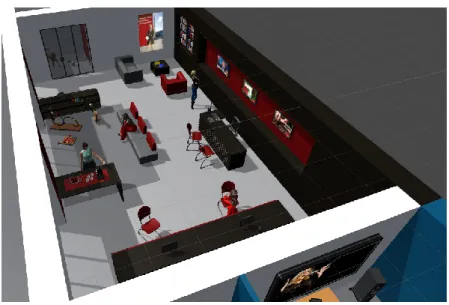
Figure 1: Virtual Banking Scenario – above view……….………..92
Figure 2: Virtual Banking Scenario – side view……….….92
Figure 3: Participant in Virtual Reality………....92
Figure 4: Participant in Virtual Reality & In-depth Interview……….…92
Tables Index
Table 1: New Store Atmosphere Trends inside and outside Banking Sector...33Table 2: Methodology and Research Questions for Recommended New Trends...37
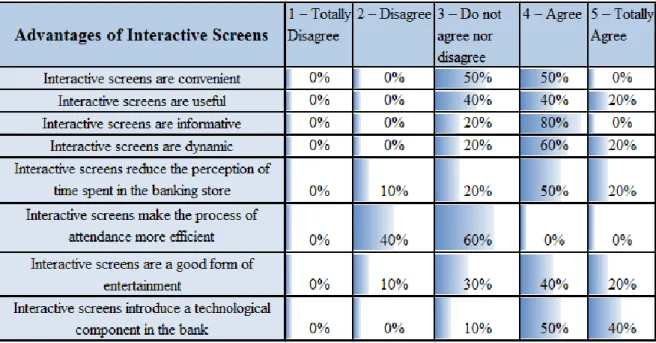
Table 3: Advantages of Interactive Screens (Adapted to the Banking context) ...50
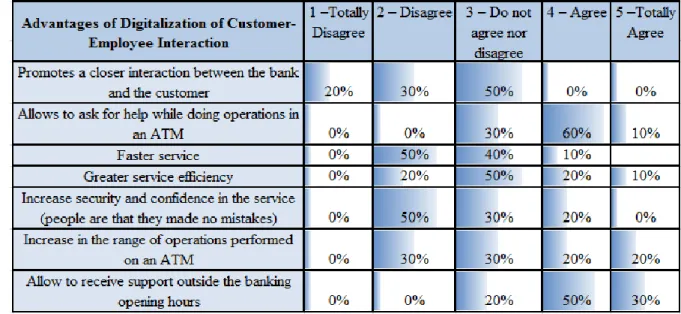
Table 4: Advantages of Digitalisation of Customer-Employee Interaction (Adapted to the Banking context) ...53
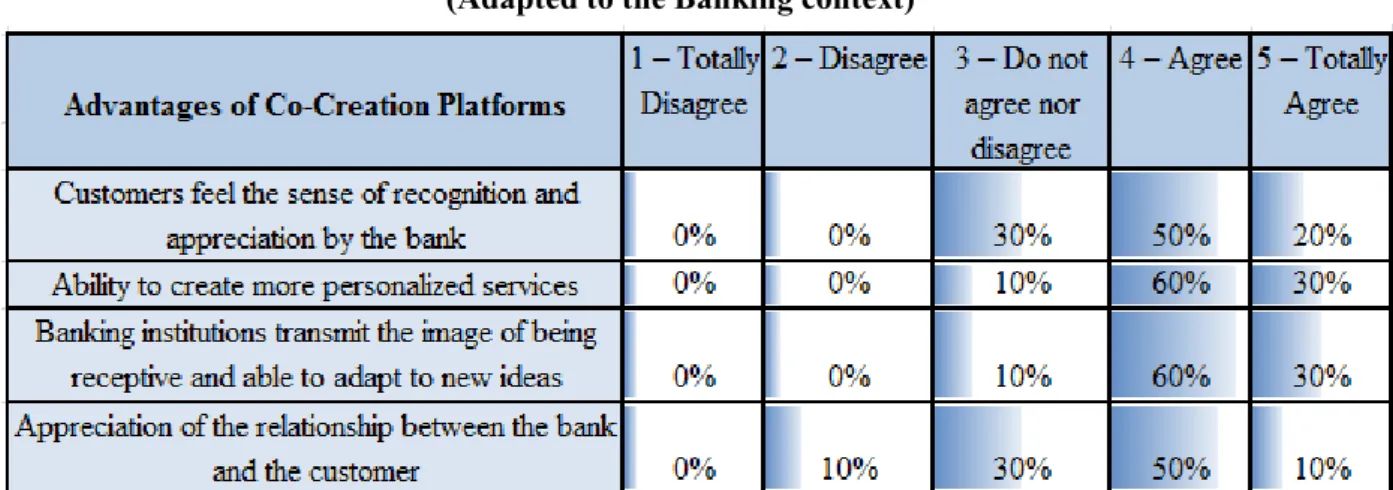
Table 5: Advantages of Co-Creation Platforms (Adapted to the Banking context) ...56
1
1. Introduction
The intense competition in the current retail market, prompt the need for new and competitive ways to deliver the best to consumers, either in prices, availability, products, entertainment, inspiration and experiences. Given the revolutionary impact of technology, in particular, the Internet, and the changes felt in society and in consumer behaviour, retailers – in this specific case banking managers - have had to be innovative in devising strategies to attract their target audiences to their physical facilities. As a result, the most successful retailers of the future will be the ones that best recognise and rapidly adapt to these consumer changes (Bailey and Bonifield, 2010; Westfield, 2014).
Therefore, in recent years, many marketers and managers from all kinds of business and activity sectors are trying to adapt their strategies with the experiential view of consumption (Farias et al., 2014). This approach implies that even though consumers still demand functional qualities and the best services and products, they now want something more than that. They want some excitement with the value proposition (Bailey and Bonifield, 2010). They are demanding more experiences and creating a new vision of retail.
In this context, store atmosphere started to appear as a mean that could provide differentiation to retailers and, at the same time, get the wanted attention and interest from consumers, stimulating their satisfaction and buying mood. In fact, the retail store atmosphere of the future will not be just about pretty lights, cool music, modern designs, a few perfumed candles and the installation of some forms of technology. In order to develop a truly immersive and delighting in-store customer experience retailers need to take their brand as a whole to all of the clients’ senses and appealing to the heart’s emotions and not just the brain’s reasons. Throughout the present research, the retail sector that received attention was the banking sector, as it was considered one of the activity sectors less enjoyable to attend, resulting in less satisfying customer experiences. As proved by Reinares and Garcia (2012) study, the management of banking institutions was considered to be inadequate as proved by the resoundingly negative customer evaluations of establishments, their displeasure in visiting banks or saving banks, and the dissatisfaction in remaining within such places for an extended period of time.
Consequently, it can be noticed the growing need to provide customers with an enhanced customer experience during all the stages of the customer-bank relationship. Besides this, lately,
2 the study of store atmosphere has been marked by the emergence of new, innovative and creative trends, carried out by retailers that do not conform with offering a common and undifferentiated in-store experience to their customers.
Therefore, considering the previous information, the main purpose of this dissertation was to investigate and better understand which store atmosphere new trends should be applied to the banking sector as a way to improve the in-store customer experience, also leading to better evaluations of the banking establishment.
As a way to fulfil this goal, and considering that this research is in the field of new trends never studied before, a qualitative and exploratory methodological approach was implemented. In this approach, a focus group session and several in-depth interviews were conducted, testing the acceptance and the level of interest of participants towards several store atmosphere tendencies in the banking sector. In each data collection method, a convenience sample of 10 participants was gathered, making a total of 20 participants. Later, all the inputs and information collected were synthesised, explained, and then discussed, discovering significant findings of the research topic.
This dissertation is composed of five chapters, which will be briefly presented:
Chapter 1 – Introduction: this chapter initiates the study with the rationale behind it and the reasons that justify its importance. Then, it is identified the aim of the study, along with the methodology used and the data collection techniques. Finally, the structure of the work is presented.
Chapter 2 – Literature Review: in this chapter, a comprehensive and detailed understanding of the subject under question is presented. The focus will be on the constructs of store atmosphere and store atmosphere recent trends, namely Co-creation, Retailtainment, Storytelling, Hybrid Stores, Interactive Screens, Reverse Channels, New Payment Methods, Store Mood Zones, Revolving Decor and Interaction with Employees. Later an orientation of these trends to the banking sector will be carried out. These topics will be explained taking into account relevant literature about them, whether older or newer, although always relevant to better understand it.
Chapter 3 – Methodology: in this section, it will be outlined the methodological and research choices of this dissertation. This includes the collection of primary and secondary data, the
3 explanation of the purpose of the study, the identification of the data collection methods used, the sample characterisation and the sample techniques undertaken.
Chapter 4 – Analysis of the Results: in this part, the data previously collected will be synthesised, explained, and then it will be discussed. With this chapter, it will be possible to draw the first set of findings about the research objective.
Chapter 5 - Conclusions, Implications, Limitations and Suggestions for Further Research: this concluding chapter will present the major results of this study. Then, the implications for Management and Marketing will be identified before the limitations of the research methods are discussed. To finalise this dissertation, recommendations and clues for further research will be pointed out.
4
2.
Literature Review
2.1 Customer Experience and Experiential Marketing
Nowadays, providing the ultimate customer shopping experience appears to be the central objective in retail environments. As a result, Verhoef et al. (2009:31) pointed out that retailers around the world have “embraced the concept of customer experience management, with many incorporating the notion into their mission statements”. In fact, by becoming aware of the desire of customers to receive as many valuable experiences as possible, marketers and managers from all kinds of business should adapt their strategies with the experiential view of consumption (Farias et al., 2014). Although, for that to happen, they first should understand how consumers perceive these experiences and how consumer’s expectations before the actual shopping moment can affect the overall experience (Berry et al., 2002).
More and more the shift from traditional marketing, in which consumers are perceived as rational decision-makers who only care about products’ functional features and benefits, towards experiential marketing has become evident. This shift has happened especially due to four main reasons: first, the omnipresence of information technology, communications and entertainment (Schmitt, 1999); second, the natural progression of economic value, which include 4 stages: commodities, products, services, and more recently, experiences (Pine II and Gilmore, 1998); third, the increasing intensity of competition; and lastly, the increased consumers’ affluence (Farias, et al, 2014).
Even though consumers nowadays have more choices of products and services than ever before, they still seem dissatisfied (Prahalad and Ramaswamy, 2004). This happens because, in this era of experiences, customers are taking for granted the functional attributes and benefits, as well as the product quality and a positive brand image. “What they (consumers) want is products, communications, and marketing campaigns that dazzle their senses, touch their hearts, stimulate their minds. They want products, communications, and marketing campaigns that they can relate to and incorporate into their lifestyles” (Schmitt, 1999:57). Summing up, they want to receive meaningful experiences.
With this in consideration, five different types of experiences that marketers can develop for customers are distinguished: sensory experiences that appeal to the sight, sound, touch, taste and smell (“sense” factor); emotional experiences that appeals to customers’ inner feeling and emotions (“feel” factor); creative cognitive experiences that appeals to the intellect and aims to
5 engage the customer creatively (“think” factor); physical and lifestyles experiences that motive to a change in behaviours (“act” factor); and social-identity experiences that result from relating to a reference group or culture (“relate” factor) (Schmitt, 1999). In order to thrive in Experiential Marketing, ideally, marketers should attempt to create holistically integrated experiences for consumers that include, at the same time, sense, feel, think, act and relate qualities. Furthermore, the same author argues that these experiences are implemented through experience providers, such as communications, visual and verbal identity, product presence, retail environment, electronic media, and people. These providers should be managed coherently (in an integrated manner), consistently over time, and by paying attention to detail, in order to extract its fullest potential for creating the experience.
The degree to which a company is able to recognise the importance and deliver a desirable customer experience will not just provide financial value for the company (Pine II and Gilmore, 1998) and differentiation from competitors (Farias et al., 2014) but, also, largely determine its success and prosperity in the global and competitive marketplace of the new millennium (Schmitt, 1999).
2.2 Store Atmosphere – Definition and its Importance to Enhance Customer Experience
In an attempt to better explain the construct of customer experience, Verhoef et al. (2009), developed a conceptual model of antecedents and moderators of customer experience that included eight crucial aspects, being one of them the retail atmosphere of a store. In addition, other authors shared the same line of thought and considered the importance of atmospherics during various stages of the consumer decision process and propose that retailers should leverage this understanding in order to enhance customer satisfaction and retail performance (Puccinelli et al., 2009)
This concept of retail “store atmosphere” was initially studied by Kotler (1973) in his influential article “Atmospherics as Marketing Tool”. He described it as the conscious planning of the store environment to create the desired effects in consumers as it was already made with other marketing tools (e.g. price, advertising, personal selling and public relations). Based on these insights, Puccinelli et al. (2009) and Farias et al. (2014) stated that atmospherics, or the retail store environment, is related to both tangible and intangible aspects of a retail store design that can affect the customer shopping experience. More specifically, the term can be described as
6 the effort of store interiors and exteriors designs to influence the shoppers’ feelings and increase purchase intentions (Kotler, 1973).
In an increasingly competitive and dynamic marketplace, marketing researchers realised that if consumers are influenced by physical stimuli experienced at the store, then the practice of creating influential atmospheres should be a key marketing strategy for the majority of exchange environments (Turley and Milliman, 2000; Olahut et al., 2012; Farias et al., 2014). Usually, the elements of the atmosphere that the retailer can control are those associated with the customer’ senses (Farias et al., 2014). For instance, retailers can manage the intensity of light, the temperature, the cleanliness, the colours and textures of the walls, the design of the space, the style of music played in the background, the pleasantness of fragrances, and so on. The reaction to these stimuli will determine the customer experience felted at the store. Moreover, many studies about retail environment showed that the response to these stimuli also influence the perceptions and evaluation about the store image, and a wide range of behavioural responses, such as the time that customer spent in the store, purchase intention and actions, and the likelihood to return to the shop (Turley and Milliman, 2000).
According to the most relevant framework about the effects of store atmosphere on shopping behaviour, the Stimulus-Organism Response (S-O-R) model, the store atmosphere is the stimulus (S) that causes a consumer’s evaluation processed by the organism (O), resulting in some behavioural response (R) (Mehrabian and Russell, 1974; Donovan and Rossiter, 1982). Furthermore, Mehrabian and Russell (1974) indicate that consumers respond to an atmosphere in one of two ways: approach behaviour or avoidance behaviour. Approach behaviours are described as positive responses to an environment, such as a desire to stay and explore a particular store. Avoidance behaviours reflect the opposite response and occur when a customer does not want remain in a store or to spend time looking or exploring it (Turley and Milliman, 2000). As stated in Donovan and Rossiter (1982) research, based on the work of Mehrabian and Russell (1974), the authors proposed that three basic emotional states (acronym PAD) mediate approach-avoidance behaviours in any environment: pleasure, arousal and dominance. However, due to lack of empirical support, the dominance dimension has been deleted from studies.
As reported by Olahut et al. (2012), ideally, retail atmospheres should be perceived as pleasant and moderately arousing. Stores with these characteristics are likely to contribute to the overall favourableness of the store and positively affect shoppers' behaviour (Chebat et al., 2010).
7 Findings from the work of Turley and Milliman (2000) suggest that particular elements of the atmosphere do not always have to be evident to have an effect on consumers. Sometimes, the most understated and subtle changes made in the retail environment are all that is necessary to modify how shoppers perceive and behave inside a store.
Summing up, throughout the years, store atmosphere has gaining increasing relevance as a marketing tool that can affect customers’ experience and behaviours and, also, increase the store performance. According to Kotler (1973), atmospherics is very important concept and tool because it can be used in situations where the product is purchased or consumed (retail stores) and where the seller has design options; it provides differentiation in industries where the product and/or the price differences are small; and, it creates a suggestive environment when goods and services are intended for a specific target market. In addition, the use and control of atmospherics become even more relevant when the number of competitors increases, as a way to boost differentiation.
Even after several decades and numerous studies about atmospherics, the concept is still in some way limited, and there is still space for improvements. However, it is already possible to affirm that the atmosphere of any store is a crucial component of its image and personality and is directly related to the customer experience and their interest to visit and keep on visiting a store (Olahut et al., 2012).
2.3 Dimensions that influence Store Atmosphere
Since the ambience of a place is defined as the physical surroundings that can stir several feelings to consumers, it can be perceived through the five human senses: sight, hearing, smell, taste and touch. These senses provide humans with the understanding of the world around them, as they can also bring positive and negative feelings to a particular consumer experience. Therefore, the sensory stimuli present in a retail atmosphere can influence shopper behaviour, be used to provide particular experiences, attract consumers, and, if treated consistently with the desires of the target market segments, the retail store atmosphere can be considered a factor that gives the retailer a competitive advantage (Farias et al., 2014).
As referred by Kotler (1973), the main sensory dimensions for retail atmosphere are smell (scent and freshness), sound (volume, pitch and tempo), sight (colour, brightness, size, and shapes), and touch (softness, smoothness and temperature). A growing number of studies indicate that these atmospherics variables independently affect shoppers’ perceptions and
8 behaviours, and their combined influence is likely even greater than the sum of their parts but only if managed appropriately (Spence et al., 2014).
The same authors stated that, since different senses can have distinct roles in influencing customer perceptions or behaviours, retailers and managers must carefully connect multiple senses while keeping the overall atmospheric cues congruent. The key question that remains is how a company should design its multi sensory store atmospherics to guarantee that the return on its investment is worthwhile.
2.3.1 Olfactory Dimension
Starting with the stimuli provided by ambient scents, it is noted that, there is a significant number of scientific research about the effects of odours on human physiology and psychology. However, studies about these same effects applied to the perspective of consumer behaviour are much more reduced (Chebat and Michon, 2003; Spangenberg et al., 1996).
According to Olahut et al. (2012), studies of the effects of scent on store atmospherics have been focused on three dimensions: first, the simple presence of a scent in the store; second, the pleasantness or unpleasantness of the scent in the store, that may result in positive or negative affective or behavioural responses, respectively; and third, the scent’s congruency with the shopping environment.
It is clear to understand that the presence of a pleasant scent that can have positive impacts on evaluations and behaviours and affect shoppers’ mood in a pleasing way is preferable comparatively with the presence of an unpleasant scent. Regarding the congruency of scent, in the study of Chebat and Michon (2003) about the effects of ambient scent in a shopping mall, it is pointed out that the use of ambient scent can be valuable for retailers only if congruent with the overall shopping environment. This is because, the same fragrance used in different contexts can trigger different reactions and become completely inefficient, or worth, have adverse effects if misused.
Moreover, in the Chebat and Michon (2003) research, it was verified that ambient scent could contribute to a favourable perception of the mall environment and product quality. In their experiment, the environmental cue (ambient scent) directly affected shoppers’ perceptions of product quality and retail environment; in turn, these perceptions had a significant effect on consumers’ mood and spending behaviours. In this scenario, the contribution of mood (pleasure and arousal) on spending is not preponderant. These findings strongly support the cognitive
9 theory of emotions, which contradicts one of the core beliefs of the literature about the approach/avoidance model of Mehrabian and Russel (1974), in which the emotional effects of the environment are stressed, and the mood is considered a mediating factor between environmental cues and behaviours.
Therefore, in order to make the most out of scent marketing, retailers “should identify a signature scent that is both pleasant and congruent with the store and brand identity” (Spence et al., 2014: 478). According to the same authors, several studies confirm that ambient fragrances can increase purchase intention and the likelihood of purchase, facilitate sales, increase the time that consumers spent at the store and create the optimal level of stimulation. Thus, the mere presence of a pleasant scent can have a positive impact on customers’ evaluations of the store, environment and products offered, and also their purchase behaviours (Spangenberg et al., 1996). Researchers, as well as retailers, should focus their efforts in understanding the factors that link scent stimuli to enhanced customer experience, turning this knowledge into a commercial advantage in the years to come.
2.3.2 Sound Dimension
As reported by Milliman (1986) it is evident that an atmosphere is composed and affected by several variables, being some considerably more controllable than others. One of these variables that is highly controllable is the sound of the atmosphere, commonly identified by its background music. Music can range from loud to soft (regarding its volume), from fast to slow (regarding tempo), from vocal to instrumental, from heavy rock to light rock, or even from classical to contemporary urban. According to Turley and Milliman (2000), music has been the most commonly researched interior variable of the retail atmosphere.
Regarding the music’s volume or loudness, Smith and Curnow (1966) examined this characteristic and its effects upon shopping behaviours. They proved that significantly less time was spent in shops when loud music was played compared to when it was soft music, although there was no substantial difference in sales or in the customer's reported level of satisfaction (Milliman, 1982).
Music’s tempo, in the other hand, was studied by Andersson et al., (2012) in two experiments carried out in different retail contexts, with distinct music tempos or no music at all. Results showed that music could positively affect the purchasing behaviour and the arousal level of customers, however it is moderated by the type of retail store and the customer gender. While
10 men reacted more favourably to fast paced music, women preferred slow tempo music playing (or even no music). Also, analysing the effects of music tempo, Milliman (1982) concluded that the tempo of in-store background music could significantly affect the pace of the in-store traffic flow and gross sales volume. Therefore, it was found that during slow music periods customers move more slowly through the store and tend to buy more. Inversely, as customers move more quickly through the store during fast music periods, they tend to purchase less. For the retail managers, the advice is to choose the music tempo (fast or slow) according to the intended objectives.
There were also researchers that analysed the impact of shopper’s familiarity with the style of background music in retail establishments, as it was the case of Yalch and Spangenberg (2000). These authors demonstrated that individuals shopped for longer periods of time when listening to less familiar music compared with more familiar music. Moreover, individuals reported being less aroused while listening to the unfamiliar music compared to the familiar music. Moreover, although individuals reported shopping longer when listening to familiar music, they actually shopped longer when listening to unfamiliar music, indicating that music also has clear impacts on the perception of time.
Regarding the joint effect of different atmospheric dimensions, only a few studies could be found in this matter. In line with this, Morrison et al. (2011) stood out by testing the joint effects of music (volume) and aroma (presence/absence of vanilla fragrance) in a real retail setting. Results revealed that the arousal induced by music and aroma individually results in increased pleasure levels, which in turn positively influences shopper behaviours, including time and money spent, approach behaviour, and satisfaction with the shopping experience. In addition, the findings also indicated that having congruency and the right mix of aroma and music is an important additional contributor to pleasure levels and time spent in the store, independent of consumer mood states.
As it was possible to note in the results of several articles, it appears that the background music played in a store can have a significant influence on a variety of consumers’ behaviours and interpretations of the store environment. More specifically, it can influence sales, customer satisfaction and arousal levels, perceptions of and actual time spent in the facilities and in-store traffic flow. Furthermore, the impact of music can be mediated by music volume (Smith and Curnow, 1966), music tempo (Andersson et al., 2012; Milliman, 1982), music familiarity
11 (Yalch and Spangenberg, 2000), common effect with other atmosphere dimension (Morrison et al., 2011), among many other aspects.
Consequently, the kind of music a retailer chooses to play can help to develop a desirable atmosphere, which contributes to the image and positioning of the store and consumer behaviours (Farias et al., 2014). The “right” background music may thus be critical for creating and conveying an appropriate impression for customers (Spence et al., 2014).
2.3.3 Visual Dimension
As mentioned before, Kotler (1973) considered visual atmospherics in terms of the colour, brightness, size, and shape of retail space; however, the two characteristics most studied in this dimension were the colour and lighting/brightness of the store atmosphere.
Bellizzi et al., (1983) noted that retailers have traditionally used colour to project an image or to create a desired store atmosphere. Moreover, retailers have attempted to use colours that encourage customers’ approach behaviour and further attention to retail displays, while triggering buying mood and intentions. The latter authors undertook an experiment about the effects of colours upon attraction to display and upon store image. The results showed that customers were physically attracted to warm colour environments, such as red and yellow. However, paradoxically, they found warm retail environments to be usually unpleasant, negative, tense, and less attractive than cool colour retail environments, such as green and blue, that consequently were perceived to be more pleasant and calm (Olahut et al., 2012).
As a result, retail implications of this study suggest that warm colour environments are appropriate for store windows and entrances as a way to attract consumers, while cool colours should be used in the central display area to create a pleasant shopping experience.
In another study, Chebat and Morrin (2007) presented a continuation for the Bellizzi et al., (1983) research, where it was analysed the effects of warm versus cold colour environments, focusing on the perceptions of two different sub culture consumer segments. The results of the referred study indicated that mall décor schemes could have significant effects on shoppers' perceptions, not only about the store environment but also about the quality of products sold in the environment. Regarding the topic that related colour with culture, Chebat and Morrin (2007) found different reactions of the décor colour schemes by consumer subculture segment, with French-Canadians responding more to the warm colour décor and Anglo-Canadians responding more to the cool colour décor.
12 Regarding the effects of lighting as a visual cue in the store environment, most of the studies on this matter suggest that this factor can influence both the store image and the examination and handling of merchandise (Turley and Milliman 2000).
Babin et al. (2003) research addressed the importance of colour and lighting in retail atmospherics and shopping reactions, and also examined how consumers cognitively respond to these two characteristics in addition to retail pricing. Findings on the colour experiments were consistent with previous research of Bellizzi et al. (1983), since consumers showed more favourable evaluations, marginally greater excitement, higher store patronage intentions, and higher purchase intentions in cool (blue) store interiors, comparing with warm (orange) interiors. Regarding the perceptions of colours and light combined Babin et al. (2003) proved that consumers react more favourably to brightly light in environments with blue store interiors, while, soft lights should be paired with warm orange store interiors, improving the perceptions and experience of these atmospheres. In fact, the use of soft lights with an orange interior generally has the ability to nullify the negative effects of orange environments and can generate the highest level of perceived price fairness. In the other hand, the use of orange interiors with bright lights can reduce shopping intentions through reduced excitement. Furthermore, this last combination appears to produce expectations of very low prices. Overall, the study’s results also suggest that effects of colour, lights, and price on behavioural intentions are mediated by each consumers’ cognitive and affective associations.
2.3.4 Tactile Dimension
Tactile atmospheric dimension influencing the store atmosphere can be described in terms of the sensory stimuli qualities of softness, smoothness, and temperature (Kotler, 1973).
Beforehand, it seems plausible the assumption that the more consumers touch something, the more they will be willing to buy it. Actually, as Spence et al. (2014) referred, several studies indicated the importance of touch in retail environments, confirming that customers are more likely to purchase a product after they have touched or picked it up. Also, they may be willing to pay more for a product if they have touched it first. This last conclusion was drawn by Martin (2013) that analysed if different amounts of visual, auditory and touch stimuli have influence in the price customers will pay for an item. The author found that the more sensory information (sight, sound, touch) the consumer has, the higher will be his sense of comfort and price fairness. In contrast, consumers who only received sight and sound (no touch) stimuli found the average total overall price the highest.
13 Otterbring (2016) investigated if restriction or encouragement to touch products demonstrations while in in-store influences purchase behaviour. In fact, people intuitively believe that restricting product touch negatively influences the amount of money spent and quantity of products bought. However, this author experiment proved that customers in a retail store, who have their touch restricted during a product demonstration, would act counter-intuitively and would increase the money spent, as well as products bought, and would also prefer purchases of expensive products.
However, there is a down side to tactile examination by customers, namely, the possibility of “tactile contamination.” Argo et al. (2006) propose a theory of consumer contamination suggesting that although consumers like to touch products while shopping, they tend to evaluate products previously touched by other shoppers less favourably. In other words, consumers like to touch certain products but do not like to purchase those products that may have been touched by others.
Touch can also be an effective marketing tool applied by salespeople. As Spence et al. (2014) exemplified, within a few minutes of entering a Lush store, shoppers likely will have been approached by an employee who will have offered to rub lotion into the customer’s hands. To conclude, according to the same authors, touch may constitute an important but perhaps underrated aspect of store atmospherics. Making sure that the clients feel comfortable, either by the temperature in the air, by the softness of the furniture or by the smoothness of the products, and giving them the means to interact with merchandise is the simple key to the success of many companies.
2.4 New Trends in Store Atmosphere
The intense competition in the current retail market, prompt the need to new and competitive ways to deliver the best to consumers, either in prices, availability, products, entertainment, inspiration and experiences. Given the revolutionary impact of technology, in particular, the Internet, and the changes felt in society and in consumer behaviour, retailers have had to be creative in devising strategies to attract their target audiences. In fact, the successful retailers of the future will be the ones that best recognise and adapt to these changes (Bailey and Bonifield, 2010; Westfield, 2014). Even though consumers still demand functional qualities and the best services and products, they now want something more than that. They want some excitement
14 with the value proposition (Bailey and Bonifield, 2010). They are demanding a new and different vision of retail.
In fact, the retail store atmosphere of the future will not be just about pretty lights, cool music, modern designs, a few perfumed candles and the installation of some forms of technology. In order to develop a truly immersive and delighting in-store customer experience retailers need to take their brand as a whole to all of the shopper’s senses and appealing to the heart’s emotions and not just the brain’s reasons.
Trends in store atmosphere such as co-creation, retailtainment, storytelling, hybrid stores, interactive screens, new payment methods, store mood zones, and interaction with employees, which will be further discusses, begin to give retailers a picture of what consumers nowadays value and how the store of the future will look like. Though these trends are still not a common practice in the retail industry, Westfield (2014) pointed out that many retailers are already starting to show signs of being early adopters, as they unlock the next moves of the retail industry and what consumers want most from their retail experiences.
2.4.1 Co-creation
Nowadays, the interaction between the firm and the increasingly informed, networked, empowered and active consumer is becoming the centre of value creation. In parallel, as the perception of “added value” shifts to experiences, the market is becoming a medium for conversation and interactions between consumer, consumer communities, and firms, leading to growing co-creation experiences as the basis of value creation (Prahalad and Ramaswamy, 2004). According to the Business Dictionary, co-creation is understood as a business trend that encourages interactive relationships, because allows a more active customer involvement with the company to create a richer customer experience.
In fact, the idea that companies can act autonomously is being challenged by empowered consumers that refuse the company-centric view of the market. As spotted by Prahalad and Ramaswamy (2004:6), “consumers now seek to exercise their influence in every part of the business system. Armed with new tools and dissatisfied with available choices, consumers want to interact with firms and thereby “create” value.” In other words, the concept of co-creation is related to the joint co-creation of value by the company and customer (it is not the company trying to please the customer as it is commonly thought), so that the customer can actively dialogue and co-construct a personalised service experience that suits his context.
15 As a way to overcome the ambiguity in the literature about value co-creation (VCC), Ranjan and Read (2014) were motivated to offer an unequivocal understanding of this theoretical construct. The authors noted that some previous definitions about VCC were personalisation-centric, others focused more on the participation of consumers in firms’ processes, some consider experience as a source of value co-created, and there were others that emphasise relational bonding – making the need to integrate these different perspectives into a complete and clear one. As a solution, Ranjan and Read (2014) represented VCC as a theoretical representation of an extensive exchange process of joint production and consumption of value that would be equally applicable to any situation of exchange, even between a firm and supplier. The joint production is related with the co-production with customers or their participation in the product/service design process, while the joint consumption, or “value in use”, “extends beyond the co-production, exchange, and possession of a good or service, and it requires customers to learn how to use, repair, and maintain a product or service proposition”, according to Vargo and Lusch (2004) in Ranjan and Read (2014: 293).
Therefore, high-quality and meaningful interactions that allow an individual customer to jointly co-create unique experiences with the company are view as the key to unlock new sources of competitive advantage. Nonetheless, to be successful, the company needs to invest in building new infrastructure capabilities, as well as new functional and governance capabilities that are based on creation through high-quality customer-company interactions and personalised co-creation experiences (Prahalad and Ramaswamy, 2004).
An example of a store that applied the co-creation concept was O bag. This handbags and shoulder bags brand, established in Italy in 2009, allows customers to customise its stylish bags inside the store. The customer can combine different handles and accessories available in a multitude of colours, combinations, materials and styles since the brand offers additional parts that can be mix and match according to consumer’s needs and preferences, style, occasion and outfit of the day (O bag Website, n.d.). This way, according to the brand official website, O bag gives their customers a greater freedom to express themselves, to customise their own handbags by choosing among a wide range of possibilities and accessorising in a distinctive, personal and ever changing way. The organisation and layout of the retail store along with the welcoming and thoughtful staff, simplifies the interaction and information needed to the proper customisation of the bags.
16 2.4.2 Retailtainment
Since the appearance of the first mall centres that there always has been present some sort of entertainment for consumers. Moreover, the blending of retail and entertainment is a concept which has continued to grow and evolve over the years. As the growing importance and application of this combination have emerged, a term that has frequently been used is "retailtainment" (Coifman and Kennard, 2014). This concept was initially coined by George Ritzer in 1999 in his book, defining retailtainment as a technique that implies the proper use of the sound, ambience, emotion and activity of a store to get its clients interested and in the mood to buy. In other words, retailtainment brings entertainment inside a store with the principal objective to encourage consumers to buy and also to create a customer experience based on escapism and entertainment.
Since this concept is not recent, it seems necessary to understand the core reasons behind its increasing importance in today’s retail paradigm. Coifman and Kennard (2014) referred that, in one hand, the power of the Internet transformed the transactional approach to retail, especially through online shopping, leading to an increased emergence for existing physical stores to step up their game and offer new experiences to differentiate themselves and give the consumer another reason to visit. In the other hand, the increase in in-home entertainment and gaming is making the more traditional forms of commercial entertainment in malls and stores less appealing for consumers, making commercial entertainment continuously working to offer enhanced experiences. Overall, the impact of technology on purchasing habits and the competition to attract increasingly savvy consumers that have specific needs and demand better experiences, lead retailers to be creative in devising strategies to attract their target audiences (Bailey and Bonifield, 2010).
As stated by Coifman and Kennard (2014), commercial entertainment, such as bowling centres, cinemas, ice skating rinks, children’s play areas and free attractions, such as fountains, are established forms of entertainment in shopping malls. However, this generation of retailtainment has now become a standard in most retail centres and is no longer a factor of differentiation, leading to the need of creating new forms of retailtainment.
A successful application of retailtainment trend is visible in the Disney store in London’s Oxford Street, which aims to provide unique customer experience to children by transforming the store into a complete amusement park, filled with Disney magic and interactive technology. The store provides several features that transport kids into a fairytale land, for instance, theatres
17 allow children to watch film clips selected by them, join karaoke contests or chat live with Disney Channel stars via satellite (White Hutchinson Leisure & Learning Group, 2009). Besides, the store includes a Disney Princess Magic Mirror, where youngsters can watch short stories from their favourite Disney princesses (Bull, 2011) and feel like one at the same time. According to the same author, the retailtainment experience is highlighted with a freshly-cut grass scent and music from Disney movies playing in the background. Disney representative Shawn Turner claims that “It’s about making this an experience rather than just picking up a toy. We want them [customers] to leave feeling like they had the full Disney experience. They don’t necessarily need to go to the park to have that experience; they can get it at the local mall.” (White Hutchinson Leisure & Learning Group, 2009).
2.4.3 Storytelling
“When we buy something, we’re really buying a story, says Godin. A salesperson’s job is to tell a story... The customer comes to exchange money for a story, and they’ll believe the one that best matches their worldview... If you tell the salesperson your back hurts, you’re saying, “Please tell me a story about the very best mattress that will help my back”. ‟ (Gilliam and Zablah 2013: 488). Essentially, the reasoning behind this trend is that stories stick to people’s brains more than simple facts, and stories sell because people can relate to them. Therefore, retailers can use storytelling as a very compelling strategy when it comes to engaging with customers and drive sales (Nicasio, 2015). Nonetheless, plenty of retailers miss the storytelling brand-building strategy, as they continue to publish boring or disengaging content, and still promote their products in ways that people cannot relate with. The truth is that modern consumers want to experience new, interesting, or funny things, and the best way to give them that is by sharing involving stories and getting them to share their own (Nicasio, 2015), developing this way a meaningful connection and engagement.
As mentioned in an article on the Retail Resource (2015) website, one of the most important aspects of storytelling in retail is the setting according to writer Nikki Baird of Retail System Research. The whole environment must be aligned with the branding strategy and the key elements of the intended story. In addition, retailers can use their staff members as characters in the plot. From their uniforms to the way they greet customers, salespeople can be a useful tool in building an effective setting and atmosphere, even acting as narrators and leading patrons through the storyline. While not all salespeople may turn out to be great storytellers, training these professionals to use the right type of story in particular types of sales encounters, appears
18 to be a critical aspect to successfully use storytelling in sales contexts (Gilliam and Zablah, 2013). In the end, it is always a matter of telling the right story, at the right moment and to the right consumer.
An excellent example of this retail trend is the Build-A-Bear Workshop, a worldwide company that offers the experience for kids and also grown-ups (adults who are always kids at heart) to create their own personalised stuffed animal (Build-A-Bear Workshop, n.d.). Thus, in this store, customers do not buy just a regular teddy bear, instead, they engage in a magical adventure where dreams and their stuffed animal are made. According to information presented on the company’s website, the whole interactive buying process includes the choice of the furry friend, the record of a special message (the voice of the teddy), the stuffing and stitching part with the help of attentive staf, the selection of a heart that is going to “give them life”, fluff and brush, pick among hundreds of outfits and accessories and, finally, give them a name. This peculiar buying process is, in fact, the creation of the life story of the bear that is going to be bought and the development of a connection and identification process with it. In the end, customers leave the store with the feeling of creating a real teddy bear and a friend for life.
2.4.4 Hybrid Stores
Hybrid stores use brand’s knowledge and expertise to create a store with different and multiple business areas. The several services in the store can be complementary or not, and must create meaningful and memorable experiences considering the brand lifestyle rather than transactional purchases (Malin, 2014). Moreover, this strategy provides the diversification needed to keep the store relevant and to appeal to several segments of the marketplace. In several cases, consumers who are attracted to one service will feel the urge to engage and use/buy other services/products offered in the store (WiseGeek, n.d.).
According to the same website font, this in-store trend allows the retail space to attract new customers, promote slow shopping and address impulse purchase, all leading to an overall increase in sales. At the same time, it intends to break the online shopping trend and create an immersive experience that engages the customer. Even though this type of establishments can become somewhat complex, the ability to establish a presence in more than one market translates into less vulnerability to adverse conditions that may occur occasionally in either of those markets, allowing the company to remain financially viable and stable.
19 There are several cases of mixed-use retail spaces that delight consumers with products, services or experiences that either work well together or are completely unexpected (McQuarrie, 2014). An example of a good unexpected combination is the concept of Her Majesty’s Pleasure in Toronto’s downtown, which includes a beauty salon, café, boutique, and cocktail bar (Venerayan, 2014). According to their official website, the intention behind this establishment was to create a new and unique lifestyle concept, reinventing the typical salon and spa visit into a special environment that socialises the beauty experience. Therefore, in this salon, while getting styled up by the best professionals, it is possible to meet friends, enjoy cocktails and celebrate special moments (Her Majesty’s Pleasure, n.d.).
Another good example of the application of the hybrid concept is the Dolce & Gabbana men’s shop located in London. This flagship store exposes the finest fabrics and Italian tailoring traditions combined with a traditional Italian barber shop (Dolce & Gabbana, n.d.). The location connects with British traditions while the furniture was brought from Milan and Sicily to create an Italian ambience. The combination of the fashion boutique with the possibility of getting the beard and hair trimmed was a way for this luxury retailer to develop a premium service that capitalises on the “cash-rich, time-poor” consumer (Malin, 2014) that has a particular attention for its looks. This way, Dolce & Gabbana could offer its clients an additional service and, at the same time, maintaining its consistent brand positioning and brand image.
According to the previous examples, and in an attempt to predict the concept of the store of the future, it can be said that more and more stores will try to provide almost everything and satisfy all customers in the same place. Stores selling just a specific product or service will disappear (or at least decay), and entertainment/lifestyle concepts stores will tend to grow.
2.4.5 Interactive Screens
Due to the widespread use of mobile technology devices such as smartphones, smartwatches and tablets, most people are used to some degree of interactivity in their daily routines. So it seems only natural that this interactivity becomes a part of consumers’ shopping experience as well (Rudiger, 2014). In fact, the use of digital technology by retailers in bricks and mortar stores has grown rapidly over the last few years (Charlton, 2013), as it provides an exciting brand experience both inside or outside the store location. Using these devices for online shopping, inventory display, or digital storytelling, retailers of several sectors are discovering the business opportunities of interactive mirrors, projections, screens, windows and kiosks displays. This interactive trend, brought to the world of retail to challenge a static customer
in-20 store experience, is having a huge success because it moves customers’ imagination, simplify customer interactions and transactions, and it is a fast and intuitive form of entertainment and information (Whisbi, n.d.).
From mirrors that work as video screens, staff armed with iPads and mobile POS devices to enable them to serve customers anywhere in the stores and cut the queues down, motion-sensitive screens which display footages as customers walk through them, and interactive touch screens and kiosks to allow customers to access further information about products and order online (Charlton, 2013), these are just some of the options of how retailers can use interactive technology to enhance the in-store experience for shoppers.
As a matter of fact, Touch Screens Melbourne (2015) website reported that “Forrester Research highlighted that as much as 80% of retailers with both physical brick-and-mortar establishments and online stores intend to install and make use of interactive touch screen kiosks at their locations.” Moreover, it is easy to understand this growing adoption, since interactive retail displays offer some distinct and exciting advantages over traditional display setups. These devices improve efficiency as they enable continuous operations, informing and serving customers even when human personnel is not available. They also allow better customer service quality while reducing as waiting time. The data stored on these devices about a specific customer can also help analyse, understand and predict consumer behaviour (e.g. what products were browsed or what kind of information was searched for in a specific moment) (Whisbi, n.d.). Also, interactive displays tend to be eye-catching, and the best displays usually have a surprising factor that draws consumer attention. By interacting with a display, customers are provided with a specific experience that allows them to build a relationship with a brand, driving customer engagement, customer confidence and brand loyalty (Rudiger, 2014).
These technological devices have already been applied to several retail sectors, from supermarkets to clothing stores and even in restaurants, always with different purposes and usages. Taking the example of restaurants, in order to increase customer participation and to break the typical routine of ordering a pizza, giving consumers more freedom and autonomy, Pizza Hut has designed an interactive display that would let customers create a digital version of their pizza on the restaurant table (Miller, 2014). Pizza Hut released a concept video which demonstrates how an interactive touch-screen table could be used to customise every little detail of the pizza order, from the base, the sauce, the size, and the toppings (Kooser, 2014). The table can even recognise and connect to a customer’s smartphone and allows quickly payments
21 through credit or debit card. Once the dream pizza is finished, the order is sent to the kitchen and, at the same time, a clock on the table reveals how long it will take until it is ready. The touch surface also has gaming applications that customers can play while they wait (Zolfagharifard, 2014), working as an entertainment form and a way to reduce the perception of waiting time. In the end, one thing is guaranteed, the interactive table looks like a lot more fun than a simple old paper menu (Kooser, 2014).
2.4.6 New Payment Methods
The way consumers pay for their consumptions is innovating and changing at a very fast pace. Nowadays, consumers do not pay just with cash, credit card or cheques. They pay for their products with contactless cards or mobile apps, or even buy online using their phone and get it delivered at their homes (Gloor, 2014). This payments’ trend was already visible with mobile phones, but it is expected to see these payments become less dependent on smartphones over the next years, and include new wearable technology, such as smartwatches, bracelets and even rings that will enable consumers to pay on the move (Ohlhausen, 2016).
In reality, more and more consumers are cutting down the use of cash and progressively adopting alternative payment methods, influencing, in turn, the revolution of a cashless society (Ohlhausen, 2016). As a result of this, retailers are increasingly under pressure to implement new payment technologies, as shoppers demand simpler and more innovative ways to pay (MasterCard, 2015). Even though up to 79% of retailers and other institutions believe consumers want a broader choice of payment tools, and with 73% in agreement that new payment technologies will provide benefits to their organisation, over half of these entities (52%) are holding back on their investment in new technology because of security concerns, as referred by Ubaghs (2015) in the 2015 Global Payments Insight Survey.
The new Samsung Pay, along with the Android Pay and Apple Pay, are examples of a contactless payment method, considered as fast, easy and secure by Graham Peacop, CEO at the UK Cards Association (Preece, 2015). This approach embeds NFC (near field communication) technology that enables contactless mobile payments with a straightforward and easy process since it is only needed to hover the phone over the retailers’ payment terminal and verify the transaction on the phone with a fingerprint or a passcode (Gerstner 2016). With Apple, Google and Samsung all offering their own mobile payments’ services to customers, with similar functions but with crucial differences that could edge one over the other, the mobile
22 payment industry is now facing the urge to adapt and evolve rapidly. In turn, all of these contribute to the decline of the conventional retail payment methods as they are known today (Preece, 2015). According to the same article, in the near future, it will be the norm to transfer money and make payments between individuals and businesses with a quick “tap and pay” function of everyone’s phone.
More recently, the payments industry took a step even further with the introduction of an innovative way of payment: the “pay by selfie” system. Amazon and MasterCard are among the companies that implemented a facial recognition software that allows customers to authorise transactions by holding up smartphone cameras and taking selfies (Rao, 2016). As a result, this process of authentication of the buyers’ face is considered not just convenient, but also much more secure than typing passwords and pin, which are susceptible of being stolen.
According to an online press release from MasterCard (2015), Carlos Menendez, Executive Director for International Markets, said “The wave of social engagement we see every time new payment innovations are rolled out truly reflects the demand and desire for new and more convenient ways to pay. It also shows that payments have really moved into the heart of the shopping experience – causing frustration when not accepted and engagement when fast, easy and personal.”
2.4.7 Store Mood Zones
As it was previously mentioned, ideally, retail atmospheres should be perceived as pleasant and moderately arousing by consumers (Olahut et al., 2012). Stores with pleasant and moderately arousing ambience are likely to contribute to the overall favourableness of the store and positively affect shoppers' behaviour (Chebat et al., 2010). In fact, almost everything can influence the customer experience at the store (and, consequently, customers’ mood), such as crowded spaces, the intensity of light, the temperature, the cleanliness, the colours and textures of the walls, the overall design of the space, the style of music played in the background, the pleasantness of fragrances, the attractions/distractions that the store has, and so on.
Throughout the years, many researchers have proved that consumer’s mood is an important mediator between the store environment and the consumer behaviour. In addition, it can have a considerable effect on consumer shopping behaviour, since the mood can influence whether consumers will spend more or less time in a store, purchase something, or just browse the store (Lynott, 2015). According to Novikova (2015) shoppers that are stressed out or tired are more