BASIC RESEARCH
Nitric oxide contributes to learning and memory
deficits observed in hypothyroid rats during
neonatal and juvenile growth
Mahmoud Hosseini,
I,IISamaneh Sadat Dastghaib,
IHoushang Rafatpanah,
IIIMosa Al-Reza Hadjzadeh,
I,IIHossein Nahrevanian,
IVIsmaeil Farrokhi
IINeuroscience Research Center, Mashhad University of Medical Sciences (MUMS), Mashhad, Iran. IIDepartment of Physiology, School of Medicine, Mashhad University of Medical Sciences (MUMS), Mashhad, Iran.IIIImmunology Research Center, Buali Institute, Mashhad University of Medical Sciences (MUMS), Mashhad, Iran.IVDepartment of Parasitology, Pasteur Institute of Iran, Tehran, Iran.
INTRODUCTION:
Severe cognitive impairment follows thyroid hormone deficiency during the neonatal period. The
role of nitric oxide (NO) in learning and memory has been widely investigated.
METHODS:
This study aimed to investigate the effect of hypothyroidism during neonatal and juvenile periods on
NO metabolites in the hippocampi of rats and on learning and memory. Animals were divided into two groups and
treated for 60 days from the first day of lactation. The control group received regular water, whereas animals in a
separate group were given water supplemented with 0.03% methimazole to induce hypothyroidism. Male offspring
were selected and tested in the Morris water maze. Samples of blood were collected to measure the metabolites of
NO, NO
2, NO
3and thyroxine. The animals were then sacrificed, and their hippocampi were removed to measure the
tissue concentrations of NO
2and NO
3.
DISCUSSION:
Compared to the control group’s offspring, serum thyroxine levels in the methimazole group’s
offspring were significantly lower (
P
,
0.01). In addition, the swim distance and time latency were significantly
higher in the methimazole group (
P
,
0.001), and the time spent by this group in the target quadrant (Q1) during
the probe trial was significantly lower (
P
,
0.001). There was no significant difference in the plasma levels of NO
metabolites between the two groups; however, significantly higher NO metabolite levels in the hippocampi of the
methimazole group were observed compared to controls (
P
,
0.05).
CONCLUSION:
These results suggest that the increased NO level in the hippocampus may play a role in the learning
and memory deficits observed in childhood hypothyroidism; however, the precise underlying mechanism(s) remains
to be elucidated.
KEYWORDS:
Hypothyroidism; Learning; Memory; Nitric Oxide; Offspring.
Hosseini M, Dastghaib SS, Rafatpanah H, Hadjzadeh MA, Nahrevanian H, Farrokhi I. Nitric oxide contributes to learning and memory deficits observed in hypothyroid rats during neonatal and juvenile growth. Clinics. 2010;65(11):1175-1181.
Received for publication onMay 2, 2010;First review completed onMay 30, 2010;Accepted for publication onAugust 23, 2010
E-mail: [email protected]
Tel.: 0511-8828564-5
INTRODUCTION
Many studies have shown a significant role for thyroid
hormones in the development and maturation of the
mammalian central nervous system.
1,2These hormones
regulate axonal and dendritic growth and synapse
forma-tion.
3Growth retardation and severe cognitive impairment
are known complications following thyroid hormone
deficiency in the prenatal and neonatal periods.
4It has
been shown that hypothyroidism is associated with changes
in gene expression in both the central and peripheral
nervous system.
5The inability to produce long-term
potentiation (LTP) in the rat hippocampus and impaired
learning and memory in both rats and humans are among
the functional consequences of hypothyroidism.
6Other
studies have suggested that hypothyroidism affects
beha-vioral conditions and is accompanied by emotional
symp-toms, including lethargy and dysphoria.
7-11The results of
other studies have shown that several cognitive deficits,
including attention and memory processing deficits, general
intelligence and visual-spatial skills, are induced by
hypothyroidism.
9,10Hypothyroidism has a lesser effect
on auditory attention, motor skills, language and
set-shifting.
7,10,12In addition, there is evidence indicating that
even subclinical hypothyroidism is associated with
depres-sive symptoms and cognitive impairment.
13Nitric oxide (NO), a free radical gas, is known to play
critical roles in biologic systems;
14It acts like a diffusible
Copyrightß2010CLINICS– This is an Open Access article distributed underintercellular signaling molecule in the brain and spinal
cord.
15NO synthase (NOS) is the enzyme that produces NO
from l-arginine. NO can act as an important mediator in
synaptic plasticity, LTP and the consolidation of LTP.
16-18In
addition, there are reports that suggest a relationship
between NMDA (N-methyl-D-aspartate)receptors and the
NO system in learning and memory.
19,20Several studies
have shown that NOS inhibitors impair the consolidation of
memory
21,22and block the induction of LTP.
21-24There is,
however, some evidence showing that l-arginine, an NO
precursor, improves memory formation and reverses the
effect of NOS inhibition.
25There are also reports indicating
that NO donors activate both LTP and long-term
depres-sion.
23,26These results suggest the involvement of NO in
learning and memory processes.
The relationship between thyroid hormones and the NO
system has been well documented.
23,26-28There is evidence
that thyroid hormones are involved in regulating NO
synthase gene expression in the brain. Considering the
aforementioned findings, this study aimed to investigate the
effect of hypothyroidism induced during the neonatal and
juvenile periods on learning and memory of offspring and
on NO metabolite concentrations in the hippocampus.
MATERIALS AND METHODS
Animals and treatments
Twenty pregnant female Wistar rats (8 weeks old and
weighing 200
¡
20 g) were kept in separate cages at 22
¡
2
˚
C in a room with a 12 h light/dark cycle (light on at
7:00 am). Offspring were randomly divided into two groups
and treated according to the experimental protocol from the
first day after birth through the first two months of life. Rats
in the control group received normal drinking water,
whereas the second group received the same drinking
water supplemented with 0.03% methimazole (Sigma, USA)
to induce hypothyroidism.
29After 60 days, seven male
offspring of each group were randomly selected and tested
in the Morris water maze (MWM).
In the methimazole group, hypothyroidism was confirmed
by testing serum thyroxine concentration levels using the
radioimmunoassay method (Daisource, T4- RIA - CT).
Animal handling and all related procedures were carried
out in accordance with the rules set by the Mashhad
University of Medical Sciences Ethical Committee.
Morris water maze apparatus and procedures
A circular black pool (136 cm diameter, 60 cm high, 30 cm
deep) was filled with water (20–24
˚
C). A circular platform
(10 cm diameter, 28 cm high) was placed within the pool
and was submerged approximately 2 cm below the surface
of the water in the center of the southwest quadrant.
Outside the maze, fixed visual cues were present at various
locations around the room (i.e., a computer, hardware and
posters). An infrared camera was mounted above the center
of the maze and an infrared LED was attached to each rat
for motion tracking. Before each experiment, each rat was
handled daily for 3 days and habituated to the water maze
for 30 sec without a platform. The animals performed four
trials on each of the eight consecutive days, and each trial
began with the rat being placed in the pool and released
facing the side wall at one of four positions (the boundaries of
the four quadrants, labeled North (N), East (E), South (S) and
West (W). Release positions were randomly predetermined.
For each trial, the rat was allowed to swim until it found and
remained on the platform for 15 seconds. If 60 seconds had
passed and the animal had not found the platform, it was
guided to the platform by the experimenter and allowed to
stay on the platform for 15 sec. The rat was then removed
from the pool, dried and placed in its holding bin for 5 min.
The time latency to reach the platform and the length of the
swimming path were recorded by a video tracking
sys-tem.
29,32-34On the ninth day, the platform was removed, and
the animals were allowed to swim for 60 s. The time spent in
the target quadrant (Q1) and the traveled path were
compared between groups. All measurements were
per-formed during the first half of the light cycle.
Biochemical assessment
After the last session of the MWM test, blood samples were
taken from all rats to determine hypothyroidism status and to
measure the NO metabolites NO
2and NO
3(Griess reagent
method). The animals were then sacrificed, and hippocampi
were removed and submitted to NO metabolite
measure-ments in the tissue. The Griess reaction was adapted to assay
nitrates as previously described.
35Briefly, standard curves
for nitrates (Sigma, St. Louis, Missouri, USA) were prepared,
and samples (50
ml plasma and 100
ml tissue suspension) were
added to the Griess reagent. The proteins were subsequently
precipitated by the addition of 50
ml of 10% trichloroacetic
acid (Sigma). The contents were then vortex-mixed and
centrifuged, and the supernatants were transferred to a
96-well flat-bottomed microplate. Absorbance was read at
520 nm using a microplate reader, and final values were
calculated from standard calibration plots.
36Statistical analysis
All data are expressed as mean
¡
SEM. Swim time
latency and the length of the traveled path over the eight
training days were analyzed by repeated measures analysis
of variance ANOVA. The time spent in the target quadrant
(Q1) and the length of the swimming path in this quadrant
was compared using unpaired t-tests. Comparison of serum
thyroxin levels and plasma levels of NO metabolites was
carried out using unpaired t-tests. The criterion for
statistical significance was
P
,
0.05.
RESULTS
DISCUSSION
Neonatal hypothyroidism has been clearly shown to be
related to cognitive dysfunction.
9-11,37,38For example, studies
in humans have shown that a temporal deficiency in thyroid
hormones during developmental periods impairs cognitive
functions such as attention, learning and memory.
39Experimental hypothyroidism in developing rats has also
been shown to result in impaired learning and memory.
40,41 Figure 1 -Serum thyroxine concentrations (mg/dl) in offspring of methimazole and control groups. The animals in the control group received regular drinking water, whereas the methimazole group received the water supplemented with 0.03% methimazole. Data areshown as mean¡SEM (n = 7 in each group). **P,0.01 compared to controls.
Figure 2 - Comparison of swim time latency (sec) to find the platform between offspring of the methimazole and control groups. The latency was significantly higher in offspring of rats
in the methimazole group compared to controls (P,0.001). Data
are shown as mean¡SEM of seven animals per group.
Figure 3 -Comparison of the length of the swimming path (cm) between methimazole-treated animals and controls using a repeated measure ANOVA. The length of the swimming path in the offspring of the methimazole group was significantly higher
than that of controls (P,0.001). Data are shown as mean¡SEM
of seven animals per group.
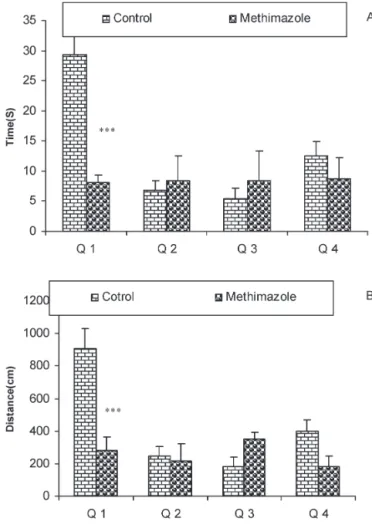
Figure 4 -The results of the time (sec) spent (4A) and the length
of the swimming path (cm) (4B) in each quadrant during the
probe trial on day 9 (24 h after the last secession of learning).
Data are shown as mean¡SEM of seven animals per group. The
platform was removed, and the time spent and the length of the swim path in the target quadrant (Q1) was compared between the groups. The time spent and the length of the swim path in Q1 by the offspring of the methimazole group was significantly
In this study we induced hypothyroidism in rats, resulting
in impaired learning and memory during the neonatal and
juvenile periods.
Hypothyroidism impairs hippocampal-dependent
learn-ing and short- and long-term memory.
42,43In addition,
hypothyroidism impairs early and late phases of LTP.
44The
exact mechanisms underlying the induced deficits in
memory and LTP have not been elucidated. Many studies
have demonstrated that cognitive dysfunction in
hypothyr-oidism is likely due to abnormal brain development,
diminished inter-neuronal connectivity and, in particular,
impaired synaptic plasticity in the hippocampus.
45It has
been shown that maturation and function of the
hippo-campus are dependent on thyroid hormones.
43Transient
hypothyroidism has even been shown to impair synaptic
transmission and plasticity in the adult hippocampus.
46,47It
has also been reported that impairment of LTP and memory
due to hypothyroidism correlates with changes in c-jun and
c-fos protein expression and extracellular signal regulated
kinases (ERKs) levels in the hippocampus during crucial
periods of brain development.
48,49Changes in the expression
of other proteins such as synapsin I, synaptotagmin I, and
syntaxin may also be involved in hypothyroidism-induced
memory deficits.
50It has also been suggested that thyroid
hormone deficiency results in changes in brain regions
such as the dorsal hippocampal-mPFC pathway and changes
in the glutamate release, which can lead to cognitive
disturbances.
51-53Moreover, hypothyroidism has been shown
to induce oxidative stress in the hippocampus.
54The relationship between oxidative stress, neuronal
damage and cognitive dysfunction has been well
docu-mented.
55-58In addition, it is well known that neonatal
hypothyroidism is accompanied by a delay in myelinogenesis
and a decrease in the number of myelinated axons.
59,60In the present study, we have shown that a deficiency of
thyroid hormones during lactation and in the neonatal
period could impair learning of offspring in the MWM test.
The animals in the hypothyroid group had significantly
higher time latency to find the platform during every day of
training (Fig. 2), indicating a deleterious effect of the lack of
thyroid hormones on spatial learning processes. The results
presented here also confirm that methimazole-induced
hypothyroidism during the neonatal and juvenile periods
impairs spatial memory given that the animals in the
hypothyroid group spent less time in the target quadrant
compared to the control group when tested on the ninth day
(probe trial; Fig. 4). The results of the present study are
consistent with findings from our previous study, in which
we found an impairment in the MWM in adult rats with
methimazole-induced hypothyroidism over a 180-day
per-iod.
29It has also been reported that treatment of
thyroidec-tomized adult rats with thyroxine improved radial arm
water maze tasks and LTP in the CA1 area of the
hippocampus.
61These researchers showed that cyclic-AMP
Figure 5 - Comparison of plasma NO metabolite levels (A) and the concentrations of these metabolites in hippocampal tissue(B) between offspring of the methimazole and control groups. Data are shown as mean¡SEM of seven animals per group. There were
no significant differences between the plasma concentrations of NO2or NO3; however, the concentration of NO metabolites in the
response element binding protein (CREB) and
mitogen-activated protein kinases (MAPKs) may contribute to
the impairment of hippocampal-dependent learning and
memory; however, the authors suggested that
calcium-calmodulin-dependent NOS and brain-derived neurotrophic
factor (BDNF) may not have roles in this process.
61The free radical gas NO has been associated with different
forms of learning and memory and in several forms of
synaptic plasticity thought to be involved in memory
formation. This association has been widely confirmed via
pharmacological studies, which have utilized a variety of
substances and methods to inhibit NO synthase. Results
from knockout studies in mice have revealed that mice
deficient in eNOS and nNOS expression exhibit impaired
LTP.
20,61-65It has also been reported that nitrergic neurons,
the neurons that produce NO, increase in number after
spatial learning in rats, which can be interpreted as
upre-gulation induced by behavioral training.
63This evidence
implies that NO participates in the memory process.
63In
contrast to these results, which indicate a positive role for
NO in learning and memory, it has been shown that
inhibition of NOS does not prevent the induction of LTP or
impair spatial memory. Thus, these findings suggest that
NO does not play an important role in memory and
learning.
66Here, we have examined the relationship
between NO and hypothyroidism. We found that both
hypothyroidism and impaired MWM performance were
present in the methimazole group.
We also found a significant increase in hippocampal NO
metabolites in the methimazole-treated group. The
associa-tion between hypothyroidism and increased NO levels in
the brain has been previously investigated. One study
indicated that maternal thyroid hormone deficiency during
the early gestational period resulted in a significant
elevation in neuronal nitric oxide synthase (nNOS)
expres-sion with associated neuronal death in the embryonic rat
neocortex.
67It has also been shown that nNOS acts as a
negative regulator of neurogenesis.
67-69The inhibitory effect
of NO on neurogenesis may be due to a reduction in the
proliferative potential of neural precursor cells
70or a defect
in the survival of newly generated neurons after
differentia-tion.
71There is evidence showing that thyroid hormone
deficiency increases cell death.
67The relationship between
nNOS and poor survival of neurons and thyroid hormone
deprivation has also been suggested.
67It has been shown
that even a moderate and transient decrease in maternal
thyroxine significantly increases nNOS expression, which is
reversible by hormone replacement.
67,72In contrast, another
report showed that propylthiouracil (PTU)-treated animals
exhibited reduced NOS activity that could be rescued by T4
administration.
72It has also been shown that hypothyroidism changes the
pattern of NOS activity in a tissue-dependent manner. NOS
activity was significantly increased in both the right and left
ventricles, but it was significantly reduced in the aorta,
whereas in the vena cava, renal cortex and medulla, the
enzyme activity was non-significantly higher compared to
controls.
73The results of the present study also showed no
difference in NO metabolites between the hypothyroid
group and controls in peripheral blood samples. It might be
suggested that an increase in NO in the hippocampus is due
to stimulatory effects of thyroid hormone deprivation on
nNOS activity. Although some studies have suggested NO
to be a neurotransmitter that plays an important role in
enhancing memory, others have claimed that its excess in
the hippocampus may result in memory deficits.
74NO has
been shown to have bidirectional effects. Under normal
physiological conditions, it acts as an important neuronal
messenger; however, when NO increases to high
concentra-tions, it has a toxic effect that can lead to neuronal death.
75-77A common example of the toxic effect of NO in the CNS is
due to glutamate neurotransmission and the activation
N-methyl-D-aspartate (NMDA) receptors, which leads to
significant increases in intracellular calcium, followed by
stimulation of neuronal NOS.
77,78Finally, other findings have suggested selective
enhance-ment of reactive oxygen species (ROS) and lipid
peroxida-tion in the amygdala and hippocampus of rats after three
weeks of treatment with methimazole. These authors
showed a significant increase in NOS activity,
54suggesting
a correlation between increased NOS activity and elevated
oxidative stress. It may therefore be suggested that
increased NO production in the hippocampus during
hypothyroidism acts as an oxidative stressor, which may
explain the deficits in learning and memory observed here.
CONCLUSIONS
In this study, we found that hypothyroidism induced
during the neonatal and juvenile periods resulted in
impaired learning and memory of rats tested in the Morris
water maze. In addition, we found an increase in NO
metabolites in the hippocampus, suggesting that the
impairment of memory in hypothyroidism may be due to
increases in NOS and NO.
ACKNOWLEDGEMENTS
We would like to thank the Vice Chancellor of Research of Mashhad University of Medical Sciences for financial support.
REFERENCES
1. Timiras PS, Nzekwe EU. Thyroid hormones and nervous system development. Biol Neonate. 1989;55:376-85, doi: 10.1159/000242941. 2. Vallortigara J, Alfos S, Micheau J, Higueret P, Enderlin V. T3
administration in adult hypothyroid mice modulates expression of proteins involved in striatal synaptic plasticity and improves motor behavior. Neurobiol Dis. 2008;31:378-85, doi: 10.1016/j.nbd.2008.05.015. 3. Hosoda R, Nakayama K, Kato-Negishi M, Kawahara M, Muramoto K, Kuroda Y. Thyroid hormone enhances the formation of synapses between cultured neurons of rat cerebral cortex. Cell Mol Neurobiol. 2003;23:895-906, doi: 10.1023/B:CEMN.0000005318.53810.de.
4. Porterfield SP, Hendrich CE. The role of thyroid hormones in prenatal and neonatal neurological development--current perspectives. Endocr Rev. 1993;14:94-106.
5. Kobayashi K, Tsuji R, Yoshioka T, Kushida M, Yabushita S, Sasaki M, et al. Effects of hypothyroidism induced by perinatal exposure to PTU on rat behavior and synaptic gene expression. Toxicology. 2005;212:135-47, doi: 10.1016/j.tox.2005.04.012.
6. Lee PR, Brady D, Koenig JI. Thyroid hormone regulation of N-methyl-D-aspartic acid receptor subunit mRNA expression in adult brain. J Neuroendocrinol. 2003;15:87-92, doi: 10.1046/j.1365-2826.2003.00959.x. 7. Burmeister LA, Ganguli M, Dodge HH, Toczek T, DeKosky ST, Nebes
RD. Hypothyroidism and cognition: preliminary evidence for a specific defect in memory. Thyroid. 2001;11:1177-85, doi: 10.1089/ 10507250152741037.
8. Capet C, Jego A, Denis P, Noel D, Clerc I, Cornier AC, et al. [Is cognitive change related to hypothyroidism reversible with replacement therapy?]. Rev Med Interne. 2000;21:672-8, doi: 10.1016/S0248-8663(00)80022-3. 9. Smith JW, Evans AT, Costall B, Smythe JW. Thyroid hormones, brain
function and cognition: a brief review. Neurosci Biobehav Rev. 2002;26:45-60, doi: 10.1016/S0149-7634(01)00037-9.
10. Dugbartey AT. Neurocognitive aspects of hypothyroidism. Arch Intern Med. 1998;158:1413-8, doi: 10.1001/archinte.158.13.1413.
Int J Psychiatry Med. 1990;20:193-208, doi: 10.2190/ADLY-1UU0-1A8L-HPXY.
12. Miller KJ, Parsons TD, Whybrow PC, Van Herle K, Rasgon N, Van Herle A, et al. Verbal memory retrieval deficits associated with untreated hypothyroidism. J Neuropsychiatry Clin Neurosci. 2007;19:132-6. 13. McDermott MT, Ridgway EC. Subclinical hypothyroidism is mild
thyroid failure and should be treated. J Clin Endocrinol Metab. 2001;86:4585-90, doi: 10.1210/jc.86.10.4585.
14. Yildiz Akar F, Ulak G, Tanyeri P, Erden F, Utkan T, Gacar N. 7-Nitroindazole, a neuronal nitric oxide synthase inhibitor, impairs passive-avoidance and elevated plus-maze memory performance in rats. Pharmacol Biochem Behav. 2007;87:434-43, doi: 10.1016/j.pbb.2007.05. 019.
15. Susswein AJ, Katzoff A, Miller N, Hurwitz I. Nitric oxide and memory. Neuroscientist. 2004;10:153-62, doi: 10.1177/1073858403261226. 16. Boger RH. The pharmacodynamics of L-arginine. J Nutr. 2007;
137(6 Suppl 2):1650S-5S.
17. Yamada K, Nabeshima T. Changes in NMDA receptor/nitric oxide signaling pathway in the brain with aging. Microsc Res Tech. 1998;43:68-74, doi: 10.1002/(SICI)1097-0029(19981001)43:1,68::AID-JEMT10.3.0. CO;2-W.
18. Yamada K, Tanaka T, Zou LB, Senzaki K, Yano K, Osada T, et al. Long-term deprivation of oestrogens by ovariectomy potentiates beta-amyloid-induced working memory deficits in rats. Br J Pharmacol. 1999;128: 419-27, doi: 10.1038/sj.bjp.0702811.
19. Garthwaite J. Glutamate, nitric oxide and cell-cell signalling in the nervous system. Trends Neurosci. 1991;14:60-7, doi: 10.1016/0166-2236(91)90022-M.
20. Prast H, Philippu A. Nitric oxide as modulator of neuronal function. Prog Neurobiol. 2001;64:51-68, doi: 10.1016/S0301-0082(00)00044-7. 21. Kopf SR, Benton RS, Kalfin R, Giovannini MG, Pepeu G. NO synthesis
inhibition decreases cortical ACh release and impairs retention of a conditioned response. Brain Res. 2001;894:141-4, doi: 10.1016/S0006-8993(00)03148-6.
22. Yildirim M, Marangoz C. Effects of nitric oxide on passive avoidance learning in rats. Int J Neurosci. 2004;114:597-606, doi: 10.1080/ 00207450490430471.
23. Bohme GA, Bon C, Stutzmann JM, Doble A, Blanchard JC. Possible involvement of nitric oxide in long-term potentiation. Eur J Pharmacol. 1991;199:379-81, doi: 10.1016/0014-2999(91)90505-K.
24. Bon CL, Garthwaite J. On the role of nitric oxide in hippocampal long-term potentiation. J Neurosci. 2003;23:1941-8.
25. Majlessi N, Choopani S, Bozorgmehr T, Azizi Z. Involvement of hippocampal nitric oxide in spatial learning in the rat. Neurobiol Learn Mem. 2008;90:413-9, doi: 10.1016/j.nlm.2008.04.010.
26. Shibuki K, Okada D. Endogenous nitric oxide release required for long-term synaptic depression in the cerebellum. Nature. 1991;349:326-8, doi: 10.1038/349326a0.
27. Hermenegildo C, Medina P, Peiro M, Segarra G, Vila JM, Ortega J, et al. Plasma concentration of asymmetric dimethylarginine, an endogenous inhibitor of nitric oxide synthase, is elevated in hyperthyroid patients. J Clin Endocrinol Metab. 2002;87:5636-40, doi: 10.1210/jc.2002-020905. 28. Ueta Y, Levy A, Chowdrey HS, Lightman SL. Hypothalamic nitric oxide
synthase gene expression is regulated by thyroid hormones. Endocrinology. 1995;136:4182-7, doi: 10.1210/en.136.10.4182.
29. Hosseini M, Hadjzadeh MA, Derakhshan M, Havakhah S, Rassouli FB, Rakhshandeh H, et al. The beneficial effects of olibanum on memory deficit induced by hypothyroidism in adult rats tested in Morris water maze. Arch Pharm Res.2010;33:463-8, doi: 10.1007/s12272-010-0317-z. 30. Ampong B, Honda H, Kogo H. Effect of hypothyroidism on
beta-adrenoceptor-mediated relaxation in the rat thoracic aortae. A time-dependent study. Vascul Pharmacol. 2002;38:149-55, doi: 10.1016/S1537-1891 (02)00166-0.
31. Leal AL, Pantaleao TU, Moreira DG, Marassi MP, Pereira VS, Rosenthal D, et al. Hypothyroidism and hyperthyroidism modulates Ras-MAPK intracellular pathway in rat thyroids. Endocrine. 2007;31:174-8, doi: 10. 1007/s12020-007-0029-4.
32. Monteiro SC, Matte C, Bavaresco CS, Netto CA, Wyse AT. Vitamins E and C pretreatment prevents ovariectomy-induced memory deficits in water maze. Neurobiol Learn Mem. 2005;84:192-9, doi: 10.1016/j.nlm. 2005.08.002.
33. Saffarzadeh F, Eslamizade MJ, Nemati Karimooy HA, Hadjzadeh MA, Khazaei M, Hosseini M. The effect of L-Arginin on Morris water maze tasks of ovariectomized rats. Acta Physiol Hung.2010;97:216-23, doi: 10. 1556/APhysiol.97.2010.2.8.
34. Alaei H, Moloudi R, Sarkaki AR. Effects of treadmill running on mid-term memory and swim speed in the rat with Morris water maze test. J Bodyw Mov Ther. 2008;12:72-5, doi: 10.1016/j.jbmt.2007.05.004. 35. Nahrevanian H, Dascombe MJ. Nitric oxide and reactive nitrogen
intermediates during lethal and nonlethal strains of murine malaria. Parasite Immunol. 2001;23:491-501, doi: 10.1046/j.1365-3024.2001.00406.x. 36. Nahrevanian H, Najafzadeh M, Hajihosseini R, Nazem H, Farahmand M, Zamani Z. Antileishmanial effects of trinitroglycerin in BALB/C mice
infected with Leishmania major via nitric oxide pathway. Korean J Parasitol. 2009;47:109-15, doi: 10.3347/kjp.2009.47.2.109. 37. Kooistra L, Laane C, Vulsma T, Schellekens JM, van der Meere JJ,
Kalverboer AF. Motor and cognitive development in children with congenital hypothyroidism: a long-term evaluation of the effects of neonatal treatment. J Pediatr. 1994;124:903-9, doi: 10.1016/S0022-3476(05)83178-6.
38. Vara H, Munoz-Cuevas J, Colino A. Age-dependent alterations of long-term synaptic plasticity in thyroid-deficient rats. Hippocampus. 2003;13:816-25, doi: 10.1002/hipo.10132.
39. Kopp P, Kitajima K, Jameson JL. Syndrome of resistance to thyroid hormone: insights into thyroid hormone action. Proc Soc Exp Biol Med. 1996;211:49-61.
40. Akaike M, Kato N, Ohno H, Kobayashi T. Hyperactivity and spatial maze learning impairment of adult rats with temporary neonatal hypothyroidism. Neurotoxicol Teratol. 1991;13:317-22, doi: 10.1016/ 0892-0362(91)90077-A.
41. Hashimoto K, Curty FH, Borges PP, Lee CE, Abel ED, Elmquist JK, et al. An unliganded thyroid hormone receptor causes severe neurological dysfunction. Proc Natl Acad Sci U S A. 2001;98:3998-4003, doi: 10.1073/ pnas.051454698.
42. Gerges NZ, Alzoubi KH, Park CR, Diamond DM, Alkadhi KA. Adverse effect of the combination of hypothyroidism and chronic psychosocial stress on hippocampus-dependent memory in rats. Behav Brain Res. 2004;155:77-84, doi: 10.1016/j.bbr.2004.04.003.
43. Gerges NZ, Alkadhi KA. Hypothyroidism impairs late LTP in CA1 region but not in dentate gyrus of the intact rat hippocampus: MAPK involvement. Hippocampus. 2004;14:40-5, doi: 10.1002/hipo.10165. 44. Alzoubi KH, Aleisa AM, Gerges NZ, Alkadhi KA. Nicotine reverses
adult-onset hypothyroidism-induced impairment of learning and mem-ory: Behavioral and electrophysiological studies. J Neurosci Res. 2006;84:944-53, doi: 10.1002/jnr.21014.
45. Rami A, Rabie A, Patel AJ. Thyroid hormone and development of the rat hippocampus: cell acquisition in the dentate gyrus. Neuroscience. 1986;19:1207-16, doi: 10.1016/0306-4522(86)90134-X.
46. Gilbert ME. Alterations in synaptic transmission and plasticity in area CA1 of adult hippocampus following developmental hypothyroidism. Brain Res Dev Brain Res. 2004;148:11-8, doi: 10.1016/j.devbrainres.2003. 09.018.
47. Gilbert ME, Paczkowski C. Propylthiouracil (PTU)-induced hypothyr-oidism in the developing rat impairs synaptic transmission and plasticity in the dentate gyrus of the adult hippocampus. Brain Res Dev Brain Res. 2003;145:19-29, doi: 10.1016/S0165-3806(03)00191-3.
48. Dong J, Yin H, Liu W, Wang P, Jiang Y, Chen J. Congenital iodine deficiency and hypothyroidism impair LTP and decrease C-fos and C-jun expression in rat hippocampus. Neurotoxicology. 2005;26:417-26, doi: 10.1016/j.neuro.2005.03.003.
49. Sui L, Anderson WL, Gilbert ME. Impairment in short-term but enhanced long-term synaptic potentiation and ERK activation in adult hippocampal area CA1 following developmental thyroid hormone insufficiency. Toxicol Sci. 2005;85:647-56, doi: 10.1093/toxsci/kfi095. 50. Vara H, Martinez B, Santos A, Colino A. Thyroid hormone regulates
neurotransmitter release in neonatal rat hippocampus. Neuroscience. 2002;110:19-28, doi: 10.1016/S0306-4522(01)00541-3.
51. Shuaib A, Ijaz S, Hemmings S, Galazka P, Ishaqzay R, Liu L, et al. Decreased glutamate release during hypothyroidism may contribute to protection in cerebral ischemia. Exp Neurol. 1994;128:260-5, doi: 10.1006/ exnr.1994.1135.
52. Sui L, Wang F, Li BM. Adult-onset hypothyroidism impairs paired-pulse facilitation and longterm potentiation of the rat dorsal hippocampo-medial prefrontal cortex pathway in vivo. Brain Res. 2006 22;1096:53-60, doi: 10.1016/j.brainres.2006.04.042.
53. Hrabovszky E, Turi GF, Kallo I, Liposits Z. Expression of vesicular glutamate transporter-2 in gonadotropin-releasing hormone neurons of the adult male rat. Endocrinology. 2004;145:4018-21, doi: 10.1210/en. 2004-0589.
54. Cano-Europa E, Perez-Severiano F, Vergara P, Ortiz-Butron R, Rios C, Segovia J, et al. Hypothyroidism induces selective oxidative stress in amygdala and hippocampus of rat. Metab Brain Dis. 2008;23:275-87, doi: 10.1007/s11011-008-9099-0.
55. Gustaw-Rothenberg K, Lerner A, Bonda DJ, Lee HG, Zhu X, Perry G, et al. Biomarkers in Alzheimer’s disease: past, present and future. Biomark Med. 2010;4:15-26, doi: 10.2217/bmm.09.86.
56. Head E. Oxidative damage and cognitive dysfunction: antioxidant treatments to promote healthy brain aging. Neurochem Res. 2009;34:670-8, doi: 10.1007/s11064-008-9808-4.
57. de la Torre JC. Pathophysiology of neuronal energy crisis in Alzheimer’s disease. Neurodegener Dis. 2008;5:126-32, doi: 10.1159/000113681. 58. Jellinger KA. Recent advances in our understanding of
60. Guadano Ferraz A, Escobar del Rey F, Morreale de Escobar G, Innocenti GM, Berbel P. The development of the anterior commissure in normal and hypothyroid rats. Brain Res Dev Brain Res. 1994 16;81:293-308, doi: 10.1016/0165-3806(94)90315-8.
61. Alzoubi KH, Gerges NZ, Aleisa AM, Alkadhi KA. Levothyroxin restores hypothyroidisminduced impairment of hippocampus-dependent learn-ing and memory: Behavioral, electrophysiological, and molecular studies. Hippocampus. 2009;19:66-78, doi: 10.1002/hipo.20476. 62. Holscher C, Rose SP. An inhibitor of nitric oxide synthesis prevents
memory formation in the chick. Neurosci Lett. 1992;145:165-7, doi: 10. 1016/0304-3940(92)90012-V.
63. Zhuo M, Laitinen JT, Li XC, Hawkins RD. On the respective roles of nitric oxide and carbon monoxide in long-term potentiation in the hippocampus. Learn Mem. 1998;5:467-80.
64. Zhuo M, Laitinen JT, Li XC, Hawkins RD. On the respective roles of nitric oxide and carbon monoxide in long-term potentiation in the hippocampus. Learn Mem. 1999;6:63-76.
65. Zhuo M, Small SA, Kandel ER, Hawkins RD. Nitric oxide and carbon monoxide produce activity-dependent long-term synaptic enhancement in hippocampus. Science. 1993;260:1946-50, doi: 10.1126/science.8100368. 66. Bannerman DM, Chapman PF, Kelly PA, Butcher SP, Morris RG. Inhibition of nitric oxide synthase does not prevent the induction of long-term potentiation in vivo. J Neurosci. 1994;14:7415-25.
67. Sinha RA, Pathak A, Mohan V, Bandyopadhyay S, Rastogi L, Godbole MM. Maternal thyroid hormone: a strong repressor of neuronal nitric oxide synthase in rat embryonic neocortex. Endocrinology. 2008;149:4396-401, doi: 10.1210/en.2007-1617.
68. Cheng A, Wang S, Cai J, Rao MS, Mattson MP. Nitric oxide acts in a positive feedback loop with BDNF to regulate neural progenitor cell proliferation and differentiation in the mammalian brain. Dev Biol. 2003 15;258:319-33, doi: 10.1016/S0012-1606(03)00120-9.
69. Fritzen S, Schmitt A, Koth K, Sommer C, Lesch KP, Reif A. Neuronal nitric oxide synthase (NOS-I) knockout increases the survival rate of
neural cells in the hippocampus independently of BDNF. Mol Cell Neurosci. 2007;35:261-71, doi: 10.1016/j.mcn.2007.02.021.
70. Terada H, Nagai T, Kimura H, Kitahama K, Okada S. Distribution of nitric oxide synthase immunoreactive neurons in fetal rat brains at embryonic day 15 and day 19. J Chem Neuroanat. 1996;10:273-8, doi: 10. 1016/0891-0618(96)00141-X.
71. Samdani AF, Newcamp C, Resink A, Facchinetti F, Hoffman BE, Dawson VL, et al. Differential susceptibility to neurotoxicity mediated by neurotrophins and neuronal nitric oxide synthase. J Neurosci. 1997 15;17:4633-41.
72. Serfozo Z, Kiss PB, Kukor Z, Lontay B, Palatka K, Varga V, et al. Thyroid hormones affect the level and activity of nitric oxide synthase in rat cerebral cortex during postnatal development. Neurochem Res. 2008;33:569-78, doi: 10.1007/s11064-007-9480-0.
73. Quesada A, Sainz J, Wangensteen R, Rodriguez-Gomez I, Vargas F, Osuna A. Nitric oxide synthase activity in hyperthyroid and hypothyroid rats. Eur J Endocrinol. 2002;147:117-22, doi: 10.1530/eje.0.1470117.
74. Cernak I, Wang Z, Jiang J, Bian X, Savic J. Cognitive deficits following blast injury-induced neurotrauma: possible involvement of nitric oxide. Brain Inj. 2001;15:593-612, doi: 10.1080/02699050010009559.
75. Dawson TM, Dawson VL, Snyder SH. A novel neuronal messenger molecule in brain: the free radical, nitric oxide. Ann Neurol. 1992;32:297-311, doi: 10.1002/ana.410320302.
76. Zhang J, Dawson VL, Dawson TM, Snyder SH. Nitric oxide activation of poly(ADP-ribose) synthetase in neurotoxicity. Science. 1994 Feb 4;263:687-9, doi: 10.1126/science.8080500.
77. Reiter RJ. Oxidative damage in the central nervous system: protection by melatonin. Prog Neurobiol. 1998;56:359-84, doi: 10.1016/S0301-0082(98) 00052-5.