Universidade de Aveiro 2014
Secção Autónoma de Ciências da Saúde
MAIRA CHRISTIANE
SOCORRO DUARTE
ETELVINO
RELATÓRIO DE ESTÁGIO CURRICULAR NA
DIREÇÃO DE GESTÃO DO RISCO DE
MEDICAMENTOS
CURRICULAR TRAINING REPORT AT RISK
MANAGEMENT DIRECTORATE
Universidade de Aveiro 2014
Secção Autónoma de Ciências da Saúde
MAIRA CHRISTIANE
SOCORRO DUARTE
ETELVINO
RELATÓRIO DE ESTÁGIO CURRICULAR NA
DIREÇÃO DE GESTÃO DO RISCO DE
MEDICAMENTOS
CURRICULAR TRAINING REPORT AT RISK
MANAGEMENT DIRECTORATE
Relatório de estágio curricular apresentado à Universidade de Aveiro para cumprimento dos requisitos necessários à obtenção do grau de Mestre em Biomedicina Farmacêutica, realizado sob a orientação científica da Doutora Maria Teresa Ferreira Herdeiro, Professora Auxiliar Convidada da Secção Autónoma de Ciências da Saúde da Universidade de Aveiro e coorientação da Dra. Maria Alexandra Castro Lopo Morais Bessa Soares Pêgo, Diretora da Direção de Gestão do Risco de Medicamentos, do INFARMED, I.P.
“Todo sucesso oculta uma abdicação” (Simone de Beauvoir) A meus pais.
o júri
Presidente Doutor Bruno Miguel Alves Fernandes do Gago, Professor Auxiliar Convidado, Universidade de Aveiro
Vogal- Arguente Principal Mestre Fernanda Inês de Carvalho Pereira Ribeiro Vaz, Especialista, Faculdade de Medicina da Universidade do Porto
Vogal-orientador Doutora Maria Teresa Ferreira Herdeiro, Professora Auxiliar Convidada, Universidade de Aveiro
aknowledgments At first I would like to thank Dra. Alexandra Pêgo for accepting me in DGRM and for always be attentive to my learning process and for the time dedicated to review this report.
I am also indebted to Professor Doctor Teresa Herdeiro who put so much effort in helping me get the chance to have this internship, for all the knowledge transmitted during the academic journey and for the precious help with this report.
I’m grateful to Professor Bruno Gago and Luís Almeida for the constant support and for the always being available to me.
I special thank to all my colleagues of DGRM for teaching me with so much patience and kindness and also for the moments of joy. I would like to thank in particular Dra. Fátima Bragança for the knowledge transmitted and caring. I’m thankful to my all friends for the good moments and support during my academic journey. I particularly thanks to Kathy Piedade for the always being there for me, Romine Semedo for the honest friendship and kind words and my BBF Annica Barros for listening to my endless drama and for the sincere advices.
I‘m deeply grateful to all my family, but specially my uncle Quintino Duarte, my aunt Albertina Duarte, my grandparents and my little cousins for the constant love and support.
I owe a great debt of gratitude to my parents Etelvino and Maria for the
unyielding support and for all the sacrifices made since forever and also for the unconditional love. Special thanks to my little brother Ruben who is always supporting and annoying me.
palavras-chave Farmacovigilância, reação adversa, gestão do risco, segurança do medicamento, notificação de RAM.
resumo Este relatório é o sumário das atividades realizadas durante 9 meses de estágio na Direção de Gestão do Risco de Medicamentos no âmbito do mestrado em Biomedicina Farmacêutica. O estágio teve o objetivo de complementar os conhecimentos teóricos adquiridos e contemplou as duas principais áreas de ação da Direção: a Monitorização de Segurança de Medicamentos de Uso Humano e a Minimização do Risco.
De entre as atividades da Direção inclui-se a recolha e avaliação de notificações de reações adversas enviadas por profissionais de saúde, utentes e empresas farmacêuticas. As atividades de minimização do risco associado a medicamentos incluem atividades como as alterações de segurança, a gestão dos relatórios periódicos de segurança e dos planos de gestão do risco, a validação das comunicações dirigidas aos profissionais de saúde e a avaliação dos materiais educacionais.
A Direção tem ainda a função de detetar novos sinais de segurança e fazer a sua gestão.
keywords Pharmacovigilance, adverse reaction, risk management, drug safety, Individual Case Safety Report
abstract This report is a summary of the activities developed during 9 months of curricular training at the Directorate of Risk Management for Medicines as part of the master degree in Pharmaceutical Medicine. The internship has the purpose of complement the theoretical knowledge previously acquired and was focused on the two areas of the Directorate: Safety Monitoring and Risk Minimization.
The activities of the Directorate include the collection and validation of Individual Case Safety Report received from healthcare professionals, patients and pharmaceutical companies.
The activities of Risk Minimization include the implementation of safety variations, management of periodic safety update report and risk management plan, validation of the direct healthcare professional communication and the evaluation of educational materials.
Table of contents
1 Introduction ... 1
1.1 Historic perspective of Pharmacovigilance ... 2
1.2 The burden of adverse reactions and the reports ... 4
1.3 Pharmacovigilance legislation ... 8
2 Internship Objectives ... 12
3 Host entity – Autoridade Nacional do Medicamento e Produtos de Saúde, I. P ... 13
3.1 Directorate of the Risk Management of Medicines ... 16
3.2 The Quality system ... 16
4 National Pharmacovigilance System ... 18
5 Entities involved in Pharmacovigilance activities ... 21
5.1 European Medicines Agency ... 21
5.1.1 Pharmacovigilance Risk Assessment Committee ... 22
5.1.2 EudraVigilance ... 23
5.1.3 Committee for Medicinal Products for Human Use ... 24
5.2 International Conference on Harmonisation of Technical Requirements for Registration of Pharmaceuticals for Human Use ... 24
5.3 Council for International Organizations of Medical Sciences ... 25
5.4 World Health Organization ... 25
6 On the job training ... 26
6.1 Initial training ... 26
6.2 Safety monitoring ... 27
6.2.1 Adverse reaction reported from MAH ... 30
6.2.2 Adverse reaction reported from healthcare professionals and patients ... 32
6.2.3 Adverse reaction associated to quality problems ... 34
6.3 Risk minimization ... 35
6.3.2 Risk Management Plan ... 40
6.3.3 Direct Healthcare Professional Communications... 42
6.3.4 Educational Materials ... 44
6.3.5 Safety variations ... 44
6.3.6 Informative circulars ... 45
6.3.7 Rapid alert and Non-urgent information system ... 45
6.4 Signal Management... 46
6.5 Other tasks and activities ... 48
7 Discussion ... 49
8 Conclusion ... 52
Index of Figures
Figure 1: Adverse Reaction reports received in the NPS (Adapted from www.infarmed.pt)(23) ... 5
Figure 2: Number of Notifications received by source. (Adapted from Infarmed.pt)(24) ... 5
Figure 3: Absolute frequency of reports received by region (Adapted from Infarmed report)(25) .. 6
Figure 4: Relative Frequency of the most representative AR cases received in 2013 by SOC(25) .... 7
Figure 5: Relative Frequency of the most representative ATC of the AR cases received (25) ... 7
Figure 6: Number of ICSR received in the VigiBase (Adapted from UMC report 66) (27) ... 8
Figure 7: Organogram of INFARMED, I.P. ... 15
Figure 8: The interaction between the intervenient within the NPS and with EMA and WHO ... 19
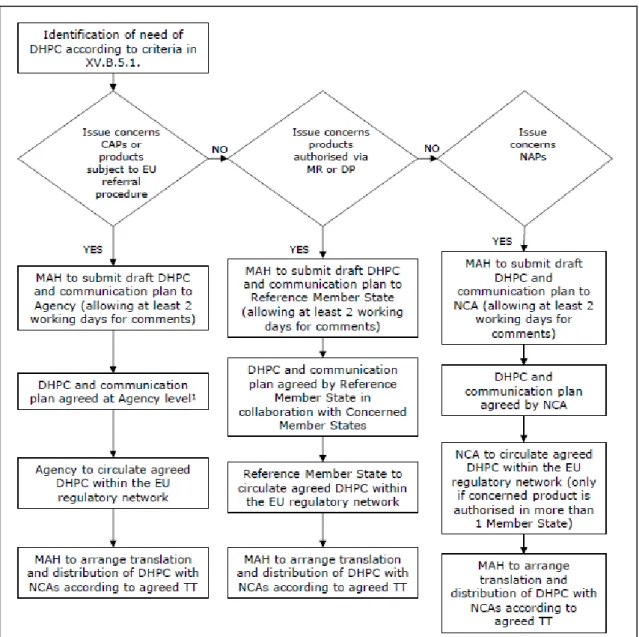
Figure 9: Flow chart for the processing DHPC in EU (68) ... 43
Index of Tables
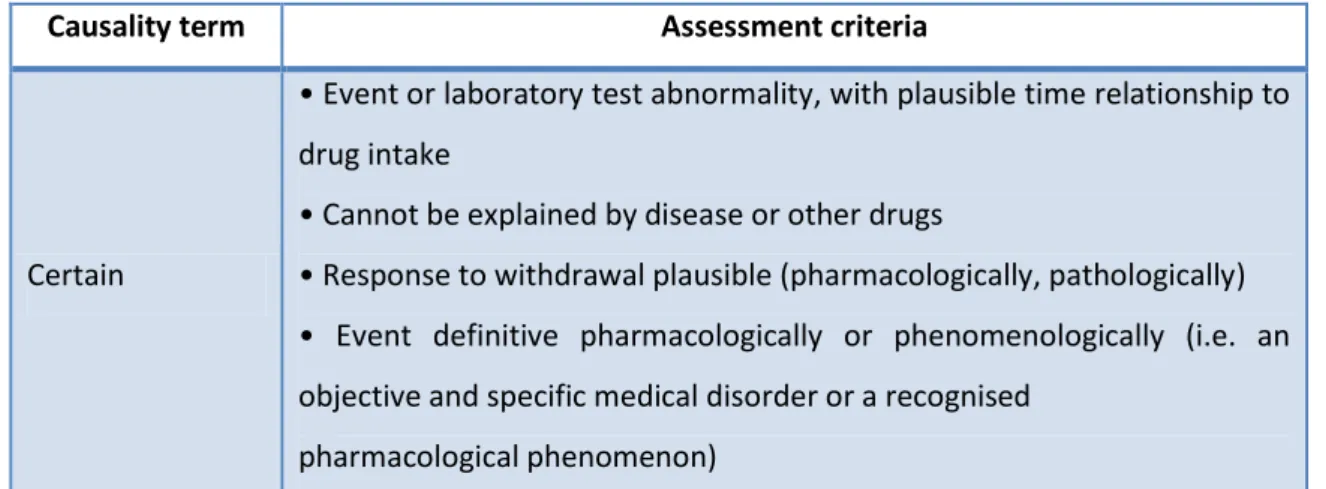
Table 1: Critical information to evaluate in each section ... 31Table 2: WHO Scale for causality assessment (60) ... 33
List of Abbreviations
ACK Acknowledgment AR Adverse Reaction
ATC Anatomical Therapeutic Chemical
CHMP Committee for Medicinal Products for Human Use
CIMI Centre of Information about Medicines and Medical Products CIOMS Council for International Organizations of Medical Sciences
CMDh Coordination Group for Mutual Recognition and Decentralized Procedures DGRM Directorate of Risk Management for Medicines
DHPC Direct Healthcare Professional Communications DIBD Development International Birth Date
DIL Directorate of Inspections and Licensing EC European Commission
EM Educational Materials EMA European Medicine Agency
EPITT European Pharmacovigilance Issue Tracking Tool EV EudraVigilance
EVCTM EudraVigilance Clinical Trial Module
EVDAS EudraVigilance Data Warehouse and Analysis System EVPM EudraVigilance Post-Authorisation Module
FDA Food and Drug Administration GVP Good Pharmacovigilance Practices HCP Health Care Professionals
ICH
International Conference on Harmonisation of Technical Requirements for Registration of Pharmaceuticals for Human Use
ICSR Individual Case Safety Report IME list Important Medical Event List
MAA Marketing Authorization Application MAH Marketing Authorization Holders
MedDRA Medical Dictionary for Regulatory Activities MS Member State
NCA National Competent Authorities NPS National Pharmacovigilance System NUI Non-Urgent Information
PAES Post-Authorization Efficacy Studies PASS Post-Authorization Safety Studies PL Package Leaflet
PRAC Pharmacovigilance Risk Assessment Committee PSMF Pharmacovigilance System Master File
QPPV Qualified Person for Pharmacovigilance RA Rapid Alert
RMP Risk Management Plan
SmPC Summary of Product Characteristics SOC System Organ Classes
SUSAR Suspected Unexpected Serious Adverse Reactions UMC Uppsala Monitoring Centre
WHO World Health Organization
WWID Worldwide Unique Case Identification Number XML Extensible Mark-up Language
1
1 Introduction
Medicines undergo extensive studies before marketing approval to ensure safety, efficacy and quality. However because the clinical trials conducted before marketing approval are short term and only involves a restrict population, the safety information obtained is incomplete, and therefore medicines need to be under continuous monitoring to obtain more information about the effects on real conditions (1, 2).
Pharmacovigilance is a science that includes the detection, collection and management of adverse reactions, implementation of measures to minimize risk and communication with the stakeholders and general public. These activities aim to prevent adverse reactions and medicine-related problems and promote the safe and effective use of medicines (1-3).
The pharmacovigilance activities started in the 60’ after the great disaster of thalidomide. However, In Portugal regular pharmacovigilance activities only begin in 1992, with the creation of the National Pharmacovigilance System (NPS) with the objective of collect, process and evaluate adverse drug reaction to reduce their burden. INFARMED, I.P. constitute the centre of the NPS and is the coordinator of the pharmacovigilance activities in Portugal (4).
This document is a description of the activities developed during my curricular internship at INFARMED, I.P. in the Directorate of Risk Management for Medicines (DGRM). This internship was performed to obtain the master degree in Pharmaceutical Medicine and to put into practice the knowledge and skills obtained during my academic experience. I will describe in this report, the historic perspective of pharmacovigilance, an overview of the burden of adverse reaction in our society and the current legislation applicable in pharmacovigilance. I will also give an overview of the partners involved in pharmacovigilance, including the host institute INFARMED, I.P. Then I will describe the activities performed at DGRM and the activities that I participated in. To finalize this report I will discuss the difficulties felt during the internship and the accomplishment of my defined learning outcomes.
2
1.1 Historic perspective of Pharmacovigilance
The concept of the hazard associated with medicines is known for a long time. Since the Hammurabi code (≈ 2200 a.C.) which predicted punishment for the doctor who caused harm to a patient. The Hippocrates Oath (460-370 a.C.) brought the concept of “primum non nocere” trying to alert for the harm associated with medical practices and also Paracelsus (1634) gave a very important perspective in the area of medicine hazard when he said that the difference between the positive effect and the poison is the dose (4, 5).
In the following years, the concept of medicine hazard and prevention was kept in mind and some related activities were carried out. For example, the emperor Frederick II demanded for inspections to the medicines used and enforced punishment in case of any harm caused by the potions and elixir used. In the XVII century, the University of Paris demanded for the withdrawal of medicines containing antimony due its toxicity (4, 6).
In 1848 the use of chloroform as anaesthetic concluded in death of many people. Chloroform was introduced in the market a few years before, and was thought to be better than ether due to less adverse reactions. However, the drug caused many deaths due ventricular fibrillation. The safety of the anaesthetic was questioned and was published articles in The Lancet, constituting a primitive form of reporting adverse reactions (7).
In 1906, due the global expansion and economic increase caused by the industrial revolution, the developed countries were facing a massive production of foods and medicines without any hygiene or safety rules. This situation was criticised by Sinclair Lewis who published articles about the negligent production of meat in the Chicago butchers. Therefore in the same year in the United States (US) was approved and published a legislation which forbid the manufacture and sale of adulterated food products or drugs – the Pure Food and Drug Act (4, 8).
In 1937 the commercialization of the Elixir Sulphanilamide caused several deaths in US. Sulphanilamide was already used in powder and tablet form. However the company wanted to produce the medicine in elixir, therefore they mix sulphanilamide with diethylene glycol and tested the flavour, appearance and fragrance with positive results. This new formulation was not tested for safety and was shipped to the entire country. The doctors noticed several deaths in the patients receiving the Elixir and notified American Medical Association who requested the substance for more studies and found that diethylene glycol was a toxic substance. The Food and Drug Administration (FDA) were also notified and started the process for retrieving the drug (9).
3
To prevent this situation the FDA required that every medicine placed in market should be safe under normal conditions of use, demanding for toxicity studies in the nonclinical phase (4).
The story of modern pharmacovigilance starts with the disaster of thalidomide in 1961-62. Thalidomide was first approved in 1957 in Germany as a safe and effective hypnotic and anti-emetic drug to treat morning sickness and nausea during pregnancy (10). In the following years the drug was approved in Europe, Canada and others countries. The drug was not licensed in US because Frances Kelsey found the data on safety inconclusive and insufficient, and demanded for more nonclinical studies (10, 11).
In Europe a large number of children were born with a severe and rare congenital defect, known as phocomelia. The defect was characterized by the absence of limbs. Phocomelia is a rare defect and was occurring frequently, originating various theories to explain the cause of such abnormality (12).
The association of thalidomide with the congenital defects was found by two different clinicians. The paediatrician Widukind Lenz noticed the increase of births with phocomelia in Germany and did a case-control study verifying that the mothers of the children with phocomelia took thalidomide during pregnancy (12, 13). The results were presented at a paediatric conference(14). In the same year, in Australia, the obstetrician William McBride also noticed the increase of birth with defects and was able to associate it with the use of thalidomide during pregnancy. In the same year he published an article in The Lancet describing the tragedy of thalidomide (12, 15).
However the complete retrieve of Thalidomide from the market was difficult, the drug was withdrawn in Australia and Germany, but because it was commercialized in several countries and under different trade name and the pharmacovigilance tools for collaboration and retrieval from the market were not in place, the drug was still in the market (12). The drug caused more than 10.000 children born phocomelia in 46 countries (10).
The disaster of thalidomide changed the regulatory framework worldwide. The authorities became more rigorous in the approval process, demanded for teratogenicity tests before market and for post-marketing surveillance (10).
In 1962 started the actions to prevent the disaster of thalidomide in the US and was published the 1962 Amendments to the Federal Food, Drug and Cosmetic (FD&C) Act, commonly known by the Kefauver-Harris Amendments. This Amendment changed the medicine field in US, giving to the
4
FDA the power to require for prove of effectiveness and safety of the drug before entering the marketing and demanding for the report of serious adverse reaction (11).
In Europe only is 1965 was created a similar legislation, Council Directive 65/65/EEC of 26 January 1965, which determined that only medicines proved to be safe are approved (16).
The idea of a system for rapid dissemination of safety information was reinforced and led to the creation of World Health Organization (WHO) Pilot Research Project for International Drug Monitoring in 1968 with the purpose of detecting adverse reactions to medicines. In the following years the pharmacovigilance gained life and the Member States started to develop systems to collect and evaluate adverse reactions (17).
The history of pharmacovigilance system in Portugal begins after Portugal joins the Economic European Community in 1986. From then the conditions for the development of pharmacovigilance was being created and in 1991 was published the decree-law nº 72/91 which preview the communication of adverse reactions to drugs and only in 1992 was officially created the NPS (16).
1.2 The burden of adverse reactions and the reports
Adverse reaction (AR) to medicines represents a great burden to society and economy and has a direct impact in the morbidity and mortality (18, 19). In US, the management of AR costs 30.1 billion dollars annually. This cost is mostly due hospitalization, prolongation hospitalization and emergency visits (18). In Europe it is estimated that AR is responsible for around 197.000 deaths per year and costs society 79 billion Euros (20).
Studies have shown AR is the cause of 5-6.5% of the hospital admissions (21, 22) and about 4.3% of the AR leading to hospitalization are preventable (22). Most of the preventable AR is caused by drugs as antiplatelets (including aspirin when used as an antiplatelet), diuretics and Nonsteroidal anti-inflammatory drugs (22). Most of the adverse reactions are type A reaction (AR due the augmented effect of the drug) and drug interactions account for 16.6% of the adverse reactions(21).
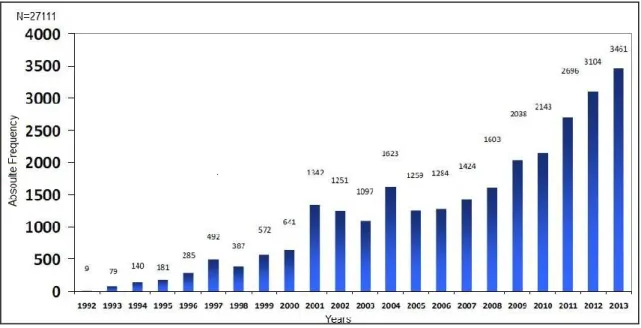
Since the implementation of NPS the numbers of AR notified is increasing. The Figure 1 shows the number of adverse reactions reports received in the system since its creation until 2013 (23).
5 Figure 1: Adverse Reaction reports received in the NPS (Adapted from www.infarmed.pt)(23)
The number of notification per healthcare professional is variable. The Figure 2 shows that until 2005 the physicians were responsible for most of the notifications received in the system. However in the following years the pharmaceutical companies are notifying significantly more, followed in the last years (2009, 2011 and 2012) by the pharmacists. In 2012 the patients became an active part of the pharmacovigilance activities; however the number of notification is low, compared with the other reporters, despite of the increase of the notifications received in 2013 relatively to the previous year (24).
6
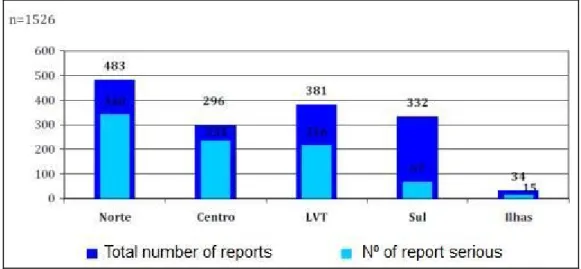
In the last year (2013), was received in the NPS 3461 reports, wherein 1461 were from healthcare professionals, 65 from the patients and 1935 from the pharmaceutical industry. The indirect way (reports by the industry) represents 56% of the reports and the direct way (directly from the healthcare professionals and patients to the system) represents 44%. Concerning the geographic region (Figure 3), the North reported more during the year, followed by Lisbon and Tagus Valley, South, Centre and the islands. Most of the notifications received by the direct way correspond to serious cases, except from the South region which only 20% of the notifications are serious (25).
Figure 3: Absolute frequency of reports received by region (Adapted from Infarmed report)(25)
In 2013, the great majority of reports were from the physician, corresponding to 47% of the total, followed by the pharmacists with 35%, the nurses with 14%, the other healthcare professionals with 1%. The patients reported 3% of the reports received which correspond to an increase of 2% from 2012 (25).
From the total of notifications received, after the elimination of duplicates, 3075 correspond to adverse reaction case. Most of the cases received in the system refer to serious adverse reaction cases, which correspond to 78% of the cases. This number is affected by the reports from industry which only reports serious Individual Case Safety Report (ICSR), except from special circumstances of non-serious reports (25).
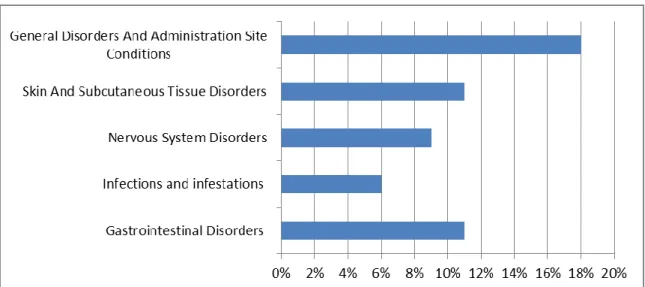
Considering the classifications of AR cases received by System Organ Classes (SOCs), we can verify the 5 more representatives AR classified by SOC (Figure 4) Most of the AR correspond to general perturbations and alterations in the administration local (25). Considering the cases received according to Anatomical Therapeutic Chemical (ATC) classification of the medicines, we can observe that corresponds to the SOC affected by the drugs. Therefore, we observe that the
7
vaccines corresponds to the great majority with 12% the same as the Antineoplastic Agents (Figure 5) (25).
Figure 4: Relative Frequency of the most representative AR cases received in 2013 by SOC(25)
Figure 5: Relative Frequency of the most representative ATC of the AR cases received (25)
The IINFARMED’s report for the 1st trimester of 2014 demonstrates a tendency for increase of the total number of notifications. The number of reports received during this period is 1097, which represents an increase of 19% relatively to the same period of the last year. The most representative drugs that caused AR (by ATC) are similar, but the relative frequency is slightly increased. (25, 26)
At the global level, the number of ICSR received in the WHO global Individual Case Safety Report database (VigiBase)is also increasing rapidly in the past 5 years. This year the database reached 9
8
million ICSR (Figure 6). The developed countries are responsible for the report of the great majority of cases. Around 1,300,000 of the notifications are from patients (27).
Figure 6: Number of ICSR received in the VigiBase (Adapted from UMC report 66) (27)
1.3 Pharmacovigilance legislation
The pharmacovigilance activities are now regulated by the legislation approved in 2010. This new legislation is in practice since July 2012 and implemented major changes in the pharmacovigilance area. This new legislation aims to rationalize the pharmacovigilance activities and increase patient safety, while increasing the transparency (28). The legislation is applicable to Marketing Authorization Holders (MAH), European Medicine Agency (EMA) National Competent Authorities (NCA).
The applicable legislation in pharmacovigilance includes the:
Regulation (EU) No 1235/2010 of 15th December;
Directive 2010/84/EU of 15th December;
This legislation is accompanied by the legally binding act that provides details on the operational aspects - Commission Implementing Regulation (EU) No 520/2012.
The legislation is applicable in 4 different areas: the collection of information, the analysis and understanding of information, the regulatory actions to protect the public health and the communication with stakeholders (29).
9
With the new legislation, the definition of adverse reaction was enlarged to include the use of medicine outside the terms of marketing authorization, therefore including off-label use, overdose, misuse, medication error, abuse and occupational exposure. Adverse reactions is now defined as any response to a medicinal product which is noxious and unintended (30).
The patients play a direct role in pharmacovigilance by gaining the right to report adverse drug reactions (ADR) directly to the system (30). Another important change is the creation of a new committee in EMA - Pharmacovigilance Risk Assessment Committee (PRAC) responsible for evaluation of safety information and issue recommendations.
The Post-Authorization Safety Studies (PASS) and the Post-Authorization Efficacy Studies (PAES) have now a legal basis and can be requested to monitor the benefit-risk balance of medicinal products (29). The PASS has a new definition, format and protocol and must be approved by the PRAC. PASS is therefore defined as a study conducted with an authorized medicine to assess, identify and characterize the safety hazard, confirm the safety profile or measure the effectiveness of risk minimization measures (30).
The legislation required the MAH to maintain a pharmacovigilance system master file (PSMF) for submission or inspection by the authorities. The document must contain the safety information of the medicinal product. Along with the PSMF the MAH must indicate the qualified person for pharmacovigilance (QPPV) who is continuously responsible for the pharmacovigilance. The QPPV must be qualified and trained to execute pharmacovigilance activities, reside in EU and be contactable.
This legislation introduced the concept of additional monitoring. The medicines under additional monitoring have a black inverted triangle in the package leaflet (PL) and in the summary of product characteristics (SmPC). This black triangle indicates that the medicine is being monitored more closely than the others, usually because there is less information available. The additional monitoring applies to biologics, medicine derived from plasma, medicines approved after 2011 and medicines approved under exceptional circumstances (31). This black triangle has the purpose of increase the transparency with the healthcare professionals and consumers.
The Periodic Safety Update Report (PSUR) has an approach more proportionate to the risk of the medicine. Therefore medical products considered with lower risk, as generics, homeopathic drugs, traditional herbal and well-established use medicinal product are exempted from submit the PSUR. The PSUR is more focused on discuss the benefit-risk profile than only the risks. The
10
dates from PSUR submission are more harmonized and are specified in the EMA’s European Union Reference Date list (32).
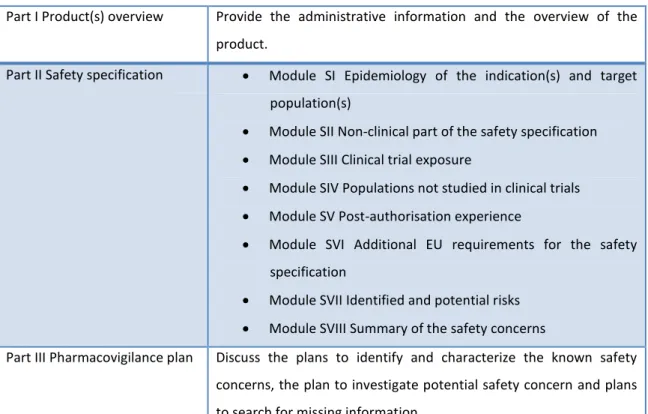
The Risk Management Plan (RMP) became mandatory for all the marketing authorization process and should describe in detail the risk management system. The structure of the RMP is new, is composed by 7 parts, divided into modules. To increase the transparence and to inform the public about relevant safety information about medicines, the summaries of the RMP are now available to public. EMA issued the first RMP summary to public concerning a newly authorized medicine. The summary describes the safety information known and unknown and the measures taken to prevent or minimize the risks. During 2014, EMA will publish the summaries for all the newly centrally authorized medicines and in a posterior phase will be published the summaries of the previously authorized medicines (33).
To support the new legislation of pharmacovigilance was developed a set of guidance which replaces the Volume 9A of the Rules Governing Medicinal Products in the EU - the Guidelines on Good Pharmacovigilance Practices (GVP). The GVP applies to all medicines approved in EU and applies to MAH, NCA and EMA. The GVP is constituted by 16 modules, each one covering a major pharmacovigilance processes (28).
The GVP has the following modules:
Module I – Pharmacovigilance systems and their quality systems Module II – Pharmacovigilance system master file
Module III – Pharmacovigilance inspections Module IV – Pharmacovigilance audits Module V – Risk management systems
Module VI – Management and reporting of adverse reactions to medicinal products Modules VII – Periodic safety update report
Module VIII – Post-authorisation safety studies
Module VIII addendum I – Member States' requirements for transmission of information on non-interventional post-authorisation safety studies
Module IX – Signal management Module X – Additional monitoring
11
Module XII –Continuous pharmacovigilance, ongoing benefit-risk evaluation, regulatory action and planning of public communication (Not released yet)
Module XIV – International cooperation (Not released yet) Module XV – Safety communication
Module XVI – Risk minimisation measures - Selection of tools and effectiveness indicators. The pharmacovigilance regulation is applicable in all member states (MS). However the Directive must be transposed to the national legislation. In Portugal the Directive was transposed into the Decree-Law 20/2013 of 14 February 2013.
In October 2012, the new legislation was amended to increase patient protection by allowing prompt notification and assessment of safety issues. Therefore, was created the regulation N 1027/2012 and the Directive 2012/26/EU, applicable since 2013.
The Directive 2012/26/EU was transposed into the national legislation by the Decree-law 128/2013 of 5 September 2013, amending the previous Decree-law (34).
The Directive 2011/62/EU of 8th June 2011 amends the Directive 2001/83/EC with regard of the
falsified medicines. The Directive aims to prevent the introduction of falsified medicinal products into the legal chain (35) .
12
2 Internship Objectives
My objectives for this curricular internship are:
General outcomes:
Gain professional experience in the pharmacovigilance field.
Consolidate the knowledge acquired during my academic experience.
Specific outcomes:
Understand the pharmacovigilance procedures through the Competent Authority point of view.
Comprehend the pharmacovigilance legislation and GVP in practical context.
Understand the connection between the Agency and National Competent Authorities. Be autonomous and efficient in processing, analysis and validation of ICSRs.
Understand the structure of the PSUR and RMP and their importance in the pharmacovigilance.
Comprehend the importance and be able to validate tools to minimize the risk associated to medicines.
Increase my skills to manage time and work.
13
3 Host entity – Autoridade Nacional do Medicamento e Produtos de
Saúde, I. P
INFARMED - Autoridade Nacional do Medicamento e Produtos de Saúde, I. P. (National Authority of Medicines and Health Products, I.P.) is a public institute under the aegis of the Ministry of Health, with administrative and financial autonomy and with its own patrimony. Infarmed is responsible to regulate and supervise medicines of human use, medical devices, cosmetics and products for personal hygiene, according with the most elevated standards. The main goal is to protect public health and assure the healthcare professionals and patients have access to medicines, medical devices, cosmetics and products for personal hygiene safe, effective and with quality. (36)
The attributions of Infarmed are (36):
Contribute to definition and execution of health politics of human medicines, medical devices, cosmetics and products for personal hygiene.
Regulate, evaluate, authorize, supervise, assure surveillance and control of the investigation, production, distribution, commercialization and use of medicines, medical devices, cosmetics and products for personal hygiene.
Ensure the compliance with the standards applicable to authorization of clinical trials and monitor the compliance with the good clinical practices.
Ensure the quality, safety, efficacy and cost-effectiveness of medicines for human use, medical devices, cosmetics and personal hygiene products.
Monitor the consume and use of medicines.
Promote the access to information necessary for the rational use of medicines, medical devices, cosmetics and products for personal hygiene.
Promote and support investigation related to science, pharmaceutical technology, biotechnology, pharmacology, pharmacoeconomy and pharmacoepidemiology.
Ensure the participation and integration in the European network related with the evaluation, supervision of human medicines, including the articulation with the European Medicine Agency, European Commission (EC) other European institutions
Assure the adequate integration and participation in the ambit of the network of medicines for human use and health products of EU and the network of official laboratories of quality evidence of medicines of Europe.
14
Ensure the international obligation of Portugal particularly within the European Union and within the European Council especially in the European Pharmacopoeia Commission and in United Nations, in the area of control of narcotics and psychotropics.
Develop activities of national and international cooperation.
Infarmed assures the representation and participation of Portugal in the European System of Medicines in the activities of evaluation and supervision in the committees of EMA, EC and the European Network of Medicines and Health Products Authorities. Infarmed activities articulates with EU using Telematics Network, these activities include the system of alert and rapid exchange of information on quality and safety, the EudraVigilance and the management of mutual recognition procedures for medicines authorisation, clinical trials and EuroPHARM (database for medicinal products authorised in the EU). Infarmed articulates with WHO medicines monitoring system through the Uppsala Monitoring Centre. The institute also cooperate with Portuguese speaking countries like Brazil, Cape Verde, Mozambique and Angola and Macao (37).
15 Figure 7: Organogram of INFARMED, I.P.
16
3.1 Directorate of the Risk Management of Medicines
DGRM is the directorate responsible for the pharmacovigilance activities. The mission of DGRM is to guard and protect public health by managing the risk associated with the medicine authorized in the Portuguese market. DGRM works to identify and evaluate medicines risks, implement measures to minimize risk and communicate with healthcare professionals, patients and general public. And it is also responsible for the coordination of National Pharmacovigilance System (38).
The functions of DGRM are (39, 40):
Manage the pharmacovigilance alert system of EU and ensure the participation in the monitoring program of WHO.
Ensure the monitoring of medicine safety by monitoring the PSUR and the RMP.
Promote epidemiologic studies and collaborate with international institutes on epidemiologic studies.
Collaborate with the medicine committee in terms of pharmacovigilance. Implement safety measures and elaborate benefit-risk reports.
Represent Infarmed on pharmacovigilance responsibilities.
DGRM works in the collection, evaluation and communication of AR to drugs and elaborate causality assessment for the reports received. The Directorate assures that the safety concerns with medicines are promptly identified and resolved (40).
The DRGM is divided in three working groups, the safety monitoring, risk minimisation and the signal management. The safety monitoring is responsible for the collection and analysis of adverse reaction reports received from MAH, healthcare professionals and patients. The risk minimization team is responsible for the implementation of safety measures. The signal management team is responsible to perform the identification and management of safety signals.
3.2 The Quality system
The Infarmed quality system is based on the norm NP EN ISO 9001: 2008. Quality is a responsibility shared between all the collaborators along with the quality manager. The Quality System of Infarmed aims to satisfy the stakeholders while continuously improve (41).
The Quality Management System is composed by a Quality Manual, Process Record, General Procedures, Quality and Operations procedures and the Working instructions and Models (41).
17
The certified procedures of Infarmed are audited periodically and the system is revised every year (41). DGRM has two certified procedures, one concerning the safety monitoring of medicines for human use, including the signal management and the other related with the implementation of risk minimization measures (41).
18
4 National Pharmacovigilance System
In 1991 the Decree-law 72/91 which transposes the European Directive, states that the MAH and the healthcare professionals should notify to Direção-Geral de Assuntos Farmacêuticos (DGAF) the adverse reactions to medicines that they became aware (4).
Only in 1992 the legislative order 107/92 officially created the NPS with the objective of study and analyse adverse reactions to medicine. Later in 1993 was created the National Institute of Pharmacy and Medicine (INFARMED) and in consequence the DGAF was extinct (4).
However, the healthcare professionals’ reports were very low maybe because of the unawareness of the system or lack of motivation, this fact conducted to the decentralization of the system which permitted a better divulgation and allowed the healthcare professionals to be more included and motivated to report (16).
In 2000 the system was decentralized with the creation of 4 regional centres in partnership with universities: North, Centre, South and Azores (extinct). These centres aimed to promote the pharmacovigilance activities, involving the universities, and being more closely to the healthcare professionals. In 2003, the system was re-organized and the unit of south was restricted to the south region and was included the regional centre of Lisbon and Tagus Valley (4). The pharmacovigilance units have technical and administrative autonomy and are responsible for the reception, classification, processing and validation of ICSR and to elaborate the causality assessment report for the ICSR. The Units are also responsible for promoting the system and the spontaneous report in their geographic region (16)
Infarmed is responsible for coordinate and audit the system periodically. Infarmed is also responsible to promote the notification of adverse drug reaction by the healthcare professionals and patients; create and promote electronic means to facilitate the notifications; publish in the website institutional information concerning the safety of medicines (42).
The healthcare professionals are responsible to communicate to Infarmed or the regional centres, as soon as possible, adverse reactions, suspected serious adverse reaction and the unexpected adverse reactions that they become aware (42). The MAH should report to DGRM all the serious adverse reactions cases occurred in Portugal, reported from patients or healthcare professionals (or from literature). The patients can report serious and non-serious adverse drug reactions to MAH, regional units or directly to DGRM.
19
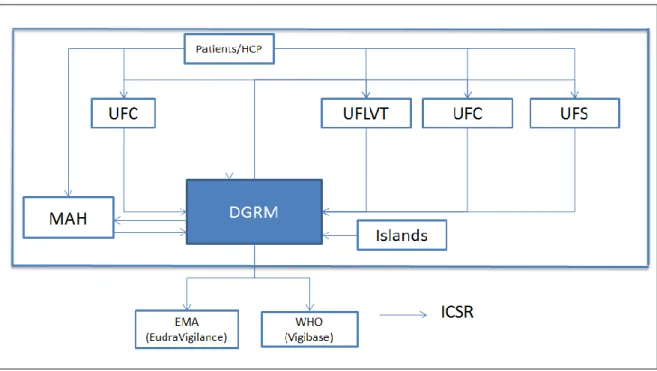
The intervenient of the system and their interaction are represented in Figure 8. The MAH reports to DGRM all serious ICSR they became aware. DGRM is responsible to report all serious cases to EudraVigilance and periodically to VigiBase. DGRM is also responsible to send the cases received directly from HCP and patients to the respective MAH (DGRM sends the serious and non-serious cases).
Once EudraVigilance database is completely functional the MAH will be responsible for reporting all serious ICSR occurred within and outside EU directly to EudraVigilance and the MAH will also report the non-serious ICSR occurred in EU to EudraVigilance. Competent Authorities (including Infarmed) will submit to EudraVigilance all the serious and non-serious ICSR reported to them, occurred in the national territory.
The national Pharmacovigilance System is therefore composed by the DRGM, the 4 Regional Unit of Pharmacovigilance (4), the MAH, healthcare professionals and more recently the patients.
Figure 8: The interaction between the intervenient within the NPS and with EMA and WHO
The NPS is responsible for the activities related to monitoring and preventing adverse reactions to medicines (42):
Systematic collection of the information related with the risk of medicines for patients and public health, especially in what regards to ADRs.
Evaluation of the information related to the risks associated with medicines.
20
Adoption of necessary regulatory measures related to marketing authorization.
Handling and processing of the safety information following the national and the European regulation and communicating with the member states.
21
5 Entities involved in Pharmacovigilance activities
The pharmacovigilance activities involve various partners to facilitate the exchange of information about adverse drug reaction (ADR) and to permit rapid actions to minimize the risks and prevent adverse reactions. In this chapter I will describe the international entities involved in Pharmacovigilance that articulates with Infarmed specially EMA and the committees and the database for collection of reports.
5.1 European Medicines Agency
European Medicines Agency (EMA) is a decentralized agency created in 1995, responsible for the scientific evaluation of medicines for use in the European Union (43). The main goal of the Agency is to promote public and animal health by supervising and evaluating medicines for animal and human use (44).
The general functions of the Agency are (45):
Provide recommendations on the quality, safety and efficacy of medicines, and others issues relevant to public and animal health that involve medicines in accordance with the EU legislation.
Evaluate procedures to help bring new medicines to the market by means of a single, EU-wide marketing authorisation granted by the EC.
Implement measures for continuously supervising the quality, safety and efficacy of authorised medicines to ensure that their benefits outweigh their risks.
Stimulate the development of new and innovative medicines and provide scientific advice in the development process.
Recommend safe limits for residues of veterinary medicines used in food-producing animals.
Work with the patients, healthcare professionals and other stakeholders to solve commons issues.
Publish impartial and comprehensible information about medicines and their use (45). EMA works throughout the entire process of the development, market approval and post-marketing surveillance of the medicines and is responsible for the scientific evaluation of applications for marketing authorization for medicines in the centralised procedure.
22
The post marketing activities include pharmacovigilance activities, to constantly monitor the safety of medicines and take actions in case of alterations in the benefit-risk balance of a medicine.
The pharmacovigilance activities taken by the Agency are (44):
Provide support on pharmacovigilance activities for medicines authorized though centralized procedure;
Develop guidelines and setting standards;
Coordinate the monitoring of pharmaceutical companies’ compliance with pharmacovigilance obligation;
Inform the public about the safety of medicines and contribute to international cooperation activities with authorities outside EU.
The Agency is also involved in referrals procedures to resolve issues concerning safety or benefit-risk balance of a medicine. EMA is responsible for coordinate inspection in connection with the assessment of marketing-authorisation applications or referrals. The inspections may cover the good manufacturing practice, good clinical practice, good laboratory practice or pharmacovigilance (44).
5.1.1 Pharmacovigilance Risk Assessment Committee
The Pharmacovigilance Risk Assessment Committee (PRAC) is the committee responsible for the assessment and monitoring human medicines safety created with the new legislation and active since July 2012 (44). The committee is constituted by a chair and a vice-chair, one member and an alternate nominate from each MS, one member and an alternate nominated by Iceland and by Norway, six independent scientific experts nominated by the European Commission, one member and an alternate to represent the healthcare professionals and one member and one alternate representing the patients organizations (46).
PRAC is responsible for all the activities related to risk management, including the activities of detection, assessment, minimization and communication of adverse reaction. PRAC is responsible for design and evaluation of post-authorization safety studies, for emit recommendation on risk management systems, urgent Union procedures due safety reasons, periodic safety update reports single assessment, signals detection, and for pharmacovigilance audits, PRAC is also involved in the establishment and updating the list of EU Reference Dates, and the list of medicinal products requiring additional monitoring. PRAC is involved in the process for renewals,
23
annual re-assessments and safety type II variations of centralized medicines. For decentralized medicines PRAC emits an opinion on the risk management plans/systems, renewals, safety type II variations, at the request of a Member State. PRAC activities include the functionalities of the EudraVigilance database and the PSUR repository, the choice of the black symbol to identify medicines for additional monitoring and literature ADR monitoring (47, 48).
The PRAC recommendations are directed to the Committee for Medicinal Products for Human Use (CHMP) when concerning the safety of centralized medicines and referral procedures or to Coordination Group for Mutual Recognition and Decentralized Procedures – human (CMDh) concerning medicines used Member States approved by mutual recognition or decentralized procedures (46).
5.1.2 EudraVigilance
EudraVigilance (EV) is a database launched by EMA in 2001 for transmission, recording and managing electronic adverse events reports. The database was created to support signal identification activities in EU, including EU rapid-alert and incident-management system for response to new safety data. The database permits the scientific assessment of safety data carried out by the regulatory authorities and permit the pharmaceutical companies to have access to the entire safety data available about their medicines (49, 50).
The database includes an automated safety and message processing mechanism using XML-based messaging and a large reference pharmacovigilance database incorporating an extensive query and tracking and tracing capability, following the ICH specifications (50). EV contains information concerning suspected unexpected serious adverse reactions (SUSARs) reported by sponsors which are collected and managed in the EudraVigilance Clinical Trial Module (EVCTM) and the adverse reaction reports collected by national regulatory authorities and pharmaceutical companies which are saved in the EudraVigilance Post-Authorisation Module (EVPM).
The system is supported by the EudraVigilance Gateway, a data-processing network for the secure exchange of adverse reaction data and the EudraVigilance Medicinal Product Dictionary (EVMPD), implemented to allow for the coding of medicinal product information as reported in ICSRs. The analysis and signal detection activities are supported by the EudraVigilance Data Warehouse and Analysis System (EVDAS) (51).
24
5.1.3 Committee for Medicinal Products for Human Use
The Committee for Medicinal Products for Human Use (CHMP) is the committee at the European Medicines Agency that is responsible for preparing opinions on questions concerning medicines for human use (52).
CHMP is responsible for conduct initial assessment for marketing approval procedures for centralized medicines and CHMP is also responsible for post authorization activities about these medicines. The CHMP is involved on mutual-recognition and decentralized procedures by arbitrating in case of disagreement (53).
CHMP activities also includes the provision of assistance to companies researching and developing new medicines, the preparation of scientific and regulatory guidelines for the pharmaceuticals industry and cooperation with international partners on the harmonisation of regulatory requirements for medicines (53).
CHMP is responsible for publishing the summary of Summary of Product Characteristics (SmPC), labelling and package leaflet (patient/user information leaflet) for centralized medicine, and details of the procedural steps taken during the assessment process (53).
5.2 International Conference on Harmonisation of Technical
Requirements for Registration of Pharmaceuticals for Human Use
ICH is the International Conference on Harmonisation of Technical Requirements for Registration of Pharmaceuticals for Human Use created with the purpose of increasing the harmonization of technical requirements between EU, Japan and US, in order to develop and register medicinal products with high quality, safety and efficacy in a cost-effective manner (54).
The initiative was launched in 1990 and brings together the drug regulatory authorities and the pharmaceutical industry from the three ICH regions to discuss and establish common guidelines, therefore simplifying the regulatory framework and reducing duplicate work (55).
The activities of ICH have resulted in several guidelines, divided into four categories (Quality, Safety, Efficacy and Multidisciplinary) a standardized and highly specific dictionary of medical terminology to codify adverse reaction (MedDRA), facilitating the sharing of information internationally and signal detection and in the development of the Common Technical Document (CTD) which is a document to simplify the marketing authorization application (56).
25
5.3 Council for International Organizations of Medical Sciences
Council for International Organizations of Medical Sciences (CIOMS) is an international, non-governmental, non-profit organization established by WHO and United Nations Educational, Scientific and Cultural Organization (UNESCO) in 1949.
The membership of CIOMS includes 49 international, national and associate member organizations, representing many of the biomedical disciplines, national academies of sciences and medical research councils. CIOMS was created to facilitate and promote international activities in the field of biomedical sciences, to maintain collaborative relations with the United Nations and to serve the scientific interests of the international biomedical community in general (57).
CIOMS have several working group in the area of drug development and medicines use. The working groups emit recommendations about adverse reaction reporting (including the introduction of a standardized reporting form), reporting of periodic drug safety updates, core clinical safety information about medicines, evaluation of benefit/risk balance, current challenges of pharmacovigilance, management of safety information from clinical trials and development safety update report and signal detection in pharmacovigilance (58).
5.4 World Health Organization
WHO is the directing and coordinating authority for health within the United Nations system, which plays an important role in pharmacovigilance. WHO is responsible for international drug monitoring program - the Uppsala Monitoring Centre (UMC). The activities developed by the monitoring program includes the identification and analysis of new AR signals from the ICSR submitted by the national authorities members, exchange of information between WHO, UMC and the national centres, publications of periodical newsletters, guidelines and pharmacovigilance books (59).
UMC developed and maintains the VigiBase – a global database to keep record of ICSR sent by national authorities. VigiBase is the largest and most comprehensive database of adverse reaction. The main purpose of VigiBase is to provide the evidence from which potential medicine safety hazards may be detected (60).
26
6 On the job training
6.1 Initial training
In the first two weeks at DGRM I had an initial training with the collaborators of DGRM. The training purpose was mostly to introduce me to the activities of DGRM and give me insights of pharmacovigilance and risk management. The training included the following topics:
Presentation of DGRM and its functions and the articulation with EMA, European Commission
and WHO. The training also included the functions of EMA. This initial training was given by the director of DGRM.
Quality Management System of Infarmed was explained by the quality manager. The training
included an explanation about the processes and procedures of DGRM and the importance of consulting the processes, work instructions and models applicable to each activity. It was also explained the concept of nonconformity which is originated when the quality process is not complied. Nonconformities should be registered and justified.
ADR reception from healthcare professionals and patients and the Portal RAM: in this topic I
learned about the concepts of NPS, CIOMS, ICH, causality assessment and differences between the reports received from MAH and patients. I learned about the Portal RAM, a website created to permit online reporting from healthcare professionals and patients.
SVIG and EudraVigilance are two important tools to receive and transmit ICSR (using XML file).
National Database of Pharmacovigilance (SVIG) is the database for AR cases of Infarmed and it contains all cases received by the healthcare professionals, patients and MAH. EudraVigilance is the European database which contains cases received from NCA from Europe.
Reception and analysis of ADR from MAH: I learned about how MAH and DRGM exchange ICSR. Signal Management and ADR search: I learned about the process of identifying possible risks and
search for possible signals.
PSUR and Worksharing: This topic was to explain about the PSUR format and the European
worksharing to facilitate and reduce duplication of work in the evaluation of PSUR.
Educational Materials: The educational materials aim to elucidate the healthcare professionals
27
mitigated. In the training about educational materials I learned how the educational materials are evaluated at DGRM.
Direct Healthcare Professional Communication, informative circulars, PRAC, Non-Urgent Information/Rapid Alert and European Pharmacovigilance Issue Tracking Tool (EPITT): I learned
about how these communications are made and how it’s published in the Infarmed’s website. It was explained the important tools to identity important risks concerning marketed medicines in EU.
6.2 Safety monitoring
An adverse reaction is a response to a medicinal product which is noxious and unintended and has a reasonable possibility of causal relationship between the drug and the event. Adverse reactions definition includes the use of medicine in the marketing authorization terms, but also overdose, off-label use, misuse, abuse, medication errors and occupational use (61).
Overdose: when the medicine is administered above the maximum dose recommend in the product authorised information (61).
Off-label use: when the medicine is used intentionally with a different medical purpose from the described in the authorised product information (61).
Misuse: when the medicine is intentionally and inappropriately used not in accordance with authorised product information (61).
Medication error: any unintentional error in the prescribing, dispensing, or administration of a medicinal product while in the control of the healthcare professional or consumer(61).
Abuse: when a medicine is used sporadic or persistently in an intentional excessive dose with harmful physical or psychological effects (61).
Occupational exposure: refers to the exposure to a medicinal product in the professional or non-professional occupation (61).
The adverse reaction definition implies a minimum of causality association with the drug, the contrary of an adverse event. However, for regulatory reporting purposes all spontaneous reports notified by healthcare professionals or patients is considered an adverse reaction since the primary source has suspected of a causal relationship, unless the contrary is specifically stated. The person who reports the adverse reaction is considered the primary source either is a healthcare professional or a patient or consumer (61).
28
AR can be classified as serious or non-serious. Serious adverse reaction corresponds to an AR that results in death, is life-threatening, requires inpatient hospitalisation or prolongation of existing hospitalisation, results in persistent or significant disability or incapacity, or results in a congenital anomaly/birth defect. Adverse event which may jeopardise the patient or may require an intervention to prevent one of the above characteristics/consequences are considered serious. To facilitate the classification of adverse events was created an important medical event (IME) terms list, in which are listed the adverse events considered serious (61).
An Individual Case Safety Report (ICSR) valid for reporting should include the four minimum criteria:
At least one identifiable reporter; One single identifiable patient; At least one suspect adverse reaction; At least one suspect medicinal product.
The primary source can be characterized by qualification, name, initials or address, the contacts details should be recorded for follow-up activities whenever possible. However if the reporter doesn’t wish to provide contacts details the case is still valid. The patient should be identified by the initials, date of birth, age, age group or gender. The suspect adverse reaction should be described using the terms in the MedDRA to facilitate understanding and signal detection (61).
In case of lack of any of these information, the case is not valid for report and the receiver should make efforts to obtain the missing data, if it is not possible to complete the case it does not qualify for reporting, but can be saved in the database (61).
Adverse reaction cases should be as complete as possible, particularly those concerning pregnancy, death of the patient or reports containing new risks or changes in the known to permit the scientific evaluation (61).
Special situations reports:
Pregnancy: in case of exposure of the embryo or foetus to the medicinal product should be made
efforts to obtain information on the outcome and development of the child. These reports should be more complete as possible to assess the causal relationship. Cases with abnormal outcomes for example congenital anomalies, problems in development or foetus death should be considered serious and reported within 15 days. Cases with normal outcome or induced
29
termination of pregnancy should not be reported, however should be collected and discussed in PSURs. In case of medicines which are contraindicated in pregnancy should be followed an expedited reporting (61).
Breastfeeding: Suspected AR which occurs in infants following exposure to a medicinal product
from breast milk should be reported (61).
Use in paediatric or elderly population: the safety information about the medicine use in
paediatric and elderly should be recorded, once this population is not included in clinical trials, and there’s lack of information. Therefore the cases reported should contain the age or age group to identify potential signals (61).
Reports of overdose, abuse, off-label use, misuse, medication errors or occupational exposure:
in case of no adverse report associated with these situations should not be reported as ICSRs, however they should be considered in the PSUR as applicable. In case of adverse event associated should be reported according to the seriousness criteria. The terms overdose, abuse, off-label use, misuse, medication errors or occupational exposure should be reported using the closest MedDRA terms available (61).
Lack of therapeutic efficacy: these ICSR does not qualify for reporting unless in situations where
the medicines is used in critical conditions or in life-threatening diseases, vaccines and contraceptives where should be reported in 15 days (61).
The special cases when the medicine is used in pregnancy or during breastfeeding, the ICSR should be elaborated according with the indications on GVP VI accordingly with the criteria described:
If the foetus or infant experiences adverse reaction due to drug exposure in uterus or from breast-milk should be created a case to the child/foetus and the information relatively to the parent is filled in the section concerning the parent.
If the parent and the child/foetus experience adverse reaction should be created two separated ICSR and they should be identified as related cases.
If the parent experience adverse reaction (or miscarriage or spontaneous abortion), but the child/foetus does not experience any adverse reaction is created one case relatively to the parent.
30
The ICSR received from MAH, patients and healthcare professionals are saved in the database - SVIG. The database is also used to transmit case using XML to EudraVigilance and MAH that have electronic transmission system in place.
6.2.1 Adverse reaction reported from MAH
My first experience on the job was in the team responsible for the analyses and validation of adverse reaction received from MAH.
MAH mostly reports by electronic transmission (XML) as stated in the legislation. The cases should be completed following the ICH guideline E2B:Data Elements for transmission of individual case safety reports. However some MAH don’t have electronic transmission and report using the CIOMS I format by letter, fax or email and the cases are introduced in the SVIG manually at DGRM.
MAH are responsible to collect every adverse reaction with the active substance under its responsibility, including the ICSR reported by healthcare professionals, patients and those in the medical/scientific literature. MAH only reports to DGRM the ICSR considered serious and the non-serious cases that have the expediting report condition. The cases should be reported to DGRM within 15 days. Each case has its own identification number (WWID) which identifies the case even after the case has received follow-up information.
Once the case is reported, it should be accepted in the database by a technician, who is responsible for verify the minimum criteria and send the acknowledgment (ACK) to MAH. The ACK should be sent in two days:
ACK 01- valid message ACK 02- non-valid message
ACK 03 - the message itself is not correctly formatted
After the reception of the case it is performed the duplicate search to verify any duplicate cases (same ISCR sent by different reporters) in the SVIG. Then is verified the priority of the case. priority cases includes the cases that results in dead, hospitalization or is life-threatening. High-priority cases requires for a pharmaceutical and causality assessment more urgent.
The pharmaceutical assessment includes the quality assessment and consists in verifying the different section in SVIG. Usually the MAH doesn’t have all the information to fill the entire sections of an ICSR of the database, however some information are important to permit the
31
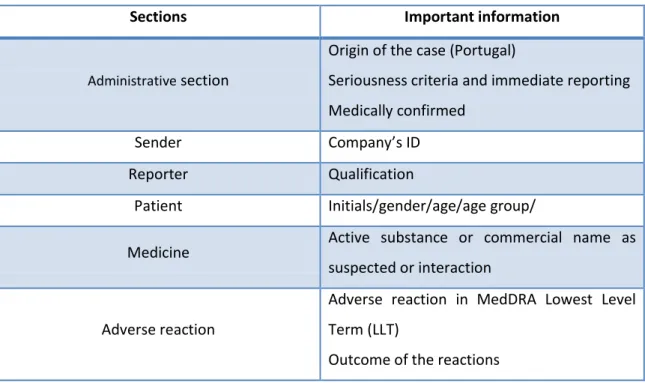
scientific assessment and should be verified. The Table 1 indicates in each section of the SVIG which are the critical information to be verified.
Table 1: Critical information to evaluate in each section
Sections Important information
Administrative section
Origin of the case (Portugal)
Seriousness criteria and immediate reporting Medically confirmed
Sender Company’s ID Reporter Qualification
Patient Initials/gender/age/age group/
Medicine Active substance or commercial name as suspected or interaction
Adverse reaction
Adverse reaction in MedDRA Lowest Level Term (LLT)
Outcome of the reactions
For biologics medicines or vaccine it’s important to verify if the batch number and if the commercial name is reported for better identify the safety signals and associate the ADR to the drug. If the seriousness criterion is death, at least one of the AR should have the outcome death and the case should contain the autopsy report, if available. If it’s known by the reporter should be identified the concomitant drugs, in the medicines’ section. The concomitant drugs are identified by active substance or commercial names. It is also important contain the date of administration and the posology used. The menu correspondent to the adverse reaction should contain the date and duration of the adverse reaction, and if the reaction is described in SmPC to permit the causality assessment.
If the MAH has the information available and if it is important to the scientific assessment of the case, the information about the clinical and pharmacological history is filled in the respective sections.
The annexes sections of the SVIG contain information about duplicate cases and related cases. Related cases are cases that can be evaluated as one or cases that influence the assessment of the