Edgar José Sanches Mascarenhas
Licenciatura em Ciências da Engenharia Biomédica
Mechanical characterization of aortas using
2D ultrasound elastography
Dissertação para obtenção do Grau de Mestre em Engenharia Biomédica
Júri:
Presidente: Prof. Doutora Carla Maria Quintão Pereira
Arguente: Prof. Doutor Mário António Basto Forjaz Secca
Vogal: Prof. Doutor Pedro Manuel Cardoso Vieira
Outubro 2014
Orientadores: Richard Loptata, Professor Auxiliar, Technische
Universiteit Eindhoven, Holanda
Mathijs Peters, M.Sc., Technische Universiteit
Eindhoven, Holanda
Co-orientador: Pedro Vieira, Professor Auxiliar, FCT-UNL
Orientadores: Richard Loptata, Professor Auxiliar, Technische
Universiteit Eindhoven, Holanda
Mathijs Peters, M.Sc., Technische Universiteit
Eindhoven, Holanda
ii
iii
Mechanical characterization of aortas using 2D ultrasound elastography
Copyright © Edgar José Sanches Mascarenhas, Faculdade de Ciências e Tecnologia,
Universidade Nova de Lisboa.
A Faculdade de Ciências e Tecnologia e a Universidade Nova de Lisboa têm o direito, perpétuo
e sem limites geográficos, de arquivar e publicar esta dissertação através de exemplares impressos
reproduzidos em papel ou de forma digital, ou por qualquer outro meio conhecido ou que venha
a ser inventado, e de a divulgar através de repositórios científicos e de admitir a sua cópia e
distribuição com objetivos educacionais ou de investigação, não comerciais, desde que seja dado
v
Acknowledgments
First, I would like to thank Professor Frans van de Vosse for welcoming me in the Cardiovascular
Biomechanics Group at Technische Universiteit Eindhoven (TU/e), and giving this great
opportunity of doing my master thesis in his research group.
Secondly, a deep and meaningful thanks to my supervisor Richard Lopata, for believing in my
work and being always present, while giving me the freedom to build my own path at the same
time. Richard, I will always be grateful for your guidance during these seven months. With you I
learnt not only scientific method, but far beyond the books and conventional.
I would also like to thank my daily supervisor Mathijs Peters for the assistance during the
development of this thesis, in particular with laboratory procedures. Mathijs, thank you for all the
support, without pre-scheduling meetings or formalities since the first day.
I kindly thank Professor Mário Forjaz Secca for supporting me in establishing the required
agreement between both universities.
A word to Professor Pedro Vieira for remaining my link to FCT-UNL and for the help provided
during the seven months abroad.
I also want to express my gratitude to all Master students at TU/e who worked by my side and
to the Dispuut 3004 – TU/e Materials Technology Student Association. This was a remarkable experience, and part of it was also due to the friends from around the world that gathered for the
Spring semester at TU/e in 2014.
To all my friends in Portugal with whom I shared this journey on the last five years, Rui Dinis,
Bruno Ribeiro, João Tavares, Artur Gonçalves, Manuel Coelho, Alexandre Medina, Ana Isabel
Sousa, Luísa Fialho, Andreia Serrano, Inês Ropio and Joana Costa, you have made this 5-year
journey more fun and pleasant.
Finally, a special thanks to my family, my parents and my sister for their unconditional support
vii
Abstract
Rupture of aortic aneurysms (AA) is a major cause of death in the Western world. Currently,
clinical decision upon surgical intervention is based on the diameter of the aneurysm. However,
this method is not fully adequate. Noninvasive assessment of the elastic properties of the arterial
wall can be a better predictor for AA growth and rupture risk.
The purpose of this study is to estimate mechanical properties of the aortic wall using in vitro inflation testing and 2D ultrasound (US) elastography, and investigate the performance of the
proposed methodology for physiological conditions.
Two different inflation experiments were performed on twelve porcine aortas: 1) a static
experiment for a large pressure range (0 – 140 mmHg); 2) a dynamic experiment closely
mimicking the in vivo hemodynamics at physiological pressures (70 – 130 mmHg). 2D raw radiofrequency (RF) US datasets were acquired for one longitudinal and two cross-sectional
imaging planes, for both experiments. The RF-data were manually segmented and a 2D vessel wall displacement tracking algorithm was applied to obtain the aortic diameter–time behavior. The shear modulus G was estimated assuming a Neo-Hookean material model. In addition, an incremental study based on the static data was performed to: 1) investigate the changes in G for increasing mean arterial pressure (MAP), for a certain pressure difference (30, 40, 50 and 60
mmHg); 2) compare the results with those from the dynamic experiment, for the same pressure
range.
The resulting shear modulus G was 94 ± 16 kPa for the static experiment, which is in agreement with literature. A linear dependency on MAP was found for G, yet the effect of the pressure difference was negligible. The dynamic data revealed a G of 250 ± 20 kPa. For the same pressure range, the incremental shear modulus (Ginc) was 240 ± 39 kPa, which is in agreement
with the former. In general, for all experiments, no significant differences in the values of G were found between different image planes.
This study shows that 2D US elastography of aortas during inflation testing is feasible under
controlled and physiological circumstances. In future studies, the in vivo, dynamic experiment should be repeated for a range of MAPs and pathological vessels should be examined.
Furthermore, the use of more complex material models needs to be considered to describe the
viii
Key-words: aortic aneurysm, vascular biomechanics, inflation testing, 2D ultrasound
ix
Resumo
A rutura de aneurismas da aorta (AA) é das principais causas de morte no mundo ocidental.
Atualmente, a decisão clínica sobre a realização de uma intervenção cirúrgica é baseada no
diâmetro do aneurisma. Contudo, este método não é o mais adequado. A avaliação não invasiva
das propriedades elásticas da parede da artéria poderá ser um melhor indicador na previsão do
crescimento e risco de rutura do AA.
O objetivo deste estudo é determinar as propriedades mecânicas da parede da aorta, recorrendo
a experiências de pressurização in vitro e a elastografia 2D por ultrassom (US), e investigar o desempenho da metodologia proposta sob condições fisiológicas.
Duas experiências de pressurização foram executadas em doze aortas de porco: 1) uma experiência ‘estática’, considerando um intervalo significativo de pressão (0 - 140 mmHg); 2) uma experiência ‘dinâmica’, simulando as condições hemodinâmicas presentes in vivo a pressões fisiológicas (70 – 130 mmHg). Para ambas as experiências, conjuntos de dados 2D de
radiofrequência (RF) foram adquiridos para um plano de imagem longitudinal e duas secções
transversais. Os dados de RF foram segmentados manualmente e um algoritmo 2D de
monitorização do deslocamento da parede da artéria foi aplicado com o intuito de obter o diâmetro
da aorta em função do tempo. O shear modulus G foi estimado assumindo um modelo de material Neo-Hookeneano. Além disso, um estudo ‘incremental’ baseado nos dados da experiência ‘estática’ foi realizado com o propósito de 1) investigar as mudanças nos valores de G no caso de aumento na pressão arterial média (PAM), para uma determinada diferença de pressão (30, 40, 50 e 60 mmHg); 2) comparar os resultados com os da experiência ‘dinâmica’, considerando o mesmo intervalo de pressão.
No caso da experiência ‘estática’, o valor de G resultante foi de 94 ± 16 kPa, o que está de acordo com a literatura. Foi observada uma dependência linear entre os valores de G e PAM, contudo o efeito da diferença da pressão revelou-se negligível. Os resultados da experiência ‘dinâmica’ revelaram um valor de G de 250 ± 20 kPa. Para o mesmo intervalo de pressão, o shear modulus incremental (Ginc) foi de 240 ± 39 kPa, estando em concordância com o anterior. No
geral, para todas as experiências, não foram verificadas diferenças significativas nos valores de
x
Este estudo demonstra que o método de elastografia 2D por US em aortas durante experiências
de pressurização é viável sob circunstâncias controláveis e fisiológicas. Em estudos futuros, a experiência ‘dinâmica’ poderá ser repetida para um intervalo de PAMs e poderão ser analisadas artérias patológicas. Além disso, a utilização de modelos mais complexos necessita de ser
considerada a fim de se obter uma descrição do comportamento não-linear do tecido vascular.
Key-words: aneurisma da aorta, biomecânica vascular, experiências de pressurização,
xi
Contents
Acknowledgments ... v
Abstract ... vii
Resumo... ix
Contents ... xi
List of Figures ... xiii
List of Tables ... xix
Acronyms ... xxi
1. Introduction ... 1
1.1 Motivation ... 1
1.2 State of the art ... 3
1.3 Thesis Outline ... 5
2. Background Overview ... 7
2.1 Abdominal Aortic Aneurysms ... 7
2.1.1 AAA Clinical Management... 9
2.1.2 AAA Pathogenesis ... 10
2.2 Vascular Biomechanics ... 12
2.2.1 Mechanical behavior of the arterial wall ... 13
2.2.2 Vascular modelling ... 15
2.3 Ultrasound ... 17
2.3.1 Physics and Instrumentation of Ultrasound ... 18
3.3.2 Ultrasound Strain Imaging and Elastography ... 23
3. Methods ... 29
3.1 Sample Preparation ... 29
3.2 Experimental Setup ... 31
xii
3.2.2 Applying the physiological pre-stretch ... 35
3.2.3 Applying the pressure pulse ... 36
3.3. US acquisition ... 39
3.4. US-Data Processing ... 43
3.4.1 US-Data Post-Processing and Analysis ... 45
3.5 Mechanical characterization ... 46
3.6 Incremental shear modulus ... 52
3.7 Statistical analysis ... 53
4. Results ... 55
4.1 Static US-measurements ... 55
4.2 Dynamic US-measurements ... 58
4.3 Incremental shear modulus ... 60
4.3.1 Incremental G versus Dynamic G ... 62
5. Discussion ... 65
5.1 Static US-measurements ... 65
5.2 Dynamic US-measurements ... 67
5.3 Incremental shear modulus ... 68
5.4 General limitations ... 69
6. Conclusion ... 73
6.1 Future work ... 73
7. References ... 75
Appendix ... 89
A. Additional Tables ... 89
A1. Static US-experiments ... 89
A2. Dynamic US-experiments ... 91
A3. Incremental shear modulus... 93
xiii
List of Figures
Figure 2.1 – Normal (healthy) aorta anatomy (left) and abdominal aortic aneurysm anatomy (right) (Speelman, 2009). ... 8
Figure 2.2 – Proposed size-dependent clinical management for asymptomatic abdominal aortic aneurysms (Sakalihasan et al., 2005). ... 9
Figure 2.3 – AAA open surgical repair (a) and AAA endovascular repair (b) (Callanan et al., 2011). ... 10
Figure 2.4 – The three layers of the arterial wall: the tunica intima, the tunica media and the tunica adventitia (A.D.A.M. Images ©. A.D.A.M., Inc. All rights reserved.
www.adamimages.com). ... 11
Figure 2.5 – Stress-strain curve for the aorta and the elastin and collagen curves (Raghavan et al., 1996)... 14
Figure 2.6 – Schematic view of the aorta. The pulsating blood pressure yields strains in the circumferential (εcirc), radial (εrad) and longitudinal (εlong) directions (Peters, 2013). ... 14
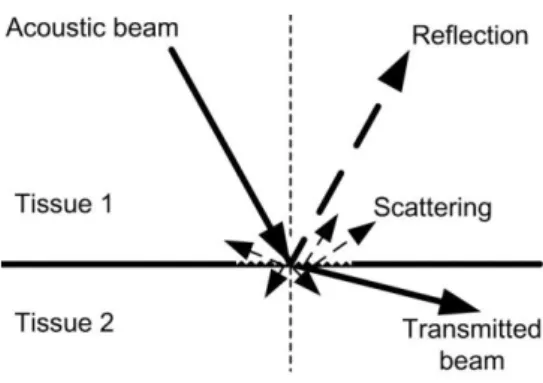
Figure 2.7 - Schematic representation of the reflection and scattering of acoustic waves in
tissue (Lopata, 2010). ... 19
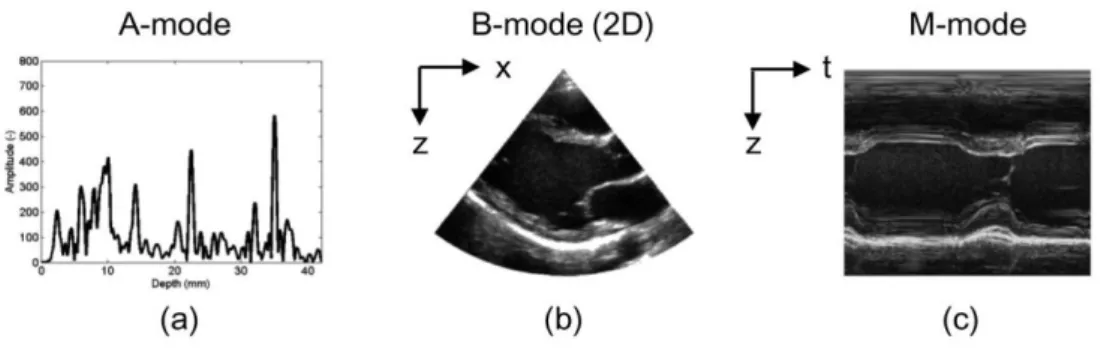
Figure 2.8 - Some of the different types of US acquisition modes: (a) A-mode, a single echo
line; (b) B-mode, an image created by several neighboring echo lines; (c) M-mode, time-series of
a single echo line (Lopata, 2010). ... 20
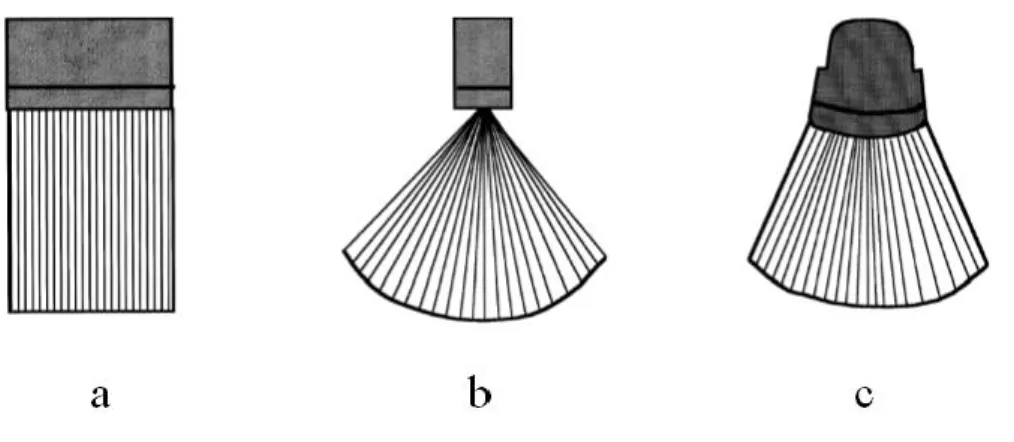
Figure 2.9 – Types of US transducers: linear-array transducer (a), phased-array transducer (b), curved-array transducer (c). ... 23
Figure 2.10 – A single RF-line of a time frame i (a) and the RF-line of the next time frame i+1 (b). c) The light grey line represents the auto-correlation of RF-line (a) and the black line
corresponds to the cross-correlation of RF-lines (a) and (b). The shift of the cross-correlation
function with respect to the auto-correlation function illustrated in the figure corresponds to the
xiv
Figure 2.11 – Schematic representation of 2D B-mode speckle tracking. A small segment of image in time frame 1 (red square) is matched with a search area (green square) in the next time
frame 2. (Lopata, 2010). ... 25
Figure 3.1 – A defrosted aorta with closed side-branches. Side branches were closed with
thread. In the case the side branch was too short to close with thread, superglue was used to close
the side branch. ... 30
Figure 3.2 – The leakage test. First, the aorta was closed at the distal end and connected to a syringe at the proximal end. Next, the aortic segment was inflated by adding water via the syringe
so that any possible leakages could then become visible. The leakages were marked using a
marker pen. Finally, these leakages were closed using superglue. This procedure was repeated
until there were no leakages left. ... 30
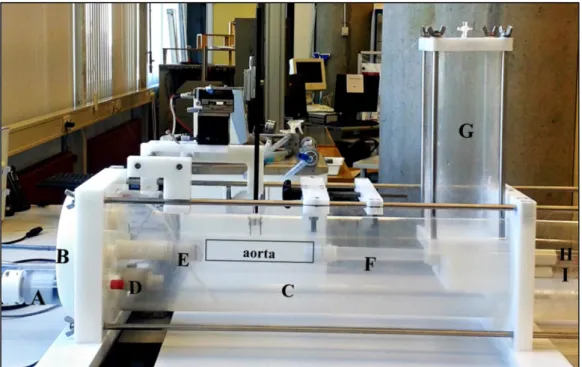
Figure 3.3 – The experimental setup. The axial piston pump (A) pushes the water from the
circular compartment (B) towards the aorta, which is placed inside the water tank (C). A
mechanical valve (D) is used to allow water to flow from the water tank back to the circular
compartment but not vice versa. The proximal end (larger end) of the aorta is connected to another mechanical valve, i.e., ‘aortic valve’ (E), and the distal end (smaller end) to the silicon tube (F). This silicon tube is attached to a vertical air column (G) with two associated resistances (upper
and lower resistance, H and I, respectively). ... 31
Figure 3.4 – The 3-element Windkessel model. C1represents the aortic compliance, Z1 the
peripheral resistance and Z0 the characteristic impedance of the proximal end of the aorta (input
impedance of the circuit). ... 32
Figure 3.5 – The vertical air column (G) which can be filled with water and the two associated resistances (upper and lower resistances, H and I, respectively) zoomed in. Both resistances can
be used to control the water level inside the air column. H is used to control the water inflow from
the silicon tube into the air column, whereas I is used to determine the water flow from the air
column into the water tank. ... 33
Figure 3.6 – Schematic overview of the two separate loops used for heating the water inside the water tank. The first loop (dark blue) contains salt water; a roller pump is used to push the
water from the water tank into the heat exchanger, where it gets heated by the hot tap water that
flows in its surroundings; then, the salt water returns to the water tank. The tap water circulates
in a separate second loop (light blue) which connects the heating circulator to the heat exchanger.
xv
Figure 3.7 - The pre-stretch device used to apply the physiological longitudinal pre-stretch.
The two-headed black arrow indicates the direction in which the distance between the two
connectors attached to the aorta was increased to apply a pre-stretch in the longitudinal direction.
... 36
Figure 3.8 - Pressure signal obtained during the static experiment. ... 37
Figure 3.9 – The cylindrical iron bar is pushed to the right for the static experiment, preventing the aortic valve from closing and thus allowing for a complete deflation of the aortic segment. 37
Figure 3.10 – The physiological pressure signal (Klabunde, 2005). ... 38
Figure 3.11 – Pressure signal obtained during the dynamic experiment... 38
Figure 3.12 – Positioning the US probe in the setup (position for cross-sectional view). ... 39
Figure 3.13 – US-Scanner used in the experiments (MyLab 70 US scanner, Esaote© Europe, Maastricht, NL). ... 40
Figure 3.14 – Schematic overview of the interaction between the main components of the
devised laboratory setup: the axial piston pump, the water tank, the air column, the US probe, the
PC workstation and the US-scanner with the associated ArtLAB© system. P (in red in this figure)
represents the pressure sensor. During the US-acquisition, the pressure signal and the raw
RF-data are automatically saved in the ArtLAB© system. ... 41
Figure 3.15 – Example of longitudinal (left) and cross-sectional (right) B-mode US images obtained. ... 41
Figure 3.16 – Schematic overview of the US acquisition within the aortic segment. In this
figure, as an example, one longitudinal B-mode US image is acquired between the second and the
fourth side branch of the aorta. Next, cross-sectional B-mode US images are acquired between
the second and third side branches (cross-section 1) and between the third and fourth side branches
(cross-section 2). The numbers 1-5 (in red) indicate the side branches. ... 42
Figure 3.17 – Schematic overview of the 6 different US data sets acquired for each aorta. .. 42
Figure 3.18 - Example of a manual inner wall segmentation performed in a US cross-sectional
image. The red points represent aortic inner wall points (manual segmentation). The blue points
are defined in the outward direction, i.e., in the normal direction of the red circle, defining the
xvi
Figure 3.19 – Example of pressure and diameter curves before (left) and after (right)
synchronization is performed. The red curve represents diameter data, whereas the blue curve
represents pressure data. It should be noted that both curves were normalized with respect to their
respective maximum values. The horizontal axis corresponds to the number of frames. ... 45
Figure 3.20 – The vessel visualized as a flat strip with the corresponding radial (x-direction), circumferential (y-direction) and longitudinal (z-direction) directions... 46
Figure 3.21 - The two steps of the US-experiments: first, the aorta is subject to a longitudinal
pre-stretch of 1.22 (F0) and then to an increasing hydrostatic pressure (F1). It should be noted that
the circles illustrated in the figure represent cross-sectional views of the aorta. ... 47
Figure 3.22 – Example of a static pressure-diameter curve (in red) obtained. The region of the plot between the black dashed lines represent the respective dynamic pressure range (ΔPdyn). The dynamic pressure range (ΔPdyn) is defined as the difference between the systolic pressure (Psys) and the diastolic pressure (Pdia). ... 52
Figure 4.1 – Plot with the stress-strain curves of the different static US-experiments performed in aorta 2. The red curve corresponds to the US longitudinal view, the blue curve to the US
cross-sectional view no. 1 and the green curve to the US cross-cross-sectional view no.2. Stress actually refers
to the circumferential stress [kPa], whereas strain refers to the Finger strain (dimensionless). . 57
Figure 4.2 – Plot with the values of shear modulus for the twelve aortas obtained from the analysis of static US data sets in the longitudinal view (red squares), cross-section 1 (blue
triangles), and cross- section 2 (green circles). The overall mean value of G (black solid line) and the overall mean ± standard deviation are also shown (black dashed lines). The overall mean G was 94 ± 16 kPa. ... 57
Figure 4.3 - Plot with the dynamic values of shear modulus for all aortas, obtained in the
longitudinal view (red squares), cross-section 1 (blue triangles) and cross-section 2 (green
circles). The overall mean value of G (black solid line) and the overall mean ± standard deviation are also shown (black dashed lines). The overall mean G was 250 ± 20 kPa. ... 59
Figure 4.4 - The incremental shear modulus as a function of mean arterial pressure (MAP) for a pulse pressure ΔP of, respectively, 30 mmHg (a), 40 mmHg (b), 50 mmHg (c), and 60 mmHg (d). The red lines indicate the longitudinal view, the green lines correspond to cross-section 1 and
the blue lines correspond to cross-section 2. The error-bars indicate the standard deviation of the
xvii
Figure 4.5 - Plot with the values of incremental shear modulus (Ginc) for all aortas and all US
image views: the longitudinal view (red squares), section 1 (blue triangles) and
cross-section 2 (green circles). The overall mean value of Ginc (black solid line) and the overall mean ± standard deviation (black dashed lines) are also shown. The overall mean incremental shear
modulus was 240 ± 39 kPa. ... 61
Figure 4.6 – Scatter plot with the correspondence between the values of incremental shear modulus (Ginc) and the respective values of dynamic shear modulus (Gdyn) considering the same
US image view. The red squares correspond to longitudinal view, the blue triangles to
cross-section 1 and the green circles to cross-cross-section 2. ... 62
Figure 4.7 – A Bland-Altman plot to compare the values of G obtained using two different
methods: the dynamic US-experiment and the incremental analysis. The red squares correspond
to longitudinal view, the blue triangles to cross-section 1 and the green circles to cross-section 2.
The mean difference in G, i.e., the bias (black solid line) and the mean difference in G ± 1.96
times the standard deviation, the so-called limits of agreement (black dashed lines) are shown as
well. ... 63
Figure 5.1 - Positioning of the US probe for acquiring longitudinal US images. Situation A
(left) shows the correct positioning of the US probe, whereas situation B (right) shows the US
probe not perfectly placed. Situation B will lead to an underestimation of the diameter. A similar
xix
List of Tables
Table 2.1 – Composition of normal (healthy) aortic tissue and AAAs (He et al., 1994). ... 15
Table 4.1 – Initial length (L0) [cm] measured for each aorta and the respective resulting length
after applying the 22% of longitudinal pre-stretch [cm]. ... 55
Table 4.2 – The resulting initial wall thickness (h0) [mm] of the twelve porcine aortas obtained
from the analysis of the static US data sets. ... 56
Table 4.3 – Diameter range (ΔD) [mm], pressure range (ΔP) [mmHg], initial wall thickness (h0) [mm] and the respective value for shear modulus (G) [kPa] regarding aorta 2 static US data
sets. ... 56
Table 4.4 – The resulting initial wall thickness (h0) of the twelve porcine aortas obtained from
the analysis of the dynamic US data sets. ... 58
Table 4.5 - Diameter range (ΔD) [mm], pressure range (ΔP) [mmHg], initial wall thickness
(h0) [mm] and the respective value of shear modulus (G) [kPa] for aorta 2. ... 59
Table 4.6 – Original pressure and diameter arrays (ΔP and ΔD, respectively) obtained from aorta 8 static US data sets. The pressure and diameter arrays corresponding to the dynamic range
(ΔPdynand ΔDdyn, respectively) plus the wall thickness at the diastolic pressure (hPdia) (columns in
xxi
Acronyms
AA: Aortic aneurysm
AAA: Abdominal Aortic Aneurysm
BNC Connector: Bayonet Neill-Concelman Connector
CCF: Cross-Correlation Function
COPD: Chronic Obstructive Pulmonary Disease
CPU: Central Processing Unit
CT: Computed Tomography
CVD: Cardiovascular Disease
EVAR: Endovascular Repair
FEA: Finite Element Analysis
FOV: Field of View
GUI: Graphical User Interface
ILT: Intraluminal Thrombus
IVUS: Intravascular Ultrasound
MAP: Mean Arterial Pressure
MRI: Magnetic Resonance Imaging
PBS-solution: Phosphate Buffered Saline solution
RF: Radiofrequency
ROI: Region of Interest
SMC: Smooth Muscle Cells
SNR: Signal-to-Noise Ratio
1
1.
Introduction
1.1 Motivation
In this day and age, cardiovascular disease (CVD) is the leading cause of deaths worldwide. An
estimated 17.3 million people died in 2008, representing 30% of all global deaths (Mendis et al.,
2011). A sub-group of patients suffer from a thoracic, abdominal or even cerebral aneurysm.
In particular, an abdominal aortic aneurysm (AAA) is a permanent local dilatation of the aorta
in the abdominal cavity of more than 50% of its original diameter (Zankl et al., 2007). The
incidence of this condition is growing due to general aging of population and an increase in the
amount of screening programs (Lederle et al., 1997), with approximately 150.000 new cases being
diagnosed every year (Bengtsson et al., 1996). If left untreated, AAA will increase in size, until
it eventually ruptures, causing a life-threatening hemorrhage. Of the patients with an AAA, 75%
remain symptom free until AAA rupture occurs, which is fatal in most cases (Zankl et al., 2007).
Annually, 15.000 to 20.000 deaths occur in the United States due to AAA rupture (Bush et al.,
2003) and, as a result, remains the 13th most common cause of death in that country (Wilmink et
al., 1998).
In order to determine if an AAA requires surgical intervention, the risk of rupture should be
carefully assessed and balanced against the risk associated with the surgical repair. Currently, the
decision to electively repair an AAA is based on the maximum anterior-posterior diameter of the
aneurysm, i.e., when the maximum anterior-posterior diameter of the aneurysm is larger than
5-5.5 cm it is thought that the risk of rupture is high (Greenhalgh et al., 1998; Zankl et al., 2007).
1. INTRODUCTION
2
AAA rupture, since several studies have shown that small aneurysms, i.e., below 5.5 cm, can
rupture (Choksy et al., 1999; Nicholls et al., 1998), while stable AAAs considered large, i.e.,
above 5.5 cm, do not rupture, given the life expectancy of the patient (Darling et al., 1977;
Conway et al., 2001). Hence, intervention based on the maximum diameter criterion can be
performed too late, prematurely or even subject patients to unnecessary surgical risks.
Besides maximum diameter, AAA growth rate can also be taken into consideration in the
decision for AAA repair. Yet, previous studies have shown large variations in growth rate
between AAAs and discontinuous growth was observed (Kurvers et al., 2004).
Both these criteria should be replaced by a more patient-specific criterion to better predict the
likelihood of AAA rupture. In general, such a solution is sought for in the field of biomechanics.
As a result, AAA wall stress analyses have been introduced (Raghavan et al., 2000; Fillinger et
al. 2002). The basic principle of this approach is that when the stress in the AAA wall locally
exceeds the strength of the wall, AAA rupture occurs. A thorough analysis on biomechanical
properties of AAAs such as wall strength, elasticity or aortic compliance (Vorp et al., 1996; Imura
et al., 1986; Long et al., 2004) can give a better understanding on AAA biomechanical behavior
and, thus, a more accurate prediction of AAA growth and rupture. Elasticity can be assessed by
destructive testing, but also non-invasively by means of ultrasound (US) elastography (Lopata et
al., 2014).
This study intends to develop an accurate and reproducible method for the mechanical
characterization of aortas by determining and analyzing biomechanical properties of the aortic
wall, such as the shear modulus G, using in vitro inflation testing and 2D US elastography. The performance of this method was also investigated for physiological conditions. Ultimately, the
goal is to provide a non-invasive tool based on in vivo US imaging and biomechanical patient-specific analysis, with the purpose of helping clinicians to detect and monitor weakening of the
aortic wall, which may lead to an improvement of AAA growth prediction, and an optimization
of both the follow-up plan and the moment of aortic surgical repair. In this sense, this approach
may have the potential to serve as an accurate and robust method to improve AAA risk
1. INTRODUCTION
3
1.2 State of the art
Current widespread clinical thinking is that AAA rupture is best predicted by monitoring its
maximum diameter; i.e., it is conventionally accepted that the risk of rupture is highest when the
maximum anterior-posterior AAA diameter reaches 5.5 cm (Greenhalgh et al., 1998). However,
from previous research it becomes clear that the maximum AAA diameter in some cases
underestimates the risk of rupture (Choksy et al., 1999; Nicholls et al., 1998), leading to
unexpected ruptures, whereas in other cases the risk is overestimated (Darling et al., 1977;
Conway et al., 2001). In the latter case, AAA may be unnecessarily repaired, with all associated
surgical risks. Hence, additional indicators are required to provide a more accurate and robust
assessment of AAA growth and rupture, based on a more patient-specific approach.
From a biomechanical perspective, rupture of AAA occurs when wall stress locally surpasses
wall strength. The Law of Laplace states that wall stress in a thin-walled cylinder increases
linearly with increasing diameter and transmural pressure, and decreases for increasing wall
thickness. In this way, the Law of Laplace is regarded as the theoretical framework for using the “maximum diameter criterion” for potential AAA rupture prediction (Hall et al. 2000), since it states that the stress on the AAA wall is proportional to its diameter. However, the stresses acting
on an AAA wall are not evenly distributed and are highly dependent on the shape (e.g. profile,
tortuosity) of the specific AAA (Vorp et al., 1998).
Over the past two decades, several research groups have been suggesting patient-specific wall
stress analyses as a potential predictor of AAA rupture, based on Finite Element Analysis (FEA)
(Fillinger et al., 2002; Truijers et al., 2007; Raghavan et al., 2000; Speelman et al., 2010). Fillinger
et al. (2002) found that the peak wall stress for ruptured and symptomatic AAAs was significantly
higher than that for electively repaired AAAs. In another study conducted by this same group, it
was shown that the peak wall stress is a better predictor of AAA rupture than the maximum AAA
diameter (Fillinger et al., 2003). Likewise, a more recent study found similar results, showing a
high correlation between the AAA rupture and the location of the peak wall stress
(Venkatasubramaniam et al., 2004). Moreover, in a study of Speelman et al. (2010) it was
observed that relatively low AAA wall stress is associated with lower AAA growth rate, but no
significant correlation was found between absolute or relative wall stress analysis and AAA
biomarker concentrations. In all aforementioned studies, patient-specific AAA geometries were
1. INTRODUCTION
4
In order to monitor and assess AAA wall growth in a clinical environment, follow-up
surveillance on a regular basis is required. In this sense, CT imaging is not adequate, considering
the use of ionizing radiation and lack of patient-specific input apart from geometry. Alternatively,
MRI (Magnetic Resonance Imaging) is often used to examine AAAs, owing its good image
quality (Lee et al., 1984). One example is the study of Kramer et al. (2004) where T1 and
T2-weighted spin echo imaging was performed in 23 AAA patients in order to detect atherosclerotic
plaque components in AAAs. The study reports that higher signal on T2-weigthed MRI provides
an accurate identification of the fibrous cap and thrombus within an AAA. Nonetheless, MRI is
very time-consuming and expensive. Besides, contrast agents may be needed to enhance image
quality and to acquire dynamic MRI scans.
Ultrasound (US) imaging combines its non-invasive nature, the absence of radiation hazard
and its high temporal resolution. US imaging represents the modality of choice for AAA
detection, initial assessment and follow-up surveillance, with a sensitivity of 95% and a specificity
of almost 100% (Lindholt et al., 1999). The accuracy of size measurements using US is especially
important to reliably monitor AAA growth. Singh et al. (1998) reported intra- and inter-observer
variability in US measurements of AAA diameter less than 4 mm and concluded that the
maximum AAA diameter could be measured using US imaging with a high degree of accuracy.
The high temporal resolution of US imaging enables a comprehensive study of the dynamical
behavior of the aneurysm when exposed to blood pulse, providing an accurate assessment of
patient-specific parameters, such as distensibility, tissue deformation (i.e., strain) or aortic
compliance, which can be used to improve FEA or used as indicators of aneurysm growth. Several
authors have used ultrasound to estimate the mechanical properties of AAA by tracking the
dynamical change in diameter due to the passing blood pulse (Imura et al., 1986; Long et al.,
2004; Wilson et al, 2003). The changing diameter is used to achieve a measure of strain. This
approach provides information about the dilation of the aorta as function of time and space along
the segment of the aorta. Imura et al. (1986) presented a method using B-mode US imaging for
tracking the dynamic diameter of the abdominal aorta over the cardiac cycle in order to assess
elastic properties of human abdominal aorta in vivo. Wilson et al. (1999) used US diameter
tracking to report that large aneurysms tend to be stiffer than smaller, but found large variations
for equally sized aneurysms. In a more recent study (Wilson et al., 2003), it was shown by means
of an US scan-based diameter tracking technique that an increase in AAA distensibility over time
1. INTRODUCTION
5 In the aforementioned studies, distensibility was estimated by measuring the dynamical change
in diameter over the cross-sectional area of the aneurysm only. However, several studies show
that the biomechanical properties of the AAA wall vary heterogeneously over the wall (Thubrikar
et al., 2001; Vallabhaneni et al., 2004). A method to measure displacements is to track the speckle
patterns produced by microstructures present in different tissues, e.g. collagen fibers and blood
cells, producing the so-called speckle pattern which can be seen in B-mode ultrasound images.
This technique, commonly known as speckle tracking, was first introduced by Bohs and Trahey
(1991) and has already been attempted for strain estimation of aortic aneurysms. One example is
the study of Brekken et al. (2006), where speckle tracking was performed on 2D cross-sectional
B-mode ultrasound image sequences to calculate strain in AAAs. In a more recent study (Jongen,
2011), the distensibility and E-modulus of both AAAs and aortas of healthy volunteers were
determined using 2D ultrasound and RF-based wall tracking, with promising results. RF-based
displacement tracking and subsequent strain estimation was introduced by Ophir et al. (1991).
However, further studies are necessary to investigate the potential of this technique for improved
assessment of AAA growth and rupture so that it can ultimately be introduced in a clinical
environment.
1.3 Thesis Outline
This report is divided in six chapters. In this first chapter the motivation that led to the
development of this thesis and the main objectives are presented, as well as the state of the art.
Theoretical concepts are introduced in Chapter 2 providing the reader with the main subjects
involved in this work. Chapter 3 gives insight on the preparation of the experimental setup, US
acquisition and US-data processing. In addition, a detailed derivation of the material model used
in this study is provided and the statistical tools used are described. In Chapter 4 the results are
presented. A follow-up discussion is addressed in Chapter 5. Finally, Chapter 6 states the
1. INTRODUCTION
7
2.
Background Overview
2.1 Abdominal Aortic Aneurysms
The aorta is the largest artery in the human body, transporting oxygenized blood directly from the
left ventricle of the heart to the rest of the body. The term aneurysm derives from the Greek ανευρψσμα, meaning widening.
An abdominal aortic aneurysm (AAA) is defined as a permanent and irreversible localized
balloon-like dilation of the abdominal region of the aorta - between the renal arteries and the iliac
bifurcation (Figure 2.1). Conventionally, in clinical practice, this disorder is diagnosed if the
aortic diameter is 3 cm or more, which is about 1.5 times the expected normal diameter
(Sakalihasan et al., 2005). The large majority of AAA (> 90%) originate below the renal arteries
- infrarenal aneurysms (Zankl et al., 2007).
The incidence and detection of AAAs has increased during the past two decades mostly due
to the introduction of screening programs and improved diagnostic tools. The estimated
prevalence of AAAs in both men and women is age-dependent and varies between 1.3% and 8.9%
in men and between 1.0% and 2.2% in women (Zankl et al., 2007; Wilmink et al., 1998). Risk
factors associated with the development, expansion and rupture of AAA include advanced age,
male sex, tobacco smoking, hypertension, chronic obstructive pulmonary disease (COPD),
hyperlipidemia (abnormally elevated concentration of lipids and/or lipoproteins in the blood) and
2. BACKGROUND OVERVIEW
8
Figure 2.1 – Normal (healthy) aorta anatomy (left) and abdominal aortic aneurysm anatomy (right) (Speelman, 2009).
However, tobacco smoking is considered the most significant risk factor (Wilmink et al., 1999;
MacSweeney et al., 1994; Brown et al., 1999). The prevalence of AAAs in tobacco smokers is
more than four times larger than in lifelong non-smokers (Vardulaki et al., 2000). Production of
nitric oxide by the endothelium, which mediates vasodilatation in response to altered
hemodynamics, is reduced in both active and passive smokers (Barua et al., 2001). Thus,
endothelial dysfunction caused by smoking can diminish the dilatory capacity of arteries, which
leads to a stiffer wall.
In general, the risk of rupture increases as the diameter of the aneurysm enlarges (Brown et
al., 1999). In some cases an AAA can lead to back pain, abdominal pain or a palpable pulsating
mass in the abdomen. However, an AAA is most often asymptomatic until rupture of the AAA
wall occurs, leading to a large abdominal hemorrhage and eventually death within a short period
of time. The overall mortality rate for patients with ruptured AAAs is between 65% and 85%
(Thompson et al., 1996). Moreover, about half of these patients die before they reach the surgical
room (Scott et al., 1991).
Ultrasound imaging represents the modality of choice for the detection of AAA with a
sensitivity of 95% and a specificity of almost 100% (Lindholt et al., 1999). US imaging can be
used to accurately measure the diameter of the aorta in antero-posterior and transverse directions.
This imaging technique is valuable for the initial assessment and follow-up surveillance, but also
for population screening (Sakalihasan et al., 2005). An unruptured AAA can either be scheduled
for follow-up surveillance or for elective repair. Figure 2.2 shows a proposed clinical management
2. BACKGROUND OVERVIEW
9
Figure 2.2 – Proposed size-dependent clinical management for asymptomatic abdominal aortic aneurysms (Sakalihasan et al., 2005).
2.1.1 AAA Clinical Management
In current clinical practice, the decision upon surgical intervention is based on the maximum
anterior-posterior diameter of the AAA. Therefore, surgery is recommended when the diameter
of the aneurysm is larger than 5.5 cm or when the aneurysm grows more than 1 cm per year (Zankl
et al., 2007). However, clinicians analyze a priori if the risk associated with an AAA rupture exceeds the risks associated with a surgical intervention. If so, there are two possible treatment
options: conventional open surgical repair or endovascular repair (EVAR). Both procedures
exclude the aneurysm wall from the systemic pressure by means of a vascular graft.
In open surgical repair, a regular graft is sutured to healthy parts of the aorta by means of a
transabdominal open surgery (Figure 2.3a). However, a retroperitoneal approach has been
recommended in patients with COPD (Sakalihasan et al., 2005). This surgical procedure has been
used for more than 50 years and is associated with a rate of graft failure as low as about 0.3% per
year (Hallett et al., 1997).
On the other hand, endovascular repair - introduced by Parodi in 1991 (Parodi et al., 1991) -
is a catheter-based procedure and therefore does not require an incision in the abdomen. Basically
it consists of the insertion of a stent-graft via catheterization of the femoral artery (small incision
in the groin) and placement of a stent-graft across the aneurysm (Figure 2.3b). For this reason,
EVAR is less invasive than open surgical repair and is associated with a shorter recovery period.
However, there are also downsides for the endovascular approach such as endoleaks or stent
migration, which require open surgical treatment as a second step. In addition, there are several
concomitant vascular conditions, such as significant occlusive disease of the renal, mesenteric
2. BACKGROUND OVERVIEW
10
Figure 2.3 – AAA open surgical repair (a) and AAA endovascular repair (b) (Callanan et al., 2011).
Mean 30-day mortality rates for elective repair have been reported between 1.1% and 7.0%
(Sakalihasan et al., 2005). Open surgical repair has a 30-day mortality rate of about 5%, whereas
EVAR has a 30-day mortality rate of about 2% (Greenhalgh et al., 2004).
Yet, as far as emergency repair for ruptured AAAs is concerned, mortality depends on the
hemodynamic status of the patient at the time of surgery. Operative mortality of ruptured AAAs
has been reported as high as 30-70% (Kniemeyer et al., 2000). Overall, EVAR shows a lower
operative mortality rate, shorter recovery time and less frequent complications than with open
surgical repair (Greenhalgh et al., 2004; Prinssen et al., 2004).
2.1.2 AAA Pathogenesis
The function of the aorta is to distribute blood flow from the pulsating heart to smaller blood
vessels that supply oxygenized blood to the tissue. Normal aortic function relies on the elasticity
and strength of the aortic wall. The aortic wall consists of three layers (Figure 2.4). The most
2. BACKGROUND OVERVIEW
11
Figure 2.4 – The three layers of the arterial wall: the tunica intima, the tunica media and the tunica adventitia (A.D.A.M. Images ©. A.D.A.M., Inc. All rights reserved. www.adamimages.com).
The ability of the aortic wall to counter the force exerted by the intraluminal blood pressure is
dependent on the structural proteins of the vessel wall. Elastin and collagen fibers are the main
determinants of the mechanical properties of the aorta, acting to distribute stresses uniformly
within the aortic tissue and maintain an appropriate viscoelastic response to the pulsatile
oscillation (Wills et al., 1996).
Elastin fibers are mainly responsible for the compliance of the aorta, whereas collagen (types
I and III) provide the tensile strength and structural integrity of the vascular wall. Elastin and
collagen fibers are degraded by proteolytic enzymes mostly represented by matrix
metalloproteinases (MMPs). MMPs derived from macrophages and SMCs, and are locally
activated either by other MMPs, or by plasmin generated by plasminogen activators (Thompson
et al., 1996). MMPs are significantly elevated in the wall of aortic aneurysms compared with
healthy aortas (Longo et al., 2002).
The loss of elastin fibers is thought to be an initiating event in the development of AAA
(Campa et al., 1987; Dobrin et al., 1994). The perpetuation of elastin degradation leads to AAA
growth, until the time of rupture (Sakalihasan et al., 2005).
On the other hand, the loss of collagen seems to be the factor responsible for the rupture of the
AAA (Dobrin et al., 1994). However, enhanced collagen turnover (increase in collagen
concentration) has been reported in AAA in human beings (Satta et al., 1995), suggesting the
existence of a compensatory response to the increased wall stress, as stretch is known to be a
stimulus for connective tissue synthesis (Leung et al., 1976) thereby promoting wall thickening.
Nonetheless, in the end, the balance between collagen synthesis and its degradation is in favor of
2. BACKGROUND OVERVIEW
12
Likewise, the reduction of the concentration of SMCs in the tunica media of the aortic wall by apoptotic processes is also a histological feature which seems to play a crucial role in aneurysm
development (Lopez-Candales et al., 1997). Besides, it has been reported that SMCs have a
protective role against inflammation and proteolysis (Allaire et al., 2002).
Furthermore, the development of AAA is also associated with intraluminal thrombus (ILT) in
most patients. In about 75% of all AAAs, thrombus is present (Harter et al., 1982). Thrombus is
a fibrin structure with blood cells, platelets and blood proteins, which is deposited onto the vessel
wall (Harter et al., 1982). Vorp et al. (2001) conducted a study to analyze the influence of ILT
formation in AAA development. The study showed that ILT formation and its increasing
thickness are found to be related to hypoxic conditions in the tunica media layer, thus inducing neovascularization and migration of inflammatory cells. Additionally, it has been suggested that
ILT can originate proteolytic enzymes like MMPs, which have a key role in the pathogenesis of
AAA formation (Fontaine et al., 2002).
2.2 Vascular Biomechanics
In Humphrey’s book on vascular mechanics (2002), Biomechanics is defined as the development, extension and application of mechanics to answer questions of importance in biology and
medicine. Through biomechanics one can address many of the physiological phenomena that
occur at molecular, cellular, tissue, organ and organism levels. As a sub-discipline within
biomechanics, vascular biomechanics can be described as the study of the vessel wall mechanical
properties and their responses to blood pressure/flow (Raghavan et al., 2005).
In order to describe the mechanical behavior of the vessel wall, vessel compliance is often
used (Imura et al., 1986; Long et al., 2004). The compliance of a blood vessel (C) is defined as the ratio of percentage change in vessel size to change in pressure, i.e., the ability of a blood vessel to ‘store’ blood as a result of a pressure change. Because one can define different measures of size (diameter, cross-sectional area, volume), several mathematical definitions exist. Yet, the
general definition is:
𝐶 =
∆𝑉∆𝑃
(2.1)
2. BACKGROUND OVERVIEW
13 Compliance is not an intrinsic property of the vascular tissue, since it can be affected to some
extent by size (e.g. compliance of a small-diameter vessel will be higher than that of a large
diameter). Hence, the compliance is not suitable to compare vessels with different size. On the
other hand, distensibility (D) is defined as the compliance divided by the resting (diastolic) volume. This normalized measure of compliance with respect to the initial volume is often used
to assess the mechanical behavior of the aortic wall (Wilson et al., 2003) and can be used to
compare vessels with different sizes. Distensibility can be defined as:
𝐷 =
𝑉𝐶𝑑
=
∆𝑉 ∆𝑃
1
𝑉𝑑
(2.2)
where ΔV is the change in volume, ΔP the change in pressure and Vd the diastolic volume.
2.2.1 Mechanical behavior of the arterial wall
The arterial wall mechanics and its interaction with blood flow have been an object of extensive
research during the past decades. The first study describing the mechanical behavior of the arterial
wall was conducted by Roach & Burton (1959) on human iliac arteries. In addition, Cox (1978,
1979) and Dobrin (1978) performed studies on dogs, rabbits and rats. From these studies, the
non-linear behavior of the arterial wall was comprehensively demonstrated. Besides, Patel et al. (1969)
were the first who reported upon the anisotropy of the arterial tissue, suggesting that the arterial
wall is cylindrically orthotropic, (i.e., arteries exhibit different material properties or strengths in
different orthogonal directions), which is generally accepted in the literature. The common
assumption of incompressibility was first suggested by Carew et al. (1968), who concluded that
changes in volume were very small even for deformations greater than those in vivo.
In addition, it has been shown that blood vessels exhibit a non-linear viscoelastic relation
between stress and strain (Fung, 1993). This property has been associated with the histological
structure of the vascular tissue, specifically the contents of elastin and collagen fibers (Hofzapfel
et al., 2000). When the arterial wall is subjected to a certain load, elastin dominates the response
at lower pressure levels - causing the elastic recoil of the artery - and collagen gradually starts
contributing as the loading increases (Sumner et al., 1970; Kleinstreuer et al., 2007). The
collagen-elastin ratio has been reported to be the key determinant of aortic wall mechanics (Holzapfel et
al., 2000). A typical stress-strain curve for the aorta is shown in Figure 2.5 along with elastin and
2. BACKGROUND OVERVIEW
14
Figure 2.5 – Stress-strain curve for the aorta and the elastin and collagen curves (Raghavan et al., 1996).
The intraluminal blood pressure in the aorta leads to the following components of stress: Hoop stress or circumferential stress, radial stress and longitudinal stress. Hoop stress is thought to be critical in aortic dissection eventually followed by rupture, and radial stress can be of interest
when intraluminal thrombus is present. On the other hand, the stress in the longitudinal (axial)
direction is barely influenced by the pulsating blood pressure (Raghavan et al., 2005). These stress
components acting on the wall lead to an anisotropic mechanical behavior of the aortic tissue
(Thubrikar et al., 2001) and yield strain components in the respective directions (Figure 2.6).
Figure 2.6 – Schematic view of the aorta. The pulsating blood pressure yields strains in the
circumferential (εcirc), radial (εrad) and longitudinal (εlong) directions (Peters, 2013).
Over the last decades, mechanical properties of AAAs have been examined by in vitro tensile testing (He et al., 1994; Raghavan et al., 1996; Xiong et al., 2008). Biomechanical analysis by
means of tensile testing can provide an important insight into the mechanical behavior of aortic
tissue, particularly in understanding the formation, growth and rupture of AAAs. For instance,
He et al. (1994) conducted uniaxial tensile tests on aneurysmal tissue as well as on
2. BACKGROUND OVERVIEW
15 aortas. Besides, it was shown that elastin and SMC were reduced by 89% and 90%, respectively,
and collagen content is increased by 74% in AAAs compared to healthy aortas (Table 2.1). In
short, in AAAs, collagen synthesis is increased and elastin degradation is enhanced, leading to
stiffer vessels (Wills et al., 1996).
Table 2.1 – Composition of normal (healthy) aortic tissue and AAAs (He et al., 1994).
Since the aortic tissue is loaded in multiple directions in vivo, uniaxial tensile testing may be inadequate for a complete characterization of its mechanical response. Thus, biaxial tensile testing
allows for a more suitable modelling of the aortic tissue. Vande Geest et al. (2006) reported a
population-wide study on the mechanical behavior of human healthy abdominal aortic tissue and
AAA tissue using the well-validated biaxial tensile testing system proposed by Sacks (2000). As
expected, both tissues exhibited an anisotropic behavior. Additionally, it has been shown that
healthy abdominal aortic tissue is more distensible than AAA tissue.
2.2.2 Vascular modelling
In order to analyze the mechanical behavior of the arterial wall a theoretical framework is
required. Hence, an overview of the main constitutive mechanical models will be addressed.
The simplest mechanical model of a linearly elastic solid is a spring. The Hooke’s Law states that the force F to extend or compress a spring by some distance ΔL is proportional to that distance:
𝐹 = 𝑘∆𝐿
(2.3)
2. BACKGROUND OVERVIEW
16
If an elastic body requires a larger force to achieve a certain deformation, it is stiffer or less
compliant. Stress (σ) can be defined as force per unit of cross-sectional area (F/A), whereas strain (ε) can be described as the fractional increase in length, that is, ΔL/L0 or (L-L0)/L0; L and L0 being
the final and initial length, respectively. Therefore, an equation analogous to the Hooke’s Law describes the relationship between stress and strain:
𝜎 = 𝐸𝜀 ⇔
𝐹𝐴= 𝐸
∆𝐿𝐿0
(2.4)
where E represents the Young’s modulus.
According to the Hooke’s Law, stress and strain should have a linear relationship. Besides, the Hooke’s Law assumes that the material is homogeneous and isotropic. However, the arterial wall is not homogeneous since it is composed out of various elements such as elastin, collagen fibers
and SMCs (Holzapfel et al., 2000), which are not arranged in the arterial wall as simple linear
springs. In addition, it is commonly accepted that the arterial wall is anisotropic (Patel et al., 1969; Thubrikar et al., 2001). Furthermore, the Hooke’s Law is only valid for small deformations, which is not the case of the vascular tissue (Fung, 1993).
The neo-Hookean model is a hyperelastic material model which can be used for predicting
stress-strain behavior of materials undergoing large deformations. However, this model also
assumes linear elastic, isotropic behavior and incompressibility of the tissue. The neo-Hookean
model was proposed by Rivlin (1948) and is based on the statistical thermodynamics of
cross-linked polymer chains (Kim et al., 2012). The stress-state for a Neo-Hookean material can be
described as follows:
𝜎 = −𝑝𝑰 + 𝐺(𝑩 − 𝑰)
(2.5)
with σ the Cauchy stress tensor, pthe hydrostatic pressure, I the identity matrix, G the shear modulus and B the left Cauchy-Green deformation tensor.
Strain energy density function is often used to characterize the constitutive material models. It
relates the strain energy density of a material to its deformation gradient. For incompressible
materials the respective strain energy density function of the Neo-Hookean model is described as
(Kim et al., 2012):
𝑊 = 𝑐10(𝐼1
− 3)
(2.6)
where c10 is a specific material parameter and I1 the first invariant of the left Cauchy-Green
2. BACKGROUND OVERVIEW
17 Furthermore, Raghavan et al. (2000) proposed a non-linear biomechanical model based on the
generalized Neo-Hookean model, and developed specifically to estimate wall stress distribution
within the AAA wall. The AAA tissue was modeled as hyperelastic, homogeneous, isotropic and
incompressible. The strain energy density function was derived from mechanical testing data of
AAA tissue and was defined as:
𝑊 = 𝑐
10(𝐼1− 3) + 𝑐
20(𝐼
1− 3)
2(2.7)
where α and β represent specific material properties of the AAA wall, estimated
experimentally; and IB is the first invariant of the left Cauchy-Green deformation tensor.
In a study analyzing the mechanical behavior of rabbit carotid arteries and taking into account
the anisotropy of the arterial tissue, Fung et al. (1979) proposed the following exponential strain
energy density function:
𝑊 =
𝑐2(𝑒
𝑄− 1)
where
𝑄 = 𝐴
𝑖𝑗𝑘𝑙
𝐸
𝑖𝑗𝐸
𝑘𝑙(2.8)
where Eijand Eklare components of the Green strain tensor and c and Aijkl are specific material
parameters in tensor notation.
Fung’s model can describe the behavior of several soft tissues especially the highly non-linear stiffening observed at higher strains (Humphrey, 2002).
Over the last years, other hyperelastic material models, which incorporate also fiber
orientation, have been proposed for studying mechanical behavior of arteries (Holzapfel et al.,
2002; van den Broek et al., 2011).
Hence, before choosing and applying a material model, a thorough assessment and
comparison of all these models is required, in order to identify which model leads to the most
feasible results.
2.3 Ultrasound
Ultrasound imaging or echography is commonly used worldwide in clinical routine as a diagnostic
imaging technique since the 50s. The first reported use of reflected US waves as a medical
diagnostic tool was by an Austrian neurologist, Dr. Karl Theodore Dussik, who publicly presented
his work on diagnosis of brain tumors using ultrasound in 1948 (Edler et al., 2004). In 1953, Drs.
2. BACKGROUND OVERVIEW
18
regurgitation, which is known as the first reported attainment of the use of ultrasound as a cardiac
diagnostic tool (Lawrence, 2007).
Besides its bedside applicability and relatively low costs, echography combines its
non-invasive nature with the absence of radiation hazard and its high temporal resolution, being a
practical, safe and real time imaging technique and therefore a modality of choice for cardiac
applications (echocardiography) and fetal imaging. Nevertheless, ultrasound can also be used to
obtain images of liver, kidneys, muscles, thyroid, breast, brain and blood vessels (Lopata, 2010).
2.3.1 Physics and Instrumentation of Ultrasound
Sound waves are mechanical longitudinal waves, which can be described in terms of particle
displacement or pressure changes (Aldrich, 2007). In fact, sound waves can be regarded as
mechanical impulses of kinetic energy (vibrations) which propagate through a medium by
alternating between two states: compression and rarefaction (Lawrence, 2007). In general,
ultrasound corresponds to sound waves with a frequency that exceeds the range of the human
hearing (> 20 kHz). Typically, medical US devices use frequencies between 1-20 MHz.
An ultrasound machine consists of a transducer, a central processing unit (CPU) connected to
a display (monitor), keyboard and printer. The US transducer (US probe) contains piezoelectric
crystals interconnected electronically, which vibrate when charged with an alternating current -
the so-called Piezoelectric effect (Weyman, 1994). Each piezoelectric crystal vibrates at a
characteristic frequency. These vibrations induce the piezoelectric crystals to send a short burst
of acoustic waves into its surroundings. Repeated pulses of US will therefore generate an US
beam. At the same time, the transducer act as a receiver and waits for the reflected acoustic waves
to return (Figure 2.8). The reflected acoustic waves are recorded by the same piezoelectric
crystals, which have the ability to transform the US pulse back into an electrical voltage.
The received signals are sampled at time t after the transmission of the pulse. The relation between the time t for sampling a scan-line of depth d is:
𝑡 =
2𝑑𝑐(2.9)
2. BACKGROUND OVERVIEW
19 Every tissue in the human body has its own characteristic acoustic impedance Z, which is defined as:
𝑍 = 𝜌. 𝑐
(2.10)
where ρ represents the tissue mass density (kg/m3) ; c is the speed-of-sound (approximately 1540 m/s in soft tissue).
Figure 2.7 - Schematic representation of the reflection and scattering of acoustic waves in tissue (Lopata, 2010).
The acoustic impedance represents the capacity of a tissue to transmit sound. Denser materials
such as muscle and blood transmit sound better than air and lungs (Hendee & Ritenour, 2002).
Moreover, if the acoustic impedance differs from one tissue to another, the US beam will be
partially reflected. However, if this difference is too large, almost total reflection will occur,
which is the case in the lungs and the skull (Lopata, 2010). In general, the greater the difference
in acoustic impedance between tissues (or greater difference in tissues mass densities), the greater
the amount of reflected US waves. This larger amount of reflected sound waves is observed as
brighter edges in the US image.
Besides, if the US beam encounters small or irregularly shaped structures that are much smaller
than the wavelength of the US waves, such as blood cells and collagen fibers, scattering occurs.
These micro-structures that are present in most tissues will act as scattering sources reflecting the
US waves in random directions, yielding interference patterns, the so-called speckle patterns,
which can be seen in 2D US images as small white blobs. These speckle patterns are somewhat
consistent for each type of tissue. Nevertheless, the majority of these scattered waves will be
absorbed by the tissue and eventually transformed into heat, as they are not aligned with the
2. BACKGROUND OVERVIEW
20
Besides the aforementioned effects, US waves can also be attenuated when passing through
different tissues. Attenuation is dependent on the mass density of the tissue, the depth and the
frequency of the US wave. Higher frequencies (shorter wavelengths) have the most difficulty
penetrating the tissues of the body, since they are more attenuated than lower frequencies (longer
wavelengths). Thus, greater penetration depths require US waves with a lower frequency, but at
the cost of a poorer resolution (Lawrence, 2007).
Once the US information is generated and transmitted to the US machine, it is processed and
displayed visually to provide the clinician with the required information. It should be noted that
when the transducer receives the US signals, it acquires the so-called raw US data, or
radiofrequency data (RF-data) (Lawrence, 2007). There are different types of US acquisition
modes (Figure 2.8). In A-Mode (Amplitude Mode), a single US echo measurement produces a
one-dimensional map of the positions of the reflecting waves along the direction of the transmitted
US beam, i.e., the amplitude of one echo line is displayed versus depth. Next, in B-Mode
(Brightness Mode), the amplitude of the received signals is represented with pixels of varying
intensity, displaying a group of neighboring imaging lines as grey scale image. With the use of a
multi-element transducer, this acquisition mode creates a two-dimensional (2D) image of the
tissue. Finally, the time-series of a single A-line in brightness mode can be used to visualize
motion of the tissue, which is known as M-Mode (Motion Mode). In general, an M-scan consists
of repeated A-Scans along a single direction intersecting a moving tissue, such as a heart valve
(Guy et al., 2005).
2. BACKGROUND OVERVIEW
21 The quality of the US image plays a crucial role in clinical routine, helping physicians to make
a correct and accurate diagnosis. Therefore, there are some aspects which can affect the quality
of the US image, such as resolution, contrast and signal-to-noise ratio (SNR) of the US system.
The spatial resolution of US images depends both on the transducer used (transducer
configuration) and the US frequency. In 2D US images, spatial resolution includes axial and
lateral resolution.
Axial resolution corresponds to the ability of distinguish structures along the axis of the US
beam; it can be defined as the length of the transmitted pulse. Typically, the pulse is two or four
wavelengths long. Furthermore, a large bandwidth is favored in US acquisition to create a short
ultrasound pulse, and hence to yield a higher spatial resolution (Lopata, 2010).
On the other hand, lateral resolution involves the resolution of structures that lie horizontally
to the axis of the US beam, i.e., perpendicular to the US beam. Lateral resolution depends on the
transducer pitch, i.e., distance between the centers of two adjacent piezoelectric crystals, the depth
of the US focus, the width of the US beam and the transducer configuration (Hendee & Ritenour,
2002). Additionally, it should be noted that a higher frequency yields a higher lateral resolution.
However, attenuation increases for higher frequencies and hereafter reduces penetration depth.
Thus, taking this into account, low frequency transducers (1-5 MHz) are commonly used for
imaging deep-laying structures, such as the heart or the aorta (Lopata, 2010).
Moreover, US is also known for its excellent temporal resolution, which makes it an
appropriate imaging tool for tissue motion and strain estimation. Temporal resolution of US data
depends on the cycles of transmitted and received signals, i.e., pulse repetition rate, as well as on
the depth of the image (Lawrence, 2007).
There is a wide range of transducers that are commonly used in US imaging. Each transducer
has its own distinctive configuration characteristics and its specific purpose. Single-element
transducers have only one piezoelectric crystal to transmit and receive US waves and, as a result,
only one echo line can be imaged. Actually, a semi-2D image can be obtained by means of
physical motion of a single-element transducer, i.e., sweeping, which can be performed either
manually or automatically with the aid of a specific mechanical system, commonly referred to as
mechanical sector scanning (Hendee & Ritenour, 2002).
Alternatively, the US beam may be swept back and forth without the need of any mechanical
motion, using transducer arrays. Transducer arrays are composed by several piezoelectric crystals,