Piergiuseppe Nestola
Dissertation presented to obtain the Ph.D degree
in Chemical Engineering
Piergiuseppe Nestola
Dissertation presented to obtain the Ph.D degree in
Chemical Engineering
Instituto de Tecnologia Química e Biológica António Xavier | Universidade Nova de Lisboa
Oeiras, March, 2015
by Piergiuseppe Nestola
First Edition, December 2014
Cover:
Temporal concentration profiles in the outlet effluent of the two-column, size-exclusion simulated counter-current process. Top figure represents the simulated profiles for a full cycle under cycling steady state conditions. Bottom figure displays the experimental UV signal (239 nm) measured for the first five cycles of operation.
ITQB-UNL/IBET, Animal Cell Technology Unit Instituto de Tecnologia Qu´ımica e Biol´ogica Universidade Nova de Lisboa
Apartado 12, 2781-901 Oeiras, Portugal Phone:+351 214469458 Fax: +351 214421161 http://www.itqb.unl.pt
http://www.ibet.pt http://tca.itqb.unl.pt
Contents
Foreword xi
Acknowledgements xiii
Jury xv
Thesis publications xvii
Nomenclature xix
Summary xxv
Resumo xxix
I
State-of-the-art
1
1 Introduction 3
1.1 Introduction . . . 6
1.2 Harvest . . . 9
1.3 Clarification . . . 11
1.4 Concentration . . . 14
1.5 Density gradient centrifugation . . . 16
1.6 Chromatography . . . 16
1.7 Disposable technologies . . . 21
1.8 Process intensification . . . 22
1.9 Process understanding . . . 27
II
Development of novel materials and matrices
45
2 Evaluation of novel large cut-off ultrafiltration membranes for adenovirus serotype 5 (Ad5) concentration 47 2.1 Introduction . . . 502.2 Materials and Methods . . . 52
2.2.1 Adenovirus production . . . 52
2.2.2 Harvest and clarification . . . 53
2.2.3 Ultrafiltration setup . . . 53
2.2.7 Total virus particle quantification . . . 58
2.2.8 Infectious virus particles titration . . . 58
2.2.9 DNA quantification . . . 59
2.2.10 Protein analysis . . . 59
2.3 Results and discussion . . . 59
2.3.1 Evaluation of R&D membrane prototype . . . 60
2.3.2 Identification of a suitable membrane . . . 67
2.3.3 Evaluation of the pilot production devices . . . 70
2.4 Conclusions . . . 74
3 Impact of grafting on the design of new membrane adsorbers for adenovirus purification 79 3.1 Introduction . . . 82
3.2 Materials and methods . . . 83
3.2.1 Cell line and medium . . . 83
3.2.2 Virus production . . . 84
3.2.3 Virus clarification and concentration . . . 84
3.2.4 Quantification of total particles . . . 85
3.2.5 Protein analysis . . . 85
3.2.6 DNA quantification . . . 85
3.2.7 Virus titration . . . 85
3.2.8 Chromatography . . . 86
3.3 Result and discussion . . . 86
3.3.1 Hydrogel-grafted membranes . . . 86
3.3.2 Directly-grafted membranes . . . 93
3.3.3 Dynamic binding capacity of the hydrogel-grafted membranes 96 3.4 Conclusion . . . 102
III
Development and implementation of improved
down-stream processes
109
4 Adenovirus purification by two-column, size-exclusion, simulated countercurrent chromatography 111 4.1 Introduction . . . 1144.2 Materials and Methods . . . 118
4.2.1 Cell line and medium . . . 118
4.2.2 Virus production . . . 118
4.2.3 Clarification and concentration . . . 119
4.2.4 Analytics . . . 119
4.2.5 SEC medium and columns . . . 120
4.2.6 Experimental two-column SEC setup . . . 122
4.2.7 SEC column breakthrough model . . . 125
4.4 Results and Discussion . . . 133
4.4.1 Simulation results . . . 133
4.4.2 Experimental validation . . . 137
4.5 Conclusions . . . 142
5 Robust design of adenovirus purification by two-column, simu-lated countercurrent chromatography 149 5.1 Introduction . . . 152
5.2 Two-column, open-loop, simulated moving-bed, size-exclusion chro-matography . . . 154
5.3 SEC column breakthrough model . . . 156
5.4 Model-based optimal process design . . . 157
5.5 Experimental validation . . . 161
5.6 Optimal robust design under parameter uncertainty . . . 165
5.6.1 Optimal process design under probabilistic uncertainty . . . 169
5.7 Conclusions . . . 176
6 Rational development of flowthrough purification strategies for viruses and VLP 181 6.1 Introduction . . . 184
6.2 Material and Methods . . . 187
6.2.1 Cell line and medium . . . 187
6.2.2 Virus production . . . 187
6.2.3 Transmission Electron microscopy (TEM)- Negative staining188 6.2.4 Clarification and concentration . . . 188
6.2.5 Chromatography . . . 190
6.2.6 Analytics . . . 191
6.2.7 Hg Instruction Porosimetry (MIP) . . . 191
6.2.8 Sensor Chip . . . 191
6.2.9 SPR protocol . . . 192
6.3 Results and Discussion . . . 199
6.3.1 Principle of flowthrough purification . . . 199
6.3.2 Down scale model: SPR technology . . . 201
6.3.3 Virus recovery . . . 206
6.3.4 Impurities clearance . . . 206
6.3.5 Flowthrough process . . . 212
6.4 Conclusion . . . 215
IV
Outlook
221
7 Discussion 223 7.1 Discussion . . . 2257.1.1 Improved ultrafiltration processes . . . 226
7.1.2 Understanding anion-exchange membrane chromatography 226 7.1.3 Moving towards continuous chromatography . . . 227
Foreword
This thesis dissertation represents four years of research conducted at the Animal Cell Technology Unit ofInstituto de Technologia Qu´ımica e Biol´ogica/Universidade Nova de Lisboa and atInstituto de Biologia Experimental e Technol´ogia (iBET) under supervision of Professor Manuel Carrondo and Professor Jos´e Paulo Mota. The work presented here is the result of a fruitful collaboration between Sar-torius Stedim Biotech and iBET. The project aims to create new processes and materials for improving downstream processing for viral vectors and viral vaccines. Adenovirus, which constitutes a relevant system for both gene therapy and vac-cination, was used as a model. The use of state-of-the-art technology combined with innovative continuous processes contributed to build robust and cost-effective strategies for purification of complex biopharmaceuticals. The project was funded by The Portuguese Science Foundation (FCT-MCTES) (SFRH/BD/82032/2011) and Sartorius Stedim Biotech.
Piergiuseppe Nestola
Acknowledgements
This thesis would not have been possible without the support of a number of people. I would like to thank each and all of you for your contribution to this work.
First of all, I would like to thank my supervisor, Prof. Manuel Carrondo for his support, scientific rigour and for pushing me to the very best. You contributed a great deal to my professional and scientific growth.
I also want to thank my co-supervisor Prof. Paulo Mota, for the bright and simple way of teaching and explaining the fundamentals of adsorption processes. I have learned so much from your experience and scientific knowledge; I am very grateful for having had the opportunity to work together.
I also want to thank Prof. Paula Alves for having given me the opportunity to work at the Animal Cell Technology Unit, for providing the infrastructure to develop an excellent work, and for the confidence from the very first day. Thank you so much!
I am very grateful to the whole downstream team, in particular to Dr. Cristina Peixoto for being such a great mentor, for providing the support and for sharing the ups and downs of the scientific research life – I will never forget these four years in your lab; to Dr. Ricardo Silva – for the great help in the modelling part, for the patience in explaining the simulating moving bed concept (SMB), and above all it was a pleasure to be your colleague the last year of my research; I would also like to thank the former members of the downstream lab, Duarte and Patricia, and new members Barbara and Sofia –it was a pleasure to work with you. I wish you all the best in your future professional careers.
I would like to thank Sartorius Stedim Biotech for the opportunity to undertake this PhD project, especially Dr. Louis Villain for the guidance, enlightening discussions and constructive criticism. I have learned a lot about surface chemistry and all the issues, challenges and future trends of membrane chromatography. It was a pleasure working with you and your team at Sartorius in Goettingen.
cinema nights and for all the laughs.
Special thanks to Marco Patrone. I guess one entire page of acknowledgements would not be enough to express how grateful I am for having had the opportunity to discuss with you all my ideas, doubts and scientific issues. We arrived almost at the same time here at iBET, and you were a great companion during my PhD journey. Thank you for revealing all the “mysteries” about molecular biology and for showing me a different perspective.
Many thanks to my former Crucell colleagues, in particular Sarah and Jeremy. Overall I decided to undertake a project on adenovirus was also because I truly enjoyed my time at Crucell.
Un grazie ai miei genitori e alla mia famiglia per il grosso incondizionato supporto. Un grazie ai miei amici del mitico collegio Madama di Torino, vi prometto che verro a visitarvi piu spesso; ai miei amici di infanzia Danilo e Alessandro sempre presenti anche se le nostre strade hanno preso cammini diversi durante tutti questi anni. Grazie a tutti.
Jury
Dr. Uwe Gottschalk, Chief Technology Officer, Lonza.
Prof. Dr. Bernt Nilsson, Department of Chemical Engineering, Lund University.
Dr. Isabelle Knott, Director, Head of GQC Biology and Raw Materials, GSK.
Dr. Miguel Prazeres, Senior researcher at Instituto Superior T´ecnico–BioEngineering Research Group Centre for Biological and Chemical Engineering Department of Bioengineering.
Supervisors
Prof. Dr. Manuel Carrondo, Chemical and Biochemical Engineering, FCT-UNL, and Director, iBET.
Thesis publications
Nestola P, Peixoto C, Silva RJS, Alves PM, Mota JPB, Carrondo MJT. Im-proved virus purification processes for vaccines and gene therapy. Biotechnology and Bioengineering, Accepted.
Nestola P, Martins DL, Peixoto C, Roederstein S, Schleuss T, Alves PM, Mota JPB, Carrondo MJT. Evaluation of novel large cut-off ultrafiltration membranes for adenovirus serotype 5 (Ad5) concentrationPlosOne, doi:10.1371/journal.pone.0115802.
Nestola P, Villain L, Peixoto C, Martins DL, Alves PM, Carrondo MJT, Mota JPB. Impact of grafting on the design of new membrane adsorbers for adenovirus purification. Journal of Biotechnology 2014; 181:1-11.
Nestola P, Silva RJS, Peixoto C, Alves PM, Mota JPB, Carrondo MJT. Aden-ovirus purification by two-column, size-exclusion, simulated countercurrent chro-matography. Journal of Chromatography A2014; 1347:111-121.
Nestola P, Silva RJS, Peixoto C, Alves PM, Carrondo MJT, Mota JPB. Robust design of adenovirus purification by two-column, simulated countercurrent, size-exclusion chromatography. Journal of Biotechnology, Accepted.
Nomenclature
cB Solute concentration in bulk solution
∆R Biacore signal
δ Standard deviation
ǫo Column porosity (-)
η0 Refractive index buffer solution with salt concentrationc0
˜
ηB Refractive index of the dry solute
ηB Refractive index of a salt solution with a dissolved biological solute
γw Shear rate (s−1)
µ Viscosity (Pa s)
QE Elution flow rate (mL/min)
QF Feed flow rate (mL/min)
τk Duration of each steps (min)
vB Specific volume of the biological solute
Af Peak asymmetry factor (-)
cin Concentration in the feed mixture (µg/mL)
d Inner diameter of the fibers (m)
h Flow channel height in cassette modules (m)
J Flux (LMH=L m−2h−1)
K Hydraulic permeability (m)
n Number of fibers in hollow fiber modules (m)
N/L Number of theoretical plates of meter of column length(m−1)
P e Peclet Number (-)
Q Volumetric flow rate (mL min−1)
q∗
i Concentration in the adsorbed phase (mg/mL)
v Linear velocity (m s−1)
Vc Column volume (cm3)
Vo Void column (cm3)
w Flow channel width in cassette modules (m)
3C-PCC Three Column Periodic Counter Current Chromatography
AC Affinity Chromatography
Ad5 Adenovirus serotype 5
ATF Alternative Tangential Flow
ATPS Aqueous Two-Phase Separation
AVV Adeno-associated virus
BFF Body Feed Filtration
BTP10% Breakthrough point at 10%
CIM Convective Interaction Media
CQAs Critical Quality Attributes
DBC10% Dynamic Binding Capacity at 10%
DE Diatomaceous Earth
DEAE Diethylaminoethanol
DGC Density Gradient Centrifugation
EBA Expanded Bed Adsorption
EMA European Medicines Agency
FDA Food and Drug Administration
FSCs Flat Sheet Cassettes
FT Flow-through
GNP Gold Nanoparticles
GSSR Gradient with Steady-State Recycling
HF Hollow Fiber
HIC Hydrophobic Interaction Chromatography
IEX Ion-exchange
IP Infectious Particle
MCSGP Multicolumn Countercurrent Solvent Gradient Purification
MF Microfiltration
MMC Mix-Mode Chromatography
MVs Membrane Volumes
NWP20◦C Normalized water permeability corrected for 20◦C (LMH bar−1)
PAA Polyallyalime
PEG Polyethylene Glycol
PEI Polyethyleneimine
PES Polyethersulfone
PS Polysulfone
PSD Particle size distribution (-)
PVDF Polyvinylidene Fluoride
QbD Quality by Design
SCCC Simulated Counter Current Chromatography
SEC Size Exclusion Chromatography
SMA Steric Mass Action
SMB Simulating Moving Bed
SXC Steric Exclusion Chromatography
TFF Tangential Flow Filtration
UF Ultrafiltration
VLP Virus Like Particle
Summary
Viral vectors are playing an increasingly important role in the vaccine and gene therapy fields. The broad spectrum of potential applications, together with expanding medical markets, drives the efforts to improve the production processes for viral vaccines and viral vectors. Developing countries, in particular, are becoming the main vaccine market. It is thus critical to decrease the cost per dose, which is only achievable by improving the production process. In particular advances in the upstream processing have substantially increased bioreactor yields, shifting the bioprocess bottlenecks towards the downstream processing. The work presented in this thesis aimed to develop new processes for adenoviruses purification. The use of state-of-the-art technology combined with innovative continuous processes contributed to build robust and cost-effective strategies for purification of complex biopharmaceuticals.
An introduction in chapter 1 reviews the current advances in the purification development for viral vectors and viral vaccines. Emphasis is given to novel strategies for process intensification, such as continuous or semi-continuous systems based on multicolumn technology, opening up process efficiency. Part II of the thesis focuses on the understanding and improving the performance of unit operation, such as ultrafiltration and anion exchange chromatography. Chapter 2 describes the development of a novel class of ultrafiltration (UF) cassettes for virus concentration/diafiltration. A detailed study was conducted to evaluate the effects of (i) membrane materials, namely polyethersulfone (PES), regenerated cellulose (RC), and highly cross-linked RC (xRC), (ii) nominal cut-off, and (iii) UF device geometry at different production scales. The results indicate that the xRC cassettes with a cut-off of approximately 500 kDa are able to achieve a 10-fold concentration factor with 100% recovery of particles with a process time twice as fast as that of a commercially available hollow fiber.
density, it is possible to increase the recovery of purified virus by 60% compared to a highly charged membrane (3.3µmol/cm2) that yielded a recovery rate lower than 30%. Overall, this work gives an outstanding contribution to the under-standing and development of new membrane adsorbers specifically designed for virus purification.
In part III we step into the design of a new processes. Chapter 4 reports the design and experimental validation of a simple quasi-continuous, open-loop, two-column countercurrent chromatographic process for size-exclusion purification of adenovirus serotype 5 (Ad5). The pilot-scale run yielded a virus recovery of 86%, and a clearance of 90% and 89% for DNA and HCP, respectively, without any fine tunning of the predetermined operating parameters. These figures compare very favorably against single-column batch chromatography for the same volume of size-exclusion resin. However, and most importantly, the virus yield was increased from 57% for the batch system to 86% for the two-column SEC process because of internal recycling of the mixed fractions of contaminated Ad5, even though the two-column process was operated strictly in an open-loop configuration. And last, but not least, the productivity was increased by 6-fold with the two-column process. Chapter 5 validates the robustness of the 2-column process described in chapter 4. A general procedure for robust design evaluation under parameter uncertainty is described. The robust design is exemplified on the case where the column volume and interparticle porosity are subject to uncertainty. As expected, to increase the robustness of the 2CSMB-SEC process it is necessary to reduce its productivity and increase its solvent consumption. Nevertheless, the design solution given by the proposed robust approach is the least detrimental of all possible feasible candidate solutions.
Resumo
de prote´ına de 89%. O resultado mais significativo foi o aumento do rendimento de 57% para 86% quando se passou do tradicional leito fixo para para o sistema de duas colunas de exclus˜ao molecular. Por fim um aumento de 6 vezes da produtividade do sistema foi conseguido. No cap´ıtulo 5 validou-se a robustez do sistema descrito no cap´ıtulo anterior. ´E tamb´em descrito um procedimento geral para o desenho robusto atrav´es da inclus˜ao de incerteza em parˆametros como o volume de coluna e a porosidade intraparticular.
Como seria expectvel, o incremento da robustez do processo 2CSMB-SEC feito custa da reduo da produtividade e do aumento do consumo de eluente. No entanto, a soluo obtida atravs desta metodologia a menos penalizante do conjunto de solues possveis.
Part I
CHAPTER
1
Introduction
Adapted from:
Abstract
Downstream processing of virus particles for vaccination or gene therapy is becom-ing critical as upstream titers keep improvbecom-ing. Moreover, the growbecom-ing pressure to develop cost-efficient processes has brought forward new downstream trains. This review aims at analyzing the state-of-the-art in viral downstream purification processes, encompassing the classical unit operations and their recent develop-ments. Emphasis is given to novel strategies for process intensification, such as continuous or semi-continuous systems based on multicolumn technology, opening up process efficiency. Process understanding in the light of the pharmaceutical quality by design (QbD) initiative is also discussed. Finally, an outlook of the upcoming breakthrough technologies is presented.
1.1
Introduction
Viral vectors are playing an increasingly important role in the vaccine and gene therapy fields (Morenweiser, 2005). Vaccines are entering a renaissance period after thirty years where few changes were introduced. They continue to be an attractive health care tool as well as sustainable business for several reasons: (i) vaccine demand has grown rapidly over the past decade in particular due to emerging markets, (ii) many important medical needs are unmet where vaccines may play a decisive role; (iii) previously intractable targets may now be within reach for vaccination because of advances in immunology and microbiology and a better understanding of pathogenesis (Smith et al., 2011). Moreover, the vaccine sector is not so prone to sharp revenue declines from expiration of patents unlike the rest of the pharmaceutical industry. Finally, high complexity of the vaccine products is a barrier to the entry of new competitors, which new technologies can overcome (Josefsberg and Buckland, 2012).
The first vaccines consisted mainly in live attenuated viruses (e.g., smallpox, rabies) or inactivated bacteria (e.g., pertussis). Nowadays new technologies are employed, such as the development of purified and inactivated viruses (e.g., hepatitis A), virus-like particles (e.g, hepatitis B,human papilloma virus and influenza) (Margine et al., 2012; Pushko et al., 2011; Kang et al., 2012a; Chackerian, 2007), and polysaccharides (e.g., pneumococcal vaccines) (Miller et al., 2011). Amongst these new trends, viral vectors are becoming important, as they allow the simultaneous expression of multiple antigens while avoiding the safety risks associated with the use of the whole pathogenic virus (Liniger et al., 2007).
Viral vectors that have been used in the past include poxvirus, herpesvirus, and adenovirus (Geels and Ye, 2010). In particular, adenoviruses are considered one of the most suitable platforms for vaccine development because they are efficient at delivering DNA to the target cells (McConnell, 2009). Different human serotypes are under evaluation for developing effective vaccines: Ad26, Ad35, and Ad5, for HIV and Malaria (Zak et al., 2012; Baden et al., 2013; Ou´edraogo et al., 2013; Majhen et al., 2014) and, more recently, chimpanzee adenovirus (Ewer et al., 2013; N´ebi´e et al., 2014).
1.1. INTRODUCTION
poxvirus (5.0%), adeno-associated virus (4.9%), and herpes simplex virus (3.1%) (Ginn et al., 2013). Nevertheless, so far the first approved gene therapy product is GlyberaR, based on adeno-associated virus, which is indicated for the treatment of
familial lipoprotein lipase deficiency, an ultra-rare disease that leads to potentially fatal pancreatisis (Salmon et al., 2014).
The broad spectrum of potential applications, together with expanding medical markets, drives the efforts to improve the production processes for viral vaccines and gene therapy vectors (Wolff and Reichl, 2008). Developing countries, in particular, are becoming the main vaccine market (Makinen et al., 2012; Oyston and Robinson, 2012). It is thus critical to decrease the cost per dose, which is only achievable by improving the production process.
Advances in upstream processing have substantially increased the bioreactor yields. For example, cell densities of 108cells/ml have been recently obtained using PER.C6 in a perfusion bioreactor (Vellinga et al., 2014). With such cell density, a 1000-liter perfusion bioreactor could theoretically yield up to 1019 adenovirus particles (105VP/cell×1011 cells/liter×1000 liters). Such reported yields are shifting the process bottlenecks towards the downstream processing (DSP) part. Moreover, because DSP accounts for up to 70% of the overall production cost, its improvement will establish more cost effective processes (Morenweiser, 2005).
Table 1.1: General specifications for biotechnological products (EMEA, 1999; ICH, 1999, 2007)
Attribute Specification
Appearance and description
Color
Physical state Clarity/turbidity (Qualitative statement)
Identity
Several tests may be required: Physicochemical
Biological Immunochemical (Highly specific but may be qualitative)
Purity
Product-related impurities
Degraded product Truncated forms Molecular variants Aggregates
Process-related impurities
Host cell protein (HCP) Host cell DNA
Media components/ancillaries Enzymes/chemicals
Leachables
Potency Cell- or Animal-based tests
Quantity Protein mass or
Potency (if applicable)
Safety
Sterility
Adventitious viruses Endotoxins/Pyrogens Mycoplasma
General pH
Osmolarity
1.2. HARVEST
play important roles in the design of the downstream train (Wolff and Reichl, 2011). Given this complexity, an effective purification of the bioproduct can only be achieved by a combination of several unit operations (Fig. 1.1).
This review focuses on the available downstream processing strategies for viral vaccines and gene therapy vectors, including technological advances and emerging industrial trends. To be more precise, the classical unit operations, namely precipitation, flocculation, centrifugation, micro and ultrafiltration, bead-based chromatography, and convective chromatographic matrices are reviewed. Emphasis is given to (semi-)continuous purification trains employing simulated moving bed (SMB) or SMB-type technologies, negative mode chromatography with novel matrices, and the discussion of relevant case studies. Process characterization and understanding in light of the pharmaceutical Quality by Design (QbD) initiative is also addressed.
1.2
Harvest
The first steps of the purification train are heavily influenced by the characteristics of the bioreactor bulk, namely cell density and viability or by the nature of the product release, either secreted by budding or cell lysis.
In cases of a lytic virus production, such as adenovirus (Ad) or adeno-associated (AVV) virus, the viruses are recovered by collecting both the intra- and
extra-cellular fractions, and thus, an additional step is taken to release the virus (Altaras et al., 2005; Silva et al., 2010a). The cell lysis can be performed using different methods, such as freeze-thaw, detergents, homogenizer, or sonication. Among the non-ionic detergents, TritonTM X-100 has often been the preferred choice (Altaras et al., 2005; Peixoto et al., 2008; Fernandes et al., 2012). Incubating the bulk with detergent is efficient, fast, robust, easily scalable, cost-effective, and does not require any investment in equipment; however, removal of such additives has to be confirmed.
Bioreactor Bulk
Clari cation
#1 Ultra ltration/Dia ltration
#2 Ultra ltration/Dia ltration
#1 Chromatography (Capture)
#2 Chromatography (Polishing)
Inactivation UV or chemically
(only for some vaccines)
Figure 1.1: Standard flow chart of unit operations required for viral purification trains. Ultrafiltration/Diafiltration and chromatographic unit operations are usually intermittently
1.3. CLARIFICATION
either simultaneously with cell lysis or after clarification (Altaras et al., 2005; Peixoto et al., 2008; Fernandes et al., 2012; Segura et al., 2011). For enveloped virus, such as retrovirus, baculovirus, lentivirus, influenza, or enveloped VLP, cell lysis is not required since the virus is secreted by the producer cell through a budding process.
Selective precipitation has been suggested as an alternative to nuclease treat-ment for the removal of host cell DNA (Goerke et al., 2005; Konz et al., 2005). Cationic detergents, such as domiphen bromide, are able to precipitate DNA as well as adenoviral particles (both negatively charged and mildly hydrophobic). For example it was demonstrated that fine adjustment of the precipitant con-centration enables up to 90 % DNA removal with more than 90 % adenovirus recovery (Goerke et al., 2005).
Kr¨ober et al. (2010) implemented a DNA precipitation method for influenza vaccine: polyethyleneimine (PEI) was used, and the optimal conditions were obtained through a DoE approach achieving DNA removal of 85%. Selective DNA precipitation has the advantage of being inexpensive, easily scalable (precipitated DNA can be removed by depth filter), and suitable for high cell density processes. Indeed, it has been shown that replacing Benzonase endonuclease with precipita-tion results in savings of 0.5 million USD for 100 liters of high cell density culture (Vellinga et al., 2014). Nevertheless, for the sake of completeness, it should be mentioned that Benzonase is witnessing a patent cliff, and several competitors are now appearing: Denerase (Sartorius Stedim Biotech), Cyanase (RiboSolution), Pierce Universal Nuclease (Thermo Scientific), just to name a few. This will likely cause a substantial decrease in nuclease price and, thus, be beneficial for process cost improvement.
1.3
Clarification
A suitable clarification step should efficiently remove cell debris and large aggre-gates (product or process-related), while maintaining and protecting the quality of the product in the flowthrough stream (Vicente et al., 2011b). The ultimate goal is to prepare the bioreactor bulk for further downstream processing, such as chromatography and ultrafiltration. Centrifugation and membrane filtration are the two most common unit operations utilized in this initial step.
cen-trifuge, chamber cencen-trifuge, and disc centrifuge. Only disc-stack centrifugation can operate in a semi-continuous way; these centrifuges are continuously fed with suspensions, clarified liquid is continuously removed, and solids are intermit-tently ejected (Jungbauer, 2013). The scalability of these centrifuges, particularly scaling down, is important for optimizing continuous processes. The smallest, commercially-available, continuous disc-stack centrifuge with intermittent solid removal must be fed at a minimum rate of 1 L/min. This rate is far too high for laboratory-scale optimization experiments, particularly when a continuous operation must be tested for several hours or days. A laboratory scaled-down continuous operation should mimic the shear stress conditions experienced by the fluid in regular conventional centrifuge. Thus, attempts are justified to develop scale-down tools for small-scale, continuous centrifuges (Boychyn et al., 2001; Westoby et al., 2011; Chatel et al., 2014).
On the other hand, microfiltration (MF) has been gaining favour as an al-ternative to centrifugation, and can be easily scaled up and implemented in a cGMP setting. MF membranes have pore sizes in the 0.1–10µm range and can be classified as depth filters or “regular” filters depending on whether the solids are retained across the filter depth or only at its surface. Additionally, depth filters may include the use of filter aids, e.g., diatomaceous earth (DE), to modify their structure and charge (Ostreicher et al., 2008). Depth filters have been used for a wide variety of VLPs and viruses (enveloped and non-enveloped) with recovery yields reaching 90 % (Peixoto et al., 2008; Fernandes et al., 2012; Vicente et al., 2009; Kalbfuss et al., 2007; Peixoto et al., 2007). Depth filters are usually preferred for feed streams with high biomass content, sometimes lysed bulk, due to their ability to remove solids and impurities by different mechanisms (size exclusion and hydrophobic and/or electrostatic interactions) (Yigzaw et al., 2006).
Careful selection of the filter (pore size, filter material, and number and sequence of filter units) and operational parameters (inlet flow rate, pressure drop, conductivity, and pH) must be assessed in order to avoid virus loss and to retain solids and soluble impurities along the whole depth of the filter and not only at its surface. Essentially, the trade-off between feed flow rate/throughput and filter capacity/impurity removal should be evaluated (Singh et al., 2013; Roush and Lu, 2008).
1.3. CLARIFICATION
et al., 2010). However, membrane fouling or shear stress-induced cell lysis can become an issue for virus filtration (van Reis and Zydney, 2007).
The latest advances in upstream processing in terms of high cell density and increased protein titers are challenging the above-mentioned unit operations. As noted above, it has been recently reported that PER.C6 cell line is able to reach up to 108cell/mL for HIV vaccine candidate productions , (Vellinga et al., 2014), and MDCK were infected with influenza virus (A/PR/8/34 (H1N1)) at 50×106 viable cell density (Genzel et al., 2014). Both results were obtained by employing a novel alternating tangential flow (ATF) perfusion system.
To cope with such high cell densities, novel microfilter configurations based on old established filter aids has been proposed in several patents. First, a thin protective layer of filter aid, called the precoat, is built up on the filter septum by recirculating a filter aid slurry. After precoating, small amounts of filter aid (body feed) are regularly added to the bioreaction bulk to be filtered. As filtering progresses, the filter aid, mixed with the suspended solids from the unfiltered bioreaction bulk, is deposited on the precoat. Thus, a new filtering surface is continuously formed. Such configuration reportedly permits an enhanced adsorption during mixing and the formation of a highly porous and permeable cake (body feed) supported by the filter aid, similarly to what is done in the brewing industry where diatomaceous earth (DE) is used to clarify beer (Freeman and McKechnie, 2003). Several patent applications claim that the body feed filtration (BFF) avoids membrane fouling and enables lower pressure operation over longer times at higher flow rates without compromising impurity removal. Recently published work (Thomassen et al., 2013) refers to the use of diatomaceous earth for clarification of poliovirus. In particular, Celite (577) filter aid deposited on stainless steel mesh filter with 75µm pore size, followed by 0.45 and 0.22 µm, was used. However, the performance of this method was not disclosed and its potential remains unexplored.
1.4
Concentration
Ultrafiltration (UF) is a key operation since large-scale processes produce high volumes of bulk (up to 2 kL for vaccines and 20 kL for mAbs), (Farid, 2007a) which should be concentrated 10–100 times prior to being further purified by chromatography. The volumetric concentration and exchange buffer of the virus bulk is critical not only to obtain high titer vector stocks in the proper formu-lation buffer, but also to reduce the handled volume; the latter accelerates the downstream processing and keeps the scalability of the purification train under manageable levels (Tatsis and Ertl, 2004).
Ultrafiltration is a pressure-driven separation process that employs anisotropic membranes with molecular weight cut-offs (MWCO) ranging from 0.5 to 1000 kDa (van Reis and Zydney, 2007). The MWCO is defined as the minimum molecular weight at which 90% of the solute is retained by the membrane. Ultrafiltration membranes are generally composed by two main layers: a thick macroporous support that provides mechanical strength, and a thin skin layer that is responsible for membrane selectivity and permeability (Liu et al., 2010). UF membranes can be manufactured using different polymers, such as regenerated cellulose (RC), polysulfone (PS), polyethersulfone (PES), and polyvinylidene fluoride (PVDF); RC and modified RC have often shown the best trade-off between low (unspecific) protein binding, mechanical strength, and resistance to cleaning procedures (chemical agents and temperature) (Liu et al., 2010; Zydney, 2009; van Reis and
Zydney, 2006).
Ultrafiltration is frequently used to concentrate the bioproduct of interest. Consequently, the ultrafiltered concentrated feed suspension is obtained in the retentate stream and not in the permeate stream. UF membranes are selected in order to ensure rejection of the product of interest while impurities pass through the membrane to the permeate side. The medium, in which the product is suspended, may be exchanged by adding a buffer to the feed reservoir as the ultrafiltration progresses in a process called diafiltration, which is a technique that uses ultrafiltration membranes to completely remove, replace, or lower the concentration of salts or solvents from the original solution.
If the buffer is added at the same rate at which the permeate is removed, in the absence of membrane rejection, the concentration of a given component in the medium will decrease exponentially (Castino and Wickramasinghe, 1996).
1.4. CONCENTRATION
polarization and gel layer formation. UF processes are usually operated at a constant transmembrane pressure; however, operation at constant permeate flux or constant permeate pressure are also implemented in engineering practice (Liu et al., 2010). These are normally preferred when unfavorable effects, such as enhanced fouling or product quality deterioration, are associated with high concentration of the retained species at the membrane surface (Paulen et al., 2012). For most downstream processes of viral vectors UF is usually operated at constant transmembrane pressure.
The transmembrane pressure generally used in the downstream processing of viruses is between 0.5 and 1.4 bar, while the optimum cross flow rate can vary greatly due to particular structural stability of the virus: enveloped viruses are more labile than non-enveloped viruses and, thus, more prone to shear-induced damage (Rodrigues et al., 2007b; Subramanian et al., 2008). The membrane modules can be stacked in different geometries, such as, for example, flat-sheet cassette or hollow fibers (HF).
Although UF cassettes result in greater shear rates, these modules provide shorter processing times as the hydrodynamics of the flow channel is more effective than in HF at avoiding concentration polarization and gel layer formation (van Reis and Zydney, 2007; Wolff and Reichl, 2011). However, the majority of the published reports refers to the use of hollow fiber (HF) modules for virus processing (Wolff and Reichl, 2011; Rodrigues et al., 2007a) due to the fact that HF modules provide wider flow paths resulting in lower shear rates (van Reis and Zydney, 2007; Wolff and Reichl, 2011).
is focused on virus removal by ultrafiltration membranes for biopharmaceuticals purification (Antony et al., 2014; Wickramasinghe et al., 2010; Peinador et al., 2011).
The ideal UF membrane should yield a very high separation factor, thus high product retention, but also a very high permeability. As correctly pointed out by Mehta and Zydney (2005), such membranes are not yet available in the market.
1.5
Density gradient centrifugation
Density gradient centrifugation (DGC), either with sucrose, caesium chloride, or iododixanol gradients, is a well-known and established, classic purification technique, generally used to purify limited amounts of bulk for preclinical studies. Briefly, the principle of the method is the separation of particles according to differences in density and, thereby, when applied to viruses to separate them from lighter and heavier cellular material. The main advantage of this technique is the ability to combine the concentration and purification steps in a single unit operation. Also, the technique offers a good resolution for separating full virions from empty capsids, which is very difficult to achieve by chromatography.
Although it is theoretically possible to band approximately 1015virus particles in a single run with large-scale continuous ultracentrifugation, from an operational point of view the technique ends up being very laborious and very expensive to scale up. At large scale, DGC requires high capital and facility investments (Altaras et al., 2005). We are not aware of any reported attempts in the open literature to use DGC for large-scale manufacturing. The only notable exceptions are the continuous ultracentrifugation processes developed in the early 70’s for influenza virus (Reimer et al., 1967)., Another issue in gradient ultracentrifugation is the citotoxicity of CsCl, extensively used for adeno- and adeno-associated viruses, which requires extensive dialysis to eliminate the residual CsCl from the final product. Given the drawbacks presented above, it is understandable that scalable chromatographic separation techniques have been the preferred techniques for large-scale DSP.
1.6
Chromatography
1.6. CHROMATOGRAPHY
between the viruses and closest impurities and the stationary phase; the separation can also be based on molecular sieving. Viruses have been purified using three dif-ferent arrangements of the stationary phases: bead-based packed beds, membrane adsorbers, and monoliths. Beads are widely used in all the biopharmaceutical industry; nevertheless, for the vaccine purification they suffer from two main disadvantages: (i) limited flow rate imposed the compromise between pressure drop and mass transfer resistances, (ii) and, in most cases, low dynamic binding capacity, because the surface available for adsorption is limited to the external bead area. Viruses have sizes that range from 30 nm to 300 nm or larger and, as such, they cannot diffuse into the pores of most commercial adsorbent beads. However, bead-based chromatography is still used for purification of poliovirus and adeno-associated virus since the size of these viral particles, at around 30 nm, does not pose limited diffusion issues (Thomassen et al., 2013; Chahal et al., 2007).
Convective chromatography media, such as membranes and monoliths, offer substantial improvements in capacity, recovery, and reduction of process time. To date monoliths have generally offered large capacity and high resolution; they con-sist of a single block of a material with highly interconnected macropores through which the; biomolecules are transported by essentially convective flux (D’Souza et al., 2013); they are thus also known as convective interaction media (CIM). Monolithic columns are based on polymethacrylate and are manufactured with a radial geometrical design. Their use for viral purification has been extensively evaluated in the last years, both for enveloped and non-enveloped viruses. Recent examples include lentivirus , (Bandeira et al., 2012), baculovirus, (Gerster et al., 2013), rubella (Forcic et al., 2011), enterovirus 71 (Venkatachalam et al., 2014), and canine adenovirus purification (Fernandes et al., 2012). However, monoliths have shown to be prone to clogging, especially when high host cell DNA is present in the bioreactor bulk, although increasing the monolith pore size up to 6µm is expected to solve this issue (Benˇcina et al., 2007).
Despite the aforementioned advantages, membranes still have some drawbacks, such as low capacity and poor resolution. More recently, membrane adsorption chromatography has been applied to the purification of viral vectors in bind-and-elute mode, yielding recoveries of 60–80% (McNally et al., 2014; Nestola et al., 2014b; Peixoto et al., 2008).
Besides the three main adsorbent configurations used in virus purification, several surface chemistries are employed for the separation of the virus parti-cles. The most common chromatographic modes are ion-exchange (IEX), affinity chromatography (AC), hydrophobic interaction (IC), mix-mode chromatography (MMC), and size exclusion chromatography (SEC).
Size exclusion chromatography can only be achieved with bead-based porous media and not with membrane adsorbers or monoliths. The separation is based on the difference in molecular size between the virus particles and the impurities; the former are excluded from the porous matrix and, hence, elute in the interparticle volume, whereas the latter elute through the porous matrix at different rates. The operation conditions of SEC are gentle, allowing to maintain infectivity and immunogenicity, especially critical for labile viruses. SEC is often used at the later stage of the downstream train and often employed as a polishing step. However, purification schemes where SEC is followed by IEX have also been reported in the literature; two prominent examples are the works of Kalbfuss et al. (2007) and Eglon et al. (2009) for influenza and adenovirus, respectively. The main drawbacks of SEC are low capacity, product dilution, and poor pressure resistance of the matrix. Despite these disadvantages this technique has been used in several viral purification trains reported in the literature.
1.6. CHROMATOGRAPHY
Moreover, not only the ligand density, but also the membrane structure with the presence of the hydrogel layer, appear to play an important role in the adsorption process (Nestola et al., 2014b).
One drawback of the Q ligand is that the binding is compromised at high salt concentration. Therefore, new ligands based on primary amine have been investigated. STICr chromatography membranes (Sartorius Stedim Biotech) and
ChromaSorb (Merck Millipore) are two examples of commercially available prod-ucts based on primary amine ligands. Nevertheless, there is still a limited number of published work on the performance analysis of these novel chromatographic ligands (Woo et al., 2011) (Kang et al., 2012b). Moreover, no attempts to use membrane chromatography in flow-through mode for virus purification have been reported in the open literature. As for the cation exchangers they are mainly used for viruses with isoelectric points above 6; some influenza strains have been purified by using sulfonic acid chemistry as reported by Banjac et al. (2014).
Affinity chromatography is based on the specific and reversible adsorption of a ligand with a component of the virus capsid. This technique has been extensively used at laboratory scale. Some examples are zinc affinity for adenovirus (Lee et al., 2009), influenza (Opitz et al., 2009), heparin (Wolff et al., 2010; de las Mercedes Segura et al., 2007) and specific antibody or antibody fragments (Cameron-Smith and Harbour, 2001). However, affinity chromatography at a larger scale requires strong and specific interaction; ideally, the ligand should have a high binding kinetic constant and mild dissociation conditions. Currently, in the biopharmaceutical industry the most used affinity chemistry used at a large scale is Protein A for mAb purification. Recently a recombinant version of F25 monoclonal antibody was used for the purification of a new recombinant factor VIII. The F25 monoclonal antibody was found to recognize an epitope within the C-terminal part of the heavy chain from amino acid residue 725 to 740 (Thim et al., 2010). The current large cost for the purification and immobilization of the ligand makes affinity chromatography very costly to scale-up for virus purification; also representing a drive for the search of new cheaper ligands.
HIC chromatography has been rarely used, except for some specific applications in Vaccinia virus (Wolff et al., 2010). This is mainly due to the fact that high salt concentration, and sometimes also kosmotropic salts, are needed, which can affect the integrity of the virus capsid. This is especially critical when viral vectors are used in gene therapy, where maintaining the infective titers throughout the purification train is critical.
various multimodal binding mechanisms, such as ionic interaction, hydrogen bonding, and hydrophobic interaction. A typical example of MM media is hydroxyapatite (HAp). HAp is a very complex crystalline compound that adsorbs a wide variety of substances; the mechanisms underlying virus adsorption to HAp are, however, still obscure. Recently, the purification of dengue virus with 64% recovery was reported (Yae et al., 2012). The same research group investigated the fundamental mechanism of adsorption and desorption of dengue virus onto HAp media by scanning electron microscopy (SEM) (Saito et al., 2013). In this study, dengue viruses were bound to the HAp surface by electronic interactions, and, subsequently, virus envelope fusion was thought to occur with temperature dependence. These results suggested that virus-HAp interactions were substantially similar to virus-cell interactions.
Notwithstanding the use of the well established technologies for virus separation discussed above, some new concepts have been recently proposed, such as steric exclusion chromatography (SXC). The principle is based on the capture of the target biomolecule at a non-reactive hydrophilic surface by its mutual steric exclusion of polyethylene glycol (PEG) (Lee et al., 2012). No direct chemical interaction between the target and the solid phase is required. Elution is achieved by reducing the PEG concentration. The selectivity is generally dominated by the size of the target biomolecule and the size and concentration of the PEG. The above mentioned study focused on the purification of IgM and bacteriophage M13K07, but the authors claim that the principle can be applied to other viruses or large biopharmaceuticals as a replacement of size-exclusion chromatography (SEC). There are, however, some fundamental differences between the two size-exclusion techniques. Whereas in SXC the selectivity correlates with molecular size, with larger species retained more strongly than smaller species, the reverse applies in SEC. Also, Lee et al. (2012) successfully implemented SXC in hydroxyl-substituted polymethacrylate monoliths, which provide a hydrophilic surface and support convective mass transport that is unaffected by the viscosity of the PEG; SEC is still limited to the packed-bed configuration.
1.7. DISPOSABLE TECHNOLOGIES
surface available for virus binding. GE Healthcare recently launched Capto Core 700, a resin composed of an active core, functionalized with octylamine ligand, and an inactive porous shell that excludes larger molecules from entering the core, thus allowing them to be collected in the flow-through. The core has multimodal binding ligands that allow operation at various ranges of pH and NaCl concentrations. Recent work showed that the amount of ovalbumin was greatly reduced in a influenza A purification process (Blom et al., 2014); and the same resin was successfully used for the polishing step of canine adenovirus (Fernandes et al., 2012).
One apparent limitation of negative mode is due to the difficulty to efficiently remove the impurities as compared to positive-mode chromatography; thus so far, negative mode has been implemented only as a polishing step. Although much work is still required to promote negative-mode chromatography as a purification platform, its potential should not be underestimated, especially for viral vaccines where different serotypes or strains may influence the binding and elution behavior, leading to routine optimization for every new viral vaccine candidate in the pipeline.
1.7
Disposable technologies
Disposable technologies are very appealing for bioprocessing and can definitely play an important role in many process intensification strategies. Disposable equipment became popular for upstream production in the 1990s, with the advent of single-use media bags and bioreactors and the use of disposable capsules for sterile filtration. Over the next few years, disposable concepts also began to appear in downstream processing. Initially, there were only buffer bags and devices for normal flow filtration, including virus filtration and guard filters for chromatographic columns, but gradually more complex concepts were introduced, including disposable devices for tangential flow filtration and chromatography (Gottschalk, 2010).
Most of the DSP unit operations described in the previous section are ready to be fully disposable, from the clarification and concentration to the chromatography for both capture and polishing. Furthermore, GE Akta devices have also the possibility for disposable flow-path.
capacities. For very large-scale DSP applications, it is difficult to find pumps, piping, and probes that are actually single-use. However, at development and pilot scales, or for small commercial production, some fully single-use systems (such as the Sius TFF Skid) already represent good solutions for single-use implementation. This scale-related limitation can also be partially solved when systems are used in continuous mode.
1.8
Process intensification
Process intensification is an approach to process development originally pioneered in the chemical industry by ICI (Imperial Chemical Industries, London, UK) in the early 90’s. The aim was to reduce plant size while maintaining productivity, thus decreasing cost of goods by lessening capital investments and overhead costs. Process intensification requires new concepts to manage plant throughput when existing technologies are approaching their physical limit, as is the case of DSP in the biopharmaceutical industry. Indeed, the increasing interest in vaccines and gene therapy, together with the need to decrease the cost per dose, has led to the development of new chromatographic tools or their conversion from other application areas (Barut et al., 2005; Riordan et al., 2009; Vicente et al., 2011a).
A classic viral downstream process consists of discrete sequential unit opera-tions, such as the ones described in the previous sections. The number of unit operations can vary greatly depending on the final product specification, thera-peutic dose, and administration route (i.e., oral, blood, intranasal, etc.). However, by connecting previously separate unit operations or combining individual steps into one unit operation, product losses and process economics can be minimized. Integrated processes are required to reduce the number of processing steps to simplify handling, and to shorten the time that a sensitive labile product such as an enveloped virus, has to be in contact with harsh conditions, with the overall aim to reduce the total processing cost and increasing product quality.
1.8. PROCESS INTENSIFICATION
Table 1.2: Process intensification approaches recently employed in viral downstream
processing. SXC, EBA, and ATPS stand for, respectively, steric-exclusion chromatogra-phy, expanded-bed adsorption, and aqueous two–phase separation; Rec is a shorthand for recovery.
Purification tool Virus Rec (%) Ref.
Capto Core 700 Influenza, 69 (Fernandes et al., 2012) Canine Adenovirus 86 (Blom et al., 2014)
SXC Bacteriophage M13K07 90 (Lee et al., 2012)
EBA Adenovirus (Ad5) 65 (Peixoto et al., 2006)
ATPS Adenovirus 90 (Negrete et al., 2007)
Adeno associate (AVV8) 97 (Guo et al., 2012) VLP Rotavirus 85 (Benavides et al., 2006)
VLP B19 92 (Luechau et al., 2011)
Aqueous two-phase systems are spontaneously formed by mixing two solutions of different polymers (PEGs, dextran, polyacrilates) or a polymer and a kos-motropic salt (phosphate, citrate, sulphate). The partitioning of the biomolecule can then occur into one of the two phases. ATPS has been employed for a variety of protein separations, including mAbs (Oelmeier et al., 2010). Recent work has demonstrated that high product yield and large HCP reduction can be achieved (Cramer and Holstein, 2011). So far, ATPS has barely been explored for virus recovery. A few examples include adenovirus recovery from a crude lysate of HEK293 by using PEG 300-phosphate system yielding 90% of infectious particles (Negrete et al., 2007), and recovery of adeno-associated serotype 8 virus (AVV8) (Guo et al., 2012). The latter employed 10%PEG8000-13.2 (NH4)2SO4 at pH 8.0 in HEPES buffer, yielding a purity even higher than conventional CsCl gradient density centrifugation methods. Lately, ATPS was also investigated for the purification of VLPs, namely rotavirus (Benavides et al., 2006) and B19 (Luechau et al., 2011) with recoveries of 85% and 92%, respectively. The main advantage of ATPS is its feasibility to operate in a continuous mode. However, the incorporation of this technology into an industrial setting is still lagging. This can be attributed to the fact that the mechanisms governing the partition of complex biopharmaceuticals are still not well understood, and the development of the method is rather empirical and laborious. Nevertheless, new advances in high throughput screening (HTPS) can eliminate these bottlenecks. Indeed promising preliminary results have been shown by using monoclonal antibody by Oelmeier et al. (2012). The same research group investigated the partition of avidin protein in aqueous two phase separation by HTPS (Diederich et al., 2013).
bed whose expansion is controlled by the upward flow of the mobile phase. EBA can process crude feedstock and can potentially replace the clarification and capture steps. The first generation of EBA adsorbents (Streamline, GE Healthcare), which consisted of slightly heavier agarose beads, was successfully applied to the purification of Adenovirus serotype 5 (Ad5) (Peixoto et al., 2006; Lusky, 2005). Nevertheless, some of the EBA drawbacks are mainly related to an unfavorable biomass-adsorbent interaction,and led to the failure of several proposed industrial processes (D’Souza et al., 2013). However, the development of second-generation EBA adsorbents (Rhobust, DSM) has led to a significant improvement; these new EBA beads are high density tungsten carbide-cored beads coated with cross-linked agarose, and are available with several types of functionalities. Although the new EBA media presents clear advantages over the first generation of materials, such as high operational flow rates up to 300–600 cm/h, they have not yet been applied for processing viral vaccines and vectors.
One process-based way to reduce the overall cost of the downstream chromato-graphic steps is by changing to continuous processing mode; this, in principle, yields higher throughput, lower buffer consumption, higher capacity utilization and reduced column volumes, hence increased productivity. In particular, simulating moving bed (SMB) chromatography, which is the best practical implementa-tion of continuous countercurrent solid-fluid chromatography (Seidel-Morgenstern et al., 2008; Silva et al., 2012), is now widely applied for the binary separation of small molecules, in particular chiral compounds under isocratic elution conditions (Francotte and Richert, 1997; Rajendran et al., 2009).
Studies concerning continuous downstream bioprocessing have targeted mostly proteins and monoclonal antibodies (mAb) (Aumann and Morbidelli, 2007; Silva et al., 2010b; Bochenek et al., 2013); this is primarily because the biopharmaceu-tical industry is currently dominated by these bioproducts. The systems currently employed in biopharmaceutical industry are as: MCSGP, GSSR, 3C-PCC, Bio-SC, and Capture SMB. All of them have proven their ability to purify complex mul-ticomponent biological mixtures at laboratory scale with typically two to three (maximum of four) columns (Nicoud, 2014). Recently, Genzyme and Genentech’s scientists have developed a continuous process for purification of mAbs and re-combinant therapeutic enzymes using HIC and affinity chromatography (Warikoo et al., 2012; Godawat et al., 2012; Mahajan et al., 2012).
1.8. PROCESS INTENSIFICATION
resin capacity is used, because breakthrough happens before the matrix gets fully loaded. In 3C-PCC, Bio-SC, and Capture SMB the breakthrough effluent is loaded onto the next column enabling the loading of the first column until exhaustion (up to static binding capacity). A similar approach is concurrently employed to the other steps of the cycle (such as elution, washing, and equilibration). This strategy enables reduced buffer consumption, shorter processing times and better matrix usage (with concurrent investment and facility footprint savings) (Godawat et al., 2012; Warikoo et al., 2012).
To date, the continuous purification of large biomolecules, such as viruses, has rarely been explored. Kr¨ober et al. (2013) recently implemented a classical three-zone, open-loop SMB for influenza virus purification. Elution was per-formed isocratically by employing a size-exclusion medium. These authors have successfully increased the productivity by switching to simulated countercurrent operation. The only drawback of the proposed process was the co-elution of DNA with the virus since the bulk was not pretreated with benzonase. Nevertheless, this was the first attempt of using SMB in virus purification.
More recently Nestola et al. (2014a) proposed more compact, efficient, simu-lated countercurrent chromatographic (SCCC) process that was used for aden-ovirus purification. As used for the earlier cited work on influenza, a SEC medium was employed but the number of columns used was reduced from three to two. The performance of the process yielded a 6-fold productivity increase, and boosted recovery yield to 86% coupled with clearances of 90% and 89% for DNA and HCP, respectively. These two works are, so far, the state-of-the-art for continuous or quasi-continuous chromatography for viral vaccine or vectors (Table 1.3).
Table 1.3: (Semi-)continuous chromatography applications in viral processing based on simulating moving bed (SMB) technology. SFF4 stands for Sepharose 4 Fast Flow (GE Healthcare).
3-column SMB 2-column SCC
Media Size exclusion (SFF4) Size exclusion (SFF4)
Elution type Isocratic Isocratic
Virus Influenza (H1N1) Adenovirus (Ad5)
Recovery (%) 70 86.3
Productivity 3.8-fold increase 6.1-fold increase
Feed Continuous Quasi-continuous
Cycle design Triangle theory Non-linear optimization Reference (Kr¨ober et al., 2013) (Nestola et al., 2014)
Batch
experiments
Evalua!ng column
performance
Modelling of the
batch
experiments
Cycle design and
implementa!on
Experimental
evalua!on
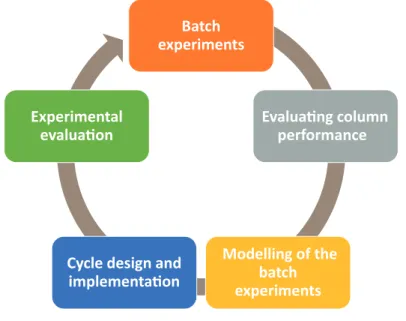
Figure 1.2: Classic design steps to undergo for the implementation of an SMB technol-ogy.
(i) the chromatograms from batch experiments provide the basic information about the retention factors and broadening of the peaks of interest, (ii) the packing reproducibility and efficiency of the SMB columns are assessed; (iii) the batch experiments are frequently modeled to a finer extent to better predict the propagation of the concentration fronts under conditions of finite column efficiency and overloaded conditions; (iv) the SMB cycle is designed based on the previously determined chromatographic data; (v) finally, the cycle is validated experimentally and the operating parameters are fine-tuned if deemed necessary.
1.9. PROCESS UNDERSTANDING
is a strong driver for switching from batch to continuous chromatography in line with the trend followed by other industries in the past (Nicoud, 2014). The current tendency in the biopharmaceutical industry is a decrease of the number of chromatographic columns used in the downstream train, which makes the implementation of continuous operation somewhat less relevant. This is not a strong drawback, provided that the plant is well designed and the simulated counter-current contact between the fluid phase and the adsorbent media is maintained.
Overall, chromatography is only a part of the global process including upstream and downstream, and real improvements are really beneficial when a large part of the process is switched to continuous. In this respect there is still work to be done, although some of the examples cited above constitute a promising start.
1.9
Process understanding
Proper understanding and characterization of the process is needed to move towards a full process intensification. Also, in many ways the Quality by De-sign (QbD) initiative requires a thorough understanding of the product and its manufacturing process (McCurdy et al., 2011). For QbD, the product- and process-knowledge base must include an understanding of the variability in raw materials, the relationship between the process’s and product’s critical quality attributes (CQAs), and the association between CQAs and the product’s clinical properties.
Downstream optimization still relies mainly on empirical-based strategies because most of the biophysico-chemical properties of complex biomolecules are not fully understood. Nevertheless, new tools, mainly related to high throughput screening, are easing the problem. It is appropriate to distinguish two main tools that are used for process understanding, namely Design of Experiments (DoE) and mechanistic or semi-empirical model-based knowledge (Fig.1.3).
In this section both methods are briefly explored, although their application in vaccine process development has been scarcely reported in the literature.
Process understanding approaches
Mechanistic model
Statistical tools: DoE, Monte Carlo
simulation Physico-chemical
understanding of the system
Integraon of all the unit operaons into a
global model Process
economics e HTS techniques
egraon of all he unit
ons into a model
Data driven model
Requirements
hydrid modeling
1.9. PROCESS UNDERSTANDING
any uncontrolled variables (e.g., laboratory temperature), which contribute to the repeatability variance but do not affect the results in a systematic way (Hibbert, 2012).
Although often considered as an industrial optimization tool, the number of scientific publications employing DoE has increased in the last years (Hibbert, 2012). Nestola et al. (2014b) implemented a DoE evaluation on a 96-well platform for assessing the effect of the stationary phase’s ligand density and salt concen-tration on adenovirus adsorption/desorption. A similar approach was used for optimization of baculovirus purification (Vicente et al., 2011a). Although the DoE approach is able to deliver helpful information, mainly for assessing the critical parameters of the design space, its use is considered as a black box approach, since it does not provide fundamental information regarding the mechanistic model that governs the biomolecule–resin interaction.
Mechanistic knowledge had been used, to some extent, in the design and optimization of virus downstream processing trains. For IEX chromatography of biomolecules, the most utilized adsorption model is the steric mass action (SMA) model (Brooks and Cramer, 1992), which can predict the binding and elution behaviour if good estimations of the characteristic charge, equilibrium constants, and steric factors are available. Some efforts have been initiated to describe a VLP elution chromatogram using the SMA model (Vicente et al., 2008). However, in this preliminary study the contribution of the impurities (many of them with unknown properties) was not included in the multicomponent model. When the SMA model is applied to describe the IEX mechanism of large biopharmaceuticals, it is somewhat difficult to determine the characteristic charge, as shown by Yamamoto et al. (2007) who studied the retention behavior of oligo-DNA onto an anionic exchange monolith. Indeed, for a characteristic charge larger than ca. 50 it can be quite challenging to determine this parameter experimentally. However, even more trickier is to use the SMA model in model-based process design and optimization due to the difficulties of numerically solving the differential material balance of an IEX adsorber for large values of the characteristic charge.
2014a).
Despite the recent advances in process understanding by using more or less complex mathematical modelling tools, most of the works described in the litera-ture are focused on the design or optimization of a single unit operation, mainly chromatography, although ultrafiltration has also been the subject of modeling efforts; e.g., Kanani and Ghosh (2007) described a novel approach for predicting permeate flux decline in constant pressure mode, while Paulen et al. (2012) re-ported an optimum feeding strategy for diafiltration. Nonetheless, model-based global optimization of the whole process by integrating several unit operations has not been attempted so far.
A common approach in the biopharmaceutical industry is the use of simulation software for cost of goods estimation intended to model all the aspects of the process. Well known examples are Intelligen SuperPro Designer, Aspen Batch Plus, and, more recently, BioSolve. This type of software is best suited to provide a format for process management, using material and energy balances to answer scheduling questions, explore equipment change-outs, and calculate cost data. However, the ability of simulation software to accurately predict unit operation scale-up and perform bioprocess optimization is limited (Shanklin et al., 2001). Still, several papers are available describing process economics for different mAbs (Stonier et al., 2012; Farid, 2007b), but for viral vaccines no data are available in the literature with the exception of a very recent study of VLP process economics (Chuan et al., 2014). In this study, Monte Carlo simulation was employed to identify the variance in the unit production cost (UPC) and, through bioprocess simulation data, it was shown that a vaccine could be manufactured at 1 cent (USD) per dose using bioreactor sizes of 500 and 300 L.
1.9. PROCESS UNDERSTANDING
were defined as pseudo components, that is, groups of proteins showing comparable retention/elution behaviour. To our knowledge, the application of this kind of approach for viral vaccines and vectors has not been reported to date.
Acknowledgments
References
Altaras, N. E., Aunins, J. G., Evans, R. K., Kamen, A., Konz, J. O., and Wolf, J. J. (2005). Production and formulation of adenovirus vectors. Adv Biochem Eng Biotechnol,99, 193–260.
Antony, A., Blackbeard, J., Angles, M., and Leslie, G. (2014). Non-microbial indicators for monitoring virus removal by ultrafiltration membranes.J Membr Sci,454, 193–199.
Aumann, L., and Morbidelli, M. (2007). A continuous multicolumn countercurrent solvent gradient purification (MCSGP) process. Biotechnol Bioeng,98, 1043–1055.
Baden, L. R., Walsh, S. R., Seaman, M. S., Tucker, R. P., Krause, K. H., Patel, A., Johnson, J. A., Kleinjan, J., Yanosick, K. E., Perry, J. et al. (2013). First-in-human evaluation of the safety and immunogenicity of a recombinant adenovirus serotype 26 hiv-1 env vaccine (ipcavd 001). J Infect Dis,207, 240–247.
Bandeira, V. S., Peixoto, C., Rodrigues, A. F., Cruz, P., Alves, P., Coroadinha, A. S., and Carrondo, M. (2012). Downstream Processing of Lentiviral Vectors: releasing bottlenecks. Hum Gene Ther Methods,23, 255–263.
Banjac, M., Roethl, E., Gelhart, F., Kramberger, P., Jarc, B. L., Jarc, M., ˇStrancar, A., Muster, T., and Peterka, M. (2014). Purification of vero cell derived live replication deficient influenza a and b virus by ion exchange monolith chromatography. Vaccine, 32, 2487–2492.
Barut, M., Podgornik, A., Brne, P., and ˇStrancar, A. (2005). Convective interaction media short monolithic columns: enabling chromatographic supports for the separation and purification of large biomolecules. J Sep Sci,28, 1876–1892.
Benavides, J., Mena, J. A., Cisneros-Ruiz, M., Ram´ırez, O. T., Palomares, L. A., and Rito-Palomares, M. (2006). Rotavirus-like particles primary recovery from insect cells in aqueous two-phase systems. J Chromatogr B,842, 48–57.