Clinical manifestations, outcomes and prognostic factors of the 2009
pandemic influenza A (H1N1) in children
Manifestações clínicas, desfechos e fatores prognósticos da influenza pandêmica A (H1N1) de 2009 em crianças
Manifestaciones clínicas, desenlaces y factores pronósticos de la influenza pandémica A (H1N1) 2009 en niños
Luana Lenzi1, Ângela Maron de Mello2, Lineu Roberto da Silva3, Mônica Holtz C. Grochocki4, Roberto Pontarolo5
Instituição: Universidade Federal do Paraná (UFPR), Curitiba, PR, Brasil 1Mestre em Ciências Farmacêuticas pela UFPR, Curitiba, PR, Brasil 2Mestre em Ciências Biológicas pela UFPR; Coordenadora do Centro de Informações Estratégicas e Respostas Rápidas da Secretaria Estadual de Saúde, Curitiba, PR, Brasil
3Mestre em Ciências Veterinárias pela UFPR; Sanitarista da Secretaria de Estado da Saúde, Curitiba, PR, Brasil
4Mestre em Ciências pela UFPR; Diretora Técnica do Consórcio Intergestores Paraná Saúde, Curitiba, PR, Brasil
5Doutor em Bioquímica; Professor-Associado do Curso de Graduação em Farmácia da UFPR, Curitiba, PR, Brasil
ABSTRACT
Objective: To analyze the pandemic influenza A (H1N1) 2009 in children of the state of Paraná, Southern Brazil, in order to identify clinical features, lethality, and prognostic factors for the infection.
Methods: This was a retrospective observational study. Data were collected from the National Notifiable Dis-ease System (Sinan) from the Brazilian Ministry of Health, from March to December, 2010. Children aged between zero and 12 years-old, with laboratorial confirmation of the infec-tion, were included. Variables related to demographic and clinical characteristics and outcomes were evaluated statisti-cally in order to compare the lethality rates in the presence and absence of these factors. The prognostic factors were identified by logistic regression, being significant p <0.05.
Results: 1,307 children were included and 19 of them died. Risk factors for death were heart diseases (OR 7.1; 95%CI 1.5–32.7), immunosuppression (OR 14.9; 95%CI 3.9–56.2), dyspnea (OR 9.5; 95%CI 2.8–32.9), pneumonia (OR 23.8; 95%CI 2.4–239.8), presence of wheezing (OR 11,9; 95%CI 1.4–103.7), and time to start treatment since the onset of symptoms (OR 1.3; 95%CI 1.2–1.5). Early treatment with the antiviral drug oseltami-vir was a protective factor for death (OR 0.012; 95%CI 0.003–0.05).
Conclusions: Underlying risk factors had a major role in determining outcomes. Early diagnosis and treatment
were important for the reduction of deaths from influenza
A (H1N1) 2009 in children.
Key-words: Influenza A Virus, H1N1 Subtype; risk factors; lethality; signs and symptoms; child.
RESUMO
Objetivo: Descrever as características clínicas e a letalidade, além de analisar os fatores prognósticos da infecção pela influenza
pandêmica A (H1N1), em crianças do estado do Paraná. Métodos: Estudo observacional e retrospectivo. Os dados foram coletados a partir do Sistema Nacional de Agravos de Notificação (Sinan), do Ministério da Saúde, entre março e dezembro de 2010. Foram incluídas as crianças com idade entre zero e 12 anos, com confirmação laboratorial da infec-ção. As variáveis referentes às características demográficas e clínicas e aos desfechos foram avaliadas estatisticamente a fim de comparar as taxas de letalidade na presença e na ausência desses fatores. Os fatores prognósticos foram identificados por regressão logística. Consideraram-se como significativos os valores de p<0,05.
Resultados: Foram incluídas 1.307 crianças, das quais 19 foram a óbito. Os fatores de risco para o óbito foram cardiopatias (OR 7,1; IC95% 1,5–32,7), imunodepressão (OR 14,9; IC95% 3,9–56,2), dispneia (OR 9,5; IC95% 2,8–32,9), pneumonia (OR 23,8; IC95% 2,4–239,8), pre-sença de sibilos (OR 11,9; IC95% 1,4–103,7) e tempo para
Endereço para correspondência: Roberto Pontarolo
Rua Prefeito Lothário Meissner, 632 – Jardim Botânico CEP 80210-170 – Curitiba/PR
E-mail: [email protected]
Conflito de interesse: nada a declarar
o início do tratamento a partir do início dos sintomas (OR 1,3; IC95% 1,2–1,5). O tratamento precoce com o antiviral oseltamivir foi um fator de proteção ao óbito (OR 0,012; IC95% 0,003–0,05).
Conclusões: Os fatores de risco subjacentes apresen-taram papel fundamental na determinação dos desfechos. O diagnóstico e o tratamento precoce foram importantes para a diminuição dos óbitos pela influenza A (H1N1) 2009 em crianças.
Palavras-chave: Vírus da Influenza A Subtipo H1N1; fatores de risco; letalidade; sinais e sintomas; criança.
RESUMEN
Objetivo: Describir las características clínicas y la le-talidad, además de analizar los factores pronósticos de la infección por la influenza pandémica A (H1N1) en niños de la provincia de Paraná (Brasil).
Métodos: Se trató de un estudio observacional y retrospec-tivo. Los datos fueron recogidos a partir del Sistema Nacional de Agravos de Notificação (Sinan), del Ministerio de Salud, entre marzo y diciembre de 2010. Se incluyeron a los niños con edad entre cero y 12 años, con confirmación laboratorial de la infección. Las variables referentes a las características demográficas y clínicas y a los desenlaces fueron evaluadas estadísticamente, a fin de comparar las tasas de letalidad en la presencia y ausencia de esos factores. Los factores pronósticos fueron identificados por regresión logística. Se consideraron como significativos los valores de p<0,05.
Resultados: Se incluyeron a 1.307 niños, de los que 19 fallecieron. Los factores de riesgo para óbito fueron cardio-patías (OR 7,1; IC95% 1,5-32,7), inmunodepresión (OR 14,9; IC95% 3,9-56,2), disnea (OR 9,5; IC95% 2,8-32,9), neumonía (OR 23,8; IC95% 2,4-239,8), presencia de sil-bidos (OR 11,9; IC95% 1,4-103,7) y tiempo para el inicio del tratamiento a partir del inicio de los síntomas (OR 1,3; IC95% 1,2-1,5). El tratamiento temprano con el antiviral oseltamavir fue un factor de protección al óbito (OR 0,012; IC95% 0,003-0,05).
Conclusiones: La tasa de letalidad observada en niños fue menor que la encontrada en el grupo que contrajo la enfermedad. Los factores de riesgo subyacentes presentaron un rol fundamental en la determinación de los desenlaces. El diagnóstico y el tratamiento tempranos fueron importantes para la reducción de los óbitos por influenza A (H1N1) 2009 en niños.
Palabras clave: Virus de la Influenza A Subtipo H1N1; factores de riesgo; letalidad; señales y síntomas; niño.
Introduction
The 2009 inluenza A (H1N1) pandemic, the irst of the 21st Century, originated in Mexico and the United States(1,2). According to the World Health Organization (WHO), 208 countries reported laboratory-conirmed cases of the disease in 2009, and 12,799 deaths were recorded(3).
Several studies showed that most individuals with that infection had mild symptoms and recovered in a few days(4). Its pathogenesis, in general, was the same as the one seen in cases of the common lu, and the disease seemed to progress spontaneously to resolution. However, clinical presentations varied widely, from asymptomatic cases to the development of severe or lethal pneumonia(5,6). Occasionally, clinical condi-tions deteriorated rapidly (in about ive days) into atypical pneumonia, that is, a viral pneumonia with few physical signs, but clearly deined on radiographs, and about half of the patients had acute fulminating respiratory distress(7).
The inluenza A (H1N1) virus may produce severe lung infection in young individuals without comorbidities, particularly children, and high hospitalization rates were recorded for this age group(8). Children are particularly vulnerable to complications during inluenza infection, and further studies should be conducted to improve our understanding of determinants and risk factors of deterio-ration and death in this population. However, few reports have described inluenza A among children(9-11). Because the severity of this disease may change according to geog-raphy and seasonality(12), the purpose of this study was to collect data about this disease and its possible risk factors among children infected in the 2009 pandemic in the state of Paraná, Brazil. Moreover, it described the clinical characteristics, lethality and prognostic factors of inluenza A (H1N1) infection among children.
Methods
This observational retrospective study was conducted from March to December 2009. Data were collected from structured questionnaires about the 2009 influenza A (H1N1) pandemic stored in the National Reportable Disease System (SINAN) of the Brazilian Ministry of Health.
were included if conirmed as 2009 pandemic inluenza A (H1N1) infection by the results of laboratory tests performed using the reverse-transcriptase polymerase chain reaction (RT-PCR). Suspected cases and those conirmed by clinical and epidemiological criteria, which included fever (>38o C), cough, close contact with an infected person or history of recent (up to ten days) travel to countries with documented cases, with or without other associated signs and symptoms, underwent laboratory tests for conirmation. Samples were analyzed using RT-PCR during the pandemic event, and results were gathered in the beginning of 2010 for a inal assessment of the cases and the production of this study. After collection, records were individually checked for in-consistencies or missing information. Patients were excluded if RT-PCR results were negative or data about symptoms, clinical and demographic data, or outcome (hospitalization, cure or death) were missing from their notiication forms.
The variables included were: age; presence of known fac-tor of inluenza deterioration, entered in the SINAN form (yes or no, separately); use of oseltamivir; hospitalization; results of chest X-ray; and dates of symptom onset, treatment initiation (when treated) and date of death (in case of death).
Statistical analysis compared the lethality of the 2009 in-luenza A (H1N1) pandemic among children according to the characteristics and variables under study. Descriptive statistics included the calculation of means and standard deviations for continuous variables and absolute numbers and proportions for categorical variables. Risk factors were investigated separately by comparing the distribution of variables according to cure or death. Proportions were compared using the Z score, a chi-square test for categorical variables, the Student t test for continuous variables and measures of central tendency. In ad-dition, possible associations between variables and death were analyzed using univariate logistic regression, and results were expressed by odds ratio (OR) and 95% conidence interval (95%CI). Outcomes were used as dependent variables and classiied as 0=cure and 1=death. The variables were evalu-ated using univariate analysis and the forced-entry method, and the constant was included in the models. The Statistical Package for the Social Sciences (SPSS) 17.0 was used for statis-tical analyses, and the level of signiicance was set at p<0.05. This study followed the Helsinki Declaration and the applicable Brazilian laws, and was approved by the Ethics in Research Committee of the Health Sciences
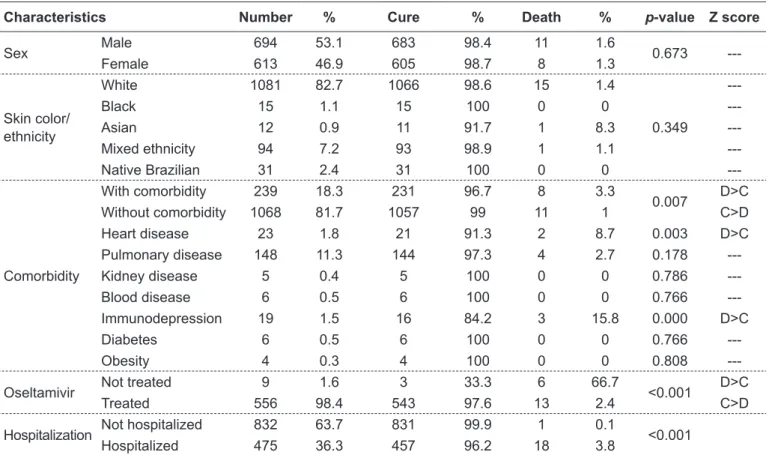
Table 1 - Main characteristics of the children that had inluenza A (H1N1) during the 2009 pandemic in the state of Paraná, Brazil
Characteristics Number % Cure % Death % p-value Z score
Sex Male 694 53.1 683 98.4 11 1.6 0.673
---Female 613 46.9 605 98.7 8 1.3
Skin color/ ethnicity
White 1081 82.7 1066 98.6 15 1.4
0.349
---Black 15 1.1 15 100 0 0
---Asian 12 0.9 11 91.7 1 8.3
---Mixed ethnicity 94 7.2 93 98.9 1 1.1
---Native Brazilian 31 2.4 31 100 0 0
---Comorbidity
With comorbidity 239 18.3 231 96.7 8 3.3
0.007 D>C
Without comorbidity 1068 81.7 1057 99 11 1 C>D
Heart disease 23 1.8 21 91.3 2 8.7 0.003 D>C
Pulmonary disease 148 11.3 144 97.3 4 2.7 0.178
---Kidney disease 5 0.4 5 100 0 0 0.786
---Blood disease 6 0.5 6 100 0 0 0.766
---Immunodepression 19 1.5 16 84.2 3 15.8 0.000 D>C
Diabetes 6 0.5 6 100 0 0 0.766
---Obesity 4 0.3 4 100 0 0 0.808
---Oseltamivir Not treated 9 1.6 3 33.3 6 66.7 <0.001 D>C
Treated 556 98.4 543 97.6 13 2.4 C>D
Hospitalization Not hospitalized 832 63.7 831 99.9 1 0.1 <0.001
Hospitalized 475 36.3 457 96.2 18 3.8
Department of the Universidade Federal do Paraná (UFPR), Curitiba, Brazil.
Results
In our sample, the irst case of this disease among children, conirmed by laboratory tests, occurred on June 15, 2009, and the patient was a one-year-old boy. A total of 1,307 children aged zero to 12 years were identiied. During the 2009 pandemic, their infection by the inluenza A (H1N1) virus was conirmed by laboratory tests using RT-PCR. Mean age was 6.2 (± 3.8) years. A total of 19 deaths were recorded, and lethality was 1.5%, lower than that found for infected individuals in general, which was 5.8% (274/4,740). Mean age of the children that died was 4.7 (± 3) years.
Table 1 shows the main characteristics of our patient sample and their association with the disease outcomes. In this sample, 53.1% were boys and 82.7% were white. A total of 239 children had one or more underlying diseases (comorbidities). The most frequent comorbidities were
pulmonary diseases, in 148 (11.3%), heart diseases, in 23 (1.8%), and immunodepression, in19 (1.5%). Only heart diseases and immunodepression had a signiicant association with outcomes, and the rate of deaths was greater than the rate of cure.
Information about whether children received treatment with the antiviral drug oseltamivir was found in the noti-ication forms of only 565 children. Of those, 556 (98.4%) received antiviral treatment. Mean time from symptom onset to treatment initiation in the group that was cured was two days (zero to 15), whereas in the group that died it was six days (zero to 20) (p<0.001). Treatment with oseltamivir was signiicantly associated with death, and the proportion of deaths was greater among children that did not receive it.
Hospitalization was recorded for 475 (36.3%) of the children. However, death occurred despite drug treatment and intensive care during hospitalization. The proportion of deaths was greater among hospitalized patients than among those that did not require hospitalization. The patients that died stayed about 6.4 days (zero to 21) in the hospital.
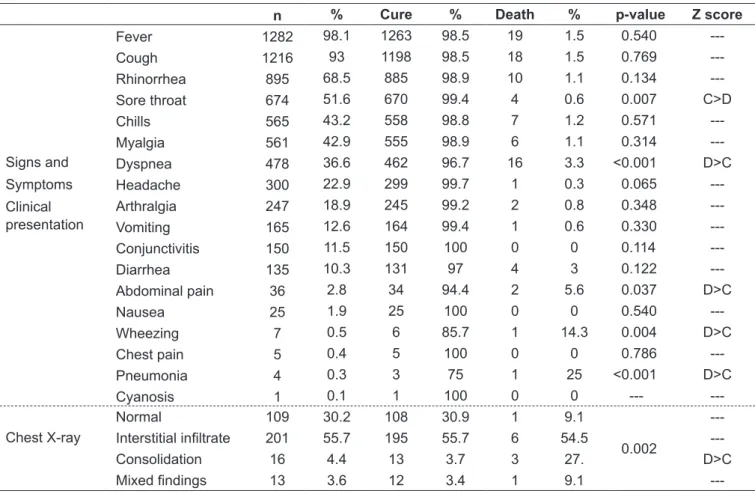
Table 2 - Clinical characteristics of the 2009 inluenza A (H1N1) pandemic among children of the state of Paraná, Brazil
n % Cure % Death % p-value Z score
Signs and Symptoms Clinical presentation
Fever 1282 98.1 1263 98.5 19 1.5 0.540
---Cough 1216 93 1198 98.5 18 1.5 0.769
---Rhinorrhea 895 68.5 885 98.9 10 1.1 0.134
---Sore throat 674 51.6 670 99.4 4 0.6 0.007 C>D
Chills 565 43.2 558 98.8 7 1.2 0.571
---Myalgia 561 42.9 555 98.9 6 1.1 0.314
---Dyspnea 478 36.6 462 96.7 16 3.3 <0.001 D>C
Headache 300 22.9 299 99.7 1 0.3 0.065
---Arthralgia 247 18.9 245 99.2 2 0.8 0.348
---Vomiting 165 12.6 164 99.4 1 0.6 0.330
---Conjunctivitis 150 11.5 150 100 0 0 0.114
---Diarrhea 135 10.3 131 97 4 3 0.122
---Abdominal pain 36 2.8 34 94.4 2 5.6 0.037 D>C
Nausea 25 1.9 25 100 0 0 0.540
---Wheezing 7 0.5 6 85.7 1 14.3 0.004 D>C
Chest pain 5 0.4 5 100 0 0 0.786
---Pneumonia 4 0.3 3 75 1 25 <0.001 D>C
Cyanosis 1 0.1 1 100 0 0 ---
---Chest X-ray
Normal 109 30.2 108 30.9 1 9.1
0.002
---Interstitial iniltrate 201 55.7 195 55.7 6 54.5
---Consolidation 16 4.4 13 3.7 3 27. D>C
Mixed indings 13 3.6 12 3.4 1 9.1
The association of clinical signs of the disease and outcomes is shown in Table 2. The main signs and symptoms were fever, cough, rhinorrhea and sore throat, found in affected over 50% of the children that were examined. Seven patients had wheezing at lung auscultation, and one, cyanosis. Chest X-rays were obtained for 339 children. Of those, 55.7% had interstitial iniltrates and 30.2% had normal results. Dyspnea, abdominal pain, wheezing and pneumonia were signiicantly associated with the outcomes. The Z score showed that the proportion of deaths was greater than that of cures for children with those clinical signs and symptoms. In addition, of the patient that died, 19 had fever, 18 (94.7%) had cough and 16 (84.2%), dyspnea, which suggests that these are the signs and symptoms most closely associated with disease deterioration. The variables associated with outcomes and higher number of deaths were analyzed using logistic regression to determine prognostic factors. Among children that had the inluenza A (H1N1) viral infection during the 2009 pandemic, risk factors of death were heart disease (OR 7.1; 95%CI 1.5–32.7) and immunodepression (OR 14.9; 95%CI 3.9–56.2), and their presence increased the odds ratio for death. The use of the antiviral drug oseltamivir was a protective factor against death (OR 0.012; 95%CI 0.003–0.05), and not using this medicine resulted in an 83.3 times greater odds ratio for death (95%CI 18.9–333.3). The analysis of oseltamivir use also revealed the importance of treating the patient at an early stage, as each additional day between symptom onset and treatment (measured as a continuous variable) increased the odds ratio for death in 30% (95%CI 20–50).
Among the clinical signs and symptoms of the disease, dyspnea (OR 9.5; 95%CI 2.8–32.9), pneumonia (OR 23.8; 95%CI 2.4–239.8) and wheezing at lung auscultation (OR 11.9; 95%CI 1.4–103.7) were associated with greatest clini-cal severity and increased odds ratio for death. Abdominal pain was not associated (p=0.056) with risk of death.
Discussion
Lethality in the presence or absence of epidemiological, clinical and therapeutic factors showed that there was a signiicant association between outcomes and the following factors: comorbidities, use of the antiviral drug oseltamivir, time from symptom onset to treatment initiation and hos-pitalization. Hospitalization was present in the most severe clinical cases, which explains the higher frequency of death in this subgroup.
The early treatment with the antiviral drug oseltamivir, initiated within two days of symptom onset, has already been reported as a protective factor that decreased the risk of admis-sion to an intensive care unit (ICU) and death for hospitalized patients during the 2009 inluenza A (H1N1) pandemic(11,13). In our study, mean time to treatment initiation after symptoms onset in patients that were cured was two days, differently from those that died, whose treatment started at a mean six days after symptom onset. This result is similar to those reported in other studies, which also suggested that there were beneits for patients treated with oseltamivir when compared with those that did not receive this treatment(13,14). The rapid progression of the disease in fatal cases was also reported in the United Kingdom(9) and Germany(11), which stresses the importance of prevention against this disease.
The association of heart disease with complications and death due to inluenza is likely to be the result of viral replication in cardiac tissue, as demonstrated by other authors(15). Another possible explanation for the association of its pathogenesis with extra-respiratory complications has been suggested by the con-nection between acute respiratory distress syndrome (ARDS) and multiple organ dysfunction syndrome (MODS), when the hepatic, renal, central nervous, hematologic, gastrointestinal and cardiac systems are more commonly affected(16).
The MODS pathogenesis has not been fully elucidated, but it seems to involve microcirculation and mitochondrial metabolism, including cytokine released in the circulation(17). Moreover, during infection by the inluenza virus, the myocar-dium is affected, which may be another possible explanation for the fact that heart diseases is a risk factor of death due to infection(18). Studies in the United Kingdom showed that 12% of the patients with infection by the inluenza virus had elevated levels of cardiac troponin, released when there is a lesion to the heart muscle, which points to possible viral activity in the heart muscle during infection(19). Ison et al reported that a signiicant proportion of patients in the initial phases of infection by the inluenza virus had abnormal electrocardiograms, associated or not with cardiac lesion markers or contractile abnormalities on echocardiograms(20).
Another important inding of infection in children was that wheezing was associated with the increase of the odds ratio for death, which may contribute to a rapid diagnosis and early intervention in the most severe cases. Wheezing is deined as a continuous musical long-lasting tone originating in the airways and produced by bronchi obstruction(22). It may be present in cases of lower airway disorders (bronchi, bronchiole, alveoli and lungs) as a result of complications of the inluenza infection(23). According to the results of our study, in addition of lung auscultation, chest X-rays should help to deine disease severity when consolidation and inter-stitial iniltrates are found.
Our results showed that the lethality of the inluenza A (H1N1) pandemic among children aged zero to 12 years in 2009 was 1.45%. Other studies conducted in Canada, Germany, the United Kingdom and Argentina found rates that ranged from 7 to 39%(9,11,24,25) of the patients in ICUs. However, all reports conirmed that lethality was higher than that found for seasonal inluenza. Differences in the organization of healthcare, including the criteria for ICU admission, age of the different groups and selection of study sites may partly explain differ-ences between studies.
Our study had several limitations, such as the fact that infection has often been underreported, although this might have been minimized in the 2009 pandemic due to the greatest awareness of the importance of notiication during outbreaks. Moreover, patients that were infected may have been left out because they did not seek medical attention. An additional limitation may be associated with the records
of patient clinical characteristics and comorbidities, based on the ields of the structured questionnaire, which was prepared according to risk factors and the characteristics of seasonal in-luenza. Therefore, although there was a ield for “other condi-tions”, several items may have been partially omitted because clinical evaluations and data collection were not standardized. Moreover, only children whose infection was conirmed by RT-PCR were included in the study. Also, data were collected according to number of days, which precluded the calculation of time from symptom onset to treatment initiation in hours. Finally, an important limitation of this study was the lack of multiple analysis using logistic regression.
The lethality of the 2009 inluenza A (H1N1) pandemic among children aged zero to 12 years was 1.5% of the cases conirmed by RT-PCR. The major symptoms were: fever, cough, rhinorrhea and sore throat. The risk factors of death were: heart disease, immunodepression, dyspnea, pneumonia and wheezing. Early treatment with the antiviral drug osel-tamivir was a protective factor against death. Our results stress the role of underlying risk factors, particularly in the progression of the most severe cases, and suggest that early diagnosis and treatment were important to reduce lethality of the 2009 inluenza A (H1N1) pandemic among children.
Acknowledgments
We thank the technical team of the Department of Health of the state of Paraná, Brazil, who were responsible for keep-ing data in the SINAN (DATASUS) electronic system.
References
1. Vaqué Rafart J, Gil Cuesta J, Brotons Agulló M. Main features of the new Inluenza virus a pandemic (H1N1). Med Clin (Barc) 2009;133:513-21. 2. Gatherer D. The 2009 H1N1 Inluenza outbreak in its historical context. J Clin
Virol 2009;45:174-8.
3. World Health Organization [homepage on the Internet]. Pandemic (H1N1) 2009 - update 91 [cited 2010 Jul 14]. Available from: http://www.who.int/csr/ don/2010_03_12/en/index.html
4. Hui DS, Lee N, Chan PK. Clinical management of pandemic 2009 inluenza A (H1N1) infection. Chest 2010;137:916-25.
5. Gérardin P, El Amrani R, Cyrille B, Gabrièle M, Guillermin P, Boukerrou M et al. Low clinical burden of 2009 pandemic inluenza A (H1N1) infection during
pregnancy on the island of La Réunion. PLoS One 2010;5:e10896. 6. García AH, Sánchez NG, Martí AT. Inluenza A (H1N1): clinical manifestations
and prophylactic and therapeutic indications. Arch Bronconeumol 2010;46 (Suppl 2):19-23.
7. Ho TS, Wang SM, Liu CC. Historical review of pandemic Inluenza A in Taiwan, 2009. Pediatr Neonatol 2010;51:83-8.
8. Restrepo MI, Mazo M, Anzueto A. Inluenza A (H1N1). Experience in the United States. Arch Bronconeumol 2010;46 (Suppl 2):13-8.
9. Lister P, Reynolds F, Parslow R, Chan A, Cooper M, Plunkett A et al.
Swine-origin inluenza virus H1N1, seasonal inluenza virus, and critical illness in children. Lancet 2009;374:605-7.
10. Van Zwol A, Witteveen R, Markhorst D, Geukers VG. Clinical features of a Dutch cohort of critically ill children due to the 2009 new inluenza A H1N1 pandemic. Clin Pediatr (Phila) 2011;50:69-72.
11. Altmann M, Fiebig L, Soyka J, von Kries R, Dehnert M, Haas W. Severe cases of pandemic (H1N1) 2009 in children, Germany. Emerg Infect Dis 2011; 17:186-92.
12. Peiris JS, Poon LL, Guan Y. Emergence of a novel swine-origin Inluenza A virus (S-OIV) H1N1 virus in humans. J Clin Virol 2009;45:169-73.
13. Jain S, Kamimoto L, Bramley AM, Schmitz AM, Benoit SR, Louie J et al.
Hospitalized patients with 2009 H1N1 inluenza in the United States, April-June 2009. N Engl J Med 2009;12;361:1935-44.
14. Domínguez-Cherit G, Lapinsky SE, Macias AE, Pinto R, Espinosa-Perez L, de la Torre A et al. Critically ill patients with 2009 inluenza A (H1N1) in Mexico.
JAMA 2009;302:1880-7.
15. Cioc AM, Nuovo GJ. Histologic and In Situ viral indings in the myocardium in
16. Dorinsky PM, Gadek JE. Multiple organ failure. Clin Chest Med 1990;11:581-91. 17. Kuiken T, Taubenberger JK. Pathology of human Inluenza revisited. Vaccine
2008;26 (Suppl 4):D59-66.
18. Mamas AM, Fraser D, Neyses L. Cardiovascular manifestations associated with inluenza virus infection. Int J Cardiol 2008;130:304-9.
19. Greaves K, Oxford JS, Price CP, Clarke GH, Crake T. The prevalence of myocarditis and skeletal muscle injury during acute viral infection in adults: measurement of cardiac troponins I and T in 152 patients with acute Inluenza infection. Arch Intern Med 2003;163:165-8.
20. Ison MG, Campbell V, Rembold C, Dent J, Hayden FG. Cardiac indings during uncomplicated acute influenza in ambulatory adults. Clin Infect Dis 2005;40:415-22.
21. Bowles NE, Ni J, Kearney DL, Pauschinger M, Schultheiss HP, McCarthy R
et al. Detection of viruses in myocardial tissues by polymerase chain reaction.
evidence of adenovirus as a common cause of myocarditis in children and adults. J Am Coll Cardiol 2003;42:466-72.
22. Brussee JE, Smit HA, Koopman LP, Wijga AH, Kerkhof M, Corver K et al.
Interrupter resistance and wheezing phenotypes at 4 years of age. Am J Respir Crit Care Med 2004;169:209-13.
23. Martinez FD, Wright AL, Taussig LM, Holberg CJ, Halonen M, Morgan WJ. Asthma and wheezing in the irst six years of life. The Group Health Medical Associates. N Engl J Med 1995;332:133-8.
24. Jouvet P, Hutchison J, Pinto R, Menon K, Rodin R, Choong K et al. Critical
illness in children with inluenza A/pH1N1 2009 infection in Canada. Pediatr Crit Care Med 2010;11:603-9.
25. Farias JA, Fernández A, Monteverde E, Vidal N, Arias P, Montes MJ et al.