From the Children’s Institute, Hospital das Clínicas, Faculty of Medicine, University of São Paulo.
NUTRITION FOR THE PEDIATRIC SURGICAL
PATIENT: APPROACH IN THE PERI-OPERATIVE
PERIOD
Mário Cícero Falcão e Uenis Tannuri
RHCFAP/3110
FALCÃO MC et al. – Nutrition for the pediatric surgical patient: approach in the peri-operative period. Rev. Hosp. Clín. Fac. Med. S. Paulo 57(6):299-308, 2002.
Nutrition is essential for maintenance of physiologic homeostasis and growth. Hypermetabolic states lead to a depletion of body stores, with decreased immunocompetence and increased morbidity and mortality. The purpose of this paper is to provide an update regarding the provision of appropriate nutrition for the pediatric surgical patient, emphasizing the preoperative and postoperative periods. Modern nutritional support for the surgical patient comprises numerous stages, including assessment of nutritional status, nutritional requirements, and nutritional therapy. Nutritional assessment is performed utilizing the clinical history, clinical examination, anthropometry, and biochemical evaluation. Anthropometric parameters include body weight, height, arm and head circumference, and skinfold thickness measurements. The biochemical evaluation is conducted using determinations of plasma levels of proteins, including album, pre-albumin, transferrin, and retinol-binding protein. These parameters are subject to error and are influenced by the rapid changes in body composition in the peri-operative period. Nutritional therapy includes enteral and/or parenteral nutrition. Enteral feeding is the first choice for nutritional therapy. If enteral feeding is not indicated, parenteral nutrition must be utilized. In all cases, an individualized, adequate diet (enteral formula or parenteral solution) is obligatory to decrease the occurrence of overfeeding and its undesirable consequences.
DESCRIPTORS: Nutritional support. Nutritional assessment. Nutritional therapy. Pediatric surgery. Nutrition.
INTRODUCTION
A large body of research indicates that adequate nutrition is essential for maintenance of physiologic homeostasis. Nutrient requirements during childhood are different than those of adults. This difference in-volves the pediatric need for growth and development and the rapid changes that occur during the func-tional maturation of organs and sys-tems1. Additionally, the growth
veloc-ity during early infancy is higher than any other period during childhood. For example, full-term infants double their birth weight in 5 months and tri-ple it in 12 months of life. Organ
growth accompanies this process. Therefore, energy needed to maintain this accelerated growth rate represents 30% to 35% of the energy require-ments in term neonates, and it is greater in preterm infants.
Prolonged fast, disease, stress, or trauma lead to a depletion of body stores, mainly protein reserves, which is accelerated by a hypermetabolic state. These conditions decrease immu-nocompetence and increase morbidity and mortality2.
Modern nutritional support
protocols for the surgical pediatric pa-tient are the result of contributions of numerous investigators3. Since 1968,
when a newborn with multiple jejunoileal atresias was maintained with total parenteral nutrition for more than 22 months, with normal weight gain and increased head circumfer-ence, techniques of parenteral and en-teral nutrition have been utilized with pediatric surgical patients, with dra-matic improvements in survival of pa-tients who previously would have died after surgical correction of their con-genital anomaly.
attributable to a better understanding of the physiopathologic changes in the peri-operative period that can be supported with adequate nutrition4.
Several important points should be considered regarding pediatric surgical patients5:
• the disease process that
necessi-tates surgical intervention influ-ences decisions about the correct approach;
• surgery per se provokes an increase in stress response parameters; • the acute stress response is
cata-bolic and involves the mobiliza-tion of substrates (protein, fat, and carbohydrates);
• this mobilization results in provi-sion of energy for the catabolic process;
• catabolic metabolism occurs in ap-position to the accelerated somatic growth (characteristic of the healthy child);
• the response to injury is variable and depends on age, the degree of organ maturity, underlying nutri-tional status, and severity of the in-sult; and
• individualized, adequate
nutri-tional support in the peri-operative period decreases morbidity and mortality.
METABOLIC RESPONSE
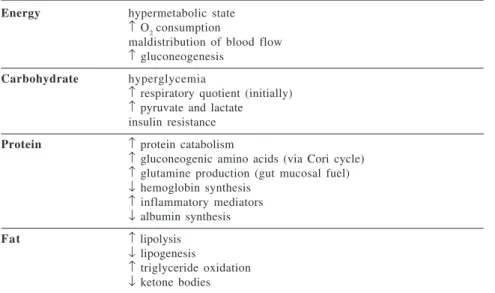
The acute metabolic response rep-resents a catabolic state. Endogenous tissue stores of protein, carbohydrate, and fat are invariably decreased during this period, resulting in failure to thrive6. Table 1 shows the metabolic
status in critically ill infants. It is im-portant to emphasize that the meta-bolic status is lower in children than in adult patients.
In the postoperative period, be-cause of the reductions in activity and insensible losses observed in sedated infants in a thermo-neutral intensive care environment, caloric requirements are reduced to amounts necessary to meet basal metabolic needs7.
After uncomplicated surgical pro-cedures, energy expenditure does not increase substantially over baseline values8. When the acute phase of
meta-bolic stress resolves, the anameta-bolic phase begins, resulting in somatic growth, with decreasing concentra-tions of acute-phase reactants, pro-teins, and total urinary nitrogen values, and with increasing concentrations of visceral proteins8.
Therefore, if caloric repletion based on the requirements for healthy infants is administered during the acute phase
of metabolic stress in critically ill in-fants, an overfeeding may be estab-lished9,10. Table 2 shows the metabolic
consequences of overfeeding.
ASSESSMENT OF NUTRITIONAL STATUS
Parameters for the assessment of body energy and protein reserves have been developed over the last century11.
Despite progress and the development of new techniques to assess nutritional status, assessment still remains compli-cated for the pediatric surgical patient, and a reliable assessment of nutritional status depends on various parameters. This fact makes the nutritional assess-ment hard and laborious, but essential for the institution of an adequate nu-tritional therapy12.
It is important to note that despite the recent advances in nutritional as-sessment, a clinical evaluation of the patient’s status (subjective global as-sessment) performed by a experienced physician can be as reliable as more sophisticated tests. However, this sub-jective global assessment is better ap-plied to adult patients than to pediatric patients.
Although nutritional assessment is considered by the pediatricians to be a critical aspect of the initial evalua-tion of all patients that are candidates for nutritional therapy, it is well known that the incidence of malnutrition in
Table 1 - Metabolic status in critically ill infants.
Energy hypermetabolic state
↑ O
2 consumption
maldistribution of blood flow
↑ gluconeogenesis Carbohydrate hyperglycemia
↑ respiratory quotient (initially)
↑ pyruvate and lactate
insulin resistance Protein ↑ protein catabolism
↑ gluconeogenic amino acids (via Cori cycle) ↑ glutamine production (gut mucosal fuel)
↓ hemoglobin synthesis ↑ inflammatory mediators ↓ albumin synthesis
Fat ↑ lipolysis
↓ lipogenesis
↑ triglyceride oxidation ↓ ketone bodies
Table 2 - Metabolic consequences of overfeeding.
Hyperglycemia
Hyperosmolarity, osmotic diuresis, and dehydration
Hypertriglyceridemia Hyperazotemia
Respiratory complications Increased quotient respiratory Prolonged ventilator support Hepatic dysfunction
Cholestasis Steatosis
the surgical patient is quite high. Therefore, in clinical practice, the mal-nourished patient with a digestive sur-gical disease is easily identified by history and physical examination, with special evaluation of previous weight and weight loss, anorexia or vomiting, as well as physical evidence of mus-cle wasting and loss of adipose subcu-taneous tissue.
Clinical assessment needs to focus on the following13:
• nutritional intake,
• the disease process and its
cata-bolic effect,
• current physical state of malnutri-tion and weight loss, and
• functional status of the central nerv-ous system.
Besides the subjective evaluation of nutritional status, the objective portion of the assessment includes the basic an-thropomorphic measurements of height, weight, and head circumference, and comparison with standardized growth curves obtained from normal children of each country or region14.
Anthropometry is widely used be-cause it is an inexpensive method, and it can be easily applied to all patients, primarily to pediatric patients. Addi-tionally, anthropometric indices are useful because they are fairly constant and do not change rapidly15,16.
The measurement of skinfold thickness is a simple method for deter-mining fat stores, because subcutane-ous fat is indicative of total body fat levels. Usually, the triceps and biceps skinfold are used. From the measure-ment of the arm circumference and the triceps skinfold, it is possible to cal-culate the values of the muscle and adi-pose compartments15.
The body mass index (BMI) shows a relationship between weight and height. It is usually indicated for a clinical assessment of overweight or obesity. In critically ill patients, the body weight may be influenced by fluid shifts.
Biochemical measurements of nu-tritional status can be performed using the plasma levels of albumin, transfer-rin, pre-albumin, and retinol-binding protein15,16. Although plasma protein
concentrations are used for assessment of nutritional status and nutritional therapy, they are not specific, and many factors may modify the plasma protein levels17,18. Among these
param-eters, albumin plasma level is available in any hospital and is considered the classic biochemical marker used to as-sess a malnourished state. The other parameters are not readily accessible by most clinicians and are not com-monly used in the clinical practice.
Urinary creatinine excretion is pro-portional to muscle creatine and to to-tal muscle mass. In acute illness and the postoperative period, creatinine excretion is altered and is not a valu-able index. The creatinine/height in-dex correlates creatinine excretion to muscle tissue, and a reduction in mus-cle mass produces a proportional re-duction of the index14.
The nitrogen balance is the differ-ence between nitrogen entering and exiting the body. Therefore, nitrogen balance is an indirect measure of pro-tein conservation, and a negative bal-ance shows a catabolic state in the critically ill patient14.
Many indices have been developed to prospectively quantitate the peri-operative risk:
• the prognostic nutritional index
(PNI) attempts to correlate nutri-tional status with postoperative outcome and complication rate. Many anthropometric and bio-chemical parameters are included in this index, such as: triceps skinfold thickness, serum albumin and transferrin levels, and cutane-ous delayed hypersensitivity reac-tivity. The PNI may reveal the pa-tient who needs preoperative nutri-tional support19.
• the prognostic inflammatory and
nutritional index (PINI) combines anthropometrics and biochemical parameters (albumin and pre-albu-min) and values of C-reactive pro-tein19.
The analysis of these indices shows that only a limited number of anthropometric and biochemical pa-rameters may have a clear correlation with postoperative outcome20.
Further-more, the large individual variation in the disease status mandates caution in the interpretation of these indices.
The assessment of immune status includes the blood total lymphocyte count and test for skin hypersensitiv-ity, because malnutrition may modify the immunological defenses.
Recently, various methods of direct measurement of pediatric body compo-sition have been described for aca-demic purposes, with few practical re-sults; these include isotopic dilution techniques, bioelectrical impedance analysis, dual photon absorptiometry, and dual energy x-ray absorptiometry. Finally, all the parameters (anthro-pometric, biochemical, and indices) described above are subject to ob-server error and are influenced by changes in body composition induced by non-nutritional factors21.
Further-more, the growth rate of the pediatric patient is an additional important fac-tor that must be considered.
Nutritional Requirements
Several methods can be used to es-timate fluid and nutrient requirements of the pediatric patient. None of these are always completely accurate1. An ill
child often has different requirements from those of a healthy child.
Energy
Direct and indirect calorimetry or empirical equations are used to assess
the energy requirement24. Direct
calorimetry is very complicated and expensive, so it is rarely utilized in the clinical setting25. Indirect calorimetry
measures the heat production from O2 consumption and CO2 production, and from these measures, the metabolic rate can be calculated26.
Empirical approximate equations can estimate the basal metabolic rate, or the energy required for the body at rest. The most frequently used equa-tion is the Harris-Benedict formula, which is based on indirect calorimetry27:
• BMR = 66 + (13.7 x BW) + (5 x H
– 6.8 x A) → male
• BMR = 655 + (9.6 x BW) + (1.7 x
H – 4.7 x A) → female
BMR = basal metabolic rate BW = body weight (kg) H = height (cm) A = age (years)
This equation estimates the basal energy expenditure from the patient’s gender, weight, height, and age. Fur-thermore, it is necessary to apply a stress correction factor (Table 5) to in-crease the basal metabolic rate in the surgical patient. The Harris-Benedict equation does not apply to children under 6 years of age or 25 kg14,27.
Although empirical equations are simple and quick methods, they are not always accurate because there is a ther-mogenic response to trauma, surgery, and infection27,28.
Protein
Proteins are essential for maintain-ing lean body mass. Protein break-down continues during periods of stress or trauma, and it may be mini-mized by provision of dietary protein. Amino acids are essential for synthe-sis of somatic and visceral protein as well as enzymes, hormones, immuno-globulins, and neurotransmitters. An appropriate proportion of essential and nonessential amino acids may be pro-vided, as well as a balance of protein and non-protein calories23.
Protein requirements are influenced by energy intake, availability of vita-mins, minerals, and cofactors, gesta-tional and postnatal age, presence of clinical conditions (trauma, sepsis), and some medications (steroid therapy)29. Table 3 summarizes daily
requirements.
Lipid
Lipid intake serves 2 basic func-tions: providing essential fatty acids and providing energy.
Essential fatty acid deficiency was described in patients receiving pro-longed (more than 2 or 3 weeks) feed-ing of fat-free diets (enteral or parenteral) in critically ill patients, during prolonged fast, and in preterm neonates30. There is considerable
evi-dence that premature or ill term infants may not effectively convert, by elon-gation and desaturation, essential fatty acids into long-chain polyunsaturated fatty acids, such as arachidonic and docosahexaenoic acids31.
The symptoms of essential fatty acid deficiency are dry or scaled skin, sparse hair growth, increased
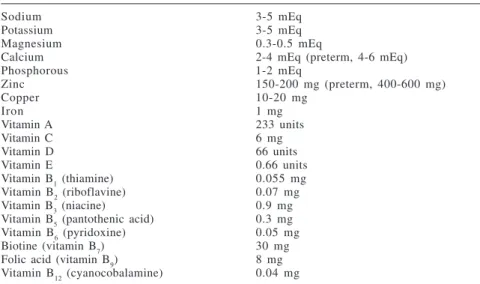
suscep-Table 3 - Daily requirements for children undergoing parenteral nutrition (per kg of body weight).
< 10 kg 11 to 20 kg >21 kg
Water 130 mL 90-100 mL 70-90 mL
Calories 100 cal 90 cal 80 cal
Amino acids* 2.5 g 2.0 g 1.5 g
*renal failure – 0.5 g; liver failure – 0.5 g; burns – 3.5 g; prematurity – 3.5 to 4.0 g depending on gestational age
Table 4 - Daily requirements of electrolytes, trace elements, and vitamins (per kg of body weight).
Sodium 3-5 mEq
Potassium 3-5 mEq
Magnesium 0.3-0.5 mEq
Calcium 2-4 mEq (preterm, 4-6 mEq)
Phosphorous 1-2 mEq
Zinc 150-200 mg (preterm, 400-600 mg)
Copper 10-20 mg
Iron 1 mg
Vitamin A 233 units
Vitamin C 6 mg
Vitamin D 66 units
Vitamin E 0.66 units
Vitamin B1 (thiamine) 0.055 mg
Vitamin B2 (riboflavine) 0.07 mg
Vitamin B3 (niacine) 0.9 mg
Vitamin B5 (pantothenic acid) 0.3 mg
Vitamin B6 (pyridoxine) 0.05 mg
Biotine (vitamin B7) 30 mg
Folic acid (vitamin B9) 8 mg
Vitamin B12 (cyanocobalamine) 0.04 mg
Table 5 - Stress correction factors.
Injury Correction factor
Absence 1.0
Postoperative state 1.1 to 1.5
Sepsis 1.3
Multiple trauma 1.5 to 1.6
tibility to infections, thrombocytope-nia, failure to thrive, hypotothrombocytope-nia, in-creased metabolic rate, impaired water balance, red blood cell fragility, and electroencephalographic and electro-cardiographic alterations.
Preterm newborn infants are espe-cially susceptible to developing essen-tial fatty acid deficiencies, because tis-sue stores are minimal and requirement for them is great as a result of rapid growth. In the neonatal period, essen-tial fatty acid deficiency may produce alterations in neurological and retinal development30,32.
Usually, 20% to 60% of calories are provided by lipids, and essential fatty acid requirements may be met with 2% of total calories as lipids32.
Glutamine
Glutamine is the most abundant amino acid in the organism, and its functions are33-35:
• to provide a structural component
of proteins;
• to provide for nitrogen transfer be-tween tissues;
• to act as a substrate for ammonia
productions (kidney);
• to serve as a precursor of purine
and pyrimidine; and
• to provide fuel for enterocytes and lymphocytes.
Glutamine has traditionally been classified as a nonessential amino acid, but in critically ill patients, its stores are depleted and its biosynthetic path-way cannot meet the increased de-mands; therefore it becomes a condi-tional essential amino acid36,37.
Pediatric surgical patients are at high risk for nutritional insufficiency and catabolism. They often receive parenteral support, because enteral nu-trition is commonly difficult to pro-vide. Therefore, various investigators have proposed that enteral and/or parenteral glutamine supplementation might result in protection against
sep-sis and improved tolerance to rapid enteral feeding, as well as in decreased length of hospital stay by pediatric surgical patients38-40. However, new
re-search with pediatric patients reveals that the benefits of using glutamine supplementation are questionable35.
Carnitine
Carnitine, a nonessential amino acid with a 6-carbon molecule, is im-portant in the transfer of fatty acids into mitochondria and in the b-oxida-tion of these nutrients, with subsequent energy release3.
Carnitine deficiency, revealed by low plasma concentration and com-monly observed in infants receiving prolonged parenteral nutrition, may inhibit fatty acid oxidation. Carnitine deficiency can occur in41:
• long-term total parenteral
nutri-tion;
• low birth-weight infants; • severe malnutrition; and
• sepsis.
Premature or low birth-weight neonates are particularly prone to car-nitine deficiency because they have low body stores and a great depend-ence on fatty acid oxidation for energy. Therefore, carnitine deficiency could lead to impaired lipid metabolism re-flected by increased free fatty acids in tissues and plasma. However, the need to provide carnitine supplementation for the ill newborn infant receiving parenteral lipids remains unclear23.
NUTRITIONAL DELIVERY SYSTEMS ENTERAL FEEDING
The concept that enteral route is ideal for feeding is classic. When en-teral feeding is given, even in small amounts, the intestinal microvillus structure is preserved and bacterial translocation from the intestines to the blood is prevented. Enteral feeding is
also a more economical route than parenteral feeding. Finally, septic com-plications that represent the most im-portant problem of parenteral nutrition are far less common during enteral nu-trition42,43.
Feeding routes may range from oral intake to nasogastric, nasoduodenal, nasojejunal, or jejunostomy feeding tubes. If the intestines can be involved in the preoperative or postoperative period, the route of access needs to be determined. For infants who have ab-normal sucking or swallowing reflexes or for those who are not alert enough to swallow, placing a tube feeding should be considered. Gastric feeding is preferred because it allows for a nor-mal digestive process. Although transpyloric tube placement is classi-cally indicated for infants who have a high risk for aspiration, such as those with documented gastroesophageal re-flux, coma state, or depressed reflexes, the location of the tube in the duode-nal or jejunum and the maintenance of position are very difficult. As a conse-quence, the gastric tube is preferable, with the use of a slow, continuous in-fusion of the liquid diet.
Formula Selection
The choice of formula depends on the age of the patient, the condition of the gastrointestinal tract, and the disease or diseases of the patient44. For example,
increasing the volume delivered, increas-ing the concentration of the formula or by supplementing the feedings. Formula concentrations may be increased to 1 kcal/mL; however, highly concentrated formulas may be difficult for some in-fants to digest and have also occasion-ally been associated with necrotizing enterocolitis45,46. In general for surgical
patients, primarily for those with short bowel syndrome, elemental or semi-el-emental formulas may be utilized, and natural diets based on chicken meat pro-tein may be an option. As a matter of fact, there are no metabolic advantages to the utilization of elemental diets over the natural diets. In a previous study with in-fants with biliary atresia in the preoperative period of liver transplanta-tion, it was demonstrated that a natural diet based on skimmed milk enriched with 10% carbohydrates is metabolically superior to an isocaloric isonitrogenous elemental diet.
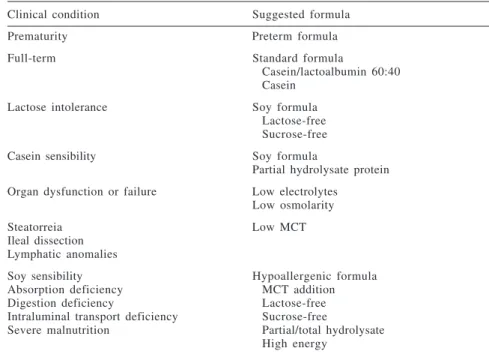
Table 6 resumes formula indica-tions considering age and disease, and table 7 shows formula classifica-tion47,48.
MINIMAL ENTERAL NUTRITION
There is increasing evidence that failure of barrier and immune function in the gut promotes translocation of bacterial flora, toxin penetration, and cytokine release48. Many of these
fea-tures can be minimized by minimal enteral intake (minimal enteral nutri-tion, gut priming, trophic feeding, hypocaloric enteral feeding). Minimal enteral nutrition is defined as a volume less than or equal to 10 mL/kg per day of choice diet. These feedings stimu-late the gastrointestinal tract in prepa-ration for more substantial enteral nu-trition later49. Also, many nutrients,
in-cluding glutamine and omega-3 fatty acids, may contribute to preserving the integrity of the gut barrier49,50.
In addition, bacterial fermentation
of carbohydrates produces short-chain fatty acids, such as butyrate, that are substrates for enterocyte nutrition46,48.
Luminal starvation is associated with gut atrophy and decreased absorp-tion, and as mentioned above, in-creased bacterial translocation across the intestinal mucosa at any age45.
Table 8 shows beneficial effects of minimal enteral nutrition45,46.
Table 6 - Formula indication.
Clinical condition Suggested formula
Prematurity Preterm formula
Full-term Standard formula
Casein/lactoalbumin 60:40 Casein
Lactose intolerance Soy formula
Lactose-free Sucrose-free
Casein sensibility Soy formula
Partial hydrolysate protein Organ dysfunction or failure Low electrolytes
Low osmolarity
Steatorreia Low MCT
Ileal dissection Lymphatic anomalies
Soy sensibility Hypoallergenic formula
Absorption deficiency MCT addition
Digestion deficiency Lactose-free
Intraluminal transport deficiency Sucrose-free
Severe malnutrition Partial/total hydrolysate High energy
MCT: medium-chain triglycerides
Table 7 - Formula classification.
Complete
Polymeric (intact macronutrients) Natural protein
Basis – cow milk Purified protein
Basis – casein Basis – lacto-albumin Basis – soy
Special – prematurity – inborn errors of metabolism
Oligomeric
Semi-elementary (partial hydrolysate) Elementary (total hydrolysate) Incomplete
Modulate – supplements Protein
Carbohydrate – glucose polymers Lipid – MCT
– LCT MCT: medium-chain triglycerides LCT: long-chain triglycerides
Table 8 - Beneficial effects of minimal enteral intake.
No increase in incidence of necrotizing enterocolitis
Less cholestatic jaundice Less osteopenia
Increased glucose tolerance Increased weight gain
Earlier tolerance of full enteral intake Increased gut hormones
TOTAL PARENTERAL NUTRITION
Conventional formulations of total parenteral nutrition (TPN) were devel-oped in the late 1960s and early 1970s. The specific goals of this nu-trition include positive calorie and ni-trogen balance, homeostatic control of fluids, electrolyte balance, and meta-bolic function to maintain or restore visceral and somatic proteins3.
Ideally, parenteral nutrition should mimic a healthy diet, providing macro-and micronutrients according to each individual’s requirements and meta-bolic tolerance.
Total parenteral nutrition requires cooperation from supporting services such as pharmacy, central supply, in-fection control, metabolic and nutri-tion support, surgical, and nursing that are necessary to achieve successful treatment.
Parenteral nutrition solutions are compounded with a ratio of calories of nitrogen that provides an adequate (neutral or positive) nitrogen balance. The amount of each component and type of solution used varies depend-ing on age, maturity, and clinical di-agnosis of the infant or child23.
Appropriate metabolic support for critically ill surgical patients includes a relative increase of amino acids and lipids, decrease in glucose intake, and the administration of certain “new” nutrients to modulate inflammatory re-sponse51. Also, the TPN solution may
contain electrolytes, minerals, vita-mins, and trace elements. The require-ment of any of these elerequire-ments depends on the degree of malnutrition and hy-permetabolism, and the length of time the child is expected to be without oral intake51.
The emerging consensus is that en-teral feeding is the desired method in pediatric surgical patients, except for the following situations2:
• immediate postoperative period,
• hemodynamic instability,
• intractable vomiting, and • active gastrointestinal bleeding.
Relative indications include2:
• ileus,
• intestinal fistula, and • pancreatitis.
Under surgical conditions ex-pected to create difficulties for nutri-tional intake, TPN can be initiated presurgically and continued from the immediate postoperative period for any length of time necessary.
Additionally, parenteral nutrition is indicated as a supplement to enteral feeding. Most surgical patients receive both types of nutrition—parenteral and enteral52.
There are 2 types of TPN, based on the physical site of the infusate tubing – peripheral or central. The peripheral type limits the infused glucose con-centration to up to 12 g/dL. A higher concentration of glucose can be achieved (20 g/dL to 30 g/dL) with central TPN, but central TPN has the most complications due to infection, because it requires a central venous catheter53.
Central TPN is warranted to allow an extended period of bowel rest in some postoperative periods, or when
nutritional requirements exceed the capabilities of peripheral parenteral nutrition. Parenteral nutrition is usu-ally administered through central ve-nous infusion, since most ill pediatric surgical patients have central venous access for drug administration and monitoring3.
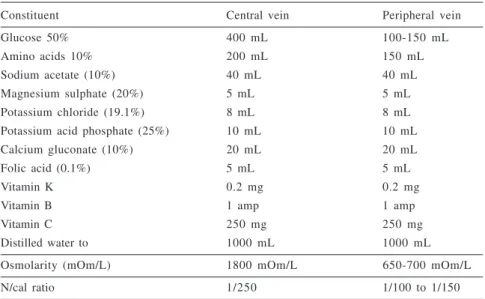
Table 9 shows the differences be-tween parenteral nutrition solutions used in central and peripheral access.
Parenteral nitrogen sources are available in the form of crystalline amino acid solutions, with essential, conditional essential, and nonessential amino acids. Many pediatric amino acid formulations are commercially available. These solutions are better adapted to the needs of pediatric pa-tients than are standard adult amino acid solutions. The benefits of pediatric amino acid solutions are that they29:
• produce plasma amino acid levels
that approximate those of healthy breast-fed infants;
• promote weight gain and positive
nitrogen balance;
• minimize the abnormalities in liver function; and
• increase calcium and phosphorous
solubility.
Table 9 - Parenteral nutrition solutions.
Constituent Central vein Peripheral vein
Glucose 50% 400 mL 100-150 mL
Amino acids 10% 200 mL 150 mL
Sodium acetate (10%) 40 mL 40 mL
Magnesium sulphate (20%) 5 mL 5 mL
Potassium chloride (19.1%) 8 mL 8 mL
Potassium acid phosphate (25%) 10 mL 10 mL
Calcium gluconate (10%) 20 mL 20 mL
Folic acid (0.1%) 5 mL 5 mL
Vitamin K 0.2 mg 0.2 mg
Vitamin B 1 amp 1 amp
Vitamin C 250 mg 250 mg
Distilled water to 1000 mL 1000 mL
Osmolarity (mOm/L) 1800 mOm/L 650-700 mOm/L
Major differences between pedia-tric and adult amino acid formulations are the addition of taurine, histidine, tyrosine, glutamic, and aspartic acids, and lower amounts of methionine, phenylalanine, and glycine2.
Glucose is presently used almost exclusively as the carbohydrate source for TPN, because it is safe, economi-cal, and readily available. Addition-ally, glucose is responsible for the high osmolarity of parenteral solu-tions53.
Parenteral lipids are available as an emulsion of medium- and long-chain triglycerides. Soybean and safflower-oil based preparations are the currently used lipid emulsions. They may be used daily to meet essential fatty ac-ids requirements, providing at least 4% of total daily calories. These lipid preparations provide polyunsaturated fatty acids for peripheral tissues after endogenous hydrolysis by lipoprotein lipase31.
The use of 20% lipid solutions is preferable for conserving fluid and for decreasing the incidence of hyperlipemia, because the ratio of phospholipid to triglyceride is lower
than in the 10% emulsion, which re-sults in less inhibition of lipoprotein lipase activity due to infused phos-pholipid30.
In clinical practice, parenteral so-lutions can be individualized or stand-ard admixtures. Individualized solu-tions provide for almost all nutritional requirements, but the clinical benefit of standard or “3 in 1” solutions is a lower risk of infections, because the growth of pathogenic organisms is re-strained. Additionally, “3 in 1” solu-tion are stable and inexpensive, and they can de prepared and then stored under refrigeration54.
The monitoring of nutritional sta-tus in pediatric surgical patients re-ceiving parenteral nutrition is summa-rized in table 10.
The greatest risks associated with TPN are systemic infection from an in-fected insertion site, systemically ac-quired bacteremia from the urinary or intestinal tract, contaminated solutions, and nosocomial infections.
The metabolic risks associated with TPN are55:
• hyperglycemia with glucosuria
and osmotic diuresis and
dehydra-tion;
• cholestasis, hepatic steatosis, and cholelithiasis;
• hyperammonemia and
hyperazo-temia;
• hyperchloremic metabolic
acido-sis;
• rising blood transaminase levels;
• hyperlipidemia
(hypertriglyceri-demia and/or hypercholesterole-mia);
• hypophosphatemia;
• iron deficiency (long-term TPN);
and
• trace element and certain vitamin
deficiencies (long-term TPN).
FINAL CONSIDERATIONS
Evidence confirms that pediatric surgical patients need individualized and adequate nutritional support dur-ing the peri-operative period to de-crease the morbidity and mortality.
This adequate nutritional approach includes a nutritional assessment, cor-rect nutritional requirements for all nutrients, and ample knowledge about the metabolic response of the pediatric critically ill patient.
The assessment of nutritional sta-tus is performed utilizing clinical ex-amination, anthropometric parameters, including body weight, height, head and arm circumference, and the meas-urement of triceps skinfold thickness, and biochemical determinations, such as plasma level proteins.
Enteral feeding is the first choice for the nutrition therapy. If the gastro-intestinal tract cannot be utilized, parenteral nutrition is indicated. In any case, an adequate formula for enteral nutrition or an adequate solution for parenteral nutrition must be selected.
Table 10 - Monitoring of nutritional status.
Parameter Frequency
Fluid input and output daily
Body weight daily
Height weekly
Head circumference weekly
Arm circumference and triceps skinfold weekly
Serum glucose (reagent strip) 2-3x/day
Glucosuria 2-3x/day
Serum electrolytes 2-3x/week
Triglycerides, albumin, pre-albumin biweekly
Nitrogen balance – if available weekly
RESUMO RHCFAP/3110
FALCÃO MC e col. - Nutrição no pa-ciente cirúrgico pediátrico: abor-dagem pré e pós operatória. Rev. Hosp. Clín. Fac. Med. S. Paulo 57(6):299-308 2002.
A nutrição é essencial para a manu-tenção da homeostase fisiológica e para o crescimento. Estados hipermetabó-licos acarretam depleção dos estoques corpóreos, com prejuízo da função imu-ne e aumento da morbimortalidade. O objetivo deste artigo de atualização é mostrar uma abordagem mais ampla da terapia nutricional na criança que ne-cessita de cirurgia, enfatizando os períodos pré e pós-operatório. Nessas
crianças, um suporte nutricional atual resulta do conhecimento de várias eta-pas, incluindo a avaliação nutricional, as necessidades nutricionais e a terapia nutricional propriamente dita. A avali-ação nutricional consiste da anamnese, do exame físico, da antropometria e de determinações laboratoriais. Os parâ-metros antropométricos incluem o peso, a estatura, os perímetros cefálico e braquial e dobras cutâneas. A avaliação bioquímica pode ser realizada através das proteínas plasmáticas, como a albu-mina, a pré-albumina e a proteína liga-da ao retinol. Todos esses parâmetros podem estar sujeitos a erros, pois alte-rações bruscas na composição corpórea
podem ocorrer nos períodos pré e pós-operatórios. A terapia nutricional inclui as alimentações enteral e/ou parenteral, sendo a enteral a de primeira escolha. Na impossibilidade da nutrição enteral, a parenteral deve ser instituída. Em ambas as situações, a escolha de uma dieta adequada (fórmula enteral ou so-lução parenteral) é imprescindível, para se evitar a superalimentação e suas con-seqüências indesejáveis.
DESCRITORES: Suporte
nutri-cional. Avaliação nutrinutri-cional. Tera-pia nutricional. Cirurgia pediátrica. Nutrição.
REFERENCES
1 . STEINHORN DM, GREEN TP - Severity of illness correlates with alteration in energy metabolism in pediatric intensive care unit. Crit Care Med 1991; 19:1503-1509.
2 . DEBIASSE MA, WILMORE DW - What is optimal nutritional support? New Horizons 1994; 2:122-130.
3 . LIPSKY CL, SPEAR M - Recent advances in parenteral nutrition. Clin Perinatol 1995; 22:141-155.
4 . BOWER RH - Nutrition during critical illness and sepsis. New Horizons 1993; 2:348-352.
5 . SCHWALS WJ - Metabolism and nutritional frontiers in pediatric surgical patients. Surg Clin North Am 1992; 72:1237-1266. 6 . WOJNAR MM, HAWKINS WG, LANG CH - Nutritional support
of the septic patient. Crit Care Clin 1995; 11:717-733. 7 . CHWALS WJ, FERNADEZ M, CHARLES BC - Adjustment of
nutritional repletion using bedside indirect calorimetry in infants recovering from surgical stress. Crit Care Med 1992; 20 :11-19.
8 . JONES MO, PIERRO A, HAMMOND P et al. - The metabolic response to operative stress in infants. J Pediatr Surg 1993; 28:1258-1263.
9 . SHANBHOGUE RL, LLOYD DA - Absence of hypermetabolism after operation in newborn infant. JPEN 1992; 16:333-336. 10.SCHWALS WJ - Overfeeding the critically ill child: fact or fantasy?
New Horizons 1994; 2:147-155.
11.BAUER K, BOVERMANN G, ROITHMAIER R et al. - Body composition, nutrition, and fluid balance during the first 2 weeks of life in preterm infants weighing less than 1500 grams.
12.PIERRO AL, CARNIELLI V, FILLER RM et al. - Partition of energy metabolism in the surgical newborn. J Pediatr Surg 1991; 26:581-586.
13.FALCÃO MC - Clinical and laboratory assessment of nutritional status (Editorial). Rev Hosp Clin Fac Med S Paulo 2000; 55:1-2.
14.DELGADO AF, FALCÃO MC, CARRAZZA FR - Princípios do suporte nutricional em Pediatra. J Pediatr (Rio J) 2000; 76 (Supl 3):S330-S338.
15.FALCÃO MC - Avaliação nutricional do recém-nascido. Pediatria (São Paulo) 2001; 22:233-239.
1 6 .FALCÃO MC, CARDOSO LEMB - Avaliação nutricional do recém-nascido pré-termo. Rev Bras Nutr Clin 2001; 16:144-147. 17.SCHWALS WJ, FERNADEZ ME, JAMIE AC et al. - Serum visceral
protein levels reflect protein-calorie repletion in neonates recovering from major surgery. JPEN 1992; 16:561-565. 18.FALCÃO MC - Avaliação nutricional e metabólica do
recém-nascido. In: FALCÃO MC, CARRAZZA FR - Manual Básico de Apoio Nutricional em Pediatria. São Paulo, Atheneu, 1999.p.11.
19.SCHWALS WJ, FERNADEZ ME, JAMIE AC et al. - Relationship of metabolic indices to postoperative mortality in surgical infants. J Pediatr Surg 1993; 28:819-822.
20.CHWALS WJ, FERNADEZ ME, JAMIE AC et al. - Relationship between protein acute metabolic stress indices and postoperative mortality in infants. J Pediatr Surg 1993; 28:819-822. 21.FALCÃO MC - Avaliação nutricional do recém-nascido. Rev Pauli
22.FALCÃO MC - Necessidades nutricionais do recém-nascido. In: FALCÃO M C, CARRAZZA FR - Manual Básico de Apoio Nutricional em Pediatria. São Paulo, Atheneu, 1999.p.3. 23.COLLIER S, FORCHIELLI ML, LO CW - Parenteral nutrition
requirements. In: BAKER JR RD, BAKER S, DAVIS AM -Pediatric parenteral nutrition. New York, Chapman&Hall, 1996.p.64.
24.FRANKENFIELD DC, OMERT LA, BADELLINO MM et al. -Correlation between measured energy expenditure and clinically obtained variables in trauma and sepsis patients. JPEN 1994; 18:398-403.
25.GEBARA BM, GELMINI M, SARNAIK A - Oxygen consumption, energy expenditure, and substrate utilization after cardiac surgery in children. Crit Care Med 1992; 20:1550-1554. 26.WESTENSKOW DR, SCHIPKE CA, RAYMOND JL et al.
-Calculation of metabolic expenditure and substrate utilization from gas exchange measurements. JPEN 1988; 12:20-24. 27.CORTES V, NELSON LD - Errors in estimating energy expenditure
in critically ill surgical patients. Arch Surg 1989; 124 :287-290.
28.DAILY JM, HEYMSFIELD SB, HEAD CA et al. - Human energy requirements. Overestimation by widely used prediction equation. Am J Clin Nutr 1985; 42:1170-1174.
29.HANNING RM, ZLOTKIN SH - Parenteral proteins. In: BAKER JR RD, BAKER S, DAVIS AM - Pediatric parenteral nutrition. New York, Chapman&Hall, 1996.p.128.
30.UAUY R, MENA P, ROJAS C - Essential fatty acid metabolism in the micropremie. Clin Perinatol 2000; 27:71-93.
31.PUTET G. Lipid metabolism in the micropremie - Clin Perinatol 2000; 27:57-69.
32.ADAMKIN DH, RADMACHER PG - The use of lipids in pediatric parenteral nutrition. In: BAKER JR RD, BAKER S, DAVIS AM - Pediatric parenteral nutrition. New York, Chapman&Hall, 1996.p.109.
33.KLIMBERG VS, SALLOUM RM, KASPAR M et al. - Oral glutamine accelerates healing of the small intestine and improves outcome following abdominal radiation. Arch Surg 1990; 125:1040-1045.
34.VANDER HULST R, VAN KREEL BK, VAN MEYENFELDT M et al. - Glutamine and the preservation of gut integrity. Lancet 1993; 334:1363-1365.
35.TANNURI U, CARRAZZA FR, IRIYA K - The effects of glutamine-supplemented diet on the intestinal mucosa of the malnourished growing rat. Rev Hosp Clin Fac Med S Paulo 2000; 55:87-92. 36.MACBURNEY M, YOUNG LS, ZIEGLER TR et al. - A cost-evaluation of glutamine-supplemented parenteral nutrition in adult bone marrow transplant patients. J Am Dietetic Assoc 1994; 94:1263-1266.
37.LACEY JM, WILMORE DW - Is glutamine a conditionally essential amino acid? Nutr Rev 1990; 48:297-309.
38.NEU J, ROIG JC, MEETZE WH et al. - Enteral glutamine supplementation for very low birth weight infants decreases morbidity. J Pediatr 1997; 131:691-699.
39.SWAILS WS, BELL SJ, BORLASE BC, FORSE SA et al. -Glutamine content of whole proteins: implications for enteral formulas. Nutr Clin Pract 1992; 7:77-80.
40.SCHELTINGA MR, YOUNG LS, BENFELL K et al. - Glutamine-enriched intravenous feedings attenuate extracellular fluid expansion after standard stress. Ann Surg 1991; 214:385-395. 41.BONNER CM, DEBRIE KL, MOUKARZEL A et al. - Effects of parenteral L-carnitine supplementation on fat metabolism and nutrition in premature neonates. J Pediatr 1995; 126 :287-292.
42.ZIEGLER TR, GATZEN C, WILMORE DW - Strategies for attenuating protein-catabolic response in critically ill. Ann Rev Med 1994; 45:459-480.
43.RONCO JJ, FENWICK JC, TWEEDALE MG et al. - Identification of critical oxygen delivery for anaerobic metabolism in critically ill septic and non-septic humans. JAMA 1993; 270:1724-1729. 44.LA GAMMA EF, BROWNE LE - Feeding practices for infants less than 1500 g at birth and the pathogenesis of necrotizing enterocolitis. Clin Perinatol 1994; 21:271-306.
45.ADAN D, LA GAMMA EF, BROWNE LE - Nutritional management and the multisystem organ failure/systemic inflammatory response syndrome in critically ill preterm neonates. Crit Care Clin 1995; 11:751-784.
46.FALCÃO MC - Suporte nutricional na sepse do recém-nascido. Pediatria (São Paulo) 1998; 20:211-215.
47.OBA J, FEFERBAUM R, FALCÃO MC et al. - Atualização das fórmulas e dietas enterais em Pediatria. Rev Pauli Pediatr 1999; 17:141-145.
48.MOORE FA, FELICIANO DV, ANDRASSY RJ et al. - Early enteral feeding, compared with parenteral, reduces postoperative septic complications. The results of a meta-analysis. Ann Surg 1992; 216:172-183.
49.KUDSK KA - Gut mucosal nutritional support – enteral nutrition as primary therapy after multiple trauma. Gut 1994; 1:S52-54. 50.ISRAEL EJ - Neonatal necrotizing enterocolitis, a disease of the immature intestinal mucosa barriers. Acta Paediatr 1994; 3961(suppl):27-32.
51.KOEA JB, SHAW JHF - Total parenteral nutrition in surgical illness: How much? How good? Nutrition 1992; 8:275-281. 52.KUDSK KA, CROCE MA, FABIAN TC et al. - Enteral versus
parenteral feeding: effects on septic morbidity after blunt and penetrating abdominal trauma. Ann Surg 1992; 215:503-513. 53.JONES MO, PIERRO A, HAMMOND P et al.- Glucose utilization in the surgical newborn infant receiving total parenteral nutrition. J Pediatr Surg 1993; 28:1121-1125.
54.TANNURI U, SESSO A, COELHO MC, MAKSOUD JG. - Long-term stability of lipid emulsions with parenteral nutrition solutions. Nutrition 1992; 8:98-100.
55.FALCÃO MC, RAMOS JLA. - Complicações da hiperglicemia em recém-nascidos submetidos à infusão parenteral de glicose. Pediatria (São Paulo) 1997; 19:128-133.