Argus T® versus Advance® Sling for postprostatectomy
urinary incontinence: A randomized clinical trial
_______________________________________________
João Paulo Cunha Lima
1, Antonio Carlos Lima Pompeo
1, Carlos Alberto Bezerra
11 Departamento de Urologia, Faculdade de Medicina ABC, Santo André, SP, Brasil
ABSTRACT
ARTICLE
INFO
______________________________________________________________ ______________________
Objective: To compare the results of two slings, Argus T® and Advance®, for the treat-ment of postprostatectomy urinary incontinence (PPUI). Material and Methods: From December 2010 to December 2011, 22 patients with PPUI were randomized as follows: 11 (mean age 62.09(±5.30)) underwent treatment with Advance® and 11 (mean age 62.55(±8.54)) with Argus T®. All patients were evaluated preoperatively with urodyna-mic testing, quality of life questionnaire (ICIQ-SF), voiding diary and 24-hour pad test. Exclusion criteria were: neurological diseases, severe detrusor overactivity and urethral stenosis. Evaluation was performed at 6, 12 and 18 months after the surgery. After implantation of the Argus T® sling, patients who experienced urine leakage equal to or greater than the initial volume underwent adjustment of the sling tension. Results were statistically analyzed using the Fisher’s test, Kolmogorov-Smirnov test, Friedman’s non-parametric test or the Mann-Whitney test.
Results: Significant improvement of the 24-hour pad test was observed with the Ar-gus T® sling (p=0.038) , With regard to the other parameters, there was no significant difference between the two groups. Removal of the Argus T® device due to perineal pain was performed in one patient (9%). Despite non uniform results, both devices were considered useful to improve quality of life (ICIQ-SF): Argus T® (p=0.018) and Advance® (p=0.017).
Conclusions: Better results were observed in the 24h pad test and in levels of satisfac-tion with the Argus T® device. Both slings contributed to improve quality of life (ICIQ--SF), with acceptable side effects.
Keywords:
Suburethral Slings; Urinary Incontinence; Therapeutics
Int Braz J Urol. 2016; 42: 531-9
_____________________
Submitted for publication: February 11, 2015
_____________________
Accepted after revision: August 10, 2015
INTRODUCTION
Post-prostatectomy urinary incontinence (PPUI) is a common complication of surgical treat-ment in patients with prostate cancer or benign prostatic hyperplasia. It’s occurrence has a negative impact on quality of life (QoL) and decrease the ben-efit of the treatment of primary disease (1, 2).
PPUI prevalence varies from 2.5% to 67%. This is due to the wide variation in studies, such
as non-standardized definition, type of surgical technique, diagnostic assessment, patient selec-tion and outcome measures (3).
Over the last years, suburethral slings (SUS) have been re-designed and attracted particular in-terest due to its promising and durable results (3), even in face of the higher good results of the Arti-ficial Urinary Sphincter-AUS 800® (USA).
Argus T®-(Promedon–Cordoba, Argentina) (4, 5)
and Advance® (American Medical
Systems-Min-netonka, United States) (6).
Both devices are transobturatory slings used to treat mild to moderate PPUI. Their techni-cal configurations are different, as well as their mechanism of action, but both manufacturers claim that their products are effective and safe (4-6). There are no comparative studies analyzing their effectiveness and rates of complications. We present a randomized clinical trial comparing the results of these two devices at intermediate (18 months) follow-up.
OBJECTIVE
The objective of this study was to compare the results of the surgical treatment of PPUI with Argus T® and Advance® slings.
MATERIALS AND METHODS
This study was designed to be a randomized clinical trial. Randomization was made by compu-ter-generated table of random numbers at www. random.org, and patients were assigned to one of the two treatment arms: Argus T®orAdvance®.
From December 2010 to December 2011, patients with PPUI were recruited from the outpa-tient services at two institutions (one public and one private).
Inclusion criteria: patients with 50 to 80 years of age with PPUI for at least the past six months, regardless of the level of incontinence. Exclusion criteria: patients with urethral stricture untreated or treated for less than 6 months, severe detrusor overactivity (when involuntary bladder contractions, as identified by urodynamic evalua-tion, where thought to be the primary cause of in-continence), and neurological disorders associated with neurogenic bladder.
Clinical evaluation consisted of history taking, interview to collect data such as results of prior pathological examinations, classification of risk of prostate cancer progression, as proposed by D’amico (7), and adjuvant treatments.
To better determine the level and impact of incontinence, patients were also submitted to:
urodynamic evaluation (conducted following the recommendations of the International Continence Society (ICS) (8);
QoL questionnaire (assessed using the Bra-zilian Portuguese version of the “International Consultation on Incontinence Questionnaire-Short Form”-ICIQ-SF) (9);
voiding diary completed for three days in order to determine functional capacity (median voi-ded volume), number of episodes of urine leakage, number of urinations and volumes of fluid intake and voiding;
24 hours pad test, done as recommended by ICS: all pads used in 24 hours were stored in a bag under refrigeration and weighted; total weight in grams was recorded to estimate total urine leak.
Surgical techniques were applied as propo-sed by original authors and are described, in sum-mary, below (4-6). All procedures were performed by the same surgeon: patients were submitted to regional anesthesia, in the lithotomy position and legs flexed at close to 90 degrees at the thigh le-vel. Skin preparation was made by applying topical polvidone-iodine or chlorhexidine to the perineum, thighs, scrotum, penis and lower abdomen. Foley 16F urethral catheter was inserted. Prophylactic an-tibiotic therapy was started no more than two hours before surgery with 2g of intravenous cefazolin and continued for 24 hours, with 1g every eight hours. After patient dismissal, 500mg of cephalexin was prescribed to be taken orally, every six hours, for seven days (10).
For the Advance® sling, the tape was placed
over the spongious body of the bulbar urethra and under the bulbospongious muscle through a perine-al incision and transobturator route. A cystoscopy was performed to verify the presence of any urethral lesions and to certify that the bulbar urethral lumen had collapsed due to compression from the mesh tape. Bladder was drained with a Foley catheter for 24 hours and patient was instructed to restrain from any physical activity for the next 45 days.
The Argus T® sling was placed through a
of H2O, with occlusion of the urethral meatus. Blad-der was drained with a Foley catheter for 24 hours and patients were instructed to restrain from any physical activity for 45 days. In case of readjust-ment, the same retrograde occlusion pressure was the goal with re-tensioning.
Patients were dismissed after removal of the Foley catheter and after first normal void; revalu-ation was scheduled for the 7th and 30th days after
surgery. Follow-up visits at 6, 12 and 18 months were programed; they underwent the 24-hour pad test, and completed the quality of life questionnaire (ICIQ-SF) and voiding diary at each visit. We present here the results after 18 months.
Post operatively, patients in the Argus T®
sling group, who experienced urine leakage equal to or higher than the baseline, underwent sling ad-justment to reinforce urethral compression.
Additionally, in order to further compare both Groups, we established the following criteria to consider the patient cured:
a) Average number of incontinence episo-des over 24 hours lower than two.
b) Average number of pads per day, up to one.
c) 24-hour pad test with urine leakage less or equal to 50g.
d) Assessment of quality of life (ICIQ-SF), with score reduction of 80% or more. Finally, at the end of 18 months, the follo-wing questions were made to the patient to assess the degree of satisfaction: a) If you could return in time, would you undergo the same surgery again? b) How satisfied are you with the results obtained? c) Would you recommend to a friend, the same surgery you did? The questions were answered by the patients using a visual scale of 1 to 10, where 10 was certainly yes or satisfied and 1 certainly no or dissatisfied. To aggregate data, we used the following criteria: 1 to 3 meant no, 4 to 7, uncer-tain, and 8 to 10, yes.
Study protocol was approved by Institutio-nal Review Board (Research Ethical Committee).
RESULTS
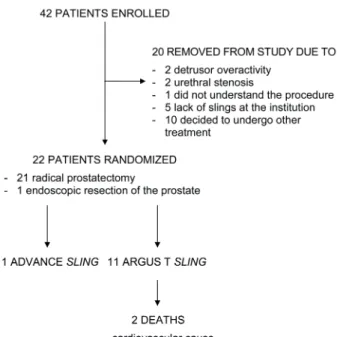
Figure-1 shows the patient recruitment and randomization flowchart.
Randomization lead to homogenous groups regarding age, comorbidities, previous radiation therapy, previous treatment of urethral stricture, risk of recurrence as per the D’Amico classifica-tion system, number of urinaclassifica-tions, number of pads used, number of urgency episodes, number of incontinence episodes, 24-hour pad test, incon-tinence questionnaire–short form ICIQ-SF, time interval between primary surgery and sling place-ment and urodynamic parameters (Table-1).
The length of surgery, 30 to 90 minutes, was similar in both groups.
During the postoperative follow-up, two patients in the Advance® group experienced pain,
which was relieved with analgesics; one had dehiscence of the surgical incision, and one had urinary retention due to sclerosis of the bladder neck after 12 months.
Complications were more frequent in the Argus T® group.Two patients died of acute
myo-cardial infarction: one, six months after the sur-gery, and one, 12 months afterwards. Both deaths were not related to immediate surgical compli-cations, although they were clinically evaluated before sling surgery and had low cardiovascular risk. Three patients experienced urinary retention
during 10 days and were dismissed with a Foley catheter in bladder. Four patients experienced pro-longed pain: two improved with common analge-sics, one is still taking medication with addition of a tryciclic antidepressant, and one had to remove the sling. Crural extrusion of the silicone column occurred in three patients. All cases were treated with antibiotics and removal of the extruded por-tion, with resolution of the problem without addi-tional treatment.
Three patients underwent sling tension adjustment due to persistent leakage. Two were improved after 18 months and one remained with incontinence.
Clinical Efficacy
Table-2 presents results regarding efficacy. No improvement on functional capacity, number of urinations, number of urgency episodes and in-continence episodes were observed in either group.
Better quality of life was observed in both groups. The Argus T® group experienced a significant
improvement in the 24-hour pad test, but the Ad-vance® group did not. Neither group had a
signifi-cant improvement in the number of pad changes over 24 hours. However, results with the Argus T®
sling were very close to the level of significance. The number of patients cured, based on the impact on incontinence episodes, pad changes, pad tests and quality of life scores was similar in the two groups (Table-3). The results of the quali-ty of life questionnaire are shown in Table-4. The patients who underwent surgery with the Argus T®
sling had higher satisfaction rates than patients in the Advance® group.
DISCUSSION
There is still no optimal treatment for PPIU. Treatment within the first 12 months after surgery
Table 1 - Distribution of patients as per preoperative characteristics and group.
Group
p (1)
Total Advance® Argus T®
n=22 n=11 n=11
Comorbidities 0.361
High blood pressure 15 9 6
Other 7 2 5
Radiotherapy 0.586
Yes 4 3 1
No 18 8 10
Urethral stenosis 0.311
Yes 5 1 4
No 17 10 7
Risk per D’amico classification 0.750
Low 7 3 4
Moderate 9 4 5
High 6 4 2
24-hour pad test - preoperative 0.658
< 100 g 1 1 0
< 100-400 g 8 3 5
< 400 g 13 7 6
should be conservative since there is possibility of spontaneous restoration of urinary continen-ce (11).
In regard to assessment of incontinent pa-tients, many studies report the rates of improve-ment in the number of pads per day, but we know that pad changing is a personal decision and it varies too much from patient to patient. Therefore, this is not an accurate parameter to determine se-verity of incontinence (12, 13). For this reason, we assessed our patients with three major outcome
measures: number of pads, voiding diary and QoL questionnaire. We expected to have more confi-dent results with such broad evaluation.
When choosing a surgical technique, many authors prefer to use SUS in mild and moderate incontinence, reserving AUS for the most severe cases (14, 15). In our study, we decided to include patients with all degrees of severity because we believed that SUSs could be effective even in the most severe cases. In fact, if the patient wishes, there is no reason to not try a SUS, since an AUS
Table 2 - Descriptive values of the variables analyzed, according to surgery and time point of evaluation (*).
Variance Argus T
® Advance®
Baseline 18 months p Baseline 18 months p
Functional capacity 118.33 147.78
0.407 134.09 162.27 0.726
(±82.92) (±105.57) (±84.11) (±11.31)
QoL 17.44 7.44
0.018 19.18 11.73 0.017
(±3.40) (±6.98) (±1.89) (±8.36)
24 hours pad test 674.44 97.00
0.038 620.91 561.45 0.386
(±763.78) (±218.60) (±422.64) (±890,09)
No. of micturitions 6.34 5.28
0.325 5.57 7.55 0.421
(±4.92) (±4.14) (±3.94) (±4.93)
No. of pad changes 4.19 1.48
0.066 3.92 3.41 0.167
(±2.52) (±2.79) (±2.59) (±4.22)
Urgency episodes 1.61 1.07
0.416 1.86 0.90 0.400
(±1.98) (±2.25) (±3.02) (±1.96)
Incontinence episodes
4.56 2.67
0.159 3.62 8.51 0.202
(±3.61) (±6.58) (±3.13) (±8.98)
(*) Descriptive level of probability of the non-parametric Wilcoxon test
Group
Criteria Advance®
(n=11)
Argus T® (n=9)
n (%) n (%) p*
Incontinence ≤ 2 5 (55.6%) 7 (77.8%) 0.620
Pads ≤ 1 5 (45.5%) 7 (77.8%) 0.197
Score QV ≥ 80% 3 (27.3%) 2 (22.2%) 1.000
PAD test 24 hours ≤ 50g 5 (45.5%) 7 (77.8%) 0.197
still can be effective in the case of failed previous sling procedure. Nevertheless, patients should be advised not to expect the same results in severe cases, as in mild to moderate incontinence.
The basic difference between the Argus T® and the Advance® slings is that the first one
is completely made of silicon and is adjustable, whereas the second one is a polypropylene mesh that is not adjustable. Moreover, the authors claim different mechanisms of action: the Argus T®
sling would correct PPUI by compressing the bul-bar urethra (16, 17), whereas the Advance® sling
would act by repositioning the membranous ure-thra in the retropubic space which would increase its functional length and strengthen the sphincte-ric mechanism (3, 6, 15). Additionally, the authors who developed the Advance® sling suggest that it
is necessary to release the central tendon of the perineum and open the bulbospongiosus muscle to place the polypropylene mesh directly over the urethra. This action permits the elevation of the bulbar urethra and, consequently, the membra-nous urethra what leads to improvement of any residual continence mechanism.
On the other hand, the authors who deve-loped the Argus T® sling report that the silicone
sling should be placed over the bulbar urethra, without opening the bulbospongiosus muscle. This provides better compression and lower risk of erosion. The effectiveness of the compression was determined by elevation of the closure pressure, measured by retrograde filling pressure (18, 19).
Unfortunately, observations from urody-namic examination after sling revealed that the
only alteration detected in the parameters of the exam was the increase in VLPP with the Advance®
(20) sling. We really don’t know if any male sling led to elevation of voiding detrusor pressure.
The analysis of the efficacy parameters in our study revealed that, if we keep our focus on the quality of life criterion, both SUSs provide similar and significant improvement. However, if we direct our focus to more objective criteria, the Argus T®
sling had better results than the Advance® (as
ob-served by the pad tests results). From the patient’s point of view, this difference may or may not be important. For this reason, we looked at patient’s satisfaction rates in an additional questionnaire with a visual analog scale to assess their level of satisfaction with the results obtained. We then ob-served that most patients who underwent surgery with the Argus T® sling are clearly satisfied with the
treatment, whereas only a few satisfied patients in the Advance® group. From a more technical point
of view, using more strict criteria of cure, we no-tice that both slings are equally low effective. The sum up is that any analysis of effectiveness of the SUSs should be based on wide evaluation parame-ters, objective and subjective, in order to provide a better idea of the effects of the surgery. We notice that the literature does not follow this trend. Thus we think that our research adds new information by providing both patient subjective point of view and objective outcome measures.
In their early studies on Argus®, Romano
et al. (5) reported: 73% of the patients were cured (no pads); 10% improved (one to two pads/day) and 17% failed and needed to use more than two
Table 4 - Patient's impressions about the results after 18 months.
Advance :10 Patients Yes Doubt No
Would undergo same surgery again 6 1 3
Degree of satisfaction (VAS) 4 2 4
Would indicate surgery to another person 7 0 3
Argus: 9 patients Yes Doubt No
Would undergo same surgery again 9 0 0
Degree of satisfaction (VAS) 9 0 0
Would indicate surgery to another person 9 0 0
pads/day (even after sling tension adjustment). In the follow-up on these patients, Romano et al. (16) reevaluated 47 of them, three years after sling implantation, observing that 66% (31 pa-tients) were still cured, five needed to have the sling tension adjusted, 12.8% (6 patients) impro-ved and 21% (10 patients) failed, showing that the results were long-lasting at the 36-month follow--up. In our study, three patients underwent sling tension adjustment, which allowed the restoration of continence and increased the success rates. We observed that the average number of pads/day de-creased from 4.19 before the surgery to 1.48 after surgery, at 18 months. Despite being similar to the results reported by Romano et al. (16), these fin-dings were not statistically significant. It should be stressed that the p value almost reached the level of significance (p=0.066), suggesting a trend. Or, it could only be devoid to our small sample size. This observation deserves continuing follow--up and augmentation of sample size to correct clarification. Additionally, we observed that 77.8% of our patients used a maximum of one pad per day after 18 months, similar to what was reported by these authors.
With regard to the complications asso-ciated with SUS implantation, Rehder et al. (15) monitored 156 patients who had undergone sur-gery with the Advance® sling for 36 months and
reported 109 complications: 50% cases of perine-al pain, 9.6% temporary urinary retention, 4.4% dysuria, 5% perineal hematoma, 0.6% urinary in-fection, 0.6% surgical wound infection and one late complication (0.6%) from sling extrusion due to symphysite. In a study with 230 patients who underwent surgery with the Advance® sling, Bauer
et al. (14) also reported 23.9% of complications, 21.3% of which were transitory urinary retention, and only two patients, one with ileal neobladder and another with urethral lesion, continued to use intermittent clean self-catheterization. Other complications totaled 2.5% (0.4% surgical wound infection, 0.4% urinary infection, 0.4% persistent perineal pain) and only 1.3% of the cases needed to undergo new surgery (0.9% extrusion and 0.4% urethral perforation). We observed that rates of complications in both groups were similarly low and not very severe.
In our study, the following complications were recorded: two patients experienced transitory perineal pain which was resolved with painkillers, one had dehiscence of the surgical incision which was satisfactorily resolved and one patient, after 12 months, experienced urinary retention due to sclerosis of the bladder, treated with endoscopic internal urethrotomy, developing severe urinary incontinence.
With regard to the complications resulting from implantation of the Argus T® SUS, in their
initial results with 48 patients, Romano et al.(5) reported that 15% had transitory urinary infec-tion, 21% had perineal pain that improved after six months, and 6% needed to have the sling re-moved (two due to urethral erosion and one due to infection). In the follow-up of these patients after three years, Romano et al. (16) reported that it was necessary to remove nine slings (19.1%), six of them due to erosion and three due to infection. Hubner et al. (21), in their experience with 101 patients who underwent surgery with an Argus T®
sling (retropubic approach), reported that after 2.1 years of follow-up there were 16 cases (15.8%) of sling removal due to erosion or infection. Addi-tionally, they also observed that 15 patients (15%) experienced perineal pain which was resolved three months later with the use of regular painkil-lers. During the intraoperative period, there were 5 cases (5%) of minor bladder perforations.
An analysis of these studies reveals that complications arising from the surgery with the Argus T® device are more frequent and severe than
complications resulting from surgery with the Advance® sling, requiring removal of the device
in 6% to 35% of the cases. This could be due to the action mechanism of the Argus T® sling, which
probably exerts more pressure against the urethra and the surrounding tissues. Other factors, such as previous RT and urethral stricture, as well as prior treatment of PPUI, require further studies with lar-ger samples to assess the relationship between risk factors and complications.
star-ting another trial with new slings, once the Ad-vance sling will be replaced by a new generation from the manufacturer. We cannot be sure if the differences found in results of each sling are real or occurred only by chance.
In summary, after comparing our results with the literature, we concluded that slings pre-sent promising success rates, with improved pa-tient quality of life and satisfaction. Our study compared both slings, in similar populations and with fewer restrictions on inclusion, observing worse results with the Advance® sling and more
complications with Argus T®.
The new data we provide with this report is that the possibility of readjustment may be a con-siderable advantage for patients choosing sling for treatment of PPUI. The limitation of our study is the initial small sample size. We look forward to continue to recruit patients to enlarge our series and provide strongest evidence in the field.
CONCLUSIONS
Better results were observed in the 24h pad test and in levels of satisfaction with the Argus T®
device. Both slings contributed to improve quality of life (ICIQ-SF), with acceptable side effects.
CONFLICT OF INTEREST
None declared.
REFERENCES
1. Cornu JN, Sèbe P, Ciofu C, Peyrat L, Cussenot O, Haab F. Mid-term evaluation of the transobturator male sling for post-prostatectomy incontinence: focus on prognostic factors. BJU Int. 2011;108:236-40.
2. Stothers L, Thom DH, Calhoun EA. Urinary incontinence in men. Urologic diseases in America. US department of Health and Human Services, Public Health Service, National Institutes of Health, National Institute of Diabetes and Digestive and Kidney Disease. Available at: <http://kidney. niddk.nih.gov/statistics/uda/Urinary_Incontinence_in_Men-Chapter06.pdf>. Access in Nov 15, 2012.
3. Bauer RM, Bastian PJ, Gozzi C, Stief CG. Postprostatectomy incontinence: all about diagnosis and management. Eur Urol. 2009;55:322-33.
4. Moreno Sierra J, Victor Romano S, Galante Romo I, Barrera Ortega J, Salinas Casado J, Silmi Moyano A. [New male sling “Argus” for the treatment of stress urinary incontinence]. Arch Esp Urol. 2006;59:607-13.
5. Romano SV, Metrebian SE, Vaz F, Muller V, D’Ancona CA, Costa DE Souza EA, et al. An adjustable male sling for treating urinary incontinence after prostatectomy: a phase III multicentre trial. BJU Int. 2006;97:533-9.
6. Rehder P, Gozzi C. Transobturator sling suspension for male urinary incontinence including post-radical prostatectomy. Eur Urol. 2007;52:860-6.
7. D’Amico AV, Whittington R, Malkowicz SB, Fondurulia J, Chen MH, Tomaszewski JE, et al. The combination of preoperative prostate specific antigen and postoperative pathological findings to predict prostate specific antigen outcome in clinically localized prostate cancer. J Urol. 1998;160:2096-101.
8. Schäfer W, Abrams P, Liao L, Mattiasson A, Pesce F, Spangberg A, et al. Good urodynamic practices: uroflowmetry, filling cystometry, and pressure-flow studies. Neurourol Urodyn. 2002;21:261-74. 9. Tamanini JT, Dambros M, D’Ancona CA, Palma PC, Rodrigues
Netto N Jr. [Validation of the “International Consultation on Incontinence Questionnaire--Short Form” (ICIQ-SF) for Portuguese]. Rev Saude Publica. 2004;38:438-44.
10. Swartz M, Vasavada S, Goldman H. Perioperative management of patients ndergoing sling surgery: a survey of US urologists. Urology. 2010;76:314-7.
11. Glazener C, Boachie C, Buckley B, Cochran C, Dorey G, Grant A, et al. Urinary incontinence in men after formal one-to-one pelvic-floor muscle training following radical prostatectomy or transurethral resection of the prostate (MAPS): two parallel randomised controlled trials. Lancet. 2011;378:328-37. Erratum in: Lancet. 2012;379:412.
12. Herschorn S, Bruschini H, Comiter C, Grise P, Hanus T, Kirschner-Hermanns R, et al. Committee of the International Consultation on Incontinence. Surgical treatment of stress incontinence in men. Neurourol Urodyn. 2010;29:179-90. 13. Hübner WA, Schlarp OM. Treatment of incontinence after
prostatectomy using a new minimally invasive device: adjustable continence therapy. BJU Int. 2005;96:587-94. 14. Bauer RM, Mayer ME, May F, Gratzke C, Buchner A, Soljanik
I, et al. Complications of the AdVance transobturator male sling in the treatment of male stress urinary incontinence. Urology. 2010;75:1494-8.
15. Rehder P, Haab F, Cornu JN, Gozzi C, Bauer RM. Treatment of postprostatectomy male urinary incontinence with the transobturator retroluminal repositioning sling suspension: 3-year follow-up. Eur Urol. 2012;62:140-5.
17. Marshall VF, Pollack RS, Miller C. Observations on urinary dysfunction after excision of the rectum. J Urol. 1946;55:409-16.
18. Bochove-Overgaauw DM, Schrier BP. An adjustable sling for the treatment of all degrees of male stress urinary incontinence: retrospective evaluation of efficacy and complications after a minimal followup of 14 months. J Urol. 2011;185:1363-8.
19. Hübner WA. [Adjustable systems for the treatment of male incontinence].Urologe A. 2010;49:511-4.
20. Davies TO, Bepple JL, McCammon KA. Urodynamic changes and initial results of the AdVance male sling. Urology. 2009;74:354-7.
21. Hübner WA, Gallistl H, Rutkowski M, Huber ER. Adjustable bulbourethral male sling: experience after 101 cases of moderate-to-severe male stress urinary incontinence. BJU Int. 2011;107:777-82.