2011 July-Aug.;19(4):977-84 www.eerp.usp.br/rlae
Corresponding Author: René Mauricio Barría Pailaquilén
Universidad Austral de Chile. Facultad de Medicina. Instituto de Enfermeria Ediicio Ciencias del Cuidado en Salud
3° Piso Campus Isla Teja.Valdivia, Chile E-mail: [email protected].
Trends in Infant mortality rate and mortality for neonates born at
less than 32 weeks and with very low birth weight
1René Mauricio Barría-Pailaquilén
2Yessy Mendoza-Maldonado
3Yohana Urrutia-Toro
4Cristian Castro-Mora
5Gema Santander-Manríquez
6The aim of the study was to assess the trend of the infant mortality rate between
1990-2004 and the neonatal mortality between 2000-2005 in infants born at less than 32 weeks
of gestational age or with very low birth-weight. Based on secondary data, infant mortality
rate and by its component for Valdivia city were compared with national indicators. Mortality
at <32 weeks and <1500g was calculated, establishing causes of death and evaluating its
relation with specific interventions, such as the use of surfactant and antenatal corticoids.
Since the year 2000, infant mortality rates have stopped their decrease in comparison
to the preceding decade and the gap between national and local rates before 2000 was
drastically reduced. Mortality at <32 weeks and <1500g varied between 88‰ and 200‰
of liveborns, emphasizing respiratory distress as the main cause of death. The use of
corticoids and surfactant was in line with reductions in mortality rates.
Descriptors: Infant Mortality; Neonatal Mortality; Premature; Infant, Newborn; Infant, Very
Low Birth Weight.
1 Supported by Dirección de Investigación y Desarrollo, Universidad Austral de Chile. Projecto DID S2007-59. 2 M.Sc., Researcher, Instituto de Enfermería, Universidad Austral de Chile, Chile. E-mail: [email protected].
3 RN, Adjunct Professor, Instituto de Enfermería, Universidad Austral de Chile, Chile. E-mail: [email protected].
4 RN, Unidad de Cuidado Intensivo, Clínica Alemana de Valdivia, Chile. E-mail: [email protected].
5 RN, Hospital Clínico Regional de Valdivia, Chile. E-mail: [email protected].
Tendência da mortalidade infantil e dos neonatos menores de 32 semanas e de muito baixo peso
Para avaliar a tendência da mortalidade infantil, entre 1990 e 2004, a mortalidade de
prematuros <32 semanas de idade gestacional e crianças de muito baixo peso ao nascer,
entre 2000 e 2005, compararam-se dados secundários globais e por componentes
do Serviço de Saúde Valdivia, e do total do país (Chile). Calculou-se a mortalidade especíica em <32 semanas e <1.500g, por mil nascidos vivos, estabelecendo causas de óbito e avaliando sua relação com intervenções especíicas, como uso de surfactante
e corticoides pré-natais. A mortalidade infantil deteve sua queda a partir do ano 2000,
com referência à década precedente, e a brecha que existia, entre os valores nacionais e
locais antes de 2000, reduziu drasticamente. A mortalidade em <32 semanas e <1.500g
variou entre 88 e 200‰ nascidos vivos, destacando a síndrome da angústia respiratória como principal causa de morte. O uso de corticoides e surfactante coincidiu com reduções
da mortalidade.
Descritores: Mortalidade Infantil; Mortalidade Neonatal; Prematuro; Recém-Nascido;
Recém-Nascido de Muito Baixo Peso.
Tendencia de la mortalidad infantil y de neonatos menores de 32 semanas y de muy bajo peso
Para evaluar la tendencia de la mortalidad infantil entre 1990-2004 y la mortalidad de
prematuros menores de 32 semanas de edad de gestación y niños de muy bajo peso al
nacer, entre 2000-2005, se compararon los datos secundarios globales por componentes
del Servicio de Salud Valdivia con los totales del país, en Chile. Se calculó la mortalidad especíica, por mil nacidos vivos, para los <32 semanas y <1500g, estableciendo causas de muerte y evaluando su relación con intervenciones especíicas, como el uso de
surfactante y corticoides prenatales. Respecto a la década precedente, la mortalidad
infantil detuvo su descenso a partir del año 2000 y la brecha existente entre los valores
nacionales y locales previa al 2000 se redujo drásticamente. La mortalidad en los
nacidos vivos con <32 semanas y <1500g varió entre 88‰ a 200‰, destacándose el
síndrome de distrés respiratorio como la principal causa de muerte. El uso de corticoides
y surfactante coincidió con las reducciones de la mortalidad.
Descriptores: Mortalidad Infantil; Mortalidad Neonatal; Prematuro; Recién Nacido;
Recién Nacido de Muy Bajo Peso.
Introduction
The infant mortality rate (IMR) represents an
important indicator of a country’s wellbeing, given its
relation with different factors, such as maternal health,
quality and access to medical services, socioeconomic
condition and public health policies. This relects in the
limited drops in mortality rates, in view of organizational
problems in the National Health System and the periods of inancial cuts in the public sector(1).
As from the 1960’s, the IMR has considerably
decreased in Chile(2), thanks to the improvement in
the population’s general living conditions, including
health service quality and accessibility, making the rate
comparable to that of countries with high economic and
social development levels(3).
Out of 130 infant deaths that occur around the world
irst four weeks of life. Three quarters of these deaths occur in the irst week, and the irst day of life represents
the highest risk(4-5). Focusing on this fact, perinatal and
neonatal advances, together with increased resources
to attack this problem, have permitted an increase in
neonates’ global survival(6). Neonatal mortality considers
most infant deaths, proportionally increasing from 53%
in 1989 to 58% in 1998. This increase is explained by
the fact that, as a country reduces its IMR, mortality is
increasingly inluenced by non-avoidable causes, such
as congenital malformations or chromosomopathies(6).
In the same sense, in Chile, very low birth weight (less than 1500g), premature birth (less than 32 weeks of gestational age) and malformations are described as the
main causes of neonatal death(7).
In the mortality context in children younger than
5 years, today, the neonatal component represents
38%, reafirming that, while the IMR is still decreasing,
in response to the application of effective interventions
(such as the immunization program), the proportion of
neonatal deaths will increase(8). Among interventions
put in practice in Chile, the creation of neonatal
intensive care units, the establishment of the national
surfactant program as from 1998 and the premature
follow-up program as from the year 2000 stand out(9),
among others. To date, different child mortality studies
have been published with a focus on distinct viewpoints
(clinical, epidemiological, demographic, etc.), aiming to explain trends, causes and relations with speciic factor
and assessing the behaviors of its several components.
Having a primary approach to available information
motivated us to study and look closer into the situation
of premature infants in the context of a local tertiary
referral center. Thus, this research aims to achieve two
objectives:
- To present, with an aggregated approach (ecological),
IMR behavior between 1990 and 2004, comparing the
local and national evolution;
- To assess neonatal mortality, focusing on premature
infants at less than 32 weeks and/or with very low birth
weight between 2000 and 2005, and its relation with
speciic strategies put in practice or present during that
period, such as exogenous surfactant and antenatal
corticoid use.
Methods
Descriptive study of aggregated secondary data,
with an ecological approach. Ecologic studies investigate
rates for a disease or condition with regard to a factor
described at population level. Consequently, analytic
units are populations or groups of people instead of individuals(10).
The variables of interest were global and component
IMRs for Chile and for the Valdivia Health Service (SSV),
considering the period 1990 - 2004. For the period
2000 – 2005, the number of liveborns (LB) in the SSV,
number of hospitalizations in the Neonatology unit of
Hospital Clínico Regional Valdivia for infants at less than 32 weeks and/or with very low birth weight, surfactant and antenatal corticoid doses used per year were of
interest. National infant birth and mortality statistics (by
components and cause according to the International
Classiication of Diseases, ICD-10) for the period 1990-2004 (period with available data for health services)
were used as information sources, obtained from the
Department of Statistics and Information in Health (DEIS). To obtain local information for the period 2000 - 2005, the DEIS database of births and dysfunctions for the SSV was used, as well as the database of the
Premature Follow-Up Program for children at less than
32 weeks and/or with very low birth weight at the
SSV, statistical records of the hospital’s Informatics
and Computer Unit, drug dispatching records from the hospital’s Pharmacy Unit and internal statistics from the
Neonatology Unit. Similar data from different sources
contrasted, choosing those data with as few missing data and/or inconsistencies as possible.
This paper is based on information obtained from the Research Project “Factors associated with neonatal, post-neonatal mortality and sequelae in premature
infants at less than 32 weeks and/or with very low
weight at birth, during the irst year of life. Valdivia,
2000-2005”, which received Institutional Review Board approval at Universidad Austral de Chile.
The analysis was based on a comparative assessment
of the mortality trend between different local and
national components, using DEIS reports. Described as
such, the IMR refers to the number of deaths in infants younger than one year during a given year divided by the number of liveborns in the same year, multiplied by
one thousand. Similarly, neonatal and early neonatal
fractions are calculated for the remainder of the infant
mortality components.
For local analysis of the premature group of interest
(less than 32 weeks of gestational age and/or with very low birth weight), the mortality rate for 2000 - 2005 was calculated in function of the data the DEIS contributed for the SSV, considering both the Base of Births and that
Rev. Latino-Am. Enfermagem 2011 July-Aug.;19(4):977-84.
To assess the relation with the interventions under
analysis, “surfactant use” and “antenatal corticoid use”,
the database of the hospital’s Pharmacy Unit was used,
analyzing doses dispatched per year for each drug and
the calculated speciic mortality rate.
Results
The comparative analysis of the national and SSV
mortality trend for 1990 - 2004 showed important
differences in all IMR components.
Globally, rates were higher for the SSV in almost
all years, except for 1999 and 2004, although the trend
dropped equally. For the SSV, a downward trend from 23.7‰ to 7.9‰ was evidenced, against 16‰ to 8.4‰
at national level, which shows a relative reduction of
more than 66.7% at local level vs. 47.5% at national level (Figure 1).
Figure 1 – Infant Mortality Rate 1990 – 2004 for Chile and for the Valdivia Health Service. Source: DEIS
Consequently, the gap observed at the start of the
1990’s considerably decreased, mainly as from 1998.
Similarly, at national as well as local level, the intensity of this decline slowed down from 1997 onwards. Regarding
the neonatal mortality rate, despite greater variability
at local level, with important increases for some years
(1992 and 1994), the trend was downward, but generally continued to surpass national levels (Figure 2). In this
case, the relative reduction at local level amounted to
67.5%, against 36.5% at national level.
Finally, the early neonatal component relects what
was shown for neonatal mortality, with increases for the
same years and mostly surpassing national rates (Figure
3). As from 1995, this rate evidenced a much more
uniform behavior. As opposed to national levels, since
2002, the local rate displayed a discrete drop.
In 2000 – 2004, 167 deaths occurred of infants younger than one year in the SSV area. Among speciic causes of death, the three most important
were causes deriving from birth or perinatal problems:
Disorders related to length of gestation and fetal
growth, ICD-10 codes P05 - P08 (n = 29), Congenital cardiac malformations, codes Q20 - Q24 (n = 23) and
Intrauterine hypoxia and birth asphyxia, codes P20 and
Figure 2 – Neonatal Mortality Rate 1990 - 2004 for Chile and for the Valdivia Health Service. Source: DEIS
Figure 3 – Early neonatal mortality rate 1990 - 2004 in Chile and for the Valdivia Health Service (SSV). Source: DEIS
Regarding the infant population younger than
32 weeks and/or with very low birth weight, for the
period 2000 - 2005, in the SSV area, 365 births were registered, with 47 to 68 births per year. At the SSV
neonatal intensive care unit, in turn, 331 neonates
with these characteristics were hospitalized, with an
annual admission frequency ranging between 49 and
58 infants. Differences between recorded births and
hospitalizations refer to infants who died at the delivery
room immediately after birth and, on the other hand,
to the probable transportation of neonates due to the
Rev. Latino-Am. Enfermagem 2011 July-Aug.;19(4):977-84.
different health services in other cities. Nevertheless
and coincidentally, higher birth and hospitalization rates
for these infants were found as from 2002. In total, 53
deaths occurred among children with very low birth
weight and/or at less than 32 weeks between 2000 and
2005, ranging between 6 and 11 per year. The mortality
rate calculated based on available data varied, due to
the small number of these births at local level, ranging
between 88.2 and 200‰ of liveborns. Thus, these
igures should be assessed cautiously in this context (Table 1).
Table 1 – Annual distribution of NICU hospitalizations,
liveborns, neonatal deaths and mortality rates of
neonates with very low birth weight and/or at less than
32 weeks at the Valdivia Health Service, 2000 - 2005
Year
NICU hospitali-zations <1500 g
and/or <32 w.
Liveborns with VLBW and/or
<32 w.
Deaths Mortality Rate*
2000 51 47 9 191,5
2001 49 55 11 200,0
2002 58 68 6 88,2
2003 58 61 11 180,3
2004 57 68 6 88,2
2005 58 66 10 151,5
Global 331 365 53 145,2
*Rate per thousand liveborns.
NICU: neonatal intensive care unit; VLBW: very low birth weight. Source: DEIS; database of the Premature Follow-Up Program, SSV.
The causes of death recorded as the main diagnosis
for the 53 deaths underline the large proportion of
respiratory distress syndrome, code P22.0 (22.6%), pulmonary hemorrhage, code P26.1 (18.9%) and sepsis, codes P36.0 - P36.9 (17%).
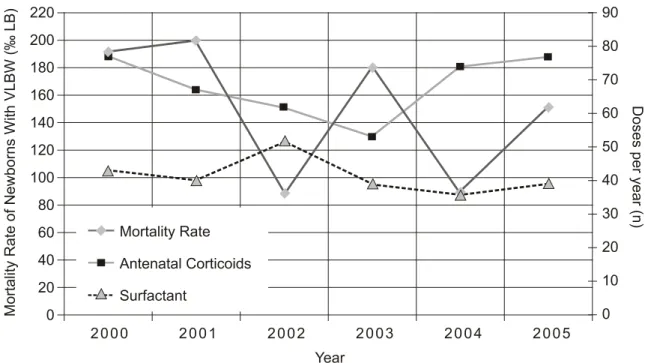
Figure 4 contrasts the mortality rate of the
infants under analysis with the annual doses applied
for pulmonary development (antenatal corticoids) as
well as exogenous surfactant therapy. Taking the year
2000 as the baseline, an increase in mortality rates
was observed in 2001, in line with a drop in corticoid
and surfactant application rates. In 2002, an important
drop in mortality coincided with the higher number of
surfactant doses used and, in 2003, a new reduction in
corticoid and surfactant doses coincided with increased
mortality rates.
It should be speciied that, during the study period,
12 infants were considered extremely premature, with
an estimated gestational age below 25 weeks. Nine of
them were born in 2005. In a way, and given the few
cases observed at local level, these can exert important
effects on the calculated rate.
Finally, the information related to modiications
incorporated during 2000 – 2005 only shows important
changes in the last two years, highlighting the purchasing
and putting in practice of multi-parameter monitors,
mechanical ventilators and massive use of
peripherally-inserted central catheters at the NICU. In addition, no
modiications were made in terms of human resource
allocation, although high nursing turnover stood out.
VLBW: very low birth weight. Source: DEIS; database of the hospital’s Pharmacy Unit.
Figure 4 – Mortality Rate in neonates with very low birth weight and/or at less than 32 weeks between 2000 and 2005
Discussion
The IMR reveals an important decrease since 1990,
although the intensity of this drop has slowed down since
1998. In addition, differently from the previous decade,
infant, neonatal and early neonatal mortality rates
showed a more uniform behavior, although conirming
the weighing of the effect of the neonatal component as
the main contributor to the IMR. Also, the gap observed
between national and local rates in the irst years was
notably reduced, with local rates even decreasing
below national one in some years, as a result of a more
intensive relative reduction. These results suggest that
national policies have led to a massive spread in the
implementation of equipment, resources in general
and, mainly, access to pharmacological therapies like
surfactant and antenatal corticoid. Thus, local results
are in line with national rates.
The Neonatology unit at Hospital Clínico Regional
Valdivia was redesigned and put in practice with modern
technological resources, including the creation of the
new hospital, which has been operating since 1995.
This led to high architectural and equipment standards,
including monitors, incubators and heated cribs, putting
this unit at the frontline in the public sector in recent
years. Thus, it is probable that the evidenced drops in
neonatal and early neonatal mortality since that year
are largely due to that situation.
This is consistent with reports from another
national study(8), which analyzed the period 1990 –
2000 and demonstrated an improvement in premature
survival rates, as a result of the readjustment of care
and strategies put in practice. On the other hand,
contradictory data are found regarding the possible effect
of unit size on mortality as, on the one hand, larger units,
and hence with more beds, have showed lower neonatal
mortality risk rates(11), while no consistent relation with
size has been established at others(12). Similarly, but
regarding human resources, it has been demonstrated
that allocating more neonatologists per number of births
signiicantly reduces neonatal mortality(12), as well as the
qualiication of specialized nurses and the infant/nurse
relation, linked with lower neonatal mortality risks in
premature neonates and with very low birth weight(13).
Regarding the causes of death, respiratory distress
syndrome and sepsis continue as the main problems, and
pulmonary hemorrhage plays an important role. The irst
had already been described as the main morbidity and
mortality problem in infants with very low birth weight
and particularly with extremely low birth weight, where
it rises up to 60%(9). Pulmonary hemorrhage, in turn,
was recently highlighted as an important mortality risk
factor in infants under 1500g y and at less than 32 weeks
of gestational age(14). It should be mentioned though,
that this comparison is based on distinct (proportion vs. rate) indicators but that, nevertheless, they show the
risk condition associated with the described disorders.
Although, as a study of combined data, no inferences
can be made about causal relations at individual level,
these results suggest that antenatal corticoid and
surfactant use exerts important effects, in line with
large-scale reports in different series(15-16). Particularly
in the previous decade, surfactant use showed to be the
main factor to bring down mortality rates in infants under
1500g and, in turn, led to a reduction in these children’s
treatment costs(17). Nevertheless, other factors exist
that have impeded further reductions in mortality rates
in this group. Among these, the number of premature
infants of younger gestational ages and at the limits of
feasibility has increased, which was observed locally as
from 2003 and particularly in 2005, deinitely affecting
the mortality rate(14).
Given the modiications in the proile of risk
neonates and their current prognosis, today, premature
infants and with very low birth weight are considered
a priority, including their problems in the explicit
health guarantee (EHG) regimen(7). Consequently, in subsequent years, it seems relevant to analyze other
interventions and strategies put in practice in neonatal
care, such as strategies linked with the sanitary reform
for example, assessing the impact of EHG on neonates
and premature delivery.
Like in all epidemiological studies, limitations
exist that demand cautious evaluation of the results.
It should be taken into account that, when comparing
national and SSV data, the population in the latter –
particularly premature infants – was small, so that small
variations in death rates caused important variations in
the mortality rate. Although no speciic mortality data
were available for other care network centers regarding
the characteristics studied here, in the global context
of neonatal mortality, Valdivia shows no signiicant
difference from other regions, although advances in
mortality rates are observed in recent years, making the
city’s rates comparable with national levels.
The analysis of current scenarios permits a closer
approach to the impact of interventions put in practice,
as well as reorientations in strategies aimed at improving
the survival and quality of life of premature children and
Rev. Latino-Am. Enfermagem 2011 July-Aug.;19(4):977-84.
policies to reduce mortality. It is important for referral
health centers in each region to have their own morbidity
and mortality studies, to provide knowledge on their
situation in comparison with other centers, optimizing
their resources according to the local problem and
undertaking benchmarking actions to improve local care
through formulae tested in other places(18). Consequently,
if these measures are suficiently effective, they will
entail a profound economic impact, which is vital in
developing countries like Chile.
References
1. Kaempffer A, Medina E: Mortalidad infantil
reciente en Chile: Éxitos y desafíos. Rev Chil Pediatr.
2006;77:492-500.
2. Águila A, Muñoz H: Tendencia de la natalidad,
mortalidad general, infantil y neonatal en Chile desde el
año 1850 a la fecha. Rev Med Chil. 1997;125:1236-45. 3. Szot J: Mortalidad en el menor de 1 año por causas externas, Chile, 2000. Rev Chil Pediatr. 2003;74:492-8. 4. Lawn JE, Cousens S, Zupan J: 4 million neonatal
deaths: when? Where? Why? Lancet.
2005;365:891-900.
5. Zupan J, Aahman E. Perinatal mortality for the year
2000: estimates developed by WHO. Geneva: World
Health Organization; 2005.
6.-Szot J. Mortalidad infantil en Chile: 1989-1998. Rev Chil Pediatr. 2002;73:164-8.
7. D´Apremont I: Redes de Investigación Neonatal. Medwave. 2003;3(10). [acceso 12 dic 2009]. Disponível
em: http://www.medwave.cl/atencion/infantil/
FUDOC2003/2FUDOC2003/4.act).
8. Gonzalez R, Merialdi M, Lincetto O, Lauer J,
Becerra C, Castro R, et al. Reduction in neonatal
mortality in Chile between 1990 and 2000. Pediatrics.
2006;117:e949-e54.
9. Morgues M, Henríquez MT, Tohá D, Vernal P, Pittaluga
E, Vega S, et al. Sobrevida del niño menor de 1500g. en Chile. Rev Chil Obstet Ginecol. 2002;67:100-5.
10. Aschengrau A, Seage III G. Essentials of Epidemiology in Public Health. 2th ed. Sudbury (MA): Jones and Barlett
Publishers; 2008.
11. Phibbs CS, Bronstein JM, Buxton E, Phibbs RH. The
effects of patient volume and level of care at the hospital
of birth on neonatal mortality. JAMA. 1996;276:1054-9. 12. Goodman DC, Fisher ES, Little GA, Stukel TA, Chang CH, Schoendorf KS: The relation between the availability
of neonatal intensive care and neonatal mortality. N Engl
J Med. 2002;346:1538-44.
13. Hamilton KE, Redshaw ME, Tarnow-Mordi W: Nurse
stafing in relation to risk-adjusted mortality in neonatal care. Arch Dis Child Fetal Neonat. 2007;92:F99-F103.
14. Barría RM, Pino P, Becerra C. Mortalidad en
prematuros tratados con surfactante exógeno. Rev Chil Pediatr. 2008;79:36-44.
15. Ghodrat M. Lung surfactants. Am J Health Syst
Pharm. 2006;63:1504-21.
16. Crowley PA. Antenatal corticosteroid therapy: a
meta-analysis of the randomized trials, 1972 to 1994. Am J Obstet Gynecol. 1995;173:322-35.
17. Schwartz RM, Luby AM, Scanlon JW, Kellogg RJ.
Effect of surfactant on morbidity, mortality, and resource
use in newborn infants weighing 500 to 1500 g. N Engl J Med. 1994; 330:1476-80.
18. Llanos A. Morbilidad y mortalidad del RN menor
de 1.500 g: Experiencia de un hospital regional de la
red internacional Vermont Oxford. Rev Chil Pediatr.
2006;77:363-74.
Received: July 23rd 2010