HOW MILLENNIALS PERCEIVE
INFLUENCERS AND ITS IMPACT ON
PURCHASE INTENTIONS
Manuel Caetano Calçada
Dissertation written under the supervision of João Niza Braga
Dissertation submitted in partial fulfilment of requirements for the MSc
in Management with Specialization in Strategic Marketing, at
Universidade Católica Portuguesa
Abstract
Title: How Millennials Perceive Influencers and Its Impact on Purchase Intentions Author: Manuel Caetano Calçada
Marketeers face an increasingly complex task of pleasing a population that is evolving digitally. The new typical consumer is an individual that is extremely tech-savvy and critical of any campaign created by his/her favourite brands, therefore, companies are adopting new advertising practises to stand out from competition, but also to be closer to their consumers. In recent years, a new marketing approach has been gaining popularity due to the growth of social media channels, and also because it is considered to be socially closer to people and able to trigger stronger emotional responses: Influencer marketing.
This dissertation was developed with the purpose of understanding how Millennials, a truly digital generation of consumers, perceive Influencers as endorsers through the lens of the Source Credibility Model. Via both descriptive and exploratory research approaches, an extensive literature review and an online questionnaire were conducted which enabled the enrichment of the existing academic literature and the development of recommendations that will assist marketing professional in creating better Influencer endorsement campaigns. Also, the psychological phenomenon of Social Proximity was studied in the context of endorsement marketing, which was yet to be done in existing literature.
The main conclusions taken from this study indicate that Influencers are the best form of endorsement marketing for hedonic products. Also, it was possible to conclude that Social Proximity positively affected consumers’ purchase intentions. Finally, and as a recommendation for marketeers, Influencers are capable of generating high purchase intentions whenever perceived as highly expert and trustworthy.
Keywords: Influencer marketing; Millennials; Source Credibility Model; Endorsement Campaigns; Social Proximity; Purchase Intentions; Hedonic Products.
Resumo
Título: Perceção de Influenciadores pelos Millennials e o Impacto nas Intenções de Compra Autor: Manuel Caetano Calçada
Profissionais de marketing enfrentam uma tarefa cada vez mais complexa de satisfazer a população cada vez mais digital. O novo consumidor típico é um indivíduo extremamente tecnológico e critico de qualquer campanha realizada pelas suas marcas favoritas, por isso as empresas estão a adotar novas técnicas publicitárias capazes de destacar da concorrência e estar mais próximo dos consumidores. Nos últimos anos, uma nova abordagem de marketing tem vindo a ganhar popularidade devido ao crescimento das redes sociais e por ser capaz de despoletar respostas emocionais mais fortes: Marketing de Influenciadores.
Esta dissertação foi desenvolvida com o objetivo de perceber de que forma os Millennials, uma geração realmente digital, percecionam Influenciadores como endossantes através do Modelo de Credibilidade. Através de abordagens de pesquisa descritiva e exploratória, foi possível realizar uma extensa revisão literária e um questionário online que possibilitaram o enriquecimento da literatura académica existente e desenvolvimento de recomendações que ajudarão profissionais de marketing a criar melhores campanhas de endosso com Influenciadores. Adicionalmente, o fenómeno psicológico de Proximidade Social foi estudado no contexto de marketing de endosso de forma a complementar a literatura académica existente. As principais conclusões deste estudo indicam que Influenciadores são o melhor formato de marketing de endosso para produtos hedónicos. Também foi possível concluir que a Proximidade Social afeta positivamente as intenções de compra. Finalmente, e como recomendação para profissionais de marketing, os Influenciadores são capazes de gerar intenções de compra mais elevadas quando são percecionados como altamente especialistas e confiáveis.
Palavras-chave: Marketing de Influenciadores; Millennials; Modelo de Credibilidade; Campanhas de Endossador; Proximidade Social; Intenções de Compra; Produtos Hedónicos.
Acknowledgements
First and foremost, I would like to thank my advisor, Professor João Niza Braga, for all his support and patience throughout this intense process. Without all of his valuable feedback and guidance, especially during the most stressful parts of this project, I would not be able to present the dissertation that I proudly present in this document.
Then, I would like to thank my family, especially my parents, Manuel and Alexandra, and my brother, António, for all the support not only during these last few months, but throughout my entire life. Whichever dream and ambition I had in the past, I thank my parents for supporting me, financially and emotionally, and encouraging me to be the best version of myself. I would not be who I am today without their unconditional love and support.
To my brother, I would like to thank him for distracting me purposely when I was feeling more stressed and unmotivated, and for all the knowledge passed to successfully write a dissertation.
I would also like to thank my beautiful girlfriend, Mariana, for being by my side during the entire process. She was the person responsible for keeping me focused when necessary, but also for knowing exactly when I needed to relax.
Last, but not least, I would like to thank all my friends and colleagues that were present whenever I needed.
Table of Content
Abstract ... III Resumo ... V Acknowledgements ... VII Table of Content ... IX Index of Figures ... XIII Index of Tables ... XV
1. Introduction ... 1
1.1 Topic presentation ... 1
1.2 Problem statement ... 2
1.3 Scope of Analysis ... 3
1.4 Academic and Managerial Relevance ... 3
1.5 Dissertation Outline ... 3
2. Literature review ... 5
2.1 Source Credibility Model ... 5
2.1.1 Expertise ... 6 2.1.2 Trustworthiness ... 6 2.1.3 Attractiveness ... 7 2.2 Purchase Intention ... 7 2.3 Endorsement Marketing ... 8 2.3.1 Celebrity Endorsement ... 8 2.3.2 Expert Endorsement ... 9 2.3.3 Influencer Endorsement ... 10
2.4 Effect of Social Proximity ... 11
2.5 Millennials ... 12
2.6. Matching a product with an endorser ... 13
2.6.2 Deciding between a hedonic or a utilitarian product ... 13
2.7 Summary of the Literature Review ... 14
3. Methodology ... 17
3.1 Research Approach ... 17
3.2 Questionnaire Development ... 17
3.2.1 Pre-Test: Endorser Selection ... 17
3.2.2 Product Selection ... 18
3.2.2.1 Utilitarian product - Banking service ... 18
3.2.2.2 Hedonic product - Perfume ... 19
3.3 Online Questionnaire ... 20 3.3.1 Materials ... 21 3.3.2 Participants ... 26 3.3.3 Procedure ... 26 3.3.4 Design ... 28 4. Results Analysis ... 29
4.1 Data collection and Data cleaning ... 29
4.2 Reliability Analysis ... 29 4.3 Sample Description ... 30 4.4 Hypothesis Analysis ... 31 4.4.1 Hypothesis 1 ... 31 4.4.2 Hypothesis 2 ... 33 4.4.3 Hypothesis 3 ... 36 4.4.4 Hypothesis 4 ... 37
5. Conclusions and Future Research ... 41
5.1 Conclusions and Managerial Implications ... 41
5.2 Limitations and Future Research Recommendations ... 42
Index of Figures
Figure 1 - Cristiano Ronaldo (Celebrity) with Hedonic product ... 21
Figure 2 - Cristiano Ronaldo (Celebrity) with Utilitarian product ... 21
Figure 3 - William Edwards (Expert) with Hedonic product ... 22
Figure 4 - Edward Williams (Expert) with Utilitarian product ... 22
Figure 5 - Sara Sampaio (Influencer) with Hedonic product ... 23
Figure 6 - Sara Sampaio (Influencer) with Utilitarian product ... 23
Figure 7 - Participants' Influencer with Hedonic product ... 23
Figure 8 - Participants' Influencer with Utilitarian product ... 24
Figure 9 – Means of Purchase Intention ... 32
Figure 10 – Means of Trustworthiness ... 34
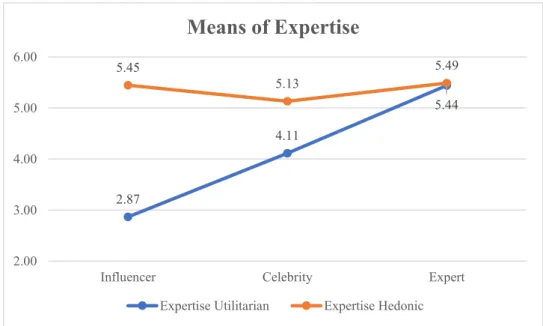
Figure 11 – Means of Expertise ... 35
Index of Tables
Table 1 - Summary of endorsers and advertisements ... 20
Table 2 - Scales' Reliability Test ... 30
Table 3 - Participants' Familiarity ... 31
Table 4 - Descriptive Statistics: Social Proximity ... 36
Table 5 - Linear Regression: Purchase Intentions for Utilitarian ... 38
Table 6 - Linear Regression: Purchase Intentions for Hedonic ... 39
1. Introduction
1.1 Topic presentation
With the growing digitalization of the world, companies are facing several new challenges in every aspect of their businesses, from the use of data analytics to improve efficiency of processes to the customization of communicating product offerings to consumers.
People are living in a digital era where every consumer is becoming more educated, more tech-savvy and more critical of the advertising practises that companies are using to stand out from each other. To face this intense competition, many are adopting a new marketing approach which gained popularity with the growth of social media channels, and that is considered to be socially closer to consumers and able to trigger stronger emotional responses: Influencer marketing. Similar to what firms have been doing for several decades, Influencer marketing is the use of a special individual with the capacity of influencing others to endorse a brand, product or service. However, this practise differs from already existing marketing practises, such as celebrity, expert, CEO or typical consumer endorsements (Stout and Moon, 1990; Daneshvary et al., 2000), in the sense that these individuals have a higher independence in the way they communicate what is being endorsed.
However, not all consumers perceive an endorser equally. That is why, in this study, Millennials will be the focal point of the analysis. By focusing on a generating that was born in the Digital era and that is extremely technological savvy (Young & Hinesly, 2012), it will be possible to understand which form of endorsement marketing (celebrity, expert or Influencer) will be the most effective to target them.
Also, it is relevant to understand how this generation perceives endorsers in terms of their credibility. According to several authors (Hovland & Weiss, 1951; Ohanian, 1990; Erdogan, 1999; Goldsmith et al., 2000; Pornpitakpan, 2004a; Amos et al., 2008), credibility can be measured on how trustworthy, expert and attractive an endorser is perceived to be. Furthermore, this study will understand if Social Proximity, i.e., how close an individual feels towards someone, is a relevant factor to explain an endorser’s influence.
Finally, past literature has demonstrated that the type of product associated with an endorser can have different effects on consumers, that is why in this study, two types of products (hedonic - perfume and utilitarian – banking services) will be introduced in the analysis.
1.2 Problem statement
This dissertation was developed around one main research question that previous literature failed to provide a clear answer:
When compared to other forms of endorsement marketing, are Influencers able to generate higher purchase intentions on consumers? If so, for which type of product? And why?
So, with the purpose of understanding if consumers’ perceptions of credibility towards a specific endorser and their purchase intentions regarding the product would be affected by manipulating the type of endorser and type of product used in a communication, the following research questions were developed:
The first research question was developed with the aim of providing managers and marketeers with useful insights that could help them decide on which type of endorsement marketing strategy to follow:
RQ1: Are Influencers able to generate higher purchase intentions in consumers when compared to celebrities and experts? And, if so, for which type of products?
The second research question aims at understanding how Influencers differ from the existing forms of endorsement marketing. As it will be mentioned further in this study, the lack of existing literature in the Source Credibility Model applied to Influencers was what motivated the development of RQ2:
RQ2: According to the Source Credibility Model, how do consumers perceive Influencers, when compared to celebrities and experts?
As it will be explained more in depth later in the Literature Review (Chapter 2), Social Proximity is a psychological phenomenon that explains an individual’s tendency to form relationships with others that are close to him. This is a concept that is yet to be studied in the realm of endorsement marketing but might explain the increasing influencing power that Influencers are having in consumers. This is the main reason for the development of RQ3:
RQ3: Does Social Proximity affect significantly consumers’ purchase intentions? If so, which endorser displays the highest level of Social Proximity with consumers?
Finally, in the end of the Literature Review, the distinction of utilitarian and hedonic products will be made, since it is relevant, from a managerial stand-point, to understand if the type of endorser used in advertisements should differ for specific product types. This research question will aim at understanding which Source Credibility dimensions are more important for each type of product when selecting an Influencer endorser, which will assist in the
RQ4: Which Source Credibility dimensions are more relevant when choosing an Influencer endorsing a utilitarian product versus a hedonic product?
1.3 Scope of Analysis
Since the aim of this study is to examine Millennials’ perceptions of credibility towards Influencer endorsement marketing practises and to measure their purchase intentions facing two types of products, only people within the Millennial age range will be considered, assuring that participants’ responses will add value to this dissertation.
1.4 Academic and Managerial Relevance
The findings from this dissertation will provide marketeers with relevant insights on endorsement marketing practises, especially when selecting an Influencer endorser. By understanding the most important Source Credibility dimensions of an Influencer, managers and marketeers will be able to make better choices of Influencers, aligning them more effectively with the product being endorsed, which, in the end, will allow them (endorsement campaigns) to generate higher purchase intentions in consumers. Also, by analysing if Social Proximity has an effect on purchase intentions, it will be possible to understand if socially closer endorsers are better than their counterparts.
From an academic standpoint, this study will complement the existing literature on the Source Credibility Model, since it targets Influencer endorsements, which is an endorsement form that is yet to be properly understood, and focuses on Millennials as the final consumers, which previously have never been studied as the target of Influencer endorsement campaigns. Finally, the phenomenon of Social Proximity will be analysed in the context on endorsement marketing, which was yet to be done in previous academic literature.
1.5 Dissertation Outline
This dissertation will be divided into five chapters. Chapter 1 is the introductory chapter of this study, presenting the Topic Presentation, Problem Statement, Scope of Analysis, and Academic and Managerial Relevance. Chapter 2 will provide the results of the Literature Review on previously published articles and academic papers on subjects of interest for the study. Following, Chapter 3 will provide readers with a description of the Methodology used, including the research approach and the development of the data collection tools. In Chapter 4, the results of the online questionnaire will be analysed and interpreted, in accordance to the
hypotheses formulated. Finally, Chapter 5 will present the main findings of the study, accompanied by the limitations encountered and recommendations for future research on the subject.
1 Social Influence Theory – the influence of an individual’s attitudes, beliefs, and actions through three processes: compliance, identification, and internalization (Kelman 1958).
2. Literature review
In this chapter, previous academic literature regarding practises of influence in marketing communications will be analysed, in particular the use of individuals as endorsers and their impact on the receiver of the communication. The concept of Influencer will be examined in the lens of the Source Credibility Model, in order to assess whether this form of endorsement is more effective than the existing endorsement practises (celebrity and expert endorsements).
The study is aimed at the Millennial generation, since they are the main target of Influencers due to the frequent use of social media., as it will be further explained. Also, this study attempts to understand if there is a significant effect in consumers’ purchase intentions when manipulating the type of product (hedonic or utilitarian) used in endorsed communications.
Finally, it will also be analysed whether Social Proximity perceived by people varies depending on the type of endorser used.
2.1 Source Credibility Model
Marketing professionals shared the belief that an individual with a special character could have, as a communicator, a persuasion effect on consumers (Ohanian, 1990), which resulted on the use of celebrities as endorsers of a firm, brand or product. This became a marketing tool commonly used across several industries (Daneshvary et al., 2000; Erdogan, 1999; Amos et al., 2008), and it is described as the attempt of firms to retain the endorsers’ qualities, such as credibility, likeability, and trustworthiness, in a transferable way, into their products or brands, and positively impacting consumers’ attitudes towards an advertising campaign (Erdogan, 1999; Goldsmith et al., 2000; Amos et al., 2008).
Clinton and colleagues (2008) investigated the effectiveness of endorsers in advertising and communication under several key predictors present in the Source Credibility Model. This model, which derive from the Social Influence Theory1 (Kelman, 1958), is presented in
Erdogan’s research (1999), arguing that “various characteristics of a perceived communication source may have a beneficial effect on message receptivity”. The characteristics mention by the author are: the perceived level of expertise and trustworthiness of the endorser. Other authors also consider in this model a third dimension: attractiveness (Ohanian, 1990; Erdogan, 1999; Goldsmith et al., 2000; Amos et al., 2008).
Through the process of internalization, which Kelman (1958) described as the acceptance of influence as the result of the induced behavior being intrinsically rewarding and congruent with the person’s value system, the credible source is able to influence personal attitudes and behaviours (Erdogan, 1999).
In the existing literature, the dimensions of Source Credibility are often confusing due to the many different operationalizations. Pornpitakpan (2004a), in his literature review, defended that expertise, trustworthiness and attractiveness were the most reliable dimensions, since studies that proposed alternative dimensions (e.g., Whitehead (1968) proposed four dimensions, trustworthiness, competence, dynamism and objectivity) lacked relevance of its measurement scales and did not account for future possible changes in the individual’s perceptual structure (Cronkhite & Liska, 1976; Ohanian, 1990).
Although the dimension attractiveness was not present in the original Source Credibility Model (Hovland & Weiss, 1951), but rather presented later in the Source-Attractiveness Model (McGuire, 1985), following the rationale of many authors (Ohanian, 1990; Pornpitakpan, 2004a), all three dimensions will be used in this study.
2.1.1 Expertise
Across literature, the concept of expertise was presented under several different names, such as “competence” (Whitehead, 1968) or “expertness” (Applbaum & Anatol, 1972). According to Pornpitakpan (2004a) and Erdogan (1999), expertise is the endorser’s ability to make correct assertions, while demonstrating appropriate knowledge (Goldsmith et al. 2000), experience or skills to promote a product (Van der Waldt et al., 2009). For example, doctors and lawyers would be appropriate endorsers of products and services related to their respective professions. In order to be effective, the speaker’s must be perceived by consumers as “Expert”, “Experienced”, “Knowledgeable”, Qualified”, and “Skilled” (Erdogan, 1999; Ohanian, 1990; Amos et al., 2008). Consumers are more influenced by a source perceived as having high expertise than a source perceived as having low expertise (Ohanian, 1990). Therefore, different levels of perceived expertise will have an impact on the endorser’s effectiveness.
2.1.2 Trustworthiness
As Amos and colleagues (2008) described, “Trustworthiness is the degree of confidence consumers place in a communicator’s intent to convey the assertions he/she considers most valid”. It is relevant to add that, in order to be perceived as trustworthy, an endorser must demonstrate honesty, integrity and believability (Erdogan, 1999; Van der Waldt et al., 2009).
This is why people often trust friends and family on most matters, over perceived experts, e.g., salespeople (Ohanian, 1991).
Previous literature has demonstrated the positive effect of trustworthiness on effectiveness of the message conveyed (Amos et al. 2008), and that perceived speaker’s trustworthiness has a greater effect on the receiver than perceived expertise (McGinnies & Ward, 1980). Friedman and colleagues (1976) reported that trustworthiness was the major determinant of the Source Credibility Model.
2.1.3 Attractiveness
According to Kelman (1958), identification occurs when an individual is influenced by another person or group due to the desire of establishing a satisfying self-defining relationship, i.e., “(the individual) adopts the induced behavior because it is associated with the desired relationship”. This phenomenon is commonly induced by endorsers through their physical attractiveness, (Erdogan 1999). However, “physical attractiveness” is not the only dimension of the Source-Attractiveness Model. Authors also take in account the “similarity”, “familiarity” and “likeability” of the endorser as sources of advertising effectiveness (Ohanian, 1990; Amos et al., 2008; Erdogan, 1999; Patra & Datta, 2012).
The authors (Amos et al., 2008; Erdogan, 1999; Patra & Datta, 2012), defined “similarity” as the resemblance between the endorser and the receiver of the message, “familiarity” as the knowledge of the speaker through past exposure, and “likeability” as the affection of the receiver towards the source as a result of the speaker’s physical appearance and behaviour.
Overall, endorsers that are perceived as attractive are able to influence consumers into making more favourable evaluations of the advertising campaigns and the products being advertised than less attractive endorsers (Joseph, 1982; Kahle & Homer, 1985).
2.2 Purchase Intention
The concept of purchase intentions is defined by Spears and Singh (2004) as the individual’s conscious plan to make an effort of carrying out a purchase behaviour. The higher the purchase intention, the higher the probability of purchase is going to be, i.e., the actual purchase behaviour of a consumer is extremely likely to occur if there is a high behavioural intention (Hansen et al., 2004).
In the context of Source Credibility, it is relevant to analyse whether all three dimensions of Source Credibility have an effect on consumers’ purchase intentions. Even though Ohanian (1991) argued that expertise was the only significant dimension in explaining intentions to
purchase, and that trustworthiness and attractiveness had an insignificant impact, Pornpitakpan (2004a), by replicating Ohanian’s study (1991), was able to demonstrate that all three dimensions, namely, expertise, trustworthiness and attractiveness, had a significant effect on purchase intention. Furthermore, the author reasoned that these results “hold in almost all of the individual celebrity models, as well as in the global model”. Van der Waldt and colleagues (2009) confirmed that both expertise and attractiveness had an effect on consumers’ purchase intentions.
Since the use of endorsers in advertising campaigns has become a commonly used marketing tool, and knowing that it has a significant impact on consumers’ purchase intentions (Ohanian, 1991; Pornpitakpan, 2004a; Van der Waldt et al., 2009), via the influence of Source Credibility dimensions, it is relevant to see if the type of endorser utilized, e.g., celebrity, expert or Influencer, lead to different levels of purchase intentions in consumers.
2.3 Endorsement Marketing
As mentioned above, the use of endorsers as the source of the messages in advertising campaigns became commonly used by marketeers across the world (Daneshvary et al., 2000; Stout and Moon, 1990; Erdogan 1999; Amos et al. 2008), attempting to transfer the endorsers’ qualities into the brand, product or service being advertised. The most common form of endorsement used by firms is Celebrity Endorsers (Stout and Moon, 1990), nevertheless an endorser can also be an unidentifiable person (e.g. typical consumer), an expert, an inanimate figure (e.g. cartoon characters), or even a CEO (Stout and Moon, 1990; Daneshvary et al., 2000). This study outlines the effectiveness of three types of endorsements: celebrity, expert and Influencer endorsements, in terms of the Source Credibility dimensions and consumers’ purchase intentions.
2.3.1 Celebrity Endorsement
According to Friedman and colleagues (1976), a celebrity is an individual who is recognized by the public for her/his professional accomplishments. When used in advertisements, marketeers strive to take advantage of the celebrities’ influence and recognition, and transfer the endorsers’ qualities into the products or services being advertised. Celebrities, when properly chosen by companies, have the ability to make advertising campaigns more believable and effective (McCormick, 2016), when comparing to expert endorsement (Carroll, 2009).
Often, consumers establish psychological ties with celebrities, leading to the identification with the endorser and his lifestyle (Kelman, 1958), which later companies will leverage to generate higher purchase intentions (Fleck at al., 2012).
According to the Source Credibility dimensions, consumers are more influenced when exposed to a celebrity perceived as highly expert than to a celebrity with perceived low expertise (Ohanian, 1990; Erdogan, 1999; Pornpitakpan, 2004a). Trustworthiness of the celebrity, which accounts for the communicator’s honesty, integrity and believability, is an important predictor of celebrity endorsement effectiveness (Amos et al., 2008), and has also been shown to produce greater influence on consumers than celebrity’s perceived expertise (McGinnies & Ward, 1980). Regarding the celebrity’s attractiveness, according to Joseph (1982), an attractive celebrity endorser has a greater impact on consumers’ perceptions of the advertisement than a less attractive endorser.
In terms of the effect of the celebrity’s Source Credibility dimensions on consumers’ purchase intentions, Pornpitakpan (2004b) demonstrated that whenever all three dimensions were perceived as high-level, consumer purchase intentions were higher than for a celebrity with perceived lower-level dimensions.
2.3.2 Expert Endorsement
An expert is an individual with a recognized authority and proficiency, and defined as a source of valid assertions regarding the product and/or service endorsed (Friedman et al., 1976). An individual known by people as a celebrity can also be recognized as an expert if he/she possesses expertise on a particular topic that is superior to ordinary people’s knowledge (Biswas el al., 2006).
While in celebrity endorsements the influence occurred through the process of identification, in expert endorsement the influence occurs through the process of internalization (Biswas el al., 2006), which is described by Kelman (1958) as: “an individual accepts influence because the content of the induced behavior … is congruent with his value system”.
Regarding the dimensions of Source Credibility, an expert endorser is perceived as highly credible, which results in a higher likelihood of purchasing the product being advertised due to the perception of high expertise (Pornpitakpan, 2004a). In regard to trustworthiness, McGinnies and Ward (1980) demonstrated that an endorser perceived as highly trustworthy, regardless of being an expert or other form of endorser, was more persuasive than an untrustworthy one. In terms of attractiveness, the expert endorser’s physical attractiveness did not have a significant effect on consumers’ preferences.
Friedman and Friedman (1979) argued that consumers were more likely to purchase complex and/or expensive products, such as household durable products, when endorsed by an expert rather than other form of endorsement, such as celebrity or typical customer endorsements (Daneshvary et al., 2000).
2.3.3 Influencer Endorsement
Influencers are not a new phenomenon in our society. Whether for political, religious or cultural reasons, there have always existed individuals with the ability to affect others’ opinions and behaviours. According to the Nonprofit Business Advisor (2015), Influencers are individuals “who possess greater than-average potential to influence others due to such attributes as frequency of communication, personal persuasiveness or size of – and centrality to – a social network”.
Certain celebrities fall under the category of Influencer, due to the large number of followers and the ability to engage with them (Uzunoğlu & Misci Kip, 2014), but less-known individuals that carry influence over other people, such as professional experts or regular citizens, can also be categorized as Influencers. Nowadays, Influencers are individuals who gained their recognition through the use of digital technologies, and act as an independent third-party endorser capable of influencing their target audience through blogs, videos and other social media channels (Freberg et al., 2011). Through the process of identification (Kelman, 1958), followers establish a self-defining relationship with the Influencer, making them more susceptible of influence.
Companies have started to invest on Influencer endorsements to face the volume of competition on online advertising and to gain a competitive edge over other companies, moving away from celebrity endorsement, since consumers respond better to a source that is perceived as more trustworthy and credible (Hearn & Schoenhoff, 2015). By looking at the social networks of specific individuals whose personality is congruent with the brand and are producing relevant content on a specific product category (Hearn & Schoenhoff, 2015), marketeers try to identify individuals capable of influencing large audiences of consumers and, consequently, leverage the Influencer’s following.
According to McCormick (2016), brands that adopt Influencer endorsements are able to connect with younger generation of consumers and, consequently, influence their consumption habits.
popularity among firms in recent years, it is imperative to examine the effects of Influencer endorsements on Source Credibility Model. This was the pretext for the hypotheses H1 and H2:
H1: Consumers’ purchase intentions are higher for Influencer endorsements than for other forms of endorsement marketing (expert and celebrity).
H2a: Influencers are more trustworthy than celebrity and expert endorsers.
H2b: Influencers and expert endorsers are perceived with equal levels of expertise. H2c: Influencers are more attractive than celebrity and expert endorsers.
2.4 Effect of Social Proximity
Often, while discussing endorser marketing practises, it is common to think about the relevance of creating a bond between the endorser and the target audience. Within the scope of Social Psychology, there is a concept that examines an individual’s tendency to form relationships with others that are close to him. This concept is known as Social Proximity.
According to Alba and Kadushin (1976) and Magee and Smith (2013), Social Proximity is the individual’s subjective perception of distance from another person or group, caused by frequent interactions, similar ethical and/or cultural backgrounds or due to similar opinions about current social issues (e.g. political and economic issues).
In existing literature, the effect of Social Distance has been measured in both low and high-power individuals (Magee & Smith, 2013), and findings are useful to understand the limitation mentioned above. Due to the high-recognition nature of endorsers by the public, they are perceived as high-power individuals and hold a power position in relationships.
Social Proximity is higher whenever there is a high degree of interdependence between two individuals, in which there must be a commitment from both parties, in terms of motivation for affiliation with their partner and expectations of their partner’s behavior (Magee & Smith, 2013). In relationships with similar power levels, i.e., symmetrical dependent individuals are more motivated to satisfy each other’s’ affiliation needs and expect higher affiliation from their partner. As for relationships with dissimilar power levels, only the low-power individuals seek to affiliate with high-power individuals.
The phenomenon of Social Proximity is mainly affected by two factors: Social Influence – low-power individuals are more susceptible to others’ social influence pressures; and Social
Projection – people are more likely to project themselves onto individuals who are perceived as similar.
The effect of this psychological phenomenon is yet to be studied directly with endorser marketing, but it is relevant to understand if there is a significant difference of the perceived Social Proximity between the individual and a celebrity and the individual and an Influencer. Also, it is relevant to see if this difference is able to generate purchase intentions in consumers. To study this effect, hypothesis 3 was developed:
H3: Consumers’ purchase intentions are higher for higher levels of Social Proximity.
2.5 Millennials
The concept of Millennials was first introduced by Howe and Strauss (2000) in 1987. Since then, several authors have come up with different time frames and designations for this generation, such as Generation Y, Generation Net, Generation Dotcom and Digital Natives (Bergh & Behrer, 2011). Even though most of the literature agrees on the starting date, early 1980’s, there is still disagreement on the ending date. Some believe that 1994 is the last year of the Millennials’ generation (Donnison, 2007) while others still believe that Millennials are being born every day (Donnison, 2007). According to a 2018 report from Pew Research Center (Dimock, 2018), Millennials are all individuals born between 1981 to 1996 due to key historical, political, economic and social events. This will be the time frame used for this study. Even though they were born in an era of increasing globalization and economic well-being, the main event that marked Millennials was the usage of the internet while growing up. They are confident, technologically savvy and heavy users of technology, open to diversity and expectant to have immediate access to information (Young & Hinesly, 2012). According to Barton and colleagues (2014), 67% of Millennials use smartphones to access the internet.
As a consumer, they expect a mutual ongoing relationship with companies, through individual and online communications and social media programs (Barton et al., 2014). This generation actively seeks out products that reflect their self-perceptions, through the process Kelman (1958) described as identification, and therefore, they are more likely to be influence by an endorser that matches their self-image (McCormick, 2016). In comparison to other generations of consumers, Millennials are twice as likely to be influenced by celebrities than Generation X (born between 1965 and 1980) and four times more likely than Baby Boomers (born between 1946 to 1964) (Barton et al., 2014).
2.6. Matching a product with an endorser 2.6.1 Match-up Hypothesis
Several authors have researched the importance of a product/endorser fit, i.e., whether there is harmony in the match between the endorser and the product being endorsed, and its effect in generating positive responses towards advertising campaigns (Kamins, 1990; Stout & Moon, 1990; Friedman & Friedman, 1979; Till & Busler, 2000; Amos et al., 2008; Choi & Rifon, 2012; McCormick, 2016). According to McCormick (2016), the effectiveness of an endorser will be more likely if his/her qualities fit with the desired associations of the brand, reinforcing the existing brand associations.
The Match-up Hypothesis predicts that the physical attractiveness of an endorser results in positive advertisement evaluations, especially when combining attractive endorser with products used to enhance one’s attractiveness (Kamins, 1990; Till & Busler, 2000). Even though most of the empirical work on the Match-up Hypothesis is focused on the physical attractiveness of the endorser, Till and Busler (2000) argued that expertise was also relevant to increase endorser’s effectiveness.
In regard to the type of product, Friedman and Friedman (1979) stated that the product type and endorser type should match to promote endorser effectiveness, and found that celebrity endorsers were more effective when matched with high “psychological risk” products, expert endorsers were more effective for high “financial risk” products and, for low “physical” and “financial risk”, neither celebrity or expert had a particular effect.
2.6.2 Deciding between a hedonic or a utilitarian product
Consumption goals and product types are commonly classified as hedonic and utilitarian (Kim & Kim, 2016; Dhar & Wertenbroch, 2000; Klein & Melnyk, 2014; Khan, Dhan & Wertenbroch, 2004). Nevertheless, the two classifications are not opposites, since the same product can be perceived as high or low in both hedonic and utilitarian attributes (Okada, 2005).
Kim and Kim (2016) have described utilitarian consumption as more goal-oriented, placing more importance on the practical and functional aspects of the product and its ability to fulfil basic needs. It requires a more extensive cognitive information processing from individuals (Klein & Melnyk, 2014). Examples of utilitarian products include microwaves and personal computers. On the other hand, hedonic consumption is described as a more affective-oriented activity, placing more emphasis on fun, enjoyment and pleasure, and having a decision-making process relying mainly on heuristics when considering available information (Dhar &
Wertenbroch, 2000). Examples of hedonic products include designer clothes, sports cars, and luxury watches.
Klein and Melnyk (2014) demonstrated that the same item (shower gel) was perceived as hedonic when communication enhanced pleasurable features (sent), and perceived as utilitarian when its functional features were enhanced (insect repellent).
For hedonic consumption, it is harder to justify the purchase of a certain product since the benefits and goals that derive from its consumption are harder to quantify, in comparison to utilitarian consumption, and are usually associated with being wasteful (Okada, 2005). This consumption often triggers feelings of guilt in individuals, however depending on the situation. When presented together, hedonic products trigger feelings of guilt due to the presence of the more rational option (utilitarian products), however, when presented separately, the feeling of guilt is diminished (Kim & Kim, 2016).
When applied to advertising, either hedonic or utilitarian features can be emphasised, depending on the consumption goals that marketing professionals aim to create (Klein & Melnyk, 2014). For hedonic products, the type of argument in communications has a lower impact on consumers’ choices, since their processing decision for this type of products rely heavily on heuristics, such as the number of arguments, length of the message, background context and perceived source expertise and likability (Maheswaran et al., 1992). However, for utilitarian products, the argument of a communication is extremely important since consumers engage in a deeper cognitive processing of information, placing higher importance in aspects of the message that is relevant to their consumption goal (Klein & Melnyk, 2014).
With the aim of understanding which Source Credibility dimensions are more important for each type of products, when endorsed by an Influencer, the final hypothesis was developed as following:
H4a: Expertise is more relevant when Influencers are endorsing Utilitarian products than attractiveness and trustworthiness.
H4b: Attractiveness and trustworthiness are more important when Influencers are endorsing Hedonic products than expertise.
2.7 Summary of the Literature Review
From all the literature presented previously, it is yet to be understood the impact Influencers, as endorsers, have on consumers’ perceptions, under the reasoning of the Source Credibility
relevant to understand if the type of product, hedonic or utilitarian, will have an effect on the consumers’ evaluations. In summary, the research questions presented in Chapter 1 and the hypotheses developed throughout the Literature Review, will be presented again:
RQ1: Are Influencers able to generate higher purchase intentions in consumers when compared to celebrities and experts? And, if so, for which type of products?
H1: Consumers’ purchase intentions are higher for Influencer endorsements than for other forms of endorsement marketing (expert and celebrity).
RQ2: According to the Source Credibility Model, how do consumers perceive Influencers, when compared to celebrities and experts?
H2a: Influencers are more trustworthy than celebrity and expert endorsers.
H2b: Influencers and expert endorsers are perceived with equal levels of expertise. H2c: Influencers are more attractive than celebrity and expert endorsers.
RQ3: Does Social Proximity affect significantly consumers’ purchase intentions? If so, which endorser displays the highest level of Social Proximity with consumers?
H3: Consumers’ purchase intentions are higher for higher levels of Social Proximity.
RQ4: Which Source Credibility dimensions are more relevant when choosing an Influencer endorsing a utilitarian product versus a hedonic product?
H4a: Expertise is more relevant when Influencers are endorsing Utilitarian products than attractiveness and trustworthiness.
H4b: Attractiveness and trustworthiness are more important when Influencers are endorsing Hedonic products than expertise.
3. Methodology
3.1 Research Approach
This dissertation presents a quantitative research method, and adopts both descriptive and exploratory research approaches. Descriptive research is used whenever the researcher wants to provide a more detailed description of an existing concept or a more in-depth analysis of a theory that has been presented in past literature. In this study, the concepts of Influencers, Millennials, Social Proximity and the Source Credibility Model were analysed in-depth to generate a broad understanding of endorsement practises before undertaking the next phase of research. The exploratory research, on the other hand, is used whenever a problem that has not been studied previously is found and the researcher wants to investigate it further. This approach requires the collection of primary data, achieved through the conduction of questionnaires, focus groups and other methods of data collection, in order to answer the problem statement and research questions generated during the descriptive research phase of the study.
The study aims at understanding the concept of Influencers in endorsement marketing, and how this influences Millennials’ purchase intentions, taking in account two different product types, hedonic and utilitarian. All the theories and concepts utilized were submitted to a descriptive research based on existent literature. Following, in regard to the exploratory research, the collection of primary data was conducted with the use of an online questionnaire shared via social media, where participants were subjected to three possible conditions: celebrity endorsement with both product types, expert endorsement with both product types or Influencer endorsement with both product types. In each condition, Source Credibility dimensions, purchase intentions and Social Proximity were assessed.
3.2 Questionnaire Development
3.2.1 Pre-Test: Endorser Selection
A pre-test was conducted to select the Influencer endorsement to use for this study. This test employed a method of selecting endorsers that previous researchers used (Pornpitakpan, 2004). First, an extensive research was done to find the Influencers, both Portuguese and international, with the greatest number of followers. Then, these endorsers were divided into two categories: Fashion and Health & Fitness. Participants had to select the Influencers that they follow or have followed in the past. They were also asked to write Influencers that were not present on the list presented on the survey. The survey was distributed via online survey to 20 participants with
specific demographic characteristics. The target demographics were male and female Millennials, with ages between 21 and 36 years old.
From the analysis of the results (Appendix A), Sara Sampaio was the Influencer that participants chose the most (12 out of 20). Therefore, she will be used as the representative of Influencer endorsers. Sara Sampaio is a 27 years old Portuguese model, known for being a Victoria Secret angel, Calzedonia model and Giorgio Armani beauty ambassador. She is also known for promoting beauty and fashion products in her social media pages, especially on Instagram.
Cristiano Ronaldo was the second Influencer with the highest number of selections (11 out of 20). Taking advantage of his high recognition, and coupling with the fact that he is known for endorsing several products outside his field of expertise, such as MEO (Telecom, Portugal), Coca-Cola (Food and Beverages, China) and Castrol Edge (Gas, USA), Cristiano Ronaldo will be used to represent the celebrity endorsers in the study.
3.2.2 Product Selection
3.2.2.1 Utilitarian product - Banking service
Even though most of the literature on hedonic and utilitarian consumption has focused on shopping-related products and recreational activities, Mäenpää and colleagues (2006) explored internet banking services as a mainly utilitarian activity.
For this study, the product that was used to represent the utilitarian product type was any banking service offered by a Portuguese bank, in order to minimize the number of participants unfamiliar with the bank chosen.
The Influencer, Sara Sampaio, advertised a banking service from a 2018 campaign by Banco Português de Investimento (BPI). Since it is a product that is not commonly associated with this individual, there is no harmony in the match between the endorser and the product being advertised, as it will be mentioned later in the Limitations (Chapter 5).
The celebrity, Cristiano Ronaldo, advertised a banking service from a 2009 campaign by Banco Espírito Santo (BES). The same limitation stated in the Influencer’s campaign is expected to happen for the celebrity’s endorsement, since there is no harmony between the product and Cristiano Ronaldo.
The choice for the expert endorser for the utilitarian product was attained via the same method utilized in the study conducted by Friedman and Friedman (1979). A fictional
dressed in business formal attire. Since the product being advertised was a banking service, Edward Williams was described to participants as an expert in the banking industry, having extensive working experience in several international banks and in Banco de Portugal as a regulator of the banking sector. The product endorsed was a banking service offered by Caixa Económica Montepio Geral (Montepio).
3.2.2.2 Hedonic product - Perfume
When choosing a hedonic product to utilize across the different forms of endorsement advertisements, the following criteria had to be met:
“Hedonic consumption designates those facets of consumer behavior that relate to the multi-sensory, fantasy and emotive aspects of one's experience with products” (Hirschman &
Holbrook, 1982).
Therefore, the product selected to represent the hedonic product in the study was a perfume. According to the authors, the experience of smelling perfume caused in consumers not only the perception of scent, but also the generation of internal imagery containing sounds, taste and tactile sensations, satisfying the criteria to be considered as a hedonic consumption.
The Influencer, Sara Sampaio, advertised a perfume from Giorgio Armani. In this case, the match between the endorser and product is more harmonious than in the utilitarian product (banking service), which, in theory, will lead to a more effective communication (McCormick, 2016).
The celebrity, Cristiano Ronaldo, advertised a perfume from Cristiano Ronaldo Fragrances. The match between the celebrity and the product is expected to be more harmonious than with the utilitarian product, nevertheless, it is unclear if there will be a significant difference of effectiveness between product types, since participants may not perceive Cristiano Ronaldo as a credible source to advertise a perfume.
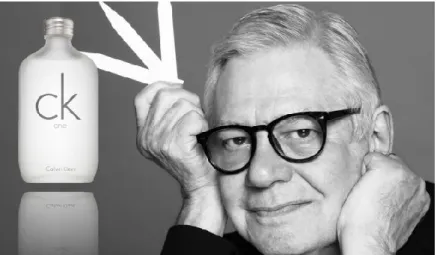
Following the same method of selecting an expert to endorse the utilitarian product, for the hedonic product, a fictional individual named William Edwards was used and was presented differently to participants. For the perfume product, William Edwards endorsed a Calvin Klein perfume, and was described to participants as a fragrances expert, industry ambassador and evaluator. His description was based in Michael Edwards, author of the “Fragrances of the World” book and database, which is considered to be the industry bible by perfumers, industry professionals, journalists and fragrance connoisseurs (The Man, 2018).
Even though the product category of the hedonic product was the same for all endorsers, the brand and target gender of the products were different. Due this reason, participants were warned that the perfume could be for their own use or as a gift for a friend.
Table 1 summarizes the endorsers selected for this study and the products endorsed:
Endorsers Name Type of Endorser
Type of Product / Service Endorsed
Product / Service Endorsed
Sara Sampaio Influencer
Utilitarian “Housing Loan with Fixed Rate” by BPI Hedonic “Si passion” by Giorgio Armani
Cristiano Ronaldo Celebrity
Utilitarian “Income Account CR with 3,5% Interest Nominal Rate” by BES
Hedonic “Cristiano Ronaldo Legacy – Private edition” by Cristiano Ronaldo Fragrances
Edwards
Williams Expert Utilitarian
“Business Solutions: Renting, Leasing, Credit and Spending Accounts” by Montepio
William Edwards Expert Hedonic “CK One” by Calvin Klein
Table 1 - Summary of endorsers and advertisements
3.3 Online Questionnaire
The questionnaire developed for this study was a structured and self-administered survey, built using Qualtrics and distributed online via several social media platforms and email to ensure an appropriate amount of responses. The decision to make the distribution online was based on the advantages of this channel being a cost-effective, high reachability and less time-consuming method of distributing a questionnaire, while ensuring a convenient way for participants to answer and ensuring a low level of environmental interference. In Appendix B, the Survey transcript can be visualized.
3.3.1 Materials
The survey had the main goal of measuring the Source Credibility dimensions (expertise, trustworthiness and attractiveness), Social Proximity and purchase intentions of Millennials for two types of products being endorsed by three types of endorsers.
Depending on the type of questionnaire randomly assigned, participants were presented during the survey with two advertisements, showcasing the endorser and the product being endorsed. The choice of advertisements to include in the questionnaire was made in terms of the overall quality and clarity of the image rather than the quality of the message or product offering itself.
For the celebrity endorsement, the following advertisements were presented:
Figure 1 - Cristiano Ronaldo (Celebrity) with Hedonic product
Figure 2 - Cristiano Ronaldo (Celebrity) with Utilitarian product
Figure 3 - William Edwards (Expert) with Hedonic product
Figure 4 - Edward Williams (Expert) with Utilitarian product
For the Influencer endorsement, unlike what was used in the other conditions, four advertisements were presented. Two featuring the selected Influencer, Sara Sampaio, and two with silhouettes of an individual that participants had to think of when positively answering the question: “Do you currently follow, or followed in the past, any Influencer on social media (Instagram, Facebook or other)?”:
Figure 5 - Sara Sampaio (Influencer) with Hedonic product
Figure 6 - Sara Sampaio (Influencer) with Utilitarian product
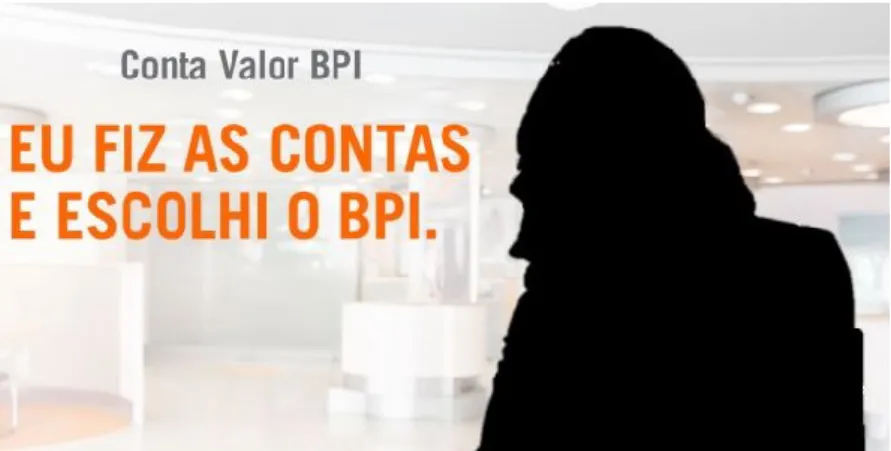
Figure 8 - Participants' Influencer with Utilitarian product
Regardless of the condition that participants were assigned to, they were asked the same questions to measure their perceptions towards Source Credibility dimensions, Social Proximity and purchase intentions. Also participants were asked to rate their familiarity with several concepts, such as Endorsement Marketing, Influencers and other, which used the same question format.
Source Credibility dimensions
Participants were asked to rate the endorser according to several characteristics. These characteristics were presented in a seven-point semantic differential scale adapted from the study conducted by Ohanian (1990), where the author gathered the most relevant characteristics to measure the three dimensions of Source Credibility. The descriptive pairs that measure trustworthiness were: undependable/dependable, dishonest/honest, unreliable/reliable, insincere/sincere, and untrustworthy/trustworthy. The descriptive pairs for measuring expertise were: not expert/expert, inexperienced/experienced, unknowledgeable/knowledgeable, unqualified/qualified and unskilled/skilled. The following descriptive pairs measured attractiveness: unattractive/attractive, not classy/classy, ugly/beautiful, not sexy/sexy and plain/elegant. All descriptive pairs were presented together and were randomized between themselves to ensure that there was no skewness within dimensions.
In order to assess which dimension were the most important to Millennials (research question RQ3), a rank order question with six items was created, featuring a pair of characteristics for each Source Credibility dimension, which were Honest, Reliable, Intelligent, Skilled, Elegant and Attractive (for trustworthiness, expertise and attractiveness, respectively). The choice of characteristics for this question was based on the Ohanian’s study (1990), selecting the highest
Social Proximity
From previous literature, there was no consensus on a set of questions that could measure accurately Social Proximity. Since this phenomenon is influenced by Social Influence and Social Projection, mentioned in the literature review, the following four statements were created: “I identify myself with the endorser”; “I see the endorser as a friend”; “The endorser’s advice would be as meaningful as a friend’s advice”; and “I feel very close to the endorser”. Participants were asked to rate the statements using a five-point Likert scale, where 1 was “Strongly Disagree” and 5 was “Strongly Agree”.
Purchase Intentions
To measure purchase intentions, participants had to rate three questions using a five-point Likert scale, with 1 “Very Unlikely” and 5 “Very Likely”, assessing the likelihood that the respondent would purchase the product, the likelihood that the respondent would try the product on if seen in a store, and the likelihood the respondent would actively seek out the product in a store. These statements were adapted from previous studies (McCormick, 2016; Till and Busler, 2000; Ohanian, 1991; Kamins, 1990; Kahle and Homer, 1985) to ensure reliability of items.
Familiarity
As mentioned before, participants were asked to rate their familiarity with several concepts from a seven-point Likert scale, with 1 being “Not Familiar at all” and 7 being “Very Familiar”. The concepts assessed in the questionnaire were familiarity with Endorsement Marketing, familiarity with the endorser, familiarity with both product categories (hedonic and utilitarian) and familiarity with the concept of Influencer (presented exclusively in the questionnaire for the Influencer condition).
Demographics
Finally, to assess the participants’ demographic profile, they were asked to mention their gender, age, country of residency, occupation, and monthly income.
To measure gender, participants could select from a multiple-choice question one of two options: Male or Female. To measure age, an open-ended question was presented. For country of residency, a list of all possible countries was presented in the format of a multiple-choice question, where participants could only select one option. In terms of occupation, a multiple-choice question was used, where participants had to select one of the following options:
Student; Full-time job; Part-time job; Unemployed; or Other, where participants could make a text entry of their occupation. Finally, to assess participants’ monthly income, they had to select the most appropriate income range from the following ranges, which were presented in a multiple-choice question: “Less than 250€”; 251€ to 500€”; 501€ to 1000€”; More than 1000€; or “Don’t know exactly”.
3.3.2 Participants
The target population of this study were individuals, men and women, within the age range of Millennials, born between 1981 and 1996 (ages between 21 and 37 years old). The nature of the study allowed individuals from different nationalities to participate, so the target population was not limited in terms of country of residency.
The sampling of this study was appropriate, since Millennials are very familiar with the concepts of Endorsement Marketing and, more specifically, the concept of Influencers, as they were raised in the Internet era and closely observed the development of the main social media platforms, such as Facebook and Instagram.
The sample used was a non-probabilistic convenience sampling, relying on the researcher’s ability to select the participants at random, due to its nature of being the least time-consuming and inexpensive sampling technique, while allowing to reach efficiently a large number of participants. This study was mainly distributed among friends, family and colleagues, with a diverse demographic background.
3.3.3 Procedure
Participants were presented with a link to enter a survey, via social media (Facebook and Instagram) and email, that was solely used as a randomizer of the three conditions being studied. Once inside this survey, they had to click on a new link, specifically indicated to click on it, to proceed with the survey. From this point onwards, participants were randomly assigned to one of the three endorsement conditions: celebrity, expert or Influencer.
The survey started with an introduction with relevant information about the study, such as name of the researcher, purpose of the study and duration of the questionnaire. Participants were informed that they would participate in a research study for an academic purpose only, that their participation was voluntary, and anonymity of their answers was secure. Also, the researcher’s email was available to allow participants to leave suggestions or questions.
After this, in the first block of questions, participants were presented with a small description of Endorsement Marketing and were asked to rate their familiarity with this practise.
For participants with the Influencer endorsement condition, an additional block of questions was presented before introducing the endorser and product being endorsed. First, a brief description of the concept Influencers was presented, and participants had to rate their familiarity with the concept. Then, they were asked if they follow any Influencer on social media. If the answer “No” was selected, participants were redirected to the next block, where the endorser was presented. In case of a positive answer, the name of the Participants’ Influencer had to be written and Social Proximity was measured. After a page break, they were showed an advertisement of a utilitarian product featuring a silhouette of what was supposed to be the Participants’ Influencer they thought about. The silhouette allowed participants to visualize the advertisement better than if they had to mentally picture it. Afterwards, Source Credibility and purchase intentions were measured.
In the next block, they were presented with a brief description of the endorser that was randomly assigned and the utilitarian product being endorsed. First, participants were asked to rate their familiarity with both the endorser and the product category (banking services), and then to state their level of agreement with four statements used to measure Social Proximity. In the next page of the survey, an advertisement featuring both the utilitarian product and the endorser was presented, alongside a translation of the advertisement, since it was written in Portuguese.
The next block assessed the participants’ perceptions towards Source Credibility dimensions and purchase intentions regarding the advertisement.
Again, for participants with the Influencer endorsement condition, an additional block of questions was presented using the same structure as the block presented previously, but now featuring a hedonic product.
The survey proceeded to present a brief description of the randomly assigned endorser now endorsing a hedonic product. Participants were asked to rate their familiarity with the product category (perfume). Following, an advertisement featuring both hedonic product and endorser was presented, alongside its translation.
The next block assessed the participants’ perceptions towards Source Credibility dimensions and purchase intentions regarding the second advertisement, and they were asked to rank a list of six Source Credibility dimensions (two for each expertise, trustworthiness and attractiveness) for the ideal salesperson according to their preference.
The last part of the survey gathered participants’ demographic data: gender; age; country of residency; occupation; and monthly income. Finally, a message of acknowledgment to the participation appears indicating the end of the survey.
3.3.4 Design
Even though the study was originally developed to follow a between-subjects design 3 (endorser type: celebrity versus expert versus Influencer) x 2 (product type: utilitarian versus hedonic), due to time constrains encountered, the questionnaire followed a different experimental design. It was developed using an experimental 1 (endorser type randomly assigned) x 2 (product type: utilitarian and hedonic) within-subjects design, where the endorser type was the method selected to apply a random distribution among participants. Within each of the three questionnaires developed, participants were subject to both utilitarian and hedonic products for the endorser that was randomly assigned. This method of distribution was followed to ensure a higher number of responses for each endorser condition. However, the analysis of the study will be conducted following the original 3 x 2 between-subjects design.
4. Results Analysis
4.1 Data collection and Data cleaning
Before conducting the analysis of the data collected, the results of the survey were subject to data cleaning. From an initial total number of 177 participants that initiated the questionnaire, only 111 were eligible for further analysis. The ineligible participants were whoever had a completion rate below 90% (66 participants) or did not belong to the target age group (3 participants outside the Millennial age range). Any incomplete participation under 90% completion rate was not considered in this study since the age of the respondent could not be confirmed and limits the ability to collect valuable insights for this dissertation.
From the 111 total completions, 30 were assigned to the Influencer condition, 47 to the celebrity endorsement condition and, finally, 34 to the expert endorsement condition. In the questionnaire, participants randomly assigned to the Influencer condition had to think about an individual that they considered as an Influencer. For the hypothesis analysis, all the data that was collected regarding the participants’ Influencer will not be considered, since it would invalidate all the tests conducted on SPSS.
4.2 Reliability Analysis
As mentioned previously in Chapter 3, several scales used in this study were adapted from previous literature to ensure their reliability. However, to ensure the reliability of all scales used in the questionnaire concerning the context of this study, further analysis was conducted utilizing the Cronbach’s Alpha test. According to the authors (Peter, 1979; Cortina, 1993), a value between 0.7 and 0.8 for the Cronbach’s Alpha represents an appropriate and reliable scale. In this study, every scale utilized scored a value above the threshold of reliability, as shown in the Scales' Reliability Test (Table 2).
Dimensions Scales Number of Items Cronbach’s Alpha Participants’ Influencer Endorser Social Proximity 4 .880
Source Credibility – Utilitarian product 15 .841
Source Credibility – Hedonic product 15 .947
Purchase Intentions – Utilitarian product 3 .925
Purchase Intentions – Hedonic product 3 .738
Influencer Endorser Social Proximity 4 .888
Source Credibility – Utilitarian product 15 .856
Source Credibility – Hedonic product 15 .937
Purchase Intentions – Utilitarian product 3 .853
Purchase Intentions – Hedonic product 3 .859
Celebrity Endorser Social Proximity 4 .842
Source Credibility – Utilitarian product 15 .917
Source Credibility – Hedonic product 15 .966
Purchase Intentions – Utilitarian product 3 .900
Purchase Intentions – Hedonic product 3 .868
Expert Endorser Social Proximity 4 .815
Source Credibility – Utilitarian product 15 .783
Source Credibility – Hedonic product 15 .913
Purchase Intentions – Utilitarian product 3 .933
Purchase Intentions – Hedonic product 3 .894
Table 2 - Scales' Reliability Test
4.3 Sample Description
For the 111 completed participations recorded, the following demographic data was presented: 41% (46 of 111) and 59% (65 of 111) of participants were male and female, respectively (Appendix D). Regarding their age, there was a clear uneven distribution inside the Millennial age range. 94% of participants were between 21 and 29 years old, whereas only 6% of participants had ages between 30 and 37 (Appendix D).
In regard to the participants’ country of residency, Portugal accounted for 83% of responses. It is worth mentioning that France, Germany and USA had 3% each of participations. Finally,