Graça Raquel Pinheiro Bragança Soares
Education in Eme rgencies: challenges of providing quality education to young people affected by humanitarian crises and conflict situations
Universidade Fernando Pessoa Porto, 2019
Graça Raquel Pinheiro Bragança Soares
Education in Eme rgencies: challenges of providing quality education to young people affected by humanitarian crises and conflict situations
Universidade Fernando Pessoa Porto, 2019
Graça Raquel Pinheiro Bragança Soares
Education in Eme rgencies: challenges of providing quality education to young people affected by humanitarian crises and conflict situations
Work presented to Universidade Fernando Pessoa as part of the requirements to obtain the Masters Degree in Humanitarian Action, Cooperation and Development, under the guidance of Professor Doutor João Casqueira.
ABSTRACT
The present work deals with the issue of quality of education in emergency situations, humanitarian crises armed conflicts and/or insecurity contexts. It consists of two essential parts: a theoretical part and a practical one. In the theoretical part, are presented essential contents which will allow to better understand the object of study – the quality of the education response in emergencies, with particular emphasis in the Teaching and Learning domain (Education Curricula essentially). This theoretical part deals with issues directly related with the right to education; education as a human right and as an enabling right; international legal framework and international legal instruments protecting both education and special and more vulnerable groups of people (children, refugees, among others); global agendas and global action plans protecting, promoting and advocating not only for the right to quality education, but also to concrete measures that enable to work on the progresses already achieved, among some other issues.
On the other hand, in the practical part, are addressed issues such as: the specific nature and contexts of Education in Emergencies (EiE); main concepts and definitions of EiE; key global statistics in EiE; international legal framework specific to EiE, including the three different bodies of international law – International Human Rights Law, International Humanitarian Law and International Criminal Law; brief overview of the INEE Minimum Standards handbook, with a particular focus in the Teaching and Learning domain and with an in-depth analysis of Standard 1 – Curricula. Finally, there is a presentation of the questionnaires that seek to answer the central question of this study, its results are discussed and analysed, and the main conclusions are drawn up, including possible recommendations to improve practices and the quality of the educational response in the EiE sector.
RESUMO
O presente trabalho aborda a questão da qualidade da educação em situações de emergência, crises humanitárias, conflitos armados e/ou contextos de insegurança. Consiste em duas partes essenciais: uma parte teórica e uma prática. Na parte teórica, são apresentados conteúdos essenciais que permitirão compreender melhor o objeto de estudo – a qualidade da resposta educativa em emergências, com particular ênfase no domínio do ensino e da aprendizagem (currículos educacionais essencialmente). Esta parte teórica lida com questões diretamente relacionadas com o direito à educação; a educação como um direito humano e como um direito que capacita; quadro jurídico internacional e instrumentos jurídicos internacionais que protegem tanto a educação como os grupos de pessoas especiais e mais vulneráveis (crianças, refugiados, entre outros); agendas globais e planos de ação globais, protegendo, promovendo e defendendo não só o direito à educação de qualidade, mas também a medidas concretas que permitam trabalhar nos progressos já alcançados, entre outras questões.
Por outro lado, na parte prática, são abordadas questões como: a natureza específica e os contextos de educação em emergências (EiE); principais conceitos e definições de EiE; principais estatísticas globais em EiE; quadro jurídico internacional específico do EiE, incluindo os três diferentes órgãos do direito internacional – direito internacional dos direitos humanos, direito internacional humanitário e direito penal internacional; breve visão geral do manual de normas mínimas da INEE, com particular ênfase no domínio do ensino e da aprendizagem e com uma análise aprofundada do padrão 1 – currículos. Finalmente, há uma apresentação dos questionários que buscam responder à questão central deste estudo, os seus resultados são discutidos e analisados, e as principais conclusões são elaboradas, incluindo possíveis recomendações para melhorar as práticas e a qualidade da resposta educativa no setor da EiE.
GENERAL INDEX
I. Introduction...1
II. Methodology...2
III. Right to Education – Understanding Education as a Human Right...13
1. International Legal Framework...13
1.1. International Legal Instruments...13
i.) Universal Declaration of Human Rights (UDHR), 1948...14
ii.) International Covenant on Economic, Social and Cultural Rights (ICESCR), 1966...15
iii.) UNESCO Convention against Discrimination in Education (CADE), 1960...17
iv.) Convention on the Rights of the Child (CRC), 1989...18
v.) Convention relating to the Status of Refugees, 1951 / Protocol relating to the Status of Refugees, 1967...19
2. Other International Legal Instruments...20
3. International Political Commitments reflected in Global Agendas and Action Plans...25
4. Why is the right to education fundamental?...27
4.1. The Four As of the right to education...29
IV. Education in Emergencies: Understanding the specific nature and contexts of Education in situations of Emergency...31
1. Education in Emergencies: main concepts and definitions...34
2. Key global statistics arising from Education in situations of Emergency...35
3. International Legal Framework regarding Education in Emergencies...36
3.1. International Human Rights Law (IHRL)...38
3.2. International Humanitarian Law (IHL)...39
3.2.1. Protection of Education in International Armed Conflict...40
i.) Orphaned children and those separated from their families...41
ii.) Internment...41
iii.) Special protection for children...42
3.2.2. Protection of Education in Non-International Armed Conflict...42
4. The importance of Education in Emergencies...45
V. How is the quality of the educational response in emergencies being addressed?...48
1. INEE Minimum Standards Handbook: A brief introduction...49
1.1. Who is responsible for providing and guaranteeing access to and quality of education?...49
1.2. What are the contents presented in the INEE Minimum Standards?...50
1.3. The importance of Context Analysis...51
1.4. Is there a significant gap between the INEE Minimum Standards and its application in practice?...53
1.5. Multi-sectoral links of the INEE Minimum Standards...54
2. Teaching and Learning Domain...55
2.1. Teaching and Learning Standard 1 – Curricula – Brief overview on relevant issues...56
3. Presentation of Questionnaires – “How is the quality of the education response in emergencies being addressed?”...58
3.1. Analysis and Results of the Questionnaires...63
3.2. Conclusions on the results of the questionnaires...77
VI. General Conclusion...84
VII. References...87
VIII. ANNEXES...1
1. LIST OF DEFINITIONS...1
2. LIST OF FACEBOOK GROUPS (WHERE QUESTIONNAIRES HAVE BEEN PUBLISHED)...1
3. LIST OF GRAPHICS...3
4. LIST OF IMAGES...5
INDEX OF FIGURES
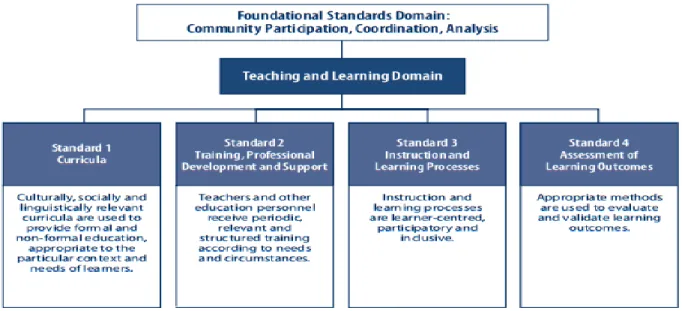
Figure 1. Four Standards of the Teaching and Learning Domain...56
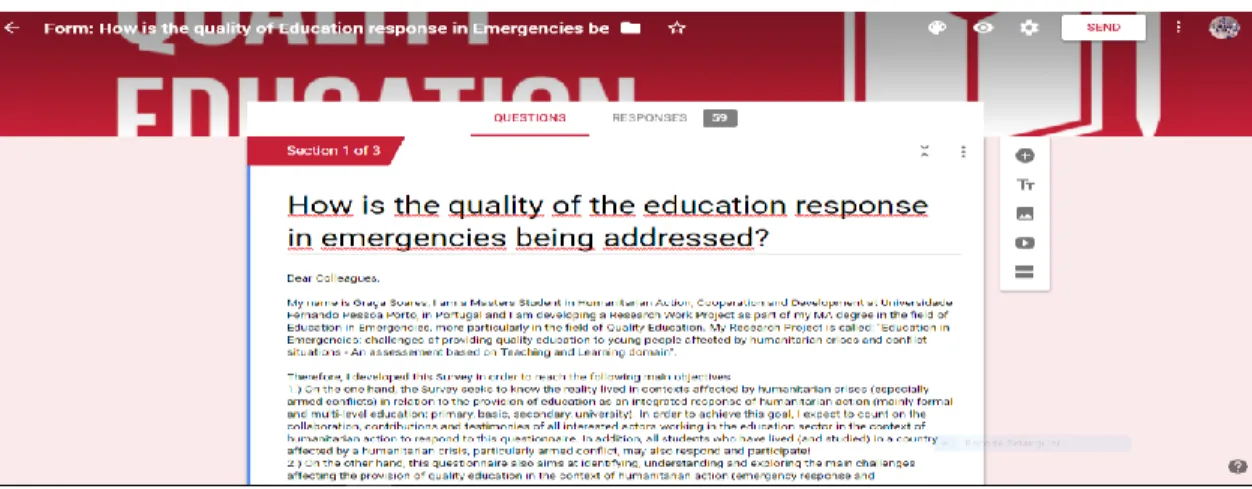
Figure 2. Short-Version Questionnaire (front page)...62
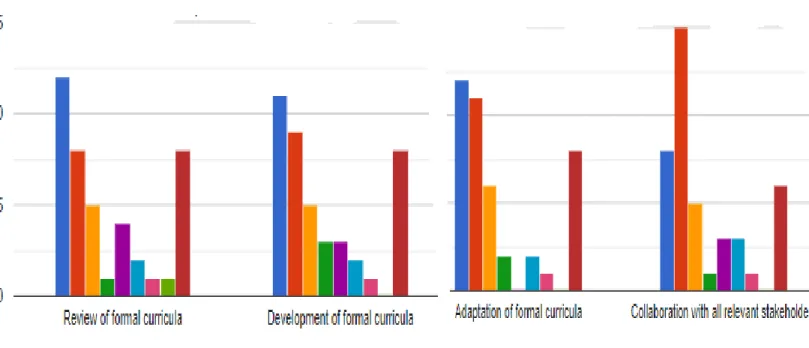
Figure 3. Caption of the Charts on the capacity and competence of education authorities regarding revision, development and adaptation of the school curricula SVQ...67
INDEX OF GRAPHICS Graphic 1. “How old are you?” SVQ...63
Graphic 2. Level of academic / educational qualifications SVQ...64
Graphic 3. Experience in EiE SVQ...65
Graphic 4. Review, Development, Adaptation of Formal Curricula and Collaboration of Stakeholders SVQ...67
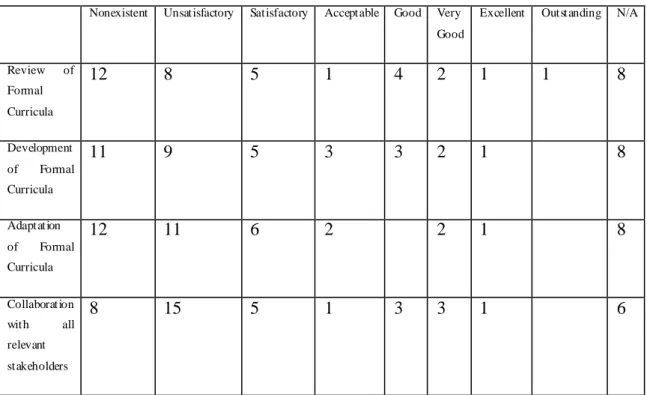
INDEX OF TABLES Table 1. Review, Development, Adaptation of Formal Curricula and Collaboration of Stakeholders SVQ...68
Table 2. Special formal education curricula for more vulnerable groups SVQ...70
Table 3. Life Skills and Key Concepts SVQ...71
Table 4. Psychosocial Support SVQ...72
Table 5. Language of country and/or community SVQ...73
Table 6. Language of Instruction SVQ...74
Table 7. Different backgrounds and vulnerable groups / diversity SVQ...75
Table 8. Levels of bias SVQ...76
INDEX OF CONTENTS OF THE ANNEXES
INDEX OF GRAPHICS
LIST OF GRAPHICS...3 Graphic 1. Literate and illiterate world population (Our World in Data)...3 Graphic 2. Projected world population by level of education (Our World in
Data)...4
INDEX OF IMAGES
LIST OF IMAGES...5 Image 1 – Right to education challenges (UNESCO)...5 Image 2 – International legal instruments underpinning the INEE Minimum Standards (INEE)...5
LIST OF ABBREVIATIONS
ACDI / VOCA – Agricultural Cooperative Development International / Volunteers in Overseas Cooperative Assistance
ACTED – Agency for Technical Cooperation and Development AGE –Advancing Girls’ Education in Africa
ANCEFA – Africa Network Campaign on Education for All ArtHum – Artists for Humanity
BIICL – British Institute of International and Comparative Law CADE – UNESCO Convention against Discrimination in Education
CEDAW – Committee on the Elimination of Discrimination against Women CERD – Committee on the Elimination of Racial Discrimination
CESCR – Committee on Economic, Social and Cultural Rights CMW – Committee on Migrant Workers
CR – UNESCO Committee on Conventions and Recommendations CRC - Committee on the Rights of the Child
CRC – Convention on the Rights of the Child
CRPD – Committee on the Rights of Persons with Disabilities CRS – Catholic Relief Services
DRR – Disaster Risk Reduction EAA – Education Above All
ECCN – Education in Crisis & Conflict Network EDC – Education Development Center
EDN - Edition
EDT – Education Development Trust EENET – Enabling Education Network EFA – Education for All
GADRRRES – Global Alliance for Disaster Risk Reduction and Resilience in the Education Sector
GCE – Global Campaign for Education
GCN13 – General Comment No. 13 regarding the right to education on the
Implementation of the International Covenant on Economic, Social and Cultural Rights GCPEA – Global Coalition to Protect Education from Attack
GEM – Global Education Monitoring HDI – Human Development Index HIV – Human Immunodeficiency Virus HRC – Human Rights Committee
IASC – Inter-Agency Standing Committee ICC – International Criminal Court in The Hague
ICCPR – International Covenant on Civil and Political Rights
ICESCR - International Covenant on Economic, Social and Cultural Rights ICL – International Criminal Law
ICRC – International Committee of the Red Cross ICTR – International Criminal Tribunal for Rwanda
ICTY – International Criminal Tribunal for the Former Yugoslavia IDPs – Internally Displaced Persons
IFRC – International Federation of the Red Cross IHL – International Humanitarian Law
IHRL – International Human Rights Law
INEE – Inter-Agency Network for Education in Emergencies LGBT – Lesbian, Gay, Bisexual and Transgender
LVQ – Long-version Questionnaire LWF – Lutheran World Federation MDGs – Millennium Development Goals MS – Minimum Standards
MSH – INEE’s Minimum Standards Handbook N/A – Not Applicable
NGOs – Non-governmental Organization(s) NY – New York
ODI – Overseas Development Institute
OHCHR – Office of the High Commissioner for Human Rights
PEIAC - Protecting Education in Insecurity and Armed conflict: An International Law Handbook
PEIC – Protect Education in Insecurity and Conflict PSS – Psychosocial support
RNA – Rapid Needs Assessment
SDG4 – Sustainable Development Goal nº 4 SDGs – Sustainable Development Goals SVQ – Short-version Questionnaire
UDHR – Universal Declaration of Human Rights UIS – UNESCO Institute of Statistics
UK – United Kingdom UN – United Nations
UNCHR – United Nations Commission on Human Rights
UNESCO – United Nations Educational, Scientific and Cultural Organization UNGA – United Nations General Assembly
UNHCR – United Nations High Commissioner for Refugees UNHRC – United Nations Human Rights Council
UNICEF - United Nations International Children’s Emergency Fund
UNOCHA – United Nations Office for the Coordination of Humanitarian Affairs USA – United States of America
1 I. Introduction
In today’s modern world, much is said and talked about regarding education and the right to education. In fact, in terms of economic, and specifically educational and learning opportunities, the world today is better off than ever before. This may seem a very broad statement to analyse from an objective perspective, and in scientific terms, it may seem very subjective to be opened for discussions, but the truth is that there are many evidences supported by major studies that can prove how the world is getting better in many crucial dimensions of development and of human material well-being – poverty, literacy, health, freedom, education, among other dimensions, when compared, for example, with a timeframe of one century ago. This may seem a provocative assumption given that today many people all over the world are enormously exposed to the influence of social communication, which is itself one of the greatest global powers, capable of reporting on everyday life, but also capable of emphasizing too many political and social issues which tend to have a negative content and most of the times, also being disconnected directly from the lives of the common citizen. People watch daily news about issues and realities such as economic stagnation, recessions, financial bubbles and crashes, structural unemployment, economic migrations, violence, conflicts, nuclear weapons, terrorism, xenophobia, disrespect for human rights, and the list goes on... So given this scenario, it is almost certain that most people would not tell that the world is getting better. In fact, all of those aspects mentioned above that are reported by social communication are ultimate challenges that global leaders, national leaders, organizations and civil society will have to deal with and find out adequate solutions and responses for each of them. There is a powerful recent study designated by “The short history of global living conditions and why it matters that we know”1
conducted by Max Roser, an economist at the University of Oxford and the founder of Our World in Data. That study aimed to understand the state, changes and evolution of the world in a historical perspective having into consideration dimensions that are related with the measure of human development at a global level. For that purpose, the study had as a departing point a large survey2 directed to people from nine high- income countries (Sweden, Denmark, Finland, Norway, USA, Great Britain, Germany, Australia and France) and asked : “All things considered, do you think the world is
getting better or worse, or neither getting better or worse?” The results were that very
1 For more in for mation about this study, please click here. https://ourworldindata.org/a-history-of-global-living-conditions-in-5-charts
2
few people considered that the world is getting better. For example, in Sweden, only 10% thought things are getting better, in Norway, it was only 8%, the USA it was 6%, in France and in Australia it was only 3%. So, looking at the answers and the results presented by respondents in that survey, an even more intriguing question arises: if these are the results presented by respondents from nine high- income countries from the so-called “developed world” where it is known to have more economic, social, education opportunities, greater accountability for human rights, peace and freedom, what would be the answers and results presented from people living in low- income countries, from the so-called “developing world”, where it is known to be affected by poor economic and social conditions, poor economic and educational opportunities, marked by high levels of conflict and violence, generally more vulnerable to natural disasters and other crises, where human rights are often not respected nor peace and freedom prevails?
Nevertheless, the study mentioned above showed surprising results, contrary to the negative trends and responses presented by survey respondents. Taking up the starting point presented in the first paragraph on education and the right to education, two dimensions deserve attention: literacy dime nsion and education dimension. Regarding literacy, data presented by that study shows that in less than two centuries literacy in world population has increased significantly. For instance, in 1800, 87.95% of the world population were illiterate, while only 12.05% were literate; in 1900, 78.6% of world population were illiterate, while 21.4% were literate; in 1999, the graphic shows an inverse trend to those presented previously: 81.88% of world population were literate, while only 18.12% were illiterate. In 2014, the positive trend of increasing literacy among world population continues: 85.3% were literate, while 14.7% were illiterate. By other words, lite racy has gone from a privilege of small elite to a need of global population, where 8 out of 10 people can now read and write.3 Regarding education, according to that same study, it also shows very positive results in terms of progress throughout the years. In this dimension, data on education is interrelated with another dimension that is global fertility, in which researchers expect that it will peak in 2070, and then, start to decline. In this regard, data shows “projected world population by level of education”4, and there it can be seen that, for instance, in 1970, the world had a total population of 3.68 billion people, in which the vast majority were under 15 (1.38
3 For more information regarding the dimension of literacy referred to in the above-mentioned study, please consult the inherent graphic – Graphic 1 – presented in the annexes.
4 For more information regarding the dimension of education referred to in the above-mentioned study, please consult the inherent graphic – Graphic 2 – presented in the annexes
3
billion). 852.02 million had no education, 213.28 million had incomplete primary, 533.87 million had primary and only 101.46 million had post secondary education. In 2000, the total population almost doubled (6.1 billion people) and all the higher levels of education, starting for example, in “lower secondary”, begin to bend farther to the right, getting larger, meaning that more people have access to those levels of education. Fifteen years later in 2015, the trend of a growing world population continues, making a total of 7.25 billion people, and so does the trend regarding progress on education among world population, with more people pursuing more education and at higher levels. In 2015, 767.77 million had no education; 316.24 million had incomplete primary; 932.09 million had primary education and 725.52 million had post secondary education.
This evolution reflects a progress of great significance to the world not only to the economic, social and cultural dimensions, but also and most importantly, to the development and improvement of the living conditions of human beings and their inherent well-being dimensions.
However, there are some aspects of crucial importance that must be noted. In spite of many studies, including the previous one mentioned above, recognising the great evolution and tangible progress that the world has gone throughout the last years and even from the last century, this is not the same as ignoring and underestimating the many difficult and complex global and transnational challenges that plague the world today.
People and societies are nowadays more demanding in aspects that directly or indirectly affect their lives. Long periods of history marked by authoritarian political regimes, repression, dictatorships, wars, famine and widespread misery, little or no possibility of social mobility, among many other negative factors have contributed to shake up the popular masses over generations, making them less submissive, less domineering and more propitious to engage in protests and to fight for more rights in various social, political and economic aspects.
The very definition of human rights has undergone enormous and profound transformations throughout the centuries, and more precisely, over the last two decades, with the inclusion of new rights such as LGBT rights, migration rights, environment rights in most Human Rights declarations and conventions. If at the beginning of intellectual debate among humanists on the notion of Humanism and the first notion of human rights, they focused mainly on the fundamental questions of life, liberty and
4
property (natural rights), today the notion of human rights is very much more extensive, incomparably more comprehensive, extending to areas and rights that would perhaps be unthinkable in the societies of humanists of the sixteenth and seventeenth centuries. If in the sixteenth century mere debate and philosophical discussion of the full right to life and liberty of human beings was in itself a desecrating element of suspicion and political persecution, one could not even imagine that in those societies there was room to think about the universal right of education to all citizens, to quality education and equal opportunities for all. In this sense, it is possible to say that today the world evolves at two speeds, in which two stand out: on the one hand, there are greater and better international development efforts in the most vulnerable regions of the world at a steadier and stable pace, creating positive results in several dimensions related to human development, in particular in terms of schooling and education, and on the other, there is a growing number of complex challenges producing effects (most of the times negative effects) at global, transnational and regional levels that now require much more attention from various stakeholders, including political decision- makers, big entrepreneurs, civil society organizations and citizens. For this reason, it is important to point out that while governments, international organizations, NGOs and other decision-making stakeholders take important steps to create stable, sustainable and long-term opportunities that can benefit both the beneficiaries, particularly the poorer, the most disadvantaged, and the population and economie s in general, it is important to create adequate opportunities that meet the needs of the populations, the various economies and having into consideration the challenges facing each region, to avoid creating even more gaps and being distant to address development challenges efficiently.
This issue of creating sustainable, durable and long-term opportunities for present and future generations and in particular opportunities in the Education dimension, leads us to the aim and purpose of this study – to understand how is the quality of the education response in emergencies, with particular emphasis in the Teaching and Learning domain (Curricula) being addressed across different geographical regions, sociocultural contexts and teaching and learning patterns. In order to understand the teaching and learning practices that are being (or were) used in these different regional, geographical, socio-cultural and educational contexts, the Inter-Agency Network for Education in Emergencies’ (INEE) minimum standards handbook has been used as the main reference in literature review. It is currently believed to be the leader in the definition of minimum standards and guidelines in Education practices. Subsequently,
5
two versions of questionnaires focused on key issues relating to the INEE’s minimum standards in the Teaching and Learning domain (in particular school curricula) were planned and developed. They were then distributed by a very diverse range of participants involved in the field of Education in Emergencies.
In order to better understand the methodology adopted in this work project, as well as the methods used in the collection, treatment, analysis of data and results, below it is presented the next chapter that is dedicated to this question.
II. Methodology
Regarding the methodology used in this work project, as well as the instruments for data collection and analysis, firstly it is important to highlight a fundamental point.
First of all, in its broadest sense, the present work project aims to know the reality of Education in contexts of humanitarian crises and emergency situations, namely armed conflicts and/or insecurity. In parallel, it also seeks to know more specific issues related to the scope of Education in situations of humanitarian crises and emergencies, or by other words, in the field of Education in Emergencies. Therefore, in its strictest and narrowest sense, the object of study of this project is the quality of the education response in humanitarian crises, namely arme d conflicts and/or insecurity, and it aims to understand and analyse how is the quality of the education response being addressed in these contexts, across different geographic, sociocultural and demographic dimensions, taking into account the testimonies of experience and survey results of professionals (and/or students) who have worked (or studied) in this particular area and cluster of humanitarian action, within their last and most recent year (of intervention / studies).
Secondly, the research question that led to the knowledge about the object of study is as follows: “How is the quality of the education response in eme rgencies being addressed?” Through the research question, it was possible to know better the field and the universe of the object of study, which became more and more strict and delimited; to know more clearly and more deeply the state of the art of the object of study; to know the most appropriate literature and well as to review it, in order to produce the necessary knowledge for the elaboration and developme nt of data collection instruments that would later allow us to respond and satisfy the central question of the research project. Therefore, in this way, and as previously mentioned in the third textual period regarding
6
the search for knowledge on more specific issues and subjects in the field of Education, it should be pointed out that the initial research question has made the object of study increasingly narrow and delimited, so that it would then seek to know and analyze the quality of the education response in emergencies in the light of quality minimum standards, focusing on an exclusive domain of Education – the Teaching and Learning domain – and within it, Curricula in particular.
Thirdly, in order to know and to answer the research question and the research problem, this work project was designed to comprise two key component parts: a theoretical part and a practical part. In the theoretical part, essential contents are presented and addressed which, in addition to introducing the theme and the literature review related to the object of study, allow a deeper understanding of the theoretical and scientific framework on which this project is based. Thus, in this way, in order to know the universe of the object of study, these theoretical contents that are presented aim to present and address central issues, such as for instance, the right to Education; the perception of the right to Education as a huma n right and as an enabling right; the international legal framework and international legal instruments protecting the right to Education, vulnerable groups of people and/or specific situations and contexts affecting the right to Education; global agendas and international action plans which aim to solve and fill the problems arising from Education at the global level, among some others. Differently, in the practical part, are presented and addressed subjects directly related to the object of study: the quality of the education response in emergency situations, focused on the Teaching and Learning domain, particularly in the Curricula standard. For this reason, this part includes an analysis on issues such as: the specific nature and contexts of Education in Emergencies (EiE); main concepts and definitions of EiE; key global statistics in EiE; international legal framework specific to EiE; brief overview of the INEE Minimum Standards handbook, focused on the Teaching and Learning domain and with an in-depth analysis of Standard 1 – Curricula and, of course, the presentation, analysis of results and d iscussion of the questionnaires. Nevertheless, regarding this point on the presentation of the questionnaires, analysis of results and discussion, it is important to emphasize that, since the two versions of the questionnaires are different either in the purposes and objectives, either in the structure or in the average response time, these will naturally present distinct results. Thus, although two versions were initially developed, it will only be presented, analyzed and discussed the version that obtained the highest rate of responses and participation
7
(short- version questionnaire). In the end, conclusions and possible recommendations for improving practices in the EiE education response sector will also be presented.
In fourth place, regarding the methods and the methodology approach itself used for this work project, it is important to mention that this is a mixed scientific methodology. In this work project both quantitative and qualitative data are analysed and studied, based, for example, on the method of se mi-closed questionnaires focused on key-questions and assessment-based analysis regarding the quality of education response (in Teaching and Learning domain). In addition to the method of collecting data through the use of questionnaires, other methods were also used such as: bibliographic analysis, documentary evidence (pre-existing data). Therefore, taking into account the research objectives that this work project aims to achieve (as previously mentioned) and the relationship between the research question and the object of study, these methods used in the collection of data and information, as well as the methodology used in the analysis of them, seem to be the most appropriate because in addition to being methods that allow the collection of information in a very diversified, personalized and discerningly rigorous manner and that even allow analyzing both quantitative and qualitative data, thus broadening the scope of knowledge of the object of study (e.g. the questionnaires addressed to professionals / students within the EiE framework), they are usually the most used either in the literature review between the academic community that studies these subjects and that allows them to arrive at their conclusions, or between the scientific and professional community that develops studies on issues regarding Education in Emergencies. Moreover, the results obtained through the use of the semi-closed questionnaires do not intend to be nor can be generalized, thus, the sample is symbolic and not necessarily representative. However, the dive rse and rigorous criteria used in the development of the questionnaires, allow to reach a target audience of carefully selected respondents (although from different geographical, socio-cultural, demographic, professional contexts, among others) that contribute with valid experiences and testimonies that reflect reality in the contexts in which they live and work. In addition, the method of bibliographic analysis and documentary evidence combined also allow having a more solid basis in order to complement the existing gaps and/or failures that the questionnaires alone cannot demonstrate in the scope of the study universe.
In fifth place, regarding the literature review, up until very recently the field of Education was a neglected cluster of humanitarian action both from the point of view of
8
the development of projects in professional context and from the point of view of research. However, especially since the last decade, there has been an increase in the amount of research in this area: from thesis / dissertations focusing on the study of EiE as an integral part of humanitarian assistance (Haines, D. 2013) ; to case studies on organizational processes of emergency youth education (Norgaard N. F., 2011), to coordinating EiE through the Education cluster (Müller, G., 2017), to dissertations focusing on the rise of Education in Emergencies as global field and profession (Lerch J. C., 2017), among many others. For these reasons, the literature review, in addition to focusing on these most recent dissertations and researches already published, has also focused mainly on scientific manuals on best practices within the EiE, namely the INEE Minimum Standards, the Sphere’s Project Handbook, the PEIAC Handbook, among many other supporting and peer-reviewed documents that appear referred to throughout this work project.
In sixth place, it is also important to draw attention to the method of questionnaires, its type and procedures that involved all the work from the planning, development, publication and distribution, to the analysis and examination of the results, discussion and conclusion. Regarding this matter (about the procedures and methodology used in the questionnaires), only the essential points will be mentioned here. The comprehensive and exhaustive description of the procedures is presented in point 3 of Chapter V. In order to know, study and obtain answers to the object of study which has as a central research question “How is the quality of the education response in emergencies being addressed?” two types of questionnaires with different versions and purposes were developed. The first version is the long-ve rsion and it has six different sections (two sections are intended to pe rsonal information and the other four are intended to each of the four Standards of the Teaching and Learning domain). This long-version seeks to study and analyse all the subject matters from the Teaching and Learning domain in-depth. This long-version, as the name implies, is longer, more extensive, more comprehensive in this study, and so, it takes a longer response time: about 25-30 minutes on average. It is also important to mention that both versions of the questionnaires are semi-closed. This means that in addition to the predefined close answers (mostly “Yes” or “No” questions and/or N/A), the respondent has the chance to add a comment in order to elaborate his/her answer on each question if he/she intends to. Thus, if the respondents elaborate more on their answers, the average time may increase depending on the answers they give. On the
9
other hand, the second version is the short-ve rsion. It has three different sections (two sections are also intended to personal information and one is dedicated exclusively to Standard 1 – Curricula – of the Teaching and Learning domain). The decision regarding the focus on Curricula Standards and its subject matters is due to two main reasons. First, because of the importance they have in the acquisition of learning contents and knowledge that play a crucial and decisive role for the future continuation of a good schooling and professional path. Secondly, because this particular Standard allows a greater participation of all actors involved in the EiE sector, whether teachers, students, education programmes manager and/or coordinators, various education authorities, etc. This second and short-version has a shorter response time, about 10-15 minutes on average. Regarding the type of questionnaire, like previously mentioned, this short-version is identical to the long-version: it is also a semi-closed questionnaire, it presents questions with predefined close answers (also mostly “Yes” or “No” and/or N/A in some cases), it also gives the respondent the opportunity to elaborate his/her answer on most questions if he/she so wishes. Regarding this short-version, the questions and issues presented in the first and second sections are the same as the long- version. The third section corresponds to the Standard 1 – Curricula – and consists of 21 questions in total. Regarding the type of questions, most of them are semi-closed questions. These semi- closed questions correspond to “long-answe r texts” and have predefined answers such as “Yes” or “No” (or even “Not applicable” (N/A) in some cases). In addition to these predefined answers, the respondent is free to elaborate and develop his/her response if he/she so wishes. The others which are not “long-answer texts” are closed questions. For instance, section 3 (Curricula) consists of 12 semi-closed questions / “long- answe r texts”; 3 “multiple-choice grid” questions; 2 “tick box grid” questions; 3 “multiple “multiple-choice” questions and 1 “checkbox” question.
Another aspect of great importance that needs to be mentioned in regard to the questionnaires has to do with the criteria used for accepting and/or rejecting respondents. Only two groups of people were considered eligible to answer the questionnaires that were then distributed. One group was professionals and/or volunteers in the EiE sector, and the other group was students/ researche rs who lived and studied under humanitarian settings (armed conflict and/or insecurity). In the first group (professionals / volunteers), all professions and positions were eligible to participate and answer, as long as they were connected and had experience in the EiE
10
sector. Regarding the second group (students / researchers), all students / researchers were eligible, as long as they have lived and studied in a context affected by a humanitarian crisis and/or conflict situation. Moreover, it is also important to mention that, besides this, no other restrictive criteria were applied, in order to allow this work project to be as open to participation as possible. Thus, in the first section of both questionnaires, there is a key screening question that is: “Have you ever worked (either as a professional or volunteer) in the field of emergency education in the area of humanitarian action / reconstruction / development work? Or recently lived (as a student) in a country affected by a humanitarian crisis / armed conflict?” This is a multiple choice question with four possible answers: “Yes, as a Worker”; “Yes, as a
Student”, “Yes, as Both” and “No”. Based on the answer that the respondent gives,
he/she is forwarded to a particular section. If he/she answers “Yes, as a Worker” or “Yes, as Both” he/she is forwarded to the second section (section 2). Section 2 consists of four questions that also ask for personal information but regarding the respondent’s experience in “Education in Emergencies – humanitarian action / reconstruction /
development work”. The questions in both the first and second sections are the same in
both versions of the questionnaire. If he/she answers “Yes, as a Student”, he/she is forwarded to the third section (Section 3) which presents questions regarding the Standard 1 – Curricula (the questions in this section are also the same in both versions of the questionnaire). Otherwise, if he/she answers “No”, he/she is sent to the end of the form and the questionnaire ends there. Unlike the short-version questionnaire that consists of only 3 sections, the long-version consists of 6. Therefore in the long-version questionnaire, the other remaining three sections (fourth, fifth and sixth) eac h correspond to the other Standards of the Teaching and Learning domain (Training, Professional Development and Support; Instruction and Learning Processes; and Assessment of Learning Outcomes respectively).
Still in relation to this point (questionnaires), it is also important to mention the places and networks where these questionnaires have been announced and published to catch the attention of the inte rested public and respondents. Initially, some contacts were made mainly for international NGOs (and civil society organizations; foundations, and other international organizations)5 that work or are dedicated to
5 Exa mples of international NGOs that were contacted: ACDI / VOCA, ACTED, Action Aid, Advancing Girls’ Education in Africa, (AG E Africa), Africa Educational Trust, Africa Network Campaign on Education for All (ANCEFA), ChildFund, Children in Crisis, Educati on Development Trust (EDT), Global P artnership for Education, War Child, Educat ion Cannot Wait, among others.
11
(exclusively or not exclusively) to the area of Education, and especially to Education in Emergencies (or humanitarian / reconstruction and development contexts). Therefore, these contacts to the various international organizations (NGOs, civil society organizations, etc.) were essentially made by email to the respective contacts of each Organization. Some Organizations were also contacted by email and Facebook messages on their official Facebook pages. Despite the contacts that were made, only some Organizations showed interest in collaborating in the questionnaires and have taken the necessary steps to distribute the questionnaires by the different employees and colleagues from their Organizations. Notwithstanding, some Organizations despite not being able to collaborate (due to lack of organizational capacity) showed interest in being notified about the results of this work project. Additionally to the international NGOS, some civil society associations, global movements and organizations, foundations, consultancies were also contacted.6 At the same time, some international networks directly related with the object of study of this project were also contacted. Examples: Enabling Education Network (EENET), Global Coalition to Protect Education from Attack (GCPEA), Alliance for Child Protection in Humanitarian Action, Education in Crisis & Conflict Network (ECCN), Global Alliance for Disaster Risk Reduction and Resilience in the Education Sector (GADRRRES), Protect Education in Insecurity and Conflict (PEIC), and the Inter-Agency Network for Education in Emergencies (INEE). The questionnaires were also published in some of these networks, namely INEE (through a “Call to Action” item in a Bi-Weekly Bulletin (April 2019).
In addition, the questionnaires were also published in several groups related to this sector in social media (Facebook essentially). Examples: Network for Research in
Education in Conflict and Emergencies; International Connections in Education and
Development; Education for all; Sustainable education for all; Education and
International Development IOE; Society for International Education; PEACE
EDUCATION – Special Interest Group; I am a TEACHER .:.; TEACHERS FORUM &
USEFUL INFORMATIONS (TF&UI); Conflict Resolution Education in Teacher
Education; Quality Education; QUALITY EDUCATION (Q-Education); ISA Project
for Global Education; Innovative Global Education; Conflict Research; PACT – Peace
6 Exa mples of various types of entities / Organizations contacted: Global Campaign for Education (GCE), Right to Play, Education International, Education Above All (EAA), Education Development Center (EDC) among others.
12
and Conflict Transformation; Global Coalition for Conflict Transformation; Gender and
Armed Conflict; Humanitarian Crisis: Children Fleeing Violence; among some others.
Lastly, regarding the limitations of the chosen methods, firstly it is important to mention that the most recurrent limitations are derived from several aspects related to, on the one hand, (a lack of diversified) literature review more specifically directed at the quality of education in situations of humanitarian emergencies (armed conflicts and/or insecurity). And on the other hand, limitations arising from the scope and applicability of the results obtained through the questionnaires.
Regarding the literature review limitations, although there is a growing increase in the number of publications (thesis / dissertations and also research projects) in the field of Education in Emergencies, which is in itself a very vast field, there are still few studies that focus on the quality of education in humanitarian emergencies situations such as armed conflict and insecurity contexts (and even fewer using minimum standards as a referential background for analysis and assessment). The vast majority of academic publications in the field of EiE go from case studies focusing on refugee education and integration in fragile environments; case studies foc using on forced migration and/or displacement; studies addressing conflict-sensitive education in particular fragile geographical areas; practices and policies in post-conflict contexts; studies focusing on various dimensions that affect the enjoyment of t he right to education (gender issues; cultural issues; early and/or forced marriage, terrorism; religious fundamentalism; among others); early childhood interventions in education; studies focusing on particular project’ interventions led by major NGOs, among some others. However, despite the difficulties initially encountered in this aspect, it was possible to find and use relevant, appropriate and helpful bibliographical references that allowed developing the central question of this project based on the state of the art already analysed, and which supported the various points under study in this work.
Regarding the scope and applicability of the results obtained through the questionnaires, and as already previously mentioned, the universe of answers and results obtained cannot be generalized and extrapolated to other contexts outside those that were an integral part of the analysis of the different standards and criteria studied in the questionnaires. This is because it is not necessarily a representative sample, and where the results were collected from professionals who work (or worked) in diverse and multiple contexts of humanitarian emergencies (whether geographically, socially, culturally, professionally, among other dimensions).
13
III. Right to Education – Understanding Education as a Human Right
First, it is important to understand that education is seen globally and internationally as a human right, and not as a privilege. In this sense, international human rights laws defines and sets out duties and obligations for States to respect, protect, fulfil and guarantee this human right for all. It is also important to highlight that human rights are universal, indivisible, interdependent and interrelated (Vienna Declaration and Programme of Action, 1993, para. 5). Besides, equality and non-discrimination are foundational and crucial principles in human rights law. This means that at least theoretically, education is legally guaranteed for all without any kind of discrimination. This also means that States that recognize education as a fundamental human right in the various official documents of normative instruments (treaties, conventions, covenants, among others) they sign, have the obligation to protect, respect and provide the right to education for all, regardless of their socio-economic, cultural, political, individual, or other background. There are many important international legal instruments that formally recognize education as a human right, for example, the milestone document of the Universal Declaration of Human Rights (UDHR)7, 1948. Additionally, there are other important legal instruments especially relevant for geographical purposes which are those based on the regional legal frameworks. Different regions of the World such as Africa, Arab countries, the Middle-East, Europe, Americas, Latin America, Asia, among others have their own regional legal frameworks that only apply to each of those territories (and of course can legally apply and /or adapt to other sub-regional or country-level situations). However, those regional legal frameworks and instruments will not be analysed or studied here because this work project does not intend to study any region of the World in particular.
In this context, in order to give a brief common understanding of these normative instruments and other legal frameworks that support and protect this right, below, it will be presented some that provide legal basis to understand and take action re garding the right to education.
1. International Legal Framework
1.1. International Legal Instruments
7 The Universal Declaration on Human Rights (UDHR) was adopted by the United Nations General Assembly in P aris, on 10th December, 1948 in the resolution 217 A. It can be consulted here. http://www.un.org/en/ga/search/view_doc.asp?symbol=A/RES/217(III)
14
As previously mentioned, education is globally seen as a human right and not as a privilege. This means that in order for it to be recognized as a human right, there are several instruments of normative and political action (binding or non-binding; with more or less pressure) that advocate and/or impose certain rules that guide the rights and duties inherent to the field of education. These normative and political instruments are generally international human rights laws (but also domestic laws whether hard laws or soft laws) that protect and promote the right to education, generally with a view to achieving these rights progressively, or with a view to reaching further and new rights also in a progressive manner. These instruments are generally official documents (treaties; conventions; covenants; pacts; plans of action, etc.) signed in high- level contexts and in multi- lateral agreements by representatives of States, International Organizations among other high- level representatives of civil society and communities. Especially since the adoption of the UDHR, the right to education has been widely recognised and developed by a great number of international normative instruments, elaborated at the UN, for instance, such as: International Covenant on Economic, Social and Cultural Rights (ICESCR, 1966); UNESCO Convention against Discrimination in Education (CADE, 1960); Convention on the Rights of the Child (CRC, 1989); among others.
The right to education has also and significantly been recognised in other legal instruments covering specific groups, generally of vulne rable people (children; women and girls; persons with disabilities; refugees; migrants, etc.) and specific contexts (education during armed conflict; protracted crises; education in emergencies). Lastly, the right to education and its recognition as a human right has been widely and progressively incorporated into many regional legal instruments and adopted in the vast majority of national constitutions and domestic laws.
i.) Universal Declaration of Human Rights (UDHR), 1948
The Universal Declaration of Human Rights is a milestone document with a great importance for the history of Human Rights. It was mainly a result of the tragic experiences of the Second World War. It was adopted by the United Nations General Assembly at its hundred and eighty-third plenary session on the 10th December, 1948 as Resolution 217 in Paris. At that time, there were 58 members of the United Nations and from those, 48 voted in
15
favour, none against, eight abstained and two did not vote. The Declaration consists of 30 articles expressing an individual’s rights in many human, social, economic, political and other relevant dimensions, and although in the beginning it was considered a non-binding document (it is not a treaty), it has unexpectedly become such a powerful document that it is now considered a binding legal document as part of the international customary human rights law, by many experts in international law, and has been the basis for many subsequent international treaties, covenants, other human rights instruments and laws. Regarding the right to education, the Article 26 of the UDHR says the following: “Everyone has the right to education. Education shall be free, at least in the elementary and fundamental stages. Elementary education shall be compulsory. Technical and professional education shall be made generally available and higher education shall be equally accessible to all on the basis of merit. Education shall be directed to the full development of the human personality and to the strengthening of respect for human rights and fundamental freedoms. It shall promote understanding, tolerance and friendship among all nations, racial or religious groups, and shall further the activities of the United Nations for the maintenance of peace. Parents have a prior right to choose the kind of education that shall be given to their children.”
ii.) Inte rnational Covenant on Economic, Social and Cultural Rights (ICESCR), 1966
The International Covenant on Economic, Social and Cultural Rights (ICESCR) is a multilateral international treaty adopted by the United Nations General Assembly on 16th December 1966 through the General Assembly Resolution 2200A (XXI), it was signed in the UN headquarters in New York and it came into force in 3rd January 1976. In general, this treaty commits its parties to promote, adopt and work toward more and better economic, social and cultural rights both to Non-Self- Governing and Trust Territories and individuals, including, for instance, labour rights, the right to health, the right to education, the right to an adequate standard of living, among others. Until now, as of September 2018, this Treaty has in total 173 States Parties from which only 169 are States Parties that have signed and
16
ratified the Convention. This means that there are four States Parties that have signed the Convention but have not yet ratified (The United States of America, Cuba, Comoros and Palau). This Convention is monitored by the UN Committee on Economic, Social and Cultural Rights.
Regarding the right to Education, the Article 13 (1.) states the following: “The States Parties to the present Covenant recognize the right of everyone to education. They agree that education shall be directed to the full development of the human personality and the sense of its dignity, and shall strengthen the respect for human rights and fundamental freedoms. They further agree that education shall enable all persons to participate effectively in a free society, promote understanding, tolerance and friendship among all nations and all racial, ethnic or religious groups, and further the activities of the United Nations for the maintenance of peace.” The Article 13 also presents some key directives of how it considers that the main levels of education should be internationally. For instance, in 2. (a), it considers that “Primary education shall be compulsory and available free to all”; in 2. (b) “Secondary education in its different forms, including technical and vocational secondary education, shall be made generally available and accessible to all by every appropriate means, and in particular by the progressive introduction of free education”; in 2. (c) “Higher education shall be made equally accessible to all, on the basis of capacity, by every appropriate means, and in particular by the progressive introduction of free education”; Regarding the right to free universal primary education, it must be noted that Article 14 invokes and delegates to States Parties that if they do not yet have free primary education in the territories under their jurisdictions, they must commit to work out on a detailed plan of action for the progressive implementation of it in order to respect the principle of compulsory education free of charge for all. However, regarding the other levels of education (secondary education, higher education, etc.) it must also be noted that this Convention does not provide for any mandatory mechanism or action plan that obliges States Parties to this Convention to implement measures in their administrative territories that meet, for example, the establishment of compulsory and free secondary education (or even higher education) for all.
17
iii.) UNESCO Convention against Discrimination in Education (CADE), 1960
The UNESCO Convention against Discrimination in Education (CADE) is a multilateral international treaty adopted by the United Nations Educational, Scientific and Cultural Organization (UNESCO) on the 14th of December 1960, signed in Paris, at the General Conference of UNESCO at its 11th session. It later came into force on the 22nd May of 1962. In general, the Convention reinforces the principle on non-discrimination as asserted in the UDHR, and it aims to prevent, combat and eliminate all possible forms of discrimination that may exist in the field of education. In its Article 1, the Convention defines “discrimination” as “any distinction, exclusion, limitation or preference which, being based on race, colour, sex, language, religion, political or other opinion, national or social origin, economic condition or birth”, and if further adds its purpose (of discrimination): “has the purpose or effect of nullifying or impairing equality of treatment in education”. In its Article 2, the Convention presents and describes a series of situations that, under certain terms and conditions, may not be considered “discrimination”, as for instance, the “establishment or maintenance of separate educational systems or institutions”; the “establishment or maintenance of separate educational systems or institutions” for linguistic or religious purposes, since participation and/or attendance in such systems is optional and according to the wishes of the pupil’s parents (or guardians); and lastly, the “establishment or maintenance of private educational institutions”. In article 3, State Parties commit to undertake all the necessary measures, whether legislative, administrative and/or political in order to prevent and eliminate all forms of discrimination in the field of education (access; admission; equality of opportunities and treatment; quality standards; etc.). Besides this, it is also important to know that State Parties to this Convention had, at that time, to formulate, develop and apply a national policy that meets all of these criteria in order to prevent and eliminate discrimination but also that promoted equality of opportunities and treatment for all in the matter of education (Article 4). They also had and still have to pay attention to any recommendations adopted by UNESCO (Article 6) and
18
report the “results achieved and the obstacles encountered in the application of that policy”.
As previously mentioned above, the right to education has progressively been incorporated into many different legal instruments (essentially hard law, but also soft law) that focus especially on vulnerable groups such as, children, women and girls, migrants, refugees, indigenous people, people with disabilities, and also adapted to different contexts, not only at the geographical point of view, such as regional instruments, but also to contexts marked, for instance, by instability, political and social disorder, insecurity, conflict, violence, protracted crisis, natural disasters, in sum, in situations of emergency. Therefore, below it will be presented two examples of international instruments related with these vulnerable groups, suc h as, for instance, children, and refugees, and later, it will be presented a more detailed analysis of the emergency situations, its context, main characteristics, and how is the right to education protected (according to specific international legal instruments) in situations of insecurity and armed conflict.
iv.) Convention on the Rights of the Child (CRC), 1989
The Convention on the Rights of the Child (CRC) is an international human rights treaty adopted by the United Nations General Assembly, in New York, on the 20th November 1989 through the resolution 44/25, and that lays down the individual, civil, social, economic, political and cultural rights of children. The Convention defines a child as “every human being below the age of eighteen years unless under the law applicable to the child, majority is attained earlier.” Currently there are 196 State Parties to the Convention, although some have reservations or declarations. State Parties that ratify this Convention are bound to it by international law and it is monitored by the UN Committee on the Rights of the Child. Besides recognizing a series of child-specific needs and rights, the Convention also focuses on the right to education. It recognizes education as a legal right to every child on the basis of equal opportunity. Article 28 guarantees free and compulsory primary education for all; regarding secondary education it should be “(...) available and accessible to every child, and take appropriate measures such as the introduction of free education and offering financial assistance in case of need”; regarding higher education, it should be accessible on the basis of
19
capacity; it also encourages the information about the vocational and educational guidance; it calls for more measures to ensure regular attendance at schools and the reduction of drop-out rates; also importantly, it emphasizes the special attention that developing countries should have in these matters. The Article 29 defines the aims of education and recognizes the liberty of parents to choose the kind of education they want to give to their children and the liberty to establish and direct educational institutions, in conformity with minimum standards laid down by the State.
v.) Convention relating to the Status of Refugees, 1951 / Protocol relating to the Status of Refugees, 1967
The Convention relating to the Status of Refugees (or 1951 Refugee Convention) is an international multilateral treaty, set out by the United Nations, signed on the 28th of July of 1951 in Geneva, Switzerland. The Convention entered into force in 1954 and currently has 145 State parties. This Convention builds on the Article 14 of the UDHR of 1948, which recognizes the right to seek asylum in other countries for people who face persecution, threats to their lives and/or freedom. Essentially, the Convention defines who is a refugee or can be qualified as a refugee and sets out the rights of these individuals, of the displaced, as well as the legal obligations and responsibilities of States to protect them. The core principle underlying is that of non-refoulement (fundamental principal of customary international law8) which forbids a country receiving asylum seekers from returning them to a country where they would be in likely danger of being persecuted, facing threats to their lives and/or freedoms. Article 1 of the Convention, as amended by the 1967 Protocol, defines refugee as “A person who owing to a well-founded fear of being persecuted for reasons of race, religion, nationality, membership of a particular social group or political opinion, is outside the country of his nationality and is unable or, owing to such fear, is unwilling to avail himself of the protection of that country; or who, not having a nationality and being outside the country of his former habitual residence as a result of such events, is unable or, owing to such fear, is
8 As non-refoulement is a funda mental principle of customary international law, this means that it applies even to States that are not parties to the 1951 Convention relating to the Status of Re fugees and/or its 1967 P rotocol.
20
unwilling to return to it.”. Regarding the right to education for refugees and displaced people, the Convention, in its Article 22 on Public Education, distinguishes between elementary education and other than elementary education. Article 22 (1) says the following: “The Contracting States shall accord to refugees the same treatment as is accorded to nationals with respect to elementary education.” And in its number 2, the article states that “The Contracting States shall accord to refugees treatment as favourable as possible, and, in any event, not less favourable than that accorded to aliens generally in the same circumstances, with respect to education other than elementary education and, in particular, as regards access to studies, the recognition of foreign school certificates, dip lomas and degrees, the remission of fees and charges and the award of scholarships. ” Besides this, it is also important to mention the question of non-compliance. Although this Convention is “legally binding”, there is no official committee or body responsible for monitoring its compliance. The same can be said about the 1967 Protocol. The United Nations High Commissioner for Refugees (UNHCR) has supervisory responsibilities and serves as the “guardian” of both the 1951 Convention and its 1967 Protocol, but it cannot enforce any of them and there are not any formal mechanisms for individuals to complain.
2. Other International Legal Instruments
There are, of course, many more juridical categories and frameworks of international legal instruments that promote the respect and protection of the right to education, generally through the use of soft law (general comments; recommendations; declarations; frameworks and plans for action, among others) as well as bind State parties to protect, guarantee and regulate that right in their respective administrative territories, (and/or under their jurisprudence), usually through the use of hard law (such as treaties; conventions; covenants; charters, etc.)
Additionally, it is also important to mention the existence of inte rnational human rights mechanisms. In relation to these mechanisms, and before heading to them, it is important to understand first that there is often an underlying approach to the issue of the obligations and responsibilities of States regarding the protection and fulfilment of