INFLUENCE OF ATTACHMENT THEORY ON
DEVELOPMENTAL NETWORKS
Diana Ruivo de Oliveira
Dissertation submitted as partial requirement for the conferral of
Master in Human Resources Management and Organizational Consulting
Supervisor:
Prof. Silvia Dello Russo, ISCTE Business School, Department of Human Resources and Organizational Behavior
Abstract
Attachment theory has become one of the most influential theoretical approaches for studying close relationships across the lifespan. The influence of this theory on organizational scholarship is growing exponentially and prior research has focused on how attachment theory impacts workplace dyads, as the leader-follower and mentoring relationships. Recently, some scholars have proposed that it is relevant to extend it to other developmental relationships as peers and even to whole developmental networks. Thus, this empirical study addresses how attachment anxiety and attachment avoidance impact developmental networks by assessing them in terms of size, range and the quality of the relationships, for both career support and psychosocial support. Data collected for this study was obtained from a sample of 106 employees from a Portuguese company. In general, results revealed a rather small impact of attachment dimensions on developmental networks as most hypotheses were not supported. The significant results revealed that individuals with high avoidance attachment tend to have smaller and less diversified developmental networks receiving in general less developmental support. We discuss the implications of our findings for both theory and practice.
Keywords: attachment theory, mentoring, developmental networks, work relationships.
Classifications according to the JEL Classification System: M540: Personnel Economics: Labor Management
O150 Economic Development: Human Resources; Human Development; Income Distribution; Migration
Resumo
A teoria do apego tornou-se uma das abordagens teóricas mais influentes para estudar relacionamentos íntimos ao longo da vida. A influência desta teoria nos estudos organizacionais tem vindo a crescer exponencialmente e estudos anteriores têm focado primeiramente no impacto da teoria nas díades do local de trabalho, como as relações entre líder e seguidor e as relações de mentoria. Recentemente, alguns investigadores propuseram que é relevante estender a investigação a outras relações de desenvolvimento como colegas e até mesmo a redes de desenvolvimento inteiras. Assim, este estudo empírico aborda como a as dimensões da teoria do apego, ansiedade e evitação, impactam as redes de desenvolvimento, avaliando-as em termos de tamanho, diversidade e qualidade das relações, tanto para suporte de carreira quanto para suporte psicossocial. Os dados recolhidos para este estudo foram obtidos a partir de uma amostra de 106 colaboradores de uma empresa portuguesa. Em geral, os resultados revelaram pouco impacto das dimensões de apego nas redes de desenvolvimento, uma vez que a maioria das hipóteses não foram suportadas. Os resultados significativos revelaram que os indivíduos com alta evitação de apego tendem a ter redes de desenvolvimento menores e menos diversificadas, recebendo em geral menos apoio ao desenvolvimento. São discutidas as implicações dos resultados tanto para teoria quanto para prática.
Acknowledgments
I would like to thank Professor Silvia Dello Russo for her extraordinary professionalism and invaluable support.
I’m also extremely grateful to my family and my boyfriend, João Ribeiro, for all the encouragement and tireless conversations.
Finally, a special thanks to Rita Duarte and Liliana Alves from Talenter, for their kindness and availability to make this study possible.
I
Index
Introduction ... 1
I) Literature Review ... 3
1. Developmental Networks ... 3 1.1. Traditional Mentoring ... 3 1.2. Foundational Theory ... 4 1.3. Structural Characteristics ... 5 1.4. Outcomes ... 5 1.4.1. Network Size ... 6 1.4.2. Tie Strength ... 6 1.4.3. Network Range ... 7 1.4.4. Other ... 7 1.5. Antecedents ... 8 1.5.1. Individual-Level Influences... 8 1.5.2. Environmental Influences ... 10 2. Attachment Theory ... 112.1. Foundational Attachment Theory ... 11
2.2. Attachment Styles ... 11
2.3. Attachment in the Workplace ... 13
2.3.1. Work Attitudes ... 13
2.3.2. Work Behaviors ... 14
2.3.3. Dyad Relationships ... 15
2.3.3.1. Leader–Follower Relationships ... 15
2.3.3.2. Mentoring Relationships ... 16
II) Empirical Study ... 17
3. Methodology ... 20
3.1. Sample and Procedure ... 20
3.2. Measures ... 21
4. Results ... 24
4.1. Confirmatory Factor Analysis ... 24
4.2. Descriptive Analysis and Bivariate Correlations ... 25
II
5. Discussion ... 32
6. Limitations and Future Directions ... 34
7. Practical Implications ... 36
Conclusion ... 38
Bibliography ... 39
Index of Tables
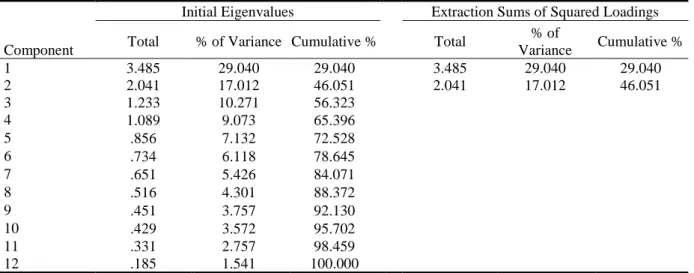
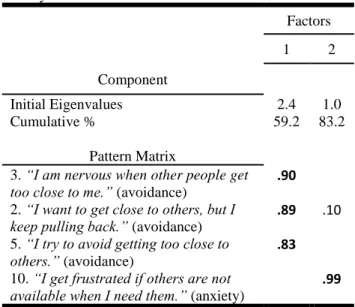
Table I. Principal Component Analysis: Total Variance Explained ... 24Table II. Final solution of the Exploratory Factor Analysis on attachment dimensions ... 25
Table III. Means, Standard Deviations and Correlations... 248
Table IV. Regression Coefficients: Predicting Developmental Networks’ Characteristics from Avoidance Attachment and Anxiety Attachment ... 31
1
Introduction
Understanding workplace relationships is of growing importance in the current fast-changing world. With globalization, increasing technology, and competition, organizations need to be fast learners and innovate to keep their competitive advantage. Thus, the informal links connecting employees are now more relevant than ever and the growing need to work in teams and collaborate in dynamic networks is highlighting the importance of developing relational skills.
Moreover, research has shown that workplace relationships contribute to personal development and growth by providing career-enhancing and psychosocial functions (Eby, 2012). Specifically, receiving informal mentoring from a network of several developmental relationships has been confirmed to potentiate this development and offer even more positive career outcomes. (Dobrow,Chandler, Murphy and Kram, 2012)
Because understanding how individual factors influence these beneficial developmental networks can bring a lot of value, for both individuals and organizations, this research intends to focus on this matter.
The main objective of this study is to explore how the attachment anxiety and avoidance of individuals impact the amount of developmental support received. This will be achieved by assessing the developmental networks size, range and the quality of the relationships for each type of support received: career support and psychosocial support.
Attachment anxiety and avoidance are probable antecedents of the size and quality of developmental networks, as attachment theory has become one of the most influential theoretical approaches for studying close relationships across the lifespan (Finkel & Simpson, 2015; Cassidy & Shaver, 2016). Being a theory that examines how and why people seek (or avoid) close relationships (Bowlby, 1973), scholars have recently mentioned the need for research of attachment dynamics to advance the understanding of network phenomenon such as developmental networks (Yip, 2017; Yip & Kram, 2017). The present study contributes to filling a research gap by addressing this identified research need.
This Master thesis is organized in two main parts: Literature Review and Empirical Study. In the literature review, key theories and existent empirical research are presented for the main variables assessed in the subsequently presented Empirical Study: developmental networks
2 and attachment theory. The second part is then organized starting with the presentation of hypotheses and followed by the applied research methods, results obtained and discussion of the findings. Next, the limitations of the study are acknowledged and suggestions for future research directions are presented. Finally, the practical implications that organizations and practitioners should take into account are outlined.
3
I) Literature Review
1. Developmental Networks
1.1. Traditional MentoringTraditionally, mentoring used to be conceptualized as “a developmentally oriented
interpersonal relationship between two individuals: a more senior or experienced organizational insider (the mentor) and a more junior or less experienced organizational member (the protégé)” (Eby, 2012: 1).
Mentoring relationships have been growing in importance and use by organizations as a tool for employees’ career development. A body of research has presented several positive outcomes of these relationships. According to the meta-analysis from Allen, Eby, Poteet, Lentz, & Lima (2004), there are two categories of benefits for protégés. One includes objective career outcomes as promotion and compensation, and the other consists of subjective career outcomes which includes less tangible signs of career success, such as career satisfaction, job satisfaction, and turnover intentions. According to this article, the reasons why mentoring is related to career success comprise the exchange of information and knowledge it provides, the easier access to social networks, and the learning of the rules that govern effective behavior in the organization, through the social learning process. Moreover, through friendship and acceptance, the mentor also helps withthe development of a sense of professional competence and self-esteem.
Broadly speaking, there are two types of mentor functions which were identified by Kram (1985). One is career-related support, which comprises functions that enhance protégés advancement in organizations: sponsorship, exposure and visibility, coaching, protection, and challenging assignments. The other type is psychosocial support comprising: friendship, acceptance, confirmation, counseling, and role-modeling. More recently, some other functions have been identified, as for example, in the relational mentoring index developed by Ragins (2012). This RMI consisted of personal learning and growth, inspiration, self-affirmation, reliance on communal norms, shared influence and respect, and trust and commitment.
4 This traditional dyad concept of mentoring started being challenged by Kram (1985) when assumed the existence of a wide range of developmental relationships that could provide these mentoring functions (e.g. peers, subordinates, and bosses).
1.2. Foundational Theory
Research indicates that the traditional dyad mentoring concept is not sufficient for tackling individuals’ developmental needs and organizations’ ongoing learning and growth, especially in contemporary’s volatile, uncertain and fast-paced work-settings. (Higgins & Kram, 2001; Murphy and Kram, 2014). Moreover, having several mentors has been shown to yield better outcomes. (Baugh & Scandura, 1999). Thus, research has focused on the support provided to individuals from a constellation of several people from different social arenas, what is called
“developmental network” (Higgins & Kram, 2001; Kram, 1985). Higgins and Kram’s (2001)
foundational definition of developmental networks has been utilized in nearly all published conceptual and empirical papers (Dobrow et al., 2012: 268): egocentric, content-based networks comprised of “people a protégé names as taking an active interest in and action to
advance the protégé’s career by providing developmental assistance”.
This typology uses core concepts of social networks theory, extending Kram’s (1985) initial proposition that individuals receive informal mentoring from multiple people. These people, named “Developers”, can come from inside protégé’s current or previous organization (peers, supervisors, subordinates) or from outside work (family member, friend, or other) (Murphy & Kram, 2010).
In social network research, a social network is composed of a set of ties representing relationships. The specific content of the relationships represented by the ties is limited only by the researcher's interest. However, flows of information (communication, advice) and expressions of affect (friendship) are frequently studied (Brass, 2012). In the case of developmental networks, the content of the relationships is the developmental support introduced by Kram (1985) which has 2 types, as mentioned before: career support or/and psychosocial support.
5 1.3. Structural Characteristics
Although the most unique contribution of the network perspective relies on going beyond the dyad and considering the structure of a whole network, this study focuses on the individual level characteristics of developmental networks and so it targets only ego-network data (the focal individuals identify its developers). Thus, it is not relevant to pursue measures of whole networks since this is what researchers call an “egocentric network”.
According to the recent review of Yip & Kram (2017: 93), the assessment of developmental networks may include questions about length of relationship, social arena, frequency of contact, psychological closeness, and developmental functions (psychosocial support and career support). The data collected through the assessment can then be analyzed in terms of:
- Network size: “the number of people who an individual can name as actively
supporting them in their personal or professional development.”
- Tie Strength: “the quality of the developmental relationship between developer and
protégé. The strength of tie can be measured along a number of dimensions, including psychological closeness, frequency of communication or levels of career and psychosocial support.”
- Diversity(range): “diverse social identities represented by members within a
developmental network”
- Density: “interconnectedness of ties within a network.”
- Multiplexity: “the occurrence of multiple developmental functions within one
relationship” (developers who provide both career and psychosocial support).
1.4. Outcomes
After the new typology introduced by Higgins and Kram (2001), researchers started to assess the consequences of the developmental networks. According to the review from Dobrow et al. (2012), developmental networks are valuable for achieving a variety of career outcomes which can be objective, as promotion and compensation, or subjective, which includes less tangible signs of career success, such as career satisfaction, and turnover intentions.
Following the typical 2 types of support identified by Kram (1985), research has identified psychosocial support as being positively related to work satisfaction (Higgins, 2000) and optimism (Higgins, Dobrow & Roloff, 2010). Likewise, career support is related to retention
6 (Higgins & Thomas, 2001), career-related self-efficacy and perceptions of career success (Higgins, Dobrow & Chandler, 2008).
However, to better understand the impact of different amounts of support, it is important to take into account the outcomes related to different structural characteristics. Thus, the existent studies that detailed the different outcomes associated with network size, tie strength, network range or others, will be outlined in the following paragraphs.
1.4.1. Network Size
The network size has been revealed to be positively related to job and career satisfaction (Higgins, 2000; van Emmerik, 2004), job performance and rank (Kirchmeyer, 2005), retention and promotion (Higgins & Thomas, 2001). Moreover, Baugh and Scandura (1999) found that the number of developers is positively associated with organizational commitment, career expectations, perceptions of alternative employment and lower role ambiguity. However, it appears that a bigger network is not always better, as it may also increase role conflict (Baugh and Scandura, 1999; Higgins, 2000). In addition, it should be taken into consideration that when an individual has many developers, it may be difficult to find the time to improve the quality of the several relationships. (Murphy and Kram, 2014; Yip & Kram, 2017).
1.4.2. Tie Strength
Drawing back from social networks research, strong ties have been shown to be related to various benefits as organizational knowledge, task mastery, and role clarity (Brass, 2012).
In the case of developmental networks, the quality of the relationships is positively related to higher job satisfaction (Higgins, 2000; van Emmerik, 2004) and salary (Kirchmeyer, 2005). Additionally, some scholars have defined high-quality connections as an important means for the development and growth of individuals, enriching identities, forming attachments to organizations and creating moments of mutual learning. Furthermore, organizational units, which have these connections among its members, have higher levels of psychological safety and trust which can foster increased cooperation and coordination (Stephens. Heaphy & Dutton, 2011).
7 1.4.3. Network Range
A body of research has presented that the diversity of a group increases the range of knowledge, skills, and contacts available, thus enhancing problem-solving capabilities (Higgins, 2001).
Having developers from different social arenas (e.g. colleagues, friends, family) increases the exposure to different information and resources, reducing the risk of receiving only redundant information (Dobrow et al., 2012). Thus, individuals with a broad range of developers will access thought-provoking ideas, which will foster learning, risk-taking, and innovation (Yip & Kram, 2017).
In addition, higher job performance (Kirchmeyer, 2005), intentions to remain in the organization (Higgins & Thomas, 2001), and career and life satisfaction (Murphy & Kram, 2010) are positive outcomes associated with having developers from outside work. Further, research has also revealed that the range of developers providing psychosocial assistance is positively related to protégés’ confidence to overcome obstacles (Higgins, 2001). Nonetheless, organizations may suffer from having employees with a high range of developers providing career support, which increases the likelihood of changing careers (Higgins, 2001; Podolny & Baron, 1997).
1.4.4. Other
Even though density as a structural characteristic of developmental networks will not be addressed in this empirical study, it also has outcomes that can be relevant to mention. According to the chapter review from Brass (2012), densely connected networks, where the direct ties are connected between themselves, results in the closure of the network and tends to constrain attitudes and behaviors. This constraint may create good outcomes, like trust, norms of reciprocity, monitoring and sanctioning of inappropriate behavior, or bad outcomes, as redundant information and a lack of novel ideas. Additionally, the density of developmental networks is negatively associated with professional identity exploration (Dobrow & Higgins, 2005). Since having developers who know each other well increases the probability of accessing similar viewpoints and contacts, it may be harder to find new opportunities. This has a clear negative impact in cases where there is a desire to change organizations or careers.
8 1.5. Antecedents
According to the proposed framework by Higgins and Kram (2001), what shapes developmental networks formation are a combination of work environment factors and individual-level factors. Further, their paper mentioned the complexity of the interaction between these factors since “individuals both shape and are shaped by their social networks” (Higgins and Kram, 2001: 273). As subsequent studies on developmental networks have primarily focused on the consequences rather than on antecedents (Dobrow et al., 2012), the following paragraphs will outline the few papers that have studied the latter and that have at least contributed theoretically to the clarification of the role of individual differences in predicting the composition and content of a person’s developmental network.
1.5.1. Individual-Level Influences
According to the theoretical model of Higgins and Kram (2001), individual-level antecedents would be categorized in personality, demographics and perceived needs for development. Even though most proposed individual antecedents have yet to be empirically examined, several variables have been theoretically highlighted as important antecedents, e.g. personality and gender (Dougherty, Cheung, & Florea, 2008; O'Brien, Biga, Kessler, & Allen, 2010), and will be described in the following paragraphs.
Personality. Taking from Higgins and Kram’s conceptualization of types of developmental networks, Dougherty, Cheung, and Florea, (2008) have theoretically explored how personality characteristics may play a key role as individual-level influences on the strength of ties and range of developmental networks. In their paper, personality characteristics were chosen based on the possible predictability of people’s degree of proactivityin interactions. From the Big Five Factor Model, 3 factors were identified as potentially relevant predictors: extroversion/introversion, conscientiousness, and openness to experience. As expectable, extroversion can play an important role in shaping developmental networks as it refers to the individual's’ tendency to seek out and enjoy social interaction. Moreover, individuals high in consciousness may tend to seek both strong and diverse ties as they are organized, high in achievement striving and persistent and so will likely be selective and chose developers who have access to critical resources. Further, people with high openness to experience may have an inclination to welcome new experiences, interactions and information and could also be inclined to build developmental relationships with developers from diverse backgrounds (Dougherty et al., 2008). Furthermore, 2 more traits were identified as possible predictors:
9 independent/interdependent self-construal and core self-evaluations. The former is rooted in the coexisting human needs for autonomy and belongingness. Thus, it was proposed that individuals with an independent self-construal would seek weak ties due to viewing themselves as stable and separate from others, whereas individuals with interdependent self-construal would seek strong ties due to viewing themselves as flexible, context-dependent, and connected with others. The latter trait encompasses levels of self-worth, locus of control, self-efficacy and neuroticism, and it was proposed that high levels of core self-evaluations would be positively related to seeking diverse networks (Dougherty et al., 2008). Even though these propositions have yet to be empirically examined, they offer relevant views that may help stimulate thinking on the potential role of personality characteristics in individuals’ forming of different developmental network structures. Since proactivity has been previously shown to be positively related to the amount of mentoring received, by a meta-analysis from Ghosh (2014), and all proposed relations were justified based on the predictability of people’s degree of proactivity in interactions, this study will take advantage of this theoretical contribution to partly define its own empirical contribution. Nonetheless, it is important to notice one empirical study that has explored associations between big 5 personality factors and the amount of informal mentoring received (Bozionelos, Bozionelos, Polychroniou, & Kostopoulos, 2014). Its findings demonstrated a positive linear relationship for both emotional stability (neuroticism) and conscientiousness with mentoring receipt. On the other hand, the association of openness to experience and agreeableness with mentoring receipt was of inverted U-shape, meaning that its benefits ceased to exist at high values of these traits. Furthermore, another empirical study that also focused on the big 5 personality factors, has explored associations with relationship closeness, which has also been named tie strength. Its findings suggested that consciousness, extraversion, agreeableness and neuroticism were positively related to relationship intimacy which would then have a positive relation to psychosocial and career assistance (Wu, Foo, & Turban, 2008). Additionally, a paper from Chandler, Hall, and Kram (2010) identified that relational competence may help people form large, diverse networks. It looks that relational savvy individuals are highly proactive in seeking out others’ support, manage their interactions with care and have outstanding social skills. For example, an empirical study verified that expatriates with strong relational competencies tend to initiate and cultivate new mutually beneficial relationships more easily and can guarantee higher career and psychological support in their developmental networks (Shen, 2010).
10 Demographic characteristics. A meta-analysis on gender differences in mentoring from O'Brien, Biga, Kessler, & Allen (2010) indicated that mentors' and protégés' gender is likely to influence the type and quality of support in mentoring relationships. Whereas male protégés report receiving less psychosocial support than female protégés, they are more likely to serve as mentors than females and report giving more career development. However, the extent that differences in reported mentoring are a function of true differences in mentoring is unknown. Moreover, following similarity-attraction theory, which states that people are attracted to similar others, Higgins, Chandler, & Kram (2007) suggested that gender, age and socioeconomic status may impact the structure of developmental networks people are likely to create. However, the effect of similarity regarding gender remains hard to understand as some studies show a positive relation between gender similarity and levels of mentoring functions while others show otherwise (Ghosh, 2014).
1.5.2. Environmental Influences
Studies on the environmental influences are still quite limited. Higgins and Kram (2001), had initially expected that the organizational context, the industry context and task requirements would be antecedents of the structure of developmental networks. For example, in the organizational context, implicit values and norms that shape the individual behavior may affect an individual's opportunities and constraints. Further, since developmental networks include both intraorganizational and interorganizational developers, individuals who are working in dynamic industries or on tasks that include extra-organizational activities, as engaging with clients, will normally encounter a greater variety of potential developers (Higgins & Kram, 2001).
More recently, a study from Lee (2017) verified this proposition of the organizational context as an antecedent. Adhocracy culture, defined by a flexible and entrepreneurial environment, was positively associated with range, tie strength and network size, while market culture, defined by a focus on stability and control, was negatively associated with tie strength. Moreover, service firms have a positive relationship with network range and tie strength.
In the case of expatriates, organizational culture, relocation support, and characteristics of the host country can affect developmental networks’ structure and content (Shen, 2010). For instance, results of this study suggested that a strong developmental culture is positively associated with a high percentage of intra-organizational developers.
11
2. Attachment Theory
Attachment theory has become one of the most influential theoretical approaches for studying close relationships across the lifespan (Finkel & Simpson, 2015; Cassidy & Shaver, 2016) and the influence of this theory on organizational scholarship is growing exponentially (Yip, Ehrhardt, Black, & Walker 2017).
2.1. Foundational Attachment Theory
Attachment theory was first conceptualized by Bowlby (1979: 127) to examine how and why people seek (or avoid) close relationships due to "the propensity of human beings to make
strong affectional bonds to particular others". He hypothesized that individuals are born with
an innate desire to seek proximity to others in times of need or distress to enhance their survival prospects.
When originally developed, the theory was based on the study of early childhood relationships and the emotional bonds of children with their primary caregivers. These caregivers were thought to offer a “safe haven” in times of distress and infants would approach them for protection, comfort and support in emotion regulation. In situations where the “attachment figures” are not reliably available and supportive, it is built a sense of distrust on the effectiveness of pursuing proximity to others. This lack of a stable sense of security can develop into hyperactivation of the attachment behavioral system, with anxious and intrusive efforts to receive more attention, or deactivation, with avoidance of support-seeking and “compulsive self-reliance”.
With time, the initial expectations and positive/negative experiences in these early attachment relationships shape our “internal working models” and become the basis for how we perceive and interpret close relationships across the lifespan (Bowlby, 1982; Frías, Shaver and Mikulincer, 2015).
2.2. Attachment Styles
As mentioned above, our early attachment relationship experiences are the basis for our working models, the cognitive-affective representations of the self and others in relationships, which are also called attachment styles. Attachment styles reflect 2 working models: a
12 working model of the self, which is represented by a person's belief of self‐worth in receiving support; and a working model of others, represented by a person's belief regarding the accessibility and availability of other people in times of need (Mikulincer & Shaver, 2007). However, it is important to mention that scholars recognize the possibility that various stimuli can also activate short-term attachment states, influencing behaviors which are unrelated to the more general attachment style. (Mikulincer, Gillath, & Shaver, 2002).
The first model of attachment styles was developed by Ainsworth, Blehar, Waters, and Wall (1978), which identified anxious, avoidant and secure as the 3 styles of attachment. Having a secure attachment style is associated with higher levels of emotional stability and positive views of the self and others, by having the belief that others will be available and supportive when necessary. In contrast, anxious attachment refers to “the extent to which a person
worries that others will not be available in times of need and anxiously seeks for their love and care” and avoidant attachment refers to “the extent to which a person distrusts others' good will and defensively strives to maintain behavioral and emotional independence”
(Mikulincer & Shaver, 2015: 18).
Although the original three‐component model of attachment styles developed by Ainsworth et al. (1978) remains the most popular among researchers of adult attachment (Yip et al., 2017), Bartholomew & Horowitz (1991) have proposed an alternative four‐category model based on combinations of a person's self-image (positive or negative) and image of others (positive or negative) composed by: secure (positive self-image , positive image of others), dismissing/avoidant (positive self-image, negative image of others), preoccupied/anxious (negative self-image, positive image of others), and fearful (negative self-image, negative image of others) attachment styles. This latter model has been applied to workplace contexts by several researchers (Yip et al, 2017) and its applications will be further detailed in the empirical study of this paper.
Indeed, as previously mentioned, early attachment styles have been shown to impact adult attachment relationships. Although the majority of prior research on adult attachment has been focused on romantic relationships, there is already evidence that similar attachment dynamics can be found in other types of relationships as in organizational relationships (Harms, 2011; Yip et al., 2017).
13 2.3. Attachment in the Workplace
As stated above, research on adult attachment has found similar attachment patterns in organizational settings, which include relationships with leaders, coworkers, mentors, and the organization as sources of social support and membership (Yip et al., 2017).
In the next paragraphs, we will address work-related outcomes of employees’ attachment styles and the influence on the two salient types of dyadic work relationships where research on attachment theory has had a substantive contribution: leader–follower relationships and mentoring relationships.
2.3.1. Work Attitudes
Job Satisfaction. A research by Hazan and Shaver (1990) was among the first to explore the effects of the employee’s attachment styles in the workplace. Part of their research was specifically focused on the satisfaction with several workplace aspects. Their study verified that employees with secure attachment styles report higher satisfaction with most aspects as job security, recognition, coworkers, learning, advancement, challenge, etc. More recently, and consistent with these findings, other studies have found that both insecure attachment styles are negatively related to job satisfaction (Lopez & Ramos, 2016; Dahling and Librizzi, 2015)
Organizational Commitment. Research has shown that some attachment styles relate differently to the distinct commitment dimensions. According to the study from Scrima, Di Stefano, Guarnaccia, and Lorito (2015: 433), employees with secure attachment had higher affective commitment (“identification with, involvement in, and emotional attachment to an
organization”) than avoidant and anxious workers. Whereas, in the case of normative
commitment (“feeling of loyalty toward the organization based on a perceived obligation to
be loyal”), was higher for avoidant than for secure and anxious workers. Finally, continuance
commitment (“maintain one's membership of the organization based on recognition of the
costs associated with departure”) was higher in anxious than in secure and avoidant
individuals. Another study from Schmidt (2016) concluded that both insecure attachment styles tend to perceive higher levels of psychological contract breach. While this is usually associated negatively with organizational commitment, in his study only anxious individuals had psychological contract breach significantly mediating the relationship with affective organizational commitment.
14 Turnover Intentions. A study from Tziner, Ben-David, Oren and Sharoni (2014) found that avoidant and anxious employees have higher levels of turnover intentions. However, anxiously attached individuals were found to be more prone to it. This finding is in line with the research from Richards and Schat (2011: 179) where it was concluded that “anxious
individuals tend to display dysfunctional interaction patterns by being less likely to display pro-social behavior and more likely to think about quitting their job”.
Well-being. The research mentioned above from Hazan and Shaver (1990) also revealed that people with secure attachment style are less prone to report hostile outbursts in the workplace, feelings of depression, loneliness and anxiety and psychosomatic and physical illnesses. Secure individuals usually generate more secure, supportive and healthy relationships with coworkers, whereas insecure attachment is linked to higher work stress and burnout (Lopez & Ramos, 2016; Littman-Ovadia,Oren & Lavy, 2013; Pines, 2004). For avoidant individuals, this can be explained by their lower levels of emotional support-seeking (Richards and Schat, 2011) and inability to disengage from negative emotions (Gillath, Bunge, Shaver, Wendelken & Mikulincer, 2005). Whereas for anxious individuals, it can be justified by the highly emotional worrying about relationship loss and social rejection. (Gillath et al., 2005).
2.3.2. Work Behaviors
Moral Judgement, Ethical Decision Making and Organizational Citizenship Behavior. Refining our understanding of insecure attachment, Koleva, Selterman, Iyer, Ditto, and Graham (2013) identified that avoidance and anxiety have distinct moral profiles. They concluded that high attachment avoidance predicted weaker moral concern for harm and unfairness which was mediated by low empathic concerns and disgust sensitivity. In addition, Chopik (2015) found evidence that attachment avoidance was associated with more unethical workplace decisions, but that this relationship was mediated by emotional exhaustion. Moreover, some studies showed that secure attachment is positively related to organizational citizenship behaviors (OCBs), while avoidant attachment is positively related to deviance behavior (Desivilya, Sabag, & Ashton, 2006; Little, Nelson, Wallace, & Johnson, 2011).
Work-Family Interface. Sumer and Knight (2001) identified individual differences in work-family spillover with different attachment styles. Securely attached people tended to experience more positive spillover between work and family, while individuals with anxious attachment style were more likely to experience negative spillover than others. This conclusion was suggested to be explained by the fact that anxious people focus obsessively on
15 their close relationships, and so have a hard time in maintaining boundaries and not bringing the problems to the work domain. These findings are aligned with the prior research from Hazan and Shaver (1990) where securely attached individuals were less likely to report that work was interfering with their home life. Additionally, insecurely attached individuals were more likely to mention that their work was more important than their home-life to their overall happiness.
2.3.3. Dyad Relationships
2.3.3.1. Leader–Follower Relationships
In organizational settings, the leader-follower relationship is the dyad relationship with more extensive research related with attachment theory (Yip et al. 2017). Having this in mind, exploring them gives us a better understanding of the impact of the attachment theory in the work relationships in general and insights on how attachment styles may impact other types of dyad relationships.
In this type of dyad relationship, research has highlighted that individuals have a need for “felt security” and have similar support seeking dynamics as in attachment theory (Hudson, 2013; Yip et al. 2017). This means that followers who receive inconsistent support from the leader may display avoidance, by distancing themselves from leaders, or anxiety, by manifesting attention-seeking behaviors, which results in counterproductive work (Yip et al. 2017). Moreover, research reveals that the attachment needs of followers are projected onto leaders and can bias their perceptions when evaluating leader behaviors (Yip et al., 2017). For example, a study from Hansbrough, (2012) found that individuals with high anxiety attachment identify transformational leadership even in leaders who do not act transformationally. Likewise, other studies found that avoidant subordinates may be resistant and distrust the leader due to their previous negative relationships (Frazier, Gooty, Little, & Nelson, 2015; Keller, 2003).
In terms of the leader’s attachment style, it has been found to be associated with specific leadership styles. For example, research from Doverspike, Hollis, Justice, and Polomsky (1997) identified that secure leaders express a relational leadership style with a greater concern for followers’ development, and leaders with an avoidant orientation tend to have a task-oriented leadership with a greater focus on rewards and recognition. Another relevant finding is the negative association between avoidant leaders and the follower’s well-being
16 (Davidovitz, Mikulincer, Shaver, Izsak, & Popper, 2007). However, this relationship is moderated by the follower attachment style, as secure followers do not feel the effect.
2.3.3.2. Mentoring Relationships
More recently, and in line with research on the leader-follower relationship, mentors have also been identified as potentially providing the “secure base” and “safe haven” that attachment figures are expected to (Wang, Noe, Wang & Greenberger, 2009). The mentoring functions of career support and psychosocial support were suggested to be analogous to these two basic functions (secure base and safe haven) of the attachment system (Wang, et al., 2009). According to a later review, “the mentor provides encouragement, support and advice
when needed and provides the base from which the protégé can explore new behaviors in the work environment, with the assurance that he/she will be comforted and assisted by the mentor when distress is experienced.” (Wang, Greenberger, Noe & Fan, 2017: 65).
Some studies have already explored how attachment styles are impacting the mentor-protégé relationship. For example, Allen, Shockley, and Poteat (2010) found that anxiety attachment in protégés is negatively associated with feedback seeking and feedback acceptance from mentors, as they may see it as a threat to the self. Further, they also found that in these cases, mentors will end up giving less feedback which decreases protégé productivity. However, it is important to note that a later study from the same researchers concluded that the relationship between protégé anxious attachment style and protégé feedback seeking and feedback acceptance was mediated by protégé’s commitment to the mentoring relationship (Poteat, Shockley & Allen, 2015). Regarding avoidance attachment, a similar negative association with feedback-seeking from mentors may be the case as Richards and Schat (2011) reported that this attachment is associated with lower levels of support seeking in work relationships in general.
Avoidant and anxious individuals have also been shown to have a negative relation with willingness to mentor in the future, regardless of whether they were in the mentor or protégé role, (Wang, Noe, Wang & Greenberger, 2009). Furthermore, Germain (2011) took both mentors’ and protégés' attachment styles into account and proposed different combinations that may lead to positive relationships. This consideration of the impact of both attachment styles on the relationship quality may be important when matching employees in formal mentoring programs. Aligned with this conceptual study, the theoretical chapter of Wang et al. (2017) proposed that secure-secure mentor-protégé dyads will have the highest
17 relationship quality, followed by secure-insecure, with insecure-insecure dyads having the lowest relationship quality.
In addition, Wang et al. (2017) also proposed some more outcomes related to attachment theory which go beyond the traditional benefits of mentoring relationships. His proposition stated that the higher the relationship quality, the greater level of exploration, self-esteem, well-being and positive views of self and others, which in turn will positively influence relationship quality (as a feedback loop). However, these propositions have yet to be empirically studied.
Even though most research relating attachment theory with mentoring relationships has been focused on single traditional dyads, some scholars have proposed that it is relevant to extend it to other developmental relationships as peers (Wang et al., 2017) and even to whole developmental networks (Yip, et al. 2017). Having this need in mind, it is the goal of the present study to fill this research need and explore the impact of attachment dimensions on individual developmental networks.
II) Empirical Study
Research described in the previous section has provided important insights on the associations between attachment theory and developmental relationships. As identified, attachment relationships are formed with individuals that can provide a safe haven in times of distress and who can be relied on to encourage and support exploration and new experiences. At the same time, mentors were identified as possible attachment figures and the functions provided by them can be split between several individuals (Trinke & Bartholomew, 1997; Dobrow et al. 2012; Yip et al., 2017). Having this in mind, in the context of multiple mentors/developers, it is reasonable to assume that the attachment dimensions may influence the structure of developmental networks, as they are composed by the several people who provide career and psychosocial support.
Therefore, this study intends to explore how the individual’s prevalence of avoidance attachment and anxiety attachment can impact the size, tie strength and range of the developmental network. This empirical study will shed light on a highly probable individual antecedent of developmental networks, contributing to a research gap which will advance the
18 understanding of the impact of attachment theory in the workplace and on individuals’ career development.
According to Wang et al., 2017, attachment theory can provide an explanation to why research has found that mentoring experiences have an effect on the engagement of future mentoring relationships (Wang et al., 2009). Even though research is limited, the proposition that previous negative mentoring experiences are likely to have a negative relation with initiation of future mentoring can be moderated by attachment styles, such that the relation is stronger for insecure individuals (mentor or protégé) than for secure individuals (Wang et al., 2017). This chapter review explained this proposition with the fact that individuals’ attachment styles likely affect their interpretation and perception of their social interactions: “Due to the inherent negative views of self or others, negative experiences likely influenced
insecure individuals more than secure individuals and such experiences may be likely to be perceived more negatively and reinforce one’s negative views.” (Wang et al., 2017: 87).
Giving an example, when a mentor shows unavailability or breaks a promise, an avoidantly attached protégé would likely interpret this experience to reinforce its belief that other people cannot be trusted, whereas an anxiously attached protégé would likely interpret the same negative experience as one more proof that he or she is not lovable enough and increase its self-doubt leading to fear of establishing new connections. Having these negative views in mind, and the fact that avoidance attachment results in distrust of others and high self-reliance, while anxiety attachment results in highly emotional worrying about relationship loss, it is reasonable to assume that both are negatively related to the size of developmental networks.
H1: Anxiety attachment is negatively related to the size of developmental networks of:
a) Career-Enhancing Support b) Psychosocial Support
H2: Avoidance attachment is negatively related to the size of developmental networks of:
a) Career-Enhancing Support b) Psychosocial Support
Following Bartholomew & Horowitz’s (1991) attachment classification system, a positive model of the self (characteristic of secure and avoidant attachments) should reflect a high self-esteem and so better core-self evaluations. Moreover, as mentioned in the literature
19 review, high levels of core self-evaluations and self-esteem were hypothesized to be positively related to seeking diverse networks since resources may not be easily available and they will confidently reach out to people outside their immediate work group to fulfill their developmental needs (Dougherty et al., 2008). It was further explained that “these feelings of
being competent, empowered, and confident enable individuals to reach out to a greater range of people” and “maintain positive perceptions of their capabilities to mobilize cognitive/motivational resources and take actions to control their relationships with others.”
(Dougherty et al., 2008: 659). In accordance with this hypothesis, and since attachment avoidance is characterized by a positive model of the self, we hypothesize that it is positively related to the range of developmental networks. In essence, even though these individuals distrust others, in a situation where support is necessary, we predict that their high self-esteem would lead them to reach out to others without any inhibition. On the other hand, since attachment anxiety is characterized by a negative model of the self, which reflect lower self-esteem and so lower levels of core-self evaluations, we could simply hypothesize that it is negatively related to the range of developmental networks. Since they have positive views of others, it could also make sense to predict a higher interest in looking out for support with many people. However, we anticipate that the combination of a positive view of others with a low self-esteem could actually result in 2 unsuccessful behaviors. Firstly, it could lead to an exaggerated effort to receive attention, which could push people away. Secondly, it could lead to focusing all the efforts in keeping their current closest relationships and leave behind any others that are not so present in their lives. Therefore, we hypothesize that anxiety attachment is negatively related to the range of developmental networks.
H3: Anxiety attachment is negatively related to the range of developmental networks of:
a) Career-Enhancing Support b) Psychosocial Support
H4: Avoidance attachment is positively related to the range of the developmental networks of:
a) Career-Enhancing Support b) Psychosocial Support
According to the same research from Dougherty et al., (2008), it was also hypothesized that individuals with an independent self-construal seek weak ties due to viewing themselves as stable and separate from others, whereas individuals with interdependent self-construal seek
20 strong ties due to viewing themselves as flexible, context-dependent, and connected with others. Since avoidance attachment is characterized by a negative view of others and high self-reliance, we believe that it should reflect an independent self-construal and so we hypothesize it is negatively related to the strength of ties/relationships quality of developmental networks. On the other hand, anxiety attachment is characterized by positive views of others and most probably by an interdependent self-construal. Furthermore, their fear of relationship loss will most likely result in a higher dedication towards their relationships which will make it easier to develop stronger bonds. Therefore, we hypothesize that anxiety attachment is positively related to the strength of ties/relationships quality of developmental networks.
H5: Anxiety attachment is positively related to the strength of ties of developmental networks of:
a) Career-Enhancing Support b) Psychosocial Support
H6: Avoidance attachment is negatively related to the strength of ties of developmental networks of:
a) Career-Enhancing Support b) Psychosocial Support
3. Methodology
3.1. Sample and Procedure
This cross-sectional study collected data from a medium-sized Portuguese company with 210 employees around 24 offices. All employees from the company were eligible to participate in the study and received an invitation to do so by email. The process of data collection took place for 3 weeks, between the 9th of January 2018 and 1st of February 2018. It was conducted with a survey and distributed by Qualtrics using the mailing list of professional emails of all employees.
To incentivize their engagement and accurate responses, it was expressed the opportunity to receive a short individual report with the relevant results, optionally sent to them by
21 indicating the personal email address after the completion of the study. To potentiate engagement with the study, after the first email invitation, 2 reminders were sent to the unfinished respondents, together with reminders coming from the HR department of the company.
Furthermore, the survey was not anonymous but communicated strictly confidentiality of the provided responses. Even though the purpose of the study was to analyze ego network data (typically used when sampling unrelated egos from a large population), there was the possibility to also analyze the whole network data and may be an interesting option for future studies (since the data collected came from a specific network of a particular organization. (Brass, 2012)).
From the 210 employees, 137 responded to the survey of which 31 were excluded for being collected with less than 50% of completeness or for lacking accuracy by having invalid data. Accordingly, the final study sample size used for analysis was 106 of which 27% were male and 73% female, which was representative of the population. Participants had an average age of 31.5 (SD = 7.22) and an average of 9.47 working years (SD = 7.35).
3.2. Measures
Translated to Portuguese from its original English version, the survey had a duration of around 20 minutes and included a short introduction with the purpose of explaining the aim of the study and its relevance to the company. In general, the questionnaire had some initial demographic questions, plus the 2 main measures utilized for this thesis (developmental networks and attachment dimensions) and 2 other scales to measure proactive career behaviors from Strauss, Griffin & Parker (2012) and career self-management attitudes from Porter, Woo & Tak (2016), which are not going to be detailed for not being relevant for this analysis.
Developmental Networks
Following the conceptualization of Developmental Networks by Higgins and Kram (2001), in which this study is based, the assessment instrument used was the usual name generator that asks protégés to name people who they consider having an active interest in advancing their career and so they considered being their developers. (Dobrow et al., 2012; Yip & Kram, 2017). Because this process usually elicits four to five people (Higgins, 2001), respondents
22 could identify a maximum of 10 developers for each function of support identified by Kram (1985): career support and psychosocial support.
Consistent with subsequent research that has encouraged scholars to examine both extraorganizational as well as intraorganizational developmental relationships, it was also requested that respondents identified who these people were in relation to them, by revealing the social arena where they belonged: friend, family, colleague, superior, subordinate, and if from the current organization or a previous one. (Higgins, 2001; Higgins and Thomas, 2001; Murphy and Kram, 2010).
Finally, it was requested to rate each developer on a five-point Likert scale ranging from “Very Little” to “Very Much” based on the intensity of support they considered each developer provided.
In sum, the total number of individuals that the participants listed indicated the “Network
Size”, while the number of different relationship contexts, to which an individual had ties,
indicated the “Network Range”. Finally, the five-point rating had the purpose of verifying the quality of the developmental relationships, which to some extent, may be named “Tie
Strength”. Moreover, it is important to note that the two types of network, “Career Support”
and “Psychosocial Support”, were the starting point for building the assessment and the properties above refer to both types leading to 2 separate identification exercises.
The use of a survey to assess the developmental networks is aligned with the methods used in social network analysis, where, according to Brass (2012), most researchers use questionnaires to obtain self-reports from actors, since is less time-consuming and still a reliable method in this kind of research.
Attachment Dimensions
Conceptually, this study follows Bartholomew & Horowitz’s (1991) four‐category attachment classification system, based on combinations of a person's self-image (positive or negative) and image of others (positive or negative).
Earliest measures of adult attachment in organizational settings used a typology approach by asking respondents to choose the description that best represented them (Hazan & Shaver, 1990). However, this approach has been widely substituted by a dimensional approach, after research showed that attachment is something where people vary in degree rather than in kind (Richards & Schat, 2011).
23 Consistent with this, this study used the shortened version of Brennan’s (1998) Experience in Close Relationships scale (ECR) from Wei, Russell, Mallinckrodt & Vogel (2007), which is a self-report survey that assesses adult attachment along 2 continuous dimensions, anxiety and avoidance.
The choice of the used measure for this study was in accordance with the recent review on attachment theory at work from Yip et al. (2017), which stated that both ECR and its shortened version from Wei et al. (2007) have high popularity and sound psychometric properties. Furthermore, since the scale was limited to romantic relationships, the items were adapted using the adaptation of the ECR scale from Richards & Schat (2011), named Experience of Relationships Scale (ERS), which essentially replaced references of “partner” with “others”.
The Wei et al. (2007) short-form of ECR used for this research, is comprised of 12 items, two 6-item subscales measuring the same two dimensions. Responses were provided on a 7-point Likert scale ranging from strongly disagree to strongly agree and sample items are “I get
frustrated if others are not available when I need them.” (anxiety) and “I try to avoid getting too close to others” (avoidance).
Control Variables
Because of the potential impact of demographic and work experience variables, the following variables were included as control variables in further analysis: gender, years of work experience and number of companies where respondents worked. Since we are analyzing the size and range of the networks, the work experience and number of companies where respondents worked will most likely impact these variables, as more senior people with a vast range of experiences were more exposed to a bigger and more diverse amount of people. Moreover, as presented in the literature review, the amount of help provided by developers and so the quality of the relationships may depend on the gender of the protégé (O’Brien et al., 2010).
24
4. Results
4.1. Exploratory Factor Analysis
Before further analysis, it was performed an exploratory factor analysis in IBM SPSS Statistics Software. In this analysis, it was included the 2 subscales for Attachment Avoidance (6 items) and Attachment Anxiety (6 items). The objective of this step was to validate the empirical distinctiveness of the assessed constructs and to confirm the internal validity of the scale.
Having a strong theoretical basis for the 2 dimensions of attachment, we have pre-selected a 2-factor extraction for this principal component analysis. Table I results suggested that 4 factors should have been extracted represented by the eigenvalues equal or greater to than 1. However, we decided to keep the 2-factor scale that explained 46.2% of total variance, so that the study is in accordance with the previous research and allows for consistent theoretical conclusions.
In Table II, the final solution of the exploratory factor analysis can be observed. Given the initial results on the Pattern Matrix, several items had to be excluded due to low factor loadings (<0.5) or to not loading on the expected factor as presented on the original short-form of ECR from Wei et al. (2007). An iterative process of excluding items was necessary, and so only the final solution is presented in Table II. The final 2-factor scale explained 83.2% of total variance and its 4 items had high factor loadings, where 3 of them belonged to Table I. Principal Component Analysis: Total Variance Explained
Component
Initial Eigenvalues Extraction Sums of Squared Loadings
Total % of Variance Cumulative % Total % of
Variance Cumulative % 1 3.485 29.040 29.040 3.485 29.040 29.040 2 2.041 17.012 46.051 2.041 17.012 46.051 3 1.233 10.271 56.323 4 1.089 9.073 65.396 5 .856 7.132 72.528 6 .734 6.118 78.645 7 .651 5.426 84.071 8 .516 4.301 88.372 9 .451 3.757 92.130 10 .429 3.572 95.702 11 .331 2.757 98.459 12 .185 1.541 100.000
25 the avoidance attachment dimension, and only 1 was part of the anxiety attachment dimension.
In sum, after having confirmed the validity of the avoidance attachment construct with only 3 items (𝛼 = 0.84), it was computed the final variable to be used in further analysis.
Table II. Final solution of the Exploratory Factor
Analysis on attachment dimensions
Factors 1 2 Component Initial Eigenvalues 2.4 1.0 Cumulative % 59.2 83.2 Pattern Matrix
3. “I am nervous when other people get
too close to me.” (avoidance) .90
2. “I want to get close to others, but I
keep pulling back.” (avoidance) .89 .10
5. “I try to avoid getting too close to
others.” (avoidance) .83
10. “I get frustrated if others are not
available when I need them.” (anxiety) .99
Note. Method Oblimin with Kaiser Normalization
4.2. Descriptive Analysis and Bivariate Correlations
Descriptive statistics (mean, standard deviation) and bivariate correlations for the study variables are reported in Table III. As mentioned earlier, after the exclusion of 31 respondents, the remaining sample size of the respondents who provided valid answers was 106. This final size of the working sample is sufficient to invoke the Central Limit Theorem (n≥30) and assume the normality of the distributions.
The descriptive analysis showed a significant number of respondents that reported having 0 or 1 developer for either career support (33%) or psychosocial support (41.5%). Further, around half of the respondents reported having between 2 and 5 developers for both career support (56.6%) and psychosocial support (51%). As such, only a low percentage of respondents identified more than 5 developers (to a maximum of 10) for both career support (10.4%) and psychosocial support (7.5%). This analysis revealed that some of the respondents may have no support at all or simply did not make the effort to complete the exercise, which in that case
26 could affect negatively the results of this study. On average, the number of developers identified for providing career support (M=2.92) was higher than for psychosocial support (M=2.42). However, the dispersion of values was also higher for career support (sd=2.32) than for psychosocial support (sd=1.91), which demonstrates that employees tend to have a smaller network of people which they trust when they are looking for emotional well-being and personal support.
Another result that is worth mentioning is that no one identified its own supervisor as a developer of his own, not even for career support. Furthermore, around half of the respondents reported having developmental networks which were not diversified, meaning that all the developers identified belonged to the same social arena. This may again be due to the low number of developers identified which can represent the reality or a lack of engagement with the survey.
Regarding the strength of support, it is important to mention that almost everyone rated its developers from 3 to 5 creating skewed distributions with a high mean of strength for both career support (M= 4.4; sd=0.69) and psychosocial support (M=4.67; sd=0.52). A possible explanation for this phenomenon could be that when doing the exercise respondents remembered more easily their strong ties, and weak ties were left unmentioned. In addition, time pressure at work or survey fatigue could also make respondents to not give much thought into the exercise and include only the top of mind people. To solve the skewed distribution, the variables were normalized by transforming it into 3 categories and only after used for regression analysis.
Finally, both attachment anxiety (M=3.85) and attachment avoidance (M=2.80) had low means which is in accordance with previous studies where it was identified more than half of the general population as securely attached individuals (Bakermans-Kranenburg & van IJzendoorn, 2009).
When observing the bivariate correlations between variables, it is interesting to notice that the network intensity for career support was positively correlated with gender, meaning that women tend to perceive their developers as providing more career support than men.
Additionally, network size and network range were positively correlated with each other in both types of support, but not with network strength. This may reveal that individuals who have bigger networks or developers from several social arenas, do not necessarily have strong relationships with each.
27 Regarding the variables of the hypotheses, there were significant correlations only for 3 of them, out of 12. The results indicate that attachment avoidance was significantly associated with both career support network size and range (r = -.26, p < .01 and r = -.33, p < .01, respectively), whereas attachment anxiety was significantly associated with psychosocial support network range (r = .29, p < .01).
In sum, the statistically significant correlations among some of the key variables served well as an empirical justification for the progression with further analyses, with the purpose of testing the proposed hypotheses.