doi: 10.1590/0037-8682-0279-2016
Review Article
Correponding author: Dr. Carlos Alexandre Antunes de Brito.
e-mail: [email protected]
Received 15 July 2016
Accepted 23 November 2016
Pharmacologic management of pain in patients with
Chikungunya: a guideline
Carlos Alexandre Antunes de Brito
[1], Ana Karla Arraes von Sohsten
[2],
Clezio Cordeiro de Sá Leitão
[1], Rita de Cássia Coelho Moraes de Brito
[3],
Lilian David De Azevedo Valadares
[4], Caroline Araújo Magnata da Fonte
[5],
Zelina Barbosa de Mesquita
[6], Rivaldo Venâncio Cunha
[7],[8], Kleber Luz
[9],
Helena Maria Carneiro Leão
[10], Cecília Moraes de Brito
[11]and Lívia Carla Vinhal Frutuoso
[12][1]. Departamento de Medicina Clínica, Universidade Federal de Pernambuco, Recife, Pernambuco, Brasil. [2]. Instituto de Tratamento da Dor, Real Hospital Português de Benefi cência em Pernambuco, Recife, Pernambuco, Brasil. [3]. Departamento de Pediatria, Universidade de Pernambuco, Recife, Pernambuco, Brasil. [4]. Departamento de Reumatologia, Hospital
Agamenom Magalhães, Recife, Pernambuco, Brasil. [5]. Departamento de Reumatologia, Hospital Getúlio Vargas, Recife, Pernambuco, Brasil. [6]. Departamento de Pediatria, Instituto de Medicina Integral Professor Fernando Figueira, Recife, Pernambuco, Brasil.
[7]. Departamento de Infectologia, Universidade Federal de Mato Grosso do Sul, Campo grande, Mato Groso do Sul, Brasil. [8]. Fundação Oswaldo Cruz, Mato Grosso do Sul, Campo Grande, Mato Grosso do Sul, Brasil. [9]. Departamento de Infectologia, Universidade Federal do Rio Grande do Norte, Natal, Rio Grande do Norte, Brasil. [10]. Escola Superior de Ética e Bioética, Conselho Regional de Medicina de Pernambuco, Recife, Pernambuco, Brasil. [11]. Curso de Graduação em Medicina, Universidade de Pernambuco,
Recife, Pernambuco, Brasil. [12]. Programa Nacional de Controle da Dengue, Ministério da Saúde, Brasília, Brasil.
Abstract
From the arrival of Chikungunya virus in the Americas in 2013 until March 2016, approximately two million cases of the disease
have been reported. In Brazil, the virus was identifi ed in 2014 and thousands of people have been affected. The disease has
high attack rates, infecting 50% of a population within a few months. Approximately 50% of infected people develop chronic symptoms lasting for months or years. Joint involvement is the main clinical manifestation of Chikungunya. It is characterized by swelling and intense pain that is poorly responsive to analgesics, both in the acute and chronic phase of the disease. This
signifi cantly compromises quality of life and may have immeasurable psychosocial and economic repercussions, constituting therefore, a serious public health problem requiring a targeted approach. Physicians are often not familiar with how to approach the management of pain, frequently prescribing limited analgesics, such as dipyrone, in sub-therapeutic doses. In addition, there
are few published studies or guidelines on the approach to the treatment of pain in patients with Chikungunya. Some groups of
specialists from different fi elds have thus developed a protocol for the pharmacologic treatment of Chikungunya-associated acute
and chronic joint pain; this will be presented in this review.
Keywords: Chikungunya. Pain. Arthralgia. Arbovirus. Treatment.
INTRODUCTION
From the arrival of the Chikungunya virus (CHIKV) in the Americas in 2013 until March 2016, approximately two million cases of the disease have been reported. In Brazil, the
virus was fi rst identifi ed in 2014 and thousands of people have been affected. CHIKV is a single-stranded ribonucleic acid
(RNA) virus of the Togaviridae family and the Alphavirus genus
with three sub-types (two African and one Asian). The Aedes
aegypti and Aedes albopictus mosquitoes are the main vectors involved in the transmission of CHIKV. Approximately 90% of individuals infected with CHIKV present with symptomatic infection. The disease may evolve in three phases: acute or
febrile (lasting up to 10 days), subacute (11-90 days), and
chronic (> 90 days). Approximately 50% of people who experience acute infection develop chronic joint pain that can last months to years. On Reunion Island, it was reported that 3
months after the acute infection, 80-93% of patients had chronic
disease; after 15 months, 57% did, and after 2 years 47% of patients had chronic involvement(1) (2).
The joint pain in the different phases of Chikungunya
Schilte et al.(3), 76 patients with chronic disease were followed
for 36 months. Many patients had intermittent arthralgia with recovery and relapse: 45% had persistent arthralgia, 24% had initial recovery followed by relapses, and only 31% showed
full recovery by the end of the follow-up period. The study analyzed the impact of the disease on these patients’ quality
of life. Patients were limited in their ability to lift a chair (62.9%), walk (54.8%), pick up objects (54.8%), open a bottle (53.2%), and take a shower (37.1%). The suffering related
to the infection is not limited to pain; a signifi cant portion of
patients experience mental health and sleeping disorders and mood swings(3) (4). The economic impact of a CHIKV outbreak
on the Reunion Islands between 2005 and 2006, considering the cost of medical consultations, therapeutic treatment and the cost of work time lost due to illness or pain, was estimated at €34 million per year (R$119 thousand reais), corresponding to €250.00 per patient per year(3).
The chronic joint complaints in the chronic phase can assume
the patterns of other chronic infl ammatory diseases. Javelle
et al. assessed 159 cases of chronic Chikungunya with more than two years of evolution. Of these cases, 112 (70%) had features
of a chronic rheumatic infl ammatory disease, with 40 of these
cases meeting the clinical and radiologic criteria for rheumatoid arthritis, 33 for spondyloarthritis, and 21 for undifferentiated polyarthritis. None had a history of rheumatologic disease.
The pain, besides being intense, is poorly responsive to analgesics. In a study by Andrade et al.(5) involving 106
patients with Chikungunya, the intensity of pain was assessed by the visual analog scale (VAS): The average was 5.8 ± 2.1. The authors reported that many patients did not respond to the analgesics prescribed, with only 26% experiencing pain relief (relief of >70% of the pain). Furthermore, the pain was neuropathic in nature in 18.9% of patients. There are few studies or guidelines in the literature regarding the approach to pain treatment. The majority of published studies and guidelines are limited to stating the drugs used in pain
treatment, which include: dipyrone, paracetamol, non-steroidal anti-inflammatories (NSAIDs), corticosteroids, codeine, and morphine. The use of methotrexate, chloroquine, and
sulfasalazine has also been reported in patients with chronic pain(1) (6) (7) (8) (9) (10). A signifi cant proportion of physicians are
not familiar with how to approach the treatment of pain in
Chikungunya, with frequent prescriptions limited to analgesics such as dipyrone, often in sub-therapeutics doses. There is
also a lack of systematized practice of using staggered therapy according to the intensity of the pain and reassessment after failure/success of the drug administered. Given this need, a
group of specialists from different fi elds collaborated to produce
a protocol for the pharmacologic treatment of acute and chronic
Chikungunya-associated joint pain; it is presented in this review.
THE PATHOPHYSIOLOGY OF THE PAIN OF CHIKUNGUNYA
Despite the improved understanding of joint damage associated with infection by alphaviruses, the cause of persistent
of the host, the presence of viral products in macrophages
and joint tissues, and auto-immune process may be involved
in the pathogenesis. Different joint manifestations during different phases of Chikungunya fever have been described
in the literature, including arthralgia, infl ammatory arthritis,
synovitis, enthesitis, tenosynovitis, and bursitis(11). Experimental
models of arthritis induced by alphaviruses suggest that the pathogenesis is the result of a combination of direct tissue and cell damage caused by viral replication and indirect immune activation responses in the target tissues(12). Different cytokines,
chemokines, and other infl ammatory mediators are produced; these are related to the intensity of infl ammation in the acute
phase; are involved in the recruitment of macrophages, natural killer cells, and T lymphocytes to the site of viral replication;
and cause dysregulation of infl ammation in this stage, leading to the expression of other infl ammatory proteins responsible for
damaging the joint in the chronic phase(12) (13) (14) (15).
Viral persistence could also be a cause of chronic joint disease in a subgroup of patients. The presence of immunoglobulin M (IgM) antibodies detected months after the acute infection suggests persistence of the virus or its antigens;
this may perpetuate the infl ammatory process in the joints(16). In
an outbreak in Italy, Moro et al. reported that IgM was detected in 52% (131/249) of patients within 5 months of the contracting disease and in 13.2% (30/227) with 12 months of disease evolution(17). Other risk factors associated with progression to
a chronic form include age >35 years, marked joint impairment
in the acute phase, and pre-existing prior joint disease(4) (9) (18).
Some patients have polymorphisms of the human leukocyte antigens (HLA) that are associated with rheumatic diseases,
such as HLA-27. These HLA polymorphisms may be involved
in the pathogenesis of the disease(11) (12).
A sub-group of patients present with neuropathic-type
pain(5). Neuropathic pain syndromes are caused by lesions in or
dysfunction of the nervous system; they do not directly depend
on an infl ammatory processes, but involve specifi c changes in
central and peripheral nociceptive processes(19). Therefore, it
seems that the mechanisms are multifactorial and may different between patients. A clear understanding of the pathophysiologic mechanisms in patients with Chikungunya will have a direct bearing on the choice of ideal therapeutic agent to relieve the pain.
CLINICAL AND LABORATORY DIAGNOSIS OF CHIKUNGUNYA-ASSOCIATED
ARTHRALGIA/ARTHRITIS
A suspected case of Chikungunya is defi ned as a fever
of sudden onset, higher than 38.5°C, and intense arthralgia or arthritis not explained by other conditions in a person resident of or having visited an endemic or epidemic area up to two weeks before the beginning of the symptoms, or with
an epidemiologic link to a confi rmed case. The differential
diagnosis includes infections caused by other virus or bacteria, as well as rheumatologic diseases that have fever as a symptom.
Other arbovirus that are frequent and may circle at the same time
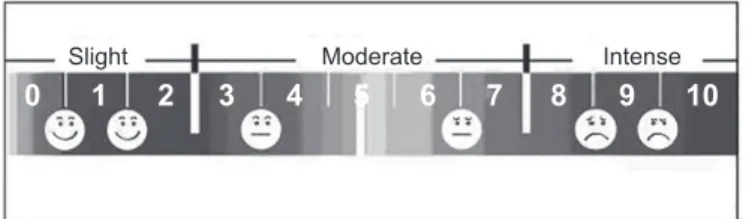
Slight Moderate Intense 0 1 2 3 4 5 6 7 8 9 10
FIGURE 1. The visual analog scale combined with a face scale.
an alphavirus that has arthralgia as symptom of infection, must also be considered(1).
The laboratory diagnosis of Chikungunya in the fi rst 5-7 days includes techniques for the detection of CHIKV genome [reverse transcription polymerase chain reaction (RT-PCR) and/or real-time RT-PCR] and viral isolation in cell cultures. Specifi c anti-CHIKV IgM antibodies are formed during the fi rst week of the disease and
may be detected from the seventh day on(1). Specifi c examination
and testing are only routinely performed in the periods between
epidemics in order to detect the fi rst cases and identify the start
of an epidemic. However, once sustained transmission has been
established, not all patients require laboratory confi rmation. In this
context, laboratory investigation is reserved for patients with alarm signs, severe cases, those with atypical manifestations, or in cases
of diffi cult differential diagnosis. The diagnosis may be confi rmed based on clinical-epidemiological criteria(1).
In the sub-acute and chronic phases of arthralgia, a history
of having had an episode of acute fever with associated edema
and joint pain during an epidemic period (clinical-epidemiologic
criteria) dispenses with the need to perform serologic tests in patients that seek assistance for the treatment of pain. For patients not responding to initial analgesic therapy, serologic tests for Chikungunya [IgM, immunoglobulin G (IgG)] and tests in search of other etiologies must be performed, at the discretion
of the specialist. Non-specifi c tests, such as a complete blood count, may be requested in the acute phase and biochemical
tests such as transaminases, creatinine, and electrolytes may
be necessary in at-risk patients or those who are severely ill(1).
In the chronic phase, for patients that do not respond to
treatment, autoantibodies (rheumatoid factor; anti-citrullinated protein antibody; and anti-nuclear antibodies) and molecular markers (HLA-B27) must be requested, according to the
diseasesuspected, as the differential diagnosis includes chronic
infl ammatory arthritides(20).
STAGGERED APPROACH TO MANAGEMENT OF ACUTE AND
CHRONIC PAIN
Treatment involves all phases of the disease and cannot focus
only on the sub-acute and chronic stages; it should be effective even during the fi rst few days of experiencing symptoms. Neuroscientifi c studies have established that inadequately
treated acute pain is one of the main causes of chronic pain, which then triggers other symptoms such as depression, fatigue, and sleeping disorders. This natural history is no different when it comes to Chikungunya. Therefore, an effective approach to control the pain is needed. This will also serve to decrease the
duration of this clinical disease. The fl owcharts contained in this
document address the management of pain in different stages of the disease, aiming to increase the effectiveness of the available pharmacologic therapies (Figure 1, Figure 2, Figure 3, Figure 4,
Figure 5, Figure 6, Figure 7 and Figure 8).
Pain measurement
To institute a pain management protocol, it is essential to have a tool that allows the measurement of pain, and that can
transform subjective data into objective data; this enables proper
assessment and management. Without this, it becomes diffi cult
to determine if a treatment is necessary, if the prescription is effective, or if it should be interrupted or substituted(21).
There are several validated tools to use; however, the VAS is one of the simplest and can be applied by any health professional (Figure 1 and Table 1). Another scale used widely in Brazil is the face scale. It can be used with small children and elderly
people with cognitive defi cits. However, despite the simplicity
of the tool, it is important to remember that pain is a subjective perception and therefore, has a relationship with social, cognitive, and psychological aspects. It is necessary that while measuring pain, the patient should be informed of the importance of being truthful, and that there is an approach for each type of pain and numbering in order to avoid methodologic failures; patients
often report a very high level of pain (9-10 in VAS) in fear of not
receiving analgesics if the numbers are too low.
PHARMACOLOGIC TREATMENT
Analgesics
Dipyrone and paracetamol: these are good analgesics
when administered in appropriate doses and at regular intervals (Figures 2, 3, 7 and Figure 8). Dipyrone can be prescribed at
30-50mg/kg/dose, 6 hourly. Paracetamol can be prescribed at 500-750mg, 6 hourly, but the total daily dose should not
exceed at 4g because of possible hepatotoxicity. If the patient’s
pain is perceived as mild (VAS 1-3) one of these two drugs should be prescribed, always in fi xed, regular doses and never
when necessary. In cases of moderate pain (VAS 4-6) both
drugs should be prescribed together, at fi xed times, and in an
alternating fashion (i.e., the patient will take an analgesic dose every three hours).
Opioids: the opioid drugs are potent and safe analgesics,
especially in cases of acute pain. Adverse effect monitoring
is required, and the patient should be warned about adverse effects. In the doses usually prescribed by non-specialists in
pain management, the risk of respiratory depression is very low; drowsiness and lethargy are the preceding warning signs (Figures 2, 3, 7, and Figure 8). Tramadol is a good choice when suspicious of a neuropathic component of intense pain as, besides its action on opioid receptors, it acts as an antagonist of NMDA (N-methyl-D-aspartate) receptor that are involved in
chronic pain. Tramadol should be used in a dose of 50-100mg,
Flowchart 1-A Acute phase
(0-14 days)
Assess intensity of the arthralgia using the VAS
Mild VAS = 1 to 3 Moderate VAS = 4 to 6 Severe VAS = 7 to10
Dipyrone 1g and paracetamol 750mg,alternatingevery 3h,
orally [2]
Dipyrone or paracetamol combined with an opioid: Tramadol 50mg every 6h
or codeine 30mg every 6h or oxycodone 10mg every 12h, orally [3] Apply questionnaire for neuropathic pain (DN4) [4]. If the result is
>4, use the protocol for neuropathic pain (Flowchart 1 B)
Dipyrone 1g every 6h or paracetamol 750mg every
6h, orally [1]
[1] Analgesics: take in fixed, regular doses and never usewhen necessary.
[2] Moderate pain: use two drugs in combination, alternating their use (take analgesic dose every 3h).
[3] Opioids: in usual doses, the risk of respiratory depression is low. For intense pain not responsive to both drugs, combi netwoanalgesics plusoneopioid. Do not take two opioids at once.
[4] DN4 Questionnaire annexed
Reassess after 7 days
No
Stop the medication Reapply the pain scale (VAS) and DN4 questionnaire Consider the use of corticosteroids according to the protocol (Sub-acute phase) in selected cases
Yes Pain persists?
Always ask about any history of allergy to
dipyrone
FIGURE 2. Flowchart 1-A. Treatment of arthralgia in acute phase of Chikungunya in adults. VAS: visual analog scale; DN4: Douleur Neuropathique 4; NSAIDs:
non-steroidal anti-infl ammatories.
Points
Category 0 1 2
Face No special expression or smile Grimace or occasional frowning eyebrows, introversion, disinterest
Frequent chin trembling, tight jaw
Legs Normal or relaxed Agitated, restless, tense Kicking or stretched legs
Activity Quiet, in a normal position, moving easily
Stirs and contorts, moving back and forth, tense Curved, stiff or sudden movements
Cry No crying (awake or asleep) Moans or whines; occasional complaining Continuous cry, screaming or with the hiccups;
complaining frequently
Console Satisfi ed, relaxed Calmed by touch, hugs, or occasional talks; can
be distracted
Diffi cult to console or comfort
Observe children for 5 minutes, points 0-2 are assigned up to the maximum total of 10 points (intense pain). FLACC: Face, Legs, Activity, Cry, Consolability scale.
TABLE 1
FLACC scale, for children aged two months to seven years.
Do not use NSAID (Nonsteroidal anti-infl ammatory ) and acetylsalicylic acid at acute phase, due to the
risks of complications associated to severe forms of Chikungunya (hemorrhage and renal
failure). Corticoid in the acute phase of viremia may be
Assess intensity of the arthralgia using the VAS
Moderate VAS = 4 to 6 Intense VAS = 7 to 10
Apply the neuropathic pain questionnaire of (DN4) [4]
Add amitriptyline 25 to 50mg once a day or gabapentin 300mg, every 12h (maximum daily
dose 1,200mg) [5]
Reassess after 15 days
Yes No
Reapply the pain scale (VAS) and DN4 questionnaire
Consider using corticosteroids according to protocol (Sub-acute phase) in selected cases
Yes
Follow flowchart for non-neuropathic pain (Flowchart 1 A)
DN4>4 points?
Pain persists? No
Stop the medication Flowchart 1-B
If questionnaire is suggestive of neuropathic pain
[4] DN4 questionnaire annexed.
[5] The anti-depressants and anti-convulsants may need up to 2 weeks to show an effect. Dipyrone 1g and paracetamol 750mg,
alternatingevery 3 h, orally [2]
Dipyrone or paracetamol combined with an opioid: Tramadol 50mg every 6 h
or codeine 30 mg every 6 h or oxycodone 10 mg every 12 h, orally [3] In elderly people, avoid
use of amitriptyline due to sedation risk. Use gabapentin instead, starting at low doses and
increasing gradually. Do not use amitriptyline in
patients with history of arrhythmia. Always ask about any
history of allergy to dipyrone
FIGURE 3. Flowchart 1-B. Treatment of neuropathic pain in adults with Chikungunya. VAS: visual analog scale; DN4: Douleur Neuropathique 4.
Oxycodone is a synthetic opioid that has an extended-release
formulation, allowing its prescription at intervals of 12 hours.
The recommended dose is 10-20mg, 12 hourly (Figure 2).
NSAIDs and acetylsalicylic acid: despite the infl ammatory
component in the physiopathogenesis of the disease, NSAIDs should not be used due to the risk of complications associated with severe forms of Chikungunya (hemorrhage and renal
insuffi ciency). Similarly, acetylsalicylic acid should not be used
due to the risk of bleeding. In the acute phase, the differential diagnosis includes infection with other arbovirosis, such as Dengue, that are associated with thrombocytopenia; in such situations the use of these drugs is also contraindicated(1).
Corticosteroids: in the acute phase of viremia, corticosteroids
can be associated with increased risks and complications.
Anti-convulsant and anti-depressant drugs
Neuropathic pain may be present if joint pain does not respond to the usual analgesics, making it necessary to add
these therapeutic classes to treatment, after clinical confi rmation
(Figure 4 and Figure 7). In patients who experience severe and prolonged pain, it is recommended that the signs and
symptoms of neuropathic pain be screened for using the
Douleur Neuropathique 4 (DN4) questionnaire (Table 2). This
is composed of two oral questions and two questions requiring
a physical examination, totaling ten answers. If four or more answers are positive, the patient probably has a neuropathic component to their pain(22).
For these patients, the use of drugs that modulate the excitatory activity of the nervous system, such as amitriptyline and gabapentin, are indicated. Studies suggest that these drugs act by modulation of the lesion or dysfunction of the nervous system, reducing the nervous activity responsible for the maintenance of neuropathic pain. In elderly people, amitriptyline may lead to sedation, making it preferable to take gabapentin, starting in low doses. Patients with a medical history of arrhythmias should not take amitriptyline (opt for gabapentin). The use of gabapentin should be carefully considered and the dose should be optimized if the individual presents with sedation and drowsiness.
The role of corticosteroids (drugs of sub-acute phase)
The use of corticosteroids is indicated for the disease in
Please complete this questionnaire by ticking one answer for each item in the 4 questions below: Patient interview
Question 1: Does the pain have one or more of the following characteristics?
Yes No
1. Burning
2. Painful cold
3. Electric shocks
Question 2: Is the pain associated with one or more of the following symptoms in the same area?
Yes No
4. Tingling
5. Pins and needles
6. Numbness
7. Itching
Examination of the patient
Question 3: Is the pain located in an area where the physical exam may reveal one or more of the following characteristics?
Yes No
8. Hypoesthesia to touch
9. Hypoesthesia to prick
Question 4: In the painful area, can the pain be caused or increased by:
Yes No
10. Brushing
Score
Zero (0): For each negative item. One (1): For each positive item.
The total score is calculated as the sum of the 10 items. The cut-off value for the diagnosis of neuropathic pain is a total score ≥4/10.
TABLE 2
Venous access with administration of physiologic solution
Administer 30mg/kg of dipyrone in distillated water IV over 5 min
Reassess within 90 min
Hospital discharge with symptomatic orientation for home according to flowchart
1 A-B Patient feeling better, VAS < 4
Patient feeling better, VAS < 4 Yes
VAS ≥ 4
Moderate to severe
No No
Assess for another diagnosis, the other drugs available at the service, and the
need for in-patient, hospital care. Assess intensity of the arthralgia using the VAS
Flowchart 1-C
Acute phase (0-14 days),
Attend to urgently.
The medications can be prescribed orally, and patient should be followed
up at the ambulatory service according to flowchart 1 A-B (acute
phase).
Patients with moderate to intense pain, polyarticular, or disabling pain, may need intravenous (IV)
medication in the emergency care units or
urgency service
Administer 50 mg of tramadol IV in 100mL of physiological solution over 20
min
Administer 10mg of bromopride IV in 8mL of distillated water [6]
Plus
Patient allergic to dipyrone, prescribe
tramadol
[6] Nausea may be present, due to tramadol or the infection; thus, administer 10mg of bromopride with the tramadol. Yes
DonotuseNSAIDs (nonsteroidal anti-inflammatories)or acetylsalicylic acidin the acute phase due to the risk
of complications associated with severe
forms of Chikungunya (hemorrhage and renal
failure). Corticosteroid use in the acute phase of viremia can
be associated with risks and complications
Always ask about history of allergy to
dipyrone
FIGURE 4. Flowchart 1-C. Treatment of arthralgia in the acute phase of Chikungunya in adults in urgency/ emergency units. VAS: visual analog scale;
DN4: Douleur Neuropathique 4; NSAIDs: non-steroidal anti-infl ammatories.
based on the VAS scale (Figure 5 and Figure 7). The standard
medication for oral use is prednisone, that has anti-infl ammatory effects when taken in low doses; its anti-infl ammatory effects predominate at a dose ≤0.5mg/kg per day. Given at intermediate doses (>0.5 to <1mg/kg per day), its effect lies between anti-infl ammatory and immunosuppressive actions, whereas in higher doses (≥1mg/kg per day) its immunosuppressive action predominates, independent of its anti-infl ammatory action.
For the treatment of pain, the dose is 0.5mg/kg per day as a
single dose taken in the morning. An adequate response to the
treatment is best assessed by improvement in the ability to walk
without assistance and satisfactory pain control. If the treatment
response is adequate, continue at the recommended dose until
the full resolution of the joint pain.
In the event of complete remission of pain, continue taking
the recommended dose for 3-5 more days. If there is no relapse,
start weaning by decreasing the dose by 5mg/day every 7 days. The initial dose may be maintained for up to 21 days, the average time during which there is usually no risk of inducing
adrenal insuffi ciency.
During the weaning phase, if pain recurs, return to the
Assess intensity of the arthralgia using the VAS
Mild VAS = 1 to 3 Moderate VAS = 4 to 6 Intense VAS = 7 to 10
Non-steroidal anti-inflammatories [7] Ibuprofen 600mg every 8h, orally
Continue until resolution of the symptoms, maximum 7-10 days Flowchart 2
Sub-acute phase (after 10-14 days)
Prednisone [8]
0.5mg/kg/day, orally (maximum dose: 40mg) Continue until resolution of symptoms, maximum
3 weeks
After resolution of the symptoms, maintain dose for 3-5 days and begin weaning by 5mg/day
every 7 days
If relapse occurs, refer to a referral unit Yes
Pain persists? No
Stop the medication
[7] NSAIDs: only to be used after the acute phase (>10-14 days). Be attentive to side effects. Renal function must be assessed i n elderly people and in those with comorbidities, prior to starting treatment. Be alert for the higher risk for chronic degenerative diseases in patients such as the elderly, those with diabetes, peptic ulcer disease, nephropathy, liver disease, and cardiopathy, among others.
[8] Until the onset of corticosteroid action, prescribe analgesics according to protocol (Flowchart 1A-B) Anti-inflammatory dose of corticosteroid is ≤ 0.5mg/kg per day .
Exclusion criteria for the use of corticosteroids: Patients with diabetes, difficult to control hypertension, history of fracture due to
documented osteoporosis, bipolar mood disorder, chronic renal failure on dialysis, Cushing’s syndrome, obesity grade III, arr hythmias, and coronary artery disease.
There is no risk of inducing adrenal insufficiency if used for ≤21 days.
Corticosteroids may be prescribed for patients in the chronic phase if not yet used. Always ask about a
history of allergy to anti-inflammatories
FIGURE 5. Flowchart 2. Treatment of arthralgia in the sub-acute phase of Chikungunya in adults. VAS: visual analog scale; NSAIDs: non-steroidal
anti-infl ammatories.
symptom resolution. The weaning must be slower, with a decrease of 2.5mg/day every seven days.
Exclusion criteria for the use of corticosteroids: the use
of corticosteroids is contraindicated in patients with diabetes, difficult to control hypertension, previous documented osteoporotic fracture, bipolar mood disorder, chronic renal failure on dialysis, Cushing’s syndrome, obesity grade III, arrhythmias, and coronary artery disease.
Hydroxychloroquine, sulphasalazine, methotrexate (chronic phase drugs)
The medical care of patients with chronic Chikungunya must
take place in referral units with professionals qualifi ed to assist
these patients. The medications used in this phase of treatment
– hydroxychloroquine, sulphasalazine, and methotrexate – have
clinical and laboratory monitoring before and during use. They
must be prescribed by qualifi ed professionals (Figure 6 and
Figure 8). There are a limited number of publications regarding the use of these drugs in the chronic phase of Chikungunya. Most studies involved a small number of patients, and different methodologies were used; thus, it is currently impossible to draw
conclusions regarding the effi cacy of these drugs, or to assess
the superiority of different therapies in patients with chronic Chikungunya(23) (24) (25) (26) (27) (28). The use of these drugs is based
on extrapolation from their use in the treatment of chronic rheumatic diseases(29) (20) (30).
The chronic phase of Chikungunya is defi ned as continuity
of symptoms for more than three months after the onset of the disease; it may last for many years. Usually, the disease
progresses to the cure without sequelae, either spontaneously
If relapse occurs, during weaning,
take the previous dose until the symptoms resolve, maintaining that dose for no longer than 3 weeks.
Flowchart 3 Chronic phase (after
3 months)
Continue hydroxychloroquine for another 6 weeks. Consider adding
the analgesics suggested in the protocol of the acute phase.
Continue hydroxychloroquine for another 6 weeks.
Add sulfasalazine 2 x 500mg tablets (1g) every 12h (2 g/day), orally
Stop the medication
Use the VAS to assess pain
Pain persists with VAS4 Pain persists with VAS < 4
Return for assessment within 6 weeks.
Yes Pain persists?
No
Stop the medication Refer to a rheumatologist to widen the investigation
Persistent pain with VAS4 Persistent pain with VAS < 4
No pain
Change to methotrexate 15 to 25mg, once a week,
orally, for 6 weeks No pain
Continue the combination of hydroxychloroquine + sulfasalazine, orally, for
another 6 weeks
Pain persists? No
Stop the medication
Refer to a rheumatologist to widen the investigation
Yes Use the VAS to assess pain
Hydroxychloroquine, 6mg/kg once a day (maximum 600mg daily), orally, for 6 weeks [9]
Patients in the chronic phase should
be referred to the referral unit, to be managed by skilled
professionals.
Observation: Corticosteroids may be prescribed to patients in the chronic phase if they have not yet taken it (Flowchart 2 – Sub-acute phase)
Medications used in this phase of treatment have side
effects specific to each therapeutic class and require clinical and specific laboratory monitoring
before and during use. They must be prescribed by skilled
professionals
[9] Prescribe analgesics according to protocol (Flowchart 1A-B) in addition, until the action of these medications is demonstrated.
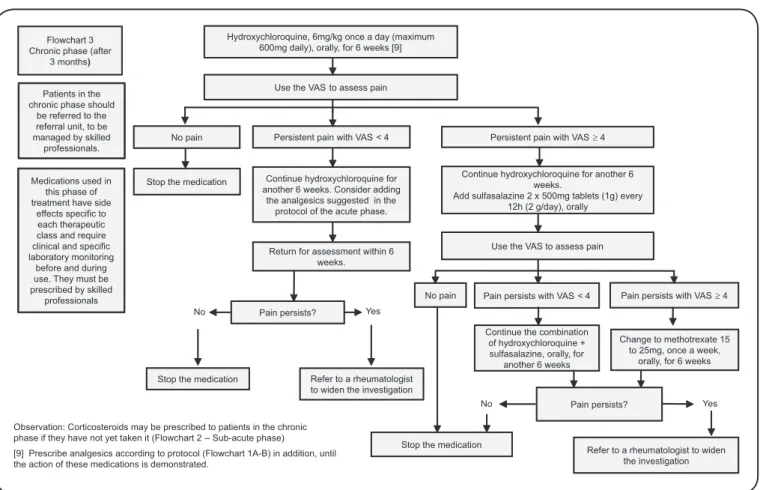
FIGURE 6. Flowchart 3. Treatment of arthralgia in the chronic phase of Chikungunya in adults. VAS: visual analog scale.
F l o w c h a r t 4 P e d i a t r i c s A c u t e p h a s e
Assess intensity Apply pain scale for appropriate age
Mild = 1 to 3 Moderate = 4 to 6 Severe = 7 to 10
Dipyrone and paracetamol, alternatingevery 3h (10 to 15mg/kg/dose), orally
Admit for in-patient dipyrone and
paracetamol,alternatingevery 3h
(10 to 15mg/kg/dose), orally, and combined with codeine (10 to 15mg/kg/dose) or tramadol (>1 year) Dipyrone or paracetamol:
10 to15mg/kg/dose every 6h, orally
Maintain medication: Dipyrone and/or paracetamol, combined
with codeine. Ambulatory follow up with reassessment in 5
days No
Yes
Add amitriptyline or carbamezapine or
gabapentin (>6 years). Investigate for another diagnosis. Face scale
<4 points. Reassess after 5 days
Pain persists?
Yes
No
Stop the medication
Pain persists?
Maintain medication for five days more. Ambulatory follow up
Reassess after 24 hours Apply appropriate pain scale for
each group age Reassess after 24h.
Apply appropriate pain scale for each age group
Yes No
Always ask about a history of allergy to
dipyrone
Don o t useN S A I D s
(nonsteroidal
anti-inflammatories)o r
a c e t y l s a l i c y l i c a c i d in the
acute phase, due to the risk of complications associated with severe
forms of Chikungunya (hemorrhage and renal
failure).
Pain scale specified according to age and pain measurement
Paracetamol or dipyrone (1) 10 to 15mg/kg/dose every 6h,
orally
Reassess after 7 days
Naproxen: 10 to 20mg/kg/day every 12h (maximum dose: 1,000mg/day) or
Ibuprofen: 30 to 40mg/kg/day in 3 to 4 divided doses (maximum dose: 2,400mg/day) or Indomethacin: 1 to 3mg/kg/day in 3 to 4 divided doses (maximum dose: 200mg/day), orally [2]
Prednisone or prednisolone 0.5mg/kg/day every 24h (maximum dose: 40mg/day) for 2-4 weeks, followed by weaning [3] No
Stop the medication Pain
persists?
Yes
Reassess after 7 days
No
Pain persists?
Yes
[1] Children under 3 months old or weighing <5kg should not take dipyrone.
[2] NSAIDs: monitor for side effects such as: gastrointestinal, liver, and renal toxicity, and Reyes syndrome. [3] Corticosteroids: After 3-4 weeks begin weaning, reducing by about 20% of the dose every 5 days. Contraindications for the use of corticosteroids: diabetes mellitus, systemic arterial hypertension that is difficult to control, glaucoma, and osteoporosis.
Flowchart 5 Pediatrics Sub-acute and chronic
phase
No
Pain persists?
Yes
Stop the medication after weaning (3) Refer to a referral unit
Hydroxychloroquine: 6mg/kg/day for 6 weeks (Maximum dose: 400mg/day) Methotrexate: 0.5mg/kg/week, oral or
subcutaneous (Maximum dose: 25mg/week) Always ask about a
history of allergy to dipyrone and
anti-inflammatories
Mild = 1 to 3 Moderate = 4 to 6 Severe = 7 to 10
FIGURE 8. Flowchart 5. Treatment of arthralgia in the sub-acute and chronic phases of Chikungunya in children. NSAIDs: non-steroidal anti-infl ammatories.
global or joint symptoms due to the worsening of a degenerative
or infl ammatory condition. This presentation may manifest as
pronounced tenosynovitis or as a distal edematous polyarthralgia(20).
Despite the lack of data comparing the effi cacy of methotrexate and hydroxychloroquine in patients with Chikungunya, we have chosen to recommend hydroxychloroquine as the treatment of fi rst choice in the chronic phase. This recommendation is based on hydroxychloroquine’s anti-infl ammatory effects in the control
of arthritis and musculoskeletal pain(30) and its potential antiviral
action(31), but most of all, it is a safer drug than methotrexate in
the context of being prescribed by non-specialists.
In the chronic stage, therapy can be initiated with
hydroxychloroquine in a dose of 6mg/kg/day (maximum dose:
600mg/day) taken orally for a period of six weeks. After six weeks, the patient should be reassessed using the VAS. If the
patient is pain-free, the treatment should be discontinued. If the
VAS is less than four, the treatment should be maintained for a further six weeks, and analgesics may be added, as suggested in the protocol for the acute phase (Figure 2). If the pain persists
with a VAS greater than or equal to four, sulphasalazine should
be added at a dose of 1,000mg (two 500mg tablets) in 12 hourly
intervals, with the use of hydroxychloroquine extended for
six weeks more. This combination is known to be effective
The patient should return for assessment after six weeks, when the VAS scale is applied again. If after this period the patient is without pain, the medication should be stopped. If the
VAS is less than four, hydroxychloroquine and sulphasalazine
should be continued for another six weeks. If the VAS is greater
than or equal to four, the combination of hydroxychloroquine
and sulphasalazine should be replaced by methotrexate (2.5mg tablet), at an initial dose of 10mg/week, orally; this dose may be may be increased to 25mg/week. Folic acid should always be given in combination with methotrexate, at a dose of 5mg/ week, taken the day after methotrexate is taken(20) (32).
If after six weeks there is persistence of pain, the patient should be referred to a rheumatologist to widen the diagnostic investigation and introduce other therapies. Be attentive to the main side effects of methotrexate, including hepatotoxicity, myelotoxicity, and gastrointestinal effects. The dose must be adjusted in patients with impaired renal function, and it is contraindicated in patients with a creatinine clearance <30mL/ min.
The main side effects of hydroxychloroquine include visual
disturbances, hematologic abnormalities, and alopecia. The risk
Non-pharmacologic treatment
Physiotherapy should be considered, beginning in the acute phase of Chikungunya. It may be combined with cryotherapy as
an analgesic measure. It should also be prescribed in the
sub-acute and chronic phases, aiming to minimize the osteoaticular
damage, consequently enabling rehabilitation. Physiotherapy should be requested equally in the three phases of disease; however, it should be a priority in the sub-acute and chronic
phases. The manufacture and use of orthoses as an adjuvant
measure may be required; this may achieve more rapid relief
of pain and, above all, may help to prevent muscular atrophy
consequent to the disuse of the compromised joint. Other therapies, such as acupuncture, may be used in the sub-acute
and chronic phases. It is worth mentioning that psychological support is important in all phases of the disease, especially to relieve the sadness and suffering arising from the state of pain
and chronic swelling during a long period of consequent illness.
CONCLUSION
Chikungunya epidemics, with the high attack rate of CHIKV, affect a large number of people in a short period of time, producing not only acute cases, but also a high number
of chronic cases. Pain, the most frequent clinical manifestation of Chikungunya, is diffi cult to control, compromising the quality of life of affected patients. It may have immeasurable
psychosocial and economic repercussions, constituting a serious
public health problem that requires a targeted approach. There
are few protocols for managing the pain caused by Chikungunya; hence, it was necessary to produce a guideline to diagnose and appropriately manage patients with Chikungunya. It is important to emphasize that in addition to medical treatment, the approach
to the management of patients with Chikungunya requires the
involvement of multidisciplinary teams. General physicians, specialists, nurses, pain specialists, physiotherapists, social
workers, and healthcare managers are required to institute these
guidelines and to organize services to manage patients with different levels of complexity.
Acknowledgments
The authors thank the Ministério da Saúde, Brazil and the Conselho Regional de Medicina de Peranambuco, Brazil for their valuable cooperation with this Project.
Confl ict of interest
The author declares that there is no confl ict of interest.
REFERENCES
1. Ministério da Saúde. Secretaria de Vigilância em Saúde. Febre de Chikungunya manejo clínico. Brasília: Ministério da Saúde; 2015.
p. 1-28.
2. Borgherini G, Poubeau P, Jossaume A, Gouix A, Cotte L, Michault A, et al. Persistent arthralgia associated with chikungunya virus: a study of 88 adult patients on reunion island. Clin Infect Dis 2008;
47:469-475.
3. Schilte C, Staikovsky F, Couderc T, Madec Y, Carpentier F, Kassab
S, et al. Chikungunya virus-associated long-term arthralgia: a 36-month prospective longitudinal study. Plos Negleted Trop Dis
2013; 7 e2137. doi: 10.1371/journal.pntd.0002137.
4. Ramachadran V, Kaur P, Kanagasabai S, Vadivoo S, Murhekar M. Persistent arthralgia among Chikungunya patients and associated
risk factors in Chennai, South India. J Postgrad Med 2014; 60:3-6.
5. de Andrade DC, Jean S, Clavelou P, Dallel R, Bouhassira D. Chronic pain associated with the Chikungunya fever: long lasting burden of an acute illness. BMC Infect Dis 2010; 10:31.
6. Staikowsky F, Le Roux K, Schuffenecker I, Laurente P, Grivard P, Develay A, et al. Retrospective survey of Chikungunya disease in
Réunion Island hospital staff. Epidemiol Infect 2008; 136:196-206.
7. World Helth Organization. (WHO). Guidelines for prevention
and control of Chikungunya fever. South-East Asia: WHO; 2009. p. 1-43.
8. Organizació n Panamericana de la Salud (OPS). Preparació n y respuesta ante la eventual introducció n del virus chikungunya en
las Amé ricas. Washington: OPS; 2011. p. 1-148.
9. Ali Ou Alla S, Combe B. Arthritis after infection with Chikungunya
virus. Best Pract Res Clin Rheumatol 2011; 25:337-346.
10. Caglioti C, Lalle E, Castilletti C, Carletti F, Capobianchi MR, Bordi L. Chikungunya virus infection: an overview. New Microbiol 2013;
36:211-227.
11. Waymouth HE, Zoutman DE, Towheed TE. Chikungunya-related arthritis: case report and review of the literature. Semin Arthritis
Rheum 2013; 43:273-278.
12. Assunção-Miranda I, Cruz-Oliveira C, Da Poian AT. Molecular
mechanisms involved in the pathogenesis of alphavirus-induced arthritis. BioMed Res Int 2013; 2013:1-11. ID 973516.
13. Hoarau JJ, Jaffar Bandjee MC, Krejbich Trotot P, Das T, Li-Pat-Yuen
G, Dassa B, et al. Persistent chronic infl ammation and infection
by Chikungunya arthritogenic alphavirus in spite of a robust host
immune response. J Immunol 2010; 184:5914-5927.
14. Ng LF, Chow A, Sun YJ, Kwek DJC, Lim PL, Dimatatac F, et al.
IL-1β, IL-6, and RANTES as Biomarkers of Chikungunya severity.
PLoS One 2009; 4:e4261. doi 10.1371/journal.pone.0004261
15. Chow A, Her Z, Ong EKS, Chen JM, Dimatatac F, Kwek DJC, et al. Persistent arthralgia induced by Chikungunya virus infection is
associated with interleukin-6 and granulocyte macrophage colony-stimulating factor. J Infect Dis 2011; 203:149-157.
16. Malvy D, Ezzedine K, Mamani-Matsuda M, Autran B, Tolou H, Receveur MC, et al. Destructive arthritis in a patient with
Chikungunya virus infection with persistent specifi c IgM
antibodies. BMC Infect Dis 2009; 9:200. doi: 10.1186/1471-2334-9-200.
17. Moro ML, Grilli E, Corvetta A, Silvi G, Angelini R, Mascella F, et
al. Long-term chikungunya infection clinical manifestations after an outbreak in Italy: a prognostic cohort study. J Infect 2012;
65:165-172.
18. Yaseen HM, Simon F, Deparis X, Marimoutou C. Identifi cation of initial severity determinants to predict arthritis after chikungunya infection in a cohort of French gendarmes. BMC Musculoskelet Disord 2014; 15:249. doi:10.1186/1471-2474-15-249.
19. Bouhassira D, Attal N, Alchaar H, Boureau F, Brochet B, Bruxelle J, et al. Comparison of pain syndromes associated with nervous or somatic lesions and development of a new neuropathic pain
diagnostic questionnaire (DN4). Pain 2005; 114:29-36.
and persistent presentations). November 2014. Med Mal Infect 2015;
45:243-263.
21. Souza FAEF. Dor: o quinto sinal vital. Rev Latino-am Enferm 2002;
10:446-447.
22. Haanpää M, Attal N, Backonja M, Baron R, Bennett M, Bouhassira D, et al. NeuPSIG guidelines on neuropathic pain assessment. Pain
2011; 152:14-27.
23. De Lamballerie X, Boisson V, Reynier JC, Enault S, Charrel RN,
Flahault A, et al. On chikungunya acute infection and chloroquine
treatment. Vector Borne Zoonotic Dis 2008; 8:837-839.
24. Pandya S. Methotrexate and hydroxychloroquine combination therapy in chronic chikungunya arthritis: a 16 week study. Indian J
Rheumatol 2008; 3:93-97.
25. Padmakumar B, Jayan JB, Menon RMR, Krishnankutty B, Payippallil R, Nisha RS. Comparative evaluation of four therapeutic regimes in chikungunya arthritis: a prospective randomized
parallel-group study. Indian J Rheumatol 2009; 4:94-101.
26. Chopra A, Saluja M, Venugopalan A. effectiveness of chloroquine
and infl ammatory cytokine response in patients with early persistent
musculoskeletal pain and arthritis following chikungunya virus
infection. Arthritis Rheumatol 2014; 66:319-326.
27. Ganu MA, Ganu AS. Post-chikungunya chronic arthritis - our experience with DMARDs over two year follow up. J Assoc
Physicians India 2011; 59:83-86.
28. Rosario V, Munoz-Louis R, Valdez T, Adames S, Medrano J, Paulino I, et al. Chikungunya infection in the general population and in patients with rheumatoid arthritis on biological therapy.
Clin Rheumatol 2015; 34:1285-1287.
29. Arroyo-Ávila M, Vilá LM. Rheumatic manifestations in patients
with Chikungunya infection. P R Health Sci J 2015; 34:71-77.
30. Ben-Zvi I, Kivity S, Langevitz P, Shoenfeld Y. Hydroxychloroquine: from malaria to autoimmunity. Clin Rev Allerg Immunol 2012;
42:145-153.
31. Thiberville SD, Moyen N, Dupuis-Maguiraga L, Nougairede A,
Gould EA, Roques P, et al. Chikungunya fever: epidemiology,
clinical syndrome, pathogenesis and therapy. Antiviral Res 2013;
99:345-370.
32. Javelle E, Ribera A, Degasne I, Gaüzère BA, Marimoutou C, Simon
F. Specifi c management of post-chikungunya rheumatic disorders: a retrospective study of 159 cases in Reunion Island from 2006-2012.