EEG
N
EUROFEEDBACK IN ACTIVE ATHLETE STUDENTS
A METHODOLOGICAL APPROACH
CHRISTOPHE DOS SANTOS DOMINGOS
Orientadores: Professor Doutor José Gomes Pereira e Prof. Doutor Agostinho da Rosa
Tese especialmente elaborada para obtenção do grau de Doutor em Motricidade Humana na especialidade de Fisiologia do Exercício
EEGNEUROFEEDBACK IN ACTIVE ATHLETE STUDENTS A METHODOLOGICAL APPROACH
Christophe dos Santos Domingos
Orientadores: Professor Doutor José Gomes Pereira e Prof. Doutor Agostinho da Rosa
Tese especialmente elaborada para obtenção do grau de Doutor em Motricidade Humana na especialidade de Fisiologia do Exercício
Presidente:
Doutor Francisco José Bessone Ferreira Alves
Professor Catedrático e Presidente do Conselho Científico Faculdade de Motricidade Humana da Universidade de Lisboa
Vogais:
Doutor José Henrique Fuentes Gomes Pereira Professor Catedrático
Faculdade de Motricidade Humana da Universidade de Lisboa Doutor Filipe Manuel Soares de Melo
Professor Associado
Faculdade de Motricidade Humana da Universidade de Lisboa Doutor Fernando Manuel da Cruz Duarte Pereira
Professor Auxiliar
Faculdade de Motricidade Humana da Universidade de Lisboa Doutor Fernando Manuel Fernandes Melício
Professor Coordenador
Instituto Superior de Engenharia de Lisboa Doutor Ernesto Saias Soares
Investigador Auxiliar
Centro de Imagem Biomédica e Investigação Translacional da Universidade de Coimbra
Todo o processo que se encontra associado à realização da tese e à sua entrega não teria sido possível sem um conjunto de pessoas que nos estimulam intelectualmente para pensarmos de modo crítico sobre o que foi, é e poderá ser a ciência, que nos apoiam tanto nos bons como nos maus momentos, que nos possibilitam testar as nossas hipóteses, que nos abrem portas e nos facilitam sobreviver a toda esta conturbada travessia, que nos tiram de toda a alienação e stress que nos abraça, que nos inspiram e sem a motivação pessoal.
Existem pelo menos dois tipos de pessoas nos agradecimentos: 1) as pessoas que são breves porque sabem que todos os envolvidos têm noção da importância que tiveram para o processo e entrega da mesma e 2) as pessoas que sabem a importância de todos os interveniente mas que mesmo assim pretendem “imortaliza-los” para um dia mais tarde recordarem de quem os ajudou a chegar onde chegaram. A minha intenção é pertencer ao segundo grupo e quero desde já referir que a ordem com que serão mencionadas as pessoas nada tem a ver com o grau de importância. Na eventualidade de não referir alguém, sintam-se no direito de se incluírem no grupo 1 mencionado acima. Penso ser credível o suficiente dizer que a minha memória, após esta batalha, envergonha toda a população sénior.
As primeiras palavras que dirijo são aos meus pais porque sempre me apoiaram em todas as decisões que tomei mesmo que não percebessem na íntegra o que algumas eram. A minha felicidade e o meu bem-estar sempre foram as suas prioridades e se estes aspectos estivessem cumpridos, o apoio era e é incondicional. Sempre que me senti incapaz de superar um obstáculo, bastava-me pensar em vocês e saber que estiveram em situações bem mais complicadas do que eu e mesmo assim nunca viraram a cara à luta. São o melhor exemplo de trabalho e persistência! Obrigado por me ligarem constantemente, por me obrigarem a fazer pausas, por insistirem para que eu tenha uma boa alimentação (“filho, tu que andas a estudar essas coisas devias saber melhor do que nós que descanso e uma boa refeição são as melhores coisas para estares forte”). Vocês são as pessoas mais humildes que conheço e formaram na perfeição dois filhos que vos adoram e vos devem MUITO! À minha irmã também lhe dirijo umas palavras de apreço por ser uma pessoa que olha para a vida como muito poucos o conseguem fazer. Obrigado por todos os telefonemas a falar de tudo menos da minha tese, obrigado por me enviares
minha preferida.
Ao Prof. Doutor Duarte Araújo por ter sido o primeiro a receber-me no mundo da investigação. Como investigador é uma referência além-fronteiras e abriu-me os olhos quanto aos aspectos ecológicos que constantemente nos rodeiam e influenciam nas tarefas. É algo que terei sempre em consideração em futuras investigações por reconhecer a sua importância.
Ao meu orientador Professor Doutor Catedrático José Gomes Pereira por ter embarcado nesta aventura comigo. É referência tanto a nível nacional como internacional e uma fonte de conhecimento inesgotável. Apesar do altíssimo estatuto, é uma pessoa muito humana. Comecei esta viagem envolto em stress pela minha inexperiência e acabo esta viagem muito mais tranquilo e sereno porque este foram ensinamentos que me foram transmitidos e que me ajudaram a superar muitos obstáculos (continuei a perder cabelo na mesma, mas ajudou a acabar a tese). É sem dúvida uma referência para mim pela sua simplicidade humana e humildade. A sinceridade sempre foi o pilar das nossas conversas e não pediria melhor.
Ao meu co-orientador Prof. Doutor Agostinho Rosa que também lhe atribuo o rótulo de orientador de forma totalmente merecida. Um conhecedor nato na área do
neurofeedback, um autêntico poliglota e um apaixonado por conhecimento. Não só me
ajudou a perceber mais sobre neurofeedback como me abriu as portas para outros horizontes. Obrigado pela paciência, por me receber sempre que precisei, pelos almoços que começavam em neurociências e acabávamos a falar de Camões, por ser uma pessoa otimista, mas acima de tudo por ser um excelente gestor de carreiras (pelo menos para mim foi). É sem dúvida um dos maiores estimuladores para minha sede de conhecimento. Às minhas cobaias. Sem vocês era totalmente impossível concluir esta dissertação! São sem dúvida as melhores cobaias do mundo e não podia de modo algum pedir melhor. De todos os projetos de doutoramento que vi e/ou tive conhecimento, não houve um único que não sofresse com a amostra (ou porque desistiam a meio, ou porque se atrasavam, ou porque se esqueciam, ou por muitos outros factores). Orgulho-me de dizer que fui o investigador mais sortudo de todos porque num tema tão complicado como este, se houve 5 pessoas de 75 que não conseguiram cumprir o planeamento na íntegra, foi muito. Vocês fizeram história por serem uma amostra perfeita e que qualquer
quem já privei. Todos vocês têm um potencial humano e académico muito acima da média para a vossa geração. Obrigado por serem incríveis e por me atualizarem todos os dias dos assuntos da faculdade durante as sessões de cabeleireiro.
Ao staff do laboratório. Agradeço à Profª. Doutora Joana Reis por ser uma das pessoas mais incríveis que já conheci. A tua boa disposição é contagiante, a tua constante disponibilidade para ajudar é um exemplo que quero seguir e obrigado por todas as conversas que me carregaram sempre as baterias e me fizeram pensar muito mais à frente. Terás sempre 28 anos! À Profª. Doutora Cristina Bento e à Profª. Catarina Matias que sempre me auxiliaram quando precisei de ajuda. Aos meus colegas de guerra Filipe Teixeira (já doutor), Paulo Pires (já doutor) e Nuno Almeida. O Filipe é um dos investigadores que mais potencial tem e com quem muito gostei de privar não só pelo impressionante leque de conhecimento nas áreas de bioquímica e nutrição, mas também pela simplicidade que tem. És um amigo que tenciono manter por perto por seres um exemplo de rigor científico e pela excelente pessoa que és. O Paulo sempre será o gigante do laboratório. Agradeço-te por me ensinares a olhar para as coisas sempre da forma mais positiva e por demonstrares que é possível comer uma refeição completa em menos de 5 min. O Nuno por transmitir sempre uma energia positiva a quem está por perto e pelo seu humor inteligente. Vocês foram incríveis e tornaram tudo isto bem mais fácil de superar. Agradeço também ao Professor Doutor Catedrático Francisco Alves pela sua tremenda
expertise na área da Fisiologia do exercício e pela transmissão desse conhecimento.
Agradeço por ter auxiliado o meu orientador sempre que questões mais burocráticas surgiam.
Ao Prof. Doutor Filipe Melo. Obrigado por ter acreditado no potencial deste projeto e por me ter incentivado constantemente a melhorar o meu trabalho. Obrigado pelas horas que passámos a discutir neurociência e desporto. É uma pessoa com um entusiasmo incrível por esta matéria e que irá contribuir certamente para a temática em Portugal. Ao Professor Doutor Catedrático António Rosado. Um forte pilar sempre que estive desmotivado. É sem dúvida a pessoa certa para nos encaminhar de volta ao rumo certo. Obrigado por todas as conversas. Ao Prof. Doutor Paulo Armada. Um entusiasta pela ciência e também por esta temática. Esteve sempre disponível quando precisei de
À Joana Correia ou brevemente mais conhecida por J., Correia. Provavelmente o meu maior pilar durante estes dois últimos anos e provavelmente a minha maior fonte de motivação e inspiração. És uma pessoa praticamente indiscritível por seres brilhante, das pessoas mais trabalhadoras que conheço, uma perfeccionista nata, adorável e amiga dos teus amigos. Se me pedirem para descrever o que é o trabalhador ideal ou o que é um aluno de doutoramento ideal não preciso de escrever textos sobre isso, bastando-me dizer o teu nome e a descrição fica feita. Se todos os alunos e trabalhadores tivessem 25% das tuas qualidades, teríamos uma comunidade científica mais rigorosa, mais verdadeira e bem mais interessante. És um exemplo a seguir, és o meu modelo ideal. Obrigado por me teres deixado fazer parte da tua vida, és um orgulho enorme para mim.
Aos meus amigos que me seguiram mais de perto nesta fase. Foram vários (sou um sortudo) mas vou destacar os que estiveram mais ligados ao apoio durante o doutoramento. À Marta Sampaio por ter sido o meu braço direito quando estava repleto de trabalho e me assegurou treinos de atletismo e me apoiou sempre que estive mais desgastado. Ao Higino (de Sá) Caldeira por ter sido uma das maiores surpresas que tive ao longo do processo pelo comprometimento e pela paixão verdadeira que tem pelo
neurofeedback. À Telma Arsénio por ser uma verdadeira amiga, por alinhar em tudo, por
ter um coração gigante e por me devolver anos de vida com as gargalhadas que me proporciona (um mundo só com Telmas era um mundo muito mais fácil para se viver). Ao Fred, um grande amigo que me tira da alienação e obsessão do doutoramento e que me mostra que não se pode ter medo de nada (apanhando ondas de 3 m – coragem ou falta de noção). À Carolina Teodósio por ser uma amiga muito próxima que acompanhou o meu crescimento na faculdade e das pessoas mais espontâneas que conheço. Ao Paulo Correia por ser a pessoa mais prestável e disponível que conheci. Ao Paulo Santos por ser um aluno muito acima da média, mas ser de uma simplicidade e humildade exemplares. Agradeço também aos meus amigos do laboratório de Exercício e Saúde. Ao João Magalhães por ser uma das pessoas mais bem-dispostas que conheço e divertida pelo seu narcisismo obsessivo. Ao Pedro Júdice por ser uma das pessoas que está sempre a rir de tudo e de todos (e por me fazer acreditar que os gordinhos também conseguem surfar bem). À Inês Correia por transpirar tranquilidade e serenidade mesmo em momentos de grande stress. Ao Duarte Neto por ser o nortenho mais conversador que
Gil Rosa por ser uma pessoa que transmite confiança e que consegue olhar sempre para o positivo das situações por muito más que sejam. Tenho ainda de agradecer à minha amiga Jéssica Ribeiro (Anabela para os amigos) por segurar o barco em casa e transmitir sempre uma energia tão positiva. Obrigado por existirem, serem quem são e me darem a honra de pertencer à vossa família.
Quero ainda agradecer a uma pessoa que esteve muito presente desde o início do meu percurso académico até ao meu primeiro ano de doutoramento. Uma pessoa que sempre foi uma referência e um modelo para mim. Obrigado por me teres acompanhado até onde foi possível. Apesar de não teres acreditado no meu doutoramento por não perceberes a necessidade de o fazer, quero dizer-te que custou bastante, mas consegui. Abriste-me os olhos e graças a ti comecei a gerir a minha carreira. Aprendi o que tinha de fazer, o que fazer agora e para onde ir a seguir. Obrigado Milene.
Sendo um trabalho que em grande parte fala da funcionalidade cerebral, a importância do vosso contributo será feita desse modo. Apesar de o cérebro ter diferentes bandas de frequência e cada uma delas estar associada a um conjunto de funcionalidades muito próprias, um cérebro saudável nunca terá o máximo rendimento se todas as bandas trabalharem isoladamente. Por outras palavras, eu nunca teria concluído este trabalho desgastante sem o vosso contributo. Um muito obrigado por serem a minha inspiração!
I
Abbreviations ……….. XI
Abstract ………... XIII Resumo ………... XIV
CHAPTER 1 - General Introduction ……….. 15
1.1. Introduction ……….. 17 1.2. Main Objectives ……… 17 1.3. Dissertation Structure ……….. 19 1.4. List of Articles ………... 19 1.5. Statement of Originality ………... 20 1.6. References ………. 20
CHAPTER 2 - Literature Review ………... 23
2.1. Brain anatomy and functionality ……… 25
Nervous System – Divisions ………. 25
Neurons ………... 26
The Sodium (NA+) - Potassium (K+) Exchange Pump………. 26
Permeability of the cellular membrane ………. 26
Resting Membrane Potential ……… 27
Action Potentials ……… 27
II
Brainwaves………. 30
Delta Band ……….. 30
Theta Band ……….. 30
Alpha Band ………... 31
Sensorimotor Rhythm (SMR) band ……….. 33
Beta band...….………... 33
Gamma band ……….. 33
2.3. Brain Activity and Sports Performance ……… 35
Delta Band ………. 35 Theta Band ……… 35 Alpha Band ………... 36 SMR band ………. 37 Beta band ……….. 37 2.4. Efficiency hypotheses………... 37
Neural Efficiency Hypothesis……….. 37
Psychomotor Efficiency Hypothesis……… 37
2.5. Neurofeedback in Sport………... 38
2.6. References ……… 50
CHAPTER 3 - Methodology ……….… 59
III
Subjects ………... 61
Signal Acquisition ………... 62
3.3. Experimental Design ………... 64
Intervention groups – Student athletes……… 64
Intervention group – Sedentary ………. 64
Control group – Student athletes ……… 64
3.4. Measurements ………... 66
3.5. Assessments ……….. 69
Digit Span test ………... 69
N-back test ………... 69
Oddball ……….. 70
N-NFT ………... 70
3.6. Statistical analysis ……… 71
3.7. References ……… 72
CHAPTER 4 – Article 1 - Does neurofeedback training improve performance in athletes? ………... 73
Abstract ……….... 75
4.1. Introduction ………. 75
4.2. Methods ………... 77
IV Experimental Design ………... 78 Measurements ………... 79 Assessments ………... 80 Statistical Analysis ……… 81 4.3. Results ……… 81 4.4. Discussion ………... 84 Acknowledgments ………... 87 4.5. References ……….. 87
CHAPTER 5 – Article 2 - Session frequency matters in Neurofeedback training of athletes ... 89 Abstract ……… 91 5.1. Introduction ………... 92 5.2. Methods ……….. 93 Participants ………. 93 Signal Acquisition ……….. 94 Experimental Design ………... 94 Measurements ………. 96 Assessments ……… 97 Data Analysis ……….. 98 5.3. Results ……….... 98
V
5.5. Conclusions ……….... 106
Conflict of Interest Statement ……….. 106
Author Contributions ………... 106
Acknowledgments ………... 106
5.6. References ……….. 107
CHAPTER 6 – Article 3 - The influence of noise in the neurofeedback training sessions in student athletes ………. 111
Abstract ……… 113 6.1. Introduction ………... 114 6.2. Methods ……….. 115 Subjects ………... 115 Signal Acquisition ………... 115 Experimental Design ………... 116 Measurements ………. 118 Assessments ……… 119 Statistical Analysis ……….. 119 6.3. Results …………... 120 6.4. Discussion ………... 123 Acknowledgments ………... 126 Conflict of Interest ………... 126
VI
CHAPTER 7 - Complementary studies ……… 129
Complementary studies ……… 131 7.1. Introduction ………... 132 7.1.1 Results ………..……….. 133 Delta band ………. 133 Theta band ……… 136 SMR band ………. 139 Beta band ……….. 142 7.1.2 Discussion/conclusion ………...………. 145 7.2. Introduction ………... 147 7.2.1 Results ………..……….. 148 7.2.2 Discussion/conclusion ………...………. 150 7.3. References ……….. 151
CHAPTER 8 - General Discussion ……… 153
8.1. Main research findings and discussion ……… 156
8.2. Limitations and future prospects ………. 157
Main limitations ……….. 157
Future directions ………. 157
8.3. Conclusions ……… 158
VII
Tables and figures
Tables List
Table 1: General training schedule in SAB NFT in healthy and pathologic
populations adapted from [100] .………….………. 32
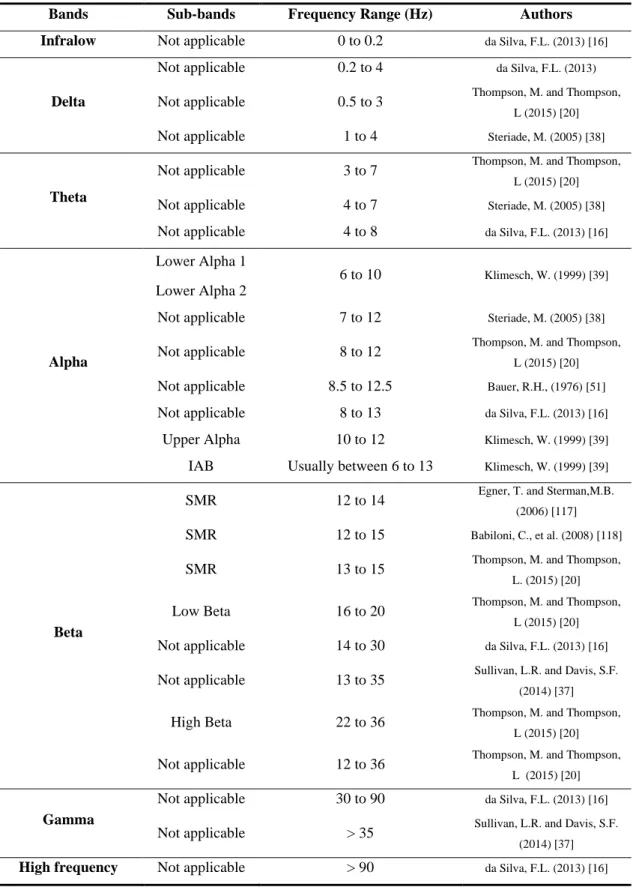
Table 2. General frequency bands ranges.…………... ……….. 34
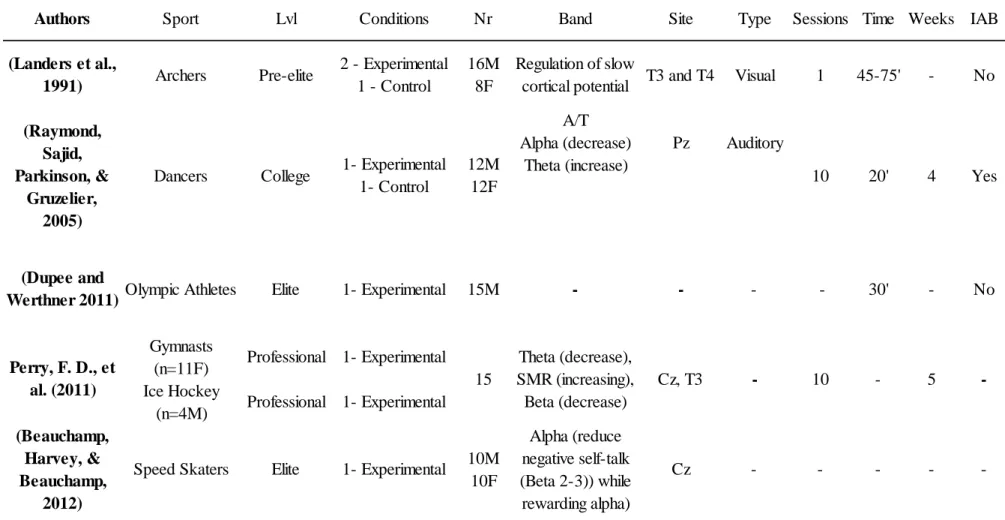
Table 3: Methodological description - NFT training in sport ………..…... 44
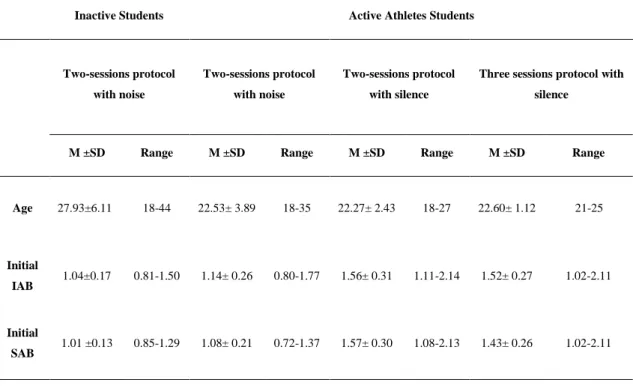
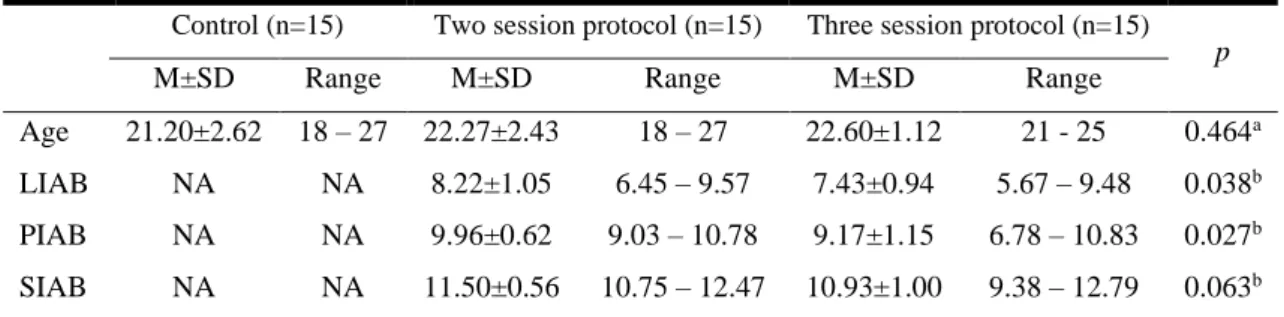
Table 4. Age and IAB variables for each group ……….. 62
Table 5. Timeline of the NFT training sessions and respective performance tests for each group ……….. 65
Table 6. Differences in performance tests (bS1, S5/6, S10/11 and aS15 for sedentary group; and bS1, S5/6 and aS12 for athletes group and control group) between protocols ……… 83 Table 7. Differences between bS1, S5/6, S10/11 and aS15 for sedentary group and bS1, S5/6 and aS12 for athletes group and control group for each protocol 84 Table 8. Age and IAB variables for each group ..………... 94
Table 9. Differences in standard alpha band and individual alpha band power between protocols ………..………...………... 99
Table 10. Differences between session 1 and 12 and pre-test (N-NFT) and post-test (N-NFT) in standard alpha band and individual alpha band for each protocol 101 Table 11. Differences in performance tests (pre and post-tests) between protocols ………..……….... 102
Table 12. Differences between pre-tests and post-tests for each protocol …….. 103
Table 13. Differences in standard alpha band (8 to 12 Hz) and individual alpha band power between protocols ……….……… 122
VIII
Table 14. Differences between session 1 and 12 and pre-test (N-NFT) and
post-test (N-NFT) in standard alpha band (8 to 12 Hz) and individual alpha band for each protocol ………..………..
123
Table 15. Differences in delta band relative amplitude between all protocols .... 133 Table 16. Differences between session 1 and 12 and pre-test (N-NFT) and
post-test (N-NFT) in delta band for each protocol ………..………….. 135
Table 17: Differences in theta band power between protocols ……… 136 Table 18. Differences between session 1 and 12 and pre-test (N-NFT) and
post-test (N-NFT) in theta band for each protocol ……….. 138
Table 19. Differences in SMR band power between protocols ……….…….. 139 Table 20. Differences between session 1 and 12 and pre-test (N-NFT) and
post-test (N-NFT) in SMR band for each protocol ……….……. 141
Table 21. Differences in beta band power between protocols ………….……… 142 Table 22. Differences between session 1 and 12 and pre-test (N-NFT) and
post-test (N-NFT) in beta band for each protocol ……….………...…. 144
Table 23. Differences in standard alpha band and individual alpha band power
and performance tests between protocols, one month after completing NFT sessions .……….……….……..
148
Table 24. Differences between post-test and one month after completing
neurofeedback training sessions in N-NFT and performance tests for each protocol ………..………..……..
IX
Figures list
Figure 1. Brain regions (a) and functionalities (b) adapted from [13] ………..…. 25
Figure 2. A neuron adapted from [14] .……...……….…….. 26
Figure 3. Membrane Permeability and Ion Channels adapted from [13] ……….. 27
Figure 4. The phases of an action potential adapted from [15] …….………….... 28
Figure 5. Schematic drawing of surface and laminar recordings of EEG waves of a rat motor cortex adapted from [16] ……….. 29
Figure 6. The 10-20 International system of electrode placement adapted from [10].……… … 63
Figure 7. EEG signals recorded in a resting baseline with eyes closed selected. Window with 30 s ……….…….. 66
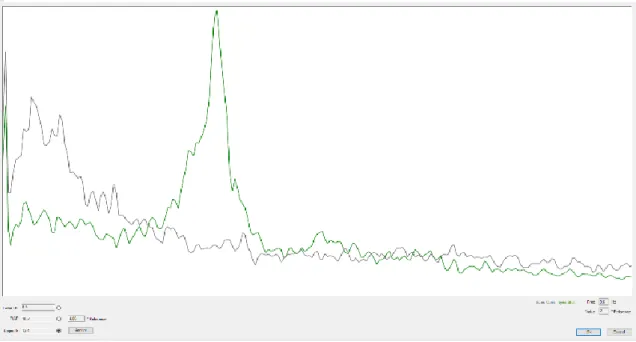
Figure 8. Example of Eyes Open and Eyes Close spectra juxtaposition ………... 67
Figure 9. NFT Feedback Display ………... 68
Figure 10. Subject performing NFT………... 68
Figure 11. Digit Span test ……… ………...……….. 69
Figure 12. N-back test ………... 70
Figure 13. Oddball test ………..……….……….. 70 Figure 14. Timeline of the NFT training sessions and respective performance tests
(bS1, S5/6, S10/11 and aS15 for sedentary group; and bS1, S5/6 and aS12 for athletes group and control group)……….……….
79
Figure 15. Differences between session 1 and 12 and in standard alpha band (top
X
Figure 16. Timeline of the NFT sessions and respective performance tests (pre and
post-tests) ……….……….….. 95
Figure 17. Differences in standard alpha band (top image) and individual alpha
band (bottom image) between protocols – a; and differences between session 1 and 12 and in standard alpha band (top image) and individual alpha band (bottom image) for each protocol – b ……….……….…………..
100
Figure 18. Differences between pre-tests and post-tests for each protocol (DS for
digit span, NB for N-back test, OB for oddball and * for significance)………..
103
Figure 19. Timeline of the NFT training sessions and respective performance tests
(pre and post-tests) ………..……….. 116
Figure 20. Spectrograms of the silent room (upper figure) and the noisy room
(bottom figure)……… 117
Figure 21. Differences in standard alpha band (top image) and individual standard
alpha band (bottom image) between protocols; and differences between session 1 and 12 and in standard alpha band (top image) and individual standard alpha band (bottom image) for each protocol ………..……..
121
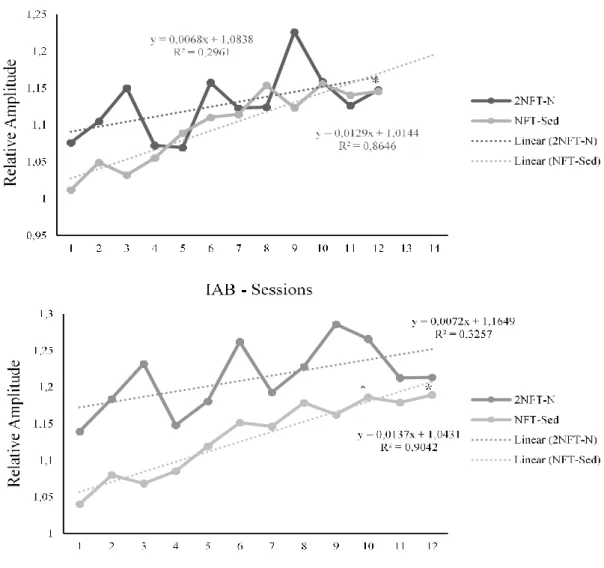
Figure 22. Evolution of the DB throughout the 12 for each protocol ..…….…… 134 Figure 23. Evolution of the TB throughout the 12 for each protocol ..………….. 137 Figure 24. Evolution of the SMR throughout the 12 for each protocol ………….. 140 Figure 25. Evolution of the BB throughout the 12 for each protocol ………….…. 143
XI
ANS Autonomic nervous system
ATP Adenosine triphosphate
aS12 After session 12 (post-test)
aS15 After session 15 (post-test)
BB Beta band
bS1 Pre-test before the NFT session 1
CNS Central nervous system
DB Delta band
DS Digit Span
EEG Electroencephalography
ERD Event related desynchronization
ERS Event related synchronization
fMRI Functional magnetic resonance
GB Gama band
HRV Heart rate variability
IAB Individual alpha band
IST Instituto Superior Técnico
K Potassium
kΩ Kiloohm
LaSEEB Evolutionary System and Biomedical Engineering Lab
LENS Low energy neurofeedback system
LORETA Low resolution electromagnetic tomography
min Minutes
mV Micro volts
N-NFT Non-neurofeedback
XII
NB N-Back test
NFT Neurofeedback training
NIRS Near infrared spectroscopy
PAB Peak Alpha Band
OB Oddball
PNS Peripheral nervous system
PSD Power spectrum density
qEEG Quantitative electroencephalography
s Seconds
S5/6 Between session 5 and session 6 performance tests
S6/7 Between session 6 and session 7 performance tests
S10/11 between session 10 and session 11 performance tests
SAB Standard alpha band
SNS Somatic nervous system
SMR Sensorimotor rhythm
SPECT Single photon emission computed tomography
PET Positron emission tomography
TB Theta band
XIII Neurofeedback training is a recent technique in sport and the protocols for its application in improving sports performance are based largely on existing protocols in non-athletic populations or there is still not enough robustness to be a valid protocol for safe replication. Based on this existing gap, several protocols increasing the individual alpha band were proposed to improve performance in active and athlete students. In addition to the protocols, it was also proposed to verify the behaviour of the other frequency bands during the increase of the individual alpha band training and if the effects persist after one month of the last training session. This dissertation is composed of four studies where three of these studies were based on the best protocols to be applied (the first one tried to understand if the effects of a protocol performed to a non-athletic population would be equal when submitted to an athletic population, the second one tried to figure out which was the best weekly training frequency to attain the best results, and the third one sought to understand whether the place where the collection were performed, conditioned the final results) and were submitted to peer-reviewed journals. The fourth study is divided into two minor studies (one that demonstrates the behaviour of the other frequency bands during training and another that tries to see if the effects persist after a month). The total sample was 74 subjects (60 active or athlete students and 14 sedentary). Each study was conducted on 30 active or athlete students over 5 to 8 weeks of a supervised neurofeedback training and were composed of an experimental group and a control group. Exception for study 1 where the sample consisted of 45 subjects (two experimental groups and a control group) and had a duration between 8 to10 weeks. There were 12 training sessions that consisted of 25 min. It was verified that the active or athlete students had different results from the sedentary when applied the same protocol (study 1), the most frequent protocol is the one that has better results compared to all the other protocols (study 2) and that to carry out sessions in an environment with intermittent noise or without noise does not present differences in active or athlete students (study 3). Additionally, it was verified that the less frequent bands tend to increase with the training and the opposite occurs with the most frequent bands. It was also concluded that individual alpha band training and performance testing persist after one month.
Key-words: Neurofeedback training, alpha individual band, protocols, active and athlete
XIV
Resumo
O treino por neurofeedback é uma técnica recente no desporto e os protocolos para a sua melhoria do desempenho desportivo são geralmente baseados em protocolos existentes em populações não atléticas ou que ainda não têm robustez suficiente para serem protocolos com a validade necessária para uma replicação segura. Com base nessa lacuna existente, vários protocolos que aumentam a amplitude relativa da banda alfa individual foram propostos para melhorar o desempenho em estudantes tanto ativos como atletas. Além dos protocolos, também foi verificado o comportamento das outras bandas de frequência durante o aumento do treino da banda alfa individual e verificado se os efeitos persistem após um mês da última sessão de treino. Esta dissertação é composta por quatro estudos em que três desses estudos foram baseados nos melhores protocolos a serem aplicados (o primeiro tentou entender se os efeitos de um protocolo realizado para uma população não atlética seriam iguais quando submetidos a uma população de atletas, o segundo tentou descobrir qual era a melhor frequência de treino semanal para obter os melhores resultados, e o terceiro tentou entender se o local onde a recolha era realizada, condicionava os resultados finais) e foram submetidos a jornais com revisão por pares. O quarto estudo é dividido em dois estudos menores (um que demonstra o comportamento das outras bandas de frequência durante o treino e outro que tenta verificar se os efeitos persistem após um mês). A amostra total foi de 74 sujeitos (60 estudantes tanto ativos como atletas e 14 sedentários). Cada estudo foi conduzido em 30 estudantes tanto ativos como atletas durante 5 a 8 semanas de treino supervisionado por neurofeedback e foi composto por um grupo experimental e um grupo controlo. Exceção para o estudo 1, onde a amostra consistiu em 45 sujeitos (2 grupos experimentais e um grupo controlo) e teve uma duração entre 8 a 10 semanas. Foram 12 sessões de treino que consistiram em 25 min. Verificou-se que os estudantes tanto ativos como atletas apresentaram resultados diferentes dos sedentários quando aplicado o mesmo protocolo (estudo 1), o protocolo mais frequente é aquele que apresenta melhores resultados em comparação a todos os demais protocolos (estudo 2) e que realizar sessões em ambiente com ruído intermitente ou sem ruído não apresenta diferenças em estudantes tanto ativos como atletas (estudo 3). Adicionalmente, verificou-se que as bandas menos frequentes tendem a aumentar com o treino e o inverso ocorre com as bandas mais frequentes. Também foi concluído que o treino da banda alfa individual e os testes de desempenho mantêm-se após um mês.
Palavras-chave: Treino por Neurofeedback, banda alfa individual, protocolos,
CHAPTER 1
17
1.1 Introduction
The self-regulation, self-awareness and cognitive control are important contributors to human performance development and very important in a sports context [1]. Neurofeedback training (NFT) uses the electroencephalography (EEG) to regulate the electrical activity of the brain (non-invasive method) and is used to peak performance in sport by improving concentration, focus, decision-making, reaction time and lowering anxiety due to the retraining of brainwave activity [2]. This type of training has an impact on the modulation of brain waves such as alpha band [3]. Despite being a method increasingly used and exploited in clinical context [4], the most recent literature review reveals that in terms of performance in sports there are only fourteen studies with solid methodologies to consider and presents four criteria for the manuscripts to reach the gold standard [5]. However, none of the articles reviewed complies [5]. Due to the embryonic stage of NFT in sport, a gap in knowledge concerning the effectiveness of these protocols in sports exists, being too early to define a gold standard as proposed by Mirifar and collaborators [5]. Protocols should be defined with wisdom with a greater number of evaluated subjects and control groups to offer consistence in results and avoiding confounding factors.
1.2 Main Objectives
Although many NFT protocols in sport rely on protocols made in other domains (e.g. clinical context), it is still unknown if using a protocol performed in non-athletic populations, the frequency of sessions per week and the environment where the sessions are performed affects the success of the task. The present dissertation, entitled EEG
NEUROFEEDBACK IN ACTIVE ATHLETE STUDENTS: A METHODOLOGICAL APPROACH, aimed to establish a more complete and recent state of the art related to
NFT in sport performance in order to provide guidelines in session frequency and room ambience in athletes populations so that others may replicate.
This thesis seeks to answer questions related to the protocols implemented in sport:
• Will the results obtained in protocols performed in non-athletic populations and subsequently replicated in athletic populations be the same (first study)?
18
• Can the weekly frequency of NFT sessions influence the final performance in athletes (second study)?
• Considering that athletes are mostly in noisy contexts when practicing sports, will it be beneficial to do NFT training in a noisy environment
(third study)?
Complementary questions were raised (fourth study):
• What is the behaviour of the other EEG bands during the IAB relative amplitude enhancement NFT?
• Will the effects of the IAB NFT and performance tests last after a month without training?
To answer these questions, the main objectives are:
• to understand if a specific neurofeedback training protocol implemented in a non-athletic population can improve individual alpha band (IAB) relative amplitude and performance in athletes;
• to study the possible differences between doing two-sessions per week or three-sessions per week in IAB relative amplitude and performance in athletes;
• to verify whether intermittent or absence of noise could improve the IAB relative amplitude and the performance tests in athletes.
The secondary objective is:
• to study how the other bands (Delta, Theta, SMR, Beta) behave during the applied training protocols;
• to follow up the training effects by NFT persistence after one month without training;
A characterization that will be transversal to any active athletic and inactive populations will be created. Afterwards, this characterization will serve as the starting point for many studies, the focus being to create a guideline protocol related to session weekly frequency and ambience room where the NFT was made that is reproducible in sport environment.
At least 3 manuscripts are expected to be published with a total sample of seventy-four subjects.
19
1.3 Dissertation Structure
In order to contextualize this investigation, that will led to three research studies (submitted in peer-reviewed journals with an established ISI Impact Factor or SCImago journal rank), a literature review (Chapter 2) and a general discussion (Chapter 8) were performed, providing a summary and some insights regarding the main findings from these studies (Chapters 4-7). This dissertation is organized as follows:
Chapter 2 includes an extensive literature review regarding a general background
about brain anatomy and functionality, brain activity and electroencephalography, brain activity and sport performance, efficiency hypotheses and neurofeedback in sport.
The four studies included a generalized description of the methods used in each investigation, however a detailed and more specific description of all methodologies used is described in Chapter 3.
Chapters 4 to 7 correspond to the four studies that were conducted to answer the
research goals that were described in Chapter 1.
Chapter 8 corresponds to a general discussion, further discussing the main
findings, limitations and future prospects from the research of these four studies (chapters 4-7). General conclusions, bearing in mind the main findings of this investigation, were crafted at the end of this section.
The bibliographic references were presented at the end of each section, adopting a number format.
1.4 List of articles
As a result of the complementary work that occurred as a significant part of the doctoral research program, papers submitted to international journals as first author:
P
EER-
REVIEWED ARTICLES PUBLISHED,
IN PRESS OR SUBMITTED FROMTHE DISSERTATION
:
Domingos C., Alves C.P., Sousa E., Rosa A. and Pereira J.G. Does neurofeedback training improve performance in athletes? NeuroRegulation. (Under Review)
20
Domingos C., Peralta M., Pedro P., Rosa A. and Pereira J.G. Session frequency matters in Neurofeedback training of athletes. Acta Neurobiologiae Experimentalis. (Under
Review)
Domingos C., Caldeira H.S., Miranda M., Melício F., Rosa A. and Pereira J.G. The influence of noise in the neurofeedback training sessions in student. Ibero-American
Journal of Exercise and Sports Psychology. (Accepted)
O
THER PEER-
REVIEWED ARTICLES PUBLISHED DURING THECOMPLETION OF THE DISSERTATION
:
Domingos C, Matias CN, Cyrino E, Sardinha L, Silva A. Usefulness of Tanita TBF-310
for body composition assessment in Judo elite athletes using a four-compartment molecular model as the reference method. Journal of the Brazilian Medical
Association. (Accepted (31-Mar-2019)).
Teixeira FJ, Matias CN, Monteiro CP, Valamatos MJ, Reis JF, Tavares F, Batista A, Domingos C, Alves F, Sardinha LB, Phillips SM. Leucine Metabolites Do Not Enhance
Training-induced Performance or Muscle Thickness. Medicine & Science in Sports
& Exercise. 2019;51(1):56-64.
1.5 Statement of Originality
I declare that this thesis was prepared with the research work conducted by the author in the Laboratory of Physiology and Biochemistry of Exercise, Faculty of Human Kinetics and in the Department of Bioengineering, Evolutionary System and Biomedical Engineering Lab (LaSEEB), Instituto Superior Técnico. The materials in the thesis are original unless otherwise acknowledged or referenced. This work has not been submitted for the award of any degree to any other institution. During the Ph. D. study, the author’s works were submitted in peer-review journals.
1.6 References
1. Beckmann, J. and A.-M. Elbe, Sport psychological interventions in competitive sports. 2015: Cambridge Scholars Publishing.
2. Hammond, D.C., Neurofeedback for the enhancement of athletic performance and physical
balance. The Journal of the American Board of Sport Psychology, 2007. 1(1): p. 1-9.
21
3. Mikicin, M., et al., Brain-training for physical performance: a study of EEG-neurofeedback and
alpha relaxation training in athletes. Acta Neurobiologiae Experimentalis, 2015. 75(4): p.
434-45.
4. Marzbani, H., H.R. Marateb, and M. Mansourian, Neurofeedback: A Comprehensive Review on
System Design, Methodology and Clinical Applications. Basic and Clinical Neuroscience, 2016.
7(2): p. 143-58. https://doi.org/10.15412/J.BCN.03070208
5. Mirifar, A., J. Beckmann, and F. Ehrlenspiel, Neurofeedback as supplementary training for
optimizing athletes’ performance: A systematic review with implications for future research.
Neuroscience & Biobehavioral Reviews, 2017. 75: p. 419-432. https://doi.org/10.1016/j.neubiorev.2017.02.005
CHAPTER 2
25
2.1 Brain anatomy and functionality
The brain is the centre of the nervous system [1] and is comprised of [2]: • Brainstem: o Medulla oblongata; o Pons; o Midbrain; o Reticular formation. • Cerebellum; • Diencephalon: o Thalamus; o Subthalamus; o Epithalamus; o Hypothalamus. • Cerebrum: o Basal nuclei; o Limbic system- (a) (b)
Figure 1: Brain regions (a) and functionalities (b) adapted from [2].
Nervous System - Divisions
The nervous system is considered the major regulator of the human body and may be subdivided into the central nervous system (CNS) and peripheral nervous system (PNS). The CNS is comprised of the brain and spinal cord while the PNS encompasses
26
the sensory receptors, nerves, ganglia and plexuses. The former is divided into the afferent division (action potentials transmitted from the sensory receptor to the CNS) and the efferent division (action potentials transmitted from the CNS to the effector organs). The efferent division is divided in two sections: the somatic nervous system (SNS) - responsible for the transmission of action potentials from the CNS to the skeletal muscles and the autonomic nervous system (ANS) - responsible for transmitting action potentials from the CNS to smooth muscles, cardiac muscle and some glands. The ANS is, subsequently subdivided into the sympathetic division (promptness for body actions) and the parasympathetic division (regulates rest or vegetative functions) [2-4].
Neurons
These cells are responsible for receiving stimuli while transmitting action potentials to other neurons (synapses – junction where a neuron releases neurotransmitters [5]) or to direct effector organs. They are comprised of a cell body (where the cell nucleus is located), dendrites (information input site) and axons (information output site) [2-4].
Figure 2: A neuron adapted from [3].
The Sodium (NA+) - Potassium (K+) Exchange Pump
This active transport system requires energy supplied by adenosine triphosphate (ATP). It displays its utmost importance by displacing substances across their concentration gradient. Specifically, Na+ is permuted with K+ (Na+ from the inside of the cell and K+ from the outside) [2-4].
Permeability of the cellular membrane
Permeability is a selective property of the cell membrane that will allow for some substances to go across the cell membrane. Moreover, There are two types of transport
27 channels, i.e. ion channels: non-gated (always open) and gated ion channels (ligand-gated ion channels -requires a molecule to bind to a receptor; and voltage-gated ion channels - when stimulated, they will lead to ion exchange and consequently modify the charge across the membrane) [2-4].
Figure 3: Membrane Permeability and Ion Channels adapted from [2].
Resting Membrane Potential
Intracellular and extracellular fluids are electrically neutral, however, the distribution in the cell membrane is uneven (negative inside and positive on the outside - polymerized membrane). At rest, the transmembrane potential difference is -70 micro volts (µV). Depolarization occurs when the concentration of K+ ions increases on the outside of the cell by decreasing the concentration gradient, i.e., a lower negative charge is required inside the cell to resist the K+ output of the cell. On the other hand, hyperpolarization occurs when there is a higher concentration of K+ inside of the cell, which leads to the facilitated diffusion of K+ out of the cell and a greater negative charge inside the cell. Other ions may also modify the resting potential of the membrane but with less contribution [2-4].
Action Potentials
Electrical signals are fundamental pertaining the cell’s communication and information processes. They are the consequence of concentration differences and permeability in the cell’s membrane. These exert a depolarization phase (positive membrane potential) and a repolarization phase (negative membrane potential) [2-4]. These only occur if the membrane potential threshold is reached [2, 4, 6].
28
Figure 4: The phases of an action potential adapted from [4].
2.2. Brain Activity and Electroencephalography
As previously mentioned, electrical processes occur in the brain and many scientific advances have been made to better understand how this electrical activity behaves and how to regulate it.
Methods to access electrical brain activity
After the discovery of brain electrical activity, several techniques have emerged to record and/or regulate that electrical activity, such as: electroencephalography (EEG) [7, 8], positron emission tomography (PET) [7], functional magnetic resonance (fMRI) [8], near infrared spectroscopy (NIRS) [9] and single photon emission computed tomography (SPECT) [1].
The EEG consists of an evaluation of the bioelectrical activity of the brain through registration with electrodes placed on the scalp by measuring the potential difference between two distinct cerebral points over time [10-14]. It takes thousands of underlying neurons activated together (synchronous activation) to generate an EEG signal [8, 15, 16]. Other interference must be considered: the composition of the tissues between the scalp and the electrical signals (cerebrospinal fluid, skull and skin) (Figure 5) [16]. In order to record the EEG signal, several electrodes are placed on the scalp following the rules from the 10-20 international electrode placement system, proposed by Jasper in 1958 [17]. It is the highest temporal resolution technique [5, 16]. EEG have several modalities such as:
29 EEG biofeedback or neurofeedback (frequency/power of band) which consists in enhancing one’s ability to self-regulate mental states and optimize brain’s efficiency [12, 13, 18-22] and where participants receive constant feedback from their training [23]; low resolution electromagnetic tomography (LORETA) which it is a technique that allows recording the location of the electrical activity [24, 25]; low energy neurofeedback system (LENS) and transcranial direct-current stimulation (tDCS) are methods that consist of transmitting electromagnetic current to certain cerebral areas in order for the brain to regulate [26-28]. The former uses a weaker electromagnetic current [29] than the latter; ROSHI neurofeedback is used to regulate brain activity (enhance or inhibit) through electromagnetic stimulation (using goggles with light-emitting diodes) [30]; z-score training allows to read the neurological information that gives rise to quantitative maps of the neurological distribution (qEEG). This type of training acts specifically and directly in target dysfunctions by linking z-scores outliers to symptoms and reinforcing states characterized by a greater normalcy [31].
Figure 5: Schematic drawing of surface and laminar recordings of EEG waves of a rat
motor cortex adapted from [5].
Both PET and SPECT record the physiological function and biochemical changes of molecular targets through the measurement of radionuclide decay. However, the first emits a pair of y-rays while the second emits only one, which translates into a better spatial and temporal resolution in PET compared to SPECT, albeit being more expensive [8].
30
Also fMRI and NIRS measure the cerebral hemodynamic changes to infer about neural activity (indirectly) [8, 32]. The difference between the techniques lies in the best spatial resolution by fMRI (acquires images of the entire cerebral volume) [8] but NIRS have better temporal resolution [9].
Brainwaves – Definition, common frequency ranges and clinical
applications
In order to improve health and/or performance (e.g., sports performance), NFT must be performed in a given frequency band. The definition of such bands is not consensual, neither in the frequency ranges nor in the functions they carry out but a brief explanation will be given for each band (with the main focus on the alpha band) and the
Table 1 will represent the most common frequency ranges for each one.
Delta Band (DB)
This band is characterized by the highest amplitude and slower frequency of all waves [20]. It is commonly found in infants and young children when awake or in people with brain damage [20]. Training at this frequency is allied with pain relief and helps to improve cognitive qualities associated with learning and attention [20, 33]. Increases in this particular wave activity were observed when performing exercises related to mathematics [34], however other authors demonstrate that the decrease in cortical activity of this band is associated with better learning-related performances [20, 35]. Also, linked to a clinical case (schizophrenia), DB activity reduction in combination with increased standard alpha band (SAB) activity and decreased beta band (BB) activity shown to have the best results to treat this pathology [36].
Theta Band (TB)
The TB represents a relaxed state (between waking and sleep - drowsiness) [20, 37] and its waves are produced in the hippocampus [38]. It is also related with mental states associated with reflections or imaginative situations (episodic memory) [39-42]. On the one hand, research on the elderly who had abnormally high levels of TB activity revealed that executive functions, verbal processing, and attention improved when this wave diminished [43]. On the other hand increase TB activity showed significant results in working memory in elderly [44]. The training in this band can be combined with other
31 bands such as the Standard Alpha Band (SAB). In this case, the increase of TB and decrease of SAB increased the performance in creative tasks like music and dance [45, 46]. Also, decreases in posttraumatic stress disorder in veterans population were found after NFT [47]. Another training consists of combining the TB and BB (decreasing of the first and increasing of the second one). It is a training common in children with attention deficit [18], although more evidence of the efficacy and robustness of the protocols to be applied in this population are needed [48]. This training was also applied in cases related to depression and showed improvements in symptoms related to depression results but once again more evidence and scientific rigor are needed [49]. For this specific band, presenting auditory feedback seems to have better results than visual presentation [50], notwithstanding more studies are needed to prove this point.
Standard Alpha Band (SAB) and Individual Alpha Band (IAB)
As can be seen in Table 1, there are several authors suggesting different intervals for the SAB [16, 20, 38, 39, 51]. The ideal solution will be to work at the IAB to specialize NFT [39, 52]. They can be found in greater activity in the occipital area [14]. This band is also associated with focus on a concrete task since high values of SAB activity are associated with cortical inhibition (an increase in the cortical activity of the SAB occurs in brain areas responsible for the information coming from distractors) [53, 54], alertness and meditation [20, 55]. Conversely, a SAB cortical activity is related to a good central vision perception performance [56, 57]. Lower SAB are more associated with attention-related aspects since they are more attention-related to mental states that are associated with meditation [39, 58, 59], while upper SAB are more associated with memory-related aspects [60]. On the other hand, associations with peak alpha band (PAB) were also found, showing that a higher PAB represents better concentration and relaxation [61]. This band is one of the most studied and is related to improvements, for example, in artistic performances such as music [52, 62] and dance [63], processing speed in elderly [61], mental rotation performance [56, 64] memory (higher SAB related to better memory) [61, 65-67], general cognitive skills [56, 64] and regulation of anxiety [68, 69] and stress [33]. Usually, the aim is to increase the SAB (when training only one band), however, studies that decreased the SAB alone showed increases in creativity [70], decrease in corticomotor excitability [71] and improvements in motor learning [72]. Regarding SAB enhancement, improvements were found in mental strategies [66]. In
32
clinical settings, it was found that high levels of activity on the left side of the frontal region are related to depression [73-75]. In a recent case study, a combined program (SAB augmentation and high BB inhibition) demonstrated positive results in a patient with schizophrenia [83]. Regarding neuropathic pain, inhibiting TB and high BB frequencies and increasing SAB seems to decrease pain intensity [84, 85]. More positive thoughts seem to be a better mental strategy when increasing the SAB [61, 66]. In healthy populations, it was demonstrated that with 10 sessions there are changes in SAB when performing NFT with eyes open [58, 86], but the same did not happen with only 5 sessions [87]. However, the results may be contradictory regarding to the number of sessions with the same protocol but in different pathological populations such as Escolano et al. (2014) verified: in the first study, positive results were achieved with only 8 sessions but in depressive patients [82], whereas 20 sessions in people with attention deficit showed no changes [88]. It is important to refer that genetic, anatomical, physiological and psychological factors have impact in power baseline levels [89].
Table 1: General training schedule in SAB NFT in healthy and pathologic populations
adapted from [90]. Band Sessions
(number)
Total Session Time
(min) Weeks Authors
Alpha
1 20 1 Hanslmayr, S., et al (2005) [56]
31 to 36 24 18 to 36 Angelakis, E., et al. (2007) [61]
11 17.5 11 Cho, M.K., et al (2008) [76]
10 15 10 Dempster, T. and Vernon, D.
(2009)[77]
5 25 1 Zoefel, B., et al. (2005)[64]
5 25 1 López-Larraz, et al. (2012) [78]
15 24 4 van Boxtel, G.J., et al. (2012)
[79]
15 27 8 Wang, J.R. and Hsieh, S. (2013)
[44]
1 30 1 Ros, T., et al (2013) [80]
Maximum 30 24 10 Peeters, F., et al (2014) [81]
8 20 4 Escolano, C., et al. (2014) [82]
33
Sensorimotor Rhythm (SMR) band
This frequency band began to be studied in cats and it was realized that increased cortical activity was associated with a calm state before acting [20, 91, 92]. It is associated to thalamocortical mechanisms (communication between somatosensory relay nuclei of the thalamus) [91, 93, 94] and it has been used principally to treat epilepsy (inhibition of thalamic mechanisms) [94-97]. When enhancing SMR, improvements in visuo-spatial short term memory performance [98], impulsivity [99], attention deficit [100] and better cortical networking (which is correlated with the hypothesis suggested by Hatfield (2018) about the psychomotor efficiency [11]) [98, 101-103] were found since somatosensory information to the sensorimotor cortex is inhibited [104]. In a simpler way, increasing the SMR allows inhibiting external information that impairs the information processing [105, 106]. This protocol it is considered an evidence-based treatment by the American Academy of Child and Adolescent Psychiatry [107].
Beta band (BB)
This band is essentially associated with alertness, memory, attention, improvement of academic results, insomnias and impulsivity [33, 37, 48, 108, 109]. On the other hand, Sullivan and Davis (2014) also report that it behaves similarly to TB, regarding the drowsiness state, and verify that sedatives are related to high cortical activity of the BB in the anterior region [37]. They may also be associated with anxiety and tension states (when high beta) [20]. In the clinical domain, abnormally increased BB activity associated to a decreased SAB activity is shown to be related to schizophrenia in a study published in 2012 [110], and this result is supported by a previous work which shows the efficacy of a protocol that seeks to increase the cortical activity of the SAB in detriment of the BB and TB in the frontal area [36]. Nan et al. (2017) found similar results only inhibiting BB and increasing SAB [83]. For central neuropathic pain, increasing SAB and SMR while inhibiting TB and high BB seems to decrease the intensity of pain in paraplegic population [85].
Gamma band (GB)
When increasing the power band, it can be associated with better problem-solving, memory, attention and intelligence [23, 111-114].
34
Although higher frequencies seem to be associated with more active mental states, the behaviour of the bands does not act separately [33, 115, 116].
Table 2: General frequency bands ranges.
Bands Sub-bands Frequency Range (Hz) Authors
Infralow Not applicable 0 to 0.2 da Silva, F.L. (2013) [16]
Delta
Not applicable 0.2 to 4 da Silva, F.L. (2013)
Not applicable 0.5 to 3 Thompson, M. and Thompson,
L (2015) [20]
Not applicable 1 to 4 Steriade, M. (2005) [38]
Theta
Not applicable 3 to 7 Thompson, M. and Thompson,
L (2015) [20]
Not applicable 4 to 7 Steriade, M. (2005) [38]
Not applicable 4 to 8 da Silva, F.L. (2013) [16]
Alpha
Lower Alpha 1
6 to 10 Klimesch, W. (1999) [39]
Lower Alpha 2
Not applicable 7 to 12 Steriade, M. (2005) [38]
Not applicable 8 to 12 Thompson, M. and Thompson,
L (2015) [20]
Not applicable 8.5 to 12.5 Bauer, R.H., (1976) [51]
Not applicable 8 to 13 da Silva, F.L. (2013) [16]
Upper Alpha 10 to 12 Klimesch, W. (1999) [39]
IAB Usually between 6 to 13 Klimesch, W. (1999) [39]
Beta
SMR 12 to 14 Egner, T. and Sterman,M.B.
(2006) [117]
SMR 12 to 15 Babiloni, C., et al. (2008) [118]
SMR 13 to 15 Thompson, M. and Thompson,
L. (2015) [20]
Low Beta 16 to 20 Thompson, M. and Thompson,
L (2015) [20]
Not applicable 14 to 30 da Silva, F.L. (2013) [16]
Not applicable 13 to 35 Sullivan, L.R. and Davis, S.F.
(2014) [37]
High Beta 22 to 36 Thompson, M. and Thompson,
L (2015) [20]
Not applicable 12 to 36 Thompson, M. and Thompson,
L (2015) [20]
Gamma
Not applicable 30 to 90 da Silva, F.L. (2013) [16]
Not applicable > 35 Sullivan, L.R. and Davis, S.F.
(2014) [37]
35
2.3. Brain Activity and Sports Performance
Studies that sought to evaluate electrical activity in athletes will be presented first (for each band), following the hypotheses of neural efficiency and psychomotor efficiency, and finally, studies that sought to regulate the electrical activity in athletes (NFT). Increases and decreases will always be related to the band relative amplitude.
Delta band
The amplitude of this band is stronger in the parietal and occipital regions in elite gymnasts and karate athletes compared to non-athletes [119]. Regarding cerebral connectivity or coherence, as defined by Tharawadeepimuk and Wongsawat (2017), athletes who showed better performance (decision-making) had higher cerebral connectivity compared to normal conditions [120].
Theta band
Similar to what was found in the study by Babiloni et al. (2010), higher levels of TB are found in the occipital regions in karate athletes compared to amateurs and non-athletes [119]. A preliminary study verified that TB levels in the frontal area remained stable in the preparatory successful basketball free throws comparatively to unsuccessful basketball free throws and higher TB was found at the beginning of the aiming period in successful throw [121]. Unlike the results found in the previous study, the TB in the frontal area decreases significantly in the best putts performed by golfers [122, 123]. Dart-throwing experts had no changes in TB when compared with novices before dart release [124]. Also, no changes were found in swimmers who performed kinaesthetic and visual imagery of a 100 m swim [125]. In elite table tennis, at the beginning of motor execution, stronger TB coherence between right-temporal and premotor areas were found compared to amateurs who had stronger TB coherence between left-temporal and premotor areas [126]. Regarding TB/BB and TB/SMR ratios, amateur boxers revealed lower ratios than non-boxers [127]. A more health-related study of athletes found that athletes experiencing a burnout had lower TB, SAB, and BB power levels during the Stroop Colour and Word test [128]. A study that aimed to verify the behaviour of both sedentary and athlete subjects in a hostile environment, verified that the sedentary had higher activity of TB (greater state of cortical arousal and alertness) than the athletes, however, although the
36
sedentary presented higher levels of TB activity, this may mean that athletes can perform better under stress [129].
Alpha band
The SAB is one of the most studied in the sports domain and is the band used in this study, therefore will have a more detailed characterization. In 1990, a study conducted in archers showed that worse shoots lead to an increased upper SAB and BB in left hemispheric than better shoots [111]. Similar results were found in novice archers [130], in marksmen (these in relation to the preparatory period in which at the last moment they chose not to shoot) [131] and in golfers (where the decrease in SAB was related to smaller error in distance from the hole) [118, 123, 132]. Similarly, professional gymnasts and non-gymnasts were invited to evaluate a series of videos related to the sport and judge the artistic or athletic level of the exercise. The SAB event related desynchronization (ERD) was lower in the professional athletes compared with the non-athletes in both occipital and temporal areas and high frequency SAB ERD was related to high judgement errors [133, 134]. Also, del Percio et al. (2009) obtained equal results regarding lower ERD in athletes compared with non-athletes and showed that elite athletes had high frequency SAB event related synchronization (ERS) for high score shots in right parietal and left central areas [135]. Balioz and Krivoshchekov (2012) conducted an interesting study on what effects the environment (acute hypoxia) would have on EEG parameters in swimmers and skiers. They began to realize that there are compensatory mechanisms in the EEG rhythm during exposure - subjects that are less enduring according to their indices of nervous activity exhibit a shift of the low frequency SAB and increase the high frequency SAB while subjects that are more enduring exhibit a shift of the high frequency SAB and decrease the relative amplitude [136]. Later, an investigation shown results that the performance of peripheral vision can be improved by training in SAB and IAB [137]. A change in temporal SAB asymmetry in professional table tennis athletes has revealed less activity in the left hemisphere, which in turn is associated with better positions in the world ranking [126]. A greater efficiency at producing visual imagery was found in swimmers that produced lower frequency SAB [135]. In a way more related to the athlete health, an investigation has obtained interesting results on the characteristics that an athlete who is addicted in exercise presents when deprived of the sport practice: lower amplitude and power of SAB associated with increased sympathetic activity [166].
37
SMR band
A recent study (2017) showed that shooting performance was associated with higher levels of SMR (due to reduced interference from sensorimotor processing) in the preparatory period [167]. Similar results were found in a previous study in expert dart throwers comparatively to novice dart throwers [134, 157].
Beta band
As mentioned previously, increases in both SAB and BB are associated to the decision to reject a shot [141]. Also, reduction in BB in association with reductions in both TB and SAB were presented in experts compared to novices during the seconds preceding putts that were holed [133]. Also, better shooting performance was correlated with better coherence between left temporal area and central area (T3 and C3) [168].
2.4. Efficiency hypotheses
These hypotheses bring robustness to some results found in sport, however, they should be carefully associated with results.
Neural Efficiency Hypothesis
This hypothesis is based on the specific activation of the brain area for a given task while disengaging the irrelevant brain area for the same task [138]. It is a phenomenon that can easily be found in sport and even more in elite athletes [139], still, as already mentioned above, it is a hypothesis that needs further studies to confirm it [140]. It will be possible to associate this hypothesis with some studies that will be found in the next chapter.
Psychomotor Efficiency Hypothesis
This hypothesis focuses on the electrical activity in the sensorimotor cortex and has an inverse relationship, that is, the higher the psychomotor efficiency, the lower the activation in the sensorimotor cortex and less complexity in the cognitive processes related to the motor control and the neural networks [141-144]. As in the previous hypothesis, more studies are needed to give the hypothesis more credibility, although some studies from the next chapter have already mentioned it.
![Figure 5: Schematic drawing of surface and laminar recordings of EEG waves of a rat motor cortex adapted from [5]](https://thumb-eu.123doks.com/thumbv2/123dok_br/15135153.1011272/41.892.267.622.572.895/figure-schematic-drawing-surface-laminar-recordings-cortex-adapted.webp)
![Table 1: General training schedule in SAB NFT in healthy and pathologic populations adapted from [90]](https://thumb-eu.123doks.com/thumbv2/123dok_br/15135153.1011272/44.892.132.765.657.1116/table-general-training-schedule-healthy-pathologic-populations-adapted.webp)