MESTRADO INTEGRADO EM MEDICINA MEDICINA
Daily life physical activity
in patients with chronic
thromboembolic pulmonary
hypertension
Miguel Marques Monteiro
M
2019
DAILY LIFE PHYSICAL ACTIVITY IN PATIENTS WITH CHRONIC
THROMBOEMBOLIC PULMONARY HYPERTENSION
Dissertação de candidatura ao grau de Mestre em Medicina, submetida ao Instituto de Ciências Biomédicas Abel Salazar – Universidade do Porto
Miguel Ângelo Marques Monteiro
Estudante do 6º ano do Mestrado Integrado em Medicina
Instituto de Ciências Biomédicas Abel Salazar – Universidade do Porto Endereço: Rua de Jorge Viterbo Ferreira nº 228, 4050-313 Porto Endereço eletrónico: [email protected]
Assinatura:
Orientador: Professor Doutor Mário André Silva Santos
Consultor de Cardiologia do Serviço de Cardiologia e da Unidade de Doença Vascular Pulmonar do Centro Hospitalar Universitário do Porto, EPE - Hospital de Santo António
Professor assistente de Fisiologia Médica da Faculdade de Medicina da Universidade do Porto Serviço de Cardiologia do Centro Hospitalar do Porto e Instituto de Ciências Biomédicas Abel Salazar – Universidade do Porto
Endereço: Largo Prof. Abel Salazar, 4099-001 Porto Assinatura do orientador:
i
Agradecimentos
Em primeiro lugar, gostaria de agradecer ao meu orientador Professor Doutor Mário Santos pela disponibilidade e empenho ao longo de todo este projeto. Obrigado pela inspiração e pela humildade do seu ensino.
Em segundo lugar, queria a agradecer a Doutora Cristine Schmidt pelo contributo fundamental para a concretização deste trabalho.
Em terceiro, uma menção institucional à Unidade de Doença Vascular Pulmonar do Centro Hospitalar Universitário do Porto (coordenada pelo Professor Dr. Abílio Reis) e seu pessoal, em particular, à Sra. Enfermeira Alzira Melo.
Por último, queria agradecer à minha família, à Inês e aos meus amigos pelo apoio incondicional e por me ajudarem a tornar na pessoa que sou hoje.
ii
Resumo
Introdução: Embora os doentes com hipertensão pulmonar tromboembólica crónica (CTEPH) apresentem fadiga e intolerância ao exercício, existem poucos dados sobre os seus níveis de atividade física (PA) e sobre a validade e utilidade clínica do uso de questionários e acelerómetros como métodos de avaliação da PA nestes doentes. O principal objetivo do estudo foi descrever os níveis de PA de doentes com CTEPH e avaliar a concordância entre estes dois métodos de avaliação. Métodos: Os níveis de PA foram avaliados em 31 doentes através do uso de um acelerómetro triaxial utilizado durante 7 dias consecutivos e pela aplicação do IPAQ-SF (International Physical Activity Questionnaire-Short Form). A qualidade de vida relacionada à saúde (HRQoL) foi avaliada através da aplicação de uma versão portuguesa validada do Cambridge Pulmonary Hypertension Outcome Review (CAMPHOR). A distância percorrida no teste de marcha de 6 minutos, os dados demográficos e os parâmetros de gravidade da doença foram registados para todos os participantes do estudo. Os níveis de PA derivados do uso do acelerómetro foram comparados com os valores obtidos oriundos do IPAQ-SF e foram também correlacionados com os parâmetros clínicos e com os parâmetros relacionados com qualidade de vida.
Resultados: Os 31 doentes estudados tinham uma média de idade de 62 ± 14 anos e 68% eram do sexo feminino. Os doentes avaliados utilizaram o acelerómetro numa média de 6,7 ± 0,6 dias e despenderam cerca de 9,1 ± 2 horas/dia em atividade sedentária, 4,5 ± 2 horas/dia em atividade física leve e 16 ± 18 min/dia em atividade física moderada-a-vigorosa (MVPA). Foi detetada entre os níveis de PA autorrelatados e os derivados do uso de acelerômetro uma diferença significativa, nomeadamente no tempo de atividade sedentária (p <0,001) e no tempo de MVPA (p = 0,01). Através do método de Bland-Altman determinou-se uma concordância pobre entre os dois métodos, particularmente para a atividade sedentária e para a MVPA. O tempo registado em atividade sedentária foi inferior na avaliação subjetiva (237 ± 154 min/dia) comparativamente ao registado através da avaliação por acelerómetro (550 ± 112 min / dia, p = 0,02).
Conclusões: Os doentes avaliados com CTEPH despendem a maior parte do tempo em comportamentos sedentários. Os valores de PA obtidos através da aplicação de questionários estão pouco concordantes e correlacionados com os valores obtidos através do uso de acelerômetros. Assim, os métodos de avaliação subjetiva são pouco confiáveis para avaliar os níveis de PA nos pacientes com CTEPH e o recurso a métodos objetivos validados parecem ser uma ferramenta valiosa para avaliação desses pacientes.
iii
Abstract
Introduction: Although patients with chronic thromboembolic pulmonary hypertension (CTEPH) had fatigue and exercise intolerance, limited data is available on CTEPH physical activity (PA) levels and on the clinical utility and validity of PA measurements using questionnaires and accelerometers. The main goal of our study was described PA levels of CTEPH patients and evaluate the agreement between these two different methods of access to PA levels.
Methods: PA levels were measured in 31 patients with CTEPH using triaxial accelerometer for 7 consecutive day and self-reported PA was assessed with the International Physical Activity Questionnaire-Short Form (IPAQ-SF). Health-related quality of life (HRQoL) was assessed with a Portuguese version of Cambridge Pulmonary Hypertension Outcome Review (CAMPHOR). 6-min walking distance, baseline demographics and other disease severity parameters were recorded for all study participants. Accelerometry-derived PA data were compared with IPAQ-SF derived PA data and correlated with HRQoL and clinical parameters.
Results: The 31 studied patients had a mean age of 62±14 years and 68% were female. An accelerometer has used an average of 6.7±0.6 days and subjects spend 9.1±2 hours/day in sedentary behaviours, 4.5±2 hours/day in light PA and 16±18 min/day in MVPA.
A significant difference between self-reported and accelerometer-derived PA data was detected in sedentary time (p<0.001) and MVPA (p=0.01). Bland-Altman analysis indicated poor agreement between the methods for sedentary time and MVPA. Time spent in sedentary behaviour was lower in self-reported measurement (237±154 min/day) compared to accelerometry (550±112 min/day, p=0.02).
Conclusions: CTEPH patients spent most of their time in sedentary behaviours. Questionnaire-derived PA data is poorly agreed and correlated with accelerometer-Questionnaire-derived PA data. Subjective measures are not reliable to assess PA levels in CTEPH populations and the use of objective methods seem to be a valuable tool in the evaluation of these patients.
iv
Lista de abreviaturas
6MWD - 6-minute walk distance
CAMPHOR - Cambridge Pulmonary Hypertension Outcome Review CTEPH - chronic thromboembolic pulmonary hypertension
HRQoL - health-related quality of life
IPAQ-SF - International Physical Activity Questionnaire-Short Form MVPA - moderate-to-vigorous physical activity
MET - metabolic equivalent of task
v
Índice
Agradecimentos...i Resumo...ii Abstract...iii Lista de abreviaturas...iv Lista de tabelas...vi Lista de figuras...vi Introduction………...1 Methods………...………...2 Results...4 Discussion...6 Conclusion………...9 References...10vi
Lista de tabelas
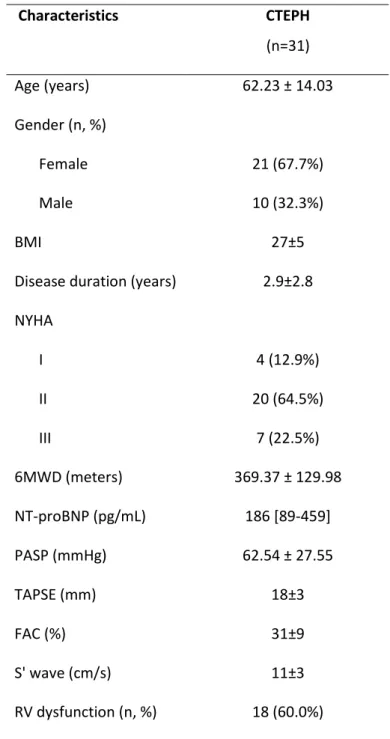
Table I: Baseline demographic and clinical features of studied population; Table II: Descriptive PA levels from IPAQ and accelerometer variables; Table III: Partial correlation between PA variables with clinical parameters; Table IV: Partial correlation between PA variables and CAMPHOR domains; Table V: Descriptive values for self-report physical activity levels.
Lista de figuras
Figure 1: Bland-Altman plot of the mean bias and 95% limits of agreement for time spent in sedentary behaviours and MVPA.
1
Introduction
Chronic thromboembolic pulmonary hypertension (CTEPH) is a subtype of pulmonary hypertension (PH)(1) characterized by the presence of chronic organized residual thrombi in the pulmonary circulation, which leads to a progressive vasculopathy and, eventually, right-sided heart failure(2). The predominant symptoms of CTEPH patients are dyspnea, fatigue and exercise intolerance(3).
Physical activity (PA) is defined as any bodily movement produced by skeletal muscles that require energy expenditure. Its levels are a continuous metric closely aligned with the treatment goals of most cardiovascular diseases such as relieving exertional symptoms and improving functional status. In addition to that, PA levels in heart failure patients were associated with mortality in several studies and stood as a sensitive surrogate marker to treatments with established prognostic impact(4). Likewise, PA levels of pulmonary arterial hypertension (PAH) patients have been associated with reduced health-related quality of life (HRQoL), increased disease severity and poor survival(5, 6). These unique characteristics make PA an increasingly valued outcome to be measured in both clinical trials and in daily clinical practice settings.
In order to improve health, the international PA recommendations highlight that all adults should do at least 150 minutes(min)/week of moderate PA or do at least 75 min/week of vigorous PA, or an equivalent combination of moderate-to-vigorous PA (MVPA) (≥150 min/week of MVPA)(7). To design effective PA interventions, a rigorous characterization of patients PA levels is crucial.
Several validated questionnaires and portable devices are used to assess PA. Questionnaires are simple and easy to use, are cost-effective and allow identification of the context in which PA is performed (e.g. occupational, recreational)(8). Accelerometers are devices sensitive to motion that provide accurate information about total PA but are more expensive and require expertise to manage and analyze its output data(9). Scarce data is available on CTEPH PA levels, as well as on the clinical utility and validity of PA measurements using questionnaires and accelerometers.
In this study, we aimed (1) to describe PA levels of CTEPH patients and study its clinical and HRQoL correlates; and (2) to compare PA levels measured by the International Physical Activity Questionnaire (IPAQ) with objective measures from triaxial accelerometers in CTEPH patients.
2
Methods
Study design and participants
We conducted a cross-sectional study in a Portuguese pulmonary hypertension expert centre (Pulmonary Vascular Disease Unit, Centro Hospitalar Universitário do Porto, Porto, Portugal). Inclusion criteria were a diagnosis of CTEPH according to international guidelines(10) and the ability to understand the requirements for valid accelerometry. Patients were excluded if they had less than 18 years-old or were unable to walk independently. Data were collected from June 2018 to October 2018.Demographic, anthropometric, clinical and laboratory data were retrieved from the database of the electronic health records software of the hospital (SClínico ®, Sonho V2, Serviços Partilhados do Ministério da Saúde, Portugal).
The study was approved by the Ethics Committee of Centro Hospitalar Universitário do Porto (N/REF.ª 2018.160(137-DEFI/136-CES). All procedures were conducted according to the declaration of Helsinki, and patients signed informed consent to participate.
Health-related quality of life
HRQoL was assessed by self-administering questionnaires during a scheduled routine clinical visit. Participants were asked to complete the Cambridge Pulmonary Hypertension Outcome Review (CAMPHOR) questionnaire, an HRQoL instrument developed to be used in PH patients, validated for use in clinical practice and in clinical research settings(11). CAMPHOR was successfully translated to Portuguese as previously reported(12).
Accelerometer-assessed physical activity
Daily physical activity was measured using a used a triaxial accelerometer (Actigraph GT3X, Pensacola, FL, USA). Participants were instructed to wear the accelerometer over the right hip for seven consecutive days, except while sleeping, bathing and water-related activities. They were encouraged to participate in their routine activities while completing the study. ActiLife software (Actigraph, Florida, USA, version 6.9) was used to process the accelerometer data. Days with a minimum of 4 days recorded with at least 10 wear-time hours/day were considered a valid date. The average min/day spent at different categories of PA intensity was defined as: sedentary time (<100 counts/min), light PA (100-2689 counts/min) and MVPA (≥2690counts/min)(13). Meeting international PA guidelines was defined as ≥150 min/week of MVPA.
3
The International Physical Activity Questionnaire-Short Form (IPAQ-SF)
Self-reported PA was assessed with the short form of IPAQ(14), through personal interview. The IPAQ-SF estimate PA frequency and duration during the previous seven days. It focusses on moderate, vigorous and walking physical activities and time spend sitting. The IPAQ scoring protocol assigns the values of 3.3 metabolic equivalent of task (METs) to “walking”, 4.0 METs to “moderate”, and 8.0 METs “vigorous” activity(15). Meeting international PA guidelines was defined as ≥150 minutes/week of MVPA(7). Thus, to estimate MVPA we merged the reported activities ≥3 METs (walking + moderate + vigorous PA).
Statistical analysis
Normal data distribution was examined by the Shapiro Wilk test. Non-normal data were transformed into natural logarithm (ACC MVPA, NT-proBNP, PVR), square root (HRQol scale) or ranks (IPAQ MVPA, IPAQ total activity) for subsequent analysis and then transformed back to the original scale for the purpose of clarity. Categorical data are reported as absolute values and percentages. Between gender, comparisons were performed by independent t-test. Partial correlation (adjusted by age) was used to assess the association between PA variables with clinical parameters and dimensions of HRQoL, and between the variables derived from the two methods. Siting time and MVPA from IPAQ were compared with sedentary time and MVPA derived from accelerometer using the paired t-test. The strength and limits of agreement between the two methods were assessed using the Bland–Altman technique (16). Statistical analysis was performed using the IBM Statistics Package for the Social Sciences 24 software (SPSS, USA), and the statistical significance was set at p< 0.05.
4
Results
Studied population
A total of 35 patients accepted to participate in the study, but only 31 completed the planned assessments (n=31). The demographic and clinical characteristics of the studied CTEPH patients are displayed in Table I. They are predominantly female (67.7%) and had a mean age of 62±14 years old. Most of them were in functional class New York Heart Association (NYHA) II (65%) and had a mean of 369.37 ± 129.98 meters of 6-minute walking distance (6MWD). By echocardiography, 60% presented right ventricle (RV) systolic dysfunction and the mean pulmonary vascular resistance (PVR) by right heart catheterization was 8 Woods Unit (WU), despite most of them being on pulmonary vasodilators (Table I).
Physical activity levels
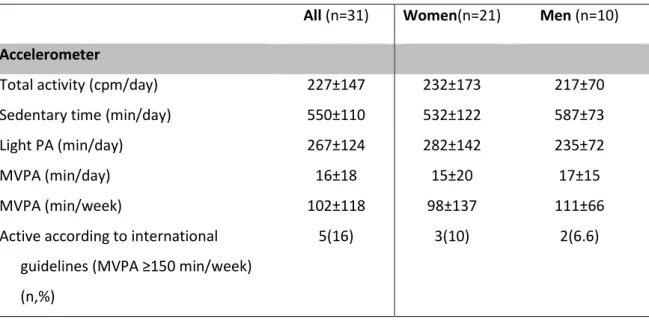
Accelerometer was used an average of 6.7±0.6 days, with a mean daily wear time of 832 minutes (13.8±0.9 hours/day). Total activity was 227±147 counts per minute (cpm). Time spent in sedentary behaviours was 9.1±2 hours/day (Table II). Considering PA levels, patients spent an average of 4.5±2 hours/day in light PA and 16±18 min/day in MVPA (102±118 min/week). No significant differences were found regarding gender (p>0.05).
Relationship between PA variables with clinical parameters
In partial correlation analysis, MVPA was significantly correlated with 6MWD (p= 0.033). Total activity, sedentary time and light PA did not correlate with clinical parameters.
Relationship between PA and dimensions of HRQoL
Overall, the CTEPH patients showed mean CAMPHOR scores that were indicative of a moderate HRQoL impairment: symptoms (10.9±5.0); functioning (11.4±6.3); quality of life (8.1±6.3). In partial correlation analysis, MVPA was mildly correlated with symptom domain of CAMPHOR (p=0.044).
Differences between self-reported and objective measures of PA
Time spent in sedentary behaviour was lower in self-reported measurement (237±154 min/day) compared to accelerometry (550±112 min/day, p=0.02). Considering time spent in MVPA per week, the mean self-reported time was numerically higher than the one registered by the accelerometer (265±313 vs. 102±118 min/week), but not statistically significant. No significant differences were found regarding gender in any parameter of PA (p>0.05).
5
Correlation and agreement between self-reported and objective measures of PA
To compare the validity and the accuracy of self-report and accelerometer-derived PA was analysed: the validity correlation, the systematic error, the 95% limits of agreement and the standard error of the estimate (Table V). Validation coefficients (correlation between self-report and accelerometer measured) was significant for sedentary time (p=0.035), but not significant for MVPA. A significant mean difference (systematic error) between self-reported and accelerometer-derived PA data was detected in sedentary time (p<0.001) and MVPA (p=0.01). By analysing the 95% limits of agreement, both sedentary time and MVPA presented a higher variation, ranging from -594 to -28 min/day for sedentary time, and from -480 to 812 min/week for MVPA. The standard error of the estimate was 102 min/day for sedentary time and 120 min/week for MVPA.
Separate Bland-Altman plots were build-up for sedentary time and MVPA (Figure 1). In both sedentary time and MVPA, the limits of agreement were wide, indicating poor agreement between the methods. Figure 1A showed that most of the patients underestimated time spend sedentary. MVPA plot shows a linear tendency, which is not acceptable for the agreement between the two methods. This plot revealed that at higher levels of PA, the difference between self-reported data and accelerometers data becomes greater. In these cases, the self-reported levels were greater than what was observed by the accelerometer.
6
Discussion
The main findings of our study are the following: (1) PA data derived from questionnaires have a poor correlation and agreement with PA measured by accelerometer; (2) CTEPH patients spent most of their awake time in sedentary behaviours and only a minority of time in MVPA; (3) MVPA was mildly correlated with health-related quality of life and submaximal exercise capacity.
Given the growing recognition of the impact of PA levels in patients’ HRQoL and disease severity, a rigorous characterization of their patterns is crucial for prescribing tailored lifestyle changes. The short form of IPAQ was validated against accelerometer measurements in 12 countries in different populations(14). However, our data show that IPAQ is not reliable to assess PA levels in CTEPH populations. We found that PA measurements obtained with IPAQ in comparison to accelerometer-derived data overestimate MVPA and underestimate sedentary/sitting time. We also verified the absence of agreement between self-reported and accelerometer-derived sedentary time and MVPA. This means that measuring PA levels in the same person with these instruments lead to important variations in PA levels magnitude and concordance. The lack of agreement between methods may be related to different constructs measured by the two instruments. While the accelerometer measures the motion through the acceleration of body mass, the questionnaires measure the time spent in specific behaviours(17). Therefore, the use of objective measures of PA seems to have particular importance to avoid bias in populations with limited physical function and limited past knowledge and experience on regular PA.
To date, there are no data derived from accelerometry that describe PA levels in CTEPH patients. There are only a few studies with small samples that include patients with different etiologies of PH. In our study, descriptive accelerometer data shows that CTEPH patients spent 66% of the recorded time in sedentary behaviours, 31% in light PA and only 1.8% in moderate PA. Overall, these patterns of PA are similar to those described by Matura and colleagues in PAH women (n=15) aged approximated 51 years on average, which spent 64% of their waking time in sedentary behaviours, while their daily activity was mainly comprised of light PA (33%), and just a few minutes in moderate or more intense PA (2-3%)(18). In a cohort of different etiologies of PH patients, a similar pattern of sedentary time was observed, where patients spend in average 10 hours per day in sedentary behaviours(19). Regarding PA levels, our patients spend more time in light PA and less in MVPA in comparison with those described by Gonzalez-Saiz et.al(19). Less time in MVPA found in our study may be related with the mean age of the patients included in the study, where our patients had a mean age of 62 years old compared with a mean age of 48 years old.
Regarding PA recommendations, only 16% (n=5) of our patients meet the international recommendations for MPVA (≥150 min/week). Similar results were found by González-Saiz and
7
colleagues, where less than two-thirds of PH patients met the minimum recommended level of PA(19). The authors also reported that not meeting such guidelines was associated with a higher risk profile. In addition, two smalls studies also showed that time spent performing MVPA is well below the recommended in PAH patient(18, 20). These results might be explained by several factors. First, CTEPH is characterized by a severe hemodynamic change in the pulmonary circulation and right ventricle function with significant impact in exercise physiology, which might contribute to the physical inactivity. Second, there is still the myth of avoiding exercise in PH patients, so patients might be afraid of increasing their PA. Along these lines, programs of cardiac rehabilitation are rarely offered to PH patients despite their potential beneficial impact.
In PH, the disease symptoms directly affect a patient’s physical mobility and emotional state which translated into a low level of HRQoL(3, 21). In this study, CAMPHOR scores characterized moderate HRQoL impairment. Symptom and QoL scores were similar to those reported in previous studies(22, 23). Functioning score in this study was numeric lower in comparison with the studies a front mentioned, which can be attributable to different aetiology of PH and low disease severity of our patients (77% in NYHA class I/II). Reduced HRQoL can be related to incapacity to cope with activities of daily life. In our study, we found that MVPA was significantly correlated with symptom domain of CAMPHOR. A similar finding was reported by Matura and colleagues, where increased PA levels (total activity) were inversely associated with the symptom score in women with PAH. This result suggests that the symptoms may be the main disease limiting factor in CTEPH patients.
With respect to disease severity, it was showed that exercise training can result in clinically relevant improvements of physical and functional capacity in PAH patients(24). In our study, only time spent in MVPA was significantly associated with an 6MWT, but not with PVR, NT-proBNP levels or NYHA class. Thus, it seems that intensity is a requirement for significantly impacting the patient’s clinical outcomes. Corroborating this hypothesis, it was recently shown a low-risk profile in patients following MVPA guidelines than in their less active peers(19). The lack of correlation between PA and disease severity parameters may be explained by the fact that PA may be influenced by other determinants beyond disease, such as comorbidities related (e.g. osteoarticular pathology, left heart disease, pulmonary disease) or even physical deconditioning due to a sedentary lifestyle. While any increase in the amount of PA may translate into some health benefits(25), our data suggest that CTEPH patients should be educated about the importance of reducing their sedentary time and engage in more MVPA for health-related benefits, include HRQoL.
Our study has several limitations that need to be considered. First, we cannot avoid the inherent biases to the cross-sectional design. Second, although the cumulative incidence of CTEPH is reduced, the relatively small sample size in this study to determine a correlation between PA
8
measured by accelerometer and disease severity parameters does not allow us to exclude the possibility of a type 2 error. PA may be influenced by other determinants such as comorbidities. Further studies are necessary to determine the influence of the other variables.
9
Conclusions
In conclusion, we report that CTEPH patients spent most of their time in sedentary behaviours and little time in MVPA. Our data also show that questionnaire-derived PA data agreed and correlated poorly with accelerometer-derived PA data suggesting that the use of objective methods of PA assessment seems to be useful in the evaluation of these patients. The observed poor correlations between PA levels and HRQoL and established PH severity markers suggests that other factors beyond disease-related ones might determine PA levels in CTEPH patients.
10
References
1. Simonneau G, Gatzoulis MA, Adatia I, Celermajer D, Denton C, Ghofrani A, et al. Updated clinical classification of pulmonary hypertension. J Am Coll Cardiol. 2013;62(25 Suppl):D34-41. 2. Hoeper MM, Madani MM, Nakanishi N, Meyer B, Cebotari S, Rubin LJ. Chronic thromboembolic pulmonary hypertension. The Lancet Respiratory Medicine. 2014;2(7):573-82. 3. Mathai SC, Ghofrani HA, Mayer E, Pepke-Zaba J, Nikkho S, Simonneau G. Quality of life in patients with chronic thromboembolic pulmonary hypertension. The European respiratory journal. 2016;48(2):526-37.
4. Cattadori G, Segurini C, Picozzi A, Padeletti L, Anza C. Exercise and heart failure: an update. ESC Heart Fail. 2018;5(2):222-32.
5. Saglam M, Vardar-Yagli N, Calik-Kutukcu E, Arikan H, Savci S, Inal-Ince D, et al. Functional exercise capacity, physical activity, and respiratory and peripheral muscle strength in pulmonary hypertension according to disease severity. Journal of physical therapy science. 2015;27(5):1309-12.
6. Ulrich S, Fischler M, Speich R, Bloch KE. Wrist actigraphy predicts outcome in patients with pulmonary hypertension. Respiration; international review of thoracic diseases. 2013;86(1):45-51. 7. Haskell WL, Lee IM, Pate RR, Powell KE, Blair SN, Franklin BA, et al. Physical activity and public health: updated recommendation for adults from the American College of Sports Medicine and the American Heart Association. Circulation. 2007;116(9):1081-93.
8. Besson H, Brage S, Jakes RW, Ekelund U, Wareham NJ. Estimating physical activity energy expenditure, sedentary time, and physical activity intensity by self-report in adults. Am J Clin Nutr. 2010;91(1):106-14.
9. Gorman E, Hanson HM, Yang PH, Khan KM, Liu-Ambrose T, Ashe MC. Accelerometry analysis of physical activity and sedentary behavior in older adults: a systematic review and data analysis. Eur Rev Aging Phys Act. 2014;11:35-49.
10. Galiè N, Humbert M, Vachiery J-L, Gibbs S, Lang I, Torbicki A, et al. 2015 ESC/ERS Guidelines for the diagnosis and treatment of pulmonary hypertension. Eur Resp J. 2015;46:903-75.
11. Gomberg-Maitland M, Thenappan T, Rizvi K, Chandra S, Meads DM, McKenna SP. United States validation of the Cambridge Pulmonary Hypertension Outcome Review (CAMPHOR). The Journal of heart and lung transplantation : the official publication of the International Society for Heart Transplantation. 2008;27(1):124-30.
12. Reis A, Twiss J, Vicente M, Goncalves F, Carvalho L, Meireles J, et al. Portuguese validation of the Cambridge pulmonary hypertension outcome review (CAMPHOR) questionnaire. Health Qual Life Outcomes. 2016;14(1):110.
13. Freedson PS, Melanson E, Sirard J. Calibration of the Computer Science and Applications, Inc. accelerometer. Med Sci Sports Exerc. 1998;30(5):777-81.
14. Craig CL, Marshall AL, Sjostrom M, Bauman AE, Booth ML, Ainsworth BE, et al. International physical activity questionnaire: 12-country reliability and validity. Med Sci Sports Exerc. 2003;35(8):1381-95.
15. Committee IR. Guidelines for data processing and analysis of the International Physical Activity Questionnaire (IPAQ) -Short and Long Forms 2005 [Available from:
https://sites.google.com/site/theipaq/scoringprotocol.
16. Bland JM, Altman DG. Statistical methods for assessing agreement between two methods of clinical measurement. Lancet. 1986;1(8476):307-10.
17. Troiano RP, McClain JJ, Brychta RJ, Chen KY. Evolution of accelerometer methods for physical activity research. Br J Sports Med. 2014;48(13):1019-23.
18. Matura LA, Shou H, Fritz JS, Smith KA, Vaidya A, Pinder D, et al. Physical Activity and Symptoms in Pulmonary Arterial Hypertension. Chest. 2016;150(1):46-56.
19. Gonzalez-Saiz L, Santos-Lozano A, Fiuza-Luces C, Sanz-Ayan P, Quezada-Loaiza CA, Ruiz-Casado A, et al. Physical activity levels are low in patients with pulmonary hypertension. Ann Transl Med. 2018;6(11):205.
11
20. Pugh ME, Buchowski MS, Robbins IM, Newman JH, Hemnes AR. Physical activity limitation as measured by accelerometry in pulmonary arterial hypertension. Chest. 2012;142(6):1391-8. 21. Delcroix M, Howard L. Pulmonary arterial hypertension: the burden of disease and impact on quality of life. Eur Respir Rev. 2015;24(138):621-9.
22. Reis A, Santos M, Vicente M, Furtado I, Cruz C, Melo A, et al. Health-Related Quality of Life in Pulmonary Hypertension and Its Clinical Correlates: A Cross-Sectional Study. Biomed Res Int. 2018;2018:3924517.
23. Matura LA, McDonough A, Carroll DL. Predictors of Health-Related Quality of Life in Patients With Idiopathic Pulmonary Arterial Hypertension. Journal of Hospice & Palliative Nursing. 2012;14(4):283-92.
24. Buys R, Avila A, Cornelissen VA. Exercise training improves physical fitness in patients with pulmonary arterial hypertension: a systematic review and meta-analysis of controlled trials. BMC pulmonary medicine. 2015;15:40-.
25. Physical Activity Guidelines Advisory Committee Scientific Report. 2018 Physical Activity Guidelines Advisory Committee. 2018.
Tables
Table I – Baseline demographic and clinical features of studied population.
BMI: body mass index; NYHA: New York Heart Association functional class; 6MWD, six-minute walking distance; BNP: Brain natriuretic peptide; PASP: pulmonary artery systolic pressure; TAPSE: tricuspid annular plane systolic excursion; FAC: fractional area change; RV: right ventricle; RA: Right Atrial; mPAP: median pulmonary artery pressure; CO: cardiac output; PVR: pulmonary vascular resistance: OAC: oral anticoagulant; PDE5I: phosphodiesterase type 5 inhibitor; ERA: Endothelin receptor antagonist; BPA: balloon pulmonary angioplasty; PEA: pulmonary endarterectomy.
Characteristics CTEPH (n=31) Age (years) 62.23 ± 14.03 Gender (n, %) Female 21 (67.7%) Male 10 (32.3%) BMI 27±5
Disease duration (years) 2.9±2.8
NYHA I 4 (12.9%) II 20 (64.5%) III 7 (22.5%) 6MWD (meters) 369.37 ± 129.98 NT-proBNP (pg/mL) 186 [89-459] PASP (mmHg) 62.54 ± 27.55 TAPSE (mm) 18±3 FAC (%) 31±9 S' wave (cm/s) 11±3 RV dysfunction (n, %) 18 (60.0%)
RA pressure (mmHg) 6±4 mPAP(mmHg) 39.76 ± 10.51 CO (l/min) 4.58 ± 2.37 PVR (WU) 8.28 ± 4.93 OAC 30 (100%) Riociguat (n, %) 12 (40.0%) PDE5I (n, %) 9 (30.0%) ERA (n, %) 25 (83.3%) Diuretic (n, %) 14 (46.7%) BPA (n, %) 5 (16.7%) PEA (n, %) 4 (13.3%)
Table II - Descriptive PA levels from IPAQ and accelerometer variables.
Cpm: counts per minute; min: minutes; PA: physical activity; MVPA: moderate-to-vigorous PA. Data are mean±SD.
All (n=31) Women(n=21) Men (n=10) Accelerometer
Total activity (cpm/day) 227±147 232±173 217±70
Sedentary time (min/day) 550±110 532±122 587±73
Light PA (min/day) 267±124 282±142 235±72
MVPA (min/day) 16±18 15±20 17±15
MVPA (min/week) 102±118 98±137 111±66
Active according to international guidelines (MVPA ≥150 min/week) (n,%)
Table III – Partial correlation between PA variables with clinical parameters.
Adjusted by age. d: day; 6MWT: six-minute walk test; PVR: pulmonary vascular resistance; NTproNP: N-terminal brain natriuretic peptide; NYHA: New York Heart Association functional class. Data are r (p). +
Spearman rho. 6MWT PVR NT-proBNP NYHA+ Accelerometer Total activity (cpm) 0.257 (0.171) -0.224 (0.252) 0.071 (0.707) -0.167 (0.377) Sedentary (min.d-1) -0.208 (0.270) 0.213 (0.276) 0.026 (0.893) 0.174 (0.359) Light PA (min.d-1) 0.235 (0.211) -0.267 (0.170) -0.073 (0.700) -0.193 (0.308) MVPA (min/week) 0.391 (0.033) -0.181 (0.357) 0.161(0.395) -0.226 (0.230)
Table IV – Partial correlation between PA variables and CAMPHOR domains.
Adjusted by age. HRQoL: health-related quality of life; cpm: counts per minute; min: minutes; d: day. PA: physical activity. Data are r (p).
HRQoL Scale Symptoms Scale Functioning Scale Accelerometer
Total activity (cpm) -0.141 (0.458) -0.282 (0.132) -0.055 (0.771)
Sedentary (min.d-1) 0.153 (0.458) 0.156 (0.409) 0.084 (0.661)
Light PA (min.d-1) -0.182 (0.334) -0.153 (0.420) -0.103 (0.587)
Table V: Descriptive values for self-report physical activity levels.
Mean Difference = self-reported - objective measured parameter (min/day); LOA= limits of agreement (mean difference ± 1.96SD); r= Pearson correlations between self-reported and measured parameters (validation coefficient); SEE= standard error of the estimate expressed in min/day (sedentary) or min/week (MVPA). ªadjusted for age; *p<0.05 for comparison between self-reported and measured parameters. +p<0.05 for correlations between estimated and measured sedentary time. Self-Reported (Mean SD) Mean Difference (95% LOA) r (p)ª SEE Sedentary time (min/day) 237±152 -311 (-594;-28,8)* 0.386 (0.035)+ 102 MVPA (min/week) 265±313 165 (-480; 812)* 0.201 (0.287) 121
Figures
Figure 1: Bland-Altman plot of the mean bias and 95% limits of agreement for time spent in (A) sedentary behaviours and (B) MVPA.
Red line indicates mean difference (systematic error); dotted line indicates the 95% limits of agreement (mean ± 1.96 SD). SD: standard deviation. activity. SED: sedentary time. ACC: accelerometer. IPAQ: International Physical Activity Questionnaire. MVPA: moderate-to-vigorous physical.