THE IMPACT OF IT SERVICES & ITeS-BPO ON INDIA’S
GROWTH
Tiago Alexandre Rodrigues Gomes
Project submitted as partial requirement for the conferral of Master in Business Administration
Supervisor:
Mestre Rui Magalhães, Professor Assistente Convidado, Faculdade de Economia, Universidade do Algarve
THE IM
PAC
T OF I
T SERVI
CES & IT
eS
-BPO
ON
INDI
A’S GR
O
WTH
Tiag
o Ale
xa
nd
re
Ro
drig
ues Gomes
Dedication
I dedicate this master thesis to all health care professionals from the Hospital Garcia de Orta, EPE (Almada), especially to my orthopedic surgeon, Dr. Vicente Rivera, and my physiotherapist, Julie Cação.
Acknowledgments
Life is made of challenges and writing this Master Thesis while doing an Exchange Program in Indian Institute of Management Bangalore (IIMB) was one of the biggest I ever faced. Living abroad in a diverse country like India required an adaption to a totally different reality from the one I was used to. Although it was well worth the effort, I could never leave forgotten those who have supported me during this demanding period of my life.
First, I would like to thank all my colleagues, professors and staff who crossed my path at the Master of Science in Business Administration (MSc.BA) program at ISCTE Business School, Lisbon, Portugal, for all the shared knowledge and friendship. To all my colleagues (PGP, PGSEM and EP), professors and staff at IIMB, India, for all the support given for this study but especially for the unforgettable experience of meeting so many different people from diverse backgrounds and cultures. I will never forget what I have learned with you. To all the companies that I have visited in Bangalore and to the ones that cooperate with this study I would like to thank you for all the availability and shared knowledge.
Secondly, I would like to extend a special word of gratitude to my supervisor Professor Rui Magalhães for his competent guidance. For all the valuable lessons that you patiently gave me, for the time you generously spent with me, for all the motivation to keeping me focused and particularly for all the trust placed in me. I am very grateful!
My deepest acknowledgments go to all my family and friends. I thank my mother for the persistence and to my father for the inspiration. I thank you both to make me the man that I am and be proud everyday to be your son! It is hard to imagine that about four years ago, after a terrible car accident, I almost died. Today I look back and I know why I have survived: your love kept me alive! Without your love today I would not be alive and without your support and encouragement this study would be a mirage!
Abstract
It has been noted that IT Services and ITeS-BPO segments have been responsible for significant impacts to the growth of Indian economy. This study examined the perceptions about the impact of these two segments on India’s economic growth, carried out in a group of individuals that work in Bangalore’s Electronic City. Based on existing literature it was hypothesized: (H1) IT Services and ITeS-BPO professionals have no different perceptions about the main direct impact of Indian IT/ITeS industry on the economic scenario; (H2) IT Services and ITeS-BPO professionals have no different perceptions about the main indirect impact of Indian IT/ITeS industry on the economic scenario; (H3) IT Services and ITeS-BPO professionals don’t attribute different factors responsible for the key advantage of the Indian IT/ITeS industry; (H4) There is no consensus among IT Services and ITeS-BPO professionals about India's ability to sustain its competitive advantage in the long run; (H5)IT Services and ITeS-BPO professionals have no different perceptions about whether or not the services sector could be an engine of growth; (H6) IT Services and ITeS-BPO professionals have no different perceptions about the "job-less growth" phenomenon. Data was analyzed from a group of 102 individuals who attended the online survey. Four hypotheses were confirmed: H2, H4, H5 andH6. The perception of the respondents about the main direct impact of Indian IT/ITeS industry on the economic scenario and the perception about the factors responsible for the key advantage of the Indian IT/ITeS industry significantly vary according to the segment they work for.
Keywords: India, Economic Development, IT Services, ITeS, BPO.
Resumo
Tem-se observado que os segmentos de IT Services e ITeS-BPO foram responsáveis por impactos significativos para o crescimento da economia indiana. Este estudo analisou as perceções sobre o impacto desses dois segmentos no crescimento económico da Índia, realizado num grupo de indivíduos que trabalham na Electronic City de Bangalore. Com base na literatura existente foram levantadas as hipóteses: (H1) Os profissionais de IT
Services e ITeS-BPO não têm perceções diferentes sobre o principal impacto direto da
indústria de IT / ITeS no cenário económico; (H2) Os profissionais de IT Services e
ITeS-BPO não têm perceções diferentes sobre o principal impacto indireto da indústria de IT / ITeS no cenário económico; (H3) Os profissionais de IT Services e ITeS-BPO não atribuem diferentes fatores responsáveis pela vantagem da Índia na indústria de IT/ITeS; (H4) Não existe consenso entre os profissionais de IT Services e ITeS-BPO sobre a capacidade da Índia para manter a sua vantagem competitiva no longo prazo; (H5) Os profissionais de IT
Services e ITeS-BPO não têm perceções diferentes sobre se o setor dos serviços pode ser
um motor de crescimento; (H6) Os profissionais de IT Services e ITeS-BPO não têm perceções diferentes sobre o fenómeno da diminuição do emprego. Os dados foram analisados a partir de um grupo de 102 indivíduos que participaram no questionário online. Quatro hipóteses foram confirmadas: H2, H4, H5 e H6. A perceção dos entrevistados sobre o principal impacto direto da indústria indiana de IT / ITeS no cenário económico e a perceção sobre os fatores responsáveis pela vantagem da Índia na indústria de IT/ITeS variam significativamente de acordo com o segmento em que trabalham.
Palavras-chave: Índia, Desenvolvimento Económico, Serviços de TI, ITeS, BPO.
Executive Summary
The Indian IT / ITeS industry has been one of the great success stories of modern India putting the country in the global map as the leader in the information technology (IT) and business process outsourcing (BPO).
The Indian Information Technology (IT) and Information Technology enabled Services (ITeS) sectors go hand-in-hand in every aspect. The industry has not only transformed India's image on the global scenario, but also fuelled economic growth and has contributed a lot to social transformation in the country. India has the opportunity to tap a market that is growing day by day with its cost advantage, huge resource pool and expertise.
Regarding the existing scientific literature, two main gaps were found. First, there are few studies to address with particular focus one or two segments of the IT/ITeS industry, especially IT Services and ITeS-BPO. Second, there is a literature shortcoming towards identifying the perception of the industry professionals about the impact these segments have on India’s growth.
In the light of these ambiguities and gaps, the current study examine the perceptions about the impact of IT Services and ITeS-BPO on India’s economic growth through the lens of the professionals. Therefore, this study represents a starting point for the knowledge development in this area.
The first part of this study provides context and theoretical support for this research, incorporating a comprehensive review of existing literature mainly in three sections: (a) India’s economic growth at large; (b) dynamism of services as an important contributor to India’s growth – and (c) the role of technological progress in driving India’s growth, with special focus for the IT/ITeS industry.
In addition, chapter 3 gives a comprehensive overview of the Indian economy in order to understand the factors that catapulted its impressive growth while chapter 4 offers a careful contextualization of the Indian IT/ITeS industry.
The second part discusses the results of the questionnaire that collected a set of information on industry professionals’ perceptions about the impact that the segments where they work for have on the growth of the Indian economy. The main conclusions of this study are:
Services sector expansion
IT Services and ITeS-BPO surveyed professionals have no different perceptions about the main direct impact of Indian IT/ITeS industry on the economic scenario;
According to 57,8% of the participants in this research, India should focus simultaneously on the expansion of the services and industry sectors.
India’s collapsing infrastructure
According to 83% of the surveyed, India's collapsing infrastructure has acted as a bottleneck to industrial growth.
“Job-less growth”
IT Services and ITeS-BPO surveyed professionals have no different perceptions about the “job-less growth”;
According to the inquired professionals the expansion beyond the modern service sector alone cannot provide the requisite number of job opportunities to combat the “job-less growth” phenomenon (51,5% of total answers).
Engines of growth
The surveyed professionals pointed that IT Services and ITeS-BPO could not be considered engines of growth (with 76% of the total responses).
India key advantage
The inquired professionals considered that the main factor that best describes the key advantage of the Indian IT/ITeS industry is the cost effectiveness (36,3%);
The availability of resource pool (31,4%) and the quality performance (13,7%) are respectively the second and third most referred advantages by the surveyed;
Time zone and cross value chain are also factors considered (5,9% each);
The perceptions about the key advantage of the Indian IT/ITeS industry vary according to the segment the surveyed professionals work;
Individuals working in ITeS-BPO considered with greater relevance the time zone factor than individuals working in IT Services (18,2% vs. 0,05%).
City classification
More than half of the surveyed professionals point out that classification is a critical issue as part of a global delivery strategy (54,9%).
Most attractive IT/ITeS destination
Bangalore is the most attractive IT/ITeS destination for services globalization (72,5% of the surveyed);
Delhi-NCR (6,9%), Mumbai and Pune (each one with 5,9%) follow in the list. Contributions to the workforce development
The overall talent development in the country (41,2%), skill enhancement within organization (22,5%) and employment diversity (16,7%) are the most cited contributions of IT/ITeS industry to the Indian workforce development.
Indirect impacts
The perceptions about the main indirect impacts of Indian IT/ITeS industry on the economic scenario don’t vary significantly according to the segment the inquired professionals work for;
Boosting India’s image in global markets is the main indirect impact referred by the surveyed (34,3%);
Driving growth of other sectors (24,5%) and the indirect employment generation (12,7%) are other important factors indirectly impacting the economic scenario.
Direct impacts
The perceptions about the main direct impact of Indian IT/ITeS industry on the economic scenario vary according to the segment the surveyed professionals work for;
Employment generation is the most relevant impact by aggregating 47,1% of total answers;
Employment generation is more considered by the surveyed IT Services professionals (50,8% vs. 39,4%) and national GDP share by ITeS-BPO professionals (42,4% vs. 15,3%).
Impact of the global slowdown
It is consensual among the surveyed that the impact of global slowdown on the Indian IT/ITeS industry is critical as part of a global delivery strategy (47,1%). Challenges
Competition from emerging and cost competitive markets is the most mentioned challenge impacting the IT/ITeS industry (49% of the total answers);
The participants in this study also considered inadequate infrastructure (10,8%) and high attrition rate (9,8%) as major challenges.
Domestic market
The great majority of participants (73,5%) considered that the domestic IT/ITeS market would emerge as an alternative market for the Indian companies.
Competitive advantage sustainability
78,4% of the surveyed perceived that the Indian IT/ITeS industry is in a position to sustain its competitive advantage in the long run, being this perception independent of the segment they work for.
Trends
According to the surveyed professionals the adoption of innovative service models (27,5%) is the major trend that the IT/ ITeS companies would adopt in the coming years to combat competition and other such threats;
The emergence of Indian IT Multinationals is mentioned with the same importance degree as entering new markets (13,7%), being the second most perceived trend to adopt in the coming years;
12,7% of the inquired professionals consider that developing vertical/domain specialization should be the way forward;
Diversification (9,8%), industry consolidation through M&A (7,8%) and increase global spending (2,9%) are the least mentioned trends by the industry professionals.
_______________________________________________________________________________________ Keywords: India, Economic Development, IT Services, ITeS, BPO.
JEL Classification: L86; O11.
Citation: Gomes, T. (2012). “The Impact of IT Services & ITeS-BPO on India’s Growth”. Unpublished Master of Science dissertation, Superior Institute of Enterprise and Social Sciences, Lisbon University Institute, ISCTE Business School, 2012.
Table of Contents
Dedication ... i Acknowledgments ... ii Abstract ... iii Resumo ... iv Executive Summary ... v Table of Contents ... ixIndex of Figures ... xii
Index of Tables ... xiv
List of Abbreviations and Acronyms ... xv
Epigraph ... xvi
Chapter 1 Study Background ... 1
1.1.Introduction ... 1
1.2.Statement and purpose of the problem ... 2
1.3.Objectives of the study ... 2
Chapter 2 Literature Review ... 4
2.1.Indian Economic Growth ... 4
2.2.Services Sector Dynamism ... 6
2.3.Indian IT/ITeS Industry ... 10
Chapter 3 India Economic Overview ... 21
3.1.India and the Global Economy ... 21
Chapter 4 The Indian Information Technology (IT)/ IT enabled Services (ITeS) Industry 51 4.1.Advantage India ... 51 4.2.Market Overview ... 52 4.3.Geographical Locations ... 65 4.4.Trends ... 70 4.5.Challenges ... 75
Chapter 5 Research Methodology ... 77
5.1.Introduction ... 77 5.2. Research Design ... 78 5.2.1. Sample Design ... 78 5.2.2. Research Tool ... 80 5.3.Data Collection ... 81 5.4.Data Analysis ... 82
Chapter 6 Findings, Analysis and Discussion of Results ... 86
6.1.Descriptive statistics and characterization ... 86
6.1.1. Sample characterization ... 86
6.1.2. Services sector expansion ... 87
6.1.3. India’s collapsing infrastructure ... 88
6.1.4. “Job-less growth” ... 88
6.1.5. Engines of growth ... 89
6.1.6. India key advantage ... 89
6.1.7. City classification ... 90
6.1.8. Most attractive IT/ITeS destination ... 90
6.1.9. Contributions to the workforce development ... 91
6.1.10. Indirect impacts ... 91
6.1.11. Direct impacts ... 92
6.1.13. Challenges ... 93
6.1.14. Domestic market ... 93
6.1.15. Competitive advantage sustainability ... 94
6.1.16. Trends ... 94
6.2.Multivariate statistical analysis and hypothesis testing ... 95
6.2.1. Addressing research question 1 ... 95
6.2.2. Addressing research question 2 ... 97
6.2.3. Addressing research question 3 ... 99
6.2.4. Addressing research question 4 ... 101
6.2.5. Addressing research question 5 ... 102
6.2.6. Addressing research question 6 ... 103
6.3.Analysis and Discussion of Results ... 104
Chapter 7 Conclusions ... 115
7.1. Conclusions ... 115
7.2.Limitations of this Research ... 118
7.3.Suggestions for Further Research ... 119
Bibliography ... 121
Appendix ... 132
Appendix A – The twelve pillars of competitiveness ... 133
Appendix B – Global Competitiveness Index Rankings of BRIC Countries ... 134
Appendix C – Financial Development Index Rankings of BRIC Countries ... 135
Appendix D – Framework of Global Innovation Index 2011 ... 136
Appendix E – What gets sourced ... 137
Appendix F – A.T. Kearney Global Services Location Index, 2011 ... 138
Appendix G – Dataquest Top 20 IT Companies in India: FY 2010-2011 ... 139
Appendix H – Dataquest Top 20 BPO Companies in India: FY 2010-2011 ... 140
Index of Figures
FIGURE 1: G7 and BRICs Share of Global Output 21
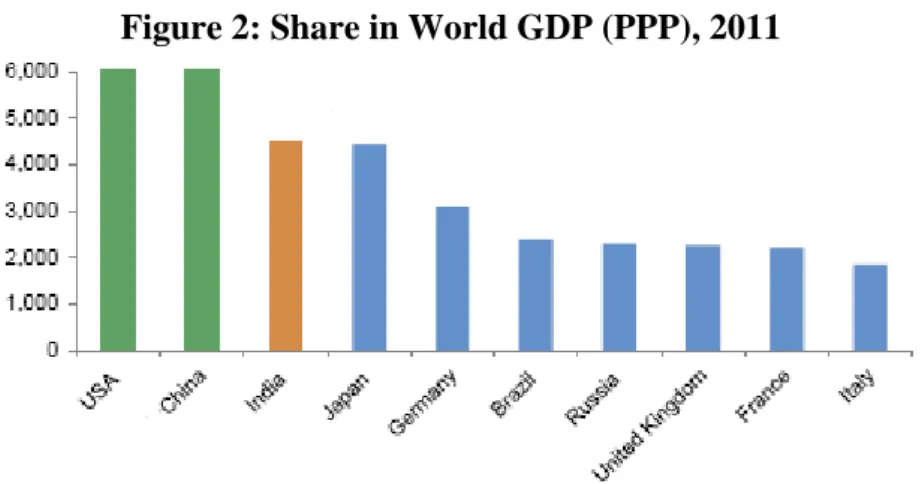
FIGURE 2: Share in World GDP (PPP), 2011 22
FIGURE 3: The largest economies in the world in 2050 22
FIGURE 4: Quarterly GDP Growth Rate (%) 27
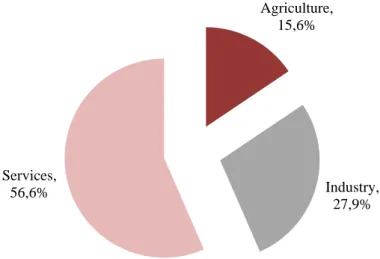
FIGURE 5: GDP composition by sector in India, 2011 27
FIGURE 6: Sector Growth (%) 28
FIGURE 7: Goods Exports (USD bn.) 29
FIGURE 8: Goods Trade (USD bn.) 31
FIGURE 9: Percentage change in trade openness between 1991 and 2010 32
FIGURE 10: % Change in merchandise exports 32
FIGURE 11: Change in commercial services exports 33
FIGURE 12: Inflation % Change in Whole-sale Price Index (WPI) 33 FIGURE 13: Total unemployment and unemployment rate in India, 2006-16 36
FIGURE 14: The global labor force, 2008-2039 37
FIGURE 15: National population (million) 37
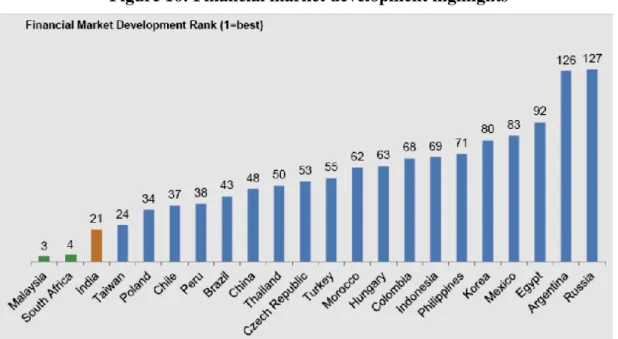
FIGURE 16: Financial market development highlights 38
FIGURE 17: 2012 FDI Confidence Index 42
FIGURE 18: Inward FDI (USD bn.) 43
FIGURE 19: Outward FDI (USD bn.) 44
FIGURE 20: Household disposable income, per household (2002-2016) 44
FIGURE 21: Per capita income (in Rs.) 45
FIGURE 22: Percentage Share of global middle class consumption 2000-2050 45
FIGURE 23: Consumer Confidence Index Evolution 46
FIGURE 24: Emerging economies business sophistication ranking 47
FIGURE 25: Indian IT/ITeS Industry Composition 54
FIGURE 27: Revenue contribution by main components (in USD billions) 57 FIGURE 28: Component-wise contribution - Export revenues (in USD billions) 58 FIGURE 29: Component-wise contribution – Domestic revenues (in USD billions) 58
FIGURE 30: Domestic revenue contribution – 2009-10 59
FIGURE 31: Export revenue contribution – 2009-10 60
FIGURE 32: Indian IT/ITeS Revenue Potential 60
FIGURE 33: Export contribution by key verticals – 2009-10 61
FIGURE 34: Domestic contribution by key verticals – 2009-10 62
FIGURE 35: Geography-wise export revenues split – 2009-10 62
FIGURE 36: Players categorization 63
FIGURE 37: Established (Tier I Cities) and emerging (Tier II and Tier III Cities)
IT/ITeS hubs in India 66
FIGURE 38: IT/ITeS sector: Moving up the value chain 72
FIGURE 39: Worldwide IT/ITeS spending (USD billion) 73
FIGURE 40: Private Equity Investments by Industry 74
FIGURE 41: Research Process Flow Chart 78
FIGURE 42: Sample Design 80
FIGURE 43: Gender 86
FIGURE 44: Age groups 86
FIGURE 45: Segments 87
FIGURE 46: Working experience 87
FIGURE 47: India’s collapsing infrastructure has acted as a bottleneck to
industrial growth? 88
FIGURE 48: Services sector expansion vs. Job opportunities 89
FIGURE 49: Could IT Services and ITeS-BPO be considered engines of growth? 89 FIGURE 50: Would the domestic IT/ITeS market emerge as an alternative market? 94 FIGURE 51: Is India IT/ITeS industry in a position to sustain its competitive advantage in
Index of Tables
TABLE 1: Contribution to IIP Growth- April-December (%) 30
TABLE 2: Analysis of the Indian technological landscape 40
TABLE 3: Expand the services sector, broad the base of the economy to the industry
or do both? 88
TABLE 4: India’s key advantage 90
TABLE 5: City classification 90
TABLE 6: Most attractive IT/ITeS destination 91
TABLE 7: Contributions to the Indian workforce development 91
TABLE 8: Indirect impacts on the economic scenario 92
TABLE 9: Direct impacts on the economic scenario 92
TABLE 10: Impact of the global slowdown on the Indian IT/ITeS industry 93
TABLE 11: Challenges 93
TABLE 12: Trends 95
TABLE 13: Direct impact vs. Segments 96
TABLE 14: Indirect impact vs. Segments 98
TABLE 15: India key advantage vs. Segments 100
TABLE 16: Sustainable competitive advantage vs. Segments 102
TABLE 17: Expand services vs. Segments 103
List of Abbreviations and Acronyms
AIMA All India Management Association
AO Applications Outsourcing
BFSI Banking, Financial Services and Insurance
BPO Business Process Outsourcing
BRIC Brazil, Russia, India and China
CAD Custom Application Development
CAGR Compound Annual Growth Rate
CII Confederation of Indian Industry
CRM Customer Relationship Management
EU European Union
F&A Finance and Accounting
FDI Foreign Direct Investment
FY Fiscal Year
GDP Gross Domestic Product
HDI Human Development Index
HR Human Resources
HW Hardware
IA Infrastructure Outsourcing
ICT Information and Communication Technologies
IT Information Technology
ITeS Information Technology enabled Services
NASSCOM National Association of Software and Services Companies OECD Organization for Economic Co-operation and Development
RBI Reserve Bank of India
R&D Research and Development
Rs Rupee
SI System Integration
SW Software
USD United State Dollar
WBI World Bank Institute
WEF World Economic Forum
Epigraph
“Life is an opportunity, benefit from it. Life is beauty, admire it. Life is a dream, realize it. Life is a challenge, meet it. Life is a duty, complete it. Life is a game, play it. Life is a promise, fulfill it. Life is sorrow, overcome it. Life is a song, sing it. Life is a struggle, accept it. Life is a tragedy, confront it. Life is an adventure, dare it. Life is luck, make it. Life is too precious, do not destroy it. Life is life, fight for it.”
Mother Teresa of Calcutta (1950-1997)
Chapter 1
Study Background
“We end today a period of ill fortune and India discovers herself again. The achievement we celebrate today is but a step, an opening of opportunity, to the greater triumphs and achievements that await us. Are we brave enough and wise enough to grasp this opportunity and accept the challenge of the future?”
Jawaharlal Nehru1 (1947)
1.1. Introduction
Sixty-five years passed since Nehru’s statement, the world completely changed and India is no exception but an example to follow. Being currently the second most populous country, with a population of approximate 1.2 billion, and the eleventh largest economy in the world, the Indian growth story has captured the world’s attention due to its notorious economic and social development.
In the last decade the country grew at an average growth rate of more than 8%, putting India on the global map amongst the fastest growing economies in the world.
India can tap into a number of strengths as it transforms itself into a knowledge-based economy: skilled human capital, a democratic government, widespread use of English, macroeconomic stability, a dynamic private sector, institutions that support a free market economy, one of the largest local markets in the world, a well-developed financial sector, a rich cultural base that generates a wealth of ideas, and a broad and diversified science and technology infrastructure, as well as global niches in information technology.
1
India’s prime minister, speaking to India’s constituent assembly on the eve of the country’s independence from British rule.
1.2. Statement and purpose of the problem
The academic literature, as well as most of the existing studies on the impact of the IT/ITeS industry on India’s economic growth, is based on a general approach for characterizing the contributions of the industry as a whole to the economy.
Therefore two gaps were found in the existing literature.
First, there are few studies to address with particular focus one or two segments of the IT/ITeS industry. Most of them study the industry as a whole, without highlighting any segment. In the present study it was not intended to address a discussion of the software and hardware segments whereby this research aims to study the important contributing factors of IT Services & ITeS-BPO impacting India economic growth.
Second, there is a failure in the literature towards identifying the perception of the industry professionals about the impact these segments have on India’s growth.
In this research, a sample of 102 professionals was generated, with the purpose of conducting an exploratory study of their perceptions.
This study attempted to include the views of professionals working either in IT Services either in ITeS-BPO contrasting and comparing their insights with the existing academic literature.
1.3. Objectives of the study
The aim of this study is to provide a research and focus on an area where there is insufficient knowledge: the impact of IT Services and ITeS-BPO on India’s growth through the lens of the professionals working in these two segments in particular.
General Objectives:
1) To study the overall economic growth of India;
2) To demonstrate that the dynamism of the services sector was responsible for India’s accelerated growth;
Specific Objectives:
Attest if IT Services and ITeS-BPO professionals have different perceptions about:
1) The main direct impact of Indian IT/ITeS industry on the economic scenario;
2) The main indirect impact of Indian IT/ITeS industry on the economic scenario;
3) The key advantage of the Indian IT/ITeS industry;
4) India's ability to sustain its competitive advantage in the long run;
5) Whether or not the services sector could be an engine of growth;
Chapter 2
Literature Review
Identifying the drivers of economic growth is one of the most important issues that economists have focused on. Since the mid 1990s researchers have been incorporate India within those studies due to its accelerated growth.
This section reviews the latest empirical research and is divided into three main sections: (a) an introduction where is covered the existing literature about India’s economic growth at large; (b) a second section mixing a careful literature review for a comprehensive discussion of the dynamism of services as an important contributor to India’s growth – and (c) a final section that provide a more in-depth research review about the role of technological progress in driving India’s growth, with special focus for the IT/ITeS industry.
2.1. Indian Economic Growth
By 2039, the world would be very different from today and the economic center of gravity would shift to Asia (Kharas, 2009). The four large emerging markets (Brazil, Russia, India and China) all combined could overtake the advanced countries in terms of GDP by 2050 (Goldman Sachs, 2001). According to (Dholakia, 2001) in a developing country like India where rapid economic growth has become a national goal, analysis of the sources of growth assumes special significance not only because it helps to find out what has and what has not been important in the growth which has already occurred, but also because of the obvious implications it has for the macroeconomic strategy and policies that affect the future growth. The author discusses in detail the sources of India’s accelerated growth and the vision of Indian economy in 2020. He points out that the growth acceleration achieved during the last 15 years has created the conditions for India’s
take-off into the orbit of high growth. The India New Opportunity – 2020 report (All India Management Association, 2003) suggests that India will become a developed country by the year 2020, along with having the capacity to also become a knowledge-based nation.
In fact, by around 2025, China's impact (in terms of GDP at prevailing exchange rates) on world growth is likely to be larger than that of the US and India's impact larger than that of Japan. In addition, India is likely to be a larger growth driver than the six largest countries in the EU, though its impact will be a little over half that of the US (Virmani, 2005). Recent research reinforces the idea that if India continues to grow at the current rate, the country is expected to become the third largest economy by 2035 (Datamonitor, 2011). In part, this is fueled by the example of strong sustained growth in China, raising the obvious question of why India cannot do as well (Bosworth, Collins & Virmani, 2006). “Perhaps, we have for too long looked to others for models of growth. We have marveled at the tigers and dragons and wondered what we could do to copy their success. But that is denying our unique place in the world” (All India Management Association, 2003).
India’s economic performance has differed from that of China and other parts of Asia in at least two dimensions. First, India’s success has not been based on strong growth in the manufacturing sector and in exports. Instead, it has reflected very rapid expansion of service-producing industries. Second, it has been associated with relatively modest levels of investment (Bosworth, Collins & Virmani, 2006)
In addition, (Tripathi, 2007) discusses that China is far ahead of India in having built much superior infrastructure and by attracting millions of dollars in foreign investment. On the other hand, the author praises India’s self-sufficiency and reliance on entrepreneurship to promote economy. And in fact, despite any internal or external influences, India’s economy has continued to grow, as if on auto-pilot, ignoring distractions. According to Goel & Mashelkar (2010) recent research, India is the second most entrepreneurial country in the world. Das (2006) had already alerted to the importance of entrepreneurship, arguing that it is people of India (specifically entrepreneurs) that have been responsible for the rise of the country and have contributed to overall prosperity.
In his article, Tripathi (2007) provides an analysis of how India grew in the past few years and whether or not it is able to transform itself into a developed country. In addition, the author questions India’s ability to be successful if it cannot look beyond the science and technology lens. However, regarding (Chidambaram, 2007), the key for India sustaining its economic development over a long period is to become scientifically advanced, and ultimately to become a global innovation leader. Wallace (2008) argues that India needs to broaden its outlook to be able to provide technology, innovative products, and value-add to business around the world.
The Economist (2008) article focused its analysis on India’s infrastructure and described that without any change or improvement, infrastructure (roads, electricity, water, etc.) will become the primary obstacles to India’s future growth and development of the economy. Kalam & Rajan (1998) in their book: “India 2020 a Vision for the New Millennium”2
, argue that the main challenges of infrastructure, education, poverty and healthcare are important issues that the government and its people must solve. The authors add that India’s reliance on the use of science and technology as a means of growth, development, and part of the solution to India’s challenges.
Newsom (2009) also argue that if India is unable to address the problems of a failed education system, collapsing infrastructure, and growing poor population, the current and future plans of economic prosperity might be in jeopardy. Basically, India needs to leverage its strengths in order to solve those problems as Subramanian (2003) concludes in his article where he quotes Prime Minister Shri Atal Bihari Vajpayee, “A knowledge based society will enable us to leap-frog in finding new and innovative ways to meet the challenges of building a just and equitable social order…”.
2.2. Services Sector Dynamism
Recently, economists have started raising the following question “Can the service sector be an engine of growth?” (Neil M. Swan, 1985; Dasgupta & Singh, 2005; Joshi, 2007; Goldar & Mitra, 2008)
2
The book is often referenced in research discussing India’s economic growth and provides detailed resource with respect to how India visions itself for the future.
India emerged as one of the fastest growing economies of the world during the 1990s mainly because of the remarkable performance of the services sector. India’s services sector has shown highly impressive growth being driven primarily by the Information Technology (IT) and IT enabled Services (ITeS) (Bosworth, Collins & Virmani, 2006; Prasad, 2007; Goldar & Mitra, 2008; Joshi, 2009).
Several authors argue that India followed a unique path of growth. According to Das (2006), the most notable thing about India's rise is not that it is new, but that its path has been unique and can be considered a miracle because of the completely unconventional pattern that it has followed (Kalita, 2010). India has not followed the traditional development path that other countries have been using to catch up Western countries. That path involves a cycle that starts with agriculture, and progressively evolves into industrial revolution (mainly manufacturing) with a greater focus on production of goods. As these sectors become more developed, the evolution moves to its next step: knowledge based services that start to become the main drivers of the economy.
Indian economy has been sustained on domestic consumption and its growth was fuelled by services unlike manufacturing (Kalita, 2010) in the case of its Asian counterparts. In fact, the Eastern model centers in manufacturing and provides low-priced manufacturing goods to the West (Das, 2006). For instance, China is the best example of the Asian strategy, providing the low-cost manufacturing of a variety of products and then exporting to the U.S. and Europe. While (Das, 2006) praise India’s unconventional approach, at the same time he criticized the lack of a labor intensive industrial revolution that could transform the lives of tens of millions of Indians still trapped in rural poverty. Without a plan for transitioning rural and poor populations into the current economy, the gap between rich and poor, rural and urban will continue to widen.
(Bosworth, Collins & Virmani, 2006) stated that India needs to broaden the base of its economic growth greater efforts to promote the expansion of the industrial sector – especially manufacturing. The authors argue that the manufacturing sector would provide a strong match for the skills of the Indian workforce, enabling India to boost its attractiveness. The argument is based on the idea that India needs a more balanced model of growth that could expand the supply of well-educated workers at the same time that it
increases the demand for workers with more modest skills (Bosworth, Collins & Virmani, 2006).
(Banga & Goldar, 2004) defend that services are increasingly important as an input to Indian manufacturing. On the other hand, (Browne, 1987) add that services are thought of as incapable of generating any growth of their own and are regarded as dependent on the growth of other sectors, particularly manufacturing.
(Bosworth, Collins & Virmani, 2006) also refer that the expansion beyond the modern service sector alone cannot provide the requisite number of job opportunities.
According to (Das, 2006) what has been peculiar about India’s development so far is that high growth has not been accompanied by a labor-intensive industrial revolution. The same argument is point out by (Banga, 2005) in his study where a recent overview of the issues associated with India’s rapid growth in services is provided. The author highlights explanations and implications of the so-called “job-less growth” in India’s service sector and (Joshi, 2009) pointed out that there has been disproportionate growth of the tertiary sector, as its share in employment has been far less when compared to its contribution to GDP.
Despite the fast rates of growth of output, generation of employment has been extremely slow in the country during the reform years (Thomas, 2008). India’s relatively
jobless service sector growth is unlike the experience of other countries, where the service sector has also tended to gain a larger share of employment over time (Gordon & Gupta, 2003).
(Bosworth, Collins & Virmani, 2006) argue that this “job-less growth” phenomenon implies a much more rapid expansion of the manufacturing sector, which will require strengthening India’s infrastructure, raising private sector investment and adopting a more aggressive approach to expanding India’s export markets. Although several authors discuss that is important to look for the industrial sector (mainly manufacturing), why India did not figure it out earlier? (Gordon & Gupta, 2003) found in their research that industrial growth is more dependent on infrastructure development (such as roads and ports), which have acted as a bottleneck to growth. (Kalita, 2010) add that one of the reasons why India chose
a services led growth path was that there was a lack of adequate infrastructure to focus on manufacturing. On the other hand, labor restrictions and small-scale reservations may also have disadvantaged industry more than services (Gordon & Gupta, 2003).
However, it can be argued that India followed its culture and self-interest, in order to establish their own model free of substantial foreign influence (Newsom, 2009).
India was really unique while addressing its path to economic development since the country did not follow a Western or an Eastern approach; instead it jumped from an agricultural-based economy directly to a service/technological based one, making a successful transition to the knowledge economy.
(Kongsamut, et al., 2001) analyzed a sample of 123 countries for 1970-1989 and show that rising per-capita GDP is associated with an increase in services and a decline in agriculture both in terms of share in GDP and employment.
Gordon & Gupta (2003) point out that the acceleration in services growth in the 1980s and 1990s was not uniform across activities and important policy reforms were made in the 1990s which were conductive to the growth of services sector, such as deregulation, privatization and opening up to FDI. The authors explain that the share of industry has stabilized since 1990, and the entire subsequent decline in the share of agriculture has been picked up by the services sector. Thus, while over the four decades, 1950-1990, the services sector gained a 13 percent share, the gain in the 1990s alone was 8 percentage points.
This statement clearly highlights the “boom” of the service sector in India in the 1990s, which according to the authors was due to fast growth in the communication, financial services, business services (IT) and community services (education and health). However, the most visible and well-known dimension of the takeoff in services has been in software and IT-enabled Services (including call centers, design, and business process outsourcing).
2.3. Indian IT/ITeS Industry
The correlation between India’s economic growth and the rise of the IT sector has been subject of extensive research over the years (Solow, 1956; Grossman & Helpman, 1994; Kalam & Rajan, 1998; Pohjola, 2001; Stiroh, 2002; Gordon & Gupta, 2003; Rodrik & Subramanian, 2003; Davies, 2004; Zhen-Wei Qiang, 2004; Virmani, 2005; Das, 2006; Tripathi, 2006/2007; Wallace, 2008; Newsom, 2009).
With more than 50% of India’s GDP attributed to technology services, it is clear that science and technology has helped fuel India’s economic rise (OECD, 2007). That idea is shared by Mashelkar (2008) who stated that since post-independence, India’s identity and existence centered on science and technology.
From Newsom (2009) point of view, India maintains a steady focus of leveraging science and technology to solve its problems. This author studied whether or not India’s rise represents a new model for growth and highlights the unique path India chose to take and the continual emphasis placed on the use of science and technology – not only as a mechanism of growth, but as a way to solve all of the country’s challenges. According to the author’s view if India will continue to rely in technology as a means of development for the entire country, it has to ensure the implementation of technologies are strategic and focused on addressing the challenges faced within rural India.
Kalam & Rajan (1998) refer that without a pervasive use of technologies, we cannot achieve overall development of our people in the years to come. They add that any nation aspiring to become a developed one needs to have strengths in various strategic technologies and also the ability to continually upgrade them.
On the other hand, Aggarwal (2008) discuss that India’s IT industry is truly a product of “serendipity”, where success occurred mostly by accident and assisted by design of the governments initiatives. The author suggests that as India’s economy becomes more integrated with the global economy, there will be increased opportunities for foreign companies to import their goods and services to India, along with similar benefit for Indian companies to export the same to Western and Eastern countries.
Narasimha (2008) shared the same idea that the creation of India’s IT service industry was unplanned and a natural occurrence of the investment of the government, coupled with the desire of its people. The author discusses India’s development (key focus on technology) in three main phases: (a) early post independence where a strong science and technology infrastructure was built; (b) 1980 to 2000, when India opened its country to foreign investment and turned its interest to technology services (outsourcing); and (c) “the new century”, whereby the government’s focus has shifted to technology and rapid growth, and the consumer need for technology has also increased.
Unlike some researchers who claim that the IT industry grew by accident, Davies (2004) argues that India had all of the right pieces come together at the right time. According to the researcher, some 30 years ago, India worked out that if it was ever to become a developed country it first had to be an information technology country.
Avgerou (1998) described the correlation between technology and economic growth, highlighting that knowledge and information are the most important resources for the transformation of the economy. While defending technology as a focal point of development, the author also acknowledges the fact that a more balanced approach is needed arguing that technology must be widespread and offer value to have broad economic benefit.
Tripathi (2006) discuss that the development of ICTs within India can play a “pivotal role” to transforming the economy. However, the author highlights three of the several challenges that the country must overcome. First, the majority of the population and local economies are in rural agricultural areas. Second, there needs to be a greater emphasis on education, access to power, and inclusion of indigenous content within the applications and Internet. Finally, India needs to have a better system of universities and education centers for research, and must lessen the overall bureaucracy associated with these systems on local, state, and national government levels.
Taking the last two challenges in consideration, Goel & Mashelkar (2010) make their point arguing that an educated workforce is a prerequisite for a vibrant technology and innovation system that serves as a major source of growth.
In 2007, Tripathi raised the following question: “How could a country with more than 300 million illiterate people also have the kind of scientific human resources that bring some of the world’s largest corporations to base their R&D labs in India?” This statement reflects one of the biggest weaknesses of the country, the high levels of illiteracy, highlighting the existence of two different realities within such diverse country.
In the same line, Sanjay (2008) questions the focus on technology development when the country has many social issues contend with, such as high levels of illiteracy. The author believes that on a macro level India should be careful with conducting development solely through technology and lessen its infatuation with technology.
Nevertheless, Stiroh (2002) points out towards the strong relationship between IT and improvement in economic performance. It is perhaps not a coincidence that some of the IT powerhouses that would begin to fuel India’s growth a decade or so later got established in the early 1980s, just as the economic environment was turning more business friendly (Rodrik & Subramanian, 2004).
According to Zhen-Wei Qiang (2004) there is sufficient empirical evidence to suggest that there is a linkage between ICT and output growth.
Natrajan (2004) believes that the country’s IT industry reflects in every way possible the vibrancy of India shinning, idea that was one year later corroborated by Srinivasan (2005) while focusing his study specifically on the development of India’s IT sector and its implications for growth.
According to Wallace (2008), India is positioned to emerge not just as the region’s business and technology leader, but as a more powerful player in the global IT sector. The author reinforces that idea stating that India will evolve from a services-only model to an innovative and knowledge-based model.
Mitra (2009) concludes that the Indian economy, and the IT and ITeS-BPO industry in particular, is facing transformational opportunities. If handled well this offers the possibility of India to become one of the world’s leading powers in IT and other areas of knowledge-based industries.
As referred in the previous section, India’s economic growth story is mainly driven by its services sector, which accounts for more than half of India’s output, being the Information Technology (IT) and IT enabled Services (ITeS) the most dynamic segments.
The ITeS industry in India is large, rapidly growing, and comprises a wide variety of players, foreign and domestic (Dossani & Kenney, 2007). Business Process Outsourcing (BPO), which is the most familiar form of outsourcing (Grossman & Helpman, 2005), is one of the fast growing segments of the ITeS industry (Agrawal, et al., 2011) with high potential (Joshi, 2009). These services played a vital role in India’s emergence as one of the fastest growing economies in the world (Chanda, 2008). Subsequently, more developing countries are aiming to become the destination for BPO (Greene, 2006).
BPO can be described as the management of one or more specific business processes or functions (i.e. procurement, accounting) by a third party, together with the information technology (IT) that supports the process or function (Halvey & Melby, 2000; Rouse & Corbitt, 2006).
Gartner (2004) Yang et al. (2007) see BPO as the delegation of one or more IT-intensive business process to an external provider, which in turn owns, administers, and manages it, according to a defined set of metrics.
Click & Duening (2005) define business process outsourcing simply as the movement of business processes from inside the organization to external service providers.
Mehta et al. (2006) suggest that, in business process outsourcing, the operational ownership of one or more of the firm’s business processes is transferred to an external provider that, in turn, manages the processes according to some predefined metrics.
Meenakshi & Vani (2008) refer to business process outsourcing as the operation of letting out the task of performing certain functions of an enterprise to another enterprise, often a third party, and in some cases, a subsidiary of its own.
Regarding Chanda (2008) business process outsourcing can be defined as the delegation of service activities to a third party, either to be performed on-shore, near-shore,
or off-shore. On-shore can be seen as an enterprise outsourcing its activities to another company located in the same country, near-shore as outsourcing activities to a nearby country, and off-shore as outsourcing to a remote or far-off country (Meenakshi & Vani, 2008).
Recently, India’s outsourcing industry has shifted in revenue composition to a more sophisticated and higher end services, called knowledge process outsourcing (KPO) activities (Chanda, 2008).
The most significant business benefits are obtained by utilizing highly skilled resources in processes which might be considered core or critical competencies (Robinson & Kalakota, 2004).
According to NASSCOM (2005), the IT and BPO industries can become major growth engines for India, as oil is for Saudi Arabia and electronics and engineering are for Taiwan. In contrast, Saxenian (2001) argues that Bangalore is not Silicon Valley and IT is not going to solve all of India’s problems.
A number of factors seem to have propelled India towards the position of a dynamic IT player in the world. These would include, a large and educated labor force, widespread fluency in the English language, comparatively low labor costs, high quality of the workforce (Balatchandirane, 2007). Besides the large English-speaking educated workforce Saxenian (2000) add the time difference between India, the software service provider and the US and Europe as a factor that endowed India’s success story.
Thomas (2008) found that India began with the advantage of having a vast pool of English-speaking engineers, whose wages are much lower than wages of similarly qualified professionals in developed countries, and their skill levels quite high.
India’s principal advantage enabling rapid IT/ITeS industry development relates to its pool of human resources, its English language skills, its high domestic and international mobility and its low cost compared to high income countries (Mitra, 2009).
India has a lot of potential, mostly due to the low wage costs, long working hours, the availability of educated resources and English speaking capabilities (Stal, 2010).
The literature as regards the main advantages of the Indian IT/ITeS industry is vast regardless resource pool, cost effectiveness, quality performance and time zone differences being the factors invoked by most authors.
The cost advantages of outsourcing appear to be the most commonly cited rationale behind outsourcing development and maintenance functions of information technologies (Powell, 1990). Low-cost, highly skilled software professionals are widely believed to be the key to India’s success story (Mohapatra, 2003).
However, modern BPO seems to go beyond the simple cost reduction aiming to achieving strategic business goals (Zika, 2004) by focusing on core competencies, quality improvements and – only as a third priority – cost savings (Wüllenweber et al., 2006). It seems that the Indian BPO industry, which previously relied on its cost effectiveness to attract customers, is now under an entirely different dictatorship (Thoms, 2004). The same author advocates that as outsourcing begins to offer continuous improvements on critical business processes, vendors and clients look to incorporate quality methodologies and management techniques into day-to-day operations.
The India Vision 2020 Report identifies employment and education as the key thrust areas for India’s future economic growth and specified knowledge, rather than capital, as “the most important determinant of development” (Gupta, 2002). For India to fully capitalize on the opportunity and sustain its present lead in the global IT/ITeS space there is a need to focus on skill development to enhance the talent pool advantage (Government of India, 2007).
According to Thomas (2008), India’s successes in the new economy owe, in great measure, to the large supply of highly skilled professionals. While Saxenian (2001) argues that India's large skill base is an important competitive asset in the knowledge-based economy, Rose (2007) adds that education in America has never emphasized math at a primary level, while in India it has always emphasized that.
Furthermore, India's time difference with America is a great advantage in providing 24/7 business continuity solutions to US clients (Banerjee, 2005). The operational time difference between the clients and the service providers added a round-the-clock proposition to the business and reduced total cycle time (Mohapatra, 2003) and has been a favorable factor between India and the US (Thomas, 2008).
As regards the geographical locations, Singh (2002) argues that location and ownership are not of direct importance, but are only proxies for whether the IT software and services provider has the right combination of people, knowledge, experience and reputation to compete successfully.
Dibbern et al. (2008) add that geographic distance makes it more time consuming to transfer the needed knowledge, coordinate, and monitor the project. Unlike these studies, Morosini (2004) points that in the 21st century industry clusters are still relevant economic phenomena of vast importance to business practitioners and policymakers all over the world.
For instance, the Indian IT services industry has experienced substantial growth since liberalization with particular interest being directed towards the Bangalore IT cluster in Karnataka state in southern India (NASSCOM, 2008). Within clusters, Bangalore seems to be better off than other clusters (Basant, 2006) once it has enjoyed a strong global position as a center for IT services since the 1990s and it can facilitate a diversification into high-value IT activities (Leleur, 2009).
Since its inception, India’s business process outsourcing industry has been concentrated in the cities of New Delhi (including Gurgaon and Noida), Mumbai, and Bangalore (Greene, 2006).
The IT cluster in Bangalore has demonstrated significant economic performance in past decades as a hub for primarily customized IT services for the US market (Arora et al., 2001).
The IT / ITeS industry has contributed to the growth and development of the country in terms of various economical and social aspects, contributing to the workforce
development as well as contributing directly and indirectly to the Indian economy (NASSCOM, 2008).
Joshi (2009) indicates that the growth of IT and ITeS is having social, economic, health, ethical and environmental implications. IT can change how the society communicates, collaborates, lives, works, and plays (Konana & Balasubramanian, 2001), overcoming traditional barriers to widespread delivery of education at all levels (Singh, 2002).
Moreover, the development of IT/ITeS sector can have significant and direct impact on the economy through employment generation (Rajeev & Vani, 2007). IT-enabled Services promise to directly generate employment much more significantly than activities such as software development (Singh, 2002).
Joshi (2009) cited the national GDP share, revenue generation, foreign exchange earnings and employment generation as the main contributions of Indian IT/ITeS industry. NASSCOM, Strategic Review (2006) highlights that Indian IT and ITeS have played an instrumental role in the building up of foreign exchange reserves for India and the trend in the build-up clearly reflects the growth of IT and ITeS exports from India.
On the other hand, the growth of IT and ITeS can impact the overall growth of the economy through inter sectorial linkages by generating demand impulses in the economy (Joshi, 2009), which have significant effects on the efficiency of operations in other industries (Singh, 2002).
Indirect jobs are created as IT-ITeS industries demand a range of services including telecom, power, construction, facility management, IT, transportation, and catering. Jobs are also generated through the consumption expenditures of IT sector employees on food, clothing, utilities, recreation, health and other services (Thomas, 2008).
According to Evalueserve (2007) the effect of global slowdown is massive. The global economic slowdown has resulted in major uncertainties in the business environment for the IT-BPO industry, which had an adverse impact on revenue growth, stock market evaluations, profit margins and the credit access (Mitra 2009). Nevertheless, the IT
services and BPO industry have been less affected by the global economic slowdown than the manufacturing industry (Mitra, 2009).
Agrawal et al. (2011) argue that because of global recession and increased competition, ITeS firms in India are facing difficulties in dealing with their offshore clients, being the effects visible in many areas but especially in banking, financial services and insurance (BFSI). The global economic turbulence refocuses the objectives of many companies and emphasizes the importance to reduce cost and increase efficiency
Mehta et al. (2006), refer some challenges, which could prevent India from maintaining a leading role in business process outsourcing in years to come. These challenges include cultural differences, rising operational costs, competition of other countries, and personnel issues.
Agrawal et al. (2011) report that sustaining this impressive growth is not possible always as these companies are facing continuous challenges in terms of competition, global economic slowdown, scarcity of talent, high attrition rates, and many other HR and technology related issues.
Thomas (2008) adds that India’s leading position in IT and ITeS industries is threatened to a great degree by large salary increases, high labor turn over, and also by shortages of workers with the required skill levels and experience.
For Joshi (2009) the main challenges in the field of IT and ITeS are raising labor costs, rapid growth in demand for talented manpower/quality staff, high attrition rate and outsourcing backlash while Greene (2006) cited high attrition rates, absenteeism, rising salaries, inadequate physical infrastructure, and the lack of data privacy laws and intellectual protection as the main challenges.
Major threats to India are increasing employee attrition rates in companies, marketing problems due to cultural differences, rising wages and competition from other countries (Banerjee, 2005), since the search for alternative locations for BPO has accelerated (Dowouna, 2011).
Emergence of China, Philippines, Russia, Brazil, and South Africa among others as developing market alternative to India’s IT workforce has endangered India’s preeminence in this area (Mohapatra, 2003).
As regards the domestic market, since Indian firms can compete abroad, they should also be able to succeed in their own backyard where they have advantages such as knowing their customers better, and being closer to them (Singh, 2002). The author refers that the boundary lines between domestic and foreign can be blurred when multinationals have Indian subsidiaries, particularly for IT or IT-enabled Services.
The slowdown in global demand after September 2008 has given IT-BPO firms based in India greater incentive to focus on the domestic market. Companies that are heavily oriented towards exports are giving greater attention to the domestic market. The fact that India still is in an early phase of developing the domestic market for IT-BPO points to a major growth potential (Mitra, 2009).
Regarding the growing competition arising from other emerging destinations, Konana & Balasubramanian (2001) raised the question: “is this model economically sustainable in the long run?” In their study they suggest that it is very likely that other developing nations with even cheaper labor and growing English-speaking populations will compete with India.
The sustainability of impressive growth of Indian economy has been questioned in the wake of some challenges in the form of lack of social infrastructure (Joshi, 2009). In contrast, Thomas (2008) argues that India is still ahead of other competing countries in IT and ITeS industries.
Mahendra K. Sanghi, president of the Association of Software and Services Companies indicated that “it is important for India to provide services which are not given by others and where there will be no significant challenge. To preserve the market share, diversification is essential. India should actively venture into new horizons and vertical services.”
Agrawal et al. (2011) point that a large number of Indian companies are looking for expanding their operations by setting up delivery centers across the globe. Indian players are targeting regions such as China, Latin America, and Eastern Europe to set up new offshore locations.
The IT Action Plan recommends the promotion of venture capital, and most industry representatives and analysts agree that a dynamic venture capital industry will be critical to the long-term development of Indian IT. A healthy VC industry will stimulate new entrepreneurial entry, broaden the range of activities in the field, and accelerate the country's move into higher value added activities (Saxenian, 2001).
Chapter 3
India Economic Overview
3.1. India and the Global Economy
In fact, the Indian economy and its arrival on the global scene have captured many authors attention. Some of them go further and argue that the global economy is set for a fast long-term growth, where Asia will dominate. However, the rise of Asia would be the fall in the share of global output of the western countries, especially those that comprise the G7 economies3. The data from the last decade suggests that the dominance by the G7 economies appears to have come to an end, being surpassed by the BRICs (Figure 1).
Figure 1: G7 and BRICs Share of Global Output
Source: Homi Kharas (2009), “India and the BRICs: Long-run Growth Potential”.
In the last years, India has been increasing steadily its share in world’s GDP and according to IMF World Economic Outlook the country is currently the third largest economy in the world (Figure 2).
3
Figure 2: Share in World GDP (PPP), 2011
Source: IMF World Economic Outlook (April 2012).
A major structural shift in the world economy seems under way and the largest economies of today will not be equally disposed on the Top in the next decades. Actually, a recent study carried by PriceWaterhouseCoopers points out that India is expected to become the second largest economy in the long run (Figure 3).
Figure 3: The largest economies in the world in 2050
3.2. Assessing India’s Competitiveness
Since 2005, the World Economic Forum (WEF)4 has based its competitiveness analysis on the Global Competitiveness Index (GCI), a comprehensive tool that measures the microeconomic and macroeconomic foundations of national competitiveness.5 The Global Competitiveness Report 2011-2012 covered 142 economies and it has been used in this study to access the comparative competitive strengths and weaknesses of India and contrast them with its emerging counterparts. The report includes two major competitiveness indexes – the Growth Competitiveness Index (GCI) and the Business Competitiveness Index (BCI).
The WEF defines competitiveness as the set of institutions, policies, and factors that determine the level of productivity of a country. The level of productivity sets the level of prosperity that can be earned by an economy. The productivity level also determines the rates of return obtained by investments in an economy, which in turn are the fundamental drivers of its growth rates. In other words, a more competitive economy is one that is likely to grow faster over time.
There are many determinants driving productivity and competitiveness. The GCI include a weighted average of many different components properly grouped into three main sections: basic requirements, efficiency enhancers and finally innovation and sophistication factors. These components form 12 pillars of competitiveness.6
According to GCI for the year 2011-2012, Switzerland continues to top the overall ranking mainly because it has an excellent capacity for innovation and a very sophisticated business culture. Singapore has moved to the 2nd position followed by Sweden, Finland and the United States. The remaining five countries to figure in the top 10 are, respectively, Germany, Netherlands, Denmark, Japan, and United Kingdom. India ranks 56th in GCI 2011-2012 assessment and dropped five ranks from the previous edition. The country demonstrates only minor changes in its
4
The World Economic Forum (WEF) is an independent international organization committed to improving the state of the world by engaging business, political, academic and other leaders of society to shape global, regional and industry agendas.
5
The first version of the Global Competitiveness Index was published in 2004. 6