University of Lisbon
Faculty of Pharmacy
Reactivity study and biological activity of
diterpenes from Plectranthus spp.
Anastasia Borozan
Master Degree in Pharmaceutical Sciences
Universidade de Lisboa
Faculdade de Farmácia
Reactivity study and biological activity of
diterpenes from Plectranthus spp.
Anastasia Borozan
Monografia de Mestrado Integrado em Ciências Farmacêuticas apresentada à Universidade de Lisboa através da Faculdade de Farmácia
Orientador: Professora Dr.ª Patrícia Rijo
Co-Orientador: Professora Dr.ª Carla Barros
Abstract
Nature is an attractive source of new therapeutic candidate compounds. The isolation of new natural products can provide novel scaffolds with potential biological activities, which may trigger the drug development as seen in the past.
Plectranthus genus holds valuable biologically active diterpenes compounds. An
interesting abietane diterpenoid is present in high amounts in the essential oil (EO) of
Plectranthus madagascariensis named 6,7-dehydroroyleanone (DHR). In previous
studies, the DHR has exhibit cytotoxic activity.
This study is focused on the synthesis of new abietane diterpenoid derivatives 1 – 6 by Mitsunobu reaction and benzoylation using DHR as a starting material. DHR was isolated from the EO of P. magadascariensis by hydrodistillation using the Clevenger apparatus followed by dry-column flash chromatography and recrystallization.
After the isolation of DHR its structure was assigned by spectroscopic methods. All the structures of the new compounds 1 – 6 were established from NMR spectroscopic data.
The preliminary toxicity of the new abietane diterpenoid derivatives 1 – 6 was evaluated through the brine shrimp assay. This lethality test showed an improved toxicity (from LC = 45.64% to 68.34% at 100 ppm) of the majority of novel synthesized compounds given the DHR chemical modifications (LC = 38.68% at 100 ppm). The most toxic DHR derivative was compound 2 (LC = 68.34% at 100 ppm) synthesized by Mitsunobu reaction.
All the derivatives with alkoxy group 1 – 5 displayed improved toxic activity. Furthermore, it appears that the position C-12 is important for the toxic activity.
Resumo
A natureza é uma fonte atrativa de novos compostos terapêuticos. O isolamento de novos produtos naturais pode fornecer novas moléculas com potencial atividade biológica, o que pode vir a desencadear o desenvolvimento de novos fármacos como relatado no passado.
O género Plectranthus contém compostos diterpénicos biologicamente ativos. Um diterpeno do tipo abietano particularmente interessante está presente no óleo essencial (EO) do Plectranthus madagascariensis, denominado de 6,7-dehidroroileanona (DHR). Os estudos anteriores demonstraram que a DHR possui atividade citotóxica.
O presente estudo está focado na síntese de novos derivados diterpénicos do tipo abietano 1 – 6 através da reação de Mitsunobu e da benzoilação, utilizando a DHR como material de partida. A DHR foi isolada do EO do P. magadascariensis por hidrodestilação recorrendo-se ao aparelho de Clevenger seguido de cromatografia flash em coluna seca e posterior recristalização.
Após o isolamento da DHR, a sua estrutura foi identificada por métodos espectroscópicos. Todas as estruturas dos novos compostos 1 a 6 foram estabelecidas a partir de dados espectroscópicos de RMN.
A toxicidade preliminar dos novos derivados diterpénicos 1 – 6 foi determinada através do ensaio da Artemia salina. Este teste de letalidade demonstrou um aumento da toxicidade dos novos compostos sintetizados (de LC = 45.64% até 68.34% a 100 ppm), dadas as modificações químicas na estrutura da DHR (LC = 38.68% a 100 ppm). O derivado mais tóxico da DHR foi o composto 2 (LC = 68.34% a 100 ppm) sintetizado através da reação de Mitsunobu.
Todos os derivados com grupos alcóxi de 1 – 5 apresentaram uma toxicidade melhorada. Além disso, parece que a posição C-12 é importante para a atividade tóxica, embora a natureza do grupo alquilo inserido seja relevante para a atividade biológica.
Acknowledgments
I would like to express my sincere gratitude to my tutor Patrícia Rijo who happily accepted to continue this research with me. I would also like to thank her for approachability, kindness and guidance in this project and for the time spent mentoring me since my two previous scientific projects.
I would like to thank Catarina Garcia, my dear lab pattern and friend, for helping and advising me (as always) in this project.
I would also like to thank Carlos Monteiro for his expert advice and elucidation in the Mitsunobu Reaction and the help that he provided with 1D-NMR technique.
I would also like to thank professor Carlos Afonso for letting me use the facilities of Faculdade de Farmácia da Universidade de Lisboa.
Finally, I would like to thank with all my heart to my dear family and Miguel Soares for the support provided through these last 5 years.
Table of Contents
1. Introduction ... 13
1.1. Approved plant based drugs for the treatment of cancer ... 13
1.2. Plectranthus genus ... 17
1.2.1. Abietane diterpenoids ... 18
1.2.1.1. Royleanones ... 18
1.2.2. Plectranthus madagascariensis ... 19
1.2.2.1. Royleanone derivatives ... 20
1.3. Mitsunobu hemi-synthetic reactions ... 21
1.4. Benzoylation ... 22
1.5. Artemia salina lethality bioassay ... 22
2. Materials and methods ... 23
2.1. Plant Material ... 23
2.2. Isolation of 6,7-dehyroroyleanone and structural identification... 23
2.3. Mitsunobu Reaction ... 24
2.4. Benzoylation ... 25
2.5. Isolation of the product by preparative thin-layer chromatography (PTLC) 26 2.6. Brine shrimp lethality bioassay ... 26
3. Results and Discussion ... 28
3.1. Isolation of DHR and structural identification ... 28
3.2.1.3. 6,7-dehydro-12-O-geraniol-royleanone 3 ... 33
3.2.1.4. 6,7-dehydro-12-O-menthol-royleanone 4 ... 34
3.2.1.5. 6,7-dehydro-12-O-(2-azidoethyl)-royleanone 5 ... 34
3.2.2. Benzoylation of DHR ... 35
3.3. Artemia salina lethality bioassay ... 35
4. Conclusion ... 36
List of Figures
Figure 1. Plant-derived anti-cancer agents in clinical use. ... 15
Figure 2. Metabolic grid for some common diterpenoid skeletons (Rijo P., 2010). ... 17
Figure 3. Abietane skeleton. ... 18
Figure 4. Royleanone structure. ... 18
Figure 5. The dried herb of P. madagascariensis (Pers.) Benth. [image from apps.kew.org/herbcat/navigator.do] ... 19
Figure 6. Required conditions for a Mitsunobu Reaction (32). ... 21
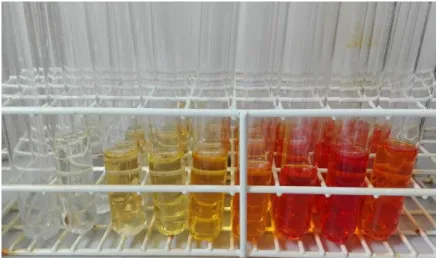
Figure 7. Fractions obtained by dry-column flash chromatography. ... 24
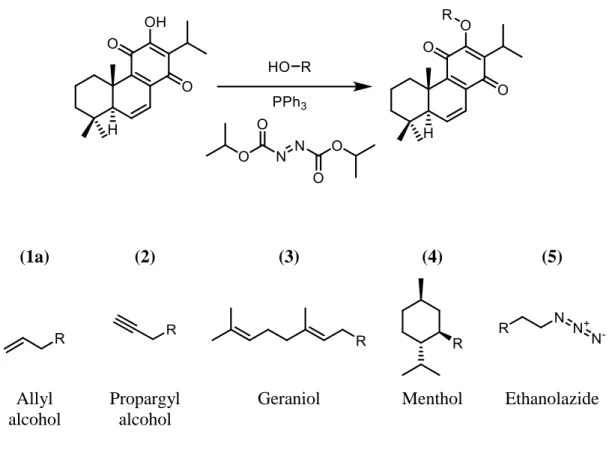
Figure 8. The predicted structures by microwave-assisted procedure via the Mitsunobu reaction with different alkyl substituents... 25
Figure 9. Expected product from the benzoylation reaction... 26
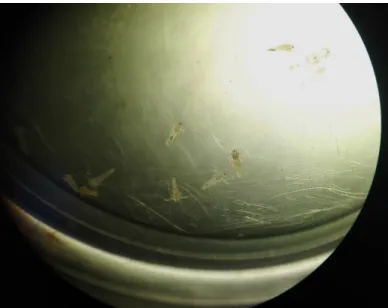
Figure 10. Observation of Artemia salina under the microscope. ... 27
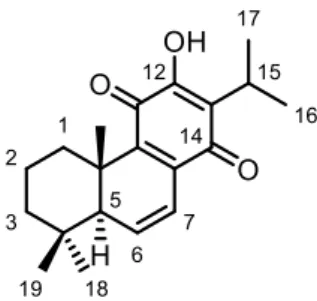
Figure 11. Structure of 6,7-dehyroroyleanone (DHR)... 28
Figure 12. The distinctive H-15α peak of a royleanone. ... 30
Figure 13. Mortality rate (%) of Artemia salina after 24h exposure to royleanone derivatives 1 – 6. ... 36
List of Table
Table 1. An overview about plant-derived anticancer agents in clinical use... 16
Table 2. δ 1H-NMR (300 MHz, CDCl3) and 13C-NMR (75 MHz, CDCl3) data for DHR.
... 29
Table 3. 1H-NMR data for royleanone derivatives 1 – 6 (δ in ppm, 300 MHz, CDCl3).
List of Abbreviations
°C Degree Celsius
13C NMR 13C Nuclear Magnetic Resonance
1D-NMR One-dimensional Nuclear Magnetic Resonance
1H NMR 1H Nuclear Magnetic Resonance
2D-NMR Two-dimensional Nuclear Magnetic Resonance CDCl3 Deuterated Chloroform
d Doublet
dd Double doublet
ddd Double doublet of doublets DHR 6,7-dehydroroyleanone DMSO Dimethylsulphoxide
EO Essential Oils
EtOAc Ethyl acetate
m Multiplet
NMR Nuclear Magnetic Resonance
P. Plectranthus
ppm Parts per million
PTLC Preparative Thin Layer Chromatography
s Singlet
SAR Structure Activity Relationship
sept Septuplet
T Temperature
t Triplet
td Triple doublet
TLC Thin Layer Chromatography
1. Introduction
Cancer is the second leading cause of death and a major public health problem (1). In 2015, it was responsible for 8.8 million deaths (2). As a result, there is an urgent need of searching for new therapies and/or therapeutic combinations to improve the quality of life and survival of cancer patients (3).
Nature is an attractive source of new therapeutic candidate compounds since it has an extraordinary diversity of chemical compounds (4). Natural products are typically complex molecules that have played a reliable and a constant source for new drug discovery and development (3). Attempts to find new anti-cancer drugs, particularly from natural sources, still remain a topic of interest (5).
1.1.
Approved plant based drugs for the treatment of cancer
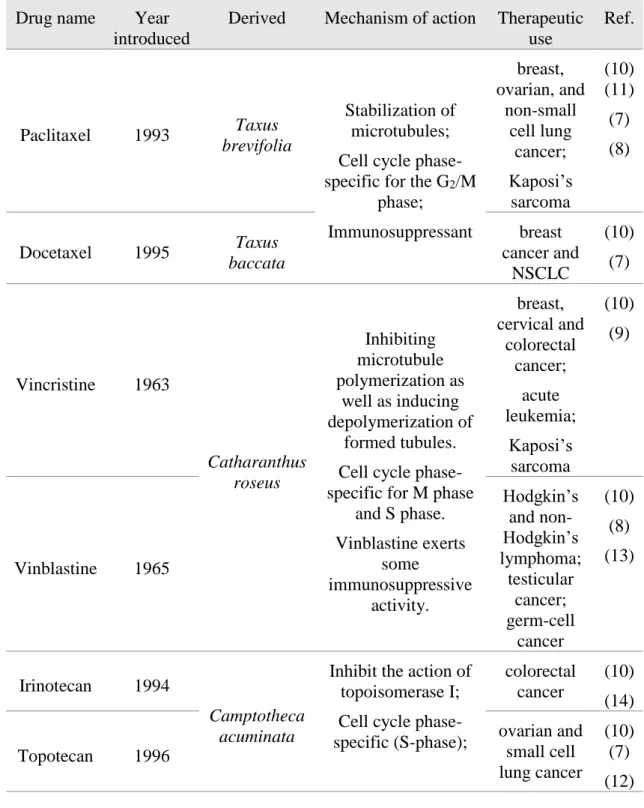
Almost 80% of anti-cancer drugs used in modern medicine are either natural products or derivatives of natural products (5). Currently, several plant-derived compounds are successfully employed in cancer treatment such as paclitaxel, docetaxel, Vinca alkaloids, irinotecan, topotecan (3), (4). Their chemical structure is presented in Figure 1. An overview about these compounds is summarized in Table 1.
Vinblastine and vincristine, known as Vinca alkaloids, were two of the initial drugs to be isolated from plants (6). They were found to be active against lymphocytic leukemia in mice while under investigation as a source of potential oral hypoglycemic agents (7). These anti-cancer drugs are known as the microtubule-destabilizing agents (MTA), inhibiting microtubule polymerization at high concentrations (8). Vinca alkaloids are cell cycle phase-specific for M phase and S phase (9).
Paclitaxel, introduced in 1993, was originally isolated from the bark of the yew tree
Taxus brevifolia. In 1995, a semi-synthetic analog, docetaxel, was introduced which is
derived from the leaves of Taxus baccata. These diterpenoids, relevant in practical medicine, have similar mechanisms of action which is stabilizing the microtubules leading to mitotic arrest at M phase of the cell cycle (4), (6), (10), (11).
Camptothecin derivatives, irinotecan and topotecan, were initially obtained from the bark and wood of Camptotheca accuminata and act by inhibiting topoisomerase I (4). Unlike irinotecan, topotecan is found predominantly in the inactive carboxylate form at
neutral pH and it is not a prodrug. As a result, topotecan has different antitumour activities and toxicities from irinotecan (12).
Paclitaxel Docetaxel
Irinotecan Topotecan
Table 1. An overview about plant-derived anticancer agents in clinical use.
Drug name Year introduced
Derived Mechanism of action Therapeutic use Ref. Paclitaxel 1993 Taxus brevifolia Stabilization of microtubules; Cell cycle phase- specific for the G2/M
phase; Immunosuppressant breast, ovarian, and non-small cell lung cancer; Kaposi’s sarcoma (10) (11) (7) (8) Docetaxel 1995 Taxus baccata breast cancer and NSCLC (10) (7) Vincristine 1963 Catharanthus roseus Inhibiting microtubule polymerization as well as inducing depolymerization of formed tubules. Cell cycle phase-specific for M phase
and S phase. Vinblastine exerts some immunosuppressive activity. breast, cervical and colorectal cancer; acute leukemia; Kaposi’s sarcoma (10) (9) Vinblastine 1965 Hodgkin’s and non-Hodgkin’s lymphoma; testicular cancer; germ-cell cancer (10) (8) (13) Irinotecan 1994 Camptotheca acuminata
Inhibit the action of topoisomerase I; Cell cycle phase-specific (S-phase); colorectal cancer (10) (14) Topotecan 1996 ovarian and small cell lung cancer (10) (7) (12)
1.2.
Plectranthus genus
Plectranthus is a well-represented genus of the Lamiaceae family consisting of about
300 species. It occurs naturally in eastern and southern tropical Africa, Asia, Australia, and some Pacific islands (15), (16).
It is of interest to explore the potential medicinal and economic uses of Plectranthus spp., since some are medicinal plants with potential use in primary healthcare (17). In fact, in over 85% of the literature, documentation states that Plectranthus genus holds valuable biologically active compounds followed by its nutritional and horticultural properties attributed to its aromatic nature and essential oil production capability (18). It is known that approximately 62 Plectranthus species are used all around the world as ornamental plants and as medicines with economic interest, along with a rich diversity of ethnobotanical uses. They have antiseptic, vermicidal, and purgative activities and are used for the treatment of infections, toothache, stomachache and allergies (15).
Phytochemical studies conducted on Plectranthus species reported the presence of diterpene quinones, coleones, royleanones and triterpenoids (19). The bioactive components on these species are mostly diterpene compounds. Diterpenes hold diverse roles in the plant growth and development, in the resistance to environmental stresses, and have also chemotaxonomical interest (Figure 2) (20). They are secondary metabolites in Plectranthus spp., and the majority are abietanes containing phenolic or quinonoid rings, in addition to some labdanes, ent-kauranes and seco-kauranes (21).
1.2.1. Abietane diterpenoids
Abietanes are tricyclic diterpenoids with high occurrence and the most widespread in the Lamiaceae family (20). Abietane diterpenoids (Figure 3) or their derivatives exhibit a broad-spectrum of biological activities, such as anti-inflammatory, antiviral, antimicrobial, BK channel-opening, gastroprotective effect and especially antiproliferative activity in human tumor cell lines (3), (22). Their significant biological properties have medicinal and pharmacological potential for drug development (23).
Figure 3. Abietane skeleton.
1.2.1.1. Royleanones
Tricyclic abietane quinones are known as royleanones (Figure 4). Typically, royleanones have a quinonoid C ring and, in addition, they often have an oxidized B ring and may also have an oxidized A ring. Hydroxyl and carbonyl functional groups occur frequently on C11, C7 and C6 (23).
Figure 4. Royleanone structure.
1.2.2. Plectranthus madagascariensis
Plectranthus madagascariensis (Pers.) Benth (Figure 5) is a perennial aromatic herb
native to southern Africa. It is used as a traditional medicine to treat ailments in the respiratory and skin categories. Crushed leaves are massaged into the skin to treat scabies and small wounds. Decoction and infusions of the whole plant is used for the treatment of cold, cough and asthma (16), (24).
Figure 5. The dried herb of P. madagascariensis (Pers.) Benth.
[image from apps.kew.org/herbcat/navigator.do]
Abietane diterpenoids of Plectranthus spp. have especially antimicrobial activity. Extracts of P. madagascariensis showed antibacterial and insect antifeedant effect and also antioxidant capacity (25). The main component of the essential oil is an abietane diterpenoid: 6,7-dehydroroyleanone (Figure 11) (24).
1.2.2.1. Royleanone derivatives
In this study, a royleanone named 6,7-dehydroroyleanone (DHR) was isolated from
Plectranthus madagascariensis (Pers.) Benth. This chemical compound was only found
in the essential oil (EO) of this specie which was isolated by hydrodistillation (of mostly dry leaves) using the Clevenger apparatus. In Ascensão et al. the percentage composition of the EO was determined. The main component of the EO was DHR (19). After the extraction of the EO through Clevenger apparatus, DHR was isolated by dry-column flash chromatography followed by recrystallization, thus obtaining orange-to-reddish crystals. DHR has displayed cytotoxic activity in previous studies. In Kusumoto et al. DHR was tested against the human leukemia cell lines and showed notable activity (IC50 = 4.46
μM) as well as specific cytotoxicity (26).
Another article, Gazim et al. revealed the results of DHR tested against three tumoral cell lines: human melanoma cell line, nervous system human cell line and human colon cell line. The percentage of the Growth Inhibition (%) of cell lines were 3.34%, 15.30% and 12.08%, respectively, concluding that DHR did not have cellular activity for the tested lines. Nevertheless, in the same study, the antioxidant activity of DHR as evaluated through DPPH radical scavenging, showing high antioxidant potential (27).
In Choudhary et al. DHR showed excellent antiproliferative activity against the prostate cancer cell line with IC50 = 6.56 µM and a moderate cytotoxicity was exhibited
for human cervical cancer cell with IC50 = 9.42 µM (28).
As the studies above report, DHR displays cytotoxic activity in several cancers. Furthermore, by semi-synthetic synthesis it is possible to elaborate structural modifications onto an existing bioactive natural-product scaffold in a parallel, systematic fashion in order to improve its inherent biological activity or drug-like properties (29). That said, this study is focused on the structural modification of DHR using Mitsunobu reactions and benzoylation with the purpose to enhance its biological activity, followed by preliminary toxic testing in brine shrimps.
1.3.
Mitsunobu hemi-synthetic reactions
The Mitsunobu reaction (Figure 6) is the displacement of an alcohol with a pronucleophile (NuH) mediated by phosphine and azocarboxylate reagents, which work together to activate the pronucleophile through deprotonation and convert the alcohol to a reactive alkoxyphosphonium species (30). The reaction proceeds with clean inversion serving as a key step of biologically active natural product synthesis to invert the stereochemistry of alcohols (31), (32).
This chemical reaction usually takes part in the presence of triphenylphosphine (PPh3) and diisopropyl azodicarboxylate (DIAD) in dry tetrahydrofuran (THF). In this
reaction, PPh3 is oxidized to triphenylphosphine oxide (PPh3O) which is an excellent
leaving group due to formation of the strong P=O bond (33); DIAD serves as the hydrogen acceptor and THF is an inert solvent (which disables the protons to solvate) (34). Renowned for its mild reaction conditions and broad substrate tolerance, the Mitsunobu reaction is capable of forming C⸺O, C⸺N, C⸺S, and C⸺C bonds (30).
Figure 6. Required conditions for a Mitsunobu Reaction (32).
The challenge of achieving both a shorter reaction time and a higher yield is fulfilled by heating the chemical reactions with microwave (MW) energy, instead of using conventional heating methods. Microwave-assisted Mitsunobu reaction also enhance product purity by reducing unwanted side reactions (35).
In this study, it was predicted that the alkyl substituents will be added at the C-12 hydroxyl group (because of its special acidity) and the expected structures are presented in Figure 8 (Section 2.3.).
The work-up of this reaction consists in the addition of a less polar solvent such as diethyl ether since the reagents as well as the resulting byproducts can be made insoluble. A simple filtration will then remove the byproducts (36).
1.4. Benzoylation
Benzoylation is a common chemical reaction that introduces a benzoyl group into a molecule with the formation of a covalent bond. The reaction and its expected product is presented in Figure 9.
1.5. Artemia salina lethality bioassay
The preliminary assessment of toxicity for the royleanones derivatives was evaluated through lethality test against brine shrimp (Section 2.6.).
Artemia salina L. (Artemiidae), the brine shrimp larva, is an invertebrate used in the
alternative test to determine toxicity of chemical and natural products. This crustacean whose larvae are sensitive to a variety of substances has also been considered a bioindicator of environmental contamination. Since there is currently tendency to limit the use of laboratory animals in toxicological tests, the brine shrimp can be useful as a quick and simple test for predicting the toxicity of chemicals and plant extracts (37). In
Logarto Parra et al. it was found good correlation between the in vivo (tested in mice)
and the in vitro tests suggesting that the brine shrimp bioassay is a useful alternative model to preliminary toxicity studies.
2. Materials and methods
2.1. Plant Material
Plant material Plectranthus madagascarensis Benth. was cultivated in Parque Botânico da Tapada da Ajuda (Instituto Superior Agrário, Lisbon, Portugal) from cuttings obtained from the Kirstenbosch National Botanical Garden (Cape Town, South Africa). Voucher specimens were deposited in Herbarium João de Carvalho e Vasconcellos (ISA) with the number 841/2007. The plant material used in this study was collected between 2007 and 2008, dried at room temperature and stored, protected from light and humidity. The plant name has been checked with http://www.theplantlist.org (38).
2.2. Isolation of 6,7-dehyroroyleanone and structural identification
Around 46.86 ± 3.51 g of dried P. madagascariensis (mostly leaves) were immersed in 1 L of distilled water and then submitted to hydrodistillation through Clevenger apparatus (steam distillation). The extractions were performed in triplicate and each hydrodistillation carried out to exhaustion. The essential oil was collected in n-hexane, and the solvent was further evaporated to dryness at 40 ºC on a rotary evaporator (Sigma-Aldrich, IKA® HBR 4 basic heating bath).The essential oil (EO) sample obtained through hydrodistillation in the Clevenger apparatus allowed the extraction of the desired compound, which was isolated from the EO of P. madagascariensis. The P. madagascariensis EO sample (1.7g) was dissolved with the minimum amount of n-hexane and sonicated at room temperature to facilitate the solubilisation. Initial fractionation was obtained by dry-column flash chromatography (39) on silica gel 60 high purity-grade (1.09385.1000; 230-400 Mesh; Merck KGaA 64271 Darmstadt, Germany) (23 g), eluted firstly with n-hexane, and afterwards with a mixture of n-hexane:ethyl acetate (90:10). The following fractions were eluted in an increased amount of ethyl acetate and lastly, with methanol. Forty-seven (47) fractions (Figure 7) were obtained and similar fractions were combined together to yield 8 pool fractions. Based on thin layer chromatography (TLC) monitoring, the fractions 2 to 6 containing the diterpene of interest were further recrystallized with methanol (40,41). Its
crystals were gathered into a glass container and kept at room temperature away from light. The DHR isolation performed by flash chromatography yielded 20.4%.
In order to determine the structure of the isolated royleanone, 1D NMR analysis was conducted based on the resonances of 1H and 13C NMR spectra, recorded on an Ultrashield Bruker Avance II 300 spectrometer. The results were summarized in Table 2 and the structure of the diterpene was reliably established by comparison with an authentic sample and also with literature data (42).
2.3. Mitsunobu Reaction
In a microwave reactor, propargyl alcohol [Sigma Aldrich] (15 μL 0.26 mmol) and triphenylphosphine (71.3 mg 0.27 mmol) were added to a stirring solution of DHR (20.1 mg 0.064 mmol) in dried THF [Sigma Aldrich] (4.5 mL 55.5 mmol) under inert conditions. DIAD 98% [Alfa Aesar] (50 μL 0.25 mmol) was added dropwise to the reaction medium at 0º C. By adding DIAD, the reaction changed from orange to dark purple. The reaction mixture was removed from the ice bath when the color went back to orange. After reaching room temperature, the reaction was placed in a microwave apparatus at 300 W and 60º C for 45 min. The reaction was followed by TLC until
(1a) (2) (3) (4) (5)
Allyl alcohol
Propargyl alcohol
Geraniol Menthol Ethanolazide
Figure 8. The predicted structures by microwave-assisted procedure via the Mitsunobu
reaction with different alkyl substituents.
2.4. Benzoylation
In a round bottom flask, containing 1 equivalent of DHR (18.7 mg 0.059 mmol), 5 mL of dichloromethane were dissolved under agitation (300 rpm) at room temperature. Portions of pyridine and benzoyl chloride were gradually added to the reaction with 1 hour intervals, thus a total of 21.3 equivalents of benzoyl chloride (1.35 mmol 157 μL) and 21.3 equivalents of pyridine (1.35 mmol 109 μL) were added under the same conditions. After 3h, the solution developed a stable yellow color. The reaction was followed by TLC until complete (114 hours). The reaction work up was performed by liquid–liquid extraction with a hydrochloric acid 1M solution. The remaining aqueous phase was extracted with dichloromethane (DCM). After extraction, the total of the organic phase was dehydrated with Na2SO4 and filtered to a pre-weighted round bottom
flask. Alter filtration, the sample was concentrated in a rotary-evaporator. The final product of these procedure was isolated through preparative thin-layer chromatography (PTLC) described in Section 2.5. Lastly, the band from PTLC corresponding to DHR was isolated giving a total of 12.1 mg (yielding 50.2%).
Figure 9. Expected product from the benzoylation reaction.
2.5. Isolation
of
the
product
by
preparative
thin-layer
chromatography (PTLC)
A glass plate with 20 cm x 20 cm dimensions of silica 60 GF254 Merck (pH 6.5- 7.5)
was prepared. Using a short pipette with cotton at the edge, it was carefully deposit a thin line of sample across the plate avoiding the edges. The remaining solution was repeatedly applied on the original line of the sample, drying in between applications. The plate was placed in a chamber with polar solvents (ethyl acetate) for 1h. After elution, the plate was revealed under UV light (254 nm). The band of interest was scraped off with a spatula. The sample was retrieved by filtration using a glass fritted funnel using ethyl acetate and acetone. Finally, it was concentrated in the rotary evaporator.
2.6. Brine shrimp lethality bioassay
In order to evaluate the preliminary toxicity of the diterpenoid derivatives 1 – 6 a test of lethality to Artemia salina brine shrimp was carried out. Concentrations of 100 ppm of each active sample were tested in a 24-well plate. The compounds were prepared from 10 mg/mL concentration with a dilution of 1:100 in salt medium. After adding the compound of interest in each well, it was stored in favorable growth conditions for 24h at 25ºC. After
3. Results and Discussion
3.1.
Isolation of DHR and structural identification
In this work, DHR was isolated from P. madagascariensis essential oil (EO) by hydrodistillation in the Clevenger apparatus. DHR is a compound formed in the process of the EO extraction while using water. This EO extraction method was elected since in previous work with DHR provided higher yields. Its corresponding yield was 18.55±2.00% (% DHR weight/ hydrodistillate extracts weight) in Garcia C. et al. “Anticancer properties of the abietane diterpene 6,7-dehydroroyleanone obtained by optimized extraction” [in submission]. The DHR isolation was performed by dry-column flash chromatography and yielded 20.4% (w/w). In order to enlighten its structure, the NMR spectrum was determined. The DHR structure is presented in the Figure 11 and its NMR analysis in Table 2.
Table 2. δ 1H-NMR (300 MHz, CDCl
3) and 13C-NMR (75 MHz, CDCl3) data for DHR.
Position δH (ppm) δC (ppm) 1 3.2 d (H-1α) 2.88 d (H-1β) 35.28 2 1.62 ddd (H-2α) 1.51 dd (H-2β) 18.81 3 1.23 s (H-3α) 1.47 d (H-3β) 39.38 4 - 40.64 5 2.13 t (H-5α) 52.23 6 6.46 dd 139.80 7 6.81 dd 121.23 8 - 138.6 9 - 140.64 10 - 33.40 11 - 183.58 12 7.34 s (OH-12) 151.34 13 - 122.72 14 - 186.22 15 3.16 sept (H-15α) 22.94 16 1.22* (Me-16) 19.95 17 1.20* (Me-17) 20.14 18 0.98 s (Me-19) 24.21 19 1.01 s (Me-18) 32.74 20 1.03 s (Me-20) 15.31 *Overlapped signals.
Analyzing the chemical shifts, it was possible to identify the hydroxyl group. The hydrogen of the alcohol at the 12 position is exceptional, since it exhibited resonance in the NMR spectra (δH = 7.34). This special characteristic is due to the formation of a
hydrogen bond with the oxygen from the quinone ring, stabilizing it. Considering the absence of resonance from this hydrogen is possible to conclude whether the new functional group entered the position OH-12.
The H-15α signal is very distinctive of a royleanone as it appears on the NMR spectra as a septuplet at δH ≈ 3.15 ppm (Figure 12).
Figure 12. The distinctive H-15α peak of a royleanone.
3.2. Royleanone derivatives structural identification
The chemical structures of the novel compounds were identified by 1D-NMR analysis. This analysis does not provide certainty about the chemical structure, however it helps verifying if the reactions took place. In order to have a complete chemical characterization of the derivatives, 2D-NMR has to be performed. The applied methodology for the analysis of the NMR spectra of the synthesized products consisted in overlaying their spectra with the NMR spectra of DHR. Table 3 comprehends the resonances exhibited by the royleanone derivatives 1 – 6.
Table 3. 1H-NMR data for royleanone derivatives 1 – 6 (δ in ppm, 300 MHz, CDCl 3). Position 1 2 3 4 5 6 1α 1.13 m 1.40 d 1.41 d 1.45 m* 1.51 d* 1.44 m* 1β 2.78 m 2.77 d 2.85 m 2.75 m 2.58 d 2.81 d 2α 1.56 q 1.62 d 1.67 d 1.63 m 1.94 t 1.65 t 2β 1.71 qt 1.55 m 1.58 m 1.68 s 1.59 m 3α 1.20 m 1.30 s 1.22 dddd* 1.26 m* ~1.27 s* ~1.24* 3β 1.45 m 2.03 m 1.46 m 1.45 m* 1.51 d* 1.44 m* 5α 1.08 d 2.20 m 2.06 m 2.06 m 2.05 d 2.19 t 6 1.37 m 1.87 dd 6.31 dd 6.45 dd 6.37 m 6.26 dd 6.44 dd 7 2.34 ddd 2.74 ddd 6.70 dd 6.77 dd 6.76 m 6.79 dd 6.79 dd
15 3.17 sept 3.17 sept 3.17 sept 3.27 sept 3.03 sept 3.19 sept Me-16# 1.20 d 1.19 m* 1.22 m* 1.26 m* 1.25 m 1.27* Me-17# 1.22 d 1.13 m* 1.22 m* 1.26 m* 1.21 m 1.22* Me-18 0.91 s 0.91 s 0.91 s ~0.90 s 0.97 s 1.02 s Me-19 0.94 s 0.95 s 0.96 d ~0.98 s 1.00 s 0.99 s Me-20 1.26 s 0.97 s 1.01 m ~1.01 s 1.03 s 1.05 s 12-OH 7.28 s H – C(1’) 4.58 dd 4.65 dd 4.89 m 4.97 m H – C(2’) 6.35 dd 4.08 m ~8.15 dd H – C(3’) 2.77 d ~7.52 td H – C(4’) 1.71 m ~7.65 td H – C(5’) 2.62 m ~7.52 td H – C(6’) 5.41 m 2.35 m ~8.15 dd Me-8’ 2.16 s* 1.06 s* Me-9’ 2.16 s* Me-10’ 2.16 s*
3.2.1. Mistsunobu Reaction royleanone derivatives
3.2.1.1. 6,7-dehydro-12-(prop-2-en-1-yloxy)-royleanone 1a
The first Mitsunobu Reaction performed was with allylic alcohol as substituent, predicting that the formed compound would be 6,7-dehydro-12-(prop-2-en-1-yloxy)-royleanone (1a). Analyzing the NMR spectra, the OH-12 exhibited resonance at δH 7.28.
This leads to the conclusion that the allylic alcohol did not bind to the C-12 position. Additionally, the characteristic signal of H-6 and H-7 from the double bond disappeared and new chemical shifts were detected upfield. Therefore, through NMR analysis, it was possible to conclude that the expected product 1a was not formed. The final product was a simple royleanone 1b structure. The size of the chemical shifts was compared to with the literature data Tezuka et al. (43) in order to validate the structural identification.
Predicted product: Obtained product:
1a
6,7-dehydro-12-(prop-2-en-1-yloxy)-royleanone
1b
Royleanone
From 1D-NMR analysis, the obtained product is believed to be 1b however there is a need of further 2D-NMR studies to confirm this hypothesis.
3.2.1.2. 6,7-dehydro-12-(prop-2-yn-1-yloxy)-royleanone 2
2
The NMR spectra of compound 2 presented new chemical shifts. In addition, the OH-12 signal disappeared. The δ 4.58 chemical shift resembles with the two hydrogens corresponding to the propargylic alcohol chain. The H-1’ bonded to the carbon of the triple bond was identified at δ 2.77. Thus, the propargylic alcohol linked to the 12 position.
3.2.1.3. 6,7-dehydro-12-O-geraniol-royleanone 3
3
The NMR spectra of compound 3 presented new several chemical shifts corresponding to geraniol group with the absence of OH-12 resonance. The H-1’ is deshielded since it binds to an oxygen thus giving a peak at 4.65 ppm. The 2’ and H-6’ experience higher frequencies because of the double bond, giving peaks at 6.35 ppm and 5.41 ppm, respectively. The methyl group peaks (Me-8’, Me-9’ and Me-10’) overlapped at 2.16 ppm.
3.2.1.4. 6,7-dehydro-12-O-menthol-royleanone 4
4
The definition of the peaks for the compound 4 was not clear. However, new resonances were present in the NMR spectra. The peaks for the double bond 6 and H-7 were present at 6.3H-7 ppm and 6.H-76 ppm, respectively. There is a signal present at 4.89 ppm which seems to belong to the H-1’ of the menthol structure. This hydrogen is slightly deshielded because of the presence of the oxygen. There is also a new singlet peak at 1.06 ppm that belongs to Me-8’.
3.2.1.5. 6,7-dehydro-12-O-(2-azidoethyl)-royleanone 5
5
The NMR spectra of compound 5 compared to the DHR spectra revealed two novel peaks at 4.97 ppm and 4.08 ppm corresponding to H-1’ and H-2’, respectively. The OH-12 signal was absent leading to the conclusion that the 2-azidoethyl linked to the OH-12
3.2.2. Benzoylation of DHR
Given the conditions for this reaction the expected product is 6,7-dehydro-12-O-benzoyl-royleanone 6. The signal at δ 7.34 corresponding to OH-12 position disappeared from the NMR spectrum, therefore showing that the benzoyl group is attached to the oxygen of the hydroxyl group. The benzoyl group caused the expected downfield shifts: H-2’ and H-6’ overlapping at ~8.15 ppm, H-3’ and H-5’ overlapping at ~7.52 ppm and finally H-4’ exhibited resonance at ~7.65 ppm.
6
3.3. Artemia salina lethality bioassay
A brine shrimp lethality bioassay was performed to determine the preliminary toxicity of new royleanone derivatives 1 – 6. The outcomes of the mortality rate (%) after 24h of exposure to the novel compounds are represented in the Figure 13.
According to the results, DHR displays moderate toxic activity (LC = 36.68% at 100 ppm). The royleanone derivatives 1 – 5 presented enhanced biological activity given the chemical modifications to the DHR structure. The most toxic DHR derivative was compound 2 (LC = 68.34% at 100 ppm) with the propargylic group at the C-12.
The compound 6 has 3 fold less toxic activity that DHR, thus it does not exhibit cytotoxic activity (LC = 11.11% at 100 ppm).
Figure 13. Mortality rate (%) of Artemia salina after 24h exposure to royleanone
derivatives 1 – 6. N.C.: Negative Control = DMSO: salt medium (1:100)
All the derivatives with alkoxy groups 1 – 5 displayed increased toxic activity. However, the compound 6 is an ester and did not exhibit any toxic activity. Furthermore, it appears that the position C-12 is important for the toxic activity, though the nature of the alkyl group inserted is relevant for the biological activity.
4. Conclusion
In this project, new abietanes were synthesized derived from a natural compound, the DHR with previously reported cytotoxic activity. The DHR was isolated from P.
madagascariensis EO by hydrodistillation in the Clevenger apparatus since it is the
method with higher yields (18.55±2.00%). The EO sample was separated by dry-column 12,19 8,17 36,68 58,69 68,34 62,45 67,00 45,64 11,11 0 10 20 30 40 50 60 70 80 Blank N.C. DHR 1 2 3 4 5 6 Mor tal it y r at e (% )
After synthesis and isolation of the derivatives 1 – 6, a lethality bioassay on Artemia
salina L. was performed in order to determine the preliminary toxicity of the novel
compounds. This fairly easy and quick method is an economic approach with highly relevance when screening toxic compounds and its results are comparable to those obtained in vivo using mice.
As aimed, the synthesized Mitsunobu products 1 – 5 have revealed a higher toxicity profile than the DHR, although the benzoylated product 6 has not. The lipophilic nature of the inserted functional groups 1 – 5 (from LC = 45.64% to 68.34% at 100 ppm) enhanced the general toxic activity in comparison to the DHR (LC = 38.68% at 100 ppm). Additionally, it is important to notice that the derivatives with enhanced toxic activity formed an alkoxy group at C-12.
Stability testing and complete characterization by 2D-NMR spectroscopic methods of the synthesized royleanone derivatives are under study. As clean inversions are characteristic of Mitsunobu reactions, the aforementioned studies would enlighten if the observed conformational rearrangements are crucial for the improvement of activity.
Finally, it was proven that Plectranthus spp. holds major interest as a source of anticancer compounds, and more importantly, as a provider of potential lead compounds suitable for derivatization.
References
1. Wang Y-Y, He Y, Yang LF, Peng SH, He XL, Wang JH, et al. Synthesis of novel diterpenoid analogs with in-vivo antitumor activity. Eur J Med Chem. 2016;120:13–25.
2. WHO Media Centre. Cancer: Fact sheet [Internet]. Geneva: World Health Organization; 2017 [cited 2017 May 9]. Available from: http://www.who.int/mediacentre/factsheets/fs297/en/
3. Xu H, Liu L, Fan X, Zhang G, Li Y, Jiang B. Identification of a diverse synthetic abietane diterpenoid library for anticancer activity. Bioorg Med Chem Lett. 2016;1–6.
4. Rocha AB da, Lopes RM, Schwartsmann G. Natural products in anticancer therapy. 2001;1(4):364–9.
5. Akaberi M, Mehri S, Iranshahi M. Multiple pro-apoptotic targets of abietane diterpenoids from Salvia species. Fitoterapia. 2015;100:118–32.
6. M. Greenwell, P.K.S.M. Rahman. Medicinal Plants: Their Use in Anticancer Treatment. Int J Pharm Sci Res. 2015;6(10):4103–12.
7. Cragg GM, Newman DJ. Plants as a source of anti-cancer agents. J Ethnopharmacol. 2005;100:72–9.
8. Jordan MA, Wilson L. Microtubules as a target for anticancer drugs. Nat Rev. 2004;4(Cancer).
9. Vincristine monograph. In: BC Cancer Agency Cancer Drug Manual [Internet]. Vancouver: British Columbia; 2008. p. 1–9. Available from: http://www.bccancer.bc.ca/drug-database-site/Drug
Index/Vincristine_monograph_1Mar08.pdf
Index/Paclitaxel_monograph_1Apr2016.pdf
12. Topotecan monograph. In: BC Cancer Agency Cancer Drug Manual. Vancouver: British Columbia; 2017. p. 1–7.
13. Vinblastine monograph. In: BC Cancer Agency Cancer Drug Manual [Internet]. Vancouver: British Columbia; 2008. p. 1–8. Available from: http://www.bccancer.bc.ca/drug-database-site/Drug
Index/Vinblastine_monograph_1Mar08newpolicy.pdf
14. Irinotecan monograph. In: BC Cancer Agency Cancer Drug Manual [Internet]. Vancouver: British Columbia; 2016. p. 1–9. Available from: http://www.bccancer.bc.ca/drug-database-site/Drug
Index/Irinotecan_monograph_1Jan2016.pdf
15. Waldia S, Joshi BC, Pathak U, Joshi MC. The genus plectranthus in India and its chemistry. Chem Biodivers. 2011;8(2):244–52.
16. Rice LJ, Brits GJ, Potgieter CJ, Staden J Van. Plectranthus: A plant for the future? South African J Bot. 2011;77(4):947–59.
17. Gaspar-Marques C, Rijo P, Simões MF. Abietanes from Plectranthus grandidentatus and P. hereroensis against methicillin-and vancomycin-resistant bacteria. 2006;13:267–71.
18. Arumugam G, Swamy MK, Sinniah UR. Plectranthus amboinicus (Lour.) Spreng: Botanical, Phytochemical, Pharmacological and Nutritional Significance. Molecules. 2016;26.
19. Ascensão L, Figueiredo AC, Barroso JG, Pedro LG, Schripsema J, Deans SG, et al. Plectranthus madagascariensis: Morphology of the Glandular Trichomes, Essential Oil Composition, and Its Biological Activity. Int J Plant Sci. 1998;159(1):31–8.
20. Rijo P, Faustino C, Simões MF. Antimicrobial natural products from Plectranthus plants. Formatex. 2013;922–31.
21. Wellsow J, Grayer RJ, Veitch NC, Kokubun T, Lelli R, Kite GC, et al. Insect-antifeedant and antibacterial activity of diterpenoids from species of Plectranthus. Phytochemistry. 2006;67(16):1818–25.
22. Areche C, Schmeda-Hirschmann G, Theoduloz C, Rodríguez JA. Gastroprotective effect and cytotoxicity of abietane diterpenes from the Chilean Lamiaceae Sphacele chamaedryoides (Balbis) Briq. J Pharm Pharmacol. 2009;61(12):1689– 97.
23. Ladeiras D, Monteiro C, Pereira F, Reis C, Afonso C, Rijo P. Reactivity of Diterpenoid Quinones: Royleanones. Curr Pharm Des. 2016;22(12):1682–714. 24. Kubínová R, Pořízková R, Navrátilová A, Farsa O, Hanáková Z, Bačinská A, et al.
Antimicrobial and enzyme inhibitory activities of the constituents of Plectranthus madagascariensis (Pers.) Benth. J Enzyme Inhib Med Chem. 2014;6366:1–4. 25. Rijo P, Matias D, Fernandes AS, Simões MF, Nicolai M. Antimicrobial Plant
Extracts Encapsulated into Polymeric Beads for Potential Application on the Skin. 2014;479–90.
26. Kusumoto N, Aburai N, Ashitani T, Takahashi K, Kimura K. Pharmacological Prospects of Oxygenated Abietane-Type Diterpenoids from Taxodium distichum Cones. Adv Biol Chem. 2014;4(2):109–15.
27. Gazim ZC, Rodrigues F, Amorin ACL, De Rezende CM, Sokovic M, Teševic V, et al. New natural Diterpene-Type abietane from Tetradenia riparia Essential Oil with Cytotoxic and Antioxidant activities. Molecules. 2014;19(1):514–24. 28. Choudhary MI, Hussain A, Ali Z, Adhikari A, Sattar SA, Ayatollahi SAM, et al.
Diterpenoids including a novel dimeric conjugate from Salvia leriaefolia. Planta Med. 2012;78(3):269–75.
29. Koehn FE, Carter GT. The evolving role of natural products in drug discovery. Nat Rev Drug Discov [Internet]. 2005;4(3):206–20. Available from: http://www.nature.com/doifinder/10.1038/nrd1657
30. Buonomo JA, Aldrich CC. Mitsunobu Reactions Catalytic in Phosphine and a Fully Catalytic System. Angew Chemie - Int Ed. 2015;54(44):13041–4.
33. Hughes DL, Reamer R a., Bergan JJ, Grabowski EJJ. A Mechanistic Study of the Mitsunobu Esterification Reaction. J Am Chem Soc. 1988;110(19):6487–91. 34. Camp D, Jenkins ID. Mechanism of the Mitsunobu Esterification Reaction. 1. The
Involvement of Phosphoranes and Oxyphosphonium Salts. J Org Chem. 1989;54(9):3045–9.
35. Poerwono H, Sasaki S, Hattori Y, Higashiyama K. Efficient microwave-assisted prenylation of pinostrobin and biological evaluation of its derivatives as antitumor agents. Bioorganic Med Chem Lett. 2010;20(7):2086–9.
36. Swamy KCK, Kumar NNB, Balaraman E, Kumar KVPP. Mitsunobu and Related Reactions: Advances and Applications. Chem Rev. 2009;109(6):2551–651. 37. Logarto Parra A, Silva Yhebra R, Guerra Sardiñas I, Iglesias Buela L. Comparative
study of the assay of Artemia salina L. and the estimate of the medium lethal dose (LD50 value) in mice, to determine oral acute toxicity of plant extracts. Phytomedicine. 2001;8(5):395–400.
38. The Plant List (2010). Version 1. Published on the Internet; http://www.theplantlist.org/ [Internet]. 2010. p. Available from: http://www.theplantlist.org/
39. Shusterman AJ, McDougal PG, Glasfeld A. Dry-Column Flash Chromatography. J Chem Educ. 1997 Oct;74(10):1222.
40. Frija LMT, Garcia H, Rodrigues C, Martins I, Candeias NR, André V, et al. Short synthesis of the natural product 3β-hydroxy-labd-8(17)-en-15-oic acid via microbial transformation of labdanolic acid. Phytochem Lett. 2013;6(2):165–9. 41. Almutairi S, Edrada-Ebel R, Fearnley J, Igoli JO, Alotaibi W, Clements CJ, et al.
Isolation of diterpenes and flavonoids from a new type of propolis from Saudi Arabia. Phytochem Lett. 2014 Dec;10:160–3.
42. Rodríguez B. 1H and 13C NMR spectral assignments of some natural abietane diterpenoids. Magn Reson Chem. 2003;41(9):741–6.
43. Tezuka Y, Kasimu R, Li JX, Basnet P, Tanaka K, Namba T, et al. Constituents of roots of Salvia deserta Schang. (Xinjiang-Danshen). Chem Pharm Bull. 1998;46(1):107–12.