Effect of microalgae
in gilthead seabream
(Sparus aurata) diets
Sara Silva Jorge
Dissertação de Mestrado apresentada à
Faculdade de Ciências da Universidade do Porto em
Recursos Biológicos Aquáticos
2016
E ff ec t of mi croa lga e in gil the ad se ab ream (S pa rus au rat a ) diet s S ara S ilv a J orge FCUP 2016 2.º CICLOEffect of microalgae
in gilthead
seabream (Sparus
aurata) diets
Sara Silva Jorge
Mestrado em Recursos Biológicos Aquáticos
Departamento de Biologia2016
Orientador
Ana Isabel Santos Couto, Investigadora Pós-Doutoramento, CIIMAR
Effect of microalgae
in Gilthead
seabream (Sparus
aurata) diets
Sara Silva Jorge
Mestrado em Recursos Biológicos Aquáticos
Departamento de Biologia2016
Orientador
Todas as correções determinadas pelo júri, e só essas, foram efetuadas. O Presidente do Júri,
Porto, ______/______/_________
Todas as correções determinadas pelo júri, e só essas, foram efetuadas. O Presidente do Júri,
Acknowledgements
I would like to thank Dr. Ana Couto for accepting me as her MSc student and giving me the opportunity to perform this study, for which I will cherish her for life. The accomplishment of this dissertation wouldn’t be possible if it wasn’t for her motivation, dedication, patience, rectifications and time spent in transferring her scientific knowledge and helping me in all I ever needed.
I want to make a special thanks to Prof. Dr. Aires Oliva-Teles for accepting me in his team, giving me an enriching experience at both personal and professional levels.
I’m very grateful to Dr. Cláudia Serra and Dr. Paula Enes for all the support, scientific knowledge, incentive and disponibility in assisting me whenever needed during this thesis.
Thanks to Mr. Pedro Correia for all the sympathy and technical assistance during the experimental trial.
Thanks to Dr. Pedro Pousão from IPIMAR/CRIPSul for the fish supply.
My sincere thanks to all members from the nutrition group, who received me with affection and hospitality, being always available to help me.
A special thanks to my boyfriend António Moura, who appeared in my life in crazy times and since then, made everything better, supporting me in all I did.
I would also like to thank to Rafaela, Susana and Rita for putting up with me and who I hope would be there for me when I’m an old lady.
This dissertation wouldn’t be possible without my family, especially my mother, uncles and my sister Núria, who always supported me to continue with my education and gave me the best advices and all the strength I needed during my academic path.
Abstract
The world`s fish stocks are fully or overexplored, so the investment in aquaculture was inevitable. The witnessed rise of global human population, associated with the economic crisis experienced, lead to the decline of the principal ingredient resources utilized in aquafeeds: fishmeal and fish oil. This lead to the pursuit of alternative ingredients, such as plant feedstuffs that, although not ideal for carnivorous fish species cultivated, are already used to replace a large percentage of marine derived feedstuffs in aquafeeds.
Nevertheless, the need to find new alternative nutrient sources to formulate aquafeeds that allow the development of a sustainable and profitable aquaculture while maintaining fish health is still a reality. Microalgae present themselves as good alternative ingredients to provide macro nutrients but are also interesting sources of bioactive compounds. Anti-inflammatory, antioxidant, antitumoral are some of the effects ascribed to microalgae bioactive molecules. Microalgae biomass is not yet produced in quantities suitable to be used as bulk ingredients in aquafeeds but can be supplemented to fish diets as functional ingredients capable of improving fish health and welfare.
This study aimed at screening some of the effects of dietary microalgae in gilthead seabream (Sparus aurata), by evaluating fish growth, feed utilization, intestinal morphology and function as well as microbiota. The microalgae chosen to test as a functional ingredient on Gilthead seabream diets was Nannochloropsis sp., due to its availability and stage of production technology development.
To do so a 37 days short-term trial was performed in a thermoregulated seawater system with 60g Sparus aurata juveniles. A control diet (45% C.P., and 18 % C.L.) with low fish meal (20%) inclusion was formulated along with three experimental diets produced with similar composition to control diet but supplemented with Nannochloropsis
sp.: 0.5% (Nanno 0.5), 0.75% (Nanno 0.75) and 1.5% (Nanno 1.5).
Although not statistically significant, an increase in fish daily growth index and final body weight was verified with the inclusion of the microalgae in the diets. No significant differences were found in the histomorphological evaluation. Digestive function was also statistically similar among experimental groups. In general, the Control
group showed a tendency towards higher digestive enzyme activity, immediately followed by Nanno 0.75.
Microbiota was modulated by microalgae supplementation, with Nanno 0.75 showing higher indices for richness, diversity and OTUs. Bacterial communities for each dietary treatment, demonstrated that fish fed the Nanno 0.5 and Nanno 0.75 diet were more closely related (similarity higher than 90%), while those from Nanno 1.5 and control diet diverge more (similarity bellow 90%).
In fish offered the Nanno 1.5 diet the simper similarity was higher and the replicates clustered more, revealing a homogeneous response from bacterial communities to the dietary treatment.
Nannochloropsis supplementation to a low FM diet for sea bream did not
significantly improved the parameters analyzed and had no deleterious effects either. The trend towards improved growth performance should be evaluated in a growth trial and microbiota modulation should be further investigated to understand if it could it be advantageous for the animals. Nevertheless, the results achieved in this study are promising, supporting the use of microalgae as a functional ingredient for marine carnivorous fish aquafeeds.
Keywords: Aquaculture; Gilthead seabream; Aquafeeds; Microalgae; Functional
feeds
Resumo
Os recursos pesqueiros a nível mundial encontram-se completamente ou sobre-explorados. O aumento da população humana, associado à crise económica vivenciada, levou ao declínio dos principais recursos de ingredientes utilizados nas dietas de organismos aquáticos: farinha e óleo de peixe. Isto conduziu à procura de ingredientes alternativos, como os ingredientes vegetais que, apesar de não serem ideais para as espécies de peixes carnívoros cultivadas, já são usados para substituir uma percentagem elevada de ingredientes marinhos nas dietas de organismos aquáticos.
No entanto, a necessidade em encontrar novas fontes alternativas de nutrientes para formular as dietas de organismos aquáticos que permitam o desenvolvimento de
uma aquacultura sustentável e rentável enquanto se mantém a saúde do peixe é ainda uma realidade. As microalgas apresentam-se como bons ingredientes alternativos para fornecer macronutrientes mas também são fontes interessantes de compostos bioativos. Anti-inflamatório, antioxidante, antitumoral são alguns dos efeitos atribuídos às moléculas bioativas das microalgas. A biomassa de microalgas ainda não é produzida em quantidades adequadas para ser utilizada como ingrediente principal nas dietas de organismos aquáticos mas podem ser suplementadas às dietas dos peixes como ingredientes funcionais capazes de melhorar a saúde e o bem-estar do peixe.
Este estudo destinou-se a encontrar alguns dos efeitos das microalgas incluídas em dietas de dourada (Sparus aurata), através da avaliação do crescimento, utilização do alimento, morfologia e função intestinal, bem como na modulação da microbiota intestinal. A microalga selecionada para ser testada como ingrediente funcional nas dietas de dourada foi Nannochloropsis sp., devido à sua disponibilidade e ao estado do desenvolvimento tecnológico da produção.
Um ensaio de curta duração (37 dias) foi realizado num sistema termorregulado de água salgada com juvenis de 60g de Sparus aurata. Uma dieta controlo (45% proteína bruta e 18% gordura bruta) com inclusão de quantidades reduzidas de farinha de peixe (15%) foi formulada juntamente com três dietas experimentais produzidas com composição semelhante à dieta controlo, mas suplementadas com Nannochloropsis sp.: 0.5% (Nanno 0.5), 0.75% (Nanno 0.75) e 1.5% (Nanno 1.5).
Apesar de não ser estatisticamente significativo, foi verificado um aumento na taxa diária de crescimento e no peso corporal final dos peixes com a inclusão da microalga nas dietas. Não foram encontradas diferenças significativas na avaliação histomorfológica. A função digestiva também foi estatisticamente semelhante entre os grupos experimentais. Em geral, o grupo Controlo demonstrou uma tendência para uma atividade mais elevada das enzimas digestivas, imediatamente seguido por Nanno 0.75.
A microbiota foi modulada pela suplementação com microalga, com Nanno 0.75 a demonstrar índices mais elevados para a riqueza, diversidade e OTUs. As comunidades bacterianas demonstraram que os peixes alimentados com as dietas Nanno 0.5 e Nanno 1.5 estavam mais fortemente relacionados (similaridade acima de 90%), enquanto os das dietas Nanno 1.5 e controlo divergiram mais (similaridade inferior a 90%).
Nos peixes alimentados com Nanno 1.5 a análise de similaridade de percentagens (SIMPER) foi superior e os replicados agruparam-se mais, demonstrando uma reposta homogénea da comunidade bacteriana à dieta.
A suplementação de uma dieta com reduzida farinha de peixe com
Nannochloropsis não melhorou significativamente os parâmetros analisados, mas
também não provocou efeitos adversos. A tendência para melhor crescimento deve ser avaliada num ensaio de crescimento mais extenso e a modulação da microbiota deve ser futuramente investigada para perceber se poderá trazer vantagens para os animais. No entanto, os resultados obtidos neste estudo são promissores, apoiando a utilização das microalgas como ingredientes funcionais em dietas de peixes marinhos carnívoros.
Palavras – chave: Aquacultura; Dourada; Dietas de organismos aquáticos;
Table of Contents
Abstract ... II Resumo ... III Abbreviations ... VIII Figures List ... IX Tables List ... X Chapter 1: Introduction ... 11.1 World Aquaculture Today ... 1
1.2 Aquafeeds – Status and Prospects ... 2
1.2.1 Microalgae ... 5
1.2.2 Microalgae in fish nutrition ... 8
1.3 Gilthead seabream (Sparus aurata) ... 10
1.3.1 Habitat and Biology ... 11
1.3.2 Production ... 11
1.4 Nannochloropsis sp. ... 13
1.4.1 Habitat and Biology ... 13
1.4.2 Application in aquaculture ... 14 1.5 Digestive tract ... 14 1.5.1 Histology ... 16 1.5.2 Function ... 17 1.5.3 Microbiota ... 19 1.6 Aims ... 20
Chapter 2: Material and Methods ... 21
2.1 Microalgae characterization ... 21
2.2 Experimental diets ... 22
2.3 Experimental animals ... 24
2.4 Short-term trial: Experimental design ... 24
2.5 Sampling ... 24
2.6 Chemical analyses performed in ingredients and diets ... 25
2.6.1 Dry matter ... 25
2.6.3 Protein... 25 2.6.4 Gross lipid ... 26 2.6.5 Gross energy ... 27 2.7 Calculations ... 27 2.8 Histomorphology ... 28 2.9 Digestive Enzymes ... 29 2.9.1 Amylase activity ... 30 2.9.2 Lipase activity ... 31
2.9.3 Total alkaline protein activity (TAP) ... 31
2.9.4 Trypsin activity ... 31
2.9.5 Chymotrypsin activity ... 32
2.9.6 Specific enzymatic activity ... 32
2.10 Microbiota analysis ... 32
2.10.1 DNA extraction ... 32
2.10.2 Polymerase chain reaction (PCR) ... 33
2.10.3 Denaturing gradient gel electrophoresis (DGGE) ... 34
Chapter 3: Statistical Analysis ... 35
Chapter 4: Results ... 35 4.1 Zootechnical performance ... 35 4.2 Histomorphological evaluation ... 36 4.3 Digestive Enzymes ... 38 4.4 Microbiota evaluation ... 39 Chapter 5: Discussion ... 41 Chapter 6: Conclusion ... 44 Chapter 7: References ... 45
Abbreviations
ABP: Animals by products CL: Crude LipidsCP: Crude Protein CO2: Carbon Dioxide
DHA: Docosahexaenoic acid
DGGE: Denaturing Gradient Gel Electrophoresis DI: Distal intestine
DM: Dry matter
EAA: Essential amino acids EGCs: Eosinophilic granular cells EPA: Eicosapentaenoic acid FBW: Final body weight Fig: Figure
FM: Fish meal FO: Fish oil g: Grams Kg: Kilograms
HUFA: Highly unsaturated fatty acids IBW: Initial body weight
IELs: Intraepithelial leucocytes
LC – PUFA: Long-chain polyunsaturated fatty acids mg: Milligrams
O2: Oxygen
OTUs: Operation taxonomic units PCR: Polymerase Chain Reaction SCPs: Single-cell proteins
Figures List
Fig.1: World capture fisheries (orange) and aquaculture production (blue) (FAO
2016)………..…....…….. 1
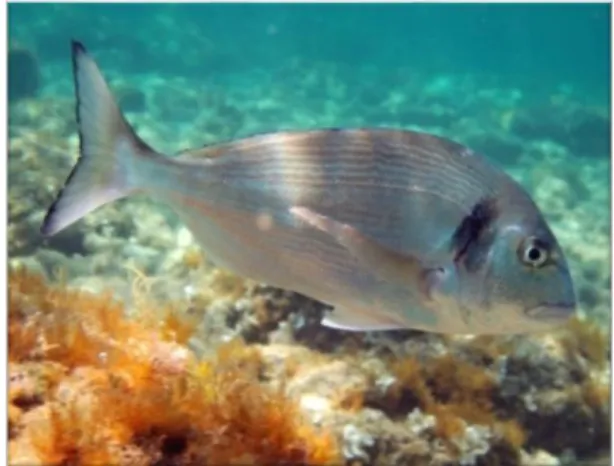
Fig. 2: Gilthead seabream (Sparus aurata) Source: Poisson Flotté ………...….…….… 10
Fig. 3: Nannochloropsis sp. Source: CSIRO...…………..……….……….…… 13
Fig. 4: California Pellet Mill……….………... 22
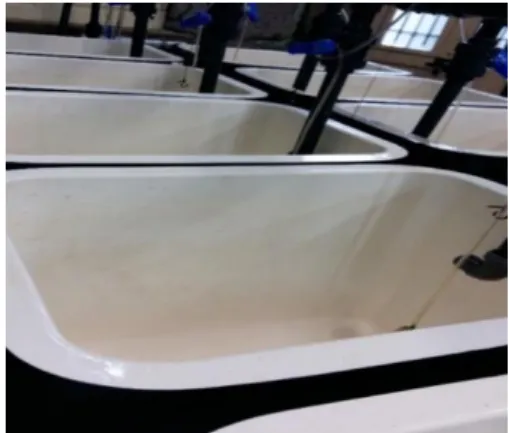
Fig. 5: Thermo – regulated recirculation water system………...………. 24
Fig. 6: Muffle Furnace……….………. 25
Fig. 7, 8 and 9: Digestion units (a), distillation unit (b) and titration units (c) used in the experiment………....……….... 26
Fig. 10 and 11: Lipids extraction unit (a; b)…………...………..……….. 27
Fig. 12: Adiabatic Bomb Calorimeter……….……… 27
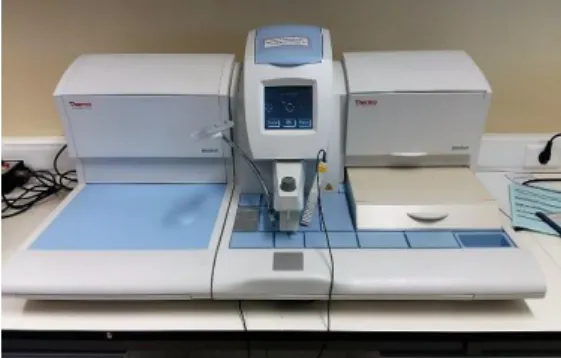
Fig. 13: Citadel 2000 Tissue Processor……….………...………. 29
Fig. 14: HistoStarTM Embedding Workstation………..……. 29
Fig. 15: Microtome………...………. 29
Fig. 16: Varistain™ 24-4 Automatic Slide Stainer……….……… 29
Fig. 17: Measurement of enzymatic activity in a Microplate reader (ELx808; Bio-Tek Instruments). Photo by Tiago Luz……….………..…… 30
Fig. 18: PCR thermocycler (T100TM Thermal Cycler (Bio-Rad))……….………. 34
Fig. 19: Gel Doc EZ System (Bio-Rad)……….………. 34
Fig. 20: Histology of the distal intestine of gilthead seabream (Sparus aurata) juveniles fed a control diet and different microalgae meals with Nannochloropsis sp.. (a) General image of the intestine in an individual fed Nanno 0.75. (b) Detail of a well-organized fold from an individual fed Control diet. (c) Detail of eosinophilic granular cells (eo) distribution in the intestine of a fish fed Nanno 1.5. (d) General view of villi (vi), depicting goblet cells (gc) between enterocytes and enterocytes nucleous (n) in an individual fed Nanno 0.5. Muscular layer (ml), submucosa (sm), intestinal lumen (lu), lamina propria (lp).…………..………….………..…...………. 38
Fig. 21: Dendrogram and PCR-DGGE fingerprints of the intestinal microbiota of seabream juveniles, fed the experimental diets for 37 days (Control, Nanno 0.5, Nanno 0.75 and Nanno 1.5 diet)...……….. 41
Tables List
Table 1: Proximate analysis of the microalgae Nannochloropsis sp.………..….. 21 Table 2: Composition and proximate analysis of the experimental diets …...……….… 23 Table 3: Growth performance and feed utilization of seabream juveniles fed the experimental diets for 37 days……… 36 Table 4: Results of the score-based evaluation of the distal intestine (DI) of sea bream juveniles fed the experimental diets for 37 days, based on alterations in the mucosal fold heights1, width and cellularity of the lamina propria2 and submucosa3, the number of intraepithelial leucocytes4 (IELs) and eosinophilic granular cells5 (EGCs), nucleus position within the enterocytes and variation of vacuolization and enterocytes shape6 (Enterocytes). Mean scores (n=3) were calculated by averaging the scores of the separate parameters evaluated. Scores from 0 to 5, with 5 indicating major alterations. P-values of Kruskal-Wallis non parametric test are given………... 37 Table 5: Digestive enzymes specific activity (U/mg protein) in seabream juveniles fed the experimental diets ………...……… 39 Table 6: Ecological parameters obtained from PCR-DGGE fingerprints of the intestinal microbiota of Sparus aurata juveniles fed the experimental diets. Different lowercase letters represent significant differences between dietary treatments (P < 0.05). The values are means of the scores (n = 3) per diet…... 40
Chapter 1: Introduction
1.1 World Aquaculture Today
The traditional activity of Aquaculture is lasting for over a millennia. In this last decades its value for the food production sector was recognized, mostly due to the awareness for the limited ocean resources, and the human needs for supplies with an ever growing population (Holmer, Black et al. 2007, Turchini, Ng et al. 2010).
The increase of world population and the current global economic recession associated with the over exploitation of marine resources, increased focus on sustainability, which led to a sharp investment in aquaculture (Intiative 2010).
Since the late 1980s, world capture fisheries have been static and aquaculture was responsible for the growth in fish supply for human consumption (Fig 1) (FAO 2016).
Over the last decades, aquaculture production of fish and shellfish was the main contributor to the fastest growing food production sector, in response to the high demand for marine products all over the world (Tacon, Hasan et al. 2011).
In 2014, globally aquaculture produced 73.8 million tonnes of aquatic animals, while capture fisheries production amounted 93.4 million tonnes (FAO 2016).
In 2012, from the 66.6 million tonnes of farmed fish that were produced, 5.6 million tonnes were mariculture fish, and even though this value seems very insignificant when compared to the total production, these fish are mainly carnivorous, being more economic relevant than most freshwater species (FAO 2014).
Fig 1: World capture fisheries (orange) and aquaculture production
The increase of world fish consumption in the last years was very clear, varying between 9.9 kg in the 1960s and 19.7 kg in 2013 (FAO 2016). Aquaculture provides half of all fish for human consumption (Boyd 2015, FAO 2016), and soon will supply more than half of this product (Klinger and Naylor 2012).
For example, it is estimated that by 2030, the world population will exceed 8 billion people and the consumption of seafood reach values between 150 to 160 million tonnes (Borgeson 2005), obligating aquaculture industry to produce more than 65% of the world´s total fish supply (Welch, Hoenig et al. 2010).
In the future, aquaculture it’s expected to supply the demand for fisheries products because capture fisheries don´t show a tendency to increase and possibly will diminished (Boyd 2015).
Accompanying aquaculture is the industry of aquafeeds (Tacon, Hasan et al. 2011). Due to aquaculture intensification, aquafeeds industry possess potential for future growth (Boyd 2015).
Fish feeds formulation is becoming more complex and sustainable with time. It´s expected that aquafeeds ingredients can promote growth, quality and welfare of culture organisms, while reducing production costs and the pressure on ecosystems from which the ingredients are harvested (IUCN 2007).
1.2 Aquafeeds – Status and Prospects
Aquafeeds for carnivorous fish, can use up to five times more fish protein than that produced (Huntington and Hasan 2009) and, traditionally contain high proportions of ingredients derived from marine resources, such as fishmeal (FM) and fish oil (FO). These resources derive from reduction fisheries: small, pelagic, marine fish, like anchovies, menhaden and sardines, or trimmings of fish processing (Intiative 2010). Due to their nutritional quality, FM and FO have been used as the main protein and lipid sources in carnivorous fish aquafeeds (Oliva-Teles, Enes et al. 2015).
FM is characterized by high protein content, a good balance of amino acids, high nutrient digestibility, high palatability, lack of antinutrients, functioning also as a source of high quality lipids and minerals (Oliva‐Teles 2012). FO on the other
hand is an optimal source of essential fatty acids, particularly of the important highly unsaturated fatty acids of the n-3 series. Thus feeds containing these ingredients are nutritionally balanced, palatable and readily accepted by a large range of carnivorous fish species (Bendiksen, Johnsen et al. 2011).
Although FM production is mainly destined to the production of high - protein feed (FAO 2014), FO is used principally for human consumption for health purposes and as a feed additive (FAO 2014).
There are some limitations to the production of FM and FO like the fact that their manufacture is subject to environmental influences, the existence of contaminants, and moreover these ingredients are from finite marine resources, having for this reason their production restricted with severe regulation of fishing and catch quotas (Tocher 2015). However, production of FM and FO used in aquaculture diets remained constant in the last 20 years (Intiative 2010), varying their worldwide production around 6 and 1 million tons during this period (Izquierdo, Turkmen et al. 2015). The utilization of these ingredients in aquaculture feed formulations in the last decade decreased due to higher prices, which tripled between 2002 and 2010 (Intiative 2010).
Therefore, they are utilized selectively as strategic ingredients at lower concentrations in compound feeds and for specific stages of production like hatchery, broodstock and finishing diets (FAO 2016).
Aquaculture producers are now trying to reduce costs, since feeds typically represent the largest cost in their budgets (Naylor, Hardy et al. 2009), symbolizing 50 to 80 % of the total production costs (Turchini, Ng et al. 2010). Thus, substantial research efforts are being dedicated to the identification and characterization of alternative ingredients capable of producing fish in a cost effective manner and without decreasing its beneficial effects for human health (Domínguez and Dominguez 2013).
The potential alternative ingredients are divided in three categories: animal rendered by products, plant feedstuffs and single-cell organisms (Oliva‐Teles 2012).
Terrestrial animal products such as meat and bone meal, and poultry by-products are feed ingredients of good nutritional quality and are available in higher quantity than FM (Olsen and Hasan 2012). Although their usage is less than 1 percent
of total global compound aquafeed production, these feedstuffs are very effective in feeds for a large number of aquatic species (Tacon, Hasan et al. 2011). For a long time in many countries the use of by-products from warm-blooded animal in fish feed was forbidden due to the fear of transmissible spongiform encephalopathies disease transmission. Nowadays, this is unlikely to occur because feeds are adequately processed and aren´t used in feeds of the same species. The main problem with these by-products is the relatively high content of bones or exoskeleton resulting in a high ash content, which may interfere with the absorption of trace elements (Olsen and Hasan 2012). The Category 3 ABP law imposed by European Commission delayed research on use of these ingredients to replace FM and FO in aquafeeds, while promoted the look for alternatives within the terrestrial crops available.
During the last decade a great deal of research has successfully increased the use of plant ingredients as FM and FO replacers in aquafeeds. Plant ingredients continue to be the main choice to replace FM and FO in aquaculture diets because of abundance, potential for increased production, and relatively constant low cost (Intiative 2010). However, they have several nutritional drawbacks when compared to marine products, particularly in diets for carnivorous fish (which are not adapted to plant feedstuffs), like low nutrient densities and protein content, high carbohydrate content, imbalanced amino acid and fatty acid profiles, low palatability, low digestibility and the presence of anti-nutritional components that may reduce digestion or absorption of nutrients, neutralize the function of vitamins and may even induce toxicity (CELEUMANS, Coutteau et al. 2003, Oliva‐Teles 2012, Olsen and Hasan 2012).
Antinutrients compounds can decrease fishes' growth performance, feed efficiency and enzymatic activity (Santigosa, Sánchez et al. 2008). Additionally, the high variety of antinutrients in plant feedstuffs make difficult to discover the element responsible for the adverse effects observed in fish fed plant-based diets (Couto, Kortner
et al. 2014).
When included in carnivorous fish diets, plant feedstuffs cause several negative effects, like changes in gut morphology that could prejudice intestinal absorption (Santigosa, Sánchez et al. 2008) as increased vacuolization in enterocytes, hypertrophic intestinal submucosa (Oliva‐Teles 2012), enteritis of distal intestine or decrease of immune defense mechanisms and modification of amino acids balance, fillet quality, microbiota and lipids profiles (Oliva-Teles, Enes et al. 2015). Nevertheless, plant
feedstuffs are, at the moment, largely used in aquafeeds due to their advantageous prices and availability.
Single-cell proteins (SCPs) are a variety of unicellular and filamentous algae, fungi and bacteria that can be produced by controlled fermentation processes (Perumal, Thirunavukkarasu et al. 2015). These feedstuffs possess nutraceutical properties, high palatability, devoid anti-nutritional factors, function as a vitamin B sources and usually are included in diets as probiotics. Nevertheless, SCPs contain high levels of nucleotides (12 – 20% of total N) and methionine generally is the limiting amino acid of these ingredients (Davis 2015). Comparatively to plant and animal feeds, SCPs hold innumerous advantages, since these microorganisms function as a rich protein source (<50%), have short generation time and can be produced continuously in a limited land spaced with good control. Additionally, SCPs can be cultivated based on raw carbon subtracts from industries wastes, which otherwise caused an environmental impact (Davis 2015, Perumal, Thirunavukkarasu et al. 2015). Microalgae are the newest SCPs source, with potential for incorporation in fish aquafeeds (Oliva-Teles, Enes et al. 2015).
1.2.1 Microalgae
Microalgae are unicellular or colonial photosynthetic organisms, consisting of the most primitive and simple members of the plant kingdom. Found in benthic and litoral waters, algae are the primary producers of the marine food chain (Conde, Balboa et al. 2013).
Although the use of microalgae by humans dates back two thousand years ago by the Chinese, the microalgae biotechnology has only been developed in the last century (Spolaore, Joannis-Cassan et al. 2006).
Nowadays, it is estimated that in the world there are more than 30,000 species of microalgae, but only some hundred have been studied and cultivated in industrial scale (Christaki, Florou-Paneri et al. 2011). Annually, 8000 to 10000 tonnes microalgae are produced to be used in animal feed or as a supplement in human food, and it is estimated that this value continues to rise in the future (Burnell and Allan 2009).
During the last decades, microalgal technology received a lot of attention comparatively to conventional agriculture, since they can achieve higher productivities
than traditional crops and can be used in areas or climates unusable by agriculture (Sousa, Gouveia et al. 2008). They can also be produced using non – potable water, like seawater (Das, Thaher et al. 2015), and have the capacity to hold the excess atmospheric CO2 and produce O2, helping to reduce the greenhouse effect (Christaki, Florou-Paneri et al. 2011).
However, microalgae production still holds high production costs associated to the low biomass concentration obtained and a limited production capacity, underlining the need of technological development (Cheirsilp and Torpee 2012, Kousoulaki, Mørkøre
et al. 2016).
Although there is a gap between the actual microalgae production costs and the target production costs, this is likely to be resolved over the next five to eight years (Reitan 2013).
Currently there are numerous commercial applications for microalgae. In aquaculture, they are seen as an alternative to FM or FO in aquafeeds (Reitan 2013) and used to sophisticate products by improving coloration of some organisms, such as salmon or trout, thus increasing their economic value (Spolaore, Joannis-Cassan et al. 2006).
Furthermore, microalgae supply value added products for pharmaceutical products (Mata, Martins et al. 2010), cosmetics and food dyes (Spolaore, Joannis-Cassan et al. 2006).
They can also be applied as an energy source for methane, biodiesel and biohydrogen production (Mata, Martins et al. 2010) or in the wastewater treatment and bioremediation (Roy and Pal 2014).
The complex composition of these algae associated to a rational and integral utilization of them as biomass feedstock, and not forgetting the existent possibility in obtaining a range of value added products from their biomass, involving environmental friendly technologies follows a sustainable approach fitting into the concept of biorefinery (Domínguez and Dominguez 2013).
To be included in fish diets, microalgae need to possess certain attributes such as displaying appropriate nutritional qualities (protein and lipid levels, balanced amino
acid and fatty acids profiles), be highly digestible, promote fast animal growth rates and be possible to mass cultivation (Brown 2002).
The nutritional value of microalgae is related to their ability to provide essential macro and micronutrients for the target animal that will consume them, varying according with the species and being dependent of the culture conditions. Usually, microalgae have approximately 13 – 33% DM total lipids (rich in highly unsaturated fatty acids (HUFA)) and 30 – 50% DM total protein (Vizcaíno, López et al. 2014).
These organisms possess a high essential amino acids and protein content, being able to synthetize all type of amino acids (Conde, Balboa et al. 2013, Reyes-Becerril, Guardiola et al. 2013).
Microalgae contain high-valuable molecules such as long-chain polyunsaturated fatty acids (LC-PUFA), specifically omega-3 and omega-6 (Conde, Balboa et al. 2013, Reyes-Becerril, Guardiola et al. 2013) and other components with immunostimulant and/or probiotic effects, possessing also high pigments content (Vizcaíno, López et al. 2014), being their pigments capable to act as antioxidants and add market value by enhancing fish pigmentation (Gatlin 2007, Burnell and Allan 2009). Microalgae have other nutritional properties extremely relevant as is the case of essential vitamins and minerals content (Reyes-Becerril, Guardiola et al. 2013).
Despite the inherent advantages at the utilization of microalgae in aquaculture, the actual tendency is to avoid them due to their high economic cost and difficulties in production, collection and storage (Spolaore, Joannis-Cassan et al. 2006).
Due to their chemical composition, microalgae are running as a renewable reservoir of nutraceutical compounds (Kumari, Kumar et al. 2013) and providing essential biomolecules such as polyunsaturated fatty acids (Hemaiswarya, Raja et al. 2011). The addition of a small amount of microalgal biomass in fish aquafeeds can compensate for nutritional imbalance and promote fish health and welfare.
Therefore, the appropriate microalgae can be used as ingredient in carnivorous fish diet formulations, not only to provide macro- and micro-nutrients but also to convey value-added molecules capable of acting as nutraceuticals. This may reduce the dependency on the terrestrial ingredients to a lesser extent but improve the quality of the diet to a larger extent (Kumari, Kumar et al. 2013).
Novel aquafeeds may influence the development of aquaculture to the extent that dietary nutrients and additives can stimulate the immune system of the fish and attenuate the consequences of pathogenic invasion and thus contributing to welfare of the recipient fish, favoring their performance and helping to avoid diseases (Kiron 2012). Additionally, the well described adverse effects of plant ingredients inclusion in aquafeeds, may be attenuated by the protective effect of microalgae bio-active molecules.
1.2.2 Microalgae in fish nutrition
Inclusion of microalgae in aquafeeds have been studied for different purposes in fish with various feeding habits.
In Atlantic salmon, the replacement of 5 or 10% FM protein by Nanofrustulum and Tetraselmis was achieved without negative repercussions in growth or feed performance (Kiron, Phromkunthong et al. 2012). Also for salmon, Kousoulaki, Mørkøre
et al. (2016) tested a DHA rich microalgae biomass (Schizochytrium sp.) and verified no
significant differences, up to 5% microalgae inclusion, in growth, feed conversion ratio, dietary protein and energy digestibility. Additionally, retention efficiency of EPA, DHA, monounsaturated fatty acids and fillet quality improved.
Pacific red snapper diets fed diets including Navicula sp. combined with
Lactobacillus sakei (106 CFU g-1) improved fish growth rate, immune status and antioxidant capabilities (Reyes-Becerril, Angulo et al. 2014).
Tulli, Chini Zittelli et al. (2012) observed that in European sea bass diets
Tetraselmis suecica can replace fish protein up to 20% without affecting growth
performance and quality traits of fish fillet. For this specie, Tibaldi, Chini Zittelli et al. (2015) stated that replacement of 36% FO and up to 20% FM protein by Isochrysis sp. biomass, did not adversely affect feed intake and growth performance, but slightly reduced n-3 LC-PUFA content in edible muscle tissue.
In Epinephelus lanceolatus, a blend of soybean meal, soy protein concentrate and algae meal (Schizochytrium limacinum) up to 40% showed no negative effects in fish performance and condition. The algae meal utilized in the mixture can be also used as the diets main lipid source without adverse consequences for the fish (García-Ortega, Kissinger et al. 2016).
Rainbow trout presented minor changes in intestinal microbiome and positive effects on growth, when FO was replaced in their diets by 5% Schizochytrium limacinum (Lyons, Turnbull et al. 2016).
In common carp diets, FM protein replacement by Spirulina platensis at 25, 50, 75 and 100% improved protein digestibility and did not negatively affect growth, carcass composition or organoleptic quality (Nandeesha, Gangadhar et al. 1998). Also for common carp, Kiron, Phromkunthong et al. (2012) used Nanofrustulum and Tetraselmis at 25 and 40% levels to substitute FM protein and verified positive effects in growth performance. Nevertheless, an inclusion of 40% Nanofrustulum significantly decreased the lipid content in fish body.
In Tilapia, 40% of FM protein can be replaced by Spirula maxima without negative effects on growth and feeding performance (Olvera‐Novoa, Dominguez‐Cen et al. 1998). In Nile Tilapia, a mixture of Chlorella spp. and Scenedesmus spp. can be incorporated up to 50% without adverse effects on growth performance, feed utilization and body composition (Badwy, Ibrahim et al. 2008).
Atalah, Cruz et al. (2007), reported that if 2 or 4% FO in seabream juveniles diets was replaced by Cryptecodinum cohnii, survival and growth were improved, but with 5%
Phaeodactilum tricornutum survival decreased and damaged intestine epithelia was
observed. Vizcaíno, López et al. (2014) recommended a 20% Scenedesmus almeriensis inclusion in their diets, and noticed that microalgae were responsible for increased alkaline protease and L-aminopeptidase activities and intestinal absorptive surface, and did not modify fish nutrient utilization, growth or proximate composition. The same author Vizcaíno, Saéz et al. (2016) recommended a 5% Tetraselmis suecica meal as dietary ingredient for Sparus aurata fry.
Few studies have been performed to assess microalgae effects in seabream immunity. Cerezuela, Fumanal et al. (2012) noticed that using Tetraselmis chuii and
Phaeodactylum tricornutum (100g/kg) single or combined with Bacillus subtilis (107 cfu/g) increased fish immune parameters, but did not result in higher infection resistance. Similar results were observed by Reyes-Becerril, Guardiola et al. (2013) in seabream but with Navicula sp. (100g/kg) and Lactobacillus sakei (106 cfu/g) containing diets.
At the present study, the elected microalgae to test in Sparus aurata diets was
aquaculture nutrition (Pal, Khozin-Goldberg et al. 2011, Cerezuela, Guardiola et al. 2012), data available about the effects of Nannochloropsis sp. in carnivorous fish diets is very limited. Haas, Bauer et al. (2015) stated that a 50% FO replacement by
Nannochloropsis sp. meal and a total replacement by Pavlova viridis can be made
without adverse effects on growth performance and nutrient utilization of juvenile sea bass. Using Gadus morhua, Walker and Berlinsky (2011) verified an initial reduction in feed intake and growth with a mixture of Nannochloropis sp. and Isochrysis sp., but these parameters seemed to improve as the study advanced.
Cerezuela, Guardiola et al. (2012), fed Sparus aurata with 50 or 100 g kg-1
Nannochloropsis gaditana, Tetraselmis chuii or Phaeodactylum tricornutum and
observed enhanced immune defense activity in fish offered all microalgae diets, supporting the concept of microalgae as immunostimulant in aquafeeds.
1.3 Gilthead seabream (Sparus aurata)
Gilthead sea bream (Fig 2) belongs to the Sparidae family, Perciforms order and genus Sparus (Morretti 1999, Pavlidis and Mylonas 2011). Anatomically possess
an oval body, slightly deep and
compressed. Their head is curved with small eyes. The body coloration is silver-grey, possessing a huge black spot in the origin of the lateral line that extends on the upper margin of the operculum, where it is edged below by a reddish area. On the sides
of the fish body, generally it´s possible to visualize dark longitudinal lines. The borders of the fork and caudal fin are edged with black (FAO 2005 - 2016, Pavlidis and Mylonas 2011). The mandible is shorter than maxilla, and both jaws present canine and molariform teeth (Morretti 1999). They have one single dorsal fin, with 11 spines and 13 to 14 soft rays. The caudal fin is grey – greenish white (FAO 2005 - 2016, Pavlidis and Mylonas 2011). The anal fin possess 11 to 12 soft rays and 3 spines (FAO 2005 - 2016). The digestive tract is reasonably small and the intestine runs straight, without loops, through the body cavity (Pickett and Pawson 1994).
Fig 2: Gilthead seabream (Sparus aurata) Source:
1.3.1 Habitat and Biology
Sparus aurata can be found in marine and brackish waters, inhabiting coastal
lagoons and estuarine areas (FAO 2005 - 2016). This specie can reach depths of 150 meters (Arabaci, Yilmaz et al. 2010), especially in the beginning of the spawning season. Inhabits the Eastern Atlantic costs of Europe, from Senegal to the UK (Webster and Lim 2002), Mediterranean and occasionally the Black Sea, being frequently found in rocky, seaweed, sandy bottoms (Arabaci, Yilmaz et al. 2010, Froese and Pauly 2015), and at the surf zone in earlier life stages, which occurs approximately at 30 m (Froese and Pauly 2015). They are benthopelagic, euryhaline and eurythermal (Morretti 1999, Pavlidis and Mylonas 2011).
Seabream is mostly carnivorous, feeding at the basis of shellfish, like mussels or oysters, crustaceans or fish (Arabaci, Yilmaz et al. 2010, Pavlidis and Mylonas 2011), and accessorily herbivorous (Arabaci, Yilmaz et al. 2010). They are non-selective predators, adapting their diet to the food offered in the habitat (Andrade, Erzini et al. 1996).
Gilthead seabream is a protandrous hermaphrodite, that presents a high fecundity and a development of the ovary asynchronous, being male at the first two years and turning into a female when they reach about 30 centimeters (Arabaci, Yilmaz et al. 2010), at the second or third age year (Froese and Pauly 2015).
The breeding season occurs from October to December (Arabaci, Yilmaz et al. 2010). The spawning season starts at December and lasts up to the beginning of June (Almansa, Martian et al. 2001). During this time the specie possess sequenced spawning of spherical and transparent eggs with dimensions of 0.9 to 11 millimeters (Arabaci, Yilmaz et al. 2010, Froese and Pauly 2015). The vitellogenic period of Sparus aurata is very short, and the larvae usually deplete the yolk-sac 3 to 4 days later after the eggs hatch (Webster and Lim 2002).
1.3.2 Production
This specie is one of the most important marine finfish species reared in Europe, especially in the Mediterranean region (Oliva-Teles 2000), possessing a high economic
value (Andrade, Erzini et al. 1996). The main producers are: Greece, Turkey, Spain and Italy (FAO 2005 - 2016).
World production reach the value of 173 062 tonnes in 2013 (FAO 2005 - 2016), and is increasing annually (Martin-Perez, Fernandez-Borras et al. 2013) due to reduction of natural harvests, resistance to environmental conditions, species high growth rates and possibility of control the fish entire life cycle (Andrade, Erzini et al. 1996).
Knowledge of Sparus aurata nutritional requirements is very limited comparatively to other species (Martin-Perez, Fernandez-Borras et al. 2013). Proportion of ingredients in their commercial diets vary along life cycle, but usually include 48 – 53 % protein for larger fish, 55% protein for juveniles and 20 - 23 % lipids for both (Martin-Perez, Fernandez-Borras et al. 2013).
The substitution of dietary protein with nonprotein energy sources like lipids or carbohydrates, in order to reduce a diet protein content, can improve the efficacy of protein utilization and produces a protein – sparing effect, without affect fish growth (Martin-Perez, Fernandez-Borras et al. 2013).
In 2011, Enes, Panserat et al. (2011) revealed that even though carnivorous species like Sparus aurata possess a limited capacity to use carbohydrates as an energy source, their diets can contain until 20 % digestible carbohydrates without affecting feed utilization and fish growth.
Kalogeropoulos, Alexis et al. (1992) and Ibeas, Izquierdo et al. (1994) estimated that the n-3 HUFA (highly unsaturated fatty acids) requirement for Sparus aurata were 0.9% and 1.9% in the diets, respectively.
Although fish don´t have an absolute protein requirement (Oliva-Teles 2000), they need a balanced mixture of essential and nonessential amino acids in their diets (Halver and Hardy 2002). Like other marine finfish Gilthead seabream require 10 essential amino acids (EAA), that are known as arginine, isoleucine, lysine, histidine, leucine, methionine, phenylalanine, valine, tryptophan and threonine (Trushenski, Kasper et al. 2006). Peres and Oliva-Teles (2009), estimated the correct amino acids profile, expressing the results in ratios relative to lysine (=100): 108.3 to arginine, 58.1 threonine, 36.8 histidine, 49.7 isoleucine, 92.7 leucine, 50.8 methionine, 112.3 phenylalanine + tyrosine, 62.6 valine and 14.6 tryptophan.
Available data of seabream vitamins requirements is very limited (Oliva-Teles 2000). Morris, Davies et al. (1995) set the qualitative requirement of thiamin, niacin, riboflavin, pyridoxine and pantothenic. The thiamin requirement was also established by Morris and Davies (1995) as 10 mg kg.1 diet in given oil-rich diets and 0.5 mg kg.1 diet in carbohydrate rich aquafeeds. Kissil, Cowey et al. (1981) reported a pyridoxine requirement of 1.97 mg kg-1 diet. The nicotinic acid requirement was found to be 63 – 83 mg kg-1 diet by Morris and Davies (1995). Alexis, Karanikolas et al. (1997) recommended a 50 – 3200 mg kg-1 diet incorporation of Vitamin C in their diets.
Assessment of mineral requirements is complicated, since fish absorb some from water or diet. Furthermore, several are necessary in low quantities, which makes difficult to maintain environmental conditions or formulate diets with those amounts (Pavlidis and Mylonas 2011). Among all minerals, only phosphorus has received attention in fish, since feeds are the main source of this element and is poorly available in the water, and in adition to nitrogen these elements are the principal responsible for aquaculture water pollution (Pavlidis and Mylonas 2011). Pimentel‐Rodrigues and Oliva‐Teles (2001) established sea bream´s mineral phosphorus requirements at 0.75% dietary phosphorous to achieve maximum growth.
1.4 Nannochloropsis sp.
Nannochloropsis sp. (Fig 3), belongs to
the class Eustigmatophyceae, and is a eukaryotic unicellular algae world-widely distributed (Li, Pan et al. 2011). The genus is formed by six species morphologically similar, which makes their identification challenging (Li, Pan et al. 2011). Each species possess several isolates or strains (Taleb, Pruvost et al. 2015). They measure between 2 to 5 µm (Li, Pan et al. 2011).
1.4.1 Habitat and Biology
Species are frequently found offshore (Li, Pan et al. 2011). Five of them (Nannochloropsis oculata, Nannochloropsis salina, Nannochloropsis granulata,
Nannochloropsis oceanica, and Nannochloropsis gaditana) are found in marine
ecosystems, and only one (Nannochloropsis limnetica) inhabits freshwater (Taleb, Pruvost et al. 2015).The algae is picoplanktonic (Pal, Khozin-Goldberg et al. 2011).
1.4.2 Application in aquaculture
Nannochloropsis sp. is among the most used microalgae in marine aquaculture
nutrition (Pal, Khozin-Goldberg et al. 2011, Cerezuela, Guardiola et al. 2012). This microalgae is utilized in the sector as a source of lipid, protein and carbohydrate (Khatoon, Abdu Rahman et al. 2014). The ease of culturing, lack of toxicity, correct cell size and digestible cell wall makes them appealing to aquaculture sector (Khatoon, Abdu Rahman et al. 2014). It´s produced for marine finfish and crustaceans hatcheries, rotifers growth and feed filter feeders in reef tanks (Hemaiswarya, Raja et al. 2011, El Nabris 2012).
The high EPA content made this genus of microalgae a feedstuff of excellent quality for aquaculture (Cohen 1999). Nannochloropsis is a known source of high-quality protein (Kilian, Benemann et al. 2011), vitamin E and valuable pigments as chlorophyll, astaxanthin, zeaxanthin and canthaxanthin (El Nabris 2012).
Nannochloropsis is formed by valuable nutritional compounds such as 38%
carbohydrates, 29% crude proteins, 18% lipids, 3% microelements, 17.4% fatty acids, 0.29% chlorophylls and 0.06 % carotenoids (Grimi, Dubois et al. 2014).
The algae can also be applied in biodiesel production (Taleb, Pruvost et al. 2015), wastewater treatment (Polishchuk, Valev et al. 2015) and aid reduce global warming (Mitra, Patidar et al. 2015).
One of the main limitations to large scale production of this microalgae is the high cost of the culture medium that support the Nannochloropsis sp. growth, which is very labor-intensive (El Nabris 2012).
1.5 Digestive tract
In aquaculture, fish health maintenance is a definition in which individuals must be produced under conditions that optimize the growth rate, survival and feed conversion
efficiency while decreasing complications related to infectious, environmental and nutritional diseases. The effect produced by these factors actions and interactions between them is reflected by the histological status of the organs (Saraiva, Costa et al. 2015).
The gut consist in a long muscular-walled tube beginning at mouth, passing through pharynx, esophagus, stomach, intestines and ending at anus (Genten, Terwinghe et al. 2009). The physiological processes of gut are in charge of digestion, which is a process where the ingested materials are hydrolyzed by specific enzymes into smaller units (Caruso, Denaro et al. 2009), and absorption of nutrients from fish diets (Chikwati, Sahlmann et al. 2013).
The variation in organization of fish gastrointestinal tract differs with the species, matching the diverse feeding habits and environments exploited by them. The structure and functional characteristics of the alimentary canal follows the basic features as in other vertebrates groups with small differences in phylogeny, ontogeny, feeding habits, physiological conditions, nutrition and some special functions presented in some cases by the gut. These variations insure the ideal utilization of dietary nutrients like an intestinal absorptive surface area with large dimensions and an efficient digestion of the food that is ingested by the animals (Merrifield and Ringo 2014).
In fish, there is no distinction between small and large intestines unlike what happens in mammals organisms (Genten, Terwinghe et al. 2009).
Intestine is an unique organ, being the primary location of food digestion and nutrient intake (Caballero, Izquierdo et al. 2003). Fish intestine represent 3 to 4% of fish body mass and have evolved to process specific diets. In the case of carnivorous fish, their intestine can only process a nutrient dense and high digestible diet, rich in protein and low in carbohydrate (Buddington, Krogdahl et al. 1996). Therefore comparatively to herbivorous fish, their intestine possess high levels of proteases and low of amylases and lipases (Caruso, Denaro et al. 2009).
This organ have innumerous functions like digestion and absorption of feedstuffs, endocrine regulation of digestion, metabolism and immunity, and control of water and electrolyte balance. Additionally, the intestine establish a delicate balance between efficient and rapid absorption of nutrients, while prevent invasion by pathogens organisms and harmful components existent in diet and environment, like toxins
(Buddington, Krogdahl et al. 1996). The best utilization of dietary nutrients depends on the effectiveness of intestine physiological functions (Caballero, Izquierdo et al. 2003).
Interference in homeostasis of intestine microbiota, mucosal barrier and immune system, conduct to a deficiency in mucosal layer with increased permeability that can bring inflammation and injury of intestinal mucosal cells (Cerezuela, Fumanal et al. 2012).
Intestine is the first line of defense against an increasingly toxic environmental, since it’s constantly bombarded by antigens from diet and microorganisms (Cerezuela, Fumanal et al. 2012). Therefore, maintaining intestine stability and integrity is a key factor for fish defense, growth and adequate nutrition (Cerezuela, Fumanal et al. 2012).
1.5.1 Histology
Generally, digestive tract and organs are formed by four histological layers: a mucosa, that is the most internal layer of the tube, consisting of an inner epithelium, a middle lamina propria (an cellular connective tissue) and an muscular mucosae; a submucosa, that is connective tissue layer with blood vessels, lymphatic tissue and nerve plexi, that supports the mucosa; a muscular that is divided into an inner circular and an external longitudinal layer, being responsible for movement of gut contents; a serosa formed by connective tissue delimited by a simple squamous peritoneal epithelium (Evans and Claiborne 2006, Genten, Terwinghe et al. 2009)
Typically, in fish intestinal epithelium it´s possible to find several types of cells, like leucocytes, goblet cells, eosinophilic granular cells, enterocytes and muscular cells.
The immune cells of intestine epithelium are divided in two groups or populations, lamina propria leucocytes and intraepithelial leucocytes. The first population comprise macrophages, granulocytes, lymphocytes and plasma cells. The second group include T cells and B cells placed between epithelial cells (Beck and Peatman 2015).
Goblet cells appear between enterocytes, along the intestinal folds. These are mucous secreting cells, and possess an absorptive and a secretory function (Genten, Terwinghe et al. 2009). Their nucleus is positioned in the basal portion and in their middle
area cells expand and then contract forming an apical pore where mucus is discharged to protection against pathogens (Beck and Peatman 2015).
Eosinophilic granular cells contain antimicrobial peptides and are involved in innate immunity and inflammation. Their degranulation increase vascular permeability and promote neutrophil adhesion (Genten, Terwinghe et al. 2009).
Enterocytes are columnar epithelial cells with a protuberant brush border in their apical region formed by microvilli, and are responsible by almost 90% of the total intestine area. These cells are tall and narrow, with a stretched nucleus in the basal region and aggregations of lipid droplets in high quantity responsible for the lipid digestion and macromolecule intake on their cytoplasm at the apical zone. Supranuclear vacuoles of enterocytes are important structures since they can also enhance the start of an immune response by collecting antigen (Beck and Peatman 2015).
In the enterocytes brush border enzymatic activity exists, due enzymes produced by those cells (Beck and Peatman 2015). These membrane-bound enzymes pick up metabolites resulting from the hydrolyze of protein, carbohydrates and lipids by luminal digestive enzymes (García-Meilán, Ordóñez-Grande et al. 2016).
1.5.2 Function
Nutrient utilization by fish depends directly of the accessibility of appropriate digestive enzymes (carbohydrases, proteases and lipases) that are present along the gut (Chong, Hashim et al. 2002, Caruso, Denaro et al. 2009). Nutrient uptake happens along the intestine by diffusion, facilitated or active transport (García-Meilán, Ordóñez-Grande et al. 2016).
Enzymes activity can be modulated by intestinal transit time and diet composition, which in turn can influence the digestive and absorptive processes (Castro, Couto et al. 2015). A properly digestive process require that food contact with digestive enzymes for a certain length of time, being also subject to grinding, mixing and advance movements characteristics of the digestive tract (Furne, Hidalgo et al. 2005).
Studying the digestive enzymes profile reveals diverse benefits like a better elucidation of fish nutritional physiology, and help resolve nutritional problems associated
to artificial diets (Xiong, Xie et al. 2011). The activity of these enzymes is an important parameter that define the efficiency of a diet, food utilization and a way to enhance individuals growth (García-Meilán, Ordóñez-Grande et al. 2014), providing important information about the specie digestive capacity and efficacy in use feeding components of the diet (Caruso, Denaro et al. 2009).
Amylase is the carbohydrase responsible for hydrolysing complex polysaccharides such as glycogen and starch into oligosaccharides and maltose. Even though it´s a key enzyme in fish carbohydrates digestion (Papoutsoglou and Lyndon 2005), the enzyme activity is not fully understood, varying between species (Grosell, Farrell et al. 2010). The main amylase producers are pancreas and liver, but production was already confirmed in pancreatic juice, stomach and intestine (Klahan, Areechon et
al. 2009). Amylase is mostly adsorbed at intestine mucosa and pyloric ceca
(Munilla-Morán and Saborido-Rey 1996). The enzyme activity is related to fish feeding habits, being higher in herbivorous and omnivorous comparatively to carnivorous species (Hidalgo, Urea et al. 1999, Fernandez, Moyano et al. 2001, De Almeida, Lundstedt et al. 2006, Al-Tameemi, Aldubaikul et al. 2010).
In carnivorous fish, food is primary degraded in the stomach by the action of muscular contractions of stomach wall and enzymes in acid medium, like acid protease pepsin. Then products previously fragmented are expelled through pyloric sphincter into the intestine, and alkaline enzymes, like trypsin and lipases, originated by the liver and pancreas allow the progression of the food in the midgut (McClintock and Baker 2001, Caruso, Denaro et al. 2009).
Proteases are polyfunctional enzymes that catalyze the hydrolytic degradation of proteins (Garcia-Carrenno and Hernández-Cortés 2000). The main sites of proteases secretion in teleosts are pancreas, stomach and intestine (Ray, Ghosh et al. 2012). The proteases distribution varies between organs and species. A superior activity in the acid pH region of the stomach, and in the alkaline pH region of the intestine was verified in previous studies (Alarcón, Díaz et al. 1998).The proteolytic activity level is associated with fish species growth rate (Hidalgo, Urea et al. 1999). Even though carnivorous fish possess shorter intestines, the protease activity is higher comparatively to herbivorous (Lazzari, Radünz Neto et al. 2010) due to their dietary requirements in protein.
Trypsin is a intestine alkaline protease (Caruso, Denaro et al. 2009), that hydrolyses the carboxyl side of the basic amino acids, arginine and lysine, which possess
higher digestibility comparatively to other amino acids (Klomklao, Benjakul et al. 2006, Chan, Lee et al. 2008). This enzyme is extremely important in carnivorous fish digestion once assists 40 – 50% of the overall digestion activity (Klomklao, Benjakul et al. 2006). Trypsin is secreted in response to food digestion with pancreas enzymes (Klomklao, Benjakul et al. 2006, Savona, Tramati et al. 2011), and finishes protein hydrolysis when food reaches the intestine (Savona, Tramati et al. 2011). Trypsin activity is superior in carnivorous fish than omnivorous and herbivorous species due to the dietary requirements of carnivorous species (Jónás, Rágyanszki et al. 1983, Chong, Hashim et
al. 2002). In fish, trypsin is the key enzyme responsible for activation of other pancreatic
proteases like chymotrypsin (Rungruangsak-Torrissen, Moss et al. 2006, Chan, Lee et
al. 2008).
Chymotrypsin hydrolyses proteins at the carboxyl side of phenylalanine, tryptophan, tyrosine and methionine (Chan, Lee et al. 2008). Generally, chymotrypsin activity is higher in omnivorous and herbivorous, than carnivorous fish species (Chong, Hashim et al. 2002). Chymotrypsin and trypsin play a cooperative role in protein digestion at an intestinal level (Chong, Hashim et al. 2002). Both proteases relative activities are influenced by similar factors (Rungruangsak-Torrissen, Moss et al. 2006), and have been proposed as indicators of the fish nutritional status (Uscanga, Moyano et al. 2010).
Lipase digests dietary lipids that are an important energy source for fish (Evans, Claiborne et al. 2014). The enzyme is responsible for the chemical breakdown of triacylglycerols into diacylglycerol and monoacylglycerol (Savona, Tramati et al. 2011), but to digest them needs an emulsifier, like bile salts or bile alcohols, to solubilize the lipids. A colipase is also required to defend lipase function against bile salts (Evans, Claiborne et al. 2014). Lipase activity was already verified in pancreas extracts, pyloric ceca and upper intestine, but is known to be extended until the distal intestine, decreasing progressively its activity (Klahan, Areechon et al. 2009). Due to the fact that carnivorous fish ingest fat-rich food the lipase activity is higher than in herbivorous and omnivorous fish (Tengjaroenkul, Smith et al. 2000, Furne, Hidalgo et al. 2005).
1.5.3 Microbiota
Fish gastrointestinal tract is characterized by a complex microbial community formed by viruses, yeast, archaeans, protozoans and a unique bacterial microflora that
inhabits with the host in the surfaces and cavities exposed to the environment (Cerezuela, Fumanal et al. 2013, Merrifield and Ringo 2014).
These organisms influence fish nutrition and development (Merrifield and Ringo 2014), aid the digestive function (Dimitroglou, Merrifield et al. 2011), and protect fish against pathogenic invasion, while maintain their gut integrity and enhance disease resistance and immunity (de Paula Silva, Nicoli et al. 2011).
The microbial community is divided in two groups, the allochthonous (group that moves with the digesta through the host´s lumen) or autochthonous (resident group strongly associated with ´s tissues) (Merrifield and Ringo 2014).
The establishment, composition, diversity and colonization in the gastrointestinal tract by the microbes is a reflection of the microbial composition existent in the rearing water, diet ingested by the host and their surrounding conditions (Nayak 2010).
The importance of studies with manipulation of fish gastrointestinal microbiota reside in allowing the development of strategies which promote host health and improve productivity (Merrifield and Ringo 2014).
Studies of fish gut microbiota have been concentrating on bacterial communities, so information about other populations of microbial community is very scarce (Merrifield and Ringo 2014). Gastrointestinal bacteria can metabolize several subtracts, suppling important components like vitamins, minerals, essential fatty acids or exogenous digestive enzymes (Floris 2011). Bacteria quantity and quality in the gastrointestinal microflora is dependent on variation of several factors like fish development stage, aqueous environment, distinctive regions, diet, gastrointestinal tract anatomy, seasonal variation, type of rearing conditions, and fish species (Floris 2011).
1.6 Aims
The aim of this study was to understand the effects of supplementing
Nannochloropsis, already being produced in a refinery-like industry, in the diets of
Mediterranean carnivorous species gilthead seabream (Sparus aurata). Additionally, it´s intended to evaluate if microalgae incorporation attenuated adverse effects of plant based diets offered to seabream in this trial.
Short-term effects of Nannochloropsis supplementation was evaluated on fish growth, feed utilization, intestinal function and morphology, and microbiota modulation to understand potential of microalgae as functional ingredient in marine fish aquafeeds, and its putative beneficial effect in fish health and welfare.
Chapter 2: Material and Methods
2.1 Microalgae characterization
The microalgae Nannochloropsis sp. was provided by BuggyPower, S. L. (Murcia, Spain) and was produced industrially under a biorefinery concept.
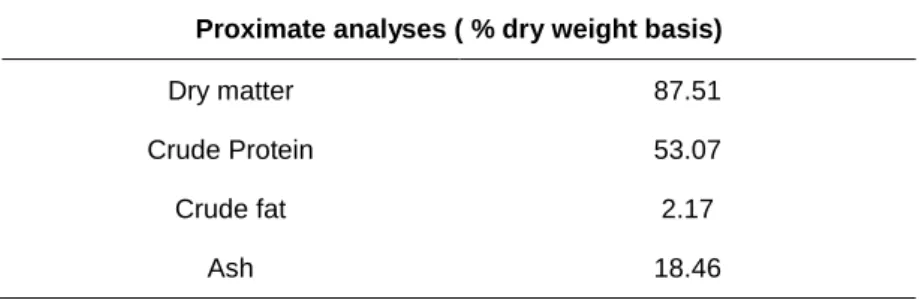
Nannochloropsis (Table 1) was evaluated in terms of dry matter(%), ash, protein
and lipids as described in section of chemical analyses performed in ingredients and diets.
Proximate analyses ( % dry weight basis)
Dry matter 87.51 Crude Protein 53.07 Crude fat 2.17
Ash 18.46
2.2 Experimental diets
Four isoproteic and isolipidic diets (45% C.P., 18% C.L) were formulated, a control diet and 3 experimental diets with increasing levels of Nannochloropsis sp.. Lipids were provided by FO, while protein was provided by 85% plant ingredients and 20% FM. The experimental diets were supplemented with 0.5% (Nanno 0.5), 0.75% (Nanno 0.75) and 1.5% (Nanno 1.5) Nannochloropsis, respectively, by replacing cellulose in the formulation.
All dietary ingredients were weighed, finely ground, well mixed and dry – pelleted in a laboratory pellet mill (CPM, California Pellet Mill, Crawfordsville, IN, USA; Fig 4), through a 2 – mm die. Then pellets were dried in an oven for 24 h at 50 ºC and properly stored in plastic bags (after cooling) at the facilities. Ingredients composition and proximate analyses of experimental diets are presented in Table 2.
DM, dry matter; CLO, Cod liver oil;
aSorgal – Sociedade de Óleos e Rações Sa. São João OVR, Portugal.
b Vacuum Dried LT (CP: 77% DM; GL: 16% DM). Pesqueira Diamante, S.A., Lima, Peru. cPremix, Lda.,Viana do Castelo, Portugal.
d Minerals (mg kg−1 diet): cobalt sulphate, 1.91; copper sulphate, 19.6; iron sulphate, 200; sodium fluoride,
2.21; potassium iodide, 0.78; magnesium oxide, 830; manganese oxide, 26; sodium selenite, 0.66; zinc oxide, 37.5; dibasic calcium phsophate, 5.9 (g kg−1 diet); potassium chloride, 1.15 (g kg−1 diet); sodium chloride, 0.4 (g kg−1 diet). Premix, Lda., Viana do Castelo, Portugal.
e Vitamins (mg kg−1 diet): retinol, 18,000 (IU kg−1 diet); calciferol, 2000 (IU kg−1 diet); alpha tocopherol,
35; menadion sodium bis., 10; thiamin, 15; riboflavin, 25; Ca pantothenate, 50; nicotinic acid, 200; pyridoxine, 5; folic acid, 10; cyanocobalamin, 0.02; biotin, 1.5; ascorbyl monophosphate, 50; inositol, 400. Premix, Lda., Viana do Castelo, Portugal.
fBinder (80% Lignosulfonates (E-565), 20% flavoring mixture), Lípidos Toledo S.A. (LIPTOSA), Spain. gSigma-Aldrich,St. Louis,Missouri,USA.
h BuggyPower, S. L., Murcia, Spain.
Experimental diets
Control Nanno 0.5 Nanno 0.75 Nanno 1.5
Ingredients (% dry weight basis)
Wheat a 7.1 7.1 7.1 7.1 Wheat gluten a 7.5 7.5 7.5 7.5 Corn glutena 15 15 15 15 Fish meal b 20 20 20 20 Soybean meal a 28.2 28.2 28.2 28.2 CLO a 14.5 14.5 14.5 14.5 Choline chloride (50%) c 0.5 0.5 0.5 0.5 Mineral premixd 1 1 1 1 Vitamin premix e 1 1 1 1 Binderf 1 1 1 1 Celluloseg 1.5 1 0.75 0 Dibasic calcium phosphate a
2.7 2.7 2.7 2.7 Algae (Nannochloropsis sp.) h
0 0.5 0.75 1.5
Proximate analysis ( % dry weight basis) Dry matter 93.88 94.09 94.46 94.50 Crude protein 48.36 49.55 48.94 48.89 Crude fat 18.16 18.01 17.82 17.59 Ash 7.90 8.74 9.02 8.72 Gross energy (kJ g-1 DM) 22.44 22.44 22.28 22.70