Electrical, Thermal and Mechanical Properties of Epoxy/CNT/Calcium Carbonate
Nanocomposites
Eduardo Henrique Backesa*, Tarcísio Sanson Senea, Fabio Roberto Passadorb, Luiz Antonio Pessana
Received: September 05, 2017; Revised: October 09, 2017; Accepted: October 18, 2017
Epoxy/CNT and epoxy/CNT/calcium carbonate nanocomposites were produced via in situ polymerization assisted by ultrasonication without solvent and electrical, mechanical, thermal and thermomechanical properties of nanocomposites were evaluated. Epoxy/CNT presented very low percolation threshold, near 0.05 wt % and nanocomposites with higher contents of CNT presented further increase in electrical conductivity. The addition of calcium carbonate in epoxy/CNT nanocomposites increased the electrical conductivity, due to volume exclusion phenomena. Regarding thermal properties, due to the low content of the CNT and calcium carbonate no changes in glass transition
(Tg) were observed. DMA results showed no significant changes in thermomechanical properties, once the contents of CNT and calcium carbonate are below stiffness threshold, however an increase of flexural modulus by adding CNT and calcium carbonate was observed.
Keywords: Epoxy nanocomposites, MWCNT, dielectrical properties.
*e-mail: [email protected]
1. Introduction
Carbon nanotubes (CNT) are a very promising material due to its outstanding mechanical, thermal and electrical properties1,2. Since their discovery by Ijima, several studies dispersing carbon nanotubes in polymer matrix have been conducted aiming to explore the entire potential of the carbon nanotubes3-6. However, to reach this goal it is necessary to enhance carbon nanotubes dispersion and reduce the CNT breaking during processing7,8. A high shear stress process is required to disperse and disentangle carbon nanotubes into polymer matrix; however, the shear stress applied should be between the linkage energy of carbon nanotubes bundles and the fracture energy of individual carbon nanotubes9,10.
Epoxy matrix was one of the first matrix reinforced with carbon nanotubes and ever since several studies using different
dispersion techniques, carbon nanotubes treatments and hybrid reinforcements have been investigated11-14. Ultrasonication is one of the most used processing method for dispersing
carbon nanotubes in epoxy, however it is only effective in
low viscosity matrix, e.g., matrix for in situ polymerization or diluted with solvent1,7,10,15. Low viscosity matrix aids CNT dispersion during ultrasonication, hence is possible to accomplish low electrical percolation threshold without the use of solvent. During ultrasonication shear strain rates can reach up to 10-9/s10,16,17.
The electrical percolation threshold obtained in epoxy/ CNT nanocomposites is one of lowest among the conductive nanocomposites, and can be described using a simple power
law equation18. The Equation 1 is a power law equation which describes the relation between the electrical conductivity of
the nanocomposites and CNT concentration, where σm is
the nanocomposite electrical conductivity, σh is the carbon nanotubes electrical conductivity (104 S/m), θ is volume
fraction of the carbon nanotubes in the nanocomposite, θc is the percolation threshold and t is the critical exponent, which can be related to dispersion of CNT19-21.
(1)
The electrical conductivity of the nanocomposites is dependent of the carbon nanotubes electrical conductivity, the content of the carbon nanotubes, aspect ratio and its percolation threshold at host matrix. According to Russ et al. when carbon nanotubes are well dispersed in the polymeric matrix, the carbon nanotubes with high aspect ratio tend to lower percolation threshold due to a lower number of contacts needed to reach percolation when compared to shorter carbon nanotubes19. Ayatollahi et al. investigated
the effect of carbon nanotubes aspect ratio on electrical
conductivity of several epoxy/CNT nanocomposites and concluded that nanocomposites containing high aspect ratio carbon nanotubes presented higher electrical conductivity22.
Liu and Grunlan also investigated the addition of montmorillonite (MMT) in epoxy/CNT nanocomposites as an alternative to reduced carbon nanotubes electrical percolation threshold and increase electrical conductivity23. According the authors, the addition of montmorillonite in epoxy/CNT
aDepartamento de Engenharia de Materiais, Universidade Federal de São Carlos, via Washington Luiz,
Km 235, 13565-905, São Carlos, SP, Brasil.
bInstituto de Ciência e Tecnologia, Universidade Federal de São Paulo, Rua Talim 330, 12231-280, São
nanocomposites can affect CNT dispersion and under 2 different
mechanisms reduces the electrical percolation threshold. First, the addition of montmorillonite reduces the free volume available for CNT in the matrix, creating carbon nanotubes pathways that are segregated23. The second argument is that after the ultrasonication of the epoxy/CNT/MMT mixture, the presence of montmorillonite increases the viscosity of the nanocomposite before curing, and during the cooling, the montmorillonite prevents migration and reaglomeration of carbon nanotubes. Finally, micrographs showed that the carbon nanotubes might interact with montmorillonite, once carbon nanotubes surround the montmorillonite aggregates. Bao et al. obtained similar results as Liu and Grunlan; however, they analyzed the addition of calcium carbonate in Polypropylene/CNT nanocomposites24. According to the authors, the addition of calcium carbonate reduced the electrical percolation threshold in PP/CNT nanocomposites, once the calcium carbonate reduced the free volume available for the CNT.
Concerning the mechanical and thermal properties of epoxy/CNT nanocomposites, Montazeri and Chitsazzadeh observed variation in Young Modulus from -14.6 % to 46.5 % with the addition of CNT when compared to neat epoxy25. It was also observed an increase in Tg up to 6.6 ºC by CNT addition when compared to neat epoxy.
Vahedi et al. studied mechanical and electrical properties of epoxy/CNT nanocomposites produced via ultrasonication26. In the nanocomposites with 0.1 wt % of CNT, it was observed
an increase of 18.8 % in flexural strength, reaching the maximum flexural strength with 0.25 wt % of CNT. Despite
the improvement in mechanical properties, the nanocomposites only revealed improvements in electrical properties for CNT loadings higher than 0.5 wt %.
In this work, epoxy/CNT/ calcium carbonate with
different contents of CNT and calcium carbonate were
produced using ultrasonication. The electrical percolation threshold of epoxy/CNT nanocomposites was determined
and the influence of the addition of calcium carbonate in
the electrical, mechanical and thermal properties of epoxy/ CNT nanocomposites was analyzed.
2. Experimental
2.1 Materials
Diglycidyl ether of bisphenol-A (DGEBA), a typical commercial epoxy resin (trade name: Araldite LY 1316) and amine hardener (trade name: Aradur HY 1208) were supplied by Hunstman. It was used 13 phr (parts per hundred resin) of hardener, according to the supplier recommendation. In order to avoid bubbles formation, two silicone-free anti foaming agents, A 560 and A 500, were used. BYK chemicals donated both anti foaming agents.
Superfine calcium carbonate (trade name: XM 303) was
supplied by YHnano and it is a white powder with particle size in the order of 70-90 nm and density of 2.65-2.7 g cm-3.
The multi-walled carbon nanotubes (CNT) designed as NC7000 were supplied by Nanocyl S.A. This CNT has purity above 90 %, average outer diameter of 9.5 nm and length of 1.5 µm.
2.2 Preparation of Epoxy/CNT nanocomposites
The processing technique used for dispersion of both CNT and calcium carbonate into epoxy was ultrasonication. First, epoxy, CNT and calcium carbonate were manually mixed together and ultrasonicated using a sonicator Sonics Vibra-Cell model VC 505 (solid probe) in a 150 ml vessel for 30 min at 200 W. For each composition, the proportion of epoxy was 100 g. After the sonication, the mixture was
cooled and transferred to a buchner flask. In this flask, 0.5
wt % of each degassing agent was added while the mixture was kept under magnetic stirring. At the end, hardener was added and after 30 min of mixing and degassing, the mixture was poured in silicone molds. The samples were cured for 7 days at 25 ºC and a post-cured for 4 h at 80 ºC. The samples dimensions were 127 (L) x 12.6 (W) x 3.2 (T) mm3.
2.3 Nanocomposites Formulation
In this work, 3 different types of formulations were
studied: neat epoxy, epoxy/CNT and epoxy/CNT/calcium carbonate. Epoxy/CNT nanocomposites were produced using 0.05, 0.1, 0.2 and 0.3 wt % of CNT, respectively C1, C2, C3 and C4. For the preparation of epoxy/CNT/calcium carbonate nanocomposites, it were used CNT contents of 0.05 and 0.1 wt % (covering the electrical percolation threshold) and a constant calcium carbonate content of 1 wt %, respectively these nanocomposites are C1C and C2C. The content of calcium carbonate was set following the proportions between CNT and calcium carbonate in the nanocomposites produced by Bao et al.24
2.4 Nanocomposites Characterization
Transmission Electron Microscopy (TEM): Morphological characterization of the nanocomposites was performed using TEM. The samples were cryogenic cut using an ultramicrotome (Riechert-Jung model Ultracut E) and a diamond knife. The thickness was set 50 nm and the images were obtained using a transmission electron microscope Philips, model CM120 and acceleration voltage of 120 kV.
AC Impedance spectroscopy: The electrical properties of the nanocomposites were measured by the two-point method using an AC impedance analyzer Solartron, model 1260A, linked to a dielectric interface system, model 1296. The tests were performed from 1 Hz to 1 GHz, using voltage
amplitude of 1V. The samples were polished and the final
applied in both sides of the samples and the area covered was kept constant at 78 mm2. Three samples were tested for
each composition and the electrical conductivity (σ) of the
samples was determined using Equation 2, where S is the thickness of the sample, A is the area covered with silver paint and R is the real impedance.
(2)
Differential Scanning Calorimetry (DSC): The DSC was performed using an equipment from TA Instruments, model QS100. The samples were heated from 30 ºC to 200 ºC using a heating rate of 10 ºC/min. The atmosphere was
kept inert (nitrogen flow of 50 mL/min), the weight of the
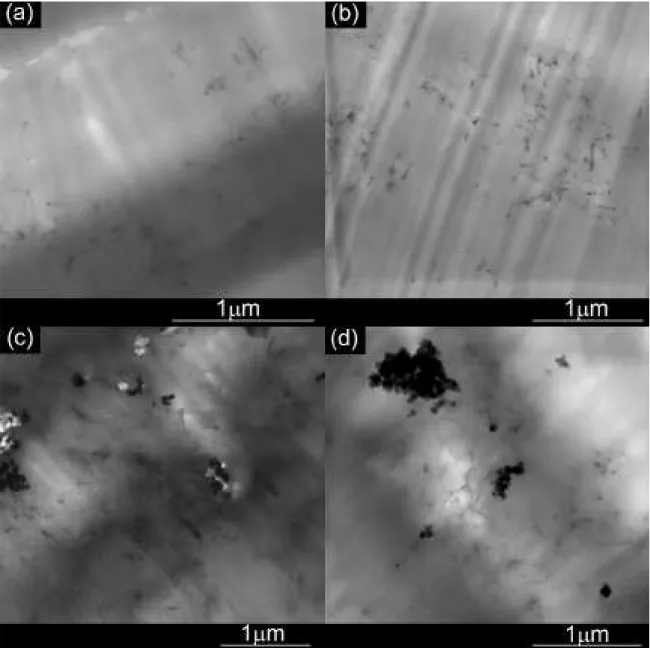
Figure 1. TEM micrographs C1 and C2: (a) C1 130.000x, (b) C2 100.000x, (c) C1C 80.500x, (d) C2C 100.000x.
samples ranged between 5-10 mg and three specimens were tested for each composition.
Dynamic Mechanical Analysis (DMA): The dynamic mechanical properties were evaluated using an equipment from TA instruments, model Q800. The tests were performed using three point bending mode (8 lb.in) and the following conditions: oscillation frequency of 1 Hz, heating rate of 3 ºC/min and the data was collected from 0 ºC to 150 ºC. The samples dimensions were 35.0 (L) x 12.6 (W) x 3.2 (T) mm3 and three specimens were tested for each composition. Flexural Testing: Flexural tests were performed according
to ASTM D790-10, three point bending configuration, using
3. Results and Discussion
The main goal of this work was to investigate the
influence of the addition of calcium carbonate in electrical,
mechanical, thermal and thermomechanical properties of epoxy/CNT nanocomposites.
3.1 Morphology Analysis
Figure 1a and 1b show the micrographs of nanocomposites C1 and C2 respectively. In both micrographs, it is possible to verify good dispersion (absence of CNT bundles) of CNT in epoxy matrix. However, a qualitative analysis of the carbon nanotubes dispersion showed that these CNT presented a reduction in the overall length, compared to the information provided by the supplier. This reduction in the size of the CNT was already expected, once ultrasonication generates high shear stress leading to reduce the length of the CNT7,26,27.
Figure 1c and 1d show the micrographs of C1C and C2C, respectively. It is possible to notice a good dispersion of CNT and only few calcium carbonate agglomerates in epoxy matrix. Figure 1c shows regions that only contain CNT and others regions only with calcium carbonate. These micrographs obtained are in agreement with the mechanism proposed by Bao et al., where the calcium carbonate reduces the volume available for CNT to form conductive pathways and also there are regions with only carbon nanotubes that are formed around the epoxy/calcium carbonate regions24.
Figures 1d presents micrographs of C2C composition. The micrographs present a similar microstructure to C1C composition, however due to the higher content of CNT in this nanocomposite, the CNT present moderate level of agglomeration compared to C1C composition. Nonetheless, this behavior was already expected because calcium carbonate act restricting the free volume that CNT can occupy and, as the content of CNT increase, greater the tendency of bundles formation.
3.2 Electrical Properties
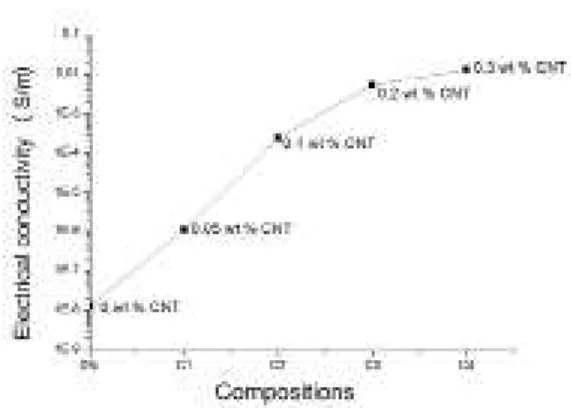
Figure 2 shows the electrical conductivity of epoxy and
epoxy/CNT nanocomposites at 1 Hz for different contents
of CNT. It can be noted that neat epoxy presents very small electrical conductivity at 1 Hz, whereas in nanocomposites with low contents of CNT, e.g. C1 which has 0.05 wt %, the increase in electrical conductivity is almost 2 decades when compared to neat epoxy. As further CNT are added in epoxy/ CNT nanocomposites, the content of CNT overcome the electrical percolation threshold and the number of conductive pathways increases. As more conductive pathways are formed, higher is the current transported through the material28.
Using the Equation 1 in the collected data, θc and t for epoxy/CNT nanocomposites values were determined. The
values calculated for θc and t are θc = 1.83 x 10
-2 v/v and t ~
2. The value of θc is in good agreement with recent studies, and it is almost the correspondent weight percent of 0.05 wt
Figure 2. Electrical conductivity of epoxy and epoxy/CNT nanocomposites at 1 Hz.
%2,18,29. The value obtained for critical exponent is related to a three dimensional dispersion19.
Figure 3 presents electrical conductivity of the epoxy and epoxy/CNT nanocomposites as a function of frequency. Epoxy matrix presents a quasi linear behavior for electrical conductivity against frequency that is typical for polymers which exhibits dipolar relaxation30,31. Nanocomposite C1 shows a 2-decade increase in the electrical conductivity compared to neat epoxy and the electrical conductivity remains constant from 1 Hz to 100 Hz. It seems that the CNT reduce the mobility of epoxy dipoles at low frequencies and only
after 100 Hz the dipolar relaxation mechanism are significant and affect electrical conductivity. Electrical properties are in
good agreement with morphological results, once the good dispersion of CNT in epoxy matrix resulted in an improvement in electrical properties even for low CNT contents.
The nanocomposite C2 presented a behavior similar to C1, but due the higher CNT concentration, the electrical conductivity increase by 4 decades compared to neat epoxy and the CNT reduced further the epoxy's dipolar mobility, once the electrical conductivity remained constant up to 30 kHz. Nanocomposites C3 and C4 presented further increase in electrical conductivity and it became almost linear against
frequency, exemplifying a huge number of conductive pathways formed by CNT.
Figure 4 presents electrical conductivity of the epoxy/ CNT/calcium carbonate nanocomposites as a function of the frequency. C1C and C2C nanocomposites showed improvements in electrical conductivity caused by calcium carbonate addition. The C1C electrical conductivity at 1Hz was 2.82 x 10⁻⁶ S/m, almost three times higher than C1 electrical conductivity and 2 decades higher than neat epoxy. This electrical behavior is a function of microstructure obtained in C1C, in which the calcium carbonate particles are well dispersed and act restricting the free volume that CNT can occupy. Therefore, CNT conductive pathways are formed only in areas without calcium carbonate.
Analyzing C2C electrical properties, there is nearly any distinction between C2C and C2 electrical conductivity, once C2C and C2 nanocomposites have CNT contents higher than
the percolation threshold, the effect of volume exclusion originated by calcium carbonate addition is less effective.
C2C micrograph (Figure 2b) also shows that the higher concentration of CNT in the nanocomposite and the presence of calcium carbonate promotes more agglomeration of CNT.
3.3 Thermal Analysis
Figure 5 shows the DSC curves for neat epoxy, epoxy/CNT nanocomposites with 0.05 and 0.1 wt % of CNT and epoxy/ CNT/calcium carbonate with 0.05 and 0.1 wt % of CNT. The addition of CNT and calcium carbonate in epoxy matrix can play
different roles on Tg. According Putz et al. there are two main mechanisms that can displace the Tg of the nanocomposites32.
In the first case, there is an increase in Tg due to the creation of an interphase between CNT and epoxy that restrict polymers mobility. In the second mechanism, the CNT lead to a network disruption, decreasing the cross-link density and reducing Tg.
Table 1 shows the glass transition obtained by DSC measurements. It is noticed that CNT and calcium carbonate did not lead to huge changes in nanocomposites Tg. The nanocomposites C1, C1C and C2 presented little change
Figure 4. Electrical conductivity as function of frequency for neat epoxy, epoxy/CNT nanocomposites with 0.05 and 0.1 wt % of CNT and epoxy/CNT/calcium carbonate with 0.05 and 0.1 wt % of CNT.
Figure 5. DSC curves for neat epoxy, epoxy/CNT nanocomposites with 0.05 and 0.1 wt % of CNT and epoxy/CNT/calcium carbonate with 0.05 and 0.1 wt % of CNT.
Table 1. Glass transitions (Tg) for neat epoxy, epoxy/CNT
nanocomposites with 0.05 and 0.1 wt % of CNT and epoxy/CNT/ calcium carbonate with 0.05 and 0.1 wt % of CNT obtained by DSC.
Nanocomposites Tg(ºC)
Epoxy 89 ± 1
C1 90 ± 2
C1C 89 ± 2
C2 92 ± 2
C2C 94 ± 2
in the Tg and only C2C showed a higher increase in Tg compared to neat epoxy.
Although, the good dispersion of the CNT and calcium
carbonate in epoxy, the nanocomposites have low fillers
concentrations, max. 1 wt % of calcium carbonate and maximum 0.1 wt % of CNT, and at these levels only
nanocomposite C2C presented synergic effect between
CNT and calcium carbonate leading to an increase in Tg. It is possible that, due to good dispersion of CNT and calcium carbonates, these create more interphase volume between CNT and epoxy.
However, when ANOVA-Test is performed for these compositions, it is observed that despite the improvements observed in C2C, the samples groups are identical once p-value obtained was higher than 0.05 (p = 0,08). Fidelus et al. studied also epoxy/CNT nanocomposites and no change in Tg was observed in nanocomposites with 0.5 wt % CNT33. It is important to notice that the amount of CNT used for Fidelus et al. was 5 times higher than those used in this work. According to Prolongo et al. the reduction in Tg in their nanocomposites was related to CNT agglomeration, however this behavior was not observed since CNT are well dispersed in epoxy matrix, as observed in micrographs (Fig.1 a-d)34.
3.4 Dynamic Mechanical Analysis (DMA)
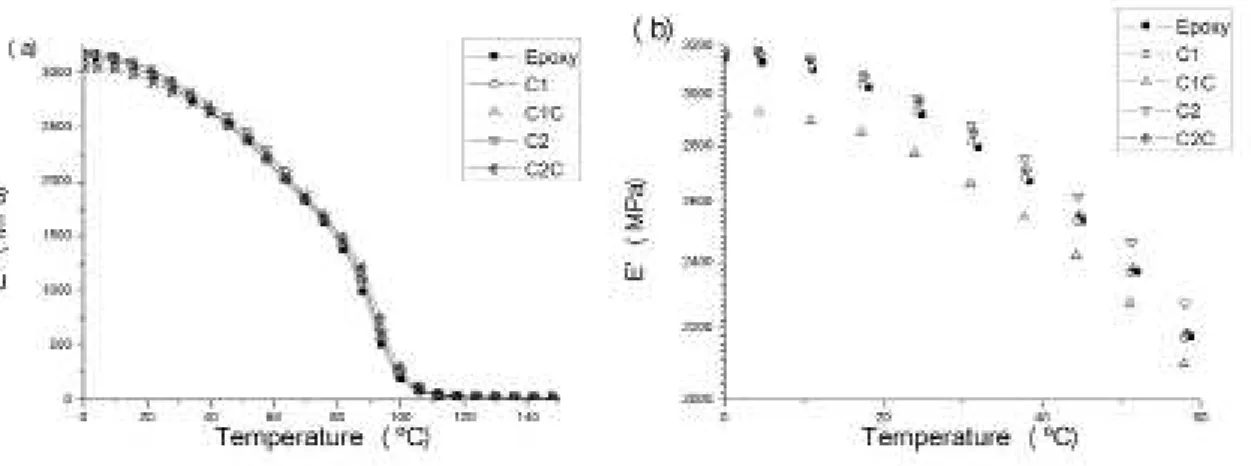
Figure 6. Storage modulus versus temperature for neat epoxy, epoxy/CNT nanocomposites with 0.05 and 0.1 wt % of CNT and epoxy/ CNT/calcium carbonate with 0.05 and 0.1 wt % of CNT. (a) Storage modulus versus temperature from 0 ºC to 150 ºC, (b) Storage modulus versus temperature from 0 ºC to 60 ºC.
Table 2. Storage modulus determined via DMA for neat epoxy, epoxy/CNT nanocomposites with 0.05 and 0.1 wt % of CNT and epoxy/CNT/calcium carbonate with 0.05 and 0.1 wt % of CNT.
Composition Storage Modulus@23ºC (MPa)
Epoxy 2800 ± 204
C1 2831 ± 261
C1C 2768 ± 119
C2 2977 ± 34
C2C 2824 ± 127
Table 3. Flexural properties of neat epoxy, epoxy/CNT nanocomposites with 0.05 and 0.1 wt % of CNT and epoxy/CNT/calcium carbonate with 0.05 and 0.1 wt % of CNT.
Nanocomposites
Flexural Modulus (GPa)
Flexural strength at break (MPa)
Elongation (%)
Epoxy 2.71 ± 0.10 96.6 ± 3.7 4.9 ± 0.17
C1 2.89 ± 0.05 102.8 ± 1.6 4.7 ± 0.33
C1C 2.89 ± 0.11 99.1 ± 7.2 4.6 ± 0.40
C2 2.97 ± 0.18 104.0 ± 1.2 5.00 ± 0a
C2C 2.93 ± 0.13 101.2 ± 6.7 4.69 ± 0.42
aWithout break at 5 %.
and epoxy/CNT/calcium carbonate with 0.05 and 0.1 wt % of CNT. All the nanocomposites present similar trends, e.g., reduction of the storage modulus as the temperature increases. Neat epoxy presented storage modulus of 2.8
MPa at 23 ºC and it almost the same as the flexural modulus
obtained by Sene et al.29.
The addiction of CNT and calcium carbonate in epoxy
matrix did not seems to influence the storage modulus
and based on this Chen et al. proposed some correlations between electrical properties (electrical percolation threshold)
and mechanical properties (stiffness threshold) versus CNT networks morphology that helps to understand this behavior35. According Chen et al. there are 4 different kind
of morphologies that CNT can assume. First, for very low CNT contents, there are just a few contacts between CNT and the CNT are not enough to form conductive pathways neither carry load35. However when CNT content is near the percolation threshold, there is an increase in electrical conductivity but the nanocomposite is still not able to carry load and the increases in mechanical properties are minimal. Higher contents of CNT in nanocomposites provide a denser CNT network with more connections between CNT, higher
electrical conductivity and an increase in the stiffness of the
nanocomposite. Once the electrical percolation threshold was determined to be around 0.05 wt % of CNT, nanocomposites C1 and C1C have low potential for increasing mechanical
properties (below stiffness threshold), despite this, they
presented remarkable increase in electrical conductivity. C2 and C2C possess higher CNT contents than the percolation
threshold, but both didn't seem to reach the stiffness
threshold and, because of that, the mechanical properties remain unchanged.
Table 2 summarizes DMA results for the materials analyzed. The ANOVA-Test was performed for the samples and p-value obtained was p=0.4, exemplifying that there are
no significant different between the samples. This behavior
is probably due the low content of CNT that are not able
to impart to the composite stiffness beyond the threshold and generate significant changes in mechanical behavior.
3.5 Flexural Properties
Table 3 presents flexural properties for neat epoxy, epoxy/
CNT nanocomposites with 0.05 and 0.1 wt % of CNT and epoxy/CNT/calcium carbonate with 0.05 and 0.1 wt % of
CNT. Neat epoxy presented flexural modulus of 2.71 GPa and
this value is almost the same of the epoxy storage modulus at 23 ºC. For C1 and C1C nanocomposites, an increase of 6%
flexural modulus is noticed, flexural strength and at break
of 8% in flexural modulus when compared to C1, C1C and
10% when compared to neat epoxy. In this nanocomposite, the CNT seem to toughen the nanocomposite, once any sample broke at 5 % elongation. For the other samples, the
elongation remain unchanged. The significance of the flexural modulus results was confirmed by ANOVA-Test and p-value of 0,012 was obtained, confirming the difference between
the groups analyzed.
A small tendency increasing flexural strength at break
for all nanocomposites was observed, however ANOVA-test
present p-value of 0,16 indicating that no significant changes
in this property is observed. Flexural strength at break stood between 99.1 MPa and 102.8 MPa.
4. Conclusions
Epoxy/CNT nanocomposites with low electrical percolation threshold were produced via in situ polymerization and it was noticed that the addition of calcium carbonate in these nanocomposites led to a new microstructure, in which the calcium carbonate particles reduced the volume that CNT can
occupy in epoxy matrix. Significant improvement in electrical
properties were observed by adding calcium carbonate in epoxy/CNT nanocomposites, e.g., C1C presented electrical conductivity at 1 Hz three times higher than C1 and 2 decades higher than neat epoxy. Regarding thermal properties, an increase in Tg for C2C was observed, however the
ANOVA-test showed no significant changes between groups. The
same behavior was observed for storage modulus, due to low content of CNT that are no able to impart to the composite
stiffness beyond the threshold. Regarding flexural modulus
C2 and C2C presented improvements from almost 10% when compared to neat epoxy and it is due the creation of epoxy/ calcium carbonate interphase that restrict polymers mobility.
5. Acknowledgements
The authors would like to thank the São Paulo Research
Foundation (FAPESP) for financially supporting this research
under process number 2014/16299-8.
The authors would like to thank the National Council
for Scientific and Technological Development (CNPq) for financially supporting this research under process number
1309 978/2014-0.
6. References
1. Ma PC, Siddiqui NA, Marom G, Kim JK. Dispersion and functionalization of carbon nanotubes for polymer-based nanocomposites: A review. Composites Part A: Applied Science
and Manufacturing. 2010;41(10):1345-1367.
2. Mittal G, Dhand V, Rhee KY, Park SJ, Lee WR. A review on
carbon nanotubes and graphene as fillers in reinforced polymer
nanocomposites. Journal of Industrial and Engineering Chemistry. 2015;21:11-25.
3. Iijima S. Helical microtubules of graphitic carbon. Nature. 1991;354(6348):56-58.
4. Hosur M, Barua R, Zainuddin S, Kumar A, Trovillion J, Jeelani
S. Effect of processing techniques on the performance of Epoxy/
MWCNT nanocomposites. Journal of Applied Polymer Science. 2013;127(6):4211-4224.
5. Huang YY, Terentjev EM. Dispersion of Carbon Nanotubes: Mixing, Sonication, Stabilization, and Composite Properties.
Polymers (Basel). 2012;4(1):275-295.
6. Pal G, Kumar S. Modeling of carbon nanotubes and carbon nanotube-polymer composites. Progress in Aerospace Sciences. 2015;80:33-58.
7. Korayem AH, Barati MR, Chen SJ, Simon GP, Zhao XL, Duan
WH. Optimizing the degree of carbon nanotube dispersion in a solvent for producing reinforced epoxy matrices. Powder
Technology. 2015;284:541-550.
8. Guadagno L, Vietri U, Raimondo M, Vertuccio L, Barra G, De Vivo B, et al. Correlation between electrical conductivity and
manufacturing processes of nanofilled carbon fiber reinforced
composites. Composites Part B: Engineering. 2015;80:7-14.
9. Jin FL, Park SJ. Recent Advances in Carbon-Nanotube-Based Epoxy Composites. Carbon Letters. 2013;14(1):1-13.
10. Sabet SM, Mahfuz H, Hashemi J, Nezakat M, Szpunar JA. Effects
of sonication energy on the dispersion of carbon nanotubes in a vinyl ester matrix and associated thermo-mechanical properties.
Journal of Materials Science. 2015;50(13):4729-4740.
11. Nadler M, Werner J, Mahrholz T, Riedel U, Hufenbach W.
Effect of CNT surface functionalisation on the mechanical
properties of multi-walled carbon nanotube/epoxy-composites.
Composites Part A: Applied Science and Manufacturing.
2009;40(6-7):932-937.
12. Zakaria MR, Akil HM, Abdul Kudus MH, Kadarman AH.
Improving flexural and dielectric properties of MWCNT/epoxy nanocomposites by introducing advanced hybrid filler system. Composite Structures. 2015;132:50-64.
13. Yoonessi M, Lebrón-Colón M, Scheiman D, Meador MA.
Carbon Nanotube Epoxy Nanocomposites: The Effects of Interfacial Modifications on the Dynamic Mechanical Properties
of the Nanocomposites. ACS Applied Materials & Interfaces. 2014;6(19):16621-16630.
14. Azeez AA, Rhee KY, Park SJ, Hui D. Epoxy clay nanocomposites - processing, properties and applications: A review. Composites Part B: Engineering. 2013;45(1):308-320.
15. Huang YY, Terentjev EM, Huang BYY. Tailoring the Electrical Properties of Carbon Nanotube-Polymer Composites. Advanced Functional Materials. 2010;20(23):4062-4068.
16. Ivanov E, Kotsilkova R, Krusteva E, Logakis E, Kyritsis A,
Pissis P, et al. Effects of processing conditions on rheological,
thermal, and electrical properties of multiwall carbon nanotube/ epoxy resin composites. Journal of Polymer Science Part B Polymer Physics. 2011;49(6):431-442.
17. Hennrich F, Krupke R, Arnold K, Rojas Stütz JA, Lebedkin S, Koch T, et al. The Mechanism of Cavitation-Induced Scission of Single-Walled Carbon Nanotubes. The Journal of Physical
18. Sandler JKW, Kirk JE, Kinloch IA, Shaffer MSP, Windle AH.
Ultra-low electrical percolation threshold in carbon-nanotube-epoxy composites. Polymer. 2003;44(19):5893-5899.
19. Russ M, Rahatekar SS, Koziol K, Farmer B, Peng HX.
Length-dependent electrical and thermal properties of carbon nanotube-loaded epoxy nanocomposites. Composites Science
and Technology. 2013;81:42-47.
20. Castellino M, Chiolerio A, Shahzad MI, Jagdale PV, Tagliaferro A. Electrical conductivity phenomena in an epoxy resin-carbon-based materials composite. Composites Part A: Applied Science
and Manufacturing. 2014;61:108-114.
21. Guadagno L, Naddeo C, Vittoria V, Sorrentino A, Vertuccio L, Raimondo M, et al. Cure behavior and physical properties of
epoxy resin-filled with multiwalled carbon nanotubes. Journal
of Nanoscience and Nanotechnology. 2010;10(4):2686-2893.
22. Ayatollahi MR, Shadlou S, Shokrieh MM, Chitsazzadeh M. Effect
of multi-walled carbon nanotube aspect ratio on mechanical and electrical properties of epoxy-based nanocomposites. Polymer Testing. 2011;30(5):548-556.
23. Liu L, Grunlan JC. Clay Assisted Dispersion of Carbon Nanotubes in Conductive Epoxy Nanocomposites. Advanced Functional Materials. 2007;17(14):2343-2348.
24. Bao HD, Guo ZX, Yu J. Effect of electrically inert particulate filler on electrical resistivity of polymer/multi-walled carbon
nanotube composites. Polymer. 2008;49(17):3826-3831.
25. Montazeri A, Chitsazzadeh M. Effect of sonication parameters
on the mechanical properties of multi-walled carbon nanotube/ epoxy composites. Materials & Design (1980-2015). 2014;56:500-508.
26. Vahedi F, Shahverdi HR, Shokrieh MM, Esmkhani M. Effects
of carbon nanotube content on the mechanical and electrical properties of epoxy-based composites. New Carbon Materials. 2014;29(6):419-425.
27. Yang RB, Kuo WS, Lai HC. Effect of carbon nanotube dispersion
on the complex permittivity and absorption of nanocomposites in 2-18 GHz ranges. Journal of Applied Polymer Science. 2014;131(21):40963.
28. Balakrishnan A, Saha MC. Tensile fracture and thermal conductivity characterization of toughened epoxy/CNT nanocomposites.
Materials Science and Engineering: A. 2011;528(3):906-913.
29. Martin CA, Sandler JKW, Windle AH, Schwarz MK, Bauhofer
W, Schulte K, et al. Electric field-induced aligned multi-wall
carbon nanotube networks in epoxy composites. Polymer. 2005;46(3):877-886.
30. Sene TS, Ramos A, Becker D, Coelho LAF. Electrical conductivity behavior of epoxy matrix nanocomposites with simultaneous dispersion of carbon nanotubes and clays. Polymer Composites. 2016;37(5):1603-1611.
31. Singha S, Thomas MJ. Dielectric properties of epoxy nanocomposites. IEEE Transactions on Dielectrics and Electrical Insulation. 2008;15(1):12-23.
32. Arjmand M, Apperley T, Okoniewski M, Sundararaj U. Comparative study of electromagnetic interference shielding properties of injection molded versus compression molded multi-walled carbon nanotube/polystyrene composites. Carbon. 2012;50(14):5126-5134.
33. Fidelus JD, Wiesel E, Gojny FH, Schulte K, Wagner HD. Thermo-mechanical properties of randomly oriented carbon/ epoxy nanocomposites. Composites Part A: Applied Science
and Manufacturing. 2005;36(11):1555-1561.
34. Prolongo SG, Melitón BG, Jiménez-Suárez A, Ureña A.
Study of efficiency of different commercial carbon nanotubes
on manufacturing of epoxy matrix composites. Journal of
Composite Materials. 2013;48(25):3169-3177.
35. Chen Y, Pan F, Guo Z, Liu B, Zhang J. Stiffness threshold of