Cell Transcriptome and Its Modulation by Sucrose
George W. Bates1*, David M. Rosenthal2, Jindong Sun2,3, Maitreyi Chattopadhyay1,4, Emily Peffer1,5, Jing Yang6, Donald R. Ort2, Alan M. Jones6
1Department of Biological Science, Florida State University, Tallahassee, Florida, United States of America,2Global Change and Photosynthesis Research Unit, Agricultural Research Service, United States Department of Agriculture, Institute for Genomic Biology, University of Illinois, Urbana, Illinois, United States of America,3Pioneer Hi-Bred International, Johnston, Iowa, United States of America,4Department of Cell Biology and Molecular Genetics, University of Maryland, College Park, Maryland, United States of America,5Department of Plant Sciences, University of California Davis, Davis, California, United States of America,6Departments of Biology and Pharmacology, University of North Carolina, Chapel Hill, North Carolina, United States of America
Abstract
Microarray analysis was performed on RNA isolated from guard cells that were manually dissected from leaves of Arabidopsis. By pooling our data with those of two earlier studies onArabidopsisguard cell protoplasts, we provide a robust view of the guard-cell transcriptome, which is rich in transcripts for transcription factors, signaling proteins, transporters, and carbohydrate-modifying enzymes. To test the hypothesis that photosynthesis-derived sugar signals guard cells to adjust stomatal opening, we determined the profile of genes expressed in guard cells from leaves that had been treated with sucrose. The results revealed that expression of 440 genes changed in guard cells in response to sucrose. Consistent with this hypothesis, these genes encoded cellular functions for photosynthesis and transport of sugars, water, amino acids, and ions. Plants of T-DNA insertion lines for 50 genes highly responsive to sucrose were examined for defects in guard cell function. Twelve genes not previously known to function in guard cells were shown to be important in leaf conductance, water-use efficiency, and/or stomate development. Of these, three are of particular interest, having shown effects in nearly every test of stomatal function without a change in stomatal density:TPS5(At4g17770), a TRAF domain-containing protein (At1g65370), and a WD repeat–containing protein (At1g15440).
Citation:Bates GW, Rosenthal DM, Sun J, Chattopadhyay M, Peffer E, et al. (2012) A Comparative Study of theArabidopsis thalianaGuard-Cell Transcriptome and Its Modulation by Sucrose. PLoS ONE 7(11): e49641. doi:10.1371/journal.pone.0049641
Editor:Carl K.-Y. Ng, University College Dublin, Ireland
ReceivedMay 16, 2012;AcceptedOctober 15, 2012;PublishedNovember 21, 2012
This is an open-access article, free of all copyright, and may be freely reproduced, distributed, transmitted, modified, built upon, or otherwise used by anyone for any lawful purpose. The work is made available under the Creative Commons CC0 public domain dedication.
Funding:This work was supported by grants from the National Institutes of General Medical Sciences (R01GM065989) and National Science Foundation (MCB-0723515 and MCB-0718202) to AMJ and by a Florida State University Cornerstone Award to GWB. The authors also thank the Division of Chemical Sciences, Geosciences, and Biosciences, Office of Basic Energy Sciences of the US Department of Energy through Grant DE-FG02-05er15671 (to AMJ) for funding the photosynthesis and stomatal conductance assays. The funders had no role in study design, data collection and analysis, decision to publish, or preparation of the manuscript.
Competing Interests:The authors have declared that no competing interests exist. * E-mail: [email protected]
Introduction
The guard cell is arguably the most dynamic cell type in higher plants. At the start of the light period, guard cells actively extrude protons, driving K+accumulation and stomatal opening, a process that is reversed at day’s end. During the day, guard cells integrate signals, principally transpiration rate, internal CO2concentration,
light, and ABA, and adjust stomatal aperture from moment to moment to balance the plant’s competing need of water retention for turgor against the needs of evaporative cooling and carbon fixation. Although ion transport clearly has a key role in stomatal movements, guard-cell carbohydrate metabolism also has a central role. During the day, starch in the guard-cell chloroplasts is broken down to produce malate to balance cytoplasmic pH and, along with Cl–, serve as a counter ion for K+
accumulation [1]. Sucrose also accumulates in guard cells during the light period and is a major osmotic contributor to determining stomatal aperture [2]. Although guard cells are capable of photosynthetic carbon reduction, they have insufficient chlorophyll content and photo-synthetic capacity to be self supporting and therefore must import sugars to supply the bulk of their carbon and energy needs [3].
Sugars are not only sources of carbon and energy but are also regulators and integrating signals in a wide range of basic plant processes extending from embryogenesis and seedling growth to flowering and senescence [4,5]. Sugars may also play diverse roles in guard-cell function. The production of sugars has been proposed to be regulated in the leaf by negative feedback from high levels of photosynthate, which inhibit transcription of genes encoding photosynthetic enzymes, thus providing carbon balance between source (e.g., mesophyll) and sink (e.g., epidermal) tissues [6,7]. By sensing intercellular CO2levels in the leaf and adjusting
cells to the guard cells’ apoplast by the transpiration stream and is deposited there when water evaporates from the leaf. Thus, the accumulation of photosynthate, specifically sucrose, provides a signal for reduction of stomatal aperture. Changing levels of sucrose in the guard-cell apoplast provide a fine-tuning mechanism to balance the competing needs for CO2uptake for photosynthesis
and for control of water loss through evapotranspiration: When the vapor pressure deficit is large and/or excess photosynthate is present in the leaf because of low sink demand, sucrose is deposited at the guard-cell apoplast and results in stomatal closure, reduced rates of photosynthesis, and reduced water loss. The reverse occurs when the pressure deficit is small and/or sucrose levels in the leaf are low because of high sink demand. This model for coupling photosynthetic rates and evapotranspiration applies only to apoplastic phloem loaders [11] with homobaric leaf anatomy. Supporting evidence for the model comes from study of
Vicia fabaguard cells, which load sugars from the aploplast via the phloem as doesArabidopsis[12]. When transpiration rates are high, the levels of sucrose in the guard cell apoplast reach 150 mM and this sugar accumulation is correlated with midafternoon decreases in stomatal aperture [13,14].
Although high levels of extracellular sucrose impose an osmotic effect promoting stomatal closure, extracellular sugars may also be signals that modulate expression of genes involved in guard-cell movements. Investigations of sugar-response mutants showed that ABA, ethylene, and sugar-response pathways overlap extensively [15]. Sugars affect genome-wide changes in gene expression [16– 22]. They activate expression of genes encoding sugar metabolism and energy-storage functions, and they repress sugar-production
functions, but effects are also found on genes involved in nitrogen metabolism, stress and defense, and hormone signaling.
The goal of our study was to examine global changes in gene expression inArabidopsisguard cells in response to sucrose and to identify candidate genes for further study. The three previous reports that addressed the guard-cell transcriptome used guard-cell protoplasts as the source of guard-cell RNA [23–25]. The present study differs from those by dissecting guard cells from leaves thereby avoiding the high osmoticum and prolonged digestion in cellulytic enzymes that are needed for protoplast isolation and the associated changes in gene expression that accompany those treatments. Specifically, RNA was isolated from guard cells manually dissected from freeze-dried leaf strips. We show that this approach yields a profile of guard cell-gene expression that has some important differences from the profile obtained from guard cell protoplasts. By pooling our results with those of two earlier studies on guard cell protoplasts, we obtained a robust view of the guard cell transcriptome. We identified over 1200 transcripts that are preferentially expressed in guard cells, including a wide range of transporters, transcription factors, and genes for proteins involved in signaling and posttranslational protein modification. The functional roles of many of these genes in guard-cell biology have yet to be evaluated. In our study of guard cells treated with sucrose, we identified over 400 sucrose-responsive genes, again including many transcription factors and genes involved in signaling, but also genes for carbohydrate metabolism, some of which may play regulatory roles in guard-cell movements. To test our hypothesis that some of these sucrose-responsive genes are critical for normal guard-cell function, we evaluated 50 T-DNA-insertion mutations in genes identified in the discovery phase.
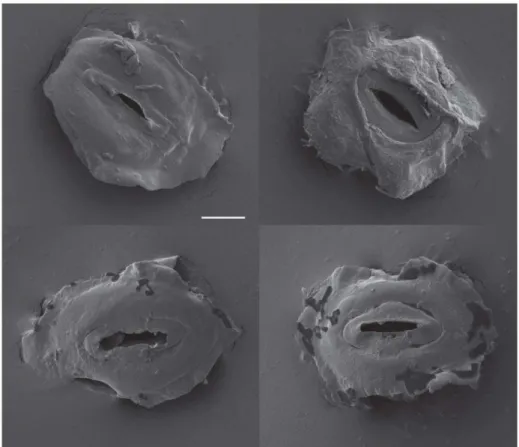
Figure 1. Images of guard cell pairs.Scanning electron microscope images of guard-cell pairs isolated by dissection from freeze-dried leaf tissue. Scale bar, 5mm.
Guard-cell functional defects were found in 12 mutants, of which none was in a gene previously known to have a role in guard cell biology.
Methods
Plant Material and Sugar Treatments for Microarray and Real-time PCR Experiments
Plants ofArabidopsis thalianaecotype Col-0 were grown at 22uC, 60% relative humidity (RH), under fluorescent lights (150mE m– 2
s–1, 8 h light/16 h dark diurnal cycles) on Superfine Germinating Mix (FaFard). Mature leaves were harvested from plants 8–10 weeks old that had not undergone the transition to flowering. Plants were grown in batches every 2 to 3 weeks. Each sample of guard cells was taken from an individual plant. Two biological replicates were obtained from plants of different batches that were grown in the incubator at overlapping times. The third biological replicate was from a plant in a batch grown 3 to 6 months later than the first two replicates. With a scalpel, the midrib was removed, and the leaf blade was cut into strips 1 mm wide. The leaf strips were floated on 12.5 mL of a solution of 50 mM KCl
+0.1 mM CaCl2+10 mM MES-NaOH (pH 6.1) +/2150 mM
sucrose or mannitol in a 125-mL Erlenmeyer flask. Interstitial air was removed under vacuum (25 KPa for 30 sec), and the leaf strips were incubated (with swirling) for 5 h at 22uC, 30mE m–2s–1 fluorescent illumination. After incubation, the leaf strips were blotted dry, frozen in liquid nitrogen, freeze-dried for 4 days under
a vacuum of,10 mm of mercury, and stored under vacuum at –
20uC. Guard-cell pairs and mesophyll tissue were manually
dissected from the leaf strips at 20uC, 50% RH, under a dissecting
microscope at 506 magnification, with scalpels made from
fragments of single-edge razor blades. The dissections were done in the laboratory of W. H. Outlaw Jr., who developed this method [26,27]. Hereafter we will call guard cells isolated by this process ‘‘intact guard cells’’ to distinguish them from guard cells isolated by protoplasting.
RNA Isolation
RNA was isolated from dissected guard cells as well as from mesophyll tissue dissected from freeze-dried leaves, with the PicoPure RNA Isolation Kit (Arcturus). Samples of approximately 10 to 15mg of mesophyll tissue, or of 50–100 guard cells, were used for RNA isolation. The samples were collected in a small plastic boat, 10mL of extraction buffer was added, and after a quick pipetting up and down, the sample was loaded into a 0.2-mL centrifuge tube, and RNA was purified according to the manufacturer’s instructions, including treatment with DNase during the isolation.
Reverse Transcription and Real-time PCR
Five hundred ng of RNA was used for reverse transcription. First-strand cDNA synthesis was performed with Invitrogen’s Superscript II (Life Technologies) according to the manufacturer’s instructions. For unamplified RNA, cDNA synthesis was primed with oligodT; cDNA synthesis from amplified RNA used gene-specific primers. After reverse transcription,E. coliRNase H (2 U
mL21) was added to digest the RNA from RNA:cDNA hybrids. Real-time PCR reactions were conducted in a 25-mL reaction
volume with the QuantiTect SYBR Green PCR Kit (Qiagen) and 2mL of the 20-mL cDNA reaction. Real-time PCR was carried out
on an ABI 7500 Fast Real Time PCR System (Life Technologies)
Figure 2. Graphical display from the MapMan program showing differences in gene expression between intact guard cells and guard cell protoplasts.The data displayed here are all those genes listed in Table S3. The view is from MapMan’s ‘‘Overview’’ of gene expression, the genes are grouped into functional categories. Genes up-regulated in intact guard cells are in blue, those up-regulated in guard cell protoplasts are in red. Functional categories that are significantly different (Wilcoxon rank sum test with Benjamini Hochberg correction) between the two guard cell preparations are indicated by the arrows. Group 1 is photosynthesis, group 20 is stress, group 34 is transcription and RNA modifying enzymes. Several other groups of genes that appear different between the two protoplast preparations, but which are not statistically different (probably because of the small number of genes in those groups), are group 10 (cell wall), group 9 (mitochondrial electron transport), group 4 (glycolysis), group 3 (minor carbohydrate metabolism), and group 31 (cell organization).
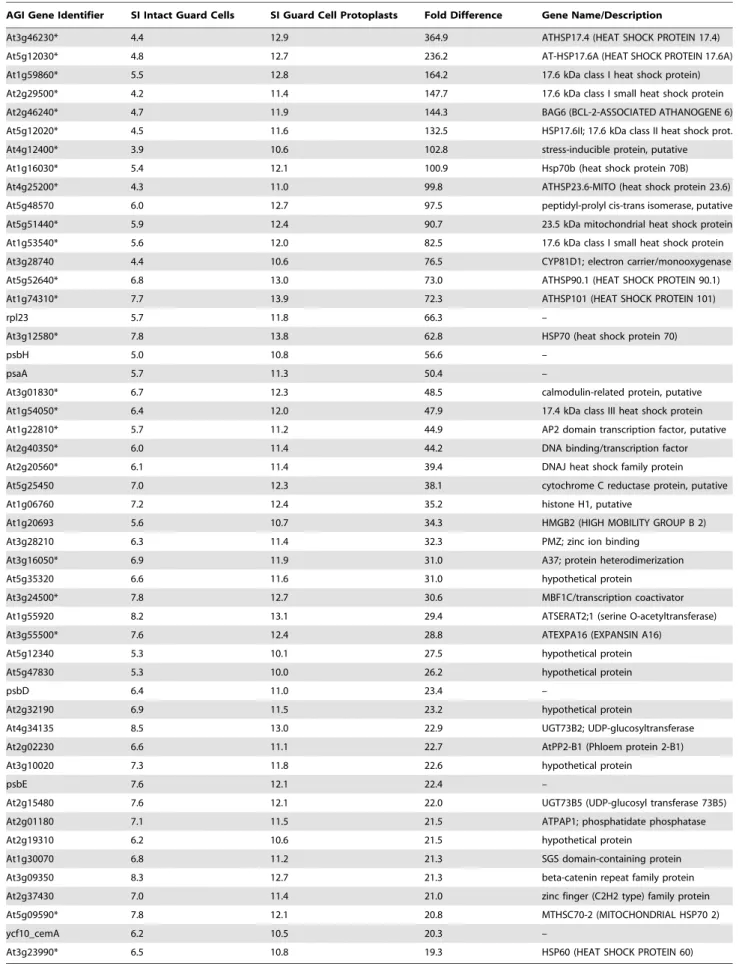
Table 1.The fifty genes that are most strongly up-regulated in guard cell protoplasts compared with intact guard cells.
AGI Gene Identifier SI Intact Guard Cells SI Guard Cell Protoplasts Fold Difference Gene Name/Description
At3g46230* 4.4 12.9 364.9 ATHSP17.4 (HEAT SHOCK PROTEIN 17.4)
At5g12030* 4.8 12.7 236.2 AT-HSP17.6A (HEAT SHOCK PROTEIN 17.6A)
At1g59860* 5.5 12.8 164.2 17.6 kDa class I heat shock protein)
At2g29500* 4.2 11.4 147.7 17.6 kDa class I small heat shock protein
At2g46240* 4.7 11.9 144.3 BAG6 (BCL-2-ASSOCIATED ATHANOGENE 6)
At5g12020* 4.5 11.6 132.5 HSP17.6II; 17.6 kDa class II heat shock prot.
At4g12400* 3.9 10.6 102.8 stress-inducible protein, putative
At1g16030* 5.4 12.1 100.9 Hsp70b (heat shock protein 70B)
At4g25200* 4.3 11.0 99.8 ATHSP23.6-MITO (heat shock protein 23.6)
At5g48570 6.0 12.7 97.5 peptidyl-prolyl cis-trans isomerase, putative
At5g51440* 5.9 12.4 90.7 23.5 kDa mitochondrial heat shock protein
At1g53540* 5.6 12.0 82.5 17.6 kDa class I small heat shock protein
At3g28740 4.4 10.6 76.5 CYP81D1; electron carrier/monooxygenase
At5g52640* 6.8 13.0 73.0 ATHSP90.1 (HEAT SHOCK PROTEIN 90.1)
At1g74310* 7.7 13.9 72.3 ATHSP101 (HEAT SHOCK PROTEIN 101)
rpl23 5.7 11.8 66.3 –
At3g12580* 7.8 13.8 62.8 HSP70 (heat shock protein 70)
psbH 5.0 10.8 56.6 –
psaA 5.7 11.3 50.4 –
At3g01830* 6.7 12.3 48.5 calmodulin-related protein, putative
At1g54050* 6.4 12.0 47.9 17.4 kDa class III heat shock protein
At1g22810* 5.7 11.2 44.9 AP2 domain transcription factor, putative
At2g40350* 6.0 11.4 44.2 DNA binding/transcription factor
At2g20560* 6.1 11.4 39.4 DNAJ heat shock family protein
At5g25450 7.0 12.3 38.1 cytochrome C reductase protein, putative
At1g06760 7.2 12.4 35.2 histone H1, putative
At1g20693 5.6 10.7 34.3 HMGB2 (HIGH MOBILITY GROUP B 2)
At3g28210 6.3 11.4 32.3 PMZ; zinc ion binding
At3g16050* 6.9 11.9 31.0 A37; protein heterodimerization
At5g35320 6.6 11.6 31.0 hypothetical protein
At3g24500* 7.8 12.7 30.6 MBF1C/transcription coactivator
At1g55920 8.2 13.1 29.4 ATSERAT2;1 (serine O-acetyltransferase)
At3g55500* 7.6 12.4 28.8 ATEXPA16 (EXPANSIN A16)
At5g12340 5.3 10.1 27.5 hypothetical protein
At5g47830 5.3 10.0 26.2 hypothetical protein
psbD 6.4 11.0 23.4 –
At2g32190 6.9 11.5 23.2 hypothetical protein
At4g34135 8.5 13.0 22.9 UGT73B2; UDP-glucosyltransferase
At2g02230 6.6 11.1 22.7 AtPP2-B1 (Phloem protein 2-B1)
At3g10020 7.3 11.8 22.6 hypothetical protein
psbE 7.6 12.1 22.4 –
At2g15480 7.6 12.1 22.0 UGT73B5 (UDP-glucosyl transferase 73B5)
At2g01180 7.1 11.5 21.5 ATPAP1; phosphatidate phosphatase
At2g19310 6.2 10.6 21.5 hypothetical protein
At1g30070 6.8 11.2 21.3 SGS domain-containing protein
At3g09350 8.3 12.7 21.3 beta-catenin repeat family protein
At2g37430 7.0 11.4 21.0 zinc finger (C2H2 type) family protein
At5g09590* 7.8 12.1 20.8 MTHSC70-2 (MITOCHONDRIAL HSP70 2)
ycf10_cemA 6.2 10.5 20.3 –
At3g23990* 6.5 10.8 19.3 HSP60 (HEAT SHOCK PROTEIN 60)
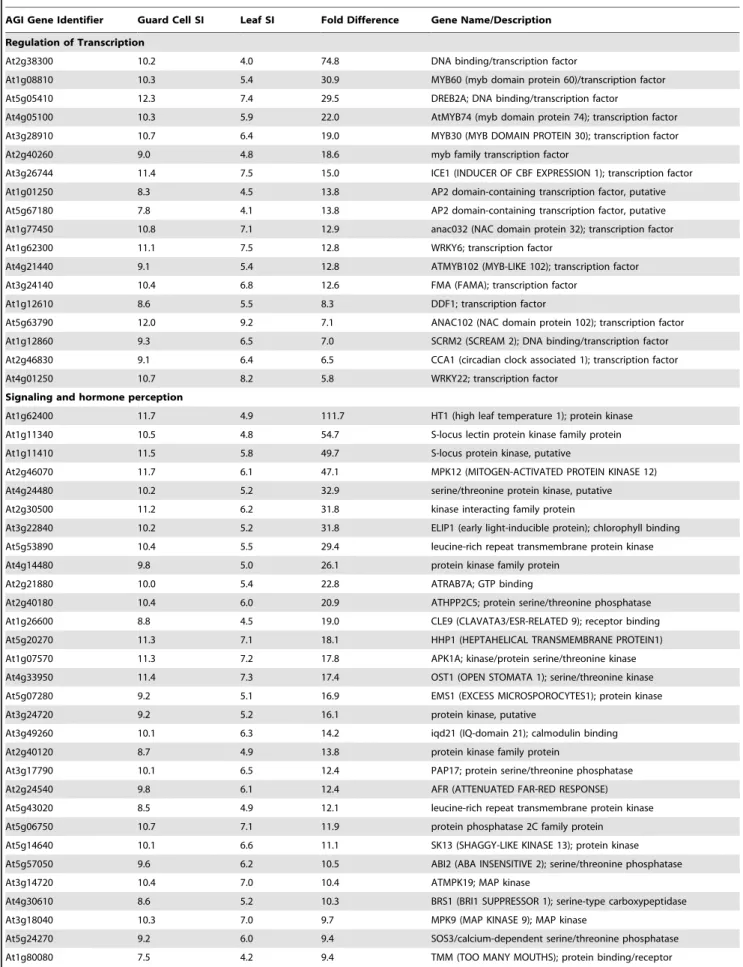
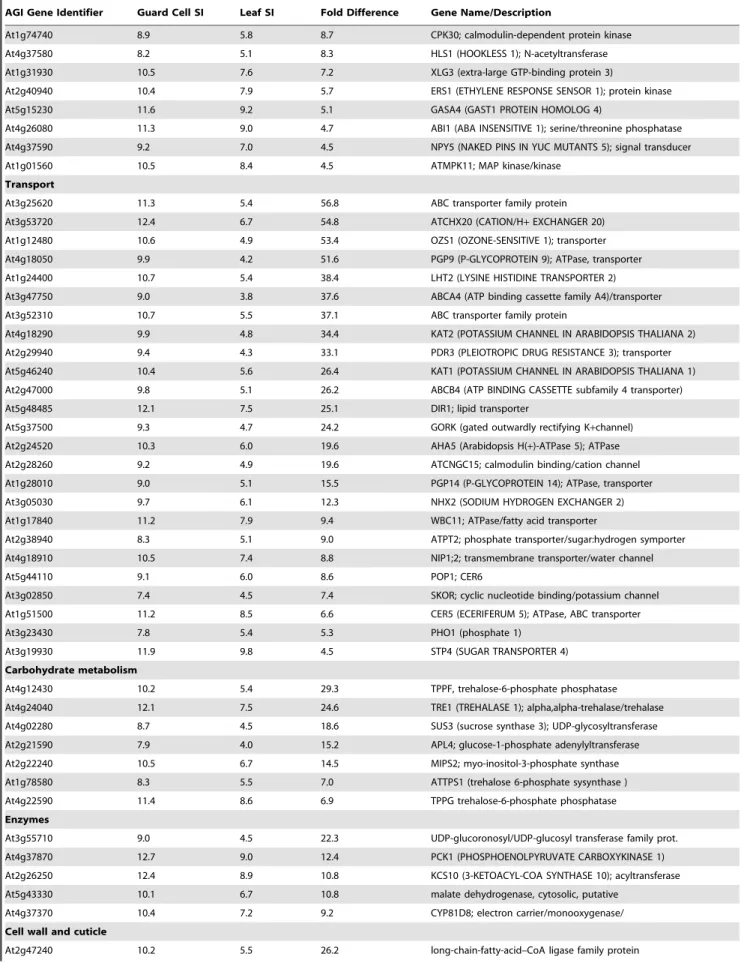
Table 2.Selected examples of genes preferentially expressed in guard cells.
AGI Gene Identifier Guard Cell SI Leaf SI Fold Difference Gene Name/Description
Regulation of Transcription
At2g38300 10.2 4.0 74.8 DNA binding/transcription factor
At1g08810 10.3 5.4 30.9 MYB60 (myb domain protein 60)/transcription factor
At5g05410 12.3 7.4 29.5 DREB2A; DNA binding/transcription factor
At4g05100 10.3 5.9 22.0 AtMYB74 (myb domain protein 74); transcription factor
At3g28910 10.7 6.4 19.0 MYB30 (MYB DOMAIN PROTEIN 30); transcription factor
At2g40260 9.0 4.8 18.6 myb family transcription factor
At3g26744 11.4 7.5 15.0 ICE1 (INDUCER OF CBF EXPRESSION 1); transcription factor
At1g01250 8.3 4.5 13.8 AP2 domain-containing transcription factor, putative
At5g67180 7.8 4.1 13.8 AP2 domain-containing transcription factor, putative
At1g77450 10.8 7.1 12.9 anac032 (NAC domain protein 32); transcription factor
At1g62300 11.1 7.5 12.8 WRKY6; transcription factor
At4g21440 9.1 5.4 12.8 ATMYB102 (MYB-LIKE 102); transcription factor
At3g24140 10.4 6.8 12.6 FMA (FAMA); transcription factor
At1g12610 8.6 5.5 8.3 DDF1; transcription factor
At5g63790 12.0 9.2 7.1 ANAC102 (NAC domain protein 102); transcription factor
At1g12860 9.3 6.5 7.0 SCRM2 (SCREAM 2); DNA binding/transcription factor
At2g46830 9.1 6.4 6.5 CCA1 (circadian clock associated 1); transcription factor
At4g01250 10.7 8.2 5.8 WRKY22; transcription factor
Signaling and hormone perception
At1g62400 11.7 4.9 111.7 HT1 (high leaf temperature 1); protein kinase
At1g11340 10.5 4.8 54.7 S-locus lectin protein kinase family protein
At1g11410 11.5 5.8 49.7 S-locus protein kinase, putative
At2g46070 11.7 6.1 47.1 MPK12 (MITOGEN-ACTIVATED PROTEIN KINASE 12)
At4g24480 10.2 5.2 32.9 serine/threonine protein kinase, putative
At2g30500 11.2 6.2 31.8 kinase interacting family protein
At3g22840 10.2 5.2 31.8 ELIP1 (early light-inducible protein); chlorophyll binding
At5g53890 10.4 5.5 29.4 leucine-rich repeat transmembrane protein kinase
At4g14480 9.8 5.0 26.1 protein kinase family protein
At2g21880 10.0 5.4 22.8 ATRAB7A; GTP binding
At2g40180 10.4 6.0 20.9 ATHPP2C5; protein serine/threonine phosphatase
At1g26600 8.8 4.5 19.0 CLE9 (CLAVATA3/ESR-RELATED 9); receptor binding
At5g20270 11.3 7.1 18.1 HHP1 (HEPTAHELICAL TRANSMEMBRANE PROTEIN1)
At1g07570 11.3 7.2 17.8 APK1A; kinase/protein serine/threonine kinase
At4g33950 11.4 7.3 17.4 OST1 (OPEN STOMATA 1); serine/threonine kinase
At5g07280 9.2 5.1 16.9 EMS1 (EXCESS MICROSPOROCYTES1); protein kinase
At3g24720 9.2 5.2 16.1 protein kinase, putative
At3g49260 10.1 6.3 14.2 iqd21 (IQ-domain 21); calmodulin binding
At2g40120 8.7 4.9 13.8 protein kinase family protein
At3g17790 10.1 6.5 12.4 PAP17; protein serine/threonine phosphatase
At2g24540 9.8 6.1 12.4 AFR (ATTENUATED FAR-RED RESPONSE)
At5g43020 8.5 4.9 12.1 leucine-rich repeat transmembrane protein kinase
At5g06750 10.7 7.1 11.9 protein phosphatase 2C family protein
At5g14640 10.1 6.6 11.1 SK13 (SHAGGY-LIKE KINASE 13); protein kinase
At5g57050 9.6 6.2 10.5 ABI2 (ABA INSENSITIVE 2); serine/threonine phosphatase
At3g14720 10.4 7.0 10.4 ATMPK19; MAP kinase
At4g30610 8.6 5.2 10.3 BRS1 (BRI1 SUPPRESSOR 1); serine-type carboxypeptidase
At3g18040 10.3 7.0 9.7 MPK9 (MAP KINASE 9); MAP kinase
At5g24270 9.2 6.0 9.4 SOS3/calcium-dependent serine/threonine phosphatase
Table 2.Cont.
AGI Gene Identifier Guard Cell SI Leaf SI Fold Difference Gene Name/Description
At1g74740 8.9 5.8 8.7 CPK30; calmodulin-dependent protein kinase
At4g37580 8.2 5.1 8.3 HLS1 (HOOKLESS 1); N-acetyltransferase
At1g31930 10.5 7.6 7.2 XLG3 (extra-large GTP-binding protein 3)
At2g40940 10.4 7.9 5.7 ERS1 (ETHYLENE RESPONSE SENSOR 1); protein kinase
At5g15230 11.6 9.2 5.1 GASA4 (GAST1 PROTEIN HOMOLOG 4)
At4g26080 11.3 9.0 4.7 ABI1 (ABA INSENSITIVE 1); serine/threonine phosphatase
At4g37590 9.2 7.0 4.5 NPY5 (NAKED PINS IN YUC MUTANTS 5); signal transducer
At1g01560 10.5 8.4 4.5 ATMPK11; MAP kinase/kinase
Transport
At3g25620 11.3 5.4 56.8 ABC transporter family protein
At3g53720 12.4 6.7 54.8 ATCHX20 (CATION/H+EXCHANGER 20)
At1g12480 10.6 4.9 53.4 OZS1 (OZONE-SENSITIVE 1); transporter
At4g18050 9.9 4.2 51.6 PGP9 (P-GLYCOPROTEIN 9); ATPase, transporter
At1g24400 10.7 5.4 38.4 LHT2 (LYSINE HISTIDINE TRANSPORTER 2)
At3g47750 9.0 3.8 37.6 ABCA4 (ATP binding cassette family A4)/transporter
At3g52310 10.7 5.5 37.1 ABC transporter family protein
At4g18290 9.9 4.8 34.4 KAT2 (POTASSIUM CHANNEL IN ARABIDOPSIS THALIANA 2)
At2g29940 9.4 4.3 33.1 PDR3 (PLEIOTROPIC DRUG RESISTANCE 3); transporter
At5g46240 10.4 5.6 26.4 KAT1 (POTASSIUM CHANNEL IN ARABIDOPSIS THALIANA 1)
At2g47000 9.8 5.1 26.2 ABCB4 (ATP BINDING CASSETTE subfamily 4 transporter)
At5g48485 12.1 7.5 25.1 DIR1; lipid transporter
At5g37500 9.3 4.7 24.2 GORK (gated outwardly rectifying K+channel)
At2g24520 10.3 6.0 19.6 AHA5 (Arabidopsis H(+)-ATPase 5); ATPase
At2g28260 9.2 4.9 19.6 ATCNGC15; calmodulin binding/cation channel
At1g28010 9.0 5.1 15.5 PGP14 (P-GLYCOPROTEIN 14); ATPase, transporter
At3g05030 9.7 6.1 12.3 NHX2 (SODIUM HYDROGEN EXCHANGER 2)
At1g17840 11.2 7.9 9.4 WBC11; ATPase/fatty acid transporter
At2g38940 8.3 5.1 9.0 ATPT2; phosphate transporter/sugar:hydrogen symporter
At4g18910 10.5 7.4 8.8 NIP1;2; transmembrane transporter/water channel
At5g44110 9.1 6.0 8.6 POP1; CER6
At3g02850 7.4 4.5 7.4 SKOR; cyclic nucleotide binding/potassium channel
At1g51500 11.2 8.5 6.6 CER5 (ECERIFERUM 5); ATPase, ABC transporter
At3g23430 7.8 5.4 5.3 PHO1 (phosphate 1)
At3g19930 11.9 9.8 4.5 STP4 (SUGAR TRANSPORTER 4)
Carbohydrate metabolism
At4g12430 10.2 5.4 29.3 TPPF, trehalose-6-phosphate phosphatase
At4g24040 12.1 7.5 24.6 TRE1 (TREHALASE 1); alpha,alpha-trehalase/trehalase
At4g02280 8.7 4.5 18.6 SUS3 (sucrose synthase 3); UDP-glycosyltransferase
At2g21590 7.9 4.0 15.2 APL4; glucose-1-phosphate adenylyltransferase
At2g22240 10.5 6.7 14.5 MIPS2; myo-inositol-3-phosphate synthase
At1g78580 8.3 5.5 7.0 ATTPS1 (trehalose 6-phosphate sysynthase )
At4g22590 11.4 8.6 6.9 TPPG trehalose-6-phosphate phosphatase
Enzymes
At3g55710 9.0 4.5 22.3 UDP-glucoronosyl/UDP-glucosyl transferase family prot.
At4g37870 12.7 9.0 12.4 PCK1 (PHOSPHOENOLPYRUVATE CARBOXYKINASE 1)
At2g26250 12.4 8.9 10.8 KCS10 (3-KETOACYL-COA SYNTHASE 10); acyltransferase
At5g43330 10.1 6.7 10.8 malate dehydrogenase, cytosolic, putative
At4g37370 10.4 7.2 9.2 CYP81D8; electron carrier/monooxygenase/
Cell wall and cuticle
with the following thermocycler program: 15 min at 95uC and 40 cycles of 15 s at 94uC, 45 s at 57uC, 60 s at 72uC. Production of a single product was verified by melting-curve analysis. For the experiment in which the effects of RNA amplification on different genes was examined, the real-time PCR data were expressed on an absolute basis by reference to standard curves for each gene. The standard curves were produced by PCR performed on a dilution series of purified PCR product for each gene. In real-time PCR used to confirm gene-expression changes on the microarrays, the
data for each gene were normalized to expression of CCH1
(CONDITIONAL CHLORINA, At5g13630) as a control (DDCt method).CCH1was chosen because the microarrays showed it was highly expressed in guard cells and its expression was not changed by the sugar treatments used here (sucrose versus mannitol). Two genes commonly used for normalization, actin (ACT2, At3g18780) and ribulose bisphosphate carboxylase (RBCS, At1g67090), could not be used because their expression was changed by the sugar treatments. PCR efficiency for each gene was determined from the slope of the real-time curve during its exponential phase as described by Ramakers et al. [28]. Primers used in RT PCR are listed in Table S1.
RNA Amplification
RNA amplification was performed with the MessageAmp II
aRNATM Amplification Kit (Ambion) according to the
manufac-turer’s instructions. Two rounds of RNA amplification were performed on the samples. When RNA from guard cells was amplified, the entire sample (RNA from 50–100 guard cells in 20mL of elution buffer) was reduced under vacuum to 8ml and used for amplification. In samples being amplified for microarray analysis, the amplified RNA was labeled by replacement of UTP with biotin-11-UTP according to the manufacturer’s instructions.
Typically, 30mg of amplified RNA was recovered from each
guard-cell sample.
Microarray Slide Hybridization and Scanning
Biotin-labeled, amplified RNA was fragmented, and hybridized to ATH1 GeneChips (Affymetrix) at the University of North Carolina’s Functional Genomics Core Facility according to Affymetrix’s instructions (see Affymetrix user manuals P/N 702232 and P/N 702731). The arrays were washed and stained
with R-phycoerythrin streptavidin in the GeneChip Fluidics Station 400. Arrays were scanned with a Hewlett Packard GeneArray Scanner. Affymetrix GeneChip Microarray Suite 5.0 software was used for washing and scanning control and for image analyses. The data are MIAME complaint and have been deposited in the Gene Expression Omnibus (GEO) database
(http://www.ncbi.nlm.nih.gov/geo), accession number
GSE37408.
Analysis of Microarrays to Determine the Effects of Sucrose on Guard Cell Gene Expression
The samples used in this comparison were designated GEO samples: GSM918078, GSM918079, GSM918080 (guard cells from wild-type leaves treated with sucrose) GSM918087,
GSM918088, GSM918089 (guard cells from rgs1 leaves treated
with sucrose) and GSM918072, GSM918073, GSM918074 (guard cells from wild-type leaves treated with mannitol), GSM918081,
GSM918082, GSM918083 (guard cells from rgs1 leaves treated
with mannitol). Statistical tests were performed by the staff at the University of Florida’s Interdisciplinary Center of Biotechnology Research (www.biotech.ufl.edu) with the BioConductor statistical software (http://www.bioconductor.org/), which is an open-source and open-development software for analyzing microarray and other high-throughput data based primarily on the R programming language [29]. The Affymetrix raw data files (CEL files) were imported into the R environment and analyzed by BioConductor packages. Quality assessment for evaluation of overall data coherence was performed with the Affy and AffyQC Report packages, and the raw data were then background-corrected, normalized, and summarized by the GeneChip robust multiarray averaging algorithm [30]. Probe sets that were absent calls in all the arrays were removed from further analysis after normalization. To identify differentially expressed genes, we employed a linear modeling approach and the empirical Bayesian estimate method implemented in the Limma package, which yields a moderated t-statistic for each gene [31]. The p-values were adjusted using the Benjamini and Hochberg method [32] to control the false discovery rate (FDR). A cut-off of FDR,0.05 was used for gene discovery. Annotations were obtained from the Table 2.Cont.
AGI Gene Identifier Guard Cell SI Leaf SI Fold Difference Gene Name/Description
At4g24510 9.8 6.2 12.9 CER2 (ECERIFERUM 2); acyl transferase
At4g18280 11.9 8.4 11.5 glycine-rich cell wall protein-related
At1g63180 9.5 6.0 11.5 UGE3 (UDP-D-glucose/UDP-D-galactose 4-epimerase 3)
At1g26770 9.4 6.2 9.1 ATEXPA10 (ARABIDOPSIS THALIANA EXPANSIN A 10)
At5g57800 11.2 8.4 7.4 CER3 (ECERIFERUM 3); binding/oxidoreductase
Other
At5g66400 12.3 6.1 74.5 RAB18 (RESPONSIVE TO ABA 18)
At1g64950 10.4 5.4 33.4 CYP89A5; electron carrier/monooxygenase
At1g44760 10.1 5.7 20.9 universal stress protein (USP) family protein
At5g06760 8.7 4.7 16.3 LEA group 1 domain-containing protein
At2g32120 9.9 6.0 15.0 HSP70T-2 (HEAT-SHOCK PROTEIN 70T-2); ATP binding
At1g52080 8.6 4.8 14.2 AR791; actin binding
At5g07990 9.0 5.2 14.2 TT7 (TRANSPARENT TESTA 7); flavonoid 3-monooxygenase
Table 3.The 50 most abundant guard cell transcripts.
AGI Gene Identifier Guard Cell SI Leaf SI Fold Difference Gene Name/Description
At5g15960 13.63 12.53 2.13 KIN1
At1g22690 13.16 8.82 20.28 gibberellin-responsive protein, putative
At4g02890 12.96 11.54 2.68 UBQ14; protein binding
At4g05050 12.91 11.61 2.46 UBQ11 (UBIQUITIN 11); protein binding
At2g05540 12.89 9.01 14.69 glycine-rich protein
At4g37870 12.67 9.03 12.43 PCK1 (PHOSPHOENOLPYRUVATE CARBOXYKINASE 1)
At1g11260 12.64 11.51 2.20 STP1 (SUGAR TRANSPORTER 1)
At2g17840 12.56 10.77 3.45 ERD7 (EARLY-RESPONSIVE TO DEHYDRATION 7)
At2g43520 12.56 7.52 32.89 ATTI2; serine-type endopeptidase inhibitor
At1g67090 12.53 13.66 22.18 RBCS1A (ribulose bisphosphate carboxylase 1A)
At2g31570 12.48 10.83 3.15 ATGPX2 (GLUTATHIONE PEROXIDASE 2)
At4g18950 12.45 8.97 11.17 ankyrin protein kinase, putative
At3g53720 12.43 6.66 54.75 ATCHX20; sodium:hydrogen antiporter
At2g18960 12.42 11.21 2.32 AHA1 (ARABIDOPSIS H+ATPASE 1); hydrogen-exporting ATPase
At2g26250 12.37 8.93 10.84 KCS10 (3-KETOACYL-COA SYNTHASE 10); acyltransferase
At3g43720 12.33 9.10 9.40 protease inhibitor/seed storage/lipid transfer protein
At2g46720 12.32 6.72 48.54 KCS13 (3-KETOACYL-COA SYNTHASE 13); acyltransferase
At1g33811 12.31 6.71 48.75 GDSL-motif lipase/hydrolase family protein
At5g05410 12.31 7.43 29.49 DREB2A; transcription factor
At1g79040 12.30 13.77 22.76 PSBR (photosystem II subunit R)
At1g56580 12.30 8.23 16.80 hypothetical protein
At5g66400 12.28 6.06 74.54 RAB18 (RESPONSIVE TO ABA 18)
At5g62350 12.27 11.08 2.28 invertase/pectin methylesterase inhibitor family protein
At2g34430 12.26 13.51 22.37 LHB1B1; chlorophyll binding
At3g61470 12.26 13.69 22.69 LHCA2; chlorophyll binding
At2g05070 12.25 13.45 22.31 LHCB2.2; chlorophyll binding
At4g23630 12.23 10.98 2.38 BTI1 (VIRB2-INTERACTING PROTEIN 1)
At4g38420 12.21 7.02 36.60 sks9 (SKU5 Similar 9); copper ion binding/oxidoreductase
At2g45820 12.17 10.80 2.59 DNA-binding protein, putative
At2g38310 12.16 10.05 4.31 hypothetical protein
psaB 12.15 13.48 22.52 –
At5g48485 12.11 7.46 25.10 DIR1; lipid binding/lipid transporter
At5g52310 12.09 10.12 3.92 LTI78 (LOW-TEMPERATURE-INDUCED 78)
At4g24040 12.08 7.46 24.57 TRE1 (TREHALASE 1); alpha,alpha-trehalase/trehalase
At5g63790 12.03 9.20 7.06 ANAC102 (NAC DOMAIN PROTEIN 102); transcription factor
At5g61820 11.99 9.86 4.39 hypothetical protein
At4g32940 11.95 9.98 3.91 GAMMA-VPE; cysteine-type endopeptidase
At3g19930 11.94 9.77 4.52 STP4 (SUGAR TRANSPORTER 4); monosaccharide transporter
At5g54770 11.94 12.98 22.07 THI1; protein homodimerization
At4g18280 11.92 8.39 11.55 glycine-rich cell wall protein-related
At2g37540 11.91 9.37 5.81 short-chain dehydrogenase/reductase (SDR) family protein
At3g57020 11.91 7.62 19.57 strictosidine synthase family protein
atpB 11.89 13.66 23.42 –
At1g29660 11.87 8.65 9.31 GDSL-motif lipase/hydrolase family protein
At4g10340 11.87 13.51 23.13 LHCB5 (LIGHT HARVESTING COMPLEX OF PHOTOSYSTEM II 5)
At2g42600 11.83 10.16 3.18 ATPPC2 (PHOSPHOENOLPYRUVATE CARBOXYLASE 2)
At4g00360 11.83 9.06 6.84 CYP86A2 (CYTOCHROME P450 86 A2); fatty acid hydroxylase
At3g62420 11.83 10.56 2.41 ATBZIP53; transcription factor
At5g25840 11.82 6.46 40.86 hypothetical protein
At3g54890 11.82 13.57 23.37 LHCA1; chlorophyll binding
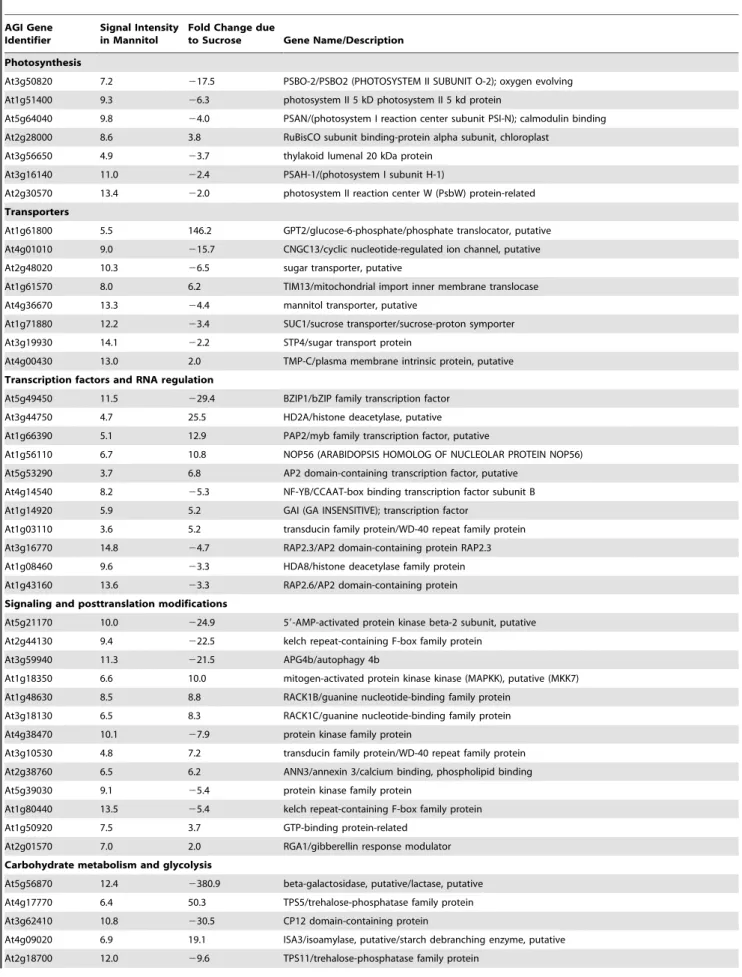
Table 4.Selected genes in guard cells that responded to sucrose. Signal intensities are normalized log2 values.
AGI Gene Identifier
Signal Intensity in Mannitol
Fold Change due
to Sucrose Gene Name/Description
Photosynthesis
At3g50820 7.2 217.5 PSBO-2/PSBO2 (PHOTOSYSTEM II SUBUNIT O-2); oxygen evolving At1g51400 9.3 26.3 photosystem II 5 kD photosystem II 5 kd protein
At5g64040 9.8 24.0 PSAN/(photosystem I reaction center subunit PSI-N); calmodulin binding At2g28000 8.6 3.8 RuBisCO subunit binding-protein alpha subunit, chloroplast
At3g56650 4.9 23.7 thylakoid lumenal 20 kDa protein At3g16140 11.0 22.4 PSAH-1/(photosystem I subunit H-1)
At2g30570 13.4 22.0 photosystem II reaction center W (PsbW) protein-related
Transporters
At1g61800 5.5 146.2 GPT2/glucose-6-phosphate/phosphate translocator, putative At4g01010 9.0 215.7 CNGC13/cyclic nucleotide-regulated ion channel, putative
At2g48020 10.3 26.5 sugar transporter, putative
At1g61570 8.0 6.2 TIM13/mitochondrial import inner membrane translocase At4g36670 13.3 24.4 mannitol transporter, putative
At1g71880 12.2 23.4 SUC1/sucrose transporter/sucrose-proton symporter At3g19930 14.1 22.2 STP4/sugar transport protein
At4g00430 13.0 2.0 TMP-C/plasma membrane intrinsic protein, putative
Transcription factors and RNA regulation
At5g49450 11.5 229.4 BZIP1/bZIP family transcription factor At3g44750 4.7 25.5 HD2A/histone deacetylase, putative At1g66390 5.1 12.9 PAP2/myb family transcription factor, putative
At1g56110 6.7 10.8 NOP56 (ARABIDOPSIS HOMOLOG OF NUCLEOLAR PROTEIN NOP56) At5g53290 3.7 6.8 AP2 domain-containing transcription factor, putative
At4g14540 8.2 25.3 NF-YB/CCAAT-box binding transcription factor subunit B At1g14920 5.9 5.2 GAI (GA INSENSITIVE); transcription factor
At1g03110 3.6 5.2 transducin family protein/WD-40 repeat family protein At3g16770 14.8 24.7 RAP2.3/AP2 domain-containing protein RAP2.3 At1g08460 9.6 23.3 HDA8/histone deacetylase family protein At1g43160 13.6 23.3 RAP2.6/AP2 domain-containing protein
Signaling and posttranslation modifications
At5g21170 10.0 224.9 59-AMP-activated protein kinase beta-2 subunit, putative At2g44130 9.4 222.5 kelch repeat-containing F-box family protein
At3g59940 11.3 221.5 APG4b/autophagy 4b
At1g18350 6.6 10.0 mitogen-activated protein kinase kinase (MAPKK), putative (MKK7) At1g48630 8.5 8.8 RACK1B/guanine nucleotide-binding family protein
At3g18130 6.5 8.3 RACK1C/guanine nucleotide-binding family protein At4g38470 10.1 27.9 protein kinase family protein
At3g10530 4.8 7.2 transducin family protein/WD-40 repeat family protein At2g38760 6.5 6.2 ANN3/annexin 3/calcium binding, phospholipid binding At5g39030 9.1 25.4 protein kinase family protein
At1g80440 13.5 25.4 kelch repeat-containing F-box family protein
At1g50920 7.5 3.7 GTP-binding protein-related
At2g01570 7.0 2.0 RGA1/gibberellin response modulator
Carbohydrate metabolism and glycolysis
At5g56870 12.4 2380.9 beta-galactosidase, putative/lactase, putative At4g17770 6.4 50.3 TPS5/trehalose-phosphatase family protein At3g62410 10.8 230.5 CP12 domain-containing protein
Table 4.Cont.
AGI Gene Identifier
Signal Intensity in Mannitol
Fold Change due
to Sucrose Gene Name/Description
At1g62660 9.8 29.1 BFRUCT3/beta-fructosidase/invertase, vacuolar At4g39210 8.5 6.5 APL3/ADP-glucose pyrophosphorylase large subunit At5g20250 13.5 26.4 DIN10/raffinose synthase family protein
At4g09510 6.6 4.7 CINV2/invertase neutral, putative
At3g03250 9.4 4.4 UGP1/UDP-glucose pyrophosphorylase, putative/UGPase, putative
At1g55120 7.7 4.3 ATFRUCT5/(BETA-FRUCTOFURANOSIDASE 5)
At2g36390 8.1 4.2 SBE2-1; starch branching enzyme class II
At3g06500 12.7 23.1 beta-fructofuranosidase, putative/neutral invertase, putative
At5g03650 8.6 2.9 SBE2.2/(STARCH BRANCHING ENZYME 2.2)
At5g20280 9.4 2.2 sucrose-phosphate synthase 1F
At4g29220 10.6 22.0 PFK1/phosphofructokinase family protein
Cell Wall
At5g49360 12.8 2410.0 BXL1/glycosyl hydrolase family 3 protein/xylosidase
At3g10740 9.6 28.5 ASD1/arabinofuranosidase
At4g32410 9.5 2.2 CESA1/cellulose synthase, catalytic subunit, putative At1g12780 11.2 23.1 UGE1/UDP-glucose 4-epimerase/UDP-galactose 4-epimerase
Redox
At5g49730 9.9 230.1 ferric reductase-like transmembrane component family protein At3g22460 9.6 212.2 cysteine synthase, putative/O-acetylserine sulfhydrylase, putative At1g03850 10.5 211.7 glutaredoxin family protein
At1g11530 10.4 27.5 thioredoxin family protein
Enzymes
At5g24160 8.9 230.8 SQP1,2/squalene monooxygenase 1,2/squalene epoxidase 1,2 At1g73600 6.9 20.8 NMT3/phosphoethanolamine N-methyltransferase 3, putative At1g03090 9.7 217.1 MCCA/methylcrotonyl-CoA carboxylase alpha chain, mitochondrial At1g62540 7.0 17.0 flavin-containing monooxygenase family protein/FMO family protein
At1g55020 9.9 212.7 LOX1/lipoxygenase1
At5g08570 6.9 8.8 pyruvate kinase, putative
At4g34200 10.1 6.2 D-3-phosphoglycerate dehydrogenase, putative/3-PGDH, putative
Other
At4g35770 10.5 2141.8 SEN1/DIN1/senescence-associated protein At5g22920 10.7 255.5 zinc finger (C3HC4-type RING finger) family protein
At1g05340 9.4 237.4 expressed protein
At1g80130 5.1 36.0 expressed protein
At4g18630 4.7 24.5 expressed protein
At4g27450 11.2 221.1 expressed protein
At1g52930 5.2 15.0 brix domain-containing protein
At5g23850 5.5 11.9 expressed protein
At5g58650 8.3 29.7 expressed protein
At1g65370 3.8 8.8 meprin and TRAF homology domain-containing protein
At4g34950 9.0 8.4 nodulin family protein
At1g01770 9.3 28.1 expressed protein
At4g13750 5.2 6.9 NOV/No Vein/auxin response
FDR,0.05 for all genes shown. Positive fold changes for genes up-regulated in sucrose compared with mannitol, negative fold changes indicate down regulation in sucrose compared with mannitol. Signal intensity is the normalized log2 signal intensity for each gene in the mannitol treatment (calls present in at least one treatment, sucrose or mannitol). The average normalized log 2 signal intensity on the arrays (calls present) was 7.2.
Affymetrix web site (http://www.affymetrix.com/estore/index. jsp).
Analysis of Microarrays for Comparison of the Guard-cell and Leaf Transcriptome
Data from Pandey et al. [25] were obtained from the GEO database accession number GSE19520. Samples GSM486892, GSM486893, and GSM486894 are for guard-cell protoplasts from leaves of untreated wild-type Col-0 plants; samples GSM486916, GSM486917, and GSM 486918 are of leaves of untreated wild-type Col-0 plants. Data from Yang et al. [24] were obtained from ArrayExpress (http://www.ebi.ac.uk/arrayexpress/files) accession number E-MEXP-1443. The samples used were Js33 (guard-cell protoplasts isolated in the presence of transcriptional inhibitors), 1756.Schroeder (guard-cell protoplasts isolated without transcrip-tional inhibitors), Js35 (mesophyll protoplasts isolated in the presence of transcriptional inhibitors), and 1758.Schroeder (mesophyll protoplasts isolated without transcriptional inhibitors). Data from our own intact guard cells used in this analysis were
GEO samples GSM918075, GSM918076, GSM918077,
GSM918084, and GSM918085 (guard cells from Col-0 andrgs1
plants whose leaves were not treated with sugars). Data for mature rosette leaves (Col-0) were obtained from ATGenExpress (http:// www.arabidopsis.org/portals/expression/microarray/
ATGenExpress.jsp), Expression Atlas ofArabidopsisDevelopment;
the samples used were ATGE14A, ATGE14B, and ATGE14C. Note, the data of Leonhardt et al. [23] were not included in our comparison because these data were obtained using the early version of the AffymetrixArabidopsisgene chip that had only 8,100 gene probes rather than the ATH1 array (22,400 probes) that were used in the other 3 studies.
For analysis, CEL files were uploaded into GeneSifter (Geospiza, http://www.geospiza.com) and normalized by robust multiarray averaging. The threshold for identifying genes that were differentially expressed was a 2-fold difference in expression witht-test p-value,0.05 and FDR (Benjamini Hochberg),0.05. The Affymetrix quality calls for each gene were recovered by MAS5 normalization, and any genes that were not ‘‘present’’ (average call,0.75) in the guard cell samples were eliminated.
Measurement of Photosynthetic Rates and Stomatal Conductance
Growth conditions before measurements of gas
exchange. Seeds were surface sterilized and cold stratified at 4uC in sterile water for 48 hours and then planted on sterilized potting soil (Sunshine LC1 Mix, Sun Gro Products) in 3-63-inch
pots. After germination, seedlings were thinned to one plant per pot. Growth-chamber lights were set to deliver a photosynthetic photon flux density of 13565.8 (sd)mmol m–2s–1of
photosynthet-ically active radiation for 10 h. Day and night temperature was
Figure 3. Graphical display from the MapMan program showing sucrose-responsive gene expression in guard cells. The data displayed are those listed in Table S7. The view shown is from MapMan’s ‘‘Overview’’ of gene expression, the genes are grouped into functional categories. Genes up-regulated by sucrose (versus mannitol) are in blue, those down-regulated by sucrose (versus mannitol) are in red.
19.460.2uC (sd) and chamber RH was kept constant at 7661.8% (sd). After 14 days of growth, fertilizer (Scotts Miracle Gro Water Soluble All Purpose Plant Food @ 0.5 g per liter) was applied weekly throughout the experiment.
Gas exchange methods. Photosynthesis (A) and stomatal
conductance (gs) were measured with an open gas-exchange
system (LI-6400, LI-COR). Plants were taken from growth chambers, and a leaf was immediately placed in the cuvette of
Figure 4. Real-time PCR data for selected genes whose expression responded to sucrose.The data are averaged values for four biological replicate samples (6se) for RNAs of guard cells isolated from leaves treated with either sucrose or mannitol. The data are normalized to the expression of theCCH1gene (At5g13630), which is expressed at high levels in guard cells and does not respond to sucrose. Fold changes were calculated from the difference in the log2 relative mRNA level (determined by real-time PCR, not by microarray) for sucrose versus mannitol treated samples. Positive fold changes indicate genes that were up-regulated in sucrose.
doi:10.1371/journal.pone.0049641.g004
Table 5.The 12 T-DNA insertion lines that have defects in stomatal movements.
AGI Gene Identifier
SALK T-DNA Insertion Identifier
Fold Change in Response to
Sucrose Gene Name/Description
At4g17770 SALK 144791 50.3 TPS5
At1g03110 SALK 025857 5.2 TRM82 (RNA Modification 82)/WD-40 repeat family protein At1g15440 SALK 037412 8.5 PWP2/WD-40 protein/CUL4-RING ubiquitin ligase complex
At1g55020 SALK 012188 212.7 LOX1, lipoxygenase
At1g62540 SALK 098896 17 flavin-containing monooxygenase family protein At1g65370 SALK 104078 8.8 meprin and TRAF homology domain-containing protein At3g10530 SALK 057632 7.2 WD-40 protein/CUL4-RING ubiquitin ligase complex At3g22450 SALK 081267 212.2 structural component of the ribosome
At4g38470 SALK 112195 27.9 STY46; serine/threonine/tyrosine kinase 46 At5g39030 SALK 007613 25.4 protein kinase family protein
At5g49450 SALK 059343 229.4 bZIP1/transcription factor
At5g49730 SALK 099597 230.1 FRO6/ferric reductase-like transmembrane protein
The fold changes in response to sucrose are from the microarray data. Positive fold changes indicate up-regulation in sucrose (versus mannitol), negative fold changes indicate down-regulation by sucrose (versus mannitol).
the gas exchange system and allowed to reach steady-state photosynthesis at its growth [CO2] (390 ppm) at saturating light
levels of 700mmol m–2s–1. Initial leaf-chamber conditions were set
to a constant block temperature (Tblock) of 24uC, the leaf vapor-pressure deficit (VpdL) was less than 1 kPa, and chamber RH was 65%. The plant remained under constant conditions for at least 10 min before steady-state photosynthesis, conductance, and water use efficiency (A/gs) were recorded. All measurements were
made on 4 to 5 different plants for each genotype.
The response of stomatal conductance and photosynthesis to two environmental perturbations was measured sequentially, immediately after the steady-state measurement. First, the cuvette
[CO2] was increased from 390 ppm to 800 ppm within 2 min;
immediately after the new [CO2] was reached, photosynthesis and
stomatal conductance were recorded every 15 s for 10 min. Next,
while the chamber [CO2] was held at 800 ppm, the RH was
quickly lowered by replacement of the air inside the cuvette with dry air. The RH decreased from 65% to an average of less than
21% (VpdL .2) within 2.5 min. After the low RH target was
reached, photosynthesis and stomatal conductance were recorded every 15 s for 10 min. The rates of change in A, gs, and A/gsover
time (i.e., slope of change in gsover 2.5 min) were calculated from
at least 10 points once the cuvette conditions had reached the target [CO2] or RH values.
Measurement of Stomatal Density
Impressions were made of the abaxial side of fully-expanded leaves using Aquasil Ultra LV dental impression material (Dentsply International, Milford DE). Clear nail polish was painted on to the leaf impressions, peeled off when dry, and observed at 200X magnification using an Olympus BX61 light microscope. All stomata in the microscope’s camera field of view were counted. Measurements were made on 2 to 4 plants for each genotype and 2 leaves for each plant. Ten separate measurements were made at different positions on each leaf.
Results and Discussion
Comparison of Gene Expression Profiles for Guard-cell Protoplasts and Guard Cells Isolated by Dissection
Three previous studies used microarrays to examine the
Arabidopsisguard cell transcriptome, and in each of these studies the RNA was isolated from guard cell protoplasts [23–25]. A concern at the onset of our study was whether gene expression was
Figure 5. Stomatal conductance of selected T-DNA insertion mutants.Steady-state leaf stomatal conductance (A) and photosyn-thesis (B) measured under ambient conditions at 24uC, 390 ppm CO2, relative humidity 65–70%. The data are averaged values (6se) for 4 to 5 plants for each genotype. The T-DNA insertion lines tested were SALK 144791 ortps5-1(At4g17770), SALK 025857 (At1g03110), SALK 037412 (At1g15440), SALK 012188 (At1g55020), SALK 098896 (At1g62540), SALK 104078 (At1g65370), SALK 057632 (At3g10530), SALK 081267 (At3g22450), SALK 112195 (At4g38470), SALK 007613 (At5g39030), SALK 059343 (At5g49450), and SALK 099597 (At5g49730). WT, wild type;*p,0.05;+p,0.1.
doi:10.1371/journal.pone.0049641.g005
Figure 6. Water-use efficiency of T-DNA insertion mutants. Instantaneous water-use efficiency, the ratio of photosynthesis to conductance (A/gs) at 65–70% relative humidity and 390 ppm CO2(A) after a rapid increase of [CO2] to 800 ppm (B) and after a rapid decrease in relative humidity to 25% (C). The data are averaged values (6se) for 4 to 5 plants for each genotype. The T-DNA insertion lines tested are as in Figure 5. WT, wild type;*p,0.05;+p,0.1.
affected by the extended cell digestion in cellulytic enzymes and high osmotic strength media that is required for protoplast isolation. Therefore, in the present study, guard cells were individually dissected from freeze dried leaves. RNA was isolated from samples of 50–100 guard cell pairs and amplified twice using T7 RNA polymerase to obtain sufficient RNA for microarray analyses. Figure 1 shows examples of guard-cell pairs isolated by dissection. Preliminary studies using RNA isolated from freeze-dried and fresh leaves, and RT-PCR to measure transcript levels, indicated that the conditions needed for freeze-drying and dissection did not result in transcript degradation and that two rounds of amplification with T7 RNA polymerase gave on average 86105–fold amplification with approximately a 2-fold variation among the genes and 30% variation between replicate samples;
rare transcripts (KAT1, POTASSIUM CHANNEL IN ARABIDOPSIS
THALIANA 1) amplified as well as abundant ones (RBCS, RIBULOSE BISPHOSPAHTE CARBOXYLASE) (Table S2). Addi-tional evidence that the amplified RNA was of good quality was provided by histograms of the signal intensity on each array (Figure S1A), degradation plots for control probes on the Affymetrix microarrays (Figure S1B), and pairwise comparisons (scatter plots) of all the biological replicate microarrays (Figure S2). Comparison of data from published microarray studies of guard-cell protoplasts [24,25] with data from an equal number of our arrays for intact guard cells revealed strong statistical evidence for differential expression of 807 transcripts; 518 were up-regulated in the protoplast samples compared with the intact guard cells, and 289 were up-regulated in the intact guard cells compared with the guard cell protoplasts (Table S3). MapMan software [33] was used to categorize gene function. The major
differences were in genes annotated for stress, photosynthesis, and transport (Figure 2). Fifty genes from the protoplast samples not found in the intact guard cell samples were related to abiotic stress. These included 37 heat shock-protein genes and genes that respond to cold and or salt stress. Of the 25 genes most strongly up-regulated in the protoplast samples but not in the isolated guard cells, 19 were for stress-related genes as expected given the stressful conditions of protoplasting (Table 1 and Table S3). Twenty-four genes involved in photosynthesis were up-regulated in the protoplast samples but not in the intact guard cells. Most of these genes encode elements of the light reactions, but some encode carbon reduction cycle enzymes, including the large subunit of ribulose bisphosphate carboxylase (RBCL), which was 14-fold higher than in protoplasts than intact guard cells. The protoplast samples showed lower expression of transcripts for transporters than did the intact guard cells, possibly because of the high osmotic strength media used in protoplast isolation. These
included the disaccharide transporter SUC1 (down-regulated
8-fold in the guard cell protoplasts compared with the intact guard cells); the aquaporinsPIP1A,PIP1B, andPIP1D(down-regulated 8- to 12-fold); andKAT1(down-regulated 7-fold), which is known to be preferentially expressed in guard cells [23,34].
Although the transcript profiles obtained from guard-cell protoplasts included a set of stress-related genes not found in the intact guard cells, there were a great many more genes that were shared by both protoplast and intact guard cells. For example, of 1337 genes for which expression in guard-cell protoplasts was at least 4-fold higher than that in whole leaves, 70% were also found to show higher expression in intact guard cells vs. whole leaves, and for 99% of these genes, the direction of preferential expression was the same for both types of samples (the genes were up-regulated either in guard cells or in the leaf). The correspondence between the data sets rises to 82% if stress-responsive genes are eliminated (those are almost entirely from the protoplast-derived samples). Microarrays for both intact guard cells and protoplasts also identified genes already known to be up-regulated in guard
cells (vs. whole leaf), including KAT1, GORK (GATED
OUT-WARDLY-RECTIFYING K+
CHANNEL),HT1 (HIGH
TEM-PERATURE 1), CHX20 (CATION/H+EXCHANGER 1) , SLAC1 (SLOW ANION CHANNEL-ASSOCIATED 1), andICE1 (INDUCER OF CBF EXPRESSION 1)[34–39].
Four lines of evidence therefore support the reliability of our approach to analyzing guard-cell transcripts. First, preliminary experiments showed that transcripts remained stable during dissection; freeze-dried leaf samples left on the clean-room bench
for 0 to 3 days showed no change in actin or RBCS transcript
levels. Second, two rounds of RNA amplification with T7 RNA polymerase introduced only 2-fold variation among the six genes tested (Table S2), and transcripts present at low levels (KAT1) amplified to the same degree as much more abundant transcripts (RBCS). One round of RNA amplification is routinely used for preparation of microarray targets, and other studies used two rounds of RNA amplification (for example, Nawy et al. [40]). The degradation plots for Affymetrix control probes on all our microarrays were similar, indicating that the samples were comparable, but the slopes on these plots were steep, as is expected when RNA is amplified twice. Third, many genes shown to be preferentially expressed in guard-cell protoplasts were also preferentially expressed in our guard-cell samples; these include
KAT1 [34], HT1 [36], STP1 (SUGAR TRANSPORTER 1) [41],
At1g22690[24], the cytochrome P450 family geneCYP86A2, the ABC transporterPDR3[42], the MYB family transcription factor
MYB60[43],CHX20 [37], the MAP kinasesMPK9andMPK12
[44], the SNF1-related protein kinase OST1 [45], ICE1 [39],
GORK[35], andSLAC1[38]. Fourth, the microarrays performed
with protoplasts and with intact guard cells identified similar sets of genes as being preferentially expressed in guard cells.
Genes Preferentially Expressed in Guard Cells or in Leaves
Comparison of the pooled data for guard cells (protoplast derived plus those isolated by dissection) with those for rosette leaves revealed that the steady-state levels of 1253 transcripts were at least 2-fold higher in guard cells (FDR ,0.05) and that the steady-state levels of 1365 were higher in the leaf. Table S4 provides the full list of genes that were differentially expressed in guard cells versus the leaf, Table S5 lists all the transcripts detected in guard cells, Table 2 gives selected examples of genes preferentially expressed in guard cells, Table 3 lists the 50 most abundant guard-cell transcripts, and Figure S3 shows MapMan’s graphical display of the functional categories of genes differentially expressed in guard cells and the leaf.
Transcripts of genes for all aspects of photosynthesis (light reactions, carbon reduction cycle, photorespiration, chloroplast structure), redox regulators and tetrapyrrole synthesis were 2- to 50-fold higher in the leaf than in guard cells. Guard cells had significantly more transcripts for genes coding for transcriptional regulators (and RNA modifying enzymes), transporters, and mitochondrial electron transport proteins. Guard cells contain fewer chloroplasts than mesophyll cells [3] and depend primarily on the uptake of sugars, rather than photosynthesis, to power metabolism [3,13]. The greater abundance of transcripts for mitochondrial electron transport proteins supports the view that mitochondria are an important site of ATP production in guard cells [3]. A striking difference between the guard-cell and leaf transcriptomes is the large number of transcripts for genes involved in the regulation of transcription that are at higher steady-state levels in guard cells compared with the leaf. MapMan indentified 221 transcripts for transcription factors or chromatin-or RNA-modifying proteins that are differentially expressed in guard cells versus leaves, and 177 of these are more highly expressed in guard cells than in leaves. Transcription factors make up 14% of the genes preferentially expressed in guard cells, but transcription factors account for only 7% of genes in theArabidopsis
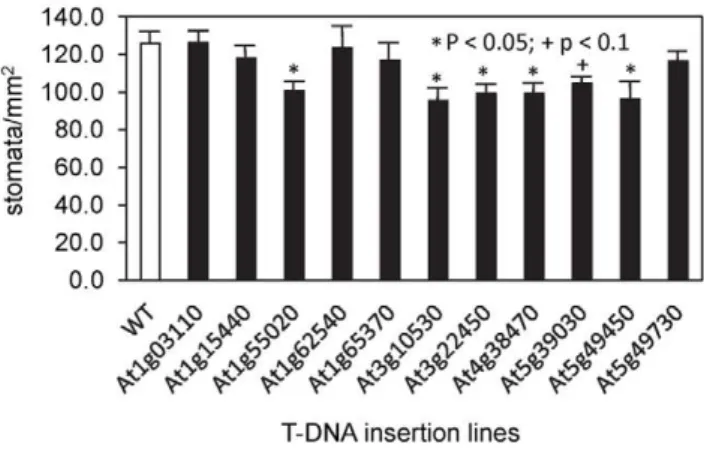
Figure 8. Stomatal density measurements on T-DNA insertion lines that showed impaired stomatal function. Measurements were made by direct observation of surface impressions of the abaxial side of mature leaves from vegetative rosettes. At least four leaves were examined for each mutant; the data are averaged values (6 se). Samples marked with asterisks are significantly different from the wild type (Col-0) on the basis of a two-tailedt-test (p,0.05). The T-DNA insertion lines tested are as in Figure 5.
genome as a whole [46]. The abundance of transcription factors in guard cells suggests that transcription has a particularly important role in guard-cell responses [see also 47]. Some of these transcription factors have known roles in guard cell differentiation
(ICE1[39],FAMA [48]) and stomatal movements (MYB60[43]),
but the functions of most are unknown. Guard cells are also rich in transcripts for genes encoding proteins involved in signaling, posttranslational modifications, and ubiquitin-dependent protein degradation. These included MAP Kinases (11), receptor-like kinases (25), and G proteins (15) as well as receptors and ligands potentially involved in development. Among these genes were
HT1,OST1,ABI1(ABSCISIC ACID INSENSITIVE 1),ABI2,MPK9, andMPK12, all which have already been shown to be involved in
regulation of stomatal movements [36,44,45,49], andTMM (TOO
MANY MOUTHS), which plays a role in guard-cell development [50]. A wide range of signaling pathways were represented, including ABA, calcium, light, CO2, and phosphoinositides. Some
evidence also indicated that GA and brassinosteroid signaling may
have roles in guard-cell movements (GA INSENSITIVE DWARF
1C, GAST1 PROTEIN HOMOLOG 4, BRI1 SUPRESSOR 1,
SQUALENE EPOXIDASE 3, andSTEROL METHYLTRANSFER-ASE 3transcripts are all up-regulated).
Ion transport is critical for stomatal movements and guard cells use a set of ion transporters distinct from those in the leaf. Not surprisingly, transcripts for the potassium channels,KAT1 KAT2,
GORKand SKOR, were abundant and preferentially expressed in
guard cells as were the cation/H+
transporter CHX20 and the
anion transporterSLAC1(OZS1). These transporters are known to be important in stomatal opening and closure [37,38,51,52]. Other ion transporters more strongly expressed in guard cells than
the leaf included AHA5 (proton-ATPase), NHX2 (Na+/H+
exchanger),CNGC15(cyclic nucleotide gated potassium channel). Twenty nine genes coding for ABC-transporter-family proteins were much more strongly expressed in guard cells than in leaf (see Table S6 for a list), and a number of these were among the most abundant guard-cell transcripts. Some of these ABC transporters
are known to be involved in formation of the cuticle (CER5,
WBC11), a feature of guard cells but not mesophyll cells, while the functions of the others are unknown.
Sugar metabolism is distinctly different between guard cells and mesophyll cells. Mesophyll cells synthesize sugars by means of the photosynthetic carbon reduction cycle and export them to the phloem through the apoplast. Guard cells are deficient in the capacity of the carbon reduction cycle and must take up sugars from the apoplast; these sugars are metabolized glycolytically or are stored as starch (starch accumulates in guard cells in the day and is broken down at night). On the basis of their transcript levels, the major sugar transporters in the guard cell are the sucrose/H+
co-transporters SUC1 and SUC3 and the
monosac-charide/H+
cotransporters STP1 and STP4, but transcripts for
STP1andSTP4were 8- to 16-fold higher in guard cells than were those forSUC1, suggesting that sucrose arriving at the guard-cell wall is converted to monosaccharides by invertases and taken up as
monosaccharides.SUS3was the most abundant sucrose synthase
transcript in guard cells (SUS3transcripts were absent in the leaf as a whole);SUS3is probably responsible for the synthesis of ADP-glucose for starch synthesis in guard cells. The microarray data also showed that guard cells use different large subunits of
ADP-glucose pyrophosphorylase (APL4 and APL3) than do mesophyll
cells (APL1), suggesting different regulation of starch synthesis in these two cell types. Trehalose is implicated in the regulation of carbohydrate metabolism [53], and transcripts for enzymes involved in trehalose metabolism are considerably more abundant in guard cells than the leaf. Four genes for trehalose phosphate
synthase (TPS) enzymes were expressed at moderate to high levels in guard cells (TPS1,TPS7, TPS8, andTPS11);TPS1transcripts were 8-fold more abundant in guard cells than in the leaf, and
TPS8 and TPS11 were up-regulated in guard cells but fall just below the 2-fold cutoff we used. Transcripts for trehalose
phosphatasesTPPFandTPPGand trehalase (TRE) were 8 to 30
fold more abundant in guard cells than in the leaf. These observations suggest an important role for trehalose metabolism in guard cells.
Sugar-responsive Gene Expression in Guard Cells
Initially, we compared the effects of sucrose on guard cells from wild type Col-0 plants with those from the null mutant rgs1–2,
because RGS1 (REGULATOR OF G-PROTEIN SIGNALING 1)is
involved in sugar sensing in seedlings [22,54]. Pair-wise compar-isons of guard-cell transcripts revealed only three genes expressed differently inrgs1mutants and wild type Col plants: As expected,
RGS1 was low in the mutant regardless of sugar treatment;
cytochrome c biogenesis protein (At1g49380) was down-regulated 3-fold by sucrose from the wild-type level, and a myb-family transcription factor (At2g40970) was 2-fold up-regulated by sucrose from the wild-type level.
In pair-wise comparisons of guard-cell gene expression profiles from sucrose-treated and mannitol-treated leaf strips of wild-type Col-0 plants, the steady-state level of 1769 transcripts were significantly different (t-test, p,0.05). Of these, 15 had a false
discovery rate (FDR),0.05, 51 had a FDR,0.1, and 136 had a
FDR ,0.2. The same comparison for intact guard cells from
sucrose- and mannitol-treated leaf strips of the rgs1 mutant
revealed 858 genes with significant expression differences (t-test),
and of these, 7 had a FDR,0.05, 44 had a FDR,0.1, and 165
had a FDR,0.2. Sucrose caused large effects on gene expression, but the variability among triplicate biological replicates was too large to reach a statistically-supported conclusion. Therefore, because the guard-cell transcript profiles for wild-type and rgs1
plants were nearly identical, the data were reanalyzed after the
wild-type and rgs1 samples were pooled within each treatment.
Considering the Col-0 andrgs1arrays as replicates, we found 2269 genes with at least a 2-fold response to sucrose (p,0.05), and 440 had a FDR of,0.05. In addition, 85% of the genes identified as sucrose responsive in the pairwise comparisons of triplicate biological replicates were present among the genes identified from the pooled data. Pooling the data therefore led to identification of largely the same set of sucrose-responsive genes but with much higher statistical significance.
Of the 440 sucrose-responsive genes, 244 were up-regulated by the sucrose treatment and 196 were down- regulated (Table 4 shows examples of sucrose-responsive guard-cell transcripts; the full list is given in Table S7). Figure 3 displays the functional categories of these sucrose-responsive genes. In broad overview, sucrose repressed expression of genes involved in photosynthesis, protein degradation, and sugar transport while up-regulating genes for starch, protein, nucleotide, and cell-wall synthesis, but expression of genes involved in a wide array of pathways including, transcription, signaling, hormone responses, redox maintenance, stress, and carbohydrate and lipid metabolism also changed.
[6,55]. Expression of 63 genes encoding protein and nucleotide synthesis functions were up-regulated by sucrose (ribosomal proteins, initiation and elongation factors, nucleotide synthases), and expression of 12 genes involved in autophagy and ubiquitin-mediated protein degradation (starvation responses) were down-regulated. These observations are consistent with a general stimulatory effect of sugars on metabolism [16–18,21].
Transcripts of genes involved in starch synthesis were
up-regulated, including APL3 (up 6.5-fold), the starch branching
enzymes SBE2.1 (up 4-fold) andSBE2.2 (up 3-fold), an amylase
ISA3(up 19-fold), and sucrose phosphate synthase 1F (SPS1F, up 2-fold). On the basis of our transcript data,APL3may be the major form of the large subunit of ADP glucose pyrophosphorylase found in guard cells in the presence of sucrose, and this enzyme carries out the rate-limiting step in starch biosynthesis [56]. The
glucose-6-phosphate translocator GPT2 was also strongly up-regulated
(140-fold). This protein imports glucose-6-phosphate into plastids for starch synthesis in nongreen plant cells [57]. Previous studies have reported the up-regulation ofAPL3andGPT2expression by sugars [16,58]. Sucrose also altered expression of a range of genes involved in carbohydrate metabolism and glycolysis, including two trehalose-phosphate synthases (TPS5was up-regulated 50-fold and
TPS11 down-regulated 10-fold), several invertases (CINV2,
FRUCT5 BFRUCT3 and a putative neutral invertase,
At3g06500). UGP1 (UDP glucose pyrophosphorylase, callose
deposition) and pyruvate kinase were up-regulated, and PFK1
(phosphofructokinase controls a key regulatory step in glycolysis) was down-regulated.
Sucrose altered expression of 23 genes for transporters; in particular seven genes for sugar transporters were affected, and all
but two were down-regulated: SUC1, STP4, GLT1, and the
putative sugar transporters At2g48020 and At4g36670 were down-regulated 2- to 4-fold, whereasGPT2and the sucrose efflux
carrier SWEET17were up-regulated. Expression of the hexose
transporterSTP1,which is a highly abundant guard cell transcript, was unaffected. Other transporter genes affected by sucrose
included the plasma-membrane aquaporin TMP-C (up 2-fold),
mitochondrial transporters, and MATE-family and SEC14-family transporters, mostly up-regulated.
Genes encoding enzymes in many biosynthetic pathways showed mixed responses to sucrose (some up-regulated, some down-regulated, and many unaffected), but several showed consistent sucrose responses. Nine genes encoding proteins involved in cell-wall synthesis were up-regulated 2- to 4-fold by
sucrose, includingCESA1(CELLULOSE SYNTHASE 1). Genes
involved in post-translational modifications (including the SnRK1 kinase subunit,AKINb1, which Li et al. [59] have linked to sugar
responses) and protein degradation (including AUTOPHAGY8F,
SERINE CARBOXYPEPTIDASE-LIKEL48,and four different kelch repeat–containing F-box–family proteins) were down regulated by sucrose. Transcripts for several heat-shock proteins and chaper-onins were up-regulated by sucrose (HSP70, MTHSC70, ATJ13,
HSP17.6, BIP2, and one DNAJ domain–containing protein, At2g35720). Up-regulation of heat-shock proteins in response to sugars has been reported before [16,21]. Our data also suggest that sucrose may alter the redox status of guard cells, as two
thioredoxins (At5g61440, At1g11530), a glutaredoxin
(At1g03850), and a sulfiredoxin (SRX) were down-regulated. Redox changes have been implicated in the regulation of starch biosynthesis [60].
Twenty-seven genes involved in transcription and RNA processing were modulated by sucrose, as well as 14 genes involved in signaling; these genes could affect stomatal move-ments. These include 15 transcription factors, two histone
deacetylases, a histone acetylase, a histone methyltransferase, four G proteins, and proteins involved in calcium, GA, jasmonate, and phosphoinositide signaling. The most strongly sucrose responsive
were the transcription factor BZIP1 (down-regulated 30-fold;
Kang et al. [61] have linked this gene to sugar signaling),HD2A
(HISTONE DEACETYLASE 2A, up 25-fold),NOP56(HOMOLOG
OF NUCLEOLAR PROTEIN NOP56, up 10-fold) PAP2
(PRODUCTION OF ANTHOCYANIN PIGMENT 2, up 12-fold),
the G-proteinsRACK1B and RACK1C (both up 8-fold), and the
map kinase kinase MKK7 (up 10-fold). In addition, two genes
involved in lipid metabolism, and potentially signaling, were
affected: the phosphoethanolamine methyltransferase NMT3(up
20-fold) and a lipoxygenase (LOX1, down 13-fold).
Confirmation of the Microarray Data by RT-PCR
Twelve sugar-responsive genes were chosen for real-time PCR (RT-PCR) to confirm the microarray data; the results are shown in Figure 4. The difference in transcript levels between RNAs of guard cells from sucrose-treated and mannitol-treated leaf strips was in the same direction (up- or down-regulated by sucrose) for all 12 genes, and except forSUC1, the differences were statistically significant (t-test, p,0.05). Of all the genes tested, SUC1differed the least (3-fold), and thet-test on the RT-PCR data just missed significance (p = 0.06). The magnitude of the changes measured by the two techniques agreed within a factor of 2.5 for 7 of the 12 genes tested, but some genes showed larger differences.
Testing Candidate Genes for Defects in Stomatal Closure
From among the sucrose-responsive genes in guard cells, 50 were chosen that showed at least a 4-fold change in expression and for which T-DNA insertion lines were available through public stocks. Plants of these lines were grown to maturity (,50 days on
10 h light/14 h dark cycles), and stomatal closure was induced by reduction of the RH (from 60–70% to less than 20%) and by increase of [CO2] (from 390 ppm to 800 ppm). Conductance and
photosynthetic rates were measured before induction of stomatal closure, the rate of closure (slope of conductance change) was measured, and conductance was measured after closure. Twelve lines were identified in which defects were detected (listed in Table 5). Plants from these lines were self-pollinated, and the next generation of plants was tested in the same ways (Figures 5–7). Nine lines had lower steady-state conductance than did the wild type (Figure 5A), and five of these also had lower steady-state photosynthetic rates (Figure 5B). Three insertion lines (tps5-1and two protein kinases At4g38470, At5g39030) showed lower water-use efficiency than wild type at steady state under high RH and after the increase in [CO2] (Figure 6A, B), and all of the insertion
lines excepttps5-1 had higher water-use efficiency than did the wild type at the lower RH and with higher [CO2] (Figure 6C). Six
lines also differed significantly from the wild type in the rate of conductance change upon RH decrease (Figure 7B). In summary, all 12 of the tested insertion lines showed significant effects in at least two of the tests of stomatal function, and 7 of the lines were significantly different than wild type in a majority of the tests.
All of the lines appeared phenotypically normal, but because stomatal density affects conductance, stomatal density was measured for all 12 lines (Figure 8). Five had stomatal densities 20–25% lower than that of the wild type (those marked by asterisks in Figure 8). That of a sixth line, insertion in At5g39030, was also lower than that of the wild type but did not reach the significance
threshold (p,0.05). The stomatal density of tps5-1 plants was