Nuno Felipe Alves de Almeida
Dissertation presented to obtain the Ph.D degree in Biology
Instituto de Tecnologia Química e Biológica António Xavier | Universidade Nova de LisboaOeiras, July, 2015
disease resistance genes in
Lathyrus
spp. using model
Maria Carlota Vaz Patto, PhD
Diego Rubiales, PhD
The work presented in this thesis was performed mainly at:
Under the supervision of Maria Carlota Vaz Patto, PhD
Under the supervision of Diego Rubiales, PhD
The student, Nuno Felipe Alves de Almeida received financial
LIST OF FIGURES ... XIII
LIST OF TABLES ... XV
LIST OF ADDITIONAL FILES ... XVII
ACKNOWLEDGMENTS /AGRADECIMENTOS ... XIX
RESUMO ... XXI
ABSTRACT ... XXV
LIST OF ABBREVIATIONS ... XXIX
CHAPTER 1-GENERAL INTRODUCTION ... 1
1.1. Introduction ... 3
1.2. Lathyrus sativus and L. cicera: Origin and systematic ... 4
1.3. Lathyrus sativus varietal groups ... 6
1.4. Genetic resources and utilization ... 7
1.5. Major breeding achievements ... 9
1.6. Specific goals in current breeding ... 10
1.7. Biotic stresses... 11
1.7.1. Rust ... 12
1.7.2. Powdery mildew ... 13
1.7.3. Ascochyta blight ... 13
1.8. Breeding methods and specific techniques ... 15
1.10. Objectives ... 20
1.11. Acknowledgments ... 21
1.12. References ... 21
CHAPTER 2 -TRANSFERABILITY OF MOLECULAR MARKERS FROM MAJOR LEGUMES TO LATHYRUS SPP. FOR THEIR APPLICATION IN MAPPING AND DIVERSITY STUDIES ... 31
2.1. Abstract ... 33
2.2. Introduction ... 34
2.3. Methods ... 36
2.3.1. Plant Material and DNA isolation ... 36
2.3.2. Microsatellite markers ... 38
2.3.3. Intron-Targeted Amplified Polymorphic markers, Defence-Related Genes and Resistance Gene Analogues ... 39
2.3.4. Sequencing ... 40
2.3.5. Segregation and diversity studies ... 40
2.3.6. Cleaved Amplified Polymorphic Sequence and derived Cleaved Amplified Polymorphic Sequence markers for mapping ... 41
2.4. Results and discussion ... 42
2.4.1. Transferability of microsatellites to Lathyrus spp. ... 44
2.4.2. Transferability of Intron-Targeted Amplified Polymorphic markers, Defence-Related and Resistance Gene Analogues to Lathyrus spp. ... 50
2.4.4. Usefulness of cross amplified markers on Lathyrus spp.
diversity studies ... 54
2.5. Conclusions ... 59
2.6. Acknowledgements ... 60
2.7. References ... 60
CHAPTER 3-ALLELIC DIVERSITY IN THE TRANSCRIPTOMES OF CONTRASTING RUST-INFECTED GENOTYPES OF LATHYRUS SATIVUS, A LASTING RESOURCE FOR SMART BREEDING ... 69
3.1. Abstract ... 71
3.2. Introduction ... 72
3.3. Material and methods ... 76
3.3.1. Plant and fungal material, inoculation and RNA isolation ... 76
3.3.2. Sequencing and quantification ... 77
3.3.3. SNP detection ... 79
3.3.4. EST-SSR development and genotyping ... 79
3.3.5. Quantitative RT-PCR assay ... 80
3.3.6. Contig annotation and data analysis ... 81
3.3.7. Availability of supporting data ... 81
3.4. Results ... 82
3.4.1. Contigs from the RNA-Seq transcriptomes of resistant and susceptible L. sativus genotypes ... 82
3.4.2. RNA-Seq validation by quantitative RT-PCR assay ... 83
3.4.3. Differential gene expression in resistant and susceptible L. sativus genotypes during infection ... 84
3.4.4. Annotation ... 87
3.4.6. SNPs in resistance pathways ... 96
3.4.7. EST-SRR development ... 96
3.5. Discussion ... 98
3.6. Conclusions ... 105
3.7. Acknowledgments ... 106
3.8. References ... 106
CHAPTER 4-LATHYRUS SATIVUS TRANSCRIPTOME RESISTANCE RESPONSE TO ASCOCHYTA LATHYRI INVESTIGATED BY DEEPSUPERSAGE ANALYSIS ... 115
4.1. Abstract ... 117
4.2. Introduction ... 118
4.3. Material and methods ... 120
4.3.1.1. Plant material and inoculation ... 120
4.3.2. RNA extraction and deepSuperSAGE library construction ... 120
4.3.3. Data analysis and annotation ... 121
4.3.4. Quantitative RT-PCR assays ... 122
4.3.5. UniTag assignment to functional categories ... 123
4.4. Results ... 125
4.4.1. DeepSuperSAGE library characterization ... 125
4.4.2. DeepSuperSAGE validation by quantitative RT-PCR assay ... 125
4.4.3. Annotation of differentially expressed genes in the resistant L. sativus genotype after A. lathyri infection ... 126
4.5. Discussion ... 128
4.5.2. Hormone signaling ... 132
4.5.3. Cell wall fortification ... 134
4.5.4. Antimicrobial activity ... 137
4.5.5. Reactive oxygen species ... 138
4.5.6. Detoxification ... 138
4.6. Conclusions ... 139
4.7. Acknowledgments ... 140
4.8. References ... 140
CHAPTER 5-DIFFERENTIAL EXPRESSION AND ALLELIC DIVERSITY IN LATHYRUS CICERA / RUST INFECTION, A COMPREHENSIVE ANALYSIS ... 147
5.1. Abstract ... 149
5.2. Introduction ... 149
5.3. Material and methods ... 152
5.3.1.1. Plant material, inoculation and DNA and RNA isolation ... 152
5.3.2. RNA sequencing and transcript quantification... 153
5.3.3. Contig annotation and data analysis ... 155
5.3.4. RNA-Seq validation by quantitative RT-PCR assay ... 156
5.3.5. SNP detection ... 157
5.3.6. Allele-specific expression analysis by dual labelled probe RT-qPCR assays ... 157
5.3.7. EST-SSR development and genotyping ... 158
5.4. Results ... 158
5.4.1. RNA-Seq transcriptomes of analysed L. cicera genotypes... 158
5.4.3. RNA-Seq validation by quantitative RT-PCR
assay ... 161
5.4.4. Annotation of L. cicera contigs ... 162
5.4.5. SNP identification in resistance pathways ... 166
5.4.6. Allele-specific expression validation by dual probe RT-qPCR assays ... 166
5.4.7. EST-SRR markers development ... 168
5.5. Discussion ... 168
5.6. Conclusions ... 178
5.7. Acknowledgments ... 178
5.8. References ... 179
CHAPTER 6-GENETIC BASIS OF PARTIAL RESISTANCE TO RUST AND POWDERY MILDEW IN LATHYRUS CICERA-QTL MAPPING AND SYNTENY STUDIES ... 185
6.1. Abstract ... 187
6.2. Introduction ... 187
6.3. Material and methods ... 191
6.3.1. Plant material ... 191
6.3.2. Disease reaction evaluation ... 191
6.3.2.1. Rust evaluation ... 191
6.3.2.2. Powdery mildew evaluation ... 192
6.3.3. DNA isolation and molecular markers screening ... 193
6.3.4. Map construction ... 194
6.3.5. Comparison with M. truncatula genome ... 194
6.3.6. Phenotypic data analysis ... 195
6.3.7. QTL mapping ... 195
6.4.1. Disease evaluation under controlled conditions ... 196
6.4.2. Linkage map construction ... 198
6.4.3. Macrosynteny between L. cicera LGs and M. truncatula chromosomes ... 200
6.4.4. QTL mapping for rust and powdery mildew resistance ... 202
6.4.5. Discovery of potential candidate genes in the identified QTLs ... 203
6.5. Discussion ... 206
6.6. Acknowledgments ... 210
6.7. References ... 210
CHAPTER 7-GENERAL DISCUSSION ... 217
7.1. Project overview ... 219
7.2. Molecular marker development ... 221
7.3. Development of the first Lathyrus cicera linkage map ... 223
7.4. Lathyrus spp. response to Uromyces pisi inoculation ... 224
7.5. Powdery mildew resistance in Lathyrus cicera ... 227
7.6. Lathyrus sativus response to Ascochyta lathyri inoculation ... 228
7.7. Future research and practical applications ... 229
Figure 2.1 Numbers and percentages of gSSRs and EST-SSRs
from lentil, pea and faba bean amplified in Lathyrus spp.. ... 44
Figure 2.2 Numbers and percentages of ITAPs and pea DRs and
RGAs amplified in Lathyrus spp.. ... 51
Figure 2.3 Neighbor-Joining tree based on the
proportion-of-shared-alleles distance values among 20 Lathyrus individuals. ... 58
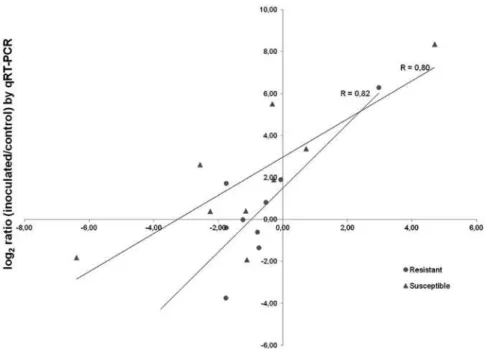
Figure 3.1 Correlation between RNA-Seq and RT-qPCR. ... 86
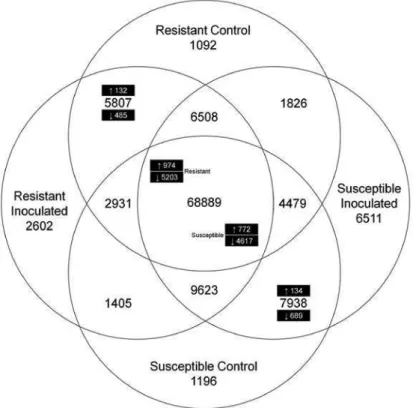
Figure 3.2 Venn diagram of the number of unique and shared
contigs between the two genotypes and its expression.... 88
Figure 3.3 Number of contigs that could be BLASTed to different
plant species. ... 89
Figure 3.4 Percentage of contigs assigned in each main
functional category. ... 91
Figure 3.5 Percentage of contigs assigned in each functional
category for each expression pattern group. ... 93
Figure 3.6 Percentage of contigs containing SNPs between the
resistant and susceptible genotypes in each Mercator mapping functional sub-category. ... 97
Figure 4.1 Relative expression levels correlation between
Figure 4.2 Percentage of annotated up- and down-regulated L. sativus UniTags upon A. lathyri inoculation in several functional
categories by MapMan. ... 128
Figure 5.1 Venn diagram of the number of unique and shared
contigs between the two genotypes and its expression.... 161
Figure 5.2 Number of contigs that could be BLASTed to different
plant species. ... 162
Figure 5.3 Percentage of contigs assigned in each main
functional category. ... 164
Figure 5.4 Percentage of contigs containing SNPs between the
resistant and susceptible genotypes in each Mercator mapping functional sub-category. ... 167
Figure 6.1 Frequency distributions of rust (experiment 2R) and
powdery mildew (experiment 3PM) DS in the RIL families under controlled conditions. ... 197
Figure 6.2 L. cicera first genetic linkage map based on a RIL
population. ... 201
Figure 6.3 Matrix plot of common gene-based SNP markers
mapped in L. cicera and M. truncatula. ... 202
Figure 6.4 MQM QTL mapping analysis for rust and powdery
mildew resistance on LG II of the L. cicera linkage map
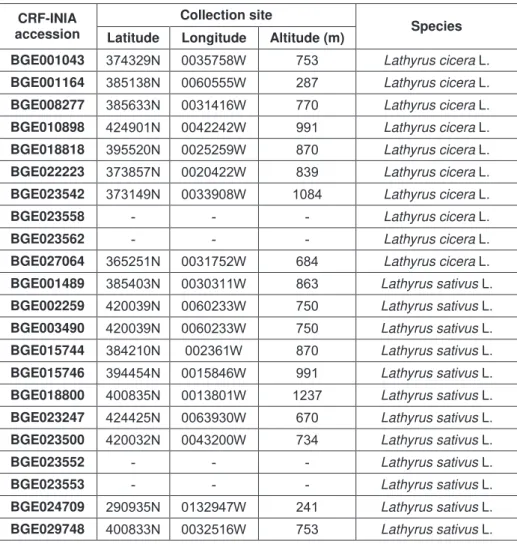
Table 2.1 Lathyrus cicera and Lathyrus sativus accession
references at the CRF-INIA germplasm bank. ... 37
Table 2.2 Characteristics of developed CAPS and dCAPS
markers. ... 43
Table 2.3 Characteristics of pea microsatellite markers
successfully amplified and sequenced on Lathyrus spp.. ... 46
Table 2.4 Lathyrus cicera BGE008277xBGE023542 RILs
polymorphic markers characteristics and respective
segregation analysis (χ2 test for 1:1 segregation). ... 53
Table 2.5 Lathyrus cicera and Lathyrus sativus cross
amplifiable markers diversity analysis. ... 56
Table 3.1 Log2 fold expression results for RNA-Seq and
RT-qPCR experiments. ... 85
Table 3.2 Classification of contigs according to their differential
expression in the susceptible and resistant genotype upon infection with U. pisi. ... 87
Table 4.1 Contig information and primer sequences for
RT-qPCR. ... 124
Table 4.2 Log2 fold expression results for deepSuperSAGE
Table 4.3 List of detected genes by functional category,
expression values and putative function as described in Mercator. ... 129
Table 5.1 Classification of contigs according to their differential
expression in the susceptible and resistant genotype upon infection with U. pisi. ... 160
Table 5.2 Allele-specific expression analysis results. ... 169
Table 6.1 Phenotypic values (mean ± standard deviation) of the
RIL families and quantitative genetic parameters for rust and powdery mildew resistance. ... 198
Table 6.2 Description of the obtained linkage groups ... 200
Table 6.3 Quantitative trait loci for rust and powdery mildew
resistance in a L. cicera RIL5 population
(BGE023542xBGE008277). ... 203
Chapter 3
Additional files can be found at http://www.biomedcentral.com/1471-2229/14/376/additional. Please note that due to format changes, they appear under different names in the published version.
Additional file 3.1 List of detected SNPs between grass pea
genotypes BGE015746 and BGE024709.(published as Additional file 3)
Additional file 3.2 List of detected polymorphic EST-SSRs between
grass pea genotypes BGE015746 and BGE024709. (published as Additional file 4)
Additional file 3.3 Contig information and primer sequences for
RT-qPCR. (published as Additional file 5)
Additional file 3.4 Lists of genes in expression pattern groups
mapped to the reference assembly. RPKM: reads per kilobase per million (published as Additional file 1)
Additional file 3.5 List of contigs, mapped to the reference assembly,
present only in the inoculated condition with a higher bit-score in fungal databases than in plant databases. (published as Additional file 2)
Chapter 4
The Additional file can be found at http://www.frontiersin.org/journal/ 10.3389/fpls.2015.00178/abstract. Please note that due to format changes, it appears under a different name in the published version.
Additional file 4.1 UniTags differentially expressed in Lathyrus
Chapter 5
Additional files can be found at http://www2.itqb.unl.pt/~nalmeida/ external/thesis_chapter5/
Additional file 5.1 Log2 fold expression results for RNA-Seq and
qRT-PCR experiments and primer sequences for qRT-PCR.
Additional file 5.2 Transcript information for allele-specific RT-qPCR
assays.
Additional file 5.3 List of primer and probe sequences for the
allele-specific expression analysis assay.
Additional file 5.4 Lists of genes in expression pattern groups
mapped to the reference assembly. RPKM: reads per kilobase per million.
Additional file 5.5 List of contigs, mapped to the reference assembly,
present only in the inoculated condition with a higher bit-score in fungal databases than in plant databases.
Additional file 5.6 List of detected polymorphic SNPs between grass
pea accessions BGE008277 and BGE023542
Additional file 5.7 List of detected polymorphic EST-SSRs between
Agradecimentos
I would like to express my gratitude to the people who directly or indirectly contributed in so many ways to this work. I would like to thank:
- Maria Carlota Vaz Patto, my supervisor, for giving me the opportunity to start this PhD work and all the help and support throughout the last years. Your mentoring allowed me to improve at both professional and personal level.
- Diego Rubiales, my co-supervisor, for all the guidance and support for this work. Your advices have been priceless.
- Pedro Fevereiro, head of the BVC lab at ITQB, for the support and giving all the best conditions possible at his group.
- Ana Maria Torres, for receiving me at her laboratory at IFAPA, and providing the proper resources and expertise for the cross-species amplification work.
- Peter Winter, for receiving me at GenXPro and providing the logistics in my stay in Frankfurt. Your considerations were very important when I was trying to organize the avalanche of genomic data.
- Zlatko Šatović and Manuela Veloso for the relevant advices as being part of my thesis committee.
- Susana Leitão, at first for all the great help with the genotyping part of this work. Secondly, for having me as desk neighbour for the last 6 years and never losing the sanity (I hope). Now that you have your own PhD thesis to take care I wish you a pleasant time finishing it.
Saudações Leoninas.
thank you for being the person in the lab who can understand my not-so-obvious (bad) jokes. Força aí com essa tese!
- Inês Trindade and Rita Morgado, for the help in setting up, analysing and discussing the RT-qPCR assays.
- All my former and present colleagues at the BCV lab (André Almeida, Catarina Bicho, Cátia, Clara, Diana, Jorge Paiva, Maria, Matilde, Olivia, Silvana, Sofia, Susana Araújo, Susana Neves, Susana Pera, Victor, Zé), for the science related discussions, but also for non-work related discussions.
- All my colleagues at IAS-CSIC, that helped me in my short stays in Córdoba (particularly Alessio Cimino, Angel Aller, Angel Villegas, Elena Cabalero, Elena Prats, Eleonora, Estefania Carrillo, Javi Sanchez, Mariane, Nicolas, Pedro and Sara) with their expertise in the scientific topics and kindness to help the Portuguese guy to adapt to the city.
- Ana Moral, por el precioso entrenamiento en la evaluación de resistencia y toda la preciosa ayuda dentro y fuera del laboratorio.
- Thaïs, for the scientific and philosophical discussions. Also for sheltering me, making me feel at home.
- All the people at GenXPro (particularly Björn, Conny, Günter, Nico and Ralf) for the contribution with the NGS part of my thesis and the help during my stay in Frankfurt.
- Elsa and all the Kohl family, for the hospitality and friendship. - Aos meus pais, António e Liliana, por sempre me apoiarem. Este trabalho só é possível por me terem preparado para qualquer desafio.
- À minha avó Emília, por ser sempre tão amável.
- À minha filha Laura, por nos teres brindado com a tua alegria contagiante. A tua presença torna tudo mais brilhante.
Entre as leguminosas de grão, Lathyrus sativus (chícharo) e L.
cicera (chícharo-miúdo) detêm um grande potencial pela sua
adaptabilidade a ambientes adversos, alto teor em proteína e resistência a doenças relevantes. As espécies do género Lathyrus são
consideradas potenciais fontes de proteínas de alta qualidade e baixo custo. No entanto, devido à sua pouca utilização, esforços adicionais são necessários de forma a explorar o seu potencial e capitalizar os atuais avanços na biologia molecular para os programas de melhoramento em Lathyrus spp..
Nesta tese, a base genética dos mecanismos de defesa de duas espécies de Lathyrus, a três das mais importantes doenças
foliares em leguminosas foram estudadas, nomeadamente, ferrugem (Uromyces pisi), oídio (Erysiphe pisi) e ascoquitose (Ascochyta lathyri). Dois genótipos de cada L. cicera e L. sativus com resposta
contrastante à infeção com ferrugem e oídio, e um genótipo de L.
sativus resistente à ascoquitose, foram utilizados para esta análise.
De forma a permitir a construção de um mapa de ligamento genético de L. cicera, tendo como base uma população de linhas puras
recombinantes (RILs – recombinant inbred lines), foram desenvolvidos marcadores moleculares polimórficos. Duas abordagens diferentes foram utilizadas para o desenvolvimento de marcadores moleculares. Primeiro foram testados marcadores desenvolvidos para espécies próximas filogeneticamente de Lathyrus, como Medicago truncatula ou
Pisum sativum. Apesar dos marcadores serem transferíveis entre
efetuada uma segunda abordagem utilizando bibliotecas obtidas por sequenciação de ARN (RNA-Seq) de L. cicera e L. sativus (também
desenvolvidas nesta tese), de forma a desenvolver marcadores (EST-SSR e SNPs) polimórficos específicos para estas espécies. Devido à incorporação no mapa de ligamento de L. cicera de vários marcadores
homólogos em espécies modelo de leguminosas, foi possível efetuar estudos de sintenia. Este estudo indicou uma grande conservação macrosinténica entre L. cicera e M. truncatula, permitindo novas linhas
de investigação associadas com o mapeamento comparativo de processos fisiológicos e mecanismos de defesa comuns. Beneficiando deste mapa de ligamento, também foi possível mapear locus de características quantitativas (QTL – quantitative trait locus) relacionadas com resistência a doenças. Foram detetados dois QTLs para a resistência parcial à ferrugem e um QTL para a resistência parcial ao oídio. A pequena percentagem de variação fenotípica total explicada pelos QTLs levou-nos a concluir que o controlo genético das resistências parciais ao oídio e à ferrugem é efetivamente poligénica.
Adicionalmente ao estudo genético, uma abordagem usando transcriptómica (RNA-Seq) foi efetuada para ambas as espécies de forma a elucidar quais as respostas defensivas da planta à infeção por ferrugem. Os perfis de transcrição de L. sativus revelaram diferenças
consideráveis na regulação das vias de sinalização hormonal mais importantes entre o genótipo resistente e o suscetível. Além disso, vários genes relacionados com patogenicidade foram sobre-expressos no genótipo resistente e sub-sobre-expressos no genótipo suscetível.
Os resultados de transcriptómica de L. cicera sugerem uma
secundários como base genética da resistência parcial à ferrugem. Particularmente, um homólogo do gene PsMLO1 encontrava-se
diferencialmente expresso após inoculação com ferrugem. Este gene já havia sido descrito como estando envolvido na resistência ao oídio em P. sativum e o seu papel na resistência de L. cicera à ferrugem
deve ser melhor estudada. Os genes identificados como diferencialmente expressos são genes candidatos adequados a futuros estudos funcionais, de forma a esclarecer os mecanismos das interações planta-patógeno. Adicionalmente, as duas espécies de
Lathyrus possuíam milhares de contigs polimórficos entre seus
genótipos, com SNPs distribuídos de forma desigual entre as diferentes categorias funcionais. As categorias mais mutadas foram degradação de proteínas e proteínas cinase recetoras envolvidas na sinalização, o que ilustra a adaptação evolutiva destas espécies no braço de ferro entre hospedeiro/patógeno.
Uma abordagem transcriptómica diferente, deepSuperSAGE, foi também utilizada para elucidar as vias diferencialmente reguladas e identificar candidatos a genes de resistência na interação
ascochyta-L. sativus. Os resultados indicam que varias classes de genes,
atuando em diferentes fases da interação planta-patógeno, estão envolvidos na resposta de L. cicera à infeção por A. lathyri. Por
exemplo, foi observada uma clara sobre-expressão de genes relacionados com defesa envolvidos na via biosintética do etileno. Houve também evidências de alterações no metabolismo da parede celular, indicada pela sobre-expressão de genes envolvidos na biossíntese de celulose e lignina.
Lathyrus cicera L. (chickling pea) and L. sativus L. (grass pea)
have great potential among grain legumes due to their adaptability to inauspicious environments, high protein content and resistance to serious diseases. Lathyrus spp. are considered potential sources of
high quality and cheap protein. Nevertheless, due to its past underuse, further activities are required to exploit this potential and to capitalise on the present molecular biology advances on Lathyrus spp. breeding
programmes.
In this thesis the genetic basis of the defence mechanisms, of two Lathyrus spp. to three of the most important foliar diseases in
legumes, rust (Uromyces pisi), powdery mildew (Erysiphe pisi) and
ascochyta blight (Ascochyta lathyri) were studied. Contrasting
genotypes of both L. sativus and L. cicera in what concerns infection
reaction to rust and powdery mildew, and a resistant L. sativus
genotype against ascochyta blight were used in this analysis.
Polymorphic molecular markers that enabled the construction of a L. cicera linkage map base on recombinant inbred lines population
were developed. Two different approaches were used in this molecular markers development. First we tested markers developed for Lathyrus
close related species, such as Medicago truncatula and Pisum sativum
that despite a good transferability, yielded a low amount of polymorphic markers between the RILs parental genotypes. To overcome that, and as a second approach we used RNA-Seq libraries of L. cicera and L.
sativus (also developed in this thesis) to develop specific polymorphic
markers to model legume species in the developed L. cicera linkage
map, it was possible to perform synteny studies. This indicated a high macrosyntenic conservation between L. cicera and M. truncatula,
opening research opportunities associated with comparative mapping of shared physiological process and defence mechanisms. Profiting from this linkage map, we also evaluated the L. cicera RILs for rust and
powdery mildew resistance response in order to detect and map QTLs underlying disease resistance. One QTL for partial resistance to powdery mildew and two QTLs for partial resistance to rust were detected. The small percentage of total phenotypic variation explained by the detected QTLs led us to conclude that the genetic control of the partial resistances to rust and powdery mildew was indeed polygenic.
In addition to the genetic study, a transcriptomics approach (RNA-Seq) was used for both species to elucidate the defence responses to rust infection. L. sativus, transcription profiles revealed
considerable differences in regulation of major phytohormone signalling pathways between resistant and susceptible genotypes. Also, several pathogenesis-related genes were up-regulated in the resistant and exclusively down regulated in the susceptible genotype.
L. cicera transcriptomic results suggested different regulation of genes
involved in signalling, cell wall metabolism and in the synthesis of secondary metabolites as the genetic basis of partial resistance to rust. In particular a PsMLO1 homolog was found differentially expressed
upon inoculation with rust. This gene was already described as involved in powdery mildew resistance in pea, and its role in L. cicera
thousands of polymorphic contigs between each species genotype, with SNPs unevenly distributed between different functional categories. Protein degradation and signalling receptor kinases were the most mutated categories, illustrating evolutionary adaptation of L.
sativus to the host/pathogens arms race.
A different transcriptomic approach, deepSuperSAGE, was also employed to elucidate the pathways differentially regulated and identify resistance candidate genes during ascochyta-L. sativus
interaction. The results indicated that several gene classes acting in different phases of the plant/pathogen interaction are involved in the L.
sativus response to A. lathyri infection. As example a clear
up-regulation of defence-related genes related with the ethylene pathway was observed. There was also evidence of alterations in cell wall metabolism indicated by overexpression of cellulose synthase and lignin biosynthesis genes.
Taking all the transcriptomics data and QTL mapping together, our results provide a broad overview of gene expression profiles of
Lathyrus spp. genotypes inoculated with rust and Ascochyta, providing
ABA abscisic acid
AFLP Amplified Fragment Length Polymorphisms
CAPS Cleaved Amplified Polymorphic Sequence
d.a.i. days after inoculation
DAMP damage-associated molecular pattern
dCAPS derived Cleaved Amplified Polymorphic Sequence
ddPCR droplet digital PCR
DE differentially expressed
DR disease resistance
DS disease severity
eQTL expression quantitative trait locus
ER endoplasmic reticulum
EST expression sequence tags
EST-SSR expressed sequence tag - simple sequence repeat
ET ethylene
ETI effector-triggered immunity
gSSR genomic simple sequence repeat
GST glutathione S-transferase
h.a.i. hours after inoculation
HR hypersensitive response
IT infection type
ITAP intron-targeted amplified polymorphism
JA jasmonate
LG linkage group
LOD logarithm (base 10) of odds
LRR Leucine-rich repeat
MAP mitogen-activated protein
MAS marker assisted selection
MLO mildew resistance locus O
MQM multiple-QTL mapping
NBS-LRR nucleotide-binding site leucine-rich repeat
NGS next-generation sequencing
ODAP ß-N-ozalyl-L-a,ß-diaminopropanoic acid
PAMP pathogen associated molecular patterns
PCR Polymerase Chain Reaction
PIC Polymorphic Information Content
PR pathogenesis related
PRR pattern recognition receptor
PTI pathogen-associated molecular pattern triggered immunity
QTL quantitative trait locus
R gene resistance gene
RAPD Random Amplified Polymorphic DNA
RGA resistance gene analogue
RIL Recombinant Inbred Line
RNA-Seq RNA-Sequencing
ROS reactive oxygen species
RT-qPCR Real-Time Quantitative Reverse Transcription PCR
SA salicylic acid
SNP single nucleotide polymorphism
SSR simple sequence repeats, or microsatellite
CHAPTER 1
General introduction
This chapter is based on:
Almeida, N.F., Rubiales, D., and Vaz Patto, M.C. (2015). Grass pea.
In: De Ron, A.M. (Ed.) Grain Legumes, Series Handbook of Plant
Breeding. (New York, U.S.A.: Springer Science+Business Media).
1.1. Introduction
Lathyrus sativus L. (grass pea) and L. cicera L. (chickling pea)
are multipurpose robust cool season legume crops. They can grow in both drought- and flooding-prone environments and poor soils due to its hardy and penetrating root systems (Campbell, 1997; Vaz Patto et
al., 2006b). They have high nutritional value (protein content raging
25–30%), being grass pea important both for human food and animal feed, while chickling pea is more usually used as animal feed and forage. In what concerns human consumption grass pea can be consumed uncooked as a green snack, cooked in a stew, milled into flour or by roasting the seed (Peña-Chocarro and Peña, 1999). In addition to its uses as food and feed, symbiosis with rhizobia allows an efficient nitrogen fixation in the soil, lowering the inputs needed in crop rotation and making them suitable to be used as green manure in sustainable farming systems (Hanbury et al., 2000). As an example of
its versatility, L. sativus is easily introduced in intercropping systems,
rotations or used along with paddy rice in relay cropping systems (Campbell et al., 1994; Abd El Moneim et al., 2001; Hillocks and
Maruthi, 2012).
There is great potential for the expansion in the utilization of
Lathyrus spp. in dry areas or zones which are becoming more
drought-prone, with increased salinity or increased tendency to suffer from biotic stresses. However, those species, and in particular grass pea, are unpopular with governments and donors because they contain
(Lambein et al., 2009). Also, seeds can be partly detoxified by the
various processing methods (Kuo et al., 2000; Kumar et al., 2011).
Even though, these robust crops are rightly considered as a model crop for sustainable agriculture and despite the lathyrism stigma, the development of new breeding technologies and the growing interest in its use in Mediterranean type environments, all over the world will provide a bright future to this crop (Vaz Patto et al.,
2006b; Vaz Patto and Rubiales, 2014a).
1.2. Lathyrus sativus and L. cicera: Origin and systematic
The Lathyrus genus is located within the Fabaceae family (syn.
Leguminosae), subfamily Faboideae (syn. Papilionoideae), tribe Fabeae (syn. Vicieae), along with genera Pisum, Vicia, Lens and Vavilovia (Wojciechowski et al., 2004; Kenicer et al., 2005; Smýkal et al., 2011; Schaefer et al., 2012).
The natural distribution of grass pea has been completely obscured by its human cultivation. Its use for food, feed and forage difficult the distinction between wild and domesticated populations, toughen the task to precisely locate its centre of origin (Kumar et al.,
2013). The most probable grass pea centre of origin is believed to have been the Eastern Mediterranean or Fertile Crescent, around 6.000 B.C.E. This has been supported by archeobotanical and recent phylogenetic reports (Kislev, 1989; Schaefer et al., 2012), refuting the
hypothesis by Smartt (1984) that the centre of origin was located in south-west or central Asia. Domestication of grass pea seems to have occurred alongside with other pulses, being normally found with early domesticates of pea (Pisum sativum L.), lentils (Lens culinaris Medik.)
Hopf (1986) hypothesized that L. sativus is a derivative from L.
cicera, its genetically nearest wild species. In addition, in what
concerns domestication in Southern Europe (France and Iberian peninsula), evidences of cultivation of L. cicera were found, dating from
4.000 or 3.000 B.C.E., suggesting that expansion of L. sativus farming
may have led also to the domestication of the local L. cicera (Campbell,
1997).
Within the economically important legume crops and model species, P.sativum is reported as the closest related to grass pea and
chickling pea, followed by lentil, faba bean (Vicia faba L.), barrel medic
(Medicago truncatula Gaertn.), chickpea (Cicer arietinum L.) and Lotus corniculatus L. (Asmussen and Liston, 1998; Wojciechowski et al.,
2004; Ellison et al., 2006).
The infrageneric classification of Lathyrus genus has been
revised several times, being the one reported by Kupicha (1983) the most largely accepted. In this treatment, the genus is organized in 13 clades (Orobus, Lathyrostylis, Lathyrus, Orobon, Pratensis, Aphaca, Clymenum, Orobastrum, Viciopsis, Linearicarpus, Nissolia, Neurolobus, and Notolathyrus). This morphological based classification has been recently supported by molecular phylogenetic studies using sequence data from the internal transcribed spacer (ITS) region and from cpDNA (Kenicer et al., 2005; Kenicer et al., 2009).
Schaefer et al. (2012), using nuclear and chloroplast phylogenetic data, further suggested that the genus Lathyrus is not monophyletic,
1.3. Lathyrus sativus varietal groups
Great morphological variation is reported in grass pea, especially in vegetative characters such as leaf length, while, for instances, its floral characters are much less variable, showing a clear grouping in flower colour (Jackson and Yunus, 1984), as well as in its seed and yield traits (Hanbury et al., 1999). Several studies divided
grass pea accessions broadly into two groups; those from the Indian sub-continent and those from the Mediterranean region. Jackson and Yunus (1984) reported that all blue-flowered accessions came from south-west and south Asia, while the white and mixed coloured accessions had a more western distribution, from the Canary Isles to the western republics of the Soviet Union. These authors also pointed out that white flowered accessions only had white seeds with no secondary markings on the seed coat. In accordance with this, Hanbury et al. (1999), reported that Mediterranean accessions were characterized by larger and whiter seeds, selected for human consumption, with higher yield potential than the Indian accessions. Grass pea small-seeded accessions are considered more primitive types and normally associated with hardened seeds like what happens in other Old World grain legumes such as pea, chickpea or lentil (Chowdhury and Slinkard, 2000).
1.4. Genetic resources and utilization
Conservation of Lathyrus genetic resources has recently
attracted more attention because of the potential role of these species under the climate change scenario (Kumar et al., 2013).
Grass pea is mentioned in two conservation programs for major food legumes. One is the International Treaty on Plant Genetic Resources for Food and Agriculture (ITPGRFA) (FAO, 2009), which aims at guaranteeing food security through conservation of biodiversity, fair exchange and sustainable use of plant genetic resources. This is being accomplished by establishing a global system to provide farmers, plant breeders and scientists’ access to plant genetic materials, ensuring that recipients share benefits with the countries where they have been originated and by recognizing the contribution of farmers to the diversity of crops used as food.
The other, a more specific program developed by the Global Crop Diversity Trust (CGDT) in collaboration with ICARDA, aims for a long-term conservation strategy of L. sativus, L. cicera and L. ochrus
(GCDT, 2009). This program is detailing the current status of national collections and identifying gaps in collections of these three species from areas of diversity. Their strategy recommends that documentation on collections should be upgraded and that more work should be carried out on characterizing and evaluating collections for key traits, making this data widely available (Gurung and Pang, 2011).
Several ex situ and a few in situ conservation examples exist
for Lathyrus germplasm. The largest Lathyrus ex situ collections are
Areas (ICARDA) comprising 3.239 accessions, and by the National Bureau of Plant Genetic Resources (NBPGR) in India (2.619 accessions). Smaller, but still relevant collections are maintained by other banks such as the Germplasm Resource Information Network (GRIN) from the United States Department of Agriculture (USDA) in the United States of America, the Leibniz Institute of Plant Genetics and Crop Plant Research (IPK) in Germany and the Centro de Recursos Fitogenéticos (CRF) from the Instituto Nacional de Investigación y Tecnología Agraria y Alimentaria (INIA) in Spain. Backups from 2.134 grass pea accessions, from 44 countries, and 176 chickling pea accessions, from 20 countries, are deposited at the Svalbard Global Seed Vault (http://www.nordgen.org/sgsv/; accessed January 2015). In what concerns in situ conservation, five genetic reserves for Lathyrus
diversity conservation have been proposed in Syria and Turkey (Heywood et al., 2007). These authors also stressed the importance of
increasing public awareness for the significance of crop wild relatives in agricultural development and the need for their simultaneous conservation.
This conserved germplasm represent a valuable reservoir of diversity, providing access to sources of a wide range of interesting agromorphological traits such as earliness, plant architectural traits, disease and pest tolerance, as well as low ODAP content. Characterization of this diversity through phenotyping and genotyping studies will unveil novel alleles that can be used to improve this crop. Diversity characterization in Lathyrus germplasm have focused for
example on ODAP content (Fikre et al., 2008; Kumar et al., 2011; Grela et al., 2012), phenology and yield (Mera, 2010; Grela et al., 2012),
parasitic weed resistance (Fernández-Aparicio et al., 2012), disease
Rubiales, 2009) or quality traits (Granati et al., 2003). Some of these
characterization studies have represented the first steps of several existing selection programs.
1.5. Major breeding achievements
Conventional grass pea breeding programs have been established in several countries, including Australia (Hanbury et al.,
1995), Bangladesh (Malek, 1998), Canada (Campbell and Briggs, 1987), China (Yang and Zhang, 2005), Chile (Mera et al., 2003),
Ethiopia (Tadesse and Bekele, 2003), India (Lal et al., 1986; Pandey
et al., 1996), Nepal (Yadav, 1996) Syria (Abd El-Moneim et al., 2000)
and Portugal (Carita, 2012). Some of these breeding programs are still active, but most are small in comparison to other legume crops (Vaz Patto et al., 2011).
Due to the occurrence of lathyrism in humans, major breeding programs essentially aimed for low ODAP content, besides productivity and adaptability. This has resulted at present in several L. sativus or L.
cicera breeding lines or released varieties with reduced ODAP content
(from 0.5 to 1.5 %, down to 0.01 % or less) (Kumar et al., 2011). For
instance, low ODAP grass pea cultivars have been released in several countries, such as “Wasie” in Ethiopia, “Ali-Bar” in Kazakhstan and “Gurbuz 1” in Turkey (ICARDA, 2006; 2007). Similarly, low ODAP and high yielding grass pea cultivars have been released in India such as “Pusa 24”, “Prateek”, “Ratan” and “Mahateora” (ICAR, 2009). In Bangladesh, examples are the low ODAP and high-yielding grass pea varieties “BARI Khesari 1”, “BARI Khesari 2” and “BARI Khesari 3” (Malek 1998), or the “BINA Khesari 1” (Kumar et al., 2011). In Canada,
released for feed and fodder (Campbell and Briggs, 1987), in addition to a high N fixation grass pea variety, “AC Greenfix”, released specially as green manure (Krause and Krause, 2003). In Chile, “Luanco-INIA”, a large-seeded, high yielding grass pea variety was released, used locally as feed and for export, especially for some European markets where larger seed size is desirable for human consumption (Mera et
al., 2003). Finally, in Australia, the grass pea variety “Ceora” was bred
to be used as forage, hay or as a green manure crop (Siddique et al.,
2006). Also in Australia a chickling pea cultivar, “Chalus”, was selected for high yields and low ODAP levels (Hanbury and Siddique, 2000). In Portugal two chickling pea varieties are registered in the “Catálogo Nacional de Variedades” (http://
www.dgv.min-agricultura.pt/xeov21/attachfileu.jsp?look_parentBoui= 4259527&att_display=n&att_download=y, accessed September 2014), named “Grão da Comenda” and “Grão da Gramicha”, both to be used as forage.
1.6. Specific goals in current breeding
Low ODAP content is still one important goal of many of the current Lathyrus spp. breeding programs. Nevertheless other
important agronomic traits have always been associated to this in breeding programs, such as yield and adaptation.
Increased yield is a selection criterion for most crop improvement programmes. However, some of the yield components that affect yield, such as double podding or increased seeds per pod, have in Lathyrus spp. breeding received insufficient attention. Also the
biomass yield of L. sativus has started to receive more attention during
the past few years (Campbell, 1997; Abd El Moneim et al., 2001; Vaz
potential of this crop for forage and straw in the North African and South Asian regions (Campbell, 1997). Additionally, undesirable traits such as prostrate plant habit, indeterminate growth, late maturity and pod shattering (Rybinski, 2003) are being also handled by several breeding programs.
The concentrated effort on reducing ODAP content resulted in many other areas of evaluation and crop improvement, such as resistance to biotic and abiotic stresses, being neglected. However, with the release of low ODAP lines, the development of varieties, for instance, with increased resistance to prevalent pests and diseases has gained new strength. This crop is usually grown by poor farmers and under poor management, where it is difficult to adopt chemical control for diseases and pests. Therefore, the development of varieties having resistance to prevalent biotic stresses is essential and more efforts are required in this area of improvement of these very hardy crops (Vaz Patto et al., 2006b).
1.7. Biotic stresses
Grass pea and chickling pea as any other plant species are subjected to diseases caused by a vast array of pathogens, including fungi, viruses, bacteria, parasitic plants and insects. Previous studies identified resistance in grass pea and chickling pea germplasm for rust (Vaz Patto et al., 2009; Vaz Patto and Rubiales, 2009), powdery
mildew (Vaz Patto et al., 2006a; 2007), ascochyta blight (Gurung et al.,
2002), bacterial blight (Martín-Sanz et al., 2012) and crenate
broomrape (Sillero et al., 2005; Fernández-Aparicio et al., 2009;
Fernández-Aparicio and Rubiales, 2010; Fernández-Aparicio et al.,
in L. sativus was analysed through a quantitative trait locus (QTL)
mapping and expression analyses of a few candidate genes (Skiba et al., 2004a; b; 2005), and detailed molecular information is missing for
the majority of the identified resistances, hampering their introduction in breeding programs.
This thesis will focus on three of the most important fungal diseases for legume crops in which resistance was identified in
Lathyrus spp.
1.7.1 Rust
Rusts are among the most important diseases of legumes (Sillero et al., 2006) and Lathyrus spp. are not exceptions (Duke, 1981;
Campbell, 1997; Vaz Patto et al., 2006b). Rusts are caused by
biotrophic fungi that keep infected host cells alive for their development, depending on the hosts to reproduce and complete their life cycles. Although some rusts can be cultured on very complex synthetic media, they have no known saprotrophic existence in nature (Staples, 2000). Rusts form elaborate intracellular feeding structures called haustoria, which maintain an intimate contact between fungal and plant cells over a prolonged period of time (O’Connell and Panstruga, 2006).
Rust in Lathyrus spp. is caused by Uromyces pisi (Pers.) Wint.
and U. viciae-fabae (Pers.) J. Schröt. (Barilli et al., 2011; Barilli et al.,
2012). In particular, U. pisi infects a broad range of other legumes, such
as Vicia faba, Lens culinaris, Vicia ervilia and Cicer arietinum (Barilli et
al., 2012; Rubiales et al., 2013).
The resistance observed in L. cicera and L. sativus against rust
percentage of early aborted colonies, reduction of number of haustoria per colony and reduction of intercellular growth of infection hyphae (Vaz Patto et al., 2009; Vaz Patto and Rubiales, 2009; Vaz Patto and
Rubiales, 2014b)
.
1.7.2 Powdery mildew
Powdery mildews are probably the most common, conspicuous and widespread plant diseases. As biotrophs they seldom kill their hosts, but utilize their nutrients, reduce photosynthesis, increase respiration and transpiration, impair growth and reduce yields up to 40% (Agrios, 2005). Erysiphe pisi DC. is a biotrophic ascomycete
fungus, characterized by its grey to white colonies formed on leaves, stem and pods of infected plants (Vaz Patto et al., 2006a). It is
commonly known as pea powdery mildew but it can also infect
Medicago, Vicia, Lupinus, Lens and Lathyrus (Sillero et al., 2006). Pea
powdery mildew is a serious disease of worldwide distribution, being particularly important in climates with warm, dry days and cool nights (Smith et al., 1996).
Lathyrus sativus and L. cicera accessions with reduced disease
severity despite of a high infection type after E. pisi infection, have also
been identified (Vaz Patto et al., 2006a; 2007; Vaz Patto and Rubiales,
2014b), fitting the definition of Partial Resistance according to Parlevliet (1979).
1.7.3 Ascochyta blight
are incited by different pathogens in the various legumes. As examples, Ascochyta rabiei (teleomorph Didymella rabiei) in chickpea; A. fabae (teleomorph D. fabae) in faba bean and A. lentis (teleomorph D. lentis) in lentil (Tivoli et al., 2006). Ascochyta blight of pea (Pisum sativum) is caused by a complex of fungi formed by Ascochyta pisi Lib., Didymella pinodes (Berk. & Blox.) Petrak. and Phoma medicaginis var.
pinodella (L.K. Jones) Morgan-Jones & K.B. Burch. (Carrillo et al.,
2013). Of these, D. pinodes (syn. Mycosphaerella pinodes) is the most
frequent and damaging (Tivoli and Banniza, 2007). D. pinodes is a
necrotrophic pathogen, being characterized by dark concentric lesions containing black picnidia on leaves, pods and stems (Peever, 2007).
Lathyrus spp. are known to be resistant to D. pinodes, the causal agent
of pea ascochyta blight. Gurung et al. (2002) showed that L. sativus, L. ochrus and L. clymenum accessions were significantly more resistant
to D. pinodes stem infection than field pea cultivars. A detailed analysis
of quantitative resistance of L. sativus to ascochyta blight, caused by
D. pinodes, suggested that resistance in L. sativus may be controlled
by two independently segregating genes, operating in a complementary epistatic manner (Skiba et al., 2004b). In another
study, Skiba et al. (Skiba et al., 2004a) developed a grass pea linkage
map and used it to locate two QTL, explaining 12% and 9% of the observed variation in resistance to D. pinodes. Nevertheless, no
candidate genes were identified at that time for these resistance QTLs, hampering their use in precision breeding. In an attempt to identify defence-related candidate genes involved in D. pinodes resistance in
L. sativus, the expression of 29 potentially defence-related expression
sequence tags (ESTs) was compared between L. sativus resistant and
susceptible lines (Skiba et al., 2005). These ESTs were selected from
a previously developed cDNA library of L. sativus stem and leaf tissue
considered eventually important for conferring stem resistance to ascochyta blight in L. sativus. In addition, the marker developed from
one of them, EST LS0574 (Cf-9 resistance gene cluster), was significantly linked to one of the previously identified resistance QTLs. However this study was necessarily limited to the small number of initially selected EST sequences.
1.8. Breeding methods and specific techniques
Collection and evaluation of germplasm, local or introduced, is the cornerstone in any breeding program. Subsequent hybridization and selection of the resulting progeny using different strategies, will allow incorporating interesting traits into more adapted background. This may include backcrossing, recurrent selection, single seed descent and pedigree/bulk breeding methods. All of these methods can be applied on Lathyrus spp. improvement.
Grass pea and chickling pea are predominantly self-pollinated crops, although outcrossing up to 30% has been reported (Rahman et
al., 1995; Chowdhury and Slinkard, 1997; Ben Brahim et al., 2001).
Large size of flower, bright colour of petals, flower density, and nectar production are reported to influence the outcrossing in Lathyrus
species (Kiyoshi et al., 1985). Entomophilic pollination in grass pea is
due especially to bees and bumblebees (Kumar et al., 2011). Due to
this observed outcrossing level, in most Lathyrus spp. breeding
programmes, crosses are done under controlled conditions, in greenhouse or under insect proof coverings (Vaz Patto et al., 2011).
ODAP contend, low ODAP accessions are crossed with high yield material with good agronomic potential (Campbell, 1997).
Intergeneric hybridization, although difficult, is possible between grass pea and L. amphicarpos or L. cicera (Yunus and
Jackson, 1991). Crosses have been also made with other species such as L. chrysanthus, L. gorgoni, L. marmoratus and L. pseudocicera
(Heywood et al., 2007), but only ovules were produced.
Also with the objective of reducing ODAP content, grass pea has been subjected to induced mutagenesis by physical and/or chemical mutagens. Other traits have been affected by mutagenesis such as plant habit, maturity, branching, stem shape, leaf size, stipule shape, flower colour and structure, pod size, seed size and colour and NaCl tolerance (Nerkar, 1972; 1976; Rybinski, 2003; Biswas, 2007; Talukdar, 2009; 2011). In vitro culture was also employed, inducing
somaclonal variation (Roy et al., 1993; Ochatt et al., 2002a; Zambre et
al., 2002). Induced mutagenesis and somaclonal variation created new
diversity, allowing the selection of lines with interesting agronomical traits, such as yield, plant architecture and low ODAP content,
Ochatt et al. (2002b) developed an in vitro system coupled with
in vivo stages in order to shorten grass pea regeneration cycles,
obtaining up to almost 4 cycles per year. However this approach is only applicable when few seeds/plant are intended, as in single-seed descendant breeding schemes.
transfer barriers to related legume species (Vaz Patto et al., 2006b).
This would allow exploring the variability existing in other Lathyrus
gene pools and hopefully transfer the interesting grass pea and chickling pea traits to related legume species.
Genetic transformation of grass pea was attempted with only one successful report obtaining stable transformed plants (Barik et al.,
2005). Given that regeneration protocols are often genotype specific, it may be necessary either to develop more generally applicable protocols or to adapt the protocol after transformation (Ochatt et al.,
2013).
1.9. Integration of new biotechnologies in breeding programmes
Comparing to other grain legumes such as pea, faba bean or chickpea, genomic recourses for grass pea are still scarce. Prior to the inclusion of this thesis results, the NCBI database had available the information of 178 EST sequences from a cDNA library of one L.
sativus accession inoculated with Mycosphaerella pinodes (Skiba et al., 2005), 89 nucleotide sequences mainly from Bowman–Birk
protease inhibitor (BBI) coding sequences (41 accessions) and chloroplast sequences (21 accessions) and 216 protein sequences (44 amino acid sequences from BBI, 150 sequences from chloroplast proteins), for L. cicera these numbers were reduced to 4 internal
transcribed spacers (ITS), 1 antifungal protein DNA sequence, 1 convicilin gene sequence, 26 sequences from chloroplast regions and 4 protein amino-acid sequences.
interest. Once an interesting plant trait is found associated with a marker (or more), plants can be selected, using a genetic screen with those markers, early on its growth stage. This selection allows a faster and more efficient breeding process.
Linkage maps are a representation of the relative position of genetic regions in the genome, taking into account the recombination frequency of those genetic regions in a segregating mapping population. Until now only two linkage maps using molecular markers were developed for L. sativus. One developed by Chowdhury
and Slinkard (1999), using eleven Random Amplified Polymorphic DNA (RAPD) markers, one isozyme marker and one morphological trait (flower colour). The other linkage map was constructed by Skiba et al. (2004a), using 47 RAPDs, 7 cross-amplified pea microsatellite (SSR) markers and 13 Cleaved Amplified Polymorphic Sequence (CAPS) markers and was used to study the genetic basis of resistance to ascochyta blight. Nevertheless, these maps were not informative enough to allow bridging the information between them, as reviewed by Vaz Patto et al. (2006b).
Existing molecular markers specific or cross-amplification studies in grass pea included the work of Shiferaw et al. (2011), that successfully amplified nine EST-SSRs (expressed sequence tag - simple sequence repeats) developed from the EST sequences of Skiba et al. (2005) and 12 EST-SSRs from M. truncatula, which have been
previously proven to be transferable to other legume species by Gutierrez et al. (2005). Lioi et al. (2011) were able to genotype in a grass pea diversity study, 10 SSRs developed from nucleotide sequences stored at public databases, being nine from L. sativus
Plant response to pathogens consists on the activation of several layers of defence, in a constant arms race between host and pathogen (Wirthmueller et al., 2013). After a compatible interaction,
general defence mechanisms consist in perception through a panoply of receptors (Helliwell and Yang, 2001), that will mediate the expression of genes involved in hormone signalling, like the salicylic acid, jasmonic acid and ethylene pathways (Bari and Jones, 2009), leading to the reinforcement of plant cell wall through the production of callose or lignin, and the production of antimicrobial compounds in order to restrain pathogen development (Glazebrook, 2005).
Plants respond differentially to biotroph or necrotroph attack (Glazebrook, 2005). The most effective defence mechanism against biotrophic pathogens is the programmed cell death, preventing the pathogen from colonize adjacent host cells. On the other hand, necrotrophic pathogens feed from the debris of plant cells, and then benefit from the activation of the host cell death (Mengiste, 2012). Therefore, an efficient defence response of the plant relies on a dynamic recognition mechanism in order to prevent pathogen colonization.
The development of new molecular tools will allow the identification of candidate genes acting in the different phases of the host/pathogen interaction, increasing the knowledge on the defence mechanisms of Lathyrus spp.. Prior to the inclusion of this thesis results
the only grass pea expression analysis existing was performed by Skiba et al. (2005), identifying 29 potential defence related genes differentially expressed in response to M. pinodes inoculation. These
1.10. Objectives
This thesis applies new technological advances in genetics and genomics to explore the genetics and mechanisms underlying Lathyrus
spp. resistance to different pathogens. We have also developed new molecular tools to support future breeding efforts in these species.
In chapter 2, we aimed at evaluating the transferability of molecular markers developed for close related legume species to
Lathyrus spp. and test the application of those new molecular tools on Lathyrus mapping and diversity analysis.
In chapter 3 and 5, efforts were made to unveil the different molecular responses, by a transcriptomic approach, of susceptible and resistant phenotypes of L. sativus (Chapter 3) and L. cicera (Chapter
5) to rust inoculation, and to develop new SSR and single nucleotide polymorphism (SNP) molecular markers from the RNA-Seq data generated.
In chapter 4, we aimed to elucidate the molecular responses, using deepSuperSAGE, of a resistant L. sativus genotype upon
inoculation with Ascochyta lathyri.
In chapter 6, the objective was to develop the first linkage map for L. cicera and perform QTL analysis for resistance to rust and
powdery mildew in this species and the first co-linearity studies with the model Medicago truncatula.
Finally, in chapter 7 it is discussed how the obtained results allowed the data integration in order to develop new molecular tools for
Lathyrus ssp., providing a highly valuable resource for future smart
1.11. Acknowledgments
Part of this chapter is included in the book chapter “Grass pea”, Grain Legumes, Series Handbook of Plant Breeding. (New York, U.S.A.: Springer Science+Business Media) where NFA drafted the manuscript and DR and MCVP revised the manuscript critically.
1.12. References
Abd El-Moneim, A.M., Van Dorrestein, B., Baum, M., and Mulugeta, W. (2000). Improving the nutritional quality and yield potential of grasspea (Lathyrus sativus L.). Food & Nutrition Bulletin 21,
493-496.
Abd El Moneim, A., Van Dorrestein, B., Baum, M., Ryan, J., and Vejiga, G. (2001). Role of ICARDA in improving the nutritional quality and yield potential of grasspea (Lathyrus sativus L.) for
subsistence farmers in dry areas. Lathyrus Lathyrism Newsletter 2, 55-58.
Agrios, G.N. (2005). Plant Pathology. New York, U.S.A.: Elsevier
Academic Press.
Asmussen, C.B., and Liston, A. (1998). Chloroplast DNA characters, phylogeny, and classification of Lathyrus (Fabaceae). American Journal of Botany 85, 387-401.
Bari, R., and Jones, J.G. (2009). Role of plant hormones in plant defence responses. Plant Molecular Biology 69, 473-488.
Barik, D.P., Mohapatra, U., and Chand, P.K. (2005). Transgenic grasspea (Lathyrus sativus L.): factors influencing
agrobacterium-mediated transformation and regeneration.
Plant Cell Reports 24, 523-531.
Barilli, E., Moral, A., Sillero, J.C., and Rubiales, D. (2012). Clarification on rust species potentially infecting pea (Pisum sativum L.) crop
and host range of Uromyces pisi (Pers.) Wint. Crop Protection
37, 65-70.
Barilli, E., Satovic, Z., Sillero, J.C., Rubiales, D., and Torres, A.M. (2011). Phylogenetic analysis of Uromyces species infecting
grain and forage legumes by sequence analysis of nuclear ribosomal internal transcribed spacer region. Journal of Phytopathology 159, 137-145.
Ben Brahim, N., Combes, D., and Marrakchi, M. (2001). Autogamy and allogamy in genus Lathyrus. Lathyrus Lathyrism Newsletter 2,
Biswas, A.K. (2007). "Induced mutation in grass pea," in Breeding of neglected and under-utilised crops, spices and herbs., eds. S.J.
Ochatt & S.M. Jain. (Plymouth, U.K.: Science Publishers), 29-39.
Campbell, C.G. (1997). Promoting the conservation and use of underutilized and neglected crops. Grass pea. Lathyrus sativus L. Rome, Italy: International Plant Genetic Resources Institute.
Campbell, C.G., and Briggs, C.J. (1987). Registration of low neurotoxin content Lathyrus germplasm LS 8246. Crop Science 27,
821-821.
Campbell, C.G., Mehra, R.B., Agrawal, S.K., Chen, Y.Z., Elmoneim, A.M.A., Khawaja, H.I.T., Yadov, C.R., Tay, J.U., and Araya, W.A. (1994). Current status and future strategy in breeding grasspea (Lathyrus sativus). Euphytica 73, 167-175.
Carita, T. (2012). Influencia de la fecha de siembra, genotipo y densidad de plantas en el crecimiento, rendimiento y calidad del Lathyrus sativus L. en condiciones de secano
Mediterráneo. PhD, UNIVERSIDAD DE EXTREMADURA.
Carrillo, E., Rubiales, D., Perez-De-Luque, A., and Fondevilla, S. (2013). Characterization of mechanisms of resistance against
Didymella pinodes in Pisum spp. European Journal of Plant Pathology 135, 761-769.
Chowdhury, M.A., and Slinkard, A.E. (1997). Natural outcrossing in grasspea. Journal of Heredity 88, 154-156.
Chowdhury, M.A., and Slinkard, A.E. (1999). Linkage of random amplified polymorphic DNA, isozyme and morphological markers in grasspea (Lathyrus sativus). Journal of Agricultural Science 133, 389-395.
Chowdhury, M.A., and Slinkard, A.E. (2000). Genetic diversity in grasspea (Lathyrus sativus L.). Genetic Resources and Crop Evolution 47, 163-169.
Duke, J. (1981). Handbook of Legumes of World Economic Importance. New York, U.S.A.: Plennun Press.
Ellison, N.W., Liston, A., Steiner, J.J., Williams, W.M., and Taylor, N.L. (2006). Molecular phylogenetics of the clover genus (Trifolium
-Leguminosae). Molecular Phylogenetics and Evolution 39,
688-705.
Erskine, W., Smartt, J., and Muehlbauer, F. (1994). Mimicry of lentil and the domestication of common vetch and grass pea.
Economic Botany 48, 326-332.
Fao (2009). International treaty on plant genetic resources for food and agriculture, Food and Agriculture Organization of the United
Nations (FAO). Rome, Italy: FAO (accessible
Fernández-Aparicio, M., Flores, F., and Rubiales, D. (2009). Field response of Lathyrus cicera germplasm to crenate broomrape
(Orobanche crenata). Field Crops Research 113, 321-327.
Fernández-Aparicio, M., Flores, F., and Rubiales, D. (2012). Escape and true resistance to crenate broomrape (Orobanche crenata
Forsk.) in grass pea (Lathyrus sativus L.) germplasm. Field Crops Research 125, 92-97.
Fernández-Aparicio, M., and Rubiales, D. (2010). Characterisation of resistance to crenate broomrape (Orobanche crenata Forsk.) in Lathyrus cicera L. Euphytica 173, 77-84.
Fikre, A., Korbu, L., Kuo, Y.H., and Lambein, F. (2008). The contents of the neuro-excitatory amino acid beta-ODAP (beta-N-oxalyl-L-alpha,beta-diaminopropionic acid), and other free and protein amino acids in the seeds of different genotypes of grass pea (Lathyrus sativus L.). Food Chemistry 110, 422-427.
Gcdt (2009). Strategy for the ex situ conservation of Lathyrus (grass pea), with special reference to Lathyrus sativus, L. cicera, and L. ochrus. Rome, Italy: Global Crop Diversity Trust (GCDT).
Glazebrook, J. (2005). Contrasting mechanisms of defense against biotrophic and necrotrophic pathogens. Annual Review of Phytopathology 43, 205-227.
Granati, E., Bisignano, V., Chiaretti, D., Crinò, P., and Polignano, G. (2003). Characterization of Italian and exotic Lathyrus
germplasm for quality traits. Genetic Resources and Crop Evolution 50, 273-280.
Grela, E., Rybiński, W., Matras, J., and Sobolewska, S. (2012).
Variability of phenotypic and morphological characteristics of some Lathyrus sativus L. and Lathyrus cicera L. accessions
and nutritional traits of their seeds. Genetic Resources and Crop Evolution 59, 1687-1703.
Gurung, A.M., and Pang, E.C.K. (2011). "Lathyrus," in Wild Crop
Relatives: Genomic and Breeding Resources, ed. C. Kole.
(Berlin, Germany: Springer-Verlag), 117-126.
Gurung, A.M., Pang, E.C.K., and Taylor, P.W.J. (2002). Examination of Pisum and Lathyrus species as sources of ascochyta blight
resistance for field pea (Pisum sativum). Australasian Plant Pathology 31, 41-45.
Gutierrez, M.V., Vaz Patto, M.C., Huguet, T., Cubero, J.I., Moreno, M.T., and Torres, A.M. (2005). Cross-species amplification of
Medicago truncatula microsatellites across three major pulse
crops. Theoretical and Applied Genetics 110, 1210-1217.
Hanbury, C.D., Sarker, A., Siddique, K.H.M., and Perry, M.W. (1995). Evaluation of Lathyrus germplasm in a Mediterranean type