www.rbceonline.org.br
Revista
Brasileira
de
CIÊNCIAS
DO
ESPORTE
ORIGINAL
ARTICLE
Dynamic
evaluation
method
of
lower
limbs
joint
alignment
(MADAAMI)
for
dancers
during
the
plié
Kaanda
Nabilla
Souza
Gontijo
a,∗,
Cláudia
Tarragô
Candotti
b,
Grace
dos
Santos
Feijó
c,
Laís
Paixão
Ribeiro
c,
Jefferson
Fagundes
Loss
baUniversidadeFederaldoRioGrandedoSul(UFRGS),EscoladeEducacc¸ãoFísica,ProgramadePós-graduac¸ãoemCiênciasdo
MovimentoHumano,PortoAlegre,RS,Brazil
bUniversidadeFederaldoRioGrandedoSul(UFRGS),EscoladeEducac¸ãoFísica,DepartamentodeEducac¸ãoFísica,PortoAlegre,
RS,Brazil
cUniversidadeFederaldoRioGrandedoSul(UFRGS),EscoladeEducac¸ãoFísica,CursodeEducac¸ãoFísica,PortoAlegre,RS,Brazil
Received13May2013;accepted13January2014
Availableonline5March2016
KEYWORDS Validation; Evaluation; Dance; Physiotherapy
Abstract In classical ballet, thejoint misalignments during the pliécan generate various injuries. To evaluate potential misalignments during the plié the aimof thisstudy was to presentamethodfordynamicevaluationoflowerlimbalignmentarticulation(calledMADAAMI). MADAAMIwasvalidatedby12experts,andfortheevaluationofitsreproducibilityandfor agree-mentwith3Dkinematics,20dancerswereassessedusingavideorecordingoftheirplié.For statisticalanalysisweusedtheKappacoefficient(k)(p<0.05)andpercentageagreement(C). WeconcludethatMADAAMIhadsatisfactoryreproducibilityandintra-rateragreementwith3D kinematics(k>0.40andC>80%), anditisasuitable andvalid methodfor useby thesame examiner.
©2016Col´egioBrasileirodeCiˆenciasdoEsporte.PublishedbyElsevierEditoraLtda.Thisisan openaccessarticleundertheCCBY-NC-NDlicense( http://creativecommons.org/licenses/by-nc-nd/4.0/).
PALAVRAS-CHAVE Validac¸ão;
Avaliac¸ão; Danc¸a; Fisioterapia
Método de avaliac¸ão dinâmica do alinhamento articular dos membros inferiores (MADAAMI)debailarinosduranteoplié
Resumo Noballetclássico,osdesalinhamentosarticularesduranteopassopliépodemgerar váriaslesões.Paraavaliaressespossíveisdesalinhamentosduranteasuaexecuc¸ão,oobjetivo desteestudofoiapresentarum MétododeAvaliac¸ãoDinâmicadoAlinhamentoArticulardos MembrosInferiores(chamadoMADAAMI).OMADAAMIfoivalidadopor12especialistase,para
∗Correspondingauthor.
E-mail:[email protected](K.N.S.Gontijo). http://dx.doi.org/10.1016/j.rbce.2016.02.016
a avaliac¸ão da suareprodutibilidade e da sua concordância com a análise cinemática3D, 20danc¸arinosforamavaliadosatravésdeumagravac¸ãodevídeoemqueexecutavamoplié. ParaaanáliseestatísticafoiusadoocoeficienteKappa(k)(p<0,05)eopercentualde concordân-cia(C).ConcluímosqueoMADAAMItevereprodutibilidadeintra-avaliadoreconcordânciacom a análisecinemática 3D satisfatórias (k>0,40 e C>80%)e se caracterizou como um método adequadoeválidoparausoporumúnicoexaminador.
©2016Col´egioBrasileirodeCiˆenciasdoEsporte.PublicadoporElsevierEditoraLtda.Este ´e umartigoOpenAccesssobumalicenc¸aCCBY-NC-ND(http://creativecommons.org/licenses/ by-nc-nd/4.0/).
PALABRASCLAVE Validación;
Evaluación; Danza; Fisioterapia
Métododeevaluacióndinámicadelalineamientoarticulardelasextremidades inferiores(MADAAMI)debailarinesduranteelplié
Resumen Enballetclásico,losdesajustesarticularesduranteelpliépuedengenerardiversas lesiones.Paraevaluaresosposiblesdesajustesduranteelplié,elobjetivodeestetrabajofue presentarunmétodoparalaevaluacióndinámicadelaalineacióndelasextremidades infer-iores(conocidocomoMADAAMI).MADAAMIfuevalidadopor12expertosyparalaevaluaciónde sureproducibilidadydesuconcordanciaconlacinemáticaen3Dseevaluóa20bailarines medi-antegrabacionesdevídeoduranteelplié.Paraelanálisisestadísticoseutilizóelcoeficiente dekappa(k)(p<0,05)yelacuerdodeporcentaje(C).SeconcluyóqueMADAAMIcuentacon reproducibilidadintraevaluador,quelaconcordanciaconlacinemáticaen3Dfuesatisfactoria (k>0,40yC>80%),yqueesunmétodoadecuadoyválidoparasuusoporelmismoexaminador. ©2016Col´egioBrasileirodeCiˆenciasdoEsporte.PublicadoporElsevierEditoraLtda.Estees unart´ıculoOpenAccessbajolalicenciaCCBY-NC-ND(http://creativecommons.org/licenses/ by-nc-nd/4.0/).
Introduction
This study was conducted to evaluate changes in move-mentpatterns,whichisarecurrentconcernofprofessionals andresearchersinthefieldofPhysicalEducationandSport (Gomes et al., 2009). In recent years,checking lists (CL) has been introduced as an alternative, practical and sci-entific method,tomeasure change in motor performance overtime(Gomesetal.,2009;Meira,2003).Withtheuseof theselistssportscoachesandphysicaleducationteachers, canforexample,deduceifapatternofmovementina par-ticularsportisevolvingornot,becausetheyallowfor the comparisonofmotorperformanceatdifferenttimes(Gomes etal.,2009).Suchlistsalsoassistinmaintainingorchanging themethodof‘‘teaching---learning---training’’(Colletetal., 2011).
Intheliteraturetherearereferencestotheuseof tra-ditionalCLinsports,suchasjudo(Gomesetal.,2009)and volleyball(Meira,2003;Colletetal.,2011).Nevertheless, indance,morespecifically,inclassicalballet,thereareno studiesthatlinkCLasamethodtoevaluatethetechnical performanceof dancers. Inaddition,therearenostudies thatshowanyvalidatedtoolthatenablesthequantification ofqualityofexecutionofbasicballetmovesduringlessons. Thus,itisspeculatedthatthemethodofCLcanalsobeused intheenvironmentofclassicaldance,helpingdance teach-ersandotherhealthprofessionalssuchasphysiotherapists, cliniciansandfitnesstrainersandotherswhodealdirectly withthisaudience, identifypossible incorrectmovements performed during basic technical movesworked in ballet classes.Furthermore,thismethodologyappliedtothe train-ingofclassicaldance,wouldenablethedetectionoflevels
ofproficiency,theinferenceintheevolutionofaproficiency leveltoanotherandtheprescriptionofthemostappropriate actionforeachlevelofproficiencyofclassicalballet.
Whereas the plié1 --- oneof the most importantmoves
of the methodology of classical dance, inherent in all dance movements --- from the simplest to the most com-plex (Vaganova, 1945) --- when executed correctly and repeatednumerous times during a class or choreography, canleadtoproblemswiththespine,knees,feetandankles (Gantz,1989),andalsoconsideringthelackofresearchto assisttechnicallytheprocessofteaching---learning---training in classical ballet, this study aimed to: (1) present the dynamic evaluation method of lower limbs joint align-ment (MADAAMI, from Portuguese: Método de Avaliac¸ão DinâmicadoAlinhamentoArticulardosMembrosInferiores) fordancersduringtheplié,(2)performcontentvalidation oftheproposedinstrument,(3)verifyreproducibilityinter andintra-raterand(4)identifythecorrelationbetweenthe resultsofMADAAMI(qualitativemethod)withthoseobtained bykinematic evaluation (quantitative method)during the plié.Hence,theMADAAMIconstitutesasamultidisciplinary instrumentbecause,apartfromusebyteachersand profes-sionalswhofollowtheevolutionofthedancers,itmayalso
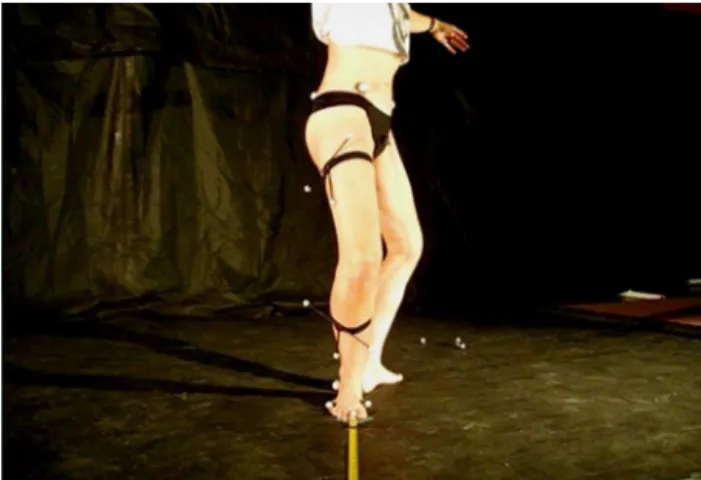
Figure1 ImagefromthevideocamerausedinMADAAMI
illus-tratingadancerperformingthepliéduringdataacquisition.
beusedbyphysiotherapistsandcliniciansasanevaluation tooltomonitortherehabilitationprocessof musculoskele-talinjuries causedbymisalignmentjoint(Hincapié etal., 2008;Barnesetal.,2000;Kadel,2006;Nilssonetal.,2001).
Materials
and
methods
DescriptionofMADAAMI
Thedynamicevaluationmethodoflowerlimbsjoint align-ment(MADAAMI)consistsof afilming(Fig.1)ofthelower limbsduringthepliéand ascoresheet(Appendix1).The filmingwasdone withavideo cameraplaced1.75m from thelineagainsttheheelofeachdancer,andonatripodto 47cmfromthefloor.Thispositionalignedwiththesecond toeoftherightfootatthestartingpositionofthesequence ofmovements(firstpositionofthefeetfromclassicalballet technique).Ametaltape-measurewasplacedonthefloor atthisfinger,aligningitwiththecenterofthetripod,which helpedwiththecentralizationofthecamera(Fig.1).The aimofthescoresheetistoevaluatefourtechnicalcriteria thatguidetheexecution oftheplié(HowseandHancock, 1992;Clippinger, 2007; Fitt, 1996):(1) maintainingpelvic stability,(2)neutralpositionofthepelvisalongthemove, (3)maintenanceof externalrotationof thehipjoints (en dehors),assessedbyalignmentofthekneejointwith ipsi-lateralsecondtoe,and(4)maintainingthesupportofthe longitudinalarchofthefootduringthemove.
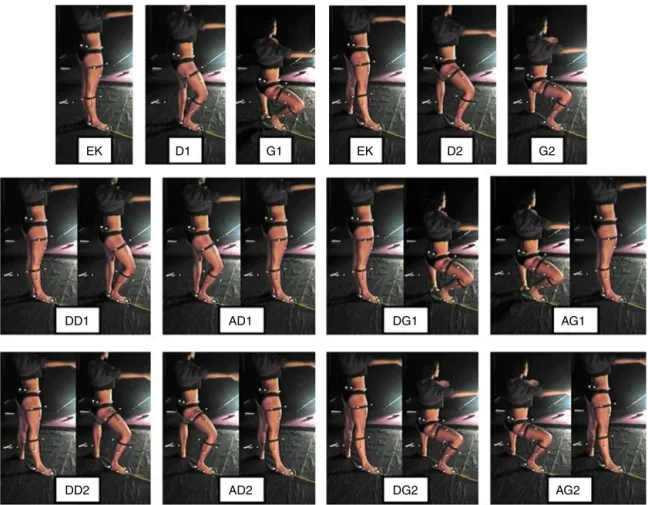
Thus,toevaluatethesefourtechnicalcriteria,thescore sheetshowsthescoringpliédidacticallydividedintothree phases(withkneesextended;duringdemiplié2;andduring
thegrand plié3),which were furthersubdivided intofour
stages of motion: static, during the descent; end of the
2Demiplié(‘‘semi flexion’’)is a flexionof theknees without liftingtheheelsoffthegroundto,approximately,halfofthetotal rangeofkneeflexion(Vaganova,1945;HowseandHancock,1992; Fitt,1996).
3Grandplié(‘‘largeflexions’’) is amaximum flexionof knees accompaniedbyheelrisingoffthegroundtoitsmaximumrange offlexioninallpositionsofthefeet,exceptinthesecondposition (Vaganova,1945;HowseandHancock,1992;Fitt,1996).
movement, and duringthe ascent (Fig.2). The execution of the plié used in the assessment protocol consists of MADAAMIdancer performingwas: twodemipliésandtwo grandpliéswiththefeetinfirstandsecondposition.4For
thisimplementation,only theleftlegis movedtochange a standingclassicalpositionof thefoot, thus keepingthe rightfootfixedtotheground.
TheratingsandtheirscoresinitiallyprovidedbyMAADAMI are ‘‘excellent’’, equivalentto 4 points; ‘‘good’’, equiv-alent to 3 points; ‘‘regular’’, equivalent to 2 points; ‘‘insufficient’’, equivalent to 1 point; pelvis positioning ‘‘retroverted’’or‘‘anteverted’’,equivalentto1pointeach, andlastly,inpositioningthepelvis‘‘neutral’’, correspond-ingto4points.
Contentvalidation
Twelve professionalexperts indanceandkinesiology,who hasexperienceinteachingandlearningclassicalballetfor at least 10 years, were asked toevaluate the content of MADAAMI.Theseevaluatorsreceivedfortheirconsideration, avideo demonstration ofadancer performinga sequence oftheplié,thescoresheetandaglossarysupplement con-tainingtheinstructionsforuseofMADAAMI.Wasaskedthe evaluators to: (1) fill out the MADAAMI score sheet from theirobservationof thevideo,and(2)answera question-naire that consisted of seven questions, each having as objectiveresponseoptions:‘‘verysuitable’’,‘‘suitable’’or ‘‘unsuitable’’. The questions were relatedto the ease of visualization of the stability and alignment of the dancer inthevideo, aswellasontheunderstanding ofthescore sheetandglossarysupplement.Beyondthesequestions,the evaluatorswereabletoaddsuggestionsandpropose modi-ficationstotheinstrumentinadescriptiveway.
Basedontheanswers,suggestionsandmodifications of the12evaluators,changesweremadeinboththeMADAAMI scoresheet,aswellasintheglossarysupplement.To com-pletetheprocessofcontentvalidation,theevaluatorswere askedtoratethenewscoresheetandthenewglossary,from theobservationofthesamevideo.Therefore,the evalua-torshadtocompleteasecondquestionnaire,withresponse options: ‘‘very suitable’’, ‘‘suitable’’ and ‘‘unsuitable’’, aboutthechangesmade.
Interandintra-raterreproducibility
TwentydancersfromthreeballetschoolsinPorto Alegre-RS-Brazil wereselectedintentionally.Inclusioncriteriawere: female,practiceballetregularlywithafrequencyofatleast twice a week during the data acquisition period,have at least 5 years of uninterruptedpractice of classical ballet
4Boththefirstandthesecondpositionsofthefeetis characte-rizedbythesearchofalignmentofthemedialedgesofbothfeet formingamaximumangleof180◦betweenthemandwiththeonly
EK
DD1
DD2 AD2 DG2 AG2
AD1 DG1 AG1
D1 G1 EK D2 G2
Figure2 Sequenceofthesteppliédidacticallydividedintothreephases:withkneesextended(EK);duringdemiplié(D1and
D2);andduringthegrandplié(G1andG2);andthefourstagesofmotion:static(bothEK);duringthedescent(DD1,DD2,DG1
andDG2);endofthemovement(D1,G1,D2andG2);andduringtheascent(AD1,AD2,AG1andAG2).
andnot showingany kind of injury duringcollection. The EthicsCommitteeof theFederal University of RioGrande doSul(UFRGS)approvedthisstudy(number46019).
At thisstage, threeresearchers(called Res1,Res2 and Res3), which were physiotherapists and practitioners of classical ballet for over 10 years without interruption, wereinvitedtoanalyzethecollected20videos.Thethree researchersindividually evaluatedthe videos onone day, without any contact between them and their responses were comparedto each other to verifyinter-rater repro-ducibilityofMADAAMI.Sevendayslater,theyreassessedall videosforverification,then theintra-raterreproducibility oftheinstrument,allowedforcomparisonoftheirresponses beforeandafterthisperiod(ThomasandNelson,2002).
ConcordancebetweenMADAAMIand3Dkinematic evaluation
Forthereliabilityanalysis,thesame20dancerswerealso subjectedtoa3Dkinematicevaluation,consistingofa sys-temwithfourdigitalvideocameras(JVCGR-DVL9800)with asamplingfrequencyof50Hz(50framespersecond).Each camerawasconnectedtoamicrocomputer,andconnected toeach other througha wirelessnetwork (Araújo, 2002). Furthermore, these four cameras simultaneously record-ingandsynchronizedwiththecamera,whichwasusedby
MAADAMI(SonyDSCH50),allowingthesubsequent compar-isonoftheresultsofbothevaluationmethods.
Specificanatomicpointsonthebodyofthedancerswere identifiedby22reflectiveballshapedmarkers(15---20mmin diameter),attachedwithdouble-sided tape.The protocol fortheplacementofreflectivemarkers,adapted fromWu etal.(2005),wasconductedbyateamoffourexperienced andtrained evaluators.The anatomical pointsof interest werechoseninordertoevaluateonlytherightlowerlimb (Fig.1),andamongthemtherightfemoraltrochanter,the rightposteriorsuperioriliacspinesandrightanterior supe-rior(PSISand ASIS), the leftanteriorsuperior iliac spine, thepubicsymphysis,therightanteriortibialtuberosity,the rightsfemoralcondyles(medialandlateral),thesecondtoe oftherightfoot,therightnavicularbone,themedialregion ofthe1stmetatarsophalangealjointandcalcaneusboneat right,thehumanrightsmalleolus(medialandlateral)and the lateral region of the 5th metatarsophalangeal joint and calcaneusbone at right. Two technical markers (one for the thigh and one for the tibia) were used in order toensurethekinematictrackingpointsduringmovement, movedbeneaththeskin,suchasthefemoralcondyles.
developedusingMATLAB®,whichprovidestabilityvaluesof
themiddle footstability andpelvic positioningand align-ment of the ipsilateralknee andfoot in accordance with thefollowing technicalcriteriaguide the implementation oftheplié:
Criterion 1 --- ‘‘Midfoot stability’’:we analyzed the vari-ationoftheheightofthemarkerpositionedontheright navicularbone totheground. Tosortthestabilizationof themidfootusedthefollowingparameters:(1)‘‘optimal stabilization’’---decreaseinheightofthenavicularbone, apartofmovingtoanother,lessthan0.7cm,(2)‘‘stable’’ --- down0.7---1.3cm,and(3)‘‘unstable’’---fallmorethan 1.3cm(Sabinoetal.,2012).
Criteria2and3--- ‘‘Positioningandpelvicstability’’:from theline drawnbyjoiningPSISandASIS,weanalyzedthe angle andangularvariationofthislinetothehorizontal. To sortthepositioningofthepelvis(criterion2)weused the following parameters:(1) ‘‘neutral’’ --- pelvicangles between 12◦
and 15◦
, (2) ‘‘retroversion’’ --- pelvic ang-lesbelow12◦,(3)‘‘anteversion’’---pelvicanglesgreater
than 15◦
.To ensurepelvicstability (criterion3)we used thefollowingparameters:(1)‘‘pelvicinstable’’---angular variationexceeding3◦fromonepartofthemovementto
the nextpart, and(2) ‘‘pelvisstable’’ --- variationangle ofat most3◦ fromonepartof themovementtoanother
(Achcar,1998;Vaganova,1945;HowseandHancock,1992; Clippinger, 2007; Fitt, 1996; Kapandji, 2000; Tribastone, 2001).
Criterion 4 --- ‘‘Alignment between knee and ipsilateral foot’’:(i)wedrewa straightlineconnectingthemarker placedonthesecondtoeoftherightfootwiththecenter point equidistantfromthemarkersplacedonthemedial andlateralregionsoftherightcalcaneus(representingthe straightlineofreferenceinthisfoot);(ii)wascalculated bythecenterpointofthekneebyobtainingthelocation ofthemarkersplacedequidistantfromthemedialand lat-eralfemoralcondyles(representingthekneecenter);and (iii)wasperformedtheprojectionofthekneecenteronthe groundsothat,fromthisprojection,throughoutthe execu-tionofthemovewecalculatedthedistancebetweenthis point andtheprojectedreferencestraight leg(assuming thatwhenthedistanceisequaltozero,wehaveaperfect alignmentbetweenboth).Tosortthealignmentbetween knee and foot ipsilateral we considered the following parameters:(1) knee‘‘aligned’’--- metricvariationfrom
−1to1cmdistancebetweentheprojectionofthecenter ofthekneeonthegroundandthereferencelineofthe ipsi-lateralfoot;(2)‘‘medialmisalignment’’---metricvariation lessthan−1cm;and(3)‘‘lateralmisalignment’’---metric variationexceeding 1cm (Achcar, 1998; Vaganova,1945; HowseandHancock,1992;Clippinger,2007;Fitt,1996). The results derived from quantitative analysis (3D kine-matic) were compared with the results obtained in the qualitative analysis (MADAAMI) from a single researcher drawn between the three participating ones in the previousstep.
Statisticaltreatment
Data were analyzed using software SPSS 18.0, adopt-ing the statistical significance level of p<0.05. For the
content analysis, objective responses (‘‘very suitable’’, ‘‘suitable’’and ‘‘unsuitable’’) fromthe 12 invited evalu-ators were coded and subjected todescriptive statistics, through the frequency table. To evaluate the MADAAMI inter and intra-rater reproducibility and to evaluate the concordanceofMADAAMIwithkinematicevaluationratings MADAAMI score sheet (‘‘excellent’’, ‘‘good’’, ‘‘regular’’ or ‘‘insufficient’’) were grouped into only two distinct groups: (1) ‘‘correct’’, correspondingtothe classification ‘‘excellent’’, and (2) ‘‘incorrect’’, corresponding to the threeotherclassifications.Similarly,thefourcriteriausedin quantitativeanalysisweregroupedintotwodistinctgroups: (1)‘‘correct’’,correspondingonlytothebestclassification, and (2) ‘‘incorrect’’, corresponding to the other classifi-cations. Thus, toevaluate the reliability of the MADAAMI with3D kinematic evaluation, weused thepercentage of agreement(C)andtheextentofCohen’sKappa(k).Kappa valueswereclassified as‘‘weak’’(k≤0.2), ‘‘reasonable’’ (k 0.21---0.4),‘‘moderate’’ (k0.41---0.6), ‘‘substantial’’ (k 0.61---0.8)and‘‘almostperfect’’(k≥0.81)(SimandWright, 2005).InthepresentstudyallKappavaluesgreaterthan0.4 wereclassifiedas‘‘satisfactory’’.
The final MADAAMI followed the classification criteria adaptedfromGrantandDavis(1997),Rubioetal.(2003)and
Noll(2012):(1)‘‘Accepted’’Criteria,ifallvaluesofKappa for inter and intra-rater reproducibility and the correla-tionbetweenMADAAMIratingsand3Dkinematicevaluation aregreaterthan0.4,andallpercentagesofagreementare greaterthan80%,(2)‘‘AcceptedwithExceptions’’Criteria (underthesameconditionsdescribed,itcanonlybeused bythesameexaminer),and(3)‘‘Rejected’’Criteriaforthe other valuesthatdonotfit inthetwoprevious classifica-tions.
Results
Thecontentvalidation,performedby12evaluators,initially presentedresultsthatindicatedtheneedofimprovements intheinstrument(Fig.3---1stquestionnaire),which,after implementation, presented all the responses classified as ‘‘very suitable’’ (Fig. 3 --- 2nd questionnaire). Given the favorable outcome of the applicability and relevance of theevaluativecomponents,theMADAAMIsubmittedcontent validity.
Twenty dancers with age of 26.6±8.3 years, 18.2±
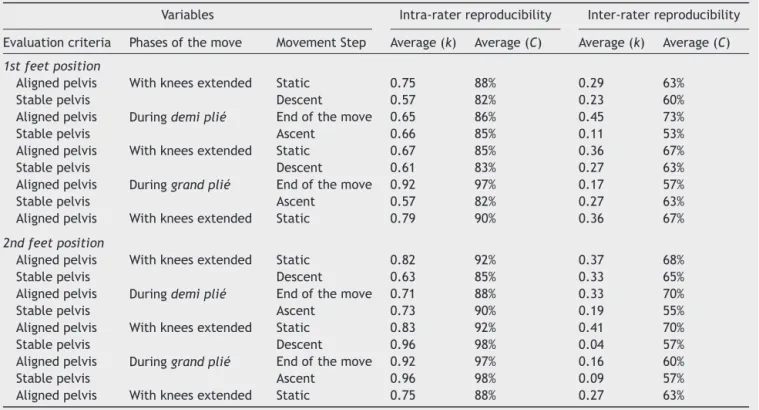
7.7 yearswhopracticeballet withaweekly frequency of 3.7±1.7 classes were evaluated to reproducibility tests. In general, the intra-rater reproducibility results showed that thehigherinter-rater for both thevaluesof C andk (Tables 1---3).Ofall theMADAAMIcriteria, onlythe‘‘knee aligned’’ in the first and second position of feet in all stagesofmotionandthe‘‘midfootstable’’onlyinthefirst positionoffeetinmove‘‘staticphasewithkneesextended’’ beforethe demiplié, wererated as‘‘Accepted’’,can be usedindependentlyoftheassessor.AllotherMADAAMI cri-teria, including the previous two were ‘‘Accepted with Exceptions’’ after checkingof the greats and satisfactory resultsofintra-raterreproducibility,demonstratingthatthe instrumentisvalidtobeusedbythesameevaluator.
0 2 4 6 8 10 12 14
Pelvic preview
Pelvic score on the spread sheet
Knee alignment
preview Knee alignment score on the spread sheet
Navicular preview
Navicular score on spread sheet
MADAAMI glossary suplement
Score of 3 joints on spread sheet
MADAAMI glossary suplement
Nu
mb
e
r of
exper
ts
Suitable Very suitable Unsuitable
1stquestionnaire 2nd questionnaire
Figure3 Frequencyoftheanswerfromthe12evaluators,referringtoboththe1stasthe2ndquestionnaireforvalidationof
contentMAADAMI.Caption: 1stquestionnaire:containsseven questionsabouttheeasyvisualizationoftechnical criteriainthe
videoandabouttheunderstandingofthescoresheetandtheMADAAMIglossary.2ndQuestionnaire:containstwofinalquestions
thatassesswhetherthemodificationssuggestedbyevaluatorsforthescoresheetandglossaryareappropriate.
ratedas‘‘AcceptedInstrumentwithExceptions’’to evalu-atethestabilization ofthemidfootduringallstepsofthe plié(Table4).
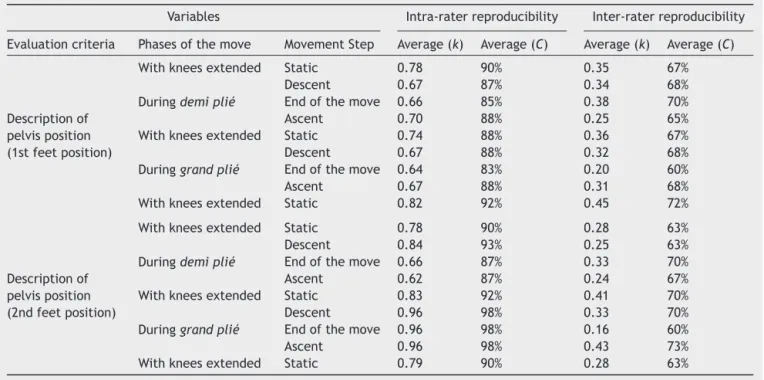
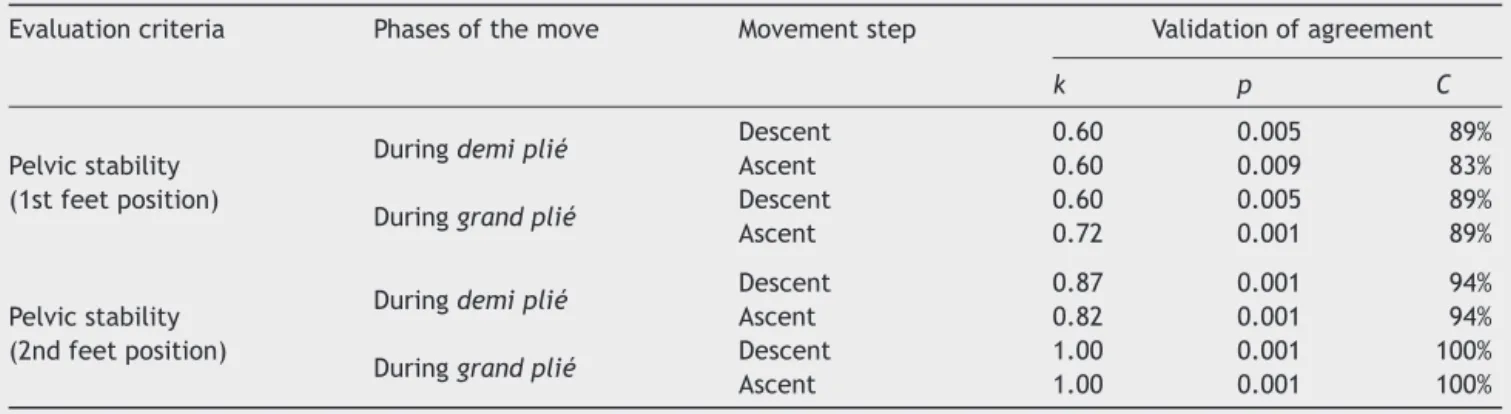
Theresultsconcerningthevalidationofagreementof cri-terion2(‘‘Pelvicpositioning’’)demonstratethatMADAAMI wasclassifiedas‘‘RejectedInstrument’’toreviewthis tech-nical criterion, called the score sheet as‘‘Description of pelvisposition’’in allpartsofthemove,both beforeand afterthe‘‘descent’’and‘‘ascent’’andintheendofdemi pliésandgrandplies(Table5).
Regardingthevalidationofagreementofthecriterion3 (‘‘Pelvicstability’’),theresultsshowthattheMADAAMIwas ratedas‘‘AcceptedInstrumentwithExceptions’’to evalu-atedynamicallypelvicstabilityatallphasesinwhichthere is movement the lowerlimbs, or in steps ‘‘descent’’and ‘‘ascent’’oftheplié(Table6).
Theresultsconcerningthevalidationofagreementofthe criterion4(‘‘Alignmentbetweenkneeandfootipsilateral’’) presentedinTable7,showthatMADAAMIwasclassifiedas ‘‘Acceptinstrument’’toassessthisalignmentinallphases
Table 1 Values ofKappa coefficient (k) andconcordance (C)for intra-rater reproducibility (average ofresults from the threeresearchers:Res1×Res1;Res2×Res2; Res3×Res3),andinter-raterreproducibility(averageoftheresultsofeachtwo researchers:Res1×Res2;Res1×Res3;Res2×Res3)oftheevaluativeMADAAMIcriteriaregardingalignmentandpelvicstability.
Variables Intra-raterreproducibility Inter-raterreproducibility
Evaluationcriteria Phasesofthemove MovementStep Average(k) Average(C) Average(k) Average(C)
1stfeetposition
Alignedpelvis Withkneesextended Static 0.75 88% 0.29 63% Stablepelvis
Duringdemiplié
Descent 0.57 82% 0.23 60%
Alignedpelvis Endofthemove 0.65 86% 0.45 73%
Stablepelvis Ascent 0.66 85% 0.11 53%
Alignedpelvis Withkneesextended Static 0.67 85% 0.36 67% Stablepelvis
Duringgrandplié
Descent 0.61 83% 0.27 63%
Alignedpelvis Endofthemove 0.92 97% 0.17 57%
Stablepelvis Ascent 0.57 82% 0.27 63%
Alignedpelvis Withkneesextended Static 0.79 90% 0.36 67%
2ndfeetposition
Alignedpelvis Withkneesextended Static 0.82 92% 0.37 68% Stablepelvis
Duringdemiplié
Descent 0.63 85% 0.33 65%
Alignedpelvis Endofthemove 0.71 88% 0.33 70%
Stablepelvis Ascent 0.73 90% 0.19 55%
Alignedpelvis Withkneesextended Static 0.83 92% 0.41 70% Stablepelvis
Duringgrandplié
Descent 0.96 98% 0.04 57%
Alignedpelvis Endofthemove 0.92 97% 0.16 60%
Stablepelvis Ascent 0.96 98% 0.09 57%
Alignedpelvis Withkneesextended Static 0.75 88% 0.27 63%
Table2 Values of Kappa coefficient (k)and concordance (C) for intra-rater reproducibility (average of results from the threeresearchers:Res1×Res1;Res2×Res2;Res3×Res3),andinter-raterreproducibility(averageoftheresultsofeachtwo researchers:Res1×Res2;Res1×Res3;Res2×Res3)oftheevaluativeMADAAMIcriteriaregardingalignmentbetweenkneeand foottomidfootstability.
Variables Intra-raterreproducibility Inter-raterreproducibility
Evaluationcriteria Phasesofthemove MovementStep Average(k) Average(C) Average(k) Average(C)
Kneealignedwith foot(1stfeet position)
Withkneesextended Static 1.00 100% 1.00 100%
Duringdemiplié
Descent 1.00 100% 1.00 100%
Endofthemove 1.00 100% 0.48 90%
Ascent 1.00 100% 1.00 100%
Withkneesextended Static 1.00 100% 1.00 100%
Duringgrandplié
Descent 1.00 100% 0.82 97%
Endofthemove 0.80 95% 0.49 81%
Ascent 1.00 100% 1.00 100%
Withkneesextended Static 1.00 100% 0.76 97%
Kneealignedwith foot(2ndfeet position)
Withkneesextended Static 1.00 100% 1.00 100%
Duringdemiplié
Descent 1.00 100% 0.58 93%
Endofthemove 0.89 97% 0.65 87%
Ascent 1.00 100% 0.76 97%
Withkneesextended Static 1.00 100% 1.00 100%
Duringgrandplié
Descent 1.00 100% 0.58 93%
Endofthemove 0.50 81% 0.46 83%
Ascent 1.00 100% 0.58 93%
Withkneesextended Static 1.00 100% 1.00 100%
Stablemidfoot (1stfeetposition)
Withkneesextended Static 1.00 100% 0.88 98%
Duringdemiplié
Descent 0.59 85% 0.21 57%
Endofthemove 0.61 85% 0.14 53%
Ascent 0.49 83% 0.21 60%
Withkneesextended Static 0.52 88% 0.07 73%
Duringgrandplié
Descent 0.78 90% 0.30 63%
Endofthemove 0.76 90% 0.19 57%
Ascent 0.47 80% 0.33 63%
Withkneesextended Static 0.88 98% 0.02 77%
Stablemidfoot (2ndfeetposition)
Withkneesextended Static 1.00 100% 0.34 83%
Duringdemiplié
Descent 0.68 90% 0.10 55%
Endofthemove 0.66 90% 0.08 63%
Ascent 0.61 87% 0.27 67%
Withkneesextended Static 0.75 95% 0.05 83%
Duringgrandplié
Descent 0.86 95% 0.17 57%
Endofthemove 0.79 92% 0.39 70%
Ascent 0.90 97% 0.24 60%
Withkneesextended Static 0.77 95% 0.37 87%
AllKappavaluesweresignificant(p<0.05).
ofthe plié, exceptthe staticsteps of themove in which thekneeswereextendedandnowtakingintoaccountthe resultsobtained satisfactoryreproducibility for bothintra andinter-rater.
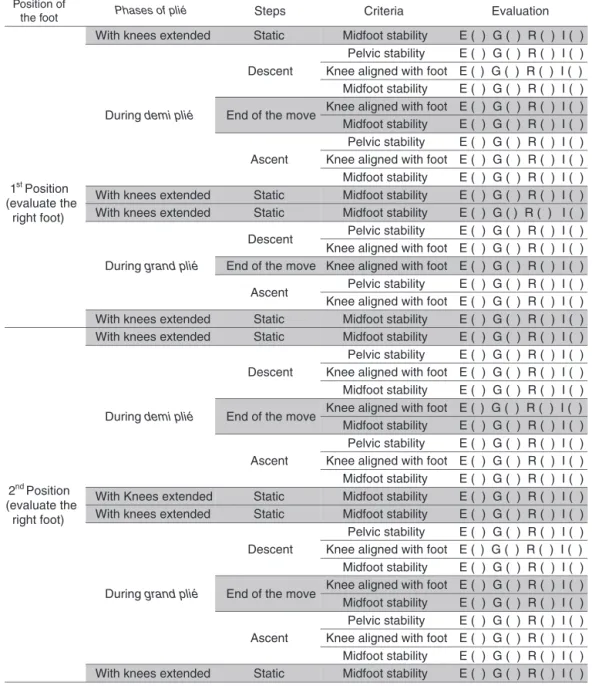
Given these results, the score sheet initially proposed (Appendix1)tovalidatetheMAADAMIneededtobe refor-mulated in order to display only the variables that had concordancebetweenthetwomethodsofassessmentand verificationofsatisfactoryresultsintherereproducibilityof theirtechnicalcriteria.Thus,inFig.4,wepresentthefinal versionoftheMAADAMIscoresheetindicatedtobeusedby thesameexaminerintheclinical,artisticorscientificway.
Discussion
The aimofthisstudywastopresent theresultsofallthe validationprocessesassociatedwiththedynamicevaluation methodoflowerlimbsjointalignment(MADAAMI)ofdancers duringtheexecutionoftheplié.Weshowedthatthe instru-ment is valid toevaluate all technicalcriteriathat guide thesuccessfulexecutionoftheplié,exceptforcriterion3, ‘‘Pelvicpositioning’’.
Table 3 Values ofKappa coefficient (k) andconcordance (C)for intra-rater reproducibility (average ofresults from the threeresearchers:Res1×Res1;Res2×Res2; Res3×Res3),andinter-raterreproducibility(averageoftheresultsofeachtwo researchers:Res1×Res2;Res1×Res3;Res2×Res3)oftheevaluativeMADAAMIcriteriaregarding‘‘DescriptionofPelvisPosition’’.
Variables Intra-raterreproducibility Inter-raterreproducibility
Evaluationcriteria Phasesofthemove MovementStep Average(k) Average(C) Average(k) Average(C)
Descriptionof pelvisposition (1stfeetposition)
Withkneesextended Static 0.78 90% 0.35 67%
Duringdemiplié
Descent 0.67 87% 0.34 68%
Endofthemove 0.66 85% 0.38 70%
Ascent 0.70 88% 0.25 65%
Withkneesextended Static 0.74 88% 0.36 67%
Duringgrandplié
Descent 0.67 88% 0.32 68%
Endofthemove 0.64 83% 0.20 60%
Ascent 0.67 88% 0.31 68%
Withkneesextended Static 0.82 92% 0.45 72%
Descriptionof pelvisposition (2ndfeetposition)
Withkneesextended Static 0.78 90% 0.28 63%
Duringdemiplié
Descent 0.84 93% 0.25 63%
Endofthemove 0.66 87% 0.33 70%
Ascent 0.62 87% 0.24 67%
Withkneesextended Static 0.83 92% 0.41 70%
Duringgrandplié
Descent 0.96 98% 0.33 70%
Endofthemove 0.96 98% 0.16 60%
Ascent 0.96 98% 0.43 73%
Withkneesextended Static 0.79 90% 0.28 63%
AllKappavaluesweresignificant(p<0.05).
importanceofthepliéinclassicaldance(Vaganova,1945; Gantz, 1989; Howse and Hancock, 1992), it is clearly a necessary tool that would also serve as the basis for the development of other studies that can expand on alternativesassessmentforthismove.Accordingtothe lit-erature,the plié,ifrepeatedincorrectly countless times, can result in several injuries of the lower limbs (Gantz, 1989; Bordier, 1975; Guimarães and Simas, 2001), and
thisjustifies the aim of this study, which wasto develop a tool capable of evaluating the plié methodologically. The MADAAMI is characterized as an instrument that can directly assist both dance teachers, in the development oftheirteaching---learning---traininginballetclassrooms,as well as other professionals involved in the well-being of dancers,includingphysiotherapists,physicaleducatorsand physicians. We understand the MADAAMI as an important
Table4 Resultsregardingtothe validationagreement ofthecriterion 1(‘‘Midfootstability’’)showing thepercentage of agreement(C),thevaluesoftheKappacoefficient(k)anditssignificancelevel(p)forallstepsoftheplié(n=20).
Evaluationcriteria Phasesofthemove Movementstep Validationofagreement
k p C
Midfootstability (1stfeetposition)
Withkneesextended Static 0.64 0.002 95%
Duringdemiplié
Descent 0.45 0.015 90%
Endofthemove 0.14 0.209 65%
Ascent 0.31 0.144 85%
Withkneesextended Static 0.64 0.002 95%
Withkneesextended Static 0.45 0.015 90%
Midfootstability (2ndfeetposition)
Withkneesextended Static 1.00 0.001 90%
Duringdemiplié
Descent 0.64 0.002 95%
Endofthemove 0.45 0.015 90%
Ascent 0.64 0.002 95%
Withkneesextended Static 0.64 0.002 95%
Duringgrandplié
Descent 0.44 0.047 90%
Endofthemove 0.64 0.002 95%
Ascent 0.46 0.002 90%
Table5 Resultsregardingtothevalidationagreementofthecriterion2(‘‘Pelvicpositioning’’),showingthepercentageof agreement(C),thevaluesoftheKappacoefficient(k)anditssignificancelevel(p)forallstepsoftheplié(n=18).
Evaluationcriteria Phasesofthemove Movementstep Validationofagreement
k p C
Descriptionof pelvisposition (1stfeetposition)
Withkneesextended Static 0.22 0.949 61%
Duringdemiplié Endofthemove 0.50 0.019 78%
Withkneesextended Static 0.22 0.343 61%
Duringgrandplié Endofthemove 0.30 0.060 72%
Withkneesextended Static 0.34 0.138 67%
Descriptionof pelvisposition (2ndfeetposition)
Withkneesextended Static 0.24 0.280 61%
Duringdemiplié Endofthemove 0.04 0.822 61%
Withkneesextended Static 0.34 0.138 67%
Duringgrandplié Endofthemove 0.15 0.436 67%
Withkneesextended Static 0.34 0.138 67%
Table6 Resultsregarding tothe validation agreement ofthe criterion3 (‘‘Pelvic stability’’),showing the percentageof agreement(C),thevaluesoftheKappacoefficient(k)anditssignificancelevel(p)forallstepsoftheplié(n=18).
Evaluationcriteria Phasesofthemove Movementstep Validationofagreement
k p C
Pelvicstability (1stfeetposition)
Duringdemiplié DescentAscent 0.600.60 0.0050.009 89%83%
Duringgrandplié Descent 0.60 0.005 89%
Ascent 0.72 0.001 89%
Pelvicstability (2ndfeetposition)
Duringdemiplié DescentAscent 0.870.82 0.0010.001 94%94%
Duringgrandplié DescentAscent 1.001.00 0.0010.001 100%100%
interdisciplinaryinstrument,abletobeusedinboth rehabil-itationandpreventionofinjuriesassociatedwithincorrect performanceof plié(Hincapié etal.,2008; Barnesetal., 2000; Kadel, 2006; Nilsson et al., 2001). Therefore, the
MADAAMI canbe usedby severalhealth professionals and danceteacherswhichareinterestedinanalyzingthemotion of plié and its negative effect on the body when poorly executed.
Table7 Resultsregardingtothevalidationagreementofthecriterion4(‘‘Alignmentbetweenkneeandfootipsilateral’’), showingthepercentageofagreement(C),thevaluesoftheKappacoefficient(k)anditssignificancelevel(p)forallstepsof theplié(n=13).
Evaluationcriteria Phasesofthemove Movementstep Validationofagreement
k p C
Kneealignedwithfoot (1stfeetposition)
Duringdemiplié
Descent 0.62 0.010 92%
Endofthemove 1.00 0.001 100%
Ascent 0.62 0.010 92%
Duringgrandplié
Descent 1.00 0.001 100%
Endofthemove 1.00 0.001 100%
Ascent 1.00 0.001 100%
Kneealignedwithfoot (2ndfeetposition)
Duringdemiplié
Descent 0.62 0.010 92%
Endofthemove 0.43 0.050 85%
Ascent 0.62 0.010 92%
Duringgrandplié
Descent 1.00 0.001 100%
Endofthemove 0.56 0.040 85%
Steps Criteria Evaluation
1stPosition
(evaluate the right foot)
With knees extended Static Midfoot stability E ( ) G ( ) R ( ) I ( )
During demi plié
Descent
Pelvic stability E ( ) G ( ) R ( ) I ( ) Knee aligned with foot E ( ) G ( ) R ( ) I ( ) Midfoot stability E ( ) G ( ) R ( ) I ( )
End of the move Knee aligned with foot E ( ) G ( ) R ( ) I ( ) Midfoot stability E ( ) G ( ) R ( ) I ( )
Ascent
Pelvic stability E ( ) G ( ) R ( ) I ( ) Knee aligned with foot E ( ) G ( ) R ( ) I ( ) Midfoot stability E ( ) G ( ) R ( ) I ( )
With knees extended Static Midfoot stability E ( ) G ( ) R ( ) I ( )
With knees extended Static Midfoot stability E ( ) G ( ) R ( ) I ( )
During grand plié
Descent Pelvic stability E ( ) G ( ) R ( ) I ( )
Knee aligned with foot E ( ) G ( ) R ( ) I ( ) End of the move Knee aligned with foot E ( ) G ( ) R ( ) I ( )
Ascent Pelvic stability E ( ) G ( ) R ( ) I ( )
Knee aligned with foot E ( ) G ( ) R ( ) I ( )
With knees extended Static Midfoot stability E ( ) G ( ) R ( ) I ( )
2ndPosition
(evaluate the right foot)
With knees extended Static Midfoot stability E ( ) G ( ) R ( ) I ( )
During demi plié
Descent
Pelvic stability E ( ) G ( ) R ( ) I ( ) Knee aligned with foot E ( ) G ( ) R ( ) I ( ) Midfoot stability E ( ) G ( ) R ( ) I ( )
End of the move Knee aligned with foot E ( ) G ( ) R ( ) I ( ) Midfoot stability E ( ) G ( ) R ( ) I ( )
Ascent
Pelvic stability E ( ) G ( ) R ( ) I ( ) Knee aligned with foot E ( ) G ( ) R ( ) I ( ) Midfoot stability E ( ) G ( ) R ( ) I ( )
WithKnees extended Static Midfoot stability E ( ) G ( ) R ( ) I ( )
With knees extended Static Midfoot stability E ( ) G ( ) R ( ) I ( )
During grand plié
Descent
Pelvic stability E ( ) G ( ) R ( ) I ( ) Knee aligned with foot E ( ) G ( ) R ( ) I ( ) Midfoot stability E ( ) G ( ) R ( ) I ( )
End of the move Knee aligned with foot E ( ) G ( ) R ( ) I ( ) Midfoot stability E ( ) G ( ) R ( ) I ( )
Ascent
Pelvic stability E ( ) G ( ) R ( ) I ( ) Knee aligned with foot E ( ) G ( ) R ( ) I ( ) Midfoot stability E ( ) G ( ) R ( ) I ( )
With knees extended Static Midfoot stability E ( ) G ( ) R ( ) I ( )
Position of
the foot Phases of plié
Figure4 MADAAMIscoresheetinitsfinalversionaftervalidationproceduresofagreementandevaluationofintraandinter-rater reproducibility.Caption:E,excellent;G,good;R,regular;I,insufficient.
Itshouldbenotedthatinthepresentstudy,itwas occa-sionallynotpossibletocompareMADAAMIand3Dkinematic evaluation, with regardsto the assessment of criterion 1 (‘‘Midfootstability’’)instepsof‘‘descent’’,‘‘ascent’’and ‘‘endof themove’’ motionphase‘‘Duringgrand plié’’in thefirstpositionofthefeet(Table3).Weknowthat, tech-nically,duringthesestepsofthepliéthereislossofcontact between the heels and the ground (Vaganova, 1945). So, giventhefactthattherewerenoreferencesinthe litera-turetonumericaltechniquesthatrepresentsan instability ofthemidfootwhenitisnotincontactwiththeground,it wasnotpossibleforustodefinethekinematicparameters thatwouldbeabletoverifythis.
Furthermore,it isimportanttohighlight thatMADAAMI havebeenclassifiedasa‘‘RejectedInstrument’’toassess thecriterion‘‘PelvicPositioning’’staticatallphases,both beforeandafterthe‘‘descent’’and‘‘ascent’’attheend
ofdemipliésandgrandpliés(Table5).Itisspeculatedthat thenon-complianceofthedataobtainedbybothmethods underliesthedifficultiesthatthehumaneyehasto evalu-atethepositioningofthepelvisaccurately,withrespectto theclassificationofthispositionangles.Thisisbecausethe pelvicangle variationisverylow,only3◦ (Kapandji,2000; Tribastone,2001) which without the aid of specific tech-nology,preventsthehumaneye,eveniftrained,tocheck theangles correspondingtothe pelvisratings ‘‘neutral’’, ‘‘retroversion’’ or ‘‘anteversion’’. Thus, based on prede-finedcriteriainthisstudy,MADAAMIissuitableforevaluating alignmentofthepelvicpositioningonlyinthedynamicsteps ofthe plié. Therefore,it is suitable for evaluatingpelvic stabilityonly.
stepsinwhich theknees wereextended (Table7).This is likelyduetoalimitationinthemethodologyofthisstudy: positionsthatallowreferenceinmathematicalroutinesto identifyinternalandorexternalrotationofthefemur rela-tivetotheexternalrotationofthetibia,werenotcollected. Incontrast,thehumaneyewasabletoidentifytheposition ofthepatellainrelationtothesecondtoeipsilateralwhen thekneesremainedextended.
It is believed that assessment of the four techni-cal criteria that guide the successful execution of plié in classical ballet (Vaganova, 1945; Howse and Hancock, 1992; Clippinger, 2007; Fitt, 1996) enables dance teach-ers to track and assess whether their students are followingthesecriteriaorperformingcompensatory move-ments predictive of musculoskeletal injuries during the teaching---learning---training process. Whereas the imple-mentation of these compensatory movements such as misalignmentbetweenthekneesandthefeet,holding insuf-ficient external rotation of hip (en dehors) accompanied bycompensatorytibialexternaltorsion,footpronationand eversion to reach 180◦ maximum en dehors, appears in
parallel withan increase in injuries in joints and regions that comprise the lower limbs (Wohlfahrt and Bullock, 1982; Gantz, 1989; Bordier, 1975; Kushner et al., 1990; Hincapié et al., 2008; Barnes et al., 2000; Kadel, 2006; Nilsson et al., 2001). This highlights the importance of a simple method, easy to use, valid, reproducible and abletoassessmethodicallyandspecificallyeachandevery stepofthe move advocated bythe techniqueof classical ballet.
Golomer andFéry (2001) claimthatinjuries caused by thepractice of classical balletare relatedto the techni-cal guidance given during the teaching---learning---training process,whichmustrely,indispensably,tofixthe compensa-tionsdescribedabove.Theauthorsstatedfurtherthatthe practiceof this type of dance, even ifbased on physical andbiomechanicalscientificallycorrectfoundations,ifnot welltargetedandexecuted,canbecomeacauseof inconve-niencetothegoodimplementation,performanceandeven thehealthofpractitioners.Itisofgreatimportanceto mon-itor,evaluateandtocontinuallyreassessthewayinwhich thepliéisimplemented,regardlessofthetechnicallevelof thedancers,becausethebestwaytopreventchangesand injuriesistomaintain‘‘puretechnique’’withthenecessary intelligencethatallowsittoadapttoanatomicaland physi-ologicalpeculiaritiesofeachdancer(notthereverse)(Pozo Municio,1993).
WethereforeconcludethattheMADAAMI,which consti-tutesa checklist to the dance area,is a new assessment tool that allows for the identification and monitoring of individualizedtechnicalexecution of the plié, being suit-ablefor usebythe sameexaminer. Someof thepractical applications of MADAAMI include its use in the detec-tion of levels of proficiency of classical ballet by dance teachers, and as an evaluation instrument for diagnos-tic of joint misalignments and monitor the rehabilitation process of musculoskeletal injuries by healthcare pro-fessionals. Thus, we believe that the MADAAMI is an interdisciplinarytoolwitheasyanddirectlanguage,which besides being used in teaching---learning---training process can also be used in primary care and rehabilitation of dancers.
Funding
ThisstudywasfundedbyCAPES(graduatestudentstipend mode).
Conflicts
of
interest
Theauthorsdeclarenoconflictsofinterest.
Appendix
A.
Supplementary
data
Supplementary data associated with this article can be found, in the online version, at doi:10.1016/j.rbce. 2016.02.016.
References
AchcarD.Balé:umaarte.RiodeJaneiro:EditoraEdiouro;1998. AraújoAGN.[Dissertac¸ão(MestradoemBiomecânica)]Proposic¸ãoe
avaliac¸ãodeummodeloderepresentac¸ãodosmembros supe-rioreseescápulasduranteamarcha[Dissertac¸ão(Mestradoem Biomecânica)].Campinas:FaculdadedeEducac¸ãoFísica, Uni-versidadeEstadualdeCampinas;2002,68pp.
Barnes MA, Krasnow D, Tupling SJ,Thomas M. Rotation in clas-sical dancers during the grand plié. Med Probl Perform Art 2000;15:140---7.
BordierG.Anatomieappliquéeàladanse:lecorpshumain, instru-mentdeladanse.Paris:Amphora;1975.
ClippingerK.Danceanatomyandkinesiology.UnitesStatesof Amer-ica:HumanKinetics;2007.
Collet C,Nascimento JV, Ramos V,Stefanello JMF.Construc¸ãoe validac¸ãodoinstrumentodeavaliac¸ãododesempenho técnico-tático no voleibol. RevBras Cineantropom Desempenho Hum 2011;13:43---51.
FigueroaPJ,LeiteNJ,BarrosRML.Aflexiblesoftwarefor track-ingofmarkersusedinhumanmotionanalysis.ComputMethods ProgramsBiomed2003;72:155---65.
Fitt SS. Dance kinesiology. 2nd ed. Unites States of America: SchirmerBooks;1996.
GantzJ.Evaluationoffaultydancetechniquepatterns:aworking model.KinesiolMedDance1989;12:3---11.
GolomerE,FéryYA.Unilateraljumpbehaviorinyoungprofessional femaleballetdancers.IntJNeurosci2001;110:1---7,London. GomesFRF,MeiraJrCM,BassiFM,HayashidaJrCR,TaniG.Golpe
dejudôo sotogari:validac¸ãodelistadechecagem.RevBras CiêncMov2009;17:1---9.
GrantJ,DavisL.Selectionanduseofcontentexpertsforinstrument development.ResNursHealth1997;20:269---74,NewYork. GuimarãesACA,SimasJPN.Lesõesnoballetclássico.RevEducFís
2001;12:89---96.
HincapiéCA,MortonEJ, CassidyJD.Musculoskeletalinjuriesand pain indancers: a systematicreview. Arch Phys MedRehabil 2008;89,1819---1829.e6.
HowseAJG,HancockSH.Dancetechniqueand injuryprevention. London:A&CBlack(Publishers)Limited;1992.
KadelNJ.Footandankleinjuriesindance.PhysMedRehabilClinN Am2006;17:813---26.
KapandjiAI.Fisiologiaarticular.Colunavertebral.5thed.SãoPaulo: Panamericana;2000.
Kushner S,SaboeL, ReidD,PenroseT,Grace M.Relationship of turnouttohipabductioninprofessionalballetdancers.AmJ SportsMed1990;18:286---91.
Nilsson CC, Leanderson J, Wykman A, Strender LE. The injury panoramainaSwedishprofessionalballetcompany.KneeSurg SportsTraumatolArthrosc2001;9:242---6.
Noll M. [Dissertac¸ão (Mestrado em Ciências do Movimento Humano)] Desenvolvimento de um circuito de avaliac¸ão da postura dinâmica das atividades de vida diária de escolares [Dissertac¸ão(Mestrado em Ciênciasdo Movimento Humano)]. Porto Alegre: Universidade Federal do Rio Grande do Sul; 2012.
PozoMunicioMC.Balletclásico:el‘‘endehors’’.RevEspMedEduc FísDeporte1993;2:161---70.
RubioDM, Berg-WegerM, TebbSS, LeeS, Rauch S. Objectifying contentvalidity:conductingacontent validitystudyinsocial workresearch.SocWorkRes2003;27:94---104.
SabinoGS,RochaIC,GuimarãesCQ,AlcântaraMA,FelícioDC. Reli-abilityanalysisoftheclinicalapplicationofthenaviculardrop test.RevFisioterMov2012;25:301---9.
Sim J, Wright CC. The Kappa statistic in reliability studies: use, interpretation,and samplesize requirements.Phys Ther 2005;85:257---68.
ThomasJR,NelsonJK. Métodosdepesquisaem atividadefísica. PortoAlegre:Artmed;2002.
Tribastone F. Tratado de exercícios corretivos aplicados à reeducac¸ãomotorapostural.RiodeJaneiro:Manole;2001. VaganovaA.Lasbasesdeladanzaclásica.BuenosAires:Ediciones
Centurión;1945.
WohlfahrtDA,BullockMI.Turnoutinballetanditseffectonthe kneejoints.ProceedingsoftheVIIcommonwealthand interna-tionalconferenceonsport,physicaleducation,recreationand dance.PhysiotherSport1982;3:71---81.