Role of Prognostics in Support of Integrated Risk-based Engineering
in Nuclear Power Plant Safety
P.V. Varde1,2 and Michael G. Pecht1
1
Center for Life Cycle Engineering
University of Maryland, College Park, MD, USA, 20742
2
Life Cycle Reliability Engineering Lab Safety Evaluation and MTD Section Research Reactor Services Division
Bhabha Atomic Research Centre, Mumbai, India 400 085 [email protected]
ABSTRACT
There is a growing trend in applying a prognostics and health management approach to engineering systems in general and space and aviation systems in particular. This paper reviews the role of prognostics and health management approach in support of integrated risk-based applications to nuclear power plants, like risk-based in-service inspection, technical specification optimization, maintenance optimization, etc. The review involves a survey of the state-of-art technologies in prognostics and health management and an exploration of its role in support of integrated risk-based engineering and how the technology can be adopted to realize enhanced safety and operational performance. An integrated risk-based engineering framework for nuclear power plants has been proposed, where probabilistic risk assessment plays the role of identification, prioritization and optimization of systems, structures, and components, while deterministic assessment is performed using a prognostics and health management approach. Keeping in view the requirements of structural reliability assessment, the paper also proposes essential features of a ‘Mechanics-of-Failure’ approach in support of integrated risk-based engineering. The performance criteria used in prognostics and health management has been adopted to meet requirements of risk-based applications.
1.INTRODUCTION
Nuclear power, with over 430 nuclear power plants (NPPs) operating around the world, is the source of about 17% of
the world’s electricity. The nuclear industry has arrived at a
point where it is dealing with two major issues. First, addressing life extension for legacy units while complying with present day safety regulations. Second, designing new systems with enhanced safety features so that the core
damage frequency meets the target of 10-6 failures per reactor years or less. The literature available suggests an increasing role for a risk-based (RB) / risk-informed (RI) approach to the design, operation, and regulation of nuclear power plants in order to improve safety (IAEA, 2010; IAEA, 1993, 2010; Kadak and Matsuo, 2007). Even though the risk-based / risk informed applications are growing for many engineering systems, like process or chemical plants, aviation systems and many societal applications, the applications to NPPs have inherent / specific aspects that need to be addressed. These requirements are implemented by employing a defense-in-depth approach through a) Efficient and fast acting mechanisms to address dynamics of nuclear reactions, b) highly reliable and effective cooling systems to remove the decay heat, c) maintenance containments by series of barriers to contain source of radioactivity, c) maintenance of emergency measures in general and long terms consequences. Level 1 Probabilistic Safety Assessment (PSA) models allow development an integrated model of the plant that enables assessment of core damage frequency, i.e. statement of safety. These PSA models are employed to develop risk-based applications for nuclear power plants. The prognostics approach requires development of models and methods for irradiation induced degradation. Apart from this the aspects related to accessibility to reactor core components is a special issue that needs to be addressed while developing applications of prognostics as part of a risk-based / informed approach to NPPs.
However, the major limitations in the risk-based approach in its present form are a) it is not capable of handling dynamic scenarios, e.g. fault trees and event trees are static in nature, b) uncertainty in prediction of life and reliability of components and systems, c) no well defined framework in monitoring / tracking the performance of the system and d) no mechanism to generate input for dynamic PSA models. The prognostic approach is promising to overcome or reduce the above limitations. Since, the prognostic framework envisages on-line monitoring of precursor and _____________________
INTERNATIONAL JOURNAL OF PROGNOSTICS AND HEALTH MANAGEMENT
feature extraction towards predicting degradation trend and the life of the component. This feature enables application of dynamic PSA while reducing uncertainty in life or reliability prediction as the predictions are based on real-time operational and environmental stresses. The failure mode, effect and criticality analysis performed as part of a prognostic approach provides an effective framework to monitor the precursor parameters. The predictions, so performed provide required input to dynamic PSA models and updates of the risk models in real-time. This paper presents a role for prognostics - a relatively new paradigm, as part of risk-based approach to extend the present activities of monitoring, surveillance, in-service inspection, and maintenance from the periodic to condition-based through the application of prognostics methods.
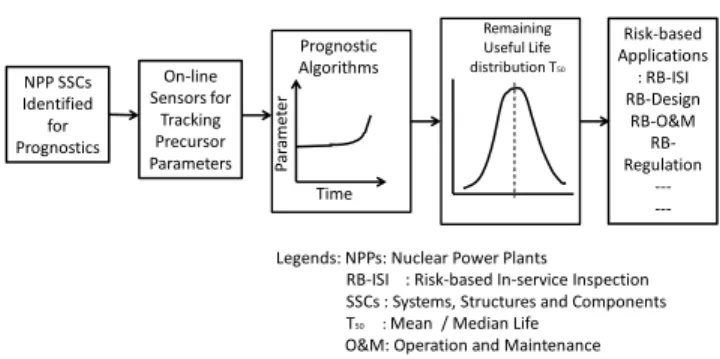
The major elements of prognostics are online monitoring of precursor parameters and the detection of deviation from the reference conditions using prognostic algorithms (Pecht, 2008). Here, the evaluation of remaining useful life (RUL) for the monitored component or system and the use of insights from this evaluation is a crucial part of risk-based / risk informed applications (Coble and Hines, 2010). Figure 1 shows the major steps in prognostics as part of integrated risk-based engineering (IRBE) applications. The main aim here is to monitor the degradation in a dynamic manner and enable prediction of the failure well in advance so that failure can be avoided altogether or advance action can be taken to repair or mitigate the consequences associated with the failure.
Traditionally, the nuclear industry has employed online status monitoring of safety and process parameters so that any deviation from the reference operating conditions can be detected in time and, if necessary, automatic safety actions can be initiated. Also, there exist various levels of defense in the form of alternate provisions that provide coping time for systems and equipment should the preceding level of defense fail.
However, there is a need to predict the life and reliability of each level of defense in order to enhance the safety of a plant. The prognostic approach facilitates the health management of systems and components based on the remaining life prediction of components. Even though in the current generation of plants, prognostic principles are used in the form of qualitative reliability and life attributes, the full potential of prognostics has yet to be realized through the formal implementation of a prognostics-based health management program.
The available literature shows that the role of prognostics is growing in many fields of components and systems where safety forms the bottom line, such as in aerospace (Wheeler, Kurtpglu and Poll, 2010), electronics systems (Kalgren et.al.2010; Bhambra, J.K, 2000; Mishra et. al., 2004)), telecommunications, and structural systems (Guan, Liu, Jha, Saxena, Celaya, and Geobel, 2011).
NPP SSCs Identified for Prognostics
On-line Sensors for
Tracking Precursor Parameters
Prognostic Algorithms
P
a
ra
m
e
te
r
Time
Remaining Useful Life distribution T50
Risk-based Applications : RB-ISI RB-Design
RB-O&M RB-Regulation
---Legends: NPPs: Nuclear Power Plants RB-ISI : Risk-based In-service Inspection SSCs : Systems, Structures and Components T50 : Mean / Median Life
O&M: Operation and Maintenance
Figure 1. Simplified representation of prognostics as part of integrated risk-based application.
INTERNATIONAL JOURNAL OF PROGNOSTICS AND HEALTH MANAGEMENT
channel in the existing fleet of Pressurized Heavy Water Reactors. Periodic inspection, installation of coupons (e.g. to assess corrosion of sub-soil piping) may also provide effective approach in the absence of on-line monitoring for existing plants.
This paper presents a review of the current approaches to monitoring and surveillance. We assess the prognostic requirements as a part of an integrated risk-based approach for old and new NPPs. Even though the implementation of prognostics varies depending on the type of components and the objective of prognostic applications, this paper emphasizes proposing a general framework that addresses the basic or broader aspects of various applications. The prognostic performance metrics and other related issues that are relevant to NPPs are also discussed.
2. SURVEILLANCE AND CONDITION MONITORING IN
NUCLEAR PLANTS:ABRIEF OVERVIEW
The design safety philosophy for nuclear plants requires the implementation of defense-in-depth, fail-safe criteria: the design is fault-tolerant to the extent that a single failure event will not adversely affect plant safety. The selection of online process parameters and associated limiting condition settings ensure the monitoring of all postulated conditions and the taking of timely action such that safety is not compromised. Most of NPPs operating world over belong to first- and second-generation systems. Based on the accumulated operating time logged by the operating NPPs, the average life of the NPPs works out to be over 20 years (Bond, Doctor and Taylor, 2008; Bond, Tom, Steven, Doctor, Amy, Hull, Shah, and Malik, 2008). In general, NPPs have a design life of more than 40 years. The evidence of aging may manifest in many ways, like frequent failure of components in process and safety systems and subsequent interruption of plant operation, overall reduction in plant availability, adverse impact on available redundancy or safety margin in safety systems, etc. (IAEA, 1995; IAEA, 2009b). With effective inspection and maintenance practices, degradation due to age can be managed and operational life can be extended. For over 30 years the United States (U.S.) nuclear power industry and the U.S. Nuclear Regulatory Commission (USNRC) have worked together to develop aging management programs that ensure the plants can be operated safely well beyond their original design life (Gregor and Chokie, 2006). Third generation plant designs are characterized by the use of inherent safety features such as negative void coefficient of reactivity, incorporation of passive features, the shift from analogue to digital plant protection systems, and added redundancy from of-3 in second generation to 2-out-of-4 trains and channels (including the control and protection system and improved accident management features in containment). Application of the leak-before-break concept in design and operation has been associated
with new plants. Apart from this, condition monitoring using vibration signatures, current signatures, insulation resistance assessments, temperature trends, acoustic signatures and other process parameter variations forms part of diagnostics and in a limited way prognostics assessment of the third generation plants components and systems. Some examples of condition monitoring include assessment of the health of the fuel by online monitoring of radiation level, assessment of rotating machine mechanical bearing condition based on online or off-line measurement of vibration and temperature, current signature analysis to assess the health of induction motors, electromagnetic interference mapping to assess the effect of magnetic field, pump shaft performance monitoring using eddy current technique, exhaust air temperature and smoke quality monitoring to assess health of the diesel generators, and oil sample analysis for foreign material to assess degradation and wearout of mechanical parts.
There are also examples of built-in-test (BIT) facilities for online diagnostics in systems and control systems. For safety channels, the protection channel will be activated only when there is demand. In these types of systems, the latent fault remains passive and reveals itself only when a channel is required to be activated. For such cases periodic testing is conducted to reveal a passive fault so that a system is available when there is an actual demand. However, the test interval determines system availability. The safety objective requires that the channel should be tested as frequently as possible to ensure the maximum availability of the channel. For a protection channel this testing is conducted by incorporating a fine impulse test (FIT) feature. An FIT module sends an electrical pulse of very short duration of around ~2 milliseconds. This duration is long enough to test electronic cards but short enough to not activate an actuation device, such as an electro-magnetic relay as actuation of a 48 VDC relay requires a signal that prevails at least for ~ 40 milliseconds.
From the structural health monitoring point of view, annulus gas monitoring, where CO2 gas is passed between an
annular gap between the pressure tube and a calandria tube, is a good example of condition monitoring (IAEA, 1998; Baskaran, 2000). The dew point of the CO2 is monitored at
Component / System type (Representative items)
M OFL
ISI
OFL CM
OFL D
OFL P
ONL D
ONL P
Remarks /
(references)
a) Reactor Structure: Reactor Pressure Vessel, Coolant Channels,
Reactor block, Reactor vault and its lining, Shielding structures, Steam Generator, and associated fittings and penetration and nozzles, and, Ventilation plenum and ducts etc.
*** **** *** *** **** *** ** The life prediction for Candu / PHWRs) coolant channels (pressure tube; IAEA, 1998; Dharmaraju, 2008; Chatterjee, 2012)
b) Non-Reactor Structure: Containment and civil structures, Fuel
Transfer and Storage block, Overhead tanks and reservoirs, Airlocks, Structural support, RB Dampers, Bridges and jetties, guide and supportetc
**** **** **** *** *** *** ** Structural health
prediction in R&D stages.(Andonov, 2011; Coble, 2012),
c) Mechanical Components: Pumps & Turbines, Piping, Valves,
Heat Exchangers (Shell and Tube and plate type, Fueling Machine, Fans and Dampers, Hydraulic drives and systems, Strainers and Filters, Bearings, Diesel Generators, Compressors, Cranes, Travelling water screens, etc
**** **** **** **** ** *** *** State of the art is available on on-line diagnostics. Prognostics in R&D stages, (Heng A, 2009; Samal, 2010; Coble, 2012)
d) Electrical Power System: Electrical buses and cables, HV
Transformers, Motors, Breakers and Isolators, Power Relays, Motor Generator / alternator Sets, Battery banks etc.
**** *** *** *** *** ** ** CM for rotating machines. (Heng, 2009)
e) Power Electronics systems: Un-interrupted Power Supplies,
Convertors, Invertors and rectifiers etc.
*** ** ** ** ** ** * R&D work on Capacitor,
IGBT reported. (Yin, 2008; Smith, 2009; Ye, et.al., 2006)
f) Micro-electronic Systems: Digital Cards, ICs, PLCs and FPGAs,
interconnects and Control Cables, Control Connectors etc.
**** *** **** *** ** **** ** Prognostics in R&D stages (Pecht, 2008)
g) Process Instrumentation: Electrical and Pneumatic transmitters,
Level, Pressure and Flow gauges, RTDs and Thermocouples, Impulse tubing, Control Valve telemetry, Solenoids, pH, Conductivity meters.
**** **** **** *** ** **** ** Smart sensors and periodic calibrations, (Hashemian, IAEA-CN-164-7S05)
h) Nuclear instruments: Fission Counters, Ion Chambers, etc. **** **** **** *** ** **** ** Often saturation
characteristics indicate reaming useful life. Note: The characterization of the metrics has been done considering the ‘representative items’ identified in column with ‘bold and italics’.
Legends: M: Monitoring; CM: Condition Monitoring, D: Diagnostics; P: Prognosis; OFL: Off-line; ONL: Online; ISI: In-service-Inspection;
‘****’: Technology Available for NPPs; ‘***’ : Technology Available further qualifications are required for specific applications;
‘**’: Technology in R&D domain, feasibility demonstrated; ‘*’ : Work initiated; x : No work reported in literature. IMPORTANT: The items shown in table provide an overview and do not claim, in any way, to provide specifics/guidelines.
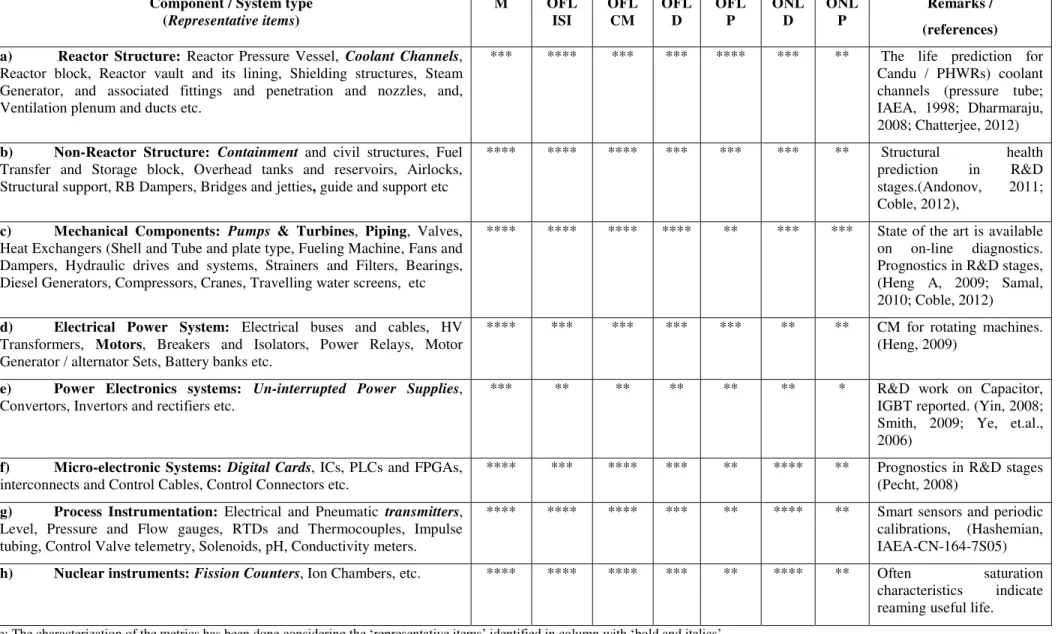
The first step in implementing a prognostic program for a complex system such as an NPP is to classify the systems, structures, and components (SSCs) into different categories, keeping in view the NPP’s design and operation characteristics that will also determine the type and level of prognostics. The classifications and categorizations performed in this paper are not comprehensive but rather indicative. The objective here is to present the state of the art of monitoring for these components from the point of assessing the prognostic maturity level for these components. Table 1 shows the status of online monitoring, condition monitoring, in-service inspection, and diagnostic prognostics. This categorization has been primarily done keeping in mind the pressurized heavy water reactor systems and components and is representative and not exhaustive. The basic idea is to categorize the systems and components, as shown in Table 1, keeping in mind the reactor type and prognostic requirements. The following are points drawn from this table with respect to criteria required for the classification of NPP SSCs, the status of various surveillance methods, and existing gaps in the implementation of prognostics:
This classification is required for both new and old reactors. In fact this table provides a good starting point to generate prognostic specifications for the new design. In each category, the representative components are chosen such that they fulfill one or more of the following criteria: the component allows prognostic implementation (the most challenging), the component allows prognostic, diagnostic, in-service-inspection or condition monitoring implementation, the component represents a typical sample from the category, and that for other components in the group, prognostic implementation will be similar to the representative component. The monitoring program has matured for all the categories of components in NPPs. In-service-inspection (ISI) is applicable to mechanical components in general and piping and associated fittings in particular. It may be noted that the capability of ISI in terms of various coverage factors such as detection, location, and isolation remains a subject of research and development (Coppe, Haftka, Kim, and Bes, 2008). The surveillance activities, which include testing and maintenance, performed on electronics channels and electrical power supply systems have also been categorized under the ISI program. Condition monitoring programs for reactor coolant channels, pumps, motors, bearings, reactor containment, fission counters, and transmitters is mature in NPPs. Generally, diagnostics is provided for selected components, such as diesel generators, pumps, and digital cards. For example, the complete protection channel is monitored in an online mode for detecting failure of any card using a built-in-test or a fine impulse test facility.
There are many examples of online surveillance and health management programs in NPPs. Some of the examples
include coolant channel inspection activities (item (a) in Table 1) in a pressurized water reactor or an advanced aging management program for mechanical components. Similarly, the fine impulse test facility for monitoring all the redundant channels (item (f) in Table 1) is also an example of a Verification and Validation (V&V) tool for the health assessment of electronic parts of protection channels. The saturation characteristics of ion chambers or fission counters provide an online indication of the remaining life of these components. However, regulation and protection channels only have diagnostic features, and research and development is required for the implementation of prognostics for these components.
At the component level, the condition monitoring of rotating machines using vibration and temperature monitoring and diesel generators sets are arguably a mature health management program, except that they lack the capability of life prediction. Our literature search suggests that online prognostics either have not been developed or still in a research and development stage for most of the components in NPPs.
3.INTEGRATED RISK-BASED APPROACH
The term ‘risk’ in nuclear parlance deals with assessing the
likelihood and consequences for a given scenario. When the modeling is performed considering risk as the major objective metric by integrating probabilistic and deterministic methods, then the approach is called as integrated risk-based engineering (IRBE). Even though the majority of risk modeling is performed considering hardware failures, incorporation of human factor modeling into plant modeling also forms a significant feature of risk models. Another major feature of this approach is that it provides a quantified statement of safety (Tsu-Mu, 2007). Deterministic criteria, design, and operation information form part of the risk assessment to reflect a realistic representation of the plant model. There are many approaches to risk assessment, including hazard and operability analysis, failure modes and effects analysis (FEA), what-if approaches, cause/consequence analysis, and quantitative methods for nuclear plants. The probabilistic risk assessment (PRA) methodology is a well-accepted methodology for risk assessment of the plant. Apart from this, probabilistic interference modeling using stress-strength distribution approaches is also used for determining failure criteria at the component level. The following section provides a brief discussion on PRA, as this approach handles the probabilistic element of the integrated risk-based approach.
3.1.PROBABILISTIC RISK ASSESSMENT
INTERNATIONAL JOURNAL OF PROGNOSTICS AND HEALTH MANAGEMENT
research reactor. PRA is performed at three levels. Level 1 PRA deals with system modeling to provide estimates of core damage frequency. Level 2 PRA deals with the release mode and mechanisms from reactor containment to provide estimates of radioactivity release frequencies for various source terms. In level 3 PRA consequences for various releases are estimated to provide an assessment of risk. As level 1 PRA deal with SSCs modeling level 1 PRA is directly relevant to prognostics application. Hence, for prognostic applications, results and insights from level 1 PRA with assessments of system-level unavailability and core damage frequency as indicators of safety are proposed in this paper.
The major elements of level 1 PRA methodology include: identification of the postulated initiating event (both internal and external), assessment of the response of the plant using event tree methodology, modeling for safety system failure employing a fault tree approach, quantification of the model by using failure data including human error probabilities and common cause failure data, etc., iterative simulation of an integrated plant model to estimate the core damage frequency and uncertainty bounds, and sensitivity analysis for critical assumptions made during the study. Figure 2 shows the general level 1 PRA methodology.
Risk-based applications, such as an equipment surveillance test interval and allowable outage time optimization, precursor event identification and analysis, evaluation of emergency operating procedures, and risk monitoring for plant configurations studies are generally based on level 1 PRA studies. The reason for this is that level 1 PRA deals with modeling plant configurations with consideration of component failures, human actions, test and maintenance data, and operational procedures and plant technical specifications to predict unavailability and core damage frequency at system level and plant level. Accordingly, we deal with level 1 PRA, wherein the estimates of core damage frequency represents a statement of risk.
PRA methodology can be considered mature enough to be used in decision support. The main reasons for the growth of this field are because it enables the quantification of the statement of plant safety by estimating the core damage frequency and unavailability at the system level, it provides a mechanism to capture random elements of safety characterizing uncertainty in safety and performance estimates, it provides a strong framework for integrated performance of SSCs into the model of the plant, and it facilitates integration of the human factor into an integrated model of the plant. When the PRA framework is employed
Plant data and Information
Initiating event frequency
Process system failures
•Component failure •Human error data •Test & maintenance data •Plant operational policies.
Component and Human error probabilities Statistical
analysis
Event Tree analysis
Fault Tree analysis Plant
Configuration and
sub-system interactions
Uncertainty & Sensitivity Analysis
Results / Insights •System Unavailability •Core Damage Frequency •Important accident sequences •Prior. & Ident. SSCs important to safety •Important human actions •Confidence limits •Input for Level 2 PSA
Figure 2. Level 1 PRA methodology.
in support of regulatory decisions, then the application is called “risk-informed.”
3.2Role of PRA in Risk-based Applications
PRA provides a systematic framework for the identification of safety and reliability issues, safety-based prioritization of components, human actions, and assessment of plant configuration. The major result of PRA is a statement of core damage frequency per year, while the assessment of design strength and weaknesses of the plant, characterization of uncertainty, and sensitivity analysis also form part of the major insights.
The level 1 PRA model and framework is used for many risk-based applications, including risk-based design optimization, risk-based in-service inspection, risk-based maintenance management, risk-based technical optimization, risk monitoring, and precursor analysis. Among these, the risk monitors are used to address real-time issues and have gradually become an integral part of the operation of NPPs in many countries. This is the reason why PRA applications are becoming an integral part of regulatory review as part of a risk-informed approach (Tsu-Mu, 2007).
3.3 Living PRA and Risk Monitor
Even though the traditional approach to PRA modeling is static in nature, the application of PRA as ‘living PRA’ and
INTERNATIONAL JOURNAL OF PROGNOSTICS AND HEALTH MANAGEMENT
There is a noticeable growth in on-line application of PRA as risk monitor. These risk monitors provide assessment of risk for real-time changes in equipment configurations and technical specification parameters like allowable outage time or change in test intervals, etc. Risk monitors reflect the current plant configuration in terms of status of the various systems and components. Basically, risk monitors are developed as an operator aid in decision-making support in the plant control room environment. The operator may like to assess change in risk levels for an action involving, for example, taking any components out of service for maintenance or tests. Given the above background, living PRA and risk monitors make the risk assessment process dynamic in a limited sense. This means that it addresses discrete events/changes in time not in the continuum sense of time. The risk monitor models should be consistent with living PRA models and should be updated at least with the same frequency as living PRA models (NEA/CSNI, 2005). The change in core damage frequency or core damage probability for a given scenario assessment and its comparison with the quantitative criteria is used in support of decisions as part of risk-informed approach.
3.4 Limitations of the Risk-based Approach
The risk-based framework in its present form is essentially
‘static’ in nature and often incapable of conducting evaluations involving dynamic scenarios evolving in through time. Hence, there is a need to make the whole approach more dynamic in nature for addressing real-time scenarios. It must also account for degradation, which is inherent in systems and components, and have a predictive capability with reasonable accuracy such that it can provide a time window for corrective actions. It should also have risk mitigation or management features. This is where a prognostics approach can enable evaluation of dynamic scenarios. The probabilistic tools and methods, on the other hand, can provide the required framework for assessment of available safety margins and characterization of uncertainty. This approach has been extensively applied to mechanical and structural systems, like risk-based in-service inspection of piping and structural systems, risk-based maintenance for process systems, etc. However, radiation-induced degradation poses a challenge to life prediction of structural components in NPPs. There are some areas in NPPs where radiation-induced degradation modeling and assessment have been performed to predict the remaining life of structural systems, such as pressure tube life prediction in PHWRs and CANDU reactors, reactor vessel health assessment modeling, and aging of control and power cables. However, these pose a challenge to the assessment of life of in-core components. Extensive research and development is being performed to implement this approach for micro-electronic and power-electronic systems (Tsu-Mu, 2007; Patil, et. al., 2009).
Identification & Prioritization of Component /
Precursor Integrated Risk
Model of The Plant
Prognostic Framework
Prediction of Life & Reliability Updated
Dynamic Database Deterministic
data & model
Probabilistic Data & model
Precursor signature monitoring
Uncertainty Characterization
Reference Safety Margin
Planning & Action Feedback and
Performance Tracking
Available time / Safety Margin Precursor
Event Analysis
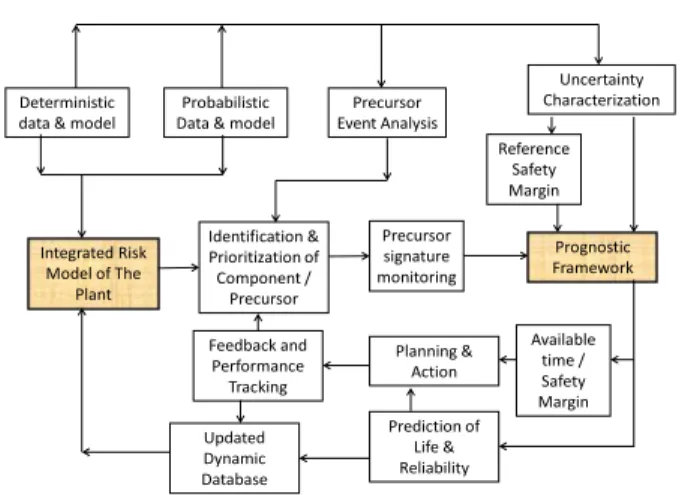
Fig. 3 Interrelationship of IRBE and prognostics approach.
4. PHM and IRBE
Figure 3 shows the interrelationship between integrated risk-based engineering (IRBE) and a prognostics framework. As can be seen, the deterministic and probabilistic methods together can be used to build an integrated risk model of the plant. The integrated risk model provides information about safety issues in general, which is vital for the implementation of prognostics. This includes information on components and modes and sequences of system failure, which are precursors that can form candidate components for implementation of prognostics. From here the organization gets vital input to focus on a small group of safety-critical items to improve technical specifications. This approach provides a valuable tool for prognostic coverage so that maximum benefits can be realized by investing the available resources.
While probabilistic input is critical for uncertainty characterization in prognostics, the overall effect is to help in the assessment of a safety margin at the reference level. Once a prognostic assessment is performed, it is possible to understand the safety margin in a dynamic manner. The prognostic strategy complements the present risk-based framework by online performance tracking and generation of feedback for operators as well as regulators. The overall gain from the implementation of a prognostics strategy is that it allows the assessment of safety issues by predicting life, reliability, and prognostic distance in a dynamic manner.
5 REQUIREMENTS OF PROGNOSTICS FOR IRBE APPLICATIONS
Parameter
Applicable Levels
1 2 3 4 5
Plant – stage (* and #) Under Design New Operating plant
(Useful Life)
Aged Operating plant
Shutdown
Under-refurbishing
Operating
After refurbishing
Objective (* and #) Improve Safety Improve Availability & Safety
Monitoring of remaining useful life
Follow-up after retrofitting
Reduction in Operational Cost State-of-the-art enabler
(*)
Online Monitoring, Off-line Diagnosis.
Online Monitoring Off-line Diagnosis and
Conditioning Monitoring.
Online Monitoring, diagnosis and condition monitoring.
Online Monitoring, diagnosis and condition monitoring,
off-line prognosis.
Online Monitoring, online diagnosis and condition monitoring,
online prognosis. Subject (* and #) Micro-Electronics /
Digital Control Channels
Power Electronic Electrical Structural /
Mechanical
Interdisciplinary
Implementation Level (* and #)
Level 1 Level 2 Level 3 Level 4 -
Risk Assessment Approach (* and #)
Qualitative / Deterministic
Failure Mode Effect and Criticality Analysis
Hazard and Operability Analysis
System Level Reliability Modeling Fault tree. Event Tree
Level 1 Probabilistic Risk Assessment (L-1)
Existing Maintenance /Health Management Strategy (*)
Preventive Maintenance and Scheduled Testing
Condition based test and Maintenance
Reliability Centered Risk-based Test and Maintenance
Online reconfiguration
Stakeholders (* and #) Design Team Operating organization Regulators - -
Implementation Approach (* and #)
Model Based Data Based Risk-based Fusion -
Availability of Tools and Methods / Challenges (* and #)
Prognostic algorithm Availability of Sensors Degradation Models Feature Extraction Methods
-
Cost-benefits (* and #) In the context of NPPs, cost benefits for a particular level is assessed using safety and availability indicators.
Legend *: applicable to old plants; # : applicable to new plants
realistic assessment of safety margins. It can be argued that a risk-based approach is a rational one, in that it combines the plant configuration, including operational logic, and performance parameters through probabilistic reasoning. Hence, this approach, in conjunction with the deterministic approach, is expected to provide more flexibility compared to the traditional approach. Apart from this, performance monitoring and generation of feedback following the implementation of changes and modifications forms an integral feature of risk-based engineering. Development and implementation of prognostic program is expected to address the above issues in the following manner:
Develop suitable sensors that can measure a precursor parameter of interest. Assess online the reliability and remaining useful life of the monitored systems based on identified precursors or degradation characteristics. Develop a prognostic algorithm that provides advance remaining life prediction with an adequate time window. Characterize uncertainty in the prediction, instead of point estimates of RUL, such that management issues can be addressed in an efficient and effective manner. Employ multi-objective algorithms that take into consideration risk, cost, and reduction in radiation dose. The prognostic framework should have provision for database, model-based (Physics of Failure (PoF) and Mechanics of Failure (MoF)), and fusion approaches, keeping in view the varying nature of prognostics programs for a range of components, such as mechanical and electrical systems, electronics, and nuclear components. The prognostic algorithm also should have a provision to provide feedback online to track the performance of modifications in a component that has been replaced or has undergone a maintenance procedure or calibration of some instrumentation.
It may be noted that use of input from prognostics may require modification to the existing risk assessment approach. For example, an existing database in the risk-based approach may have only static reliability data, failure criteria, and maintenance and test schedules. However, when the dynamic aspects are implemented as part of prognostic feedback to risk-based engineering, then there is a need to re-organize the complete database framework such that dynamic inputs and outputs can be managed.
5.1 Prognostics Design Requirements
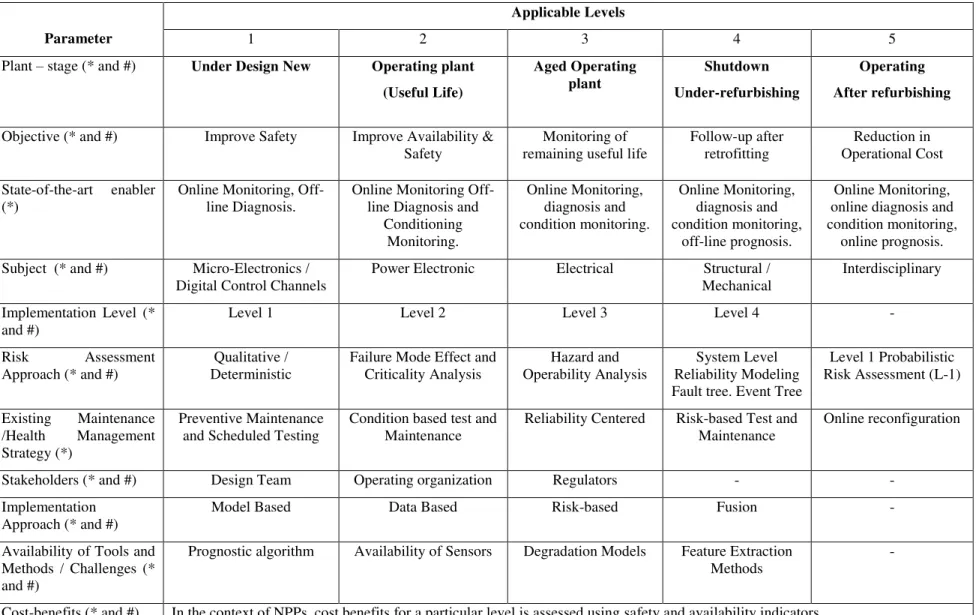
The complex nature of NPP design requires a different set of design metrics that satisfies the requirements of a particular application. There are many areas that require research and development with respect of material degradation, development of special sensors, and suitable algorithms for online feature extraction and analysis. In some situations, the design constraints may make it challenging to implement a prognostic program. Table 2 shows the requirements that can be used for the design of a prognostics program for a given application. The
applicability of these parameters for old or new plants is indicated in the table by * and #, respectively.
5.1.1Plant Stage
The scope of a prognostic program will be governed by such factors as at what stage of the plant the prognostics is being implemented. As mentioned earlier, for the implementation of a prognostic program in new plants, prognostic requirements and specifications should be part of the design strategy. Since the plant has yet to be built, provisions can be made in advance, keeping in view criteria such as safety and availability. Prognostics as part of life extension will have activities focused on select systems, components, and structures. However, the plant’s design and operational constraints will dictate the implementation levels. Prognostic requirements for refurbished plants will be similar to a plant whose life has been extended. In a refurbished plant prognostics is useful particularly for those systems where clear insights into the remaining life of certain components is not available, while the cost of bulk replacement would have been prohibitive, and where it is felt that online prognosis and diagnosis would be useful, such as in coolant channels, piping, and power supply cables.
5.1.2 Objective
The objective of prognostics is defined as keeping in view the plant status, logistics, and data and knowledge base, particularly the understanding of the material degradation phenomenon and the availability of prognostic algorithms. For new plants, the institutive reaction will be to go for a model-based approach, while for older plant, where enough data are available, the data-driven approach will be preferred. It should be noted that most of the nuclear plants in the world either have a level 1 PRA model with internal initiating events for full power conditions or a reactor core as the source of radioactivity. These plants have an obvious advantage over using risk modeling to formulate or identify and prioritize a prognostic program. The available literature shows that most prognostic implementations produce improvement in availability and cost-benefit objectives (Hyers et al. 2006). There have been applications of prognostics to aircraft health monitoring, where the emphasis has been on safety. There have also been applications of PHM with mission safety as a driving force.
5.1.3 State of the Art
INTERNATIONAL JOURNAL OF PROGNOSTICS AND HEALTH MANAGEMENT
monitoring of important safety parameters and condition monitoring and surveillance. Such programs are not fully automated, however; the diagnosis is performed in off-line mode for most systems. There are closed feedback loops wherein corrective actions are automatic. These feedback loops ensure the maintenance of plant parameters within set limits. These metrics help to determine the specifications and the scope of the prognostic requirements. The available literature on NPPs does not appear to provide information on application of prognostic based on online life and reliability prediction.
5.1.4 Subject
For complex systems such as NPPs most of the systems require an interdisciplinary approach to implement prognostic program. However, particular disciplines may require a unique focus. For example, prognostics for reactor protection channels and structural components such as reactor blocks will differ with respect to degradation mechanisms, the time window available, and the monitoring and sensor requirements. Hence, even though the broad framework may remain the same, the specifics will vary by applications.
5.1.5 Level of Implementation
The level of implementation metric is derived/adopted from the procedure developed by Gu et al., keeping in mind the NPP requirements. In this reference, various levels have been presented for the implementation of prognostics of electronic systems. For complex systems such as NPPs, there are different prognostic levels. Level 0 is the component level, which includes items such as fuel assembly, feeder, bearing, motor, control and power cables, alternator, pipeline, battery, relay, micro-processor chip, switch, and electronic cards. Level 1 includes the assembly of components of a particular class, such as mechanical, electrical, electrical, or nuclear and associated connections that perform a basic function. Examples include pumps with connected piping up to suction and discharge and the suction strainer, a compressor with sub-components such as coolers and associated connections, diesel generators with support systems, and power supply modules, amplifier modules, and function generators. Level 2 includes those systems that are activated only on demand from the plant control system. They can also be referred to as safety support systems such as class III electrical power supply, class II control supply, and class I power supply systems. Level 3 systems include those systems that are required to be operational when the reactor is in operational state, including the main coolant system, class IV power supply systems, feed water systems, regulation systems, and process water systems. The structural systems, such as the reactor vessel and reactor shielding components, reactor pile, and containment building, that are basically passive in nature but require a structural approach for health monitoring are categorized as level 4. These categories are
based on the broad characterization of component functional requirements and their place in a system, whether as an independent unit, sub-block, block, major function, or assembly of functions to deliver an objective function.
5.1.6 Risk Assessment Approach
Most NPPs have a level 1 PRA implemented, considering the internal initiating of events for full power conditions. Even though risk-based applications require shutdown or a low power operation PRA, the availability of a full-power PRA can be considered for initiating a PHM implementation program. Apart from this, Failure Modes, Effects, and Criticality Analysis (FMECA) forms an integral part of PHM implementation. It is recommended that a comprehensive FMECA program should be initiated, keeping in mind the focus of prognostic implementation.
5.1.7 Existing Maintenance Health Management
Strategies
This metric determines the current maintenance strategy, an important reference for building a PHM program. Typically, most nuclear plants use preventive maintenance as the major approach for health management. However, condition monitoring, in-service inspection, and scheduled test and maintenance are the general features for health management. The available literature shows that in some NPPs and industrial systems, reliability-centered maintenance, based in-service inspection, and risk-based technical specification optimizations are also used (IAEA, 1993). The available framework is important, as the data generated on the maintenance and health of these systems and pieces of equipment form the fundamental part of the data-driven approach for prognostics. Along with inputs from risk models, these data and insights will help to identify and prioritize the prognostic program.
5.1.8 Stakeholders
INTERNATIONAL JOURNAL OF PROGNOSTICS AND HEALTH MANAGEMENT
monitoring of a system for a specified period of time or for an extended duration to ensure that safety has not been compromised.
5.1.9 Approach for Implementation
The approach to prognostics implementation is governed by many factors, including the objective or purpose of prognostics, the level of detail required the availability of data, and plant constraints. For argument’s sake, if a prognostic program requires performance monitoring as part of a risk-informed or risk-based approach, then the focus will be on monitoring the performance metrics of the system under regulatory review. If a prognostics program is being designed for a new plant where the objective is to strengthen the safety function, then the task should include the prognostic specifications in the design phase and keep provisions not only for online monitoring but also for the implementation and management of the health of the plant. If prognostics is being implemented as part of a life extension strategy, then it must be noted that the focus should be on structural remaining life assessment. As a rule, NPPs require close monitoring of structural health, particularly where safety is the major metric, even if it has not entered the aging phase.
5.1.10 Tools and Methods
Prognostic tools and methods are identified only when FMECA has been performed, precursors have been identified, and the broad approaches, including data-driven and PoF-based, have been evaluated, keeping in mind the requirements of applications. However, detailed studies, literature searches, or required meetings with consultants may present issues associated with selection of prognostic algorithms, the availability of sensors, the availability or limitations of degradation models, and approaches that will be required for feature extraction, deriving useful data and information from a host of complex data and signatures collected from experiments.
5.1.11 Cost-benefit Studies
The available literature shows that cost-benefit evaluation can be used to demonstrate the net benefit of the implementation of PHM results (Wood and Goodman, 2006). In the context of nuclear plants, benefits need not be in terms of monitory gain; they could be in terms of safety improvement, life extension, or lessening the burden on the operating staff.
4.PROGNOSTIC FRAMEWORK FOR NUCLEAR PLANTS
Major elements of prognostics implementation include monitoring system performance through noise analysis, detecting changes by trending, understanding and identifying root causes of failure, prognostics, and health management (Vichare and Pecht, 2006). Even though there will be variation in the tools and methods, the level of accuracy required when the prognostics is implemented for
-Design & Performa nce Data - Failure characteri zation for SSCs
On-line Data Acquisition Nuclear
Plant
Monitoring / Surveillance / diagnostics /Condition Monitoring/ Maintenance / Corrective Action
PHM Sensors
Prognostic Algorithms - Probabilistic Models - Perf. Trend /patterns - PoF / MoF - Integrated approach
FMECA
Ident. & prion. of SSCs PRA
Degradation models Prediction Tools - Bayesian Updating - ANN or SVMs - Kalman filtering - Particle Filtering - SPRT
Real-time Life / Reliability Prediction
Input for Risk-based health management techniques Optimization of
Prognostics Performance indicators Existing
Surveillan ce Setup in NPPs
LCO
Legend: PRA: Probabilistic Risk Assessment; FMECA: Failure Modes, Effects, and Criticality Analysis; SSCs: Systems Structures and Components; LCO: Limiting Condition for Operations; SPRT: Sequential ProbabilityRatio Test.
Figure 4. Prognostics framework for NPPs. mechanical, structural, or electrical systems, will remain the same.
6.1 Existing Set-up
INTERNATIONAL JOURNAL OF PROGNOSTICS AND HEALTH MANAGEMENT
that is available in the traditional approach, envisages development of prognostic sensor systems to monitor the identified precursor parameters. The data available through the sensors are mapped on the prognostic algorithms to track deviation and therefore provide information on incipient faults. Here, the role of intelligent tools like Support Vector Machine or Bayesian estimation or Sequential Probability Ratio Technique is to predict the prognostic distance such that action can be taken well before the situation results into safety or availability consequences.
The following subsection deals with major aspects of prognostic implementation which are relevant to NPPs.
6.2 Prognostic Approaches
6.2.1 Probabilistic or Reliability-based Approach
This approach is used extensively to predict the life and reliability of components, be they mechanical, electrical, or electronic components. Even though this is considered to be an approximate approach, the advantage of this method is that uncertainty characterization comes naturally. Often the Weibull distribution is utilized extensively. Other distributions, such as exponential and log-normal distribution, are also common as a life prediction model (Yates et al., 2006; Modarres, Kiminskiy and Krivstov, 2010). The weakness of this approach is that the predictions are based on the past performance data of equipment and components. This implies that the prediction does not account for changed component operational and environmental loads. For example, for a given component in a component database, the failure rate estimations are based on an operational environment where the average temperature and relative humidity is 28oC and 65%, respectively. The condition for which the failure rate estimation is required to work is a ground benign environment of 22oC and humidity of 55%. These environmental conditions are bound to affect the failure rate—in this case, reduction in failure rate. Certain external factors such as vibration and seismic shocks adversely affect the life and performance of a component. If these aspects are not factored into the estimates based on historical data, then the estimates tend to be either optimistic or conservative, depending on the severity levels of the component in the database compared to the component for which failure rates are being estimated. If a given component experiences less vibration and seismic shock than a component with a failure rate estimate based on higher vibration and shocks, then the failure rate estimates will not be accurate. Often these types of situations involving application of PHM approach in real-life situations are handled by providing uncertainty bounds. This approach involves prediction of the mean life of a component along with its upper and lower uncertainty bounds. A wide uncertainty bound indicates that the prediction is based on limited data sets, that reliance on such
estimates should be lower, and that these estimates should be used as an indicator. In such situations, precursor-monitoring techniques such as vibration or temperature monitoring of the components represent an effective strategy for prognostics. The Bayesian model features probabilistic estimates that form a priori and has data coming from the precursor monitoring that can be used as evidence for updating the strategy for prediction (Yates and Mosleh, 2006). So, even though the approach is primarily probabilistic in nature, trend monitoring is used to improve the prediction capability.
6.2.2 Physics-of-Failure-based Approach
The physics of failure (PoF) approach deals with the application of first principle models to understand the various failure mechanisms and thereby predict the remaining useful life and reliability of components. In other words, this approach is based on the development and application of scientific models that predict the life of component. In this approach, unlike statistical approaches for reliability estimation, past performance data is not required (White and Bernstein, 2010). The predictions are based on the component characteristics, such as material properties, geometrical attributes, and activation energy for applicable degradation processes for given environmental, operational, and environmental stressors. Accelerated life testing is central to the PoF approach. PoF enables the identification of dominant failure modes and mechanisms, and thereby precursors for monitoring the health of the component. Failure Modes, Effects, and Criticality Analysis (FMECA) form the cornerstone of this approach to identify and prioritize the applicable degradation mechanisms. Identification of precursors is an important part of this approach. The precursors are the parameters that can be monitored using the available sensors (Patil, Das, Pecht, Celaya and Goebel, 2009). Precursor monitoring provides advanced information about the underlying degradation mechanism.
The PoF model can be expressed in general form as:
...)
,
,
(
1 2 350
f
x
x
x
t
[1]where t50 is the median life and xi is the parameter of the
model. The commonly known PoF model for life prediction is the Arrhenius model, which is expressed as follows:
kT
E
A
t
exp
a50 [2]
where A is a process constant, Ea is the activation energy of
INTERNATIONAL JOURNAL OF PROGNOSTICS AND HEALTH MANAGEMENT
Virtual life assessment
Design data PoF models
FMMEA Life cycle
expectations
System health status and prognostics
•Existing sensor data
•Built in test
•Maintenance and inspection records
•Warranty data
Physics-of-failure based life consumption
monitoring
Remaining life assessment
Life cycle logistics and cost analysis
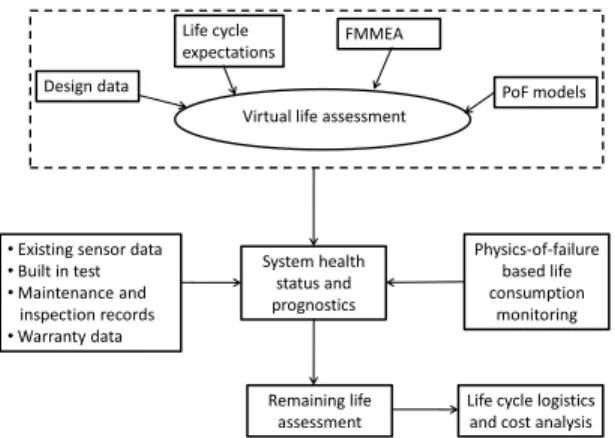
Figure 5. CALCE Physics of Failure Based Approach for Prognostics (Pecht and Gu, 2009).
In real life, there are many environmental and operational stresses.
These models also fail to account for the geometrical and other material mechanical design features such as material finishes and materials of the mating parts. Overall, the challenge translates into assessment of the accurate prediction of activation energy for a given case.
These limitations have led to further research into developing PoF models that take under consideration the various stresses associated with each component in reliability modeling. This became possible with a basic understanding of the physics of degradation of materials under various stresses. Accordingly, accelerated life testing has become central to PoF modeling. Root cause analysis is performed to understand the degradation mechanisms responsible for failure. Figure 5 shows the framework of PoF approach developed at Center for Advanced Life Cycle Engineering (CALCE), University of Maryland, USA (Pecht, 1996).
This figure shows that information about the component, including physical specifications, geometry, construction materials, operating environment (including temperature, humidity, and vibration), and operational stresses (current, voltage, and electric field) forms the main input for modeling.
One of the notable and significant features of the PoF approach is the development and application of canaries (Dasgupta, Doraisami, Azarian, Osterman, Mathew and Pecht, 2010). Canaries are miniature versions of the subject electronic component, which is designed to fail early. This early failure predicts the impending failure of the subject component. The available literature provides examples of the application of canaries for prognostics (Pecht, 2008). It is very important to note that the word “canary” was coined very recently for incorporating a “weak link” or “weak device” into electronic systems. However, the concept of weak link has been used in mechanical and electrical
systems to protect major failure in these systems due to over stresses. In electrical systems the “fuse” protects the electronic or electrical system by cutting of power when electrical stresses reach above the pre-designed levels. Similarly, when mechanical components, such as fuel elements that are incorporated with tension members or pins which are designed to fail, before permanent damage occurs to the reactor structural components or in the fuel itself due to over stressing during fuel handling. This weak link concept, coupled with the present knowledge base and further R&D on prediction of remaining life, provides a promising approach to developing canaries for mechanical and electrical systems.
The PoF approach is particularly suited for assessing electronic component reliability. Even though this approach is in the research and development stage, there are many models available for electronic components. The state of the art in micro-electronic reliability shows that greater advances have been made for reliability modeling of micro-electronic components compared to power micro-electronic components.
6.2.3 Mechanics of Failure (MoF) Approach
INTERNATIONAL JOURNAL OF PROGNOSTICS AND HEALTH MANAGEMENT
though mechanical components can also be modeled using the PoF approach, the nature of prediction and level of treatment required to model mechanical components and structures require the problem to be handled at the macro-level rather than the micro-macro-level. Hence, this paper proposes a collection of tools and methods through an approach called mechanics of failure (MoF) to predict the life of mechanical and structural components. Here, the stress-strain relationship forms the fundamental approach to reliability and life prediction.
Even though this approach is best suited to tackle one of the main bottlenecks of risk-based approach, namely, assessment of the safety margin, the data and the models available so far often form a limitation to predict reasonably accurate safety margins. Accelerated testing methods, probabilistic fracture mechanics approach, damage mechanics, strength of material methods, finite element analysis, and failure analysis methods form the major elements of the MoF approach. Reliability methods are used as part of the MoF approach for making statistical estimates of life. The major degradation mechanisms that are evaluated in this approach include mechanical wear, creep, corrosion, and catastrophic failure. As with the PoF approach, MoF also utilizes root cause failure analysis models for understanding underlying failure or degradation mechanisms. The work performed by Mathew et al. provides a structural analysis of a structural board for NASA and appears to bring out, in a way, the essence of the MoF approach (Mathew, Das, Osterman, and Pecht, 2006). There are many studies in the literature where the objective is to base the prognostics on two major degradation mechanisms—temperature and vibration (Pecht, 2010). Of course, when the application is designed for nuclear core components, irradiation-induced degradation often becomes the leading parameter (IAEA, 1998).
6.2.4 Symptom or Data-based Approach
Generally, this approach is referred as the data-driven approach. This section deals with a data-driven approach, except that here a distinction between various data forms an input for prognostics. For example, a trend monitoring of operational and environmental parameters through on–line instrumentation may provide information about some precursor. A pattern comprising the status of a finite set of alarms as “registered as 1” and “cleared as 0” is another representation of data. A probabilistic distribution of time to failure based of individual components provides time to failure estimates of the systems being monitored. Input can be in the form of linguistic variables in place of a numerical value. All these require different approaches.
The term “symptom-based approach” is used in this paper to extend the context of input data and information used in prediction, particularly for nuclear plant applications. As mentioned above, often information is not available in the form of a numerical value or in the form of binary values
(0/1 or yes/no). Instead the information about the model parameters comes from experts in linguistic expressions. This information is not suitable for use as input; however, the information cannot be ignored, as it provides much stronger input for prediction or estimation of remaining useful life. In such instances, treating expert opening, which can be considered imprecise information, using fuzzy algorithms can provide one with improved assessment of imprecise parameters (Chen and Vachtsevanos, 2012). Second, the reason to have provision for some information is that establishing a pattern is important, as often, instead of a single parameter, a pattern can provide more data and information. For example, a comparative value of three parallel components seeing the same operational and environmental stresses may form a pattern, which may provide an effective mechanism to assess the health of the component and thereby provide an effective input for predicting the remaining life. The only issue is that even this information could be expressed in terms of linguistic variables and will require the fuzzy approach to address the challenge.
This background is an obvious reason to formulate the data and information in two ways: trend monitoring using precursor symptoms and a pattern-driven knowledge-based approach.
6.2.4.1 Trend Monitoring
Trend monitoring is a natural extension of the condition-based approach to diagnostics. Often pump bearing temperature, vibration reading, or a pump shaft that has run out of measurements forms part of a condition-monitoring program in nuclear plants. An expert can predict the time when a piece of equipment will need to be shutdown. This practice is common in industrial environments in general and nuclear plants in particular. In these cases, pump bearing vibration, temperature, and shaft run-out act as precursors for the prediction.
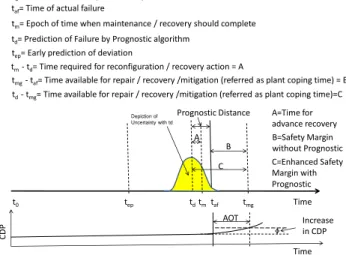
To extend this approach to a prognostic regime, it is required that the deviations be tracked or monitored in online mode, that the failure criteria and associated uncertainty band be assessed for the component in question, that the future operational and environmental loading be used to assess the remaining useful life, that the prognostic distance, which can come from the maintenance logs, be assessed, that the uncertainty in RUL estimates be assessed; and that the degradation rate and alarm be predicted online as soon as the prediction upper estimates overlap with the lower bound of the failure criteria.
INTERNATIONAL JOURNAL OF PROGNOSTICS AND HEALTH MANAGEMENT
accumulated operational experience on degradation trend is available. The availability of a PoF approach to the modeling of micro-electronic systems is testimony to this observation.
However, when it comes to power electronic components, one can only claim that work on the application of a PoF model for these systems has been initiated (Yin, Hua, Mussalam, Baily and Johnson, 2010; Patil, Das and Pecht, 2012) but still is not as developed as micro-electronic systems. In the absence of the proper understanding of the degradation process, the current strategy to overcome this limitation is to uprate the system by providing the extra margins in design.
6.2.4.2 Pattern-driven Knowledge-based Approach
This approach does not require description of the system or component through basic models, but only requires patterns comprising component and system specific historical data and information. It provides an efficient and effective mechanism where the input/output relation cannot be defined through well-defined scientific models. However, it establishes that there is a one-to-one relationship between a set of input patterns and corresponding states in a system. One example is the alarm/trip pattern in a reactor, which can be associated with a discrete reactor state. When number of patterns or vectors each comprising a set of alarms uniquely define a given reactor state, then this approach can effectively be used for reactor status and condition monitoring. The advantage of this approach is that it can operate successfully even with missing primary data to form a precursor for predictions. As it operates on clusters of data and often derives data it can use to predict with reasonable assurance. The applications include nuclear plant transient identification, prediction reactivity, and health monitoring in rotating machines. This approach has often been implemented using artificial neural networks (ANNs) (Varde, Verma and Sankar, 1998; Lee et. al., 2005), neuro fuzzy systems (Chen, Zhang, Vachtsevanos and Orchard, 2011), support vector machines (Abe, 2010), or sequential probability ratio techniques (Coble et al., 2010). When ANN tools are used, the approach involves training the ANN with various patterns, including healthy patterns and various failure patterns for specific components.
Another example is application of ANN for health prediction for check valves (Lee, Lee and Kim, 2005), (Uhrig, 1994). The ANN is trained with historical data on the failure of the check valve involving the hinge pin, dish, stopper pin, or dash pot. These patterns, along with healthy patterns, are used to train the ANN. Validation and verification of the algorithm is carried out by testing the ANN response for new and existing patterns, for which it has been trained, plus unlearned patterns. The recall tests are often carried out with additional patterns having noise, missing data, or fuzzy data to ensure that the prognostic model is robust and that repeatability is high. During the
course of prognosis, if the ANN algorithm comes across a new pattern that was not there in the database, there is a provision to train the ANN for this new condition. This new pattern then becomes part of a pattern-knowledge-based library for prognostics.
It may be noted that the approaches listed above fall in the category of intelligent methods. The objective is to extract the features specific to a given input pattern. Here, the main issue is to determine which approach should be used for arriving at a given solution. Often, this decision comes from assessing the nature and complexity of the level of details that are expected in the solution space. This often requires performance evaluation of the approaches under consideration (Varde et. al, 1998).
6.2.5 Integrated Approach.
The prognostics approach followed for electronic components often uses what is called a fusion approach to enhance the prediction capability of the prognostics approach. General experience has been that often one approach may not be adequate to provide the desired results. Hence, the trend-driven approach is integrated with the PoF approach. While the PoF approach prides fundamental requirements for prognostic models, the database approach complements the model with a knowledge base that has already been developed for various failure modes.
An integrated approach is also beneficial where the available data is inadequate to implement prognostics. To improve the prediction accuracy and precision, it is often necessary to use Bayesian updating to incorporate new data for prediction (Modarres et al., 2010). Hence, the probabilistic approach is used in conjunction with online precursor trends to update estimates with new data available from online sensors. While the trend monitoring identifies the deviation from the normal operation of equipment, the probabilistic model with uncertainty bands will provide an estimate of the prognostic distance—a performance metric crucial for fixing the deficiency either through repair or replacement. The prognostic distance also prompts the plant manager to plan the action in advance such that plant availability and safety can be optimized.
6.3 Material Degradation and PHM Requirements