Original Article 505
-QUALIFICATION OF NURSING STAFF FOR BEST PRACTICE IN THE USE
OF BRONCHODILATORS IN MECHANICALLY-VENTILATED PATIENTS
Mara Ambrosina de Oliveira Vargas1, Cassiano Teixeira2, Francine Zanchin3, Aline Ghiot4, Karine Pauli5,
Soraia Dornelles Schoeller6
1 Ph.D. in Nursing. Associate Professor, Undergraduate and Graduate Nursing Programs, Federal University of Santa Catarina
(UFSC). Santa Catarina, Brazil. CNPq Directory. Santa Catarina, Brazil. E-mail: [email protected]
2 Intensivist Physician at ICU, Santa Casa Hospital in Porto Alegre. Associate Professor, Medical Clinic, Federal University of
Health Sciences in Porto Alegre. Rio Grande do Sul, Brazil. E-mail [email protected]
3 Critical Care Nurse Specialist. RN, Moinhos de Vento Hospital.Rio Grande do Sul, Brazil. E-mail: francine.zanchin@terra.
com.br
4 Critical Care Nurse Specialist. RN, Pereira Filho Hospital, Rio Grande do Sul, Brazil. E-mail: [email protected] 5 Critical Care Nurse Specialist. Rio Grande do Sul, Brazil. E-mail: [email protected]
6 Ph.D. in Nursing. Associate Professor, UFSC, Nursing Deparment. CNPq Directory. Santa Catarina, Brazil. E-mail:
ABSTRACT: Inhalation therapy with bronchodilators is one of the main therapeutic strategies to treat respiratory diseases as long as it is correctly executed to produce proper absorption and effective medication action. A quantitative and quasi-experimental study was conducted with a pretest and posttest design to assess the knowledge of nursing technicians concerning the administration of inhaled bronchodilators in ventilator-supported patients hospitalized in an Intensive Care Unit and also to qualify them to correctly administer these medications. A training program was administered to 34 nursing technicians based on the pretest results and afterwards, a posttest was applied to assess the technique to administer bronchodilators. Pretest was applied and none of the interviewees properly described the stages required to provide inhaled medication to mechanically ventilated patients. The stages were properly described in the posttest by 44.11% of the participants. The analysis of the results concerning both the pretest and posttests indicate the participants acquired learning based on best practices.
DESCRIPTORS: Intensive care units. Education, nursing. Respiration, artiicial. Bronchodilator. Respiratory tract diseases.
CAPACITAÇÃO DOS TÉCNICOS DE ENFERMAGEM PARA AS
MELHORES PRÁTICAS NO USO DE BRONCODILATADORES EM
PACIENTES MECANICAMENTE VENTILADOS
RESUMO: A inaloterapia de broncodilatadores é uma das principais terapêuticas no tratamento de doenças respiratórias, desde que a administração seja correta para produzir uma absorção e uma ação medicamentosa efetiva. Assim, realizou-se uma pesquisa quantitativa, quase-experimental, com o delineamento pré e pós-teste, cujos objetivos foram avaliar o conhecimento dos técnicos de enfermagem na administração de broncodilatadores inalatórios, em pacientes mecanicamente ventilados, na Unidade de Terapia Intensiva, e capacitá-los para a correta aplicação desses fármacos. Com base no pré-teste, foi realizada a capacitação de 34 técnicos de enfermagem e, após, um pós-teste para a avaliação da técnica de administração dos broncodilatadores. Aplicou-se um questionário. Os resultados sinalizam que nenhum dos entrevistados descreveu, adequadamente, as etapas da nebulização no paciente mecanicamente ventilado no pré-teste. Já no pós-teste, 44,11% responderam adequadamente. Através da análise dos resultados, avaliando os pré e pós-testes, nota-se um aprendizado balizado nas melhores práticas.
DESCRITORES: Unidade de terapia intensiva. Educação em enfermagem. Ventilação mecânica. Broncodilatadores. Doenças respiratórias.
CAPACITACIóN DE TÉCNICOS DE ENFERMERíA PARA MEjORAR LAS
PRÁCTICAS EN EL USO DE BRONCODILATADORES EN PACIENTES
MECÁNICAMENTE VENTILADOS
capacitarlos para su correcta aplicación. Basado en el pre-teste, se realizó la capacitación de 34 técnicos de enfermería y, a continuación, un pos-teste para evaluar la técnica de administración de los broncodilatadores. Se aplicó un cuestionario. Los resultados señalan que ninguno de los entrevistados describió adecuadamente las etapas de la nebulización en el paciente mecánicamente ventilado en el pre-teste. Ya en el pos-teste, 44,11% respondieron adecuadamente. El análisis de los resultados, evaluándose el pre y pos-testes, indica un aprendizaje con soporte en las mejores prácticas.
DESCRIPTORES: Unidades de terapia intensiva. Educación em enfermería. Respiración artiicial. Agentes broncodilatadores.
Enfermedades respiratorias.
INTRODUCTION
Inhalation therapy is currently one of the main therapeutic strategies used to treat
respira-tory diseases. Increasingly more eficient devices
coupled with medications having a low incident of side effects have been used.1-6
Bronchodila-tors are mainly designed to activate mechanisms that induce relaxation of the airway’s smooth muscles and reduce the action of autacoids and neurotransmitters that trigger bronchospasms. The preferred route to administer bronchodila-tors is through inhalation because the medication is taken directly to the lungs and airways and is effective in doses that cause fewer systemic adverse effects.7 Bronchial dilation depends on
balancing factors that tend to relax the smooth
muscle (calcium eflux). Bronchial tone control
is accomplished by adrenergic systems (sympa-thetic nervous system) and cholinergic (parasym-pathetic system) and medication that activates (agonist) or inhibits (antagonist) autonomic nervous system receptors, which are potentially important in pharmacological therapy. Parasym-pathetic stimulation decreases the diameter of bronchi and bronchioles; sympathetic stimulation has the opposite effect. Inhaled bronchodilators are subdivided into two categories: adrenergic agonists (alpha and beta), such as phenoterol, salbutamol and salmeterol; and the antagonist cholinergic ipratropium bromide.7
Bronchodilators play an important role in
reducing airway resistance, hyperinlation, and
dyspnea in patients with Chronic Obstructive Pul-monary Disease (COPD), asthma, and Auto-Pos-itive and End-Expiratory Pressure (auto-PEEP).2
Additionally, they increase tolerance to exercise when in the presence of COPD,6 since reduced
tolerance to exercise and the decreased ability to perform labor activities seem to be the disease’s greatest losses.8-10 Ipratropium bromide and beta-agonist drugs are equally eficient during COPD
crises,11 reducing the volume of sputum without
changing its viscosity.7,11
Hence, inhaled bronchodilators are used to
treat pulmonary diseases, are practical, painless
and eficient if we consider the high concentration
of medication supplied.1 Nebulizers and
pres-surized Metered-Dose Inhalers (pMDI) attached to a spacer device are the most effective ways to administer medication in mechanically ventilated patients, both intubated and tracheostomized patients.1-2
Inhaled bronchodilators need to be correctly administered to produce effective absorption and action.1-2 Therefore, the technique to administer
inhaled medication needs to be carefully executed to achieve the desired effect since incorrect
tech-nique compromises the medication’s eficiency
and, consequently, the patient’s treatment.1-4
Mechanical ventilation aims to deliver a certain volume of gas to the lungs, enabling the patient’s adjustment of alveolar ventilation and arterial oxygenation to achieve values considered to be ideal.5 In the meantime, inhaled drugs can be
administered in mechanically ventilated patients through jet nebulizers, ultrasonic nebulizers, or through pMDI.2
In practice, we observe that poor technique in the administration of medication occurs both due to a lack of knowledge on the part of profession-als and a lack of training or guidance on the part
of health facilities. The eficacy and side effects of
inhaled medications depend on the application of this technique, thereby response to medication varies. From this perspective, the importance of this study is in the evaluation of the technique used to administer bronchodilators in mechani-cally ventilated patients.
507
-MATERIAL AND METHODS
Data were collected by the researchers in the ICU specializing in respiratory diseases at the Pereira Filho Facility in the Santa Casa Hospital in Porto Alegre, RG, Brazil from September to October 2007. The questionnaire was applied to the ICU’s nursing technicians, who are the professionals responsible for the administration of bronchodilators to patients. Intentional sam-pling was used and 34 nursing technicians were included in the study according to the following inclusion criteria: (1) having at least one month of experience; (2) being on duty for the day the pretest was applied.
The project was submitted to and approved by the Ethics Research Committee at the Irman-dade da Santa Casa de Misericórdia in Porto Alegre, Brazil (Protocol n. 1668/07 and Process n. 382/07). The study complied with Resolution 196/96 that provides Guidelines and Standards for Research Involving Human Subjects.12 The nursing
techni-cians were informed of the study’s objectives and
ensured of the conidentiality of their information
and their right to withdraw from the study at
any-time. All doubts were clariied after reading free
and informed consent forms, two copies of which were signed, one for the researcher and another for the participant.
This quasi-experimental study has a pretest and posttest design and a quantitative approach. Data were collected at two points in time: (pre-test) before intervention was applied and (post-test) after intervention was implemented. This study included three stages: pretest, training, and posttest. All stages were implemented for three different work shifts (morning, afternoon, and night) and the researchers formed two groups in each shift, totaling six groups. Each group participated in the pretest, training, and posttest
during working hours in a room speciically as
-signed for this purpose within the ICU itself. The activity took from 60 to 90 minutes on average
and included illing out the pretest, training, and illing out the posttest.
Training was based on the pretest results and included information, discussion of content, skills and attitudes. Posttest was applied after the training to evaluate the technique used to admin-ister bronchodilators. A structured questionnaire with 10 open questions (appendix) was used in the pretest and posttest.
The results are presented in a table as percentages. The analysis of results presents a description of the pretest and posttest applied to 34 nursing technicians in the studied ICU. This is an analysis of central tendency where the means of the evaluated themes are compared. These are described below.
The technique to administer inhaled bron-chodilators described by Duarte and his collabora-tors was evaluated:1
- Technique to administer aerosol through pMDI attached to a spacer: (1) vacuum the tube;
(2) adjust the volume of airlow > 500ml; (3) ad
-just inspiratory low < 60L/min; (4) conirm the
position of the device in the inspiratory limb; (5) shake the canister and insert it into the end of the spacer; (6) press down the device at the beginning of inspiration; and (7) repeat the dose 20 to 30
seconds after the irst puff.
- Technique to administer aerosol through a nebulizer: (1) vacuum the tube; (2) adjust the
volume of airlow > 500ml; (3) adjust inspiratory low < 60L/min, (4) put solution into the nebulizer
device; (5) dilute the medication in 4 to 6 ml of saline solution at 0.9%; (6) place the nebulizer in the inspiratory limb at a distance of 30 cm from
the endotracheal tube; (7) adjust low to 6L/min
in the nebulizer;, (8) pat gently on the nebulizer during operation; and (9) disconnect the nebulizer from the circuit.
RESULTS
We noticed the nursing technicians were anxious at the beginning of the training process even though the content addressed a technique that is part of their work routine. The pretest was applied and then training was undertaken with an initial Power Point presentation, which raised questions and encouraged discussion among the nursing technicians and with the researchers about the correct technique to be used and how it was performed up to that point. The posttest was applied after the training. The questionnaire used with open questions is presented in the Appen-dix with respective answers considered correct by the authors. The objective of including this questionnaire is to provide relevant information for good practice.
The results concerning the 10 questions are presented in Table 1.
Table 1 - Relation of percentage of correct answers in the pretest and posttest. Porto Alegre-RS, Brazil, 2007
Questions Pretest (%) Posttest (%)
Q1 - 44.11
Q2 5.88 38.23
Q3 2.94 88.23
Q4 8.82 100
Q5 2.94 17.64
Q6 - 17.64
Q7 88.23 94.12
Q8 85.29 100
Q9 70.58 100
Q10 17.64 73.53
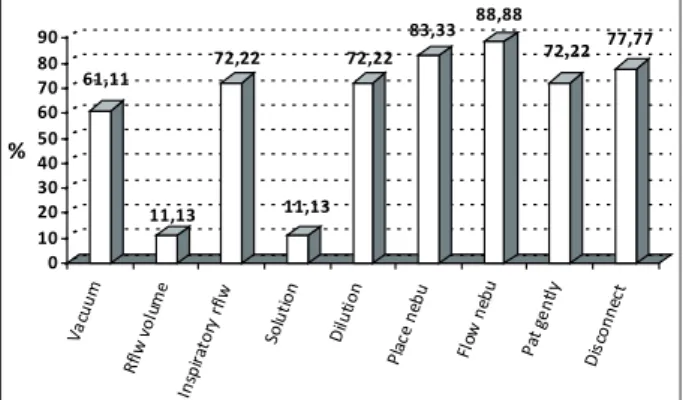
Figure 1 presents the percentage of errors
veriied in the administration of bronchodilators
through nebulization during the individual analy-sis of the nine stages of the process in the posttest.
61,11 11,13 72,22 11,13 72,22 83,33 88,88 72,22 77,77 0 10 20 30 40 50 60 70 80 90 % Va cu um Rfl w v
olu me Insp irat ory rfl w So luti on Dilu tio n Pla ce neb u Flow neb u
Pat g en tly Dis con nec t
Figure 1 - Percentage of errors in the administra-tion of bronchodilators through nebulizaadministra-tion. Porto Alegre-RS, Brazil, 2007
Figure 2 shows the percentage of errors
veriied in the administration of bronchodilators
through pMDI attached to a spacer device dur-ing individual analysis of the seven stages of the process in the posttest.
None of the nursing technicians were able to describe the stages of the nebulization technique using a nebulizer in ventilator-supported patients. In the posttest, after training, 44.11% of the nurs-ing technicians were able to answer this question correctly. The remaining 55.89% answered this question wrongly because they did not describe all the steps in the process, as shown in Figure 1.
78,57 96,42 96,42 0 85,71 32,14 46,42 0 10 20 30 40 50 60 70 80 90 100 % Va cuu m Rfl w v
olu me Insp irat ory rfl w Pla ce dev ie Shak e Pre ss d
ow n
Re pe
at
Figure 2 - Percentage of errors in the administra-tion of bronchodilators through pMDI. Porto Alegre-RS, Brazil, 2007
Question number 2 of the pretest asks for the
necessary airlow to perform nebulization using a
nebulizer in intubated patients and only 5.88% of the respondents were able to answer this question correctly. In the posttest, 38.23% of the respondents were able to answer it correctly. We realized there
was a comprehension issue in this speciic ques
-tion, since 21 individuals answered it wrongly in the posttest. After resolving comprehension issues,
19 respondents provided the ventilator low and two provided the airlow volume instead of the nebulizer low.
None of the nursing technicians described the administration of bronchodilator with a spacer device correctly in pretest (question 6) while 85.36% of the respondents did not correctly describe all seven stages of the procedure in the posttest (Figure 2).
A total of 70.58% of the respondents knew
in the pretest that the most eficient device to
administer aerosol is the spacer device rather than the nebulizer, while all nursing technicians were able to answer this question correctly in the
posttest. They also justiied in the posttest why the spacer is more eficient: “the spacer provides a more reliable dose” (29.41%); “there is no risk of bacterial contamination” (23.52%); “it is more eficient” (23.52%); 14.70% did not justify the
answer; and “it does not interfere with ventila
-tion” (8.82%).
Question number 10 asked whether the
parameters of the mechanical ventilator inluence
re 509 re
-spondents who answered this question wrongly
in the posttest, either they said: “the parameters
of the mechanical ventilator inluence the sup
-ply of aerosol” but were not able to explain why
(44.44%), or “it does not inluence it” but could
not explain why (33.33%), or did not answer the question (22.22%).
DISCUSSION
This study’s results show the nursing tech-nicians acquired knowledge after the training program on the administration of bronchodilators in mechanically ventilated patients. The nurs-ing staff was instructed in the administration of bronchodilators, increasing their knowledge and,
consequently, becoming more qualiied to provide more eficient treatment to patients. Increased
knowledge, however, means understanding that nursing activities are successively learned and,
therefore, are practiced, modiied and eventu
-ally superseded. “What is currently seen as valid
knowledge is immediately relegated to the back-ground, or even abandoned, as new knowledge is validated”.13:172
It is worth noting that questions numbers 1 and 6 demanded a detailed description of the steps to be followed. The analysis of these ques-tions, especially in the posttest, seems to indicate that some nursing technicians did not have the disposition or patience required to answer the questions since their answers were very brief,
which negatively impacted the inal result. This
perception, however, encourages reflection upon the best strategies to integrate education and practice. From this perspective, the results of this investigation helped the researchers to understand that the professionals’ routines are directly linked to the success or failure of trans-forming reality based on best practices. That
is, concomitant with any qualiication process,
there is a need to instill a critical view and value the daily routine of the work team, considering it a partner in the search for concrete operational results.14
The distribution of inhaled medicine is hin-dered in intubated patients. Only 2.9% of the drug reaches the lungs when administered through nebulizers. The administration of aerosol through a pMDI should be used via an adapter linked to the circuit of the ventilator and synchronized with the inspiratory phase. To ensure appropriate dosage, it should be two or four times greater, due to losses
that occur in the circuit of the ventilator.11
Appro-priate deposition of aerosol in the lower airways depends on multiple factors, among which are: the physical and chemical properties of medications, the characteristics and appropriate placement of aerosol generators, ventilators’ parameters and
modes, the type of ventilator circuit, humidiica
-tion and heating of inspired air, and the patient’s anatomy and presence of secretion in the airways.1
Patients whose ventilator’s parameters are in the assist-control mode have a 23% increase in the supply of aerosol when compared to controlled
modes with equivalent volume of airlow. Airway low greater than 500ml is recommended for adults
to ensure appropriate release of aerosol in the lower airways.1 These aspects were appropriately
considered important by the nursing technicians, as shown by the results of the ninth and tenth questions.
We also veriied, given the results in the pre
-test concerning the seventh and ninth questions, that the nursing technicians already considered the administration of bronchodilator via pMDI and spacer more effective than through a nebu-lizer. One of the possible reasons is the greater facility with which the procedure is performed for ventilator-supported patients. Recent stud-ies show that using a regular spacer attached to
a pMDI improves the eficiency of the therapy
with bronchodilators in mechanically ventilated patients when the procedure is synchronized with the beginning of inspiration, with careful attention to the administration technique. MDIs are easy to use, require less time, provide a more reliable dose, and offer no bacterial contamination risk; in-line spacers do not need to be disconnected, reducing the risk of pneumonia associated with the ventilator.1
Studies show that inhalers differ in relation to the degree of pulmonary deposition but their
eficiency also depends on the source and degree
of airways obstruction.1,15-16 Pulmonary
deposi-tion reaches from 5% to 10% of the nominal dose released to the patient when using an MDI. In
fact, studies show that the eficiency of supply of
aerosol in the lower respiratory tract in ventilator-supported patients with the use of a nebulizer is from zero to 42% and with an MDI it is from 0.3% to 97.5%.1-2
Hence, health workers should be aware that deposition data concerning spacers come from studies using a specific drug and may not apply to other drugs.8
The ifth question shows a low percentage
of correct answers both in the pretest and posttest even though, paradoxically, the answer seemed to be easy in the posttest. That is, the pMDI is more effective in aerosol deposition when placed at a 30 cm distance from the endotracheal tube in comparison to placing it between the patient Y and the endotracheal tube. In this case, the circuit acts as a spacer for the aerosol to accumulate between inspirations.1,15-16 Once more, this result may have
shown the need for the researchers to reconsider and discuss with the nursing technicians their comprehension concerning the importance of appropriate aerosol deposition for patients using bronchodilators.
The fourth question, which asks the nurs-ing technicians what should be done with the nebulizer during nebulization, obtained no correct answers in the pretest, meaning that none of the respondents knew what to do with the nebulizer. After the training program, 100% of the answers were correct in the posttest. In this context, we note that nebulizers are associated with bacterial contamination. Taking such an aspect into account, they should be cleaned and disinfected as soon
as nebulization is inished to minimize risk of
contamination and hospital-acquired pneumonia.
The additional low of gas from the nebulizer can
lead to a situation in which the patient is unable to maintain respiratory drive during ventilation of sustained pressure, causing hypoventilation.1
CONCLUSION
This study presents some limitations such as: reduced sample size;, it was conducted in a single facility, and the knowledge of the technicians in the subsequent months was not evaluated. Its
strengths include the veriication of a common educational problem in the ield; the indication
that we should pay attention to how we administer training processes and how we evaluate respective results; the study was conducted in a center of ex-cellence in respiratory diseases; and the objective and careful description of an educational practice based on international guidelines.
The analysis of results from both the pretest and posttest, and the participation of the nursing
technicians in the qualiication process, show that
the participants acquired knowledge of the admin-istration of bronchodilators in mechanically ven-tilated patients. The nursing staff was instructed concerning the administration of bronchodilators and the resulting increase in knowledge enabled them to provide patients improved care based on best practices.
Continuing education should be a common practice in hospitals, since techniques that become routine are often forgotten and even superseded. In summary, nurses are technically and ethically responsible for nursing care provided to patients, thus, should be interested in having a competent team of nursing technicians aware of the need to provide quality and effective care.
A P P E N D I X – S T R U C T U R E D
Q U E S T I O N N A I R E w I T H O P E N
QUESTIONS
Appropriate use of bronchodilators in
mechanically ventilated patients
Question 1) Describe all the steps you take to per-form nebulization with a nebulizer in mechanically ventilated patients.
Expected answer) Vacuum the tube; adjust
air-low volume > 500ml; air-low < 60L/min; put saline
solution into the device; place the nebulizer in the inspiratory limb at a distance of 30 cm from
the connection; observe low of 6L/min in the
nebulizer; tap gently on the nebulizer during pro-cedure; disconnect the nebulizer from the circuit.1
Question 2) What is the necessary airlow to per
-form nebulization with a nebulizer in intubated patients?1
Expected answer) 6 to 8 l/min.
Question 3) What is the correct volume of solution to be place in the nebulizer to enable nebulization is mechanically ventilated patients?
Expected answer) 4 to 6 ml.1
Question 4) What you should do with the nebu-lizer during nebulization?
Expected answer) Tap gently on it.1
Question 5) What is the best placement of the nebulizer in the ventilator’s circuit for the
proce-dure to be eficient?
511
-Question 6) Describe how you administer bron-chodilators using a spacer device in mechanically ventilated patients.
Expected answer) Vacuum the tube; observe and
keep the airlow > 500ml; observe and keep low < 60L/min; conirm the position of the device in the
inspiratory limb; shake the medication and place it into the spacer; press it down at the beginning of inspiration; repeat dose 20 to 30 seconds later;
observe the correct placement – ventilator – ilter
– spacer.1
Question 7) In which breathing phase should inhaled medication (inhalers) be sprayed into the spacer?
Expected answer) Inspiratory.1-6
Question 8) What should we do with the inhaled medication canister before spraying it into the spacer?
Expected answer) Shake.1
Question 9) What is, in your opinion, the best
device to deliver aerosol more eficiently? Why?
Expected answer) The spacer. Because it is more
eficient, easier to use, require less time, provide
a more reliable dose, and offer no bacterial con-tamination risk. 1-11
Question 10) In your opinion, do the parameters
of the mechanic ventilator inluence the supply of
aerosol? Why?
Expected answer) Yes. Because deposition of aerosol increases in 23% when the ventilator’s parameters are in the assist-control mode when
compared to controlled modes. An airlow volume > 500ml is required to ensure appropriate release
of aerosol in the lower airways.11
REFERENCES
1. Duarte AG. Inhaled bronchodilator administration during mechanical ventilation. Respir Care. 2004 Jun; 49(6):623-33.
2. Dolovich MB, Ahrens RC, Hess DR, Anderson P, Dhand R, Rau JL, et al. Device selection and outcomes of aerosol therapy: evidence-based guidelines: American College of Chest Physicians/American College of Asthma, Allergy and Immunology. Chest. 2005 Jan; 127(1):335-71.
3. Guerin C, Fassier T, Bayle F, Lemansson S, Richard JC. Inhaled bronchodilator administration during mechanical ventilation: how to optimize it, and for which clinical beneit? J Aerosol Med Pulm Drug Deliv. 2008 Mar; 21(1):85-96.
4. MacLoughlin RJ, Higgins BD, Laffey LG, O’Brien T. Optimized aerosol delivery to a mechanically ventilated rodent. J Aerosol Med Pulm Drug Deliv. 2009 Dec; 22(4):323-32.
5. Franca AS, Carvalho CR. Ventilação mecânica In: Silva LCC, Teixeira PJZ, organizadores. Doenças respiratórias graves. Rio de Janeiro (RJ): Revinter; 2003. p. 90-7.
6. Rocha Filho W, Noronha VX, Senha SN, Simal CJ, Mendonça WB. Avaliação da inluência da idade e do volume do espaçador na deposição pulmonar de aerossóis. J. Pediatria. 2004 Set-Out; 80(5): 387-90. 7. Wise RA. Chronic obstructive pulmonary disease:
clinical course and management. In: Fishman AP, et al. Fishman´s pulmonary disease and disorders. 4ª ed. New York: McGraw-Hill; 2008. p. 729-46. 8. Rivera-Fernández R, Navarrete-Navarro P,
Fernández-Mondejar E, Rodriguez-Elvira M, Guerrero-López F, Vázquez-Mata G, et al. Six-year mortality and quality of life in critically ill patients with chronic obstructive pulmonary disease. Crit Care Med. 2006 Sep; 34(9):2317-24.
9. Iribarren-Diarasarri S, Aizpuru-Barandiarana F, Loma-Osorio A, Castedo-González J, Poveda-Hernández Y, Muñoz-Martínez T, et al. Factores pronósticos de mortalidad en pacientes con enfermedad pulmonar obstructiva crónica tras su ingreso en una Unidad de Medicina Intensiva. El papel de la calidad de vida. Med Intensiva. 2005; 29(4):204-11.
10. Teixeira C, Cabral CR, Hass JS, Oliveira RP, Vargas
MAO, Freitas APR, et al. Exacerbação aguda da
DPOC: mortalidade e estado funcional dois anos após a alta da UTI. J Bras Pneumol. 2011 Mai-Jun; 37(3):334-40.
11. Teixeira PJZ, Meregalli AF, Becker A. Manejo do paciente com asma aguda grave. In: Silva LCC, Teixeira PJZ, organizadores. Doenças respiratórias graves. Rio de Janeiro (RJ): Revinter; 2003. p:165-72. 12. Ministério da Saúde (BR), Conselho Nacional de
Saúde, Comissão Nacional de Ética em Pesquisa. Resolução n° 196 de 10 outubro de 1996: diretrizes e normas regulamentadoras de pesquisa envolvendo seres humanos. Brasília (DF): MS; 1996.
13. Vargas MAO, Ramos FRS. Tecnobiomedicina: implicações naquilo e daquilo que a enfermagem faz em terapia intensiva. Texto Contexto Enferm. 2008 Jan-Mar; 17(1):168-76.
14. Backes VMS, Lino MM, Prado ML, Reibnitz KS, Conaver BP. Competências dos enfermeiros na atuação como educador em saúde. Rev Bras Enferm. 2008 Nov-Dez [access 2012 May 2]; 61(6). Available at: http://www.scielo.br/scielo.php?script=sci_ arttext&pid=S0034-71672008000600011&lng=en& nrm=iso
15. Tietze KJ, Manaker S. Pulmonary pharmacotheraphy. In: Fishman AP. Fishman´s Pulmonary Disease and Disorders. 4ª ed. New York (US): McGraw-Hill; 2008. p. 2631-44.
16. Moura RS. Farmacologia do sistema respiratório. In: Bethlem N. Pneumologia. 4ª ed. São Paulo (SP): Atheneu; 2000. p. 55-63.
Correspondence: Mara Ambrosina de Oliveira Vargas Rua Elizeu Di Bernardi, 200 ap.1102 Bl A
88101-050 – Campinas, São José, SC, Brazil E-mail: [email protected]