Identification of Molecular Markers of
Delayed Graft Function Based on the
Regulation of Biological Ageing
Dagmara McGuinness1, Johannes Leierer4, Olivier Shapter1, Suhaib Mohammed1, Marc Gingell-Littlejohn1, David B. Kingsmore2, Ann-Margaret Little3, Julia Kerschbaum4, Stefan Schneeberger4, Manuel Maglione4, Silvio Nadalin5, Sylvia Wagner6,
Alfred Königsrainer7, Emma Aitken2, Henry Whalen1, Marc Clancy2, Alex McConnachie8, Christian Koppelstaetter4, Karen S. Stevenson2, Paul G. Shiels1*
1University of Glasgow, College of Medical, Veterinary & Life Sciences, Wolfson Wohl Translational Research Centre, Institute of Cancer Sciences, Garscube Estate, Switchback Road, Glasgow, G61 1QH, Scotland,2NHS Greater Glasgow and Clyde, Renal Transplant Unit, Ward 4c, South Glasgow University Hospital, Glasgow, G51 4TF, Scotland,3NHS Greater Glasgow and Clyde, Histocompatibility and Immunogenetics, Laboratory Medicine Building, Gartnavel General Hospital, Glasgow, G12 0XL, Scotland,
4Center of Operative Medicine, Department of Visceral, Transplant and Thoracic Surgery, Innsbruck Medical University, A-6020 Innsbruck, Austria,5Universitätsklinikum Tübingen, Universitätsklinik für Allgemeine, Viszeral- und Transplantationschirurgie, Transplantationszentrum, D-72076 Tübingen, Germany,6Universitätsklinikum Tübingen, Klinik für AllgemeineViszeral und Transplantationschirurgie, Chirurgische Studienzentale, D-72076 Tübingen, Germany,7Universitätsklinikum Tübingen,
Universitätsklinik für Allgemeine, Viszeralund Transplantationschirurgie, CRONA, D-72076 Tübingen, Germany,8Robertson Centre for Biostatistics, University of Glasgow, Glasgow, Scotland
Abstract
Introduction
Delayed graft function is a prevalent clinical problem in renal transplantation for which there is no objective system to predict occurrence in advance. It can result in a significant
increase in the necessity for hospitalisation post-transplant and is a significant risk factor for other post-transplant complications.
Methodology
The importance of microRNAs (miRNAs), a specific subclass of small RNA, have been clearly demonstrated to influence many pathways in health and disease. To investigate the influence of miRNAs on renal allograft performance post-transplant, the expression of a panel of miRNAs in pre-transplant renal biopsies was measured using qPCR. Expression was then related to clinical parameters and outcomes in two independent renal transplant cohorts.
Results
Here we demonstrate, in two independent cohorts of pre-implantation human renal allograft biopsies, that a novel pre-transplant renal performance scoring system (GRPSS), can
OPEN ACCESS
Citation:McGuinness D, Leierer J, Shapter O, Mohammed S, Gingell-Littlejohn M, Kingsmore DB, et al. (2016) Identification of Molecular Markers of Delayed Graft Function Based on the Regulation of Biological Ageing. PLoS ONE 11(1): e0146378. doi:10.1371/journal.pone.0146378
Editor:Giovanni Camussi, University of Torino, ITALY
Received:September 11, 2015
Accepted:December 16, 2015
Published:January 6, 2016
Copyright:© 2016 McGuinness et al. This is an open access article distributed under the terms of the Creative Commons Attribution License, which permits unrestricted use, distribution, and reproduction in any medium, provided the original author and source are credited.
Data Availability Statement:Due to ethical restrictions related to protecting both donor and patient confidentiality, data cannot be made publicly available. All relevant data are available upon request. Data from this study are available from the senior author (PS), and validation cohort data are available upon request from authors CK JL JK SN AK SS SW MM MW.
determine the occurrence of DGF with a high sensitivity (>90%) and specificity (>60%) for donor allografts pre-transplant, using just three senescence associated microRNAs com-bined with donor age and type of organ donation.
Conclusion
These results demonstrate a relationship between pre-transplant microRNA expression lev-els, cellular biological ageing pathways and clinical outcomes for renal transplantation. They provide for a simple, rapid quantitative molecular pre-transplant assay to determine post-transplant allograft function and scope for future intervention. Furthermore, these results demonstrate the involvement of senescence pathways in ischaemic injury during the organ transplantation process and an indication of accelerated bio-ageing as a conse-quence of both warm and cold ischaemia.
Introduction
Increasing demand for renal transplantation has resulted in the use of kidneys which previ-ously would have been considered marginal and this combined with an increase in Donation after Circulatory death (DCD) has increased the prevalence of renal allografts at risk of Delayed graft function (DGF). DGF is most commonly defined as the need for dialysis within one week
post-transplant [1,2]. DGF is a consequence of Acute Kidney Injury (AKI) related to
peri-transplant processes and results in prolonged post-operative hospitalisation. Although previ-ous work has reported no deleteriprevi-ous impact of DGF on long term survival, it remains to be seen if this is maintained in the context of a changing donor population. Consequently, this important prognostic factor for allograft outcome is likely to remain a significant clinical chal-lenge for the foreseeable future, as the use of Extended Criteria Donors (ECD) and DCD kid-neys to meet the shortfall in available kidkid-neys on a growing transplant waiting list, is associated
with an increased incidence of DGF [3,4]. Furthermore, although our understanding of the
clinical risk factors has improved this has not translated into the development of therapies to attenuate or treat DGF.
Until recently, donor chronological age has been the most widely accepted and utilised crite-rion in assessment of an organ for transplantation. We, and others, have demonstrated that allograft biological age, determined by the expression level of CDKN2A pre-transplant, is a
superior prognostic and predictive marker to donor age in this context [5,6,7]. Notably,
how-ever, expression of this marker, has already shown an association with DGF in one study [5],
opening an avenue to an improved molecular characterisation for this problem and thus better risk benefit analysis and better informed patient management.
The CDKN2 locus is complex and subject to a range of spatio-temporal and developmental epigenetic regulation, which integrates expression of its gene products to a range of stress and
damage related biochemical pathways (e.g. mTOR, P13K, TGF-β). Recent studies have
impli-cated epigenetic regulation by microRNAs as critical regulators of the CDKN2 locus, renal
development as well as physiological processes [8,9]. Indeed, they have been used to provide a
valuable post-transplant signature of renal function and allograft rejection.
MicroRNAs are small (18–25 nucleotides), non-coding, single-stranded RNA molecules
that are involved in the regulation of a variety of biological processes, including embryogenesis,
differentiation, and senescence [10,11,12]. MicroRNAs are also critical for mRNA stability and
funding has been received from the European Community's Seventh Framework Programme under the grant agreement No. 241544.
are involved in the regulation of gene silencing [13]. This has led us to hypothesis that miRNAs associated with such pathways may be potential biomarkers for DGF. Two miRNAs, hsa-mir-217 and hsa-mir-125b, involved in cellular stress and damages responses are of particular inter-est in this context, as they help regulate biological ageing processes common across taxa and as mediators of CDKN2 loci transcript expression.
In this study, we have sought to determine in a retrospective analysis of pre-transplant allo-graft biopsies, if these miRNAs associate with DGF, or where interrelated with pre-transplant parameters that might influence outcome, or post-transplant performance (e.g. cold ischaemia time, type of organ donation, ECD) that might impact upon DGF.
We have hypothesised that such a signature may identify molecular characteristics that offer insight into the clinical phenotype of delayed graft function and potential novel therapeu-tic targets.
Materials and Methods
Renal allograft recipients and Biopsy specimens
Cortical needle biopsies of renal allografts were obtained pre-transplant (N = 94, placed in RNA1later(Ambion, USA) and stored at -80°C for further analysis. Donor and recipient
char-acteristics are shown inTable 1. This study as well as consent procedure was approved by the
Regional Ethics Committee of North Glasgow NHS Trust (GN10SU334, 10/S0704/42). Donors from the national pool donated their organs for transplantation. The recipient of the organ provided pre-operative written informed consent and records are stored at South Glasgow Uni-versity Hospital.
Samples were anonymised and subsequently analysed. The validation cohort had a separate ethical approval granted (Innsbruck Medical University and Universitätsklinikum Tübingen)
and full written consent was collected for each subject (Table A inS1 Data.). None of the
trans-plant donors were from a vulnerable population and all donors or next of kin provided written informed consent that was freely given.
Total RNA from kidney biopsies was extracted using TRI1Reagent according to the
manu-facturer’s instructions (Invitrogen, UK) and stored at -80°C for further analysis. Quantitative
and qualitative analysis of isolated RNA was performed for each sample; this included spectral
analysis (A260/280 nm), non-denaturing agarose electrophoresis and expression profile of 18S
rRNA. RNA extraction for validation cohort can be found inS1 Data.
MicroRNA expression and data analysis
MicroRNA profiles were determined in pre-transplant renal biopsies using micro-fluidic cards
comprising of 754 independent microRNAs (TaqMan1Array Human MicroRNA A+B Cards
Set v3.0, Applied Biosystems). 10 renal biopsies were used for profiling studies (5 good per-forming allografts and 5 poor perper-forming allografts).
1μg of total RNA for each card in the set was reverse transcribed using Megaplex™Primer
Pools, Human Pools Set v3.0 and TaqMan1MicroRNA Reverse Transcription Kit according
to the manufacturer’s instructions (Applied Biosystems). QPCR was carried out on 7900HT
Real-Time PCR system (Applied Biosystems) using thermal profiles recommended by the manufacturer. Amplification profiles for each sample and target were analysed individually and profiles with Ct above 35, bad passive reference signal, noise spike and high noise were removed from further analyses. Data analysis was performed using RQ Manager 1.2 and
Real-Time1StatMiner (Integromics). Data were normalised against the following endogenous
con-trols: RNU44, RNU48 and MammU6 or U6snoRNA depending on the card used. The
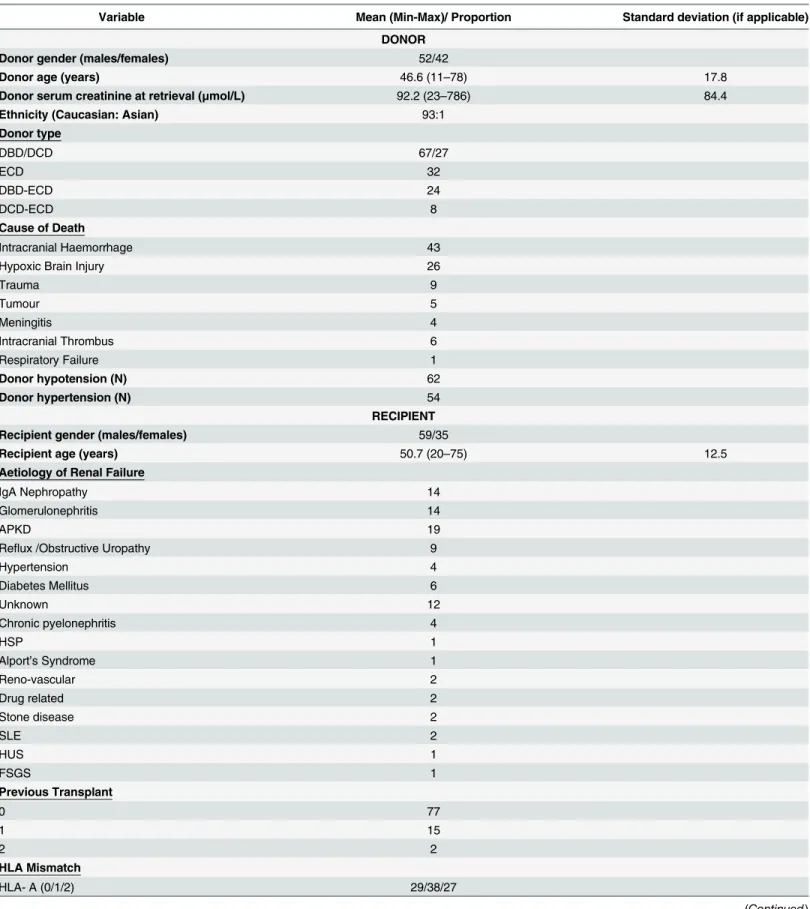
Table 1. Patient clinical and experimental characteristic.Continuous variables are expressed as mean with standard deviation, whereas categorical var-iables are expressed as proportions.
Variable Mean (Min-Max)/ Proportion Standard deviation (if applicable)
DONOR
Donor gender (males/females) 52/42
Donor age (years) 46.6 (11–78) 17.8
Donor serum creatinine at retrieval (μmol/L) 92.2 (23–786) 84.4
Ethnicity (Caucasian: Asian) 93:1
Donor type
DBD/DCD 67/27
ECD 32
DBD-ECD 24
DCD-ECD 8
Cause of Death
Intracranial Haemorrhage 43
Hypoxic Brain Injury 26
Trauma 9
Tumour 5
Meningitis 4
Intracranial Thrombus 6
Respiratory Failure 1
Donor hypotension (N) 62
Donor hypertension (N) 54
RECIPIENT
Recipient gender (males/females) 59/35
Recipient age (years) 50.7 (20–75) 12.5
Aetiology of Renal Failure
IgA Nephropathy 14
Glomerulonephritis 14
APKD 19
Reflux /Obstructive Uropathy 9
Hypertension 4
Diabetes Mellitus 6
Unknown 12
Chronic pyelonephritis 4
HSP 1
Alport’s Syndrome 1
Reno-vascular 2
Drug related 2
Stone disease 2
SLE 2
HUS 1
FSGS 1
Previous Transplant
0 77
1 15
2 2
HLA Mismatch
HLA- A (0/1/2) 29/38/27
and the obtained quantification was transformed to exponential value 2-ΔΔCT[14]. MicroRNA
expression profile generation for validation cohort is described inS1 Data.
QPCR
For each individual RT reaction 10 ng of total RNA from each sample was used and reverse
transcription was performed usingTaqMan1MicroRNA Reverse Transcription Kit (Life
Tech-nologies Inc., UK). RT product was further amplified using individual microRNA1Taqman
assays. hsa-miR-217 (002337) and hsa-miR-125b (000449) expression was normalised against the following endogenous controls: RNU44 (001094), RNU48 (001006) and U6snoRNA (001973) for each sample.
For gene expression analysis, 1μg of total RNA was reverse transcribed using
SuperScrip-t1II Reverse Transcriptase (Life Technologies Inc., UK) and then qPCR was performed. The
gene expression was analysed using TaqMan1
gene expression assays for CDKN2A
(Hs00923894_m1), ANRIL (Hs04406279) and normalised against HPRT1 (Hs02800695_m1).
The comparative threshold cycle method (ΔΔCT) was used to quantify relative gene
expres-sion, and the obtained quantification was transformed to exponential value 2-ΔΔCT[14]. RNA
extracted from the kidney of a 41 year old healthy donor was used as a calibrator for all experiments.
Statistics
Statistical analysis of microRNA expression was performed using the SPSS statistical package (v17). Spearman correlations and appropriate parametric or non-parametric tests were used to compare variables.
Logistic regression analyses were performed to demonstrate any association between differ-ential microRNA expression in relation to DGF as well as biochemical and clinical parameters. This was accomplished using a backward stepwise approach, where all variables were added to
the model, and removed based on significance of input to the model. p<0.05 was considered
significant.
Table 1. (Continued)
Variable Mean (Min-Max)/ Proportion Standard deviation (if applicable)
HLA- B (0/1/2) 33/50/11
HLA- DR (0/1/2) 67/24/3
Cold ischaemic time (hours) 13.7 (6–23) 3.9
Immunosuppression
Induction: Basiliximab/ Campath /ATG 80/7/5
Maintenance: Tacrolimus /Sirol/Cyc 92/1/1
Prednisolone 88
Mycophenolatemofetil 87
BPAR 16
DGF 27
Serum creatinine level at 6 months (μmol/L) 125.5 (55–318) 53.2
MDRD4 at 6 months (ml/min/1.73m2) 59.4 (17.6
–115.3) 23.1
Serum creatinine level at 1 year (μmol/L) 128.8 (55–377) 57.3
MDRD4 at 12 months (ml/min/1.73m2) 59 (16.2–120) 22.2
Results
94 pre-perfusion renal biopsies collected upon arrival for transplantation from deceased donors
were included in this study. Patient characteristics are described inTable 1. All kidneys in this
cohort were subsequently transplanted. Mean donor age was 46.6 years and 55% were from male donors. 28.7% were donors after circulatory death and 34% of all donors were extended criteria
donors. 4 kidneys had AKI at retrieval with serum Creatinine levels of>200μmol/L. However,
none of these kidneys displayed delayed graft function post-transplantation. The overall DGF rate in this cohort is 28.7%. The mean cold ischaemic time is 13 hours which compares well with national averages and limits one of the known risk factors for DGF in this cohort.
MicroRNA profiles were determined in pre-transplant biopsies using micro-fluidic cards
comprising 754 independent microRNAs (TaqMan1
Array Human MicroRNA A+B Cards Set v3.0, Applied Biosystems). For initial profiling, 10 pre-transplant renal allograft biopsies were used; of these 5 were good performers within 2 years of transplant while the other 5 pre-sented poor function within the same time frame. Differential expression between good and poor performers (minimum of two-fold difference) was observed for 505, 34a, 1275, 125a-5p, 449a, 155, 101#, hsa-miR-375, hsa-miR-96, hsa-miR-217 and hsa-miR-125b. These microRNAs were further analysed in the context of other clinical parameters including DGF, serum Creatinine, MRDR4 at 6 and 12 months post-transplant and type of organ donation.
Association analysis
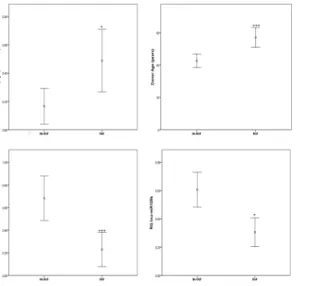
The incidence of DGF was associated with higher donor age (p<0.001), increased CDKN2a/
p16 expression (p = 0.01) and decreased expression of hsa-miR-217 (p<0.0001) and
hsa-miR-125b (p = 0.035) in allografts showing DGF post-transplant compared to these without the
occurrence of DGF (Fig 1). Interestingly, a negative correlation between hsa-miR-217 and
CDKN2A/p16 expression was also noted (cc = -0.392, p = 0.001). Further analysis of the CDKN2 locus revealed that hsa-miR-217 is positively correlated with ANRIL (CDKN2B-AS1, cc = 0.289, p = 0.029).
Fig 1. Delayed graft function is related to donor age, CDKN2A/p16 and the expression of hsa-miR-217 and hsa-miR-125b.Gene and MicroRNA expression was assayed using individual TaqMan1assays and normalised against the following endogenous controls: RNU44, RNU48 and U6snoRNA (for microRNA) and HPRT1 for CDKN2A. Data presented as mean with 95%CI.
Lower hsa-miR-125b (p = 0.024) was observed in donors after cardiac death as compared to donors after brain death, this microRNA was also positively correlated to cold ischaemia time (cc = 0.227, p = 0.028)
We have also analysed the expression of differentially expressed transcripts and microRNAs in the context of recovery from transplant related injury measured as the time for serum
creati-nine levels to half (Cr t1/2)[15]. This is defined as the time taken for the serum creatinine level
to drop to half of its peak post-operative value. For immediate functioning grafts this will be the highest value seen post-transplant. For those with DGF, the peak value is taken as the
high-est creatinine value observed following the last haemodialysis session (Fig 2). Cr t1/2 was
sig-nificantly correlated with the expression of hsa-miR-125b (cc = -0.287, p = 0.006) and allograft
function measured as MDRD4 at 3 months (cc = -0.4010, p<0.0001) and 6 months
post-trans-plant (cc = -0.285, p = 0.006;Table 2). The expression of hsa-miR-217 was positively correlated
with MDRD4 at 12 months (cc = 0.300, p = 0.007;Table 2)
Fig 2. Cr t1/2 calculation and post-transplant organ recovery.A) Cr t1/2 for immediately functioning grafts, B) Cr t1/2 for DGF requiring haemodialysis.
doi:10.1371/journal.pone.0146378.g002
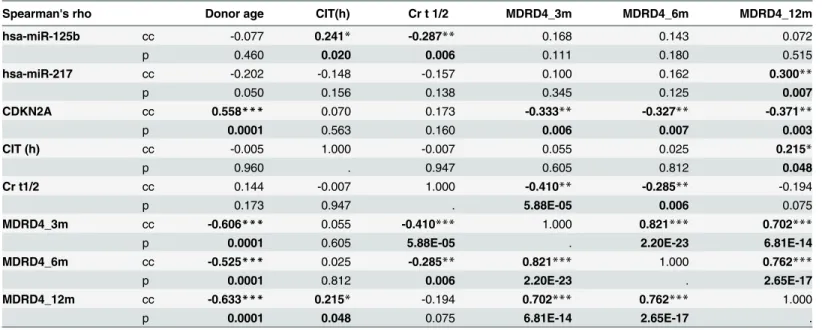
Table 2. Correlation matrix of clinical outcome parameters and miRNA expression.
Spearman's rho Donor age CIT(h) Cr t 1/2 MDRD4_3m MDRD4_6m MDRD4_12m
hsa-miR-125b cc -0.077 0.241* -0.287** 0.168 0.143 0.072
p 0.460 0.020 0.006 0.111 0.180 0.515
hsa-miR-217 cc -0.202 -0.148 -0.157 0.100 0.162 0.300**
p 0.050 0.156 0.138 0.345 0.125 0.007
CDKN2A cc 0.558*** 0.070 0.173 -0.333** -0.327** -0.371**
p 0.0001 0.563 0.160 0.006 0.007 0.003
CIT (h) cc -0.005 1.000 -0.007 0.055 0.025 0.215*
p 0.960 . 0.947 0.605 0.812 0.048
Cr t1/2 cc 0.144 -0.007 1.000 -0.410** -0.285** -0.194
p 0.173 0.947 . 5.88E-05 0.006 0.075
MDRD4_3m cc -0.606*** 0.055 -0.410*** 1.000 0.821*** 0.702***
p 0.0001 0.605 5.88E-05 . 2.20E-23 6.81E-14
MDRD4_6m cc -0.525*** 0.025 -0.285** 0.821*** 1.000 0.762***
p 0.0001 0.812 0.006 2.20E-23 . 2.65E-17
MDRD4_12m cc -0.633*** 0.215* -0.194 0.702*** 0.762*** 1.000
p 0.0001 0.048 0.075 6.81E-14 2.65E-17 .
*p<0.05
**p<0.01 and ***p<0.001.
Longer term function of renal allograft, measured as MDRD4 at 3, 6 and 12 months,
revealed significant correlations with CDKN2A expression at all-time points (Table 2). When
DGF-related microRNAs were analysed for their correlation with renal allograft function at post-operative day 3 (POD3), post-operative day 5 (POD5) and post-operative day 7 (POD7), the expression of hsa-miR-125b was positively correlated with MDRD4 at all time-points while
hsa-miR-217 was associated with renal function on POD5 and POD7 (Table 3).
Multivariate analysis of factors related to Delayed Graft Function
Linear regression analysis of clinical parameters related to delayed graft function (cold ischae-mia time, donor age, type of organ donation) and CDKN2A/p16 expression revealed signifi-cant associations with donor age and DCD status. Cold ischaemic time and CDKN2A/p16
expression were not significant in this model (Table 4–model A).
Further multivariate analysis performed with the inclusion of microRNAs, revealed that hsa-miR-217, hsa-miR-125b added additional power to the known clinical variables for
delayed graft function in a biologically plausible context (Table 4–model B).
GRPSS model construction
Binary logistic regression was used with stepwise backwards conditional modelling to investi-gate the importance of all factors in determining the presence/absence of DGF post-transplant. This was applied to analyses for hsa-mir-217 and hsa-mir-125b expression levels relative to clinical parameters, to determine their predictive ability for individual performance criteria in the primary allograft cohort (n = 94). These included type of organ donation and previous
Table 3. Correlation matrix of miRNA expression and renal allograft function at post-operative days 3 (POD3), 5 (POD5) and 7 (POD7).
Spearman's rho Post-operative day (POD) 3 Post-operative day (POD) 5 Post-operative day (POD) 5
Cr MDRD4 Cr MDRD4 Cr MDRD4
hsa-miR-125b cc -0.230* 0.221* -0.261* 0.238* -0.315** 0.298**
p 0.027 0.035 0.012 0.022 0.002 0.004
hsa-miR-217 cc -0.199 0.185 -0.186 0.208* -0.253* 0.256*
p 0.057 0.078 0.076 0.047 0.015 0.014
doi:10.1371/journal.pone.0146378.t003
Table 4. Regression analyses.A) Regression analysis of clinical parameters and CDKN2A only in the relation to Delayed Graft Function (DGF). B) Regres-sion analysis of clinical and molecular parameters in multivariate model.
Variable (model A) Est Error T value P value
Donor Age 0.0095 0.0027 3.505 0.00083
CDKN2A 0.0075 0.0102 0.735 0.4650
DCD donor 0.3890 0.1110 3.573 0.0006
Cold Ischaemic Time 0.00016 0.0002 0.834 0.4073
Variable (model B) Est Error T value P value
Donor Age 0.00924 0.00238 3.874 0.0003
CDKN2A 0.00319 0.0090 0.354 0.7245
DCD donor 0.28216 0.1026 2.748 0.0078
Cold Ischaemic Time 0.0002 0.0002 0.855 0.3956
hsa-miR-125b -0.39993 0.1040 -3.843 0.0002
hsa-miR-217 -0.222 0.0637 -3.489 0.0009
transplant. These were added to the model and subtracted based on significance of input to the model. ECD criteria were not included as the specific formulation already includes donor age.
CIT was excluded from the analysis as its occurrence correlates with hsa-miR-125b (Table 5).
For these analyses DGF was defined as a need for dialysis within 7 days after transplanta-tion, with the exception of post-operative hyperkalaemia.
Analysis of these microRNA expression levels, relative to the presence or absence of DGF using such modelling, indicated a capacity to predict pre-transplant the occurrence of DGF in 83% of cases, with an overall sensitivity of 61% and a specificity of 91% as determined by the prediction model. This model was tested in the context of type of organ donation, previous
transplantation, CIT and donor gender (Table 5). Comparison of the model accuracy for
cor-rect prediction of DGF in relation to confounding factors is summarized inTable 6.
A direct comparison of the microRNA model, which we have termed the Glasgow Renal Performance Scoring System (GRPSS) with the most commonly used clinical method for
deter-mining allograft suitability in the UK, the UKKDRI [16] indicated that the GRPSS was better at
predicting DGF occurrence (Table 7,Fig 3).
It should be noted that UKKDRI is a general performance scoring system and is not intended to solely detect the occurrence of DGF. The GRPSS is presented here as a method which is accurate and specific for DGF issues post-transplant.
These findings were then validated in an independent cohort (n = 24) using the same
com-bination of microRNAs and donor age (S1 Data). This resulted in a model which successfully
classified 70% of cases as DGF or non-DGF, with a sensitivity of 60% and a specificity of 77% however further analyses including type of organ donation and other confounding factors were not performed due to the small sample size.
Discussion
We have clearly demonstrated that only miRNAs incorporated into a novel scoring system, the GRPSS, employed pre-transplant to assess renal allograft biopsies, can with high sensitivity and
Table 5. Binary logistic regression analysis of correlated microRNAs and clinical parameters with the respect to DGF—GRPSS model.
Variable B S.E. Sig. Odds ratio 95% C.I. for Odds ratio
Lower Upper
hsa-mir-217 -1.987 0.787 0.012 0.137 0.029 0.641
hsa-mir-125b -2.415 1.002 0.016 0.089 0.013 0.637
Donor age 0.069 0.021 0.001 1.072 1.028 1.118
Type of organ donation -1.865 0.721 0.010 0.155 0.038 0.636
doi:10.1371/journal.pone.0146378.t005
Table 6. Binary logistic regression analysis of correlated microRNAs and clinical parameters with the respect to DGF.Classification table for GRPSS model in relation to confounding factors.
Predicted DGF
Selected cases (S) All Previous transplantation Cold ischaemia time Gender
No Yes (S) Above 12h (S) Below 12h Male (S) Female
Observed DGF
No 91 83.3 90.7 92.6 75 85.3 87.5
Yes 61.5 80 71.4 73.7 57.1 83.3 62.5
Overall percentage 82.8 82.4 85.3 86.9 71 84.6 82.5
specificity predict the occurrence of DGF post-transplant. Consequently, we believe that the GRPSS has the potential to enhance current methodologies and advance the detection of poor performing allografts before they are transplanted, resulting in improved personalised care for transplant patients. In fact, this scoring system outperforms the UKKDRI scoring system for the detection of DGF, although the UKKDRI system was designed to improve organ allocation rather than detect specific post-transplant outcomes.
The molecular biology underpinning this modelling system is both consistent and biologi-cally plausible. Both hsa-miR-217 and hsa-miR-125b, are associated with the regulation of the expression of the CDKN2 locus which has a proven regulatory role in biological ageing and
renal function post-transplant [5,6,7]. Furthermore, these miRNAs have regulatory roles in
cell-cell adhesion and related signalling pathways. These include TGF-βsignalling, MAPK,
PI3K-AKT, mTOR cascades, actin skeleton remodelling and endocytosis [17]. Notably, they
target pathways related to cell stress and survival in model organisms [18] and thus provide a
biological signature consistent with data derived from different taxa, including dipteran insects,
nematode worms, yeast as well as mammals. The TGF-βcascade has previously been linked to
renal function, both in a reno-protective capacity and in renal inflammation and fibrosis [19].
In particular, hsa-miR-125b and hsa-miR-217 are involved in the regulation of a broad range of cellular/biological processes that intersect on the MAPK signalling and the PI3K-AKT pathways. Critically, these link regulations of immune responses via modulation of T and B cell receptor and chemokine signalling, as well as the remodelling of the extracellular matrix,
including regulation of actin cytoskeleton, adherence junction and focal adhesions [17], all of
which have proven roles in allograft performance. Notably, the MAPK signalling pathway has
Table 7. ROC analysis comparing GRPSS model for DGF with UKKDRI.
Test Result Variable(s) Area Std. Error Asymptotic Sig. Asymptotic 95% Confidence Interval
Lower Bound Upper Bound
UKKDRI .636 .065 .041 .507 .764
GRPSS .865 .043 .000 .781 .948
doi:10.1371/journal.pone.0146378.t007
Fig 3. ROC analysis for GRPSS.
been linked to both chronic and acute kidney disease, where it has a dual function, mediating
kidney injury responses as well as having a role in renal stress resistance [20].
Previous studies have also demonstrated that increased expression of hsa-miR-217 is
associ-ated with suppression of Ras/MAPK and PI3K-AKT [21,22], indicating that these pathways
may be up-regulated by the suppressed expression of this miRNA.
Interestingly, the MAPK and TGF-βcascades, play important roles in the regulation of
microRNA biogenesis and can induce specific phenotypes depending on cellular context [23].
It should also be noted that the TGF-βpathway is involved in the activation of a broad range of
MAPK pathway components including RAS/MEK/ERK1/2 or Rho/JNK, independently of SMAD proteins, but still affecting their phosphorylation status and thus modulating their activity as transcription factors.
hsa-miR-125b has been linked to the promotion of a pro-inflammatory state by the modula-tion of numerous target genes including matrix metalloproteinase, growth factors and BCl2 family members. This miRNA is also critical for immunological host-defence responses and autoimmunity, as well as immune cell differentiation and their responses to the external stimuli
i.e., IL-4 and INF-γ[24]. Our data indicate a role for such processes in determining the
long-term success of allograft transplantation. These data are also in keeping with previous reports
[25,26] and treatment regimes targeting leukocyte adhesion molecules, which have been shown
to be critical in a range of kidney disorders including allograft rejection [27,28].
Our data do not readily agree with recent studies which have focused solely on miRNA
anal-ysis in post-transplant renal allografts (12–26 months post-transplantation) [17]. These studies
describe miRNA profiles in kidneys that have already undergone acute rejection (AR) episodes,
which thus serve as a‘finger print’of extant rejection. Interestingly, some of these microRNAs
showed differential expression in pre-transplant biopsies, including hsa-miR-125b, indicating a potentially ongoing role for these miRNAs in the development and progression of conditions leading to AR.
One hypothesis in keeping with our observations, is that organs displaying more biological
age and consequently poorer post-transplant function [29] will have a higher risk of rejection,
due to ischemic, metabolic and physical trauma incurred during the transplant process, result-ing in leakage of cellular chromatin and mitochondrial proteins from damaged cells in such organs, which might trigger immune responses in the recipient. This hypothesis is in keeping with the correlations we have observed between pre-transplant levels of miRNAs involved in the regulation of cellular bio-ageing. The more senescent/damaged cells present within the organ, the more intra-cellular material that might leak into the recipient circulation. Conse-quently, the likelihood of poor post-transplant performance is dependent on the level of senes-cence related pre-implantation damage in the organ; other factors may include tissue
remodelling, accumulation of ECM components and consequent promotion of a pro-inflam-matory environment by senescent cells. Our data suggest a mechanism which involves organ condition at point of acquisition combined with rapid response damage, via miRNA levels, resulting in an acceleration of the senescence associated phenotype within the donor organ. This accelerated bio-ageing which occurs between organ retrieval and transplantation ulti-mately determines post-transplant outcomes. In this instance, we have demonstrated that the levels of two such rapid response elements (hsa-miR-217 and hsa-miR-125b) are significantly altered in organs which experience DGF post-transplantation
turnaround time for the assays involved in implementing this molecular analysis is only 4 hours, which is within the time window for organ cross matching, indicating the ease of clinical translation of this approach. We therefore believe our findings merit larger scale studies to (a) develop a robust predictive tool for donor organs, and (b) validate that tool in different populations.
Supporting Information
S1 Data. Supplementary Materials and Methods for Validation Cohort.The materials and methods for the validation cohort from Innsbruck and Tubingen, includes details on sample
collection, RNA isolation and microRNA expression profiling.Table Acontains the cohort
characteristics for the validation cohort. (DOCX)
Acknowledgments
The technical assistance with miRNA expression profiling of the validation cohort for Bioga-zelle, Zwijnaarde, Belgium is gratefully acknowledged.
Author Contributions
Conceived and designed the experiments: PS. Performed the experiments: DM HW MGL CK JL JK SN AK SS SW MM. Analyzed the data: DM SM OS KS DK AM. Wrote the paper: PS DM KS DK OS. Clinical database and clinical input: KS DK MC MGL OS EA A-ML. Clinical data-base and input for validation cohort: CK JL JK SN AK SS SW MM. Statistical modelling: DM AM KS OS SM.
References
1. Tejani AH, Sullivan EK, Alexander SR, Fine RN, Harmon WE, Kohaut EC (1999) Predictive factors for delayed graft function (DGF) and its impact on renal graft survival in children: a report of the North American Pediatric Renal Transplant Cooperative Study (NAPRTCS). Pediatr Transplant 3: 293–300. PMID:10562974
2. Yarlagadda SG, Klein CL, Jani A (2008) Long-term renal outcomes after delayed graft function. Adv Chronic Kidney Dis 15: 248–256. doi:10.1053/j.ackd.2008.04.005PMID:18565476
3. Goldfarb DA (2012) Re: Influence of CIT-induced DGF on kidney transplant outcomes. J Urol 188: 231–232. doi:10.1016/j.juro.2012.02.2513PMID:22682861
4. Kayler LK, Srinivas TR, Schold JD (2011) Influence of CIT-induced DGF on kidney transplant out-comes. Am J Transplant 11: 2657–2664. doi:10.1111/j.1600-6143.2011.03817.xPMID:22051325
5. Gingell-Littlejohn M, McGuinness D, McGlynn LM, Kingsmore D, Stevenson KS, Koppelstaetter C, et al. (2013) Pre-transplant CDKN2A expression in kidney biopsies predicts renal function and is a future component of donor scoring criteria. PLoS One 8: e68133. doi:10.1371/journal.pone.0068133 PMID:23861858
6. Koppelstaetter C, Schratzberger G, Perco P, Hofer J, Mark W, Ollinger R, et al. (2008) Markers of cellu-lar senescence in zero hour biopsies predict outcome in renal transplantation. Aging Cell 7: 491–497. doi:10.1111/j.1474-9726.2008.00398.xPMID:18462273
7. McGlynn LM, Stevenson K, Lamb K, Zino S, Brown M, Prina A, et al. (2009) Cellular senescence in pre-transplant renal biopsies predicts postoperative organ function. Aging Cell 8: 45–51. doi:10.1111/j. 1474-9726.2008.00447.xPMID:19067655
8. Akkina S, Becker BN (2011) MicroRNAs in kidney function and disease. Transl Res 157: 236–240. doi: 10.1016/j.trsl.2011.01.011PMID:21420034
9. Wienholds E, Plasterk RH (2005) MicroRNA function in animal development. FEBS Lett 579: 5911–
5922. PMID:16111679
11. Grillari J, Grillari-Voglauer R (2010) Novel modulators of senescence, aging, and longevity: Small non-coding RNAs enter the stage. Exp Gerontol 45: 302–311. doi:10.1016/j.exger.2010.01.007PMID: 20080172
12. Inui M, Martello G, Piccolo S (2010) MicroRNA control of signal transduction. Nat Rev Mol Cell Biol 11: 252–263. doi:10.1038/nrm2868PMID:20216554
13. Malhas A, Saunders NJ, Vaux DJ (2010) The nuclear envelope can control gene expression and cell cycle progression via miRNA regulation. Cell Cycle 9: 531–539. PMID:20081371
14. Livak KJ, Wills QF, Tipping AJ, Datta K, Mittal R, Goldson AJ, et al. (2013) Methods for qPCR gene expression profiling applied to 1440 lymphoblastoid single cells. Methods 59: 71–79. doi:10.1016/j. ymeth.2012.10.004PMID:23079396
15. Aitken E, Cooper C, Dempster N, McDermott M, Ceresa C, Kingsmore D (2015) Delayed graft function is a syndrome rather than a diagnosis. Exp Clin Transplant 13: 19–25. PMID:25654410
16. Watson CJ, Johnson RJ, Birch R, Collett D, Bradley JA (2012) A simplified donor risk index for predict-ing outcome after deceased donor kidney transplantation. Transplantation 93: 314–318. doi:10.1097/ TP.0b013e31823f14d4PMID:22179407
17. Alexiou P, Maragkakis M, Papadopoulos GL, Simmosis VA, Zhang L, Hatzigeorgiou AG (2010) The DIANA-mirExTra web server: from gene expression data to microRNA function. PLoS One 5: e9171. doi:10.1371/journal.pone.0009171PMID:20161787
18. Lant B, Storey KB (2010) An overview of stress response and hypometabolic strategies in Caenorhab-ditis elegans: conserved and contrasting signals with the mammalian system. Int J Biol Sci 6: 9–50. PMID:20087441
19. Lan HY (2011) Diverse roles of TGF-beta/Smads in renal fibrosis and inflammation. Int J Biol Sci 7: 1056–1067. PMID:21927575
20. Cassidy H, Radford R, Slyne J, O'Connell S, Slattery C, Ryan MP, et al. (2012) The role of MAPK in drug-induced kidney injury. J Signal Transduct 2012: 463617. doi:10.1155/2012/463617PMID: 22523682
21. Drakaki A, Iliopoulos D (2013) MicroRNA-gene signaling pathways in pancreatic cancer. Biomed J 36: 200–208. doi:10.4103/2319-4170.119690PMID:24225187
22. Ikeda Y, Tanji E, Makino N, Kawata S, Furukawa T (2012) MicroRNAs associated with mitogen-acti-vated protein kinase in human pancreatic cancer. Mol Cancer Res 10: 259–269. doi: 10.1158/1541-7786.MCR-11-0035PMID:22188669
23. Saj A, Lai EC (2011) Control of microRNA biogenesis and transcription by cell signaling pathways. Curr Opin Genet Dev 21: 504–510. doi:10.1016/j.gde.2011.04.010PMID:21592778
24. Sun YM, Lin KY, Chen YQ (2013) Diverse functions of miR-125 family in different cell contexts. J Hema-tol Oncol 6: 6. doi:10.1186/1756-8722-6-6PMID:23321005
25. Kwon O, Nelson WJ, Sibley R, Huie P, Scandling JD, Dafoe D, et al. (1998) Backleak, tight junctions, and cell- cell adhesion in postischemic injury to the renal allograft. J Clin Invest 101: 2054–2064. PMID:9593761
26. Stokman G, Qin Y, Genieser HG, Schwede F, de Heer E, Bos JL, et al. (2011) Epac-Rap signaling reduces cellular stress and ischemia-induced kidney failure. J Am Soc Nephrol 22: 859–872. doi:10. 1681/ASN.2010040423PMID:21493776
27. Brady HR (1994) Leukocyte adhesion molecules and kidney diseases. Kidney Int 45: 1285–1300. PMID:8072240
28. Anglicheau D, Sharma VK, Ding R, Hummel A, Snopkowski C, Dadhania D, et al. (2009) MicroRNA expression profiles predictive of human renal allograft status. Proc Natl Acad Sci U S A 106: 5330–
5335. doi:10.1073/pnas.0813121106PMID:19289845