Faculdade de Ciências
Departamento de Biologia Vegetal
E f f e c t s o f i n c r e a s e d N i t r o g e n
a v a i l a b i l i t y o n t h e s t r u c t u r e a n d
f u n c t i o n i n g o f a M e d i t e r r a n e a n
B a s i n m a q u i s
Maria Teresa Machado Dias
Doutoramento em Biologia
Especialidade de Ecofisiologia
2012
Universidade de Lisboa
Faculdade de Ciências
Departamento de Biologia Vegetal
E f f e c t s o f i n c r e a s e d N i t r o g e n
a v a i l a b i l i t y o n t h e s t r u c t u r e a n d
f u n c t i o n i n g o f a M e d i t e r r a n e a n
B a s i n m a q u i s
Maria Teresa Machado Dias
Tese orientada por:
Doutora Cristina Cruz
Doutora Lucy Sheppard
Doutoramento em Biologia
Especialidade de Ecofisiologia
ACKNOWLEDGMENTS
To Cristina Cruz and Lucy Sheppard for giving me the opportunity to develop my PhD research, for the guidance, the many times provocative/innovative questions, the trust, the generosity and especially for giving me the freedom to follow my own path. During these years it has been a great pleasure and rewarding challenge to work with both, at the professional level but also at the personal one.
To the Parque Natural da Arrábida for making the experimental site available and envisaging the importance of the N-manipulation experiment.
To Professor Maria Amélia Martins-Loução for always being ‘present’ and often creating interesting brainstorming discussions.
To Professor Otília Correia for her knowledge on Mediterranean plant ecophysiology, which greatly helped and guided me over my PhD research.
To Cristina Branquinho for all her determination, enthusiasm, availability and hard work, which were and continue to be an example.
To Professors Ana Tenreiro, Manuela Carolino, Rogério Tenreiro and Sandra Chaves for their participation, and especially for their patience in explaining over and over the ‘unseen’ of the microbiological studies.
To Professor Nick Ostle and Simon Oakley for their interest and trust in this research, which led them come to Portugal and participate in a stable isotope probing experiment conducted at the field site.
To Professors Catarina Kasuya (Brazil) and Sydney Stürmer (Brazil) and Ana Catarina Afonso, Luis Carvalho, Marliane Cássia Silva (Brazil) and Patrícia Correia for their participation in the mycorrhizal studies.
To Professor Ana Cristina Figueiredo (N and plant volatiles), Ana Isabel Correia (15N
isotopic evolution in plant herbarium material), Gabriel Martins and Rui Malhó (sensitivity to ammonium toxicity and vacuolar pH changes) for their availability in participating in ‘high risk’ small projects that were not included in the present thesis but constitute important lines of future research.
To Professor Begoña, Jon Martinez-Recio and All at the Plant physiology laboratory from the Universidad del País Vasco (Spain) where I stayed for developing part of this dissertation.
To Adelaide Clemente and Sónia Malveiro for their participation in the plant diversity studies.
To Carla Cerqueira who worked on the project for one year and took charge of part of the field and laboratory work.
To Steve Houghton for always helping with the manuscripts’ preparation.
To all the friends and colleagues who during the 4.5 years of field experiment helped me in the field, despite the cold, the rain and the burning Mediterranean sun.
To all the friends and colleagues, whose names I will not list for fear that I may leave someone out, for all the fun, teachings and sharing; You are part of this life experiment.
To my family, especially my parents and nephews (Francisco and Rodrigo)…
I acknowledge the financial support for the development of this work from the Portuguese Fundação para a Ciência e Tecnologia (FCT) through the PhD grant (BD/25382/2005) and the project “Spheres of Ecosystem Response to Nitrogen (SERN): A case study in a Mediterranean-type ecosystem in southern Portugal” (PTDC/BIA-BEC/099323/2008). Part of this work was also financed by the European Science Foundation NinE programme and COST Action 729 (Assessing and managing nitrogen fluxes in the atmosphere-biosphere system in Europe), within the EC NitroEurope Integrated Project.
“Rien ne se perd, rien ne se crée, tout se transforme.”
Antoine Laurent de Lavoisier
Resumo
Foi desde a Revolução Industrial que as acções humanas se tornaram o principal motor da mudança ambiental global, ameaçando assim os processos químicos, biológicos e físicos do nosso planeta. Directa ou indirectamente, a humanidade deu origem às alterações climáticas e dos ciclos biogeoquímicos do carbono (C), azoto (N) e fósforo (P); reduziu a qualidade e quantidade de água potável; e conduziu à perda de biodiversidade e degradação dos serviços dos ecossistemas. Pensa-se que as alterações no ciclo global do N já terão excedido o limite de segurança da Terra.
O aumento do N reactivo (todas as formas de N, excepto o azoto molecular - N2), resultante
da intensificação das actividades agro-industriais, tem uma quimera de efeitos directos e indirectos sobre a atmosfera, solo, água e organismos. Dado que a estabilidade dos ecossistemas naturais e semi-natural depende da baixa fertilidade do solo, o aumento da deposição de N é reconhecido como uma ameaça à biodiversidade. Embora o efeito do N reactivo que chega aos ecossistemas varie de acordo com as condições edafo-climáticas, o tipo de ecossistema e/ou a sua fase da sucessão, a maioria dos estudos sobre os efeitos do aumento da disponibilidade de N foi realizada em ecossistemas florestais temperados (norte da Europa e América). Recentemente, em 2011, os impactos da deposição de N em ecossistemas terrestres foram revistos e as cargas críticas de N (uma estimativa quantitativa da exposição à deposição de N abaixo da qual não ocorrem, de acordo com o conhecimento actual, efeitos prejudiciais significativos nos elementos sensíveis do ambiente) foram reavaliadas para habitats europeus e norte-americanos. No entanto, ainda persistem graves lacunas no conhecimento da resposta de outros tipos de ecossistemas. Os ecossistemas de tipo Mediterrânico encontram-se na ‘lista dos ecossistemas negligenciados’.
Apesar de o bioma Mediterrâneo (todas as regiões de tipo Mediterrânico - Califórnia, região central do Chile, Bacia do Mediterrâneo, sul da região do Cabo e sudoeste e sul da Austrália) cobrir apenas 2% da área terrestre do planeta, abriga 20% da diversidade conhecida de plantas vasculares, transformando assim a sua conservação numa prioridade global a par com as florestas tropicais. As características mais distintivas dos ecossistemas do tipo Mediterrânico em termos do controlo da resposta ao aumento da disponibilidade de N são: a sazonalidade da precipitação, a regulação do ciclo do N pelo fogo, o predomínio da deposição seca de N e a assoncronia entre a disponibilidade de N e a actividade biológica. A Califórnia e a Bacia do Mediterrâneo são as regiões Mediterrânicas mais ameaçados pela
deposição de N e embora existam muitos estudos nos ecossistemas Californianos, há muito poucos nos da Bacia do Mediterrâneo. Devido às suas diferenças geográficas, geológicas e históricas, estas regiões Mediterrânicas diferem em características importantes (por exemplo, a fertilidade do solo, disponibilidade de água, histórico de intervenção humana e ameaças presentes) que podem controlar a resposta aos motores de mudança globais e, dada a baixa fertilidade dos seus solos, ao aumento da disponibilidade de N em particular. Por outro lado, muitos trabalhos têm abordado aspectos individuais dos efeitos do aumento da disponibilidade de N em ecossistemas do tipo Mediterrânico: deposição antropogénica de N, alterações na biodiversidade, impacto nos fluxos de gases entre o solo e a atmosfera, lixiviação de nitrato, microbiologia do solo e decomposição da matéria orgânica. No entanto, os impactos das mudanças globais nos ecossistemas Mediterrânicos Europeus são mal compreendidos e têm sido prejudicados pela falta de integração dos estudos ao nível do sistema. Assim, o objectivo geral desta tese é desenvolver uma estudo integrado das respostas ao aumento da disponibilidade de N de um mato pobre em nutrientes da Bacia do Mediterrâneo. As hipóteses fundamentais são:
1. Os matos da Bacia do Mediterrâneo são muito limitados pela biodisponibilidade de N, o que os torna muito sensíveis a incrementos de N.
2. Embora as formas de N sejam inter-convertíveis, a forma de N adicionada irá influenciar a resposta do ecossistema, uma vez que a diversidade e funcionalidade dos biota (plantas e microrganismos) é modelada pela limitante disponibilidade de N.
3. A resposta do ecossistema ao aumento da disponibilidade de N será detectada através de biotransformações chave que regulam o ciclo do N.
4. Estas biotransformações irão mediar os efeitos combinados do N nos compartimentos do ecossistema: biótico (plantas e microrganismos) e abiótico (solo), determinando assim a capacidade de retenção do N do ecossistema.
Esta investigação foi desenvolvida num local da rede Natura 2000 (PTCON0010 Arrábida/Espichel) que corresponde a um mato da Bacia do Mediterrâneo. Em 2007 (quatro anos após um fogo) foi montada uma experiência de campo de manipulação de N (dose e forma) num local com baixa deposição de N estimada (5,2 kg ha-1 ano-1). As doses de N
aplicadas foram menores do que a deposição de N noutras áreas de clima Mediterrânico (145 kg N ha-1 ano-1) mas suficiente altas para estabelecer os ‘piores’ cenários de aumento
de disponibilidade de N neste tipo de habitat. As formas de N foram escolhidos para simular os cenários mais prováveis de poluição de N na Bacia do Mediterrâneo. A disponibilidade de N foi modificada pela adição de 40 e 80 kg N ha-1 ano-1, sob a forma de NH
4NO3
(tratamentos designados por 40AN e 80AN) e 40 kg N ha-1 ano-1 como uma mistura 1:1 de
Durante os 4,5 anos seguintes monitorizaram-se efeitos seleccionados sobre a estrutura e funcionalidade da vegetação e solo.
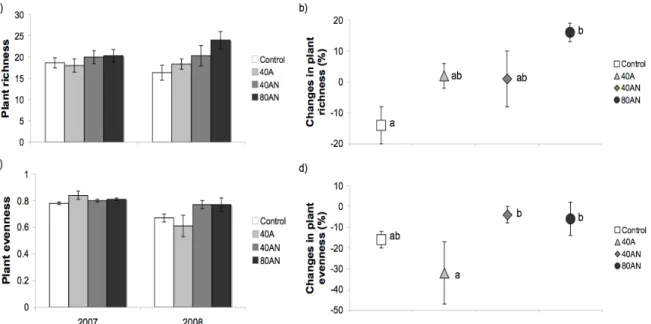
O aumento da disponibilidade de N promoveu a diversidade de plantas: após apenas um ano, as espécies mudaram mais com a dose de N mais alta (80AN), enquanto na quinta Primavera, as mudanças ainda estavam a decorrer principalmente nas parcelas que receberam mais N reduzido (40A e 80AN). O aumento da diversidade das plantas devido ao N, que contrasta com a maioria dos estudos, reflectiu a redução da condição de stress (limitação de N), permitindo assim a coexistência das espécies características do local com a entrada de espécies mais oportunistas. As espécies beneficiadas pelo N foram plantas pequenas, muitas vezes anuais, e típicas de áreas perturbadas e/ou eutrofizadas, enquanto que as afectadas pelo N foram arbustos perenes característicos de locais muito pobres em nutrientes. Algumas espécies de plantas responderam à dose de N e/ou à forma e algumas destas respostas foram compatíveis com o habitat dessas espécies e/ou com as suas respostas noutros estudos de aumento da disponibilidade de N.
Os tratamentos de adição de N com mais espécies de plantas (40A e 80AN) não produziram mais biomassa aérea e aumentaram a percentagem de solo nu. No entanto, o tratamento de N combinado com menos NH4+ (40AN) aumentou a biomassa aérea,
diminuindo assim a percentagem de solo nu, mas à custa das pequenas plantas que foram incapazes de tolerar o crescente ensombramento. Nestas comunidades vegetais, parece haver um compromisso entre a diversidade de plantas e a produtividade/protecção do solo. Os dados sugerem que a agricultura, a maior fonte de NH4+-N, pode afectar a estrutura do
mato diminuindo a cobertura vegetal permanente potencialmente aumentando a erosão do solo. Por outro lado, as actividades industriais e urbanas, fontes de NO3--N, podem
promover a acumulação de biomassa, aumentando assim o risco de fogo. Este conhecimento é de importância significativa para a gestão do uso da terra em ecossistemas biodiversos e fragmentado como os do Mediterrâneo, especialmente em locais da rede Natura 2000.
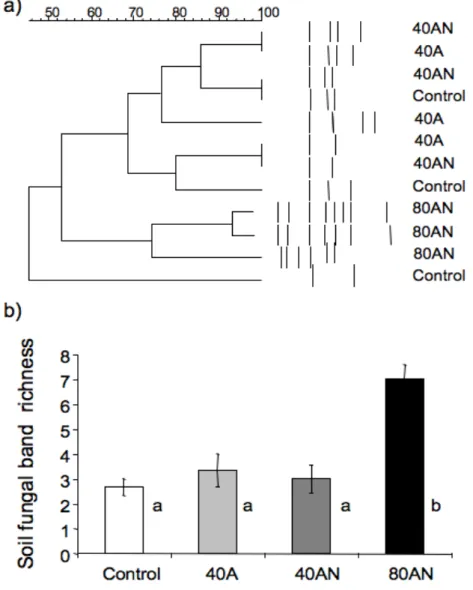
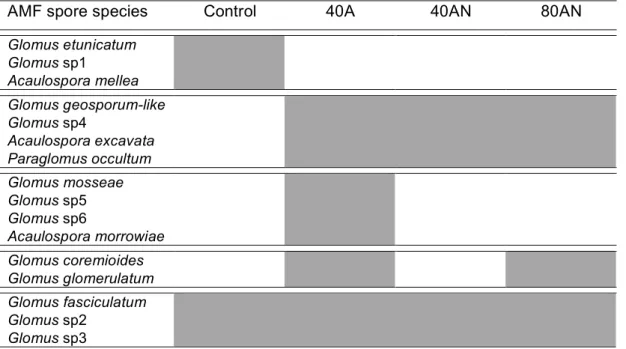
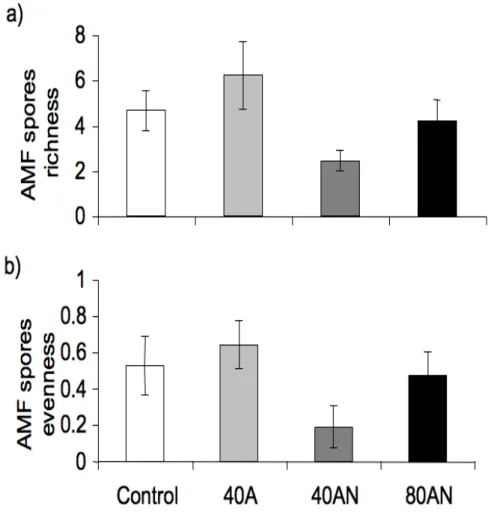
Dada a interligação entre as comunidades vegetal e microbiana do solo, a resposta destas comunidades ao aumento do N foi semelhante. Ao fim de um ano de experiência, o aumento da disponibilidade de N (especialmente a dose mais elevada de N) também promoveu a diversidade de bactérias e fungos do solo. Os tratamentos de adição de N também mudaram a composição das espécies de esporos de Fungos Micorrízicos Arbusculares (FMA), com algumas respostas sendo compatíveis com aquelas obtidas noutros estudos de aumento da disponibilidade de N. Se as mudanças observadas na composição de espécies de plantas e FMA forem robustas a longo prazo, estas poderão ser indicadores estruturais sensíveis do aumento da disponibilidade de N, pelo menos em ecossistemas Mediterrânicos.
Independentemente dos tratamentos de adição de N e da duração da experiência, os solos no local experimental tinham concentrações mais baixas de C e N (~2% e ~0,1%, respectivamente) do que as descritas para a Bacia do Mediterrâneo. Não houve efeito dos tratamentos de adição de N na razão C/N e pH do solo. Os efeitos do N na concentração de matéria orgânica e na disponibilidade de N inorgânico no solo dependeram do tempo de tratamento/dose, ou seja, na Primavera do primeiro e segundo anos da experiência (2007 e 2008, respectivamente), a matéria orgânica e o N inorgânico não estavam relacionados com os tratamentos de adição de N. Mas na quinta Primavera (2011), detectou-se mais matéria orgânica e N inorgânico nas parcelas submetidas à dose de N mais elevada (80AN), sugerindo assim que o cumulativo de adições de N aumentou o ‘estatuto de N’ do ecossistema.
Dado que as plantas e os microrganismos do solo evoluíram sob determinados ambientes azotados, existem preferências por determinados padrões de disponibilidade de N, padrões esses que foram alterados pelos tratamentos de adição de N. Assim, o ambiente azotado dos dois principais grupos de plantas Mediterrânicas (semi-decíduas de Verão e esclerófilas sempre verdes) estava ligado com as suas estratégias de uso do N. Embora as espécies semi-decíduas de Verão ocupassem solos mais ricos em nitrato, a sua capacidade de o utilizar (i.e., actividade da nitrato reductase das folhas) foi significativamente menor que o das espécies esclerófilas sempre verdes. O padrão de disponibilidade de nitrato e amónio ao longo do ano também distinguiu estes dois grupos de plantas. Os traços distintivos de cada grupo de plantas (fenologia e sistema radicular) foram os principais determinantes das respectivas estratégias de uso do N, o que pode ter implicações para o nicho ecológico que estes grupos de plantas ocuparão com o estimado aumento da deposição de N.
As mudanças no padrão temporal da disponibilidade de N inorgânico pode explicar as mudanças a curto prazo na diversidade das plantas e dos microrganismos do solo. Os dados sugerem que, sob a condições da Primavera Mediterrânica, o N extra que foi adicionado foi absorvido pelas plantas e microrganismos e portanto retida pelo compartimento biótico do ecossistema. De acordo, a espécie vegetal dominante, Cistus
ladanifer, mudou significativamente a sua cobertura e aumentou a concentração de N nas
folhas e folhada. Durante o Verão, uma proporção significativa do N foi devolvida ao solo através de queda da folhada e no Outono, a sua decomposição fez com que o N voltasse à forma inorgânica. Assim, a disponibilidade de N inorgânico apresentou um pico no Outono, muito semelhante ao total cumulativo de N que tinha sido adicionado. Os dados sugerem que o N adicionado ao longo do primeiro ano de experiência na forma de NH4NO3 (40AN e
80AN) foi retido pelo sistema e reflectiu-se na disponibilidade de N inorgânico no Outono. Contudo, para o N adicionado como NH4+ (40A), uma proporção significativa não foi
Outono parece ser um indicador funcional sensível do aumento da disponibilidade de N para os ecossistemas Mediterrânicos. Por outro lado, dado que o N adicionado foi maioritariamente armazenado na vegetação, a razão C/N do solo pode não ser um bom indicador da retenção do N nestes ecossistemas.
Considerar o efeito das mudanças integradas da comunidade vegetal (e não apenas de espécies individuais) devido ao aumento da disponibilidade de N na decomposição constitui uma abordagem inovadora e mais ecológica do que a que tem sido utilizada até agora. Assim, após 2,5 anos dos tratamentos de adição de N, solo das parcelas controlo e folhada dos quatro tratamentos (controlo, 40A, 40AN e 80AN) foram recolhidos na experiência de campo de manipulação de N para um estudo de decomposição em condições controladas (laboratório). Apenas a folhada produzida sob a dose de N mais elevada (80AN) tinha o dobro da quantidade de folhada de esclerófilas sempre verdes, em relação aos restantes tratamentos. Consequentemente, a folhada 80AN tinha maior concentração de lenhina e de N, resultando em menores razões C/N e lenhina/N, que são poderosos determinantes das taxas de decomposição. Como resultado, a decomposição da matéria orgânica nos microcosmos contendo folhada 80AN foi mais lenta (com concomitante redução na biomassa e actividade microbianas) do que nos tratamentos com folhada 40 kg N ha-1 ano-1 (40A e 40AN). Isto implica que se o aumento da disponibilidade de N nos matos Mediterrânicos seleccionar espécies de plantas com características de folhada que atrasem a decomposição pode, potencialmente, aumentar a acumulação de matéria orgânica do solo. Embora também seja importante quantificar a decomposição da folhada in situ, usando por exemplo sacos de folhada, o que também incluiria as alterações na comunidade microbiana do solo, no final da experiência de campo de manipulação de N, a maior acumulação de matéria orgânica nas parcelas 80AN corrobora as taxas mais lentas de decomposição observadas no laboratório. As características da folhada (concentrações de N e lenhina e a respectiva razão) parecem ser indicadores funcionais sensíveis do aumento da disponibilidade de N nos ecossistemas do Mediterrâneo.
Os dados permitiram estabelecer uma primeira estimativa de carga crítica de N para este habitat Europeu, entre 20 e 30 kg N ha-1 ano-1. Para o habitat equivalente Californiano,
‘coastal sage scrub’, a carga crítica de N definida foi muito mais baixa (<10 kg N ha-1 ano-1). No entanto, dada a curta duração desta experiência e a falta de outros estudos, talvez este novo valor venha a precisar de ser revisto em baixa para o valor da Califórnia, e passe a incluir a importância da forma de N.
Com base neste estudo, e no que é conhecido do ‘coastal sage scrub’ e ‘chaparral’ Californianos, as implicações das mudanças estruturais e funcionais para a sustentabilidade e funcionalidade do ecossistema foram avaliados, tendo em consideração que a dinâmica das comunidades vegetais Mediterrânicas está intimamente relacionada com a ocorrência
de fogos. Assim, desenvolveram-se cenários conceptuais para os efeitos do aumento da disponibilidade de N (principalmente NHy ou NOx) nos ecossistemas da Bacia Mediterrânica,
de acordo com a fase de sucessão pós-fogo. Os dados sugerem que os ecossistemas Mediterrânicos no início da sucessão são mais sensíveis ao aumento da disponibilidade de N do que os mais avançados. Isto está relacionado com uma maior capacidade de retenção do N nos ecossistemas mais ‘jovens’. Dado que nos ecossistemas mais avançados há uma diminuição da taxa de crescimento das plantas, a sua capacidade de retenção do N diminui. Assim, há uma relação entre a retenção de N e a fase de sucessão do ecossistema, ou seja, o N reactivo ou é retido e altera a estrutura e funcionamento do ecossistema ou é perdido e vai alterar um outro sistema mais 'a jusante, nomeadamente os ecossistemas aquáticos. Embora os processos não sejam claros, as bacias hidrográficas do Mediterrâneo têm uma elevada capacidade de retenção do N, o que é evidenciado pelo facto a quase totalidade do N (~ 90%) que entra na Bacia do Rio Ebro (Espanha) ser retida, não atingindo o Mar Mediterrâneo.
Os resultados desta tese fornecem novos e importantes ‘insights’ sobre o efeito do N na estrutura e funcionamento dos ecossistemas da Bacia do Mediterrâneo. No entanto, e reconhecendo as suas limitações, um novo projecto foi proposto e financiado: In-Nitro. Os objectivos do In-Nitro são: (i) manter a experiência de campo de manipulação de N e os tópicos de investigação desenvolvidos no presente estudo, para obter resultados de longo prazo (ii) incorporar a importância da co-limitação por água e P na resposta integrada dos ecossistemas Mediterrânicos ao aumento da disponibilidade de N, e (iii) integrar os resultados obtidos nos distintos projectos para melhorar o quadro conceptual das respostas dos ecossistemas Mediterrânicos ao aumento da disponibilidade de N.
Palavras-chave: Plantas; Cistus ladanifer; Microrganismos do solo; Solo; Nitrato; Amónio;
ABSTRACT
Increased N availability, resulting from agro-industrial activities, affects ecosystems’ stability. Mediterranean Basin ecosystems are biodiversity hotspots threatened by N deposition, however, little or no information is available on their responses to increased N. The general aim of this thesis was to develop an integrated system-level approach to study the responses of a Mediterranean Basin maquis to increased N availability. Since 2007, the form and dose of N available at the experimental site (ambient N deposition 5.2 kg ha-1 yr-1 and
soil N 0.1%) was modified by addition of 40 kg NH4+-N ha-1 yr-1, 40 and 80 kg NH4NO3-N ha-1
yr-1. The structure and functioning of above- and below-ground communities were monitored
for 4.5 years.
Over the first year, the added N was retained by the system and detected in the autumn as soil inorganic N. The increased N promoted plant and soil microbial diversity. Exposure to 40 kg NH4+-N ha-1 yr-1 (solely or with nitrate) increased plant diversity but not productivity,
while exposure to 40 kg NH4NO3-N ha-1 y-1 increased productivity but not diversity. The
N-benefited species were small short-lived plants, from disturbed and/or eutrophied sites, while N-affected plants were perennial shrubs characteristic of very poor sites.
After 2.5 years of treatments, soils from the control and litter from the four treatments were collected for a laboratory decomposition study. The leaf litter produced under the high N treatment was enriched in N and lignin. This study suggested that increasing N in Mediterranean maquis selected for plants with lower litter decomposability, potentially increasing soil organic matter. In agreement, after 4.5 years, soil organic matter and inorganic N had increased under the higher N dose. The dataset permitted the first estimation of an N critical load for this habitat (20-30 kg N ha-1 yr-1).
Data suggest that agriculture, a source of NH4+-N, may decrease the permanent plant cover
and increase soil erosion, while industrial and urban activities, sources of NO3--N, may
promote productivity and increase fire risk. This is of significant importance for land-use management in biodiverse and fragmented ecosystems such as the Mediterranean ones, especially in Natura 2000 sites. However, longer-term studies are needed to explore the applicability of the findings and the interaction of N availability with other global change drivers.
Keywords: Plants; Cistus ladanifer; Soil microorganisms; Soil; Nitrate; Ammonium; N
List of abbreviations
40 kg NH4+-N ha-1 yr-1 – 40A 40 kg NH4NO3-N ha-1 yr-1 – 40AN 80 kg NH4NO3-N ha-1 yr-1 – 80AN Ammonia – NH3 Ammonium – NH4+ Ammonium chloride – NH4Cl Ammonium nitrate – NH4NO3 Ammonium sulfate – (NH4)2SO4Among other things – inter alia Arbuscular mycorrhizal fungi - AMF At sea level – a.s.l.
Bovine serum albumin – BSA Calcium – Ca
Carbon – C
Carbon dioxide – CO2
Carbon to nitrogen ratio – C/N ratio Carbon to phosphorus ratio – C/P ratio Centimeter – cm Cubic centimeter – cm3 Degree celsius – ºC Dithiothreitol – DTT Dry weight – Dwt or DW East – E
Ethylenediaminetetraacetic acid – EDTA Flavin adenine dinucleotide disodium salt hydrate – FAD
For example – e.g.
Fresh weight – Fwt or FW Gases of oxidized N – NOx Gases of reduced N – NHy Gram – g Hectare – ha Hour – h Hydrochloric acid – HCl Inorganic N – inorgN
International Organization for Standardization – ISO
Kilogram – kg Kilometer – km
Lignin to N ratio – lignin/N ratio Liter – l
Litter from 40A – L40A Litter from 40AN – L40AN Litter from 80AN – L80AN Litter from Control – LC Magnesium – Mg
Magnesium chloride – MgCl2
Manganese – Mn Meter – m
Microcosms with L40A – M40A Microcosms with L40AN – M40AN
Microcosms with L80AN – M80AN Microcosms with LC – MC
Microcosms with soil only – MnL Microgram – µg Microlitre – µl Micromolar – µM Milimolar – mM Milligram – mg Milliliter – ml Millimeter – mm Minute – min Molar – M Nanometer – nm Nitrate – NO3
-Nitrate reductase activity – NRA Nitric oxide – NO
Nitrogen – N
Nitrogen to phosphorus ratio – N/P ratio Nitrous oxide – N2O North – N NR – Nitrate reductase Organic matter – OM Percentage – % Phosphate – PO4
3-Phospholipid fatty acid – PLFA Phosphorus – P
Plant Functional Groups – PFG Polyvinylpyrrolidone – PVP Potassium – K
Potassium chloride – KCl Potassium hydroxide – KOH Potassium nitrate – KNO3
Rotations per minute – rpm Sodium – Na
South – S
Square meter – m2
Sulphur – S
Temperature Gradient Gel Electrophoresis – TGGE
That is – i.e. Tones – t
Volume per volume – v/v Weight per volume – w/v West – W
Year – yr
β-Nicotinamide adenine dinucleotide, reduced dipotassium salt – NADH
Table of contents
Chapter 1: General introduction………...……….……1 Chapter 2: Linking N-driven biodiversity changes with soil N availability in a Mediterranean
ecosystem………27
Chapter 3: Species of arbuscular mycorrhizal fungal spores can indicate increased N
availability in Mediterranean-type ecosystems………....………..49
Chapter 4: Patterns of nitrate reductase activity vary according to the plant functional group
in a Mediterranean maquis………59
Chapter 5: The strength of the biotic compartment in retaining nitrogen additions prevents
nitrogen losses from a Mediterranean maquis………...…...83
Chapter 6: N-driven changes in plant community affect leaf litter traits and delay organic
matter decomposition in a Mediterranean maquis………..………105
Chapter 7: Enhanced N availability increases plant diversity in a Mediterranean ecosystem:
evidence from a medium-term field manipulation experiment………..131
Chapter 1
General Introduction
General Introduction
GLOBAL CHANGE DRIVERS
Although the Earth has undergone many periods of significant environmental change, during the past 10 000 years (the Holocene), our planet’s environment has been unusually stable (Rioual et al. 2001). This stability has allowed human civilizations to arise, develop and thrive (Rockström et al. 2009). However, since the Industrial Revolution human actions have become the main driver of global environmental change, so it is accepted that we are now in a new era, the Anthropocene (Crutzen 2002). In this new era, several global change drivers threaten our planet’s biological, chemical and physical processes (Rockström et al. 2009; Erisman et al. 2011). The human drivers include a growing population and changing per capita consumption patterns both of which affect food demand and quality, livestock and fibre production, energy use (fossil fuel and biofuel), and cause land-use changes. Directly or indirectly, these have given rise to climate change, alteration of the biogeochemical cycles of carbon (C), nitrogen (N) and phosphorus (P), reduced water quality and availability, exacerbated biodiversity loss and degraded ecosystem services (Erisman et al. 2011). Thus, these planetary-scale changes also threaten mankind (Sala et al. 2000; Rockström et al. 2009; Erisman et al. 2011). Although the methodologies used to establish the safety boundaries for planetary-scale changes are questionable (e.g. Allen 2009; Bass 2009; Molden 2009; etc), Rockström et al. (2009) identified three main interdependent pressures on global sustainability (changes in the global N cycle, biodiversity loss and climate change) as exceeding the planetary safety boundaries. The role of increased N deposition in food and energy security, human health (Erisman et al. 2011), biodiversity loss (for review see Bobbink et al. 2010) and on alterations to the functioning of some ecosystems (Rockström et
al. 2009) have been assessed, although the feedbacks to climate change are less well
understood (Erisman et al. 2011).
INCREASED REACTIVE N
As the human population continues to expand, so do the global impacts of reactive N (all N forms except di-nitrogen – N2) released into the biosphere as a result of increased
agricultural activities and fossil fuel emissions - Galloway et al. 2008; Rockström et al. 2009; Erisman et al. 2008, 2011). Human activities have caused total N loading to the global landmass to nearly double since the pre-industrial era (Galloway et al. 2008). This recent
input of reactive N has a myriad of effects on waters, soils, and atmosphere (Rockström et
al. 2009).
Europe’s awareness on this issue may be evidenced by the NitroEurope, a project (2005-2011) for integrated European research into the N cycle that was part of the European Union’s Sixth Framework Programme for Research and Technological Development. Under the auspices of NitroEurope, a cost-benefit analysis highlighted how the overall environmental costs of all reactive N losses in Europe (estimated as €70-€320 billion per year at current rates) outweighed the direct economical effects of reactive N in agriculture (Sutton et al. 2011). Therefore, at least in Europe, besides its scientific worth, the N issue has recently gained socio, economical and political significance.
Because most global biodiversity is contained within natural and semi-natural ecosystems, and their stability depends upon low soil fertility (Bobbink, Hornung & Roelofs 1998), increased reactive N deposition has been acknowledged as a threat to biodiversity (Sala et
al. 2000; Phoenix et al. 2006; Rockström et al. 2009). Most research on the effects of
increased N availability has been conducted in temperate forest ecosystems (northern Europe and America – Bobbink, Hornung & Roelofs 1998; Phoenix et al. 2006; Bobbink et
al. 2010). But the fate of the reactive N entering ecosystems appears to be strongly
dependent on edaphic and climatic conditions, leading to regional differences in N export and use which should not be overlooked in forecasts of N cycle dynamics (Galloway et al. 2008). Also, the type of ecosystem and/or its successional stage, appear to influence the impact of the reactive N enrichment (Bobbink et al. 2010, 2011; Pardo Robbin-Abbott & Driscoll 2011). As an example, in California, the addition of 50 kg N ha-1 yr-1 changed the relative dominance of shrubs in a coastal sage scrub, but did not alter the plant community in a post-fire chaparral (Vourlitis & Pasquini 2009).
Despite the effort to understand and characterize the impacts of N deposition on terrestrial ecosystems (Bobbink et al. 2010, 2011; Pardo et al. 2011), gaps in knowledge for ecosystems other than the temperate ones persist (Bobbink et al. 2010). Mediterranean-type ecosystems are on the ‘neglected ecosystems list’. The most distinctive features of these ecosystems in terms of controlling the response to increased N availability are: precipitation seasonality, regulation of the N cycle by fire, dominance of dry N deposition and asynchrony between N availability and biological activity (Ochoa-Hueso et al. 2011).
o The present thesis will focus on the effects of increased N availability in Mediterranean Basin ecosystems.
MEDITERRANEAN-TYPE ECOSYSTEMS
the Earth’s land area, it hosts 20% of our planet’s known vascular plant diversity (Cowling et
al. 1996; Klausmeyer & Shaw 2009). Therefore, the Mediterranean biome represents a
global conservation priority (Myers et al. 2000; Klausmeyer & Shaw 2009) that even rivals tropical rainforests (Cowling et al. 1996; Klausmeyer & Shaw 2009).
Figure 1.1 – The five regions of the world with a Mediterranean climate (adapted from Cody &
Mooney 1978).
Mediterranean-type ecosystems have developed under the influence of the Mediterranean climate, that is a transition between cold temperate and dry tropical; it is highly seasonal with warm and dry summers (seasonal-drought), which contrast with cool and rainy winters (spring and autumn are usually the growing seasons). This bimodal climate only began to appear in the Pliocene (3.2 million years) as part of a global cooling trend, and occurs in five regions of the globe: California, central Chile, Mediterranean Basin, southern Cape region and south western and southern Australia, between 30º and 45º latitude and where land is influenced by cold offshore ocean currents (Fig. 1.1 - Cody & Mooney 1978). As a result of their geographic, geological and historical differences, these Mediterranean regions differ in important characteristics (e.g. soil fertility, water availability, past human intervention and present threats) that may control the response to global change drivers especially, given its low soil fertility, to N inputs. Recently, Ochoa-Hueso et al. (2011) reviewed the ecological consequences of N deposition on the five Mediterranean regions of the world. California and the Mediterranean Basin were considered to be the most threatened by N deposition. However, while there are many studies on Californian ecosystems (Table 1.1 – adapted from
Fenn, Allen & Geiser 2011), there are very few on the Mediterranean Basin (Bonanomi, Caporaso & Allegrezza 2006; Ochoa-Hueso & Manrique 2010; Pinho et al. 2011, 2012; Ochoa-Hueso et al. 2011). Thus, more research is needed to understand and characterize the impacts of N deposition in each Mediterranean region and vegetation type (Ochoa-Hueso et al. 2011).
THE MEDITERRANEAN BASIN CONTEXT
The Mediterranean Basin stretches over approximately 3800 km W-E and 100 km N-S, between 30 and 45°N, and borders 24 countries. It is one of the most complex regions of the world and the only case of a large sea surrounded by three continents (Blondel & Aronson 2004). Its complexity is readily perceived by its patchiness, which plays a critical role in maintaining and generating diversity at the scale of species and communities. This patchiness has been generated by topography, climate, geopedology and human intervention (Klausmeyer & Shaw 2009). Most of the topographic diversity derives from the numerous mountain chains that define the Basin’s various continental contours, which also create microclimates with rising altitude. In general, a sharp gradient exists between the colder and wetter north-western and north-eastern extremities of the Basin and the hotter and more arid, south-eastern and south-western parts in North Africa and the Near East. Although many Mediterranean soils and substrates are limestone of marine origin, unusual soil types and discontinuous geological substrates (including volcanic soils) also contribute to the local and regional diversity of the habitats (Blondel & Aronson 2004). The importance of the Mediterranean Basin for human civilizations is evidenced by the Sea Mediterraneus that means in the middle of the Earth. Mediterranean Basin ecosystems have experienced intensive human development and impact for millennia, significantly longer than any other biodiversity hotspot (http://www.biodiversityhotspots.org/xp/hotspots/mediterranean/Pages/ impacts.aspx). Mediterranean Basin vegetation includes species with origins in almost all known biogeographic zones because it is a tension zone lying between the temperate, arid and tropical biogeographical regions that surround it. As a result, intricate interpenetration and interaction of taxa, hybridization, and speciation have been particularly favoured and fostered, as compared to more homogenous regions further north and south (Quézel 1985). Altogether, the Mediterranean flora is one of the richest in the world, comprising annual grasslands, shrublands, dry woodlands and forests (Cowling et al. 1996). Despite its complexity and diversity, the vegetation of Mediterranean ecosystems may be grouped into two main plant functional types: summer semi-deciduous and evergreen-sclerophylls. Each group has been characterized on the basis of its phenology (Correia 1988), water relations, carbon exchange properties (Werner, Correia & Beyschlag 1999), soil surface
characteristics (Cruz et al. 2008) and fire-regenerating strategies (Trabaud 1981; Keeley 1986; Clemente, Rego & Correia 2005).
Present threats to Mediterranean Basin ecosystems
The mild climate and proximity to the sea make Mediterranean regions very attractive to humans, resulting in disproportionately high conversion of land for agriculture, urban development, tourism and other human uses (Hoekstra et al. 2005; Klausmeyer & Shaw 2009). At present, the Mediterranean Basin, together with California, are the most populated and therefore impacted, Mediterranean-type regions. As a consequence, within the Mediterranean Basin, N deposition is estimated to increase three fold by 2050 (Galloway et
al. 2004; Phoenix et al. 2006). Land use changes, namely rural abandonment (Sala et al.
2000; Ochoa-Hueso et al. 2011), habitat fragmentation (Ochoa-Hueso et al. 2011) and biotic exchange (e.g. exotic invasive species – Sala et al. 2000) are additional threats in this region. Although fire is a natural element in Mediterranean ecosystems (except in the Chilean matorral), rural abandonment and/or higher N-driven dry biomass accumulation (Ochoa-Hueso et al. 2011) may alter the fire regime and its severity (Lavorel et al. 1998; Bonanomi, Caporaso & Allegrezza 2006) by creating a continuum of flammable material. This could result in dramatic changes in the landscape and, when fires occur close to populated areas, could potentially impact human well-being and the economy (Ochoa-Hueso
et al. 2011). The potential for enhanced N deposition to change the landscape appears
therefore to be particularly high in the Mediterranean Basin.
Because summer semi-deciduous are seeders (regenerate by seed germination) and evergreen sclerophylls are resprouters (regenerate by resprouting from belowground organs - Trabaud 1981; Keeley 1986; Clemente, Rego & Correia 2005), after a fire summer semi-deciduous plants dominate. However these are progressively eliminated under the canopies of evergreen sclerophylls in later phases of a post-fire succession. Due to recurring disturbance factors or unknown mechanisms, the transition from Cistus dominated maquis to forests may be delayed or may never happen. Moreover, under the current and forecasted climatic trends, maquis are likely to expand because Cistus shrubs are physiologically well adapted to dry conditions and recurring fires (Acácio et al. 2007). Within Europe, the total area covered by shrublands (Mediterranean and temperate) is 14%, while for southern European countries (Andorra, Albania, Bosnia and Herzegovina, Cyprus, Spain, France, Greece, Croatia, Italy, Montenegro, Macedonia, Malta, Portugal, Turkey and Vatican City) is 18% but for Portugal is down to 4% (http://www.eea.europa.eu/data-and-maps/data/data-viewers/land-accounts).
o The present thesis will focus on the effects of increased N availability in Mediterranean Basin shrublands.
MEDITERRANEAN SHRUBLANDS: THE MAQUIS
A Mediterranean maquis is a habitat that comprises closed vegetation, usually with 100% cover, mainly shrubs with few annuals and some geophytes, while trees are nearly always present, some of which may be in shrub form (http://eunis.eea.europa.eu/habitats/1697). Thus the most characteristic feature of maquis is that they contain all the growth forms recognized by plant ecologists (Thompson 2005). As a result of natural and/or human influences (thin soils, forest clearance for timber, grazing by livestock and/or repeated fires) there are several types of shrublands in the Mediterranean Basin. Within the Mediterranean Basin, there are different local names to designate the forms of these natural and semi-natural shrublands and the landscapes they dominate: garrigue, gariga and maquis or machia in France and Italy; Xerovuni and phrygana in Greece; matorral and tomilares in Spain, Choresh or Maquis in Israel, and bath’s troughout the Near East are just some of the collection. Comparable terms used in others Mediterranean climate regions, where similar vegetation types are common, include respectively: chaparral and coastal sage in California; matorral and Jaral in Chile, fymbos in south Africa; and Kwongan and mallee in Southern Australia (Blondel & Aronso 2004).
o The present thesis will focus on the effects of increased N in Mediterranean Basin maquis in Portugal (Fig. 1.2).
POTENTIAL EFFECTS OF INCREASED N AVAILABILITY ON MEDITERRANEAN BASIN PLANT COMMUNITIES
As previously mentioned, there are many studies on the effects of increased N deposition in Californian ecosystems but very few in the Mediterranean Basin. Therefore, the following sections will focus on indicators of high N availability identified for Californian ecosystems, especially for the coastal sage scrub that is the equivalent to the Mediterranean maquis (Table 1.1 – adapted from Fenn, Allen & Geiser 2011). Special attention will be paid to the indicators used for developing the N critical loads (a quantitative estimate of exposure to N deposition below which significant harmful effects on sensitive elements of the environment do not occur according to present knowledge - Nilsson & Grennfelt 1988).
N-driven changes on diversity
Assuming that N limitation represents a component of environmental severity, in very poor-soils subjected to increased N availability, plant diversity would be expected to increase (Bobbink, Hornung & Roelofs 1998; Chalcraft et al. 2008) based on the revised Grime’s humped-back model (Grime 1973; Michalet et al. 2006). The increment in plant diversity would reflect the co-existence of the slow growing conservative species (characteristic of
sites very poor in nutrients) with the incoming, fast growing, exploitative ones (typical of disturbed and/or eutrophied sites). Therefore, the initial ecosystem N status seems to determine in which zone of the humped-back model (Grime 1973; Michalet et al. 2006) the system is at, and therefore the effect that the increased N availability will have on diversity.
Table 1.1 – Empirical N critical loads for the Mediterranean Californian habitats. Reliability rating: ##
reliable; # fairly reliable (adapted from Fenn, Allen & Geiser 2011).
Ecosystem N Critical Load (kg N
ha-1 yr-1)
Reliability Responder/indicator Study Coastal sage
scrub
7.8-10 # Exotic invasive grass cover,
native forb richness, arbuscular
mycorrhizal richness
Egerton-
Warburton & Allen 2000; Tonnesen et al. 2007 Chaparral 3.1-14 # NO3- leaching; changes in lichen communities Fenn et al. 2003, 2010; Geiser et al. 2010; Meixner & Fenn 2004; Meixner et al. 2006; Mixed-conifer forest 3-39 ## Lichen chemistry and community changes; NO3- leaching; soil acidification; reduced fine root biomass
Grulke et al. 1998; Allen et al. 2007; Breiner, Gimeno & Fenn 2007; Fenn et al. 2008, 2010; Serpentine grasslands 6 ## Annual grass invasion, replacing native herbs Weiss 1999; Fenn et al. 2010
But N-driven increased diversity has rarely been observed even in Mediterranean-type ecosystems. The few studies that exist within the Mediterranean Basin have not reported any N-driven increase in plant diversity, probably because those ecosystems in particular have a higher N status: Bonanomi, Caporaso & Allegrezza (2006) conducted a 3-year experiment in a species-poor grassland in Italy, which had been used for agriculture while Ochoa-Hueso (2011) conducted a ~ 3-year experiment in a semi-arid kermes oak thicket close to Madrid (Spain) and therefore with high background N deposition (by current modelling, ~ 22 kg N ha-1 yr-1 - Mark Theobald, personal communication). By contrast, the few studies reporting N-driven increased diversity in Mediterranean-type (plants – Allen, Rao & Steers 2009; Vourlitis & Pasquini 2009; epiphytic lichens – Pinho et al. 2011, 2012) and temperate ecosystems (plants – Calvo et al. 2005; epiphytic lichens – Mitchell et al. 2005)
have been conducted at sites with low N status. Due to the higher N status of most studied ecosystems, increasing N availability pushed these systems even further down the descending ‘zone’ of the humped-back model, i.e., only loss of plant species was observed (Bobbink et al. 2010; De Schrijver et al. 2011). Therefore, not much is known about the initial response of an ecosystem with low N status subjected to N enrichment.
Questions to be addressed here include:
N enrichment in a nutrient poor Mediterranean Basin maquis: will plant diversity increase or decrease (chapters 2 and 7)?
Do effects depend on the form of deposited N (NHy versus NOx - chapters 2 and 7)?
Mechanisms involved in the N-driven changes
Increasing N availability will cause many direct and indirect effects on ecosystem structure and function (Bobbink et al. 2010).
Changes in nutrients availability
In Mediterranean-type ecosystems subjected to low N deposition, soil inorganic N pools are highly variable through the year (Padgett et al. 1999; Gallardo et al. 2000; Cruz et al. 2008). Under conditions of increased N deposition (gradient or N-manipulation experiment) soil inorganic N pools remain heterogeneous but the annual pattern of availability changes (Padgett et al. 1999; Vourlitis, Pasquini & Mustard 2009). Therefore, plants (and microorganisms) that are ‘active’ within those periods of increased N availability are more likely to be N-benefited or N-affected. This effect chain can also be influenced by other soil factors, such as P limitation (Bobbink et al. 2010). Most semi-natural ecosystems, and Mediterranean ones in particular (Sardans & Peñuelas 2004), are co-limited by N and P. Soil N/P ratio best explained Mediterranean herbaceous plant communities arranged along a gradient of ruderality (Fanelli, Lestini & Sauli 2008).
Questions to be addressed here include:
Will inorganic N pools reflect increased N availability in a Mediterranean maquis, always or just in specific seasons (chapters 2, 5 and 7)?
Is there a link between N-driven changes in plant community and alterations in soil nutrients availability in a Mediterranean maquis (chapters 2 and 4)?
Does the form of deposited N (NHy versus NOx - chapters 2, 4, 5 and 7) modify
these changes?
Direct ammonium toxicity
Sensitivity to NH4+ seems to be a universal phenomenon (ranging from plants to humans -
Martins-Loução 2003; Kronzucker et al. 2003), with early successional species, summer semi-deciduous, preferring nitrate, and being relatively NH4+ intolerant, while late
successional ones, evergreen sclerophylls, tend to be more NH4+ tolerant (Cruz, Lips &
Martins-Loução 2003; Kronzucker et al. 2003). Summer semi-deciduous species are therefore more likely to suffer from direct NH4+ toxicity than evergreen sclerophylls. This may
help explain why the response of Mediterranean-type ecosystems to increased N availability depends on where the ecosystem sits with respect to ecological succession, being possibly faster and more dramatic in the early phases following a disturbance (e.g. fire - Ochoa-Hueso et al. 2011).
Questions to be addressed here include:
How long will it take for a Mediterranean maquis to respond to increased N (chapter
2)?
Does the form of deposited N (NHy versus NOx – chapters 2 and 7) modify the
response?
Do summer semi-deciduous and evergreen sclerophylls differ in their N use (chapter
4)?
Soil acidification
Soil acidification is one of the most commonly reported effects of N enrichment and may result from base cation loss and nitrification. However, soil acidification tends to be less pronounced in soils of the Mediterranean Basin than in other ecosystems, due to their high cation exchange capacity and alkaline sands blown in from North Africa (Ochoa-Hueso et al. 2011). Nevertheless N-driven acidification has been reported for some Mediterranean-type ecosystems: Californian forests (Breiner, Gimeno & Fenn 2007) and shrublands (Vourlitis, Pasquini & Mustard 2009) and Mediterranean Basin shrublands (Ochoa-Hueso & Manrique, 2010).
Questions to be addressed here include:
How atypical is N-driven soil acidification within the Mediterranean Basin (chapters
2, 5 and 7)?
Does it depend on the form of deposited N (NHy versus NOx – chapters 2, 5 and 7)?
Increased susceptibility to secondary stress and disturbance factors
A few studies have investigated how the interaction between N and water availability (both limiting in Mediterranean ecosystems) might control plant community responses. For example, Mediterranean Basin grasses and forbs (e.g. Schismus barbatus, Bromus
madritensis and Erodium cicutarium) threaten Californian ecosystems (Allen, Rao & Steers
(Cowling et al. 1996). These species are especially ‘aggressive’ under higher water availability (Rao & Allen 2010), which may be due to the fact that they are no longer limited by water or nutrients. Given that N enrichment has been shown to increase plant productivity in many types of ecosystems (Bobbink et al. 2010) including Mediterranean-type ones (grasslands - Bonanomi, Caporaso & Allegrezza 2006 - and Californian coastal sage scrub - Fenn et al. 2003; Allen et al. 2005), it may increase the severity of the summer drought. Summer deciduous and evergreen sclerophylls differ in rooting depths; summer semi-deciduous species tend to have a shallow root system while evergreen sclerophylls have both shallow and deeper roots (Correia 1988; Canadell et al. 1996). Evergreen sclerophylls are also more water use efficient (Correia & Catarino 1994; Canadell et al. 1996). Therefore, evergreen sclerophylls are less likely to be affected by N-driven summer drought than summer semi-deciduous.
N deposition may affect the biotic and abiotic interactions of the plant community (Throop 2005) and alter decomposition rates (Knorr, Frey & Curtis 2005) due to N-driven changes in the quality and availability of plant tissues. N-driven increased herbivory has been shown for a wide range of species from different types of ecosystems: Ambrosia artemisiifolia (Asteraceae, common ragweed) growing in a temperate mid-successional old field (Throop 2005), Calluna vulgaris growing in a temperate heathland (Power et al. 1998) and Quercus
kellogii in Californian mixed forests (Jones et al. 2008). However, it is not always the case,
e.g., N enrichment in a Californian annual grassland community increased seedling N concentrations and growth rates but not herbivory (Cleland et al. 2006).
Reported N effects on decomposition are controversial and most studies have only addressed decomposition of individual plant species grown under high N availability (Knorr, Frey & Curtis 2005). The few studies made on the effects of increased N on decomposition of Mediterranean litter (Sirulnik et al. 2007; Alarcón-Gutiérrez et al. 2008; Kazakou et al. 2009) suggest that N enrichment may enable Mediterranean-type ecosystems to retain more soil OM (Ochoa-Hueso et al. 2011).
Questions to be addressed here include:
Will N-driven changes in plant quality differ from N-driven changes in whole plant community? How will it impact organic matter accumulation (chapters 5 and 6)? Do these processes depend on the form of deposited N (NHy versus NOx – chapters
5 and 6)?
Which plant species will benefit and which will lose out from increased N?
In temperate ecosystems, N-benefited species are fast growers, such as the grasses
Eriophorum vaginatum (Sheppard et al. 2011), Molinia caerulea and Deschampsia flexuosa
conservative species, such as Calluna vulgaris, Sphagnun capillifolium and Cladonia
portentosa (Sheppard et al. 2011). As for Mediterranean-type ecosystems, in California the
N-benefited species are often invasive grasses and forbs from the Mediterranean Basin (Schismus barbatus, Bromus madritensis and Erodium cicutarium) while N-affected are slow growing conservative, native species (Allen et al. 2007; Allen, Rao & Steers 2009). Most N-benefited species are annuals, or if not with short life cycles while N-affected, are usually perennials (Allen et al. 2007). Being short-lived may enable N-benefited species to ‘escape’ the previously mentioned summer drought in the form of seeds, which allows them to be benefited from the increased N (Suding et al. 2005).
Questions to be addressed here include:
Will N enrichment influence annuals positively and perennials negatively (chapters 2
and 7)?
Will there be consistent plant responders to N enrichment (chapter 7)?
Will it depend on the form of deposited N (NHy versus NOx – chapters 2 and 7)?
SOIL MICROBIAL N-DRIVEN CHANGES
It is known that increased N availability changes plant diversity, and that above and below ground communites are interconnected (Klironomos 2002). However, and despite their importance for ecosystem response’s to increased N availability, studies of soil microbiology have not kept pace with those above ground. This knowledge gap applies especially to Mediterranean Basin ecosystems (Ochoa-Hueso et al. 2011). Nevertheless, studies made in other types of ecosystems and in California, established that mycorrhizal colonization and soil microbial activity can be used as ‘early’ biological indicators of increased N availability (Chung et al. 2007).
Mycorrhizal fungi
Mycorrhizal root colonization may indicate inter alia the extent to which plants depend on mycorrhizae for their nutrient uptake. Mycorrhization is typically reduced by high nutrient availability, while spore density is an indication of the amount of carbon flowing from the plant to the fungus and indicates the strength of the mutualistic relationship (Fenn, Allen & Geiser 2011). Within Europe, mycorrhizal fungi, especially their fruiting bodies (or absence - Kottke & Wallenda 1998) have been used to indicate increased N availability. In general, increased N availability altered species composition of ectomycorrhizal fungi (fruit bodies production and below ground mycelia - Brandrud 1995; Lilleskov et al. 2002; Treseder 2004). Ericoid mycorrhizal fungi (also present in Mediterranean ecosystems) appear less sensitive to N enrichment than ectomycorrhizal fungi associated with trees (Ishida & Nordin
2010).
As far as we are aware, there are no studies on the effect of increased N availability on arbuscular mycorrhizal fungi (AMF) in temperate ecosystems, but there are for Californian coastal sage scrub (N critical load, 10 kg N ha-1 yr-1 - Fenn, Allen & Geiser 2011). Within
Californian coastal sage scrub (habitat dominated by semi-deciduous shrubs), both mycorrhizal root infection (hyphal and vesicular) and mycorrhizal spore species density (and timing of sporulation) decreased with N enrichment (Egerton-Warburton & Allen 200; Tonnesen et al. 2007; Fenn et al. 2010). Moreover, increased N induced a shift in AMF community composition, i.e., higher N was associated with the displacement of the larger-spored species of Scutellospora and Gigaspora (due to a failure to sporulate) with a concomitant proliferation of small-spored Glomus species (e.g., Glomus aggregatum,
Glomus leptotichum - Egerton-Warburton & Allen 2000). These changes indicated that AMF
species could be sensitive indicators of N enrichment for that Mediterranean habitat. But the effect of N enrichment on AMF appears to depend on the form of deposited N. As an example, data from Yoshida & Allen (2001) suggested that in coastal sage scrub under low N deposition, mycorrhizae are more important in controlling plant growth in soils dominated by NH4+ rather than by NO3-. Similar results were obtained by Ochoa-Hueso (2011) in a
kermes oak thicket in Spain.
Questions to be addressed here include:
Can mycorrhizal fungi be used as sensitive indicators of N enrichment in Mediterranean maquis (chapter 3)?
Will it depend on the form of deposited N (NHy versus NOx – chapter 3)?
Will there be consistent mycorrhizal responders to N and/or NH4+ enrichment
(chapter 3)?
Soil microbial activity and greenhouse gas emissions
Along an N gradient, N mineralization was found to explain by far the highest variation in species composition and species degradation, from the nutrient enriched border zone to the intact central calcareous grassland (in Europe – Neitzke 2001). Also, in a field study on 600 Swedish deciduous forests, N mineralization and nitrification rates increased (40-80% and 20-90%, respectively) while the C/N ratio decreased by 10-25%, compared to the low N region (Falkengren-Grerup, Brunet & Diekmann 1998). Therefore N-driven changes in soil microbial community may increase nitrification, which in turn may result in NO3- leaching.
Increased stream water NO3- concentrations have been recorded in Californian habitats in
response to N deposition (Fenn et al. 2010). Soils from coastal sage scrub and chaparral (dominated by evergreen sclerophylls) sites were collected along an N deposition gradient. Under controlled conditions, N mineralization was shown to increase linearly as a function of
N deposition (Vourlitis et al. 2007). Manipulating N availability (+ 50 kg N ha-1 yr-1) in the
same habitats for four years showed that the N-driven increase in net nitrification was higher in chaparral soil than coastal sage scrub. As a result, NO3- leaching was higher in chaparral
soil than coastal sage scrub (Vourlitis, Pasquini & Mustard 2009). The high nitrification capacity of chaparral soils is evidenced by virtually complete net nitrification of mineralized N (Fenn, Allen & Geiser 2011).
Questions to be addressed here include:
How much N will the Mediterranean maquis retain (chapter 5)?
Will it depend on the form of deposited N (NHy versus NOx – chapter 5)?
AIMS AND OUTLINE
Many studies have addressed single aspects of the effects of increased N availability on Mediterranean-type ecosystems: anthropogenic N deposition (Fenn et al. 2003, 2008, 2010) changes in species diversity (Bonanomi, Caporaso & Allegrezza 2006; Pinho et al. 2011, 2012; Ochoa-Hueso 2011; for Californian ecosystems see Fenn, Allen & Geiser 2011), impact on soil-atmosphere gaseous fluxes (Rosenkranz et al. 2006; Shvaleva et al. 2011), NO3- leaching (see Fenn, Allen & Geiser 2011), soil microbiology (Egerton-Warburton &
Allen 2000; Yoshida & Allen 2001) and organic matter decomposition (Sirulnik et al. 2007; Alarcón-Gutiérrez et al. 2008; Kazakou et al. 2009). However, the impacts of driver changes across European Mediterranean ecosystems are poorly understood and have been hampered by a lack of integrated system-level studies (Phoenix et al. 2006).
Overall thesis aim:
Develop an integrated system-level approach to study the responses of a nutrient poor Mediterranean Basin maquis to increased N availability.
Overarching hypotheses:
1. Mediterranean Basin maquis have very low N status (very N limited), which will make them very responsive to increased N.
2. Although the N forms are inter-convertible, the form of N will influence the ecosystem’s response, since biota (plants and microorganisms) have evolved under specific nitrogenous environments.
3. The ecosystem’s response to N enrichment will be detected through key biotransformations that regulate the N cycle.
4. These biotransformations will mediate concerted effects of N on the ecosystem’s compartments, biotic (plants and microorganisms) and abiotic (soil), and will determine the N retention capacity of the ecosystem.
This research was undertaken at a Natura 2000 site (PTCON0010 Arrábida/Espichel) located in the Arrábida Natural Park (Portugal). Estimated background N deposition is 5.2 kg ha−1 yr−1 (2.9 kg NO
x + 2.3 kg NHy - http://webdab.emep.int/Unified_Model_Results/AN/). In
2007 the field manipulation experiment (N dose and form) was established in a Mediterranean maquis (Eunis class F5.2). Due to the patchiness of the Mediterranean Basin landscape (Blondel & Aronson 2004) and the importance of the form of inorganic N (Cruz et
al. 2008), two forms of N were tested: only reduced N (NH4+) and a combination of reduced
and oxidised N (NH4NO3). Thus the most likely N pollution scenarios within the
Mediterranean Basin were mimicked, i.e., predominantly agricultural sources (NH4+) and
combined inputs from urban/industrial sites and agriculture (NH4NO3). The N doses were
lower than the N deposition reported for other areas in Mediterranean-type ecosystems (145 kg N ha-1 yr-1 - Fenn et al. 2003; Meixner & Fenn 2004) but high enough to establish ‘worst
case’ scenarios of N enrichment in this type of habitat. N availability was modified by the addition of 40 kg N ha-1 yr-1 as a 1:1 mixture of NH
4Cl and (NH4)2SO4 (designated 40A) and
40 and 80 kg N ha-1 yr-1 in the form of NH4NO3 (designated 40AN and 80AN). Control plots
were not fertilized. Each treatment was replicated three times, 3 plots each of 400 m2. In
order to restrict boundary effects and dilution processes, all measurements, analyses and sample collection were performed within an internal 100 m2 square. To prevent N
‘contamination’ through runoff from N-plots, the experimental plots were distributed in three rows along the 5% slope, with the controls being located in the top row (Fig. 1.2). Over the next 4.5 years selected effects on the structure and functioning of above and below ground fractions were monitored, paying special attention to the N form in determining the overall response to N enrichment.
Given that the studied European Mediterranean ecosystems (Bonanomi, Caporaso & Allegrezza 2006; Ochoa-Hueso 2011) apparently had already reached a threshold where N addition lead to a diversity loss, great effort was placed at studying the initial response of this nutrient poor ecosystem. Thus, after the general introduction (chapter 1), the second and
third chapters aimed to capture the ‘theoretical’ N-driven increases in the diversity (richness
and evenness) of vascular plants (chapter 2) and soil fungi (chapter 3). Given the interconnectivity between above and below ground communites, the response of these communites to increased N is hypothesized to be fully integrated. Also, in Mediterranean ecosystems, the magnitude of the temporal heterogeneity becomes as important as spatial heterogeneity (Cruz et al. 2008). Therefore the N-driven changes in above and below ground communities were hypothesized to be related to the changes in soil inorganic N availability. The changes in vascular plant diversity (individual species and the community) that occurred between the first and second springs of the experiment (2007 and 2008, respectively) were assessed. Due to the complexity of the studied ecosystem (high heterogeneity and