ABSTRACT
ORIGINAL AR
Sidney Klajner
Fábio Guilherme Campos
for treating obesity, based on
physiology and evolution
Hospital Israelita Albert Einstein and Hospital da Polícia Militar, São
Paulo, and Hospital Vicentino, Ponta Grossa, Paraná, Brazil
INTRODUCTION
Although there has not been any sig-nificant documented change in human physiology over the last hundred years, fast environmental changes have somehow made some of our physiological tools unfi t for the new circumstances. Among other pathological conditions, obesity and its associated diseases underwent a great increase in their incidence over the course of the twentieth century. Nu-tritional education and treatment by means of medications have many times failed, and this has led to the appearance of many surgi-cal techniques for the treatment of extreme obesity. However, none of them are in essence physiologically based.
Current surgical treatments create “an-other disease” to counterbalance obesity. Some treatments provoke nonspecifi c malabsorp-tion, thereby leading to loss of non-caloric nutrients like calcium, iron, folic acid, etc., as well as the diarrhea1 and fl atulence they cre-ate. Some procedures place obstacles against food ingestion, through the use of narrowing anastomoses or sometimes the use of prosthe-ses.2 These imply dysphagia, vomiting, stasis esophagitis, etc. Many of the current proce-dures involve digestive tract exclusions that cause atrophy of the mucosa, with bacterial proliferation that leads to intense fl atulence and sometimes bacterial translocation to the portal system. The latter has been linked to hepatic decompensation.3,4 Furthermore, exclusion impedes endoscopy.
Physiologically-designed surgical alter-natives are needed. They should be easy to perform, should not create nutrient exclusions in any segment, and should avoid the creation of endoscopic blind areas. Ideally, they should also avoid strangling prostheses and narrowing anastomoses that present mechanical obstacles to the ingestion of food. They should avoid malabsorption and, fundamentally, they
should not cause harm to important digestive functions unrelated to obesity, like the gastric, pyloric and duodenal functions. Instead, an ideal procedure should solely provide positive interference with the neuroendocrine control of hunger and satiety and only affect patients’ lives with regard to these issues. If such a procedure existed, it could perhaps be used at an earlier stage, for less obese patients, under safer conditions and before obesity leads to severe damage.
Physiological background
Physiological background to the new proposal to the new proposal
GLP-1: Glucagon-like peptide 1 (GLP-1) is a polypeptide hormone secreted mainly by the distal gut in response to nutrient ingestion. It has six fundamental actions: it is insulinotropic5 and glucogenostatic,6,7 it reduces gastric acid output,8 it causes major reduction in gastric emptying,9 it causes relaxation of the gastric fundus (allowing the stomach to receive a larger volume without increasing the sensation of distension)10 and, lastly, GLP-1 crosses the blood-brain barrier and causes satiety.11
The evolutionary aspects of GLP-1 func-tions are extraordinary. Because of sporadic access to food in nature, primitive man had the instinct to eat as much as possible to cre-ate reserves for times of hunger. While he was hungry, the digestive transit had to be fast, in order to create space for further eating, but when nutrients reached the distal gut, it was time to slow down the transit; otherwise, nutrients could be lost in stools. Enterohor-mones produced by the distal gut do this job by slowing gastric emptying, provoking intense insulin secretion and blocking the ac-tion of glucagon to help the organism to stock up absorbed nutrients. Furthermore, GLP-1 relaxes the gastric fundus to allow it to hold the food that cannot be processed right away,
CONTEXT AND OBJECTIVE: Most bariatric surgical techniques include essentially non-physi-ological features like narrowing anastomoses or bands, or digestive segment exclusion, especially the duodenum. This potentially causes symptoms or complications. The aim here was to report on the preliminary results from a new surgical technique for treating morbid obesity that takes a physiological and evolutionary approach.
DESIGN AND SETTING:Case series description, in Hospital Israelita Albert Einstein and Hospi-tal da Polícia Militar, São Paulo, and HospiHospi-tal Vicentino, Ponta Grossa, Paraná.
METHODS: The technique included vertical (sleeve) gastrectomy, omentectomy and enterec-tomy that retained three meters of small bowel (initial jejunum and most of the ileum), i.e. the lower limit for normal adults. The operations on 100 patients are described.
RESULTS: The mean follow-up was nine months (range: one to 29 months).The mean reductions in body mass index were 4.3, 6.1, 8.1, 10.1 and 10.7 kg/m2, respectively at 1, 2, 4, 6 and
12 months. All patients reported early satiety. There was major improvement in comorbidities, especially diabetes. Operative complications occurred in 7% of patients, all of them resolved without sequelae. There was no mortality.
CONCLUSIONS: This procedure creates a proportionally reduced gastrointestinal tract, leaving its basic functions unharmed and pro-ducing adaptation of the gastric chamber size to hypercaloric diet. It removes the sources of ghrelin, plasminogen activator inhibitor-1 (PAI-1) and resistin production and leads more nutrients to the distal bowel, with desirable metabolic consequences. Patients do not need nutritional support or drug medication. The procedure is straightforward and safe.
causes central satiety to stop the eating process and diminishes gastric acid output, since the meal is about to be fi nished.
Ghrelin: This is a 28-amino acid peptide, predominantly produced by the stomach, that displays strong growth hormone-releasing activity. It also stimulates gastric acid secretion and is able to induce adiposity by activating a central mechanism for increasing food intake and decreasing fat utilization.12-14 After a meal, ghrelin production falls. As time passes after the last meal, its production is enhanced, and it has been shown that this contributes towards the genesis of hunger.15 High levels of ghrelin are not a common cause for obesity since it has been shown that obese people have low levels of this hormone. However, when signifi cant weight loss occurs, ghrelin levels become high, thus generating hunger and energy savings. Ghrelin is probably an obstacle to weight loss and subsequent weight maintenance.16
PAI-1: Plasminogen activator inhibitor 1 (PAI-1) is the primary physiological inhibitor of plasminogen activation, which means it is a pro-coagulant factor. Circulating PAI-1 levels are elevated in patients with coronary heart disease and it plays an important role in the de-velopment of atherothrombosis by decreasing fi brin degradation.17 PAI-1 is produced mainly by visceral fat tissue, chiefl y the omentum and mesenteric fat.17-19 Procedures that cause reduction in PAI-1 levels have already been put forward for improving the metabolic profi le and reducing the cardiovascular risk.20,21
Resistin: This is a hormone produced by adipose cells. It acts on skeletal muscle myo-cytes, hepatocytes and adipocytes themselves, to reduce their sensitivity to insulin, and it has been linked to diabetes.22 Abdominal fat is the main source of resistin.23
Visceral obesity: The fat tissue in the ab-domen is clearly associated with what is called plurimetabolic syndrome. The waist-to-hip ratio has been used to quantify cardiovascular risk and many epidemiological studies have indicated that it has a relationship with high blood pressure, hypertriglyceridemia, insulin resistance and atherothrombotic disease. Insu-lin action inhibits lipolysis and, since visceral fat is insulin-resistant, it keeps on releasing free fatty acids (FFA) to the portal system. It is believed that the insulin resistance of the liver derives from a relative increase in the delivery of FFA from the omental fat depot to the liver (via the portal vein).24 Many extremely
obese patients have quite a good metabolic profi le because they mostly have subcutaneous fat. On the other hand, it is also clear that, except for orthopedic, respiratory and refl ux complications, most metabolic complications of obesity are related to visceral fat.
Peptide YY (PYY) and oxyntomodulin: These two enterohormones are also produced mainly when nutrients reach the distal bowel. Both induce satiety,25,26 and PYY probably enhances the insulin response.27
Evolutionary background
Evolutionary background to the new proposal to the new proposal
The primitive diet was raw, full of poorly digestible fi ber and very hypocaloric. The ingested volumes had to be large. Conse-quently, the gastrointestinal tract had to be voluminous and long to accommodate and process voluminous food and to effi ciently extract nutrients from cellulose-encased vegetal cells. Herbivores, for these reasons, have longer bowels than carnivores.28 Among primates, including humans, those who eat lower quality food, have longer gastrointesti-nal tracts.29,30 Analysis of our ancestors shows that, as the quality of diet became enhanced, simultaneously with the development of larger brains, there was also a diminution in gastrointestinal tracts.31,32
Over a few recent decades, the human diet has become refi ned and enriched and has changed faster than ever.
The modern diet has become unnaturally hypercaloric, poor in fi ber and extremely easy to absorb. After a meal with these character-istics, absorption takes place quickly in the proximal portions of the bowel, creating peaks of nutrient absorption. The distal bowel tends to have minimal absorption work, which may cause a lack of production of GLP-1 and PYY. Indeed, it has been noticed that diabetic and obese individualshave lower postprandial production of GLP-1.33,34 Following the evo-lutionary line, maybe it would be better to have a further proportional reduction in the gastrointestinal tract.
Under these new circumstances, the modern human small bowel has become excessively long. It has been shown that obese people tend to have longer small bowels than thin people, and bowel length is related to weight andnot to height.35 This fact probably worsens the picture and contributes towards a situation in which even smaller amounts of nutrients reach the distal bowel. This in turn implies that there is less signaling of satiety, through lower production of GLP-1 and PYY.
Nature is doing what it does best: selection. Individuals with strong eating instincts are being killed by lack of adaptation of their diges-ti ve system and their neuroendocrine control of hunger, satiety and energy stores. Also, as this lack of adaptation is obvious and related to lesser chances of survival, obesity has reduced sexual attraction in modern times.
A new surgical proposal
A new surgical proposal for treating obesity for treating obesity
Surgery is capable of adapting the diges-tive system and the individual’s instincts to eat in abundance and to prefer hypercaloric food, without causing damage to precious digestive functions, like the gastric, pyloric, duodenal, ileal and colonic functions. These many digestive functions are precious, even for obese individuals. However, we believe that gastric capacity is larger than necessary36 and that the intestines are too long and too permeable for modern diets.37 In 2003, we described and published38 the early results from a surgical proposal for treating obesity that included vertical gastric resection (in the same way as already extensively used in the “duodenal switch” technique39) in association with omentectomy and midgut enterectomy in three patients. This pro-cedure leaves three meters of small bowel, which is the lower limit for the length of the normal small bowel. We now report on the preliminary results of a larger sample of patients using this new technique.
PATIENTS AND METHODS
The Research Ethics Committees of Hospital da Polícia Militar and Hospital Israelita Albert Einstein, both in São Paulo, Brazil, and also of Hospital Vicentino, Ponta Grossa, Paraná, Brazil, approved the protocol. A detailed informed consent declaration was signed by the patients.
Patients: One hundred patients were operated on from October, 2002, to March, 2005. There were 52 women (52%) and 48 men (48%), with ages ranging from 22 to 66 years (mean: 43.7 years).
Figure 1. Sleeve gastrectomy being performed using a laparoscopic linear cutting stapler.
Table 1. Physical features of the resected specimens in the reported cases
Structure Length (mean) Weight (mean) Volume (mean)
Stomach - 75 to 220 grams (140) 1.1 to 2.3 liters (1.5)
Small bowel 120 to 500 cm (270) 350 to 1300 grams (810)
-Omentum - 80 to 1280 grams (600)
-Table 2.Postoperative complications in this series
Complications n (%) Management
Perisplenic abscess (Staphylococcus aureus) 1 (1%) Surgical drainage on the 26th POD
8-mm gastric laceration outside the mechanical suture 1 (1%) Suture and drainage on the 1st POD
Abdominal wall bleeding at trocar site 1 (1%) External compression with resolution
Internal bleeding 2 (2%) Reoperation on 1st and 2nd POD
Supraumbilical hernia 1 (1%) Surgical repair during dermolipectomy in the 7th month
Gastric fi stula 1 (1%) Surgical drainage and enteral feeding
POD = postoperative day.
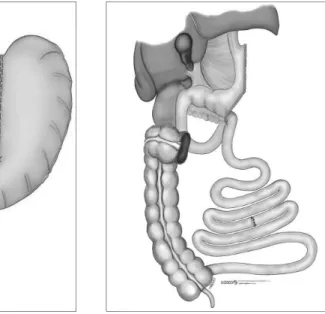
Figure 2. Final appearance of the pro-portionally reduced gastrointestinal tract by the proposed surgical technique.
Technique: The procedure began through laparoscopic access. Five trocars were posi-tioned: two 12-mm trocars (one in the mid-line, 8 cm above the umbilicus, and the other in the upper left quadrant) and three 5-mm trocars (one in the upper right quadrant, one in the epigastrium for the liver retractor and one lateral in the upper left quadrant).
First, the omental bursa was opened and the greater omentum was sectioned with the help of a sealer and divider tool (Ultracision® or Ligasure®). Dissection started just beside the gastric greater curvature at a point lo-cated 6 cm from the pylorus and went up to the angle of His. A sleeve gastrectomy was
the colon), and to perform an enterectomy, leav-ing the fi rst 50 to 100 cm of the jejunum and the last 200 to 250 cm of the ileum. In the fi rst cases, we retained 150 cm of each segment.38 Subsequently, we started to retain the following proportions: 50/250 cm (jejunum/ileum) in diabetic or hypertriglyceridemic patients and 100/200 cm in the others, with the aim of retain-ing a total of three meters (Figure 2).
Antibiotic and deep vein thrombosis pro-phylaxis was used in all patients before surgery: cephalothin 1 g every 6 hours for one day; and enoxaparin 40 mg once daily, preoperatively and for one week after the procedure. End-to-end enteroenteric anastomosis was performed. The mesenteric borders were closed to avoid internal hernias. The abdominal wall and laparoscopic incisions were then closed.
During the first 24 hours after the operation, all patients received cefazolin as a prophylactic antibiotic and received only intravenous fl uids over the fi rst 48 hours. Fol-lowing this, they were all advised just to take liquids, in quantities of not more than 40 ml every 20 minutes, for a week. Thereafter, they were allowed to eat solids. The recommenda-tion given was that they should make small meals starting with a portion of salad. Also, portions of fruits, vegetables, fi sh and chicken were recommended. We suggested that whole-wheat fl our should be consumed, instead of refi ned wheat fl our and, fi nally, we ask them to avoid simple (refi ned) sugar.
RESULTS
The duration of the operative procedures ranged from 150 to 300 minutes (mean: 210 minutes). The physical features of the resected specimens are presented in Table 1. Postoperative complications occurred in seven patients (7 %) and are listed in Table 2. Four patients developed gallbladder lithiasis and one required surgical resection 14 months later. There was no mortality.
Weight loss evolution: All patients were followed for at least one month, with a mean body mass index (BMI) evolution performed using a laparoscopic linear cutting
stapler (Figure 1). A Fouchet tube was passed into the stomach to ensure that the gastric tube left in the lesser curvature was approximately 3 to 4 cm wide. A Penrose drain (brought to the exterior at the site of the left-fl ank 12-mm trocar) and a nasogastric tube were positioned under laparoscopic view.
from 39.9 kg/m2 to 35.6 kg/m2 over this fi rst month (∆ = - 4.3 kg/m
2). Ninety-seven patients were followed for at least two months and their mean BMI evolution was from 39.8 kg/m2 to 33.7 kg/m2 over the fi rst two months (∆ = - 6.1 kg/m
2). Eighty-one pa-tients were followed for at least four months and their mean BMI evolution was from 40.2 kg/m2 to 32.1 kg/m2 over the fi rst four months (∆ = - 8.1 kg/m
2). Sixty-four patients were followed for at least six months and their mean BMI evolution was from 41.3 kg/m2 to 31.2 kg/m2 over the first six months (∆ = - 10.2 kg/m
2). Thirty-nine patients were followed for at least 12 months (the mean follow-up for this group was 20.1 months) and their mean BMI evolution was from 41.0 kg/m2 to 30.3 kg/m2 (
∆ = - 10.7 kg/m
2). The length of follow-up ranged from 1 to 29 months (mean: nine months). During this period, the comorbidities detected before surgical treatment showed clinical resolution or improvement. Table 3 shows how much im-provement was observed in the comorbidities. Resolution was defi ned as the disappearance of the problem or the withdrawal of medica-tion. Improvement was defi ned as a reduction in medication or better objective laboratory results or fewer symptoms.
After surgery, six patients presented minimal complaints such as moderate intes-tinal constipation, and one patient had occa-sional dyspepsia that did not require continuous medication. No postoperative diarrhea was observed. Generally, all the patients reported great reduction in total daily ingestion and early and prolonged satiety. All of them were pleased that they had undergone the procedure.
DISCUSSION
The surgical procedure reported here may bring many advantages. We believe it provides an adaptation of the digestive tract to the modern diet. Since food now is a lot more caloric than in the primitive diet, the gastric capacity required can be signifi cantly reduced. However, in this surgical procedure, there is no obstacle to food progression, no narrowing anastomosis and no prosthesis. The stomach is proportionally reduced, while keeping its general structure (cardia, body, antrum and pylorus). Innervation by the lesser curvature remains intact. Early satiety caused by gastric distension tends to occur. Between meals, a smaller elevation of ghrelin production is expected because its major source (the gastric fundus) has been removed.14,15
The enterectomy proposed does not have the goal of causing malabsorption, and in fact
Table 3. Clinical resolution and improvement of comorbidities after the proposed surgical treatment
Condition
Before surgery After surgery
resolved improved
n % n % n %
Orthopedic problems 32 32% 23 71.9% 9 28.1%
Essential hypertension 43 43% 32 74.4% 11 25.6%
Diabetes 34 34% 31 91.2% 3 8.8%
Hypertriglyceridemia 59 59% 48 81.3% 11 18.7%
Hypercholesterolemia 49 49% 28 57,1% 21 42.9%
Respiratory problems 21 21% 19 90.5% 2 9.5%
it would not cause this. There is no report of enteric insuffi ciency with a proportional bowel of length 300 cm (containing duodenum, jejunum, ileum, ileocecal valve and colon). In fact, some normal people only have three meters of small bowel.40 The human small bowel ranges in length from three to eight meters. Indeed, some authors even consider shorter bowel lengths still to be normal.41As expected, up to the present date, none of our patients have developed undernutrition or diarrhea and, taking their intestinal adaptation into account, it is less likely that they will still develop it later on.
The rationale for this enterectomy was to create a proportionally smaller but still normal intestine that has a smaller capacity and makes it more likely that nutrients will reach the ileum. This will cause earlier and more effective secretion of GLP-1 and PYY, which reduces the rate of gastric emptying, improves insulin secretion and promotes central satiety.
When an enterectomy is performed, part of its mesentery comes out, which means that visceral fat is removed. Omentectomy promotes additional resection of visceral fat and reduction of a source of PAI-1,18,19 thereby reducing the risk of atherothrombosis. It provides reduction in the sourcing of free fatty acids to the portal vein and the sourcing of resistin. Both events are thought to reduce hyperinsulinism and insulin resistance.19,23 As the specimens removed are bulky, the intra-abdominal pressure (IAP) is reduced. High IAP is related to respiratory, hemodynamic and refl ux problems.
The results obtained are encouraging, since the patients achieved good weight losses without mechanical obstacles to food ingestion or malabsorption. Besides the benefi ts from the weight loss itself, we
ob-served major improvements in their diabetic, hypertriglyceridemic, hypercholesterolemic, arterial hypertension, orthopedic and respi-ratory problems. The expected reductions in ghrelin, resistin and PAI-1 secretion and the early elevation of GLP-1 and PYY are now under investigation by our group.
For super-obese patients, the method presented here may not enable them to lose the amount of weight needed, since it is neither malabsorptive nor restrictive enough. Indeed, we have moved the patients with incapacity to perform physical activity, and those with a previous diagnosis of slow gastric emptying, over to a different technique derived from the method presented here: digestive adaptation with in-transit intestinal reserve.42 Notwith-standing this, most of the traditional bariatric techniques may still be indicated after the procedure we have described here.
The current surgical procedures for treat-ing obesity are aggressive to digestive functions like esophageal function (in cases of providing obstacles to food ingestion) and gastric, pyloric, duodenal, jejunal and hepatic function (in cases of providing nutrient exclusions). Therefore, they are not recommended for patients prior to attaining severe obesity. Thus, such procedures have been performed at a late stage. Frequently, these patients already present damaged arter-ies and joints, and have already suffered the consequences of diabetes, hypertension, dys-lipidemia, refl ux and other obesity-associated conditions, besides the psychosocial problems. All in all, the surgical risk is higher.
REFERENCES
(such risks are already low due to the simplicity of the procedure itself ).
Weight loss occurs not because the patient cannot eat what he wants or cannot absorb nu-trients completely. Patients stop eating earlier for the same reasons that anyone does so: the feeling that the stomach is full, and a hypothalamic-generated sensation of satiety, caused by the perception of nutrients, especially in the distal bowel. These patients’ quality of life (QOL) seems to be much improved by the weight loss and its consequences. In parallel, QOL is not worsened by any symptoms or situations (such as dysphagia, vomiting, diarrhea, fl atulence or the need for life-long follow-up or pills) that are sometimes created by traditional procedures. Almost all of these patients do not present any sign or any symptom, except for early satiety.
Indeed, this is the fi rst surgical procedure that does not aim to cure a sick or defi cient
organ, but intends to adapt a system to new circumstances. It is also based on compared physiology, by copying movements from evolu-tion. It is an evolutionary and adaptive surgery technique that would not have become neces-sary if human beings had kept their primitive hypocaloric and scanty diet. It might become a very useful procedure, since it may interrupt the development of obesity, hypertriglyceridemia, hypercholesterolemia, type II diabetes, hyper-tension, atherothrombotic disease and other typical conditions of modern life.
Detailed research into hormonal changes is needed because a great deal of the physiological data comes from animal experiments. More patients, longer follow-up and multicenter ex-perience are also necessary, in order to establish this procedure as a possible evolutionary surgi-cal intervention capable of adapting the human gastrointestinal tract to the modern diet.
CONCLUSION
The surgical technique proposed in this article brought together three well-known procedures: vertical gastrectomy, omentec-tomy and enterecomentec-tomy. In association, they produced a proportionally reduced diges-tive tract, but without changing its general structure. There were no obstacles to food ingestion, no prostheses, no excluded seg-ments, no detected malabsorption and no endoscopically blind areas. No harm to important digestive functions was observed over short and medium-term follow-up. The patients who underwent the operation lost weight and their comorbidities were resolved or very much improved. They did not need nutritional support or chronic intake of medication because of the procedure. The procedure was simple and the complication rate was low. There was no mortality.
1. Byrne TK. Complications of surgery for obesity. Surg Clin North Am. 2001;81(5):1181-93, vii-viii.
2. Favretti F, Cadiere GB, Segato G, et al. Laparoscopic adjustable silicone gastric banding (Lap-Band): how to avoid complica-tions. Obes Surg. 1997;7(4):352-8.
3. Castillo J, Fábrega E, Escalante CF, et al. Liver transplanta-tion in a case of steatohepatitis and subacute hepatic failure after biliopancreatic diversion for morbid obesity. Obes Surg. 2001;11(5):640-2.
4. Cotler SJ, Vitello JM, Guzman G, Testa G, Benedetti E, Layden TJ.. Hepatic decompensation after gastric bypass surgery for severe obesity. Dig Dis Sci. 2004;49(10):1563-68. 5. Kreymann B, Williams G, Ghatei MA, Bloom SR.
Glucagon-like peptide-1 7-36: a physiological incretin in man. Lancet. 1987;2(8571):1300-4.
6. Nauck MA, Heimesaat MM, Orskov C, Holst JJ, Ebert R, Creutzfeldt W. Preserved incretin activity of glucagon-like peptide 1 [7-36 amide] but not of synthetic human gastric inhibitory polypeptide in patients with type-2 diabetes mellitus. J Clin Invest. 1993;91(1):301-7.
7. Creutzfeldt WO, Kleine N, Willms B, Orskov C, Holst JJ, Nauck MA. Glucagonostatic actions and reduction of fasting hy-perglycemia by exogenous glucagon-like peptide I(7-36) amide in type I diabetic patients. Diabetes Care. 1996;19(6):580-6. 8. Layer P, Holst JJ, Grandt D, Goebell H. Ileal release of
glucagon-like peptide-1 (GLP-1). Association with inhibition of gastric acid secretion in humans. Dig Dis Sci. 1995;40(5):1074-82.
9. Nauck MA, Niedereichholz U, Ettler R, et al. Glucagon-like peptide 1 inhibition of gastric emptying outweighs its insulinotropic effects in healthy humans. Am J Physiol. 1997;273(5 Pt 1):E981-8.
10. Schirra J, Wank U, Arnold R, Goke B, Katschinski M. Effects of glucagon-like peptide-1(7-36)amide on motility and sensation of the proximal stomach in humans. Gut. 2002;50(3):341-8. 11. Kastin AJ, Akerstrom V, Pan W. Interactions of glucagon-like
peptide-1 (GLP-1) with the blood-brain barrier. J Mol Neurosci. 2002;18(1-2):7-14.
12. Muccioli G, Tschop M, Papotti M, Deghenghi R, Heiman M, Ghigo E. Neuroendocrine and peripheral activities of ghrelin: implications in metabolism and obesity. Eur J Pharmacol. 2002;440(2-3):235-54.
13. Penalva A, Baldelli R, Camina JP, et al. Physiology and possible pathology of growth hormone secretagogues. J Pediatr Endocri-nol Metab. 2001;14(Suppl 5):1207-12; discussion 1261-2. 14. Pinkney J, Williams G. Ghrelin gets hungry. Lancet.
2002;359(9315):1360-1.
15. Lustig RH. The neuroendocrinology of obesity. Endocrinol Metab Clin North Am. 2001;30(3):765-85.
16. Cummings DE, Weigle DS, Frayo RS, et al. Plasma ghrelin levels after diet-induced weight loss or gastric bypass surgery. N Engl J Med. 2002;346(21):1623-30.
17. Juhan-Vague I, Alessi MC, Morange PE. Hypofi brinolysis and increased PAI-1 are linked to atherothrombosis via insulin resistance and obesity. Ann Med. 2000;32(Suppl 1):78-84.
18. van Hinsbergh VW, Kooistra T, Scheffer MA, Hajo van Bockel J, van Muijen GN. Characterization and fi brinolytic properties of human omental tissue mesothelial cells. Comparison with endothelial cells. Blood. 1990;75(7):1490-7.
19. Juhan-Vague I, Alessi MC. PAI-1, obesity, insulin resis-tance and risk of cardiovascular events. Thromb Haemost. 1997;78(1):656-60.
20. Carmichael AR, Tate G, King RF, Sue-Ling HM, Johnston D. Effects of the Magenstrasse and Mill operation for obesity on plasma plasminogen activator inhibitor type 1, tissue plasmino-gen activator, fi brinoplasmino-gen and insulin. Pathophysiol Haemost Thromb. 2002;32(1):40-3.
21. Thorne A, Lonnqvist F, Apelman J, Hellers G, Arner P. A pilot study of long-term effects of a novel obesity treatment: omentectomy in connection with adjustable gastric banding. Int J Obes Relat Metab Disord. 2002;26(2):193-9. 22. McTernan PG, McTernan CL, Chetty R, et al. Increased resistin
gene and protein expression in human abdominal adipose tissue. J Clin Endocrinol Metab. 2002;87(5):2407.
23. McTernan CL, McTernan PG, Harte AL, Levick PL, Barnett AH, Kumar S. Resistin, central obesity, and type 2 diabetes. Lancet. 2002;359(9300):46-7.
24. Bergman RN, Van Citters GW, Mittelman SD, et al. Central role of the adipocyte in the metabolic syndrome. J Investig Med. 2001;49(1):119-26.
26. Cohen MA, Ellis SM, Le Roux CW, et al. Oxyntomodulin suppresses appetite and reduces food intake in humans. J Clin Endocrinol Metab. 2003;88(10):4696-701.
27. van den Hoek AM, Heijboer AC, Corssmit EP, et al. PYY3-36 reinforces insulin action on glucose disposal in mice fed a high-fat diet. Diabetes. 2004;53(8):1949-52.
28. Stevens CE, Hume ID. Comparative Physiology of the Vertebrate Digestive System. 2nd ed. Cambridge: Cambridge
University Press; 1995.
29. Milton K. A hypothesis to explain the role of meat-eat-ing in human evolution. Evolutionary Anthropology. 1999;8(1):11-21.
30. Milton K. Primate diets and gut morphology: implications for hominid evolution. In: Harris M, Ross EB, editors. Food and evolution: toward a theory of human food habits.. Philadelphia: Temple University Press; 1987. p. 93-115.
31. Aiello LC, Wheeler P. The expensive tissue hypothesis: The brain and the digestive system in human and primate evolution. Cur Anthropol. 1995;36:199-221.
32. Leonard WR, Robertson ML. Evolutionary perspectives on human nutrition: the infl uence of brain and body size on diet and metabolism. Am J Hum Biol. 1994;6:77-88. 33. Lugari R, Dei Cas A, Ugolotti D, et al. Evidence for early
impair-ment of glucagon-like peptide 1-induced insulin secretion in human type 2 (non insulin-dependent) diabetes. Horm Metab Res. 2002;34(3):150-4.
34. Ranganath LR, Beety JM, Morgan LM, Wright JW, Howland R, Marks V. Attenuated GLP-1 secretion in obesity: cause or consequence? Gut. 1996;38(6):916-9.
35. Hounnou G, Destrieux C, Desme J, Bertrand P, Velut S. Ana-tomical study of the length of the human intestine. Surg Radiol Anat. 2002;24(5):290-4.
36. Santoro S, Velhote MCP, Mechenas ASG, Malzoni CE, Strass-mann V. Gastro-omentectomia Laparoscópica Adaptativa: Novo Procedimento para Tratamento e Prevenção do Avanço da Obesi-dade - Bases Fisiológicas e Evolucionárias. [Laparoscopic adaptive gastro-omentectomy as an early procedure to treat and prevent the progress of obesity - evolutionary and physiological support]. Revista Brasileira de Videocirurgia. 2003;1(3):96-102. 37. Santoro S. Relações entre o comprimento do intestino e a
obesidade. Hipótese: a síndrome do intestino longo. Einstein. 2003;1:44-46. Available from: http://www.einstein.br/biblio-teca/pdf/On%20line%2030.pdf. Accessed in 2006 (Jul 5). 38. Santoro S, Velhote MCP, Malzoni CE, Mechenas ASG,
Strassmann V, Scheinberg. Adaptação digestive: uma nova proposta cirúrgica para tartar a obesidade com base em fi siolo-gia e evolução. [Digestive adaptation: a new surgical proposal to treat obesity based in physiology and evolution]. Einstein. 2003;1(2):99-104. Available from: http://www.einstein.br/ biblioteca/artigos/adaptação%20digestiva%20traduzido.pdf. Accessed in 2006 (Jul 5).
39. Baltasar A, Bou R, Bengochea M, et al. Duodenal switch: an effective therapy for morbid obesity--intermediate results. Obes Surg. 2001;11(1):54-8.
40. Adkins Jr RB, Davies J. Gross and microscopic anatomy of the stomach and small intestine. In: Scott Jr HW, Sawyers JL, editors. Surgery of the stomach, duodenum and small bowel. Boston: Blackwell Scientifi c Publications; 1987. p. 45-60
41. Gardner E. O abdomen. Estudo regional do corpo humano. In: Gardner E, Gray DS, Rahylly R, editors. Anatomia. Rio de Janeiro: Guanabara Koogan; 1967. p. 407-84.
42. Santoro S, Velhote MCP, Malzoni CE, Mechenas ASG, Damiani D, Maksoud JG. Adaptação digestive com reserve intestinal: nova proposta cirúrgica para obesidade mórbida. [Digestive adaptation with intestinal reserve: a new surgical proposal for morbid obesity]. Revista Brasileira de Videocirurgia. 2004;2(3):130-8.
Acknowledgements: We thank Ethicon Endosurgery and U.S. Surgical for the donation of some disposable material. We also thank Ethicon Endosurgery for the drawings.
Sources of funding: None
Confl ict of interest: None
Date of fi rst submission: March 30, 2005
Last received: July 10, 2006
Accepted: July 10, 2006
AUTHOR INFORMATION
Sérgio Santoro, MD, MSc. Surgeon at Department of Sur-gery, Hospital Israelita Albert Einstein, São Paulo, Brazil.
Manoel Carlos Prieto Velhote, MD, PhD. Assistant
professor of the Discipline of Pediatric Surgery, Faculdade de Medicina da Universidade de São Paulo (FMUSP), São Paulo, Brazil.
Carlos Eduardo Malzoni, MD, MSc. Surgeon at
Department of Surgery, Hospital Israelita Albert Einstein, São Paulo, Brazil.
Fábio Quirino Milleo, MD, MSc. Surgeon at Department of Surgery, Hospital Vicentino da Sociedade Benefi cente São Camilo, Ponta Grossa, Paraná, Brazil.
Sidney Klajner, MD, MSc. Surgeon atDepartment of Sur-gery, Hospital Israelita Albert Einstein, São Paulo, Brazil.
Fábio Guilherme Campos, MD, PhD. Surgeon at
Department of Digestive Surgery, Hospital das Clínicas, Faculdade de Medicina da Universidade de São Paulo, São Paulo, Brazil.
Address for correspondence:
Sérgio Santoro
Rua São Paulo Antigo, 500 — Apto. 111 SD São Paulo (SP) — Brasil — CEP 05684-010 Tel. (+55 11) 3759-1178
Fax (+55 11) 3758-4054 E-mail: [email protected]
Copyright © 2006, Associação Paulista de Medicina
RESUMO Resultados preliminares de adaptação digestiva: nova proposta cirúrgica para tratamento cirúrgico da obesidade baseada na fi siologia e na evolução
CONTEXTO E OBJETIVO: A maioria das técnicas de cirurgia bariátrica inclui anastomoses ou bandas ou exclusões de segmentos digestivos, principalmente o duodeno, que podem gerar sintomas ou complicações. O objetivo do estudo foi apresentar os resultados dos dois primeiros anos de uso de uma nova técnica no tratamento cirúrgico da obesidade: gastrectomia vertical com omentectomia e enterectomia segmentar.
TIPO DE ESTUDO E LOCAL:Descrição de série de casos operados no Hospital Israelita Albert Einstein, Hospital da Polícia Militar, São Paulo, e Hospital Vicentino, Ponta Grossa, Paraná, Brazil.
MÉTODO: A técnica utiliza a gastrectomia vertical, omentectomia maior e enterectomia segmentar (incluindo jejuno basicamente) que deixa três metros de intestino delgado (jejuno inicial e a maior parte do íleo), em comprimento no limite inferior do que se considera normal para humanos adultos. Os 100primeiros pacientes são descritos.
RESULTADOS: Com acompanhamento de até 29 meses pós-operatórios (média de oito meses)a redução no índice de massa corpórea foi de 4.3, 6.1, 8.1, 10.1, 10.7 kg/m2, respectivamente nos meses 1, 2, 4,
6 e 12 de pós-operatório. Todos os pacientes acusam saciedade precoce. Houve melhora acentuada das doenças associadas em especial a diabetes. Complicações cirúrgicas ocorreram em 7% dos pacientes todas resolvidas sem seqüelas. Não houve óbitos.
CONCLUSÕES: O procedimento cria um trato gastrointestinal proporcionalmente reduzido, mas com suas funções digestivas intactas. O procedimento retira fontes de produção de grelina, inibidor do ativador do plasminogênio-1 (PAI-1), resistina e permite que mais nutrientes sejam absorvidos no intestino distal, com as desejáveis conseqüências metabólicas. Os pacientes não precisam de suporte nutricional ou de medicações. O procedimento é fácil e seguro.