Universidade de Trás-os-Montes e Alto Douro
Impact of genetic background, maturation, and infection by
Colletotrichum acutatum on the phytochemical composition of olives and
olive oils: implementation of faster infrared screening tools
Tese de Doutoramento em Ciências Químicas e Biológicas
Nome do candidato: Irene Pereira Gouvinhas
Nome dos Orientadores: Professora Doutora Ana Isabel Novo de Barros Professora Doutora Paula Martins-Lopes
Doutora Sónia Gomes
Universidade de Trás-os-Montes e Alto Douro
Impact of genetic background, maturation, and infection by
Colletotrichum acutatum on the phytochemical composition of olives and
olive oils: implementation of faster infrared screening tools
Irene Pereira Gouvinhas
Tese apresentada à Universidade de Trás-os-Montes e Alto Douro para cumprimento dos requisitos necessários à obtenção do grau de Doutor em Ciências Químicas e Biológicas, realizada sob a orientação científica das Doutoras Ana Isabel Amorim Novo de Barros, Professora Auxiliar do Departamento de Química da Universidade de Trás-os-Montes e Alto Douro, Paula Martins-Lopes, Professora Auxiliar do Departamento de Genética e Biotecnologia da Universidade de Trás-os-Montes e Alto Douro , e Sónia Gomes, bolseira da FCT.
As doutrinas apresentadas no presente trabalho são da exclusiva responsabilidade do autor.
Universidade de Trás-os-Montes e Alto Douro
Impact of genetic background, maturation, and infection by Colletotrichum
acutatum on the phytochemical composition of olives and olive oils:
implementation of faster infrared screening tools
Tese de Doutoramento em Ciências Químicas e Biológicas
Nome do candidato: Irene Pereira Gouvinhas Nome dos Orientadores: Professora Doutora Ana Isabel Novo de Barros Professora Doutora Paula Martins-Lopes Doutora Sónia Gomes
Composição do Júri: Presidente:
Professor Doutor Victor Manuel Machado de Ribeiro dos Reis Vogais:
Professor Doutor Victor Armando Pereira Freitas Professor Doutor Artur Manuel Soares da Silva Professor Doutor Eduardo Augusto dos Santos Rosa Professor Doutor Augusto António Vieira Peixe
Professor Doutora Ana Isabel Ramos Novo Amorim de Barros Doutora Sónia Maria Alves Gomes
Universidade de Trás-os-Montes e Alto Douro
Impact of genetic background, maturation, and infection by Colletotrichum
acutatum on the phytochemical composition of olives and olive oils:
implementation of faster infrared screening tools
Tese de Doutoramento em Ciências Químicas e Biológicas
Funding was provided by FCT (Fundação para a Ciência e Tecnologia) in the form of a PhD grant (SFRH/DB/78013/2011).
Nome do candidato: Irene Pereira Gouvinhas Nome dos Orientadores: Professora Doutora Ana Isabel Novo de Barros Professora Doutora Paula Martins-Lopes Doutora Sónia Gomes
AGRADECIMENTOS
Após a realização deste trabalho, resta-me expressar algumas palavras de agradecimento e reconhecimento às pessoas que direta ou indiretamente deram o seu contributo para que toda a elaboração desta tese fosse possível.
Muito especialmente, desejo agradecer à Professora Doutora Ana Barros, minha professora e orientadora, por todo o apoio, orientação, partilha de saber, opiniões e críticas. Desde a licenciatura até ao doutoramento que me conduziu de forma profissional e materna, particularmente nestes últimos 4 anos, por onde passamos momentos de alegria, de felicidade, de desabafos, de tristezas. Momentos para recordar e momentos para esquecer. Afinal, a vida é feita de momentos, e após todos estes anos de partilha, só podemos ficar "na história, da história da gente".
À Professora Doutora Paula Lopes, co-orientadora, por toda a ajuda, disponibilidade, compreensão e conhecimentos. Obrigada pela confiança depositada em mim e pela amizade.
À Doutora Sónia Gomes, também co-orientadora, por toda a ajuda e apoio prestados na realização deste trabalho. Obrigada por todos os conhecimentos transmitidos de uma área, para mim, "diferente" e que me permitiram alargar mais os meus conhecimentos. Obrigada por toda a amizade e confiança demonstrada ao longo destes anos.
À Engenheira Teresa Carvalho, por toda a ajuda prestada no campo e colheita/preparação das amostras. Obrigada pela disponibilidade e pelo bom acolhimento em Elvas.
Ao Raúl Domínguez-Perles e Nelson Machado que me ajudaram ao longo de todo este trabalho, especialmente nesta última fase, que foi de luta para todos. Um muito obrigada por todo o apoio e pela partilha de bons momentos.
Ao Sr. Carlos Matos e à Dona Palmira por todo o auxílio prestado no laboratório.
Aos meus colegas de laboratório, mas essencialmente amigos, Carla Sobreira, Ana Abraão e André Lemos, por toda a ajuda e incentivo. Obrigada por todos os bons momentos passados no laboratório (e não só) e pela vossa grande amizade e carinho.
A todas os meus restantes amigos, especialmente à Diana Barreira, Daniel Alves, Simone da Silva, Sandra Cabo, Márcia Carvalho, e às rosas Maria Cunha, Filipa Santos e Patrícia Nunes. Obrigada pela vossa amizade.
Por último, mas não menos importante, aos meus pais, por serem tudo o que tenho de mais precioso. Por todos os valores, princípios, educação e conselhos que me transmitiram. Obrigada por todo o amor incondicional, carinho e afeto.
RESUMO
A oliveira (Olea europaea L.) é uma das culturas mais importantes dos países do Mediterrâneo, cujo cultivo tem vindo a sofrer um incremento ao longo dos últimos anos, particularmente devido às diversas propriedades benéficas e sensoriais que os seus produtos (azeitona e azeite) apresentam. Estas propriedades relacionam-se com a composição nutricional e não nutricional das azeitonas, e dependem de vários fatores de pré-colheita (condições agro-ambientais, cultivar e estado de maturação, entre outros) e pós-colheita (condições de armazenamento). Uma vez que durante o processo de extração de azeite não são adicionados quaisquer químicos, a composição nutricional e fitoquímica mantém-se praticamente inalterável. Para além dos fatores anteriormente referidos, a oliveira é ainda por vezes afetada por diferentes doenças, que podem reduzir o rendimento e a qualidade final dos seus produtos, nomeadamente em termos de metabolitos secundários. A antracnose da oliveira (também denominada por doença da gafa) é provocada pelos fungos Colletotrichum acutatum e C. gloeosporioides e, em condições propícias de humidade e temperatura, pode levar a elevadas perdas de produção. Além disso, a incidência da antracnose depende das condições ambientais, da virulência dos isolados e da suscetibilidade das cultivares.
Os objetivos deste trabalho consistiram em determinar a composição fenólica de diferentes cultivares de azeitona que diferem em termos de suscetibilidade ao C. acutatum (‘Galega Vulgar’ (altamente suscetível), ‘Cobrançosa’ (moderadamente suscetível) e ‘Picual’ tolerante), quer durante o processo de maturação, quer durante o processo de infeção pelo fungo. Para além da determinação da composição fenólica por métodos clássicos, e uma vez que estes requerem o uso de reagentes e solventes dispendiosos, e o pré-tratamento das amostras, foram ainda aplicados os métodos vibracionais espectroscópicos, por transformada de Fourier e Raman. Além disso, a expressão do gene OePAL foi determinada a fim de tentar relacioná-la com a atividade da enzima fenilalanina amónia-liase (PAL) e o conteúdo em compostos fenólicos.
Para atingir estes objetivos, as três cultivares acima referidas foram avaliadas ao longo dos processos de maturação e infeção em termos de composição fenólica e atividade antioxidante dos frutos e azeites. Estas análises, juntamente com a determinação do conteúdo em metais e dos parâmetros de qualidade dos azeites (acidez livre e índice de peróxidos) e a aplicação de métodos espectroscópicos e análise multivariada foram utilizados de forma a
discriminar os azeites das diferentes cultivares. Para além deste estudo, foi ainda avaliado o efeito do ataque do fungo C. acutatum na expressão do gene OePAL, na atividade da enzima PAL e no conteúdo e perfil fenólico das azeitonas. Para tal, azeitonas não infetadas (controlo) e infetadas às 0, 16, 48, 144 e 360 horas após a infeção foram colhidas e analisadas. Além disso, sabendo que a cutícula é o tecido da azeitona com o qual o fungo estabelece o primeiro contacto durante o processo de infeção, a mesma foi analisada através da técnica de espectroscopia de infravermelho por transformada de Fourier (FTIR) a fim de discriminar não só as cultivares, mas também os diversos tempos de infeção, e adicionalmente avaliar esta abordagem como ferramenta auxiliar para aferição das diferentes suscetibilidades ao fungo, apresentadas pelas distintas cultivares.
Os resultados referentes ao estudo da maturação demonstraram uma diminuição do conteúdo em compostos fenólicos, independentemente da cultivar estudada. Além disso, as condições climáticas demonstraram ter um papel importante nesta composição. Relativamente aos métodos espectroscópicos (FTIR e Raman) e clássicos utilizados para a determinação do conteúdo fenólico, juntamente com análise multivariada, foi possível, não só criar modelos de previsão para a determinação da composição fenólica e dos parâmetros de qualidade dos azeites, mas também discriminar as diferentes cultivares e estados de maturação. O mesmo foi conseguido através da análise do conteúdo em metais das amostras de azeites.
Relativamente ao estudo do efeito do ataque do C. acutatum nas azeitonas, verificou-se um aumento da produção do conteúdo em compostos fenólicos, principalmente nas azeitonas da cultivar Galega Vulgar, descrita como suscetível a este fungo. Além disso, a expressão do gene OePAL e a atividade da enzima PAL foram induzidas pelo ataque do fungo, nomeadamente para as cultivares Galega Vulgar e Picual, que demonstraram expressão e atividade máxima às 16 horas de infeção.
Em suma, este trabalho permitiu obter um maior conhecimento àcerca do efeito da maturação e da infeção pelo C. acutatum no conteúdo e perfil fenólico de azeites e azeitonas. Além disso, o uso de métodos espectroscópicos vibracionais, tais como o FTIR e Raman, articulados com a aplicação de análises quimiométricas, permitiu descrever de uma forma mais rápida e eficiente a discriminação de diferentes cultivares, estados de maturação e infeção.
Palavras-chave: Olea europaea L.; Maturação; Colletotrichum acutatum; Espectroscopia de infravermelho; Discriminação; Polifenóis.
ABSTRACT
The olive tree (Olea europaea L.) is one of the most important crops in the Mediterranean Basin, which cultivation has increased over the last decades, encouraged by the diverse health benefits associated to olive oils consumption and the sensorial characteristics. However, the health benefits associated to dietary olive oils are closely dependent on the nutritional and non-nutritional composition of olive fruits, which are influenced by several pre-harvest (agro-environmental conditions, cultivar, and ripening stage) and post-harvest (storage conditions) factors. Once initialized the olive fruits processing towards obtaining olive oils, the nutritional and phytochemical compounds remain almost unaltered, keeping the final products all the characteristics and constituents described in olives. In addition to the above mentioned factors, the olive tree can also be affected by diverse diseases, conditioning yield and final product quality. This fact is of special relevance regarding the content in (poly)phenols. Among the currently identified diseases affecting olive tree, olive antrachnose, caused by the fungus Colletotrichum acutatum and C. gloeosporioides, is one of the most relevant constraint, which severity is dependent on the weather conditions, pathogen virulence, and cultivar susceptibility.
The objective of this work was to evaluate the phenolic composition in diverse maturation stages and infection degree in three different olive cultivars characterized by distinct susceptibility to C. acutatum (‘Galega Vulgar’ (highly susceptible), ‘Cobrançosa’ (moderately susceptible), and ‘Picual’ tolerant). The assessment of olives and olive oils on the phenolic composition was developed by classical spectrophotometric and chromatographic methods, which were complemented by spectroscopical approaches, such as Fourier-Transform Infrared spectroscopy (FTIR) and Raman. Furthermore, the expression of OePAL gene, was explored to understand the relationship between OePAL expression, phenylalanine ammonia-lyase (PAL) activity, and the (poly)phenolic content.
To achieve these goals, the three olive cultivars referred above were investigated during the fruit maturation and infection process, regarding the phenolic composition and radical scavenging capacity of olive fruits and oils. The information recorded on these characteristics together with metal content, free acidity, and the peroxide value, resorting to spectroscopical methods combined with multivariate analysis was aimed to discriminate olive oils obtained from different cultivars. Besides the basic information on olives and olive oils composition, olive fruits were also assessed on the susceptibility to the infection by C. acutatum. For this purpose, the olives were infected in the olive grove. Non-infected controls and olives infected
for 0, 16, 48, 144, and 360 hours after infection (hai) were harvested and assessed concerning the expression level of OePAL gene, PAL activity, and phenolic profile and content. These determinations allowed to study the correlation between OePAL gene expression, PAL activity, and phenolic content. Since cuticle constitutes the first contact point of the fungus during infection, this tissue was analysed by FTIR combined with Attenuated Total Reflectance (ATR) accessory to discriminate cultivars and infection times, besides the susceptibility/response to the infection.
The major results obtained allowed to state that during the maturation process, the content on phenolic compounds decreased independently of the cultivar, whilst the climatic conditions appeared as a critical factor for the (poly)phenolic composition.
The use of spectroscopical (FTIR and Raman) and classical methods for determining phenolic compounds and quality parameters of olive oils, combined with Partial Least Square regression allowed to discriminate the cultivar and the distinct maturation stages, and to create models for predicting the chemical characteristics of this food matrix during the maturation process. Besides the discrimination based in these analyses, the evaluation of the metal content was also applied alongside Partial Least Square regression, allowing to discriminate the campaign and the cultivar.
Apart from the evaluation of the basic chemical and phytochemical composition and the mineral content of olives and olive oils in different cultivars and throughout the ripening stage, it was determined the effect of C. acutatum on the level of secondary metabolites (phenolics). These increased throughout the infection as a response to the fungal attack, especially concerning ‘Galega Vulgar’, which has been described as the most susceptible cultivar. Furthermore, OePAL gene expression and PAL activity were boosted by the fungal infection, mainly in cultivars Galega Vulgar and Picual, which showed the highest gene expression level and PAL activity at 16 hours after infection.
As overall conclusion, this work allowed to gain a further insight in the effect of maturation and C. acutatum infection processes on the phenolic profile and (poly)phenolic content of olives and olive oils. In addition, the application of FTIR methods combined with chemometric analyses allowed to describe a faster spectroscopical method for the discrimination of different olive cultivars, maturation stages and infection incidence.
Keywords: Olea europaea; Olives ripening; Colletotrichum acutatum; Infrared spectroscopy; Discrimination; (Poly)phenolic content.
CONTENTS
Figures index i
Tables index v
List of abbreviations vii
I. CHAPTER I: State of the art 1
1.1. Relevance of olives and olive oils as sources of bioactive compounds: influence of agro-environmental factors, analytical approaches, and benefits for health 3
Abstract 3
1.2. Introduction 4
1.3. Olive fruits 5
1.3.1. Agronomic features of olive: effect on olive oil composition and quality 6
1.3.1.1. Cultivar 7 1.3.1.2. Maturation stage 7 1.3.1.3. Irrigation Regime 8 1.3.1.4. Geographical origin 9 1.3.1.5. Pathogen attacks 9 1.4. Olive oils 10
1.4.1. Non phenolic composition of olive oil 11
1.4.1.1. Hydrocarbons 11
1.4.1.2. Aliphatic alcohols 12
1.4.1.3. Sterols 12
1.4.1.4. Pigments 12
1.4.2. (Poly)phenolic composition of olive oil 13
1.4.2.1. Benzoic and cinnamic acids 14
1.4.2.2. Phenolic alcohols and secoiridoids 17
1.4.2.3. Lignans 17
1.4.2.4. Hydroxy-isochromans 17
1.4.2.5. Flavonoids 18
1.4.2.6. Lipophilic or non-polar phenols 18
1.5. Chromatographic and spectroscopic methods for the determination of the
composition of olive oil 21
1.5.1. High performance liquid chromatography 21
1.5.2. Spectroscopic methods: IR and Raman 23
1.6. Relationship between molecular structure of phenolics and biological activity of
olive oil 24
1.7. Biological activity of olive oil compounds: in vitro evidences and human data 27
1.7.1. Oxidative stress 28
1.7.2. Cancer 30
1.7.3. Plasma fatty acids composition and cardiovascular diseases 33
1.7.5. Inflammation 35
References 37
II. CHAPTER II: Objectives 51
2.1. General objectives 53
2.2. Specific objectives 53
III. CHAPTER III: Effect of maturation process on the phenolic content of
olive fruits 55
3.1. Influence of on-tree ripening on phenolic content and antioxidant power of
disctinct olive cultivars 57
Abstract 57
3.1.1. Introduction 58
3.1.2. Material and methods 59
3.1.2.1. Reagents 59
3.1.2.2. Plant material 59
3.1.2.3. Preparation of olive extracts for analysis 61
3.1.2.4. Total phenolics content 61
3.1.2.5. Ortho-diphenol content 61
3.1.2.6. Flavonoids content 61
3.1.2.7. In vitro antioxidant activity 62
3.1.2.8. Statistical analysis 62
3.1.3. Results and discussion 63
3.1.3.1. Olive fruits' (poly)phenolic composition 63
3.1.3.2. Radical scavenging capacity in vitro 65
3.1.3.3. Chemometric analysis 69
3.1.4. Conclusions 73
References 74
IV. CHAPTER IV: Discrimination of olive oils from different cultivars
during maturation process 77
4.1. Effect of environmental factors on the mineral content of olive oils:
categorization of the three cultivars grown in Portugal 79
Abstract 79
4.1.1. Introduction 80
4.1.2. Material and methods 81
4.1.2.1. Reagents 81
4.1.2.2. Olive oil samples 81
4.1.2.3. Metals quantification 82
4.1.2.4. Statistical analysis 82
4.1.3. Results and discussion 83
4.1.3.1.1. Mineral nutrients 83 4.1.3.1.2. Trace elements 86 4.1.3.2. Safety metals 88 4.1.3.3. Multivariate analysis 91 4.1.4. Conclusions 95 References 96
4.2. Discrimination and characterization of extra virgin olive oils from three cultivars in different maturation stages using fourier transform infrared
spectroscopy in tandem with chemometrics 99
Abstract 99
4.2.1. Introduction 100
4.2.2. Material and methods 102
4.2.2.1. Olive oil samples 102
4.2.2.2. Extraction of the phenolic fraction of olive oils 102
4.2.2.3. Total phenolic content 102
4.2.2.4. Ortho-diphenol content 102
4.2.2.5. Flavonoids content 103
4.2.2.6. Antioxidant activity determination 103
4.2.2.7. FTIR-ATR measurement 103
4.2.2.8. Mathematical treatment 104
4.2.2.9. Model selection 104
4.2.3. Results and discussion 105
4.2.3.1. Chemical analysis 105
4.2.3.2. Supervised olive oil maturation monitoring using FTIR spectral data 107
4.2.3.3. PLS-R models for prediction of chemical parameters 109
4.2.4. Conclusions 110
References 112
4.3. Short wavelenght raman spectroscopy applied to the discrimination and characterization of three cultivars of extra virgin olive oils in different maturation
stages 115
Abstract 115
4.3.1. Introduction 116
4.3.2. Material and methods 118
4.3.2.1. Olive oil samples 118
4.3.2.2. Quality chemical indices determination 118
4.3.2.3. Raman spectra measurement 118
4.3.2.4. Mathematical treatment of data set 119
4.3.2.5. Treatment of spectral data 120
4.3.2.6. Model selection 120
4.3.3. Results and discussion 120
4.3.3.2. Raman spectra of olive oil 122 4.3.3.3. Supervised olive oil maturation monitoring using Raman spectral data 123
4.3.3.3.1. Preliminary analysis of the spectral data set 123
4.3.3.3.2. PC-R and PLS-R models for prediction of peroxide value and free
acidity 125
4.3.4. Conclusions 128
References 129
V. CHAPTER V: Effect of Colletotrichum acutatum on PAL expression and activity and phenolic composition of olives, and spectroscopic
characteristics of olives’ cuticle 133
5.1. Transcriptional and biochemical analysis of L-phenylalanine ammonia-lyase (PAL) in olea europaea L. cultivars in response to colletotrichum acutatum stress 135
Abstract 135
5.1.1. Introduction 136
5.1.2. Material and methods 137
5.1.2.1. Plant material 137
5.1.2.2. Preparation of Colletotrichum acutatum isolates and plant inoculation 138
5.1.2.3. Real-time PCR (qRT-PCR) assay 139
5.1.2.3.1. Olive fruit RNA extraction 139
5.1.2.3.2. Quantitative Real-time PCR (qRT-PCR) 139
5.1.2.4. Extraction and L-phenylalanine ammonia-lyase (PAL) activity assay 140
5.1.2.5. Phenolic fraction extraction 141
5.1.2.6. Total phenolic content 141
5.1.2.7. Statistical analysis 141
5.1.3. Results and discussion 141
5.1.3.1. Transcript levels of OePAL gene during fruits infection 141 5.1.3.2. PAL acitivity during fruit infection and phenols content 143
5.1.4. Conclusions 147
References 148
5.2. Complementary chromatographic, spectrophotometric, and spectroscopic
assessments of olive fruits infected with Colletotrichum acutatum 151
Abstract 151
5.2.1. Introduction 152
5.2.2. Material and methods 153
5.2.2.1. Plant material 153
5.2.2.2. Preparation of Colletotrichum acutatum isolates and plant inoculation 154
5.2.2.3. Phenolic fraction extraction 154
5.2.2.4. Phenolic composition 154
5.2.2.5. Chromatographic determination of phenolic compounds 154
5.2.2.7. Statistical analysis and multivariate analysis 155
5.2.3. Results and discussion 156
5.2.3.1. (Poly)phenolic content in infected olive fruits 156
5.2.3.2. FTIR-ATR Spectroscopy coupled to multivariate analysis 161
5.2.4. Conclusions 168
References 169
VI. CHAPTER VI: Conclusions 173
Annexes 179
Annex I – Suplemental figures 181
i FIGURES INDEX
Figure I.1. Ripening index: 0, skin color deep green; 1, skin color yeolloy green; 2, Skin color green with reddish spots on <half fruit surface; 3, skin color with >half fruit surface turning reddish or purple; 4, skin color black with white flesh; 5, skin color black with<half flesh turning purple; 6, skin color black with not all the flesh purple to the stone; 7, skin color black with all the flesh purple to the stone. 8
Figure I.2. Scheme of the routes involved in the bioavailability and excretion of dietary phenolic
compounds. 28
Figure I.3. Biological activities of phenolic compounds present in olive oil demonstrated in
humans. 30
Figure III.1. Antioxidant activity of (poly)phenolic extracts obtained from olive fruits (cultivars Cobrançosa, Galega Vulgar and Picual) in three distinct ripening stages (green, semi-ripe and semi-ripe). The dot plots compare the antioxidant activity of distinct maturity of the same cultivar as well as matching ripening stage of different cultivars. It was shown data from two consecutive seasons (2012 - black squares - and 2013 - white squares -). Antioxidant activity was achieved by the assessment of the in vitro radical scavenging assays DPPH•, ABTS•+, and ORACFL and the reduction capacity by the FRAP method. Samples were significantly different at *P < 0.05; **P < 0.01; and ***P < 0.001. 67
Figure III.2. Score plots obtained from the PLS analysis of olives of different cultivars and ripening. 69
Figure IV.1. Dendrogram of the 36 samples of olive oil elaborated with drupes of the cultivars ‘Cobrançosa’, ‘Galega Vulgar’, and ‘Picual’ harvested in the seasons 2012 and 2013 in
different ripening stage. 92
Figure IV.2. Score plot (F1 vs F2) of the Partial Least Square Regression undertaken for the mineral
composition of olive oils made with drupes of the cultivars Cobrançosa, Galega Vulgar , and Picual in different ripening stages, harvested during the campaigns 2012 and 2013. The diverse samples constituted the dependent variable. 93
Figure IV.3. Score plot (F1 vs F2) of the Partial Least Square Regression undertaken for the mineral
composition of olive oils made with drupes of the cultivars Cobrançosa, Galega Vulgar, and Picual in different ripening stages, harvested during the campaigns 2012 and 2013.
Cultivar was set as the dependent variable. 94
Figure IV.4. FTIR-ATR spectra collected for ‘Cobrançosa’ olive oils samples in three maturation
stages. 106
Figure IV.5. Similarity map as determined by discriminant analysis using factors F1 and F2 for FTIR-ATR spectral data of olive oils from different maturation stages. 108
Figure IV.6. Raman spectra between 950 and 1800 cm−1 of extra virgin olive oil from cv. ‘Cobrançosa’ in three maturation stages together with its 1st and 2nd derivatives. 122
Figure IV.7. Observations diagram from a principal component analysis of extra virgin olive oil samples from cvs ‘Cobrançosa’, ‘Galega Vulgar’ and ‘Picual’ in three maturation stages, using the normalized (SNV) Raman spectral data. 124
Figure IV.8. PLS-R calibration models for the relationship between measured values and Raman predicted values of peroxide values and free acidity of olive oil. 127
Figure V.1. Profile of OePAL gene expression, determined by quantitative real-time PCR, in fruits
from three olive cultivars, with different susceptibility levels to C. acutatum. Transcript abundance of OePAL gene was normalized by the level of an Actin and GAPDH genes. The relative OePAL gene expression level is referred to non-infected fruit (control) and 0, 16, 48, and 144 hours after C. acutatum inoculation (hai). Bars indicate standard error of three biological replicates at each sampling time point, according to Tukey’s multiple
range test, at P < 0.05. 142
Figure V.2. Changes in phenylalanine ammonia-lyase (PAL) enzyme activity (µ mol cinnamic acid h-1g-1) in olive fruits of O. europaea L. cvs. ‘Galega Vulgar’, ‘Cobrançosa’ and ‘Picual’ at non-infected fruit (control) and 0, 16, 48, and 144 hours after C. acutatum inoculation (hai). Bars indicate standard error of three biological replicates at each sampling time point, according to Tukey’s multiple range test, at P < 0.05. 144
iii
Figure V.3. Content in total phenolics (mg GAE g-1) in olive fruits of O. europaea L. cvs ‘Galega
Vulgar’, ‘Cobrançosa’ and ‘Picual’ at non-infected fruit (control) and 0, 16, 48, and 144 hours after C. acutatum inoculation (hai). Bars indicate standard error of three biological and assays replicates at each sampling time point, according to Tukey’s
multiple range test, at P < 0.05. 145
Figure V.4. Variable Importance Plots for PLS-R analyses undertaken with the distinct olives as dependent variable (I), and the distinct infection times as categorical dependent variable (II). The values of the 1st derivative of the normalized spectra constituted the
independent variables. 162
Figure V.5. Plot of the scores for the discriminant Canonical Variables 1 and 2, for the olive samples, extracted in the PLS-DA undertaken with the Factors extracted resorting to the 1st derivative of the spectra. Cultivar has been set as the dependent variable in the
discriminant analysis. 164
Figure V.6. Plot of the scores for the discriminant Canonical Variables 1 and 2, for the olive samples, extracted in the PLS-DA undertaken with the Factors extracted resorting to the 1st derivative of the spectra. Infection time has been set as categorical dependent
v TABLES INDEX
Table I.1. Phenolic acids and alcohols described in olives and virgin olive oil. 15
Table I.2. Secoiridoids, lignans, hydroxy-isochromans, and flavonoids described in olives and
virgin olive oil. 19
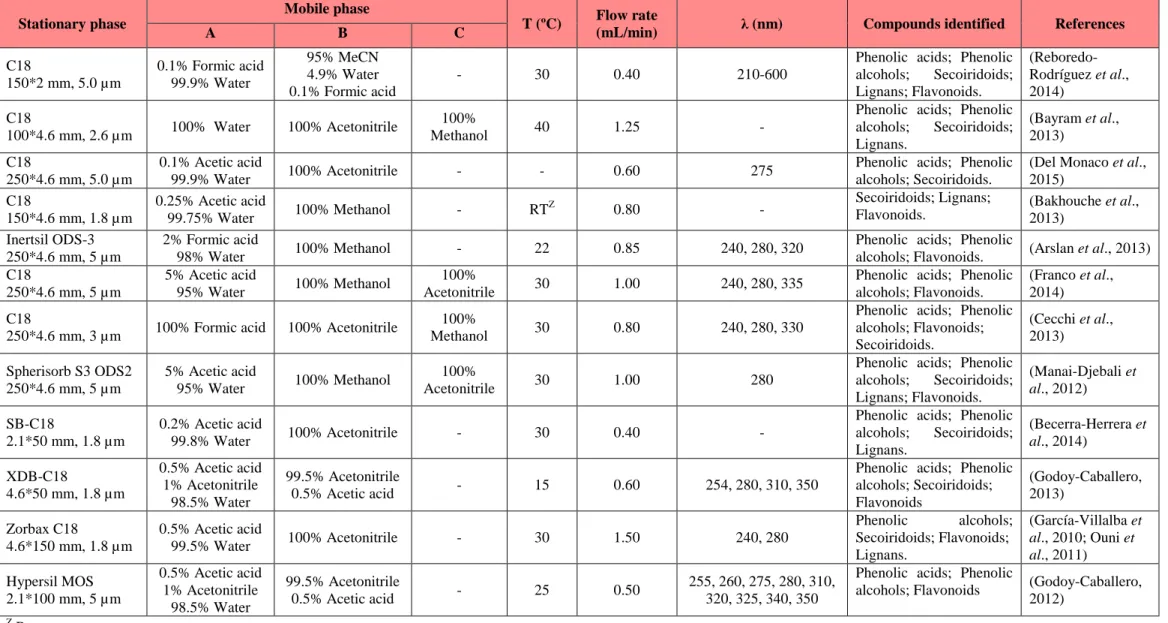
Table I.3. HPLC procedures in separation of different classes of phenolic compounds. 22
Table III.1. Weather conditions (2012/2013) for the olive tree crops under Continental climate of
Portugal. 59
Table III.2. Shedule for olives sampling. 60
Table III.3. Content in total phenolics and ortho-diphenols (mg GAE g-1 dry weight (dw)) and content in flavonoids (mg CAT g-1 dw) in olives at different on-tree maturation stages
(green, semi-ripe, and ripe). 63
Table III.4. Loadings and percentage of cumulative variance for the first three Factors extracted. 70
Table IV.1. Variation in quality mineral elements in the olive oils of Cobrançosa, Galega Vulgar,
and Picual cultivars. 85
Table IV.2. Variation in toxic mineral elements in the olive oils of Cobrançosa, Galega Vulgar, and
Picual cultivars. 89
Table IV.3. Loadings and percentage of cumulative variance for the first three Factors extracted. 93
Table IV.4. Description of olive fruit at each sampling date. 102
Table IV.5. Effects of picking date and cultivar on phenolic content, ortho-diphenols, flavonoids
and antioxidant activity in olive oil samples. 105
Table IV.6. Confusion matrix for the learning sample and the cross-validation results based on the
maturation stage. Observed classifications in the rows. Predicted classifications in
columns. 108
Table IV.7. Parameters of the multivariate calibrations for quantification of phenolic content, ortho-diphenols, flavonoids and antioxidant Activity in extra virgin olive oil. 110
Table IV.8. Means and standard deviations for peroxide value and free acidity of olive oil samples
from cvs ‘Cobrançosa’, ‘Galega Vulgar’ and ‘Picual’ in three maturation stages, for
four replicates (n=4). 121
Table IV.9. Confusion matrix for the training and for the cross-validation sets based on the maturation stage. Observed classifications in the rows. Predicted classifications in
columns. 125
Tavle IV.10. Partial least squares and principal component regressions based calibrations for quantification of peroxide value and free acidity, using the Raman spectral data and its
1st and 2nd derivatives. 127
Table V.1. Schedule for olive sampling. 138
Table V.2. Primers used for semi-quantitative RT-PCR. 140
Table V.3. Schedule for olive sampling. 154
Table V.4. Phenolic content of olives of the cultivars Cobrançosa, Galega Vulgar, and Picual at different infection times with Colletotrichum acutatum. 158
Table V.5. Relative abundance (%) of individual phenolic compounds in olive fruits after distinct
infection times with Colletotrichum acutatum. 160
Table V.6. Variance explained by each PLS-R Factor extracted, and cumulative variance
explained. Includes PLS-DA percentual error in the Cross validation (CV) procedure, resorting to the use of distinct numbers of Factors for the PLS-DA. 164
Table V.7. Number of samples assigned to each infection time (hours after infection - hai -). Samples of each cultivar have been assigned to an infection time, resorting to a classification model constructed with the samples from the other two cultivars. 167
vii ABBREVIATIONS LIST
Acronym
ABTS 2,2-azino-bis-3-ethylbenzothiazoline-6 sulphonic acid ATR Attenuated Total Reflectance
CAT Catechin
cT Cicle Treshold
CV Cross Validation
DA Discriminant Analysis DAD Diode Array Detector
DPPH• 2,2-diphenyl-1-picrylhidrazyl radical
DW Dry Weight
EU European Union
EVOO Extra Virgin Olive Oil
FA Free Acidity
FAAS Flame Atomic Absorption Spectrometry FAES Flame Atomic Emission Spectrometry FDA Factor Discriminant Analysis
FFA Free Fatty Acids
FI Full Interval
FLD Fluorescence Detector
FRAP Ferric reducing antioxidant power FTIR Fourier Transform Infrared spectroscopy GAE Gallic Acid Equivalents
GAPDH Glyceraldehyde 3-phosphate dehydrogenase
GC Gas Chromatography
GF - AAS Graphite Furnace - Atomic Absorption Spectrometry HPLC High Performance Liquid Chromatography
INE Instituto Nacional de Estatística
INIAV Instituto Nacional de Investigação Agrária e Veterinária IOC International Olive Council
IR Infrared
LC Liquid Chromatography LDL Low Density Lipoprotein
LF Low Frequency
LOO Leave-One-Out
LSD Least squares differences MLR Multiple Linear Regression
MIR Medium Infrared
MS Mass Spectrometry
NIR Near Infrared
NMR Nuclear Magnetic Resonance OePAL Olea europaea PAL gene
ORAC Oxygen radical absorbance capacity PAL Phenylalanine Ammonia-Lyase
PC Principal Component
viii
PC-R Principal Component Regression PCR Polymerase Chain Reaction PDA Photodiode Array Detector PDO Protected Denomination of Origin PLS - R Partial Least Square - Regression PTWI Provisional Tolerable Weekly Intake
PV Peroxide Value
RDA Recommended Daily Allowance
RI Ripening Index
RMSEC Root Mean Square Error of Cross Calibration RMSECV Root Mean Square Error of Cross Validation rpm Rotetion per minute
ROS Reactive Oxygen Species SI Selected Intervals
SNV Standardized
TEAC Trolox Equivalents Antioxidant Capacity
UV Ultraviolet
Chapter I: State of the art
PAGE | 3
1.1. Relevance of olives and olive oils as sources of bioactive compounds: influence of environmental factors, analytical approaches, and benefits for health
Adapted from:
Gouvinhas I, Machado N, Domínguez-Perles R, Barros AIRNA. Relationship between olive oil phytochemicals' structure and biological activity. Submitted to the Food Research International Journal.
Abstract
Olive fruits and oil have nutritional and sensory characteristics that make it much appreciated by consumers as basic components of the Mediterranean diet. Their richness in distinct compounds with diverse molecular structure confers a wide range of biological properties to these products, regarding the prevention of distinct human diseases. The phenolic compounds present in olive fruits and oils belong to distinct classes, being secoiridoids the most characteristic of Oleaceae plants. Over the last decades several studies on the biological effects of olive oils compounds have been performed on isolated and synthesized compounds, providing relevant information on structure–activity linkage. Thus, the aim of this review was to provide information concerning the chemical composition of olive fruits and olive oils, more focused on the main phenolics, as well as some methods used to their determination. Furthermore, some biotic and abiotic factors that affect its composition were described. Finally, the demonstrated healthy benefits of phenolic compounds of olive oils, contributing to clarify the liaison between their chemical structure and biological functions, was discussed.
Keywords: Olea europaea L.; Mediterranean diet; Phenolic compounds; Molecular structure; Biological activity.
Chapter I: State of the art
PAGE | 4
1.2. Introduction
The olive tree (Olea europaea L.) is the only representative of Oleaceae family producing edible fruits, which displays the capacity to survive in poor soils, under arid and semi-arid growing conditions. Besides the productive characteristics of olive crops and their relevance for the agro-food industry, olive tree fruits and by-products are valuable sources of nutrients and non-nutrients, responsible for the nutritional and sensory properties as well as for the biological activity and health benefits attributed to dietary olive and olive oils(Rotondi et al., 2010).
The major application of olive tree culture is the obtention of olive oil. Thus, virgin olive oil is one of the most important component, amongst those to be found in the Mediterranean diet, which is obtained from healthy and intact olives exclusively by mechanical processing (crushing, malaxation, and centrifugation). Respecting olive oil quality, the International Olive Council (IOC) has classified different grades according to its chemical composition and degree of acidity(IOC, 2010), corresponding the best brand to Extra Virgin Olive Oil. For the achievement of this classification, an olive oil must contain less than 0.8 g of free acids per 100.0 g, expressed as oleic acid(Trade Standard Applying to Olive Oils and Olive-Pomace Oils, 2015), besides presenting no noticeable organoleptic defects. These sensory characteristics, which are highly appreciated by consumers, are due to a complex mixture of volatile compounds including aldehydes, alcohols, ketones, esters, and hydrocarbons, which have been lately identified and quantified (Gómez-Romero et al., 2012). Alteration of the normal organoleptic characteristics can occur during storage as a consequence of the peroxidation of fatty acids responsible for rancidity that ultimately result in the formation of volatile compounds with negative sensory features. This process indicates a lack of quality and deleterious effects on human health, due to the presence of free radicals(Frankel, 1985).
Besides the appealing organoleptic characteristics, the increasing growing demand of olive oil is associated with the well-established correlation of its consumption with the promotion of human health(Petrakis, 2006). In this sense, several differences between diverse olive oils have been described regarding their chemical composition. Thus, for example, virgin olive oil does not present chemicals from solvents used during refining that contributes to preserve the original properties and constituents unlike refined oils(Nieto et al., 2010). In addition to the relevance of the sensory characteristics of the olive oils, during the last decades it has been stressed the relevance of this food/ingredient as a source of valuable
Chapter I: State of the art
PAGE | 5
bioactive phytochemicals. Thus, the composition of final marketable products on bioactive compounds characteristics of olive oil contributes to the normal performance and the prevention of distinct pathological conditions related to oxidative stress, cancer, cardiovascular diseases, metabolic disorders and inflammation(Gómez-Romero et al., 2012), being highlighted the antioxidant power as the most relevant function of this fraction. In fact, this fuctional property allows bioactive compounds to modulate oxidative reactions responsible for diverse pathophysiological situations.
1.3. Olive fruits
The olive tree, Olea europaea L., produces the olive fruits, which are one of the most relevant components of Mediterranean diet as foods or foodstuffs. However, olives are rarely used in their natural raw form because of the requirement of specific processings devoted to avoid the high bitterness and thus obtain olives for direct consumption or to be used by the industry towards obtaining olive oils.
Olives are fruits that possess small size, with about 1.0 to 4.0 cm long and 0.6 cm to 2.0 cm diameter, and with an ellipse shape. The weight varies from 3 to 20 g (Mella, 2007). Furthermore, it has been described three main structures in olives: endocarp (seed), mesocarp (pulp), and exocarp (skin). In ripe olives, the pulp represents 84-90% of the total fruit mass, while the seed account from 13 to 23%, and epidermis 2-3% (Boskou et al., 2006b). With respect to the basic chemical composition, olives contain components with high nutritional value including: water, lipids, sugars, and proteins (Mella, 2007).
Apart from the nutrients provided by these fruits, over the last years it has been described the presence of interesting non-nutrient compounds with positive effects on the sensory characteristics of olives as well as on human health. This fraction, mainly represented by phenolic compounds, account for up to 3% of the olives fresh weight (Simopoulos, 2001). The major classes of phenolic compounds present in olives are phenolic acids, phenolic alcohols, secoiridoids, and flavonoids (Robards and Ryan, 1998), which are present in almost all tissues of the fruit, although their concentrations vary greatly between from one to another (Boskou, 1996). Regarding the individual compounds, the major respresentants are hydroxytyrosol derivatives, oleuropein, verbascoside, and ligstroside (Ryan et al., 2002).
Hydroxytyrosol, belonging to the class of the phenolic alcohols, together with tyrosol, are one of the most abundant compounds in olive fruits, which concentration increases during the maturation process, as a result of the hydrolysis of oleuropein, the major secoiridoid
Chapter I: State of the art
PAGE | 6
constituent of unripe olive fruit. This glucoside (oleuropein) is responsible for the bitter taste of green olives (Visioli & Galli, 2000b; Waterman & Lockwood, 2007). In addition to the role as a precursor of simpler compounds (hydroxytyrosol, ligstroside, and oleuropein aglycone, among others), oleuropein is still associated with some beneficial effects on human health. According to Omar (2010), oleuropein presents antioxidant, hypertensive, and anti-inflammatory activity, and protects the body against cardiovascular diseases.
Flavonoids are also important compounds in olives, being essentially respresented by luteolin-7-glucoside, luteolin-5-glucoside, apigenin-7-glucoside, apigenin-7-rutinoside, and quercetin-3-rutinoside. Their concentration augment along the maturation process (Amiot et al., 1996).
Since phenolic compounds make part of the plant response to stress, their concentration in olives, and therefore in olive oils, has been demonstrated as the result of complex interactions between diverse factors including agronomical features (cultivar and geographic origin, agricultural practices, fruit ripening, and irrigation regime) and industrial processes (extraction and storage procedures) (Cerretani et al., 2005; Vinha et al., 2005; Gómez-Rico et al., 2006; Dabbou et al., 2011; Bakhouche et al., 2013).
1.3.1. Agronomic features of olives and olive oils: effect on composition and quality
The potential uses within the agro-food industry of olive cultivars is directly associated with the phytochemical content and basic chemical composition of olive fruits and oils. In this regard, the composition of these foodstuffs (olives and olive oils) with respect to phenolic compounds, results from the complex interaction between several factors namely genetic factors (cultivar) and agro-climatic conditions (abiotic and biotic stress, such as cultivation/agronomic practices, and pathogen attacks). Despite the effect of these factors on the phenolic composition, they also influence olive oils regarding the composition in fatty acids and volatile compounds as well as with respect to quality parameters (free acidity, peroxide value, and K270 and K232, and sensory properties).
Besides genetic and agronomic factors several authors have reported changes in the phenolic content and profile as a consequence of the processing methods applied for oil extraction including pressing, malaxation, centrifugation, and filtration. These processing methods and the storage conditions have been evaluated regarding their influence on the polyphenolic composition (Mailer & Ayton, 2004; Servili et al., 2004; Cerretani et al., 2005;
Chapter I: State of the art
PAGE | 7
Gallina-Toschi et al., 2005; Chiacchierini et al., 2007; Servili et al., 2007; Lozano-Sánchez et al., 2010; Bakhouche et al., 2013).
1.3.1.1. Cultivar
The relevance of genetic factors concerning the synthesis of phenolic compounds in olive fruits is mirrored by the large differences existing between olive tree cultivars. However, this fact not only influence the phytochemical composition of olives but also have a huge effect on the phenolic content in olive oils. With respect to the genetic diversity, there are distinct cultivars of O. europaea L., producing olive fruits with considerably diversity in size, shape, oil-content and flavor, as well as regarding biochemical characteristics. This diversity allows to obtain olive oils with specific composition.
Concerning the physical characteristics, the shapes range from almost round to oval or elongated with pointed ends, and the size varies from small to very big (3 - 20 g). Besides these physical properties, over the last years, several authors have reported significant differences with respect to the phenolic composition of virgin olive oils (VOO) from Portuguese, Turkish, and Spanish cultivars (Dagdelen et al., 2013; Franco et al., 2014; Sousa et al., 2015;). In this connection, the phenolic composition of diverse Portuguese cultivars were studied by Vinha et al. (2012), showing that the polyphenolic composition varies considerably between cultivars at matching ripening stages. This fact turns the phenolic compounds present in VOO into valuable markers to establish geographical origins and/or cultivars.
1.3.1.2. Maturation stage
The olive fruits ripening index (RI) is one of the most important trait related to the quality of olive fruits and oils. The relevance of this factor has been attributed to the changes undergoing at different maturation stages. These changes include physiological, biochemical, metabolic, and enzymatic characteristics (Menz et al., 2010).
Olive ripening lasts several months and varies according to the growing area, cultivar, water availability, temperature, and agricultural practices. Thus, the development of olive fruits is characterized by a rapid growth in the initial stages, followed by subsequent slower and another accelerated growth rates (Morelló et al., 2005). In general, advanced maturation results in an increase of phenolic content to a maximum level at the "half pigmentation" stage, decreasing according to the progress of the season (Morelló et al., 2004).
Chapter I: State of the art
PAGE | 8
The skin and pulp color is one of the most relevant attributes for assessing ripening (Figure I.1). However, since distinct maturation times have been associated for different cultivars as optimal harvesting stage, a RI was developed by Uceda & Hermoso (1998) as a valuable tool that could help producers to categorize olives. For the determination of the RI, the drupes were evaluated according to skin and pulp color. Values range from 0 (100% intense green skin) to 7 (100% purple flesh and black skin).
Figure I.1. Ripening index: 0, skin color deep green; 1, skin color yellow green; 2, Skin color green with reddish
spots on <half fruit surface; 3, skin color with >half fruit surface turning reddish or purple; 4, skin color black with white flesh; 5, skin color black with<half flesh turning purple; 6, skin color black with not all the flesh
purple to the stone; 7, skin color black with all the flesh purple to the stone.
1.3.1.3. Irrigation Regime
In the last few years some studies have been developed on the effect of irrigation in olive orchards (Stefanoudaki et al., 2009; Bucelli et al., 2011; Machado et al., 2013; Caruso et al., 2014). The olive tree is a drought-tolerant specie that is susceptible to be grown in semi-arid areas with limited water resources. Related with water shortage, in modern intensive and super-intensive olive groves, the irrigation is a critical factor due to the relationship of its management not only with the reduction of the production costs, but also with the increase of the yield and quality parameters (Rufat et al., 2014). The major effects linked to an adequate irrigation in olive orchards are the increase in fruit size, the number of fruits per tree, the fruit production, and oil content of drupes (Gucci et al., 2006; Gratan et al., 2013).
Concerning the effect of irrigation on olive oil quality, the studies available so far did not show any variation on peroxide value, free acidity, and UV absorption parameters at 232 and 270 nm (Motilva et al., 2000; Servili et al., 2007; Tognetti et al., 2007), whilst polyphenolic compounds were the most affected by irrigation. The latter, are not only affected in terms of total composition, but also in their profiles. Furthermore, the irrigation did not affect the separate individual phenolics in the same way, although in general, the content of phenolic compounds decreases with the irrigation (Romero et al., 2002; Berenguer et al., 2006;
Chapter I: State of the art
PAGE | 9
Machado et al., 2013). However, data reported by other authors allowed to conclude that, given the physiology of olive trees, water availability is considered a plant stress, which affect the secondary metabolism, increasing the synthesis of phenolic compounds (Patumi et al., 1999; Tovar et al., 2002).
1.3.1.4. Geographical origin
To date, many studies have classified olive oils with respect to geographical area once the agro-climatic conditions are largely responsible for the compositional and sensorial characteristics of olives and olive oils. In this sense, the phenolic content present in these foodstuffs is greatly dependent on the cultivar, the harvesting season, and the geographical origin. This fact has allowed to describe the phenolic content as 'markers' to discriminate and characterize the diverse geographical areas (Taamalli et al., 2010; Alkan et al., 2012; Abu-Reidah et al., 2013; Bakhouche et al., 2013).
1.3.1.5. Pathogen attacks
Olive tree is affected by more than fifty diseases that diminish the yield and quality of olive fruits and therefore the stability of olive oils. The verticillium wilt (Verticillium dahliae), the olive fly (Bactrocera oleae), and the olive anthracnose (Colletotrichum acutatum and Colletotrichum gloeosporioides) are some of the major drawbacks associated to many olive growing areas (Ponti et al., 2009; Cacciola et al., 2012; Jiménez-Díaz et al., 2012).
In Portugal, C. acutatum (J.H. Simmonds) is the dominant species, being responsible of more than 97% of incidence, especially in the Alentejo region (southern Portugal), even though both C. acutatum and C. gloeosporioides cause olive anthracnose in countries of the Mediterranean Basin (Martín & García-Figueres, 1999; Moral et al., 2009). In wet conditions and in orchards dominated by susceptible cultivars, the pathogen can affect the entire production (Talhinhas et al., 2005).
The disease symptoms are typically observed in fruits at maturation, when growing under wet autumn conditions and are related to the infection of all plant surfaces, but specially young leaves, branches, and fruits. Besides these plant tissues, the fungus can cause the rot and mummification of olive fruits, the defoliation, and the died of shoots. Thus, high economic losses are found as a consequence of the tree death and yield reduction associated with C. acutatum infection, that also may entail lower olive oil quality with respect to
Chapter I: State of the art
PAGE | 10
physico-chemical (oil colour (red), acidity, and stability) and sensory characteristics (García-Figueres, 1998; Talhinhas et al., 2005). In addition, this fungus also affect the concentration of phenolic compounds, decreasing their concentration in oils produced from infected drupes (Mincione et al., 2004; Trapero & Blanco-López, 2008). However, the incidence of olive anthracnose depends strongly on the cultivar susceptibility, climatic conditions, and pathogen virulence (Moral et al., 2009). The tolerance is normally the result of several genes interaction, although nowadays this mechanism remains poorly understood.
To overcome the losses attributable to this fungus, it has been stated some management strategies. Hence, the application of fungicides based on the use of copper compounds are considered one of the most valuable alternatives to control this disease. Another alternatives to prevent the C. acutatum infection related with crops management consist in the elimination of mummified fruits, the tree ventilation, and the early harvest. Although these alternatives, the use of tolerant and late-maturating cultivars is still considered one of the most effective, economic, and environment-friendly measures to control this disease.
Tolerance in fruit to post-harvest effect of this pathogen has been described as a “dynamic incompatibility” (Prusky et al., 2000). Due to the high diversity found in olive cultivars, some of them, such as Galega Vulgar (the dominant Portuguese cultivar that account about 30% of Portuguese olive oil production), are more susceptible to the anthracnose than others, like ‘Cobrançosa’ and ‘Picual’, which are moderately-tolerant and tolerant to C. acutatum, respectively. This classification is mainly based on empiric information from field observations and olive farmers rather than on systematic studies (Moral et al., 2014). The olive susceptibility increases also with the presence of wounds in the fruit surface, such as those caused by olive fly, and during the fruit ripening process, existing a linear and positive relationship between ripeness and susceptibility to C. acutatum infection (Moral et al., 2008a).
1.4. Olive oils
Virgin olive oil is mainly constituted by triglycerides and other minor compounds, which include almost 230 different chemicals(Servili et al., 2009). Glycerols of olive oils, the most characteristic fraction, include a high proportion of mono and polyunsaturated fatty acids, contributing to reach an adequate lipid profile in plasma after dietary intake (Pérez-Jiménez et al., 2007). In addition, olive oils are a valuable source of non-nutrients (bioactive phytochemicals), partially responsible for the biological activity attributed to this food matrix,
Chapter I: State of the art
PAGE | 11
which are mainly constituted by tocopherols and phenolic compounds, largely associated with the particular sensory properties besides biological activity(Vichi et al., 2008).
1.4.1. Non phenolic composition of olive oil
Since the virgin olive oil is not subjected to refining procedures, this product mantains important compounds that can be classified in saponifiable and unsaponifiable molecules. The saponifiable or glyceride fraction represents from 90.0 to 99.0% of total oil weight and is mainly composed by the phospholipids, mono-/di- and triglycerides, whilst the unsaponifiable or non-glyceride fraction (0.5-1.5%) includes hydrocarbons, aliphatic alcohols, sterols, pigments, and several volatile and phenolic compounds.
The saponifiable fraction is mainly composed by triacylglycerols, whilst the diversity of fatty acids present in olive oil includes a number of monounsaturated and polyunsaturated fatty acids including myristic (C14:0), palmitic (16:0), palmitoleic (C16:1), heptadecanoic (C17:0), heptadecenoic (C17:1), stearic (C18:0), oleic (C18:1), linoleic (C18:2), linolenic (C18:3), arachidic (C20:0), eicosenoic (C20:1), behenic (C22:0), and lignoceric (C24:0) acids. From these, oleic acid (C18:1, n-9) and linoleic acid (C18:2, n-9, n-12) are the main components, representing from 55.0 to 83.0% and from 5 to 15% of the total fatty acids, respectively. On the other hand, the olive oil composition presents low quantities of saturated fatty acids (8.0-20.0%).
The olive oil profile concerning the content in distinct fatty acids represents a relevant issue, since it provides valuable information to distinguish the various classes of oil, such as extra virgin, as well as lampant from virgin oil. Also within the saponifiable group, minor components such as monoglycerides and diglycerides can be found. These compounds are present in olive oil in small amounts (less than 0.3 and 2.8%, respectively) and are due to the enzymatic hydrolysis of triglycerides and incomplete triglyceride biosynthesis(Cortesi et al., 1992).
Regarding the unsaponifiable fraction, the analysis of these components allowed to describe the following classes:
1.4.1.1.Hydrocarbons
This class includes the less polar compounds, whilst several studies have reported the presence of elements of the n-alkane series sizing from C10 to C35(Moreda & Pérez-Camino, 2001). Within this group, two important compounds are noteworthy in virgin olive oil:
Chapter I: State of the art
PAGE | 12
squalene and β-carotene. Squalene (2,6,10,15,19,23-hexamethyl-2,6,10,14,18,22-tetracosahexaene) is a natural occurring terpenoid in olive, representing the main component of the hydrocarbon fraction (more than 90%). To date, besides its role as valuable dietary component constituting a precursor in cholesterol biosynthesis, squalene have been used as a moisturizing or emollient agent in cosmetic preparations, being also recognized its potential as oxidation inhibitor, which exert a valuable contribution to the stability of olive oil (Strandberg et al., 1990; Moreda & Pérez-Camino, 2001).
1.4.1.2.Aliphatic alcohols
This is a group of natural compounds, which occurr in olive oil either free or in the sterified form (Irmak et al., 2008). The most important are fatty alcohols and diterpene alcohols, while also benzyl esters of hexacosanoic and octacosanoic acids have been also found in olive oil (Reiter & Lorbeer, 2001). The latter compounds have focused a growing interest regarding the treatment of a range of chronic diseases because of their biological activity(Jackson & Eller, 2006). Besides aliphatic alcohols, some aromatic alcohols are also found, such as benzyl alcohol and 2-phenylethanol, belonging to the olive oil volatile fraction, which also comprises alkanols and alkenols with less than ten carbon atoms in their molecule.
1.4.1.3.Sterols
These are important lipids related to the quality of the oil and broadly used for checking its genuineness. The main sterols present in olive oil are β-sitosterol, campesterol, stigmasterol, clerosterol, sitostanol, and δ-5-avenasterol(Alves et al., 2005).
1.4.1.4.Pigments
Two types of natural pigments, namely, chlorophylls and carotenoids, are responsible for the colour of olive oil. The former compounds, chlorophylls, contribute for the greenness of vegetable oils, whilst carotenoids account for their yellowness. Thus, the structure of chlorophyll pigments consists of one tetrapyrrole macrocycle coordinated to a Mg2+, containing an additional isocyclic ring. This structure provides a very stable planar complex, representing a chromophore of several conjugated double bonds, responsible for the absorbance in the visible region of the spectrum, featured by these pigments(Moyano et al., 2010). The hydrophobic nature of these pigments is due to the presence of an esterified phytol group. In some olive oils, these compounds exist as both chlorophyll-a and chlorophyll-b,
Chapter I: State of the art
PAGE | 13
being described the presence of a methyl group in C3 in the former, which is substituted by an aldehyde group in chlorophyll b. The ratio between chlorophyll a and b in this food ranges from 6 to 8(Criado et al., 2007b).
Additional pigments described in vegetable oils are represented by Carotenoids, which account for many biological properties and specific activities of this kind of unsaponified compounds(Britton, 1995a). Most of the carotenoids described display 40 carbon atoms, and can be classified as cyclic or acyclic compounds, depending on the presence or absence of rings in their structures. From the chemical point of view, carotenoids can be divided into carotenes (solely constituted by carbon and hydrogen) and xanthophylls (also containing oxygenated functions, like epoxide, hydroxyl, acetate, carbonyl, and carboxylic groups, among others). In olives, carotenoids can be found free or associated with other primary metabolites (fatty acids, sugars, and proteins) (Britton, 1995a; Melendez-Martínez et al., 2007c). Even though the main carotenoids present in olive oil are lutein and β-carotene.
1.4.2. (Poly)phenolic composition of olive oil
Unsaturated fatty acids have been traditionally pointed as the main responsible for the healthy effects of dietary olive oil, particularly referred to oleic acid. However, the absence of beneficial biological activity of some foods displaying a high content in these saponifiable compounds has prompted to seek for additional compounds. Thus, currently major attention has been paid on polyphenolic compounds present in olive oil. These compounds display a great structural diversity, as well as a large diversity of biological functions in plants including the contribution to pollination, plant defense systems, against biotic and abiotic stress, and tissues structure maintenance and pigmentation(Cheeke, 1989).
In olive oil, simple and complex phenolic compounds contribute to its stability regarding the oxidative status, besides substantially affecting its sensory properties. Furthermore, a crescent interest on olive oil as a valuable source of these bioactive compounds has emerged, boosted by the experimental data on their benefits for human health, which has been supported by a number of in vitro and in vivo assays. The most abundant phenolics present in olive oils can be classified according to diverse criteria. The most accepted organization of phenolics in olive oil allows to distinguish the following types: cinnamic and benzoic acids, phenolic alcohols, secoiridoids, lignans, hydroxy-isochromans, and flavonoids(Bendini et al., 2007). These categories, which constitute the polar phenolic fraction of olive fruits and olive oil, include around 45 individual compounds (Table I.1).
Chapter I: State of the art
PAGE | 14
The differences between phenolic compounds are based on the number of rings and their aromaticity, so as to the elements bonded to these structures, which sometimes are connecting distinct phenolic moieties. The polar phenolic compounds of olive oil are obtained by liquid-liquid partition using hydromethanolic solvents. These compounds contain one or more hydroxyl groups (-OH) directly attached to an aromatic ring, and their structures range from that of a simple phenolic molecule, such as phenolic acids, to complex high-molecular mass oligomers, such as tannins(Balasundram et al., 2006). The class “polar phenolic compounds” is used to differentiate them from lipophilic phenols, where tocopherols and tocotrienols are included. Some components of this latter group of phenols are also found in other vegetable oils, representing α-tocopherol almost the 90.0% of the total content in tocopherols(Boskou et al., 2006a).
The majority of the naturally occurring phenolics in plant foods are found as conjugates with mono- and polysaccharides, which appear conjugated to one or more of the hydroxyl radicals, and may also occur as functional derivatives such as esters and methyl ester (Shahidi & Naczk, 1995). The classification of phenolic compounds in polar and non-polar has a further interest in order to understand the extraction ratio from the food matrix during the digestion process and the further bioavailability (absorption, organic distribution, and excretion).
1.4.2.1.Benzoic and cinnamic acids
Phenolic acids are the first group of phenols discovered in olive fruits and virgin olive oils (Montedoro et al., 1992), being divided in two distinct groups, which display the chemical structures C6-C1 and C6-C3, corresponding to benzoic and cinnamic acids, respectively (Table I.1). The former group includes gallic, vanillic and syringic acids, while caffeic, ferulic and sinapic acids, constitute some of the most important phenolic cinnamic acid derivatives(Bravo, 1998). A relevant hydroxycinnamic acid derivative is verbascoside, which is present in peel, pulp and seed. This is a disaccharide comprising glucose and rhamnose bounded to a hydroxytyrosol and hydrocycinnamic acid molecule, respectively (Cinar et al., 2011).