Beatriz Alexandra Batista Cardoso
Validation and optimization of β-galactosidase
production by Aspergillus lacticoffeatus
Universidade do Minho
Escola de Engenharia
Outubro de 2016 B ea tr iz A le xa n d ra B at is ta C a rd o so V a li d a ti o n a n d o p ti m iz a ti o n o f β -g a la c to si d a se p ro d u c ti o n b y A sp e rg il lu s l a c ti c o ff e a tu s Minho | 20 1 6 UBeatriz Alexandra Batista Cardoso
Validation and optimization of
β-galactosidase
production by
Aspergillus lacticoffeatus
Beatriz Alexandra Batista Cardoso
Validation and optimization of
β-galactosidase
production by
Aspergillus lacticoffeatus
Dissertação de Mestrado
Mestrado em Bioengenharia
Trabalho efetuado sob a orientação de
Professora Doutora Lígia Raquel Marona Rodrigues
Doutora Sara Isabel da Cruz Silvério
ii
DECLARAÇÃO
Nome: Beatriz Alexandra Batista Cardoso
Endereço eletrónico: [email protected] Telefone: 931762145 Bilhete de Identidade/Cartão do Cidadão: 14311035
Título da dissertação: Validation and optimization of β-galactosidase production by Aspergillus lacticoffeatus
Orientadores:
Professora Doutora Lígia Raquel Marona Rodrigues Doutora Sara Isabel da Cruz Silvério
Ano de conclusão: 2016 Mestrado em Bioengenharia
É AUTORIZADA A REPRODUÇÃO PARCIAL DESTA DISSERTAÇÃO, APENAS PARA EFEITOS DE INVESTIGAÇÃO, MEDIANTE DECLARAÇÃO ESCRITA DO INTERESSADO, QUE A TAL SE COMPROMETE.
Universidade do Minho, _____/_____/_________
iii
A
GRADECIMENTOS
Finalizada esta dissertação de mestrado, uma etapa importante na minha vida, não poderia deixar de exprimir o meu mais sincero agradecimento a todos os que ajudaram e apoiaram na realização deste trabalho.
À Professora Doutora Lígia Rodrigues, o meu maior agradecimento por toda a disponibilidade e orientação prestadas e pelos ensinamentos, aconselhamentos e críticas que estimularam o meu interesse pelo conhecimento ao longo desta jornada. Gostava ainda de acrescentar que foi um prazer trabalhar consigo, um muito obrigado por todas as palavras de incentivo.
À Doutora Sara Silvério, para a qual todos os agradecimentos nunca serão suficientes, pela constante disponibilidade e paciência ao longo da realização deste trabalho. Obrigado por todos os ensinamentos e por todo o tempo que sempre arranjaste para me orientar e aconselhar. Obrigado por teres promovido a minha integração no laboratório e por teres acreditado sempre no meu trabalho. Obrigado por tudo, foi um enorme privilégio trabalhar contigo.
Aos colegas do Laboratório de Fermentações, por toda a ajuda e apoio que sempre disponibilizaram sempre que precisei.
Aos meus maiores amigos por todo o apoio, incentivo e paciência durante esta importante fase da minha vida.
À minha família, principalmente os meus pais e irmãos, o meu mais profundo agradecimento, pois tenho consciência que nada disto teria sido possível sem o vosso apoio incondicional e constante. Obrigado por todo o incentivo desmedido e por sempre acreditarem em mim.
v
A
BSTRACT
-galactosidases (EC 3.2.1.23), also known as lactases, are a family of enzymes that are able to catalyze two different reactions, namely the hydrolysis of lactose and transgalactosylation. The hydrolytic activity is commonly applied in the food industries for reducing the lactose content on dairy products, but it is also important to prevent lactose crystallization problems and to increase the sweetening capacity. Transgalactosylation reactions had been used to synthesize lactose derivatives, such as galacto-oligosaccharides (GOS), lactulose and lactosucrose. These compounds are classified as prebiotics, which are functional food ingredients, are not digested on the gastrointestinal (GI) tract and are able to stimulate the growth or activity of health-promoting bacteria. The sources of -galactosidases are extensively distributed in nature, namely in microorganisms, plants and animal organs. Aspergillus lacticoffeatus was chosen for this work as a potential -galactosidase producer based on preliminary chromogenic tests performed in agar plates. Herein, additional studies carried out under submerged fermentation conditions confirmed the presence of -galactosidase in the fermentation broth, as well as in the cell extract obtained after cell disruption by ultrasounds. Therefore, this work represents the first time that A. lacticoffeatus is described as a -galactosidase producer. The enzyme production was evaluated in different fermentation media: synthetic medium composed by lactose (20 g/L), yeast extract (4 g/L), peptone (4 g/L) and salts; and alternative fermentation media with some industrial by-products such as cheese whey and corn steep liquor (CSL). The highest values of extracellular enzymatic activity (444 U/L) were obtained using the synthetic medium. The extracellular enzyme presented a molecular weight between 70–150 kDa and optimal pH and temperature in the range 3.5–4.5 and 50–55 ºC, respectively. The effect of some metal ions (Na+, K+, Li+, Ba2+, Fe2+, Mg2+, Zn2+, Mn2+, Co2+ and Cu2+), detergents (Triton, SDS and Tween), additives
(EDTA, PMSF and ascorbic acid) and sugars (glucose, fructose and galactose) on the enzymatic activity was also evaluated. Finally, the potential application of the enzyme for the synthesis of lactose-based prebiotics was studied and it was demonstrated that the β-galactosidase from A. lacticoffeatus is able to catalyze the transfer reactions involved in the formation of lactulose and GOS.
vii
R
ESUMO
As -galactosidases (EC 3.2.1.23), também conhecidas como lactases, são uma família de enzimas capazes de catalisar dois tipos diferentes de reações, nomeadamente a hidrólise da lactose e a transgalactosilação. A atividade hidrolítica é frequentemente aplicada na indústria alimentar na redução do conteúdo de lactose em produtos lácteos, mas é também importante na prevenção da cristalização da lactose e no aumento da capacidade adoçante. As reações de transgalactosilação têm sido usadas na síntese de derivados de lactose, tais como galacto-oligossacáridos (GOS), lactulose e lactosucrose. Estes compostos são classificados como prebióticos, ou seja, ingredientes de alimentos funcionais que não são digeridos no trato gastrointestinal e são capazes de estimular o crescimento ou atividade de bactérias benéficas para a saúde. As fontes de -galactosidases estão amplamente distribuídas pela natureza, nomeadamente em microrganismos, plantas e órgãos animais. Aspergillus lacticoffeatus foi escolhido para este trabalho como potencial produtor de enzima tendo em conta os resultados preliminares de testes cromogénicos realizados em placas de agar. Neste trabalho, estudos adicionais conduzidos sob fermentações submersas confirmaram a presença de -galactosidase no caldo da fermentação, assim como no extrato celular obtido após rutura celular por ultrassons. Desta forma, A. lacticoffeatus é aqui pela primeira vez descrito como um produtor de -galactosidase. A produção da enzima foi avaliada em diferentes meios de fermentação: meio sintético composto por lactose (20 g/L), extrato de levedura (4 g/L), peptona (4 g/L) e sais; e meios alternativos constituídos por resíduos industriais como o soro de queijo e corn steep liquor (CSL). Contudo, os valores mais elevados de atividade enzimática extracelular (444 U/L) foram obtidos usando o meio sintético. A enzima produzida extracelularmente apresentou um peso molecular entre 70 e 150 kDa e o pH e temperaturas ótimos num intervalo entre 3.5–4.5 e 50–55 ºC, respetivamente. O efeito de iões metálicos (Na+, K+, Li+, Ba2+,
Fe2+, Mg2+, Zn2+, Mn2+, Co2+ e Cu2+), detergentes (Triton, SDS e Tween), aditivos (EDTA, PMSF e ácido
ascórbico) e açúcares (glucose, frutose e galactose) na atividade enzimática foi também avaliado neste trabalho. Finalmente, a potencial aplicação da enzima na produção de prebióticos derivados de lactose foi estudada, tendo-se demonstrado que esta -galactosidase de A. lacticoffeatus é capaz de catalisar as reações de transferência envolvidas na formação de lactulose e GOS.
ix
S
CIENTIFIC
O
UTPUT
The work developed during this Master Thesis was presented in the international conference BIO.IBEROAMÉRICA 2016 and some results have been included in a full paper to be submitted to a peer-reviewed international journal.
Poster Communication
Beatriz B. Cardoso, Sara C. Silvério, José A. Teixeira, Lígia R. Rodrigues,-Galactosidase from Aspergillus lacticoffeatus: production, characterization and potential application in prebiotic synthesis, BIO.IBEROAMÉRICA 2016, Salamanca, Spain, 5-8 June 2016.
Abstract: The enzyme -galactosidase, also known as lactase, is widely used in the dairy industry to produce lactose-free milk. This enzyme is able to hydrolyse lactose from milk into galactose and glucose, thus enabling the consumption of milk by lactose-intolerant people. Under suitable conditions, some
-galactosidases can also catalyze transgalactosylation reactions and produce interesting compounds with recognized prebiotic effect, namely galacto-oligossacharides (GOS) or lactulose. The enzyme can be obtained from different biological sources such as microorganisms, plants and animals. Nevertheless, the most interesting -galactosidases for technological applications are those obtained through microbial routes since higher production yields can be achieved. In this study, the fungus Aspergillus lacticoffeatus is described as a new and promising source of -galactosidase. Preliminary chromogenic tests performed in agar plates suggested that this strain was able to produce the enzyme and additional studies carried out under submerged fermentation conditions confirmed the presence of -galactosidase in the fermentation broth, as well as in the cell extract obtained after ultrasonic cell disruption. The enzyme production was evaluated in different fermentation media: synthetic medium composed by lactose (20 g/L), yeast extract (4g/L), peptone (4g/L) and salts; and fermentation media with some industrial by-products as cheese whey and/or corn steep liquor. However, the higher values of enzymatic activity (444 U/L) were obtained using the synthetic medium. The enzyme presented a molecular weight around 130 kDa and optimal pH and temperature in the range 3.5–4.5 and 50–55 ºC, respectively. The effect of some metal ions (Na+, K+, Li+, Ba2+, Fe2+, Mg2+, Zn2+, Mn2+, Co2+ and Cu2+), detergents (Triton, SDS and
Tween), additives (EDTA, PMSF and ascorbic acid) and sugars (glucose, fructose and galactose) on the enzymatic activity was also evaluated. Afterwards, the potential of the enzyme for the synthesis of prebiotics was studied and it was demonstrated that -galactosidase from A. lacticoffeatus is able to catalyze the transfer reactions involved in the formation of lactulose and GOS.
x
Full Paper in peer-reviewed international journal
Beatriz B. Cardoso, Sara C. Silvério, Lígia R. Rodrigues,-Galactosidase from Aspergillus lacticoffeatus: production and application in the synthesis of lactose-based prebiotics (to be submitted).
xi
T
ABLE OF
C
ONTENTS
Abstract... v
Resumo... vii
Scientific Output ... ix
List of Figures ... xiii
List of Tables ... xvii
List of Abbreviations ... xix
1. Introduction ... 1
1.1. The -galactosidase enzyme ... 3
1.1.1. Sources of -galactosidase ... 4
1.1.2. -galactosidase production ... 6
1.1.3. -galactosidase activities... 8
1.2. Functional food and Prebiotics ... 10
1.2.1. Lactulose ... 11
1.2.2. Lactosucrose ... 14
1.2.3. Other Oligosaccharides ... 16
1.3. Project Aims ... 17
2. Materials and Methods ... 19
2.1. Microorganism and growth conditions ... 21
2.2. Chromogenic test ... 21
2.3. Fermentation conditions ... 21
2.4. Intracellular enzyme extraction ... 22
2.5. Enzyme precipitation ... 22
2.6. -galactosidase activity assay ... 23
2.7. Sugar quantification ... 23
2.8. Determination of the biomass wet weight ... 24
2.9. Mycotoxins production evaluation ... 24
2.10. Sodium Dodecyl Sulfate-Polyacrylamide gel electrophoresis (SDS-PAGE) ... 24
2.11. Enzyme characterization ... 25
xii
2.13. HPLC analysis of the reaction products from prebiotic synthesis ... 27
2.14. -fructofuranosidase activity assay ... 27
3. Results and Discussion ... 29
3.1. Preliminary study to validate A. lacticoffeatus as a -galactosidase producer ... 31
3.2. Enzyme extraction ... 34
3.3. Enzyme production ... 35
3.3.1. Fermentation media ... 35
3.3.2. OTA production evaluation ... 39
3.4. Enzyme characterization ... 40
3.4.1. Optimal temperature and pH ... 40
3.4.2. Molecular size ... 42
3.4.3. Metallic ions ... 44
3.4.4. Additives and detergents ... 45
3.4.5. Sugars ... 46
3.5 – Enzyme application ... 47
4. General Conclusions and Future Perspectives ... 55
xiii
L
IST OF
F
IGURES
Figure 1. Enzymatic activities of -galactosidases. ………... 3
Figure 2. Distribution of lactose intolerance in the World. ... 9
Figure 3. Schematic representation of lactulose production. (A) – Chemical method. (B) – Enzymatic method. (C) – Electro-activation method: (a) – Lactose molecule; (b), (c), (d) – Formation of the enediol intermediate; (e), (f) - Lactulose molecule. ... 12
Figure 4. X-gal test performed in agar plates with the fungus Aspergillus lacticoffeatus. ... 31
Figure 5. Extracellular -galactosidase activity from Aspergillus lacticoffeatus along a fermentation conducted with culture medium A. Results are shown as mean SD of one independent experiment with three replicates. ... 32 Figure 6. Concentration of lactose and extracellular -galactosidase from Aspergillus lacticoffeatus along a fermentation conducted with culture medium A. (A) – Fermentation at 28 ºC; (B) – Fermentation at 37 ºC. Results are shown as mean SD of one independent experiment with three replicates. ... 33
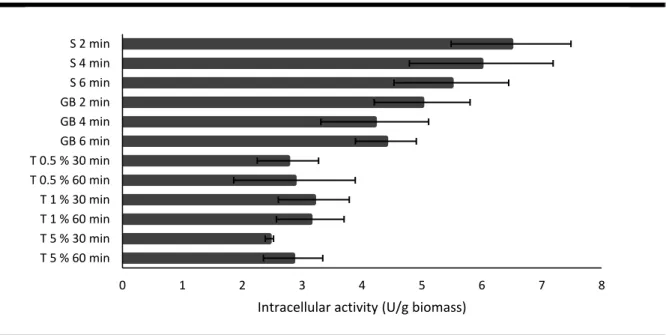
Figure 7. Extraction methods and conditions to extract -galactosidase from Aspergillus lacticoffeatus. (S) – sonication; (GB) – glass beads (425-600 µm); (T) – Tween-80. Results are shown as mean SD of one independent experiment with three replicates. ... 35 Figure 8. Biomass production (wet weight), after 6 days of fermentation of Aspergillus lacticoffeatus in different culture media. (A) – Synthetic medium; (B) – 8 g/L CSL medium; (C) – 20 g/L CSL medium; (D) – Cheese whey medium; (E) – Cheese whey + salts medium; (F) – Cheese whey + extracts medium; (G) – Cheese whey + salts + extracts medium. Results are shown as mean SD of duplicate experiments. ... 36
Figure 9. Aspergillus lacticoffeatus growth after 6 days fermentation in different culture media. (A) – Synthetic medium; (B) – 8 g/L CSL medium; (C) – 20 g/L CSL medium; (D) – Cheese whey medium; (E) – Cheese whey + salts medium; (F) – Cheese whey + extracts medium; (G) – Cheese whey + salts + extracts medium. ... 37
Figure 10. Intracellular activity of -galactosidase produced by Aspergillus lacticoffeatus, after 6 days fermentation, in the media studied. (A) – Synthetic medium; (B) – 8 g/L CSL medium; (C) – 20 g/L CSL medium; (D) – Cheese whey medium; (E) – Cheese whey + salts medium; (F) – Cheese whey + extracts medium; (G) – Cheese whey + salts + extracts medium. Results are shown as mean SD of duplicate experiments. * p<0.05; ** p<0.01; *** p<0.001; **** p<0.0001. ... 38
xiv Figure 11. Extracellular activity of -galactosidase produced by Aspergillus lacticoffeatus, after 6 days fermentation,
in the media studied. (A) – Synthetic medium; (B) – 8 g/L CSL medium; (C) – 20 g/L CSL medium; (D) – Cheese whey medium; (E) – Cheese whey + salts medium; (F) – Cheese whey + extracts medium; (G) – Cheese whey + salts + extracts medium. Results are shown as mean SD of duplicate experiments. * p<0.05; ** p<0.01; *** p<0.001; **** p<0.0001. ... 38
Figure 12. Ochratoxin A production by Aspergillus lacticoffeatus along a fermentation conducted at 28 ºC in the culture medium A. Results are shown as mean SD of triplicate experiments. ... 40
Figure 13. Optimal temperature (A) and pH (B) for the extracellular -galactosidase produced by Aspergillus lacticoffeatus in a fermentation conducted with culture medium A at 28 ºC. Results are shown as mean SD of two independent experiment with three replicates. ... 41
Figure 14. Electrophoretic analysis. (A) - SDS-PAGE gel; (B) - Zymogram; lane M: molecular size marker; lane 1: commercial enzyme from Aspergillus niger; lane 2: 20x concentrated -galactosidase from Aspergillus lacticoffeatus produced in a fermentation conducted with culture medium A at 28 ºC. ... 43
Figure 15. Effect of some metallic ions on the extracellular -galactosidase activity produced by Aspergillus lacticoffeatus in the culture medium A at 28 ºC. Results are shown as mean SD of one independent experiment with three replicates. * p<0.05; ** p<0.01; *** p<0.001; **** p<0.0001. ... 44
Figure 16. Effect of some additives and detergents on the extracellular -galactosidase activity produced by Aspergillus lacticoffeatus in the culture medium A at 28 ºC. Results are shown as mean SD of one independent experiment with three replicates. * p<0.05; ** p<0.01; *** p<0.001; **** p<0.0001. .. 46
Figure 17. Effect of some sugars on the extracellular -galactosidase activity produced by Aspergillus lacticoffeatus in the culture medium A at 28 ºC. Results are shown as mean SD of one independent experiment with three replicates. * p<0.05; ** p<0.01; *** p<0.001; **** p<0.0001. ... 47
Figure 18. HPLC profile for lactulose production using the -galactosidase from Aspergillus lacticoffeatus, through the Method 2 conducted at 28 ºC (Section 2.11). Black chromatogram – Initial sample; Blue chromatogram – Final sample (72 hours); Red chromatogram – Lactulose pattern (1 g/L). ... 49
Figure 19. HPLC profile for lactulose production using the -galactosidase from Aspergillus lacticoffeatus, through the Method 2 conducted at 37 ºC (Section 2.11). Black chromatogram – Initial sample; Blue chromatogram – Final sample (72 hours); Red chromatogram – Lactulose pattern (1 g/L). ... 49
xv Figure 20. HPLC profile for lactosucrose production using the -galactosidase from Aspergillus lacticoffeatus,
through the Method 2 conducted at 28 ºC (Section 2.11). Black chromatogram – Initial sample; Blue chromatogram – Final sample (72 hours); Red chromatogram – Lactosucrose pattern (1 g/L). ... 50
Figure 21. HPLC profile for lactosucrose production using the -galactosidase from Aspergillus lacticoffeatus, through the Method 2 conducted at 37 ºC (Section 2.11). Black chromatogram – Initial sample; Blue chromatogram – Final sample (72 hours); Red chromatogram – Lactosucrose pattern (1 g/L). ... 50
Figure 22. HPLC profile for lactulose production using the -galactosidase from Aspergillus lacticoffeatus, through the Method 3 (Section 2.11). Black chromatogram – Initial sample; Blue chromatogram – Final sample (6 hours); Red chromatogram – Lactulose pattern (1 g/L). ... 52
Figure 23. HPLC profile for lactosucrose production using the -galactosidase from Aspergillus lacticoffeatus, through the Method 3 (Section 2.11). Black chromatogram – Initial sample; Blue chromatogram – Final sample (6 hours); Red chromatogram – Lactosucrose pattern (1 g/L); Orange chromatogram – FOS Kestose pattern (1 g/L). ... 53
Figure 24. HPLC profile for prebiotics production using the -galactosidase from Aspergillus lacticoffeatus. Black chromatogram – Lactulose production through the Method 2 conducted at 28 ºC (Section 2.11). Blue chromatogram – Lactulose production through the Method 2 conducted at 37 ºC. Red chromatogram – Lactosucrose production through the Method 2 conducted at 28 ºC. Orange chromatogram – Lactosucrose production through the Method 2 conducted at 37 ºC. Pink chromatogram – Lactulose production through the Method 3 (6 hours). Green chromatogram – Lactosucrose production through the Method 3 (6 hours). ... 53
xvii
L
IST OF
T
ABLES
Table 1. Nature and molecular weights of microbial -galactosidases. ... 4
Table 2. Biochemical properties of microbial -galactosidases with hydrolytic activity. ... 5
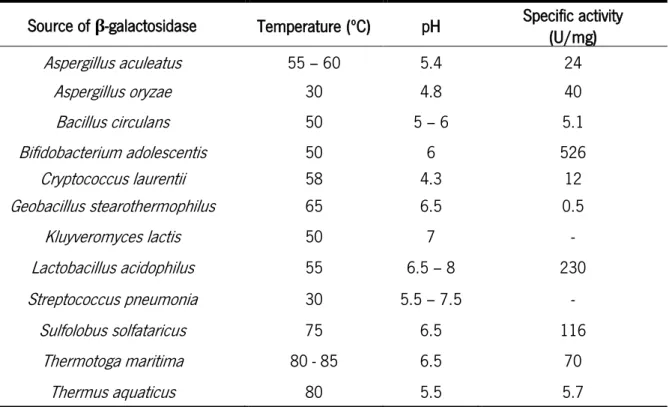
Table 3. Biochemical properties of microbial -galactosidases with transgalactosylation activity. .... 5
Table 4. Typical composition of cheese whey. ………... 8
Table 5. Potential lactulose applications in the medico-pharmaceutical field. ... 14
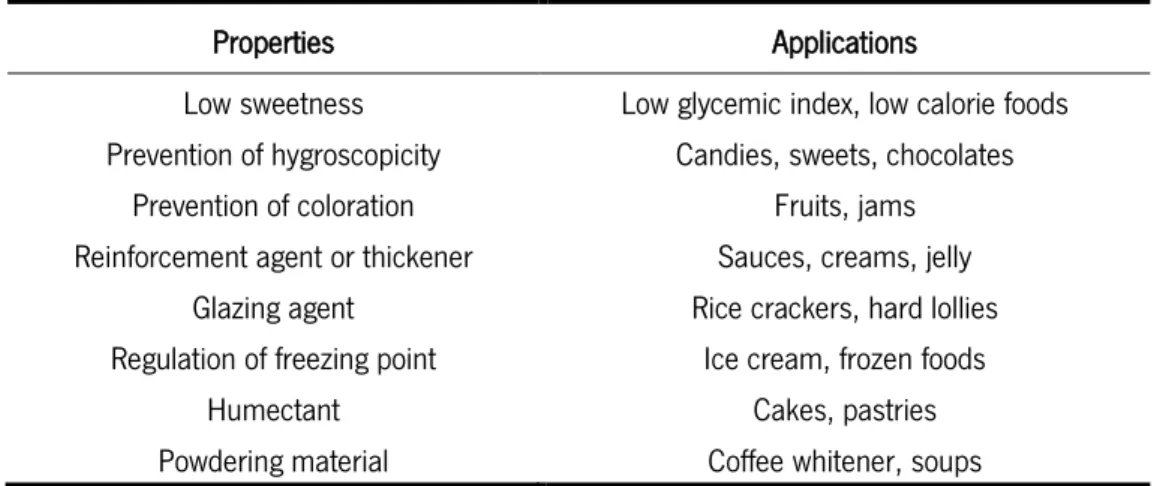
Table 6. Properties and applications of GOS. ... 16
Table 7. Composition of the running and stacking gels. ... 25
Table 8. Intracellular and maximal extracellular activity obtained for -galactosidase from Aspergillus lacticoffeatus in fermentations conducted in culture medium A during 19 days. Results are shown as mean SD of one independent experiment with three replicates. ... 34
Table 9. Optimal temperature and pH reported for -galactosidases from Aspergillus spp. ... 42
Table 10. Comparison of the two methods evaluated to precipitate -galactosidase from Aspergillus lacticoffeatus in a fermentation conducted with culture medium A at 28 ºC. The enzyme was concentrated 20x. ... 42
Table 11. Retention times for the different sugars analyzed by HPLC. ... 48
Table 12. Summary of the prebiotic production using the -galactosidase from Aspergillus lacticoffeatus,through the methods 2 and 3. ... 54
Table 13. Extracellular -fructofuranosidase activity along a fermentation conducted with Aspergillus lacticoffeatus in culture medium A at 28 ºC.. ... 54
xix
L
IST OF
A
BBREVIATIONS
APS – Ammonium Persulfate CSL - Corn Steep Liquor DNS – 3,5-Dinitrosalicylic Acid
EDTA – Ethylenediamine Tetraacetic Acid ELSD – Evaporative Light Scattering Detector FFase – -Fructofuranosidase
FOS – Fructo-oligosaccharides GI – Gastrointestinal
GRAS – Generally Recognized As Safe GOS – Galacto-oligosaccharides
HPLC – High-Performance Liquid Chromatography
HPLC-FD – High-Performance Liquid Chromatography with Fluorescence Detection MEA – Malt Extract Agar
MUM – Mycology Collection of University of Minho ONPG – O-Nitrophenyl--D-Galactopyranoside OTA – Ochratoxin A
PDA – Potato Dextrose Agar Medium RPM – Revolutions Per Minute SD – Standard Deviation SDS – Sodium Dodecyl Sulfate
SDS-PAGE – Sodium Dodecyl Sulfate-Polyacrylamide Gel Electrophoresis TCA – Trichloroacetic Acid
TEMED – Tetramethylethylenediamine PMSF – Phenylmethanesulfonyl Fluoride U – Enzymatic Unity
1
3
1.1. The
β-galactosidase enzyme
-galactosidases (EC 3.2.1.23), also known as lactases, are a family of enzymes that are characterized by their ability to hydrolyze terminal non-reducing galactosyl residues from -D-galactosides. These enzymes are able to catalyze two different reactions, namely the hydrolysis of lactose and transgalactosylation (Figure 1). The hydrolytic activity has been widely applied in the food industries for reducing the lactose content of dairy products, while transgalactosylation reactions had been used to synthesize galacto-oligosaccharides (GOS) and other lactose derivatives, such as lactulose and lactosucrose (Oliveira, Guimarães, & Domingues, 2011; Raol, Raol, Prajapati, & Patel, 2015; Silvério, Macedo, Teixeira, & Rodrigues, 2015, 2016).
These enzymes are also used in pharmaceutical industries, analysis and environment protection (Husain, 2010; Oliveira et al., 2011; Panesar, Panesar, Singh, Kennedy, & Kumar, 2006).
4
1.1.1. Sources of β-galactosidase
Sources of -galactosidases are widely distributed in nature, namely microorganisms (bacteria, fungi, yeasts) (Tables 1, 2 and 3), plants (almonds, peaches, apples) and animal organs (Guerrero et al., 2015; Husain, 2010; Panesar et al., 2006). -galactosidases from bacteria have been extensively used for the hydrolysis of lactose due to their ease of fermentation, high activity and good stability (Picard et al., 2005). In plants, these enzymes are widely distributed in the tissues and they have been shown to be involved in some biological processes, such as plant growth, fruit ripening and lactose hydrolysis (Carrillo-López, Cruz-Hernández, Cárabez-Trejo, Guevara-Lara, & Paredes-López, 2002; S. C. Li, Han, Chen, & Chen, 2001).
Table 1. Nature and molecular weights of microbial -galactosidases (adapted from (Mahoney, 1997; Mlichová & Rosenberg, 2006)).
However, only a few number of -galactosidases sources are Generally Recognized As Safe (GRAS status) and eligible for usage in the pharmaceutical and food industries (Numanoǧlu & Sungur, 2004). For example, Escherichia coli produces -galactosidase and it is the most extensively explored source but its industrial applications are hampered because it is not considered safe for food production (González Siso, 1996; Panesar et al., 2006).
At the industrial level, only microbial sources are used to produce -galactosidases (Guerrero et al., 2015; Sanz Valero, 2009) since, compared with plant and animal sources, the microorganisms produce enzymes at higher yields which can result in a lower price of -galactosidases (Santos, Ladero, & García-Ochoa, 1998). The industrial enzymes are mainly produced by Kluyveromyces spp. and Aspergillus spp., as they can be obtained with acceptable productivities and yields and these
β-galactosidase sources Enzyme nature Molecular weight (kDa) Aspergillus niger Extracellular 124
Aspergillus oryzae Extracellular 90 Bacillus circulans Intracellular 240
Bacillus stearothermophilus - 116
Bacillus subtilis - 88
Escherichia coli Intracellular 464 Kluyveromyces lactis Intracellular 228 Kluyveromyces fragilis Intracellular 201 Lactobacillus acidophilus Intracellular 540
5
microorganisms are generally considered as GRAS (Guerrero et al., 2015; Husain, 2010; Panesar et al., 2006).
Kluyveromyces spp. are lactose fermenting yeasts and are good sources of intracellular -galactosidases (Numanoǧlu & Sungur, 2004) with optimal pH at 6–7 which is suitable to produce lactose-free products (Genari, Passos, & Passos, 2003). One disadvantage of these enzymes is the need to be extracted by disruption or permeabilization of cells since they are produced intracellularly (Panesar et al., 2006).
Table 2. Biochemical properties of microbial -galactosidases with hydrolytic activity.
Table 3. Biochemical properties of microbial -galactosidases with transgalactosylation activity (adapted from (Park & Oh, 2010)).
Source of
β-galactosidase Temperature (ºC) pH
Specific activity
(U/mg) Reference Aspergillus aculeatus 60 3.5 7.2 (Guerrero et al., 2015)
Aspergillus niger 65 3.5 2.7 (Guerrero et al., 2015) Aspergillus oryzae 65 4.5 419.3 (Guerrero et al., 2015) Bacillus circulans 60 6 60 (Guerrero et al., 2015) Kluyveromyces lactis 50 7 194.4 (Guerrero et al., 2015) Kluyveromyces marxianus 30 5 59 (Bansal, Oberoi, Dhillon, &
Patil, 2008)
Source of β-galactosidase Temperature (ºC) pH Specific activity (U/mg) Aspergillus aculeatus 55 – 60 5.4 24 Aspergillus oryzae 30 4.8 40 Bacillus circulans 50 5 – 6 5.1 Bifidobacterium adolescentis 50 6 526 Cryptococcus laurentii 58 4.3 12 Geobacillus stearothermophilus 65 6.5 0.5 Kluyveromyces lactis 50 7 - Lactobacillus acidophilus 55 6.5 – 8 230 Streptococcus pneumonia 30 5.5 – 7.5 - Sulfolobus solfataricus 75 6.5 116 Thermotoga maritima 80 - 85 6.5 70 Thermus aquaticus 80 5.5 5.7
6
-galactosidases from Aspergillus spp. are acidic (optimal pH between 2.5–4.5) and their main application is in the hydrolysis of lactose in acidic cheese whey (Boon, Janssen, & Van ’t Riet, 2000; Panesar et al., 2006; Yang & Silva, 1995). Some advantages of these fungal enzymes are the low price and high thermal stability (temperatures up to 50 ºC can be used (Panesar et al., 2006; Zadow, 1984)). Furthermore, they are generally secreted by fungi, thus making their recovery easier (Guerrero et al., 2015; Panesar et al., 2006; Raol et al., 2015; Zadow, 1984). As a disadvantage, they are described as more sensitive to galactose inhibition (Boon et al., 2000). The use of enzymes from fungi, such as Aspergillus niger and Aspergillus oryzae, predominates due to their extracellular nature, high production levels and high stability (Nakayama & Amachi, 1999).
Aspergillus lacticoffeatus was chosen to be further studied in this work because it has been poorly described in the literature, indeed it has not yet been documented as a -galactosidase producer and it presents a high similarity with Aspergillus spp., namely with A. niger (Maciel, 2013), which means that it could hold all the advantages mentioned before for the enzyme production.
1.1.2. β-galactosidase production
Stability and activity of enzymes are influenced by some environmental factors, such as temperature, pH, reaction medium, agitation, aeration, among others (Henley & Sadana, 1984; Sadana & Henley, 1986; Zale & Klibanov, 1983). For example, some studies showed that the enzyme production by K. marxianus was strongly influenced by agitation conditions, while aeration was less significant (Alves, Filho, De Medeiros Burkert, & Kalil, 2010). Thus, to improve the -galactosidase production and activity, environmental factors should be optimized also considering the favorable conditions for microorganism growth.
Regarding the source of -galactosidase, it is well-known that this enzyme can be produced intracellularly or secreted to the extracellular medium (Table 1). When the enzyme is intracellular it becomes necessary to proceed to the cell rupture in order to obtain the enzyme. There are several methods to disrupt the cells, each exhibiting advantages and disadvantages. Some studies showed that the excretion method using ultrasounds is the most effective to recover -galactosidases from K. lactis, E. coli and Lactobacillus strains (Becerra, Rodríguez-Belmonte, Cerdán, & González Siso, 2001; Özbek & Ülgen, 2000; D. Wang & Sakakibara, 1997).
7
The fermentation operation mode also influences the production and recovery of the enzyme. Batch operation is the traditional procedure since the enzyme is continuously synthesized and it is simple and easy to control. For Kluyveromyces spp., the maximum yield is obtained at the end of the exponential growth phase and the beginning of the stationary phase (Pinheiro, Belo, & Mota, 2003; Ranzi, Porro, Compagno, & Martegani, 1987; Rios, Belleville, Paolucci, & Sanchez, 2004). However, some studies reported that fed-batch fermentations using lower levels of substrate concentration led to higher biomass concentrations and consequently higher enzyme production and activity. To achieve a high productivity (g enzyme/g cells. h), the industrial fermentations must be planned to reach high cell density and this can be accomplished through the use of fed-batch operation mode (Panuwatsuk & Da Silva, 2003; Prytz et al., 2003).
Nowadays, the “waste valorization” concept has drawn considerable interest, mainly due to the stricter environmental legislation. Furthermore, the use of these residues is also an advantage, since they could be employed as inexpensive substrates in enzyme production.
Cheese whey is the main by-product of the dairy industry and it contains a large amount of lactose (Table 4). Around 9 L of whey is produced during the production of 1 kg of cheese, which leads to an estimated accumulation around 180 to 190 million ton of whey each year (Guimarães, Teixeira, & Domingues, 2010; Mollea, Marmo, & Bosco, 2013). In Portugal, around 1 million liter of cheese whey are discarded to the environment per day (Domingues, Lima, & Teixeira, 2004). This residue is a very polluting product and it can cause an excess of oxygen consumption, impermeabilization, eutrophication and toxicity in the receiving environment (Marwaha & Kennedy, 1988; Mawson, 1994; Rech & Ayub, 2007; Tejayadi & Cheryan, 1995). Additionally, the dumping of cheese whey constitutes a significant loss of food and energy, since it can be used, for example, as culture medium for microorganisms able to metabolize lactose and produce added-value compounds, such as prebiotics, biogas and bioethanol (González Siso, 1996; Guimarães et al., 2010; Nath et al., 2016; Rech & Ayub, 2007; Shete & Shinkar, 2013).
8 Table 4. Typical composition of cheese whey (Fuquay & Jelen, 2011; Panesar et al., 2007).
Another example of industrial residue is the corn steep liquor (CSL), which is the main by-product of the corn wet-milling industry and it is largely used as an inexpensive substrate, replacing yeast extract and peptone, due to its high amounts of nitrogen, vitamins and amino acids (Parekh, Formanek, & Blaschek, 1999; Pereira, Guimarães, Teixeira, & Domingues, 2010). CSL has been successfully used in the production of antibiotics (De Azeredo, De Lima, Coelho, & Freire, 2006), biosurfactants (Gudiña, Fernandes, Rodrigues, Teixeira, & Rodrigues, 2015), cellulase (Grigorevski De Lima, Pires Do Nascimento, Da Silva Bon, & Coelho, 2005), protease (De Azeredo et al., 2006) and glucose isomerase (W. P. Chen, Anderson, & Han, 1979), by some microorganisms and also as a ruminant feedstuff (Azizi-Shotorkhoft, Sharifi, Mirmohammadi, Baluch-Gharaei, & Rezaei, 2016; Nascimento, Junior, Pereira, Bon, & Coelho, 2009).
1.1.3. β-galactosidase activities
The main application of the hydrolytic activity of -galactosidases is in the hydrolysis of lactose in milk or derived products in order to produce lactose-free dairy products (Benavente et al., 2015; Husain, 2010; Oliveira et al., 2011; Raol et al., 2015). Actually, around 70% of the World population is lactose intolerant (Figure 2), resulting from absent or reduced -galactosidase activity (Adam, Rubio-Texeira, & Polaina, 2004; Benavente et al., 2015; Husain, 2010). Nowadays, there is already a huge market of lactose-free dairy products which are obtained through the use of -galactosidases (Oliveira et al., 2011). This hydrolytic activity is also important because it prevents lactose crystallization problems and increases the sweetening capacity which is advantageous in the production of several food products such as ice creams, condensed milk, among others (Rodríguez, Leiro, Cerdán, González Siso, & Fernández, 2008; Zadow, 1984).
Components Acid whey (g/L) Sweet whey (g/L) Total solids 63–70 63—70 Lactose 44–46 46–52 Proteins 6–8 6–10 Calcium 1.2–1.6 0.4–0.6 Phosphate 2–4.5 1–3 Lactate 6.4 2 Chloride 1.1 1.1
9 Figure 2. Distribution of lactose intolerance in the World (taken from (Husain, 2010)).
The transgalactosylation activity of -galactosidases has been extensively explored and is well documented. This reaction occurs in two consecutive steps: the formation of galactosyl-enzyme complex followed by the transfer of the galactose moiety to a galactose acceptor (Albayrak & Yang, 2002; Oliveira et al., 2011; Prenosil, Stuker, & Bourne, 1987; Vera, Guerrero, & Illanes, 2011). -galactosidases are non-specific for the galactose acceptor, thus water, carbohydrates (like lactose, fructose or sucrose) (Gänzle, Haase, & Jelen, 2008; Kim, Park, & Oh, 2006; W. Li et al., 2009) and also alcohols (Irazoqui et al., 2009; Klewicki, n.d.; Stevenson, Stanley, & Furneaux, 1993) could act as such, leading to the formation of diverse transgalactosylated compounds, such as GOS, lactulose and lactosucrose (Figure 1).
When lactose is present in the reaction medium, the hydrolytic activity competes with the transgalactosylation activity. The transgalactosylation reaction generally prevails at the beginning, when the lactose concentration is high, while the hydrolytic activity becomes predominant as the reaction proceeds (Prenosil et al., 1987; Vera et al., 2011). Nevertheless, some recent studies show that balance between both activities is extremely dependent on the enzyme source (Guerrero et al., 2015; Rabiu, Jay, Gibson, & Rastall, 2001). For example, for -galactosidase from A. oryzae galactose is a stronger inhibitor of the transgalactosylation activity rather than the hydrolysis reaction (Vera et al., 2011).
10
1.2. Functional food and Prebiotics
In the last years, the concept of food has been changing and food is no longer intended just to provide nutritional support for the body, but also to improve mental and physical well-being and prevent nutrition-related diseases (Menrad, 2003). As many studies have demonstrated, there is a tight equilibrium between the health and the intestinal microflora of the host. Therefore, some food products that beneficially influence the intestinal microbiota had been developed and they are called functional food (Sangwan, Tomar, Singh, Singh, & Ali, 2011).
Functional food is defined as ‘natural or processed foods that contain known biologically-active compounds which provides a clinically proven and documented health benefit, and thus, an important source in the prevention, management and treatment of chronic diseases of the modern age (Di Bartolomeo, Startek, & Van Den Ende, 2013)’. Besides, a food can only be considered as a functional food if it performs health and benefits in doses which can be consumed in a normal diet in a natural form (Di Bartolomeo et al., 2013). A ‘normal’ food can be made functional by increasing the concentration, adding or enhance the bioavailability of a specific component. Many compounds of animal and plants origin can be used to complement functional foods, but nowadays, the most commonly used are probiotics and prebiotics (Sangwan et al., 2011).
The main difference between probiotics and prebiotics is that the first are viable components while prebiotics are unviable food components. However, both are considered safe and effective agents that regulate the gut’s micro-environment. Probiotics are normally used to replenish bacteria levels in the gut and, although they are commonly added to fermented dairy products, they do not have a long shelf life due to their active form.
On the other hand, prebiotics are non-digestible functional food ingredients or substances that are not digested on the GI tract and are able to modify the already established intestinal microflora, stimulating the growth or activity of health-promoting bacteria (Gibson & Roberfroid, 1995; Intanon et al., 2014; Oliveira et al., 2011; Roberfroid et al., 2010). Prebiotics have been successfully incorporated in a wide variety of food products like breads, baked goods, nutritional bars, meet products, salad dressings, sweeteners and yoghurts (Sangwan et al., 2011). Contrasting with the probiotic strategy, which provides living organisms, the prebiotic application is considered simpler and more effective to modulate the microflora (Di Bartolomeo et al., 2013). Lactulose, lactosucrose and GOS are some examples of prebiotics derived from lactose.
11
1.2.1. Lactulose
Lactulose (4-O- -D-galactopyranosyl-D-fructose) is a ketose disaccharide with a molar mass of 342.30 g/mol and a melting point of 169 ºC. It is a white and odorless powder with a sweet taste, and it is about 1.5 times sweeter than lactose (Ait-Aissa & Aider, 2014; Panesar & Kumari, 2011). The global demand for this sugar has grown considerably in the last decade and, nowadays, it has mainly been used as a medical drug, being registered as such in over 100 countries, against constipation and hepatic encephalopathy (Panesar & Kumari, 2011; Christian Schumann, 2002). Moreover, lactulose is well-recognized as a prebiotic and it has many applications in food industry. For instance, it is added to infant milk formulas, used as bifidus factor or functional ingredient to replicate the prebiotic effect of human milk for a long time (Ait-Aissa & Aider, 2014; Olano & Corzo, 2009).
As lactulose is not found naturally it has to be synthetized through three possible production methods (Silvério et al., 2016) (Figure 3):
1 - Chemical synthesis - that is based in the alkaline isomerization of lactose via the Lobry de Bruyn-Alberda van Ekenstein rearrangement, through the transformation of the glucose moiety in lactose to a fructose, yielding lactulose (Figure 3 – A). Many catalysts have been employed, such as calcium hydroxide, tertiary amines, sodium aluminate, borates, sodium hydroxide, magnesium oxide and also zeolites and sepiolites (Villamiel, Corzo, Foda, Montes, & Olano, 2002; Zokaee, Kaghazchi, Zare, & Soleimani, 2002). However, this chemical synthesis has several disadvantages, like the high level of lactose degradation, low yields and a vast amount of by-products that are difficult to separate (Aider & Halleux, 2007; H. Wang, Yang, Hua, Zhao, & Zhang, 2013; Zokaee et al., 2002).
2 - Enzymatic synthesis – that is commonly carried out with -galactosidases and glycosidases by transgalactosylation reactions. The synthesis of lactulose from lactose and fructose by -galactosidase (Figure 3 – B) with transgalactosylation activity could overcome the disadvantages of the chemical method, being beneficial in respect to purification and classification as a natural product (Ait-Aissa & Aider, 2014; Guerrero, Vera, Plou, & Illanes, 2011; H. Wang et al., 2013). A problem associated with this strategy is the eventual lactulose degradation by β-galactosidases, which compromises the yields. However, some strategies have been developed to overcome this limitation, mainly related to protein engineering (Silvério et al., 2016).
12
3 - Electro-activation – which is based in the electrocatalytic method. The electro-activation occurs in a reactor that is composed of two electrodes submerged into an electrolyte solution and it comprises three compartments: anodic, central and cathodic. The central and anodic compartments can be filled with an electrolyte and the cathodic, where occurs the electro-isomerization, is filled with lactose solution (Aider & Gimenez-Vidal, 2012; Aït Aissa & Aïder, 2013b). The isomerization requires protons, which can be ensured with an alkaline solution (Figure 3 – C).
Figure 3. Schematic representation of lactulose production. A – Chemical method. B – Enzymatic method. C – Electro-activation method (taken from (Aït Aissa & Aïder, 2013a): (a) – Lactose molecule; (b), (c), (d) – Formation of the enediol intermediate; (e), (f) - Lactulose molecule.
A
B
13
As previously mentioned, lactulose has its main applications in the pharmaceutical and food industries, and its mechanism of action is related to the bacteria that are present in the lower part of the gut. In the food industry, lactulose is used to produce health-promoting food, once it stimulates the proliferation of good colonic bacteria, such as Bifidobacteria and Lactobacilli, due to its prebiotic effect (Ait-Aissa & Aider, 2014). One example of this kind of food is the yogurt, since some studies have been reported that lactulose improves its functional properties by improving the stability and survival of probiotic strains (Ozer, Akin, & Ozer, 2005; Tabatabaie & Mortazavi, 2008). Due to its prebiotic effect, lactulose also inhibits the growth of pathogens, once its fermentation by colon bacteria results in the formation of short-chain fatty acids, which leads to a reduction of the intestinal pH and inhibition of the development of harmful bacteria like E. coli, Clostridia and Bacteroides (Ait-Aissa & Aider, 2014). Additionally, lactulose can also be used as a sugar substitute in bakery products, infant milk powders, yogurts and desserts and as a sweetener for diabetics (Panesar & Kumari, 2011).
In the medico-pharmaceutical field, lactulose is widely used in the treatment of constipation, since it is an osmotic laxative and increases the action of the intestine, and hepatic encephalopathy (Ait-Aissa & Aider, 2014; Panesar & Kumari, 2011). However, several studies made over the years suggest that lactulose has many other potential applications, which are summarized in Table 5. Additionally, this prebiotic is also applied to diagnostic colonic disorders through the breath hydrogen test, which consists of the oral administration of lactulose and further determination of the exhaled hydrogen during the next hours. The hydrogen is the result of the bacterial metabolism of lactulose in the intestine, and the amount and time of its production provides information about the colonic transit and microbial colonization (Simrén & Stotzer, 2006). This test is also used for the diagnosis of bacterial overgrowth in the small intestine (Nucera et al., 2005).
Due to its versatile applications, the interest and production of lactulose have increased significantly in the recent years. Nowadays, lactulose is commercially available in either dried form (powder, crystals, granulated) or as syrup (50–72%, w/v). The two major manufacturers are Solvay Pharmaceuticals that is focused on pharmaceutical applications, and Morinaga Milk Industry, which production is geared to food and feed markets (McSweeney & Fox, 2009).
14 Table 5. Potential lactulose applications in the medico-pharmaceutical field.
1.2.2. Lactosucrose
Lactosucrose (O- -D-galactopyranosyl-(1,4)-O- -D-glucopyranosyl-(1,2)- -D-fructofuranoside) is a trisaccharide composed of glucose, galactose and sucrose, with a molecular weight of 504.44 and a melting point around 181 ºC. It is a white powder with bland taste, highly hygroscopic and has a high moisture-retaining capacity (McSweeney & Fox, 2009; Silvério et al., 2015). There are some evidences that this trisaccharide is poorly hydrolyzed by the human digestive enzymes on the GI tract, thus reaching the colon almost intact, where it is selectively fermented by intestinal Bifidobacterium (Fujita, Ito, & Kishino, 2009; Oku, Tanabe, Ogawa, Sadamori, & Nakamura, 2011). However, lactosucrose is not yet
Application Mechanism of action Reference
Salmonella carriers
- Reduces the colonic pH, which makes Salmonella difficult to survive
(Christian Schumann, 2002) - Clears the fecal Salmonella and reduces the incidence of
urinary and respiratory infections
(Liao, Cui, Jin, & Floren, 1994)
Inflammatory bowel disease
- Reduces in production and absorption of gut endotoxins (X. Chen, Zuo, Hai, & Sun, 2011; Panesar & Kumari,
2011) - Regulates the bowel habit
- Reduces of oxidative stress and ameliorates of the symptoms
Anti-endotoxins - Prevents endotoxin-dependent operation complications, - Reduces endotoxemia (Koutelidakis et al., 2003) such as renal dysfunction
Reducing blood ammonia levels
- Increases the incorporation of ammonia
(Ait-Aissa & Aider, 2014) - Inhibits the synthesis and activity of enzymes that generate
ammonia
Laxative
- Stimulates peristaltic movements by increasing acidification and gas formation
- Reduces the colon transit time and increases the sense of urgency by increasing the volume of intestinal contents
(Ait-Aissa & Aider, 2014)
Colon carcinogenesis
- Prone to reduce the risk of colon cancer, once colonic flora influences colon carcinogenesis
(Wollowski, Rechkemmer, & Pool-Zobel, 2001)
Tumor prevention and immunology
- Enhances anti-tumor and immunology effects of
Bifidobacteria (Schumann, 1997)
- Prevent complications after surgery of obstructive jaundice
(Greve, Gouma, von Leeuwen, & Buurman,
1990) Mineral absorption - Promotes the absorption and retention of Ca, Mg, Zn, Cu
and Fe (Ait-Aissa & Aider, 2014)
Inhibition of secondary bile acid
formation
- Decreases the concentration and excretion of the secondary bile acids
(van Berge Henegouwen, van der Werf, & Ruben,
15
considered a prebiotic ingredient and additional studies are needed to prove that it satisfies all the criteria established for prebiotic compounds (Silvério et al., 2015).
This carbohydrate is obtained through the use of enzymes that are able to catalyze both hydrolysis and transfer reactions, like -fructofuranosidases and -galactosidases, using lactose and sucrose as substrates. When the reaction is catalyzed by -fructofuranosidases or levansucrases, the transfer of the fructosyl residue from sucrose (donor) to lactose (acceptor) occurs. On the other hand, when -galactosidase is the catalyst, the transfer of the galactosyl residue from lactose to sucrose occurs. However, in both enzymatic routes, other compounds can act as acceptors, such as water, sucrose, and even the formed lactosucrose, leading to the formation of undesired by-products, hence compromising the yield and productivity (Silvério et al., 2015). Another problem associated with these strategies is the product degradation by the enzyme, and some approaches have been developed in order to minimize this limitation. Examples include thermal deactivation of the enzyme, the use of immobilized enzymes, the process integration combining synthesis and product separation and protein engineering that can improve the performance of the enzymes (Kawase, Pilgrim, Araki, & Hashimoto, 2001; Mikuni et al., 2000; Pilgrim, Kawase, Matsuda, & Miura, 2006; Silvério et al., 2015).
The benefits associated to the ingestion of lactosucrose have already been reported, and some studies clearly showed that it has a beneficial effect in the intestinal microflora maintenance and intestinal protection, since it promotes Bifidobacterium multiplication, reduces intestinal pH, inhibits the proliferation of pathogenic bacteria and enhances mineral bioavailability (Mu, Chen, Wang, Zhang, & Jiang, 2013; Roberfroid et al., 2010).
Lactosucrose has many potential applications in the food industry and it is widely used in Japan in diverse types of food and drinks to improve the GI health and well-being. As a low-digestive sweetener, lactosucrose can be included for example in bakery products, yogurts, ice creams, cookies, infant formula, instant soups and mineral water. In addition, as it has a potential effect on the inhibition of body fat accumulations, preventing the obesity and, since it is low in calories it is also suitable as an ingredient for low-calorie food. This carbohydrate is also added to pet and fish food (Mu et al., 2013; Silvério et al., 2015; Teramoto et al., 2006). In pharmaceutical and cosmetic industries, lactosucrose has been used as a microflora regulator (Garseen, van Tol, Jben, & Verlaan, 2009), as an active ingredient to prevent some skin diseases (Nobuaki, 1998) and also as an excipient (Bassarab et al., 2005).
16
At the industrial level, the production of lactosucrose is dominated by two Japanese companies, Ensuiko Sugar Refining Co. and Hayashibara Shoji Inc. Lactosucrose is commercially available as a powder (> 45%) or syrup (72–75%, w/v) (McSweeney & Fox, 2009).
1.2.3. Other Oligosaccharides
Besides lactulose and lactosucrose, other non-digestible oligosaccharides have been reported as important constituents of functional food. Some examples of these oligosaccharides are the galacto-oligosaccharides (GOS) and fructo-galacto-oligosaccharides (FOS) which are properly recognized as prebiotics and are well known for their contribution to the GI tract health (Kovács et al., 2013; Sangwan et al., 2011).
GOS are defined as oligosaccharides with 3 to 5 sugar units bound through glycosidic bonds and presenting glucose or galactose at the reducing end (Gosling, Stevens, Barber, Kentish, & Gras, 2010). GOS are an ideal choice for formulating food and beverages for digestive and immune health, and they are also particularly attractive for its similarity to the human milk oligosaccharides (Sangwan et al., 2011; Venema, 2012). Additionally, due to their properties, GOS are also used in many other applications (Table 6). These oligosaccharides are synthesized by the transgalactosylation of lactose catalyzed by -galactosidase and they are mostly commercially available in preparations containing up to 50- 60%, with differences in the molecular size and the type of linkage (Rastall, 2010; Sangwan et al., 2011).
Table 6. Properties and applications of GOS (McSweeney & Fox, 2009).
Other interesting oligosaccharides possible to obtain by enzymatic synthesis are the FOS. These oligosaccharides are generally composed by one sucrose molecule linked to 1 to 3 units of fructose and
Properties Applications
Low sweetness Low glycemic index, low calorie foods Prevention of hygroscopicity Candies, sweets, chocolates
Prevention of coloration Fruits, jams
Reinforcement agent or thickener Sauces, creams, jelly Glazing agent Rice crackers, hard lollies Regulation of freezing point Ice cream, frozen foods
Humectant Cakes, pastries
17
are commonly called 1-kestose, nystose and 1- -fructofuranosylnystose (Ganaie, Lateef, & Gupta, 2014; Guío, Rodríguez, Alméciga-Diaz, & Sánchez, 2009). FOS exhibited functional properties such as prevention of colonic carcinogenesis, low caloric values, modulation of colonic microflora, decrease of lipids and cholesterol and improvement of the bioavailability of minerals, the GI physiology and immune functions (Dominguez et al., 2012; Guío et al., 2009). These oligosaccharides are currently produced by the transfructosylation activity of fructosyltransferase and -fructofuranosidase, derived from plants and microorganisms (Dominguez et al., 2012).
1.3. Project Aims
The specific aims of this work consist of:
- Validation of A. lacticoffeatus as a -galactosidase producer
- Evaluation of different fermentation media (synthetic media, CSL and cheese whey) and operational conditions towards the optimization of -galactosidase production
- Enzyme characterization (size, optimal temperature and pH and the effect of several compounds)
- Potential application of -galactosidase from A. lacticoffeatus in the synthesis of prebiotics (lactulose and lactosucrose)
19
21
2.1. Microorganism and growth conditions
Aspergillus lacticoffeatus (MUM 06.150) was obtained from MUM (Mycology collection of University of Minho). The microorganism was grown on PDA (Potato dextrose agar) medium Petri plates at 25 ºC for 7-10 days.
2.2. Chromogenic test
The chromogenic test was performed in Petri plates containing MEA (malt extract agar) medium where the glucose was replaced by lactose: malt extract (2% w/v), lactose (2% w/v), peptone (0.1% w/v) and agar (2% w/v). The MEA medium was supplemented with 0.5% (v/v) of a solution of 20 mg/mL of X-gal (5-bromo-4-chloro-3-indolyl- -D-galactopyranoside). The microorganism was inoculated and the plates were incubated protected from light at 25 ºC for 7 days. The appearance of a blue color in the plates suggest that -galactosidase was produced.
2.3. Fermentation conditions
Spore suspensions for inoculums were prepared in sterile saline solution (0.85% NaCl) containing 0.01% Tween 80. Conidia density was adjusted to 106 conidia/mL using a Neubauer counting chamber.
The fermentations were performed at different temperatures (28 ºC and 37 ºC, the most reported in literature to grow several Aspergillus spp.), using 180 revolutions per minute (rpm) and different periods of time (6-19 days). Several fermentation media were studied. Synthetic medium (Medium A) was constituted by lactose (2% w/v), peptone (0.4% w/v), yeast extract (0.4% w/v), KH2PO4 (0.2% w/v),
Na2HPO4.12H20 (0.8% w/v) and MgSO4.7H2O (0.025% w/v). Cheese whey, provided by Queizuar, S.L. (A
Coruña, Spain), and Corn steep liquor (CSL), provided by COPAM: Companhia Portuguesa de Amidos, S.A. (S. João da Talha, Portugal),were also evaluated as alternative fermentation media.
CSL was used to replace peptone and yeast extract and 2 different media were prepared: Medium B – CSL (0.8% w/v), lactose (2% w/v) and salts (KH2PO4, Na2HPO4.12H20 and MgSO4.7H2O) in the same
concentrations of the synthetic medium; Medium C – CSL (2% w/v), lactose (2% w/v) and salts in the same concentrations of the synthetic medium.
Cheese whey was used as lactose source and 4 different media (with similar lactose concentration (2% w/v)) were prepared: Medium D – Cheese whey; Medium E – Cheese whey supplemented with salts
22
in the same concentrations of the synthetic medium; Medium F – cheese whey supplemented with extracts (peptone and yeast extract) in the same concentrations of the synthetic medium; Medium G – Cheese whey supplemented with salts and extracts in the same concentrations of the synthetic medium.
2.4. Intracellular enzyme extraction
Three different methods, reported in literature as the most used for β-galactosidase extraction, were tested to extract the intracellular enzyme:
Method 1 – Sonication: 0.2 g (wet weight) of properly washed cells was suspended in a 15 mL Falcon tube containing 2 mL of sodium-citrate buffer (50 mM pH 4.5). The cell suspensions were sonicated using an ultrasonic homogenator Cole-Parmer 750-Watt (13 mm probe tip, 35% of amplitude, 30 seconds pulse and 10 seconds pause for cooling) for different periods of time (2, 4 and 6 minutes). The tubes containing the cells were kept in ice during sonication. After that, the tubes were centrifuged at 4000 g for 15 minutes and the -galactosidase activity in the supernatant was determined.
Method 2 – Glass beads: 0.1 g (wet weight) of properly washed cells was suspended in 1 mL of sodium-citrate buffer (50 mM pH 4.5) and 0.2 g glass beads (425-600 µm, Sigma) were added. The cell lysis was performed using a cell disruptor Fast Prep FP120 (Thermo): 6.5 m/s for 2, 4 and 6 minutes (30 seconds on and 30 seconds cooling on ice). After that, the suspensions were centrifuged at 4000 g for 15 minutes and the -galactosidase activity in the supernatant was determined.
Method 3 – Tween-80: 0.2 g (wet weight) of properly washed cells was suspended in 2 mL of sodium-citrate buffer (50 mM pH 4.5). The cell suspensions were shaken, in an oscillating platform shaker, in the presence of 0.5, 1 and 5% (w/v) Tween-80 for 30 minutes and 1 hour at room temperature. Then, the suspensions were centrifuged at 4000 g for 15 minutes and the -galactosidase activity in the supernatant was determined.
2.5. Enzyme precipitation
Two different methods were tested for enzyme precipitation:
Method 1 - Isopropanol precipitation: enzyme samples were combined with 100% isopropanol (1:1, v/v). After vortex mixing, the samples were placed overnight at -18 ºC and then centrifuged at 10 000 g for 15 minutes at 4 ºC. The supernatant was removed and the dried pellets were resuspended in
23
appropriate volume of sodium-citrate buffer (50 mM pH 4.5). The enzymatic activity was determined using the -galactosidase activity assay, as described before (Section 2.6).
Method 2 – Trichloroacetic acid (TCA) precipitation followed by acetone washing: enzyme samples were combined with 100% TCA (4:1, v/v). The mixture was incubated at 4 ºC for 20 minutes and then centrifuged at 15 000 g for 10 minutes at 4 ºC. The supernatant was removed and ice-cold acetone was added. A new centrifugation was performed (using the same conditions as the ones described above), the supernatant was removed and the dried pellets were resuspended in appropriate volume of sodium-citrate buffer (50 mM pH 4.5). The enzymatic activity was determined using the -galactosidase activity assay, as described before (Section 2.6).
2.6.
β-galactosidase activity assay
The hydrolytic -galactosidase activity was determined using the methodology described by Nagy et al. (Nagy, Kiss, Szentirmai, & Biró, 2001) with some modifications. Samples containing the enzyme were previously centrifuged and the supernatant (50 µL) was incubated, at 37 ºC for 30 minutes, with 50 µL of O-nitrophenyl--D-galactopyranoside (ONPG, Sigma) solution (3 mM) prepared in sodium-citrate buffer (50 mM pH 4.5). The reaction was stopped by the addition of 200 µL of sodium carbonate (0.1 M). The released O-nitrophenol was determined spectrophotometrically at 415 nm. One unit (U) of enzyme was defined as the amount of enzyme that liberates 1 µmol of O-nitrophenol from ONPG per minute under the assay conditions.
2.7. Sugar quantification
Lactose consumption over fermentation time was determined using the DNS method (Miller, 1959). The aldehyde and ketone groups of the sugar will reduce the 3,5-dinitrosalicylic acid (DNS) to 3-amino-5-nitrosalicylic acid. Lactose solutions with different concentrations (from 0.2 to 10 g/L) were used to obtain the calibration curve. Samples from the fermentation broth (100 µL) were incubated, at 100 ºC for 10 minutes, with 100 µL of DNS reagent. After samples being cooled in ice bath, 1 mL of distilled water was added. The reduced 3-amino-5-nitrosalicylic acid was detected spectrophotometrically at 540 nm.
24
2.8. Determination of the biomass wet weight
The fermentation broth was filtered and the biomass was conveniently washed with distilled water. In order to remove the water excess, the biomass previously filtered was transferred to a Petri plate containing a double paper filter and allowed to dry for 15-20 minutes. After that, the biomass wet weight was determined using a precision balance.
2.9. Mycotoxins production evaluation
The fermentation was conducted in synthetic medium for 9 days at 28 ºC and 180 rpm and samples were collected at different time points (3, 6 and 9 days) to assess the ocratoxin A (OTA) production. The extraction of OTA was performed by mixing 2 mL of fermentation broth with 2 mL of an extraction solution containing acetonitrile:methanol:acetic acid (78:20:2, v/v). After 10 minutes, the solution was mixed in a vortex for 1 minute and filtered (0.2 µm) to an amber vial. The OTA production was evaluated by HPLC-FD with a Jasco FP-920 fluorescence detector (λex = 333 nm and λem= 460 nm).
Chromatographic separations were performed on a reverse phase C18 column YMC-Pack ODS-AQ (250 mm x 4.6 mm ID, 5 µm) fitted with a pre-column using the same stationary phase. The mobile phase composed by acetonitrile:water:acetic acid (99:99:2, v/v) was pumped at 0.8 mL/min and the injection volume was defined as 50 µL. A calibration curve was previously prepared with standards of OTA (Sigma) in the range 1 - 50 ng/mL (Soares, Calado, & Venâncio, 2012).
2.10. Sodium Dodecyl Sulfate-Polyacrylamide gel electrophoresis (SDS-PAGE)
The molecular size of the enzyme was determined by SDS-PAGE, according to the Laemmli (Laemmli, 1970) methodology. The samples were previously treated with 2x Laemmli Sample Buffer (65.8 mM Tris-HCl pH 6.8, 2.1% SDS, 26.3% glycerol, 0.01% bromophenol blue and 0.05% 2-mercaptoethanol) and then denatured at 100 ºC for 10 minutes. Electrophoresis was performed using acrylamide gels (Table 7) and conducted for 60 minutes at 150 V. Gels were stained with Coomassie brilliant blue R-250. The molecular size of the -galactosidase was determined from the relative mobility of molecular size markers (PageRulerTM Plus Prestained Protein Ladder, 10 to 250 kDa, Thermo
25
The hydrolytic activity of the enzyme was investigated by preparing a zymogram. The samples were previously treated with 2x Laemmli Buffer but, not thermally denatured. Electrophoresis was performed using acrylamide gels (Table 7) without SDS and conducted for 60 minutes at 150 V. Gels were properly washed with water and then placed in a 0.5% (v/v) Triton X-100 solution prepared in sodium-citrate buffer (50 mM pH 4.5) for 20 minutes. The gels were then incubated with 20 mL of X-gal (1 mg/mL).
Table 7.Composition of the running and stacking gels.
2.11. Enzyme characterization
The effect of temperature, pH, metal ions, additives, detergents and sugars on the extracellular enzyme activity was evaluated.
The temperature effect on the enzyme activity was evaluated in a 50 mM sodium-citrate buffer (pH 4.5) at various temperatures (15, 25, 35, 40, 45, 50, 55 and 60 ºC). For each temperature, the enzymatic activity was determined using the -galactosidase activity assay, as described before (Section 2.6).
The effect of pH on the -galactosidase activity was evaluated at 37 ºC in buffer with different pH (3.0, 3.5, 4.5, 5.5, 6.5 and 7.5). The following buffers were used: 50 mM sodium-citrate buffer (pH 3.0– 5.5) and 50 mM phosphate-citrate buffer (pH 6.5 and 7.5). For each pH, the enzymatic activity was determined using the -galactosidase activity assay, as described before (Section 2.6).
To study the effect of different metal ions, additives, detergents and sugars, the 50 mM sodium-citrate buffer (pH 4.5) was supplemented with the several compounds. For metal ions, the buffer was mixed with 10 mM of the following metal ion sources: CaCl2, BaCl2, MgCl2, KCl, NaCl, ZnSO4, MnCl2, FeCl2,
LiCl, CoCl2 and CuSO4. The effect of the detergents was studied by preparing 10 mM SDS, 1% (w/v)
Tween-40 or 1% (w/v) TritonX-100 in 50 mM sodium-citrate buffer (pH 4.5). For the additives, 10 mM
Running gel (10%) Stacking gel (4%)
Acrylamide/Bis-acrylamide 3 mL 0.4 mL Tris–HCl 0.5 M pH 6.8 --- 1 mL Tris–HCl 1.5 M pH 8.8 3 mL --- Ultrapure water 5.3 mL 2.35 mL SDS 10% 120 µL 40 µL TEMED 6 µL 3 µL APS 10% 400 µL 200 µL
26
phenylmethanesulfonyl fluoride (PMSF), 10 mM EDTA or 10 mM ascorbic acid solutions were prepared in 50 mM sodium-citrate buffer (pH 4.5). Finally, for the effect of sugars, different concentrations of fructose, glucose and galactose (5, 25, 75 and 100 mM) were prepared in 50 mM sodium-citrate buffer (pH 4.5). The enzymatic activity was determined using the -galactosidase activity assay, as described before (Section 2.6).
2.12. Prebiotics production
The prebiotic production was investigated using three different approaches:
Method 1 – The fermentation was performed for 6 days, at 28 ºC and 180 rpm, using the synthetic medium (Medium A). After that, different volumes of 250 g/L substrate solutions (lactose and fructose for lactulose production; lactose and sucrose for lactosucrose production) were added to the medium. Different enzyme/substrates ratios were studied by the addition of different substrate concentrations (10:10, 20:20, 30:30 g/L of lactose to fructose or sucrose) to the fermentation broth. Different substrate ratios were also studied by addition of different substrates proportions (10:20, 15:15, 20:10 g/L of lactose to fructose or sucrose) to the fermentation broth. The prebiotic production was evaluated for 3 days and samples were taken each day.
Method 2 – The fermentation was performed for 6 days, at 28 ºC or 37 ºC and 180 rpm, using the synthetic medium (Medium A). After that, the biomass was collected and placed in 40 mL of 150 g/L solution of substrates (lactose and fructose for lactulose production; lactose and sucrose for lactosucrose production). The prebiotic production was evaluated for 3 days and samples were taken each day.
Method 3 – The fermentation was performed for 9 days, at 28 ºC and 180 rpm, using the synthetic medium (Medium A). After that, the biomass was removed by filtration and the fermentation broth with -galactosidase activity was used to study the prebiotic production. The enzymatic synthesis was performed at 37 ºC for 6 hours by mixing 5 mL of the enzyme extract with 5 mL of a sugar solution (300 g/L lactose+300 g/L fructose for lactulose production, and 300 g/L lactose+300 g/L sucrose for lactosucrose production) prepared in sodium-citrate buffer (50 mM pH 4.5). Samples were taken each hour to evaluate the prebiotic production along time.
The lactulose conversion and the prebiotic yield were calculated using the following equations, where Ci and Cf are the initial and final concentration of lactose, respectively, and Cp is the concentration of prebiotic.