Participation in national polio
immunization days: results of a
vaccine coverage survey among
children in 27 Brazilian cities
Participação em dias nacionais
de vacinação contra poliomielite:
resultados de inquérito de cobertura
vacinal em crianças nas 27 capitais
brasileiras
Maria Lúcia Rocha Mello
IJosé Cássio Moraes
IIHelena Aparecida Barbosa
IBrendan Flannery
IIII Secretaria de Estado da Saúde de São Paulo
II Faculdade de Ciências Médicas da Santa Casa de São Paulo
III Organização Pan-Americana da Saúde
Trabalho inanciado pelo Ministério da Saúde do Brasil e Organização Pan-americana de Saúde.
Correspondência: Maria Lúcia Rocha Mello.Rua Dona Inácia Uchoa 355, Vila Mariana, São Paulo, SP CEP 04110-021. E-mail: [email protected]
Resumo
No Brasil, os Dias Nacionais de Vacinação (DNV ) são realizados duas vezes ao ano para manter a eliminação da poliomielite e prover a vacinação de rotina para crianças menores de cinco anos. Poucos estudos examinam fatores associados à partici-pação das crianças brasileiras nos Dias Nacionais de Vacinação ou a contribuição desses dias de vacinação para a cobertura com as vacinas recomendadas. Métodos:
Inquérito domiciliar com amostragem por conglomerados realizado nas 26 capitais e no Distrito Federal. Foram estudadas as datas de aplicação das vacinas, veriicando-se a participação das crianças entre 19 e 35 meses de idade no DNV mais recente, ou o motivo alegado para não fazê-lo. Os dados obtidos foram cotejados com dados admi-nistrativos. Resultados: Das17.749 crian-ças incluídas no inquérito, 16.213 (91%) participaram no último DNV. Crianças que receberam vacinas no setor privado tiveram menor participação (84%) no DNV. Em 13 capitais, as estimativas de cobertura base-adas no número de doses aplicbase-adas foram superiores às do inquérito. Entre as crianças que não participaram no último DNV, os principais motivos de não participação foram decisão dos pais, orientação médica, a criança estar doente e fatores associados com a organização do DNV. No total, 15% das crianças incluídas receberam pelo me-nos uma dose de vacina além da vacina oral contra poliomielite no último DNV, incluin-do vacinas contra febre amarela, hepatite B, tríplice viral (sarampo-rubéola-caxumba) e difteria-tétano-pertussis-Haemophilus inluenzae tipo b. Conclusões: Nas capitais brasileiras, os dias nacionais de vacinação continuam tendo altos níveis de participa-ção da populaparticipa-ção e oferecem oportunidades para recuperação da cobertura vacinal. Os motivos para não comparecer aos DNV evidenciam a necessidade de se estudar estratégias diferenciadas de comunicação para incorporação destas crianças.
Abstract
In Brazil, National Immunization Days (NIDs) are held twice a year to maintain the elimination of poliomyelitis and to provide routine immunization for children younger than ive years of age. Few studies have exa-mined factors associated with participation in National Immunization Days among Brazilian children, or the contribution of immunization days to the coverage of recom-mended vaccines. Methods: We conducted a household cluster survey in 26 state capitals and the Federal District among children aged 19 to 35 months. Vaccination histories, inclu-ding dates of vaccination, participation in the most recent NID or reasons for non-par-ticipation were obtained. Survey estimates were compared with oficial estimates based on doses administered. Results: Among the 17,749 children surveyed, 16,213 (91%) parti-cipated in the most recent NID. Children who received vaccination in the private sector had the lowest participation (84%) in NIDs. In 13 capitals, oficial coverage estimates were higher than those from the survey. The main reasons given for non-participation the most recent NID included parent’s decision not to participate, doctor’s advice, child’s illness, and factors associated with the organiza-tion of the NID. Overall, 15% of the children surveyed had received at least one immu-nization in addition to oral polio vaccine in the most recent NID, including yellow fever, hepatitis B, measles-mumps-rubella (MMR) and combined
diphtheria-tetanus-pertussis-Haemophilus influenzae type b vaccines.
Conclusions: In Brazilian capitals, National Immunization Days continue to enjoy high levels of acceptance by the population and offer opportunities to complete recom-mended immunization schedules. Reasons for non-participation suggest the need for different communication strategies to reach parents who do not bring their children for vaccination on NIDs.
Keywords: Poliomyelitis. Healthcare sur-veys. Mass vaccination. Immunization programs.
Introduction
National Immunization Days (NIDs) are considered essential strategies for polio eradication, to reach children who are not covered by routine vaccination programs, as well as to maintain the necessary visibility and political commitment for eradication. [1,2] In 1980, Brazil implemented National Immunization Days against infantile paraly-sis as part of the long-term strategy to elimi-nate poliomyelitis [3]. The initial objective was to achieve high coverage to interrupt transmission of poliovirus, with an establi-shed target of vaccinating 95% of children younger than ive years with oral poliovirus vaccine. Following the identiication of the last conirmed case of poliomyelitis in Brazil in 1989 and the certiication of elimination of poliomyelitis from the Americas in 1994, [4] two NIDs per year were maintained to ensure high levels of protection against poliomyelitis while polioviruses circulated in other parts of the world. Currently, with high coverage in the routine immunization program and many years without cases of infantile paralysis, the National Immuniza-tion Program is preoccupied with sustaining participation of all segments of the Brazilian population in NIDs.
In 1984, the irst attempts were made to use the National Immunization Days to administer other vaccines [4, 5]. In the beginning of the 1990s, the experience of using NIDs for administration of other vac-cines became institutionalized to maintain high levels of participation in NIDs, as long as the multi-vaccination did not negatively impact on vaccination against poliomyelitis. The strategy was recognized to provide an opportunity to improve coverage indicators for other vaccines, and adoption of multi-vaccination in NIDs successfully reduced regional differences in vaccination coverage in Brazil [5].
method is subject to substantial errors in registration and transcription of data, in addition to problems with estimation of the target population, among other problems [6]. Heterogeneity in vaccination coverage is not always correctly identiied by these estimates, raising the risk of accumulation of susceptibles in certain population strata, which can result in the introduction and maintenance of the circulation of infectious diseases. In order to address uncertainties about vaccination coverage, a population survey of vaccination coverage was con-ducted in Brazilian state capital cities and the Federal District, producing the data that were analyzed in this study.
The objective of this study was to analyze data from the 27 cities surveyed on the participation of 19 to 36 month-old children in the most recent NID against poliomyelitis conducted prior to the survey, and to evaluate the contribution of NIDs to vaccination coverage for other vaccines in-cluded in the recommended immunization schedule in Brazil.
Methods
A household survey based on the cluster survey methodology of the World Health Organization was conducted to estimate vaccination coverage in 27 capital cities (including the Federal District) that together account for 23.7% of the Brazilian popula-tion. Brazilian states are divided into ive regions: South (Paraná, Santa Catarina and Rio Grande do Sul), Southeast (Minas Ge-rais, Rio de Janeiro, Espírito Santo and São Paulo), Central-West (Federal District, Mato Grosso, Mato Grosso do Sul and Goiás), Northeast (Sergipe, Ceará, Paraíba, Alagoas, Rio Grande do Norte, Pernambuco, Bahia, Maranhão and Piauí) and North (Pará, Roraima, Amapá, Amazonas, Tocantins, Rondônia and Acre). The target population for the survey was children born in 2005, who were between 20 and 40 months of age at the time of the household survey, conducted between August 2007 and May 2008 [7]. According to data from the
Natio-nal Live Birth Registration System (SINASC), 713.510 children were born in the 27 capital cities in 2005. Sample size calculations were based on an expected vaccination coverage of 80%, conidence level of 5%, precision of 7%, design effect of 1,5 and estimation of 10% nonparticipation. Based on these values, a minimum of 210 children in 30 clusters of 7 children were needed in each city. This minimum estimate of sample size was increased 2- to 5-fold depending on the size of the target population in each city, to include a total of 20.370 children to be included in the survey [8]. In order to provide an estimate of participation in NIDs for children from different economic strata, census tracts maps were obtained from the Brazilian Institute of Geography and Statistics and census tracts were classiied into ive socioeconomic strata for each city. Socioeconomic strata were created by listing census tracts in decreasing order of average head of household salary, percentage of heads of household earning more than 20 times the minimum wage and percentage of heads of household with more than 17 years of education, according to 2000 census data.[9] The three variables received equal weight. The sum of the three ranks was used to create census tract quintiles in each city (named A, B, C, D and E), such that census tracts with the combination of highest head of household salaries and years of education were in the highest stratum (stratum A) and those with combined lowest head of hou-sehold salaries and least years of study were in the lowest stratum (stratum E). Taking into account the effect of decreasing birth rates since the 2000 census, census tracts within the same socioeconomic quintile were grouped to obtain a minimum of 56 children less than ive years of age in each cluster of census tracts prior to sampling. In selected clusters of census tracts, teams of interviewers followed pre-established routes, enrolling the first seven children identiied among those born in 2005.
forms were used to collect detailed vaccina-tion histories for the children. Informavaccina-tion sources included the child’s vaccination card, from which vaccines and dates of administration were copied, as well as responses from parents to the question of whether the child participated in the most recent national immunization day and where the child received immunizations, whether exclusively in public clinics, private clinics or mixed.
The speciic response to the question of whether or not the child participated in the most recent NID was veriied based on dates of receipt of any of the vaccinations registered on the child’s vaccination card or any other document with evidence of participation in the NID. Also accepted as proof of participation were doses of polio vaccine received within one week prior to or after the Saturday on which the NID was conducted. Participation in the most recent NID was classiied as documented, verbal report of participation, verbal report of non-participation and unknown.
Parents and guardians who reported that children had not participated in the most recent NID were asked the reason for the child’s non-participation. Reasons including “forgot about campaign”, “did not have time”, “did not know about campaign”, and other reasons considered banal (such as “had to go shopping”) were grouped as “did not value campaign.” Reasons including “lines were too long”, “vaccination posts closed early”, “no vaccine at vaccination post”, and “child was without vaccination card and was not vaccinated” were cate-gorized as “organizational problems.” This category also included a frequent report in some cities that the child was not vaccinated in the most recent NID because vaccinators asked parents to bring children back to the health post during the week after the natio-nal immunization day to receive oral polio vaccine during a routine immunization visit or did not vaccinate children in NIDs who had recently received a dose of oral polio vaccine during a routine visit.
Estimates of participation in NIDs
ob-tained from the survey were compared with administrative estimates from the Ministry of Health for the second national immuni-zation day conducted in August 2007 for all capital cities except João Pessoa, Goiânia and Palmas, for which survey estimates were compared with data for the irst national immunization day conducted in June 2007 because of the timing of the survey. Ofi-cial coverage estimates are calculated by dividing the number of administered doses registered by municipal health departments by the estimated resident population in the target age range. For calculation of doses of vaccines administered during NIDs, the date of application of vaccines were compared with the date that the NID was conducted. Percentages and corres-ponding conidence intervals of children who received vaccine doses in NIDs were calculated accounting for the multi-stage cluster sample and design effect. Children were considered completely vaccinated if they had received all immunizations recom-mended in the irst year of life (three doses each of oral polio vaccine, hepatitis B and diphtheria-tetanus-pertussis-Haemophilus inluenzae type b [DPT-Hib] vaccines), as well as measles-mumps-rubella (MMR), and booster doses of DPT and oral polio vaccine in the second year of life [10]. Data were entered and analyzed using Epi-Info for Windows, version 3.4.3.
The protocol was approved by the Ethical Research Committee of Santa Casa Hospital of São Paulo.
Results
in stratum A versus 2.4%, 1.4%, 1.0% and 0.6% in strata B, C, D and E respectively; chi-squared test, p< 0.001), accounting for 54.2% of all refusals.
Vaccination cards were available for 17,295 (96.8%) of the children surveyed. The percent of children without vaccina-tion cards was similar in census tracts in all ive socioeconomic strata (stratum A, 3.3% [95% CI 2.5-4.2]; stratum E, 2.7% [1.9-3.6]). Among the 17,295 children with vaccina-tion cards, 14,538 (82.6%) had received all recommended vaccinations, 2,634 (18.2%)
were missing one or more vaccinations and 123 (0.7%) had not received any of the recommended vaccinations.
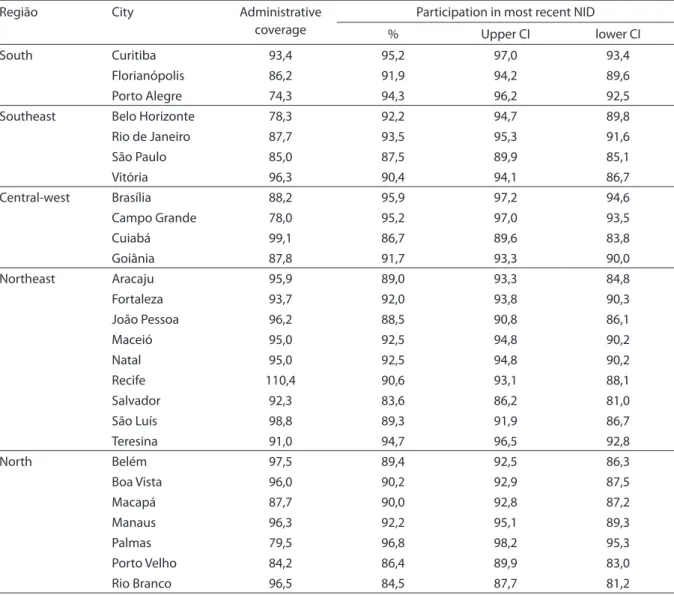
Of 17,749 children surveyed, 16,213 (91%) participated in the most recent NID. Table 1 compares Ministry of Health estima-tes of coverage with oral polio vaccine in the NID with estimates of participation in NID and 95% conidence interval from survey data. In the 27 capital cities, 90.7% (95% CI 90.0–91.4) of children had documented or reported participation in the most recent NID. In four capital cities, estimated
par-Tabela 1 - Cobertura administrativa, porcentagem de participação no último DNV e intervalos de coniança, segundo a capital, Brasil, 2007.
Table 1 - Administrative coverage versus percentage with 95% conidence interval of children surveyed who participated in the most recent national polio immunization day, by capital, Brazil, 2007.
Região City Administrative
coverage
Participation in most recent NID
% Upper CI lower CI
South Curitiba 93,4 95,2 97,0 93,4
Florianópolis 86,2 91,9 94,2 89,6
Porto Alegre 74,3 94,3 96,2 92,5
Southeast Belo Horizonte 78,3 92,2 94,7 89,8
Rio de Janeiro 87,7 93,5 95,3 91,6
São Paulo 85,0 87,5 89,9 85,1
Vitória 96,3 90,4 94,1 86,7
Central-west Brasília 88,2 95,9 97,2 94,6
Campo Grande 78,0 95,2 97,0 93,5
Cuiabá 99,1 86,7 89,6 83,8
Goiânia 87,8 91,7 93,3 90,0
Northeast Aracaju 95,9 89,0 93,3 84,8
Fortaleza 93,7 92,0 93,8 90,3
João Pessoa 96,2 88,5 90,8 86,1
Maceió 95,0 92,5 94,8 90,2
Natal 95,0 92,5 94,8 90,2
Recife 110,4 90,6 93,1 88,1
Salvador 92,3 83,6 86,2 81,0
São Luís 98,8 89,3 91,9 86,7
Teresina 91,0 94,7 96,5 92,8
North Belém 97,5 89,4 92,5 86,3
Boa Vista 96,0 90,2 92,9 87,5
Macapá 87,7 90,0 92,8 87,2
Manaus 96,3 92,2 95,1 89,3
Palmas 79,5 96,8 98,2 95,3
Porto Velho 84,2 86,4 89,9 83,0
ticipation was 95% or higher, reaching the goal established by the National Immuniza-tion Program. In 9 cities, participaImmuniza-tion was lower than 90%. The highest percentage of participation was observed in Palmas, the capital of the state of Tocantins, with 96.8% (95% CI 95.3 – 98.2).
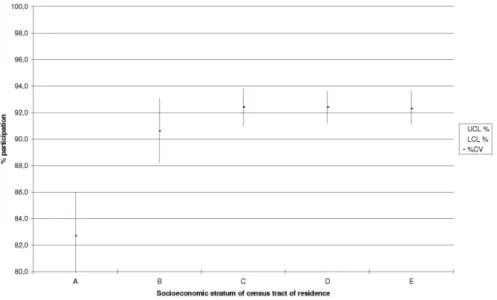
In 13 cities, administrative estimates were higher than estimates from the survey, while in the remaining 14 cities, estimates from the survey were higher than administrative estimates. In four cities, the difference be-tween administrative and survey estimates was 13 percentage points or greater. Among children who received vaccines exclusively from private providers, only 84% (95% CI 80.7 – 87.5) participated in NIDs, versus 92.7% (95% CI 92.0 – 93.4) of children who received all vaccination from public clinics. When analyzed according to socioeconomic stratum of census tract of residence, children in stratum A (with the highest percentage of use of private vaccination clinics) had sig-niicantly lower participation in NIDs than children in census tracts in the four lower socioeconomic strata (Figure 1).
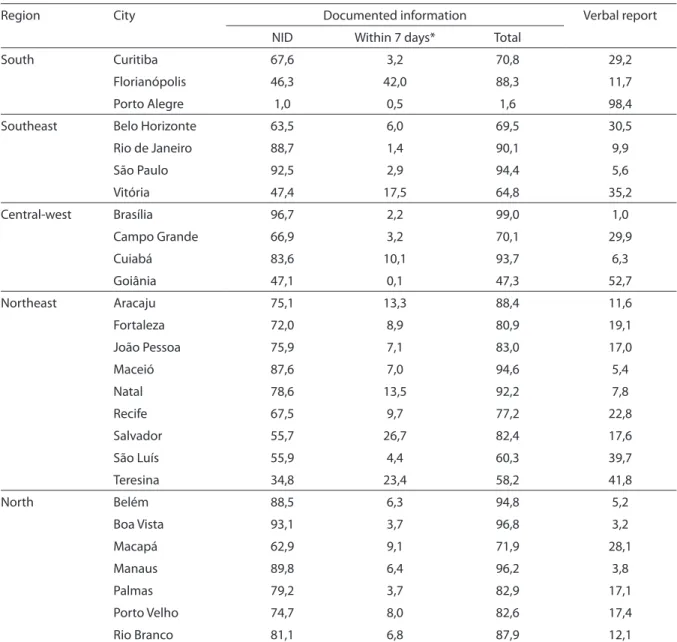
Table 2 presents the percentages of chil-dren who participated in the most recent
NID, according to type of information (ver-bal report or documented), and for those with documented evidence, whether they were vaccinated on the day of the campaign or during the week preceding or following the Saturday of the NID. Among children who participated in the most recent NID, 83.4% had documented evidence and 16.6% only verbal report, with substantial hetero-geneity among cities surveyed. For children with documented evidence of participation, 7.7% received oral polio vaccine during the week preceding or following the campaign, although this percentage was greater than 25% in four cities, reaching 47.6% in Vitória, capital of the state of Espírito Santo in the southeast.
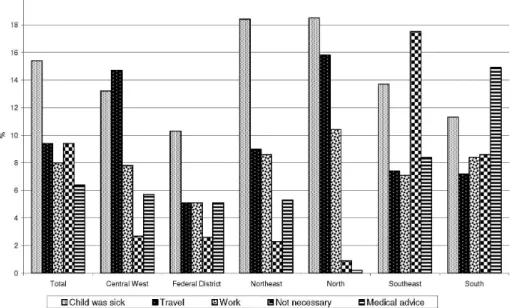
Figure 2 shows the distribution of re-asons for non-participation in the most recent NID. Responses were obtained for 85% of children who had not participated in the most recent NID. In all regions, reasons associated with not valuing the campaign were most frequently cited, accounting for more than 20% of all responses. Excuses that the child was sick were also frequently cited. In the southern and southeastern regions, doctor’s advice not to take the child or that
Gráico 1 - Participação das crianças no último Dia nacional de Vacinação segundo o estrato* socioeconômico, Brasil, 2007.
the child did not need to be vaccinated against poliomyelitis accounted for a subs-tantial percentage of non-participation. Problems encountered with the organiza-tion of the campaign represented only 4.9% of reasons cited for all capitals, reaching 7.9% in the northeast.
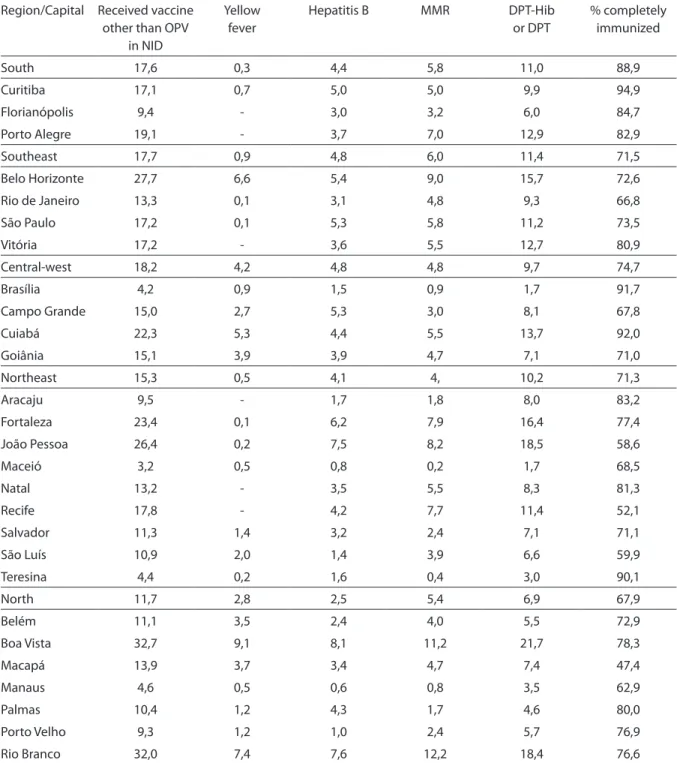
Table 3 presents the percentages of children with documented evidence of
receiving one or more vaccines (other than oral polio vaccine) included in the recom-mended immunization calendar during the NID, according to the vaccine received. The percentage of children in each capital city who had received all recommended vacci-nations by 18 months of age is included for comparison. In the cities surveyed, 15% of children received vaccinations during NIDs to complete the recommended
immuniza-Tabela 2 - Porcentagem de crianças vacinadas em DNV segundo o tipo de informação e o momento de participação, Brasil, 2007.
Table 2 – Percentage of children who received oral polio vaccine on a national immunization day, according to the source of information and the date of vaccination relative to the campaign date, Brazil, 2007
Region City Documented information Verbal report
NID Within 7 days* Total
South Curitiba 67,6 3,2 70,8 29,2
Florianópolis 46,3 42,0 88,3 11,7
Porto Alegre 1,0 0,5 1,6 98,4
Southeast Belo Horizonte 63,5 6,0 69,5 30,5
Rio de Janeiro 88,7 1,4 90,1 9,9
São Paulo 92,5 2,9 94,4 5,6
Vitória 47,4 17,5 64,8 35,2
Central-west Brasília 96,7 2,2 99,0 1,0
Campo Grande 66,9 3,2 70,1 29,9
Cuiabá 83,6 10,1 93,7 6,3
Goiânia 47,1 0,1 47,3 52,7
Northeast Aracaju 75,1 13,3 88,4 11,6
Fortaleza 72,0 8,9 80,9 19,1
João Pessoa 75,9 7,1 83,0 17,0
Maceió 87,6 7,0 94,6 5,4
Natal 78,6 13,5 92,2 7,8
Recife 67,5 9,7 77,2 22,8
Salvador 55,7 26,7 82,4 17,6
São Luís 55,9 4,4 60,3 39,7
Teresina 34,8 23,4 58,2 41,8
North Belém 88,5 6,3 94,8 5,2
Boa Vista 93,1 3,7 96,8 3,2
Macapá 62,9 9,1 71,9 28,1
Manaus 89,8 6,4 96,2 3,8
Palmas 79,2 3,7 82,9 17,1
Porto Velho 74,7 8,0 82,6 17,4
Rio Branco 81,1 6,8 87,9 12,1
*Doses de vacina contra a pólio aplicadas na semana da campanha ou na imediatamente posterior.
tion schedule. Capital cities in the Central-West region had the highest percentage of children vaccinated with antigens besides polio in NIDs (18% of children surveyed). Capital cities in the northern region had the lowest percentages of completely vacci-nated children and the lowest percentages of children who received other vaccines during NIDs, averaging only 12%. However, in the capital cities of Rio Branco (state of Acre) and Boa Vista (state of Roraima) with vaccination coverage above the regional average, nearly 32% of children received other vaccines during NIDs. In 20 capital cities, more than 10% of children received required vaccinations that were late, and in four of these cities, more than 25% of children received catch-up vaccinations during NIDs.
In 10 capital cities, more than 10% of children surveyed received a dose of DPT or DPT-Hib during the NID, and in ive of these cities, this percentage was greater than 15%. Among these children who received a dose of DPT-containing vaccine during NIDs, booster doses of DPT in the second year of life accounted for 52% of the doses received.
Discussion
Strengths of this survey of children in Brazilian capital cities included the high percentage of children with vaccine cards and low rate of parental refusal to participa-te. The goal established by the Ministry of Health for national immunization days is to reach 95% or more of children younger than 5 years nationwide, with coverage of 95% or greater in a minimum of 80% of munici-palities [11]. Oficial estimates of coverage with oral polio vaccine in the biannual cam-paigns conducted from 2004 through 2008 show high participation rates, even 15 years after the elimination of poliomyelitis in Brazil. Oficial data show national coverage above the established goal in all NIDs except June 2005 (estimated coverage of 94.4%), June 2006 (94.9%) and August 2008 (94.7%). Results of this immunization coverage sur-vey conducted in 2007-2008 conirmed high levels of participation among children 19 to 35 months of age in the most recent NID in all 27 cities surveyed. The strategy of con-ducting two annual NIDs has maintained higher levels of vaccine coverage in Brazil
Tabela 3 - Porcentagem de crianças que receberam alguma dose de vacina em DNV, porcentagem de crianças vacinadas segundo a vacina e porcentagem de crianças com esquema vicinal completo aos 18 meses, segundo a capital, Brasil, 2007.
Table 3 - Percentage of children who received vaccines besides oral polio vaccine in the most recent national immunization day, percentage who received each vaccine and percentage completely vaccinated by 18 months of age, by capital, Brazil, 2007.
Region/Capital Received vaccine other than OPV
in NID
Yellow fever
Hepatitis B MMR DPT-Hib
or DPT
% completely immunized
South 17,6 0,3 4,4 5,8 11,0 88,9
Curitiba 17,1 0,7 5,0 5,0 9,9 94,9
Florianópolis 9,4 - 3,0 3,2 6,0 84,7
Porto Alegre 19,1 - 3,7 7,0 12,9 82,9
Southeast 17,7 0,9 4,8 6,0 11,4 71,5
Belo Horizonte 27,7 6,6 5,4 9,0 15,7 72,6
Rio de Janeiro 13,3 0,1 3,1 4,8 9,3 66,8
São Paulo 17,2 0,1 5,3 5,8 11,2 73,5
Vitória 17,2 - 3,6 5,5 12,7 80,9
Central-west 18,2 4,2 4,8 4,8 9,7 74,7
Brasília 4,2 0,9 1,5 0,9 1,7 91,7
Campo Grande 15,0 2,7 5,3 3,0 8,1 67,8
Cuiabá 22,3 5,3 4,4 5,5 13,7 92,0
Goiânia 15,1 3,9 3,9 4,7 7,1 71,0
Northeast 15,3 0,5 4,1 4, 10,2 71,3
Aracaju 9,5 - 1,7 1,8 8,0 83,2
Fortaleza 23,4 0,1 6,2 7,9 16,4 77,4
João Pessoa 26,4 0,2 7,5 8,2 18,5 58,6
Maceió 3,2 0,5 0,8 0,2 1,7 68,5
Natal 13,2 - 3,5 5,5 8,3 81,3
Recife 17,8 - 4,2 7,7 11,4 52,1
Salvador 11,3 1,4 3,2 2,4 7,1 71,1
São Luís 10,9 2,0 1,4 3,9 6,6 59,9
Teresina 4,4 0,2 1,6 0,4 3,0 90,1
North 11,7 2,8 2,5 5,4 6,9 67,9
Belém 11,1 3,5 2,4 4,0 5,5 72,9
Boa Vista 32,7 9,1 8,1 11,2 21,7 78,3
Macapá 13,9 3,7 3,4 4,7 7,4 47,4
Manaus 4,6 0,5 0,6 0,8 3,5 62,9
Palmas 10,4 1,2 4,3 1,7 4,6 80,0
Porto Velho 9,3 1,2 1,0 2,4 5,7 76,9
Rio Branco 32,0 7,4 7,6 12,2 18,4 76,6
over a long period of time than coverage levels achieved in many countries during the elimination phase [1, 12-14].
strategy for improving vaccine coverage. In 6 of the 27 cities surveyed, 20% or more of children surveyed had received vaccines other than oral polio vaccine in recent NIDs [15]. Of particular note was the use of NIDs to provide the booster dose of DPT in the second year of life; 52% of children who received immunizations other than polio in NIDs received a booster dose of DPT to complete the recommended immuniza-tion schedule, and results were consistent across regions. Finally, NIDs also provide opportunities to collect information on the population targeted by campaigns and have been used to evaluate nutritional status of children in at-risk populations [16].
Although some of the reasons for non-participation in the most recent NIDs were similar to those identified in other countries (for example, lack of information about the campaign and operational issues) [12,17,18], the main reasons given for non-participation suggested that parents of children who were not vaccinated in NIDs did not value the campaign or felt that the child’s participation was unnecessary. These opinions may have been inluenced by advi-ce from health professionals. Doctors and other health professionals have substantial inluence on parental decisions regarding vaccination [19, 20]. In the capital cities of the South and Southeast regions, with the highest utilization of private vaccine pro-viders, many parents of children who did not participate in the most recent NID res-ponded that the child did not need another dose of oral polio vaccine or that the child’s provider did not recommend participation in NIDs. Non-participation of children due to illness on the day of the NID, the second most common reason in capital cities in the North and Northeast regions and third most common in the Southeast, suggested a lack of information among parents or lack of trai-ning of health professionals as there are few acute conditions that are contra-indications for administration of oral polio vaccine [11]. Finally, non-participation due to travel on the day of the NID was frequently mentio-ned in cities of the North and Central-West,
suggesting that despite the large number of vaccination posts throughout the country, an important segment of urban populations may be missed due to the common practice in these regions of traveling away from the city on weekends.
Dificulties resulting from operational problems of campaigns were infrequently cited. However, the practice of extending the campaign into the following week or of accepting doses administered during the weeks preceding the NIDs, as evidenced by the high percentage of vaccine doses ad-ministered on dates before or after the date of the NID, suggests a different use of this strategy than originally intended. Health professionals, as well as the public, begin to understand these periods as extensions of the campaign, which may inlate estimates of campaign coverage. Finally, while prestation of vaccine cards during NIDs is en-couraged but not required for vaccination, the high percentage of documented doses of oral polio vaccine that had administered in NIDs raises concern about vaccinators making presentation of vaccine cards a requirement for vaccination.
campaigns against poliomyelitis, verbal reports of a child’s vaccination during the campaign have been accepted for many of the same reasons [12, 14, 18].
Conclusions
The results of this survey demonstrated high levels of participation of children in national immunization days and provide evidence that NIDs represent an important
strategy to improve vaccination coverage in all regions of the country, especially in the cities of the northern and northeastern regions. On the other hand, reasons for non-participation in national immunization days suggest a need to develop different strategies for communication and organi-zation of campaigns to reach children who may have been missed in cities throughout all regions of the country.
References:
1. Sutter, R.W. and C. Maher, Mass vaccination campaigns for polio eradication: an essential strategy for success. Curr Top Microbiol Immunol, 2006. 304: p. 195-220.
2. Pan American Health Organization, Poliomielitis Eradication, Field Guide: 3rd edition. Vol. Scientiic and Technical Publication no. 607. 2005, Washington, D.C.: Pan American Health Organization. 76.
3. Olive, J.M., J.B. Risi, Jr., and C.A. de Quadros, National immunization days: experience in Latin America. J Infect Dis, 1997. 175 Suppl 1: p. S189-93.
4. OPAS/OMS. Cronologia da Saúde no Brasil. Agenda OPAS/OMS 2002 [cited 2009 06 de junho]; Extra:[Available from: http://www.opas.org.br/sistema/ arquivos/agendaextra.pdf.
5. Ministério da Saúde do Brasil, Programa Nacional de Imunizações 30 anos. Série C. Projetos e Programas e Relatórios. 2003, Brasília: Secretaria de Vigilância em Saúde,. 208.
6. Barata, R.B., et al., Inquérito de cobertura vacinal: avaliação empírica da técnica de amostragem por conglomerados proposta pela Organização Mundial da Saúde. Revista Panamericana de Salud Pública, 2005. 17: p. 184-190.
7. Luna, E.J.A., et al., Household survey of hepatitis B vaccine coverage among Brazilian children. Vaccine, 2009. 27(39): p. 5326-31.
8. Henderson, R.H. and T. Sundaresan, Cluster sampling to assess immunization coverage: a review of experience with a simpliied sampling method. Bull World Health Organ, 1982. 60(2): p. 253-60.
9. Instituto Brasileiro de Geograia e Estatística IBGE, Base de Dados de Informação do Censo de 2000. 2002, IBGE: Rio de Janeiro.
10. Ministério da Saúde do Brasil, Calendário Básico de Imunização para Crianças. 2008.
11. Ministério da Saúde do Brasil, Campanha Nacional de Vacinação Contra a Poliomielite - 2005, D.d.V. Epidemiológica, Editor. 2005, Ministério da Saúde: Brasília. p. 13.
12. Reichler, M.R., et al., Cluster survey evaluation of coverage and risk factors for failure to be immunized during the 1995 National Immunization Days in Egypt. Int J Epidemiol, 1998. 27(6): p. 1083-9.
13. Dammann, D.F., et al., Vaccination--coverage of under-ives, validity of records, and the impact of mass campaigns in the Edendale/Vulindlela district of KwaZulu. S Afr Med J, 1990. 78(12): p. 729-33.
14. Bonu, S., M. Rani, and T.D. Baker, The impact of the national polio immunization campaign on levels and equity in immunization coverage: evidence from rural North India. Soc Sci Med, 2003. 57(10): p. 1807-19.
15. Moraes, J.C.d., Comentário: Estado atual do problema da poliomielite no Município de São Paulo. Revista de Saúde Pública, 2006. 40: p. 592-593.
16. Santos, L.M., et al., National Immunization Day: a strategy to monitor health and nutrition indicators. Bull World Health Organ, 2008. 86(6): p. 474-9.
17. Weiss, W.M., P.J. Winch, and G. Burnham, Factors associated with missed vaccination during mass immunization campaigns. J Health Popul Nutr, 2009.
27(3): p. 358-67.
18. Harmanci, H., et al., Reasons for non-vaccination during national immunization days: a case study in Istanbul, Turkey. Public Health, 2003. 117(1): p. 54-61.
19. Salmon, D.A., et al., Knowledge, attitudes, and beliefs of school nurses and personnel and associations with nonmedical immunization exemptions. Pediatrics, 2004.
113(6): p. e552-9.