Psychomotor development of preterm infants aged 6 to
12 months
Desenvolvimento neuropsicomotor de lactentes pré-termo com 6 a 12 meses
de vida
Sophie Helena Eickmann
I, Natália Ferraz de Araújo Malkes
II, Marília de Carvalho Lima
IIIHospital das Clínicas and Postgraduate Program on Child and Adolescent Health, Universidade Federal de Pernambuco (UFPE), Recife,
Pernambuco, Brazil
ABSTRACT
CONTEXT AND OBJECTIVE: The immaturity of preterm infants’ organ systems may lead to difficulties in adapting to different environmental stimuli. The aim was to compare the psychomotor develop-ment of preterm infants (with corrected age) and term infants aged 6 to 12 months and to investigate associated factors.
DESIGN AND SETTING: Cross-sectional analytical study conducted at Hospital das Clínicas, Universidade Federal de Pernambuco.
METHODS: The sample consisted of 135 infants (45 preterm and 90 full-term) aged 6 to 12 months. Neu-ropsychomotor development was assessed using the Bayley III cognitive, language and motor subscales. Biological, socioeconomic and demographic data were gathered from medical records and through in-terviews with mothers.
RESULTS: The mean cognitive, language and motor indices were within the range of normality for the sample as a whole. No signiicant diference in the development of infants born preterm and full-term was observed, except for expressive communication, in which preterm infants presented a lower index. Motor development was inluenced by biological factors, and the poorest performances were observed in male infants; birth weight birth weight < 1500 g; Apgar score at ive minutes ≤ 7; weight-, length- and head circumference-for-age < -1 Z-score; and exclusively breastfeeding for ≤ two months.
CONCLUSIONS: Prematurity did not inluence the psychomotor development of infants in this study population. Motor development was the most afected domain in the sample as a whole, especially due to biological factors. Investigations on child neuropsychomotor development should try to identify many determinant factors because of its multifactorial nature.
RESUMO
CONTEXTO E OBJETIVO: A imaturidade dos sistemas orgânicos das crianças nascidas prematuras pode levar a diiculdades de adaptação a diferentes estímulos do ambiente. O objetivo foi comparar o desenvol-vimento neuropsicomotor de lactentes nascidos pré-termo (com idade corrigida) e no termo com idade entre 6 e 12 meses e investigar seus fatores associados.
TIPO DE ESTUDO E LOCAL: Estudo transversal analítico realizado no Hospital das Clínicas, Universidade Federal de Pernambuco.
MÉTODOS: A amostra foi constituída de 135 crianças (45 pré-termo e 90 no termo) com idade entre 6 a 12 meses. O desenvolvimento neuropsicomotor foi avaliado pelas subescalas cognitiva, linguagem e motora da Bayley III. Dados biológicos, socioeconômicos e demográicos foram coletados de prontuários médicos e por entrevistas com as mães.
RESULTADOS: A média dos índices cognitivo, de linguagem e motor estava dentro da faixa de normali-dade para a amostra como um todo. Não foi observada diferença signiicativa entre o desenvolvimento de crianças nascidas pré-termo e no termo, com exceção para a comunicação expressiva, na qual os pre-maturos apresentaram menor índice. O desenvolvimento motor foi inluenciado por fatores biológicos, e os piores desempenhos foram observados em crianças do sexo masculino, com peso ao nascer < 1500 g; índice de Apgar aos cinco minutos ≤ 7; peso, comprimento e circunferência da cabeça-para-idade < -1 escore Z; e amamentação exclusiva por ≤ dois meses.
CONCLUSÕES: A prematuridade não inluenciou o desenvolvimento psicomotor das crianças nessa po-pulação. O desenvolvimento motor foi o domínio mais afetado na amostra como um todo, especialmente devido a fatores biológicos. Investigações sobre o desenvolvimento neuropsicomotor infantil devem ten-tar identiicar inúmeros fatores determinantes devido a sua natureza multifatorial.
IMD, PhD. Adjunct Professor, Department of
Maternal and Child Health, Universidade Federal de Pernambuco (UFPE), Recife, Pernambuco, Brazil.
IIMSc. Physiotherapist and Assistant Professor,
Physiotherapy Course, Associação Caruaruense de Ensino Superior (ASCES), Caruaru, Pernambuco, Brazil.
IIIMD, PhD. Adjunct Professor, Department of
Maternal and Child Health, Universidade Federal de Pernambuco (UFPE), Recife, Pernambuco, Brazil.
KEY WORDS:
Infant, premature. Biological factors. Risk factors. Child development. Language development.
PALAVRAS-CHAVE:
INTRODUCTION
Concern about the psychomotor development of preterm infants has grown over recent decades because of increasing infant sur-vival rates together with healthcare professionals’ commitment towards improving the quality of life of this population. Psycho-motor development occurs through a process of complex trans-formations, including growth, maturation, learning and psycho-social factors.1 It is characterized by a set of functional domains including cognition, language, gross and ine motor skills, sensory functions and socioemotional development acquired over time, through neural maturation and environmental experiences.2,3
Infant development is inluenced by several diferent fac-tors, including biological determinants relating to pregnancy and birth, which are more closely linked to development outcomes during the irst year of life;4,5 and environmental factors, such as family socioeconomic, demographic and cultural characteristics, which gain enhanced inluence as postnatal age increases.4,6
Current studies emphasize that prematurity is one of the major biological risk factors for development.4-8 Immature organ systems are common in premature birth, and may lead to diicul-ties in adapting to diferent environmental stimuli. his biologi-cal vulnerability may increase the infant’s chances of presenting disorders during various stages of development later in life.5,9-12 However, because of this complex interaction between biological and environmental factors, predicting the course of development within this population is not an easy task.
Early identiication of developmental problems is an intricate task, and detection of any deviation requires systematic assess-ments, especially during the irst year of life, when the develop-mental process is more dynamic.9 he sooner the problems are detected, the sooner it will be that an early multidisciplinary approach can begin, involving professionals from diferent ields like social services, health and education. In this manner, a wide range of support can be provided for both the infants and their families.10,13 Most studies that assess the development of pre-term infants are conducted in developed countries, and there-fore, insuicient knowledge is available regarding the impact of preterm birth on infant development in populations living under adverse socioeconomic conditions.
OBJECTIVE
he aim was to compare the psychomotor development of pre-term infants (with corrected age) and pre-term infants aged 6 to 12 months and to investigate its associated factors in a population of low socioeconomic status.
METHODS
Study design, setting and sample
his was a cross-sectional analytical study conducted at the High-Risk Infant Follow-up Clinic and the Well Baby Clinic at Hospital
das Clínicas, Universidade Federal de Pernambuco (UFPE). he irst of these clinics admits infants born at the maternity hospi-tal, which is a high-risk pregnancy referral unit. he number of deliveries in 2008 was 1390, of which 17% were preterm, com-posing a total of 243 live-birth preterm infants. Of these 42 died, and thus, 201 babies were discharged from hospital. herefore, it was expected that 84 preterm babies would be admitted to the High-Risk Infant Follow-up Clinic during the ive month data-gathering period. However, only 45 of them met the inclusion criteria or attended this clinic. he main reason why this follow-up clinic was not used in the cases of the other infants was that they lived far away from Hospital das Clínicas, which is located in Recife, the capital of the state of Pernambuco, considering that this hospital also admits high-risk pregnant women from difer-ent municipalities in the interior of the state.
he exclusion criterion was the presence of congenital infec-tions and/or malformainfec-tions and genetic syndromes. All preterm infants registered at the High-Risk Infant Follow-up Clinic dur-ing the study period were recruited.
he sampling procedure for selecting the control group con-sisted of enrolling the next two infants born at term who attended the Well Baby Clinic, ater each preterm infant had been recruited. In this manner, the study sample was made up of 135 infants aged 6 to 12 months: 45 born preterm and 90 born at full-term.
Sample size calculation
A power analysis calculation was conducted using the sotware G*Power 3 to compare pairs of independent sample means. Assuming an α error of 0.05, a study power of 80% and an efect size of 0.40 for detecting a diference in mean developmental score between the groups, together with the infant ratio of 2:1, the total sample requirement was estimated to be 140 infants (47 preterm and 93 term infants).
Data gathering
his study was undertaken from March to July 2008, ater con-ducting a pilot study to ensure consistency and standardization of the techniques and research tools. Assessments of nutritional status and psychomotor development among the preterm infants was done with correction of the chronological age, by subtracting the number of days required for completing 40 weeks of gestation that remained at the time of birth, from the chronological age.14
Clinical and anthropometric assessment at birth
Birth weight was recorded using digital electronic scales, and head circumference was measured with a lexible tape measure passing across the eyebrow and round to the occipital protuber-ance. Gestational age was estimated by means of the Capurro method, and the Ballard method was used for infants weighing less than 1500 g. Size for gestational age was classiied using the intrauterine growth curve of Lubchenco et al.15
Socioeconomic characteristics and breastfeeding practice Socioeconomic and demographic data (family income, educa-tion level, maternal age, size of family and number of infants under ive at home) and type and duration of breastfeeding were obtained through interviews with the mothers, using a form with precoded closed questions.
Exclusive breastfeeding was deined as situations in which the infant received only breast milk, either directly or extracted from the breast, with no solid food or liquid, except for drops consist-ing of vitamins, minerals or medicines, durconsist-ing the 24 hours prior to the interview.
Anthropometric and nutritional assessments
he anthropometric assessment consisted of recording the weight, length and head circumference in accordance with stan-dard procedures.16 his was done by a previously trained research assistant. Weights were recorded on a Filizola BP Baby electronic scale with a maximum capacity of 15 kg, and lengths were mea-sured using a wooden measuring stick with a range of 130 cm in subdivisions of 0.1 cm. Head circumference was measured using an ISP plastic tape measure of 150 cm in length, with subdivi-sions of 0.1 cm.
Nutritional status was assessed in terms of weight-for-age, length-for-age and head circumference-for-age, expressed as mean Z scores, using the World Health Organization (WHO) standard references (WHO Anthro 2006, version 2.0). Infants were classiied as undernourished or nutritionally at risk if the index was lower than -1 Z-score.16
Developmental tests
The cognitive, language (receptive and expressive communi-cation) and motor (fine and gross skill) subtests of the Bayley Scales of Infant and Toddler Development III17 were applied by an experienced tester in the presence of the infant’s mother at the hospital. Any child who was ill at the time of the test was treated and the test was postponed. To interpret the results, the total score (raw score) obtained in each subtest was con-verted into a balanced score for different age groups and then subsequently converted into composite scores. Each compos-ite score had a mean of 100 points and a standard deviation of 15 points, and a mean balanced score of 10 points with a stan-dard deviation of 3 points.17
Data processing and analysis
Data entry and statistical analysis were carried out using Epi-Info version 6.04d (CDC, Atlanta, United States). Double data entry was used and validated in order to minimize any possible typ-ing errors. Psychomotor developmental scores were treated as continuous variables and their associations with the explanatory variables were assessed as diferences between means, using the Student t test or Analysis of Variance (ANOVA) as signiicance tests in bivariate analyses. he chi-square test or Fisher’s exact test was used when indicated to assess associations between cat-egorical variables. P values ≤ 0.05 were taken to be signiicant.
Ethical permission
This study was approved by the Research Ethics Commit-tee at the Health Sciences Center of UFPE, and was registered under no.413/07. Informed consent was obtained from par-ents or guardians for their children to take part in the study and for the developmental tests and anthropometric measure-ments to be made.
RESULTS
his group of preterm infants could be considered to present moderate risk, since the variation in gestational age was from 25 to 36 weeks, and only three infants had gestational age less than or equal to 30 weeks. Moreover, the mean birth weight was 1762 g and the lowest Apgar score was 4, thus showing that the birth vitality was moderate to good. A relatively low frequency of perinatal and postnatal morbidity was observed, given that 7% had meningitis, 13% had intracranial hemorrhage grades I to II and none had seizures. Among the 38 infants who required oxygen therapy, 29% underwent assisted mechanical ventilation (median duration of four days) and 82% used continuous posi-tive airway pressure (CPAP), with a median duration of one day.
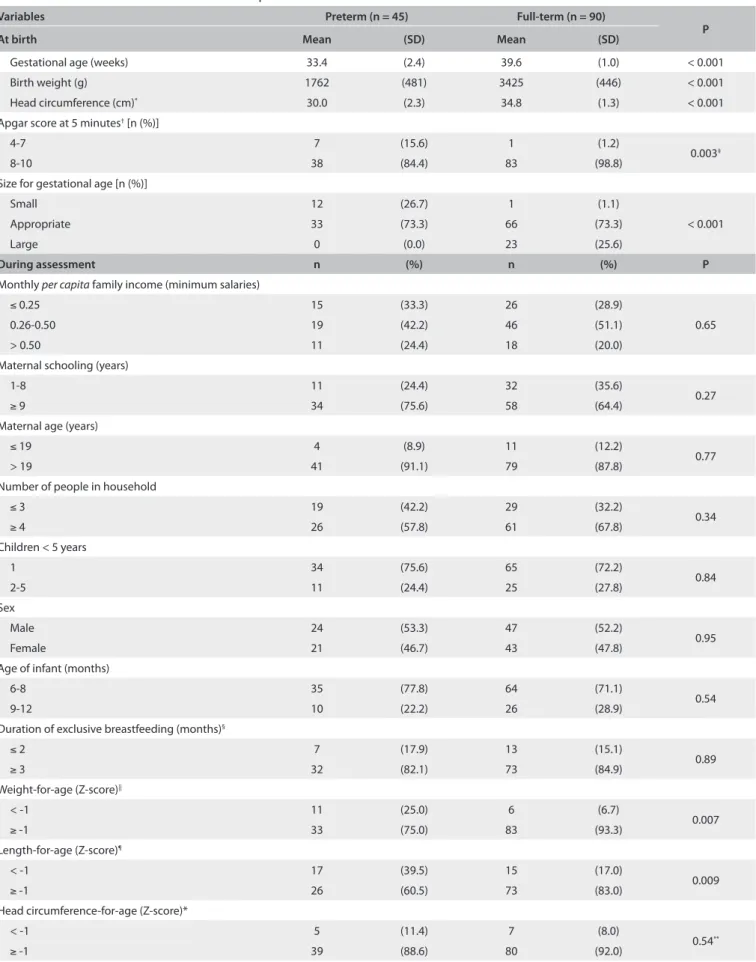
Table 1shows that the distribution according to sex and age
at the time of assessment was homogeneous between the gesta-tional age groups. A signiicantly higher percentage of the pre-term infants presented an Apgar score at 5 minutes that was less than or equal to 7. here was no diference between the two groups in terms of family socioeconomic and demographic char-acteristics. Although three-quarters of the families lived below the poverty line (monthly income of up to half a minimum salary per person), the maternal educational level was moderate and all mothers had attended school. he preterm infants presented sig-niicantly higher percentages of weight-for-age and length-for-age < -1 Z-score at the time of assessment.
Table 2 presents the mean cognitive, language and motor
Variables Preterm (n = 45) Full-term (n = 90)
P
At birth Mean (SD) Mean (SD)
Gestational age (weeks) 33.4 (2.4) 39.6 (1.0) < 0.001
Birth weight (g) 1762 (481) 3425 (446) < 0.001
Head circumference (cm)* 30.0 (2.3) 34.8 (1.3) < 0.001
Apgar score at 5 minutes† [n (%)]
4-7 7 (15.6) 1 (1.2)
0.003‡
8-10 38 (84.4) 83 (98.8)
Size for gestational age [n (%)]
Small 12 (26.7) 1 (1.1)
< 0.001
Appropriate 33 (73.3) 66 (73.3)
Large 0 (0.0) 23 (25.6)
During assessment n (%) n (%) P
Monthly per capita family income (minimum salaries)
≤ 0.25 15 (33.3) 26 (28.9)
0.65
0.26-0.50 19 (42.2) 46 (51.1)
> 0.50 11 (24.4) 18 (20.0)
Maternal schooling (years)
1-8 11 (24.4) 32 (35.6)
0.27
≥ 9 34 (75.6) 58 (64.4)
Maternal age (years)
≤ 19 4 (8.9) 11 (12.2)
0.77
> 19 41 (91.1) 79 (87.8)
Number of people in household
≤ 3 19 (42.2) 29 (32.2)
0.34
≥ 4 26 (57.8) 61 (67.8)
Children < 5 years
1 34 (75.6) 65 (72.2)
0.84
2-5 11 (24.4) 25 (27.8)
Sex
Male 24 (53.3) 47 (52.2)
0.95
Female 21 (46.7) 43 (47.8)
Age of infant (months)
6-8 35 (77.8) 64 (71.1)
0.54
9-12 10 (22.2) 26 (28.9)
Duration of exclusive breastfeeding (months)§
≤ 2 7 (17.9) 13 (15.1)
0.89
≥ 3 32 (82.1) 73 (84.9)
Weight-for-age (Z-score)||
< -1 11 (25.0) 6 (6.7)
0.007
≥ -1 33 (75.0) 83 (93.3)
Length-for-age (Z-score)¶
< -1 17 (39.5) 15 (17.0)
0.009
≥ -1 26 (60.5) 73 (83.0)
Head circumference-for-age (Z-score)*
< -1 5 (11.4) 7 (8.0)
0.54**
≥ -1 39 (88.6) 80 (92.0)
Missing cases: *1 preterm/3 full-term, †6 full-term, ‡Fisher’s exact test; §10 infants were not exclusively breastfed; ||1 preterm/1 full-term; ¶2 preterm/2 full-term;
SD = standard deviation.
Variables n =135
Developmental scores
Cognitive Language Motor
Mean P Mean P Mean P
Monthly family per capita income (Minimum Salaries)
≤ 0.25 41 109.1
0.22
108.1
0.32
109.1
0.43
0.26-0.50 65 111.9 109.1 106.3
> 0.50 29 111.2 111.5 107.3
Maternal schooling (years)
1-8 43 110.5 0.65 108.8 0.75 106.0 0.30
≥ 9 92 111.1 109.4 108.0
Maternal age (years)
≤ 19 15 111.3 0.84 112.4 0.16 108.2 0.76
> 19 120 110.9 108.8 107.3
Number of people in household
≤ 3 48 110.7
0.84 110.0 0.43 105.2 0.07
≥ 4 87 111.3 108.7 108.6
Children < 5 years
1 99 110.7
0.69 109.6 0.38 106.9 0.38
2-5 36 111.4 108.0 108.7
Sex
Male 71 108.9
0.002 106.7 0.001 105.1 0.007
Female 64 113.2 111.9 109.9
Birth weight (g)
≤ 1499 14 107.1
0.24
106.3
0.41
100.8
0.04
1500-2499 28 112.1 109.4 109.1
2500-2999 20 110.0 107.2 105.0
≥ 3000 73 111.4 110.1 108.7
Size for gestational age
Small 13 111.2
0.62
110.6
0.05
108.0
0.18
Appropriate 99 110.6 108.0 106.5
Large 23 112.4 113.3 110.9
Apgar score at 5 minutes*
4-7 8 108.7 0.47 106.6 0.39 97.5 0.003
8-10 121 110.9 109.6 108.3
Duration of exclusive breastfeeding (months)†
≤ 2 20 108.7
0.18 105.2 0.02 102.8 0.02
≥ 3 105 111.4 110.2 108.8
Weight-for-age (Z-score)‡
< -1 17 108.5
0.14 105.9 0.11 103.0 0.05
≥ -1 116 111.5 109.8 108.2
Length-for-age (Z-score)§
< -1 32 110.9
0.84 107.0 0.13 104.3 0.03
≥ -1 99 111.3 109.9 108.8
Head circumference-for-age (Z-score)§
< -1 12 110.0
0.59 104.4 0.07 101.1 0.02
≥ -1 119 111.3 109.7 108.2
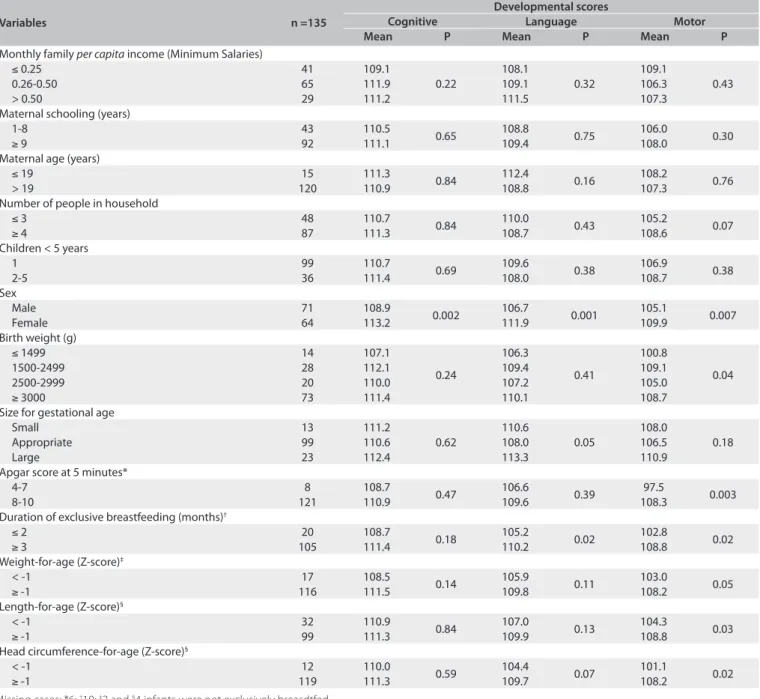
Table 3. Mean cognitive, language and motor scores according to socioeconomic, demographic, biological and nutritional variables Bayley III subtests Preterm (n = 45) Full-term (n = 90)
P Composite scores Mean (SD) Mean (SD)
Cognition 110.6 (9.1) 111.1 (7.6) 0.71
Language 108.2 (8.9) 109.7 (9.8) 0.39
Motor 106.1 (11.4) 108.1 (9.9) 0.30
Balanced scores
Language
Receptive communication 12.1 (2.0) 11.9 (2.1) 0.73 Expressive communication 10.6 (1.7) 11.3 (1.8) 0.06 Motor
Fine motor skills 11.5 (2.4) 11.6 (1.8) 0.71 Gross motor skills 10.5 (2.5) 11.0 (2.4) 0.23
Table 2. Mean cognitive, language and motor scores among infants born preterm and full-term
SD = standard deviation.
Table 3 shows the cognitive, language and motor scores
accord-ing to socioeconomic, demographic, biological and nutritional vari-ables. he girls had signiicantly higher mean scores in the three developmental domains. he duration of exclusive breastfeeding signiicantly inluenced the language and motor domains, such that higher mean values were observed among the infants who breast-fed for periods of three months or more. Poorer motor results were found among the infants who, at birth, had an Apgar score at 5 min-utes of between 4 and 7 and a birth weight of less than 1500 g. he undernourished or nutritionally-at-risk infants showed lower motor performance than shown by the other infants, in relation to weight-for-age and length-weight-for-age (< -1 Z score). A similar result was observed in relation to head circumference-for-age.
DISCUSSION
It has been shown in the literature that the irst year of infants’ lives is the period of greatest development of functional capacity, with acquisition of skills in a number of diferent areas.3,18 Understand-ing the biopsychosocial factors that promote this development may enable interventions that are essential in developing countries, where infants are subject to a number of risk factors concerning their overall development. According to Grantham-McGregor et al.,3 it is highly probable that infants who do not achieve their full develop-mental potential will not go on to become fully productive adults.
Biological vulnerability caused by premature birth has been identiied as one of the main risk factors for developmental delay.4-6 However, the complex interactions between biological and envi-ronmental factors throughout infants’ lives make it diicult to pre-dict their development. Authors have gone on to emphasize that methodological issues have made it diicult to compare the results from several diferent studies: in other words, diferences between the characteristics of infants in diferent studies make it impossi-ble to extrapolate the results.11,19,20 Saigal and Doyle11 also stated that the deinitions of developmental disorders, as well as the severity encountered, are not uniform, and that this would complicate com-parisons. hey observed that around 25% of surviving newborn pre-term infants present signiicant neurological morbidity.
he results from the present study did not show any difer-ences between the development of preterm and full-term infants, when age correction was used in the preterm group. he mean val-ues reached by both groups in the cognition, language and motor domains were all considered normal in relation to the reference population. hese data contrast with other reports that indicated diferences in the development of preterm infants.6,21-23 However, some authors have claimed that simple comparisons should not be undertaken without considering the other innumerable variables that may inluence development.11,19,20
A study by Lima et al.4 that was conducted in the same Brazilian state as the present one, using the Bayley-II scale on infants aged 12 months, found a diference between the groups of preterm and full-term infants, although the measurements obtained for the prefull-term infants were considered normal, i.e. without indicating any charac-teristics of delayed motor and/or mental development. On the other hand, results obtained by Woythaler et al.,6 using the Bayley scale on preterm infants of gestational age 34-37 weeks, found that the mean motor and mental values at 24 months were normal for the group as a whole. However, comparing them with full-term infants, they concluded that late preterm infants had poorer neurodevelopmental outcomes and increased odds of presenting delayed mental and/or physical development.
In southeastern Brazil, Mancini et al.24 used the Alberta Infant Motor Scale (AIMS) and did not observe any signiicant diference between preterm and full-term groups in relation to motor func-tions at 8 and 12 months of corrected age. Although the research
tool was not the Bayley-II, it has been shown in the literature that there is a high correlation between the raw scores of the AIMS and the Bayley-II motor scale.25
In the present study, the indings in relation to expressive com-munication indicated that there was a tendency for preterm infants to present a poorer linguistic repertoire, in comparison with full-term infants, and this result was similar to what was described by Schirmer et al.26 Language developmental disorders are among the risks that prematurity may cause, and extreme prematurity tends to bring about even worse results, especially among males.27
In relation to the premature group in this sample, a number of important biological indings stand out: the mean gestational age of the group was 33 weeks, thus classifying the majority of the infants as moderately preterm, with a mean birth weight of 1762 g. he low-est Apgar score was 4, thus representing moderate to good birth vitality, and also conirming that the frequency of perinatal and post-natal morbidity was low. hese indings place the group of preterm infants in a moderate risk category, and this needs to be highlighted, since greater caution is therefore required in generalizing the results.
Larroque et al.23 stated that the prevalence of disorders was greater among infants with a gestational age of less than 28 weeks, and that cognitive deicits were the most common inding in infants aged ive years. his result leads to the idea that perhaps the age group of the present study (6-12 months) does not allow adequate inferences regarding cognitive issues, since studies have previously demonstrated that detection of subtle disorders was only possible in infants of preschool age.12,27
When investigating development, it is necessary to examine the context in which it occurs, especially the simultaneous presence of protective and risk factors. Certain aspects of the present study can be highlighted because of the possible protective action of develop-ment on preterm infants, such as the use of corrected chronological age, frequent practicing of exclusive breastfeeding, adequate perina-tal care and regular maternal schooling.
he use of corrected chronological age is a strategy that provides protection for preterm infants against a possible erroneous diagno-sis of delayed development: in other words, not using the corrected age would underestimate their performances in comparison with full-term infants. Several authors have advocated that corrected age should be used until the age of two years.5,14,19 In the present study, the chronological age was adjusted in accordance with the recom-mendations of the Bayley-III scales, as well as the clinical routine. However, some authors have questioned the possibility that perfor-mance might be underestimated.14,19,28 In this respect, Wilson and Cradock28 argued that there was only a real necessity for corrected chronological age for preterm infants born with less than 28 gesta-tional weeks, low birth weight and/or addigesta-tional perinatal and post-natal complications.
not presented). Of these, 82% were exclusively breastfed for three months or more. According to Rey,29 breastfeeding ofers addi-tional advantages for preterm infants, since it helps with neurologi-cal development, especially cognition, by supplying the essential ele-ments for nutrition and maturation of the brain and retina, as well as acting as a facilitator of mother-infant bonding.
Vohr et al.30 evaluated the impact of changes in perinatal care on neurodevelopment delay at 18 to 22 months of corrected age, among extremely low birth weight preterm infants with shorter gestation (22-26 weeks) and longer gestation (27-32 weeks) at three diferent times between 1993 and 1998. hey observed that there was an improvement in low mental developmental indices, and also found that the survival rate increased over the course of this period. Administration of antenatal steroid was the only inter-vention associated with outcome improvement. Along these lines, it should be highlighted with regard to the present study that Hos-pital das Clínicas, which is part of UFPE, is a reference center spe-cializing in attending high-risk pregnant mothers, and also par-ticipates in the Baby-Friendly Hospital Initiative, which proposes taking a more humane approach, and aims to support, encourage and protect breastfeeding practices.31
In the literature, maternal educational level is considered to be a moderating factor regarding infant development, since it favors infant care, concern for the importance of development and, con-sequently, improved quality of stimulation within the home.6,9 In a study by Stoelhorst et al.,32 it was observed that higher levels of maternal education were associated with improved mental devel-opment among premature infants aged between 18 and 24 months. It was conirmed in the present study that the mothers of preterm infants presented a moderate level of education, such that 76% had received secondary or higher education.
Considering that no developmental diferences were observed, in this study, between the two groups, since infants in both groups had good cognitive, linguistic and motor responses, the possi-ble inluence of other variapossi-bles on development was investigated throughout the whole sample. It was found that biological factors such as male sex, birth weight less than 1500 g, Apgar score ≤ 7 at 5 minutes ater birth, weight-for-age, length-for-age and head circum-ference-for-age < -1 Z score and exclusive breastfeeding for less than or equal to two months were the factors that negatively inluenced infants’ performance. his fact had already been observed by other authors, who reported that biological variables had a strong inlu-ence on the development of infants over the age range investigated.2-4 he infant’s sex was the only variable that showed cognitive, language and motor diferences, such that the girls presented bet-ter performance than the boys. Other studies have reported simi-lar results, thus indicating that females present better mental per-formance4,18 and that among very premature infants, males present much poorer mental and motor performance.12,23 Another impor-tant inding from the present study relates to motor development,
which was found to be the domain most inluenced by biological factors. his inding, as reported in the literature, emphasizes that motor development would seem to be more easily inluenced by risk factors during the irst years of life than mental development is.18
We should highlight that one of the limitations of the present study relates to the fact that a cross-sectional study design is not appropriate for detecting changes in biological and environmental factors that occur over time as developmental milestones. Another issue is the relatively small number of study subjects, which might have reduced the power to detect a diference in developmental scores between groups. Furthermore, the knowledge held by the researcher who performed the neurodevelopmental assessment on predictive variables (term and preterm neonates) may have caused information bias.
CONCLUSIONS
Prematurity in itself had no impact on the development of the infants studied here, who were characterized as presenting mod-erate risk. However, it may have had an inluence through several other factors resulting from these infants’ biological vulnerabil-ity and the possibilvulnerabil-ity of unpleasant sensory motor experiences in the early stages of life. hus, it is necessary to provide better healthcare and developmental surveillance during childhood to this group of infants, since impairments may occur in later life. Careful monitoring with the involvement of diferent health-care professionals may be of great beneit, not only to the infants, but also to their families. Furthermore, research seeking better understanding of development among infants subjected to risk factors, especially those living in developing countries, needs to be encouraged.
REFERENCES
1. Brasil. Ministério da Saúde. Secretaria de Políticas de Saúde. Departamento de Atenção Básica. Saúde da criança: acompanhamento do crescimento e desenvolvimento infantil.
Brasília: Ministério da Saúde; 2002. Available from: http://bvsms. saude.gov.br/bvs/publicacoes/crescimento_desenvolvimento.pdf. Accessed in 2012 (Jan 23).
2. Walker SP, Wachs TD, Gardner JM, et al. Child development: risk
factors for adverse outcomes in developing countries. Lancet. 2007;369(9556):145-57.
3 Grantham-McGregor S, Cheung YB, Cueto S, et al. Developmental potential in the irst 5 years for children in developing countries.
Lancet. 2007;369(9555):60-70.
4. Lima MC, Eickmann SH, Lima AC, et al. Determinants of mental and motor development at 12 months in a low income population: a cohort study in northeast Brazil. Acta Paediatr. 2004;93(7):969-75.
6. Woythaler MA, McCormick MC, Smith VC. Late preterm infants have worse 24-month neurodevelopmental outcomes than term infants. Pediatrics. 2011;127(3):e622-9.
7. Allen MC. Neurodevelopmental outcomes of preterm infants. Curr Opin Neurol. 2008;21(2):123-8.
8. Bruggink JL, Einspieler C, Butcher PR, et al. Quantitative aspects of the early motor repertoire in preterm infants: do they predict minor neurological
dysfunction at school age? Early Hum Dev. 2009;85(1):25-36.
9. Halpern R, Giugliani ERJ, Victora CG, Barros FC, Horta BL. Fatores de risco para suspeita de atraso no desenvolvimento neuropsicomotor aos 12 meses de vida [Risk factors for suspicion of developmental delays at 12
months of age]. J Pediatr (Rio J). 2000;76(6):421-8.
10. Dorling JS, Field DJ. Follow up of infants following discharge from the neonatal unit: structure and process. Early Hum Dev. 2006;82(3):151-6. 11. Saigal S, Doyle LW. An overview of mortality and sequelae of preterm birth
from infancy to adulthood. Lancet. 2008;371(9608):261-9.
12. Robertson CM, Watt MJ, Dinu IA. Outcomes for the extremely premature infant: what is new? And where are we going? Pediatr Neurol. 2009;40(3):189-96.
13. Salt A, Redshaw M. Neurodevelopmental follow-up after preterm birth: follow up after two years. Early Hum Dev. 2006;82(3):185-97.
14. Restife AP, Gherpelli JL. Comparison of chronological and corrected ages in the gross motor assessment of low-risk preterm infants during the irst
year of life. Arq Neuropsiquiatr. 2006;64(2B):418-25.
15. Lubchenco LO, Hansman C, Boyd E. Intrauterine growth in length and head circumference as estimated from live births at gestational ages from 26 to 42 weeks. Pediatrics. 1966;37(3):403-8.
16. World Health Organization. Physical status: the use and interpretation of anthropometry. Report of a WHO Expert Committee. Technical Report Series 854. Geneva: World Health Organization; 1995. Available from: http:// whqlibdoc.who.int/trs/WHO_TRS_854.pdf. Accessed in 2012 (Jan 23).
17. Bayley N. Bayley scales of infant and toddler development. 3rd ed.
New York: Psychcorp; 2006.
18. de Andraca I, Pino P, de la Parra A, Rivera F, Castillo M. Factores de riesgo para el desarrollo psicomotor en lactantes nacidos en óptimas
condiciones biológicas [Risk factors for psychomotor development among infants born under optimal biological conditions]. Rev Saúde Pública. 1998;32(2):138-47.
19. Aylward GP. Methodological issues in outcome studies of at-risk infants. J
Pediatr Psychol. 2002;27(1):37-45.
20. Marlow N. Neurocognitive outcome after very preterm birth. Arch Dis Child Fetal Neonatal Ed. 2004;89(3):F224-8.
21. Foulder-Hughes LA, Cooke RW. Motor, cognitive, and behavioural disorders
in children born very preterm. Dev Med Child Neurol. 2003;45(2):97-103. 22. Inder TE, Warield SK, Wang H, Hüppi PS, Volpe JJ. Abnormal
cerebral structure is present at term in premature infants. Pediatrics. 2005;115(2):286-94.
23. Larroque B, Ancel PY, Marret S, et al. Neurodevelopmental disabilities and special care of 5-year-old children born before 33 weeks of gestation (the EPIPAGE study): a longitudinal cohort study. Lancet. 2008;371(9615):813-20.
24. Mancini MC, Teixeira S, de Araújo LG, et al. Estudo do desenvolvimento da função motora aos 8 e 12 meses de idade em crianças nascidas pré-termo e a termo [Study of motor function development at
8 and 12 months of age in preterm and at term children]. Arq Neuropsiquiatr. 2002;60(4):974-80.
25. Almeida KM, Dutra MV, Mello RR, Reis AB, Martins PS. Validade concorrente e coniabilidade da Alberta Infant Motor Scale em lactentes nascidos
prematuros [Concurrent validity and reliability of the Alberta Infant Motor Scale in premature infants]. J Pediatr (Rio J). 2008;84(5):442-8.
26. Schirmer CR, Portuguez MW, Nunes ML. Avaliação da evolução dos aspectos linguísticos em crianças que nasceram prematuras aos 3 anos de
idade [Clinical assessment of language development in children at age 3 years that were born preterm]. Arq Neuropsiquiatr. 2006;64(4):926-31. 27. Wolke D, Samara M, Bracewell M, Marlow N; EPICure Study Group. Speciic
language diiculties and school achievement in children born at 25 weeks
of gestation or less. J Pediatr. 2008;152(2):256-62.
28. Wilson SL, Cradock MM. Review: Accounting for prematurity in developmental assessment and the use of age-adjusted scores. J Pediatr Psychol. 2004;29(8):641-9.
29. Rey J. Breastfeeding and cognitive development. Acta Paediatr Suppl. 2003;92(442):11-8.
30. Vohr BR, Wright LL, Poole WK, McDonald SA. Neurodevelopmental outcomes of extremely low birth weight infants <32 weeks’ gestation
between 1993 and 1998. Pediatrics. 2005;116(3):635-43.
31. Caldeira AP, Gonçalves E. [Assessment of the impact of implementing the Baby-Friendly Hospital Initiative]. J Pediatr (Rio J). 2007;83(2):127-32. 32. Stoelhorst GM, Rijken M, Martens SE, et al. Developmental outcome at 18
and 24 months of age in very preterm children: a cohort study from 1996 to 1997. Early Hum Dev. 2003;72(2):83-95.
Acknowledgement: Our thanks to the Conselho Nacional de
Desenvolvimento Cientíico e Tecnológico (CNPq – grant no.
307977/2009-9) for providing a research grant to Marilia de Carvalho Lima
Sources of funding: Research grant for Marília de Carvalho Lima from
the Conselho Nacional de Desenvolvimento Cientíico e Tecnológico (CNPq – grant no. 307977/2009-9)
Conlict of interest: None
Date of irst submission: August 1, 2011
Last received: December 7, 2011
Accepted: February 24, 2012
Address for correspondence:
Sophie Helena Eickmann
Av. Flor de Santana, 190 — apto 2.602 Parnamirim — Recife (PE) — Brasil
CEP 52070-290 Tel. (+55 81) 2126-8514