UNIVERSIDADE DE LISBOA FACULDADE DE CIÊNCIAS
DEPARTAMENTO DE ENGENHARIA GEOGRÁFICA, GEOFÍSICA E ENERGIA
Energy yield of CPV modules with different cell technologies
Sara Regina Teixeira Freitas
Dissertação de Mestrado Integrado em Engenharia da Energia e do Ambiente
Orientadores:
Miguel Centeno Brito (University of Lisbon)
José Mário da Costa Pó (University of Lisbon)
UNIVERSIDADE DE LISBOA FACULDADE DE CIÊNCIAS
DEPARTAMENTO DE ENGENHARIA GEOGRÁFICA, GEOFÍSICA E ENERGIA
Energy yield of CPV modules with different cell technologies
Sara Regina Teixeira Freitas
Mestrado Integrado em Engenharia da Energia e do Ambiente
was used for a case study of comparative assessment of HCPV modules performance. The research platform includes a complete set of instruments for weather and irradiation characterization and a set of fully instrumented identical CPV prototype modules, in an early stage of development, with triple-junction solar cells from different manufacturers. Spectral irradiance data were compared with simulated spectra produced by the SMARTS model using local atmospheric data and AOD collected from nearby observation stations. Once validated, the simulated spectra were used to model Isc of the module prototypes. Actual power and energy yield during a 12 month period were analysed and showed that module A1, optimized for the reference AM1.5d spectrum yielded the best results. However, an identical module with solar cells provided by the same manufacturer generated less 7% energy in the same period highlighting an order of variability among components/assemblies that is expected for early stage prototype modules. Modules B1 and B2 are optimized for winter spectral conditions at the test site, produced less 4% energy during the same period. Module C has underperformed due to a malfunction that became apparent after October 2012.
Power rating according to the ASTM statistical regression method was also determined. Results showed that the effects of wind speed and ambient temperature introduce noise in the analysis and should be disregarded. This may be understood by noticing that the solar cells are encased and therefore less sensitive to wind speed and ambient temperature. Of course, the effect of the ambient temperature is already included indirectly via DNI, with which is strongly correlated to. Average deviations below 10% were determined suggesting that a second-order DNI only regression is the appropriate method for CPV systems power rating.
Keywords: CPV performance, triple-junction, spectral irradiance, SMARTS, energy yield.
Resumo
A plataforma de pesquisa pertencente à empresa Circadian Solar, instalada no Campus Solar da Faculdade de Ciências da Universidade de Lisboa, foi alvo de um estudo comparativo incidente no desempenho de módulos HCPV. A plataforma de pesquisa inclui um conjunto de instrumentos para caracterização a nível do tempo e da irradiância e um conjunto de protótipos de módulos CPV idênticos, numa fase inicial de desenvolvimento, contendo células solares de tripla-junção de diferentes fabricantes. A irradiância espectral monitorizada foi comparada com simulações realizadas a partir do modelo SMARTS usando dados atmosféricos locais e AOD medido em estações de observação próximas. Uma vez validada, a irradiância espectral simulada foi usada para modelar a corrente de curto-circuito dos protótipos. A potência e energia geradas durante um período de doze meses foram analisadas e mostram que o módulo A1, optimizado para o espectro de referência AM1.5d, alcançou os melhores resultados. No entanto, o módulo idêntico contendo células solares provenientes do mesmo fabricante gerou menos 7% de energia durante o mesmo período, destacando uma ordem de variabilidade ente componentes/montagem de acordo com a fase inicial em que os módulos se encontram. Os módulos B1 e B2 estão optimizados para as condições espectrais de inverno no local, tendo obtido uma produção energética inferior em 4% durante o mesmo período. O módulo C revelou um desempenho inferior desvio a falhas que se tornaram aparentes desde o mês de Outubro de 2012.
A avaliação de desempenho de acordo com a regressão estatística da ASTM foi igualmente determinada. Os resultados mostram que efeitos da velocidade do vento e da temperatura ambiente introduzem ruido na análise e devem ser desvalorizados. Este facto é explicado tendo em conta que as células solares estão encapsuladas e, deste modo, menos sensíveis a esses dois parâmetros. Por outro lado, o efeito da temperatura ambiente já se encontra indirectamente incluído a partir de DNI, com o qual está altamente correlacionada. Desvios médios abaixo de 10% foram determinados, sugerindo que uma regressão de segunda ordem de DNI é o método apropriado para avaliar o desempenho de módulos CPV.
iv Sara Regina Teixeira Freitas
Index
Abstract ... iii Resumo ... iii List of Tables ... v List of Figures ... vi Acknowledgements ... x Abbreviation ... xi 1. Introduction ... 11.1. III-V triple junction solar cells – state of the art ... 1
1.2. The solar spectrum ... 4
1.3. CPV in Portugal ... 7
2. Methodology ... 9
2.1. Radiative Transfer Model ... 10
2.1.1. Atmospheric data ... 11
2.1.2. SMARTS2 ... 13
2.2. Short-circuit current, Isc ... 16
2.2.1. Spectral Response ... 16
2.2.2. Primary and Secondary optics ... 17
2.3. Power Rating ... 18
2.4. Spectral indexes ... 20
2.5. Experimental Setup ... 23
2.5.1. Tracker ... 23
2.5.2. Weather station ... 24
2.5.3. Solar Radiation Sensors ... 25
2.5.4. Modules and Cells ... 29
2.5.5. I-V Curve tracer ... 30
2.5.6. Datalogging ... 31
3. Results and Discussion ... 32
3.1. Modelled Spectra Validation ... 32
3.2. Short-circuit Current Validation ... 37
3.3. Spectral Characterization ... 39
3.3.1. Average Photon Energy ... 39
3.3.2. Spectral Mismatch Ratio ... 40
3.3.3. Z ... 41
3.3.4. Isc/DNI ... 42
3.4. CPV Performance Analysis ... 44
3.4.1. I-V Curve ... 44
3.4.2. Energy Yield ... 47
3.4.3. ASTM Power Rating ... 48
4. Conclusions ... 51
5. Appendix ... 52
List of Tables
Table 1 – List of input variables required for modelling daily spectra in the site. In this example,
spectra for the 17th of April 2013 are modelled. Table adapted from [37]. ... 14
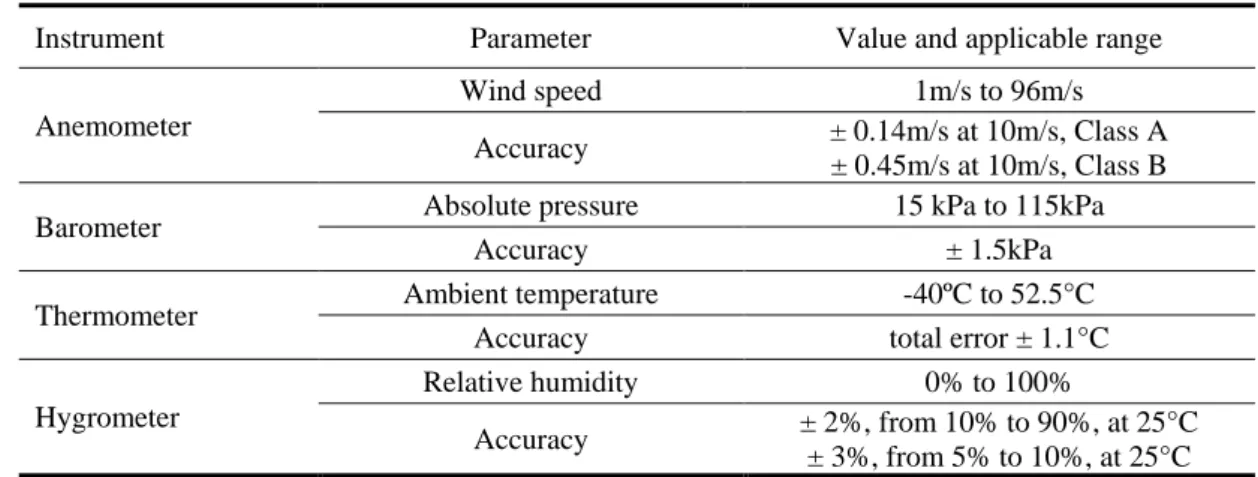
Table 2 – Relevant specifications for the sensing devices on the weather station. ... 25
Table 3 – Relevant specifications for the SR11 Hulseflux pyranometer. ... 26
Table 4 – Relevant specifications for the DR01 Hulseflux pyrheliometer. ... 26
vi Sara Regina Teixeira Freitas
List of Figures
Figure 1 – Example of EQE of a TJ solar cell [5]: individual cell efficiencies (lower lines) and total
efficiency of the junction (highest curve). ... 2
Figure 2 – Physical schematic of a monolithic TJ solar cell (a) and the electrical circuit equivalent (b) [4]. ... 3
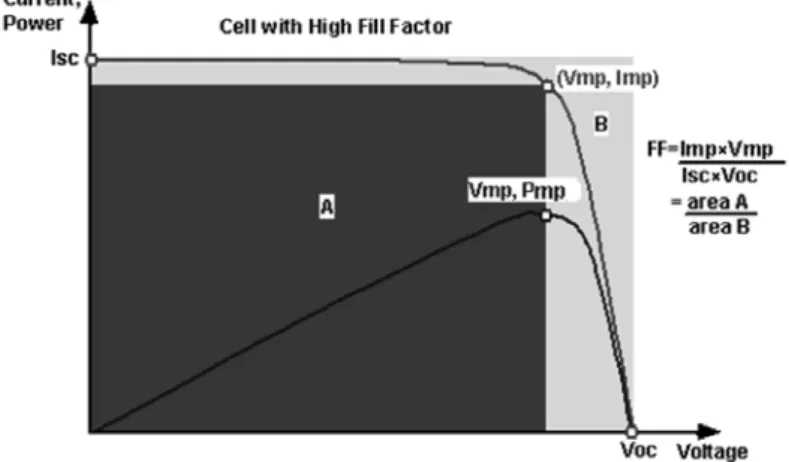
Figure 3 – Typical I-V characteristic for a solar cell, with relevant parameters assigned... 4
Figure 4 – Normally incident solar spectrum at sea level on a clear day (solid line) and extraterrestrial spectrum (dashed line), with respective absorptive bands [17]. ... 5
Figure 5 – a) Air mass variation with solar zenith angle, b) Variation of a simulated spectrum [13] with increasing AM, with other variables held constant. ... 5
Figure 6 – Variation of a simulated spectrum [13] with increasing AOD at 500nm (the same as τ), with other variables held constant. ... 6
Figure 7 – Variation of a simulated spectrum [13] with increasing PW (the same as WV), with other variables held constant. ... 7
Figure 8 – Map of direct normal irradiation in Portugal [24]. ... 8
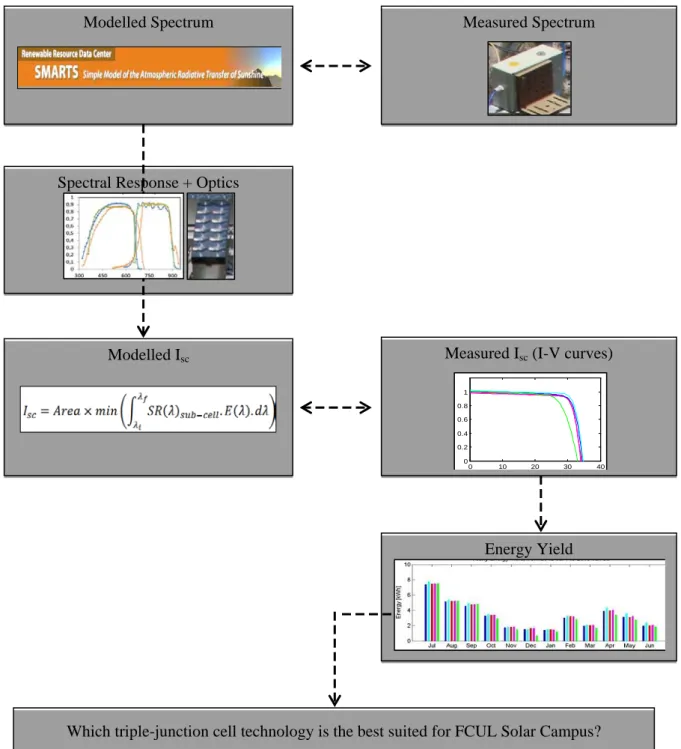
Figure 9 – Schematic presentation of the approach taken on this assessment... 9
Figure 10 – Path of solar radiation through the atmosphere [27]. ... 10
Figure 11 – Air mass variation in the site from the 1st of July 2012 to the 31th of June 2013. ... 11
Figure 12 – Example of AOT (the same as AOD) measurements taken at Cabo da Roca AERONET site, for 12th November 2012. ... 12
Figure 13 – Linear correlation between AOD (the same as AOD) from Évora and Cabo da Roca for the available months of 2012. Dashed line represents a 1:1 relationship, dashed line is a least-squares fit to data points with a gradient of 0.91. ... 12
Figure 14 – NO2 concentration for the 17 th of April of 2011, at Entrecampos QualAr station. ... 13
Figure 15 – Plot from 280 to 2500nm of the modelled spectral irradiance for several air masses and solar noon on the 17th of April 2013. ... 15
Figure 16 – Modelled spectral irradiance for the 17th of April 2013: a) 3D plot, b) surface plot. ... 16
Figure 17 – External Quantum Efficiency: a) datasheet curves for cells A (blue), cells B (orange) and cells C (green), b) measured in Cyprus for cells B (orange) and cells C (green). ... 16
Figure 18 – Spectral response of the three cells, from 300 to 950 nm: cells A (blue), cells B (red) and cells C (green). ... 17
Figure 19 – Optical transmission functions for: a) primary and b) secondary (neglecting reflection from surfaces) on the evaluated modules. ... 18 Figure 20 – IEC62670 procedures chart [44]. The CSOC outdoor branch was accessed in this work. 19 Figure 21 – Spectrometric plane [14]. R1 and R2 are the ratio of the current of both monitor cells under
means spectral distributions that cause the same current mismatch as the reference and the spectrometric line mean r1+r2=2, allowing the projection of every point into this reference. ... 22 Figure 22 – Overview of the two-axis tracking platform with several mounted modules. The PC
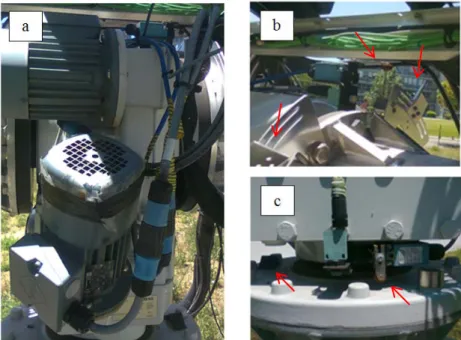
cabinet is also visible further on the back. ... 23 Figure 23 – Chassis detail: a) gearbox, b) vertical axis mechanical switch, c) horizontal axis
mechanical switch. ... 24 Figure 24 – Sensors for: a) relative humidity (bottom), absolute pressure (middle) and ambient
temperature with protection shield (top), b) anemometer. All instruments, but the anemometer, are shaded by the post. ... 24 Figure 25 – Pyranometer (a), pyrheliometer (b) and box with spectrometer fibre and filter (c). ... 25 Figure 26 – Jaz spectrometer inside the instruments cabinet on the chassis. The optical fiber (blue) that
attaches to the device is also visible. ... 27 Figure 27 – Spectrometer fibre box detail: a) quartz window, b) optical fibre connected to the circular
collimator and c) reflective neutral density filter. ... 27 Figure 28 – Optical transmission of fused quartz window (a) and reflective neutral density filter (b). 28 Figure 29 – Detail of the measurement of the optical transmittance for the quartz window and filter. 28 Figure 30 – Raw output of the spectrometer for both measurements with (blue) and without (red) fiber
protection. ... 29 Figure 31 – a) Modules under analysis: 04 (pink), 05 (red), 06 (dark blue), RD11-07 (light blue) and RD11-21 (green). ... 29 Figure 32 – Back view of the modules on the tracker chassis. ... 30 Figure 33 – Multiplexer and datalogger inside the instruments cabinet on the chassis. ... 31 Figure 34 – Measured GNI (black) and DNI (blue) and the integral of modelled spectra (red) for the
respective clear sky moments for the study cases of the: a) 12th of November of 2012 and b) 17th of April of 2013. ... 32 Figure 35 – Plots of: a) measured DNI vs modelled DNI (blue rings) after clear sky filtering, 1:1
relationship (black dashed line), linear fit (red solid line) and b) residuals of the linear fit (red dots). ... 33 Figure 36 – Daily measured spectral irradiance for the study cases of the: a) 12th of November of 2012
and b) 17th of April of 2013. ... 33 Figure 37 – Both measured and modelled morning (top graph) and afternoon (bottom graph) AM 1.5
spectra for the study case of the 17th of April, with the AM1.5D reference spectrum in background. ... 34 Figure 38 – Optical transmission curve for the quartz window and filter measured indoors (blue) and
viii Sara Regina Teixeira Freitas Figure 39 – Transmittance curves for the quartz window and filter: top) original (blue) and measured
transference curve (green), bottom) ratio between both curves (blue) and slope of a linear fit (red) ... 35 Figure 40 – Measured spectral irradiance (blue curves), modelled spectral irradiance with SMARTS2
(red curves), ratio between the blue and red curves (black dots, secondary axis) and linear fit (black lines, secondary axis), measured spectral irradiance corrected for the right absolute value (green curves). Plot A and C are for the 12th of November of 2012, plots B and D are for the 17th of April of 2013. All plots are relative to time close to solar noon. Plots A and B use original transference curve and plots C and D using the measured data. 36 Figure 41 – Measured and modelled Isc for evaluated modules for the: a) 4th of January of 2013 and b)
15th of June of 2013... 37 Figure 42 – Ratio between calculated Isc for top junction and middle junction against AM for the: a) 4
th
of January of 2013 and b) 15th of June of 2013. Grey dashed line marks the current-match. ... 37 Figure 43 - Ratio between the measured and the modelled Isc is presented against measured DNI: a) for
the 4th of January of 2013 and b) for the 15th of June of 2013. ... 38 Figure 44 – APE calculated for clear sky moments in the period of evaluation: a) yearly variation of
APE, b) APE vs AM and c) APE vs DNI. Grey dashed line marks the ASTM G173 reference spectrum. ... 39 Figure 45 – Modelled Isc/DNI vs APE in the 350-1050nm range throughout the period of evaluation. 40 Figure 46 – SMR calculated for clear sky moments in the period of evaluation: a) SMR vs DNI, b)
SMR vs AM and c) normalized Isc (1000 W/m2) vs SMR. ... 40 Figure 47 – SMR calculated for the: a) 4th January of 2013 and b) 15th of June of 2013. ... 41 Figure 48 – Normalized Isc (850W/m2) plotted against Z calculated for the period of evaluation. Linear
fits to the left and right of each peak for cells A (blue), B (red) and C (green). ... 41 Figure 49 – Z calculated for the evaluated period against: left) AM and right) DNI. ... 42 Figure 50 – Isc/DNI calculated throughout the period of evaluation: a) Isc/DNI vs DNI and b) Isc/DNI vs
AM, where the dashed line represents AM zone at which Isc/DNI peaks. ... 42 Figure 51 – I-V sweeps for the evaluated modules on the: a) 12th of November of 2012 and b) 17th of
April of 2013. ... 44 Figure 52 – Measured Voc for the period of evaluation against: a) ambient temperature, b) wind speed
and c) DNI. ... 45 Figure 53 – Pmp, efficiency and fill factor measurements for the: 12th of November of 2012 (top row)
and 17th April of 2013 (bottom row). ... 45 Figure 54 – Module fill factor and efficiencies against DNI, ambient temperature and AM, after clear
Figure 55 – Daily module energy yield: a) November of 2012, b) January of 2013, c) April of 2013
and d) June of 2013. ... 47
Figure 56 – Monthly (top) and yearly (bottom) module energy yield. ... 47
Figure 57 – Monthly ASTM E 2527-06 power rating. ... 48
Figure 58 – Monthly power rating using only two terms of DNI. ... 49
Figure 59 – ASTM power rating for the month of December of 2012 using: four terms of DNI (solid line) and a second-order DNI only regression (dashed line)... 49
Figure 60 – Average error for every month from July of 2012 to June of 2013. ... 50
Figure 61 – Electroluminescence measurements for: a) cells A, b) cells B and c) cells C. Grey dashed line represents a scale reference. ... 52
x Sara Regina Teixeira Freitas
Acknowledgements
On this page, written in last place, but that is still one of the most important, I take the opportunity to show my gratitude to all those whose support was essential to the accomplishment of this work. Firstly, I have the obligation to get to the roots, so important to me. My heartfelt thanks to my parents, without whom I would not be who I am and where I am, and to my little brother, for asking me what a photon is.
Next, I express my enormous gratitude to my supervisor Professor Miguel Centeno Brito, who, besides having been my teacher in various disciplines over the past five years, became, since the first class I attended, an academic reference to me. Thank you for the crucial interventions at times when I felt more discouraged, and for believing that I am capable of going further.
Another great deal of gratitude belongs to my second supervisor José Mário Pó, without whom I could have never completed this work. My thanks for your time, patience and good mood during "fieldwork".
Martin Palmer and Jonathan Parsons of Circadian Solar, thank you very much for your support over more than 800 miles away.
I must also thank my master’s program coordinator, Professor Jorge Maia Alves, who, despite not having been involved in this work, is the "responsible" for my interest in photovoltaics. My gratitude for the faith you have placed in your students.
As other passions go hand in hand with work, I leave here my gratitude to three very special groups, Ares Novos and Stravaganzza, whose kindness and dedication is unmatched, and to Monolith Moon, where everything progressively merges together. My thanks to everyone individually.
To Claudia Oliveira, with whom I went through a panoply of situations along the course, Rita Almeida and Isaac Carrêlo, my thanks for your partnership and friendship.
To Daniela Fonte and Isac Graça, for making these great friendships endure and enrich my life, my thanks to both.
Finally, my thanks to Carlos, the heart that complements everything. Hopefully now you can explain the photovoltaic effect in life .
Abbreviation
ηop Module optics’ efficiency (%)
λ Wavelength (nm)
ϕinc Incident photon flux (photon/m2/s)
AERONET AErosol RObotic NETwork
Af Area of light focused on the cell (m2)
Aindoor Cell’s area (m
2
), test conditions in datasheet
AM Air mass
AOD Aerosol optical depth
APE Average Photon Energy (eV)
ASTM American Society for Testing Materials
c Speed of light in vacuum = 3*108 m/s
Cg Geometric concentration ratio
CPV Concentrated photovoltaic
CSOC Concentrator Standard Operating Conditions
CSR Circumsolar radiation
DNI Direct normal irradiance (W/m2)
DNIindoor Direct normal irradiance (W/m
2
) , test conditions in datasheet
DNImodel Modelled direct normal irradiance (W/m2)
EAM1.5D Spectral irradiance (W/m2/nm) for the reference spectrum AM1.5D
EL Electroluminescence
Emod Modelled spectral irradiance (W/m2/nm)
EQE External quantum efficiency (%)
FF Fill factor (%)
GNI Global normal irradiance (W/m2)
h Planck’s constant = 6.626*10-34 J.s
HCPV High concentrated photovoltaic
IEC International Electronic Comission
IMM Inverted metamorphic multi-junction cell
Imid Middle sub-cell’s short-circuit current (A)
Isc Short-circuit current (A)
Isc,indoor Cell’s short-circuit current (A), test conditions in datasheet
Itop Top sub-cell’s short-circuit current (A)
I-V Current-voltage characteristic
Jsc Short-circuit current density (A/m
2 )
LCPV Low concentrated photovoltaic
LM Lattice matched multi-junction cell
MM Metamorphic multi-junction cell
MPP Maximum power point
xii Sara Regina Teixeira Freitas
Pmeas Measured maximum power (W)
Pmp Power at maximum power point (W)
Ppred Predicted maximum power (W)
PW Precipitable water (cm)
q Elemental charge constant = 1.602*10-19 C
QD Quantum dot
QualAr Base de Dados On-line sobre Qualidade do Ar
SMARTS Simple Model of the Atmospheric Radiative Transfer of Sunshine
SMR Spectral mismatch ratio
SR Spectral response (A/W)
SRmid Middle sub-cell’s spectral response (A/W)
SRtop Top sub-cell’s spectral response (A/W)
SZA Solar zenith angle (Degrees º)
T1 First optics’s transmittance (%)
T2 Secondary optics’s transmittance (%)
Tambient Ambient temperature (ºC)
TJ Triple-junction solar cell
Voc Open-circuit voltage (V)
Wind Wind speed (m/s)
1. Introduction
On the past few decades, electricity generated from solar technologies has shown humankind that a substantial portion of the demand for energy can be achieved without burning fossil fuels or creating nuclear reactions. Although unable to provide base-load, photovoltaics can generate electricity for a wide range of applications, scales and climates. Furthermore, the urge for technologies that made photovoltaics cost-effective, as well as breakthroughs in fundamental understanding, have been enabling progress in methods and materials, having enriched the photovoltaic market with other areas of knowledge. This led to the development of more sophisticated solar cells and assemblies that make a better use of the sunlight than the conventional ones.
The light that comes from the sun and hits the surface of the Earth, known as solar irradiance, is a flux of particles called photons, which can be decomposed into its spectral distribution as a function of the wavelength. The energy of a photon decreases with wavelength. Since the conventional solar cells, made out of a single layer of Silicon, an abundant element in the Earth, are responsive to a relatively small wavelength range of the solar spectrum, other materials and arrangements were created in order to cover diverse and wider ranges more efficiently. An example of such devices consists in the combination of more than one layer of different responsive materials in a single cell, becoming a multi-junction solar cell. The great potential of multi-junction solar cells can also be enhanced if, considering the low density of the solar irradiance, the sunlight is concentrated onto a small area of solar cell, through the addition of optical components. The arrangement of both elements in a photovoltaic module led to the appearance of concentrated photovoltaic (CPV) systems.
CPV technologies commonly employ triple-junction (TJ) solar cells, thus requiring a detailed understanding of the spectral sensitivity and behaviour of each of the three responsive layers. The commission of a CPV system or power plant at a certain location must firstly concern the weather and irradiance characteristics, so that electrical generation and reliability may be estimated and evaluated. The short-circuit current (Isc) is an important parameter that allows the analysis of the sensitivity of CPV cells and modules to spectral irradiance distribution variations, while the maximum instantaneous power (Pmp) relates to the electricity that can be delivered into a matched load. Both can be extracted from a current-voltage characteristic curve.
The aim of this dissertation is to compare the energy yield of different CPV Circadian Solar module prototypes with TJ solar cells from different cell manufacturers, relating the performance of each one to the environmental conditions and the spectrum of the sunlight. For this purpose, the research tracker installed in the Solar Campus of the Faculty of Science of the University of Lisbon was used. The tracker platform included not only the evaluated module prototypes, but also a set of instruments for weather and irradiance sensing, as well as I-V curve sampling, in order to study the reliability of the modules under field conditions, in the period from June of 2012 to July of 2013.
1.1. III-V triple junction solar cells – state of the art
Multi-junction solar cells have been studied since 1960 [1]. The first multi-junction device was demonstrated in the early 1980s, and it converted 16% of the solar energy into electricity [2]. In 1994, US National Renewable Energy Laboratory (NREL) broke the 30% efficiency barrier, when dual-junction devices were formed from AlGaAs grown on top of GaAs. Later in the 1990’s, triple-dual-junction (TJ) solar cells, with GaInP and GaAs both grown on the top of an active Ge bottom cell substrate, led to record efficiencies.
The high-efficiency structure of multi-junction solar cells makes them highly attractive for cost-effective terrestrial concentrator systems, if designed for the terrestrial solar spectrum and the high current densities under radiation concentration. Concentration is achieved by using lenses or mirrors to focus sunlight onto the small multi-junction solar cell. In the vast majority of tracking concentrator systems, focal optics are employed and, as a result, a CPV module must be accurately aligned with the sun at all time, since only the direct component of solar radiation can be used [3].
Still, multi-junction solar cells offer a low-cost viable technology for electricity generation, as costly semiconductor material usage is minimized, reducing the size of system parts and costs. Making CPV
2 Sara Regina Teixeira Freitas systems is attractive for both on and off-grid power generation, but the BOS (Balance Of Systems) adds non-negligible cost elements to the overall system, since metals, glasses and composites give little margin for further cost reduction [4]. Therefore, increasing cell efficiency and lowering cell costs are great levers to mitigate system costs.
Modern crystalline III-V multi-junction solar cells begin as raw wafers, from which individual layers of crystalline semiconductor are formed on a substrate, in a process known as epitaxial growth. A typical TJ cell structure comprises three p-n junctions made from GaInP (top junction, generally responsive in the range of 350-700 nm), GaInAs (middle junction, responsive from 500- 1000 nm) and Ge (bottom junction, covering from 800-1800 nm) monolithically stacked on top of each other. They must be assembled in this exact order, so that the top junction, with the highest band-gap, can collect light from the shortest wavelengths in the solar spectrum, which means that photons with energy lower than that band gap will pass to the lower junction, and photons with energy lowest than this threshold traverse to the lowest junction in the stack. In order to avoid significant voltage drops, low resistive tunnel junctions must be used to connect these junctions.
The ability of a solar cell to absorb light at each wavelength within a specific spectral band and, consequently, generating electric current can be described by its spectral response (SR) curve. On the other hand, the external quantum efficiency (EQE) refers to the percentage of absorbed photons that may produce electron-hole pairs, i.e. it is a measure of how many photons in the spectral band produce minority charge carriers which are subsequently collected by the device to form useful current [4], hence already including the effect of optical losses such as transmission and reflection. EQE relates to SR by:
𝑬𝑸𝑬𝒔𝒖𝒃−𝒄𝒆𝒍𝒍(𝝀) =𝒒𝝀 𝑺𝑹𝒉𝒄 𝒔𝒖𝒃−𝒄𝒆𝒍𝒍(𝝀) (1)
where 𝒉 is the Planck constant, 𝒄 the speed of light in vacuum, 𝒒 the elementary charge and 𝝀 the wavelength.
The EQE is intrinsic to the light absorbing material and not the cell as a whole. An example of EQE of a TJ solar cell is shown in Figure 1, where the individual cell efficiencies, chosen for a different range of the spectrum, can be seen and the total efficiency of the junction is largely increased when they are added up together [5].
Figure 1 – Example of EQE of a TJ solar cell [5]: individual cell efficiencies (lower lines) and total efficiency of the junction (highest curve).
Alloys of groups III and V of the periodic table are good candidates for fabricating multi-junction cells: their band-gaps span a wide spectral range, most of them have a direct electronic gap, implying a high absorption coefficient, and their complex structures can be grown with extremely high crystalline and optoelectronic quality [6]. Currently, the most preferred III-V alloy configuration is the
AlGaInP/GaInAs/Ge system (Figure 2, a), since material and conditions availability enable layers with high quality, surface passivation and wide ranges in doping levels to be attainable.
Figure 2 – Physical schematic of a monolithic TJ solar cell (a) and the electrical circuit equivalent (b) [4].
As series-connected devices, the voltages of the diodes add up; however, it is imperative that the tunnel junctions voltage drops are minimized, as they are assembled in inverse polarity (Figure 2, b). On the other hand, the current is limited by the sub-cell that produces the lowest current in the string, thus the current balance between sub-cells represents an additional challenge.
The short-circuit current density (Jsc) of each sub-cell is determined by the quantum efficiency of the sub-cell, QE(λ), and by the spectrum of light incident on that cell Φinc(λ) [7]:
𝑱𝒔𝒄 = 𝒒 � 𝑸𝑬(𝝀)𝒔𝒖𝒃−𝒄𝒆𝒍𝒍. 𝜱𝒊𝒏𝒄(𝝀). 𝒅𝝀 𝝀𝒇
𝝀𝒊
(2)
Short-circuit current density, or only short-circuit current (Isc) when the area of the cell is considered, is one of the most important parameters for photovoltaic evaluation in general, but specially for CPV, since studying Isc provides a means to avoid the voltage temperature dependence. Besides, as the current balance among sub-cells is essential, due to its great sensitivity to spectral changes, Isc can be taken as a measure of the spectral variations and can provide an insight into cell technology optimization. Manufactures typically design cells such that the top and middle junctions alternate in the role of limiting current, while the bottom junction always has surplus current. The top and middle junctions are generally grown to be current matched for the AM1.5d reference spectrum [8].
Important parameters, besides Isc, can be extracted from the I-V characteristic of the solar cell (Figure 3) for a cell under illumination. The open-circuit voltage (Voc) denotes the point in the I-V curve where the internally generated dark current equals the illumination current. At biases bellow Voc, the solar cell produces power that can be transferred to an electronic load and utilized. The maximum power point (MPP) is the point at which the I-V product is maximized. Many systems are designed to operate close to this point, at which the devices are cooler since there is a maximum transfer of energy from the transfers to the output current and hence less heat generated at the solar cell.
4 Sara Regina Teixeira Freitas
Figure 3 – Typical I-V characteristic for a solar cell, with relevant parameters assigned.
Another parameter that can be extracted from an I-V curve is the fill factor (FF), a measure of the “squareness” of the I-V curve, which gives an insight into the cell quality. Most high quality III-V multi-junction concentrator cells have FF in the mid to high 80% range [4]. If the intensity of the incident spectrum is known, the efficiency of the solar cell can also be determined through I-V curve analysis. Isc and Voc increase with concentration, as well as FF and efficiency, but suffer a drop when certain levels are reached (approximately 300 suns), at which series resistance becomes dominant [9] and recombination processes differ [10].
One possible configuration of TJ solar cells are known as metamorphic (MM) where the top two sub-cells are grown on a metamorphic buffer so that they are lattice-matched (LM) to each other, but lattice-mismatched to the Ge sub-cell. This allows lower band-gaps for the top and middle junctions, enabling a more advantageous band-gap combination for conversion of the solar spectrum, whereas some of the current that would be wasted in the Ge bottom cell to be captured by the top two sub-cells. Another type of metamorphic TJ cell, the inverted metamorphic (IMM), replaces the bottom sub-cell with a metamorphic GaInAs layer, enabling the growth of the other sub-cells with smaller lattice-constant and higher band-gaps, resulting in a higher voltage compared to LM cells [4].
In recent years, it has been proposed and experimentally verified that the use of nanostructures, such as quantum dots (QD), offer the potential for high photovoltaic efficiency, since the quantized energy states of QD can function as intermediate bands for efficient absorption of photons in the solar cell structure, providing additional spectral response and stronger light absorption at long wavelength [3]. A system with an infinite number of sizes of QD has the same theoretical efficiency as an infinite number of band gaps or 86.8% [2].
Significant progress at cell level has been achieved every year. A recent efficiency of 43.5% is reported for a 0.167cm2 IMM TJ cell (InGaP/GaAs/ InGaAs), fabricated by Sharp and measured at the Fraunhofer Institute for Solar Energy Systems at an intensity of 306 suns [11]. Nevertheless, more technical advances are still needed to trigger the feasibility of low-cost CPV.
1.2. The solar spectrum
Radiation from the sun sustains life on earth and determines climate. The energy flow within the sun results in a surface temperature of around 5500 ºC, so the spectrum of the radiation from the sun outside the earth's atmosphere (extraterrestrial spectrum) is similar to that of a blackbody at such temperature.
The spectrum of the solar radiation at the earth's surface has several components: direct radiation that comes straight from the sun (collimated with an angle of approximately 0.53°), diffuse radiation that is incident from the hemispheric sky and, ground reflections and scatter, and global irradiation, the sum of the direct and diffuse components. Unlike the direct irradiation measurement, which is always
measured in a surface perpendicular to the incoming solar radiation, a measurement of global irradiation has to state the direction of the global irradiation target surface.
All the radiation that reaches the ground passes through the atmosphere, which modifies the spectrum by absorption and scattering (Figure 4). Many studies have been made with the purpose of understanding how atmospheric content can impact spectral irradiance [12][13][14][15][16] and, thus, the performance of different solar applications.
Figure 4 – Normally incident solar spectrum at sea level on a clear day (solid line) and extraterrestrial spectrum (dashed line), with respective absorptive bands [17].
The ground level spectrum firstly depends on how far the sun's radiation must pass through the atmosphere. Elevation is one factor, but the most significant changes are due to the earth's rotation, which varies the length of the path the radiation must take to reach ground level. Air mass (AM) refers to the relative path length of the solar beam through the atmosphere (
Air mass
Figure 5, a) and depends on the angle of the sun from the horizontal (solar zenith angle, SZA) or from the horizon (solar elevation). AM 0 is defined as solar radiation that has not passed through the atmosphere, but AM takes the value 1.0 when the sun is directly overhead (SZA=0º and typical path length ~100km), 1.5 when at 48.2 º from the vertical, which is the case for the ASTM AM1.5 reference spectra, and 2.0 when the sun is at 60º [13]. Due to the tilt of the Earth, this parameter is greatly dependent on latitude and season.
Figure 5 – a) Air mass variation with solar zenith angle, b) Variation of a simulated spectrum [13] with increasing AM, with other variables held constant.
6 Sara Regina Teixeira Freitas High efficiency multi-junction solar cells are quite sensitive to fluctuations in AM in particular, which is due to the fact that as AM assumes higher values, i.e. longer path the solar radiation has to cover to reach the ground, there will be a higher chance for scattering and absorption of solar radiation by atmospheric constituents, resulting in strong attenuation of short wavelength light (Figure 5, b). It is when such AM values are met that a cell becomes badly current mismatched, once the top junction predominantly loses current, resulting in a dramatic drop in module efficiency [18], as will later be discussed. Fortunately, efficiency at high air mass is relatively unimportant because the net power output is small under these conditions, which occurs in the earlier and later hours of the day, hence with low light intensity [7].
Rayleigh scattering, wavelength dependent, and scattering from aerosols and other particulates, including water droplets, also change the spectrum of the radiation that reaches the ground; however, the level of absorption and scattering change with the constituents of the atmosphere. Atmospheric aerosol optical depth (AOD) is a dimensionless quantity, usually specified at a single wavelength, typically 500 nm, although AOD values at other wavelengths can also be measured [19]. A value of 0.1 indicates a relatively clear atmosphere and a value of 0.4 indicates a relatively turbid atmosphere, providing a measure of aerosol loading at 500nm (see
Atmospheric aerosol optical depth
Figure 6).
The spectral effects of aerosol attenuation depend on the size of particles relative to the wavelength of solar irradiance, but are generally enhanced with decreasing wavelength and for direct irradiance. For instance, large aerosol particles are usually associated with sea salt and mineral dust, particularly relevant along coastlines and in deserts, whereas small aerosol particles are indicative of urban pollutants and biomass combustion. Though, a strain with AOD regards to its rapid variation over both time and space, difficult to predict [20]. This makes aerosol optical properties subject of great variability on a day-to-day basis, and consequently spectral irradiance becomes less predictable, since different wavelength ranges are affected by different kinds of particles [21].
Figure 6 – Variation of a simulated spectrum [13] with increasing AOD at 500nm (the same as
τ
), with other variables held constant.The aerosol loading of the atmosphere leads to a considerable scattered radiation appearing to come from an aureole around the solar disk, which is called circumsolar radiation.
Furthermore, oxygen, either atomic or molecular, and nitrogen also absorb radiation, mainly in wavelengths <190 nm. Ozone strongly absorbs longer wavelength ultraviolet radiation in the region from 200 to 300 nm, weakly absorbing visible radiation, and shaping the UV edge of the terrestrial solar spectrum. Carbon dioxide, and to a lesser extent, oxygen, selectively absorb radiation in the near infrared as well. The concentration of pollutants in the atmosphere is highly variable on a day-to-day basis; however, their effects on spectral irradiance are somehow negligible for CPV. For instance, the effect of NO2, which plays a key role in the complex ozone cycle, is only significant, or more important than ozone, in polluted atmospheres [22].
Still, in the case of water vapour, it has absorption bands in both the visible and near-infrared parts of the solar spectrum, relevant to multi-junction solar cell performance. In fact, AM and AOD effects on the consistency of low-bandgap devices performance, such as the Ge bottom junction, are smaller than precipitable water [13]. Absorption bands corresponding to the bottom junction are the strongest, but because this junction is not expected to limit the current on a TJ cell, precipitable water has little effect on cell performance. Precipitable Water (PW) is the measure used for calculating atmospheric absorption caused by water vapour (Figure 7), so a value of about 1 cm is representative of a relatively dry atmosphere and a value of about 5 cm stands for a relatively wet atmosphere.
Figure 7 – Variation of a simulated spectrum [13] with increasing PW (the same as WV), with other variables held constant.
Since the solar spectra depend on many variables, standard spectra have been developed to provide a basis for theoretical evaluation of the effects of solar radiation and as a basis for simulator design. These standard spectra start from a simplified version of the extraterrestrial spectra and employ sophisticated radiative transfer models for the effects of the atmosphere to calculate terrestrial spectra. ASTM publish three spectra - the AM 0, AM 1.5 Global for a 37° tilted surface and AM 1.5 Direct, a reference for concentrator modules [9].
1.3. CPV in Portugal
CPV systems are ideally suited for high irradiation regions around the globe, mainly in sunbelt regions with high direct sunlight. This type of technology produces a very high energy yield, even in locations affected by high temperatures and, despite the additional cost of continuous accurate tracking of the sun, CPV can offer a cost advantage over conventional silicon based PV technology. The regional knowledge of direct normal irradiation is then extremely important for the deployment of CPV systems.
Portugal experiences air masses very close to 1 in the summer and greater than 2 in winter. This country represents a good candidate for CPV development, especially in the South (in regions like Algarve and, at a certain extent, Alentejo), as these locations meet high number of sun hours (Figure 8), corresponding to 68% of a year. On the other hand, a typical mediterranean climate is felt, with annual average ambient temperatures around 17ºC [23].
8 Sara Regina Teixeira Freitas
Figure 8 – Map of direct normal irradiation in Portugal [24].
Some Portuguese companies have developed concentrator systems over the past decade. WS Energia, for instance, is a pioneer in Low Concentrated Photovoltaics (LCPV) and the first Portuguese company in Photovoltaic Standard Committees in IEC. Moreover, several other companies started researching and installing High Concentrated Photovoltaic (HCPV) technologies, as well, such as Magpower, existing since 2002 and based near Lisbon. This company is one of the world’s largest manufacturers of CPV solar modules and trackers, having accomplished high reliability worldwide. A 12MW CPV power plant was installed by Magpower in the south of the country, as well as a 0.5 MW, installed in north of Lisbon and a 3 MW, in Estoi, south of Portugal. Another HCPV project of 1MW to be installed in Alqueva (Alentejo, near the border with Spain), by the Portuguese company Tecneira, is still in development.
On the other hand, many corporations worldwide have also implemented CPV technologies in Portugal, either for electrical generation or for research purposes. This is the case of Circadian Solar that have been testing the reliability of their modules and assessing cells from different manufacturers, in other to compare the performance and energy yield of different cells technologies under field conditions. Throughout this assessment, the process of a HCPV performance evaluation and selection of a proper cell technology is presented.
2. Methodology
As TJ cells are designed so that each junction collects photons from different parts of the solar spectrum, having knowledge on the spectral variations on a seasonal and day-to-day basis is crucial to make a good judgement on which cell technology will perform better under certain conditions. However, accessing the solar spectrum distribution on-site can be not just very costly but also inaccurate, depending on the instrument that is employed. To overcome such issues, numerical models to simulate the solar spectrum distribution have been created and perfected throughout the years. One of those models will be employed in this assessment, the Simple Model of the Atmospheric Radiative Transfer of Sunshine (SMARTS) [25][26].
This dissertation deals with the assessment of a CPV system outdoor performance prediction and evaluation. For this purpose, the methodology outlined in Figure 9 is proposed.
Figure 9 – Schematic presentation of the approach taken on this assessment.
Measured Spectrum Modelled Spectrum
Spectral Response + Optics
Modelled Isc Measured Isc (I-V curves)
0 10 20 30 40 0 0.2 0.4 0.6 0.8 1 Energy Yield
10 Sara Regina Teixeira Freitas Spectral irradiance measurements are performed by a device mounted on the research CPV tracker and compared with modelled spectral irradiance distribution determined from measured and assumed atmospheric parameters.
The spectral distribution data is then used to determine the performance of the solar cells. For this purpose, one has to take into consideration system parameters such as the intensity and spectral transfer functions of the optics and the quantum efficiency of the solar cells. It is important to notice that some relevant parameters such as the cell or module temperature, have not been measured on-site and therefore there is no straightforward way to come up with a theoretical estimate for Voc. Fortunately, as TJ cells are connected in series and, in the case of the evaluated modules, assembled in small and compact structures, it is not expected that ambient temperature will have great impact on this parameter. Thus, the main concern will regard Isc, a parameter that is very sensitive to spectral conditions, regardless of temperature. In fact, different from crystalline silicon solar cells, CPV using III-V multi-junction cells are much more sensitive to the solar spectrum distribution than the operating temperature [12].
The estimation of Isc can be validated against on-site I-V curve measurements. It may then be used to make predictions that may be useful to estimate production in different locations, where different weather conditions may be expected.
Finally, integrating the Pmp extracted from the I-V curves, on a daily, monthly or yearly basis, and applying a power rating methodology, enables to point out which TJ cell is the best suited for production, either for reference conditions or for the site weather and spectra
The details of each step of the methodology are described below. In this work, we compare the output of three sets of solar cells, from different manufacturers. For commercial reasons they are simply named A, B, C and are colour coded according to the manufacturer. Whenever there is more than one module with solar cells from the same manufacturer, different tones are used (e.g. light and dark blue, red and pink). Finally, this analysis is referred to 12 months of data collection, from July 1012 to June 2013. For different parts of the analysis, four clear sky days were selected as study cases: an autumn day, the 12th of November of 2012, a winter day, the 4th of January of 2013, a spring day, the 17th of April of 2013, and a summer day, the 15th of June of 2013.
2.1. Radiative Transfer Model
The variables that have the largest impacts on spectral irradiance variations and, thus, on direct normal irradiance (Figure 10) at the surface, are cloud cover, air mass, atmospheric aerosol loading, precipitable water vapour and, to a lesser extent, surface pressure, ground reflectance and amount of ozone [13].
When predicting the output current of devices such as CPV modules with TJ cells it is of extreme importance to use the most accurate data available so that the solar spectrum can be as close as possible to the operating conditions. Spectroradiometers measure spectral irradiance, but they are expensive instruments and due to their typically uncertainty of 5-10% [28] they are not commonly employed. Besides, their use is not trivial, especially when outdoor solar spectra are to be measured continuously and reliable over several months [14].
In order to qualitatively estimate the solar radiation spectrum at a given location it is appropriate to use available numerical models. These models have been developed to provide the community with predictions of solar radiation when or where it is not measured appropriately or at all [29] and commonly take many of the parameters mentioned above into account. For this assessment, we have used the SMARTS radiative transfer model. The following sessions describe the atmospheric data used as input and the model implementation.
2.1.1. Atmospheric data
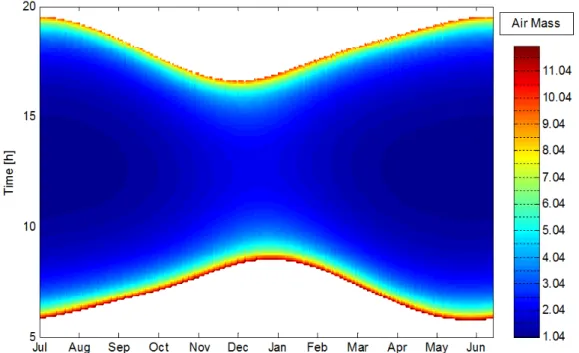
In this assessment, a sun position algorithm [30] was used to calculate the AM (air mass) from the SZA (solar zenith angle) for the considered period (Figure 11). As expected, as the site of this study is located on the northern hemisphere, lower values of AM are seen during the summer time.
Figure 11 – Air mass variation in the site from the 1st of July 2012 to the 31th of June 2013.
It can be noted that the condition AM=1.5 is never met during the period from the middle of October to the end of February. Besides, in December AM is always greater than 2 and, as expected, June has the lower air masses, with AM=1.04 as the lowest value.
If the air mass is calculated easily and with high accuracy as a function of the solar geometry, other variables such as turbidity and precipitable water are difficult to model and seldom measured [25]. For the purposes of radiative transfer calculations, the AOD is specified at 500 nm. AOD values at other wavelengths are calculated inside SMARTS using pre-computed aerosol models. Fortunately, there are many databases from locations all over the world containing some of the required parameters. Although, this data may not allow the output of a model to be as precise as it would be if measured on-site, so, depending on the desired level of accuracy, the results can be quite reliable. As on-site AOD measurements were not available, data from the AErosol RObotic NETwork (AERONET) was used. AERONET [31] is a federation of ground-based remote sensing aerosol networks that provides a long-term, continuous and readily accessible public domain database of aerosol optical, microphysical and radiative properties for aerosol research and characterization [32].
12 Sara Regina Teixeira Freitas Data from the two Portuguese AERONET sites were considered, which are both run by the Observatory of Physics of Atmosphere of the Centre for Geophysics: Cabo da Roca (30.46 N, 9.30 W), 30km northeast of Lisbon in the installations of Cabo da Roca lighthouse, and Évora (30.34 N, 9.54 W), Colégio Luis Verney, Universidade de Évora.
AOD data is presented for three data quality levels: Level 1.0 (unscreened), Level 1.5 (cloud-screened) and Level 2.0 (cloud screened and quality-assured). Since there was no Level 2.0 data available at the time, level 1.5 data was used, which provides a reasonable method of characterizing CPV performance, as these systems only accept the direct component of total solar irradiance.
Figure 12 – Example of AOT (the same as AOD) measurements taken at Cabo da Roca AERONET site, for 12th November 2012.
As an input for the radiative transfer model, only AOD at 500nm was employed (black line on Figure 12). In spite of Cabo da Roca being 5 times closer to Lisbon than Évora, data from both locations were considered as input, since there is a clear positive relationship between them (Figure 13), suggesting that both sites show similar temporal variability in aerosol loading, with slightly higher values tending to be prevalent at Évora.
Figure 13 – Linear correlation between AOT (the same as AOD) from Évora and Cabo da Roca for the available months of 2012.Dashed line represents a 1:1 relationship, dashed line is a least-squares fit
Only the average of daily AOD at the two sites was considered as a rough approximation for the true AOD at the site, following the approach used elsewhere [18]. This allows an easier input preparation for the model, since conflicts due to too many hourly missing values either due to equipment downtime or cloudy conditions are avoided. With this approach, seasonal behaviour is still being captured without the noise of short term variations.
On-site measurements of relative humidity and ambient temperature were made using proper devices, described below in section 2.5.2. These values can be employed to perform a calculation of the PW internally in the radiative transfer model, using standard equations [33]. The result will be only approximate, but reasonable capturing the daily behaviour of PW.
As the site is located fairly close to intensive road traffic, it is also of interest analysing data from any air-quality station near this road. The closest one is found at Praça de Entrecampos, Lisbon (38.44N, 9.08 W) and its data, since 1992, can be accessed on the on-line QualAr database of Agência Portuguesa do Ambiente (APA) [34].
An example of the concentration of tropospheric NO2 for the 17th of April of 2011 can be seen in Figure 14. The measurements are available on-line only on October of the following year, so data for 2012 was not available at the time of this analysis.
Figure 14 – NO2 concentration for the 17 th
of April of 2011, at Entrecampos QualAr station.
For this analysis, more recent values could have been used, although, as the concentration of pollutants is not only seasonal but dependent on weather parameters, such as wind speed and temperature, and socioeconomic aspects, such as the amount of car circulation and industrial production, the level of pollution at the site was evaluated taking data from the 17th of April of 2011 into account. However, on the other hand, no further importance was given to these gaseous concentrations, since ozone, nitrogen dioxide or site pressure have only a second-order impact on DNI. Consequently, their accuracy is of much less concern [20] and has negligible impact on CPV efficiency [18].
2.1.2. SMARTS2
SMARTS2 is a radiative transfer model able to calculate the solar shortwave direct beam irradiance from spectral transmittance functions for the main extinction processes in the cloudless atmosphere: Rayleigh scattering, aerosol extinction, and absorption by ozone, uniformly mixed gases, water vapour, and nitrogen dioxide [35]. Therefore, SMARTS2 also represents a readily available tool that can be used to predict the effects of changing optical AM, PW, and AOD on triple junction cell performance. This model plays an important role on this assessment, since it has not just successfully served the CPV industry for many years, but has also been known for its excellent accuracy, being able to even replace measurements [36].
In order to run the spectral model, the construction of an input file is needed. This text file must contain 17 parameters, called Card #, additionally some optional cards can be defined, denoted Card #a. One can define as many cards as the complexity of the analysis requires.
0 10 20 30 40 50 60 18:00 0:00 6:00 12:00 18:00 0:00 6:00 N O2 [µ g/ m 3] Time [h]
14 Sara Regina Teixeira Freitas Table 1 presents an example of modelling the direct solar spectrum for the 17th of April of 2013, at the site location. For this purpose, an IDL routine was written for the input of site weather data and aerosol data for the model, whenever available.
Table 1 – List of input variables required for modelling daily spectra in the site. In this example, spectra for the 17th of April 2013 are modelled. Table adapted from [37].
Card # Value Description
1 ‘FCUL spectrum’ Text string as title for this run.
2 1 Site’s pressure options, 1 to input surface pressure,
altitude, and height in the optional card 2a.
2a 1013.25 0.084 0.002 Pressure = 1013.25mb, altitude = 0,084km, height = 0.002km.
3 0 Selection of the proper default atmosphere, 0 is
used to define a realistic atmosphere in card 3a. 3a rh_meas tair_meas tday_meas ‘SUMMER’
Relative humidity, atmospheric and average daily temperature at site level from weather data, season=’summer’.
4 2
Water vapour data, 2 means that it will be calculated by the program from values given of card 3a, using a Gueymard empirical model.
5 1 Select the appropriate ozone abundance, 1 to use a
default value according to card 3.
6 0
Define the correct conditions for gaseous absorption and atmospheric pollution, 0 initiates extra calculations in card 6a.
6a 2
Defaults the tropospheric concentration of 10 pollutants according to the selected level of tropospheric pollution, 2 represents Light Pollution, according to QualAr data.
7 398.35 Carbon dioxide columnar volumetric
concentration = 398.35 ppmv, in April 2013 [38].
7a 1
Selection of the proper extra-terrestrial spectrum, 1 is for a Gueymard unpublished synthetic spectrum, with a Solar Constant value of 1367.00W/m2.
8 ‘S&F_URBAN’ Selects the aerosol model, ‘S&R_RURAL’ refer to urban ambient aerosol model.
9 0 Selects the correct turbidity data input, 0 is used to
define aerosol optical depth at 500 nm on card 9a.
9a tau_meas Turbidity coefficient from AERONET data.
10 12
Selects the correct zonal albedo, 12 is for the Green grass option, with a non-lambertian reflectance type on the spectral range of 300-1190nm.
10b 0
Option for tilted surfaces, 0 means that this calculation will not be considered, since it’s a sun-tracking surface.
11 280 4000 1.0 1367.0
Defines the spectral range, correction factor and solar constant, respectively 280-4000nm, 1.0 for no such correction and 1367 W/m2 the solar constant.
12 3
Selects the results to be printed in the output file. Option 3 is for output both broadband and spectral results in a spreadsheet-like format.
12a 280 4000 1.0 Defines the spectral range between which results will be printed and the interval for printing.
12b 1 Total number of output variables to print. 12c 2
Defines the code number to select the spectral variables to print. Code 2 is Direct normal irradiance.
13 1
Option for controlling the calculation of circumsolar radiation, 1 is for simulate a typical radiometer.
13a 0 0.5 0 Slope angle = 0
◦, aperture of the simulated radiometer = 0.5◦, limit angle = 0◦.
14 0 Option for using a smoothing virtual filter in the
output results.
15 0 Option for illuminance calculations, 0 to bypass
this step.
16 0 Option for special broadband UV calculations, 0
to bypass this step.
17 3
Option for solar position and air mass calculations, 3 is used to input date and geographic location on card 17a.
17a 2013 4 17 hour_inp 38.757660 -9.156311 0
For a daily calculation: Year_inp=2013, Month_inp=4, Day_inp=17, Hour_inp=input, Latit=38.757660, Longit=-9.156311, Zone=0.
Through the SMARTS batch file, it is possible to make several runs varying the inputs of interest, which are, in this case, the hours of the considered day and the atmospheric data. Each run consists on the construction of an input text file containing the parameters for the transmittance and absorption functions used for the computation of the spectral irradiance distribution, taking the extra-terrestrial spectrum as reference. The results are then written to an output text file. Data from the several files makes it possible, for example, to plot the spectral irradiance distribution for specific moments (Figure 15) or throughout the day (Figure 16).
Figure 15 – Plot from 280 to 2500nm of the modelled spectral irradiance for several air masses and solar noon on the 17th of April 2013.
16 Sara Regina Teixeira Freitas
Figure 16 – Modelled spectral irradiance for the 17th of April 2013: a) 3D plot, b) surface plot.
The spectral irradiance distribution changes throughout the day, similarly before and after solar noon in a clear sky day. Redder spectra are found during the first and the last hours, when the sun is lower on the horizon and higher AM values are met, whereas bluer spectra are expected in the instants around solar noon.
2.2. Short-circuit current, I
scIn order to determine the output of the solar cells from the spectral distribution of the incoming radiation it is necessary to consider the spectral response of the solar cells and the transfer function of the optics of the solar module. These are discussed in the next sections.
2.2.1. Spectral Response
As a first approach, the EQE data was taken from the datasheets given by the manufacturers (Figure 17, a). Nevertheless, as Circadian Solar has another test facility at the University of Cyprus in Nicosia where EQE measurements could be performed, some cells were sent there to be measured (Figure 17, b), so that they could be compared to the curves on the datasheets.
Figure 17 – External Quantum Efficiency: a) datasheet curves for cells A (blue), cells B (orange) and cells C (green), b) measured in Cyprus for cells B (orange) and cells C (green).
Unfortunately, the EQE data from Cyprus revealed to be improper for the assessment due to discrepancies on the top sub-cell of B type cells, for instance, which resulted in Isc values that were too
far from the expected. For this reason, the calculations were performed using EQE from the manufacturers’ datasheets.
Applying equation (1) to the EQE curves of Figure 17, a), the SR curves are obtained and plotted in Figure 18. Observing these curves, it is expected that cells B perform better for red-rich spectra than the other two cells, since their spectral response covers a wider part of the red and near-IV wavelengths. Cells A and C spectral responses are quite similar, so it is expected that they will produce similar Isc under the same spectrum, regardless of temperature effects.
Figure 18 – Spectral response of the three cells, from 300 to 950 nm: cells A (blue), cells B (red) and cells C (green).
It is also important to clarify that the spectral response of bottom Ge junctions is not being considered, due to the fact that, in the case of a triple junction cell, the short-circuit current will only depend on the top two junctions, as mentioned earlier. Moreover, due to horizon shading at the test site, the DNI does not reach the modules in the earlier and later hours of the day, so it is guaranteed that the Ge junction will never limit the current. However, this junction plays an important role on maintaining a high fill factor [39], which guarantees an output power as high as possible.
2.2.2. Primary and Secondary optics
Most optical designs include both primary and secondary optics to increase tracking and alignment tolerance, which is the case for the evaluated modules. The majority of first optics uses lenses rather than mirrors. This simplifies the optical design and facilitates passive cooling, reducing design and maintenance complexity. However, several factors are still a challenge when designing the optics. For instance, water dew on optics [40], soiling1
For the secondary optics, which is exposed to great intensities, any absorption can cause large increases in temperature. Even if the secondary optic is 100% transparent, it may run hot because of being attached to the cell, which may operate +40°C or more above ambient temperature [42]. Therefore, the secondary optics must be able to withstand both high temperatures and the potential stress from differential expansion if the temperature distribution is non-uniform. Soling in the secondary optic and the associated heating can lead to catastrophic failure.
[41], imperfect optical interfaces, manufacturing imperfections, misalignment and thermal expansion [9] may cause crucial optical losses. Variability of the optical transmission is also unpredictable and the yellowing or pitting of plastic lenses and the need for washing, among other aspects, are also concerns.
Concentrating optics tend to have lower optical transmission in the wavelength range of the top sub-cell, as shown in Figure 19, delivering a spectrum consistent with a higher effective air mass [39], so the advantage of re-optimization of the cell structure for higher effective air masses is reasonable. Furthermore, consideration must also be given to the current that should be available in the Ge sub-cell, the junction with lowest band-gap, so that it does not limit the overall current in the
1
Analysis of soiling rates for other Circadian modules, during the summer of 2012, showed a monthly 4% loss
from modules that were cleaned every week to uncleaned modules.
300 400 500 600 700 800 900 0 0.1 0.2 0.3 0.4 0.5 0.6 0.7 [nm] S R [ % ]
18 Sara Regina Teixeira Freitas junction cell when in the presence of high absorbing optics [4], high water vapour content in the atmosphere or red-rich spectra.
Figure 19 – Optical transmission functions for: a) primary and b) secondary (neglecting reflection from surfaces) on the evaluated modules.
For the system under analysis, the module primary optics is made of polymethylmethacrylate (PMMA), which is 3mm thick, and the secondary is glass, which is approximately 10mm thick, bonded to the cell with optically matched silicone. The efficiency of the PMMA lenses is generally around 83 – 86 % and should be around 94 – 96% for the secondary. This gives an overall 78 - 82% efficiency for the optical system; considering the issues mentioned above, the lower figure of 78% is preferred.
The geometric concentration is defined as the ratio of concentrator aperture area to solar cell area. Considering the aperture area of the cells (30.25mm2 and 30.74mm2) and the primary lenses area (0.01m2/cell, 12 cells) gives a ratio of 325-330. Although, as the secondary with good alignment focuses the light into a 16mm2 square, the concentration ratio becomes 625, which allows some misalignment of the tracker or manufacturing error in the module while still receiving most of the sunlight.
Finally, implementing adequate changes to Eq. (3) the expression used for the estimation of Isc is: 𝑰𝒔𝒄= 𝑨𝒇× 𝒎𝒊𝒏 �� 𝑺𝑹(𝝀)𝒔𝒖𝒃−𝒄𝒆𝒍𝒍. 𝑬𝒎𝒐𝒅(𝝀). 𝑻𝟏(𝝀). 𝑻𝟐(𝝀). 𝒅𝝀
𝝀𝒇
𝝀𝒊
� × 𝑪𝒈× 𝜼𝒐𝒑 (3)
where 𝑰𝒔𝒄 is the short-circuit current in A, 𝑨𝒇 the area of light focused on the cells, in m2, 𝑺𝑹(𝝀)𝒔𝒖𝒃−𝒄𝒆𝒍𝒍 the spectral response of each sub-cell, in A/W, 𝑬𝒎𝒐𝒅(𝝀) is the spectral irradiance modelled by SMARTS, in W/m2/nm, 𝑻𝟏(𝝀) and 𝑻𝟐(𝝀) are the optical transmission functions respectively for the primary and secondary optics, 𝑪𝒈 is the geometric concentration ratio, 𝜼𝒐𝒑 the efficiency of the optics and 𝝀𝒊−𝒇 the wavelength range of the spectral response.
2.3. Power Rating
More than determining the energy yield of a module through the simple integration of the generated power over time, it is of interest to understand how this power output varies under clear-sky conditions, which means performing a power rating analysis, so that knowledge on the behaviour of the modules is acquired and further prediction is allowed. However, it is challenging to rate module power under outdoor conditions and achieve consistent results. Flat-plate PV uses indoor simulators specifically to avoid this problem, but the unique designs of CPV present a need to use on-sun measurements [43]. Efforts have been made towards predicting the power generated by both flat-plate and CPV systems as a function of relevant measurements, though, the challenge with an outdoor rating is that conditions that impact the measurement, such as the spectrum, temperature, wind speed, etc.,
are constantly varying; actually, there is still disagreement among the CPV community when it comes to the standards for the power rating methodologies [40].
As a performance testing method needs to solve the trade-off between precision and easiness, the safest way is to conduct one or several years of field test [40]. Here the Concentrator Standard Operating Conditions (CSOC) are introduced, analogous to PV standard reference environment for NOCT measurement, can be found on the IEC 62670 [44]. This conditions are mainly DNI=900Wm-2, Ambient Temperature=20ºC and Wind Speed=2ms-1. A schematic on the various procedures related to the Concentrator Standard Conditions is shown in Figure 20.
Figure 20 – IEC62670 procedures chart [44]. The CSOC outdoor branch was accessed in this work.
In this assessment, a procedure similar to the one used in [43] was followed. The method is based on collecting solar, meteorological and power output data over a sufficiently long observation period and applying the statistical regression (4) as specified in ASTM E 2527-06.
𝑷𝒎𝒂𝒙 = 𝑫𝑵𝑰(𝒂𝟏+ 𝒂𝟐𝑫𝑵𝑰 + 𝒂𝟑𝑻𝒂𝒎𝒃𝒊𝒆𝒏𝒕+ 𝒂𝟒𝑾𝒊𝒏𝒅) (4)
In order to restrict data to clear-sky CSOC conditions, a baseline filter was also applied to the data that was collected on-site:
• DNI ≥ 750 W/m-2 ; • DNI / GNI ≥ 0.75;
• 10Cº ≤ Ambient Temperature ≤ 30Cº; • 5 minute DNI deviation ≤ 2%; • Instantaneous Wind Speed ≤ 5ms-1
.
The above criteria were adapted from [43], with the added DNI / GNI ratio from [14]. This ratio has been included to lessen the possible impact of the circumsolar radiation (CSR) on the current of the modules. The CSR is visible as an enlargement of the solar disc, due to scattering of light, and has great impact when modules have a smaller acceptance angle than that of the pyrheliometer, which
![Figure 5 – a) Air mass variation with solar zenith angle, b) Variation of a simulated spectrum [13] with increasing AM, with other variables held constant](https://thumb-eu.123doks.com/thumbv2/123dok_br/19204927.955508/17.892.188.701.855.1096/figure-variation-variation-simulated-spectrum-increasing-variables-constant.webp)



![Figure 20 – IEC62670 procedures chart [44]. The CSOC outdoor branch was accessed in this work](https://thumb-eu.123doks.com/thumbv2/123dok_br/19204927.955508/31.892.111.788.275.784/figure-iec-procedures-chart-csoc-outdoor-branch-accessed.webp)