A
rti
c
le
J. Braz. Chem. Soc., Vol. 20, No. 1, 42-45, 2009. Printed in Brazil - ©2009 Sociedade Brasileira de Química 0103 - 5053 $6.00+0.00
*e-mail: [email protected]
SiO
2•p
-TSA: a Green Catalyst for Solvent-free Tetrahydropyranylation of Alcohols and Thiols
Alcindo A. Dos Santos,*
,aGilmar A. Brito Jr.,
aMarcos V. L. Archilha,
aTiago G. A. Bele,
aGuilherme P. Dos Santos
band Murilo B. M. De Mello
ba
Departamento de Química, Universidade Federal de São Carlos, 13565-905 São Carlos-SP, Brazil
b
Departamento de Química, Centro Politécnico, Universidade Federal do Paraná, 81531-990 Curitiba-PR, Brazil
Foi desenvolvido um procedimento para tetrahidropiranilação de álcoois e tióis em ausência de solvente orgânico, baseado na simples mistura dos reagentes, na presença de sílica gel e quantidade catalítica de p-TSA.
A solvent-free procedure for tetrahydropyranylation of alcohols and thiols based on a simple grinding of the reagents in the presence of silica gel and catalytic amounts of p-TSA is described.
Keywords: solvent-free, tetrahydropyranyl ether, catalyst, alcohols, thiols
Introduction
The protection of functional groups must be avoided
whenever it is possible. However, when it is not possible,
practical and friendly conditions must be employed to
perform the protection reaction.
Alcohols are among the functions most frequently
protected and deprotected in a synthetic sequence.
Tetrahydropyranyl is one of the most popular protecting
groups for this purpose. The common protocol for
the tetrahydropyranylation of alcohols consists in
their reaction with dihydropyran in dichloromethane
in the presence of an acid catalyst.
1Many alternative
methodologies and reagents were developed for protection
of alcohols, including protic and Lewis acid catalysts such
as montmorillonite K-10, Amberlyst
®, zeolites, ZnCl
2
, I
2,
La(NO
3)
3, BF
3.Et
2
O, Zr(O
3PCH
3)1
.
2(O
3
C
6H
4SO
3H)0
.8,
p
-TSA (in solution),
1In(OTf)
3
, NbCl
5, InCl
3, H
2SO
4on silica gel, VO(acac)
2, Ru(acac)
3, PdCl
2(CH
3CN)
2,
CeCl
3.7H
2
O/NaI, AcCl and some others.
2
However, several
of these methods present some drawbacks such as long
reaction times, use of expensive, hazardous or toxic
reagents or solvents, high temperatures, need of high
catalyst to substrate ratios, moisture or water sensitive
reaction conditions.
In this work we report a solvent-free acid catalyzed
tetrahydropyranylation of alcohols and thiols based on a
simple grinding of the reagents in the presence of silica gel
and catalytic amounts of
p
-TSA.
Results and Discussion
The best reaction conditions were determined by
using
n
-hexanol as a model compound. In a preliminary
experiment the reaction was performed by mixing silica gel
(1 g) and
p
-TSA (2 mmol) in a mortar followed by addition
of
n
-hexanol (2 mmol) and DHP (2.3 mmol). A very
exothermic reaction takes place with partial carbonization
of the organic materials, evidenced by the instantaneous
formation of a black colour. We assume that is due to the
high reactivity of DHP with
p
-TSA. To circumvent this
problem the
n
-hexanol (2 mmol) and DHP (2.3 mmol) were
homogenized with silica gel (0.5 g) in a mortar and in an
other mortar silica gel (0.5 g) and
p
-TSA (2 mmol) were
mixed and ground. Then the contend of the first mortar
was added to the second one and the resulting clear solid
mixture was ground for about 5 min. After this time, GC
analysis showed the total consumption of the alcohol and
the formation of the tetrahydropyranyl ether
2
in 50%
isolated yield. In order to improve the yield, the reaction
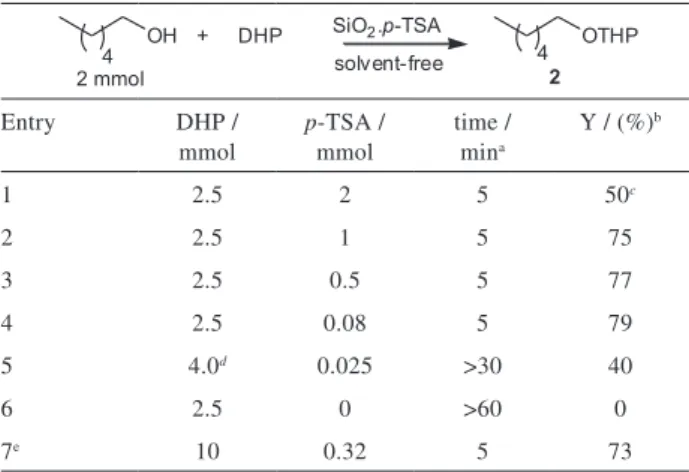
conditions were varied as shown in Table 1.
As can be observed in Table 1, the reaction works
well even using sub-stoichiometric amount of
p
-TSA
(0.08 equiv., Table 1, entry 4). However, when 0.025 equiv.
of
p
-TSA was used (Table 1, entry 5) longer reaction time
Dos Santos et al. 43 Vol. 20, No. 1, 2009
was detected as major product.
3In the absence of
p
-TSA
no reaction was observed even after 1 hour of grinding.
In a separate experiment DHP (2 mmol) was ground in
the presence of
p
-TSA (0.025 mmol) in silica gel (1 g) in
absence of the alcohol. Product
1
was isolated in almost
quantitative yield, after a few minutes grinding (Scheme
1). This product presumably is formed by the nucleophilic
addition of the water present on the silica gel or from the
monohydrated
p
-TSA to the protonated dihydropyran
oxonium intermediate.
The
n
-hexanol was also reacted with DHP in a 10 mmol
scale, yielding the corresponding THP ether (
2
) in similar
good yield (Table 1, entry 7).
With these results in hand we submitted other alcohols
to the reaction with DHP under the optimized experimental
conditions
4(Table 1, entry 4). Table 2 summarises the
results of the protection reaction with saturated, unsaturated,
primary, secondary, allylic and benzylic alcohols.
Benzyl alcohol required 10 min grinding to be consumed
(Table 2, entry 1). The other alcohols were converted to
the tetrahydropyranyl ethers within only 5 min. Tertiary
alcohols and phenols failed to react under the reaction
conditions of Table 2. We attribute these results to the lower
reactivity of phenols
5and to the steric hindrance of the
tertiary alcohols.
6On the other hand, thiols showed similar
Table 1. Tetrahydropyranylation of 1-hexanol promoted by SiO2.p-TSA
catalyst in under solvent-free conditions
Entry DHP /
mmol
p-TSA / mmol
time / mina
Y / (%)b
1 2.5 2 5 50c
2 2.5 1 5 75
3 2.5 0.5 5 77
4 2.5 0.08 5 79
5 4.0d 0.025 >30 40
6 2.5 0 >60 0
7e 10 0.32 5 73
Reaction were conduced by mixing in a mortar SiO2 (1 g), n-hexanol and the reagents; agrinding time in a mortar; bisolated yield; ccompound 1 was
isolated as by-product in 30% yield; dDHP was added in two portions:
2.5 mmol followed by 1.5 mmol after 20 min grinding; ethe reaction was
carried out with 10 mmol of the alcohol and 10 mmol of the DHP.
Table 2. Tetrahydropyranylation of alcohols and thiols promoted by SiO2.p-TSA catalyst under solvent-free conditions
Entry Substrate Product time / min Yield / (%)a
1 2a 10 90
2 2b7 5 75
3 2c8 5 80
4 2d9 5 83
5 2e9 5 88
6 2f10 5 77
7 2g2,11 5 70
8 2h 5 90
9 2i2 5 97
10 2j11 5 65
11 2k12 5 98
12 2l 5 81
13 2m13 5 80
14 2n14 5 79
15b 2o15 25 68c (8)d
16b 2p2 20 85c (10)d
17b 2q16 20 81c (8)d
aIsolated yield; breactions were carried out on 1.0 mmol scale of thiol and
1.15 mmol of DHP in the presence of 80 mg of a mixture of p-TSA.SiO
2
(37.5% of p-TSA in SiO2); cyields refer to the isolated Markovnikov
product; dyields refer to the isolated anti-Markovnikov product.
SiO2•p-TSA: a Green Catalyst for Solvent-free Tetrahydropyranylation of Alcohols and Thiols J. Braz. Chem. Soc.
44
good reactivity by this protocol yielding the corresponding
thioethers. A solvent-free non catalyzed procedure for
tetrahydropyranylation of thiols was described recently.
7The authors were able to produce preferentially the
anti-Markovnikov products by simply mixing under heating
the both reagents (thiol and DHP). The reason of that
preference is the existence of an interaction between the
oxygen atom of the vinyl ether and the hydrogen of the
thiol that activates the C-C double bond of the vinyl ether.
7As expected for the acid catalyzed tetrahydropyranylation
mechanism, by using our procedure those products were
only observed as by-products (Table 1, entries 15-17). The
isolation of the products was performed by transferring the
resulting solid (for the alcohols) or the liquid mixture (for
the thiols) to a chromatographic column and eluting with
the appropriate solvent solution. In some cases the isolation
consisted in a simple filtration through a pad of silica gel.
Conclusions
In summary, we have reported a simple, fast and cheap
solvent-free method for the tetrahydropyranylation of
alcohols and thiols. The protocol is eco-friendly since no
solvent is needed to conduct the reaction and most of the
products were purified by a simple filtration in silica gel
with a reduced quantity of hexane and ethyl acetate. The
method presented good generality and has been used in our
laboratory in preparative scale.
Acknowledgments
The authors thank FAPESP, CNPq and CAPES for
support.
Supplementary Information
Supplementary data are available free of charge at http://
jbcs.org.br, as PDF file.
References
1. Wuts, P. G. M.; Greene, T. W.; Protective Groups in Organic Synthesis, 2nd ed.; John Wiley & Sons: New York, 1999;
Kocienski, P. J.; Protecting Groups, 3rd ed., Georg Thieme
Verlag: Stuttgart, 2005;
2. Hoyer, S.; Laszlo, P.; Orlovic, M.; Polla, E.; Synthesis 1986, 655; Bongini, A.; Cardillo, G.; Orena, M.; Sandri, S.; Synthesis
1979, 618; Rodriguez, I.; Climent, M. J.; Iborra, S.; Fornes, V.; Corma, A.; J. Catal. 2000, 192, 441; Ranu, B. C.; Saha, M.; J. Org. Chem.1994, 59, 8269; Deka, N.; Sarma, J. C.;
Synth. Commun. 2000, 30, 4435; Reddy, S. M.; Reddy, Y. V.;
Venkateswarlu, Y.; Tetrahedron Lett.2005, 46, 7439; Alper, H.; Laurence, K.; Synthesis 1972, 81; Curini, M.; Epifano, F.; Marcotullio, M. C.; Rosati, O.; Constantino, U. Tetrahedron Lett. 1998, 39, 8159; Mineno, T.; Tetrahedron Lett. 2002, 43, 7975; Nagaiah, K.; Reddy, B. V. S.; Sreenu, D.; Venkat, N. S.;
Arkivoc 2005, 192; Yadav, J. S.; Reddy, B. V. S.; Gnaneshwar, D.; New J. Chem.2003, 27, 202; Heravi, M. M.; Ajami, D.; Ghassemzadeh, M.; Synth. Commun. 1999, 29, 1013; Choudary, B. M.; Neeraja, V.; Kantam, M. L.; J. Mol. Catal. A: Chem.
2001, 175, 169; Varala, R.; Adapa, S. R.; Can. J. Chem. 2006,
84, 1174; Wang, Y-.G. Wu, X-.X.; Jiang, Z-.Y.; Tetrahedron Lett. 2004, 45, 2973; Bartoli, G.; Giovannini, R.; Giuliani, A.; Marcantoni, E.; Massaccesi, M.; Melchiorre, P.; Paoletti, M.; Sambri, L.; Eur. J. Org. Chem. 2006, 1476; Yeom, C-E.; Shin, Y. J.; Kim, B. M.; Bull. Korean Chem. Soc. 2007, 28, 103. 3. Kojima, K.; Kimura, M.; Ueda, S.; Tamaru, Y.; Tetrahedron
2006, 62, 7512.
4. General procedure for the tetrahydropyranylation of alcohols on solvent-free conditions. Silica gel (0.5 g) and p-TSA (0.015g, 0.08 mmol) were homogenized in a mortar. In a separated mortar were ground, silica gel (0.5 g), benzyl alcohol (0.20 mL, 0.21 g, 2 mmol) and dyhydropyran (0.24 mL, 0.22 g, 2.6 mmol), then the first solid mixture was added to the second mortar and this resulting clear solid was ground for the specified time presented in Table 2. The product was isolated by transferring the solid mixture to the top of a chromatographic column followed by elution with a mixture of hexane:ethyl acetate (7.5:0.5), yielding 0.34 g (90%) of 2-(benzyloxy)-tetrahydro-2H-pyran2a: CAS 1927-62-4; 1H NMR (200 MHz, CDCl
3): d 7.4-7.2 (m, 5H); 4.8
(d, J 12 Hz, 1H); 4.7 (t, J 3.2 Hz, 1H); 4.5 (d, J 12 Hz, 1 H); 4.0-3.9 (m, 1 H); 3.6-3.5 (m, 1 H); 1.9-0.8 (m, 6 H); 13C NMR (50
MHz, CDCl3): d138.2; 128.2; 127.6; 127.3; 105.1; 97.5; 68.6; 61.9; 30.4; 25.3; 19.2; 2-(2-methylcyclohexyloxy)-tetrahydro-2H-pyran2b:8 CAS 218623-12-2;
2-(4-tert-butylcyclohexyloxy)-tetrahydro-2H-pyran 2c:9 CAS 80356-16-7; 2-((1
R,2S,5R)-2-isopropyl-5-methylcyclohexyloxy)-tetrahydro-2H-pyran2d:10
CAS 128946-28-1; tetrahydro-2-(pentan-2-yloxy)-2H-pyran
2e:10 CAS 122685-20-5;
2-((Z)-3-methylpent-2-en-4-ynyloxy)-tetrahydro-2H-pyran2f:11 CAS 41967-81-1;
2-(but-3-ynyloxy)-tetrahydro-2H-pyran 2g:2,12 CAS 40365-61-5;
2-(((1R,5S)-
6,6dimethylbicyclo[3.1.1]hept-2-en-yl)methoxy)-tetrahydro-2H-pyran2h: 1H NMR (200 MHz, CDCl
3): d (mixture of
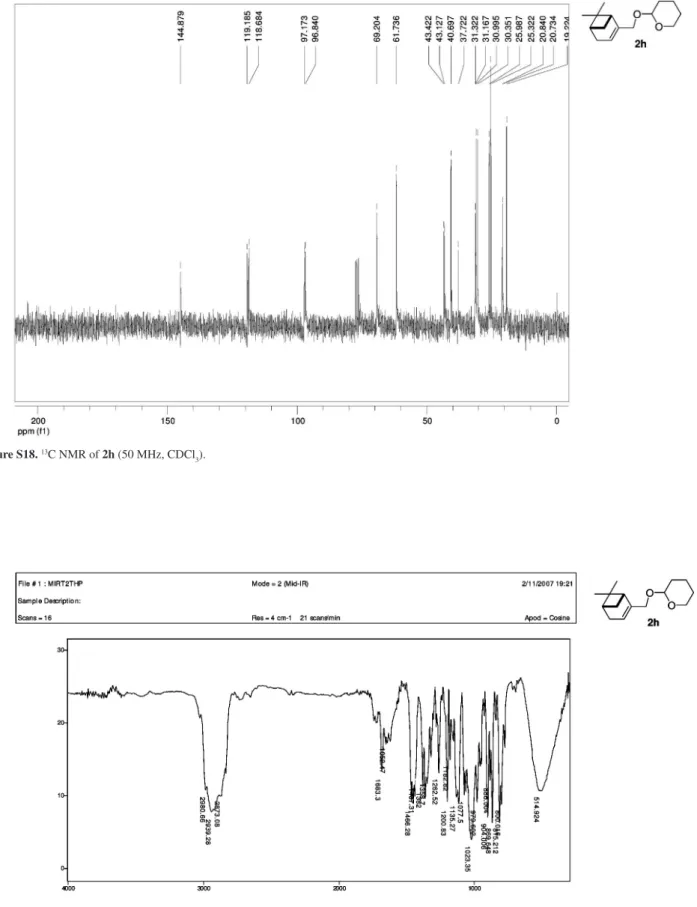
diastereoisomers) 5.50-5.49 (m, 1H); 4.64-4.59 (q, J 3.2 Hz, 1H); 4.09-4.00 (m, 1H); 3.92-3.82 (m, 2H); 3.54-3.44 (m, 2H); 2.43-2.27 (m, 2H); 2.19-2.09 (m, 2H); 1.90-1.78 (m, 1H); 1.65-1.49 (m, 4H); 1.29 (s, 3H); 1.22-1.16 (dd, J 3.6Hz and 5Hz, 2H); 0.84 (s, 3H). 13C NMR (50MHz, CDCl
3): d (mixture of
diastereoisomers) 145.0; 144.9; 119.3; 118.8; 97.3; 97.0; 69.3; 61.8; 43.9; 43.2; 40.8; 37.9; 37.8; 31.3; 31.2; 31.1; 30.4; 26.0; 25.4; 20.9; 20.8; 19.3. IR (neat) νmax/cm-1: 2980, 2939, 2873,
Dos Santos et al. 45 Vol. 20, No. 1, 2009
1023, 979, 904, 869, 815, 800, 514. HRMS Calc. for C15H24O2: 236.1776; found: 236.2669; 2-(2-(m-methylcyclohex-3-enyl) propoxy-tetrahydro-2H-pyran 2i:2 CAS 217438-56-7;
2-((E)-3,7-dimethylocta-2,6-dienyloxy)-tetrahydro-2H-pyran 2j:12
CAS 59632-99-4; 2-(3,7-dimethyloct-6-enyloxy)-tetrahydro-2H-pyran2k:13 CAS 90243-41-7;
2-(5-methyl-2-(prop-1-en-2-yl)cyclohexyloxy)-tetrahydro-2H-pyran2l: 1H NMR (200
MHz, CDCl3): d (mixture of diastereoisomers) 4.82-4.49 (m, 3H); 4.03-3.80 (m, 1H); 3.63-3.38 (m, 2H); 2.13-1.22 (m, 15H) 1.17-0.75 (m, 5H). 13C NMR (50MHz, CDCl
3): d (mixture of
diastereoisomers) 148.1; 147.6; 111.1; 110.9; 110.3; 100.3; 93.5; 93.2; 79.1; 74.7; 62.6; 61.3; 52.1; 51.3; 43.2; 39.8; 34.9; 34.4; 34.2; 31.7; 31.3; 31.1; 30.9; 30.8; 30.6; 25.6; 25.5; 22.2; 22.1; 20.6; 20.1; 19.9; 18.9; 18.7. IR (neat) νmax/ cm-1: 3076,
2931, 2867, 2851, 1646, 1455, 1261, 1200, 1128, 1023, 975, 870, 816, 472. HRMS Calc. for C15H26O2: 238.1932; found: 238.2828; tetrahydro-2-(isopentyloxy)-2H-pyran2m:14 CAS
60564-80-9; 2-(3-methylbut-3-enyloxy)-tetrahydro-2H-pyran
2n:15 CAS 55975-11-6; 2-(p-tolylthio)-tetrahydro-2H-pyran
2o:16 CAS 50686-30-1; 2-(decylthio)-tetrahydro-2H-pyran2p:2
CAS 388090-91-3; 2-(heptylthio)-tetrahydro-2H-pyran2q:17
CAS 98194-93-5;
5. Feizi, N.; Hassani, H.; Hakimi, M.; Bull. Korean Chem. Soc.
2005, 26, 2087.
6. Akhlaghinia, B.; Roohi, E.; Turk. J. Chem. 2007, 31, 83.
7. Lou, F. -W.; Xu, J. -M.; Liu, B. -K.; Wu, Q.; Pan, Q.; Lin, X. -F.; Tetrahedron Lett. 2007, 48, 8815.
8. Heravi, M. M.; Haghighi, M.; Derikvand, F.; Bamoharram, F. F.; Synth. Commun. 2006, 36, 3103.
9. Karimi, B.; Khalkhali, M.; J. Mol. Catal. A: Chem. 2005, 232, 113.
10. Hegedüs, A.; Vígh, I.; Hell, Z.; Synth. Commun.2004, 34, 4145.
11. Nakatani, K.; Okamoto, A.; Yamanuki, M.; Saito, I.; J. Org. Chem. 1994, 59, 4360.
12. Varala, R.; Adapa, S.; Can. J. Chem. 2006, 84, 1174. 13. Reddy, T.; Ravinder, K.; Suryakiran, N.; Narasimhulu, M.;
Mahesh, K.; Venkaterswarlu, Y.; Tetrahedron Lett.2006, 47, 2341.
14. Wang, B.; Yang, L.-M.; Suo, J.-S. Synth. Commun. 2003, 33, 3929.
15. Corlay, H.; Lewis, R. T.; Motherwell, W. B.; Shipman, M.;
Tetrahedron 1995, 51, 3303.
16. Goud, P. M.; Goud, P. S.; Reddy, K. R.; Ashok, D.; J. Chem. Res., Synopses 2003, 12, 806.
17. Block, E.; Aslam, M.; J. Am. Chem. Soc. 1985, 107, 6729.
Received: June 19, 2008
Web Release Date: October 24, 2008
S
u
p
p
le
m
e
nta
ry
Inf
o
rm
a
ti
o
n
J. Braz. Chem. Soc., Vol. 20, No. 1, S1-S18, 2009. Printed in Brazil - ©2009 Sociedade Brasileira de Química 0103 - 5053 $6.00+0.00
*e-mail: [email protected]
SiO
2•p
-TSA: A Green Catalyst for Solvent-free Tetrahydropyranylation of Alcohols and Thiols
Alcindo A. Dos Santos,*
,aGilmar A. Brito Jr.,
aMarcos V. L. Archilha,
aTiago G. A. Bele,
aGuilherme P. Dos Santos
band Murilo B. M. De Mello
ba
Departamento de Química, Universidade Federal de São Carlos, 13565-905 São Carlos-SP, Brazil
b
Departamento de Química, Centro Politécnico, Universidade Federal do Paraná, 81531-990 Curitiba-PR, Brazil
SiO2•p-TSA: A Green Catalyst for Solvent-free Tetrahydropyranylation of Alcohols and Thiols J. Braz. Chem. Soc.
S2
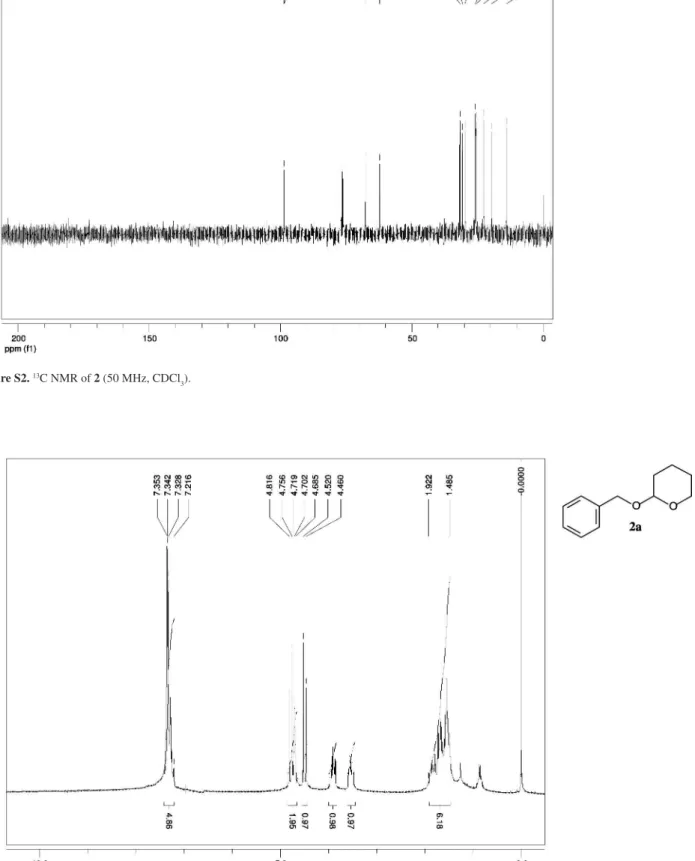
Figure S2. 13C NMR of 2 (50 MHz, CDCl 3).
Dos Santos et al. S3 Vol. 20, No. 1, 2009
Figure S4. 13C NMR of 2a (50 MHz, CDCl 3).
SiO2•p-TSA: A Green Catalyst for Solvent-free Tetrahydropyranylation of Alcohols and Thiols J. Braz. Chem. Soc.
S4
Figure S6. 13C NMR of 2b (50 MHz, CDCl 3).
Dos Santos et al. S5 Vol. 20, No. 1, 2009
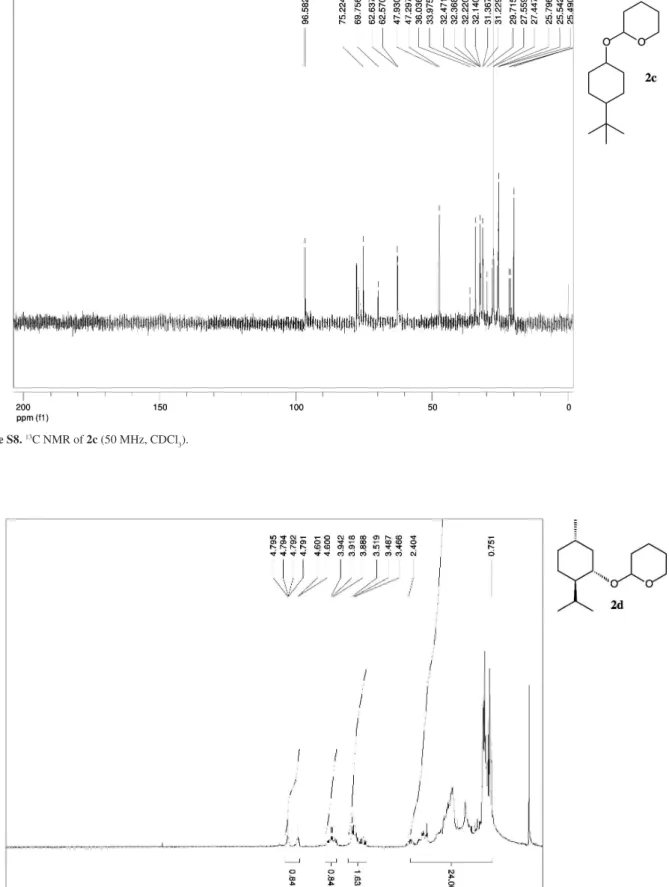
Figure S8. 13C NMR of 2c (50 MHz, CDCl 3).
SiO2•p-TSA: A Green Catalyst for Solvent-free Tetrahydropyranylation of Alcohols and Thiols J. Braz. Chem. Soc.
S6
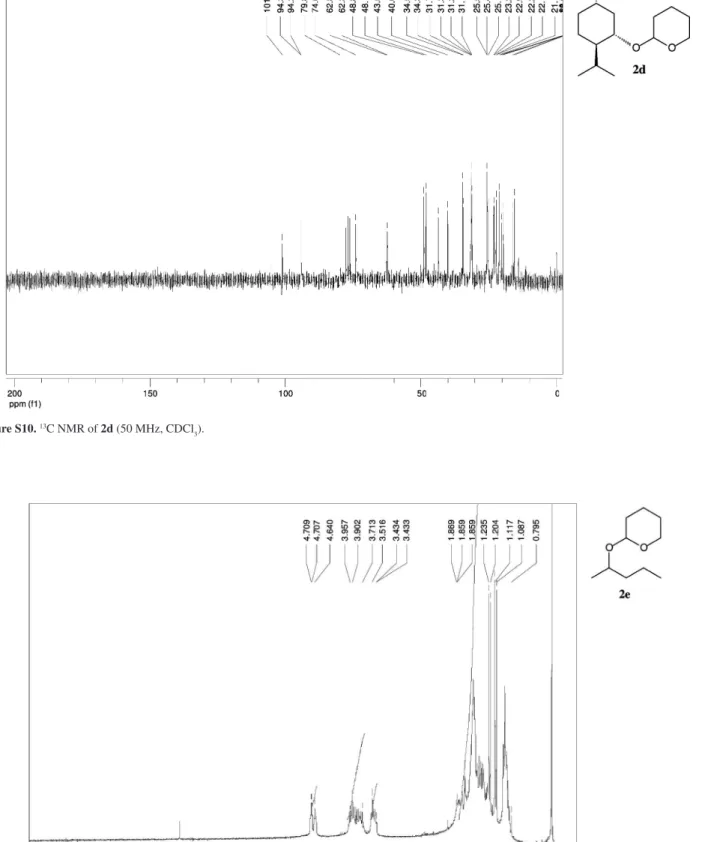
Figure S10. 13C NMR of 2d (50 MHz, CDCl 3).
Dos Santos et al. S7 Vol. 20, No. 1, 2009
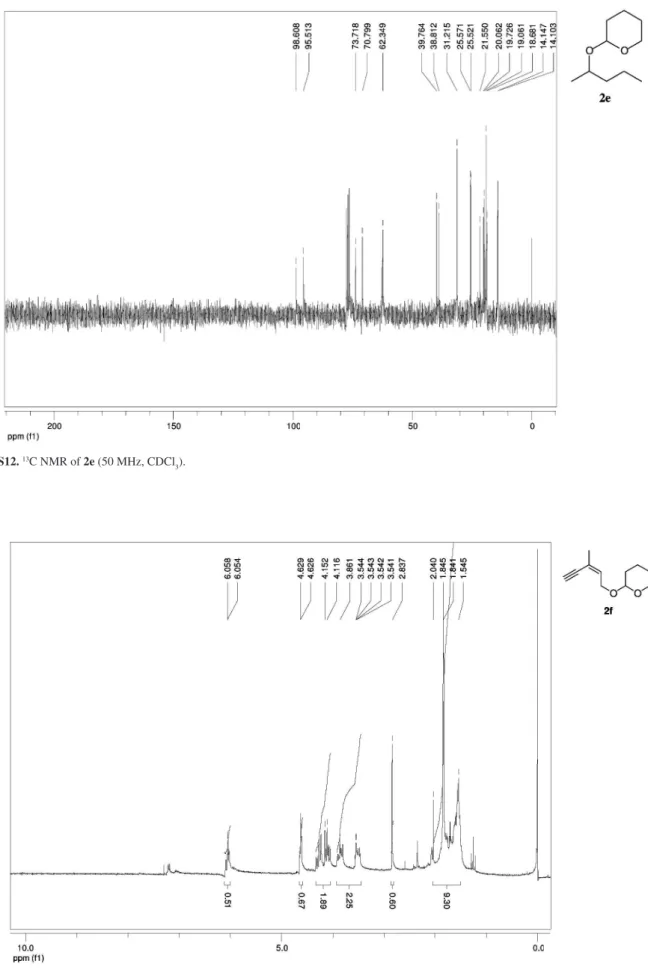
Figure S12. 13C NMR of 2e (50 MHz, CDCl 3).
SiO2•p-TSA: A Green Catalyst for Solvent-free Tetrahydropyranylation of Alcohols and Thiols J. Braz. Chem. Soc.
S8
Figure S14. 13C NMR of 2f (50 MHz, CDCl 3).
Dos Santos et al. S9 Vol. 20, No. 1, 2009
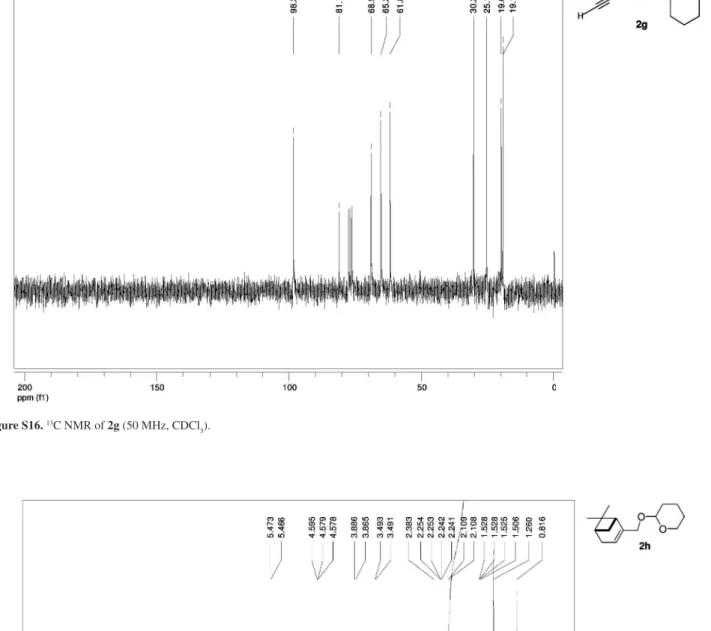
Figure S16. 13C NMR of 2g (50 MHz, CDCl 3).
SiO2•p-TSA: A Green Catalyst for Solvent-free Tetrahydropyranylation of Alcohols and Thiols J. Braz. Chem. Soc.
S10
Figure S18. 13C NMR of 2h (50 MHz, CDCl 3).
Dos Santos et al. S11 Vol. 20, No. 1, 2009
Figure S20. HRMS spectra of 2h.
SiO2•p-TSA: A Green Catalyst for Solvent-free Tetrahydropyranylation of Alcohols and Thiols J. Braz. Chem. Soc.
S12
Figure S22. 13C NMR of 2i (50 MHz, CDCl 3).
Dos Santos et al. S13 Vol. 20, No. 1, 2009
Figure S24. 13C NMR of 2j (50 MHz, CDCl 3).
SiO2•p-TSA: A Green Catalyst for Solvent-free Tetrahydropyranylation of Alcohols and Thiols J. Braz. Chem. Soc.
S14
Figure S26. 13C NMR of 2k (50 MHz, CDCl 3).
Dos Santos et al. S15 Vol. 20, No. 1, 2009
Figure S28. 13C NMR of 2l (50 MHz, CDCl 3).
SiO2•p-TSA: A Green Catalyst for Solvent-free Tetrahydropyranylation of Alcohols and Thiols J. Braz. Chem. Soc.
S16
Figure S30. HRMS spectra of 2l.
Dos Santos et al. S17 Vol. 20, No. 1, 2009
Figure S32. 13C NMR of 2m (50 MHz, CDCl 3).
SiO2•p-TSA: A Green Catalyst for Solvent-free Tetrahydropyranylation of Alcohols and Thiols J. Braz. Chem. Soc.
S18