Marta Isabel Silva Dias
Licenciada em Biologia Celular e Molecular
Caffeine Effects on the
Gene Expression Profile of
iPSC
-
derived Neuronal Cells
Dissertação para obtenção do Grau de Mestre em
Genética Molecular e Biomedicina
Orientador: Assoc. Prof. Carsten O. Daub, Karolinska Institutet
Júri:
Presidente: Dr. Paula Gonçalves, PhD, Assistant Professor
Arguente(s): Dr. Sara Xapelli, PhD
Vogal(ais): Dr. Pedro Baptista, PhD, Associate Professor
iii
Caffeine Effects on the Gene Expression Profile of iPSC-derived Neuronal CellsCopyright Marta Isabel Silva Dias, FCT/UNL, UNL
v
Acknowledgements
To start with, I would like to thank my supervisor, Carsten Daub, for giving me the opportunity to develop this project and to take part in other scientific projects as well. For always supporting and encourage my work, for all the scientific critics and suggestions that allowed me to learn so much.
To my dear group colleagues that, one way or the other, contributed to my work and to lots of enjoyable and fun moments that I will always remember. A special thanks to Enrichetta, Kadir and Matthias that closely supervised my work. You were always willing to help me, professionally and personally. As I once wrote somewhere special, thank you for helping me to grow.
To Charlotte and Paul, for teaching me new techniques and always giving great support. To Andrea and Isabel for the opportunity to increase my work experience in the lab and for scientific feedback.
Quero agradecer aos meus pais, pelo vosso apoio incondicional sem o qual esta experiência não teria sido possível. Por todo o apoio e dedicação que sempre me deram, pela motivação quando faltava e pela apreciação que sempre demonstraram face ao meu trabalho. Ao meu irmão, meu companheiro desde sempre e que sempre me apoiou, apesar de todos os típicos arrufos de irmãos. Quero também agradecer a toda a minha família que nunca deixou de mostrar o quanto acreditam em mim, aos meus avós, aos meus tios e aos meus primos, pelo amor, carinho e dedicação que sempre me deram.
Quero agradecer ao Diogo, pelo apoio e motivação que sempre me deste, pela paciência com que aturas as minhas crises de mau-feitio e por saberes sempre como acalmá-las. Por me incentivares a querer aprender sempre mais e a aceitar novos desafios.
vii
Resumo
A cafeina é consumida em grandes quantidades ampla e regularmente sob a forma de café, chá ou bebidas energéticas. Esta substância psicoactiva e muito popular é muitas vezes procurada devido à sua capacidade de aumentar a sensação de energia e estado de alerta de quem a consome, assim como o desempenho físico e cognitivo. Tem, igualmente, uma importante contribuição no aumento da capacidade de concentração. Estudos anteriores têm vindo a investigar a capacidade de baixas doses de cafeína para inibir a activação dos receptores de adenosina, bem como diversos outros efeitos farmacológicos incluindo o seu potencial em vários estudos de doenças neurodegenerativas. No entanto, pouco é conhecido relativamente aos efeitos da cafeína ao nível da expressão génica em células neuronais.
Neste estudo, pretendemos compreender se e como concentrações fisiológicas de cafeína podem afectar a expressão génica em células neuronais derivadas de células estaminais pluripotentes induzidas humanas. Mais ainda, identificamos enhancers activos em células neuronais e investigamos em que medida estes podem estar envolvidos na regulação da resposta neuronal à cafeína.
Por intermédio da utilização de uma técnica de análise do perfil de expressão de RNA –Cap Analysis of Gene Expression (CAGE) – obtivemos um conjunto abrangente de dados com respeito a regiões de início de transcrição e actividade em regiões de enhancer em células neuronais expostas a diferentes concentrações de cafeína (0, 3 e 10 µM).
Identificámos um conjunto de genes que aparenta estar envolvido na mediação da resposta à cafeína. Após 1 hora de tratamento com 3 µM de cafeína ocorre um aumento de actividade sináptica, bem como de neurotransmissão dopaminérgica. Processos do sistema imunológico, assim como a projecção axonal encontram-se reprimidos após 3 horas de exposição a 10 µM de cafeína.
Estes resultados levantam hipóteses concretas sobre processos fisiológicos e genes a eles associados que podem orientar futuros trabalhos experimentais com fim a validação funcional que, por sua vez, pode conduzir a novas descobertas respeitantes ao efeito da cafeína no cérebro humano.
Palavras-Chave
ix
Abstract
Caffeine is widely and massively consumed on daily basis in the form of coffee, tea or energy drinks. This very popular, psychoactive drug is sought after due to its ability to increase energy and alertness, enhance physical and cognitive performance as well as to improve our ability of focusing. Previous studies have investigated the ability of caffeine to inhibit the activation of adenosine receptors in low doses, amongst other pharmacological effects as well as its potential in several neurodegenerative disease-modeling studies. However, not much is known about the effects that caffeine exerts on gene expression of neuronal cells.
In this study we aim to understand if and how physiological concentrations of caffeine affect gene expression in human induced pluripotent stem cell (iPSC)-derived neuronal cells. Moreover, we identify active enhancers in neuronal cells and investigate the extent to which enhancers might be involved in the regulation of neuronal responses to caffeine.
Using Cap Analysis of Gene Expression (CAGE) RNA expression profiling, we obtained a comprehensive data set of transcription start sites and enhancer activity of neuronal cells exposed to various caffeine concentrations (0, 3 and 10 µM).
We identified a set of genes that appears to be involved in the mediation of caffeine response. Synaptic activity is upregulated after 1 hour of 3 µM caffeine treatment as well as dopaminergic neurotransmission. Immune system processes as well as axon guidance events are downregulated after 3 hours of 10 µM caffeine exposure.
These insights provide concrete hypotheses of physiological processes and associated genes for guiding further functional validation experiments with the potential to give valuable insights into the effects of caffeine to the human brain.
Keywords
xi
Table of Contents
Acknowledgements
………
v
Resumo
………
vii
Abstract
…………..………..
ix
Table of Contents
………...
xi
List of Figures
………
xiii
List of Tables
………
vx
List of Abbreviations
………
xvii
1. Introduction
………
1
Coffee and Tea – Impact on Society and Economy
………
1
Caffeine
………
3
Caffeine Absorption, Distribution and Metabolism
………
3
Pharmacological Effects of Caffeine
………
3
Adenosine – Mechanism of Action
………
4
iPSC-derived Neuronal Cells – NES cells
………
6
Gene Regulation and Chromatin Conformation
………
7
Transcribed Enhancers
………
8
Cap Analysis of Gene Expression (CAGE)
………
9
2. Project Aims and Hypothesis
………
11
3. Materials
………
13
Cell Differentiation and Caffeine Exposure
………
13
CAGE Library Preparation
………
14
Sequencing Data and Expression Table
………
14
4. Methods
………
15
Experimental Design
………
15
xii
Enhancer Prediction
………....
17
Gene Expression Responses to Caffeine Treatment
………
17
Gene Ontology and Pathway Analysis
………
19
Enhancer Expression in Response to Caffeine Treatment
………
19
Enhancer-Promoter Expression Correlation
………
19
5. Results
………
21
Data Quality, Outliers and Sample Consistency
………
21
Chapter 1: How does gene expression mediates caffeine response of neuronal cells
and what genes mediate this response?
………
24
Gene Expression in Neuronal Cells
………
24
Gene Expression Changes Due to Handling
………
24
Gene Expression Changes in Cells Treated with Caffeine
………...
26
Genes Mediating Response to Caffeine Stimulus
………
27
Chapter 2: Identification of active enhancers in neuronal cells and identification
of enhancers that regulate mediator genes in caffeine response
…………
33
Enhancers in Neuronal Cells
………
33
Enhancer Activity in Response to Caffeine Stimulus
………
33
Caffeine Mediator Genes Regulated by Enhancers
………
35
6. Discussion
………
39
7. Future Perspectives
………
45
8. Conclusion
………
47
9. References
………
49
xiii
List of Figures
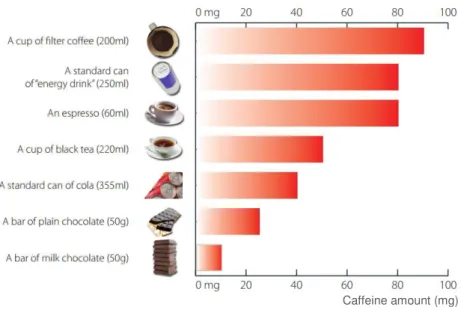
Figure 1.1 – Amount of caffeine found in common dietary sources of caffeine ……….. 1
Figure 1.2 – European countries with highest rates of coffee consumption per capita ……… 2
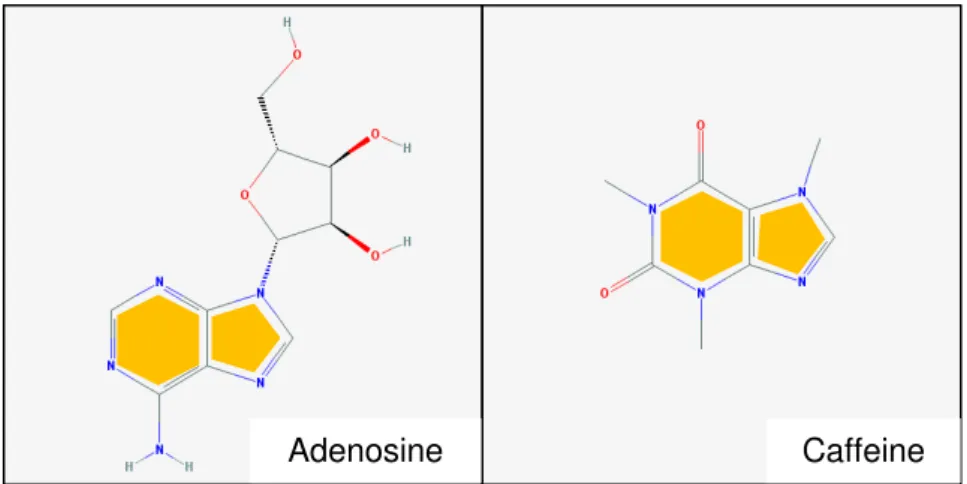
Figure 1.3 – Adenosine and caffeine structure similarities ……….. 5
Figure 1.4 – Adenosine mechanism of action and caffeine perturbation of this mechanism … 6
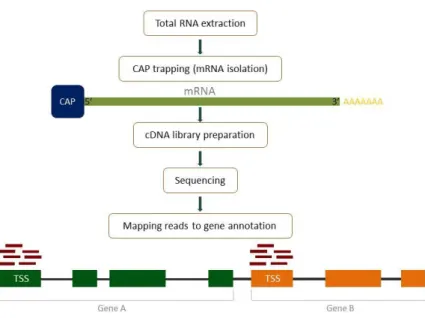
Figure 1.5 – Illustration of the sequential steps of CAGE library preparation and
data processing ……… 10
Figure 3.1 – Illustration of lt-NES cells differentiation process into neuronal cells and
caffeine exposure ………13
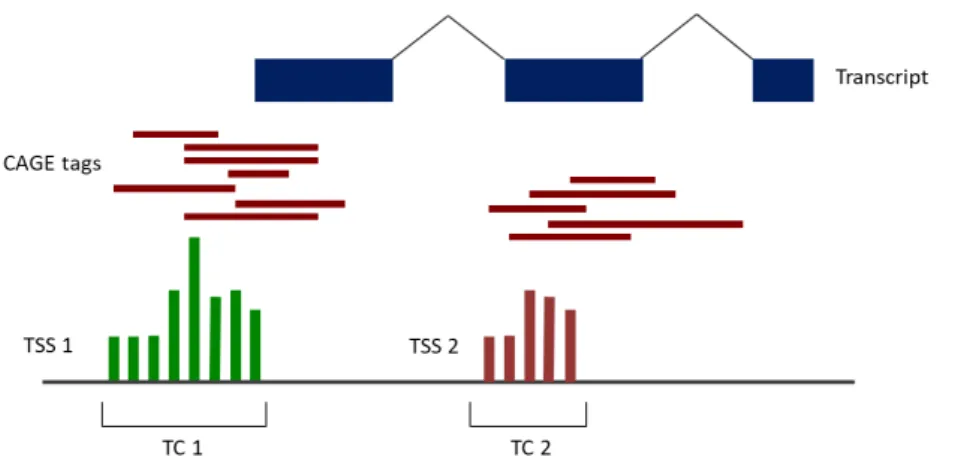
Figure 3.2 – Illustration of CAGE detection of alternative transcription start sites ………. 14
Figure 4.1 – Experimental design of the study ………. 15
Figure 4.2 – Representation of all conditions sampled in this study and how they are
compared ……… 18
Figure 5.1 – Distribution of, normalized and not normalized, tag cluster expression
counts of filtered data before and after removing outlier sample ………... 22
Figure 5.2 – Overall differences in gene expression of all samples for normalized
and filtered data ……… 23
Figure 5.3 – Overall differences in gene expression of all samples for normalized
and filtered data ……… 23
Figure 5.4 – Gene expression changes regarding non-treated cells and cells treated
with 3 and 10 µM of caffeine in comparison with control samples ……… 25
Figure 5.5 – Caffeine-induced gene expression differences ……….. 27
Figure 5.6 – Evaluation of gene expression responses to treatment with 3 µM of caffeine .... 28
xiv
Figure 5.8 – Biological pathways perturbed by treatment with 3 µM of caffeine ………. 30
Figure 5.9 – Evaluation of gene expression responses to treatment with 10 µM of caffeine .. 30
Figure 5.10 – Biological processes perturbed by treatment with 10 µM of caffeine ………… 31
Figure 5.11 – Biological pathways perturbed by treatment with 10 µM of caffeine ………….. 32
Figure 5.12 – Representation of bimodal and bidirectional expression pattern of 15 highest expressed enhancers in neuronal cells ……….. 34
Figure 5.13 – Evolution of enhancer expression over time ………..35
Figure 5.14 – Evolution of enhancer and promoter expression over time of putative interactions ……….38
Supplementary Figure S1 – B cell receptor signaling pathway ………59
Supplementary Figure S2 – Toll-like receptor signaling pathway ……….. 59
Supplementary Figure S3 – T cell receptor signaling pathway ………60
Supplementary Figure S4 – Complement and coagulation cascades pathway ………..60
Supplementary Figure S5 – Cell adhesion molecules pathway ………...61
Supplementary Figure S6 – Axon guidance pathway ……….61
xv
List of Tables
Table 4.1 – Comparisons used in differential gene expression analysis ……… 18
Table 5.1 – Number of differentially expressed tag clusters ……….. 25
Table 5.2 – Number of differentially expressed enhancers ……… 33
Supplementary Table 1 – Differentially expression results for all comparisons analyzed … 54
Supplementary Table 2 – Biological processes perturbed by treatment with 10 µM of
caffeine ………. 62
Supplementary Table 3 – Biological processes perturbed by treatment with 3 µM of
xvii
List of Abbreviations
CAGE – Cap Analysis of Gene Expression
Lt-NES cells – Long-term self-renewing neuroepithelial-like stem cells iPSC – Induced pluripotent stem cell
TC – Tag cluster
CPM – Counts per million TSS – Transcription start site
CTSS – CAGE-defined transcription start site FDR – False discovery rate
GLM – Generalized linear model GO – Gene ontology
1
Caffeine amount (mg)1.
Introduction
Coffee and Tea
–
Impact on Society and Economy
Caffeine is widely and massively consumed worldwide. Coffee, tea and energy drinks are three of the most popular forms of caffeine consumption, with coffee in first place. Chocolate bars and soft drinks are also a dietary source of caffeine, especially for children (Lorist and Tops, 2003; Fredholm et al., 1999). Caffeine pills are also one way of caffeine consumption, usually used for cognitive enhancement. Figure 1.1 displays the caffeine content, in milligrams, of common dietary sources of caffeine, according to the European Food Safety Authority (European Food Safety Authority, 2015).
Two studies have approached German university students’ consumption of caffeine pills, accounting for 10.5% students stating that they used caffeine pills at least once in their lifetime in one study (Franke et al., 2011) and 13.4% in other study (Brand and Koch, 2016). According to Food and Drug Administration (FDA), caffeine pills can have a caffeine content of 100-200 mg per tablet/capsule.
2
Coffee is part of social interaction nowadays. People get together over coffee on their free time, as well as during working hours as a way to have a pause (Lorist and Tops, 2003). Figure 1.2 illustrates the average number of coffee cups consumed by one person daily for the top 10 countries that consume most coffee in Europe (Statista Consumer Market Outlook, 2015). With an average of 3.6 cups of coffee ingested by one person daily, Finland leads the top 10, followed by its neighbors Sweden, Netherlands and Denmark with 2.9, 2.8 and 2.4 cups of coffee, respectively. Portugal consumes an average of 1.3 cups of coffee per day, side by side with France. Brazil and North America are also pronounced coffee consumers worldwide, with an average of 1.6 and 1.2, respectively.The levels of caffeine consumption through coffee intake are the reason why studies on the caffeine effects are so important, so needed and received with great interest by the population. Whether these studies address short term effect or long term effects, all information regarding the effects of caffeine on the human body, particularly the human brain, are of great interest for the majority of the population that more or less consumes caffeine.
3
Caffeine
Caffeine – a methylxanthine – is a plant alkaloid and a very popular psychoactive drug (Glade et al, 2010; Fisone et al, 2003). People appreciate the psychostimulant effects of caffeine and the fact that there are no negative side effects documented so far, for physiological doses of caffeine. The ability of caffeine to enhance motor activity is one of the pronounced effects, as caffeine acts in regions of the brain related to motor activity (Fisone et al, 2003). Moreover, moderate doses of caffeine can increase energy availability and daily energy expenditure, which is related to enhancement of motor activity, decrease fatigue and the sense of effort associated with physical activity. Caffeine enhances cognitive performance, increases alertness, wakefulness and feeling of “energy”. This compound also has the ability to decrease mental fatigue, accelerate and increase the accuracy of reactions, increase the ability to concentrate and focus attention, enhance short-term memory and the ability to solve problems that require reasoning as well as increase the ability to make correct decisions and enhance cognitive functioning and neuromuscular coordination (Glade et al, 2010). All of these responses constitute the behavioral effects of caffeine and can be measured and characterized. Commonly, variations in motor activity are the behavioral outcome of choice when quantifying the stimulant properties of caffeine.
Caffeine Absorption, Distribution and Metabolism
Upon ingestion, caffeine is almost completely (99%) and rapidly absorbed – 45 minutes upon ingestion – in the gastrointestinal tract and distributed in the blood stream reaching the whole body and passing through all biological membranes, such as the blood-brain barrier, due to its lipophilic properties (Liguori et al., 1997; Bonati et al., 1982). Between 15 and 120 minutes upon ingestion, caffeine concentration in plasma reaches peak levels (Arnaud, 1987).
Caffeine is metabolized in the liver and easily cleared from the body, presenting a half-life approximately between 3 and 5 hours (
Grant
et al
., 1987
; Fisone et al, 2003; Lorist and Tops, 2003). The clearance rate of caffeine from the body can be affected by several compounds, such as nicotine or oral contraceptives (Lorist and Tops, 2003).Pharmacological Effects of Caffeine
4
The fact that, even with high concentrations of caffeine and a high absorption rate, only a small part is able to reach intracellular targets, such as phosphodiesterases or GABA receptors, is important to consider. This means that measuring the effect only on the level of these intracellular targets is not entirely illustrative of the effects of the concentration in study (Fisone et al, 2003). Caffeine has also been shown to modulate CREB-dependent gene expression and to induce the expression of immediate early response genes (Svenningsson et al., 1995; Connolly and Kingsbury, 2010).Caffeine modulation of neurotransmission in the brain is mainly dependent on its ability to act as antagonist of adenosine receptors. Adenosine, a purine compound, is a neuromodulator that, generally, inhibits neuronal activity. Although it clearly has an effect in the central nervous system neurotransmission processes, adenosine is not considered a neurotransmitter since it does not fulfill some of the current criteria of neurotransmitter definition; it is not accumulated into vesicles and it is not released in synapses in a calcium-dependent manner like all neurotransmitters (Fisone et al, 2003).
Adenosine activity depends on the presence of its receptors in various regions of the brain. Four receptors have been described so far – A1, A2A, A2B and A3 – and are expressed in the brain.
However, receptors A2B and A3 have low levels of affinity for adenosine and have only basal levels of
activation. Caffeine effects do not include inhibition of these two receptors. On the other hand, adenosine receptors A1 and A2A have high affinity to adenosine/caffeine and can be activated by
nanomolar concentrations of adenosine, which is the normal range present in the brain (Fisone et al, 2003; Lorist and Tops, 2003) and, thus, caffeine effects are mediated by inhibition of the latter two receptors.
Unlike the majority of mechanisms by which caffeine has its effect on the brain, blockade of adenosine receptors is the only one that can be triggered by lower concentrations of caffeine (Lorist and Tops, 2003). Thus, caffeine consumption that derives from a regular and daily ingestion of coffee or tea should not be expected to activate other mechanism rather than inhibition of adenosine receptors.
Adenosine
–
Mechanism of Action
Neurons, like every other cell type, use ATP as a source of energy for most cell processes. In order for the energy to be available, ATP has to be broken down. When this happens, adenosine is released as a break down sub product and its intracellular concentration increases in neurons. Part of this intracellular adenosine leaves the neurons and binds to adenosine receptors through specific membrane transporters (Fredholm et al., 1999). The effect of adenosine binding to its receptors can be excitatory or inhibitory, depending on which receptor is activated. As mentioned above, adenosine activity is mediated mainly by A1 and A2A receptors. A1 receptor is highly expressed in neurons that
5
Adenosine acts on A1 receptors by inhibiting them and on A2A receptors by activating them (Fredholmet al., 1999). Intense brain activity means neurons used a lot of ATP to provide for energy and the levels of adenosine are very high. High levels of adenosine binding to A1 receptors decreases activity
of wake-stimulating neurons and high levels of adenosine binding to A2A receptors increase the
activity of sleep-promoting neurons. Therefore, adenosine decreases brain activity and induces sleep, preventing the brain from overworking. Later, during sleep, adenosine is gradually eliminated until there is not enough to activate the receptors and activity restarts.
Caffeine, with a similar structure to adenosine (Figure 1.3 and Figure 1.4), can also bind to adenosine receptors. However, instead of activating them, caffeine acts by competing with adenosine for the receptors and blocks the receptors so that adenosine cannot bind efficiently until caffeine is cleared after a period of 2-4 hours, depending on the metabolism rates of the organism.
Caffeine is not considered as addictive and does not present negative side effects, as mentioned earlier. However, a mechanism known as caffeine tolerance is developed over long periods of caffeine consumption. When caffeine is ingested continuously, neurons start to increase the synthesis of adenosine receptors and more caffeine is needed so that the same effect is attained. When caffeine ingestion stops abruptly, adenosine effect is higher due to a higher number of receptors being activated and sleep induction intensifies. This leads to drowsiness, irritability, fatigue and difficulties in concentrating. To reverse these unpleasant symptoms, people keep consuming caffeine leading to a mild physical addition to caffeine, but not severe enough to be classified as a real addiction.
Adenosine
Caffeine
6
Other organs express adenosine receptors, which is the case of the heart and kidneys. Both these organs express A1 receptors and binding of these receptors in heart and kidney has the same effectas in the brain – decreasing the activity of the cells that express them. Caffeine acts as an antagonist in these organs as well increasing the heart rate and the amount of blood filtered by the kidneys and, thus, increasing urine production. Subjects who ingest high doses of caffeine can experience headache, dizziness and insomnia due to over-alertness, jitteriness due to higher heart rate and dehydration from increased urine production.
The effects of caffeine on a developing brain are not well known and, because of this, it is important to moderate caffeine ingestion by children.
iPSC-derived Neuronal Cells
–
NES Cells
Studies on neuronal cells are, often, conducted using animal models or immortalized cells lines such as SH-SY5Y cell line. Although these models can give valuable insights, the results are always difficult to translate into the human correspondent parts (Dolmetsch and Geschwind, 2011; Dragnunow, 2008). However, so far and concerning the human brain, they have been the best option. A new alternative that promises to change how we conduct studies involving neuronal cells or even studies on neurological diseases appeared with the development of cell reprogramming techniques (Dolmetsch and Geschwind, 2011). Pluripotent state can nowadays be easily induced from human somatic cells, such as human fibroblasts, and cells can be reprogrammed to differentiate into different cell types from the original. Reprogramming techniques include the introduction of reprogramming factors that, generally, consist of transcription factors, such as Oct4, Sox2, klf4, c-myc, Nanog and lin28 in the cells that we want to dedifferentiate (Takahashi and Yamanaka, 2006). iPSCs have the ability of self-renewal in culture and of generation of most cell types in the human body. When Figure 1.4 – Adenosine mechanism of action and caffeine perturbation of this mechanism.
On the left panel, activation of adenosine receptors by adenosine binding, in absence of caffeine. On the right panel, inhibition of adenosine receptors by antagonist binding of adenosine receptors by caffeine instead of adenosine.
7
induced pluripotent stem cells are exposed to the adequate combination of growth factors and culture conditions it is possible to induce differentiation into neuronal cells, or several other differentiated cell types (Masui et al., 2007). Induced pluripotent stem cell (iPSC) differentiation into neuronal cells has the potential to overcome the gap between human neuronal studies and the model organisms used to address them. Previously unattainable, iPSC’s allow the study of human neurons that carry a specific mutation, which is the case of several neurodegenerative diseases; or simply develop studies on healthy human neurons, which is the case of the present study.Falk et al developed a protocol to obtain long-term self-renewing neuroepithelial-like stem cells (lt-NES cells) from induced pluripotent stem cells and, posteriorly, differentiate these into neuronal cells, (Falk et al, 20012). This cell line can overcome ethical problems raised by embryonic stem cell use and obstacles imposed by previously mentioned animal models or immortalized cell lines. It is a healthy human cell line that provides a mixture of neurons and glial cells, presenting good and improved modeling of the human brain. Lt-NES cells are a step towards better modeling of neurodegenerative diseases that affect neurons and glial cells or neurotoxicity studies (Falk et al, 2012).
In the present study, lt-NES cells were differentiated into a mixture of neurons and glial cells used to assess the response, on gene expression level, when exposing cells to physiological concentrations of caffeine. Similarly to other studies involving neuronal cells, studies on the effects of caffeine in neuronal cells, including neurotoxicity studies, have also been conducted either in animal models or immortalized cell lines, such as SH-SY5Y. Through the use of lt-NES cells-derived neurons and glia cells, the results obtained are more reliable and close to the real response of healthy human neurons or glial cells.
Gene Regulation and Chromatin Conformation
8
State of chromatin conformation interferes with promoter’s availability to be accessed by the
transcription machinery. DNA looping is one way of chromatin remodeling that consists in physical interaction of two distant genomic regions that force a loop in the DNA. The combination of several regulatory mechanisms leads to the relaxation of chromatin structure in both regions and the motifs can interact. This happens when regulatory regions such as enhancers regulate their target promoters (Calo and Wysocka, 2013).
Transcribed Enhancers
Enhancers, short DNA regions (50-1500 bp), are key regulatory elements of transcription that act towards promotion of transcription initiation by binding transcription factors that in turn interact with other transcription factors bound to promoter regions. Enhancers can be located up- or downstream of the promoters they interact with and they act independent of strand orientation (Maston et al., 2006; Stees et al., 2012). Downstream enhancers can be located within introns or beyond the 3’ end of the target gene (Visel et al., 2009). Similarly to promoter regions, enhancers are constituted by modules, which allows for activation of promoters in a time- and tissue-specific manner (Maston et al., 2006). Enhancers are cis-acting regulators, acting on promoters located in the same DNA molecule, but not necessarily on the closest promoter (Andersson et al., 2014) and can be several hundred kilo base pairs distant from the target promoter (Visel et al., 2009).
Recent development in transcriptomics and genomics endorsed the acknowledgement of the importance of regulatory elements that far outnumber protein-coding genes (ENCODE Project Consortium, 2012). These regulatory elements have been gradually associated with several human diseases and, thus, deep understanding of the mechanisms that underlie gene regulation is very important (Visel et al., 2009; Li et al., 2016).
Protein-protein interactions between enhancer regions and target promoters as well as DNA-looping were, for a long time, the explanative models for transcription regulation by enhancers (Heintzman et al., 2009a). However, studies showed that RNA polymerase II is also found in non-promoter regions such as enhancers, which indicates active transcription of enhancers. (Koch et al., 2008; Li et al., 2016). RNA sequencing showed that enhancers are transcribed in a bidirectional fashion originating enhancer RNA (eRNA) (Kim et al., 2010; De Santa et al., 2010; Djebali et al., 2012; Andersson et al., 2014). Various genomic features distinguish active enhancers and poised enhancers. Binding of enhancer regions by p300 and monomethylation of H3K4 in flanking nucleosomes are representative of poised enhancers and recruitment of RNA polymerase II, production of eRNAs and acetylation of H3K27 are associated with active enhancers (Heintzman et al., 2009b; Kim et al., 2010, Wang et al., 2011).
9
expression has been confirmed to occur in many cell types and is considered an universal gene expression regulation mechanism (Kim et al., 2015). Whether and how transcriptional activity at enhancers contributes to enhancer function is still an open question. Studies indicate that eRNA synthesis occurs only when the enhancer is interacting with the target promoter (Kim et al., 2010; Lai et al., 2013). eRNA activity on specific target promoter might be achieved due to its high instability suggesting eRNA exert their function in the target promoter and not in other promoters located away from the local of synthesis (Kim et al., 2015).Cap Analysis of Gene Expression (CAGE)
Cap Analysis of Gene Expression (CAGE) is a high throughput sequencing technique that allows screening the transcriptome of cells and quantitatively detect gene expression on the promoter level. The technique is based on several sequencing techniques and it was developed by Piero Carninci and Yoshihide Hayashizaki’s group at RIKEN Yokohama Institute in Japan. Like many other methods, CAGE counts with next generation sequencing (NGS) (Takahashi et al., 2012a; Takahashi et al., 2012b; Shiraki et al., 2003; The FANTOM consortium and the RIKEN PMI and CLST (DGT), 2014).
CAGE uses a cap trapping method to isolate mRNAs from the total RNA extracted from cells. mRNA
molecules are protected in the 5’ end by a structure called CAP. This structure distinguishes mRNA
molecules from the majority of other RNA molecules. During the first steps, random primers initiate
the synthesis of a complementary cDNA strand that will extend up until the capped 5’ end of the molecule or before that. Only the hybrids in which the cDNA strand reached the capped 5’ end are
kept after single strand RNA regions are digested with RNase. As a result of labelling all cap structures with biotin, mRNAs can be pulled with streptavidin beads and a library of all cDNAs derived
from the 5’ ends of transcripts is assembled using 5’ end and 3’ end sequencing primers and linkers.
The libraries are sequenced and aligned to the genome. Since CAGE captures 5’ ends of coding or non-coding RNAs, it means that when the reads are aligned to the genome they are mapping to transcription start sites (TSSs), regions of the genome where transcription is initiated. The amount of reads mapping to each TSS indicates the level of expression of each TSS and after associating each TSS with a specific gene, via genomic annotation, we know the level of expression of each gene. Since CAGE captures expression of TSSs and usually transcription is initiated in promoter regions, this method allows the study of alternative promoters as well as assessing which transcription factors are involved in specific transcription initiation.
CAGE is one of several RNA sequencing techniques, focusing on the expression of TSSs by cap
trapping the 5’ ends of mRNA transcripts. RNA sequencing techniques were developed as an
10
promoters’ expression is a characteristic advantage that CAGE shows over the rest of RNA sequencing techniques as well as array-based methods.CAGE uniqueness relies on its ability to detect transcription start sites at a single-nucleotide resolution level, as no other RNA-sequencing technique can. CAGE only sequences small tags of cDNA
corresponding to the 5’ end of mRNAs, which means that lower amounts of sequencing are needed, compared to RNA-seq techniques.
CAGE can also detect expression of enhancers. Expressed enhancers have bidirectional and bimodal expression which means that transcription is initiated in both strands, forward and reverse (Andersson et al., 2014; Arner et al., 2015). With this in mind it is possible to identify expression of enhancer regions, even though enhancers are very lowly expressed. CAGE has detected 40 000 - 65 000 eRNAs, representing a large part of transcription initiation events in the human transcriptome (Andersson et al., 2014). An approach similar to the one described by the latter study allows a categorization of enhancers in cell-specific and ubiquitous enhancers, assessment of interactions between enhancers and promoter regions as well as identification of single nucleotide polymorphisms (SNP) potentially associated with human diseases.
The FANTOM5 project established an atlas of CAGE-defined TSSs (Andersson et al., 2014). Andersson et al. demonstrated that bidirectional transcription is a mark for active enhancers (Andersson et al., 2014). A simple illustration of sequential steps that follow CAGE library preparation is depicted in Figure 5.1.
11
2. Project Aims and Hypothesis
Previous studies mainly reported pharmacological targets of caffeine, such as adenosine receptors. No preceding studies have reported effects on gene expression levels in neuronal cells using iPSC-derived neuronal cells as model and in a genome-wide fashion. Contrary to other caffeine mechanisms of action, blockade of adenosine receptors can be triggered by lower concentrations of caffeine. Thus, we assume that caffeine effect is mediated, even if in part, by changes in gene expression that occur, presumably, downstream of adenosine receptors mechanism.
In this project, we address three main questions:
1. Identification of genes mediating caffeine response in iPSC-derived neuronal cells in different concentrations and during different times of exposure.
2. Identification of active enhancers in iPSC-derived neuronal cells.
3. Identification of enhancers that regulate the mediator genes identified in aim 1.
Although this work consists of bioinformatics analysis mainly, prior work was done in order to have the experimental data that allowed the analysis that culminated in the answers to the questions we proposed to answer. Cell reprogramming, neuronal differentiation and cap analysis of gene expression are the experimental methods chosen to address our questions and were performed prior to the work presented in this thesis.
13
3.
Materials
Cell Differentiation and Caffeine Exposure
Human long-term self-renewing neuroepithelial-like stem cells (NES cells) were obtained as described in Falk et al (2012) and then differentiated into neuronal cells for 38 days by removal of growth factors. Two batches of cells were treated with 3 µM and 10 µM of caffeine each and 1 batch was not treated with caffeine. Cells were collected, in replicates of 3 or 4, in the beginning of the experiment – 0 hours – and after 1, 3 and 9 hours. RNA was extracted using NucleoSpin RNA Kit
(Macherey-Nagel), according to manufacturer’s instructions. An illustration of the differentiation process is depicted in Figure 3.1.
The obtained cells are estimated to be a mixture of 80-90% neurons and 10-20% glial cells, according to immunofluorescence staining and bright field microscope imaging that confirmed the presence of these cell types (data not shown). The majority of the cell population showed clear expression of mature neuronal cell markers, such as MAP2 and NeuN.
This experimental procedure, illustrated in Figure 3.1, was performed before and is out of the scope of this thesis.
14
CAGE Library Preparation
CAGE libraries were prepared with a total RNA input of 1 µg and 1% yeast (Sacharomyces pombe) spike-in for normalization, according to the original protocol (Takahashi et al., 2012b). Four libraries were prepared and pooled together for sequencing in Illumina Hi-Seq 2500 or 2000, in a randomized order to avoid batch effects. One of four random barcodes was attributed to each library and all four libraries were pooled together before sequencing. Barcoding of each library is achieved by using
barcoded sequencing 5’ end linkers.
These libraries were prepared before and out of the scope of this thesis.
Sequencing Data and Expression Table
Fastq files were provided as well as already processed data into a final table of expression counts for each tag cluster (TC), across all samples (see section 4, Experimental Design). Expression counts refer to the number of reads that align at a particular position. A tag cluster is a group of tags, or sequencing reads, that map on the same strand of a chromosome and overlap by at least 1 base pair (bp). Each TC represents a group of CAGE-defined TSS and, therefore, the expression table obtained after processing of the sequencing data provides, for each sample, the number of transcripts detected for each CAGE-defined TSS (Figure 3.2). All tag clusters were associated with the corresponding genes, using GENCODE v19 genome annotation.
The expression table was the starting point of the work presented in this thesis.
15
4. Methods
Experimental Design
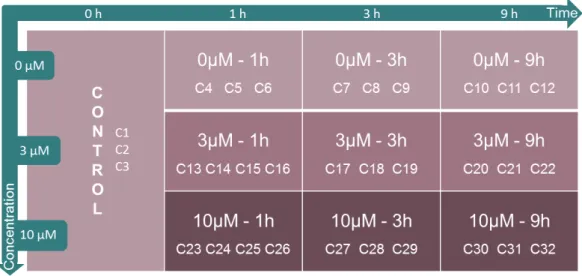
The design of the study was conceived in a way that different groups of cells are treated with two different concentrations of caffeine – 3 µM and 10 µM – or not treated. For each combination of concentration and time, three or four biological replicates were collected, as indicated in Figure 4.1. The control sample, encompassing three biological replicates, represents the cells from which RNA was extracted in the beginning of the experiment. These cells were not exposed to caffeine and the gene expression levels detected consolidate the normal pattern of expression expected from neuronal cells. The control sample is used as baseline/reference for all comparisons when assessing the effect of caffeine on gene expression. It is important to keep in mind that the cell model used consists of newly differentiated neurons and glial cells and, possibly, a fraction of still differentiating or non-differentiated cells.
16
Data Quality, Outliers and Sample Consistency
As mentioned before, the starting point of this work consists of a table with the number of transcripts detected at each tag cluster, for a total of 32 samples, representing 10 different experimental conditions. A big data set was created and 43,631 tag clusters were associated with their corresponding expression count.
Data was normalized using counts per million (CPM), for differences in library size, and relative log expression (RLE) that takes into account the size factor. To obtain the counts per million we scale the counts through division by the library size (total number of fragments detected) and multiplication by one million. The size factor used in RLE normalization is the ratio between tag cluster expression counts and the median expression for that tag cluster across all samples.
Lowly expressed TCs were removed from the analysis by applying an ad-hoc threshold of one CPM in at least two samples. Applying the CPM threshold means that only tag clusters that have two or more samples with expression higher than 1 CPM are chosen for further analysis. The 10 highest expressed TCs were also removed, as they were not found to be involved in caffeine response and represented housekeeping genes, micro RNA (miRNA) and long non-coding RNA (lncRNA). Since these genes have very high expression, they can alter normalization and influence downstream analysis.
As mentioned before, barcode randomization of samples was conducted prior to sequencing and batch effects associated to barcodes were assessed. For samples showing inconsistent expression levels between replicates of the same condition linked to barcoding, an extra filtering step was performed. Since the barcoding is random, replicates of the same condition can have different barcodes. A pattern was found in which for a specific barcode, several TCs had very high expression, while the equivalent replicates, with different barcode, had very low or no expression. Since this did not represent a barcode batch effect due to its isolated occurrence (68 in 43,631), this subset of TCs were removed from the following analysis.
Lastly, outliers were identified using visualization of distribution of normalized and not normalized expression across all samples. Sample C18 displays a different profile than the rest of the samples, presenting an abnormal number of TCs with very low or no expression, when compared to the two other replicates collected from the same condition. This was confirmed by looking at the number of TCs with no expression in all samples, from which C18 appears to be an outlier.
17
Enhancer Prediction
For enhancer prediction, Andersson et al. unsupervised predictor was used. In brief, all the 31 CTSS files are combined into a unique file and split by strand. The CTSS files include all CAGE-defined transcription start sites (CTSS) detected in each sample. Decomposition-based peak identification (DPI) clustering algorithm is used to identify tag clusters from all the CTSS. The distance between peaks is set up using the d parameter. Expression is quantified, and enhancers are identified based on bidirectional expression. A mask file is used to remove enhancers that overlap with TSSs of known genes and exons (Andersson et al., 2014).
Lower d parameters result, usually, in better shaped enhancers, as the peaks included in the enhancer are closer together. Peaks that have a higher distance than d are not included in the prediction of one specific enhancer. D parameters of 5, 10 and 20 were tested and d=5 revealed the lowest number of enhancers, however better shaped (bimodal and bidirectional expression) and, thus, more reliable. Tag clusters englobing only one CAGE peak, were removed.
Gene Expression Responses to Caffeine Treatment
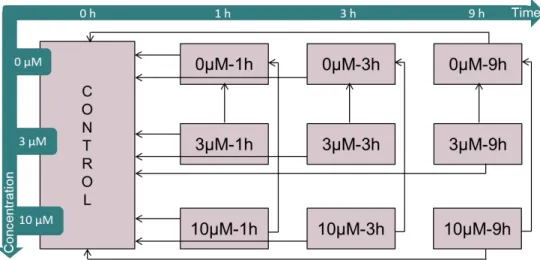
Differential gene expression was performed in R using the generalized linear model (GLM) implemented in edgeR package 3.14.0 (Robinson et al., 2010). All the comparisons made can be found in Table 4.1, with highlight on the ones used for the analysis reported in this thesis. The outline of the comparisons made and how the different results were integrated for one single analysis is shown in Figure 4.2. A cutoff of 0.1 FDR was used for differential expression significance level. No cutoff was applied for the fold change (FC), meaning that any value indicating up- or downregulation was reported.
Differentially expressed genes detected in both treated and non-treated cells were selected according to the difference between the fold change (log2FC) levels in each condition. A threshold of 0.5 in
log2FC difference was applied to differentiate genes changes due to sample handling and gene
18
Condition comparison Description
0µM - 1h | CONTROL
Gene expression changes in non-treated cells after a period of 1, 3 and 9 hours 0µM - 3h | CONTROL
0µM - 9h | CONTROL
3µM - 1h | CONTROL
Time-dependent effect of caffeine in gene expression of cells treated with 3 µM of
caffeine after a period of 1, 3 and 9 hours 3µM - 3h | CONTROL
3µM - 9h | CONTROL
10µM - 1h | CONTROL
Time-dependent effect of caffeine in gene expression of cells treated with 10 µM of
caffeine after a period of 1, 3 and 9 hours 10µM - 3h | CONTROL
10µM - 9h | CONTROL
3µM - 1h | 0µM - 1h
Dose-dependent effect of caffeine in gene expression of cells treated with 3 µM of
caffeine after a period of 1, 3 and 9 hours 3µM - 3h | 0µM - 3h
3µM - 9h | 0µM - 9h
10µM - 1h | 0µM - 1h
Dose-dependent effect of caffeine in gene expression of cells treated with 10 µM of
caffeine after a period of 1, 3 and 9 hours 10µM - 3h | 0µM - 3h
10µM - 9h | 0µM - 9h
Figure 4.2 – Representation of all conditions sampled in this study and how they are compared. Arrows represent all combinations of conditions we compared in this study to identify genes responding to caffeine treatment. The results obtained from one comparison can be interpreted as the difference in gene expression of cells belonging to the condition in the beginning of the arrow comparing to cells belonging to condition in the end side of the arrow.
19
Gene Ontology and Pathway Analysis
Gene ontology was performed using ToppGene (https://toppgene.cchmc.org) with a FDR cutoff of 0.1 for biological process (BP) category. The input consists of a list of gene symbols of all genes represented by the TCs in study for each specific contrast described in the results section.
Pathway analysis was performed using WEBgestalt (http://www.webgestalt.org/webgestalt_2013), considering top 10 relevant pathways. The input consists of a list of gene symbols of all genes represented by the TCs in study for each specific condition described in the results section. A background list consisting of all genes represented in the data set was used to enrich the pathway analysis.
Enhancer Expression in Response to Caffeine Treatment
Differential expression for enhancers was performed in R with edgeR package 3.14.0 using the generalized linear model (GLM), the same method as the one applied to differential gene expression (Robinson et al., 2010). The same comparisons as in differential gene expression were applied in enhancer differential expression (Table 1; Figure 4.2). A cutoff of 0.1 FDR was used as significance level and no cutoff was applied for the fold change; meaning that any value indicating up- or downregulation was reported.
Enhancer-Promoter Expression Correlation
In order to associate enhancer expression with promoter, we first identified pairs of enhancers and promoters with the potential to be interacting. For this, we created an intersection table between the genomic localization of both of the intervenients and kept enhancer-promoter pairs that co-resided within 500,000 base pairs. The final list of candidate interactions accounted for 196,031 co-residing pairs. This list indicates how many possible pairs of enhancers and promoters are close enough in the genome to allow an interaction.
21
5. Results
The results are divided into two sections. Chapter 1, in which we address aim 1: identification of mediator genes in caffeine response. Chapter 2, in which we address aims 2 and 3: identification of active enhancers in neuronal cells and identification of enhancers regulating mediator genes in caffeine response. Before entering in the chapters mentioned above, we present a common section about the initial quality control performed on this data set, prior to the analysis reported in all chapters.
Data Quality, Outliers and Sample Consistency
After processing the sequencing results as briefly described before, we obtained a total of 43,631 tag clusters. Each of these has a corresponding number of read counts per sample, representing the expression detected. Given the dimension of the data set and the fact that a large fraction of the detected TCs show only basal expression levels, a filtering step was needed. 32 samples represent the 32 conditions tested in this study, each one consisting of a different combination of caffeine concentration and exposure time.
From the initial 43,631 TCs, 35,257 showed expression higher than one CPM in at least two samples and were kept for analysis. The 10 highest expressed TCs, also removed from analysis, represented housekeeping genes, miRNA and lncRNA genes, such as tuba1, mir3917 and malat1, respectively. The final data set used for further analysis consists of 35,189 TSSs and was obtained after removal of 68 TCs with inconsistent expression levels between replicates.
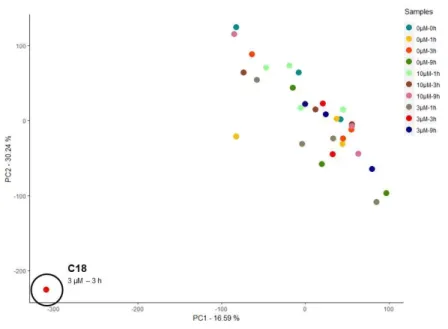
From all 32 samples, sample C18 was shown to be an outlier. Visualization of expression levels distribution across all samples after filtering enlightens the fact that sample C18 shows a different profile from the rest of the samples. In Figure 5.1, we see the distribution of expression counts and sample C18 displays a shift in expression towards zero even after filtering of lowly expressed TCs (Figure 5.1A). This means that this particular sample has a high number of TCs with low or no expression detected. Unlike the homologous replicates for the same condition, C18 appears as an outlier. Normalization of the data for different library sizes does not improve the distribution of expression for sample C18 relatively to other samples, since this sample has a much smaller library size due to the high number or TCs with null expression. We concluded that this peculiar extent of null expression represented an imprecision in the library.
22
Figure 5.1 – Distribution of, normalized and not normalized, tag cluster expression counts of filtered data before and after removing outlier sample. Box plots for n=35,189 representing the distribution of individual expression counts detected for each of the filtered tag clusters before and after CPM normalization (upper and lower panel, respectively). A) Not-normalized data before removing sample C18; B)Not-normalized data after removing sample C18; C) Normalized data before removing sample C18; and D)
Normalized data after removing sample C18. Box plots are colored according to sample name; median (solid horizontal line), upper and lower quartiles (upper and lower limits of box, respectively) are represented.
Data normalized with CPM
E xp re ssi o n Co u n ts
C
D
E xp re ssi o n Co u n ts E xp re ssi o n Co u n tsA
B
Data not normalized
E xp re ssi o n Co u n ts
23
Figure 5.2 – Overall differences in gene expression of all samples for normalized and filtered data. Principal component (PC) analysis plot illustrating the differences in normalized expression counts of high-dimensional data consisting of 35,189 tag clusters. Replicates are colored according to experimental condition. No visible clusters or batch effects are identified. One outlier sample is identified (C18), clearly separated from the rest of the samples along PC1 and PC2.24
CHAPTER 1: How does gene expression mediates caffeine response of
neuronal cells and what genes mediate this response?
Gene Expression in Neuronal Cells
A total of 43,631 tag clusters were detected in the sequenced CAGE libraries. Each tag cluster represents a group of TSSs that is associated with a gene. Several TSSs are annotated with the same gene, which indicates that one gene can have multiple transcription start sites, or alternative promoters. From all TCs detected, 6,062 are not annotated and the remaining represents 14,014 genes.
For all the comparisons presented in Table 5.1, a total of 307 differentially expressed tag clusters was obtained. From all differentially expressed genes, only 268 are annotated and represent 253 genes. In Supplementary Table 1, the list of differentially expressed tag clusters and corresponding genes can be found, including information on the comparisons used, fold change and statistical significance.
Gene Expression Changes Due to Handling
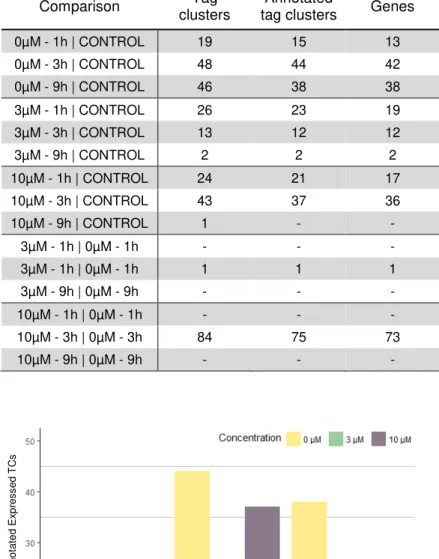
When analyzing non-treated cells over time, we observed accentuated changes in gene expression: 15, 44 and 38 annotated TCs were up- or downregulated after 1, 3 and 9 hours, respectively (Figure 5.4, yellow bars). The changes seen for these transcription start sites do not represent a response to caffeine, since these cells were not submitted to caffeine treatment. These alterations might represent the result of sample handling and cell vital processes that are active in these cells. These variations, considered as background variation, are much accentuated and can significantly mask the response to caffeine stimulus in treated cells if not considered.
25
Figure 5.4 – Gene expression changes regarding non-treated cells and cells treated with 3 and 10 µM of caffeine in comparison with control samples. For all three different concentrations (yellow, green and purple bars), the number of differentially expressed tag clusters is displayed for each time point of RNA collection. The number of differentially expressed TCs results from a comparison between all indicated conditions and the control sample in the beginning of the experiment. Only annotated TCs are considered. After 9 hours, caffeine does not induce significant changes in gene expression; however, non-treated cells still present a considerable extent of alterations in gene expression.Num b e r o f Diff e re n tia ll y A n n o ta te d E x p re ss e d T Cs Time
Comparison Tag
clusters
Annotated
tag clusters Genes
0µM - 1h | CONTROL 19 15 13
0µM - 3h | CONTROL 48 44 42
0µM - 9h | CONTROL 46 38 38
3µM - 1h | CONTROL 26 23 19
3µM - 3h | CONTROL 13 12 12
3µM - 9h | CONTROL 2 2 2
10µM - 1h | CONTROL 24 21 17
10µM - 3h | CONTROL 43 37 36
10µM - 9h | CONTROL 1 - -
3µM - 1h | 0µM - 1h - - -
3µM - 1h | 0µM - 1h 1 1 1
3µM - 9h | 0µM - 9h - - -
10µM - 1h | 0µM - 1h - - -
10µM - 3h | 0µM - 3h 84 75 73
10µM - 9h | 0µM - 9h - - -
26
Gene Expression Changes in Cells Treated with Caffeine
Differential expression analysis allows an evaluation of differences in gene expression in different conditions. With our first question in mind, it allows assessing how different concentrations of caffeine affect gene expression during the course of time. If a specific gene is differentially expressed between two conditions, then caffeine is causing a change in its expression level.
In this study, we are particularly interested in gene expression changes that occur due to caffeine exposure, thus we compare non-treated cells with cells treated with 3 µM and 10 µM at the same time points to see the effect of concentration. We also compare control cells (no treatment at 0 h) with 3 µM and 10 µM treated cells at all different time points to see the effect over time.
A wide number of different comparisons can be made in order to investigate what is the effect over time, the concentration effect, which parameter (time/concentration) has the bigger impact on gene expression variation, amongst other. However, it is not feasible to address all at once. With this in mind, and focusing on our first aim, we evaluated how cells respond to different concentrations of caffeine in the different time points, removing the background noise that is observed in non-treated cells.
In respect to treated cells, the comparisons made to assess the time-dependent response to caffeine resulted in 109 differentially expressed tag clusters, from which 95 are annotated (Figure 5.4, green and purple bars) and represent 86 genes. The comparisons made to assess the dose-dependent response to caffeine resulted in 85 differentially expressed tag clusters, from which 76 are annotated and represent 74 genes. Non annotated tag clusters were considered in later correlation analysis with enhancer expression but were omitted in gene ontology and pathway analysis.
27
Genes Mediating Response to Caffeine Stimulus
The changes in gene expression that are observed in non-treated cells are expected to occur in treated cells as well. These alterations are probably a result of sample manipulation, such as removing cells from incubation every time a measurement needs to be made. In order to assess the effect of caffeine alone, we need to be able to distinguish the changes that occur due to handling from the changes that occur in response to caffeine addition to the medium.
Removal of background noise was possible by integrating differential gene expression results from three comparisons: 1) compare each time point for 3 µM and 10 µM with control; 2) compare the time point for non-treated cells with control; and 3) compare the same time point in treated and non-treated cells. As an example, evaluation of caffeine response in cells treated with 3 µM after 3 hours is represented by the following comparisons: 1) 3h|CONTROL; 2) 0µM-3h|CONTROL; and 3) 3µM-3h|0µM-3h, where “CONTROL” represents 0µM-0h (Figure 4.2).
By comparing cells treated with caffeine at different time points with the control cells we look at the effect of caffeine over time for each concentration. The same comparison can be made for non-treated cells, and in this case we mainly see the results of sample manipulation. The simple act of removing cells from incubation several times during the experiment has effects on gene expression as cells struggle to efficiently respond and compensate even the slightest stress that might be triggered in the cells. When considering these two comparisons we can see the common genes changes and investigate if these changes are completely due to handling or if caffeine might have a role in amplifying the alterations. We address this question by comparing the fold change in both conditions
Figure 5.5 – Caffeine-induced gene expression differences. Principal component (PC) analysis plot illustrating the differences in normalized expression counts of high-dimensional data consisting of 197 tag clusters, corresponding to all tag clusters responding to caffeine treatment (3 and 10 µM). Replicates are colored according to experimental condition (A) and time (B). Ellipses represent 95% confidence intervals. A)
Differences between samples are more evident due to caffeine induction of expression of different sets of genes according to treatment. B) PC2 separates samples in 3 individualized clusters. Clustering of control samples and 9 hour samples suggests that gene expression patterns of these samples are similar.
28
and selecting the genes that show a significant difference. Last, we compare our condition of interest with non-treated cells at the same time point to see the effect of concentration only, regardless of the evolution of gene expression over time.After comparing each concentration at each time point with the correspondent condition for non-treated cells, we observe significant changes in gene expression at 1 h for cells non-treated with 3 µM of caffeine and at 3 h for cells treated with 10 µM of caffeine. No other dose-dependent differentially expressed genes were found for time points other than the ones stated.
By means of Venn diagrams illustrations, the relation between all three comparisons can be studied as a whole and a final list of genes can be selected. The Venn diagram shown in the left panel of Figure 5.6 illustrates the number of differentially expressed genes observed at 1 h for cells treated with 3 µM of caffeine when compared to the control (A) and when compared to non-treated cells at the same time point (B) as well as the number of differentially expressed genes due to handling (C). In the right panel of the same figure, a schematic of the comparisons made is shown to support the interpretation of the venn diagram.
Figure 5.6 – Evaluation of gene expression responses to treatment with 3 µM of caffeine. On the left side, a venn diagram represents the number of differentially expressed genes in each comparison: A)
29
After removing the genes expressed as a result of manipulation, the resulting list of 16 genes was further investigated to assess the nature of these genes as well as the pathways and processes they relate to.Gene ontology analysis (Figure 5.7) showed a total of 61 GO terms within the established parameters, with 22 of which hereby reported as the most worth highlighting. Six GO terms related to synaptic activity processes are perturbed, such as synaptic signaling (GO:0099536), trans-synaptic signaling (GO:0099537), anterograde trans-synaptic signaling (GO:0098916), chemical synaptic transmission (GO:0007268), positive regulation of dopamine uptake involved in synaptic transmission (GO:0051586) and positive regulation of neurotransmitter uptake (GO:0051582).
One of 7 down-regulated genes is related to the two latter processes: nat8l, a gene coding for a neuron-specific metabolite – N-acetylaspartate acid (NAA) – that, ultimately, regulates acetyl co-A
transport to nervous system and promotes dopamine uptake (Arun et al., 2009; Moffet et al., 2013). When the process is down-regulated, acetyl co-A supply to the nervous system is strongly conditioned,which happens after 1 hour of caffeine exposure. Nat8l is also involved in all 4 synapse-related processes earlier mentioned, as well as three up-regulated genes: egr2, egr3 and npas4. Early growth response (EGR) genes strongly condition neuronal plasticity and are, often, involved in memory studies (Minatohara et al., 2015).
Several pathways appear to be perturbed at 1 hour after exposing cells to 3 µM of caffeine (Figure 5.8; Supplementary Figures S1-S3). With a an increase in expression of 16x, Fos is involved in B and T cell receptor signaling pathways and toll-like receptor signaling pathways, which suggests an upregulation of immune response processes. One significantly downregulated gene – TubaA – is associated with gap junction establishment, with a decrease in expression of around 15x.
30
A similar diagram is shown for cells after 3 hours of exposure to 10 µM of caffeine (Figure 5.9), illustrating the number of differentially expressed genes observed for these cells when compared to the control (A), when compared to non-treated cells at the same time point (B) as well as the number of differentially expressed genes due to handling (C). Once again, in the right panel of the figure, a schematic of the comparisons made is shown to support interpretation. Genes expressed as a result of manipulation were removed and a final list of 96 TCs, was further investigated with pathway and gene ontology analysis.Figure 5.9 – Evaluation of gene expression responses to treatment with 10 µM of caffeine. On the left side, a venn diagram represents the number of differentially expressed genes in each comparison: A)
time-dependent response, B) concentration-dependent response and C) response to sample handling. The number of differentially expressed genes that are common in non-treated cells and in cells treated with 10 µM of caffeine is also shown. On the right side, a schematic of the comparison used in the analysis with colored arrows indicating the comparisons shown in the Venn diagram representation.