FACULDADE DE MOTRICIDADE HUMANA
____________________________________________________________
Dissertação apresentada com vista à obtenção do grau de Doutor em Motricidade Humana, Especialidade em Saúde e Condição Física
Orientador: Doutor Pedro Jorge do Amaral de Melo Teixeira Co-Orientador: Doutora Maria Margarida Nunes Gaspar de Matos
Júri: Presidente
Doutora Maria Leonor Frazão Moniz Pereira da Silva
Vogais
Doutor Luís Fernando Cordeiro Bettencourt Sardinha Doutor José Luís Pais Ribeiro
Doutora Maria Isabel Augusto Cortes do Carmo Doutora Maria Margarida Nunes Gaspar de Matos Doutor Sidónio Olivério da Costa Serpa
Doutor Pedro Jorge do Amaral de Melo Teixeira
Marlene Nunes Silva Julho 2010
Predictors of Exercise Adherence and Weight Control:
An Application of Self-Determination Theory
Para:
João, Josefina, Bruno e pequena/o “ervilha”
Para:
Todas as mulheres de PESO que participaram no programa
Table of Contents
Abstract……….………..7
Acknowledgements………...11
CHAPTER 1 Introduction to the Thesis………..15
Overview of Research Goals……….18
List of articles, books and conference presentations/abstracts as first author………...21
CHAPTER 2 General Introduction……….………...27
Overweight and Obesity………28
The definition of obesity………....28
Obesity’s causes: a mismatch between physiology and modern environment?...29
Epidemiology of overweight and obesity in Europe and Portugal………31
Physical and psychological consequences of obesity………32
Treatment and long-term outcomes………...36
Physical activity and long-term weight control……….39
Mechanisms of action………42
The problem of long-term adherence………43
The need for new research approaches……….….44
Research Background: mechanisms of intervention’ success………...46
Mediators of treatment effects: intervening causal variables………48
The importance of theory to practice……….…52
Self-determination theory as a theoretical framework………. 55
The sub-theories of SDT and their conceptual bounds………..57
References……….68
CHAPTER 3 A randomized controlled trial to evaluate self-determination theory for exercise adherence and weight control: rationale and intervention description……….80
Abstract……….81
Background………...…82
Theoretical rationale………..83
Self-determination theory and motivation for health behavior………..83
Self-determination theory, exercise and weight control………87
The Self-determination theory model for maintained behavior change………90
Methods……….92
Recruitment………...…92
Intervention………...…93
Measurements………..100
Sample size and power………103
Discussion………...…104
References………...106
CHAPTER 4 Using self-determination theory to promote physical activity and weight control: a randomized controlled trial in women………112
Abstract………...113 Introduction……….114 Method………118 Results ………129 Discussion………...135 References………...…140 CHAPTER 5 Helping overweight women become more active: need support and motivational regulations for different forms of physical activity………146
Abstract………...147 Introduction……….148 Method………154 Results……….164 Discussion………...…171 References………...178 Footnote………...185 CHAPTER 6 Exercise autonomous motivation predict 3-Year weight loss in women………..186
Abstract………...187 Introduction……….188 Method………191 Results ………199 Discussion………...205 References………...211 CHAPTER 7 General Discussion………216 Overview……….…217
Summary of main research findings………219
Understanding success and failure in promoting long-term behavioral change in the field of obesity management……….……….224
Current weight loss attempts: Problems with actual motivational targets…...224
Controlled and self-determined regulations and the question of rigid vs.
flexible approach to change……….228
Autonomous and controlled self-regulations: the issue of creating versus depleting energy for action ……… 230
The role of well-being (fostered by autonomous-regulations) as helping long-term behavior change……….233
Weight-loss interventions: a continuous care reality?...235
Practical implications and future directions: autonomously motivated weight-loss, is it possible?...238
The importance of fun, enjoyment, challenge………. 238
Finding other directions: values and self-actualization……...239
Limitations and future research directions………..242
Summary……….246
References………...247
APPENDICES Other articles (in Portuguese language) published within the context of P.E.S.O .... 254
Abstracts of presentations (oral and poster) related to the Thesis………...302
Questionnaires used in the Thesis………...312
Health Care Climate Questionnaire……….…313
Self-Determination Scale……….314
Treatment Self-Regulation Questionnaire………...315
Intrinsic Motivation Inventory……….. 317
Locus-of Causality for Exercise………..318
Self-Regulation Questionnaire-Exercise……….319
Motives for Exercise II………320
Tables and Figures
__________________________________________________________
TablesTable 1. (General introduction): Examples and descriptions
of the quality of motivation………63
Table 1. (Study II): Baseline characteristics………129
Table 2. (Study II): Between-group comparison for psychosocial and exercise……….132
Table 1. (Study III): Composite Reliability (CR), Average Variance Extracted (AVE) and correlations of factors in measurement model ……….……….167
Table 2. (Study III): Indirect effects in the structural model………...169
Table 3. (Study III): Tests of mediation in the structural model..……….. 170
Table 1. (Study IV): Composite Reliability (CR), Average Variance Extracted (AVE) and correlations of factors in measurement model………..……….201
Table 2. (Study IV): Structural model, indirect effects and tests of mediation…………...204
Figures Figure 1. (Study I): Model describing internalization and human motivation….………...…..85
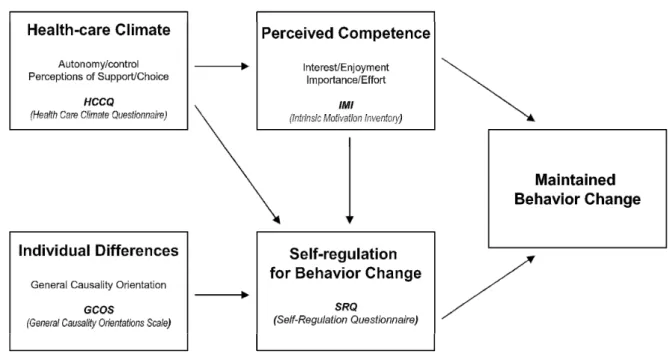
Figure 2. (Study I): The Self-determination theory model for maintained behavior change…... 90
Figure 3. (Study I): Relations between psychological needs and motivational styles from SDT and the core principles from motivational Interviewing...99
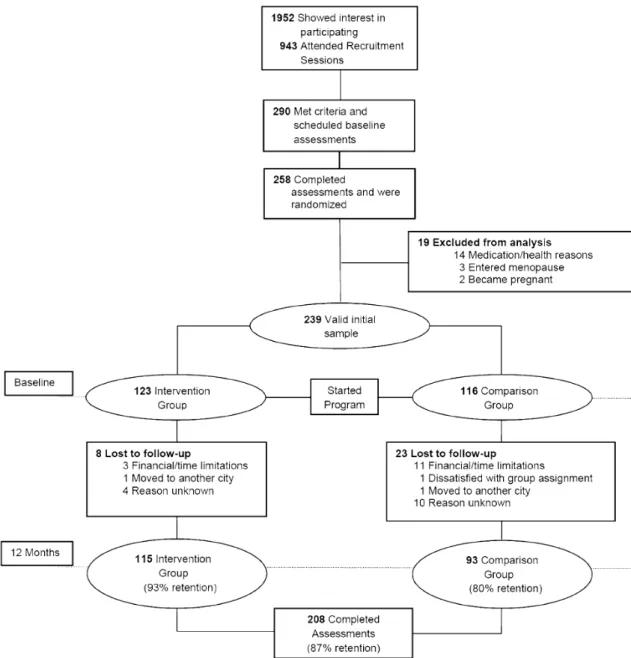
Figure 1. (Study II): CONSORT diagram………...……….………....…...119
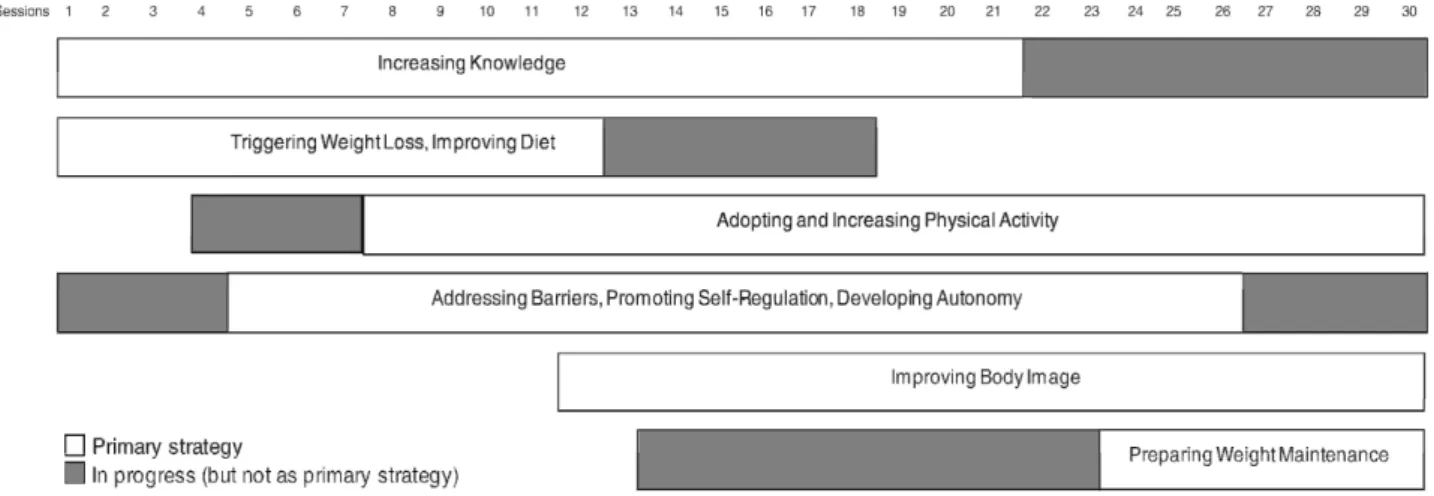
Figure 2. (Study II): Intervention modules implementation………..…………..…121
Figure 3.(Study II): Weight change during the first year………..………. 133
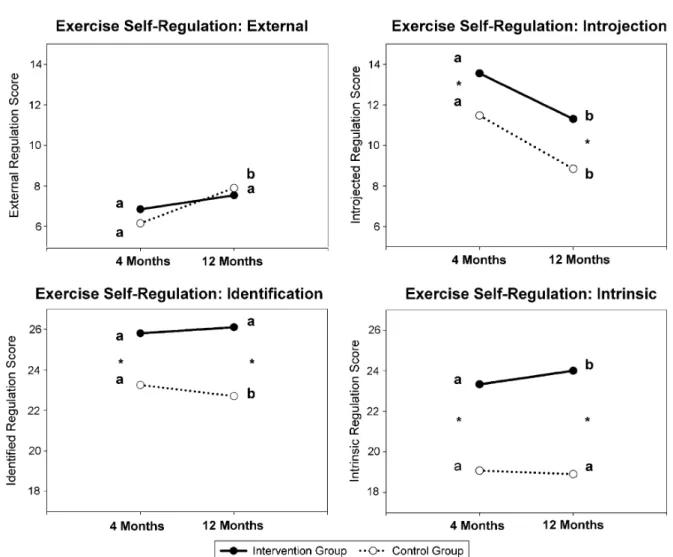
Figure 4. (Study II): Changes in self-regulation for exercise at 4 and 12 months……....…...135
Figure 1. (Study III): Partial least squares model………....……168
Abstract
__________________________________________________________
The present Thesis was set within a longitudinal randomized controlled trial, consisting of a 1-year theory-based behavior change intervention and a 2-year follow-up period with no intervention. This trial included 239 overweight or obese women (age: 37.6±7 y; BMI: 31.5±4.1 kg/m2) who were premenopausal and free from identified disease. The main intervention was designed to increase physical activity and internal motivation, following self-determination theory (SDT). While tested before for other health behaviors with promising results, SDT had never been previously applied to weight management in long-term, controlled designs. Thus, the four studies comprising this Thesis were designed to provide a comprehensive analysis of how a theory-based intervention, implemented to affect specific theory-based mediators, would impact exercise adherence and body weight change both in short and long-term, from a SDT perspective.
After a complete description of the study protocol, theoretical framework, and main intervention strategies (study 1), study 2 showed that the intervention was successful in affecting theory-driven mediators, physical activity, and weight change at 12 months (intervention’s end), demonstrating that the socio-contextual characteristics advanced by SDT are amenable to manipulation, and revealing the potential utility of SDT to shape behavioral interventions targeting the promotion of physically active lifestyles and weight-change.
Studies 3 and 4 searched for a more in-depth understanding of the dynamics of exercise motivation by exploring and testing mediational models aimed at outlining theory-based mechanisms and their impact on different types of physical activity at intervention’s end (study 3), and on long-term behavioral exercise regulations and physical activity (24-month) and 36-month weight change (study 4). Convergent with previous research, but extending it into the context of a randomized controlled trial, these studies indicated that perceived
need-supportive health care climate, psychological needs for autonomy and competence, and intrinsic motivation mediate the effects of the experimental treatment climate on structured exercise behavior. Furthermore, these variables rested within the causal path of long-term weight loss, providing evidence from a link between experimentally-increased autonomous motivation, long-term physical activity adoption, and 3-year weight management.
This application of SDT to physical activity and weight management provides experimental evidence that an autonomy-supportive context facilitates the internalization of regulatory processes, particularly through its effect on exercise-related constructs, which in turn promote long-term positive behavioral and clinical outcomes in overweight/obese women.
Keywords: Obesity, Physical Activity, Self-Determination Theory, Randomized Controlled Trial, Mediators of Change, Long-term
Resumo
__________________________________________________________
A presente tese foi desenvolvida no contexto de um estudo longitudinal, controlado e com distribuição aleatória, configurando uma intervenção comportamental teoricamente sustentada, com a duração de um ano, seguida de dois anos de follow-up (sem qualquer intervenção). Este estudo envolveu 239 mulheres com excesso de peso ou obesidade, pré-menopausicas e sem patologia diagnosticada. O programa de intervenção foi desenhado de acordo com os princípios base da teoria da auto-determinação (TAD), visando sobretudo o aumento da motivação intrínseca para a actividade física, procurando-se promover a sua adesão a longo prazo. Apesar de este enquadramento conceptual já ter sido testado com resultados promissores na promoção de vários comportamentos de saúde, não há relato de um teste experimental, com avaliações no longo prazo, da TAD no âmbito do controlo do peso. Os 4 artigos que constituem esta tese, no seu conjunto, foram desenhados para permitir a análise do modo como uma intervenção teoricamente sustentada, desenhada e implementada para ter efeito em variáveis-alvo mediadoras, poderá influenciar a adesão ao exercício e a alteração do peso corporal, tanto no curto como no longo prazo.
Partindo de uma descrição pormenorizada do protocolo experimental, das principais estratégias de intervenção e do racional teórico que as sustenta (estudo 1), o estudo 2 veio demonstrar que, 1 ano após o seu inicio, a intervenção parece ter sido bem sucedida na promoção de actividade física e perda de peso, tendo exercido influência positiva ao nível das principais variáveis-alvo mediadoras (por comparação com o grupo de controlo). Este estudo evidenciou a possibilidade de manipulação experimental das principais características sócio-contextuais identificadas pela TAD como fundamentais na promoção de estilos de vida activos, compatíveis com a eficaz gestão do peso.
Os estudos 3 e 4 representam a passagem do estudo do impacto da intervenção para a procura de entendimento dos principais mecanismos motivacionais envolvidos. Com recurso ao teste de modelos mediacionais, procurou-se estudar o efeito diferenciado das variáveis-alvo identificadas pela TAD na adopção de diferentes tipos de actividade física um ano após o inicio da intervenção (estudo 3), bem como o papel das referidas variáveis na adesão continuada à actividade física (follow-up 2º ano), e alteração do peso a longo prazo (follow-up 3º ano). De forma congruente com investigações anteriores, mas estendendo-as a um enquadramento experimental e controlado, os resultados encontrados sustentam a percepção de um clima de suporte à satisfação das necessidades psicológicas básicas (autonomia e competência), e a motivação intrínseca, como mediadoras dos efeitos produzidos pela intervenção na adesão à actividade física estruturada. Estas variáveis funcionaram também como mecanismos associados ao envolvimento continuado em actividades físicas (dois anos após o início da intervenção) e controlo do peso a longo prazo (3 anos após o início da intervenção).
Com base nos resultados encontrados, esta aplicação da TAD à promoção da actividade física e do controlo do peso fornece evidência experimental de que um clima de suporte ao desenvolvimento de autonomia e competência pode facilitar a internalização de regulações motivacionais mais autónomas para a actividade física, as quais se constituem como facilitadoras de mudanças comportamentais importantes e com relevância clínica, em mulheres com excesso de peso ou obesidade.
Palavras Chave: Obesidade, Actividade Física, Teoria da Auto-Determinação, Estudo Controlado com Distribuição Aleatória, Mediadores da Mudança, Longo Prazo.
Acknowledgements/ agradecimentos
__________________________________________________________
Esta é a única secção da presente Tese escrita em Português. E a razão é simples. Ela não exprime factos ou evidência científica, mas afectos. E a linguagem dos afectos já é difícil de se expressar em palavras, quanto mais numa língua “estrangeira” (e por isso talvez mais “fria” e distante). Esta é uma tese sobre pessoas, sobre os “mecanismos motivacionais” que podem estar na base das mudanças que conseguem implementar (ligadas à actividade física e ao controlo do peso), mas é, também ela, o resultado de um processo envolvendo muitos “mecanismos” que só produziram resultados graças a um conjunto alargado de pessoas. Muitas vezes, nesta tese, se defende a importância da identificação das variáveis afectas aos resultados visíveis. Também na vida (no tal campo dos afectos) acredito que assim deve ser. Muitas vezes me ocorre pensar que as pessoas importantes para nós “sabem que o são”, mas… talvez nem sempre seja assim. O risco é sempre o de não se ser suficientemente “justo”, inclusivo, de não se chegar a todos, de não se ter a palavra certa (…é tão mais fácil expressar afectos sem recorrer à palavra), mas que isso não nos demova de tentar.
Correndo então esse risco (afinal não estará ele sempre presente em todas as escolhas que fazemos?), o primeiro grande agradecimento tem que ir para a “variável" mediadora principal entre mim e o completar desta tese (a que explica a fatia principal dos “efeitos”), o Professor Doutor Pedro Teixeira. Um verdadeiro “professor” em toda a acepção da palavra. Muito mais que um orientador cientifico, teve, muitas vezes, que me ajudar a gerir ansiedades, medos e angustias, próprias de quem trilha um caminho em que não há respostas definitivas e absolutas, mas que exige todo o rigor possível. Ensinou-me muito mais do que quadros teóricos de referência, capacidades de pesquisa e interpretação de dados, preocupações metodológicas e estatísticas (e Inglês!). Ensinou-me que é possível superar os nossos limites,
que é possível ir buscar ao nosso interior a energia para o conseguir, que é possível ir encontrando significado nas experiências que a vida nos oferece (as boas e as más), enfim, apresentou-me e serviu de anfitrião a uma forma de olhar para a realidade. E para isso nunca existirão palavras para agradecer.
Existiram também outros “anfitriões” do conhecimento e do saber a quem devo muito mais que gratidão: A Professora Doutora Margarida Matos, que me abriu as portas para o interesse científico com o projecto que começou por marcar a minha colaboração com a Faculdade de Motricidade Humana (o programa “Entre Pares ao Longo da Vida” da sua coordenação), e que me permitiu o privilégio de ir estando ligada a outros projectos e programas que em tudo me enriqueceram. Como co-orientadora desta tese permitiu e foi encorajando um olhar de largo espectro, uma reflexão critica única e enriquecedora. Por tudo isso, e por ter acompanhado o meu percurso desde os tempos da faculdade, deixo o meu reconhecimento marcado. O mesmo dizer do Professor Doutor Luís Sardinha, incansável investigador, pensador, empreendedor, criador de condições e estrutura para que o campo da investigação e intervenção em torno dos fenómenos legados à actividade física (em todas as suas formas) possa florescer e prosperar. A criação de um Laboratório de Exercício e Saúde de qualidade e equipamento a nível mundial, e que a todos nos abriga e nos serve de “casa científica”, é só um dos muitos legados que a este campo proporciona.
No campo científico, uma palavra é também devida ao professor David Markland, co-autor de vários artigos nesta tese, e que em muito contribuiu para o aumento do conhecimento e reflexão critica não só face aos resultados encontrados, como ao enquadramento que lhes deu origem. Também o professor Geoffrey Williams, um dos pioneiros na aplicação da teoria da auto-determinação ao campo da saúde, e, mais especificamente do controlo do peso, foi fundamental para a consecução deste trabalho na forma que se apresenta. Por último, apesar
de mais difícil (afinal somos humanos!), neste campo científico, não seria justo não reconhecer a contribuição inestimável dos especialistas anónimos que conduziram as revisões dos artigos contidos nesta tese (quer os publicados, quer os que ainda estão no processo). Foi a procura de resposta para as suas críticas, sugestões e visão “desapaixonada” (porque mais distante e neutra), tantas vezes difíceis de gerir, que conduziu a um aperfeiçoamento do trabalho apresentado, e principalmente da forma de olhar para os seus resultados.
Um olhar cheio de fortes sentimentos vai para a equipa que ajudou a tornar os sábados de manhã (ao longo de mais de 3 anos), muito mais que trabalho. Margarida Castro, Cláudia Minderico, Paulo Vieira e Sílvia Coutinho, que comigo conduziram as sessões semanais do programa que deu origem a esta tese. Com eles partilhei e aprendi. Juntos testemunhámos, grupo após grupo, as experiências de todas aquelas que tiveram a coragem e a generosidade de partilhar o seu processo de gestão do peso connosco. Também a Teresa Santos, noutro “teatro de operações”, igualmente importante (e talvez mais ingrato, porque tantas vezes isolado), teve um papel fundamental neste processo. Uma palavra de apreço também, aos restantes técnicos que, de tantas formas, estiveram envolvidos no programa (Eliana Carraça, Miguel Marcelino, Mariana Pessoa e todos os estagiários que tanta energia trouxeram).
E que dizer de dois colegas mais “seniores”, que em tudo marcaram a minha formação pessoal e profissional? Pelas pessoas que são, pelo exemplo de profissionalismo e inteligência que representam, pela capacidade de trabalho, mas também de atenção ao humano, às necessidades do outro, um beijinho muito especial para o António Palmeira e Jutta Mata (António nunca vou esquecer a tua generosidade e apoio, estendidas até Banff, Canadá! Jutta, as nossas conversas nacionais e transatlânticas foram e são preciosas para mim). Também a Eliana Carraça, colega “júnior” (mas só mesmo em idade!), minha companheira de sala, ajudou a transformar estes últimos meses em momentos mais desafiantes de pensamento e
partilha. Um beijinho também para Ana Andrade com quem partilho tantas gargalhadas (e tão precisas são às vezes).
Não seria possível acabar esta parte sem prestar o devido reconhecimento a todos aqueles que com o seu trabalho passado (e tantas vezes ainda presente!) tornaram possível o nível de desenvolvimento em que viemos encontar o programa PESO; Antigos doutorandos do LabES (“pioneiros” como alguém lhes chamou!): Analiza Silva, Themudo Barata, Cláudia Minderico, Paulo Rocha, Teresa Branco, Sandra Martins, Elvis Carnero e Ana Quitério.
Por último (mas só mesmo nesta folha!), há que destacar o papel fundamental dos meus pais, que nunca se cansaram de tentar responder aos muitos “Quês e Porquês” que eu e a minha irmã fomos sempre colocando. Por nos terem encorajado o espírito curioso, por nos terem apoiado nas descobertas que entendemos fazer, por nos terem colocado sempre em primeiro lugar (que o possamos retribuir sempre…), é legítimo sentir que cada passo que damos, à vossa “mão” em muito o devemos.
Catarina, Tânia, Teresa, o nosso clube “elas”, hoje com “mais 3”, foi marcando a nossa entrada na idade adulta. E é tão bom poder partilhar responsabilidades, dores, alegrias e reflexões.
Bruno, que te possa um dia “devolver” os últimos 5 anos. Que possa compensar todos os bocadinhos de mim que em falta estiveram, centrados nas múltiplas tarefas que todos os dias iam surgindo, sempre “urgentes e importantes”. Tu, pelo contrário, estiveste sempre lá, inteiro. E a tua calma, estrutura, amor, foram tantas vezes a “cola” dos meus bocadinhos partidos e dispersos. E se é sempre possível ir descobrir “energia” no nosso interior, graças a ti eu posso senti-la a duplicar: a minha e a da “nossa ervilha”. O “processo” mais importante, o qual nenhum “modelo mediacional” poderá explicar….
CHAPTER 1
_______________________________
Introduction to the Thesis
“Why we do what we do?” is the title of a pioneering book pertaining to the understanding of self-motivation, by Edward Deci, one of the founding fathers of self-determination theory (SDT). This simple, yet profound question (and maybe impossible to answer in absolute), provides the perfect context to introduce this Thesis. This brief preliminary section aims at explaining why the author “did what she did” in terms of this document’s internal structure, logic, and organization.
This Thesis was set within the context of a large prospective, experimental, controlled study, involving a 3-year weight loss and weight maintenance lifestyle theory-based intervention. This randomized controlled trial, called the P.E.S.O. II study (Promotion of Exercise and Health in Obesity) was conducted at the Faculty of Human Kinetics between 2005 and 2009. In general terms, this Thesis was set to address two main goals: i) to describe and assess the impact, on the short- and long-term, of the P.E.S.O intervention on physical activity and exercise, body weight and composition, and on SDT-based motivational and self-regulatory constructs; ii) to identify and describe the theoretically-based mediator variables associated with sustained physical activity participation and long-term weight control.
The core of the present Thesis reflects a collection of 4 research articles published, in press, or submitted for publication in peer-review journals with an established ISI Impact Factor. Although the option for a Thesis based on independent articles has clear advantages, it is not without problems, namely an increased risk of repetition. As such, and to avoid redundancy, the structure of the present document follows these principles:
1) A general introduction (chapter 2) was written, aiming at presenting an overview of the topic and build the foundations on which the empirical chapters were based, including a selected review of the evidence pertinent to the main research questions. In other words, it was written to introduce the conceptual and theoretical underpinnings that inform the research
objectives of the four studies presented in this Thesis, responding to the “whys” of: i) the chosen population (overweight and obese women); ii) the targeted behavioral outcomes (physical activity and weight control); iii) the importance of the chosen research design (RCT studying mechanisms of long-lasting behavior change) and; iv) the adopted theoretical framework (SDT).
2) Following the general introduction, the first article (chapter 3) is presented. This article details the study protocol and describes most methodological aspects of the Thesis, many of which are common to the four studies (e.g. study design, recruitment, randomization, intervention principles and strategies, measures, statistical power, etc.). The inclusion of this chapter rendered the inclusion of a separate “Methods” section for the Thesis unnecessary.
3) Besides what is included in chapter 3 (article 1) additional details on background, statistical analyses, or other aspects pertaining to specific research goals are detailed on the Methods sections of articles 2, 3 and 4 (respectively, chapters 4, 5 and 6). Indeed, we thought it would more useful and appropriate to discuss different statistical techniques in different chapters, rather than to have a single Methods chapter. Thus, middle chapters are presented as individual empirical articles with their own abstract, introduction, methods, results, discussion and references sections.
4) Bibliographic references (at the end of each article) followed the format requested by the journal of submission/publication. The same also applied to other specific differences in format (e.g. legends, figures, and tables). For the general introduction and discussion sections the numbered format was adopted for references.
4) In the closing chapter (Chapter 7), findings from the middle empirical chapters are drawn together and discussed in light of literature and possible inferences to the long-term promotion of physical activity behaviors in the field of weight management. The potential utility of the
new findings for future intervention practices and foundations for theoretical developments are also discussed.
5) Finally, the Appendices section includes: i) questionnaires used in the Thesis; ii) abstracts of presentations (oral and poster) related to the studies presented in the Thesis, and; iii) two other articles (in Portuguese) published within the context of P.E.S.O study. One pertains to an ongoing community program originally based on the P.E.S.O. curriculum and experience – the PESO COMUNITÁRIO program.
Overview of Research Goals
A detailed explanation of the research goals that guided the development of the present Thesis is described below (organized by research articles):
Article I (chapter 3): The first of the four articles included in this Thesis is the study
protocol, aimed at describing the P.E.S.O. II trial, which was conceived to test a novel obesity intervention program based on SDT. Furthermore, this article was also developed to present the rationale behind SDT's utility in facilitating and explaining health behavior change, especially physical activity/exercise, during obesity treatment. Study design, recruitment, inclusion criteria, measurements, and a detailed description of the intervention (general format, goals for the participants, intervention curriculum, and main strategies) were also addressed. The writing of this article is a recommendation from the Behavior Change Consortium, considering that intervention descriptions are often not specific about the techniques employed and that there is no clear correspondence between theoretical "inspiration" and adoption of particular behavior change techniques.
Article II (chapter 4) – Sequentially, the second article of this Thesis extended the
the study’s main outcomes (body weight and composition, and physical activity) and analyzed the proposed theory-based mediators, comparing intermediate (4-month) and final (12-month) results for intervention vs. control groups. If an intervention is not properly implemented, it may not affect the proposed mediators and, as a consequence, outcomes may not be sufficiently improved. Hence, the theory-based variables were used as proximal outcomes indicator to determine whether the intervention actually changed the chosen mediators, as planned. This is important because even interventions which were reportedly based on certain behavior theories often do not measure and/or report changes in constructs that would (theoretically) predict behavior. Such measurements are critical for identifying the most salient constructs and for increasing their predictive potential, as well as for improving theory itself. Moreover, the most common outcome for measuring the impact of the obesity interventions is weight or BMI, with energy balance-related behaviors being more infrequently reported.
Article III (chapter 5) - Grounded in the theoretical background and in empirical
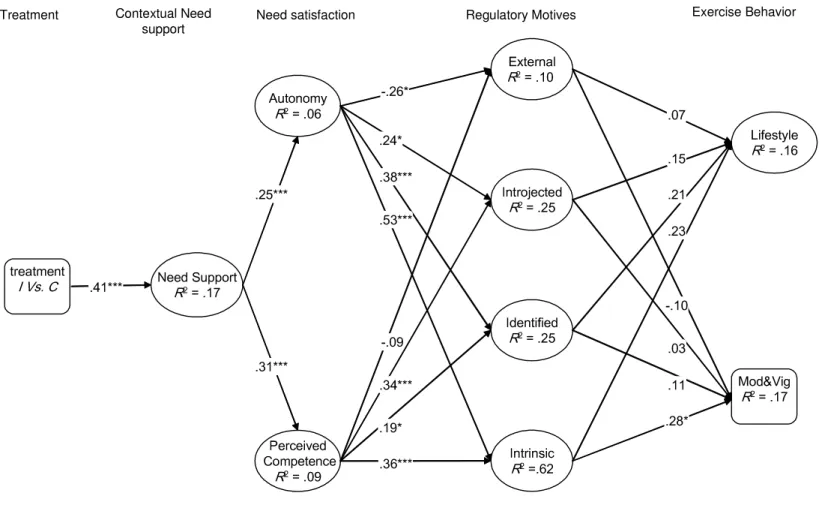
propositions from literature (and from the previous articles), and fueled by the need to identify and test the processes or mechanisms by which theoretical predictors influence exercise behavior, this third study aimed to confirm the causal processes and mechanisms by which treatment promoted different forms of physical activity, during the one-year obesity treatment intervention. Thus, this study analyzed not only the mechanisms by which the intervention influenced physical activity level, but also whether motivational predictors differed for structured versus lifestyle forms of physical activity, searching for specific, differential mechanisms by which the intervention produced its effects. By using multiple-level mediation analyses for two different types of physical activity, evaluating by which causal mechanisms behavior might have been affected, this study represents an explicit attempt to test causal pathways proposed by the theory under scrutiny.
Article IV (Chapter 6) - In this fourth article, the goals and findings from the third article
were extended to weight control in the long-term (two years after intervention’s end), by exploring if the previously tested mechanisms were also predictive of exercise maintenance and long-term weight management. The primary purpose of this study was to evaluate predictors of successful long-term weight control, by analyzing the extent to which sustained exercise participation and theory-based exercise motivation variables mediated the impact of the intervention on 3-year weight change. This is a relevant research target considering the well-established need to identify predictors of sustained weight loss and lifestyle change over time.
Collectively, the four studies were designed to provide a comprehensive analysis of how a theory-based intervention, implemented to affect specific theory-based mediators, could impact exercise adherence and weight change, both in the short and long-term, from a SDT perspective. Considering whether interventions have successfully changed behavior, how effective they have been, how they have achieved their effects, and what particular psychological behavior change techniques have been identified are important research targets which the present Thesis aimed to address. Results are expected to contribute to a better understanding of how motivational characteristics, particularly those related to physical activity/exercise, influence treatment success during obesity treatment, while exploring the utility of SDT for promoting health behavior change in this most important context.
List of articles, books and conference presentations/abstracts
The investigation carried out as part of the present doctoral research program resulted in the following publications/submissions and presentations (oral and poster) with first authorship:
Books
Teixeira, P.J., Silva, M.N. (2009) Repensar o PESO: Princípios e Métodos Testados para Controlar o Seu Peso. Lisboa: Lidel – Edições Técnicas
Peer-reviewed articles published
Silva, M.N., Markland, D., Minderico, C.S., Vieira, P.N., Castro, M.M., Coutinho, S.R., Santos, T.C., Matos, M.G. & Teixeira P.J. (2008). A randomized controlled trial to evaluate self-determination theory for exercise adherence and weight control: rationale and intervention description. BMC Public Health, 8: 234-247.
Silva, M. N., Vieira, P. N., Coutinho, S. R., Matos, M. G., Sardinha, L. B., & Teixeira, P. J. (2010). Using self-determination theory to promote physical activity and weight control: A randomized controlled trial in women. Journal of Behavioural Medicine, 33 (2): 110-122.
Silva, M.N., Markland, D., VieiraP.N., Coutinho,S.R., Carraça,E.V., Palmeira, A.L., Minderico, C.S., Matos, M.G, Sardinha, L.B., Teixeira, P.J. (2010). Helping Overweight Women Become More Active: Need Support and Motivational Regulations for Different Forms of Physical Activity. Psychology of Sport and Exercise. doi:10.1016/ j.psychsport.2010.06.011
Peer-reviewed articles in review
Silva, M.N., Markland, D., Carraça, E.V., Vieira, P.N., Coutinho, S.R., Minderico, C.S., Matos, M.G., Sardinha, L.B., Teixeira, P.J. Exercise Autonomous Motivation Predicts 3-Year Weight Loss in Women (in review).
Published Abstracts (oral and poster presentations)
Silva, MN, Vieira PN, Coutinho SR, Carraça EV, Santos, T, Markland D, Sardinha LB, Teixeira PJ. Autonomous motivation for exercise, exercise levels, and 3-year weight change: Results from a randomized controlled intervention. International Journal of Obesity (in press).
Silva M.N.; Markland, D; Vieira P.N., Coutinho S.R., Palmeira A.L., Carraça E.V., Sardinha L.B., Teixeira P.J.. Mediators of Different Types of Physical Activity During Behavioral Obesity Treatment. Obesity, 17 (supp 2):S273
Silva, M.N., Vieira, P.N., Coutinho, S.R., Palmeira, A.L., Carraça. E.V., Mata, J., Sardinha, L.B., Teixeira, P.J. (2009). Self-Determination and Exercise Intrinsic Motivation as Mediators of Physical Activity During a Weight Loss Program: One-Year Results from a Randomized Controlled Trial. The European Journal of Obesity, 2 (Supp 2):S29.
Silva, M.N., Vieira, P.N., Minderico, C.S., Castro, M.M., and Teixeira, P.J. (2008). Using self-determination theory and motivational interviewing for obesity treatment: 1-year results from a randomized controlled trial. The European Journal of Obesity, 32 (sup. 1): S144.
Silva, M.N., Vieira, P.N., Minderico, C.S., Castro, M.M., and Teixeira, P.J. (2007). Using self-determination theory and motivational interviewing for obesity treatment: 1-year
results from a randomized controlled trial. The European Journal of Obesity 31(supp. l): S144.
Other Publications (International)
Silva, M.N., Vieira, P.N., Carraça, E.V., Palmeira, A., Coutinho, S.R., Santos, T., Sardinha, L.B. e Teixeira, P.J. (2009). Promoting autonomy and intrinsic motivation for physical activity in overweight and obese women. The 8th Annual Conference of the International Society for Behavioral Nutrition and Physical Activity, ISBNPA. FMH Edições Lisbon, Portugal.
Silva M.N., Teixeira P.J., Vieira P.N., Castro, M.M., Minderico C.S., Coutinho C.S., Santos, T.C., Palmeira A.L., Markland D, Sardinha L.B. (2008)Exercise Intrinsic Motivation, Autonomous Self-Regulation, and Psychological Motives as Mediators of Physical Activity During Weight Management. International Society for Behavioral Nutrition and Physical Activity. ISBNPA. Banff, Canada.
Silva, MN., Vieira, P.N., Minderico, C.S., Castro, M.M, Coutinho, S., Santos, T.C., Teixeira, P.J. (2007). Testing a Portuguese Self-Determination Theory-based Psychometric battery. International Society for Behavioral Nutrition and Physical Activity. ISBNPA. Oslo, Noruega.
Silva, M.N., Vieira, P.N., Minderico, C.S., Castro, M.M., and Teixeira, P.J. (2007). A Randomized Controlled Trial of Behavioral Weight Control Based on Self-Determination Theory: Change in Putative Mediators and Body Weight. Third International Self-Determination Theory Conference. Toronto, Canada
Silva, MN., Vieira, P., Minderico, C., Castro, M., Teixeira (2006) “Change in body weight and psychosocial mediators from self determination theory during behavioural obesity
treatment” International Society for Behavioral Nutrition and Physical Activity. ISBNPA. Boston, EUA
Silva, MN., Vieira, P., Minderico, C., Castro, M., Teixeira (2005) “A Randomized Controlled Trial of Behavioral Weight Control Based on Self-Determination Theory in Women”. International Society for Behavioral Nutrition and Physical Activity. ISBNPA Amesterdam, Netherlands
National
Articles
Silva, M.N., Santos, T.C., Coutinho, S.R., Marcelino, M.S., Vieira, P.N., Tomás, R.A., Carraça, E.V., Minderico, C.S., Sardinha, L.B. e Teixeira, P.J. (2009). O Programa PESO COMUNITÁRIO. Comportamento Alimentar. 6 (12): 1-12.
Silva. M.N., Teixeira, P.J., Vieira, P.N., Minderico, C.S., Castro, M.M., Coutinho, S., Carraça, E. Marcelino, M., Santos, T., Sardinha L.B. (2007). Programa P.E.S.O. - Promoção do Exercício e Saúde na Obesidade: Metodologia e Descrição da Intervenção.
ENDO-Endocrinologia, Diabetes e Obesidade, 1:5-10.
Presentations
Silva, MN. O Controlo do Peso: Que Regulação Comportamental Promover? In Seminário Exercício e Bem-Estar, Câmara Municipal de Portimão. Portimão, Maio 2010.
Silva, MN. Actividade(s) fisica(s): Diferentes formas de promoção e suas implicações para a gestão do peso no longo prazo. In Simpósio 4 “Diga-me o que fazer...!”: a regulação
externa e a motivação para a alimentação e exercício físico. 13º Congresso Português da Sociedade Portuguesa para o Estudo da Obesidade. Vilamoura, Novembro de 2009.
Silva, MN. O Papel da Regulação Emocional no Controlo Alimentar. In simpósio: apetite e sua (des) regulação. 8º Congresso da Sociedade Portuguesa de Ciências da Nutrição e Alimentação. Porto, Outubro de 2009.
Silva, MN. Prevenção e tratamento da obesidade no concelho de Oeiras: o Programa P.E.S.O. In SEMINÁRIO INTERNACIONAL: Comunidades (+) Saudáveis e Promoção de Estilos de Vida Activos. Oeiras, Maio de 2009.
Silva, MN. Mudança comportamental em adultos em grupo. In Simpósio 6: Modificação Comportamental para a Actividade Física. 12º Congresso da Sociedade Portuguesa para o Estudo da Obesidade. Aveiro, Novembro de 2008.
Silva, MN. O papel do psicólogo. In Simpósio: Que conhecimentos e competências em Actividade Física necessitam os diferentes Profissionais de Saúde? 1ªs Jornadas de Exercício e Saúde em Medicina da Universidade da Beira Interior. Covilhã, Outubro de 2008.
Silva, MN. Determinantes Psicossociais do Comportamento Alimentar: Implicações para a Prática. In Simpósio: Influências dos Aspectos Psicológicos ao Nível da Nutrição.
Instituto Superior de Ciências da Saúde Egas Moniz. Caparica, Maio de 2008.
Silva, MN. O Programa PESO COMUNITÁRIO. In Prevenção da Obesidade: Fórum
de projectos. Direcção Geral da Saúde. Lisboa, Junho de 2008.
Silva, M.N., Vieira P.N., Minderico C.S., Castro M.C., Coutinho S.R., Santos T.C., Teixeira P.J. (2008) Promoção da Actividade Física e Controlo do Peso em Mulheres com Excesso Ponderal: Imapacto de Uma Intervenção Baseada na Teoria da Auto-Determinação.
Encontro Nacional da Sociedade Portuguesa de Psicologia da Saúde – Intervenção em
Psicologia e Saúde - Porto, 2008.
Silva, M.N., Vieira, P., Minderico, C., Castro, M., Teixeira, P., ”Emagrecer com Saúde na Faculdade: O Programa Peso”, Exercício, Desporto e Saúde: Sinergias da Psicologia e da Medicina, Universidade Lusófona. Lisboa, Maio de 2006
Silva, M.N., Vieira, P., Minderico, C., Castro, M., Teixeira ”Impacto de uma Intervenção Baseada na Teoria da Auto-Determinação para a Promoção da Actividade Física e Controlo do Peso” 6º Congresso Sociedade Portuguesa de Psicologia da Saúde, Fevereiro de 2006
Silva, MN., Vieira, P., Teixeira. “Validação preliminar para português de uma Bateria de Instrumentos de Avaliação da Teoria da Auto Determinação”.Jornadas de Saúde e Comportamento, Universidade do Minho, Junho de 2005
CHAPTER 2
_______________________________
General Introduction
“Evaluations of behavior change
interventions need to answer three
questions about an intervention. First,
does it work? Second, how well does it
work? Third, how does it work?”
Overweight and Obesity
The definition of obesity
According to a panel of experts from the Obesity Society in North America, obesity is simple defined as an excess of body fat. It may be of either total body fat or a particular depot of body fat [1]. The excess may even be in the morphology and function of body fat such that, for example, adipocytes, independent of total fat mass or fat mass distribution, are excessively enlarged. The adverse health consequences of accumulation of enlarged visceral or other adipocytes may tentatively be accounted for by enhanced secretion of most products of adipocytes that act as endocrine and paracrine factors on other cells, as well as the reduced production of adiponectin [2].
In clinical practice, body fat is most commonly and simply estimated by using a formula that combines weight and height. The underlying assumption is that most variation in weight for persons of the same height is due to fat mass, and the formula most frequently used in epidemiological studies is the body-mass index (BMI), which refers to the weight in kilograms divided by the square of the height in meters [3]. This graded classification provides valuable information about increasing body fatness: <18.5-Underweight, 18.5–24.9 regular weight, 25.0–29.9 Pre-obese state, 30.0–34.9 obesity grade I, 35.0–39.9 obesity grade II , ≥40.0 obesity grade III. It allows meaningful comparisons of weight status within and between populations and the identification of individuals and groups at risk of morbidity and mortality. It also permits identification of priorities for intervention at an individual or community level and for evaluating the effectiveness of such interventions. However this method has some limitations. Indeed, despite the mentioned clinical and practical advantages it is important to consider that due to differences in body proportions, BMI may not correspond to the same degree of fatness across different populations. Nor does it account for
the wide variation in the nature of obesity between different individuals and populations [4]. To obviate these problems, several other methods (that evaluate excess of body fat) have been considered and discussed (waist circumference, skinfold thickness, bioimpedance). However, they will not be detailed here.
Despite the mentioned limitations, there is a close relationship between BMI and the incidence of several chronic conditions caused by excess fat, including type 2 diabetes, hypertension, and cholelithiasis. This relationship is approximately linear for a range of BMI indexes less than 30 (kg m–2), but all risks are greatly increased for those subjects with a BMI above 29, independent of gender [5, 6].
Obesity’s causes: A mismatch between physiology and modern environment
There has been considerable debate concerning the contribution of genetic vs. non-genetic factors to the obesity prevalence. Obesity is not a single disorder but a heterogeneous group of conditions with multiple causes. There is relative agreement that it results from an interaction between environmental (cultural, economic, social) and individual factors (e.g. genetic, psychological) acting through the physiological mediators of energy intake and expenditure. Thus, the marked rise in the prevalence of obesity might best be attributed to a mismatch between our physiology and our modern environment [7]. In previous times, when a high level of physical activity was required for daily subsistence and the food supply was inconsistent, control of body weight was largely accomplished through innate physiological processes and required little conscious effort. Physical activity was the primary driving force, and the challenge to the body weight control system was to provide a strong drive to eat to keep pace with energy expenditure. Basically, the biology developed to encourage adaptive behaviors, such that people ate when food was available and ‘rested’ when physical activity
was not required. Because of the importance of ensuring sufficient energy intake for survival and reproduction, multiple redundant physiological systems evolved to encourage eating behavior. To complement this capacity, because food shortages were a frequent occurrence throughout human history [8], our physiology also developed the capacity to reduce metabolic rate in response to negative energy balance. Finally, to ensure survival, the system probably evolved with an additional bias toward ‘conserving energy’ when physical activity was not required. There is no published evidence of a physiological drive to engage in physical activity for its own sake [7]. Thus, according to Aslam [9], obesity is changing, but its origins can be traced back 30 000 years, to our prehistoric ancestors. Survival of the fittest dictated that individuals who stored energy in the most efficient way would survive the inevitable fast and famine that would follow times of plenty. This has been attributed to the ‘thrifty gene’ (although no such individual gene exists), ensuring the continued dominance of our hunter– gatherer predecessors [9]. But natural selection has turned on us. Life now favors inefficient phenotypes that fail to store energy in adipose depots, while those that lay down fat in the abdomen are condemned to premature death. To fight obesity, we are flying in the face of evolution and instinct, consciously countermanding the urge to eat for survival, and be as inactive as possible in order to conserve energy. Similarly, for Peters et al [7] , the rising obesity prevalence rates, now over 60% in the United States [10], suggest that the environment has changed in such a way that fewer and fewer people are able to maintain a healthy body weight by relying on their own biology and ‘instinctual’ mechanisms to protect them. The biological processes that developed with a bias toward ensuring survival still seem to work well, i.e. people still eat when food is available and ‘rest’ when physical activity is not required. The problem is that food is nearly always available and physical activity is seldom required. In this way, the current environment in the United States and in much of the developed world exerts consistent, unidirectional influences on energy intake and energy
expenditure that promote sustained positive energy balance and weight gain. In fact, there appears to be little evidence of regulatory signals that protect humans from slow, continuous weight gain under modern western conditions. Indeed, weight gaining may even be a pattern throughout lifespan. According to Kuczmarski et al [11], in both men and women the prevalence of overweight and obesity increases with age until 50 to 60 years; it is particularly apparent between the ages of 20 and 40 years. There are large, usually unexplained variations, between ethnic groups — this is particularly apparent in US women with the rapidity of change occurring with increasing affluence of particular lower economic groups (22% of Caucasian women, 30% of African-American women, and 34% of Mexican-American women are obese). In industrialized countries, a higher prevalence of overweight and obesity is observed in those with lower educational attainments and low income, although the reverse may be seen in developing countries. Furthermore, there is a tendency for overweight to increase after marriage and with increasing parity.
Epidemiology of overweight and obesity in Europe and Portugal
The prevalence of obesity in Europe is in the range of 10–25% in men and 10–30% in women [12]. In the past 10 years the prevalence of obesity has increased by 10–40% in the majority of European countries. In most countries more than 50% of people are overweight or obese [13]. The prevalence of obesity was higher among men than among women in 14 of 36 countries or regions with data for both genders, and the prevalence of overweight was higher among men in all 36 countries [13].
Portugal is not an exception regarding this health problem, as in other Southern European nations, social issues such as urbanization, modernization of working practices and improvement of social conditions, were followed by sedentary lifestyles and bad nutritional
habits. The most recent (2003–2005) Portuguese nationwide representative study on obesity, with objective anthropometric measurements, (participants aged 18–64), evidenced that 39.4% of the sample were overweight (BMI between 25.0 and 29.9), and 14.2% were obese (BMI >30) [14]. Considering only obesity categories, it was observed that obesity grade II (35.0-39.9) and grade III (>40) represented a small minority (2.0 % and 0.6 % respectively) [15]. Waist circumference measurement results showed that 45.6% of the sample suffers increased cardiovascular health risks associated with high waist circumference. Middle age is the period of life where the highest prevalence of overweight/obesity can be found. These data also revealed that the overweight/obesity prevalence increased from 49.6% to 53.6% over the last decade (men and women together). This increase seems to result mainly from a shift from normal (47.8% in 1995–1998 and 44.2% in 2003–2005; P<0.0001) to overweight categories (35.2% in 1995–1998 and 39.4% in 2003–2005; P<0.0001). The prevalence of overweight/obesity among men is higher (60.2%) than among women (47.8%) [14]. This difference between genders is consistent with the previous study from 1995 to 1998 [16].
Physical and psychological consequences of obesity
The World Health Organization (WHO) concluded that obesity is the major unmet public health problem worldwide [13]. According to the mentioned organization, this condition is now so common within the world’s population that it is starting to replace undernutrition and infectious diseases as the most significant contributor to ill health. The negative health consequences of obesity are well documented [17, 18], and clear and consistent evidence shows that this endemic health problem increases the risk of several morbidities and reduces both in length and quality of life. In particular, obesity is associated with diabetes mellitus,
coronary heart disease, certain forms of cancer, respiratory complications (obstructive sleep apnea) and osteoarthritis of large and small joints [3, 19]. Kopelman [4] defended that generalized obesity results in alterations in total blood volume and cardiac function, whereas the distribution of fat around the thoracic cage and abdomen restricts respiratory excursion and alters respiratory function. The intra-abdominal visceral deposition of adipose tissue, which characterizes upper body obesity, is a major contributor to the development of hypertension, elevated plasma insulin concentrations and insulin resistance, diabetes mellitus and hyperlipidaemia.
Recently, a panel of experts from the leading professional obesity society in North America, TOS [1], recognized that obesity causes much suffering, obesity causally leads to many aspects of ill health, to functional impairment and reduced quality of life, to serious disease, and to greater mortality, obese persons are subject to severe societal discrimination in ways that those with seemingly similar chronic conditions, such as hypertension, dyslipidemia, and diabetes, are not. For example, obese individuals are waited on more slowly by salespersons, less likely to be rented apartments, less likely to be offered jobs, even when as qualified as other applicants, and less likely to receive support for higher education from parents, and often are looked down on by educators and health professionals. Indeed, the current understanding of obesity by the population at large consists mainly of two positions. One position equates obesity with poor character, lack of self-control, laziness, and gluttony. It views obesity as the result of an individual’s choice of behavior, like smoking or driving without a seatbelt, that has relatively little effect on others—a lifestyle choice. The other position sees obesity as a risk factor or a stage on the path to a real disease such as heart disease or diabetes. In this view, a reduction in obesity is seen as useful in reducing the risk of other diseases. However, reduction in body weight for its own sake is often associated with vanity or seen as a cosmetic issue. A third viewpoint is that obesity is a genetically determined
trait (evidence clearly indicates that both genetic and environmental factors contribute to obesity), not very different from hair or eye color, and not a disease. Each one of these points of view has its own perils for the field of obesity prevention and treatment. If the last one can contribute to a feeling of helpleness and attitudes such as “I am like this and there is nothing I can do”, the first one is cause of deleterious social pressure.
Indeed, there is a cultural notion proposing that some degree of body dissatisfaction may motivate weight control behaviors. If experiencing weight stigma leads to increased body dissatisfaction, which, in turn, leads to increased weight loss efforts, one could argue that stigma might serve as a motivator to lose weight. This view is reinforced by examples in the popular media of individuals losing weight after a humiliating experience of weight-based stigmatization. Several studies have established that overweight and obese people are subjected to negative stereotypes and discrimination in various areas, including employment, education and the health care system [20]. With this regard, Cash [21] alerted for the deleterious effects of the physical objectification of females in Western societies, which are well established, particularly in relation to the prominent and progressively thin ideal standard of beauty promulgated by the media. Many females come to internalize these cultural expectations and judge their physical and personal self-worth in relation to unrealistic and extreme standards [22]. Thus, among the overweight and obese segments of the population, as the pressure for thinness increases, the discrepancy between desirable body weight and actual body weight increases as well. This should serve to intensify the body-image concerns of those who are objectively overweight [23]. However, according to Puhl et al [24], there is no evidence to suggest that the social pressures and weight bias serves the mentioned motivational function. In fact, if this were the case, one would expect the increase in weight bias over the past 40 years to be associated with a decrease in the rates of obesity, rather than the recent significant increase. Recent findings suggest that obese individuals who internalize
negative weight-based stereotypes may be particularly vulnerable to the negative impact of stigma on eating behaviors and also challenge the notion that stigma may motivate obese individuals to engage in efforts to lose weight [24].
This area of research may also shed some light into the subject of obesity and psychological health. In fact, according to Friedman et al. [23] the nature of the relationship between obesity and psychological distress continues to be debated by researchers and clinicians alike. Studies of non-clinical samples of obese persons have consistently shown that obese individuals do not differ from their non-obese counterparts in psychological symptoms, psychopathology, or personality overall [25]. However, body-image factors consistently discriminate obese from their non-obese counterparts [24]. It has been reported that overweight individuals, particularly women, are more negative about their level of fitness and overall health status than their normal weight counterparts [26]. Moreover, according to Sarwer et al. [27], negative body image in treatment-seeking obese individuals is related to general psychological well-being, such that high levels of body dissatisfaction are associated with elevated depression and decreased levels of self-esteem, (It should be noted that for non-obese women there seems to be a similar, albeit weaker, relationship between body-image dissatisfaction and depression and self-esteem). Because those who seek treatment for their weight are at least partially motivated by negative evaluations of their body, the relationship between body image and psychological distress is likely to be even more prominent in the most obese of these treatment seekers. This would suggest that in treatment-seeking populations, the degree of obesity is related to the level of psychological distress.
The option for a sample of pre-menopausal overweight women for the Promotion of Exercise and Health in Obesity study (PESO) (within which this Thesis was conducted- see study one,
chapter 4) had to do with the already stated higher risk for social pressure and stigma in women, leading to poor psychological profiles (many times contributing to vicious circles of more weight-gaining [22]),, particularly, as it was mentioned before, in middle-age persons (a time frame very risky for gaining weight).
Treatment and long-term outcomes
The above mentioned facts lead to the conclusion that the time for concerted action to reduce levels of obesity and the deleterious effects of obesity is clearly upon us. However the costs of treating this disease are of such magnitude as to potentially overwhelm the health-care systems of many countries [13]. Even for proponents of the identification of major and minor genes involved in the etiology and pathogenesis of obesity as the critically important challenge for the immediate future [e.g. 4], the development and implementation of effective programs that successfully encourage increased physical activity and healthy eating across populations remain paramount for the prevention of obesity and its associated diseases.
For Haslam [9] the history of obesity management is a history of failure. Whereas cancer treatment requires new drugs and heart disease updated techniques, obesity is different. Looking back in time gives many insights and proves as to what can constitute treatment. Indeed, thousands of years ahead of his time, Hippocrates correctly identified the energy balance equation: “It is very injurious to health to take in more food than the constitution will bear, when, at the same time one uses no exercise to carry off this excess” [28].
Nowadays the Diabetes Prevention Program (DPP) provided definitive evidence of the health benefits of lifestyle intervention for weight control [29, 30]. This 4-year study examined 3200 overweight or obese individuals with impaired glucose tolerance and found that a lifestyle intervention designed to induce a 7% reduction in initial weight and increase physical activity
to 150 min/wk reduced the risk of developing type 2 diabetes by 58% compared with placebo. The intervention was also more effective than metformin, a medication for type 2 diabetes. A Finnish study yielded the same results: individuals who lost 4.3 kg with diet and exercise reduced their risk of developing type 2 diabetes by 58% compared with a control group [31]. These two studies, together with a more recent trial, the Look Ahead study (i.e., Action for Health in Diabetes) [32], where participants in the lifestyle intervention received a 4-year behavioral program, leave little doubt of the efficacy of lifestyle modification in facilitating improvements in weight and health.
All of mentioned programs made use, as mentioned, of lifestyle modification. With this regard, according to Wadden and Butryn [33] the terms “lifestyle modification”, “behavioral treatment”, and “behavioral weight control” are often used interchangeably. They all encompass three principal components: diet, exercise, and behavior therapy. The last term refers to a set of principles and techniques for modifying diet and exercise. However, while behavioral approaches to the management of obesity are often successful in achieving initial clinically significant weight loss, when the weight reduction programs end the weight lost is generally regained [34]. Indeed, according to a review by Wadden and Butryn [33], the weight regain is a problem after virtually all dietary and behavioral interventions for obesity. Overall, patients treated by group lifestyle modification regain 30% to 35% of their lost weight in the year after treatment. Weight regain slows after the first year, but by 5 years, 50% or more of patients are likely to have returned to their baseline weight. Wing and Phelan [35], based on results of random digit dial surveys, suggested that only about 20% of overweight individuals are successful at long-term weight loss when defined as losing at least 10% of initial body weight and maintaining the loss for at least 1 year. For example, in the DPP, lifestyle-treated participants lost 7 kg at the end of the first year and then regained 1 kg per year in the ensuing 3 years [32]. Unhealthy eating and exercise habits resurface within weeks to months of
completing treatment and empirical evidence highlights the small average long-term weight change (3-4% on initial weight) [36].
A key question we need to address is what makes maintenance so difficult: is it physiology or psychology or both? Better understanding of the problems inherent in long-term maintenance of weight loss may allow development of more effective weight loss maintenance strategies [37]. Remarkably, little is known about factors responsible for weight regain, despite the frequency with which this problem is observed. Contributors are likely to include compensatory metabolic responses to weight loss that include reductions in resting energy expenditure [38] and leptin [39] and increases in ghrelin (a gut peptide associated with reports of hunger)[40]. These physiological responses to both energy restriction and weight loss protect humans against the adverse effects of starvation [41]. In addition, once patients leave treatment, they are confronted daily by an environment that explicitly encourages them to consume large quantities of foods, high in fat and sugar [42]. The mentioned studies that have followed-up obese patients who have participated in treatment trials have suggested that relapse is attributable to individuals’ failure to persist with the weight-control behaviors that they adopted to achieve weight loss, such as the consumption of a low-fat diet; regular physical activity; and the regular monitoring of body weight. However, little attention has been paid to why this is the case and how some formerly obese individuals are able to persist with these forms of behavior. Indeed, it should be acknowledged that a large individual variability exists in results from weight loss trials. Thus, focusing on the identification of factors associated with success will enhance the understanding of the most critical mechanisms involved, and should be a research priority [43, 44].
Physical activity and long-term weight control
Physical activity encompasses all movement produced by skeletal muscles that confers energy expenditure above rest [45]. A number of categories of physical activity subsume this over-arching definition, such as activity performed in occupational, household, transport and leisure-time contexts. Probably most appropriately (although not exclusively) nested within leisure-time physical activity, Caspersen et al. [45] define exercise as a sub-component of physical activity that is more “planned, structured, repetitive, and purposive in the sense that improvement or maintenance of one or more components of physical fitness is an objective” (p.128). Thus people can increase their energy expenditure in two ways— programmed/structured or lifestyle activity. Programmed/structured activity (e.g., walking, biking, swimming) is typically planned and completed in a discrete period of time (i.e., 30 to 60 minutes) at a relatively high-intensity level (i.e., 60% to 80% of maximum heart rate). Lifestyle activity, by contrast, involves increasing energy expenditure while completing everyday tasks. Patients may, for example, increase their lifestyle activity by parking further away from building entrances, taking stairs rather than escalators, or even by discarding the remote control to the television [33]. Andersen and colleagues [46], in a study with obese women, found that both types of activity, when combined with a 1200 kcal/d diet, induced a loss of 8 kg in 16 weeks. Despite methodological limitations in evaluating the true effects of lifestyle physical activity on weight control and remaining questions as to the best lifestyle physical activity prescription, the latest Position Statement from the American College of Sports Medicine [47], concluded that lifestyle physical activity is useful for weight management and also to counter the small energy imbalance responsible for obesity in most adults.
Physical activity is recommended as an important part of weight management by virtually all public health agencies and scientific organizations including the World Health Organization [13], the National Institutes of Health [3, 48], the American College of Sports Medicine [47], and various medical societies (e.g. American Heart Association, American Medical Association, American Academy of Family Physicians) [see 49]. Data from retrospective studies [50, 51], correlational investigations [52], and randomized trials [53-56] all have concluded that high levels of physical activity facilitate long-term weight control. However, systematic reviews [e.g. 48, 57] noticed that non-randomized designs have more consistently showed this relation, especially at the highest adherence categories, concluding that research results are highly dependent on study design, intervention adherence and analytic design. The most consistent finding was that a large volume of physical activity was associated with less weight gain, a fact that has been especially highlighted in studies from the US National Weight Control Registry [58]. Indeed, this Registry has provided continuous insight into the process of weight maintenance [37]. In over 3500 successful weight loss maintainers, several common themes have emerged, with the expenditure of large amounts of energy in voluntary physical activity as the most consistent [58]. Congruently with these findings, Jeffery and colleagues [54] compared the benefits of low versus high levels of physical activity in a randomized controlled trial. Participants in the high-activity group were instructed to expend 2500 kcal/wk, whereas those in the low group were prescribed a goal of 1000 kcal/wk. At the end of 6 months, during which participants attended weekly group meetings, weight loss in the two groups did not differ significantly. However, participants in the high activity group maintained their weight loss significantly better than did patients in the low-activity group at both the 12- and 18-month assessments. Jakicic and colleagues [59] similarly found, in secondary analyses of results of a randomized trial, that obese individuals who exercised 200