Universidade de Lisboa
Faculdade de Ciências
Departamento de Biologia Vegetal
A differential polypeptide approach to fight human
fungal pathogens
Ana Margarida da Silva Pinheiro
Mestrado em Microbiologia Aplicada
Universidade de Lisboa
Faculdade de Ciências
Departamento de Biologia Vegetal
A differential polypeptide approach to fight human
fungal pathogens
Dissertação orientada pela Doutora Sara Alexandra Valadas Monteiro (Instituto
Superior de Agronomia, Disease and Stress Biology Group) e pelo Doutor Rui Malhó
(Faculdade de Ciências da Universidade de Lisboa, Departamento de Biologia
Vegetal)
Ana Margarida da Silva Pinheiro
Mestrado em Microbiologia Aplicada
A differential polypeptide approach to fight
human fungal pathogens
Ana Margarida da Silva Pinheiro
MASTER THESIS
2012
This thesis was performed at the Centro de Botânica Aplicada à Agricultura of the
Instituto Superior de Agronomia (Technical University of Lisbon) and at the facilities
of CEV, SA company.
Dr. Rui Malhó was the internal designated supervisor in the scope of the Master in
i Resumo
Os fungos patogénicos representam, à escala mundial, uma séria ameaça para a saúde humana, verificando-se, nas últimas duas décadas, um aumento significativo de infecções fúngicas graves devido a fungos patogénicos oportunistas. Apesar das notáveis melhorias que se têm verificado na descoberta de novos agentes antifúngicos nos últimos 10 anos, o diagnóstico de infecções fúngicas é ainda um problema devido à limitada disponibilidade de agentes antifúngicos e, consequentemente, as infecções fúngicas tornaram-se num importante factor de mortalidade e morbilidade e cada vez mais representam um fardo no sistema de saúde.
O aumento acentuado de fungos patogénicos menos comuns mas clinicamente importantes é uma consequência directa do aumento do número de pacientes que possuem um sistema imunitário deficiente, que por sua vez é uma consequência do aumento do número de casos de SIDA e dos avanços na tecnologia terapêutica. No entanto, enquanto que no passado as micoses oportunistas ocorriam tipicamente em hospedeiros imunocomprometidos, estas complicações são cada vez mais observadas em pacientes adultos doentes, cirúrgicos mas não-imunocomprometidos.
As leveduras são um dos grupos de microrganismos causadores de infecções fúngicas humanas, sendo a candidemia uma das principais causas de infecções nosocomiais. As espécies de
Candida são leveduras comensais de humanos que causam infecções tanto superficiais como
invasivas. Estes organismos ocorrem abundantemente no tracto gastrointestinal humano e na vagina, podendo ser isoladas a partir de fezes e de mucosas onde existem como organismos comensais. Quando se tornam patogénicos podem provocar candidíase disseminada, uma síndrome que pode colocar a vida em risco com uma mortalidade atribuída de 10-50%. De acordo com ARTEMIS Global
Antifungal Surveillance Program, C. albicans é a espécie de Candida mais comum (63-70%) em
infecções fúngicas invasivas, seguida de C. glabrata (44%), C. tropicalis (6%) e C. parapsilosis (5%). Relativamente às opções de tratamento, o agente antifúngico ideal deve possuir um largo espectro de acção, baixos níveis de resistência, vias de administração flexíveis, causar poucos efeitos secundários e ter interacções limitadas com outras drogas. Actualmente existem quatro grupos de antifúngicos disponíveis para o tratamento de micoses sistémicas em humanos, os polienos, azóis, equinocandidas e a flucitosina. Nenhuma destas classes de antifúngicos possui todas as características anteriormente descritas o que em última análise conduz a falhas no tratamento. Dada a substancial mortalidade e morbilidade associadas com infecções fúngicas invasivas, o tratamento utilizando uma combinação de agentes antifúngicos é muitas vezes considerado. É também essencial identificar novos e potentes agentes antifúngicos, com novos modos de acção, de modo a combater o actual aumento de infecções fúngicas.
Foi desenvolvida uma pesquisa no Instituto Superior de Agronomia que culminou na descoberta de uma abordagem nova e original na luta contra os fungos patogénicos. Esta abordagem refere-se a um polipéptido singular, denominado BLAD (Banda de Lupinus Albus Doce, num gel de electroforese), que possui uma forte actividade inibitória na germinação e desenvolvimento de esporos de fungos patogénicos. A BLAD apresenta uma actividade antifúngica tanto preventiva como curativa, é activa contra uma ampla gama de fungos patogénicos ao mesmo tempo e o desenvolvimento de resistência por parte dos fungos é improvável. Apesar de todos os resultados
ii
animadores obtidos até à data, pouco se sabe acerca do mecanismo de acção da BLAD, existindo apenas algumas evidências de que actua ao nível do envelope celular (membrana plasmática e parede celular).
Este plano de trabalho está inserido num projecto mais amplo cujo objectivo é determinar se a BLAD é eficaz no tratamento de infecções fúngicas humanas. Para tal, e tendo em conta que o objectivo final é aplicar a BLAD na área clínica, o primeiro passo passou por produzir este polipéptido através da sua expressão heteróloga, sob a forma recombinante. Actualmente existem inúmeros hospedeiros novos e sofisticados mas, considerando a ausência de resíduos glicosídicos no polipéptido BLAD e as muitas vantagens que o sistema de expressão usado pela Escherichia coli apresenta, este foi o microrganismo escolhido como célula hospedeira. O gene que codifica para o polipéptido BLAD já se encontrava inserido no plasmídeo pET 151 D-TOPO® e, portanto, o primeiro passo passou por clonar o plasmídeo em One Shot® TOP10 Chemically Competent E.coli, para confirmar a correcta inserção do inserto, e em BL21 Star™(DE3) One Shot® Chemically Competent
E. coli para a expressão do produto. Fizeram-se vários ensaios de expressão de modo a perceber o
tempo óptimo de indução necessário para a obtenção de uma maior expressão do produto, o que permitiu concluir que o maior rendimento era atingido ao fim de 6 horas de indução com IPTG
(Isopropyl β-D-1-thiogalactopyranoside). De seguida procedeu-se à purificação da BLAD
recombinante com recurso a colunas de Ni-NTA e Dialysis step-wise. Uma vez purificada a BLAD recombinante, realizaram-se diferentes Immuno blots para confirmar que se tratava de facto do polipéptido BLAD, com recurso a um anticorpo específico para o mesmo, e para verificar se este mantinha actividade de lectina (pela sua capacidade de reconhecer anticorpos inespecíficos), propriedade característica da BLAD. Para tal utilizou-se como anticorpo primário um anticorpo inespecífico. A presença de sinal em ambos os Immuno blots revelou que não só se tratava de facto da BLAD como esta mantinha a actividade de lectina. Por último testou-se a actividade antifúngica da BLAD recombinante em C. albicans. Os resultados obtidos demonstraram que esta possui forte actividade antifúngica visto que é necessária, para igualdade de outros factores, uma menor concentração para provocar o mesmo grau de inibição e morte do microrganismo que a BLAD purificada do tremoço. Apesar de se ter revelado um sistema de expressão bastante promissor e se terem obtidos excelentes resultados com a BLAD recombinante, não foi possível obter quantidade de proteína suficiente para o restante trabalho, pelo que o trabalho foi continuado com recurso à BLAD purificada do tremoço.
De seguida, foram avaliados os efeitos morfológicos e fisiológicos da BLAD, usando C.
albicans como modelo de fungos patogénicos unicelulares. Começou por se determinar a
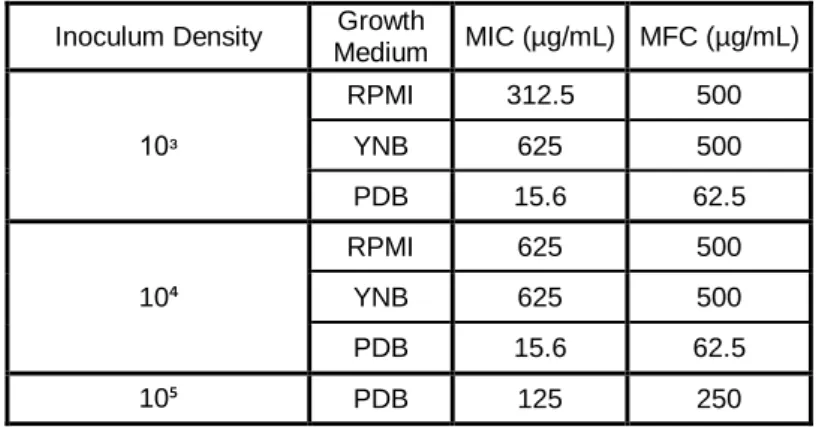
Concentração Mínima Inibitória (MIC) e Mínima Fungicida (MFC) de BLAD, em diferentes meios de cultura, com diferentes densidades de inóculo. Prosseguiu-se o trabalho apenas com o meio em que a BLAD revelou ser mais letal (meio PDB) e com a densidade de inóculo óptima para os ensaios seguintes (105 células/mL), condições onde são necessários 125 µg/mL de BLAD para inibir o crescimento do microrganismo e 250 µg/mL para provocar a sua morte. Uma vez optimizadas as condições de crescimento e as concentrações de BLAD, realizou-se uma curva de crescimento de C.
iii
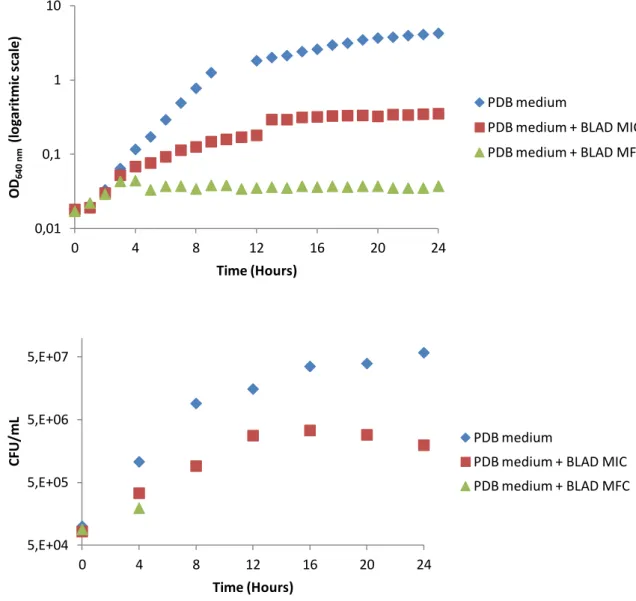
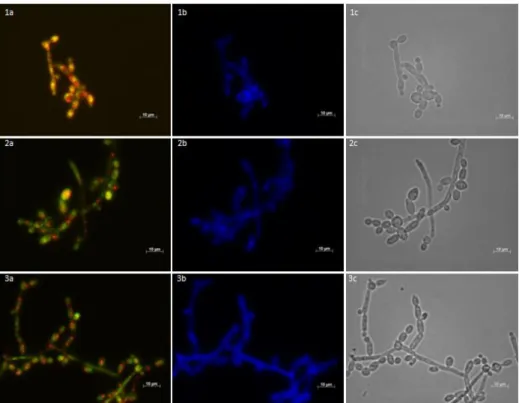
crescimento da levedura. A curva obtida permitiu concluir que a adição de BLAD ao meio de cultura tem um forte efeito no crescimento de C. albicans visto que células expostas à concentração inibitória de BLAD apresentam uma diminuição na taxa de crescimento, quando comparado com a situação controlo, e as expostas à concentração letal tornam-se não viáveis ao fim de 4 horas de exposição. Em simultâneo foi avaliada a actividade metabólica e a integridade da parede celular de C. albicans, recolhendo amostras ao longo da curva de crescimento e visualizando-as num microscópio de fluorescência. Foram adicionados dois fluorocromos às amostras, FUN-1, indicador de actividade metabólica e, consequentemente, viabilidade, e Calcofluor white, marcador de parede celular. Os resultados obtidos sugerem que ao fim de 12 horas de incubação com a concentração letal de BLAD, as células tornam-se metabolicamente inactivas, não viáveis e não cultiváveis mas, no entanto, não se verificam alterações visíveis ao nível da integridade da parede celular de C. albicans. Por último determinou-se a localização celular da BLAD aquando da ocorrência de morte celular. Estudos anteriores realizados com Alexa Fluor® 488, composto fluorescente com elevada afinidade para o grupo amina das proteínas, demonstravam que a BLAD se situava no interior da célula. No entanto este método revelou-se inconclusivo e, como tal, recorreu-se à imunofluorescência que, numa primeira fase, revelou que a BLAD se liga ao envelope celular, sem destabilizar a parede celular, mas não entra para o interior da célula. Com o objectivo de esclarecer se a ligação da BLAD à célula se dava ao nível da membrana ou parede celular, realizou-se nova imunofluorescência com protoplastos de C. albicans, o que revelou que a BLAD se liga à membrana celular, sem vestígios da mesma no interior da célula.
Por último, procurou-se os alvos específicos da BLAD no envelope celular dos agentes patogénicos, utilizando para isso, proteínas da membrana dos protoplastos de C. albicans. Começou por se analisar o perfil proteómico da membrana celular de C. albicans, após remoção da parede celular, através da formação de protoplastos. De seguida, e com o objectivo de identificar os resíduos glicosídicos alvo do polipéptido BLAD, a fracção proteíca da membrana celular de C. albicans foi sujeita a três processos de desglicosilação: remoção dos oligossacáridos N-ligados a proteínas, dos oligossacáridos O-ligados a proteínas e de ambos. O perfil electroforético obtido revelou que, tal como esperado, existe uma variação ao nível do peso molecular das proteínas, resultante da remoção dos resíduos glicosídicos. É de salientar que após remoção dos oligossacáridos O-ligados a proteínas o perfil das proteínas de membrana de C. albicans foi drasticamente alterado, resultando no desaparecimento das proteínas de maior peso molecular. Após incubação da BLAD com cada tipo de membrana celular sujeita a diferentes processos de desglicosilação, verificou-se que o polipéptido possui elevada afinidade para a membrana celular de C. albicans, o que está de acordo com os resultados obtidos na imunofluorescência, uma vez que permanece ligada mesmo após o tratamento para a remoção dos oligossacáridos N- e O-ligados a proteínas em simultâneo. No entanto, não foi possível determinar o alvo específico da BLAD na membrana celular de C. albicans uma vez que esta apresenta elevada afinidade para todos os tipos de proteínas desglicosiladas testadas presentes na membrana celular. Este resultado pode ter como explicação o facto de a BLAD poder ter mais que um alvo ou, mais provavelmente,que os métodos usados para a N- e O-desglicosilação não terem sido
iv
100% eficazes para estas condições e, portanto, podem não ter removido na totalidade os oligossacáridos das glicoproteínas presentes na membrana celular de C. albicans.
Palavras-chave: BLAD, antifúngicos clínicos, proteínas recombinantes, Escherichia coli, Candida
v Abstract
Pathogenic fungi represent, worldwide, a serious threat for human’s health, being Candida
albicans the most common cause of invasive fungal infections. All antifungal agents available present
many disadvantages and, therefore, it is essential to identify new potent and safe antifungal drugs with novel modes of action. BLAD is a novel polypeptide derived from Lupinus which exhibits a powerful inhibitory activity upon germination and development of spores from human fungal pathogens and a major goal is to use BLAD in the clinical area.
With that in mind, the first objective was producing BLAD in a recombinant form, through its heterologous expression, using Escherichia coli as the host cell. The production and purification of recombinant BLAD was achieved, and it possess the same biological activities as its “Lupinus” form, such as a strong antifungal activity.
The second goal was assessing the physiological and morphological effects of BLAD on fungi, using C. albicans as a unicellular pathogenic fungal model. Upon exposure of C. albicans to lethal concentration of BLAD, the yeast became metabolically inactive, non-viable and nonculturable. Moreover, the results obtained suggest that BLAD passes through the cell wall and binds to the plasma membrane, but it does not enter into the cell.
Finally, the search for specific targets for BLAD in the pathogen cell envelope was assessed, using C. albicans membranes. Although having high affinity to all types of deglycosylated proteins from the cell membrane tested, the specific type of glycoprotein which is targeted by BLAD was not uncovered. This possibly means that BLAD has more than one target, and/or, more likely, the deglycosylation mehtods used in the present work did not fully remove either N-linked and/or O-linked oligosaccharides in these conditions from C. albicans cell membrane glycoproteins.
Key words: BLAD, clinical fungicide, recombinant proteins, Escherichia coli, Candida albicans,
vi Index Resumo ... i Palavras-chave ... iv Abstract ... v Keywords ... v Figures ... viii Tables ... x Acknowledgements ... xi Chapter I – Introduction ... 1
I.1 Increase of fungal infections on humans... 1
I.2 Rise in the number of patients with a dysfunctional immune system ... 1
I.3 Most common human fungal pathogens ... 2
I.4 Antifungal agents commercially available ... 3
I.5 The potential of BLAD polypeptide ... 4
I.6 Objectives ... 6
I.7 References ... 6
Chapter II – Recombinant production of BLAD polypeptide. Cloning and expression of BLAD in Escherichia coli ... 8
II.1 Introduction ... 8
II.2 Materials and methods ... 9
II.3 Results and discussion ... 14
II.4 Conclusion ... 18
II.5 References ... 19
Chapter III – Physiological and morphological effects of BLAD on Candida albicans ... 20
III.1 Introduction ... 20
III.2 Materials and methods ... 21
III.3 Results and discussion ... 24
III.4 Conclusion ... 33
vii
Chapter IV – Search for specific targets for BLAD in the pathogen cell envelope ... 35
IV.1 Introduction ... 35
IV.2 Materials and methods ... 36
IV.3 Results and discussion ... 38
IV.4 Conclusion ... 45
IV.5 References ... 45
viii Figures
Fig. I.1. Experiment which led to BLAD discovery back in 1991 ... 5
Fig. II.1. Amplification with the t7 set of primers of pET151 D-TOPO® containing the gene that codifies for the polypeptide BLAD ... 14
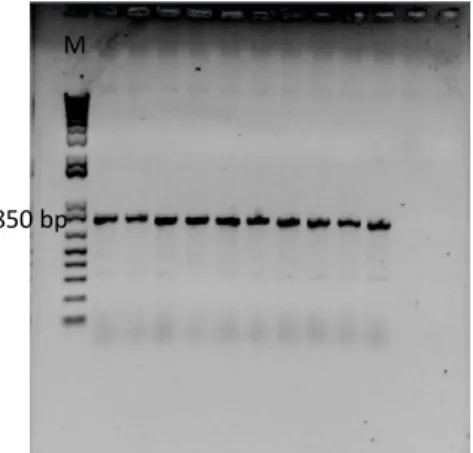
Fig. II.2. Amplification with the t7 set of primers of 10 colonies cloned with pET151 D-TOPO® containing the gene that codifies for the polypeptide BLAD ... 14
Fig. II.3. Recombinant BLAD expression at different time points, with and without IPTG ... 15
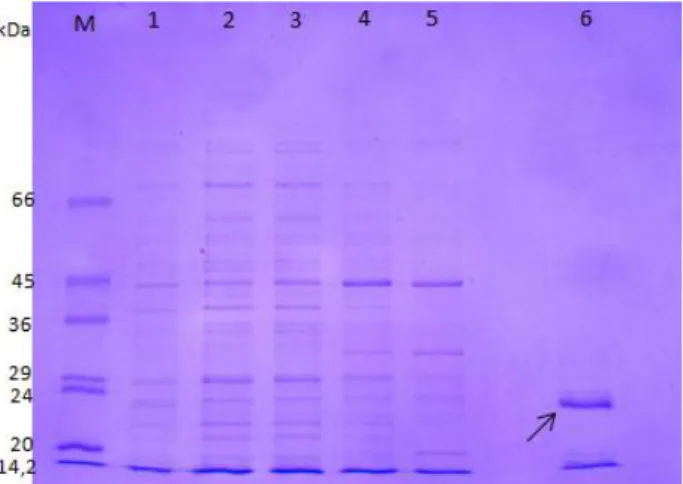
Fig. II.4. Purification under denaturing condition of recombinant BLAD using the Ni-NTA agarose columns ... 16
Fig. II.5. Immunodetection of recombinant BLAD using as probe a first antibody anti-BLAD ... 17
Fig. II.6. Immunodetection of native and recombinant BLAD using as probe a first antibody anti-wine proteins ... 17
Fig. II.7. Candida albicans colonies cultivated in GYP medium ... 18
Fig. III.1. Effect of BLAD on the growth of C. albicans ... 25
Fig. III.2. Effect of BLAD on the metabolic activity and cellular integrity of C. albicans after 0 h of incubation with different concentrations of BLAD ... 27
Fig. III.3. Effect of BLAD on the metabolic activity and cellular integrity of C. albicans after 4 h of incubation with different concentrations of BLAD ... 27
Fig. III.4. Effect of BLAD on the metabolic activity and cellular integrity of C. albicans after 8 h of incubation with different concentrations of BLAD ... 28
Fig. III.5. Effect of BLAD on the metabolic activity and cellular integrity of C. albicans after 12 h of incubation with different concentrations of BLAD ... 29
Fig. III.6. Effect of BLAD on the metabolic activity and cellular integrity of C. albicans after 24 h of incubation with different concentrations of BLAD ... 29
Fig. III.7. Determination of the cellular localization of BLAD in C. albicans ... 30
Fig. III.8. BLAD labeled with Alexa Fluor® 488 dye ... 31
ix
Fig. III.10. Effect of BLAD on the metabolic activity of protoplasts of C. albicans ... 32
Fig. III.11. Immunofluorescence in protoplasts of C. albicans incubated with BLAD for 24 h ... 33
Fig. IV.1. Proteomic profile of C. albicans cell membrane ... 39
Fig. IV.2. C. albicans cell membrane proteins subjected to different deglycosylation processes ... 39
Fig. IV.3 C. albicans total protein from the cell membrane incubated with BLAD ... 40
Fig. IV.4. Immunoblotting analysis of C. albicans total protein from the cell membrane ... 41
Fig. IV.5. C. albicans cell membrane proteins incubated with BLAD upon removal of N-linked oligosaccharides ... 42
Fig. IV.6. Immunoblotting analysis of C. albicans cell membrane proteins upon removal of N-linked oligosaccharides ... 42
Fig. IV.7. C. albicans cell membrane proteins incubated with BLAD upon removal of O-linked oligosaccharides ... 43
Fig. IV.8. C. albicans cell membrane proteins incubated with BLAD upon removal of both N- and O-linked oligosaccharides ... 44
Fig. IV.9. Immunoblotting analysis of C. albicans cell membrane upon removal of both N- and O-linked oligosaccharides ... 44
x Tables
Table I.1. In vitro activity of BLAD against different fungi ... 6
Table II.1. Protein content of each sample resulted from purification under denaturing conditions... 16
Table II.2. MIC and MFC of native and recombinant BLAD ... 18
Table III.1. BLAD MICs and MFCs endpoints for three different C. albicans inoculum density, in three
xi Acknowledgements
I would like to leave my sincere acknowledgements to all those who directly or indirectly helped me in the development and realization of this thesis.
First of all, I want to thank my supervisor at Instituto Superior de Agronomia, Dr. Sara Monteiro, for being so supportive during the last three years. For accepting me as her student, for the vote of confidence and for the constant availability. Most of all, for being more than just a supervisor.
To Professor Rui Malhó, my supervisor at Faculdade de Ciências da Universidade de Lisboa, for following this work and helping me every time I needed it.
I specially want to thank Alexandra Carreira, or as I like to call, my “Seixal supervisor”, for all the availability, friendship and accuracy. Mainly, for being there every time I needed always with a word of motivation.
To Professor Ricardo Boavida Ferreira, for allowing me to integrate into this working group, for the learning opportunity, support and motivation. Above all, for sharing his knowledge with me.
To the entire lab team, Regina Freitas, Ana Cristina Ribeiro, Ana Lima, João Duarte, Ricardo Chagas, Catarina Fonseca and Alexandre Borges, for all the suport, suggestions and help given during this last year.
To all who are part of CEV company, Iliana Pereira, Ana Marques, Luís Batista, Mário Araújo, Sérgio Soares, André Barata, Rui Oliveira, Jorge Monteiro and Engineer Carlos Cunha for accepting me and for making me feel part of the team.
To the Genetics laboratory at Instituto Superior de Agronomia for allowing me to perform some of the work in its facilities. Mostly to Diana Tomás, for all the help and support.
To Sofia Garcia and Andreia Ferreira for their friendship and support. For always being there for the best and for the worst. For letting me be their princess. For being such an important part of my life. To Joana Bugalhão, Mafalda Alho and Vanda Gomes. For everything.
To Filipe Rollo for always being there for me in the last few months. For the constant motivation, help and support. For always believing in me and for all the strength he gave me through difficult times. For never doubting my abilities, even when I doubted.
To all those who despite having no direct connection with this thesis were always there unconditionally and were an essential part to its ending.
1 Chapter I
Introduction
I.1 Increase of fungal infections in humans
Pathogenic fungi represent, worldwide, a serious threat for human’s health with significant increase of severe fungal infections due to opportunistic fungal pathogens over the past two decades [1]. Since mid-1980s many hospitals reported that fungi were becoming common pathogens in nosocomial infections [2] and, in addition, a study published recently shows that the incidence of nosocomial fungaemia was 2 per 1000 hospital admissions, which is associated with 48% rate of mortality [3]. Moreover, the rate of sepsis due to fungal organisms in the United States increased 207% during the period between 1979 and 2000.
Despite the remarkable improvements that have been made in diagnostic modalities and antifungal agents in the past 10 years, the diagnosis of fungal infections is still difficult compared to the diagnosis of bacterial infections by conventional culture, and treatment remains a great challenge because of the limited availability of antifungal agents and of their questionable efficacy [4]. The recent epidemiological data underscore the high potential for and the threat of emerging and re-emerging pathogenic fungi to be transmitted in unexpected geographic and clinical settings likely due, at least in part, to present day sophisticated logistics solutions and easy travel around the globe, facilitating the transmission of microorganisms despite increased security measures and protection efforts. Fungal infections have thus become an important factor of morbidity and mortality and represent an increasing burden on medical systems [5]. The most common infections are bloodstream infections (BSI) and invasive fungal infections.
I.2 Rise in the number of patients with a dysfunctional immune system
The sharp increase of less common but medically important fungal pathogens is a direct consequence of the rising number of patients bearing a dysfunctional immune system [6]. Although recent progresses in medicine have improved control of infectious diseases, at the same time the advent of certain medical practices has actually favored the occurrence of microbial infections [5]. Consequently, the incidence of invasive fungal infections has increased and the population of patients at risk has expanded to include those with a broad list of medical conditions [7]. In this turn, the raise of immunocompromised patients is a direct cause of the AIDS epidemic, advances in therapeutic technology (including organ transplant development), the use of increasingly aggressive regimes of chemotherapy and the insertion of intravascular devices [8]. The incidence of invasive fungal infections has also increased significantly and has emerged as a worldwide healthcare problem, as a result of the rapidly increasing numbers of patients at risk over the past two decades [4]. However, whereas in the past, opportunistic mycoses typically occurred in immunocompromised hosts, these complications are increasingly observed in non-immunocompromised surgical and critically ill adult patients [9].
2 I.3 Most common human fungal pathogens
The etiology of invasive fungal infections has changed in the past decades. In the 1980s, yeasts (particularly Candida albicans) were the most causative agents of invasive mycoses. However, in recent years, molds have become more frequent in certain groups of patients, such as hematopoietic stem cell transplantation recipients [7].
Candida spp. are human commensals that cause both superficial and invasive infections [9].
These organisms occur abundantly in the human gastrointestinal tract and vagina. Candida species can be isolated in stool and from various mucus membranes where they exist as a commensal species [10]. One of the main reasons for Candida’s virulence is its versatility in adaptation to various different habitats and the formation of biofilms that enhance its ability to adhere to surfaces and cause infections. Candida species become pathogens when the host’s resistance to infection is impaired locally or systemically [11].
During the period 1979-2000 candidemia was reported to be the third most common cause of nosocomial bloodstream infection in critical adult patients, representing 11% of all BSI. The incidence of candidemia in U.S. hospitals during 2000-2005 increased from 3.65 to 5.56 episodes per 100,000 population [9]. Despite improved understanding of the pathogenesis of invasive disease and the advent of new diagnostic and therapeutic strategies, the attributable mortality at approximately 40% has essentially remained unchanged for the past few decades. Disseminated candidiasis is a life-threatening syndrome with an attributable mortality of 10 to 50% [12]. According to the National Nosocomial Infections Surveillance System (NNIS), non-albicans species were responsible for only 24% of nosocomial fungal infections involving Candida species in the 1980s. Within a decade, however, non-albicans species accounted for 46% of bloodstream infections due to Candida species [11].
The ARTEMIS Global Antifungal Surveillance Program showed that C. albicans was the most common (63-70%) candidal cause of invasive fungal infections, followed by C. glabrata (44%), C.
tropicalis (6%) and C. parapsilosis (5%). However, geographical and institutional differences are
widely reported [11]. The shift in Candida toward non-albicans species is likely due, at least in part, to selective pressures imposed by the increased utilization of antifungal agents [10].
In addition, invasive fungal infections caused by other non-Candida yeasts have been reported. Trichosporon species is the second most common cause of yeast fungaemia in patients with malignant haematological disease (after Candida species) and invasive trichosporon infection has been increasingly identified during the past 30 years. Species like Rhodotorula, non-neoformans
Cryptococcus and Geotrichum have also been reported. Nevertheless, among yeasts, Candida albicans still is the predominant cause of invasive fungal infections [11].
In recent years, owing to the use of prophylactic or empirical antifungal treatment strategies, there has been a decrease in the frequency of Candida infections and a significant increase in the incidence of mould infections [13]. Among molds, Aspergillus fumigatus is the most frequent species of Aspergillus causing clinical disease, perhaps due to specific virulence factors unique to the organism. Aspergillus most commonly causes invasive pulmonary aspergillosis, often with subsequent
3
dissemination [14]. Moreover, reports of aspergillosis caused by the non-fumigatus species and infection caused by hyaline and black molds have been increasing in number [7].
I.4 Antifungal agents commercially available
The ideal antifungal agent should have broad antifungal activity, low rates of resistance, flexible routes of administration, few associated adverse events and limited drug-drug interactions [15].
Nowadays there are four groups of drugs available for the treatment of systemic mycoses in humans, which are, polyenes, azoles, echinocandins and flucytosine [16]. None of these classes of antifungal agents matches all the characteristics of an ideal agent [15], which ultimately leads to treatment failure.
The causes of treatment failure depend on fungus properties, antifungal drug properties and host factors. The treatment should be accordingly with fungal cell type and the size of fungal population. The use of an inappropriate dose of the antifungal agent, poor absorption, distribution or metabolism and drug-drug interactions may also contribute to lack of efficiency. Finally, it is also essential to consider the immune status of the patient, the presence of foreign materials and the site of infection [8].
Polyenes are broad-spectrum antifungal agents produced by the bacterial genus
Streptomyces. Amphothericins A and B, both members of the polyene antifungal drug class were
reported in 1955 but only amphotericin B was developed because of its superior potency [12]. It also presents broad spectrum of activity and there are relatively few examples of mycological resistance to the drug [17]. For many years this antifungal agent was considered standard therapy for serious fungal infections including invasive aspergillosis. However, multiple studies have established not only the unacceptable toxicity of this compound for serious infections but also demonstrate its lack of efficacy in high-risk patients with these infections [18]. Its mode of action is to bind to ergosterol, the principal sterol in fungal membranes, which leads to perturbations in membrane function and, ultimately, cause leakage of cellular contents. The structural difference between ergosterol and cholesterol, the major sterol in mammalian membranes, is sufficient to explain the greater binding affinity of amphotericin B for ergosterol over cholesterol and is the basis for the selectivity of this antifungal agent. However, this selectivity is low and suggests potential toxicity of amphotericin B for mammalian cells [19].
Like polyenes, azoles also exert antifungal activity by targeting ergosterol in the fungal cell membrane [20] and were first approved in 1980. Chemically, they all have either an imidazole or a triazole group joined to an asymmetric carbon atom as their functional pharmacophore [21]. Their main mode of action is to inhibit 14α-demethylation of lanosterol in the ergosterol biosynthetic pathway. As a result, ergosterol is replaced with unusual sterols and the normal permeability and fluidity of the fungal membrane is impaired. Additionally this brings consequences for membrane-bound enzymes, like those involved in cell wall synthesis [19]. The azole family of antifugal agents can be classified into two groups: the imidazoles (miconazole and ketoconazole) and the triazoles (fluconazole, itraconazole, voriconazole and posaconazole) [15].
4
The third class of antifungal agents with FDA (Food and Drug Administration) approval was the echinocandins in 2001. These agents, which include caspofungin, micafungin and anidulafungin, destabilize the fungal cell wall by depleting glucans, which are necessary to maintain its stability. This class has fungicidal activity against Candida spp., both in vitro and in vivo, and fungistatic activity against Aspergillus spp. [20].
Unlike polyene and echinocandin antifungal agents, azoles present higher solubility, lower toxicity, wider tissue distribution and availability for oral distribution. For this reasons the triazoles are the most widely used antifungal agents and have activity against many fungal pathogens [15]. However, clinical use of azoles is limited because of an increase of resistant strains, particularly during long-term treatments [1].
Flucytosine is a unique antifungal agent having no siblings or progeny in its antifungal class. It’s a compound that mostly has some value as adjunctive treatment with amphotericin B in clinically difficult infections. Its antifungal specificity arises from the fact that fungi, but not human cells, possess the enzyme needed to take up flucytosine and convert it internally to 5-fluorouracil, a compound that is highly toxic to all eukaryotic systems. Fluorouacil becomes incorporated in fungal DNA and RNA and blocks synthesis of both these vital molecules, preventing cell proliferation [21].
Given the substantial morbidity and mortality related to invasive fungal infections, treatment with a combination of antifungal agents is often considered. Combined antifungal therapy approaches may be used to broaden the spectrum of activity, enhance the rate or extent of killing, minimize development of resistance or reduce toxicities. However, there are detrimental effects too, including attenuation of activity, increased resistance or toxicity, increased cost and drug interactions, which are hazards of combined therapy and must be carefully considered [20].
The introduction of these antifungal agents facilitated a more aggressive approach to the prophylaxis and treatment of fungal infections in the past decade leading to concerns about the emergence of resistant organisms [8]. Moreover, all of antifungal agents available present many disadvantages, mostly due to the appearance of fungal resistance, and the mortality rates remains relatively high. Therefore, it is essential to identify new potent and safe antifungal drugs with novel modes of action able to manage the actual raise of fungal infections.
I.5 The potential of BLAD polypeptide
Research was developed in Instituto Superior de Agronomia which allowed the development of a new and original approach in the fight against pathogenic fungi. This approach refers to a novel polypeptide, named BLAD (from the Portuguese/Latin Banda de Lupinus Albus Doce, meaning “band from sweet Lupinus albus” referring to a polypeptide band in an electrophoresis gel), which exhibits a powerful inhibitory activity on the germination and development of spores from fungal pathogens.
Lupinus cotyledons were collected at various times, from the dry seed to 30-day-old senescing
cotyledons, and their protein extracted, fractionated by SDS-PAGE (Sodium Dodecyl Sulfate Polyacrylamide Gel Electrophoresis) and probed with polyclonal anti-ubiquitin antibodies (Ab). This experiment showed the appearance of an abundant 20 kDa polypeptide at 4 days after the onset of germination (DAG) and disappearance at 12 to 14 DAG (Fig. I.1).
5
Figure I.1: Experiment which led to BLAD discovery back in 1991, as described in [22] and [23]. (A) Lupinus
albus from the dry seed (time zero) until 10-day-old plantlets. (B) Electrophoretic (SDS-PAGE) analysis of total soluble polypeptides present in cotyledons, from the dry seed until their senescence (30 days after the onset of germination). (C) Immunoblotting analysis; the polypeptides present in the gels depicted in (B) were transferred onto a membrane and probed with polyclonal anti-ubiquitin antibodies. Days after the onset of germination are marked on top of gels and blots. Molecular masses (kDa) of standards are shown on the right. LSU: large subunit
of ribulose bisphosphate carboxylase; Ub and a: free ubiquitin and large molecular mass ubiquitin-protein conjugates; b: BLAD.
Briefly, BLAD is isolated during growth of Lupinus seedlings and is a stable and intermediary breakdown product of β-conglutin catabolism, the major storage protein present in seeds of the
Lupinus genus. It is a 20 kDa nitrogen-rich polypeptide, as part of a 210 kDa oligomer, composed of
173 amino acid residues, non-glycosylated but phophorylated. It is encoded by an internal fragment of the gene encoding the precursor of β-conglutin from Lupinus and occurs naturally in all Lupinus species examined to date, but in no other legume tested. BLAD exhibits extreme resistance to denaturation but is extremely sensitive to cleavage, either chemical or proteolytic. BLAD also presents lectin activity, binding to glycoproteins, and catalytic activity. In addition to the applicability in human health, BLAD has also potential to be used in the food industry, open air agriculture, organic farming and greenhouses.
This polypeptide has already been tested against a wide range of fungi (Table I.1) and its antifungal activity seems to be universal, as no negative results were obtained so far. Also, preliminary acute toxicological assays detected neither oral toxicity (in rats) nor dermal/allergenic toxicity (in guinea pigs).
6
Table I.1: In vitro activity of BLAD against different fungi.
When considering non-human applications, BLAD displays both preventive and curative antifungal activities, is active against a wide range of pathogens at the same time, and the development of fungal resistance mechanisms is unlikely. Contrary to the currently available antifungal agents, BLAD does not require safety interval between application and harvest, no protective equipment is required and needs lower economical costs and time required for certification when compared to chemical fungicides.
Despite all the very encouraging results obtained so far, little is known regarding BLAD efficacy against human fungal pathogens or its mode of action. In addition to the N-acetyl-β-glucosaminidase and chitosanase catalytic activities which allow BLAD to target the fungal cell wall, there is some evidence that BLAD interacts at the cell envelope level (cell wall and plasma membrane).
I.6 Objectives
This working plan is integrated in a broader project whose major goal is to assess BLAD efficacy in the treatment of human fungal infections. Hereupon, and given that the major objective is to use BLAD in the clinical area, the first step is to produce this polypeptide via heterologous expression, in a recombinant form, using Escherichia coli as host cell. Subsequently, the physiological and morphological effects of BLAD will be assessed, using Candida albicans as a unicellular pathogenic fungal model. Lastly the search for specific targets for BLAD in the pathogen cell envelope will be carried out, using C. albicans protoplast membranes.
I.7 References
[1] Bendaha, H., Yu, L., Touzani, R., Souane, R., Giaever, G., Nislow, C., Boone, C., Kadiri, S.E., Brown, G.W., and Bellaoui, M. (2011). New azole antifungal agents with novel modes of action: Synthesis and biological studies of new tridentate ligands based on pyrazole and triazole. European Journal of Medicinal Chemistry. 46: 4117-4124
[2] Fridkin, S.K., and Jarvis, W.R. (1996). Epidemiology of Nosocomial Fungal Infections. Clinical Microbiology Reviews. 9(4): 499-511
[3] Costa-de-Oliveira, S., Pina-Vaz, C., Mendonça, D., and Rodrigues, A.G. (2008). A first Portuguese epidemiological survey of fungaemia in a university hospital. European Journal of Clinical Microbiology & Infectious Diseases. 27: 365-374 [4] Chih-Cheng, L., Che-Kim, T., Yu-Tsung, H., Pei-Lan, S., and Po-Ren, H. (2008). Current challenges in the management of invasive fungal infections. Journal of Infection and Chemotherapy. 14: 77-85
[5] Del Poeta, M. (2010). Fungi are not all “fun-guys” after all. Frontiers in Microbiology. 1(105): 1-2
[6] Walsh, T.J., Groll, A., Hiemenz, J., Fleming, R., Roilides, E., and Anaissie, E. (2004). Infections due to emerging and uncommon medically important fungal pathogens. Clinical Microbiology Infection. 10 (Suppl. 1): 48-66
7 [8] Canuto, M.M., and Rodero, F.G. (2002). Antifungal drug resistance to azoles and polyenes. Lancet Infectious Diseases. 2: 550-563
[9] Eggimann, P., Bille, J., and Marchetti, O. (2011). Diagnosis of invasive candidiasis in the ICU. Annals of Intensive Care. 1:37
[10] Siddiqui, J. (2001). Management of Antimicrobials in Infectious Diseases. 2nd edition. Mainous III, A.G., and Pomeroy,C.,
editors. Humana Press. 127-147
[11] Miceli, M.H., Díaz, J.A., and Lee, S.A. (2011). Emerging opportunistic yeast infections. Lancet Infectious Diseases. 11: 142-151
[12] Denning, D.W., and Hope, W.W. (2010). Therapy for fungal diseases: opportunities and priorities. Trends in Microbiology. 18(5): 195-204
[13] Alp, S., and Akova, M. (2011). Treatment Options for Invasive Fungal Infections. European Infectious Disease. 5(1): 55-58 [14] Person, A.K., Kontoyiannis, D.P., and Alexander, B.D. (2010) Fungal Infections in Transplant and Oncology Patients.
Infectious Disease Clinics of North America. 24(2): 439-459
[15] Chapman, S.W., Sullivan, D.C., and Cleary, J.D. (2008). In search of the holy grail of antifungal therapy. Transactions of
the American clinical and climatological association. 119: 197-216
[16] Abadio, A.K.R., Kioshima, E.S., Teixeira, M.M., Martins, N.F., Maigret, B., and Felipe, M.S.S. (2011). Comparative genomics allowed the identification of drug targets against human fungal pathogens. BMC Genomics. 12: 75
[17] Ellis, D. (2002). Amphotericin B: spectrum and resistance. Journal of Antimicrobial Chemotherapy. 49 (Suppl.S1): 7-10 [18] Patterson, T.F. (2006). Treatment of invasive aspergillosis: Polyenes, echinocandins, or azoles?. Medical Mycology. 44: 357-362
[19] Odds, F.C., Brown, A.J.P., and Gow, N.A.R. (2003). Antifungal agents: mechanisms of action. Trends in Microbiology. 11(6): 272-279
[20] Johnson, M.D., and Perfect, J.R. (2010). Use of Antifungal Combination Therapy: Agents, Order, and Timing. Current Fungal Infection Reports. 4: 87-95
[21] Odds, F.C. (2003). Antifungal agents: their diversity and increasing sophistication. Mycologist. 17: 51-55
[22] Ferreira, R.M.B., Ramos, P.C.R., Franco, E., Ricardo, C.P.P., and Teixeira, A.R.N. (1995). Changes in ubiquitin and ubiquitin-protein conjugates during seed formation and germination. Journal of Experimental Botany. 46(2): 211-219
[23] Ramos, P.C., Ferreira, R.M., Franco, E., and Teixeira, A.R. (1997). Accumulation of a lectin-like breakdown product of
8 CHAPTER II
Recombinant production of BLAD polypeptide. Cloning and expression of BLAD in Escherichia
coli
II.1 Introduction
The development of recombinant DNA technology in the early 1970s enabled the expression of heterologous genes into pro- or eukaryotic host which do not naturally harbor these pieces of DNA [1]. This allowed introducing traits for the production of desired compounds into non-natural producers.
Recombinant protein production was first employed for the production of human proteins in microbial cells, like insulin in Escherichia coli [2]. Since that, impressive progresses over the past decades have brought hundreds of therapeutic proteins into clinical applications [3] and allowed the development of several expression systems, both prokaryotic and eukaryotic. Consequently, recombinant protein production is, nowadays, a multi-billion dollar market, comprising biopharmaceuticals and industrial enzymes. Global sales for biopharmaceutical proteins reached US$87 billion in 2008, and is expected to rise up to US$169 billion in 2014 [2].
In the first attempts to produce recombinant proteins, the gene of interest is typically cloned into an expression vector, generally a plasmid. Expression vectors are extrachromosomal self-replicating DNA elements that contain an origin of replication (ori), a selection marker (usually antibiotic resistance), transcriptional promoters, translation initiation regions (TIRs) as well as transcriptional and translational terminators [1].
After cloning the gene of interest into a plasmid it is essential to choose the best host cell in order to maximize the expression of the product. The selection of the host cell will be strongly influenced by the type and use of the product, as well as economic or intellectual property issues. A number of new, sophisticated host-vector combinations have become available in recent years [4]. Nevertheless, E.coli remains the working horse of recombinant protein production [2] mostly due to the profound genetic and physiological characterization, the short generation time, the ease of handling, the established fermentation know-how and finally the high capacity to accumulate foreign proteins to more than 20% of the total cellular protein content [5].
The many advantages of E.coli have ensured that it remains a valuable organism for the high-level production of recombinant proteins, however, the major drawbacks of this expression system include the inability to perform many of the posttranslational modifications found in eukaryotic proteins, the lack of a secretion mechanism for the efficient release of protein into the culture medium and the limited ability to facilitate extensive disulfide bond formation [6].
One of the most useful systems for expression of recombinant proteins in E. coli is the pET vector series, which is based on the T7 phage RNA polymerase and uses the pBR322 origin of DNA replication. The expression of the recombinant protein using these plasmids is tightly regulated and, when induced, produces high levels of transcripts and recombinant proteins. Moreover, the presence of six consecutive histidine residues (6XHis-tag) permits the purification of the fusion protein on metal charged columns [7].
9
The possible use of BLAD into the clinical field, especially for the treatment of systemic fungal infections, will require the use of its recombinant form by heterologous expression. Considering the absence of glycosylated residues in the polypeptide BLAD and the ease handling of E. coli prokaryotic cells, this system is the most promising.
II.2 Materials and methods
II.2.1 Biological materials and growth conditions II.2.1.1 Escherichia coli
The Escherichia coli bacteria were used to clone the gene that codifies for the polypeptide BLAD with the aim of expression. Therefore, two different strains were used: TOP10 strain and BL21 Star™ (DE3). TOP 10 was used for all routine cloning experiments whereas the second one was used for recombinant protein expression and was cultivated in LB (Luria-Broth) medium (1% (w/v) tryptone, 0.5% (w/v) yeast extract and 1% (w/v) NaCl) at 37 °C.
II.2.1.2 Candida albicans
Candida albicans var. albicans (CBS 562) was grown at 35 °C for 24 h in Glucose Yeast
Peptone (GYP) medium (1% (w/v) peptone, 0.5% (w/v) yeast extract, 2% (w/v) glucose, 1.5% (w/v) agar). For the antifungal susceptibility tests was used PDB medium (24 g/L Potato Dextrose Broth), buffered at pH 7.5.
II.2.2 Polymerase Chain Reaction (PCR)
The Polymerase Chain Reaction (PCR), described in [8], was performed in a thermocycler “MasterCycler Gradient”, Eppendorf. The polymerase used was “Platinum® Taq DNA polymerase- Invitrogen” and the set of primers was t7 (t7 forward “TAATACGACTCACTATAGGG” and t7 reverse “TAGTTATTGCTCAGCGGTGG”), specific for the pET151/D-TOPO® plasmid.
The master mix contained 10x PCR buffer, 10 mM dNTP mixture, 50 mM MgCl2, 10 µM of
each primer, 1 µL template DNA, 1 unit of Platinum® Taq DNA polymerase and autoclaved, distilled water to a final volume of 10 µL.
The tubes were then incubated in a thermal cycler at 94 °C for 30 s to complete denatures the template and activates the enzyme. The polymerase reaction was performed for 30 cycles: 94°C for 30 s to denature de DNA; 55°C for 30 s for primer annealing and 72°C for 1 min per kb for DNA synthesis. The PCR tubes were placed at 4 °C after cycling and stored at -20 °C until use.
II.2.3 Cloning of PCR products in E.coli
The gene that codifies for the polypeptide BLAD had already been cloned into pET151/D-TOPO® plasmid. This vector has an ampicillin resistant marker for selection, a sequence that encodes for N-terminal fusion tags for detection and purification of recombinant fusion proteins and a sequence recognized by “TEV-Tobacco etch virus” protease, that cuts the histidines tail. Has a T7lac promoter for high-level IPTG-inducible expression of the gene of interest in E.coli.
10
TOPO® Cloning reaction was first transformed into One Shot® TOP10 Chemically Competent
E.coli for characterization of the construct, propagation and maintenance. After being purified, the
plasmid was cloned into BL21 Star™(DE3) One Shot® Chemically Competent E. coli for product expression. Both transformations were made according to the Invitrogen’s protocol “Champion™ pET Directional TOPO® Expression Kits” [9].
II.2.4 Plasmid purification and DNA quantification
Before being cloned into BL21 Star™(DE3) One Shot® Chemically Competent E. coli, plasmids were isolated and purified according to the Promega’s protocol “Wizard® Plus SV Minipreps DNA Purification System” [10].
After being purified, nucleic acids were quantified according to the manufacturer instructions in a BioTek’s Take3™ spectrophotometer using the Gen5 program.
II.2.5 Recombinant BLAD expression
Preliminary assays were made in order to determine the optimal conditions of protein expression, according to the Invitrogen’s protocol “Champion™ pET Directional TOPO® Expression Kits” [9]. In these tests, 500 µL of BL21 Star™(DE3) One Shot® Chemically Competent E. coli previously transformed with the plasmid containing the gene that codifies for the polypeptide BLAD were grown overnight in 10 mL of LB medium supplemented with 100 mg/mL ampicillin, at 37 °C, 150 rpm. The first step was to determine the optimal induction time for the greatest product expression. The overnight culture was refreshed and when the OD640 nm reached 0.4 the culture was divided in
two. One was induced with 1 mM of Isopropyl β-D-1-thiogalactopyranoside (IPTG) and the other was kept as control. Aliquots were removed at 0, 4, 6, 12 and 48 h of induction for SDS-PAGE analysis. After being determined the optimal induction time the culture volume was raised for 1 L, in order to obtain more expressed product, and induced with 1mM IPTG. Finally, the culture was centrifuged at 3.000 g, 10 min at 4 °C and the cells were stored frozen at -80 °C until use.
II.2.6 Recombinant BLAD purification
Recombinant BLAD was purified under denaturing conditions using the Ni-NTA agarose according to the Invitrogen’s protocol “Ni-NTA Purification system – For purification of polyhistidine-containing recombinant proteins” [11]. This system is based on the high affinity and selectivity of the Ni-NTA agarose for recombinant proteins tagged with six histidine residues. The cells were resuspended in 8 mL of denaturing binding buffer (8 M urea, 20 mM sodium phosphate pH 7.8, 500 mM NaCl) and then lysed by three cycles of freezing in liquid nitrogen, thawing and vortex. The cell lysate was centrifuged at 5.100 g, 20 min, 15 °C. The supernatant was transferred to a prepared purification column, previously equilibrated with 8 mL of 0.5 M NaOH, for 30 min with gentle stirring, and then twice with 8 mL denaturing binding buffer. The column was then washed three times with 4 mL of denaturing wash buffer (5 M urea, 20 mM sodium phosphate pH 6.0, 500 mM NaCl). BLAD was eluted with 4 mL of denaturing elution buffer (5 M urea, 20 mM sodium phosphate pH 4.0, 500 mM
11
NaCl) and stored at 4 °C until use. All the samples were collected for subsequent SDS-PAGE analysis.
Instead of proceeding directly to the full removal of the denaturing agent (Single step dialysis), urea was removed in steps, through a Dialysis step-wise method, with the aim of trying to avoid protein aggregation or destabilization. With this, protein tends not to aggregate as rapidly as in the single step dialysis, which leads to a higher solubility.
The first steps of the dialysis were performed along with the purification, passing from: 8 M urea, pH 7.8; 5 M urea, pH 6.0 and 5 M urea, pH 4.0. After the recovery of the eluted (in buffer composed of 5 M urea, 20 mM sodium phosphate pH 4.0, 500 mM NaCl), from the Ni-NTA column, it was placed in a dialysis membrane. Posteriorly was placed in 5 L of a buffer composed of 3 M urea, 20 mM sodium phosphate, 500 mM NaCl, pH 7.0, with gentle stirring, for 2 h. After that, the dialysis membrane was placed in 5 L of a buffer composed of 20 mM sodium phosphate, 500 mM NaCl, pH 7.0, overnight, at 4 ºC. In the end of the dialysis, the sample was recovered, quantified for subsequent immunoblot analysis and lyophilized for the antifungal susceptibility tests.
II.2.7 Immunoblotting
Proteins separated by SDS-PAGE were blotted onto a PVDF (Polyvinylidene fluoride) membrane, previously soaked in transfer buffer (50 mM trizma base, 3.7 M glicine, 0.04% (w/v) SDS and 20% (v/v) methanol) at 15 V for 45 min, using a semi-dry system “TransBlot Semi-Dry Transfer Cell” (Bio-Rad). After protein transfer, the polypeptides in the membrane were fixed for 5 min in a solution containing 10% (v/v) acetic acid and 25% (v/v) 2-propanol. Total polypeptides in the membrane were visualized with Ponceau S. The membrane was washed for 1 min with water, incubated for 15 min with 0.026 M Ponceau S, 1.8 M trichloroacetic acid and 1.2 M sulfosalicylic acid, and washed for 5 min with water.
The membrane, containing the fixed polypeptides, was incubated for 1 h with PBS (137 mM NaCl, 1.5 mM KH2PO4, 8.1 mM Na2HPO4 and 2.7 mM KCl) containing 0.05% (w/v) Tween 20, 3% (w/v) milk powder and 300 µg/mL of BLAD. After that, the membrane was incubated with the first antibody, 500-fold diluted in PBS containing 0.05% (w/v) Tween 20 and 3% (w/v) milk powder. After 1 h, the membrane was washed (2 x 5 min) with PBS containing 0.1% (w/v) Tween 20 and then with a salt solution (1 M NaCl, 0.01 M Na2HPO4 and 0.5% (w/v) Tween 20). Before being incubated with the second antibody, the membrane was once again washed, for 15 min, with PBS containing 0.05% (w/v) Tween 20 and 3% (w/v) milk powder. After these washes, the membrane was incubated for 1 h with the second antibody 1250-fold diluted in PBS containing 0.05% (w/v) Tween 20 and 3% (w/v) milk powder. The membrane was then washed (2 x 5 min) with PBS containing 1% (w/v) Tween 20 and once with the salt solution for 10 min. After that the membrane was washed (3 x 5 min) with PBS containing 0.1% (w/v) Tween 20 and once with PBS for 1 min. The membrane was always kept at 37 °C with gentle stirring.
According to the purpose of the study, two primary antibodies were used. A BLAD-specific and other unspecific, both produced in rabbit as described in [12], and a second antibody linked to peroxidase specific for both primary antibodies, produced in goat and bought from SIGMA.
12
For revelation of the signal, the membrane was placed in a “SuperSignal West Femto Maximum Sensitivity Substracte” solution, an extremely sensitive quimioluminiscent substrate for the detection of the secondary antibody linked to peroxidase. The signal was observed in a ChemiDoc™ XRS + (Molecular Imager, BioRad).
II.2.8 Antifungal susceptibility tests
The susceptibility testes performed in yeasts were made according to the CLSI - Clinical and Laboratory Standards Institute (former NCCLS - National Committee for Clinical Laboratory Standards) guideline M27-A3 [13], using broth microdilution method. According to this guideline, the cell suspension should be adjusted with a spectrophotometer (Shimadzu UV-1800) to an OD640 nm =
0.05, in order to give an inoculum concentration of 1x10⁶ cells per mL. However, the calibration curve performed for strain CBS 562 indicated that the concentration of 1x10⁶ cells/mL is achieved with and OD640 nm= 0.15, and, therefore, this value was used throughout for inoculum preparation.
II.2.8.1 Antifungal agents
Both native and recombinant BLAD polypeptides were purified and stored lyophilized at room temperature. When needed both solutions of BLAD were prepared in mili-Q sterile water and 200 µL were added to the microplate’s first line. A twofold dilution was made, twelve times, using mili-Q sterile water, in the 96-wells microplates. The final concentration of native BLAD, after the addition of the inocula, ranged from 1000 to 480 µg/mL and for the recombinant, from 312.5 to 0.153 µg/mL.
II.2.8.2 Minimum inhibitory concentrations (MICs) determination
Yeast cells were grown on GYP medium for 24 h at 35 °C and the inoculum suspension was prepared by picking colonies and resuspending them in 5 mL of sterile 0.9% (w/v) saline (NaCl). The resulting suspension was vortexed for 15 s and the cell density was adjusted with a spectrophotometer to an OD640 nm =0.15. The final inoculum suspension was made by a 1:50 dilution
followed by a 1:20 dilution with double-strength broth medium, which resulted in a final concentration of 1x10³ cells per mL. Two other final inoculum concentrations were tested: 1x10⁴ cells/mL, achieved by a 1:50 dilution followed by a 1:2 dilution with double-strength broth medium, and 1x10⁵ cells/mL, achieved by a 1:10 dilution with double-strength broth medium. The inoculum size was verified by enumeration of CFU obtained by subculturing on GYP plates.
Yeast inocula (100 µL) were added to each well of the microplate, containing 100 µL of the diluted BLAD solution (twofold). Final volume in each well was 200 µL.
The microplate was incubated at 35 °C and examined after 72 h. The MIC endpoints were the lowest drug concentration that showed absence of growth, as recorded visually.
II.2.8.3 Minimum fungicidal concentrations (MFCs) determination
MFCs were determined by two different methods. In one method, the inoculum size was 103 UFC/mL and after MIC determination, as previously described, 20 µl aliquots were subcultured from each well that showed no visual growth onto GYP plates [14].
13
In another method, described in [15], the inoculum was prepared as described in the CLSI guidelines, except for the inoculum size (104 and 105 CFU/mL). After MIC determination the content of each clear well was homogenized and the entire volume (200 µL) was subcultured onto two GYP plates (100 µL aliquots/plate). To avoid antifungal carryover, aliquots were deposited as a spot onto the agar plate and allowed to soak. After the plate was dry the cells were separated and removed from the drug source by streaking/ surface spreading.
In both cases, the plates were incubated at 35 °C for 24 h. The MFC was the lowest drug concentration that killed over 99.99% of the final inoculum.
II.2.9 General procedures II.2.9.1 Electrophoresis
II.2.9.1.1 Agarose gel electrophoresis
Horizontal electrophoresis was performed in 1% (w/v) agarose gel in order to resolve nucleic acids. Agarose was dissolved in TAE buffer (400 mM Tris-acetate pH 8.0, 10 mM EDTA) 10-fold diluted, containing “Gel Red nucleic acid stain” (5 µL/100 mL). The molecular marker used was “1 kb plus DNA ladder” from SIGMA and “Gel loading buffer” (10x concentrated, composed of 0.21% (v/v) Bromophenol Blue, 0.21% (v/v) Xylene Cyanol F, 0.2 M EDTA, pH 8.0 and 50% (v/v) Glycerol) was added to each sample, to facilitate loading of the samples into the wells. The electrophoresis ran at 120 V.
II.2.9.1.2 Polyacrylamide gel electrophoresis in SDS-PAGE
The samples were precipitated with iced cooled 80% (v/v) acetone, at -20 °C during 30 min and then centrifuged at 15.000 g, 10 min at 4 °C. The pellet was ressuspended in sample buffer containing 0.08 M Tris-HCl pH 6.8, 0.1% (w/v) β-2-mercaptoethanol, 2% (w/v) SDS, 15% (w/v) glycerol and 0.006% (w/v) of a 1% (w/v) solution of m-cresol purple. After that the samples were vortexed and boiled for three minutes.
A polyacrylamide gel in denaturing conditions (SDS-PAGE) was used in a discontinuous system with a concentration and a separation gel, according to the method described in [16].
The electrophoresis was performed on a vertical system using mini gels, with the addition of a cathode buffer composed of 25mM Tris-HCl pH 8.8, 192 mM glycine and 0.1% (w/v) SDS. As a standard two different markers were used: Dalton Mark VII-L for SDS Gel Electrophoresis (SIGMA), a low molecular marker from SIGMA that range from 14 kDa to 70 kDa and Precision Plus Protein™ All Blue Standards marker (kDa), a marker from BioRad, that range from 10 to 250 kDa.
The electrophoresis ran at 30 mA and 200 V, using a power supply EPS 500/400 (Pharmacia/LKB). The polypeptide migration was interrupted when the m-cresol purple was near the lower end of the mini gel.
II.2.9.2 Protein Quantification
Protein content was determined according to a modification of the Lowry’s method [17] using bovine serum albumin as the standard. The samples were read in a spectrophotometer, at 750 nm.
14
B
850 bp M 1A
850 bp MII.2.9.3 Protein Staining
The gels were stained with Coomassie Brilliant Blue R250 (CBB R-250). Polypeptides were fixed in TCA 10% (w/v) for 15 min. After that the mini gels were stained for a period longer than 3 h with a solution containing 0.25% (w/v) CBB R-250, 25% (v/v) 2-propanol and 10% (v/v) glacial acetic acid. The destaining solution composed of 25% (v/v) 2-propanol and 10% (v/v) glacial acetic acid was kept until the polypeptides could be visualised.
II.3 Results and discussion
II.3.1 Cloning of pET151 into competent cells and selection of recombinants
To start the procedure the pET151 D-TOPO® plasmid previously cloned by our investigation group with the gene that codifies for the polypeptide BLAD (519 bp) was used. In order to guarantee that the plasmid was correctly cloned with the gene, a PCR reaction was performed using the t7 set of primers and the resulting reaction was run in an agarose gel (Figure II.1).
The t7 set of primers is specific for the pET151 D-TOPO® plasmid t7 promoter and flanks a region of approximately 300 bp, in the multiple cloning site. The gene that codifies for the polypeptide BLAD was inserted in this region and, consequently, when an amplification reaction is performed with this set of primers is expected a fragment with approximately 800 bp.
The analysis of figure II.1 shows that the pET151 D-TOPO® plasmid was correctly cloned. A transformation was subsequently performed into One Shot® TOP10 Chemically Competent E.coli. In order to select the transformed colonies, the solution where the reaction took place was plated into LB plates supplemented with ampicillin. Then, 10 colonies were randomly chosen and analyzed by PCR using the t7 set of primers in order to select the positive recombinants and guarantee that the gene was correctly inserted (Figure II.2).
Figure II.2: Electrophoretic analysis in 1% (w/v) agarose gel.
Amplification with the t7 set of primers of 10 colonies cloned with pET151 D-TOPO® containing the gene that codifies for the polypeptide BLAD. [M] 1kb plus DNA ladder marker, Invitrogen.
Figure II.1: Electrophoretic analysis in 1% (w/v)
agarose gel. (A) Amplification with the t7 set of primers of pET151 D-TOPO® containing the gene that codifies for the polypeptide BLAD. (B) 1kb plus DNA ladder marker, Invitrogen.
15
The figure II.2 shows that the fragment was inserted in all the selected colonies. To quantify the DNA content in each colony, they were grown overnight in LB medium with ampicillin (100 mg/mL) and purified by Minipreps, according to the manufacturer instructions [10]. Since the DNA content was similar in all the colonies, approximately 40 ng/µL, only one was selected to continue the work and subsequently sent to be sequenced.
II.3.2 Recombinant BLAD expression
After confirming the proper orientation of the gene, the plasmid containing the insert was cloned into BL21 Star™(DE3) One Shot® Chemically Competent E. coli for product expression.
The expression of the polypeptide BLAD was achieved using the Champion™ pET Directional TOPO® Expression Kits according to the manufacturer instructions [9]. To better understand the optimal induction time it needs to achieve the greatest product expression, first, a pilot expression protocol was performed. The culture was grown in LB medium supplemented with ampicillin and induced with 1 mM IPTG when OD600 nm = 0.5. During the experiment a fraction of the culture was kept
non-induced and aliquots of all samples were recovered after 0, 4, 6, 12 and 48 h (Figure II.3).
Figure II.3: SDS-PAGE analysis. Recombinant BLAD expression at 0h with [1] and without IPTG [2]; 4h with [3]
and without IPTG [4]; 6h with [5] and without IPTG [6]; 12h with [7] and without IPTG [8] and 48h with [9] and without IPTG [10]. [M] LPM marker (low molecular mass protein markers, kDa).
From the results showed in figure II.3, it is possible to conclude that the best induction time is 6 h. After that period E.coli begins to over-express other proteins which can lead to difficulties in further purification steps. Moreover, product expression only occurs in the presence of IPTG, as expected, because it binds to the tetrameric lac operon releasing it, and allowing the transcription of the genes regulated by the operon, including the gene that codifies for BLAD.
Upon confirmation of the optimal induction time, the next step was the Scaling-up expression in order to obtain a higher volume, and, consequently, more recombinant expressed protein.
II.3.3 Recombinant BLAD purification
After inducing the culture with 1 mM IPTG, when OD600 nm=0.5, for 6 h, recombinant BLAD was
purified under denaturing conditions using the Ni-NTA agarose columns. The protein content of the resulting fractions was quantified by the modified Lowry’s method [41] and the results are showed in
20 24 29 36 45 66 kDa M 1 2 3 4 5 6 M 7 8 9 10
![Figure I.1: Experiment which led to BLAD discovery back in 1991, as described in [22] and [23]](https://thumb-eu.123doks.com/thumbv2/123dok_br/19188701.948911/20.892.292.598.118.510/figure-i-experiment-led-blad-discovery-described.webp)
![Figure II.3: SDS-PAGE analysis. Recombinant BLAD expression at 0h with [1] and without IPTG [2]; 4h with [3]](https://thumb-eu.123doks.com/thumbv2/123dok_br/19188701.948911/30.892.179.722.514.728/figure-sds-page-analysis-recombinant-blad-expression-iptg.webp)
![Figure II.5: Immunoblotting. [1] Immunodetection of recombinant BLAD using as probe a first antibody anti-BLAD produced in rabbit and second one, conjugated with peroxidase, anti-rabbit produced in goat](https://thumb-eu.123doks.com/thumbv2/123dok_br/19188701.948911/32.892.112.279.622.867/immunoblotting-immunodetection-recombinant-antibody-produced-conjugated-peroxidase-produced.webp)