Faculdade de Farmácia, Universidade de Lisboa
Fakulteta za farmacijo, Univerza V Ljubljani
The influence of different nanocarriers on
skin’s biophysical parameters
Sara Catarina Henriques Andrade
Master of Science (MSc) in Pharmaceutical Sciences
Erasmus+ Programme
2
Faculdade de Farmácia, Universidade de Lisboa
Fakulteta za farmacijo, Univerza V Ljubljani
The influence of different nanocarriers on
skin’s biophysical parameters
Sara Catarina Henrique Andrade
Supervisor: Assist. Prof. Dr. Pegi Ahlin Grabnar
Supervisor: Prof. Dr. Andreia Ascenso
Master of Science (MSc) in Pharmaceutical Sciences
Erasmus+ Programme
i
Abstract
Introduction & Aims: Nanotechnology is a new trend in cosmetology and lipid nanoparticles
have shown higher degree of biocompatibility and versatility in this field compared to other systems. The aim of this research project was to evaluate the influence of three different systems containing lipid nanoparticles previously well characterized on skin hydration and transepidermal water loss (TEWL).
Methods: Several formulations of lipid nanoparticles based systems (solid lipid nanoparticles
(SLN), nanostructured lipid carriers (NLC) with Dynasan® 114 (D114) or Glycerol monostearate (GMS) and nanoemulsions (NE)) were fully characterized (particle size, polydispersity index and zeta potential), and then incorporated into hydrogel form to study different skin parameters such as skin hydration and TEWL on forearms of six human volunteers.
Results: The capacitance basal values of human volunteers before application of any
hydrogel containing lipid nanoparticles were 31,48 (Control), 31,73 (SLN), 30,98 (NE), 30,42 (NLCD114) and 32,07 a.u. (NLCGMS). The TEWL basal values were 7,70 (Control), 7,55 (SLN), 7,72 (NE), 7,50 (NLCD114) and 7,67 g/h/m2 (NLCGMS). One hour after hydrogels` application, the capacitance values measured were 40,07 (Control), 43,20 (SLN), 41,22 (NE), 41,15 (NLCD114) and 44,15 a.u. (NLCGMS). At the same time, the TEWL values obtained were 6,58 (Control), 4,67 (SLN), 4,13 (NE), 3,90 (NLCD114) and 4,22 g/h/m2 (NLCGMS).
Conclusion: The present study showed an increase in skin hydration after exposure to
different systems of lipid nanoparticles (even not statistically significant). On the other hand, there was a statistically significant decrease in TEWL after that exposure, compared to the control. In this way, nanolipid systems, i.e. solid lipid nanoparticles, nanostructured lipid carriers and nanoemulsions, are promising systems to improve skin’s biophysical parameters in cosmetodermatology.
Keywords: solid lipid nanoparticles, nanostructured lipid carriers, nanoemulsions,
ii
Resumo
Introdução & Objetivos: A nanotecnologia é uma nova tendência no ramo da cosmetologia
e as nanopartículas lipídicas têm demonstrado um maior grau de biocompatibilidade e versatilidade nesta área, comparando com outros sistemas já bem conhecidos. Este projeto de investigação teve como objetivo principal a avaliação da influência de três sistemas diferentes de nanopartículas lipídicas previamente bem caracterizados ao nível de parâmetros biofísicos da pele, nomeadamente hidratação da pele e perda transepidérmica de água.
Métodos: Diversas formulações de sistemas baseados em nanopartículas lipídicas
(nanopartículas lípidicas sólidas (SLN), vetores lipídicos nanoestruturados (NLC) formulados com Dynasan® (D114) ou Monoestearato de glicerol (GMS) e nanoemulsões (NE)) foram rigorosamente caracterizadas (nomeadamente o tamanho das partículas, índice de polidispersão e potencial zeta), sendo depois incorporadas na forma de hidrogel para ser avaliada a influência destes nanosistemas lipídicos em diferentes parâmetros biofísicos da pele, como a hidratação da pele e a perda transepidérmica de água nos antebraços de seis voluntários.
Resultados: Os valores basais de capacitância nos voluntários antes da aplicação de qualquer
hidrogel contendo nanopartículas foram 31,48 (controlo), 31,73 (SLN), 30,98 (NE), 30,42 (NLCD114) e 32,07 a.u. (NLCGMS). Os valores basais da perda transepidérmica de água foram 7,70 (controlo), 7,55 (SLN), 7,72 (NE), 7,50 (NLCD114) e 7,67 g/h/m2 (NLCGMS). Os valores da capacitância, uma hora após a aplicação dos hidrogeles, foram 40,07 (controlo), 43,2 (SLN), 41,22 (NE), 41,15 (NLCD114) e 44,15 a.u. (NLCGMS) e os valores de perda transepidérmica de água medidos após o mesmo período de tempo foram 6,58 (controlo), 4,67 (SLN), 4,13 (NE), 3,90 (NLCD114) e 4,22 g/h/m2 (NLCGMS).
Conclusão: O presente estudo demonstrou um aumento na hidratação da pele após exposição
a diferentes sistemas de nanopartículas lipídicas, mesmo não tendo sido estatisticamente significativo. Por outro lado, houve uma diminuição estatisticamente significativa na perda transepidérmica de água após essa mesma exposição, comparativamente ao valor registado no hidrogel controlo. Desta forma, os nanosistemas lipídicos (nanopartículas lipídicas sólidas, vetores lipídicos nanoestruturados e nanoemulsões) são sistemas promissores ao nível da melhoria dos parâmetros biofísicos da pele em Cosmética e Dermatologia.
Palavras-chave: nanopartículas lipídicas sólidas, vetores lipídicos nanoestruturados,
iii
Acknowledgments
At the end of a journey that began five years ago, this thesis represents the final step and simultaneously reflects the work developed in my last adventure as a student and one of the best challenges I faced in my life: Erasmus+ Programme.
First of all, I want to thank, with all of my heart, my family for their support, their patience and, mainly, for their love. They always helped me, in all good and bad moments. I have to include also a special person that became as a second mother for me when I came to Lisbon to study, my ‘aunt’ Nicole. Mother, father, brother and Nicole, thank you for keeping me balanced and for making me the person I am today, you made this possible.
Secondly, a deepest thanks to my main supervisor from Portugal Prof. Andreia Ascenso for her advices and recommendations, I am very grateful to have her as my supervisor. Due to her extraordinary guidance and exemplary availability, she was crucial for the development of this work. I wish you all the best.
Thirdly, the most sincere recognition to my supervisor in Slovenia, Prof. Pegi Ahlin Grabnar, for her assistance and for the continuous support of my work. Without her guidance it would not be possible to conduct this work since she helped me to develop this entire research project, always in a critical way. I would like to express my gratitude and appreciation to my co-supervisor in Slovenia, Maja Bjelosevic, for his friendly personal support. She was incredibly available to help me, from working with instruments and equipment to understanding results from my experiments. Thank you both, I hope to visit you sooner than later.
I have to thank all the volunteers, who agreed to participate in this research project and the University of Ljubljana for providing me access to its laboratories, as well as all the materials that were necessary for the development of this study.
Remarkable thanks to 2Logical for the opportunity to join their team and to start my professional career, facing very interesting projects in the area of health and medicine in Mozambique. I have to highlight thanks to Pedro Rebelo, for all the flexibility, all the help and important advices, definitely essential to be present in the professional field.
Lastly, I want to thank my friends who have always been a major source of support when things would get a bit discouraging and with whom I have shared moments of deep anxiety but also great memories from these five years. Regarding my Erasmus, I’m really glad for my laboratory colleague, Joana Brito, with whom I shared several hours in the laboratory and great moments in Ljubljana. A final and special thanks to Tiago Vieira, the one who has supported me in all circumstances and who has the ability to surprise me always.
I couldn’t feel luckier, considering all the people who have crossed my path so far.
iv
Table of contents
Abstract ... i Resumo………... ii Acknowledgements ... iii List of abbreviations ... viList of figures ... vii
List of tables ... viii
1 Introduction ... 1
1.1 Skin – A physiological barrier ... 1
1.2 Nanotechnology in cosmetics – an overview ... 2
1.3 Lipid nanoparticles ... 3
1.3.1 Nanoemulsions (NE) ... 3
1.3.2 Solid lipid nanoparticles (SLN)... 5
1.3.3 Nanostructured lipid carriers (NLC) ... 5
1.4 Production and incorporation of lipid nanoparticles into hydrogel ... 6
1.4.1 High-energy mechanism ... 6
1.4.2 Particle size, polydispersity index (PdI) and zeta potential analysis ... 8
1.4.3 Nanolipidgel ... 9
1.5 Effectiveness testing - skin’s biophysical parameters measurement ... 9
1.5.1 Skin hydration measurement ... 10
1.5.2 Transepidermal water loss measurement ... 10
2 Aim of the work ... 11
3 Materials and Methods ... 12
3.1 Materials ... 12
3.2 Equipments ... 12
3.3 Preparation of lipid nanoparticles ... 13
3.3.1 SLN ... 13
3.3.2 NLC ... 13
3.3.3 NE ... 14
3.4 Evaluation of the physical parameters of nanosytems ... 14
v
3.4.2 Zeta potential ... 15
3.5 Preparation of hydrogels ... 15
3.6 Design of the clinical study ... 16
3.6.1 Subjects ... 16
3.6.2 Measurement conditions ... 17
3.6.3 Application of the hydrogel ... 17
3.6.4 Skin hydration measurement ... 18
3.6.5 TEWL measurement ... 19
3.6.6 Statistical analysis ... 19
4 Results and discussion ... 20
4.1. Pre-experimental work: the influence of different production parameters on the particle size, polydispersity index and zeta potential ... 20
i. Type of lipid and co-surfactant (SLN formulations) ... 21
ii. Homogenization time and shear rate (SLN formulations) ... 22
iii. Percentage of solid lipid and steric stabilizer (SLN formulations) ... 23
iv. Percentage of solid lipid (NLC formulations) ... 25
v. Percentage of liquid lipid (NE formulations) ... 26
4.2 Final lipid nanoformulations ... 27
i. Mean particle size measurement ... 27
ii. Evaluation of the physical stability ... 28
4.3 The influence of SLN, NLC and NE based hydrogels on skin hydration and transepidermal water loss ... .29
i. Skin hydration measurement ... 29
ii. TEWL measurement ... 30
iii. Factors behind skin hydration and TEWL measurements ... 32
5 Conclusion ... 33
References ... 34
Annexes ... 42
A1. Informed consent form ... 42
A2. Results of skin hydration in six volunteers ... 43
vi
List of abbreviations
SLN Solid lipid nanoparticles
NLC Nanostructured lipid carriers
NLCD114 Nanostructured lipid carriers formulated with Dynasan® 114
NLCGMS Nanostructured lipid carriers formulated with Glycerol monostearate
NE Nanoemulsions
D114 Dynasan® 114
GMS Glycerol monostearate
PdI Polydispersity index
ZP Zeta potential
TEWL Transepidermal water loss
vii
List of figures
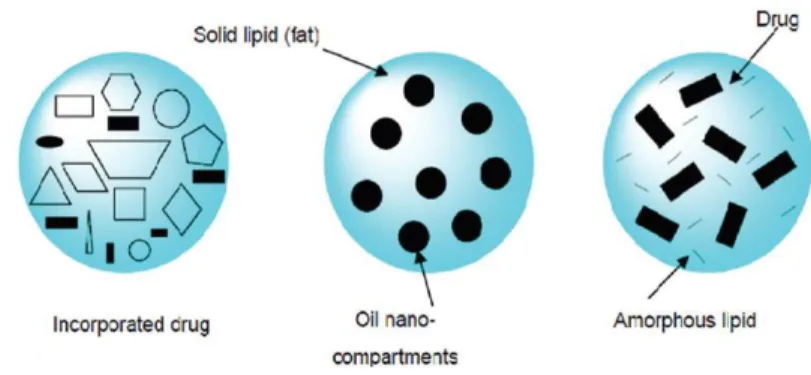
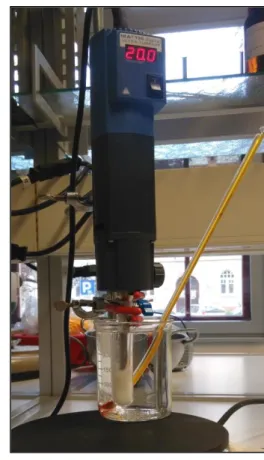
Figure 1 – Microemulsion vs Nanoemulsion (20) ... 4 Figure 2 – Different type of NLC. From left to right: Highly imperfect type (I); multiple type (II); amorphous type (III) (28) ... 6 Figure 3 – Homogenization of the mixture ... 13 Figure 4 – Hydrogels. From left to right: hydrogel-control, SLN-based hydrogel, NLCD114 -based hydrogel, NLCGMS-based hydrogel, NE-based hydrogel ... 15 Figure 5 – Tested area: 1) Hydrogel-control; 2) SLN-based hydrogel; 3) NE-based hydrogel; 4) NLCD114-based hydrogel; 5) NLCGMS -based hydrogel ... 17 Figure 6 – Influence of different nanolipid based hydrogels on skin hydration ... 29 Figure 7 – Influence of different nanolipid based hydrogels on TEWL ... 30
viii
List of tables
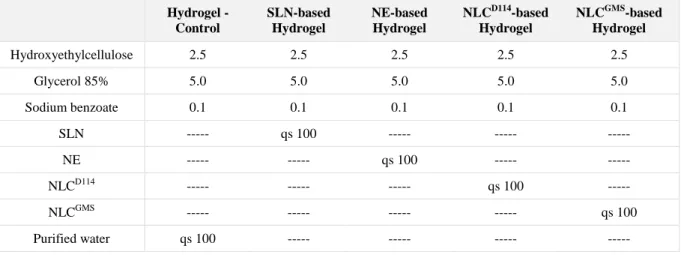
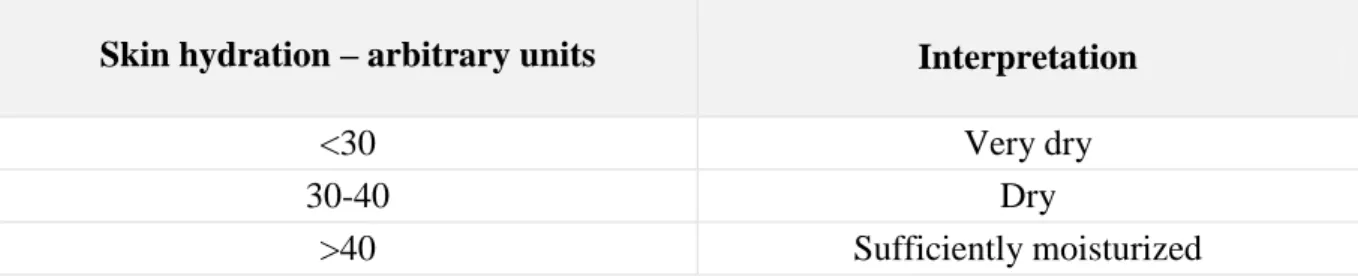
Table 1 – Composition (expressed in percentage) of each nanolipid system ... 14 Table 2 – Composition (expressed in percentage) of each hydrogel ... 15 Table 3 – Interpretation of measured values of skin hydration with Corneometer ® CM 825 . 18 Table 4 – Interpretation of measured values of transepidermal water loss with Tewameter ® TM 300 ... 19 Table 5 – composition and parameters of SLN formulated with different lipids and steric stabilizers and prepared at same conditions (results expressed as mean standard deviation, n= 3) ... 21 Table 6 – Composition and parameters of two SLN formulations prepared at different homogenization conditions (results expressed as mean standard deviation, n= 3) ... 22 Table 7 – Composition and parameters of SLN formulated with different solid lipid and steric stabilizer concentrations and prepared at same conditions (results expressed as mean standard deviation, n= 3) ... 24 Table 8 – Composition and parameters of NLC formulated with different solid lipid type and concentration and prepared at same conditions (results expressed as mean standard deviation, n= 3). ... 25 Table 9 – Composition and parameters of NE formulated with different liquid lipid concentration and prepared at same conditions (results expressed as mean standard deviation, n= 3) ... 26 Table 10 – Size parameters of lipid formulations (SLN, NLC and NE) ... 27 Table 11 – Physical stability of final lipid nanoformulations ... 28
1
1. Introduction
1.1. Skin – A physiological barrier
Skin is a viscoelastic organ and the largest organ of the human body constituted by two mutually dependent layers, the epidermis, formed by keratinocytes in different stages of differentiation and divided by different layers - stratum corneum, stratum lucidum, stratum granulosum, stratum spinosum, stratum germinativum - and dermis (as well as the subcutaneous fat tissue). This organ has several essential functions for human survival, such as defensive (as a physical barrier), immunologic, thermoregulatory, metabolic and sensorial (1).
Stratum corneum (SC) is the most external layer of the epidermis with corneocytes molding a cornified envelope embedded in lipid bilayers, responsible for mechanical resistance and involved in water permeability and exchange of substances with the external environment, and thus contributing for skin barrier function. The last step of keratinocyte differentiation is characterized by the constant replacement of corneocytes leading to a renewable skin process (2). This outermost layer of the skin is also able to prevent invasion of microbes and penetration of chemicals/radiation as well as to protect the body from excessive water loss, sustaining the homeostasis. However, epidermis is not totally impermeable to substances applied on its surface (3).
Some substances can pass through skin surface, more specifically compounds with low molecular mass (approx. 600 Da), lipophilic and uncharged. Taking into account these particularities, it is possible to obtain formulations with controlled drug release, allowing specific pharmacologic effects and avoiding toxicological side effects (4). In fact, dermal delivery has been highlighted among different routes of drug delivery for local and systemic action, and it has been studied for delivery of several types of carriers, including nanoparticles. Noteworthy, skin should be in good conditions regarding topical parameters such as skin hydration, transepidermal water loss (TEWL) and transepidermal flux of carbon dioxide, oxygen and ions (5).
2 1.2. Nanotechnology in cosmetics – an overview
Nanotechnology is an innovative science involved in the design, synthesis, characterization, and application of structures, materials, devices and systems at the nanometer scale, in the size range from 1 to 1000 nanometers (6). In this field, it is possible to control the macroscopic chemical and physical properties of individual molecules and interacting groups. In the last years, it has been observed an increasing interest in nanoscience and nanotechnology in several fields, including cosmetic and pharmaceutical products (7).
Therapy with nanocarriers has been developed since this drug delivery system allows controlling the drug release, and thus leading to an improvement of pharmacokinetic properties of drugs. For example, lipid nanoparticles have been studied for cancer therapy, bacterial infections and dermatological disorders, due to their own characteristics as resistance to chemical degradation, easy penetration through biological barriers and co-delivery of different active substances among other advantages (8).
Nanotechnology is also a new trend in cosmetology, since nanoparticles present several advantages compared to other systems, including a higher degree of biocompatibility and versatility. Regarding their safety, no adverse effects of lipid nanoparticles on human skin have been described so far (9). In this way, many cosmetic manufacturers already use nanoscale products to provide an improvement on their effectiveness, such as higher UV protection, deeper skin penetration and, consequently, long-lasting effects (10).
The potential that nanocosmetics brings is multifaceted as already referred, leading to an improvement on the current production and characterization techniques with different safety assessments (9). Concerns over the safety of nanoparticles are raised since their properties (smaller size, chemical composition, surface structure, solubility, shape and aggregation) may cause different risks to human life (direct or occupational risk) and also to the environment. In the last years, a large number of in vitro and in vivo studies using nanoparticles has been performed to prove their safety taking into account relevant toxicological endpoints, like penetration through physiological barriers, cellular uptake and translocation, cell damage or cytotoxicity, induction of cellular stress and mutagenicity/ genotoxicity (10). These studies have been conducted through different routes of
3
administration (inhalation, oral and dermal absorption), with special attention concerning the entrance through skin, since there is less information about skin permeation (11).
In order to ensure the safety and efficacy of such nanocosmetics, FDA issued a report prepared by its Nanotechnology Task Force (12). The Task Force report, formed in August 2006, presents an assessment of scientific and regulatory deliberations concerning the security and effectiveness of FDA-regulated products that use nanotechnology materials. In the meantime, this report submits recommendations regarding these considerations and encourages the development of innovative, safe, and effective FDA-regulated nanoproducts (13). European Comission has also a guidance on the safety assessment of nanomaterials in cosmetics (14).
1.3. Lipid nanoparticles
Lipid nanoparticles have been investigated for different pharmaceutical applications (parenteral, peroral, dermal, ocular and pulmonary). Since the last decade, a huge interest in lipid nanoparticles for dermal use (in pharmaceutical and cosmetic products) has been clearly emerged (15). Overall, these studies showed that lipid nanoparticles can be useful for topical delivery of drugs and active compounds. Simultaneously, they offer several advantages in this field, such as the enhancement of chemical stability of actives sensitive to light oxidation and hydrolysis as well as the ability to increase the occlusion skin effect (decreasing transepidermal water loss) and improve skin hydration (16).
These lipid-based nanodelivery systems are innovative carriers since they cover all the advantages of other nanometric carriers (like emulsions, liposomes and polymeric nanoparticles) (17). Different types of lipid nanoformulations have been studied so far, as nanoemulsions, solid lipid nanoparticles and, the newest, nanostructured lipid carriers.
1.3.1. Nanoemulsions (NE)
An emulsion is composed by two immiscible phases (water and oil phases) and a surfactant (steric stabilizer) on the interface between them. This surfactant decreases surface tension, stabilizing the emulsion during the emulsification process, and its nature determines the external phase of the emulsion (18). Several types of surfactants, like ionic surfactants and non-ionic surfactants, can be used to stabilize the oil-in-water (O/W) emulsions.
4
When the surfactant cannot reduce surface tension, the addition of a co-surfactant can play an important role, decreasing the percentage of the surfactant needed to stabilize emulsions. This additive effect of surfactant and co-surfactant is important to avoid potential toxic risks associated with the use of a high amount of the individual surfactant. Although studies have already been developed in this area, there is still limited information regarding the influence of a mixture of both emulsifiers on the reduction of the amount of the surfactant needed (19).
In the last decades, progresses in nanotechnology have led to the development of nanoemulsions, metastable dispersions of droplets (with a diameter from 50 to 1000 nm) of one liquid within another (20). These emulsions can be O/W or W/O, and sometimes they are confused with microemulsions. Microemulsions can be formed by a spontaneous process with low energy since they are thermodynamically stable. However, these systems do not present kinetic stability, and thus a huge concentration of surfactant in formulation would be needed compared to emulsions, which may increase their irritation potential. Nevertheless, nanoemulsions are produced by mechanical shear (high-energy methods) with less concentration of surfactants. Nanoemulsions are also metastable instead of thermodynamically stable (21).
Although microparticles (10-6) are bigger than nanoparticles (10-9), in this case is different as droplets in microemulsions are smaller than in nanoemulsions due to historical development of these formulations (i.e. the term ‘microemulsion’ was firstly published, and just after three decades the term ‘nanoemulsion’ appeared) (Figure 1) (22).
In this work, nanoemulsions were formulated with liquid lipid Miglyol® 812, a mixture of medium-chain triglycerides (Caprylic/Capric Triglyceride) with excellent emolliency and good user properties (23). This compound is able to form reservoir-type drug delivery systems in the liquid oil core, where some drugs insoluble in water can be dissolved with an increased payload (24).
5 1.3.2. Solid lipid nanoparticles (SLN)
Solid lipid nanoparticles (SLN) were developed to combine the advantages of three other systems: emulsions, liposomes and solid particles. SLN are produced by replacing the liquid lipid (oil) of an O/W emulsion by a solid lipid or a mixture of solid lipids at 37⁰C (15).
These systems are produced with excipients generally recognized as safe (GRAS) status for oral and dermal delivery, an important advantage concerning toxicity related with previous formulations among other several benefits (25).
Incorporation of active substances in SLN can protect them from degradation, increasing drug stability (26), and consequently, allowing a target strategy (27). In addition, SLN allow a controlled drug release, since biphasic release profiles were observed in several studies (an initial burst drug release followed by a prolonged release) (28). SLN also incorporate lipophilic and hydrophilic drugs with no need of organic solvents (29). Despite these advantages, SLN have shown several limitations, as drug expulsion during storage, reduced particle concentration and drug loading and high water content of SLN dispersions.
1.3.3. Nanostructured lipid carriers (NLC)
The disadvantages of SLN led to the development of a new generation of nanosystems: nanostructured lipid carriers (NLC) (30). In this second generation, particles are produced not only with solid lipids but also with liquid lipids (oils). To produce these blends of lipids, solid lipids are mixed with liquid lipids (ratio from 70:30 up to 99.9:0.1) (26). There is a melting point depression in NLC, compared with SLN, but the matrix is also solid at body temperature (15). One problem verified with SLN is that during storage, a ‘perfect crystal’ is formed (a matrix totally ordered in conditions of low energy that leads to drug expulsion). In NLC preparation, the use of different molecules gives rise to an imperfect matrix that accommodates the drug in its imperfections. To solve this question, there are three types of NLC (26).
In type I, the highly imperfect type, exists a blend of low liquid lipid (oil) concentration with solid lipid with the formation of a solid particle characterized by an extremely disordered matrix. Type II, known as the multiple type, is processed with a higher liquid lipid concentration, compared to type I, and this increase of lipid concentration leads to phase
6
separation of both lipids and then, during cooling-down step, to the precipitation of oily nanocompartment and its incorporation into the solid matrix. In this way, this addition of higher oil content prevents drug
expulsion. In the amorphous type, type III, as the designation means, an amorphous state is maintained through the control of blend of lipids instead of a perfect crystal with an ordered matrix (Figure 2) (30).
1.4. Production and incorporation of lipid nanoparticles into hydrogel 1.4.1. High-energy mechanism
Lipid nanoparticles can be produced through different methods usually with one mutual step: the formation of a nanoemulsion. Regarding SLN, after this step, a successive solidification of the dispersed lipid phase occurs. In this process, the critical stage is nanoemulsion preparation, since it is essential to obtain particles nanosized with a slight polydispersity index (measure of the width of molecular weight distributions) (17).
The solution to avoid high polydispersity index and particle sizes outside the nanoscale, is based on the manipulation of the formed nanoemulsions with strong mechanical forces: high shear homogenization, ultrasonication, high pressure homogenization or microfluidization and membrane emulsification.
High shear homogenization (HSH) and ultrasonication (US) are both common dispersing techniques and easy to handle. In the HSH, the rotor-stator homogenizer is used to break big droplets into small ones since product goes to the center of the stator and is subjected to an intense shear through the gap of the rotor stator, producing a final homogenous mixture. This gap is adjustable for different shear levels and flow rates, depending on the product in cause. In the US exists a succession of mechanical depressions and compression of the system, which causes an implosion sufficiently strong to increase the interfacial area of the droplets (20). Though, some problems, regarding dispersion quality,
Figure 2 –Different type of NLC. From left to right: Highly imperfect type (I); multiple type (II); amorphous type (III)(28)
7
were observed when these techniques were used, such as the presence of microparticles and metal contamination in case of HSH and US, respectively. An emulsifying agent (surfactant) is a good solution when the problem is due to the average particle size, since the surfactant allows the formation of nanoemulsion under simple high shear mixing. Another option could be the simultaneous use of different methods to obtain better results, such as two short cycles of HSH and US (to decrease processing intervals and obstacles associated to long preparation times) (31) or different methods used in different steps (for example, one technique to get macroemulsion as a pre-emulsion, and then another one to form nanoscale droplets) (20).
In the nineties, Muller applied a new technique, high pressure homogenization (HPH), which is recognized nowadays as the main and most efficient technique to produce lipid nanoparticles. This method is characterized by different steps in order to increase efficiency and valuable results, and it is subdivided into hot and cold homogenization with dissolution, solubilization or dispersion of the active in the melted lipid (26). Hot homogenization is the most frequently applied technique since temperature sensitive compounds can be processed by this way (exposure time is not so long). However, this technique is not able to incorporate hydrophilic substances as well as extremely temperature sensitive compounds, and to solve this limitation, cold homogenization was developed (32). Hot homogenization involves the dissolution of the drug in the lipid and afterward this lipid should be melted at a specific temperature (5-10ºC above its melting point) (33). After this optimization, this drug dissolved in melted lipid is dispersed in an aqueous surfactant solution at the same temperature to form a pre-emulsion. This pre-emulsion is homogenized with a piston-gap homogenizer and then the lipid re-crystallizes when this O/W nanoemulsion is cooled down (to room temperature). Overall, this procedure leads to lipid nanoparticles production at the end (31). Usually hot homogenization is referred in association with high pressure homogenization since this type of homogenization is on the cutting edge. However, to improve the effectiveness of techniques as HSH and US, the principle of hot homogenization can be applied in these techniques if a pre-emulsion is obtained as described before, and then the homogenization process continues under hot temperature (26, 28). This association can be useful when is not possible to use high pressure homogenization, for example, in the laboratory scale.
This work was performed following the hot homogenization principle since it was produced a pre-emulsion subsequently subjected to high shear homogenization process to obtain lipid nanoparticles.
8 1.4.2. Particle size, polydispersity index (PdI) and zeta potential analysis
Some properties of particles can play an important role regarding the efficacy of dermal products based on nano-scale particles, such as particle size, polydispersity index (PdI) and zeta potential.
Particle size influences skin penetration since smaller particles are more able to pass through skin. Thus, nanoparticles have suitable topical and dermal delivery (10). In this way, it is essential to measure particle size distributions to understand how this physical property can affect the performance of products with nanoparticles. In addition, it is also important to measure the width of molecular weight distributions (MWD), known as polydispersity index (PdI), which should be at a narrow range (35). Photon correlation spectroscopy is the method used to measure particle size and PdI by detecting the Brownian motion of the particles subjected to dynamic light scattering (DLS). The oscillations intensity of dispersed light arising from Brownian motion is analyzed (smaller particles have faster diffusion than larger particles), and the particle size is obtained using the Stokes-Einstein equation (16). To produce high quality data, it is important to dilute all samples (3) and control the measurement temperature since different temperatures can influence the speed of Brownian motion (36).
On another hand, it is important to measure zeta potential of the particles since this property is also related with physical stability. This stability is due to an electric charge on the particle surface that can repel other particles and avoid particle aggregation/flocculation. This electric charge depends on the medium in which the particles are dispersed and some alterations can decrease the stability. Therefore, it is important to control some formulation parameters such as surfactants, pH and the type/concentration of ions. To keep particle stability, zeta potential values usually should be more negative than -30 mV or more positive than +30 mV (37). Zeta potential measurement is based on electrophoretic mobility of particles, since particles with an electric charge will migrate to an electrode in the presence of an electric field. There is a higher migration speed with stronger field and higher zeta potential (in absolute values) (36).
9 1.4.3. Nanolipidgel
After the optimization and production of nanoparticles formulations, these dispersions should be incorporated into a suitable dermal carrier with semi-solid consistency for topical application. Due to adverse systemic effects of oral and parenteral formulations, topical treatment has been extensively studied and used, as it offers many benefits: a) first-pass metabolism is avoided; b) it is usually well accepted by patients since it is convenient, easy to use and suitable for self-administration; c) its efficiency is achieved with a lower daily dose; d) it prevents local fluctuations on the concentration of the active substance; e) active substance is selectively delivered at the target site; f) it has fewer risks associated with oral or intravenous administration, such as interactions or infections (38).
Among many topical formulations, the hydrogel is a good choice to incorporate nanoparticles due to all advantages associated with this topical delivery system (39). Hydrogels are constituted by a system of polymer chains with the ability to absorb huge amounts of water due to their hydrophilic properties, with cross-linked compounds that protect them from the dissolution. The water inside the hydrogel allows the free distribution of some particles and the polymer works as a matrix to hold water. Gel is a system that is considered neither liquid nor solid, exhibiting a semi-solid consistency (40).
When nanoparticles are embedded in a semi-solid form, using a gelling agent, interactions between the constituents of the final formulation could lead to changes in the physicochemical properties of nanolipid preparations. These modifications can be assessed using rheological analysis, particle size and zeta potential measurement. Some studies were performed to understand the influence of different gel-forming polymers used for hydrogel preparation. According to the results, the performance of these systems is highly dependent on the structure of these polymers and some polymers as Hydroxyethylcellulose 4000 (HEC) and Carbopol® 934 preserve physical stability of nanoparticles (41).
1.5. Effectiveness testing – skin’s biophysical parameters measurement
In order to provide an adequate barrier effect, skin needs to be in good conditions as was previously mentioned, including skin hydration conditions, TEWL and pH. Some dermal products are designed to improve these skin’s biophysical parameters (42). Nowadays, noninvasive techniques have been developed to measure these parameters with high sensitivity and maintaining the skin barrier intact (5).
10
However, only two parameters (skin hydration and TEWL) will be discussed according to the aim of this work. It is important to take into account that different factors (age, sex, and anatomical site) and different environmental conditions (temperature, relative humidity) can influence these values. Therefore, these measurements should be performed at controlled conditions.
1.5.1. Skin hydration measurement
The water content of epidermis and dermis layers defines the skin hydration. Stratum corneum (SC) is able to hold water, due to the presence of corneocytes (with hygroscopic compounds inside mentioned as natural moisturizing factors, NMF) and intercellular lipids bilayer matrix organized to prevent TEWL, and acting as a barrier. SC is characterized by the presence of free water, involved in diffusion processes between skin and the environment, and bound water, associated with NMF present in the epidermis. Lack of water in the skin leads to defective hydration, responsible for dry and flaky skin surface (sometimes related with some dermatological disorders). Moisturizers play an important role on skin hydration which is fundamental to protect and maintain a healthy skin (43,44).
Skin hydration analysis is related with capacitance measurement of a dielectric medium, detected by corneometry with high sensitivity. As the skin is a dielectric medium, variations in hydration show up through changes in the dielectric constant. The corneometer measures the change in the dielectric constant, changing the capacitance (defined as the ability to store energy in an electric field) of a precision capacitor. In a final step, these changes regarding water content are converted to arbitrary units of hydration (16,45).
1.5.2. Transepidermal water loss measurement
Transepidermal water loss (TEWL) is the loss of water from the stratum corneum, affecting the level of epidermis moisture. During the normal skin metabolism, some water evaporates from the skin continuously in a passive way depending on the relative humidity of the environment, temperature, season and skin hydration. If the natural barrier function of the skin is damaged, the water loss will increase, so TEWL is a sensitive indicator of the defective skin barrier function (46). In this way, it is important to measure for all cosmetic and dermatological products the influence of this parameter.
11
In order to measure TEWL under in vivo conditions, three techniques can be performed: closed chamber, ventilated chamber and open chamber. In the closed chamber method, a capsule is applied on the skin surface and then an electric hygrosensor measures the water that evaporates and goes into the capsule. Ventilated chamber method is based on the passage of a gas chamber (with gas and a pre-determined water content) along the skin and the posterior measurement of the amount of water captured by the gas in the chamber. Then, this collected water is analyzed by an incorporated hygrometer in the chamber. Despite being a method that provides a continuous measurement of TEWL, incorrect results may occur in case the gas inside the chamber becomes dehydrated, leading to an increase of water evaporation from skin (5). Finally, the most approached method for determining TEWL is the open chamber method based on the diffusion principle in an open chamber. There are several instruments to measure TEWL by open chamber, but it will be discussed only the apparatus used in this experiment: tewameter. This instrument has an open chamber that measures the density gradient of the water evaporation from the skin by two pairs of sensors (temperature and relative humidity) inside the cylinder (head of probe). This head of probe minimizes the influence of air turbulence inside the probe. One pair is higher than the other one, and the moisture at two different places is measured to determine the TEWL. During this measurement, a microprocessor analyses the values expressing the evaporation rate in g/h/m2 (47).
2.
Aim of the work
The aim of this research project was to evaluate the influence of three well characterized different lipid nanosystems (solid lipid nanoparticles, nanostructured lipid carriers and nanoemulsions) on skin hydration and transepidermal water loss on human volunteers.
12
3. Materials and Methods
3.1. Materials
Lipids
➔ Dynasan®
114 (Sasol, Germany): Trimyristin, m.p. 55-58ºC (48)
➔ Glycerol monostearate 35-50 (Lex, Slovenia): Monoester of glycerin and stearic acid, m.p. 56-59ºC (49)
➔ Miglyol®
812 (Sasol, Germany): Caprylic/Capric Triglyceride
Emulsifiers/Steric stabilizers
➔ Surfactant – Phospholipon®
80 (Phospholipid GmbH, Germany) ➔ Co-surfactant – Lutrol®
F68: Poloxamer 188 (BASF, Germany) ➔ Co-surfactant – Tween®
80: Polysorbate 80 (Sigma-Aldrich Chemie GmbH, France)
Ingredients of hydrogel
➔ Hydroxyethylcellulose 4000 (Merck, Germany) ➔ Glycerol 85% (Caesar&Loretz, Germany)
➔ Sodium methylparahydroxybenzoate (Lex, Slovenia)
Reagents/Solvents
➔ Purified water (Faculty of Pharmacy, University of Ljubljana)
3.2. Equipments
➔ Dual range Analytical Balance®
AG245 (Mettler Toledo, Switzerland) ➔ Precision Balance®
XP4002S (Mettler Toledo, Switzerland) ➔ Magnetic hotplate stirrer®
RH basic 2 IKAMAG (IKA, Brasil) ➔ GFL multi-station water bath®
TYP 1041 (GFL, Germany) ➔ Hotplate®
EKP 3582 (Clatronic International GmbH, Germany) ➔ Ultra-Turrax®
T25D rotor-stator homogenizer (IKA, Germany) ➔ PCS naprava Zetasizer Nano ZS®
(Malvern Instruments, United Kingdom) ➔ Probe Heater®
PR 100 (Courage & Khazaka GmbH, Germany) ➔ Tewameter®
TM 300 (Courage & Khazaka GmbH, Germany) ➔ Corneometer®
13 3.3. Preparation of lipid nanoparticles
(Local: Faculty of Pharmacy, University of Ljubljana)
3.3.1. SLN
➔ To prepare SLN, the following ingredients were used: solid lipid (Dynasan®
114, D114, or Glycerol monostearate ,GMS), surfactant (Phospholipon® 80), co-surfactant (Lutrol® F68 or Tween® 80) and purified water;
➔ 2.5 g co-surfactant was solubilized in boiled purified water (qs 100 g) under stirring (Magnetic hotplate stirrer® RH basic 2 IKAMAG);
➔ Lipid phase (solid lipid and emulsifier) and water phase (co-surfactant solution) were heated at 80ºC in the GFL multi-station water bath® TYP 1041; ➔ When solid lipid was melted, water phase was
added to lipid phase;
➔ This mixture was homogenized by Ultra-Turrax®
T25D rotor-stator homogenizer as shown in
Figure 3 at different times (5, 8 or 10 min) and
shear rates (15,000; 17,000 or 20,000 rpm). During this homogenization, the water temperature was maintained at 80 ± 3ºC;
➔ When the O/W emulsion obtained cooled down to room temperature, SLN were obtained.
3.3.2. NLC
➔ To prepare NLC, the following ingredients were used: solid lipid (Dynasan®
114 or Glycerol monostearate) and surfactant (Phospholipon® 80), co-surfactant (Lutrol® F68) and purified water;
➔ NLC were produced as described for SLN. However, all formulations were homogenized at the same time (10 min) and shear rate (20,000 rpm). These conditions were previously set according to better results obtained during SLN preparation;
➔ When the O/W emulsion obtained cooled down to room temperature, NLC were obtained.
Figure 3 – Homogenization of the mixture
14 3.3.3. NE
➔ To prepare NLC the following ingredients were used: liquid lipid (Miglyol®
812) and surfactant (Phospholipon® 80), co-surfactant (Lutrol® F68) and purified water;
➔ NLC were produced as described for SLN and NLC (homogenization at 20,000 rpm for 10 min);
➔ When the O/W emulsion obtained cooled down to room temperature, NE were produced.
The final composition of each nanolipid system is represented on Table 1.
Table 1 – Composition (expressed in percentage) of each nanolipid system
3.4. Evaluation of the physical parameters of nanosystems
After the production of these nanosystems, particle size, PdI and zeta potential of the individual dispersions were measured on the Zetasizer Nano ZS®, to evaluate the main physical parameters of the lipid formulations. The samples were previously diluted with purified water.
3.4.1. Particle size and polydispersity index
These parameters were evaluated under the following conditions:
Dispersant: Water (Temperature: 25 ° C, Viscosity: 0.8872 mPa.s, RI: 1.330) Temperature (T): 25 ° C
Equilibration time: 30 s
Cell type: DTS0012 - Disposable sizing cuvette Measurement angle: 173 ° Backscatter (NIBS default)
SLN NLCD114 NLCGMS NE Dynasan® 114 3.5 2.8 --- --- GMS --- --- 2.8 --- Miglyol® 812 --- 0.7 0.7 3.5 Lutrol® F68 1.5 1.5 1.5 1.5 Phospholipon® 80 1 1 1 1 Purified water qs 100 qs 100 qs 100 qs 100
15 3.4.2. Zeta potential
This parameter was evaluated under the following conditions:
Dispersant: Water (Temperature: 25 ° C, Viscosity: 0.8872 mPa.s, RI: 1.330, Dielectric constant: 78.5)
F(Ka) selection: Model Smoluchowski Temperature (T): 25 ° C
Equilibration time: 30 s
Cell type: DTS1060C – Clear disposable zeta cell
3.5. Preparation of hydrogels
➔ To prepare hydrogels (21 g), the following ingredients were used: hydroxyethylcellulose 4000, glycerol 85%, sodium benzoate (preservative), nanolipid systems (3 g x 7 samples of each
system) and purified water according to Table 2;
➔ Hydroxyethylcellulose and glycerol were mixed apart in a mortar. Then, this mixture was added to the rest of formulation under stirring;
➔ After 24 hours, the hydrogels were conditioned in a centrifuge tube (Figure 4).
Table 2– Composition (expressed in percentage) of each hydrogel Hydrogel - Control SLN-based Hydrogel NE-based Hydrogel NLCD114-based Hydrogel NLCGMS-based Hydrogel Hydroxyethylcellulose 2.5 2.5 2.5 2.5 2.5 Glycerol 85% 5.0 5.0 5.0 5.0 5.0 Sodium benzoate 0.1 0.1 0.1 0.1 0.1 SLN --- qs 100 --- --- --- NE --- --- qs 100 --- --- NLCD114 --- --- --- qs 100 --- NLCGMS --- --- --- --- qs 100 Purified water qs 100 --- --- --- ---
Figure 4 –Hydrogels. From left to right: hydrogel-control, SLN-based hydrogel, NLCD114-based hydrogel,
16 3.6. Design of the clinical study
3.6.1. Subjects
The clinical study was performed in 6 healthy volunteers. These participants received and signed an informed consent form, in order to prove that they accepted the test conditions (Annex 1 (A1)). All procedures of this study were performed in accordance with the principles of the Declaration of Helsinki and respective revisions.
The criteria for inclusion and exclusion in this study were previously established. The inclusion criteria of volunteers were as follows: subjects aged between 21 and 27 years old; few or no hair on the volar forearms; absence of dermatological diseases, tattoos, scars and/or history of frequent sunburns; to be present in the Faculty of Pharmacy of the University of Ljubljana on the pre-set day to perform the measurements; to be cooperative, discerning and able to follow instructions and comply with the study requirements.
On the other hand, the exclusion criteria taken into account were as follows: subjects aged less than 18 years old; excessive hairiness on the forearms; presence of dermatological diseases, tattoos, scars and/or history of frequent sunburns on the arms or forearms; the use of other cosmetics products on the forearms that were not defined in the study protocol; known history of allergy and/ or hypersensitivity to the ingredients contained in the composition of the hydrogels tested; pregnant or lactating women; the presence of severe disease in the last 6 months prior to the beginning of the study; the presence of clinically relevant skin diseases or any other physical disorder with cutaneous manifestations; the presence of mental/psychiatric illness or systemic disease in the beginning of the study; the presence of any type of immunological alterations, including autoimmune diseases; the presence of fever for more than 24 hours, for less than 8 days before the beginning of the study; the participation in other cosmetic or clinical studies for less than 2 weeks before the beginning of the study; recent dermo-cosmetic or aesthetic treatments, 2 months prior to the beginning of the study; recent (one month prior to the study) and intense exposure to ultraviolet radiation (sun/tanning beds); the application of any topical medication in the forearms for less than 1 month prior the study initiation; recent vaccinations, 2 weeks prior to the commencement of the study; taking any systemic medication such as corticosteroids or antihistamines for less than 4 weeks, anti-inflammatory or antibiotics for less than 2 weeks and retinoids for less than 3 months before
17
the beginning of the study; to have strong smoking habits (≥ 20 cigarettes per week over more than 2 years); to be a consumer of drugs.
The participants were also asked not to apply any cream in the test area two days before the measurement and not to smoke, exercise or drink coffee/tea or any other energy drink in the measurement day.
3.6.2. Measurement conditions
The clinical study was carried out in a specific room in the Faculty of Pharmacy, University of Ljubljana. It was attempted to control the temperature (T), to minimize sweat production, and the relative humidity (RH) of the environment in order to perform all measurements under certain room conditions (T: 20°C; RH: 40-60%) to obtain reproducible results.
Accordingly, all volunteers were previously set in a comfortable position and prepared removing the clothing from the arm area to be tested and letting the skin to acclimatize to these environmental conditions for 20 minutes before the measurement.
During this clinical study, non-invasive biophysical measuring methods were used in order to measure the influence of formulated hydrogels in skin hydration and TEWL. All measurements were performed by one of the principal investigators.
3.6.3. Application of the hydrogel
The selected area to be tested was the volar forearm, 3 centimeters below the antecubital fossa, since this region presents low amount of hair follicles and sebaceous glands.
After volunteers` preparation and acclimatization, 5 squares (4 cm2 of surface area) were drawn in the test area: 3 squares in the left volar forearm and the
Figure 5– Tested area: 1) Hydrogel-control; 2) SLN-based hydrogel; 3) NE-SLN-based hydrogel; 4) NLCD114
18
others in the right volar forearm. Hydrogels with and without nanolipid systems (0.5 ml) where applied as shown in Figure 5.
The study was designed as single blind. Therefore, the hydrogels were assigned by a number, so that the volunteers were unaware of the type of system under test in each square.
Two measurements were performed in each square for both parameters (skin hydration and TEWL). A first measurement was performed before hydrogels` application, to obtain the basal values. Then, hydrogels were applied on the corresponding areas. After 30 minutes the remnants of hydrogels were removed, and second measurements were performed after 60 minutes, measuring TEWL followed by skin hydration. Measurements were carried out in the counterclockwise direction.
3.6.4. Skin hydration measurement
Skin hydration was measured using a Corneometer® CM 825. The probe was placed perpendicularly to the skin area to be measured. The spring inside the probe head ensures constant pressure (1.0 N ± 10 %) on the skin enabling exact and reproducible measurement (uncertainty degree: ± 3%) (45). This spring covers an area of 49 mm2 and assesses the epidermal water content from 20 to 30 µm (50).
Measurements were performed three times in each area. The display shows immediately the measured values in arbitrary units (arbitrary Corneometer® units), and it is necessary to wait about 5 seconds between each measurement. Between different squares, the probe head was cleaned softly with dry paper.
To evaluate the level of skin hydration, the table below (Table 3) was used as reference (this table was described in the data sheet of the corneometer used in this experiment, Corneometer ® CM 825) (51).
Table 3 – Interpretation of measured values of skin hydration with Corneometer ® CM 825
Skin hydration – arbitrary units Interpretation
<30 Very dry
30-40 Dry
19 3.6.5. TEWL measurement
TEWL measurements were carried out with Tewameter® TM 300. The water evaporated from the skin is measured indirectly by two pairs of sensors (T and RH), and it is analyzed by a microprocessor. The results obtained are expressed in g/h/m2.
The probe was sited tightly on the skin surface, for approximately 90 seconds. During this time, the volunteer could not move the arm to ensure reliable results. Between each measurement, the probe was cleaned softly with wet paper (with deionized water).
The sensors in the probe usually have room temperature, however they should reach skin temperature (32ºC) since the amount of evaporating water measured with the probe is particularly low. Thus, the probe head is constantly warmed up to around 32 ºC in Probe Heater® PR 100 in order to get very quickly accurate and stable results before and between different measurements.
To evaluate TEWL, the table below (Table 4) was used as reference (this table was described in the data sheet of the tewameter used in this experiment, Tewameter ® TM 300) (52).
Table 4 – Interpretation of measured values of transepidermal water loss with Tewameter ® TM 300
TEWL – g/h/m2 Interpretation
0-10 Very healthy condition
10-15 Healthy condition
15-25 Normal condition
25-30 Strained skin
>30 Critical condition
3.6.6. Statistical analysis
The results were reported as mean + standard deviation (SD) of at least three samples. The results of all these experiments were statistically analyzed using SigmaPlot 11.0 software®. The differences were considered statistically significant when p < 0.05.
20
4. Results and Discussion
4.1. Pre-experimental work: the influence of different production parameters on the particle size, polydispersity index and zeta potential
The first step of this experimental work was to study the influence of different dynamic parameters (time and stirring rate of homogenization) as well as the effect of lipids and co-surfactants (type and concentration) on the preparation of lipid nanoparticle systems. In order to characterize the best formulations, the particle size (mean size), polydispersity index and zeta potential were measured.
Regarding particle size, these particles should exhibit nanosize (from 1 to 1000 nm) and be as small as possible, since an increase in the particle size will lead to lower physical stability (16). It is important to obtain the optimal nanoparticle size range. In fact, several studies, that have been developed in this field, showed the best clinical results with nanoparticles at the size range of approximately 10–250 nm (53).
Measurement of PdI of nanoparticles is essential to obtain their size distribution. PdI is dimensionless and scaled, so dispersity values range from 0 to 1. Samples are not suitable for DLS technique if they have a very large size distribution, i.e. PdI values higher than 0.7 (54). The higher the PdI value, the less monodispersed nanoparticle system is (55).
Nanoparticles should have zeta potential (ZP) more negative than -30 mV or more positive than +30mV to be physically stable (16). Charged particles, with high zeta potential modulus, repeal each other and prevent particle aggregation, allowing storage stability of colloidal systems (56). In this case, the zeta potential of the developed systems (NE, SLN and NLC) was negative due to the anionic nature of the surfactant components (Phospholipon® 80 has phosphatidylcholine with negatively charged phospholipids) (57).
These preliminary formulation studies were performed before the experimental design in order to select the appropriate lipid, co-surfactant and homogenization conditions. These conditions were firstly set during SLN preparation.
21 i. Type of lipid and co-surfactant (SLN formulations)
The influence of lipid (Dynasan® 114, D114 or Glycerol monostearate, GMS) and co-surfactant (Lutrol® F68 or Tween® 80) on physical parameters of SLN is presented in Table
5. The surfactant was the same for tested formulations (Phospholipon® 80) which were prepared at the same conditions.
Table 5 – Composition and parameters of SLN formulated with different lipids and steric stabilizers and prepared at same conditions (results expressed as mean standard deviation, n= 3)
According to these results, the effect of Dynasan® 114 on the particle size was similar to GMS, being the major difference obtained when using different steric stabilizers. SLN formulated with Lutrol® F68 showed improved parameters, compared to SLN formulated with Tween® 80, since those particles were smaller and less polydispersed. As zeta potential was higher than -30 mV (absolute values) in all samples, a predictable physical stability should be observed.
In other reported studies, SLN produced with GMS (the lipid with the lowest molecular weight) showed the smallest particle size (58,59). Nevertheless, it would be necessary to develop further studies to prove some correlation between molecular weight of the solid lipids and particle size (59). Regarding the effect of co-surfactant, our results are in accordance with another experimental work where formulations prepared with Lutrol® F68 produced smaller particles than those with Tween® 80 (19).
Thus, both solid lipids and Lutrol® F68 were used on the preparation of nanosystems for following studies.
SLN Solid Lipid Steric stabilizer Homogenization rate (rpm) Homogenization time (min) % of lipid % of steric stabilizer Results Particle size (d.nm) PdI Zeta Potential (mV) 1.1 D114 Lutrol ® F68 20,000 10 2.5 0.5 121.1 0.496 -35.8±0.9 1.2 GMS Lutrol ® F68 20,000 10 2.5 0.5 105.5 0.362 -37.2±1.2 2.1 D114 Tween ® 80 20,000 10 2.5 0.5 204.9 0.592 -31.6±0.1 2.2 GMS Tween ® 80 20,000 10 2.5 0.5 229.0 0.554 -34.0±0.8
22 ii. Homogenization time and shear rate (SLN formulations)
It is crucial to optimize the homogenization conditions, i.e. shear rate, temperature and time of homogenization to obtain a stable emulsion with nanoparticles, avoiding the formation of microparticles.
Regarding temperature, the lipid is heated at approx. 5-10ºC above its melting point
for the hot pressure homogenization (HPH) process (33). Since high-shear homogenization (HSH) was used in this experimental work, instead of HPH, a higher recommended temperature, at least 10ºC above lipid melting point, was used (60). In that way, the lipids were heated at 20ºC above their melting point to increase the effectiveness of this method. In
fact, higher temperature is beneficial for emulsification process due to reduction of surface
tension (61).
The influence of homogenization time and shear rate on physical parameters of SLN is presented in Table 6.
Table 6 – Composition and parameters of two SLN formulations prepared at different homogenization conditions (results expressed as mean standard deviation, n= 3)
SLN Solid Lipid Steric stabilizer Homogenization rate (rpm) Homogenization time (min) % of lipid % of steric stabilizer Results Particle size (d.nm) PdI Zeta Potential (mV) 3.1 D114 Lutrol® F68 20,000 5 2.5 0.5 259.7 0.790 -30.4±1.2 3.2 D114 Lutrol® F68 20,000 8 2.5 0.5 208.4 0.582 -38.4±0.1 3.3 D114 Lutrol® F68 20,000 10 2.5 0.5 110.9 0.248 -34.0±0.8 3.4 GMS Lutrol® F68 20,000 5 2.5 0.5 220.5 0.575 -31.8±1.2 3.5 GMS Lutrol® F68 20,000 8 2.5 0.5 201.4 0.523 -34.8±0.9 3.6 GMS Lutrol® F68 20,000 10 2.5 0.5 178.5 0.345 -35.0±1.0 4.1 D114 Lutrol® F68 15,000 10 2.5 0.5 218.8 0.667 -36.5±1.0 4.2 D114 Lutrol® F68 17,000 10 2.5 0.5 163.5 0.491 -35.1±0.3 4.3 D114 Lutrol® F68 20,000 10 2.5 0.5 110.9 0.359 -39.4±1.1 4.4 GMS Lutrol® F68 15,000 10 2.5 0.5 233.4 0.452 -30.7±0.7 4.5 GMS Lutrol® F68 17,000 10 2.5 0.5 215.8 0.416 -31.4±1.0 4.6 GMS Lutrol® F68 20,000 10 2.5 0.5 101.0 0.286 -30.2±1.8
23
According to this table, the average SLN diameter and PdI were reduced with increasing homogenization time (from 5 to 10 min) and shear rate (from 15,000 to 20,000 rpm), as theoretically expected. In addition, all formulations presented acceptable zeta potential values.
It was previously observed that smaller particles were obtained by increasing the shear rate. However, above 20,000 rpm (25,000 rpm) the average particle diameter did not significantly changed. On the other hand, the shear rates below 15,000 rpm were not sufficient for the formation of suitable SLNs, since large particles were visible in the dispersion. If homogenization extends for more than 10 minutes, particles may become unstable due to high energy input, leading to the formation of microparticles (60).
Therefore, better results were obtained for 10 minutes and 20,000 rpm, which were the values selected to produce all lipid formulations.
iii. Percentage of solid lipid and steric stabilizer (SLN formulations)
To investigate the influence of solid lipid and steric stabilizer concentrations, a study
was performed with 3.5% and 2.5% of solid lipid and 1.5% and 0.5% of steric stabilizer (Table 7).
To maintain a low PdI, it is essential to optimize both type and percentage of steric stabilizer, since these emulsifiers play an important role in stabilizing emulsions and preventing aggregation of the droplets (19). Accordingly, the percentage of selected emulsifier (Lutrol® F68) was studied. This percentage was not higher than 1.5% since high concentration of steric stabilizer (≥2%) could decrease its emulsifying effect and contribute to toxic effects. On the other hand, if this percentage is lower than 0.5%, nanoparticles may not be effectively obtained and particle agglomeration may also occur (58).
Lipid content should not be too high (up to 5%) to produce small particles since the homogenization process is less effective for a more viscous formulation, and thus microparticles may be formed (62). Notwithstanding, the amount of lipid cannot be less than 2.5%, otherwise the consequent low viscosity of hydrogel-based nanoparticles will compromise the topical application (27).
24
Accordingly, it is quite perceptible that it is essential to balance all possible phenomena to optimize the composition of both steric stabilizer and lipid in formulation study. This study was performed with two different percentages of each parameter since the main goal was to understand whether a proportional correlation would be observed between them.
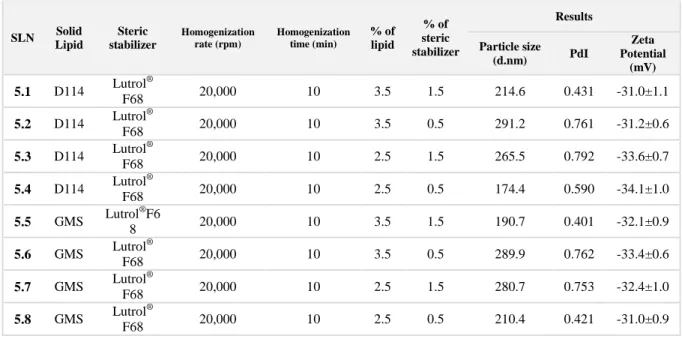
Table 7 – Composition and parameters of SLN formulated with different solid lipid and steric stabilizer concentrations and prepared at same conditions (results expressed as mean standard deviation, n= 3)
Table 7 shows that best results (regarding particle size and PdI) were obtained with
the formulations 5.1 (3.5% of D114 with 1.5% of Lutrol® F68), 5.4 (2.5% of D114 with 0.5% of Lutrol® F68), 5.5 (3.5% of GMS with 1.5% of Lutrol® F68), and 5.8 (2.5% of GMS with 0.5% of Lutrol® F68). Zeta potential presented good values in all formulations.
These values suggest that to obtain smaller particles with narrower PdI, the amount of solid lipid and steric stabilizer should be proportional, i.e. if a higher percentage of lipid is used (3.5%), then a higher percentage of steric stabilizer should be used as well (1.5%), and vice versa, a lower content of steric stabilizer (0.5%) should be used with a lower lipid amount (2.5).
SLN Lipid Solid stabilizer Steric Homogenization rate (rpm) Homogenization time (min) % of lipid
% of steric stabilizer Results Particle size (d.nm) PdI Zeta Potential (mV) 5.1 D114 Lutrol ® F68 20,000 10 3.5 1.5 214.6 0.431 -31.0±1.1 5.2 D114 Lutrol ® F68 20,000 10 3.5 0.5 291.2 0.761 -31.2±0.6 5.3 D114 Lutrol ® F68 20,000 10 2.5 1.5 265.5 0.792 -33.6±0.7 5.4 D114 Lutrol ® F68 20,000 10 2.5 0.5 174.4 0.590 -34.1±1.0 5.5 GMS Lutrol ® F6 8 20,000 10 3.5 1.5 190.7 0.401 -32.1±0.9 5.6 GMS Lutrol ® F68 20,000 10 3.5 0.5 289.9 0.762 -33.4±0.6 5.7 GMS Lutrol ® F68 20,000 10 2.5 1.5 280.7 0.753 -32.4±1.0 5.8 GMS Lutrol ® F68 20,000 10 2.5 0.5 210.4 0.421 -31.0±0.9
25 iv. Percentage of solid lipid (NLC formulations)
To study the influence of solid (s) lipid concentration in NLC, two solid lipids (Dynasan® 114 and GMS) were used at different concentrations (2.8% and 2.1%, respectively). On the contrary, the liquid (l) lipid, Miglyol® 812, was maintained at the same concentration (0.7%) (Table 8).
Regarding steric stabilizer in this formulation, 1.5% was the selected amount (Table
8), taking into account the results from the last experiment (iii) (Table 7).
Since it was already studied the influence of liquid lipid percentage in NLC formulations (using the same solid lipid content) reported in literature (63), here we proposed to study the influence of only solid liquid percentage in NLC and how different total lipid concentration and ratio solid/liquid lipid influences the particle size and zeta potential.
Table 8 – Composition and parameters of NLC formulated with different solid lipid type and concentration and prepared at same conditions (results expressed as mean standard deviation, n= 3).
Smaller particle size and lower PdI values were obtained at higher solid lipid concentration (samples 6.1 and 6.3), especially in NLC formulated with GMS. Some literature reports suggest that the optimum solid / liquid lipid ratio to produce NLC varies from 70:30 to 99.9:0.1. Thus, samples 6.1 and 6.3 which presented a ratio of 70:30 are in accordance with these reports (15). NLC Solid lipid Liquid lipid Steric stabilizer Homogenization rate (rpm) Homogenization time (min) % of lipid (s/l) % of steric stabilizer Results Particle size (d.nm) PdI Zeta Potential (mV) 6.1 D114 Miglyol ® 812 Lutrol® F68 20,000 10 2.8 / 0.7 1.5 271.3 0.601 -31.4±1.2 6.2 D114 Miglyol ® 812 Lutrol® F68 20,000 10 2.1 / 0.7 1.5 294.5 0.705 -36.2±0.7 6.3 GMS Miglyol ® 812 Lutrol® F68 20,000 10 2.8 / 0.7 1.5 128.1 0.448 -38.5±0.5 6.4 GMS Miglyol ® 812 Lutrol® F68 20,000 10 2.1 / 0.7 1.5 138.7 0.301 -37.6±1.3