COMMUNICATIVE BEHAVIOR OF INDIVIDUALS
WITH A DIAGNOSIS OF SCHIZOPHRENIA
*Comportamento comunicativo de indivíduos
com diagnóstico de esquizofrenia
Ariana Elite dos Santos(1), Luiz Jorge Pedrão(2), Nelma Ellen Zamberlan-Amorim(3),
Ana Maria Pimenta Carvalho(4), Alessandra Marino Bárbaro(5)
(*) Derived from the Dissertation:“Comportamento Comunica-tivo de indivíduos com diagnóstico de esquizofrenia”, Ribei-rão Preto College of Nursing of the University of São Paulo, 2012.
(1) Postgraduate Program in Psychiatric Nursing of the Ribei-rão Preto College of Nursing of the University of São Paulo, Ribeirão Preto, SP, Brazil.
(2) Department of Psychiatric Nursing and Human Sciences of the Ribeirão Preto College of Nursing of the University of São Paulo, Ribeirão Preto, SP, Brazil.
(3) Postgraduate Program in Public Health Nursing of the Ribeirão Preto College of Nursing of the University of São Paulo, Ribeirão Preto, SP, Brazil.
(4) Department of Psychiatric Nursing and Human Sciences of the Ribeirão Preto College of Nursing of the University of São Paulo, Ribeirão Preto, SP, Brazil.
(5) Postgraduate Program in Psychiatric Nursing of the Ribei-rão Preto College of Nursing of the University of São Paulo, Ribeirão Preto, SP, Brazil.
Financial Assistance: Social Demand Scholarship - Coordination for the Improvement of Higher Education Personnel (CAPES)
Conlict of interest: non-existent
INTRODUCTION
From the dialogue between knowledge and practice in Speech Language Pathology, psychiatry and public health, communication plays an important interface role in these areas. The relationship between language and psychism can be organic, from the language-brain relationship,
ABSTRACT
Purpose: to describe the communicative behavior of individuals diagnosed with schizophrenia in
psychosocial rehabilitation. Methods: a descriptive and exploratory study with a convenience,
cross-sectional sample. 50 individuals diagnosed with schizophrenia, of both sexes, aged between 19 and
75 years, users of a mental health unit in the interior of the state of São Paulo, Brasil participated in the study. Survey was conducted in the medical records for personal data and subtype of schizophrenia. To evaluate the communicative behavior, the instrument Montreal Battery of Evaluation of Communication (Drums MAC) was used, which is consisted of 14 tasks that assess discursive aspects:
pragmatic-inferential, lexical-semantic and prosodic language. Results: most participants were males, with low education, Catholics, with schizophrenia paranoid type. The assessment through Battery MAC showed
changes in all tasks evaluated and most participants said they were aware of the dificulty related to communication. The biggest changes occurred in the tasks of lexical evocation with semantic criteria,
indirect speech acts, conversational discourse and narrative discourse, and the smallest changes occurred in the prosodic components related to understanding, highlighting that the level of production
related to linguistic and emotional aspects of prosody also showed considerable change. Conclusion:
all tasks evaluated presented changes. The most affected aspects were the discourse and pragmatics, which should not only be related to linguistic aspects, but also the characteristics of changes in thought and cognition, the affective blunting and social issues of this disorder.
There is signiicant evidence that schizophrenia
involves a primary rupture of the language, although the processes that enable the disturbances of language to be disassociated from the
distur-bances of thought are unclear11.Studies regarding
alterations in language lateralization, suggest that schizophrenia is associated with a reduction in this lateralization in the left hemisphere, while others indicate structural and functional changes of the
brain in regions related to language functions11,12.
However, it is dificult to indicate physical causes
that justify the schizophrenic symptomatology that leads to the indication of a possible “cognitive impairment” that would be located in the processing of information and content, and consequently in the
presentation of the discourse13.
In the clinical practice, it is relatively common
to ind verbal dysfunctions in patients with schizo -phrenia, with the inferences about the thoughts being
primarily based on the discourse of the subject6.This
discourse is of such importance, that its disorgani-zation is a criterion with diagnostic value, according
to the DSM-IV-TR classiication14.The
character-istics of language and speech alterations present in individuals diagnosed with schizophrenia are: disor-dered language and discourse, derailment, going off at a tangent, neologisms, poverty in the content of the discourse, incoherence, pressured speech, loss of ideas, and delayed speech or even remaining
mute8.In addition, people with this diagnosis,
demonstrate a generalized cognitive deicit, i.e.,
they tend to present lower levels of performance than control subjects in various cognitive tests, with
deicits in attention, memory and the resolution of
problems being more prominent8.
The disruptions in the socialization process of the individual with schizophrenia are more prominent in the negative symptomatology of the disease and, considering that communication is the result of a human socialization process, it can be predicted that this will be more impaired in individuals who manifest these symptoms.
The negative symptoms include apathy, lack of motivation, reduced activity level, psychomotor retardation, poverty of the discourse, neglect of appearance, problems with attention and concen-tration, and the reduction of social awareness, among
others8,14.Individuals with predominantly negative
symptoms present fewer academic achievements, less success in obtaining employment, lower perfor-mance in cognitive tasks, and have worse prognoses
than those with more positive symptoms6.
It is important to evaluate the presence or absence of communication alterations in individuals diagnosed with mental disorders, especially schizo-phrenia, because the communicative dynamics of behavioral, in terms of learning and development,
and psychodynamic, with the inseparability between
the workings of language and the psyche1. In this
study, the perspective adopted comes from the understanding that physical, psychological and/or cognitive alterations can interfere with language and communication, may seriously compromise the
social relationships, and cause exclusion2.
Communication dificulties are associated with
various diseases, however, there is little epidemio-logical data about these alterations in the area of mental health. There is evidence of a correlation between mental disorders and alterations in the
cognitive, communicative and linguistic abilities3.
These alterations may involve four main
commu-nicative processes: discursive, pragmatic,
lexical-semantic and prosodic, at the comprehension and
expressive levels4.
The alterations of discursive production include lack of coherence, reduced informative content and
dificulty changing themes4.Dificulty in following
conversational rules, such as communicative
inter-change, and adequately considering contextual
clues for understanding non-literal emissions, such as metaphors or sarcasm, are some of the
altera-tions in the pragmatic-inferential skills4.Regarding
the disturbance of the lexical semantic processing,
the author states that the comprehension and production of words can be altered, especially regarding those words of lower frequency and concreteness. Finally, the prosodic processing
disorders include deicits in the comprehension and
production of emotional intonations, such as speech with diminished or absent intonation or inadequate
distinction of linguistic intonations4.
Of the communication changes related to mental disorders observed in the clinical practice, individuals with a diagnosis of schizophrenia present stable traits, such as disorganized discourse and
reduced verbal production5.Schizophrenia is a
mental severe disorder, classically characterized by a set of cognitive and emotional dysfunctions, including perception, thinking, communication, behavior, affection, and desire, however, none of these symptoms, when observed alone, guarantee
the presence of disorder6.It mostly affects young
adults7, its prevalence is variable, with estimates
between 0.1 and 0.7 per one thousand inhabitants
peryear8, and its causes have not yet been
eluci-dated. There is, however, agreement regarding the alterations present in the framework of the schizophrenic individual, which include genetic
and biopsychosocial components6,8-10, as well as
anatomical and physiological cerebral alterations
version of the Protocole Montréal d’Evaluation de la Communication17 adapted to Brazilian Portuguese4.
Individuals with schizophrenia, of both sexes,
aged between 19 and 75 years who had undergone
treatment in the NSM within the previous ive years
were included in the study. This diagnosis was made by psychiatrists of the NSM team. Users of the service that were aged under 19 or over 75 years, and who had other psychiatric diagnoses, associated or not with the schizophrenia were
excluded from the study. All the users were under -going pharmacological treatment with the use of antipsychotic drugs. A detailed study on the types of medication was not carried out, however, users who were using psychotropic drugs prescribed for other
symptoms were excluded.
The evaluation took place every day of the week in the NSM, using a room reserved for this purpose, over a period of three months. It was possible to include 50 users in the convenience sample, as previously reported. The family members who accompanied the participants at the time of
evalu-ation were asked not to interfere with or inluence
their responses, only to observe.
In order to complement the data, at the end of each evaluation a search in the records of the participating user was carried out, in which general information was collected such as:full name of the participant; gender; marital status; religion; education; diagnosis; and individual and group treatment established by the multidisciplinary team of the NSM.
The MCE Battery was developed with the aim of evaluating four communicative processes:
discursive; pragmatic-inferential; lexical-semantic;
and prosodic. This instrument was developed primarily for individuals with right hemisphere damage, however, it can also assist in the investi-gation of sequelae in the communication in cases of traumatic brain injury, dementia, bilateral frontal damage, left hemisphere damage, and psychopa-thologies, such as schizophrenia, among others.
It was considered that the MCE Battery would a useful tool to achieve the aim of this study, as it evaluates communicative aspects that, according to the clinical practice, are commonly altered in patients with mental disorders, in addition, it is a standardized and validated instrument, the reliability
of which has been conirmed.
The MCE Battery is composed of 14 tasks
related to: awareness of the dificulties; conversa -tional discourse; interpretation of metaphors; free
lexical evocation, linguistic prosody comprehension;
linguistic prosody repetition; narrative discourse;
lexical evocation spell with discretion; emotional
prosody comprehension; emotional prosody the subject stem from interactions with others and
from the social experience linked by language, due
to the interpersonal relationship being intimately
linked to the communication processes15.In mental
health, it is by communicating with others that the disturbances can be perceived and the psychiatric treatment should predominantly aim to reestablish
effective communication16.In this scenario, the
importance of communication emerges in the maintenance of the social life for individuals with schizophrenia.
Thus, this study intends to provide contributions for better targeting the type of phonoaudiological care that can be provided, and for future research in Speech Language Pathology within the mental
health context, especially in relation to people with
schizophrenia. Given the limited number of studies conducted in Brazil on this issue, and considering its growing projection, the aim of this study was to describe the communicative behavior of individuals diagnosed with schizophrenia in the psychosocial rehabilitation process.
METHODS
This quantitative descriptive exploratory study
included 50 individuals diagnosed with
schizo-phrenia, of both sexes, with 59% male and 41%
female. The participants were between 19 and 75 years of age, with at least two years of schooling and users of a mental health unit (NSM) within the State of São Paulo, Brazil. The study design was
examined and approved by the Ethics Committee
for Research Involving Human Subjects of the Ribeirão Preto College of Nursing, University of São Paulo, Protocol No. 1438/2011, satisfying the standards established by Resolution 196/96 of the National Health Council.
Initially, a general survey was conducted in the archives of the NSM, where a search was performed in order to verify the number of registered users and their diagnoses, which resulted in 1281 users. Subsequently, all the records of users with
schizo-phrenia were extracted from this survey, which
totaled 231 users, thus providing the total sample that could be included in the study.
62% of the users presented scores equal to or lower than the alert point, which is indicative of difi
-culties regarding the comprehension of igurative
or non-literal language. The score and percentage of correct answer were also observed in this task. From a total of 20 alternatives involving new
metaphors and idiomatic expressions a mean of 13.46 correct responses, or 67.3%, was observed.
The majority of correct responses were in the
alter-natives regarding idiomatic expressions (7.24).In this test, 52% of the participants achieved over 75% of correct responses, versus 48% of the participants who obtained a result of less than 75% accuracy.
The lexical evocation test indicated that of all the participants, 58% of the individuals presented difi -culties in evoking words without a pre-established criterion.
In the linguistic prosody- comprehension aspect,
42% of the participants presented dificulties in
the ability to perceive and identify the patterns of
linguistic intonation (afirmative, interrogative and imperative), similar performance was identiied in
the linguistic prosody - repetition aspect, in which
38% presented dificulty in orally reproducing the patterns of linguistic intonation (afirmative, inter -rogative and imperative).
From the instrument, the narrative discourse was subdivided into three other tests: A - Retelling part of the story; B - Retelling the full story; and C -
Evaluation of the comprehension of the text.
In both the complete and the partial retelling
of the story abilities72% of the participants had dificulty concerning storage capacity and compre
-hension of complex linguistic material, as well as dificulty in the production of the narrative discourse
and in synthesizing and inferring the Information.
The majority (62%) presented dificulty in the comprehension of the text and possibly dificulty in
storing information.
For the lexical evocation, 60% of the partici
-pants had dificulty evoking words with ortho -graphic restriction. With the semantic criterion,
90% presented exploration of the lexical-semantic
memory, evoking words from a categorical semantic criterion: clothing/garments.
In the emotional prosody (comprehension and repetition) similar results were also found,
in the comprehension aspect44% had dificulties
in the ability to perceive and identify the patterns of emotional intonation (happiness, sadness and
anger) and in the repetition aspect 58% had difi -culty in orally reproducing the emotional intonation patterns (happiness, sadness and anger).For the
emotional prosody – production, 68% presented difi -culty in the oral production of emotional intonations repetition; interpretation of indirect acts of speech;
lexical evocation with semantic criteria; emotional
prosody production; and semantic judgment.
The results were analyzed, in relation to the communication elements, by means of simple descriptive statistics to quantify the number of occurrences of each element, using the Statistical Package for the Social Sciences (SPSS) version
16.0,and related to the information extracted from
patient records concerning the personal data of the participants, thus enabling an analysis of any relationships between the data obtained through the MCE Battery and the characteristics of the partici-pating subjects.
RESULTS
Of the 50 participants, 52% were male. Regarding
age, the majority of the users evaluated were
between 40 and 59 years of age (42%), 36% were between 19 and 39 years, and the minority (22%)
between 60 and 75 years of age. The predominant
religion was Catholic (68%), followed by Evangelical (10%), Spiritualist (6%) and non-religious (16%).
The education level of the sample was low,
with 62% of the participants evaluated presenting
educational levels ranging from two to seven years
of study, while only the remaining 38% presented
eight or more years of study.
Regarding the diagnosis, the paranoid subtype
(70%) was predominant among the individuals diagnosed, followed by the residual subtype (14%), and undifferentiated schizophrenia (12%).
In the analysis of the awareness of the difi -culties closed questions were applied that refer to the individual’s perception of their communication
skills with family and friends, at the expressive and
receptive level, and the impact of communication
dificulties in their daily lives, in their work and leisure. A total of 52% of the respondents had dificulty communicating with people, 78% responded that
the husband/wife or their family members
under-stood what they said most of the time, and 82%
of the participants understood what other people said most of the time. Therefore, according to the research participants themselves, most replied
that they presented dificulties communicating with
others most of the time, but understood what people said and were understood by their family members.
In conversational discourse, 84% of the
subjects presented a score equal to or lower than the alert point, which is indicative of deviant commu-nicative behavior in the conversation.
In the ability to interpret metaphors which
assesses the ability to interpret the igurative or
DISCUSSION
The analysis of the results related to the commu-nicative aspect of individuals with schizophrenia evidenced impairment of these people to social-ization. Nevertheless, they can interact in society and develop daily living activities.
There are still a limited number of publications regarding the communicative behavior character-istics of individuals with mental health disorders. This is probably due to the work of the Speech language pathologist still not being consolidated in the role of constructor of the dialogue in this area of knowledge. The inclusion of Speech Language Pathologits in the area of mental health requires professionals that are committed to the principles of humanization, acceptance, bonding and respon-sibility for the area in which they operates and the
community in which they live18.Therefore, the present
study has the aim of initiating a discussion regarding the characteristics of the communicative behavior of people with schizophrenia and may potentiate the
based on the affective and communicative context
of a particular situation.
The interpretation of indirect acts of speech evaluates the ability to understand indirect acts of
speech, according to the situational context, with 88% of the individuals having dificulty using the context to comprehend the acts of speech, whether
direct or indirect.
In the analysis of the semantic judgment, 58% presented dificulties in identifying semantic relation
-ships, as well as in the explanations given to these relationships and 48% had dificulties identifying
the semantic relationships between the words or in
explaining what the relationships were when they existed.
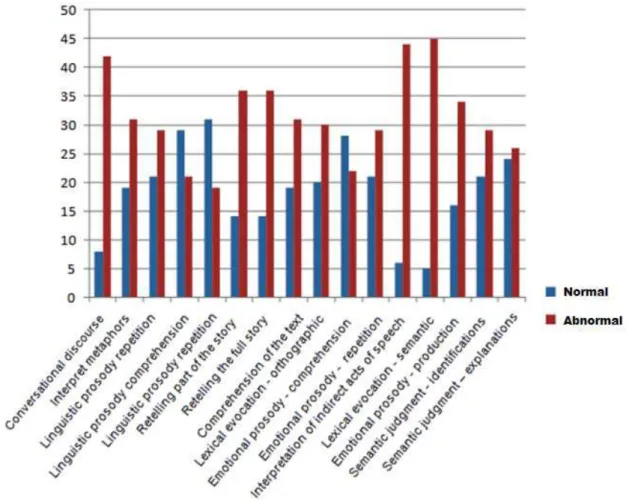
Figure 1demonstrates that all the results of the
tasks presented abnormalities in over 50% of the subjects evaluated, with the exception of the linguistic
prosody tasks –comprehension, linguistic prosody - repetition and emotional prosody - comprehension.
Regarding education, the majority of those evaluated had incomplete elementary education
(two to seven years of study).This inding is
convergent with the literature that shows that the majority of people in psychological distress have low levels of education.
Individuals with less than elementary education have higher scores for dementia compared to those with high school or higher education, which suggests that, relative to the mental disorders, the same may occur, i.e., the lower the educational level of the individual, the more likely they are to present
a mental disorder28,this being suficient grounds to
conduct studies to investigate this possibility.
It is therefore understood that low education is a factor that contributes to language alterations and, not having made a comparative study with non-schizophrenics, it cannot be said that the language impairments found occurred only as a result of the diagnosis of schizophrenia. However, other studies will be discussed below that present the relationship of communication alterations in various linguistic aspects with schizophrenia, even highlighting the low level of education factor, the observed alterations may occur due to this disorder.
Regarding the diagnosis, the prevalent subtype of schizophrenia was the paranoid subtype. Paranoid schizophrenia is mainly characterized by the presence of delusions, often of persecution, usually accompanied by hallucinations, particularly
auditory, and disturbances of the perceptions12.
Individuals with paranoid schizophrenia have the best prognosis and generally behave well socially, presenting positive symptoms in a more pronounced
way in relation to the negative symptoms22.However,
in this study, the majority of the individuals with the paranoid subtype of schizophrenia presented communication alterations which are associated with negative symptoms.
The incidence of religious delusions in people
with schizophrenia is signiicant, with about a third
of the psychoses having religious content. However,
not all religious experiences are psychotic, in fact,
they can have positive effects on the course of the severe mental disorders, leading to the need for professionals to decide whether they should
discourage religious experiences or support them29.
Of the tasks evaluated in this study, the partici-pants only showed a higher percentage of adequate performance in the prosody tests (linguistic-repetition; linguistic-comprehension and emotional-comprehension).Conversely, in the conversational discourse tasks, partial and full retelling of a story,
interpretation of indirect acts of speech, and lexical
evocation with semantic criteria, the participants obtained the worst results. The results of all tasks development of public policies directed toward this
subject in this group, understanding that this issue
will add important data to the scientiic literature. Importantly, the MCE Battery more specii -cally evaluates communicative characteristics for individuals with right hemisphere damage, however, is also indicated for evaluations for other alterations, among them schizophrenia. There are systematic relationships between the discourse of the individual with schizophrenia and the discourse produced by the individual with right hemisphere damage. Individuals with schizophrenia, as well as those with a diagnosis of right hemisphere damage, present inadequate associations with the overall meaning of a discourse, and often present limited and fragmented comprehension based on
person-alization, as well as other incorrect associations19.
Furthermore, the observation of problems with non-literal language, stories, jokes, and
conversa-tions is common in these two groups of alteraconversa-tions20.
Sociodemographic factors are signiicantly
associated with the “social adjustment” of people
diagnosed with schizophrenia21, therefore, factors
such as gender, age, education, and others,
inluence the process of social inclusion and should
be discussed.
The gender prevalence difference in this study
was considered to have little signiicance. There was a slightly higher percentage of males (52%).
In the literature, there is no consistency in possible differences in the prevalence of schizophrenia between the genders, regardless of the method-ology employed in different epidemiological surveys, with schizophrenia prevalence rates similar for
both genders22-24.Some studies indicate a higher
incidence for men than for women25,26, however,
these claims are empirical, as many epidemiological studies have not rigorously addressed the issue of gender in schizophrenia.
The most prevalent age group was that of 40 to 59 years, however it is important to consider the high percentage of individuals between 19 and 39 years of age who participated in this study.
With the general increase in longevity, the number of older individuals diagnosed with schizo-phrenia tends to increase, and the prevalence of schizophrenia in the elderly population is estimated
at 1%.Of these, 10% had late onset schizophrenia, while the other 90% had the onset in adolescence
or earlyadulthood12.One study noted that the most
affected age group in males was 20 to 24 years and
40to 44 years in females27.New cases of
schizo-phrenia rarely occur before puberty or after 50 years
of age. When the beginning is insidious, it is dificult
that individuals with schizophrenia are less able to
beneit from the context of the moment to recognize words in and out of contextual situations when
compared to non-schizophrenic people20.
The lexical-semantic dimension of the language refers to the ability to comprehend and express
words, i.e. it is related to the linguistic processing
at the word level. The lexical-semantic skill tasks selected for this study were: free lexical evocation, lexical evocation with an orthographic criterion, lexical evocation with a semantic criterion, semantic
judgment, and interpretation of metaphors, the latter having already been discussed in the pragmatic abilities.
The lexical-semantic skills were the most altered in this study, with 90% of the subjects presenting alterations at the moment of exploring the lexical
memory, evoking words that required a semantic criterion (clothing/garments).For a long time altera-tions in the semantic and syntactic components of the language have been referred to in the clinical description of schizophrenia, with this being described
as dificulties in the construction of phrases. In 1913,
Kraepelin noted that the speech of individuals with schizophrenia presented incoherence, with a lack of
construction of sentences37.
It is important to highlight that syntactic simplii -cations occur most commonly in people who present more negative symptoms than positive symptoms,
and that the syntactic complexity decreases with their
chronic deterioration35.With respect to the lexicon,
individuals with schizophrenia tend to use a limited
vocabulary, which results in poverty of discourse38.
The access to the lexicon is clearly affected in
these individuals, with the occurrence of
neolo-gisms andparaphasia20.Poverty in the discourse,
with limited vocabulary, was mainly observed in the narrative discourse and semantic judgment tests, the paraphasia and neologisms were observed in the interpretation of metaphors test.
Alterations in the prosody make up one of the symptomatological elements in the majority of psychological disorders, of which schizophrenia is
highlighted39.Prosody is the component of language
that allows different forms of meaning to be
expressed through variations of accent, rhythm and
intonation, and can be categorized as linguistic or emotional prosody. Emotional prosody is necessary to facilitate the recognition of emotions while linguistic prosody serves to clarify syntactic
ambigu-ities in certain enunciations, afirming whether they
should be treated as questions, orders, or
state-ments40.Prosodic deicits encompass emotional
prosody in a more pronounced way, however, the impairment is also noticed in the linguistic prosody processing. The prosodic ability tasks of this
applied will be discussed next, primarily considering
the linguistic aspects covered in each test.
Regarding the discursive aspects, the tasks evaluated were: conversational discourse and narrative discourse (partial and full retelling of a story and comprehension questions).Attempts have been made to analyze the structures of the discourse of individuals with schizophrenia, because individuals suffering from this disorder use less cohesive ties than normal, furthermore, the use of ambiguous verbal references appears to be a stable
character-istic in schizophrenia20.
In these individuals, dificulties in discourse
processing are generally observed, with impair-ments in interchange, in the maintenance of the subject, and in retaining the intent of the speaker
and guiding the discourse based on this30.In the
narration, impairments in the construction of stories based on disordered visual stimuli are also
described31, as well as deicits in retelling stories,
and omissions of important information from the
text32.
The discourse of individuals with schizophrenia is also seen as an aspect related to factors such
as thought disturbances or deicits in information processing, i.e., as a relection of the thought
disorder and not as a primary characteristic of the
language20.Despite these issues, it is unanimously
agreed that the discourses of individuals with schizophrenia present alterations in cohesion and
the syntactic structure complexity, and reduced
verbal production33, which could be observed in
the conversational discourse and partial and full retelling of a story tasks.
The pragmatics subield involves diverse rules
that support the appropriate use of language in
speciic social contexts and is the branch of linguistics that can best explain the adjustment between the
subjectivity of language and the pragmatism of the
context6.It is known that in schizophrenia one of the competences most affected is related to the difi
-culties in the integration of contextual information,
and that pragmatic competence possibly constitutes one of the language components most affected in
this disease33-35.
The linguistic tasks that evaluate pragmatic competence in this study were conversational discourse (which was discussed above), the inter-pretation of metaphors, and the interinter-pretation of indirect acts of speech.
There have been attempts to introduce, through
pragmatics, an explanation for the inconsistency
in the speech of psychotic patients, directing the problem toward the lack of attention and concen-tration of the subject, i.e., the individual misuses the
the fact presented constituted a limitation in this the study and that the evaluation of cognitive potential was not the its focus, no instruments were applied to evaluate this aspect.
CONCLUSION
The results showed that the majority of the sample consisted of males with low education levels, practi-tioners of Catholicism, with the paranoid schizo-phrenia subtype. The communicative behavior of the individuals diagnosed with schizophrenia is deviant in every aspect of language. The aspects most affected were the discourse and pragmatics, which should also be related to the characteristics of thought and cognition alterations, as well as to affective numbness and to the social issues involved in this disorder. The prosodic components were the least altered at the level of comprehension, however, production in the linguistic and emotional aspects of the prosody was altered, which corrobo-rates the studies on this theme. The study
partici-pants presented greater dificulty in expressing their
emotions or even repeating phrases with different intonations.
Given these indings, it should be noted that
the Speech language pathologist can contribute
signiicantly in the clinical care and the formulation
of intervention programs for individuals diagnosed with schizophrenia, in an interdisciplinary team (physicians, nurses, psychologists, occupational therapists and Speech Language Pathologists).In contrast, it can be observed that in Brazil few studies addressing Speech Language Pathology approach the work with this group from this perspective. For this
reason, it is important to scientiically establish the
need for Speech language pathologist in the various mental health services through assessments of the aspects of the Speech Language Pathology domain in these services, such as communication. Investing in other phonoaudiological studies on the topic is
suggested, as this could scientiically support the
interventions directed towards these individuals. study were: linguistic prosody –comprehension;
linguistic prosody - repetition; emotional prosody –comprehension; emotional prosody – repetition; and emotional prosody - production. In the evalu-ation with the MCE Battery, the prosodic compo-nents were the least altered at the comprehension level, however, the production in the linguistic and emotional aspects of the prosody was altered, which corroborates the studies on this theme.
From the clinical practice standpoint, at the
expressive level, a monotonous tone is observed in
individuals with a diagnosis of schizophrenia due to
a lattening of the prosodic curve, characterized by
a substantial reduction in the variations of intensity and frequency. At the receptive level, they may
present dificulties comprehending the communi -cative intention transmitted by the prosody of the
speaker, i.e., the identiication of the feeling trans -mitted may be inadequate if the spoken phrase has
neutral linguistic content4.Thus, not only the speech
production is affected in schizophrenia, but also the comprehension of the prosody. Individuals with a diagnosis of schizophrenia present worse results in the use, repetition and comprehension of prosodic
elements40.In this study, it was observed that
partici-pants presented greater dificulty in expressing their
emotions or even repeating phrases with different intonations.
The literature also indicates that the relationship between communication and psychism can be comprehended by other references as a process
that is affected by the context in which the inter
-locutors are included1,5,33.
REFERENCES
1. Cunha MC. Linguagem e Psiquismo: considerações fonoaudiológicas estritas. In: Fernandes FDM, Mendes BCA, Navas ALPGP Tratado de Fonoaudiologia. 2ªed. São Paulo: Roca; 2009. P. 414-8.
2. Gonçalves MS, Tochetto TM, Primo, MT. Fonoaudiologia em saúde coletiva: prioridades detectadas pelos usuários de unidades básicas de saúde. Rev Fonoaudiol Brasil. 2005;3(2):1-3.
3. Sylvia A, Ramirez S, Matiz SC. Papel del Fonoaudiólogo en el Área de Salud Mental: una
experiencia professional en el Hospital Militar
Central. Rev Faculdad Medicina. 2009;17(1):26-33. 4. Fonseca RP, Parente MAMP, Côté H, Ska B, Joanette Y. Apresentando um instrumento de avaliação da comunicação à Fonoaudiologia brasileira: Bateria MAC. Pró-Fono R Atual Cient. 2008;20(4):285-92.
5. Bowie CR, Harvey DP. Communication abnormalities predict functional in chronic schizophrenia: differential associations with social and adaptive functions. Schizophr Res. 2008;103(1-3):240-7.
6. Rocha J. Análise da componente pragmática da linguagem de pessoas com esquizofrenia. [Dissertação]: Aveiro, Universidade de Aveiro; 2007. 7. Matos MB, Bragança M, Souza R. Esquizofrenia de A a Z. Lisboa: Climepsi Editores; 2003.
8. Silva RCB. Esquizofrenia: uma revisão. Psicologia USP. 2006;17(4):263-85.
9. Tizón JL, Ferrando J, Artigue J, Parra B, Parés A, Gomà M, et al. Psicosis y diferencias sociales: Comparando la prevalencia de las psicosis en dos medios urbanos diferenciados. Rev. Asoc. Esp. Neuropsiq. 2010; 30(106):193-218.
10. Aguilar-Valles A. Identiicación de factores genéticos en la etiología de la esquizofrenia. Acta biol.Colomb. 2011;16(3):129-38.
11. Walder DJ, Seidman LJ, Cullen N, Su J, Tsuang
MT, Goldstein JM. Sex Differences in Language
Dysfunction in Schizophrenia. Am j psychiatr. 2006;(163):470-7.
12. Mitchell R, Crow T. Right Hemisphere Language functions and Schizophrenia: The forgotten hemisphere? Brain. 2005;(128):963-78.
13. Brito MAP, Cavalcante MM. A fala do esquizofrênico – uma interface entre linguística de
texto e psicanálise. Letras de Hoje. 2012;47(1):65-75.
14. APA. American PsychiatricAssociation. DSM-IV-TR: Manual de Diagnóstico e Estatística
RESUMO
Objetivo: descrever o comportamento comunicativo de indivíduos com diagnóstico de esquizofrenia
em processo de reabilitação psicossocial. Métodos: estudo descritivo-exploratório, com amostra por
conveniência de recorte transversal. Participaram 50 indivíduos com diagnóstico de esquizofrenia, de
ambos os sexos, com faixa etária entre 19 e 75 anos, usuários de um Núcleo de Saúde Mental de
uma cidade do interior do estado de São Paulo, Brasil. Foi realizado levantamento nos prontuários para obter dados pessoais e o subtipo da esquizofrenia. Para avaliar o comportamento comunicativo utilizou-se a Bateria Montreal de Avaliação da Comunicação (Bateria MAC), constituída por 14 tarefas
que avaliam os aspectos discursivo, pragmático inferencial, léxico-semântico e prosódico da lingua
-gem. Resultados: os indivíduos, em sua maioria, eram do sexo masculino, com baixa escolaridade,
praticantes do catolicismo e com esquizofrenia do subtipo paranoide. A avaliação pela Bateria MAC apontou alterações em todas as tarefas avaliadas e a maioria dos participantes respondeu que é
consciente da diiculdade comunicativa. As maiores alterações ocorreram nas tarefas de evocação lexical com critério semântico, atos de fala indiretos, discurso conversacional e discurso narrativo,
e, as menores alterações, ocorreram nos componentes prosódicos no nível de compreensão, des-tacando-se que, o nível da produção nos aspectos linguísticos e emocionais da prosódia, também
apresentou alteração considerável. Conclusão: todas as tarefas avaliadas apresentaram alterações.
Os aspectos mais prejudicados foram o discurso e a pragmática, que não devem ser relacionados somente aos aspectos linguísticos, mas também às características de alteração do pensamento e da cognição, ao embotamento afetivo e questões sociais desse transtorno.
Hospital de Clínicas Gaspar Vianna, janeiro de 2004 a janeiro de 2006. Rev. Para. Med. 2008;22(1):73. 28. Souza AR. Centro de atenção psicossocial:
peril epidemiológico dos usuários. [Dissertação]:
Fortaleza (CE), Universidade Federal do Ceará; 2007.
29. Koenig HG. Religião, espiritualidade e transtornos psicóticos. São Paulo. Rev psiquiatr clín. 2007;34(1):95-104.
30. KasherA, Batori G, Soroker N, Graves D, Zaidel E. Effects of right and left hemisphere damage on understanding conversational implicatures. Brain lang. 1999;(68):566-90.
31. Marini A, Carlomagno S, Caltagirone C, Nocentini U. The role played by the right hemisphere
in the organization of complex textual structures.
Brain lang. 2005;(93):46-54.
32. Bartels-Tobin LR, Hinckley JL. Cognition and discourse production in right hemisphere disorder. J neuroling. 2005;6(18):461-77.
33. Meilijson S, Kasher A, Elizur, E. Language Communication in Chronic Schizophrenia: A Pragmatic Approach. J speech lang hear res. 2004;(47):695-713.
34. Hemsley DR. The development of a cognitive
model of schizophrenia: placing it in context.
Neurosci Biobehav Rev. 2005;29(6):977-88.
35. Covington M, et al. Schizophrenia and the structure of language: The linguist’s view. Schizophr res. 2005;(77):85-98.
36. Brito MAP. Relexões sobre a (in) coerência na fala do esquizofrênico. In: Cavalcante MM, Brito MAP, Miranda TP. (Orgs.). Teses e dissertações:
Grupo Protexto. Fortaleza: Protexto – UFC, 2005.
37. Kraepelin E. Dementia Praecox and Paraphrenia. Leipzig: Barth, 1913.
38. Manschreck TC, Maher BA, Rosenthal JE, Berner J. Reduced primacy and related features in schizophrenia. Schizophr Res. 1991;(5):35-41. 39. Murphy D, Cutting J. Prosodic comprehension
ad expression in schizophrenia. J neuro neurosurg
psych. 1990;(53):727-30.
40. Leentjens AFG, Wielaert SM, Harskamp FV, Wilmink FW. Disturbances of affective prosody in patients with schizophrenia; a cross sectional study. J neuro neurosurg psych. 1998;(64):375-8.
das Perturbações Mentais (Versão Portuguesa). 4ª Edição. Lisboa: Climepsi; 2002.
15. Leão ER, Flusser V. Música para idosos institucionalizados: percepção dos músicos atuantes. São Paulo. Rev Esc Enferm USP. 2008;42(1):73-80.
16. Aranha e Silva AL, Guilherme M, Rocha SSL, Silva MJP. Comunicação e enfermagem em saúde
mental – relexões teóricas. Rev. Latino-Am.
Enferm. 2000;8(5):65-70.
17. Joanette Y, Ska B, Coté H. Protocole MEC : Protocole Montreál d´Évaluation de la Communication. Montreal: Ortho Édition; 2004. 18. Bernardi APA. Fonoaudiologia na saúde coletiva: uma área em crescimento. Rev. CEFAC. 2007;9(2):146-7.
19. Brownell HH, Potter HH, Bihrle AM, Gardner H.
Inference deicits in right brain-damaged patients.
Brain Lang. 1986;(29):310-21.
20. Kuperberg GR, Caplan D. Language dysfunction in schizophrenia. Schiffer. 2003.
21. Silva TFC, Legay L, Abelha L, Santos JFC, Lovisi GM. Avaliação do ajustamento social em pacientes portadores de esquizofrenia atendidos em um ambulatório de hospital geral no Rio de janeiro. Cad. saúde colet. 2010; 28(4):587-96. 22. Kaplan H. Compêndio de psiquiatria: ciência do comportamento e psiquiatria clinica. 7ª edição. Porto Alegre: Artmed; 1997.
23. Mari JJ, Leitão RJ. A epidemiologia da esquizofrenia. Rev. Bras. Psiquiatria. 2000;(22):7-15. 24. Häfner H, Van Der Heiden W. Course and outcome of schizophrenia. In: Hirsch SR, Weinberger
DR. (eds.). Schizophrenia. Oxford, Victoria, Berlin:
Blackwell Science; 2003.101-41.
25. Santana VS. Estudo epidemiológico das doenças mentais em bairros de Salvador. Série de estudos número 3. Instituto de Saúde do Estado da Bahia; 1982.
26. Goldstein JM, Tsuang MT, Faraone SV. Gender and schizophrenia: Implications for understanding the heterogeneity of the illness. Psychiatry Res. 1989;(28):243-53.
27. Sampaio PA, Silva VC, Delmondes WA. Estudo epidemiológico de pacientes com esquizofrenia, no
Received on: January 02, 2013 Accepted on: August 07, 2013
Mailing address: Ariana Elite dos Santos
Rua Marques da Cruz, 1797 – Bairro Monte Alegre Ribeirão Preto – SP – Brasil
CEP: 14051-150