Micro
o
‐
activi
W
M
ities
fo
Nino
a3588
ork carried
Mar
Ru
Man
Master
in
I
or
C
Pro
o
Godziash
82@alunos
out under t
ria
João
Va
i
Pedro
Lo
nana
Khach
Informatio
2016
ogramm
hvili
s.ipb.pt
the guidanc
aranda
pes
hidze
on
System
ming
Lea
ce of
Micro
‐
activities
for
C
Programming
Learning
Master
Project
Thesis
Degree
in
Information
Systems
School
of
Technology
and
Management
Nino
Godziashvili
The
School
of
Technology
and
Management
is
not
responsible
for
the
opinions
expressed
in
this
report.
Acknowledgments
I would like to express my respect and tell thank to all those who provided me the possibility to participate in ICM project between Polytechnic Institute in Bragança and Tbilisi State University. A special gratitude I would like to give to my Master thesis supervisors: Maria João Varanda, Rui Pedro Lopes from Polytechnic Institute of Bragança and Manana Khachidze from Tbilisi State University, whose contribution in stimulating suggestions and encouragement, thanks to their comments and advices. Thanks to Professor Luis Alves who helped us for making and organizing experiments in the classroom.
Abstract
Programming introduction disciplines have been subject of concern, discussion and study
between teachers in many meetings of the courses of Information Technology in the institutions of
higher education. This work was created to contribute to the success of these disciplines, seeking to
increase motivation and autonomy of students in solving programming exercises. The proposal consists
of making micro‐activities based on Webquests where the student has access to a carefully selected
content that will give support for a second phase, the development of a set of increasingly complex
tasks. This thesis is focused in C Programming Language classes and discuss how to implement webquest
on those classes in order to improve the pedagogical project. This document will also describe the
structure of WebQuest and discuss the experiments conducted with students in a classroom.
Keywords: Development of Teaching and Learning, Information and Communication Technologies, WebQuest.
Resumo
As disciplinas de introdução à programação têm sido objecto de preocupação, discussão e estudo entre professores, em muitas reuniões dos cursos da área das Tecnologias da Informação nas Instituições de Ensino Superior. Este trabalho foi criado para contribuir para o sucessodestas disciplinas, procurando aumentar a motivação e autonomia dos alunos na resolução de exercícios de programação. A propostaconsiste em fazer micro‐atividades baseadas em Webquests onde o estudante tem acesso a um conteúdo cuidadosamente selecionado que vai dar suporte a uma segunda fase de desenvolvimento de um conjunto de tarefas com complexidade crescente. Esta tese está focada nalinguagem de
programação C e discute a implementação de um webquest nas aulas de programação a fim de melhorar o projeto pedagógicoda disciplina. Este documento descreve a estrutura do WebQuest implementado e discute as experiências realizadas com os alunos em sala de aula.
რეზიუმე
პროგრამირების შესავალი დისციპლინები იყოდისკუსიისსაგანიმასწავლებლებს შორის
საინფორმაციო ტექნოლოგიების კურსებსშორისუმაღლეს საგანმანათლებლო
დაწესებულებებში. თეზისიშეიქმნა იმისთვის, რომხელიშეუწყოსამდაგვარიდისციპლინის
წარმატებას, ცდილობს გაზარდოს მოტივაცია დაავტონომიურობასტუდენტებსშორის
პროგრამირებისამოცანებისგადასაჭრელად. თეზისი მოიცავს მიდგომისშექმნას, რომელიც
ეფუძნებაWebquest-ისტექნოლოგიას, სადაც სტუდენტს ხელი მიუწვდება მისთვის
სპეციალურადშერჩეულ მასალაზე, რომელიც მეორეფაზაზეუზრუელყოფსმის
მხარდაჭერას განვითარდესშედარებითრთულიამოცანების ამოხსნისდროს,
ორიენტირებულია C პროგრამირების ენისსწალებაზედა იხილავს, თუ როგორ გაკეთდეს
webquest-ისიმპლემენტაციაიმისათვის, რომგააუმჯობესოს პედაგოგიური მიდგომა.
თეზისი ასევე აღწერს WebQuest-ისსტრუქტურას და განიხილავსსტუდენტებთან
ექსპერიმენტისჩაატარებას.
Contents
Introduction ... 10
Teaching and Learning Methodologies ... 4
Micro learning activity ... 5
Student‐centered approach to learning ... 7
Inquiry‐based learning ... 8
Cooperative learning ... 10
The role of the teacher in WebQuest ... 11
Other projects related to WebQuest ... 13
Webquest as impact on Developing Teaching Skills of Physical Education Teachers,Minia University, Egypt... 13
The effects of using WebQuest on reading comprehension performance of SAUDI EFL students ... 16
Main objective and outcome of the thesis ... 19
Used technologies ... 20
Structure of developed WebQuest ... 20
Learning experience validation and application ... 33
First experiment and assessment ... 33
The second experiment description ... 36
Analysis of results and possible improvements ... 40
Conclusion ... 41
Table
of
Figures
FIGURE 1: STUDENT CENTERED APPROACH………..………8
FIGURE 2: INQUIRY‐BASED LEARNING ... 9
FIGURE 3: SCORES OF BOTH GROUPS COMPREHENSION PERFORMANCE IN THE POST‐TEST ... 18
FIGURE 4: WEBQUEST STRUCTURE ... 20
FIGURE 5: INTRODUCTION PAGE ... 21
FIGURE 6: PROCESS PAGE – BRAZILIAN SUPERMARKET ... 22
FIGURE 7: PROCESS PAGE ‐ ARRAY DECLARATION ... 23
FIGURE 8: PROCESS PAGE – CODE EXAMPLE ... 24
FIGURE 9: PROCESS PAGE – EXAMPLE OUTPUT ... 25
FIGURE 10: TASKS PAGE ‐ ADVICES ... 25
FIGURE 11: DESCRIPTION OF TASK 1 ... 26
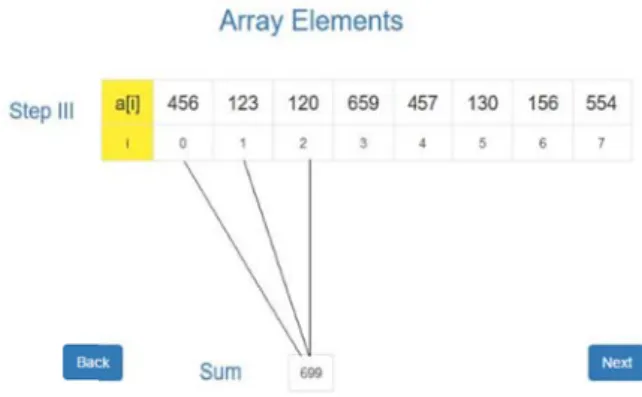
FIGURE 12: SUM AND AVARAGE ANIMATION ... 26
FIGURE 14: TASKS PAGE – ONLINE COMPILER... 27
FIGURE 15: TASKS PAGE – PARAMATERS ... 27
FIGURE 16: TASK 2 ... 28
FIGURE 17: AMINATION FOR TASK 2 ... 29
FIGURE 18: TASK 3 ... 29
FIGURE 19: ANIMATION FOR TASK 3 – STEP BEFORE ... 30
FIGURE 20: ANIMATION FOR TASK 3 – STEP AFTER ... 30
FIGURE 21: EVALUATION TABLE ... 31
FIGURE 25 ‐ TEST RESULTS (ARRAYS IN C) ... 35
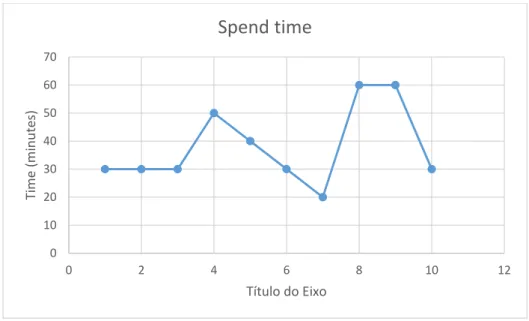
FIGURE 27: SPEND TIME FOR EACH TASK ... 39
Tables
TABLE 1: THE TEACHING PRACTICE OBSERVATION SHEET 15
1.
Introduction
The Computer Science courses in Portugal are characterized by being the confluence of major areas of knowledge, namely the engineering computers, related hardware, operating systems and data communication networks, information systems, that address the concepts of software engineering and databases, and computer science, focusing on languages and programming techniques, among others. For this last area, transversely to higher education institution is well known problem of student success in programming disciplines. Almost all study programs of the Information Technology area include one or two programming courses in the first year and was immediately seen as a challenge by the students. It is difficult for a beginner student to structure the thinking in order to achieve complete mapping between the problem to be resolved and the program (code) that resolves. However, there are students who do not get excited by the challenge and enter a state of demotivation that hinders learning [5]. As soon as students meet difficulties concerning the development of algorithms or the coding in a programming language, they give up and do not try to continue and solve problems; they feel like "programming is such a demanding activity that only some illuminated can do that".
Computers provide students with access to a large number of authentic learning resources and opportunities to interact with other speakers of the language [15]. The students for finding useful information on the Web, they need to read everything extensively, evaluate content of texts, select useful information, and synthesize materials to construct meaning. They also have opportunities to use the target language through reading, writing presentations, listening to peers’ opinions, and discussing ideas on interesting issues.
Learning programming is a complex task that poses significant challenges. Students face different kinds of difficulties at various levels that traditional teaching/learning methods are not able to cope with resulting in a high rate of failures. That students’ main difficulties are:
Understanding the problem due to their unfamiliarity with the subject or due to the inability to interpret the problem statement (identify its meaning);
Thinking in a logic way to decompose the given problem into successively smaller parts and to write the correct algorithm (sequence of unambiguous and elementary operations) to solve it;
We choose the WebQuest strategies which is based to solve task independently, use web applications that can increase the involvement of students in comprehension and development tasks. The WebQuest model was created as a tool for integrating Internet use into classroom activities. The WebQest asks young people to use the Internet to learn about an issue and apply that knowledge to attitudes and to enhance their own environments or future orientations [18].
The developers of the WebQuest, Bernie Dodge and Tom March, have written widely about the technique, suggesting that it is a synthesis of inquiry methods, cooperative learning, problem‐based learning, constructivism, and technology integration. While each of the foundational practices has its own body of research, there is limited research about the WebQuest model itself [8].
Educational technologies have become more advanced, educators have developed new tools to learn from the World Wide Web. WebQuests are one instructional strategy. This inquiry‐based activity allows for collaborative learning and differentiated instruction as students work on authentic, interdisciplinary projects. inquiry‐based instructional strategy involving Internet research. Findings from the study support previous research on the advantages of using WebQuests for instruction, including consensus that WebQuests are motivating for students.
“Inquiry ... requires more than simply answering questions or getting a right answer. It espouses investigation, exploration, search, quest, research, pursuit, and study. It is enhanced by involvement with a community of learners, each learning from the other in social interaction” [12].
In this context learning experiences within a discipline of programming in C are implemented. Experiments were mounted in parallel and are based on WebQuests [1].
Learning method of Webquest has folowing advantages:
Internet sites are pre‐selected and students don’t waste time searching.
Students are lead to use higher level thinking to process information.
Students will access information that is up‐to‐ date.
Makes efficient use of the net.
Lessons are designed to motivate students by capturing their interest.
research, independent activity—including well‐defined search options—works best with specified steps that help reinforce these skills [19].
Support for professional development through using the “WebQuest technique” builds on a model of learning, where practitioners are challenged to find new ways of locating information and of integrating technology in education. In this sense, to use of WebQuest may represent interesting teaching‐learning experiences.
2.
Teaching
and
Learning
Methodologies
Generally there are models and guides for designing educational activities, environments and
experiences. Instructional strategies, or teaching methods, depend on a number of factors such as the developmental level of students, goals, content, and environment including time, physical setting and resources. A single method cannot meet all of our goals to teach, here we will discuss about micro‐ learning activity which is based on E‐learning methodology. Today we find an increasing number of applications supporting collaborative learning. It is hard to explain that the learning theories which are based in the collaborative interaction between learners are entirely responsible for this shift of paradigm [20].
However, there are some pedagogical approaches to transforming educational practice that seem better suited for the job than others. Learner‐centered methods of content delivery allow students the
opportunity to control their learning since they require students to take responsibility for their learning by being actively involved in the learning process rather than simply passively receiving information from a lecture [21].
E‐learning is a computer based educational tools which enables student to learn at any time and anywhere. It has ability to share materials for student in all kind of formats such as video, pdf, document etc. With Electronc learning methodology teacher can update content within the page quickly and give student latest information.
The term “e‐learning” has only been in existence since 1999, when the word was first utilized at a CBT systems seminar. Other words also began to spring up in search of an accurate description such as “online learning” and “virtual learning”. However, the principles behind e‐learning have been well documented throughout history, and there is even evidence which suggests that early forms of e‐ learning existed as far back as the 19th century [22].
E‐learning let us to add some materials, links and other resources for learners easily. People prefer to use it and communicate each other by email and so on. Using e‐learning method means that student can gather information simply that’s why we decide to use this approach. Students can gain special skills such as how to work and learn Independently.
2.1
Micro
learning
activity
Micro learning is a new research area aimed at exploring new ways of responding to the growing need of lifelong learning or learning on demand for members of our society, such as knowledge workers. The result of this study highlights the importance and need of micro learning in education industry [16]. Micro‐learning focuses on the design of micro‐learning activities through micro‐steps in digital media environments, which already is a daily reality for today's knowledge workers. These activities can be incorporated into a learner's daily routines. Unlike "traditional" e‐learning approaches, micro‐learning often tends towards push technology through push media, which reduces the cognitive load on the learners. Micro‐learning is an important paradigm shift that avoids the need to have separate learning sessions since the learning process is embedded in the daily routine of the end‐user [23].
Micro‐learning activity is limited by software or device and can offer informarion. It can be understand in multiple ways, can be refer micro aspects. Micro‐learning methodology is based on observation and data collection. The main objectives of this study is to create knowledge among the readers on the importance of micro learning as strategic process for creating, retaining and applying knowledge learning and how that knowledge helps achieve planned outcomes, benefits or results. Micro learning plays an important role in that stage of knowledge creation as many learning processes are based on observation concepts. Every observation is a micro‐step in the process of learning and theory/knowledge construction. This technology supports the process of documentation of observational knowledge; e.g. by providing structured forms for documentation. Concepts of micro learning offer flexible and dynamic alternatives which are needed in view of medial, societal and environmental changes [16].
The student failure rate in 1st year of programming disciplines of Computer area courses is quite high. Teachers have made a great effort to improve results based on classes in practical exercises resolution at the expense of theoretical presentation slides. The course of classes is based on the solving of chips that students are making with the help of the teacher who often ends up having to explain already pre‐ defined solution without students have time to get it themselves. Typically, students feel the solution but are not capable of producing. It is needed a method that helps students to organize the learning process, inspire them to involve in a wide range of activities deeply.
as an activity oriented to research where some or all of the information to which the student has access comes from Internet resources [2]. It is clear that online learning is growing fast , WebQuest used to exposed to several online resources, students are required to gather information about a specific topic [2].
In a typical WebQuest activity, students use the Internet to access specific information on a defined topic, researching first as an individual and then engaging with others in a small group activity that results in sharing and integrating research results with others.
It can be used inside and outside the classroom, to the accompaniment of the teacher or independently. The WebQuest can be a way to work and monitoring work by students during these times. WebQuest uses authentic task to motivate students’ investigation of a central, open‐ended question, development of individual expertise and participation in a final group process that attempts to transform newly acquired information into a more sophisticated understanding [24].
The time should not be too rigid, allowing each student to act according to their learning, both inside or outside the class period. Even the WebQuest can be used in programming contests, where a race against time can also be used as a differentiating element between the various teams. In this case, the objective of the work presented and described in this thesis does not fit in a competitive environment, leading the student for several problems in the construction of their knowledge.
In this context, it is essential that the division of the contents to acquire the various tasks proposed, the increasing complexity of the same and the appropriate and timely aid associated with each of the exploitation of crucial examples, the immediate feedback of the solution submitted with precise indication of errors lexical, syntactic and semantic indicating possible resolution, the possibility of more than one submission, are considered, the most important factors for the construction of the WebQuest [6].
There is majority agreement that the model is adapted to the competences teaching system and that it is positively received by students, despite the fact that it means more work and involvement for them. When appropriately used, the web will surely transform the notion of teaching‐learning: long‐life education, change of settings and roles in the teaching‐learning processes, etc. The web, indeed, reinforces the reading and writing skills as well as promotes the skills of information searching and problem solving.
2.2
Student
‐
centered
approach
to
learning
Student‐centered approach is an instructional approach in which students influence the content, activities and materials. This learning model places the student (learner) in the center of the learning process. The instructor provides students with opportunities to learn independently and from one another and coaches them in the skills they need to do so effectively. The Student‐centered approach includes such techniques as substituting active learning experiences for lectures, assigning open‐ended problems and problems requiring critical or creative thinking that cannot be solved by following text examples, involving students in simulations and role plays, and using self‐paced and/or cooperative (team‐based) learning. Properly implemented Student‐centered approach can lead to increased
motivation to learn, greater retention of knowledge, deeper understanding, and more positive attitudes towards the subject being taught [13].
Student‐centered learning can also be viewed from the perspective of an influential report from the National Research Council (1999) that synthesized research on learning and recommended organizing learning environments around four foci: knowledge‐centered, learner‐centered, assessment‐centered, and community‐centered (Student‐Centered Learning Addressing Faculty Questions about Student centered Learning [13].
A centra classroo This mea stated, a in a cons skills the
2.3
Inq
It is impo tradition educatio are simu around t
l concern of m is not just ans that the p and students
structive man ey are expect
quiry
‐
bas
ortant to app n of knowledg on have hinde ultaneously c
the world to
Figure 1:
learner‐cent to generate processes us will be taug nner. They w ted to learn a
sed
learn
preciate the p ge creation a ered efforts hallenging tr change how
Student cent
tered approa grades but, sed will also c
ht to assess t will be given m
and perform
ning
place of inqu and inquiry a to organize e raditional no
they think a
tered approac
ach is learnin more import change. Cour their own wo many opport
[22].
uiry in a histo and in terms
education to tions of educ about and org
ch
g, and so eva tantly, to pro rse objective ork and their tunities to pr
orical context of the ways t wards these cation and pu ganize educa
aluation in th omote learni es and learnin
r peers by ask ractice the th
t both in term traditional ap
ends. Forces ushing jurisd ation [18].
he student‐ce ng (Weimer, ng goals will king critical q heoretical an
ms of the lon pproaches to s in the worl dictions of ed
entered
2002). be clearly questions
d practical
ng Western o
Inquiry‐b observat process as impro and furth There ar better su learning capable For stud problem being res introduc students learning meaning Inquiry‐b instructi students and unde
based learnin tions at the c by establishi ovable, movin
her question re, however, uited for the which it is su of engaging ents, the pro m, requiring th
sponsive to t ce students to s co‐author t
and the adv gful content a
based learnin on, including s’ interests an
erstanding [1
F
ng is an appr centre of the ng a culture ng children f ning (Scardam
some pedag job than oth upporting stu
in their own ocess most of hem to enga the students’
o ideas that w he learning e ancement of and ideas. ng concerns i g explicit inst nd ideas, ulti 12].
Figure 2: Inqu
oach to teac
learning exp where ideas rom a positio malia, 2002). gogical appro hers. What fo udents to be inquiries and f the time inv ge in evidenc ’ learning ne will move th experience, a f individual a
itself with th truction and imately mov
uiry-based le
hing and lea perience. Edu s are respectf
on of wonde
oaches to tran ollows is a rev come motiva d thriving in volves open‐ ce‐based rea eds, and it is em forward accepting res as well as clas
e creative ap small‐group ing students
earning
rning that pl ucators play fully challeng
ring to a pos
nsforming ed view of the k ated, collabo a world of co
‐ended inves asoning. For e s so importan in their inqu sponsibility fo ss‐wide unde
pproach of co and guided l
forward in t
aces student an active rol ged, tested, r sition of enac
ducational pr key characte orative and in
onstant chan stigations int
educators, th nt that know
iry. Together or planning, erstanding of
ombining the learning, in a their paths of
ts’ questions e throughou redefined an cted understa
ractice that s ristics of inqu nnovative lea nge.
o a question he process is wing when an r, educators assessment f personally
e best appro an attempt to
f intellectual
s, ideas and ut the nd viewed
anding
seem uiry‐based arners
or a s about
d how to and for
aches to o build on
This emphasis on knowledge creation and elaborated communication will require new approaches to assessment. These new forms of assessment will require more sophisticated performances of deep understanding. This will include to ask students solving some problems and participate in tasks reflective of work engaged by particular disciplines. While traditional forms of summative assessment often demand one right solution or response, these more sophisticated performances of key competencies will require quality and evaluation of student work. Formative feedback loops that provide ongoing descriptive feedback will help students that enhance works in progress.
2.4
Cooperative
learning
Cooperative learning is one of learning approach which can be given to students in lecture classes, laboratories, or project‐based courses. Sometimes is called as small‐group learning, generally it is like a instructional strategy in which small groups of students work together on a common task. The task can be as simple as solving a multi‐step problem together. In cooperative and individualistic learning, you evaluate student efforts and possibilities on a criteria‐referenced basis while in competitive learning you normally grade students on a norm‐referenced basis of them.
The term cooperative learning (CL) refers to students working in teams on an assignment or project under conditions in which certain criteria are satisfied, including that the team members be held
individually accountable for the complete content of the assignment or project. This section summarizes the defining criteria of cooperative learning, surveys CL applications, summarizes the research base that attests to the effectiveness of the method, and outlines proven methods for implementing CL and overcoming common obstacles to its success [25].
3.
The
role
of
the
teacher
in
WebQuest
The maximum effectiveness of our approach requires the teacher's ability to review, mark and grade each solution written by students. Instant feedback is very important for the acquisition of knowledge. Independently of the particular learning strategy, it really motivates students.
Underlying this approach is the idea that both educators and students share responsibility for learning. For educators, the process is about being responsive to the students’ learning needs, and most
importantly, knowing when and how to introduce students to ideas that will move them forward in their inquiry. Together, educators and students co‐author the learning experience, accepting mutual
responsibility for planning, assessment for learning and the advancement of individual as well as class‐ wide understanding of personally meaningful content and ideas [25].
It is necessary to make provision a beginner student's knowledge, how to select Tasks to simplify their solution and give them the correct direction.
There exists two different concept to learn programming for beginner students, one is learning
programming and other one is to learn syntax. First of all it is a strategy to solve the tasks, it means that they are going to perform several steps to understand the proposal works, thoughts about algorithms, make code and test it. We created Webquest tasks and we considered that their difficulty level is properly to students knowledge. With this approach student can understand problem solving strategies. We have analysed the importance of feedback in the teaching‐learning process and tools for automatic evaluation of programs that can be integrated in teaching process. Most of the learning activities for the class are traditionally carried out by the instructor: choosing and organizing the content, interpreting and applying the concepts, and evaluating student learning, while the students’ efforts are focused on recording the information. Weimer (2002) makes the point that in the student‐centered classroom the roles of teacher and student need to change, so that the teacher changes from the “sage on the stage” to the “guide on the side” who views the students not as empty vessels to be filled with knowledge but as seekers to be guided along their intellectual developmental journey.
Another important approach is Animation pages in WebQuest. Generally the animation tools provide a visual metaphor that significantly help the understanding of main concepts. An animation is a natural approach of expressing behaviors. With this approach student is stimulated to progress his activity. Many researches have been working to identify the rules that should be followed while designing and creating visualizations and animations effective for teaching. As computer programs can be hard to understand when presented in a textual format, it is expected that a better comprehension could be achieved with an animated graphic format [26].
Moreover, students have an opportunity to assess their own knowledge itself, teacher does not determine how much time spend student on each practical assignment. We made an Evaluation page and they are free to evaluate their knowledge, for instance to define how much time they spent, how many times compiled program. That's very different from the traditional method, where teacher assesses each student's knowledge in a particular field of study.
4.
Other
projects
related
to
WebQuest
The WebQuest should also be evaluated in various subject areas with learners of differing age groups and academic abilities. In this section we will discuss several project which is related to WebQuest.
4.1
Webquest
as
impact
on
Developing
Teaching
Skills
of
Physical
Education
Teachers,Minia
University,
Egypt
The purpose of this study was to define the use of WebQuest impact on the teaching performance of teacher candidates enrolled in Minia University. The aim was to improve practitioner’s subject knowledge and expertise in Physical Education subject.
Twenty‐eight, third‐year teacher candidates were involved and were randomly divided into two groups: a control and experimental (14 teacher candidates each). All of them were instructed by the two researchers; one for the experimental group using the WebQuest technique, and the second control group using the conventional methods of instruction (e.g. lecturing and modeling). A teaching practice observation sheet was used to assess the teaching performance of the participants. Support for
professional development through using the ‘WebQuest technique’ builds on a model of learning, where practitioners are challenged to find new ways of locating information and of integrating technology in education. The idea of this study was to compare the WebQuest technique to the traditional techniques used in teacher preparation institutions in enhancing preservice teachers' teaching skills.
In this experimental study there were chosen third‐year teacher candidates because they start their school placement and find it difficult to adapt with their first encounter with real teaching situations. In the traditional instructional methods of preparing these teacher candidates, they watch models, study available materials on the teaching skills, teach exactly the same way they were taught with limited improvisations, and wait for feedback. They needed training that allows them to find the knowledge themselves, also identify their weaknesses and strengths and assess their own practices. During the experiment period, the teacher candidates in the two groups studied the three main teaching skills such as planning, implementation and evaluation.
The time for each session was assigned 120 minutes to simulate the pre‐scheduled timetable set by the college regulations. One session was devoted to the orientation at the beginning of the program. The other 20 sessions were divided into 5 major cycles representing the five lessons provided in the WebQuest (each consisting of 4 successive sessions). Pretest scores for the observation sheet were obtained for each participant of the two groups to understand their level of performance considering the three target teaching skills before being exposed to the treatment intervention; each of them was videotaped while teaching one model class in the university sports hall. Three external judges observed the videotapes, rated their performance using the observation sheet two times for each participant once for the pre‐measurement and the second one for the last, and the average was calculated from the three obtained raw scores of the judges giving a total of two scores for each participant to ensure objectivity of the evaluation process.
A random selection divided the experimental participants into three sub‐groups. The students then went through the five WebQuest Cycles; in each cycle, participants were required to choose one lesson from the WebQuest and prepare a lesson plan to peer‐teach at the end of the cycle. The suggested five lessons incorporated different types of warm‐up, physical preparation and basic skills and participants who were surfing the WebQuest were required to choose one of them with all its components for their peer‐teaching. Each cycle consisted of four successive sessions. The task for each group was changed among cycles switching the three target teaching skills among the groups giving the Physical Education candidate teachers the opportunity to choose from among the different exercises that can be employed in applying these skills [11].
The teaching practice observation sheet was like questions, below there are several statements of Lesson Planning Skills.
Result
This stud candidat WebQue Physical instructi Physical improve This pub students
t
and
disc
dy marks the tes in the Egy est technique Education te ng the contr
Education te d their skills. blic presentat s' learning ex
Table
cussion
first attemp yptian enviro e in the teach eacher candi
ol group had eacher candi
.
tion by stude xperiences. T
1: The teach
pt to apply th onment. The her preparat dates. Result d a positive im
dates, while
ent teachers This way, lear
ing practice
he WebQuest research que ion program ts indicate th mpact on dev using the W
of their new rners move b
observation
t technique t estion was to ms affect the t
hat the conve veloping the ebQuest the
learning is in beyond the k
sheet
to the Physic o what exten teaching per entional met teaching ski ey were more
n itself a sign nowing theo
al Education nt would usin
formance of thods used in
lls of third ye e indepandan
nificant elem ory to being a
teacher ng the f the n
ear nt and
to use knowledge appropriately as they understand the broader implications and applications of their learning. The researchers attribute these results to the fact that electronical learning, in contrast with the
traditional face‐to‐face learning, provides time flexible, selective, self‐paced, effective and convenient way for learning opportunities especially for student teachers. The designed WebQuest served as an good example of integrating the Internet in education, and also provided learners with educational resources that they would never approach in a traditional class. Learners were also introduced to various topics, instructional resources, evaluation techniques, models, along with a wide variety of delivery methods used to reach the different types of learners helped in enhancing retention which was also better than in a traditional teaching learning approach.
4.2
The
effects
of
using
WebQuest
on
reading
comprehension
performance
of
SAUDI
EFL
students
In this context we will discuss effects of using WebQuest on Saudi male EFL students reading comprehension performance. In this case experimental group received traditional teaching and WebQuests at the same time as supplementary activities. The control group received the traditional teaching only. The students’ comprehension performance in the post‐test was compared for both groups in order to determine whether there were significant differences between the groups in relation to the treatment.
Significant differences occurring in the experimental group’s post‐test comprehension performance when compared to the pre‐test indicate that using WebQuest can improve students’ reading
comprehension performance. The results indicated that WebQuests have potential for use in promoting reading comprehension. Teachers and students do, however, need to be trained in order to use
WebQuests more effectively. The study was conducted in a university first year preparatory program. Students were enrolled in the Intensive English program with 20 weekly contact hours for two semesters and a summer. The main purpose of this program was to develop students' English language proficiency and equip them with the essential language skills needed for academic study and their future
sections were used for a total of 10 sessions (50 minutes each) over a seven week period. The sections’ teacher is a native speaker of English and has taught English for seven years. He has experience with using WebQuest, therefore, no training was needed.
The WebQuests designed were sent to three experienced EFL teachers to check for appropriateness for the students’ level of proficiency and topic. In addition, they were reviewed by two educational
technology professors for its face validity. In each WebQuest there were two main pages, the teacher’s and the student’s. The student’s page included five parts which is like standard WebQuest template. The first part was the introduction which gives general information in a motivational way about the whole WebQuest. The second part is the task which is a description of what the students should do. The third part is the process and it includes detailed steps describing what exactly the students are required to do. The fourth is the evaluation part which includes a rubric that shows the students how they will be evaluated. They should accomplish at the end of the task. The final part is the conclusion which provides the students with further websites if they want to read more about the topic. The other page is the teacher’s page which includes instructions for teachers who will use the WebQuest. Should be noted that like our WebQuest topics were chosen according to the students’ level. The researchers tried to use various topics interesting to university level students.
During the experiment period the teachers displayed the WebQuests on the white board and divided students into groups. Each group worked on one computer separately. First, the teacher presented the WebQuest’s homepage on the class white board explaining every part clearly in order to help students complete the task carefully and answer the questions. Following this instruction, students worked alone. The teacher’s continued presence was, however, important as he is often called on to answer questions and address technical problems. In the first week, both the experimental group and control group received the pre‐test before the treatment and instruction. The treatment period was four weeks. During the treatment period, the experimental group received researcher‐designed WebQuests embedded as supplementary materials in the traditional way of instruction. Each WebQuest took two sessions a week. In week six, both the experimental and control group students received the post‐test.
Result
and
discussion
and expe results st
The resu compreh supports problem individua internali activity s needed h and prob teachers master it Addition compreh the study
erimental gro tatistically:
Figur
ults of both g hension perfo s reading com m solving and
alized suppo zing new info should be jus
help to get st blems. Althou s in general n
ts integration nally, the stud hension. This
y suggested
oups ? In ord
re 3: Scores o
roups showe ormance ove mprehension creativity [1 rt for studen ormation or st beyond the
tarted on the ugh the teac need to be pr n in their clas dy was limite s limitation m WebQuests
der to answe
of both group
ed that there er time. As di n because it r 5]. Scaffoldin nts, is a meth
skills such as e current abi e task and th chers who pa rovided with
ssrooms. ed in using a made it difficu
had positive
r this questio
ps comprehen
e were signifi iscussed effic requires stud ng teaching, hod that aims s with WebQ ility level of t hen managed rticipated in
training to e
comprehens ult to genera
effects on re
on below Fig
nsion perform
cant improv cacy of WebQ dent analysis,
in which a kn s to build on Quest, the tas the student. d to continue
this study w explore the u
sion test as th alize the resu
eading comp
ure 27 repor
mance in the p
ements in st Quests sugge , synthesis, e nowledgeabl prior knowle sk utilized in
The student e on their ow were experien
usefulness of
he predictor ults to other c prehension, m
rts the paired
post-test
udents’ read ests that the evaluation, ju le teacher pr edge while
a scaffolded s of this stud wn with no dif nced with We
WebQuests
of reading classroom co more qualitat
d samples
ding task udgment, rovides
teaching dy, only
fficulty ebQuest,
and to
investigation is needed into the processes that students followed that helped enhance reading comprehension.
5.
Main
objective
and
outcome
of
the
thesis
The WebQuest proposes a learning experience available on the web and provides an engaging environment for information about monitoring content and problem solving. Additionally, WebQuest promotes learner autonomy in relation to the teacher and their reasoning ability, providing carefully chosen links as a source of learning, a search for information in an efficiently structured manner, a set of tasks to develop and formative assessment system and self‐assessment. The teacher develops a paper guide instead of only transmitting information. The student must learn to use the information rather than just assume knowledge of it [21].
The main objectives for experiments also were to understand the behavior of students facing a new and different situation.
It is very important to give students the opportunity to practice solving programming exercises by themselves. Receiving feedback is essential for knowledge acquisition. New tools arose (especially in the area of programming contests) to allow for the submission of solutions to the exercises proposed by the teacher and to assess them, returning immediately information about the submitted answer. These tools can be incorporated into teaching activities, allowing students to test their work getting immediate feedback. Automatic Assessment or Evaluation systems, as they are called, significantly improve students’ performance about their knowledge.
The proposal described in this thesis is based on a web platform (accessible from all places that the student attends), presenting the problems on a contextualized and interesting way, suggesting the division of short tasks, measurable and resolution with an increasing degree of difficulty, giving immediate feedback of providing the student, possibility of more than one attempt to solve, suggestions for improvement, plus explanations on other solutions, classification obtained and connection to the following learning steps.
The expected outcome of this kind of teaching was to become the student more autonomous, independent and to try a different approach of studying. It was interesting to observe and report such teaching methodology.
6.
Use
Webque Evaluatio activities out and to achiev content CloudCa With this enable d Custom one dom editor fil
7.
S
The wor
ed
techno
est design is d on, Conclusio s proposed b
the resource ve results. To managemen nnon are bac s technology developers to
Domains wh main with Sub
les.
Structure
rk described
ologies
defined in ad on and Teach by the Webqu es needed to o construct W nt system an
cked with Jek y it is possible o keep their f en sites are bdomains. Fo
e
of
deve
in this thes
dvance. Com hers page. Ea uest, providi
complete th WebQuest we
d hosting pr kyll, a popula e file syncing favourite too ready and ch or each Webq
eloped
W
sis focuses o
mponents of t ach of these s
ng contextua he task, descr e used http:/ rovider for st ar static site g Sync files w ols. Can edit c hecked on au
quest page e
WebQuest
Figure 4: W
on the teach
the Webques sections guid al informatio ribing the pro //cloudcanno tatic and Jek
generator. ith a storage content inlin utomatic Test editing http:/
t
WebQuest stru
hing and lea
st are: Introd de the studen on, defining t
ocedures tha on.com, web kyll websites.
e provider to ne with the V
ting Domains //cloudcanno
ucture
arning of arr
duction, Proc nts through t he tasks to b at should be b site CloudC . Many featu
keep a histo isual Editor. s. Group site on.com/ uses
rays in C pro
cess ,Tasks, the be carried
followed annon is a ures in
ory and Set es under
s HTML
ogramming
students the stud structure organize of all the content WebQue WebQue will com The Web program students a good s On Figur house an
s can declare dent must h es, writing a e their learni
e available c only when h ests have a c est, students
plete an out bQuest’s Intr mming and s s should be a tarting point re 5 student nd other thin
e, initialize, p have a basic and reading ng session so ontents and e feels the n common for s will follow
line of the pr
roduction pa some imagin aware of befo
t for students t can read in ngs.
print, search, understand instruction, o that is con
then procee eed.
rmat as we with links to rocess evalua age provides nary view h
ore starting t s.
nformation a
F
, insert and ding of the
, setting fun nvenient for h ed to the de
can see on o appropriate
ation, conclu s an overview
ow to prog the WebQue
about progra
igure 5: Intro
remove arra C language, nctions. The him: He can velopment o
Figure 4, th e websites, a usion, and tea w and essen
ram easily. est. The Web
amming like
oduction page
ay elements such as da
methodolo start by doi of the tasks o
at includes a description acher page. ntial backgro Basic progr bquest’s Intro
composing
e
in C. As a pr ta types, flo gy allows st ng an exhau or simply ret
an introduct n of the task
und informa ramming con oduction pag
the music, d
rerequisite, ow control tudents to stive study turn to the
tion to the ks students
ation about ncepts the ge provides
Process:
follow t importan introduc In this ca
Student For insta helps stu Array Tu declare propose “Suppos In Proce
The Process o complete nt to be pre ces a motivat ase there is t
can imagine ance he has udents if th utorials in C array, how t d motivated e that you ne
ss Page stud
s page in a W the WebQ epared to p ted context t he story abo
Figure 6
e that he is t statistical d ey feel that programmin to write arra context usin eed to store ent can see s
WebQuest is Quest. Learne erform the o the activity out Brazilian s
: Process pag
he Manager data for anal
this informa ng language. ay elements ng sentence: your employ some inform
where the t ers can find tasks. As ca y that will als successful su
ge – Brazilian
of Brazilian lyse such as, ation is not e . This link is and how to
yees ages..” mation about
teacher sugg d resouses, an be seen i
so be used du upermarket a
n supermarke
supermarke , collections enough and helpful bec o access each
Arrays imagi
gests the step links, docum in Figure 6 uring the tas and the stude
t
et and has so of employe they need m cause studen
h element. A
inary:
ps that learn ments which
the Process sks.
ent will be m
ome problem ers and prod more. The lin nts can remi
All the text f
ners should h are very page also
manager.
Also in t to comp
1. #inclu main(){
float sal /* fill the for(i=0;i< /*print t ... } 2. #include int main
int n[ 10
int i,j; /* initial
for ( i = 0
n[ i ] = i
}
/* outp
for (j =
printf("
he Process p lete the code
de<stdio.h>
aries[8]; e array here* <8;i++)
he array her
e <stdio.h> () {
0 ]; /* n is an
ize elements 0; i < 10; i++ + 100; /* set
put each arra 0; j < 10; j++ Element[%d
Figure 7:
page, there a e in C. “Print
*/
re*/
array of 10 i
s of array n to ) {
t element at
y element's v ) {
] = %d\n", j,
Process page
are two prog the array he
integers */
o 0 */
location i to
value */
n[j] );
e - Array dec
ramming cod ere” means t
i + 100 */
laration
de fragments hat students
s and the stu s can finish p
udent can als rogram by hi
}
return 0 }
After pro
D
H
There is
0;
ogramming f Declaration s How he can p
also an exam
frangment th syntax of Arr print it on th
mple of C pro
F
here is link w ray
he console
ogram (Figure
Figure 8: Pro
here student
e 8) and out
cess page – co
t can read ho
put (Figure 9
ode example
ow to comple
9).
ete:
Tasks: T tasks an selfconfi knowled
he Tasks pag nd they are
dent and m dge and try to
Fig
ge includes p orderded b motivated to o perform th
gure 9: Proce
problem des y level of d set goals by e tasks.
Figure 10:
ess page – exa
scription that difficulty. The y their own
Tasks page
-ample output
t learner mu ere are also program co
- advices
ust solve. Th o some advic ode. Student
ere are thre ce for stude ts should ex
After adv on the co
Concern use Next
vice on Figur onsole. At se
ing the Tasks t and Back bu
re 10 there a econd they n
F
s page there utton, where
F
re Tasks. In T eed to calcul
Figure 11: de
e are also ani e Sum value i
Figure 12: Su
Task 1 is give late sum and
scription of T
mation page is changing in
um and avara
en an array a d average.
Task 1
es to get eve n every step.
age animation
nd at first st
rything clear .
n
udents need
r for student
d to show it
On Figur and aver
and at la also imp execute
Figure 15
re 12 and Fig rage.
ast they need portant to c
program and
5 indicate th
gure 13 stud
Figure 13
d to find min ompare the d show their
F
at at the end
F
ents can see
3: The last ste
imum and m ir result. Be
result.
Figure 14: Ta
d of each task
Figure 15: Ta
e the first an
ep of sum and
maximum ele elow is the o
asks page – on
k student mu
asks page – pa
nd last step o
d avarage ani
ments. In ea online comp
nline compile
ust submit so
aramaters
of animation
imation
ach task ther piler where
r
ome informa
page to calc
e are Output students ca
tion:
culate sum
ts, which is n compile,
Email ‐ t Set if his Start : w End: whe Attempt
In Task 2 one of th concrete
he student s s Task is corre
hen he start en he finishe
s how many
2 student ha hem. It is mo e case and re
hould insert ect or not, if ed to do it ed to do it (in
attempts we
as statistical ore difficult t esult. Animat
his email it works or n
n order to eva ere performe
Figur
data of cust hen the prev ion code is a
not
aluate the re ed by the stu
re 16: Task 2
omers enter vious task. W also provided
eal working t udent to mak
ring in his su With Test case
d.
ime) ke it.
upermarket a e and Outpu
and he need t they can co
Task 3 is
The desc
more difficu
cription, Test
F
ult then Task
t case and ou
Figure 17: Am
2 and Task 1
Figur
utput of Task
mination for T
1.
re 18: Task 3
k 3 there are
Task 2
e on Figure 18. Link for ra
them kn can see t
Animatio
ow how it w the range for
on pages bef
works. Studen rmula within
fore and afte
F
nts need here n the solution
r compare n
Figure 19: A
Figure 20: An
e to generate n page.
umbers (Figu
Animation for
nimation for T
e random nu
ures 19‐20).
r Task 3 – step
Task 3 – step
umbers from
p before
after
scecial rang
Evaluatio
and was WebQue Is it corre The high and they The time Student
The Con
encourag
Suggest table wit should d
on page imp s created for est task has b ect or not, if h score also d y can get add e is also very can choose s
nclusion sect ge reflection s learners to th distribute do after getti
lements an a learners to been scored the task is co depends on N ditional 5 poi
important b score in the t
tion of a W n about the p o expand the d scores. Eac ng scores.
assessment t know how t by category: orrect then s Number of at
nt.
because every table and the
Figur
WebQuest pr process, to ex ir knowledge ch section of
tool. This pag their work w
student gets ttempt, it me
y task have p e total score
re 21: Evalua
rovides an o xtend and ge e and gives t f table has e
ge is present will be evalua
10 point. eans that if s
predefined gu is given at th
ation table
opportunity eneralize wha
ips which de explanation a
ed by Evalua ated at the e
students can
uessed time. he bottom.
to summari at was learne epends on sc and brief des
ation table on end of the le
solve task b
.
ize the expe ed.
cores, it is pre scription wha
n Figure 21 esson. Each
by one time
erience, to
The max
Teachers
Learners
The act other.
ximum score
s Page is the s can contact
tivity of Web
is 100 point.
last part of W t by email to
bquest is not
Figure
.
Webquest, w o share their
Figu
t isolated, it
22: Conclusi
with this page opinion abou
ure 23: Teach
is subsequen
ion page
e students ca ut Webquest
hers page
nt activity an
an find inform t.
nd every pag
mation abou
ge is connect
ut teachers.