Alessandro Dourado LOGUERCIO(a)
Bianca Medeiros MARAN(a)
Taíse Alessandra HANZEN(a)
Alexandra Mara de PAULA(a)
Jorge PERDIGÃO(b)
Alessandra REIS(a)
(a) Universidade Estadual de Ponta Grossa – UEPG, School of Dentistry, Department of Restorative Dentistry, Ponta Grossa, Paraná, Brazil.
(b) University of Minnesota, Department of Restorative Sciences, Minneapolis, MN, United States of America.
Randomized clinical trials of dental
bleaching – Compliance with the
CONSORT Statement: a systematic review
Abstract:
We reviewed the literature to evaluate: a) The compliance of
randomized clinical trials (RCTs) on bleaching with the CONSORT; and
b) the risk of bias of these studies using the Cochrane Collaboration risk of
bias tool (CCRT). We searched the Cochrane Library, PubMed and other
electronic databases, to ind RCTs focused on bleaching (or whitening).
The articles were evaluated in compliance with CONSORT in a scale:
0 = no description, 1 = poor description and 2 = adequate description.
Descriptive analyses of the number of studies by journal, follow-up
period, country and quality assessments were performed with CCRT for
assessing risk of bias in RCTs. 185 RCTs were included for assessment.
More than 30% of the studies received score 0 or 1. Protocol, low chart,
allocation concealment and sample size were more critical items, as 80% of
the studies scored 0. The overall CONSORT score for the included studies
was 16.7 ± 5.4 points, which represents 52.2% of the maximum CONSORT
score. A signiicant difference among journal, country and period of time
was observed (p < 0.02). Only 7.6% of the studies were judged at “low”
risk; 62.1% were classiied as “unclear”; and 30.3% as “high” risk of bias.
The adherence of RCTs evaluating bleaching materials and techniques to
the CONSORT is still low with unclear/high risk of bias.
Keywords:
Tooth Bleaching; Dental Sensitivity
Introduction
Dental bleaching (or whitening) has become the most sought after
treatment by patients in search for esthetics. According to study of
Al-Zaera,
1which investigated the research subjects’ satisfaction with
dental appearance, nearly 66% of the individuals were dissatisfied
with the color of their teeth. Another survey conducted in Ankara,
Turkey,
2focused on the treatment of patients who were unhappy with
their smile, questioning which treatment these patients would like to
receive. About half of the patients suggested dental bleaching (49.9%),
followed by esthetic restorations (25.4%), orthodontic treatment (24.5%),
and prosthetic restorations (16.9%).
Linked to growing demand, the effectiveness of various protocols
and materials used by dental professionals has been extensively studied
in the last decades, including longevity of the bleaching outcome.
3,4,5,6Researchers have used clinical or in vitro studies to obtain data that can
Declaration of Interests: The authorscertify that they have no commercial or associative interest that represents a conflict of interest in connection with the manuscript.
Corresponding Author: Jorge Perdigão
E-mail: [email protected]
https://doi.org/10.1590/1807-3107BOR-2017.vol31.0060
Submitted: May 13, 2017
predict clinical performance, as some subjective
factors related to the bleaching protocol, such as
postoperative sensitivity and other adverse reactions,
cannot be evaluated directly.
7,8,9While laboratory testing is a very useful method
to study the diffusion of the components of bleaching
gels, such H
2O
2, into dental pulp,
10,11clinical trials
can provide reliable and direct evidence to guide
clinicians in their choice of materials for in-ofice
and at-home bleaching.
12,13,14,15Hence, randomized controlled trials (RCTs) are
considered the standard research design for the
evaluation of health interventions. In fact, RCTs
and systematic reviews are at the top level of the
evidence hierarchy.
16RCTs, however, may incur risk
of spurious results if their design is lawed or if the
respective methodology lacks accuracy.
17Several
problems with the design and execution of RCTs
raise questions regarding the validity and reliability
of the respective indings. This situation may lead
to an underestimation or overestimation of the true
intervention effect.
18Therefore readers should appraise any RCT before
a clinical decision is made. This evaluation depends
on a good report/writing of the methods and results
of RCTs. A group of experts joined efforts in 1996
and proposed several items that should be described
in a RCT (CONsolidate Standard Of Randomized
Trials [CONSORT] Statement), with the objective of
standardizing the reporting of RCTs. The CONSORT
Statement was reviewed in 2001
19and the most recent
version was published in 2010.
20,21Given the importance of RCTs in dental bleaching
to make decisions regarding protocols, application
time, and commercial brand, the aim of this study
was to systematically review the literature in
peer-reviewed journals to evaluate a) the compliance of
RCTs with the CONSORT Statement and b) the risk
of bias in these RCT studies through the Cochrane
Collaboration risk of bias tool (CCRT).
Methodology
This study was not registered, as there are
no currently known systematic review registries
of methodologies.
Search methods
We following databases: MEDLINE via PubMed,
Cochrane Library, Brazilian Library in Dentistry
(BBO) and Latin American and Caribbean Literature
in Health Sciences database (LILACS) and citation
bases: Scopus and Web of Science were consulted
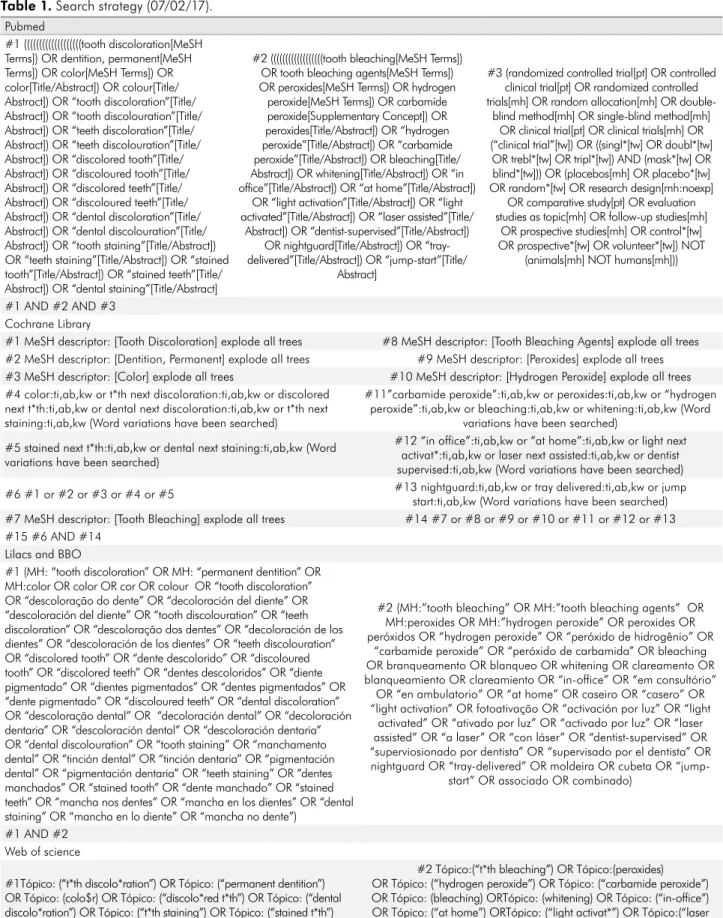
(Table 1). The reference lists of all primary studies,
as well as the related articles link from the PubMed
database from each primary study, were manually
searched. Articles in Korean, Japanese, Chinese,
Arabic and related languages were not included due
to dificult translation.
According to the MEDLINE database, a search
strategy was deined according to a terminology for
indexing biomedical information (MeSH, Medical
Subject Headings, U.S. National Library of Medicine,
Bethesda, MD, USA) along with free keywords.
For each database, the search strategy was adapted
for consultation. In order to standardize the articles
evaluated, only studies published since the CONSORT
Statement declaration in 1996 were included.
Eligibility criteria
We included parallel and split-mouth RCTs that
evaluated the effectiveness of different types of
bleaching systems and techniques on color change,
toxicity, postoperative sensitivity and application
technique. We did not restrict studies with patients
of different age groups or populations (Table 2).
Laboratory studies were excluded, as well as those
presented as conference abstracts, theses and reports
published in any media other than peer-reviewed
journals. Additionally, all studies that were published
before 1996 were excluded (Table 2).
Three reviewers (A.P., B.M.M. and T.H.) catalogued
articles that met the inclusion criteria. Article selection
was carried out by irst reading the titles and abstracts;
then the full text of the paper was read in case of doubts.
Adherence to CONSORT statement
Table 1. Search strategy (07/02/17). Pubmed
#1 (((((((((((((((((((tooth discoloration[MeSH Terms]) OR dentition, permanent[MeSH Terms]) OR color[MeSH Terms]) OR color[Title/Abstract]) OR colour[Title/ Abstract]) OR “tooth discoloration”[Title/ Abstract]) OR “tooth discolouration”[Title/ Abstract]) OR “teeth discoloration”[Title/ Abstract]) OR “teeth discolouration”[Title/ Abstract]) OR “discolored tooth”[Title/ Abstract]) OR “discoloured tooth”[Title/ Abstract]) OR “discolored teeth”[Title/ Abstract]) OR “discoloured teeth”[Title/ Abstract]) OR “dental discoloration”[Title/ Abstract]) OR “dental discolouration”[Title/ Abstract]) OR “tooth staining”[Title/Abstract]) OR “teeth staining”[Title/Abstract]) OR “stained tooth”[Title/Abstract]) OR “stained teeth”[Title/ Abstract]) OR “dental staining”[Title/Abstract]
#2 ((((((((((((((((((tooth bleaching[MeSH Terms]) OR tooth bleaching agents[MeSH Terms]) OR peroxides[MeSH Terms]) OR hydrogen peroxide[MeSH Terms]) OR carbamide peroxide[Supplementary Concept]) OR peroxides[Title/Abstract]) OR “hydrogen peroxide”[Title/Abstract]) OR “carbamide peroxide”[Title/Abstract]) OR bleaching[Title/ Abstract]) OR whitening[Title/Abstract]) OR “in office”[Title/Abstract]) OR “at home”[Title/Abstract])
OR “light activation”[Title/Abstract]) OR “light activated”[Title/Abstract]) OR “laser assisted”[Title/
Abstract]) OR “dentist-supervised”[Title/Abstract]) OR nightguard[Title/Abstract]) OR “tray-delivered”[Title/Abstract]) OR “jump-start”[Title/
Abstract]
#3 (randomized controlled trial[pt] OR controlled clinical trial[pt] OR randomized controlled trials[mh] OR random allocation[mh] OR
double-blind method[mh] OR single-double-blind method[mh] OR clinical trial[pt] OR clinical trials[mh] OR (“clinical trial”[tw]) OR ((singl*[tw] OR doubl*[tw]
OR trebl*[tw] OR tripl*[tw]) AND (mask*[tw] OR blind*[tw])) OR (placebos[mh] OR placebo*[tw] OR random*[tw] OR research design[mh:noexp]
OR comparative study[pt] OR evaluation studies as topic[mh] OR follow-up studies[mh]
OR prospective studies[mh] OR control*[tw] OR prospective*[tw] OR volunteer*[tw]) NOT
(animals[mh] NOT humans[mh]))
#1 AND #2 AND #3 Cochrane Library
#1 MeSH descriptor: [Tooth Discoloration] explode all trees #8 MeSH descriptor: [Tooth Bleaching Agents] explode all trees #2 MeSH descriptor: [Dentition, Permanent] explode all trees #9 MeSH descriptor: [Peroxides] explode all trees #3 MeSH descriptor: [Color] explode all trees #10 MeSH descriptor: [Hydrogen Peroxide] explode all trees #4 color:ti,ab,kw or t*th next discoloration:ti,ab,kw or discolored
next t*th:ti,ab,kw or dental next discoloration:ti,ab,kw or t*th next staining:ti,ab,kw (Word variations have been searched)
#11”carbamide peroxide”:ti,ab,kw or peroxides:ti,ab,kw or “hydrogen peroxide”:ti,ab,kw or bleaching:ti,ab,kw or whitening:ti,ab,kw (Word
variations have been searched)
#5 stained next t*th:ti,ab,kw or dental next staining:ti,ab,kw (Word variations have been searched)
#12 “in office”:ti,ab,kw or “at home”:ti,ab,kw or light next activat*:ti,ab,kw or laser next assisted:ti,ab,kw or dentist supervised:ti,ab,kw (Word variations have been searched)
#6 #1 or #2 or #3 or #4 or #5 #13 nightguard:ti,ab,kw or tray delivered:ti,ab,kw or jump start:ti,ab,kw (Word variations have been searched) #7 MeSH descriptor: [Tooth Bleaching] explode all trees #14 #7 or #8 or #9 or #10 or #11 or #12 or #13 #15 #6 AND #14
Lilacs and BBO
#1 (MH: “tooth discoloration” OR MH: “permanent dentition” OR MH:color OR color OR cor OR colour OR “tooth discoloration” OR “descoloração do dente” OR “decoloración del diente” OR “descoloración del diente” OR “tooth discolouration” OR “teeth discoloration” OR “descoloração dos dentes” OR “decoloración de los dientes” OR “descoloración de los dientes” OR “teeth discolouration” OR “discolored tooth” OR “dente descolorido” OR “discoloured tooth” OR “discolored teeth” OR “dentes descoloridos” OR “diente pigmentado” OR “dientes pigmentados” OR “dentes pigmentados” OR “dente pigmentado” OR “discoloured teeth” OR “dental discoloration” OR “descoloração dental” OR “decoloración dental” OR “decoloración dentaria” OR “descoloración dental” OR “descoloración dentaria” OR “dental discolouration” OR “tooth staining” OR “manchamento dental” OR “tinción dental” OR “tinción dentaria” OR “pigmentación dental” OR “pigmentación dentaria” OR “teeth staining” OR “dentes manchados” OR “stained tooth” OR “dente manchado” OR “stained teeth” OR “mancha nos dentes” OR “mancha en los dientes” OR “dental staining” OR “mancha en lo diente” OR “mancha no dente”)
#2 (MH:”tooth bleaching” OR MH:”tooth bleaching agents” OR MH:peroxides OR MH:”hydrogen peroxide” OR peroxides OR peróxidos OR “hydrogen peroxide” OR “peróxido de hidrogênio” OR
“carbamide peroxide” OR “peróxido de carbamida” OR bleaching OR branqueamento OR blanqueo OR whitening OR clareamento OR blanqueamiento OR clareamiento OR “in-office” OR “em consultório” OR “en ambulatorio” OR “at home” OR caseiro OR “casero” OR “light activation” OR fotoativação OR “activación por luz” OR “light
activated” OR “ativado por luz” OR “activado por luz” OR “laser assisted” OR “a laser” OR “con láser” OR “dentist-supervised” OR “superviosionado por dentista” OR “supervisado por el dentista” OR nightguard OR “tray-delivered” OR moldeira OR cubeta OR
“jump-start” OR associado OR combinado)
#1 AND #2 Web of science
#1Tópico: (“t*th discolo*ration”) OR Tópico: (“permanent dentition”) OR Tópico: (colo$r) OR Tópico: (“discolo*red t*th”) OR Tópico: (“dental discolo*ration”) OR Tópico: (“t*th staining”) OR Tópico: (“stained t*th”) OR Tópico:(“dental staining”)
#2 Tópico:(“t*th bleaching”) OR Tópico:(peroxides) OR Tópico: (“hydrogen peroxide”) OR Tópico: (“carbamide peroxide”) OR Tópico: (bleaching) ORTópico: (whitening) OR Tópico: (“in-office”) OR Tópico: (“at home”) ORTópico: (“light activat*”) OR Tópico:(“laser assisted”) OR Tópico:(“dentist-supervised”) OR Tópico:(nightguard)
been very subjective and the adherence to these items
would not weaken the quality of the study report or
the risk of bias of the studies.
A total of 12 items of the CONSORT Statement were
included in this CONSORT evaluation tool. As some
of these items were subdivided, a total of 16 items
were evaluated. The given score per item ranged
from 0 to 2. In general words, 0 = no description,
1 = poor description and 2 = adequate description.
More details regarding the scoring process for each
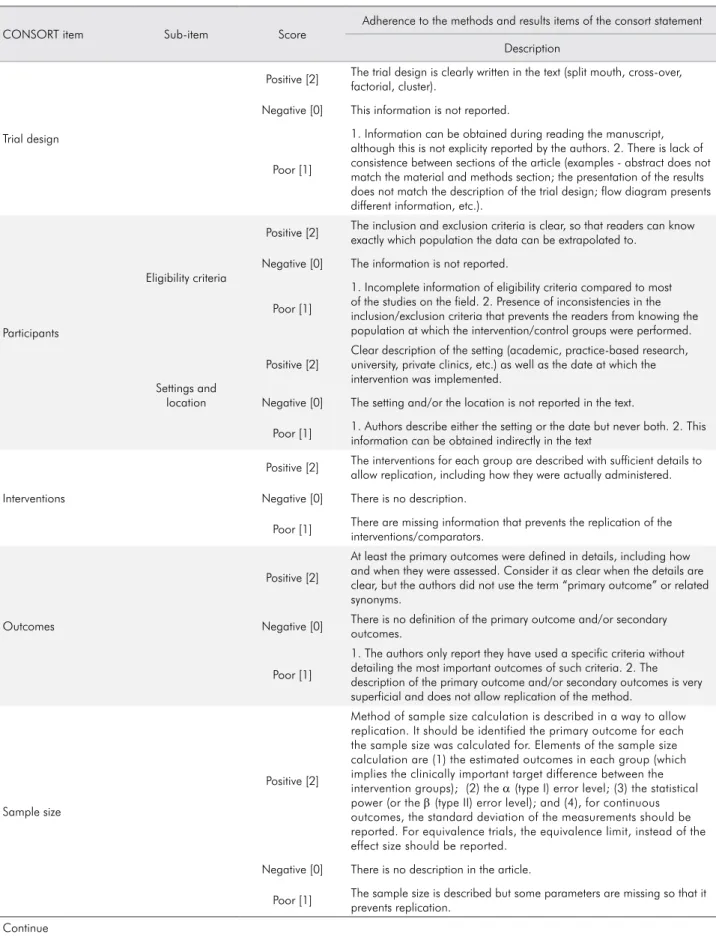
score of each item are displayed in Table 3. Each item
was given an equal weighting.
Prior to evaluation, the instrument was discussed
between two experienced authors in clinical trials
(A.D.L. and A.R.), pilot-tested in 15 articles and
checked for accuracy and reproducibility by three
evaluators. This process yielded modiication of the
instrument tool, as new possibilities for each score
were observed and discussed during pilot testing.
Three reviewers (A.P., B.M.M. and T.H.) performed
the round of scoring using the CONSORT evaluation
tool as guide (Table 3). In case of disagreement a
discussion followed and the consensus was used to
determine the inal score. Evaluators were not blinded
to the study authors. This was not feasible, as reviewers
were familiar with the studies and could easily guess
the researchers’ afiliation by reading the paper.
Scoring system and statistical analysis
The number of studies by journal, follow-up period
and country were analyzed descriptively. Compliance
with individual items of the CONSORT Statement
was analyzed to identify areas in which authors could
improve the description. A chart with the percentage
of studies per score in each item was provided.
To achieve an overall compliance score, the scores
for the 16 items were added in each article. A trial with
adequate descriptions (score 2) for all CONSORT items
would have received a maximum score of 32. A mean
average score was calculated by period of time, journal
and country. Comparison within each factor was
performed with the Kruskall-Wallis and Mann-Whitney
test at a level of conidence of 95%. Linear correlation
analysis between 2015 ISI journal impact factor and the
average CONSORT score was also performed.
These additional analyses aimed at offering
information about whether improvements in the
average CONSORT score occurred over the time and
if these improvements were related to the journal
and respective impact factor, as well as the living
country of the irst author.
Risk of bias in individual studies
Quality assessments were performed by two
independent reviewers, using the Coch rane
Collaboration’s tool for assessing risk of bias in
randomized trials (CCRT).
23The assessment criteria
Table 2. Inclusion and exclusion criteria.
Inclusion criteria Exclusion criteria
Parallel and Split-mouth RCTs published
in 1996 or later Laboratory studies
Conference abstracts
Different types of bleaching systems (in-office, at home and jump-start) (bleaching strips, gels, dentifrices, use of light) regarding.
Thesis
Studies that evaluate color change, toxicity, postoperative sensitivity and application technique
Reports published in any media other than peer-reviewed journals
The studies included patients of any age
group Reported cases
Continuation #1 AND #2 Scopus
#1 (TITLE-ABS-KEY (“t*th discoloration”) OR TITLE-ABS-KEY (“permanent dentition”) OR KEY (colo*r) OR TITLE-ABS-KEY (“t*th discolouration”) OR TITLE-ABS-TITLE-ABS-KEY (“discolored t*th”) OR TITLE-ABS-KEY (“discoloured t*th”) OR TITLE-ABS-KEY (“dental discolo*ration”) OR KEY (“t*th staining”) OR TITLE-ABS-KEY (“stained t*th”) OR TITLE-ABS-TITLE-ABS-KEY (“dental staining”))
#2 (TITLE-ABS-KEY (“t*th bleaching”) OR TITLE-ABS-KEY (peroxides) OR TITLE-ABS-KEY (“hydrogen peroxide”) OR TITLE-ABS-KEY (“carbamide peroxide”) OR TITLE-ABS-KEY (bleaching) OR TITLE-ABS-KEY (whitening)
OR TITLE-ABS-KEY (“in office”) OR TITLE-ABS-KEY (“at home”) OR TITLE-ABS-KEY (“light activat*”) OR TITLE-ABS-KEY (“laser assisted”) OR TITLE-ABS-KEY (“dentist-supervised”) OR TITLE-ABS-KEY (nightguard) OR
Table 3. Instrument tool developed from the 2010 CONSORT Statement to evaluate the compliance of the studies to the CONSORT Statement.
CONSORT item Sub-item Score
Adherence to the methods and results items of the consort statement
Description
Trial design
Positive [2] The trial design is clearly written in the text (split mouth, cross-over, factorial, cluster).
Negative [0] This information is not reported.
Poor [1]
1. Information can be obtained during reading the manuscript, although this is not explicity reported by the authors. 2. There is lack of consistence between sections of the article (examples - abstract does not match the material and methods section; the presentation of the results does not match the description of the trial design; flow diagram presents different information, etc.).
Participants
Eligibility criteria
Positive [2] The inclusion and exclusion criteria is clear, so that readers can know exactly which population the data can be extrapolated to.
Negative [0] The information is not reported.
Poor [1]
1. Incomplete information of eligibility criteria compared to most of the studies on the field. 2. Presence of inconsistencies in the inclusion/exclusion criteria that prevents the readers from knowing the population at which the intervention/control groups were performed.
Settings and location
Positive [2]
Clear description of the setting (academic, practice-based research, university, private clinics, etc.) as well as the date at which the intervention was implemented.
Negative [0] The setting and/or the location is not reported in the text.
Poor [1] 1. Authors describe either the setting or the date but never both. 2. This information can be obtained indirectly in the text
Interventions
Positive [2] The interventions for each group are described with sufficient details to allow replication, including how they were actually administered.
Negative [0] There is no description.
Poor [1] There are missing information that prevents the replication of the interventions/comparators.
Outcomes
Positive [2]
At least the primary outcomes were defined in details, including how and when they were assessed. Consider it as clear when the details are clear, but the authors did not use the term “primary outcome” or related synonyms.
Negative [0] There is no definition of the primary outcome and/or secondary outcomes.
Poor [1]
1. The authors only report they have used a specific criteria without detailing the most important outcomes of such criteria. 2. The description of the primary outcome and/or secondary outcomes is very superficial and does not allow replication of the method.
Sample size
Positive [2]
Method of sample size calculation is described in a way to allow replication. It should be identified the primary outcome for each the sample size was calculated for. Elements of the sample size calculation are (1) the estimated outcomes in each group (which implies the clinically important target difference between the intervention groups); (2) the α (type I) error level; (3) the statistical power (or the β (type II) error level); and (4), for continuous outcomes, the standard deviation of the measurements should be reported. For equivalence trials, the equivalence limit, instead of the effect size should be reported.
Negative [0] There is no description in the article.
Poor [1] The sample size is described but some parameters are missing so that it prevents replication.
Continuation
Randomization
Sequence generation
Positive [2] 1. Clear description of the random sequence generation. 2. or clear description of a non-random sequence method.
Negative [0] There is no information in the text.
Poor [1]
The authors only provide a very superficial description (such as the “groups were randomly allocated”) or do not provide sufficient information to allow replication of the randomization process.
Allocation concealment
Positive [2] Clear description of the allocation concealment. See next columns for evaluation of the Risk of Bias.
Negative [0] There is no information in the text.
Poor [1] not applicable
Blinding
Positive [2]
1) The authors describe who is blinded in the study. 2. In single-blind studies (when this is clearly reported by the authors), just the description of participant or evaluator (the one blinded) is enough; however when the study is double blind or triple blind all blinded people should be described. 2) The study describes just the participant or examiner blinded but one of these people cannot be blinded by intrinsic features of the study design.
Negative [0] There is no description of the blinding.
Poor [1]
Insufficient/partial information. For instance, (1) the authors describe examiners’ blinding or participants’ blinding, but never both. (2) The authors describe the study was blind or double-blind but does not specify who was blinded.
Statistical methods
Hypothesis testing
Positive [2]
Statistical methods are described with enough detail to enable a
knowledgeable reader with access to the original data to verify the reported results. Additionally, statistical tests employed by the authors seem to be adequate for the type of trial design and nature of the data collected.
Negative [0] Statistical methods are not described.
Poor [1]
1) There is not enough information to evaluate the statistical method used by the authors and/or the type of statistical tests employed by the authors are inadequate for the trial design and/or nature of the data (for instance, tests that do not take into account the paired nature of the data when this is the case). 2) The authors describe several statistical tests but does not specify for each outcome they were applied.
Estimated effect size
Positive [2]
Authors report at least for the primary outcome the effect size and its precision (such as 95% confidence interval). Odds ratio, risk ratio, risk difference, mean difference, etc.
Negative [0] There is no description of the effect size and 95% confidence interval
Poor [1] There is incomplete information.
Participant flow
Flow diagram
Positive [2]
For each group, the numbers of participants who were randomly assigned, received intended treatment and were analyzed for the primary outcome is described in the flow chart CONSORT diagram.
Negative [0] The flow-chart is not presented in the article.
Poor [1]
1. There are inconsistencies between the numbers described in the flow-chart and other parts of the manuscript. 2. Incomplete diagram with missing information
Losses/Exclusions
Positive [2]
1. For each group, losses and exclusions after randomization are described with reasons. 2. During reading, reviewer observes that there is no loss to follow-up.
Negative [0] 1. There is no description of losses and exclusions.
Poor [1]
Incomplete information. For instance, 1. the authors describe the overall percentage of losses but this information is not specified per group. 2. The authors describe the losses and exclusions but does not specify the reasons
were in vitro; 7) 2 studies were case series; 8) 1 study
was a literature review; 9) 1 study was an ex-vivo
study; 10) 1 study is currently in the recruitment
phase and evaluation of tooth color (results not yet
available); 11) 1 study evaluated the color change of
the composite resin after bleaching; 12) 11 studies
were not accessible. After these exclusions, 185 RCTs
remained for assessment (Figure 1).
The included RCTs investigated several topics,
such as the comparison of 1) at-home dental bleaching
techniques; 2) in-ofice dental bleaching techniques;
3) patient related factors; 4) in-ofice vs. at home and
5) combined bleaching techniques.
Table 4 displays the 185 RCTs tabulated by their
collected characteristics. The journals contributing
with the most RCTs were Oper Dent (17.8%), followed
by Comp Cont Educ Dent (11.4%), Am J Dent (7.6%)
and Quintessence Int (7.0%). Approximately 29.2%
of the publications were published in 37 different
journals. The countries with most publications
were USA (40.5%) and Brazil (28.1%), representing
together about 70% of all publications in the ield.
The most frequent follow-up period (days) reported
in the articles occurred between 14 (22.7%) and 28
(10.3%) days.
contain six domains: sequence generation, allocation
concealment, blinding of the outcome assessors,
incomplete outcome data, selective outcome reporting,
and other possible sources of bias. Each domain of
the Cochrane risk of bias tool was evaluated at low,
high or unclear risk of bias. After assessment of the
domains, each study was then evaluated into low risk
of bias if all domains were at low risk. The study was
judged as at high risk of bias if at least one of the key
domains was evaluated as high risk of bias. And inally,
the study would be considered at unclear risk, if at
least one domain were judged at unclear risk of bias.
Results
Characteristics of the included studies
From the 1925 articles that were originally
screened, after removal of duplicates, 1756 were
excluded for not complying with the inclusion
criteria. The full-text of 234 papers were assessed and
49 papers were excluded for the following reasons:
1) 15 studies were not randomized clinical trials;
2) 7 studies were case reports; 3) 3 studies were
duplicates; 4) 2 studies were abstracts; 5) 1 study
was published in Korean language; 6) 4 studies
Continuation
Baseline data
Positive [2] A table/text description containing baseline demographic and clinical characteristics of each group are presented in the article.
Negative [0] There is no table/text description with baseline data or description in the body of the text.
Poor [1]
1. A table/ text description with baseline data is presented but the data is not distributed between the study groups and/or given in percentages instead of raw numbers. 2. Insufficient information about participants is provided; 3. Inconsistencies in the data presented can be observed.
Numbers analysed
Positive [2] For each group and for each outcome, the number or participants (denominator) included in the analysis are clear.
Negative [0] Authors do not report the numbers analyzed.
Poor [1]
There is no clear description of the number of participants (denominator) included in the analysis of at least one of the outcomes. 2. Instead of reporting the raw number of participants, the authors report their data in percentages. 3. The authors fail to report the baseline number of patients included in each analysis. 4. Data can be obtained indirectly in the study.
Registration and protocol
Positive [2] The study was registered in a trial registry and the protocol number is provided.
Negative [0] This information is not available in the manuscript. Registration in an Ethics Committee is valid as trial registry
Study compliance with each of the
CONSORT instrument tool items
Figure 2 displays the percentage of studies per score
for each item of the CONSORT Statement in percentage
of studies. In regard to the items’ intervention and
outcomes, more than 80% of the studies were scored as
2, with an adequate reporting. For the items eligibility,
hypothesis testing, losses/exclusion and numbers
analyzed, more than 50% of the studies were scored as 2.
More than 50% of the studies received score 1 (poor
reporting) or score 0 (no reporting) for all other items.
This was more critical with the items protocol, low chart,
allocation concealment and sample size where more
than 80% of the studies were scored as 0 (no reporting).
In order to help future randomized clinical trials
of bleaching, some examples of adequate description
of each item of the results, material and methods of
CONSORT were added in Tables 5 to 9.
Figure 1. PRISMA Flow chart diagram.
Identification
Records excluded after title screen (n = 1246)
Studies excluded after text (n = 49): • Not randomized clinical trials (n = 15) • Case report (n = 7)
• Duplicates (n = 3) • Abstract (n = 2) • Korean language (n = 1) • In vitro study (n = 4) • Case series (n = 2) • Literature review (n = 1) • Ex-vivo study (n = 1)
• Currently in the recruitment phase (n = 1) • Color change of composite resin (n = 1) • Studies didn’t were found (n = 11)
Pubmed: 1187 (07/02/2017) Cochrane: 422 (07/02/2017) Lilacs/BBO: 160 (07/02/2017) Web of Science: 587 (07/02/2017
)
Scoups: 801 (07/02/2017) Google: 5 (07/02/2017)
Eligibility
Included
Records identified through database
searching (n = 3157)
Records after removal of duplicates with Endnote (n = 1925)
Records screened (n = 679)
Records excluded after abstract screen (n = 434)
Full-text articles assessed for eligibility
(n = 234)
Studies included in qualitative synthesis
(n = 185)
Screening
Additional records identified through other sources
Average CONSORT score per study
characteristics
The overall CONSORT score for the included
studies in this review was 16.7 ± 5.4 points, which
represents 52.2% of the maximum CONSORT score
of 32 points. We observed a signiicant inluence of
journal, country, and period of time on the average
CONSORT score (Table 10). Signiicant differences
among journals were observed (p < 0.0001; Table 10),
with the average CONSORT scores of J Dent (higher
score), Oper Dent, Clin Oral Investig and JADA being
higher than the remaining journals. ‘Other journals’
are composed of 37 different journals, which published
54 different papers (29.1% of total). A signiicant but
weak correlation between average CONSORT score
and impact journal factor was observed (r = 0.16;
p < 0.0001, Figure 3).
Regarding country, a significant difference
was also observed (p = 0.02; Table 10). Brazil
showed the highest average CONSORT score,
being statistically higher than those of UK, Italy
and USA. On the same line, the period of time in
years had a significant influence on the average
CONSORT score (p = 0.004; Table 10). We observed
an increase in the average CONSORT score in the
2011-2016 interval (19.0 ± 6.8) in comparison with
the 1996-2000 period (13.4 ± 4.0). The individual
CONSORT score for each one of the included
studies can be seen in Table 11.
Risk of bias of the included studies
Except for the selective outcome reporting
and incomplete outcome data, most of the studies
were judged to be at “unclear” or “high” risk of
bias in the Cochrane Collaboration tool domains
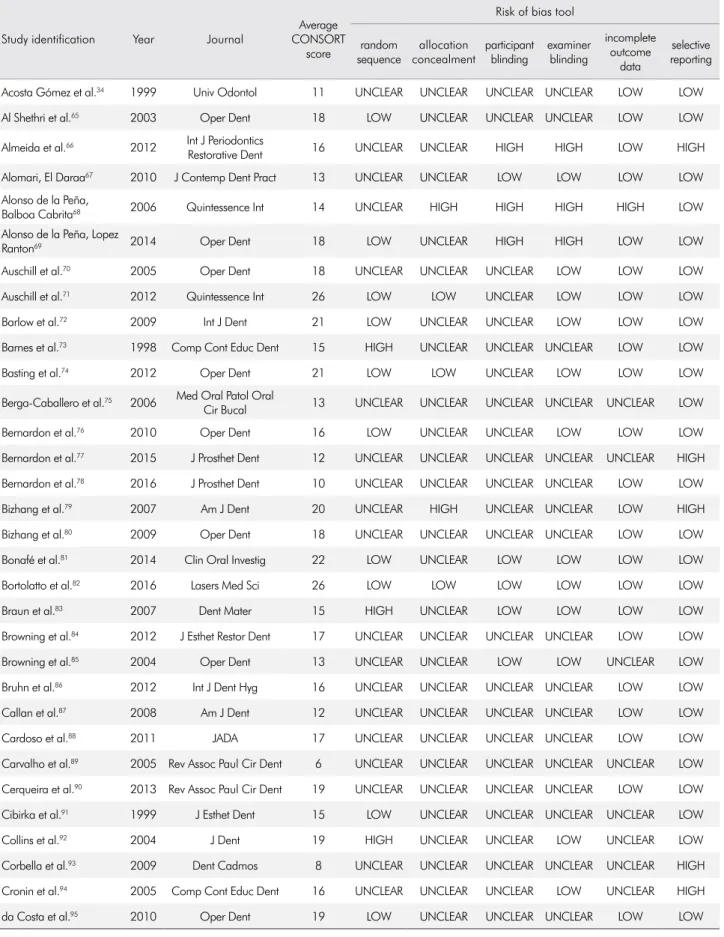
(Figure 4). Table 10 reports the individual risk of
bias in each domain for all included studies. This
table facilitates the analysis of the risk of bias within
each study. Only 14 included studies (7.6%) were
judged to be at “low” risk of bias in all domains;
115 studies were classiied as at “unclear” risk of
bias in at least one domain, resulting in 62.2% of
the studies being classiied at “unclear” risk of bias
at the study level. The remaining 56 studies were
classiied as at “high” risk of bias in at least one
domain, representing 30.3% of studies judged as
at “high” risk of bias.
Discussion
Study compliance with the CONSORT
Although the CONSORT Statement has been
misleadingly used as an instrument to evaluate the
quality of the RCTs available in the literature,
24the
aim of the CONSORT Statement is to guide authors
Table 4. Characteristics of the included studies by categories.Characteristics Categories Number of studies
Percentage (%)
Journal
Clin Oral Investig 5 2.7
J Clin Dent 10 5.4
J Esthet Restor Dent 11 5.9
J Dent 12 6.5
JADA 12 6.5
Quintessence Int 13 7.0
Am J Dent 14 7.6
Comp Cont Educ Dent 21 11.4
Oper Dent 33 17.8
Others* 54 29.2
Country
UK 6 3.2
Italy 7 3.8
Germany 14 7.6
Brazil 52 28.1
USA 75 40.5
Others** 31 16.8
Period of time
1996 to 2000 17 9.2
2001 to 2005 48 25.9
2006 to 2010 52 28.1
2011 to 2016 68 36.8
Follow-up period (days)
0 5 2.7
7 12 6.5
14 42 22.7
21 10 5.4
28 19 10.3
30 6 3.2
42 5 2.7
168 12 6.5
Others*** 74 40.0
to describe details on their studies to enable the
evaluation of the risk of bias of RCTs.
25This is why
adherence to CONSORT Statement is of ultimate
importance so that readers can appraise the available
literature and translate this literature into clinical
knowledge pertinent to evidence-based practice.
In the present study, we assessed the adherence of
RCTs of bleaching materials and techniques to the
CONSORT Statement.
26, 27In order to provide a better analysis of the
compliance of the studies with each item of the
CONSORT score, a 0–2 scale was developed in a
way that zero means no reporting, 1 poor reporting,
and 2 adequate reporting.
22This is different from
what had been done in other papers, which have
reported the adherence of RCTs in other dental areas,
such as orthodontics, prosthodontics, oral implants,
periodontics and pediatric dentistry.
28,29,30,31,32,33These
earlier studies were more focused on the journal’s
compliance rather than the article’s compliance with
a speciic subject. Subsequently, few of these earlier
studies performed a comprehensive search review
of the articles published in a speciic research area,
as we have tried to do in the present study. To the
extent of the authors’ knowledge this is the first
study that has attempted to evaluate the adherence
of RCTs of bleaching materials and techniques to the
CONSORT Statement, which was one of the aims of
the present study.
To evaluate the risk of bias of the RCTs it is
imperative that we concentrate on the design and
the results of any study report. CONSORT adherence
to introduction or discussion section increases the
quality of the article reporting but does not affect the
risk of bias of the studies. This is the reason behind
our decision to only evaluate each study’s compliance
Figure 2. Percentage of studies per CONSORT score for each CONSORT item analyzed.Trial design
Eligibility
Settings
Intervention
Outcomes
Sample size
Random sequence
Allocation concealment
Blinding
Hypothesis testing
Effect size
Flow chart
Losses/Exclusions
Baseline data
Numbers analyzed
Protocol
0% 10% 20% 30% 40% 50% 60% 70% 80% 90% 100%
CONSORT items
Percentage of studies per score
Table 5. Examples of adequate description of the evaluate parameters of the Instrument tool developed from the 2010 CONSORT Statement for bleaching studies.
Item Examples
Trial design
Example 1: “This study was a randomized, single-blind, controlled trial with a parallel group and an allocation rate of 1:1.”56
Example 2: “This was a randomized, parallel, placebo-controlled, triple-masked clinical trial, in which the patient, operator, and evaluator were masked to the group assignment. A third researcher, not involved in the evaluation process, was responsible for the randomization process, and delivery and guidance on the administration of the drugs.”57
Participants
Eligibility criteria The authors judged that it was not necessary to add some examples, because this item showed an adequate reporting as seen in Figure 2.
Settings and locations
Example 1: “The study took place in the clinics of the dentistry schools at the State University of Ponta Grossa, Paraná, and the University of São Paulo, São Paulo, from June 2010 to June 2012.”58
Example 2: “This study was performed from February 2011 to March 2012 in the city of Guarapuava (Paraná, Brazil).”12
Interventions The authors judged that it was not necessary to add some examples, because this item showed an adequate reporting as seen in Figure 2.
Outcomes The authors judged that it was not necessary to add some examples, because this item showed an adequate reporting as seen in Figure 2.
Sample size
For Tooth sensitivity
For superiority trial: “The primary outcome of this study was the absolute risk of TS. The absolute risk of TS (that is, the number of patients [percent] who reported pain at some point during dental bleaching) was reported to be approximately 87% (4,8) for the bleaching product Whiteness HP Maxx (FGM Dental Products). Thus, a minimum sample size of 56 participants was required to have a 90% chance of detecting, as significant at the 2-sided 5% level, a decrease in the primary outcome measure from 86% in the control group to 50% in the experimental group.”57
For equivalent trial: We selected the absolute risk of TS as the primary study outcome. Considering the absolute risk of TS to be approximately 90% (19, 40) participants were required to be 90% (study power) sure that the limits of a two-sided 90% confidence interval will exclude a difference between the standard and experimental group of more than 30% (equivalence limit).”59
For Color evaluation
For superiority trial: “The primary outcome of this study was color change of the participants’ teeth. A previous study (34) reported that two bleaching sessions with the product Whiteness HP Maxx 35% (FGM Dental Products, Joinville, SC, Brazil) without light activation produced a whitening effect of about 7 ± 2 SGUs. To detect a difference of 2 SGUs between the means of any pair of the study groups, with a power of 80% and an alpha of 5%, a minimum sample size of 17 patients per group was required. This threshold of perceptibility was based on the fact that ‘‘untrained’’ people, such as the patients, do not detect easily changes of one shade guide unit at the lighter end of the vita classical guide.”58
For equivalent trial: We based the sample size calculation on the color change measured with the
spectrophotometer (DE), the primary outcome of the study. One hundred eighteen participants were required to exclude a difference of means of 2.0 units of DE at 1 week and 1 month (equivalence limit) with a power of 90 % and a of 5 %. With these calculations, we took into consideration a standard deviation of 3.3 in the DE. The equivalence limit we chose was lower than the DE threshold of 3.0, above which color differences become clinically perceptible (24-26).”60
Randomisation
Sequence generation, allocation concealment and implementation
Example 1: “The randomization process was performed by coin toss immediately before the bleaching procedure to provide adequate allocation concealment.”61
Example 2: “Participants were randomly divided into four groups according to the combination of the main factors: HP (20% or 35%) and light activation (with or without). A third person who was not involved in the research protocol performed the randomization procedure by using computer-generated tables. We used blocked randomization (block sizes of 2 and 4) with an equal allocation ratio (www.sealedenvelope.com). Opaque and sealed envelopes containing the identification of the groups were prepared by a third party not involved in the study intervention.”58
Blinding
Example 1: “The participant and the operator could not be blinded to the procedure, as the application of bleaching gel for different times could not be masked. However, the examiners who evaluated the color changes were not aware of which group the participant was assigned to.”62
Example 2: “Neither the participant nor the operator knew the group allocation, both being blinded to the protocol.” “The two examiners, blinded to the allocation assignment, scheduled these patients for bleaching and evaluated their teeth against the shade guide at baseline and 30 days after the procedure.”63
with the items related to methodology and results.
Earlier studies with the same aim, conducted on
different specialties of dentistry, evaluated additional
items, including the subjective items of introduction
and discussion sections.
28, 29, 30, 31, 32, 33In the present study we observed that the overall
CONSORT score for the included studies was
16.6 ± 5.3 points, which represents only 52.2% of
the maximum CONSORT score a study could have
reached. This reduced compliance with CONSORT
Statement was also observed in an earlier study from
our research group evaluating the compliance of RCTs
in non-carious cervical lesions with the CONSORT.
22Similarly, other dental specialties such as periodontics
and pediatric dentistry yielded similar results. For
instance, a CONSORT compliance of approximately
60% was observed for RCTs in prosthodontics and
implant dentistry. In orthodontics, this compliance
ranged from 40 to 70%.
28,29,30,34,35Although these
variations are small, they may relect the inclusion
criteria of the RCTs, the method of compliance
evaluation, the number of CONSORT items evaluated,
and also the period of publication. Our previous study
of RCTs in non-carious cervical lesions demonstrated
that the adherence of the study increases when the
study is more recent.
22Continuation
Statistical methods
Hypothesis testing The authors judged that it was not necessary to add some examples, because this item showed an adequate reporting as seen in Figure 2.
Estimated effect size Two examples of how to report an effect size can be seen in Tables 6 and 7.
Participants
Flow diagram Please see the following link to have access templates of the CONSORT flow diagram available in MS Word (http:// www.consort-statement.org/consort-statement/flow-diagram)
Losses and exclusions The authors judged that it was not necessary to add some examples, because this item showed an adequate reporting as seen in Figure 2.
Baseline data Two examples of how to report an effect size can be seen in Tables 8 and 9.
Numbers analysed The authors judged that it was not necessary to add some examples, because this item showed an adequate reporting as seen in Figure 2.
Registration and protocol
Example 1: “The ClinicalTrials.gov identification number was NCT02017873.”4
Example 2: “The clinical investigation was approved (protocol number 172.988) by the scientific review committee and by the committee for the protection of human participants of the local university. It was registered in the Brazilian clinical trials registry under the identification number RBR-6pt2n3.”57
Table 6. Baseline characteristics of the participants.
Characteristics Smokers Non-smokers
Age (years; mean ± SD)
Brazil 26.3 ± 6.5 24.1 ± 6.8
Chile 29.3 ± 9.4 25.5 ± 6.6
Male (%)
Brazil 46.7 53.3
Chile 63.3 36.7
Baseline color (L*; mean ± SD)
Brazil 82.4 ± 4.9 82.3 ± 4.3
Chile 83.2 ± 4.0 84.9 ± 3.8
Baseline color (b*; mean ± SD)
Brazil 22.6 ± 3.6 23.2 ± 3.6
Chile 22.2 ± 3.1 21.7 ± 2.5
Baseline color (a*; mean ± SD)
Brazil -1.0 ± 1.0 -0.5 ± 1.0
Chile -0.0 ± 0.7 -0.2 ± 0.6
Baseline color (SGU; mean ± SD)
Brazil 6.8 ± 2.3 7.4 ± 2.5
Chile 7.2 ± 1.7 8.4 ± 2.9
Smoking time (years; mean ± SD)
Brazil 8 ± 5.9
-Chile 11.8 ± 9.1
-Number cigarettes/day (mean ± SD)
Brazil 13.2 ± 4.0
-Chile 12.8 ± 3.8
-Adapted from DeGeus et al.64
The results of the present study conirmed that
the journal endorsement of the CONSORT Statement
might positively influence the completeness of
reporting of RCTs, mainly because three out of four
journals with high average CONSORT score (J Dent,
Clin Oral Investig, and JADA) have adopted this
policy within the last decade. The same tendency
has been observed for medical journals
36and for
orthodontics journals,
28,37but not for RCTs conducted
in non-carious cervical lesions.
22Braz Oral Res is
another journal that clearly endorses the CONSORT
Statement. Although there is an increasing number
of journals endorsing the CONSORT Statement in
medical journals as well as dental journals, the
CONSORT compliance is still considered suboptimal
even in these journals.
38Table 7. Demographic features of the participants of each study group.
Feature 20% 20% + light 35% 35% + light
Age (mean ± SD) 22.9 ± 4.0 22.0 ± 4.4 23.0 ± 3.4 22.0 ± 3.6
Female (n, %) 13 (68) 12 (63) 13 (68) 12 (60)
Baseline SGU (median, 25 and 75 percentil) 12 (11 – 14) 12 (11 – 12) 12 (10,5 – 15) 11 (9 – 12)
Adapted from Mena-Serrano et al.58
SD: Standard-deviation.
Table 8. Means (standard deviations) of the change in shade guide units obtained with the VITA Classical and VITA Bleachedguide* and the color change measured by spectrophotometer at baseline versus 1-month postbleaching.
Color evaluation tools
Groups
p-value Mean difference (95%CI)
Placebo Dexamethasone
Vita Classical 3.1 ± 2.6 3.4 ± 2.3 0.642 - 0.3 (-9.9–10.5)
Dexamethasone 2.8 ± 2.2 2.7 ± 1.6 0.775 - 0.6 (-9.4–10.6)
p-value 6.0 ± 4.7 6.6 ± 4.0 0.582 - 0.6 (-11.4–12.6)
Adapted from Rezende et al.57
CI: confidence interval.
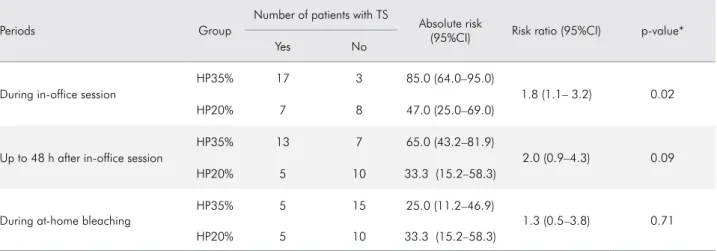
Table 9. Absolute risk of tooth sensitivity, along with the risk ratio, for both groups at the different assessment points.
Periods Group
Number of patients with TS
Absolute risk
(95%CI) Risk ratio (95%CI) p-value*
Yes No
During in-office session
HP35% 17 3 85.0 (64.0–95.0)
1.8 (1.1– 3.2) 0.02
HP20% 7 8 47.0 (25.0–69.0)
Up to 48 h after in-office session
HP35% 13 7 65.0 (43.2–81.9)
2.0 (0.9–4.3) 0.09
HP20% 5 10 33.3 (15.2–58.3)
During at-home bleaching
HP35% 5 15 25.0 (11.2–46.9)
1.3 (0.5–3.8) 0.71
HP20% 5 10 33.3 (15.2–58.3)
Adapted from Rezende et al.61
Table 10. Average CONSORT score per journal, country and period of time.
Characteristics Categories Mean ± SD Median (interquartile range) p-value*
Journal
Clin Oral Investig 19.60 ± 6.58 A 18 (18–22)
< 0.0001
J Clin Dent 16.30 ± 1.42 A,B 16 (15–17)
J Esthet Restor Dent 15.27 ± 3.04 A,B 14 (13–17.5)
J Dent 21.75 ± 6.50 A 20 (17.5–28.25)
JADA 19.33 ± 5.28 A 19.5 (13–22.5)
Quintessence Int 15.54 ± 4.33 A,B 14 (13–16)
Am J Dent 18.36 ± 4.22 A,B 18.5 (16.25–19.75)
Comp Cont Educ Dent 15.24 ± 3.06 A,B 15 (13–18)
Oper Dent 19.94 ± 6.32 A 18 (15–25)
Others 13.80 ± 4.99 B 13 (11–16)
Country
UK 14.83 ± 2.99 B 15 (12.5–17.5)
0.02
Italy 14.29 ± 6.80 B 13 (9.5–19)
Germany 16.71 ± 4.05 A,B 17 (14.25–18)
Brazil 19.48 ± 6.93 A 20.5 (13.75–25)
USA 15.25 ± 3.13 B 15 (13.5–18)
Others 16.10 ± 4.99 A,B 14.5 (12.25–18)
Period of time
1996 to 2000 13.47 ± 4.03 B 14 (11–16)
0.004
2001 to 2005 15.54 ± 2.81 A,B 16 (14–18)
2006 to 2010 15.75 ± 4.01 A,B 15 (13–19)
2011 to 2016 19.03 ± 6.87 A 18 (13.75–25)
*Kruskall Wallis and Mann-Whitney tests.
Figure 3. Linear regression between Impact Factor and Consort Score. Consort score
Impact factor
4
3
2
1
0
Table 11. List of the scored papers along with their average CONSORT score and evaluation of the risk of bias in each domain.
Study identification Year Journal
Average CONSORT
score
Risk of bias tool
random sequence
allocation concealment
participant blinding
examiner blinding
incomplete outcome
data
selective reporting
Acosta Gómez et al.34 1999 Univ Odontol 11 UNCLEAR UNCLEAR UNCLEAR UNCLEAR LOW LOW
Al Shethri et al.65 2003 Oper Dent 18 LOW UNCLEAR UNCLEAR UNCLEAR LOW LOW
Almeida et al.66 2012 Int J Periodontics
Restorative Dent 16 UNCLEAR UNCLEAR HIGH HIGH LOW HIGH
Alomari, El Daraa67 2010 J Contemp Dent Pract 13 UNCLEAR UNCLEAR LOW LOW LOW LOW
Alonso de la Peña,
Balboa Cabrita68 2006 Quintessence Int 14 UNCLEAR HIGH HIGH HIGH HIGH LOW
Alonso de la Peña, Lopez
Ranton69 2014 Oper Dent 18 LOW UNCLEAR HIGH HIGH LOW LOW
Auschill et al.70 2005 Oper Dent 18 UNCLEAR UNCLEAR UNCLEAR LOW LOW LOW
Auschill et al.71 2012 Quintessence Int 26 LOW LOW UNCLEAR LOW LOW LOW
Barlow et al.72 2009 Int J Dent 21 LOW UNCLEAR UNCLEAR LOW LOW LOW
Barnes et al.73 1998 Comp Cont Educ Dent 15 HIGH UNCLEAR UNCLEAR UNCLEAR LOW LOW
Basting et al.74 2012 Oper Dent 21 LOW LOW UNCLEAR LOW LOW LOW
Berga-Caballero et al.75 2006 Med Oral Patol Oral
Cir Bucal 13 UNCLEAR UNCLEAR UNCLEAR UNCLEAR UNCLEAR LOW
Bernardon et al.76 2010 Oper Dent 16 LOW UNCLEAR UNCLEAR LOW LOW LOW
Bernardon et al.77 2015 J Prosthet Dent 12 UNCLEAR UNCLEAR UNCLEAR UNCLEAR UNCLEAR HIGH
Bernardon et al.78 2016 J Prosthet Dent 10 UNCLEAR UNCLEAR UNCLEAR UNCLEAR LOW LOW
Bizhang et al.79 2007 Am J Dent 20 UNCLEAR HIGH UNCLEAR UNCLEAR LOW HIGH
Bizhang et al.80 2009 Oper Dent 18 UNCLEAR UNCLEAR UNCLEAR UNCLEAR LOW LOW
Bonafé et al.81 2014 Clin Oral Investig 22 LOW UNCLEAR LOW LOW LOW LOW
Bortolatto et al.82 2016 Lasers Med Sci 26 LOW LOW LOW LOW LOW LOW
Braun et al.83 2007 Dent Mater 15 HIGH UNCLEAR LOW LOW LOW LOW
Browning et al.84 2012 J Esthet Restor Dent 17 UNCLEAR UNCLEAR UNCLEAR UNCLEAR LOW LOW
Browning et al.85 2004 Oper Dent 13 UNCLEAR UNCLEAR LOW LOW UNCLEAR LOW
Bruhn et al.86 2012 Int J Dent Hyg 16 UNCLEAR UNCLEAR UNCLEAR UNCLEAR LOW LOW
Callan et al.87 2008 Am J Dent 12 UNCLEAR UNCLEAR UNCLEAR UNCLEAR LOW LOW
Cardoso et al.88 2011 JADA 17 UNCLEAR UNCLEAR UNCLEAR UNCLEAR LOW LOW
Carvalho et al.89 2005 Rev Assoc Paul Cir Dent 6 UNCLEAR UNCLEAR UNCLEAR UNCLEAR UNCLEAR LOW
Cerqueira et al.90 2013 Rev Assoc Paul Cir Dent 19 UNCLEAR UNCLEAR UNCLEAR UNCLEAR LOW LOW
Cibirka et al.91 1999 J Esthet Dent 15 LOW UNCLEAR UNCLEAR UNCLEAR UNCLEAR LOW
Collins et al.92 2004 J Dent 19 HIGH UNCLEAR UNCLEAR LOW UNCLEAR LOW
Corbella et al.93 2009 Dent Cadmos 8 UNCLEAR UNCLEAR UNCLEAR UNCLEAR UNCLEAR HIGH
Cronin et al.94 2005 Comp Cont Educ Dent 16 UNCLEAR UNCLEAR UNCLEAR LOW UNCLEAR HIGH
da Costa et al.95 2010 Oper Dent 19 LOW UNCLEAR UNCLEAR UNCLEAR LOW LOW
Continuation
da Costa et al.96 2011 J Esthet Restor Dent 22 LOW LOW UNCLEAR LOW LOW LOW
Dawson et al.97 2011 Oper Dent 19 UNCLEAR UNCLEAR UNCLEAR UNCLEAR LOW LOW
de Almeida et al.98 2014 Photomed Laser Surg 20 UNCLEAR UNCLER LOW LOW LOW LOW
de Freitas et al.99 2016 Quintessence Int 17 LOW UNCLEAR UNCLEAR LOW UNCLEAR LOW
de Geus et al.100 2015 JADA 29 LOW LOW UNCLEAR LOW LOW LOW
de Geus et al.4 2015 J Dent 28 LOW LOW UNCLEAR UNCLEAR LOW LOW
de Geus et al.64 2015 Oper Dent 25 LOW LOW LOW LOW LOW LOW
de Paula et al.63 2013 Clin Oral Invest 29 LOW LOW LOW LOW LOW LOW
de Paula et al.59 2015 J Dent 29 LOW LOW UNCLEAR LOW LOW LOW
de Paula et al.12 2014 Oper Dent 30 LOW LOW LOW LOW LOW LOW
Delgado et al.101 2007 P R Health Sci J 16 UNCLEAR UNCLEAR UNCLEAR UNCLEAR UNCLEAR UNCLEAR
Deliperi et al.102 2004 JADA 17 UNCLEAR UNCLEAR UNCLEAR UNCLEAR LOW LOW
Donly et al.103 2002 Comp Cont Educ Dent 14 UNCLEAR UNCLEAR UNCLEAR UNCLEAR LOW LOW
Donly et al.104 2005 Pediatr Dent 17 UNCLEAR UNCLEAR UNCLEAR UNCLEAR UNCLEAR LOW
Donly et al.105 2006 Gen Dent 15 UNCLEAR UNCLEAR UNCLEAR UNCLEAR UNCLEAR LOW
Donly et al.106 2007 Gen Dent 21 HIGH UNCLEAR UNCLEAR UNCLEAR LOW LOW
Donly et al.107 2010 Am J Dent 19 HIGH UNCLEAR UNCLEAR LOW LOW LOW
Farrel et al.108 2006 J Clin Dent 18 HIGH UNCLEAR LOW LOW LOW LOW
Fernandez et al.109 2016 Oper Dent 30 LOW LOW LOW LOW LOW LOW
Ferrari et al.110 2004 Am J Dent 17 UNCLEAR UNCLEAR UNCLEAR UNCLEAR LOW LOW
Gallagher et al.111 2002 J Clin Dent 15 UNCLEAR UNCLEAR HIGH LOW LOW LOW
Gallo et al.112 2009 Quintessence Int 14 UNCLEAR UNCLEAR LOW LOW UNCLEAR LOW
Garcia-Godoy et al.113 2004 Comp Cont Educ Dent 17 UNCLEAR UNCLEAR UNCLEAR UNCLEAR LOW LOW
Gerlach et al.114 2000 Comp Cont Educ Dent 20 UNCLEAR UNCLEAR UNCLEAR LOW LOW LOW
Gerlach et al.115 2001 Am J Dent 18 UNCLEAR UNCLEAR UNCLEAR LOW LOW LOW
Gerlach et al.116 2002 Comp Cont Educ Dent 16 HIGH UNCLEAR LOW LOW LOW HIGH
Gerlach et al.117 2004 J Clin Dent 15 HIGH UNCLEAR UNCLEAR UNCLEAR LOW LOW
Gerlach et al.118 2005 Comp Cont Educ Dent 15 HIGH UNCLEAR LOW LOW LOW LOW
Gerlach, Barker119 2003 Am J Dent 20 UNCLEAR UNCLEAR UNCLEAR LOW LOW LOW
Gerlach, Sagel120 2004 JADA 15 UNCLEAR UNCLEAR UNCLEAR UNCLEAR LOW LOW
Gerlach et al.121 2002 Am J Dent 20 HIGH UNCLEAR UNCLEAR LOW LOW LOW
Gerlach, Zhou121 2004 Comp Cont Educ Dent 20 HIGH UNCLEAR UNCLEAR LOW LOW LOW
Giachetti et al.122 2010 JADA 23 LOW LOW UNCLEAR UNCLEAR LOW LOW
Giniger et al.123 2005 J Clin Dent 15 HIGH UNCLEAR UNCLEAR LOW LOW LOW
Giniger et al.124 2005 JADA 21 HIGH UNCLEAR LOW LOW LOW LOW
Gomes et al.13 2008 R Dent Press Estet 10 UNCLEAR UNCLEAR UNCLEAR UNCLEAR LOW HIGH
Continuation
Goodson et al.125 2005 J Clin Dent 11 LOW UNCLEAR LOW LOW UNCLEAR HIGH
Grobler et al.126 2011 Int J Dent 13 UNCLEAR UNCLEAR UNCLEAR UNCLEAR LOW LOW
Guênes et al.127 2015 RFO UPF UNCLEAR UNCLEAR UNCLEAR LOW LOW LOW
Guerrero et al.128 2007 Am J Dent 20 UNCLEAR UNCLEAR LOW LOW LOW LOW
Gurgan et al.129 2010 Lasers Med Sci 14 UNCLEAR UNCLEAR UNCLEAR UNCLEAR LOW LOW
Hanning et al.130 2007 Clin Oral Investig 18 UNCLEAR UNCLEAR LOW LOW LOW HIGH
Henry et al.131 2013 Int J Dent Hyg 18 UNCLEAR UNCLEAR LOW HIGH LOW LOW
Hyland et al.132 2015 Clin Oral Investig 11 UNCLEAR UNCLEAR UNCLEAR UNCLEAR UNCLEAR HIGH
Ishikawa-Nagai et al.133 2004 J Esthet Restor Dent 13 UNCLEAR UNCLEAR UNCLEAR UNCLEAR UNCLEAR LOW
Jadad et al.134 2011 Am J Orthod
Dentofacial Orthop 9 UNCLEAR UNCLEAR UNCLEAR UNCLEAR UNCLEAR LOW
Javaheri, Janis135 2000 Oper Dent 6 UNCLEAR UNCLEAR UNCLEAR UNCLEAR UNCLEAR HIGH
Karpina et al.136 2002 Am J Dent 14 UNCLEAR UNCLEAR LOW LOW LOW LOW
Karpina et al.137 2003 J Prosthodont 14 UNCLEAR UNCLEAR UNCLEAR UNCLEAR LOW HIGH
Kihn et al.138 2000 JADA 17 HIGH UNCLEAR LOW LOW LOW LOW
Kihn et al.139 2002 Comp Cont Educ Dent 12 UNCLEAR UNCLEAR UNCLEAR UNCLEAR LOW LOW
Knosel et al.140 2007 Angle Orthod 10 UNCLEAR UNCLEAR UNCLEAR UNCLEAR UNCLEAR LOW
Knosel et al.141 2008 Quintessence Int 12 UNCLEAR UNCLEAR UNCLEAR UNCLEAR UNCLEAR LOW
Kose et al.142 2011 Am J Dent 20 LOW UNCLEAR LOW LOW LOW LOW
Kose et al.62 2016 Oper Dent 28 LOW LOW LOW LOW LOW LOW
Kossatz et al.143 2011 Oper Dent 17 LOW UNCLEAR LOW LOW LOW LOW
Kossatz et al.144 2012 JADA 25 LOW UNCLEAR LOW LOW LOW LOW
Kozlovsky et al.145 1996 Oral Health 10 UNCLEAR UNCLEAR UNCLEAR UNCLEAR HIGH LOW
Krause et al.146 2008 Quintessence Int 13 HIGH UNCLEAR LOW LOW UNCLEAR LOW
Kugel et al.147 2002 Comp Cont Educ Dent 11 HIGH UNCLEAR UNCLEAR UNCLEAR UNCLEAR LOW
Kugel et al.148 2006 Comp Cont Educ Dent 12 UNCLEAR UNCLEAR LOW LOW LOW LOW
Kugel et al.149 2004 Comp Cont Educ Dent 19 UNCLEAR UNCLEAR LOW LOW LOW LOW
Kugel et al.150 2009 J Esthet Restor Dent 19 HIGH UNCLEAR LOW LOW LOW LOW
Kugel, Kastali151 2000 Comp Cont Educ Dent 18 UNCLEAR UNCLEAR UNCLEAR UNCLEAR LOW LOW
Leonard et al.152 1999 J Esthet Restor Dent 13 UNCLEAR UNCLEAR UNCLEAR LOW LOW LOW
Leonard et al.153 2001 J Esthet Restor Dent 18 HIGH UNCLEAR LOW UNCLEAR LOW LOW
Leonard et al.154 2004 J Esthet Restor Dent 12 UNCLEAR UNCLEAR HIGH LOW UNCLEAR LOW
Lewgoy et al.155 2011 Rev ABO Nac 6 UNCLEAR UNCLEAR UNCLEAR UNCLEAR UNCLEAR LOW
Li et al.156 2003 Comp Cont Educ Dent 18 HIGH UNCLEAR LOW LOW LOW LOW