THE KNOWN AND UNKNOWN OF SOCIAL FACILITATION ON STEREOTYPING
Pedro Miguel Regueiras Figueira
Tese submetida como requisito parcial para obtenção de Doutoramento em Psicologia
Área de especialidade Psicologia Social
THE KNOWN AND UNKNOWN OF SOCIAL FACILITATION ON STEREOTYPING
Pedro Miguel Regueiras Figueira
Tese orientada por
Teresa Garcia-Marques, PhD. (ISPA-Instituto Universitário, Lisboa, Portugal) e
Jeff Sherman, PhD (University of California, Davis, USA)
Tese submetida como requisito parcial para obtenção do grau de Doutoramento em Psicologia
Área de especialidade Psicologia Social
Tese apresentada para cumprimento dos requisitos necessários à obtenção do grau Doutor em Psicologia na área de especialização de Psicologia Social realizada sob a orientação de Teresa Garcia-Marques, PhD. e Jeff Sherman PhD. apresentada no ISPA-Instituto Universitário no ano de 2020.
O presente trabalho foi financiado pelo Lisbon PhD in Social Psychology (LISP) um programa da Fundação para a Ciência e Tecnologia (PD/BD/113470/2015).
Ao Sonhador, que nos sonha…
Agradecimentos
Esta tese foi um caminho, uma peregrinação concluída com ajuda de muitos. Da mesma forma que David Mitchell escreveu “Our lives are not our own. We are bound to others, past and present, and by each crime and every kindness, we birth our future”, esta tese também não é minha. Por isso só me resta agradecer a tudo e todos que me ajudaram nesta peregrinação.
Primeiro agradeço as todas as forças invisíveis à minha compreensão que me ajudaram neste caminho, e que o tornaram possível.
Agradeço aos meus criadores humanos. Á minha mãe que sempre me disciplinou e acreditou em mim, e que quando era preciso fazia de tripas coração. Ao meu pai que sempre se sacrificou pelo bem dos que ama. Espero um dia que a vida vos dê leveza que tanto merecem ao terem carregado este vosso filho nesta vida, e neste caminho.
Agradeço ao Amor, à Paixão, à Amizade e seus avatares. Vocês destruíram preconceitos, juízos de valor, aqueceram-me nas noites mais frias, curaram-me tantas feridas, cobriram as minhas fraquezas e mais importante do que tudo, deram-me o alento para continuar. Espero conseguir retribuir-vos tudo que me deram nesta vida, e neste caminho.
Agradeço aos professores. A todos que me acarinharam, que me desafiaram porque sabiam que eu conseguia, que foram pacientes comigo, e que me deram oportunidades de subir esta escada invisível do conhecimento humano. Espero que a minha vida, e este caminho, dignifiquem as vossas lições.
Agradeço aos obstáculos, e seus avatares. Vocês obrigaram-me a fazer escolhas, lidar com emoções, e criar intenções. Sem vocês seria um barco à deriva, sem capitão.
Finalmente agradeço aos mestres, avatares do Conhecimento. Neste caminho vocês transformaram montanhas em planícies, fogo em água, sofrimento em discernimento.
Grato.
Palavras-chave:
Facilitação Social; Estereótipos; Modelos Dualistas
Key words:
Social Facilitation; Stereotypes; Dual Process Theory Categorias de Classificação da tese
(Utilizar PsycINFO Classification Categories and Codes): Exemplo:
2300 Human Experimental Psychology 2340 Cognitive Processes 3000 Social Psychology
3040 Social Perception and Cognition
RESUMO
Desde Triplett (1898) que a psicologia experimental tem vindo a explorar de que forma a presença de outros (em contraste com estar sozinho) afeta o nosso comportamento e mente. Este efeito é atualmente conhecido como Facilitação Social. Embora muitos avanços tenham sido feitos nesta área, pouco é conhecido sobre de que forma a Facilitação Social afeta a estereotipização (uso dos estereótipos) e os seus mecanismos.
Até à data apenas dois artigos abordaram esta temática, sendo que estes apresentam conclusões opostas. Enquanto Lambert et al. (2003) sugerem mais estereotipização na presença de outros, Castelli e Tomelleri (2008) sugerem menos estereotipização na presença de outros. De forma a abordar esta incongruência na literatura, replicamos conceptualmente a experiência principal de cada um dos artigos. Os nossos resultados não replicaram nenhuma das conclusões dos artigos originais. Não encontrámos um efeito de Facilitação Social claro sobre a estereotipização quando seguimos a metodologia de Lambert et al. (2003). Já com a replicação de Castelli e Tomelleri (2008) encontrámos evidência de Facilitação Social sobre estereotipização, mas na direção oposta da apresentada no artigo original, ou seja, maior estereotipização na presença de outros.
Ao longo desta tese foram desenvolvidos estudos e analisados resultados de forma cuidadosa com o objetivo de se obter uma melhor compreensão sobre os efeitos em estudo. Já que os dados sugeriram que os efeitos em estudo poderiam se estar a propagar pelos tempos de reação e taxas de erro, analisámos os nossos dados (e os dados de uma nova experiência) através do Modelo de Difusão. Esta técnica permite juntar tempos de reação e taxas de acerto/erro no conjunto de parâmetros. Esta análise permitiu alcançar informação relevante para futuros estudos que abordam os efeitos de estereotipização como também os efeitos da presença ou isolamento de outros. Em primeiro lugar, foram detetados efeitos de Facilitação Social sobre estereotipização, visto que a estereotipização foi maior na presença de outros no que no isolamento. Em segundo lugar, confirmamos que os tipos de condições sociais são relevantes para o efeito, uma vez que a nossa operacionalização (co-ação versus isolamento-sem a presença do experimentador), originou resultados divergentes dos estudos originais. Em terceiro lugar, verificou-se que os efeitos de Facilitação Social sobre a estereotipização dependem do tipo de tarefa usada para medir a estereotipização. Estes efeitos foram mais subtis na Weapon Identification Task (WIT; Payne, 2001) e mais claros na Implicit Association Task (IAT; Greenwald,
McGhee & Schwartz, 1998). Nós argumentamos que isto ocorre porque os efeitos de Facilitação Social ocorrem através de mecanismos que são representados de forma diferente em cada uma das tarefas. Em quarto lugar, a nossa condição de isolamento desafia os resultados que são tipicamente obtidos na WIT. Desta forma, os nossos dados são interpretados como evidência que diferentes condições sociais podem levar as pessoas a lidarem com a tarefa de forma diferente. Além disso, os nossos dados de forma geral evidenciam mais viés estereotípico e menos controlo sobre a ativação do estereótipo na presença de outros. Interpretamos estes dados como estando a corroborar os estudos anteriores que enfatizam a presença de outros como um contexto que cria sobrecarga cognitiva (Baron, 1986) e que de alguma forma reduz a capacidade de usar mecanismos de controlo de forma eficiente (Wagstaff, et al., 2008).
ABSTRACT
Since Triplett (1898), that experimental psychology has explored how the presence of others (vs being alone) affects our behavior and mind. This effect is nowadays known as Social Facilitation. Although, many advances have been made in this area, little is known about how Social Facilitation affects stereotyping. As such, this thesis investigates how the presence of other persons (vs being alone) affects our stereotyping and its mechanisms.
Until the present date, only two papers have addressed this theme reaching opposite conclusions. While Lambert, et al. (2003) suggest more stereotyping in the presence of others, Castelli and Tomelleri (2008) suggest less stereotyping in the presence of others. To approach this incongruency in the literature, we conceptually replicated the main experiment of each of these papers. Our results did not replicate any of those papers. We did not find a clear Social Facilitation effect over stereotyping when following Lambert, et al’s. (2003) methodology. Moreover, when replicating Castelli and Tomelleri (2008), we found evidence of a Social Facilitation effect over stereotyping, but now in the opposite direction of the original study, showing more stereotyping in presence of others.
Throughout this thesis, we developed studies and carefully analyzed the results aiming for better understanding the effects. Since data suggested that the evidence could be spread over reaction times (RTs) or error rates, we analyzed our data (and data from a new experiment) by using the Diffusion Model. This technique allows assembling RTs and accuracy data into a set of parameters. This analysis was highly fruitful adding relevant information for future empirical approaches to stereotyping effects in the presence and isolation from others. First, Social Facilitation effects over stereotyping occur, because those in presence of others have higher stereotyping than those in isolation. Second, as already stated in the Social Facilitation literature, the type of Social Condition matters. Because we operationalized social presence as co-action and isolation having no presence of the experimenter, results diverge from the original studies. Third, Social Facilitation effects over stereotyping depend on the type the task used to measure stereotyping. These effects were more subtle in the Weapon Identification Task (WIT; Payne, 2001) and clearer in the race Implicit Association Task (IAT; Greenwald, McGhee & Schwartz, 1998). We argue that this occurs because Social Facilitation effects occur through a mechanism that is differently represented in those tasks. Fourth, our isolation condition challenges the typical results obtained in the WIT. As such our data is
interpreted as evidence that different social conditions can lead people to cope differently with this task. Moreover, our data in general shows evidence of more stereotype bias and less control over stereotype activation in presence of others. We interpret this data as corroborating evidence of previous claims that the presence of others creates an overload context (Baron, 1986) and that it somehow reduces our capability of exerting an efficient control mechanism (Wagstaff, et al., 2008).
Index
Chapter I Social Facilitation ... 3
Social facilitation: The social psychology kick-off ... 3
Social Facilitation Theories: The right moderator, the right mechanisms? ... 7
Old problems, new problems: The path for clarification. ... 18
Attention, Distraction, and Executive Control, plus Context-Sensitivity effects: A new SF era. ... 25
Chapter II Stereotyping and effects of Social Facilitation ... 40
Stereotypes as structures of knowledge, and their activation ... 40
Stereotype activation ... 43
Stereotype expression: Inevitable or controllable? ... 47
How stereotype activation and control interplay has been studied. ... 49
Research on Social Facilitation effects on stereotyping ... 56
Chapter III The effects of Social facilitation on Stereotyping: When replication reveals the unexpected ... 61
Experiment 1- Weapon Identification Task (WIT) with actual SF conditions ... 64
Experiment 2 - Implicit Association Test with SF conditions ... 76
Chapter IV A Diffusion Model approach ... 87
The Diffusion Model-Computation of mechanisms through responses and reactions times. ... 87
Diffusion Model on Stereotyping ... 92
Diffusion model in IAT and WIT ... 98
How to use the Diffusion model to model WIT experimental data ... 99
Experiment 1 in light of the Diffusion Model ... 101
Chapter V General Discussion ... 127
Further Questions ... 132
Conclusion ... 136
References ... 138
Table and Figure Index
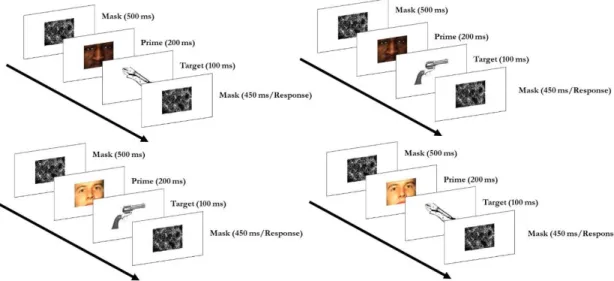
Figure 1- Weapon Identification Trials ... 66
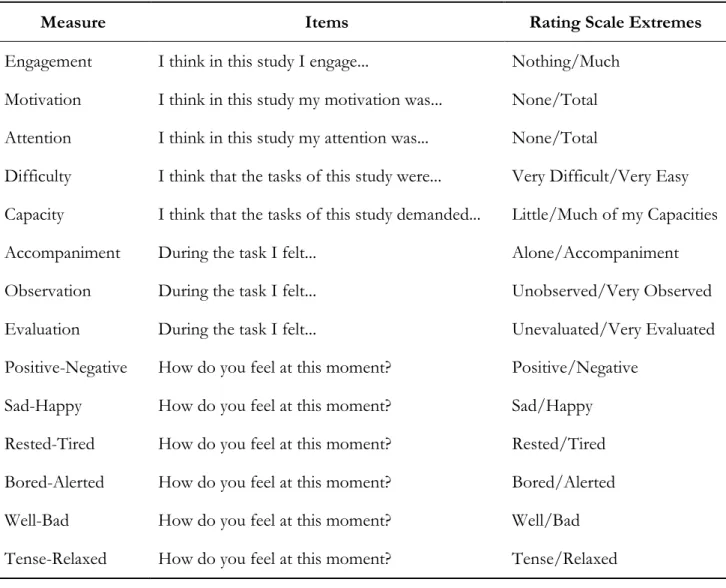
Table 1- Self-Report Measures... 67
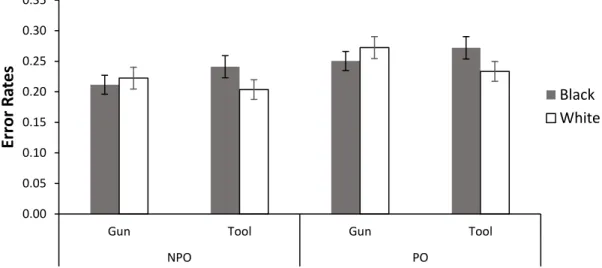
Figure 2-Error Rates (Experiment 1) ... 70
Table 2- PDP Estimates(Experiment 1) ... 25
Figure 3-Correct Reaction Times (Experiment 1) ... 73
Figure 4-CDF Plots (Experiment 1) ... 74
Figure 5- IAT Trials ... 78
Figure 6- IAT Trials ... 79
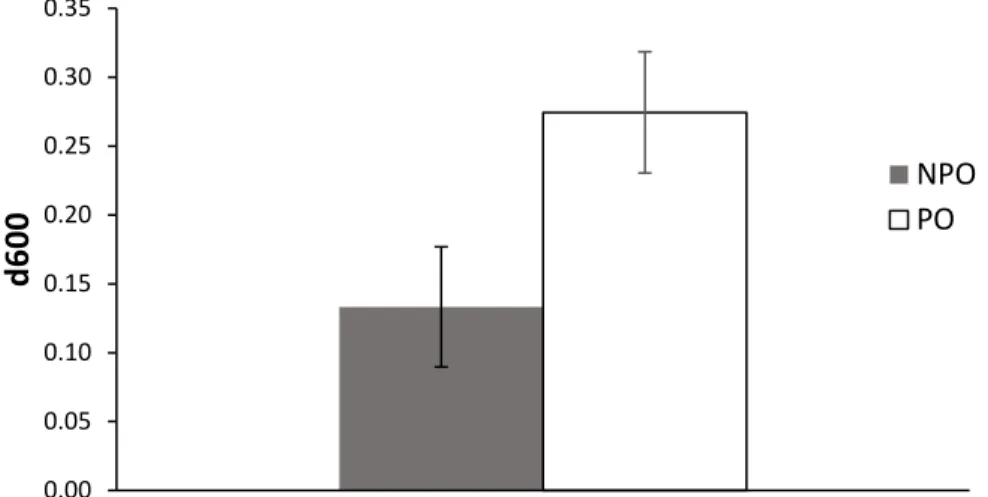
Figure 7- d600 (Experiment 2) ... 81
Figure 8- Error Rates (Experiment 2) ... 81
Table 3- PDP Estimates (Experiment 2) ... 82
Figure 9- Correct Reaction Times (Experiment 2) ... 83
Figure 10-CDF Plots (Experiment 2) ... 84
Figure 11- Diffusion Model Illustration ... 89
Table 4- Diffusion Model Parameter interpretation (WIT) ... 100
Figure 12- Drift-Rates for WIT (Congruent vs Incongruent)... 102
Figure 13- Relative Starting-Points for WIT (Congruent vs Incongruent) ... 103
Figure 14- Threshold Separation (Congruent vs Incongruent)... 104
Figure 15-Nondecision Times (Congruent vs Incongruent) ... 105
Figure 16- Drift-Rates for WIT (Gun vs Tool) ... 107
Figure 17- Relative Starting-Points for WIT (Gun vs Tool) ... 108
Figure 18- Threshold Separation for WIT (Gun vs Tool) ... 109
Table 5- Diffusion Model Parameter interpretation (IAT) ... 113
Figure 20- d600 (Experiment 3) ... 117
Figure 21- Error Rates (Experiment 3) ... 118
Figure 22- Correct Reaction Times (Experiment 3) ... 118
Table 6- PDP Estimates (Experiment 3) ... 119
Figure 23- CDF Plots RTs (Experiment 3) ... 120
Figure 24- CDF Plots ERs (Experiment 3) ... 121
Figure 25- Drift-Rates for IAT ... 122
Figure 26- Relative Starting-Points for IAT ... 123
Figure 27- Threshold Separation for IAT ... 124
Introduction
Although humans are social beings, that walk through many and different social contexts, we still may find contexts where people isolate from each other. In just one day, as an individual we walk in many different scenarios where we are surrounded by others (except in epidemic crisis scenarios), such as walking on the street, inside a bus, working near co-workers, etc. At same time, we also go into different scenarios where we are alone. For instance, being alone at home, having meal alone, going to bathroom, driving a car, etc. When social researchers ask if these different context matter, they ask the most fundamental question regarding our social features. They ask about the variation in our behaviors and minds occurring between a context where we are in the Presence of Others (PO) versus in No Presence of Others (NPO).
Research has positively answered this question: the presence of others changes our behavior. This effect was initially named as Social Facilitation (SF; Allport 1920). Since Triplett (1898), who was the first to empirical test these ideas, social psychology has examined how PO affects our behavior. However, only more recently, research has asked the question of the effects on cognition and in this regard, there is still a long debate to be developed about how SF effects impact cognitive mechanisms. In this thesis, we enter in the debate by exploring SF effect on stereotyping. We thought that the crossover between the two fields (SF and Stereotyping) is beneficial, since the stereotyping literature uses and provides many different tasks, estimation techniques, and is anchored in well-defined cognitive mechanisms. Hereby, offering an ideal setting to explore possible cognitive mechanism that sustain SF effects. As such, this thesis aims to explore how PO and NPO modulates our minds, favoring or helping to prevent stereotyping effects.
In the subsequent chapters, we will review the literature both on SF and stereotyping, and present a set of empirical studies to clarify how SF effects can occur on stereotyping.
In Chapter I, we review SF effects through a century of research. Within this review, we focus the most important discovers, the main theories and their problems. We will contrast alternative hypothetical mechanisms that promote SF effects and define SF effects, while distinguishing them from other effects that encompasses the presence of others (e.g., evaluation, social comparison, accountability…).
In Chapter II, we define stereotyping and strategically focus on research that revealed cognitive stereotyping mechanisms. We define what is a Stereotype, and how it influences our perception, judgment and cognition. In our review, we highlight the features of stereotyping that can be affected by SF manipulations. Importantly, here we focus on the two empirical studies (Lambert, et al., 2003; Castelli & Tomelleri, 2008) that claimed to have already addressed SF effects on stereotyping.
In Chapter III, we put together the information gathered from our review and claim that in order to study social facilitation effects, one and the same experimental paradigm has to be used: one that compares real isolated conditions (with no presence of the experimenter), with the presence of others that are not attended to their task (being simple co-actors). Using this paradigm, we propose to conceptually replicate Lambert, et al. (2003) and Castelli and Tomelleri (2008) in two experiments, addressing the hypothesis that their incompatible findings may be explained by their different operationalization of social presence conditions). From a critical discussion and analysis of our results, we raise new questions that led us to follow a different route to explore SF on stereotyping.
In Chapter IV, we define an alternative method that can be implemented to analyze our data. We define the Diffusion Model (DM) as a technical model that allows us to better understand our data. In addition, we develop a new experiment to further test the effects with this new methodology. In Chapter V, we offer a general discussion based on the previous literature and our data. Here we raise new questions and offer some conclusions that challenges the future of the two fields (SF and stereotyping).
Chapter I Social Facilitation
In this chapter, the concept of SF and the major approaches that have been and are being taken to the study of this phenomenon are reviewed. The first part of the chapter takes a historical look at the concept and outlines how a definition of the Social Facilitation effect and alternative explanations of its occurrence were developed. The second part of the chapter argues for a stricter definition of SF effects, and summarizes the major findings that inform its cognitive features.
Social facilitation: The social psychology kick-off
SF is a sub-field within social psychology that explores the effects of social presence, both physical and imagined, on task performance (Aiello & Douthit, 2001). Despite SF being a minor field inside a major field (i.e., social psychology), it is neither strange nor coincidental that both fields share very similar definitions: “Social psychology is the scientific study of how people’s thoughts, feelings, and behaviors are influenced by the actual, imagined, or implied presence of others” (Allport, 1985, p. 5).
The truth about this subtle, and sometimes forgotten, resemblance seems to lie in the fact that social psychology as an experimental and scientific field started with the publication of Triplett’s (1898) work. His work can be viewed as the social psychology kick-off, seeding the field for more than a century with amazing discoveries that have led to a better understanding of what it is to be Human in social contexts. At the time, Triplett’s concern was to discover how social contexts influence human performance. In his first study, he analyzed the time records of professional cyclists when cycling with other cyclists versus cycling alone against the clock. The analysis revealed that, on average, cyclists are faster when competing with others, that is, in the presence of others (PO), than when competing alone against the clock. Triplett set up a second study, this time with children playing a fishing rod game, in which the aim is to spin a fishing line as fast as possible. The children were split into two groups; in one group, two co-present children did the task at the same time, while in another group, each child did the task alone. The results were similar to the first study: faster performance in PO. For Triplett, this result indicated that PO somehow stimulated a competitive instinct, which lead to a “greater concentration of energy” (Triplett, 1898, p. 526), and thus motivation for faster performances in the assigned tasks. This concept of energy eventually came to denominate arousal, which developed into a key feature in many future SF theories.
About 20 years later, Allport (1920) demonstrated and tested the assumption that behavior in response to a non-social stimulus is modified by the presence and actions of other people. Today, this is accepted as fact; however, until Allport, it had not been tested. Allport’s proposition was different and more specific than Triplett’s, as he aimed to test SF effects without the possibility of performance comparison—the tasks used by Triplett (1898) were competitive in nature, which encouraged individuals to be faster than another person. Allport’s challenge was to create an experimental paradigm that would eliminate the effects of competition, and that would rely on tasks that were impossible to be monitored by others, hence eliminating performance comparisons between participants. To achieve this, he developed a Free Chain Association Task (two studies) and a Thought Process-Writing Argument Task (one study). In the Free Chain Association Task, participants were asked to write words associated with a stimulus word (e.g., “laboratory” or “building”). They could write more than one associated word per stimulus word. To test the effects of PO, all participants performed their sessions both in a group (3–5 participants per group) and alone (i.e., non-presence of others, or NPO); the session order was counterbalanced with a one-week interval between them. The results showed that 93% of participants produced more word associations in PO than when alone. Participants’ associations were also divided into two different categories: Personal Associations (related to subjective experiences with the stimulus word) and Free-Rising Ideas (common associations). This categorization revealed that in NPO, participants produced more Personal Associations, while in PO they produced more Free-Rising Ideas. Allport (1920) interpreted these results as a signal that in NPO we are more subjective, while in PO we are more objective.
In the Thought Process-Writing Argument Task, Allport asked participants to write arguments about a given written passage; the results replicated those for the Association Task in that more arguments were produced in PO than in NPO. However, Allport noted that, despite the higher number of arguments produced in PO, the quality of those arguments was worse than those produced in NPO. This drew attention to a kind of trade-off between quantity and quality. Thus, Allport’s (1920) study suggested that PO facilitates quantity but decreases quality.
Allport continued his approach to SF not only with the previously described tasks but also with the use of a Multiplication Task (Allport, 1924), which was essential for a better understanding of the effect. In this task, participants were presented with multiplications and their results, and were asked to decide whether the result was correct. Contrary to previous results, now participants in PO performed worse than NPO participants. Despite this evidence that social presence does not always
improve performance, but rather impairs it, Allport did not change the term Social Facilitation when naming the phenomena; thus, the term has been maintained, including the possibility of inhibition/impairment in PO.
The studies that Allport developed, and their results, introduced new ideas about the way PO and/or social contexts without competition can influence performance and behavior. From these studies emerged critical points that would become highly relevant in the future:
1) SF effects occur even without a competition aspect; this later introduced the question, “what is the minimal social condition required for SF effects to occur?” This helped the SF field to differentiate between SF and competition effects (Strube, 2005).
2) SF effects also occur with cognitive tasks, despite the bigger focus on SF in cognitive processes only taking place at the beginning of the 21st century.
3) PO promotes facilitation effects on quantity, but impairment effects on quality; this raised the question of whether the PO always is or is not a facilitator of performance, and which different tasks might be affected in different ways by PO.
4) In PO, there seems to exist a spreading out of associations, suggesting that the mind makes more associations in PO, but at the cost of losing original or subjective associations. This was the first suggestion that our minds work in a completely different way in PO versus NPO.
Later, Dashiell (1930) addressed Allport’s conclusions about the quantity/quality trade-offs in social contexts, and the minimal conditions for inducing SF effects. He set up an experimental design in which each participant performed a set of tasks (e.g., Multiplication Task and Word Association) in different social contexts: a) alone, b) coaction, c) competition with another participant, and d) observed by two persons. In addition to these manipulations, Dashiell’s design differed widely from Allport’s studies in that he recorded the time required to complete the tasks. He concluded that the conditions of competition and observation promoted speed (i.e., less time for task completion), but when the task permitted evaluation of the accuracy, these two conditions had the worst performance compared with the alone and coaction conditions. Strangely, Dashiell did not observe any difference between the alone and coaction conditions. He attributed this result to a possible flaw in his experimental setting, which allowed participants who were doing the task alone to know that other participants were doing the same task elsewhere. This may have nullified the alone condition.
1) The type of PO matters: observation and competition lead to faster and worse performances than those of coaction.
2) The SF effects are susceptible to a trade-off between speed and accuracy, where faster responses lead to less accuracy.
3) It is possible to make someone who is alone “feel” as if they are in PO; in other words, priming PO. This was later verified (e.g., Aiello & Douthitt, 2001; Hall & Henningsen, 2008; Anderson-Hanley, Snyder, Nimon, & Arciero, 2011; Uziel, 2016).
Despite Dashiell’s and Allport’s organized approaches to studying the effects of PO on participants’ performances, researchers’ conclusions in this early stage produced more questions than answers by generating highly ambiguous information about the main definition of SF effects and thus what the conditions are that define its occurrence.
The studies developed to this point created ambiguity about the direction of the PO effect: some studies reported positive effects on performance in PO (Facilitation), while other studies reported negative effects (Inhibition). Although the two directions were identified by Allport, he suggested that PO facilitates speed but decreases quality/accuracy (Allport, 1920, 1924; Dashiell, 1930). However, several studies reported positive and negative effects on performance using the same performance criteria (i.e., accuracy). For instance, Travis (1925) used a Hand-Eye Pursuit Coordination Test, in which participants coordinated their hand movements with their vision; he observed that in PO, participants made fewer errors than in NPO. Another example of positive effects of PO on performance can be found in the work of Bergum and Lehr (1963); participants observed a sequence of lights and pressed a button when they detected an error in the sequence. In PO, participants correctly detected more failures in the sequence than participants who did the task alone. By contrast, in studies using finger mazes (Husband, 1931; Pessin & Husband, 1933), which also require coordination, the better performance was observed in NPO—fewer errors in completing the maze. Pessin (1933) also observed that participants could memorize better nonsense syllables when alone. He concluded that the performance inhibition in PO was due to the interference created by distraction of being in PO, a term that later would be important for some SF theories. Ader and Tatum (1963) also presented results that pointed to the possibility that PO works as a distractor. In their study, participants received low-voltage shocks until they could find out how to stop it (a button); learning which button stopped the shocks happened faster in NPO than in PO.
The understanding that PO can promote either facilitation or inhibition led some authors to suggest that explanations of SF must account for the bi-directionality of the effect and others to defend the position that SF should be distinguished from a social inhibition effect (see, Guerin & Innes, 1984).
As noted by Guerin (1993), the majority of studies did not report the SF conditions correctly, which also contributed to an ambiguous definition of the SF effect. If an SF study wants to test the effect of PO on performance, it is critical to have at least one condition in which the participants’ performance is measured in PO, and another condition in which the participants’ performance is measured in NPO, completely alone. However, many studies include the presence of the experimenter in the so-called “alone” condition, a problem that, unfortunately, persists today. This lack of rigor could be one of the reasons for the ambiguous results. For instance, the presence of the experimenter in the room during the so-called “alone” condition could promote evaluation effects, leading to wrong conclusions about SF effects.
Results from different directions, different tasks, and different manipulations of PO, and a lack of rigor in the alone condition led to much confusion in the SF field at the time. Rosch (cited by Strauss, 2002) labeled this SF period as, “decades of experimental anarchy.” SF effects were in need of theories, theories that would help generate predictions and also expose possible moderators (e.g., types of PO and/or types of tasks).
Social Facilitation Theories: The right moderator, the right mechanisms?
The need for a theory that could explain SF effects was addressed by Zajonc (1965). Zajonc was clearly aware of the conflicting evidence from various studies—some reporting better performance in PO and some reporting worse performance—and thus focused his theoretical approach on trying to account for it. In this process, he noticed that tasks that involved learning, such as learning nonsense syllables (Pessin, 1933), learning the right path to finish a maze (Husband, 1931; Pessin & Husband, 1933), and learning which button to push to avoid shocks (Ader & Tatum, 1963), resulted in impaired performance in PO. By contrast, tasks such as monitoring errors and coordination without the need to learn (Travis, 1925; Bergum & Lehr, 1963), led to better performance in PO. This observation led him to a theory that was inspired by the Hull-Spence Drive Theory (Spence, 1956).
The behaviorist Hull-Spence Drive Theory addressed the impact of motivation (drive) on animal performance. The theory postulates that when animals experience a specific motivation like fear or hunger, they are driven to emit a dominant response (i.e., a well-learned response). Zajonc
(1965) thought that PO was a possible motivational variable. If true, PO would cause a drive increase, which would arguably lead to a higher likelihood of dominant responses. However, because a well-learned response would be facilitated in a PO context, the unwell-learned responses (not dominant) would be inhibited, thus making it more difficult for individuals to provide a non-dominant response (i.e., not well-learned response). This account could explain why performance might be impaired in PO conditions when learning is experimentally induced (learning tasks), because the emission of a dominant response may interfere with the emission of the unlearned response. On the basis of this logic, Zajonc proposed classifying experimental tasks into two groups: simple tasks and complex tasks. Simple tasks would be those that demand dominant responses, and thus participants would perform better in PO. Complex tasks would be those that demand non-dominant responses, and thus participants would perform better in NPO. In sum, the type of task as a moderator of SF effects was a key aspect of Zajonc’s theory, which would be adopted by future approaches.
Another key aspect of his theory is the idea that PO is a motivational variable, namely a source of general activation (arousal/drive). The assumption was that participants would be more aroused in PO. Zajonc (1965) did not present direct evidence that PO increases general activation in humans, rather, he stated that “the evidence which bears on the relationship between the PO and arousal is, unfortunately, only indirect” (p. 273). He maintained his hypothesis based on animal studies that show that increasing population density (i.e., number of animals in the same space) triggers the endocrine system (Thiessen, 1964; Lasagna & McCann, 1957; Mason & Brady, 1956). A question that then became relevant was, “what type of PO is necessary to trigger the expected level of arousal?” At the time, Zajonc (1965) only described two types of presence, coaction and audience (i.e., direct observation). Later, this opened a discussion in the field introduced by Cottrell’s (1972) theory of Evaluation Apprehension, which is presented below. For Cottrell, the only way that PO could trigger arousal was if it created stress, that is, a type of PO that made participants feel evaluated. This led Zajonc (1980) to clarify his theory, arguing that the effect is not driven only by an expectation of an evaluation, but rather can be promoted by every type of PO. While the Cottrell’s theory includes competition, audience, and evaluation, the effect, Zajonc asserted, can be promoted by the mere presence of another person. Thus, his main point became one of defending this position: the mere presence of another person is enough to create SF effects. This claim would distinguish Zajonc’s Drive Theory from other arousal/drive-based theories.
The importance of Zajonc’s theory was that, by postulating that simple and complex tasks work as moderators of SF effects, it could explain not only previous studies but also future studies on humans and animals (Wheeler & Davis, 1967; Tolman, 1967; Zajonc & Sales 1966, Zajonc, Heingartner & Herman, 1969; Zentall & Levine, 1972).
Zajonc’s Drive Theory and its correlates established principles for future approaches:
1) SF occurs in the mere presence of other co-species—an assumption that is, however, challenged by alternative approaches.
2) SF can occur because of motivational factors—an assumption that is challenged by theories that offer a more cognitive explanation.
3) Type of task moderates SF effects, such that simple tasks (which rely on dominant responses) promote facilitation, and complex tasks (which rely on computation of new responses) promote inhibition.
However, the following points of Zajonc’s theory still required clarification.
The first point of clarification was the definitions of arousal and drive, and the proof that they increase in PO. No study that had measured arousal levels in PO had linked those levels to participants’ performance. This may have been because the constructs, arousal and drive, were not well-defined at the time. When presenting his theory, Zajonc (1965) used the terms interchangeably, without distinguishing one from the other. Additionally, he believed that stress and physiological activation (regardless of the system; e.g., cardiac or endocrine) were operationalizations of arousal. Only much later would this issue be approached theoretically and experimentally by Blascovich and collaborators (Blascovich, Mendes, Hunter, & Salomon, 1999), who viewed arousal as a general activation of different components of the physiologic system, which can assume different patterns of activation. Thus, contrary to Zajonc’s view, Blascovich et al. (1999) approached arousal not as a “higher or lower” activation of a system, but rather a pattern of activation of different systems, which have different implications for the activation of a dominant response (which is discussed further in this chapter).
The second point that required clarification was the relative definitions of a simple and a complex task. Although type of task as a moderator could explain some effects, making some predictions possible, it is often difficult to define a task as simple or complex before seeing the results. The Stroop Task (Stroop, 1935), for instance, is simple in its demands, as it merely asks participants to indicate the color in which a word is printed (i.e., color naming). However, this naming process is
disrupted because the semantic meaning of the word is a different color (e.g., the word red printed in the color green). As Stroop (1935) concluded, reaction times are slower when participants try to name the ink color of words that have the opposite meaning of their printed color, because the reading process is more automatic (i.e., dominant) than the color-naming process. Thus, the activation of the automatic response should be operationalized as a dominant response. Furthermore, on the basis of Zajonc’s theory, PO should cause participants to perform worse because reading is a well-learned response. However, currently, we know that the opposite happens (Huguet, Galvaing, Monteil, & Dumas, 1999; Klauer, Herdfordt, & Voss, 2008; Sharma, Booth, Brown, & Huguet, 2010): participants perform better in PO than in NPO. If the reading component of a Stroop Task is dominant, then the weight given to the reading process should be increased and the Stroop effect should increase in PO. Thus, the definition of tasks as simple or complex, and definitions of responses as well-learned and unlearned, are too simplistic to apply to all SF effects.
However, if Allport’s experiments and his definition of SF effects were relevant to the field, Zajonc’s Drive Theory was essential for providing a way to explain it. With Zajonc’s theory, the SF field was no longer an orphan of a theory, which led other researchers to view it with increasing relevance.
The fruitfulness of Zajonc’s approach was evident in the number of reactions it stimulated. One of the first reactions, already mentioned, was Cottrell’s (1972) Evaluation Apprehension Theory. In accordance with Zajonc, Cottrell’s Theory agrees with the effect of arousal/drive on dominant responses, and thus on task complexity as a moderator of the SF effect. His main goal was to go beyond Zajonc’s approach and explain how arousal/drive increases in PO. He posited that it increases as a reaction, learned in past experiences (i.e., drive as a learned reaction to the PO), to the evaluative presence of others. His view was that participants who felt apprehensive in present evaluations had experienced a past negative evaluation in PO. Therefore, an increase in arousal/drive is triggered. Thus, Cottrell believed that for SF effects to occur, participants would have to be concerned about others’ evaluations. This challenged Zajonc’s (1965; 1980) assumption and results: that mere presence is enough to trigger SF effects. Support for the Evaluation Apprehension Theory was offered in a study by Cottrell and colleagues (Cottrell, Wack, Sekerak, & Rittle, 1968) that used a Pseudorecognition Task. The experiment manipulated participants’ verbal habits by asking them to repeat nonsense words. The idea was to turn their response to some nonsense words into a dominant response by repeating them 10–25 times. Other nonsense words were maintained as non-dominant
by asking participants to repeat them only 1–5 times. Zajonc and Sales (1966) used the same task to show that participants in the presence of an audience (observers) did better at recognizing the words that were repeated more frequently than when they did the task without the audience present. This suggests an increase in well-learned (dominant) responses in the presence of an audience. However, Cottrell et al. (1968) aimed to show that the effect was caused by an audience evaluative effect and not a simple PO effect. To do this, they replicated the study but added an audience that could not observe the participants’ performances. The authors contrasted participants’ performances in three different conditions: alone, where the assigned participant did the task alone in a room; with an audience and thus the possibility of evaluation, where the assigned participant did the task in the presence of two spectators; and with a non-evaluating audience, where the assigned participant did the task in the presence of two blindfolded “spectators.” Compared with the alone condition, the results revealed no effects of the audience when they did not observe the participant’s behavior. However, participants evidenced better word recognition in the evaluation condition than in the alone condition. These results suggest, as Evaluation Apprehension postulates, that the SF effect only occurs in evaluative contexts, and that the mere presence of others is not enough to stimulate the effect.
Research by Cottrell et al. (1968) introduced inconsistency into the literature. It contradicted other studies that showed that the way participants performed when alone was not similar to the way they performed in PO, even when the PO condition was not evaluative. However, the null comparison between alone and PO conditions found by Cottrell et al. (1968) is not a universally replicable effect. For instance, Henchy and Glass (1968) replicated the Pseudorecognition Task by orthogonally manipulating presence and evaluation apprehension. Thus, the alone condition could be performed with and without participants’ performances being recorded for further evaluation. In the audience condition, participants either performed the task in the presence of two experts or in the presence of two informal students from another university. By comparing each condition with the non-evaluative alone condition (NPO and No Evaluation), results showed that the presence of experts condition (PO and Evaluation) promoted higher SF effects, followed by the alone recorded condition (NPO and Evaluation); the student audience condition (PO and No Evaluation) showed the weakest SF effect, but was still present. The authors concluded that, although evaluation was an important factor, the mere presence of other students should not be ignored as a potential promoter of SF effects. That is, an effect, although weak, can also be produced by mere presence.
The null effect of the blind audience condition in Cottrell et al. (1968) was also not replicated by Rajeck, Ickes, Corcoran, and Lenerz (1977), who tested SF effects in maze tasks to find out whether a pure mere presence condition could produce a different performance than an alone condition. Rajeck et al. (1977) used similar conditions to Cottrell et al. (1968): NPO; audience/evaluation (i.e., a person who observed the participant’s performance); and blindfolded audience/mere presence (i.e., a person who was present but could not observe the participant’s performance). The results revealed more errors and faster reactions times in the audience/mere-presence condition than in the NPO condition, suggesting that mere presence is enough to cause SF effects. However, while participants assigned to audience/evaluation also had faster reaction times than those in NPO, the numbers of errors were equal between the two conditions. Thus, although these results clarify that SF effects in mere presence impact both speed and accuracy in maze tasks, they also show that mere-presence effects and evaluation effects may be two independent effects. As such, it is possible that different processes are at stake.
The definition of SF as a mere-presence effect was further supported by the results of a meta-analysis (241 studies) conducted by Bond and Titus (1983), which revealed that SF effects are unrelated to evaluation conditions. Thus, SF effects were defined, as Zajonc (1965; 1980) had argued, as presence effects, where mere presence is sufficient to trigger them. The meta-analysis made clear, moreover, that SF effects cannot be investigated by comparing mere presence with evaluation conditions, as Cottrell’s work indicated (Cottrell et al., 1968; Cottrell, 1972). This reinforced the importance of a true alone condition (i.e., without the presence of the experimenter) in SF studies.
However, if mere presence promotes SF effects, it is also true that the impact of PO on performance occurs because of evaluation apprehension. Evaluation is not a necessary condition for SF effects, but it is sufficient to promote differences between PO and NPO conditions. Such differences should not be designated as SF, however, as they are not caused by PO itself (i.e., by just mere presence). The same is true for other effects that have PO as a necessary condition, such as social comparison (see Aiello & Douthitt, 2001). All social comparison theories share the assumption that PO causes participants to manage their behavior to give others a good impression. Aiello and Douthitt (2001) defined the following theories as examples of this phenomenon:
Self-Presentation Theory with drive (Baumeister, 1982) and without drive (Bond, 1982):
these theories are based on Goffman’s (1959) work, who postulated that individuals make an effort to manage the impressions they “give off” to please others. Baumeister (1982) extended this idea to
SF, proposing that PO would trigger individuals’ drive to manage their public image, which would impact their task performances. He also pointed out the possibility that certain social conditions could trigger this drive more than others; the drive would be higher in evaluative conditions than in mere presence conditions. Despite having the same idea—that individuals strive to manage their impressions to please others— Bond (1982) did not use drive as a key factor for SF effects, but rather the concept of effort. In this way, he postulated that individuals in PO want to present an image of themselves as competent, which leads to more effort exerted during experimental tasks. Therefore, if the task is simple, their efforts would improve their performance; if complex, the embarrassment over some errors would lead to worse performance.
Objective Self-Awareness Theory (Duval & Wicklund, 1972): the basic assumption
underlying this theory is that PO stimulates more awareness in participants of how others may see them. This leads to an increased focus on personal ideals and on efforts to avoid failing to achieve a goal. This produces a better performance in PO if the task is simple, but a worse performance if the task is complex.
Discrepancy-Reducing Feedback Loop (Carver & Scheier, 1981): this theory is based on
Objective Self-Awareness theory, but is more detailed. Like the previous theory, it states that PO causes individuals to focus their attention inward, engaging a mechanism called a discrepancy-reducing feedback loop. This mechanism aims to minimize discrepancies between the individual’s goal and what they are actually doing (i.e., my performance versus my ideal performance). For the individual to continue trying to reach an ideal performance, they must maintain a high expectation of achievement. This is easy with simple tasks where errors are rare; however, with complex tasks, the larger number of errors will lead the individual to think it is impossible to reach their goal, and thus tend to stop putting more effort into the task.
Because PO generates a context in which evaluation and social comparison are likely to emerge, researchers (e.g., Cottrell et al.,1968) have tended to see evaluation and social comparison as factors that explain SF effects. The position taken in this thesis, however, is that SF effects arise from mere presence (i.e., by PO itself); it is assumed, moreover, that this parsimonious view can bring clarity to the field. As such, Zajonc’s Drive Theory (1965, 1980) directly addressed the SF phenomenon.
To summarize, several factors that co-occur with the presence of others, namely evaluation and social comparison, are likely to impact individuals’ behaviors. However, these factors are not a
necessary condition for SF effects, and their effects should not be designated as SF, because they do not result from the mere presence of another person.
Despite the legitimate concerns introduced by evaluation and social comparison, one theory emerged to seriously challenge Zajonc’s approach and is seen as its greatest rival: The Distraction-Conflict Theory and its derivatives (Sanders & Baron, 1975; Sanders, Baron, & Moore, 1978; Baron, Moore, & Sanders, 1978). The main claim of Distraction-Conflict Theory is that SF effects are promoted via distraction. In its first version (Sanders & Baron, 1975), the authors argued that by being distracted from their goal, individuals increase their motivation (drive/arousal) to attend to that goal, causing performance differences: specifically, facilitation in simple tasks and inhibition in complex tasks. By claiming the impact of PO over distractions, the theory offers a cognitive explanation of why drive increases in PO.
Sanders and Baron (1975) tested the hypothesis that distraction has “drive like” effects on task performance by manipulating distraction using procedures other than PO, and asking participants to perform a simple and a complex version of a “Copy Task.” The simple version of the task consisted of copying (writing) a row of symbols. The complex version required participants to first translate the set being copied based on a key code (e.g., “1” is the code for “5”) or to rewrite the symbols upside down and backwards (e.g. “6” would be recoded in “9”). The authors manipulated distraction by asking participants to listen for a signal that would be presented at the same time that they were performing the task. This made participants look away briefly from the task, shifting their attention between the “Copy Task” and listening to the signal. Their results indicated that participants in the distraction condition performed better (i.e., correct number of copied symbols) than those doing the simple task with no distraction. However, in the two studies presented in that paper (Sanders & Baron, 1975), this difference did not reach statistical significance for complex tasks, and the conclusion about whether distraction really could decrease performance in complex tasks was ambiguous. Despite this, these results are considered as support for the Distraction-Conflict Theory.
Later, Sanders et al. (1978) tested whether distraction could be caused by attentional shifts between the task and social stimuli. This approach assumed, again, that social comparison is a relevant mechanism for PO. Further, although they did not predict that social comparison was the only way to create distraction, these were the conditions in which they tested their hypothesis. They assumed that the relevant mechanism for causing SF would be the conflict created between attending to the task and to any irrelevant social stimuli. In the two experiments that they developed to test the
hypothesis, they used the Copy Task again, and orthogonally manipulated Social Condition (PO vs NPO) and the motivation to seek for social comparison. In the first experiment, the motivation to seek for social comparison was manipulated by telling participants either that the aim of the task was to measure their ability to defer gratification (high motivation for social comparison), or that it was to simply get their personal impressions of the task (low motivation for social comparison). In the second experiment, the manipulation was made by telling participants that others were or were not working on the same task—the expectation was that participants who believed they were working on the same tasks as others would be highly motivated to seek for social comparison, while those working on different tasks would be much less motivated to seek for social comparison. The results revealed that differences between NPO and PO conditions only occurred in the conditions with high motivation to seek social comparison. The authors argued that the drive only increases if there is the possibility of comparison; SF was once more understood as a social comparison effect, and not a mere presence effect in itself. However, if this was the case, what explanation is there for data (see Bond & Titus, 1983) showing that mere presence is enough to stimulate SF effects? In addition, contrary to Sanders and Baron’s (1975) study, Sanders et al. (1978) did not find SF effects in complex tasks. This is a problematic result, given that the authors aimed to demonstrate that social comparison, and thus distraction, is a factor for SF effects in both simple and complex tasks.
Importantly, none of the foregoing studies confirmed the existence of a hypothetical level of distraction in PO. To address this gap, Baron, et al. (1978) ran another study in which they measured each participant’s distraction levels after their performance in a Paired-Associate Learning Task (Spence, Farber, & McFann, 1956), performed either in an NPO or a PO (presence of an audience) condition. A simple and a complex version of the task was used: participants had to learn either a noncompetitional or a competitional list of paired word associates. A noncompetitional list of associative pairs maximizes the strength of association within pairs and, at same time, minimizes the association between members of different pairs (e.g., adept-skillful, barren-fruitless). A competitional list comprises associated pairs (e.g., barren-fruitless) and non-associated pairs (e.g., arid-grouchy, desert-leading), which, despite having no association between the members, are related to a member of another pair (having a between-members association; e.g., arid and desert). These features make this list more difficult to be learned well (i.e., complex task). Learning was performed in NPO for all participants, afterwards half of the participants were tested in an audience condition, while the other half were tested in NPO. Results confirmed the standard SF effects: better performance in PO than in NPO for the noncompetitional list (simple task), and worse performance in PO than in NPO for
the competitional list (complex task). Levels of distraction were measured in different ways: by directly asking participants how frequently they focused their attention on the task; by asking participants to recall different features of the associative pairs (e.g., first letter was lower case or printed in red); and, using the number of errors committed as an index of distraction. All participants in PO evidenced higher distraction levels than participants in NPO. This result suggests that distraction is a factor that can improve or impair task performance, depending on task complexity, assuming that the data are interpreted as evidence that participants’ performance was promoted by an arousal caused by distraction.
Later on, Sanders (1981) carefully analyzed how results obtained in the field helped to support different SF explanations, contrasting Zajonc’s (1965, 1980) theory and the Distraction-Conflict Theory (Sanders et al., 1978). He concluded that no model by itself completely explained all the reported results, and proposed a synthesis model: the Attentional Process Model. This model assumes that SF effects can occur via three different pathways that are not mutually exclusive: reflexive response (activation of a dominant response), learned anticipation (learned drive) of positive or negative outcomes, or/and distraction-conflict. Although the integration of all these assumptions allowed for a better account of the available results, Sanders failed to explain when and how the processes that defined each pathway occurred (see Guerin & Innes, 1984).
One caveat of the Attentional Process Model, and the models that support it, regards the relationship between attention and arousal, that is, the assumption that distraction impacts arousal. No direct evidence is offered for this assumption. Additionally, an alternative view was offered by Easterbrook (1959), who showed that the direction can be exactly the opposite (i.e., arousal affects distraction). Evidence for this can be found, for instance, in Zaffy and Bruning’s (1966) study, which asked participants to learn an implicit rule underlying a correct response in a condition where relevant, irrelevant, or no cues were offered. Results showed that participants with more arousal/higher drive, measured by an anxiety scale, performed better when cues were irrelevant for the task. However, in conditions where a relevant cue was offered, the participants with more anxiety had the worst performance. This indicates that arousal led to the use of fewer cues; thus, when the cues are irrelevant, arousal is a facilitator of performance, because participants are not attending to the irrelevant/disturbing information. When the cues are relevant, high-arousal participants do not benefit, but rather perform worse in comparison with low-arousal participants, who use and benefit from the presence of relevant cues.
Later, Bruning, Capage, Kozuh, Young, and Young (1968) replicated Zaffy and Bruning’s (1966) study using different social contexts. In one experiment, the researcher peered over the participant’s shoulder to record the response (High-drive condition), or sat behind a screen (Low-drive condition). In another experiment, the researcher, who in this case remained behind the screen, indicated to the participant that their performance was: below the average (High-drive condition) or very satisfactory (Low-drive condition). The results showed, again, that participants in the high-drive condition performed better than participants in the low-drive condition when the cues were irrelevant to the task; the opposite pattern was observed when the cues were relevant to the task: better performance for participants in the low-drive condition. However, if this work is anchored in Easterbook’s (1959) model, which relates arousal to attention, all that Bruning et al. (1968) did was add one more possible moderator to the Drive/Arousal Theory (Zajonc, 1965, 1980): type of task cues (i.e., relevant or irrelevant to the task objective).
These empirical approaches, which have further clarified how the Easterbrook Model (1959) helps explain SF effects, ended up challenging arousal as the mediator through which distraction promotes SF effects. In addition, its methods and data demanded a review of the explanation for how the SF effect occurred, since PO was defined in many different ways: as a source of arousal, as a distraction, and as a context that modulates the use of relevant and irrelevant cues.
Studies using a cognitive approach ended up challenging arousal as the mediator through which distraction promotes SF effects. The focus on the Easterbrook Model (1959) and its assumptions about perceptual overload and attentional priority relating to a narrowing mechanism of the range of the perceived stimuli (Cohen, 1978) challenged Baron (1986) to leave out assumptions regarding arousal and to reformulate the Distraction-Conflict Theory. Baron (1986) assumed that distraction–conflict observed in PO imposed a cognitive overload on participants that may also have produced attentional focusing. Attentional focusing is defined as a narrowing of attention that causes participants to attend better to what is central and to neglect what is not. In this second version of the Distraction-Conflict Theory, also called the Overload Hypothesis (Strauss, 2002) in the literature, there is no role for arousal in explaining the SF effects. Baron (1986) proposed that the PO is a distraction context, and hence creates a conflict between the attention to the social context and the level of attention needed to perform the task. This conflict creates an overload that restricts individuals’ cognitive focus. This focus, or narrowed attention, leads them to attend more to cues that are relevant/central to the task at hand, but at the expense of not attending to the peripheral cues.
This assumption—that PO promotes a narrowing of attention—matches the mechanism presented in Easterbrook’s Model (1959). However, Baron (1986) also used Cohen’s (1978) ideas (Cohen’s approach was more purely cognitive), and erased the drive/arousal from the model as either antecedent or consequent, assuming that the cognitive overload itself led to narrowing attention. Additionally, and also in contrast to the Easterbrook Model, Baron specified that performance is impacted by PO because it draws on the individual’s attentional resources and thereby narrows their attention.
Baron’s understanding of the role that task complexity plays in SF effects rested on the fact that complex tasks have numerous relevant features; because they have more relevant features, complex tasks consume cognitive resources, and thus increase the cognitive load that is already imposed by PO. Because of the cognitive load, participants cannot attend to all the stimuli, which narrows their attention; thus, they do not attend to all relevant stimuli and so their performance decreases. By contrast, simple tasks have few relevant stimuli and thus the narrowed attention created by PO helps participants ignore irrelevant stimuli, which allows a better performance.
However, although Baron (1986) suggested that PO narrows attention because of cognitive overload, he did not clarify why PO creates such overload. The explanation left open by his approach was one that went back to the same factors previously identified as arising from PO and repeatedly claimed to explain the SF effects (i.e., because individuals engage in social comparison, evaluations, etc.). Another caveat of the Overload Hypothesis was its capacity to predict various types of PO effects; that is, the theory seemed less likely to predict some types of social presence (e.g., coaction or mere presence) than others that, arguably, are more disruptive (e.g., evaluation or competition).
The difficulty in developing a simple theory to explain the SF effects suggests that there are several factors associated with the presence of others in a given context that can exert an effect on an individual’s performance. Indeed, investigating the effects of PO are more complex than initially thought, and as scientific phenomena, they cannot be explained with a simple and direct theory. Thus, it is important to both clarify misunderstandings of the theoretical concepts previously used and explore additional, potentially relevant, factors for explaining such effects.
Old problems, new problems: The path for clarification.
From this brief overview of SF studies, a set of old problems that need clarification can be identified. Below is a review of some of these old problems, which are related to the lack of
identification of possible moderators of SF, and are related to problematic confounds of effects related to PO in the current literature.
One of the misunderstandings around SF models is their use of an arousal/drive concept as a core mechanism of SF effects; in fact, there is no clear definition of this concept. The idea of arousal as an explanatory factor for SF effects started with the idea that PO leads to more physiological activation, possibly in the endocrine system (Zajonc, 1965). However, this system hypothesis was subsequently forgotten. The remaining approaches referred solely to a “generalized arousal,” viewed as general increased activity in all physiological systems (e.g., cardiovascular system and respiratory system). This, however, was not supported by the Bond and Titus (1983) meta-analysis, which showed that the only physiological measure that is affected in SF by PO is palm sweating, and only during complex tasks. These results clearly challenge the idea of arousal as the core mechanism that leads to SF effects. The concept of “generalized arousal,” moreover, is strongly challenged when considering that most arousal manipulations cause some physiological measures to increase while making others decrease (Sanders, 1981; Carver & Scheier, 1981; Cacioppo & Tassinary, 1990). This led Blascovich et al. (1999) to apply the Biopsychosocial Model of Challenge and Threat (Tomaka, Blascovich, Kibler, & Ernst, 1997) to SF effects.
This Model postulates that challenge and threat states are activated in goal-relevant situations (i.e., situations where self-evaluations are seen as important). When individuals believe that their performance is important and simultaneously think that they have the resources to fit the task demands (i.e., capacity to respond correctly), they experience a challenge state. However, a threat state occurs when participants believe that their performance is important but do not feel they have enough resources to fit the task demands. If PO impacts arousal, it should map onto these states either by increasing both or by selectively promoting one over the other. This is a directly testable hypothesis as each state is followed by a different physiological pattern. While both challenge and threat states are characterized by increased cardiac responses, the former involves a simultaneous decrease in vascular resistance, while the latter involves a simultaneous increase. Thus, the concept of “generalized arousal” should not be defined as a continuous concept of physiological activation that increases or decreases; rather, it should be defined as an activation pattern in different systems (i.e., cardiac and vascular resistance), which can translate in different categorical “types of arousal” (i.e., challenge and threat).
Blascovich et al. (1999) addressed various impacts of arousal with the support of SF effects that are moderated by task complexity. In other words, they predicted different effects for simple (well-learned) versus complex (unlearned) tasks. Following their rationale, PO causes participants to feel the task as more goal-relevant, which leads to a “challenge pattern” in well-learned tasks, and to a “threat pattern” in unlearned tasks. They tested this hypothesis by manipulating the SF conditions (PO, with two people observing vs NPO, where participants were alone) and the task mastering. All participants learned to master either a Number-Categorization Task or a Pattern-Learning Task through a practice block. In the experimental conditions, participants either performed the task they had mastered or a new task. The researchers measured both performance and physiological patterns and compared well-learned tasks with unlearned tasks. Only participants in PO (vs. NPO) showed a physiological activation pattern changed from their baselines; however, this activation showed a challenge pattern for those performing a well-learned task, but a threat pattern for those performing an unlearned task.
These data help clarify results that were previously interpreted as supporting Zajonc’s (1965) assumptions that PO leads to more “generalized arousal” and thus to more dominant/well-learned responses. By contrast, the Biopsychosocial Model of Challenge and Threat suggests that PO leads to more goal-relevance, which, in turn, induces a cognitive appraisal between individuals’ resources and task demands; this can result in a challenge or threat evaluation that activates the respective physiological patterns.
The idea that the impact of PO on physiological activation is dependent upon an individual’s cognitive appraisal opened the discussion to the possible relevance of other individual differences in SF effects. Traditionally, neither Social Psychology nor Social Cognition had looked for moderation effects by individual factors, and, thus, little attention had been given to the impact of individual differences in SF effects, despite supporting evidence offered by earlier studies. For instance, Triplett (1898) and Allport (1920) reported that some of their subjects (around 7%) had opposite results (i.e., better performance in NPO than in PO), but no further focus was given to that phenomenon (see Uziel, 2007). However, individual differences as moderators of how people approach social situations (and thus, in PO), have been discussed in some theories of personality. One example is the Sociometer Theory (Leary & Baumeister, 2000), which supposes that individual’s self-esteem level guides their approach to a social context. Additionally, Grant and Dajee (2003) suggested that introverts are more affected by SF effects than extroverts when doing multiplication tasks. Uziel (2007) assumed,
therefore, that specific personality traits predispose individuals to a positive or negative orientation towards social contexts, which would moderate PO effects. To test his assumption, he conducted a meta-analysis with SF studies that measured self-esteem, extroversion, and/or neuroticism. Results revealed that participants with a positive orientation toward PO (i.e., high self-esteem and/or high levels of extroversion) performed better in PO than in NPO. Conversely, participants with a negative orientation toward PO (i.e., low self-esteem and/or high levels of neuroticism) performed worse in PO than in NPO. In addition, no impact of task complexity on these effects was observed.
Together, Uziel (2007) and Blascovich et al. (1999) showed that the appraisal of the context and the task are important moderators for SF effects. From Uziel (2007) we know that participants’ appraisals of social contexts as positive or negative moderates the SF effect. From Blascovich et at., (1999) we know that how participants feel about the task—whether they have the necessary resources (i.e., is it a challenge or a threat?)—determines the presence of a facilitation or an inhibition effect. The problem of relying on this conclusion, however, lies in the confounds typically made in PO studies, which adds to the methodological chaos often found in the SF literature. Uziel’s (2007) meta-analysis of 20 studies only included two with a real NPO condition. That is, only two of the analyzed studies had a condition in which the participants performed the task alone (without the presence of the experimenter) and also a condition in which they did the task in PO (even then, there was a mix of mere presence and co-action conditions with other social contexts). After Zajonc’s (1965, 1980) advertence to the need to incorporate a real alone condition in study designs, authors continued to ignore the importance of the social isolation condition, hence confounding other social effects with those that can only be connected to SF effects.
The conceptualization of SF as a mere presence effect is another problematic issue across different approaches in the field. While PO is a necessary condition for the occurrence of other social presence effects, many different variables may covary with social presence and exert their own effects. Importantly, these variables should not be confounded with SF, as such effects can either promote new effects that could then be confounded with SF or can qualify SF in different ways. One example is the Conformity effect in social groups, which occurs when people construct or follow norms that they observe in other people’s behaviors with the aim of determining the correct behavior for themselves (Ash 1951). A famous conformity study, conducted by Sherif in 1936, is the Autokinetic Illusion. This illusion consists in the sensation that a light is moving around in a dark room; the truth is, without a reference point to fix our eyes in the darkness, our eye movements create the impression